Introduction
A resilient cybersecurity program relies on continuous, real-time coverage, not just scheduled scans or static vulnerability lists, making preemptive exposure management essential for reducing risk before it’s exploited. You need full visibility into your configurations, assets, and attack surfaces to reduce risk effectively and confidently.
Assessment: Discover Your True Attack Surface
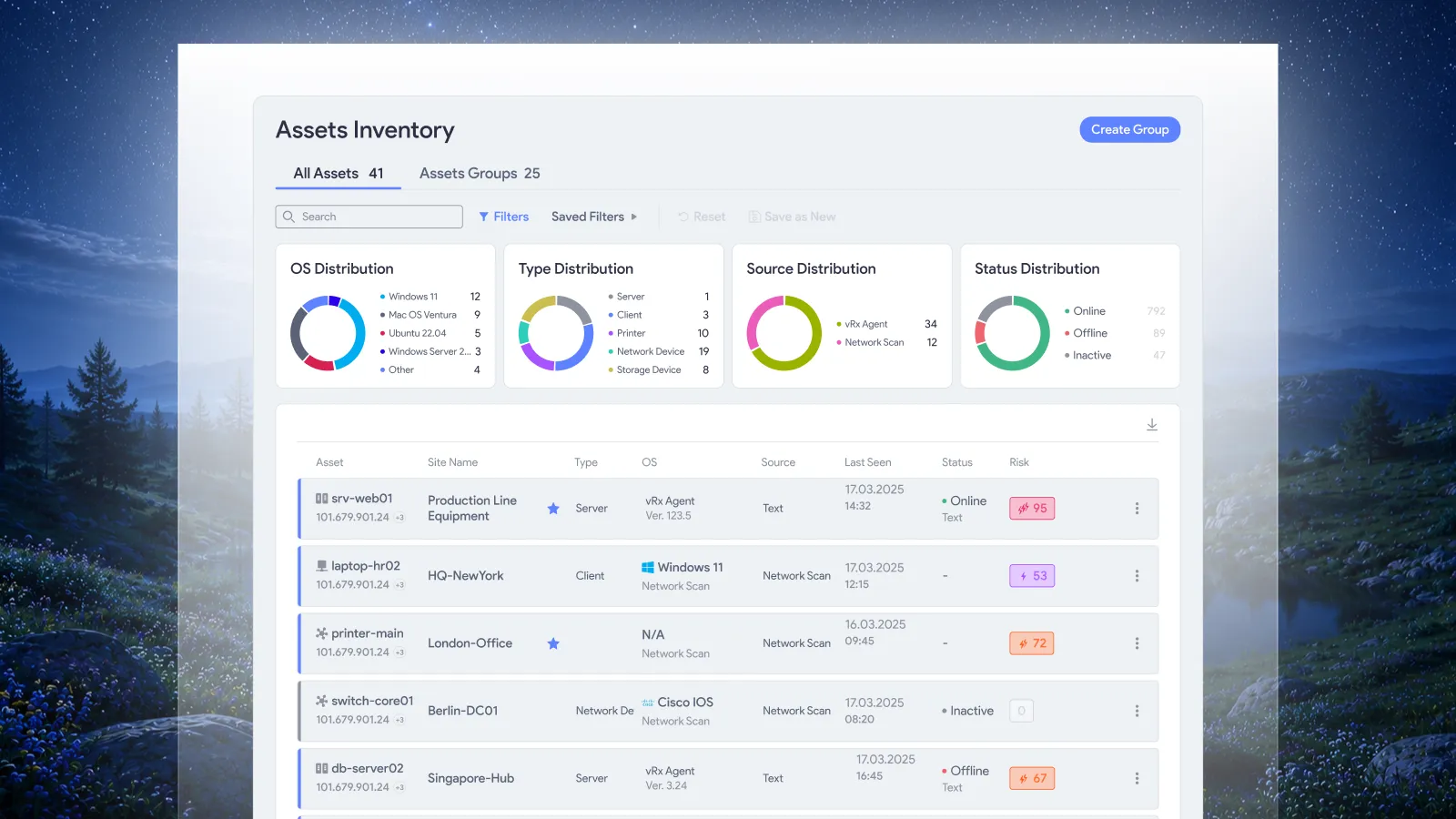
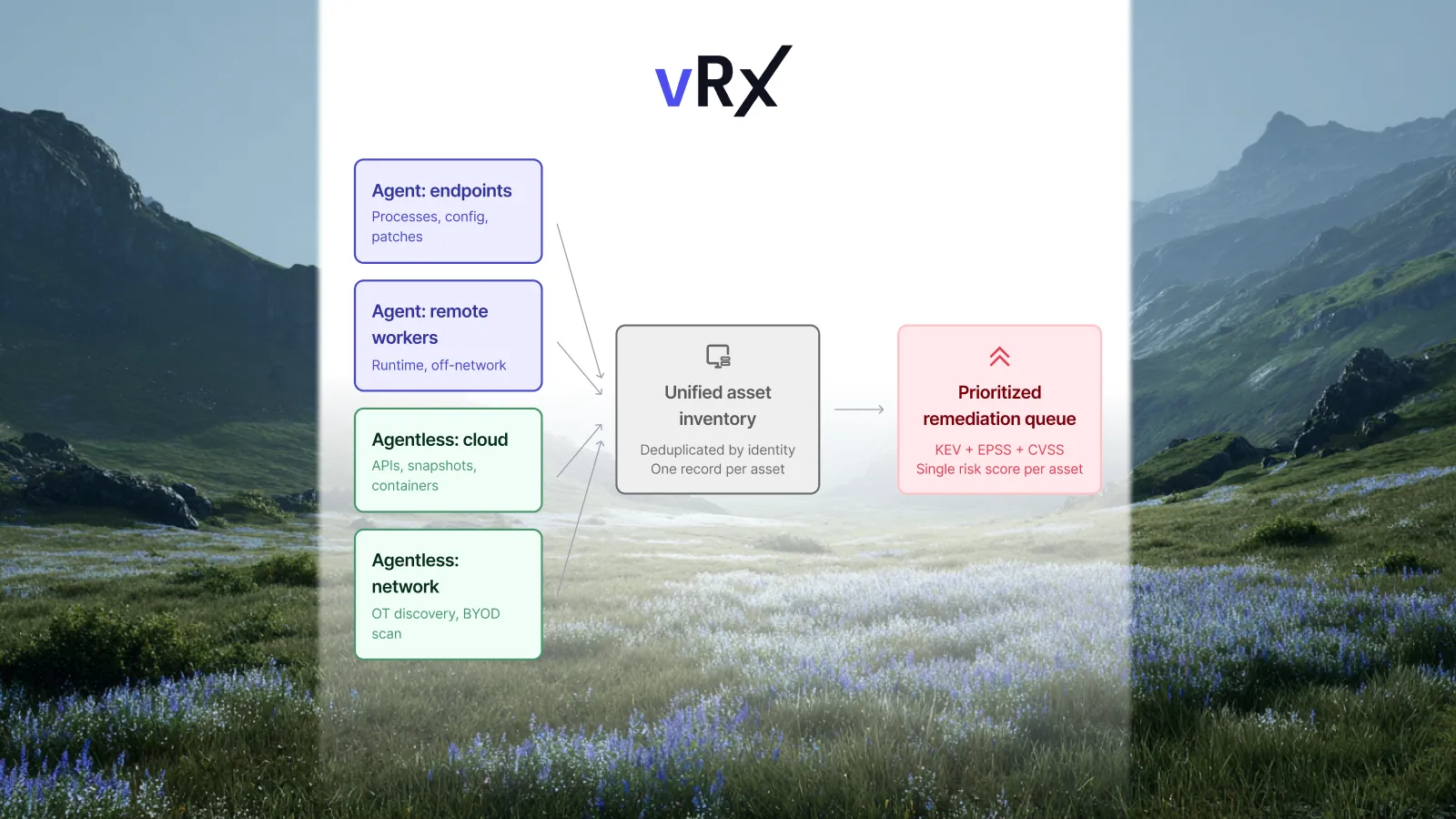
- Continuous asset discovery: A foundational step in preemptive exposure management. Connect agentless or API-driven integrations with NGFWs, IPS, EDR/EPP, CNAPP/CSPM, WAF, and threat intelligence feeds to build a live map of your environment.
- Identify exposures beyond CVEs: Include misconfigurations, shadow IT, excessive privileges, and cloud drift .
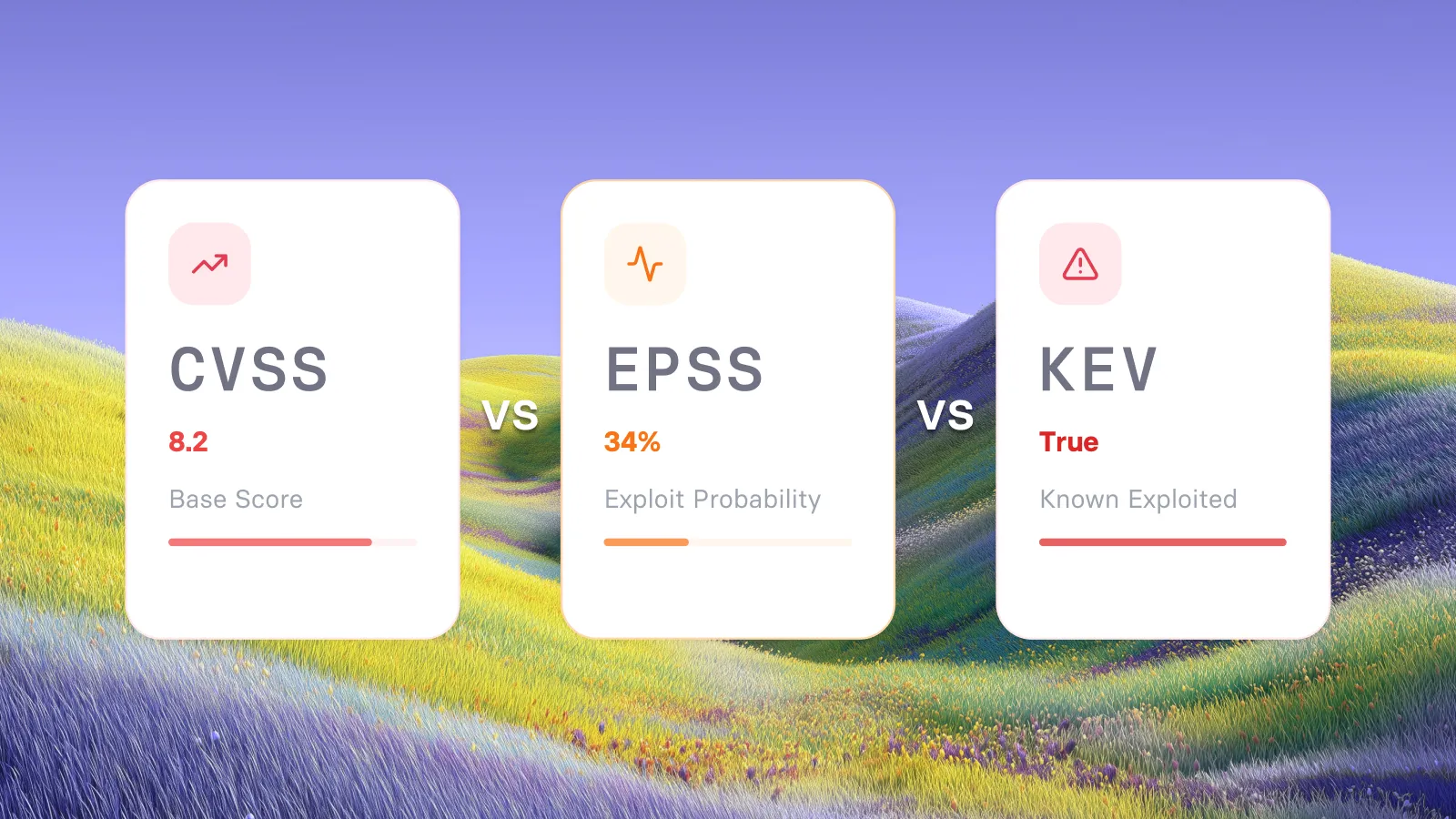
Prioritization: Beyond CVSS
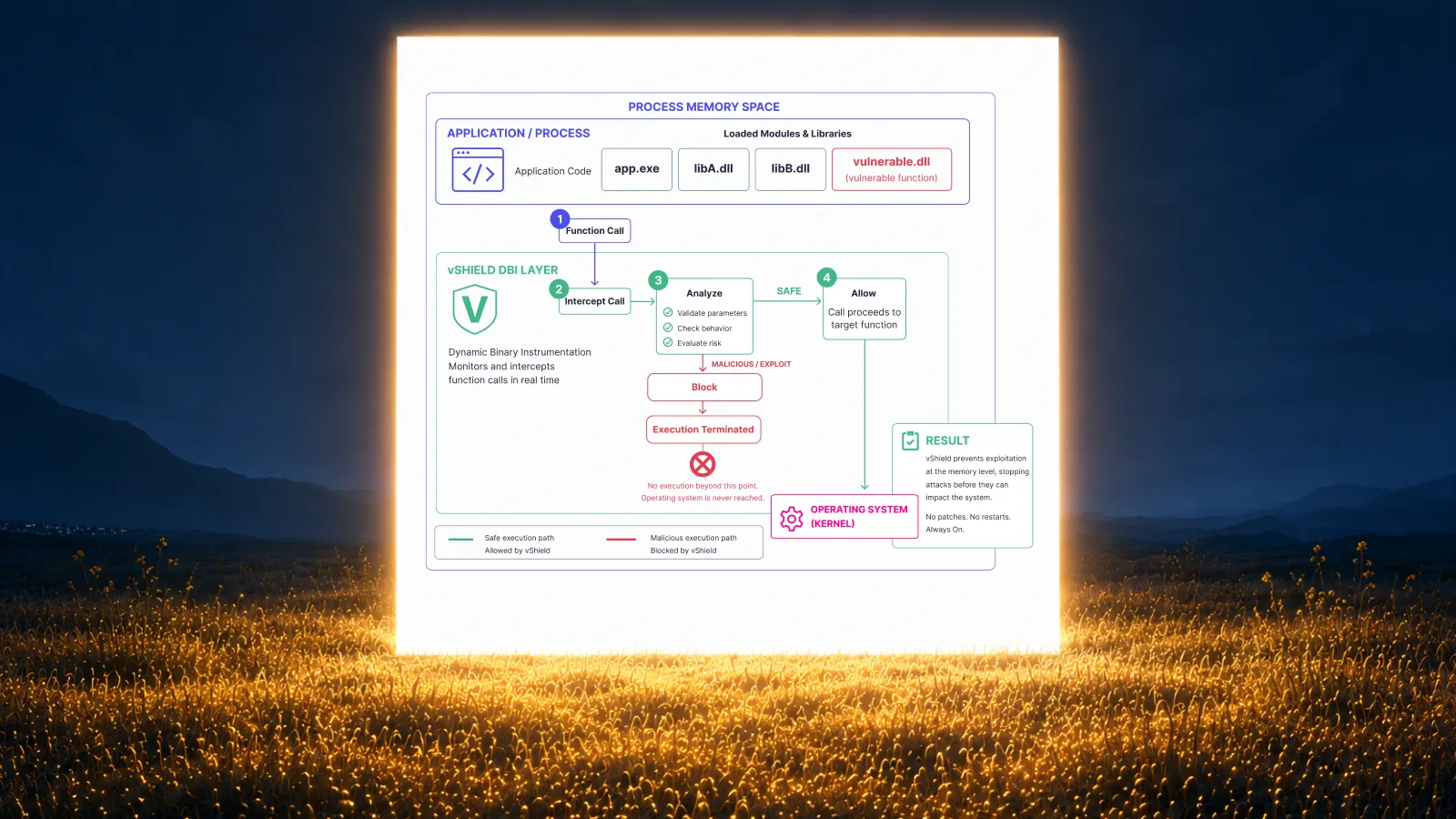
Prioritization is where preemptive exposure strategies shine, by acting before vulnerabilities are exploited, not just after they’re detected.
- Contextual risk validation: Prioritize exposures taking into account:
- Exploitability and real-time threat intelligence
- Asset criticality
- Existing compensating controls (e.g. firewalls, EDR)
- Operational cost and potential disruption
- False positive rates
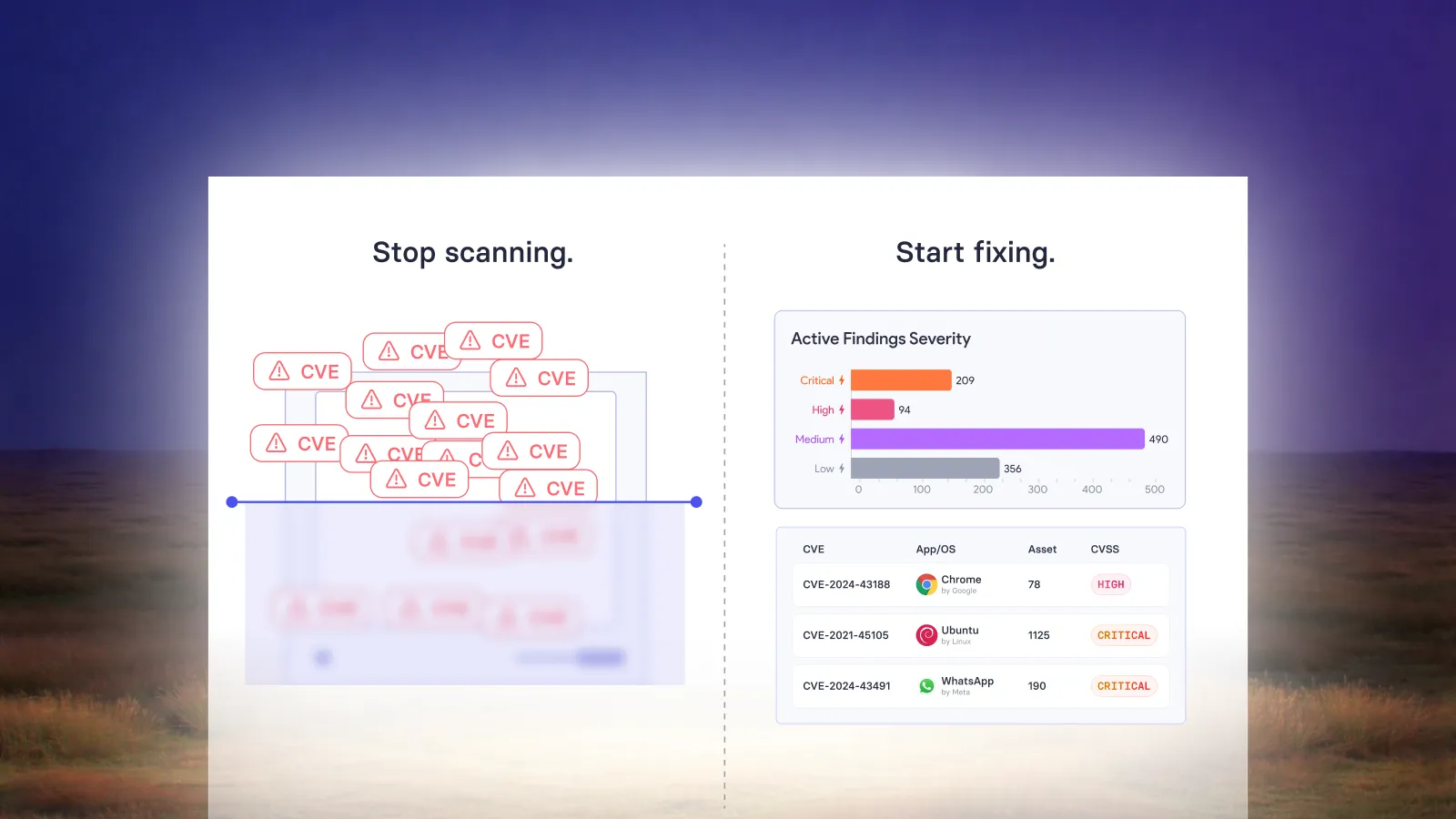
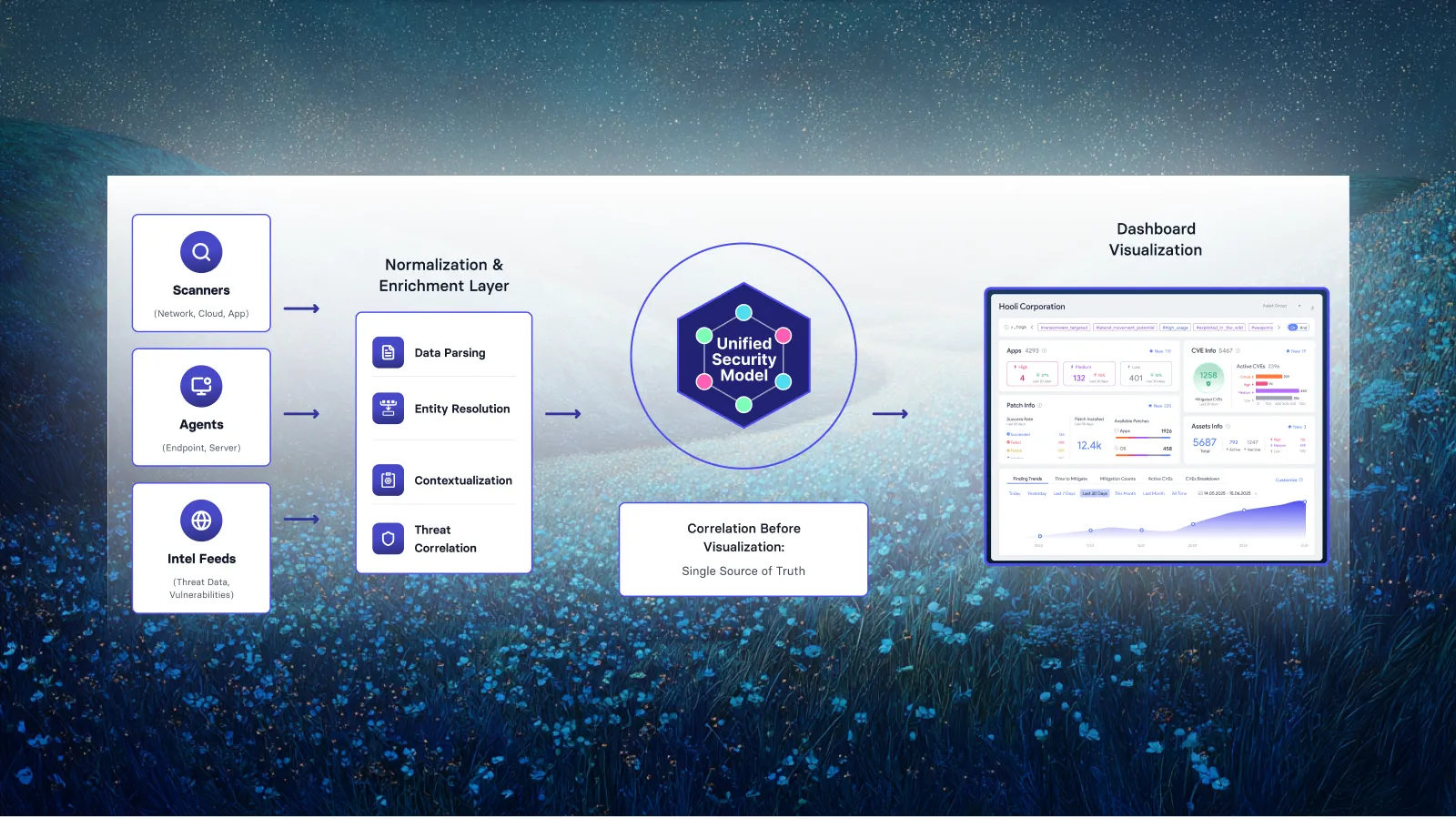
- De-duplication: Merge alerts from multiple tools into unified findings to reduce noise.
Remediation: Fix Issues Without Disruption
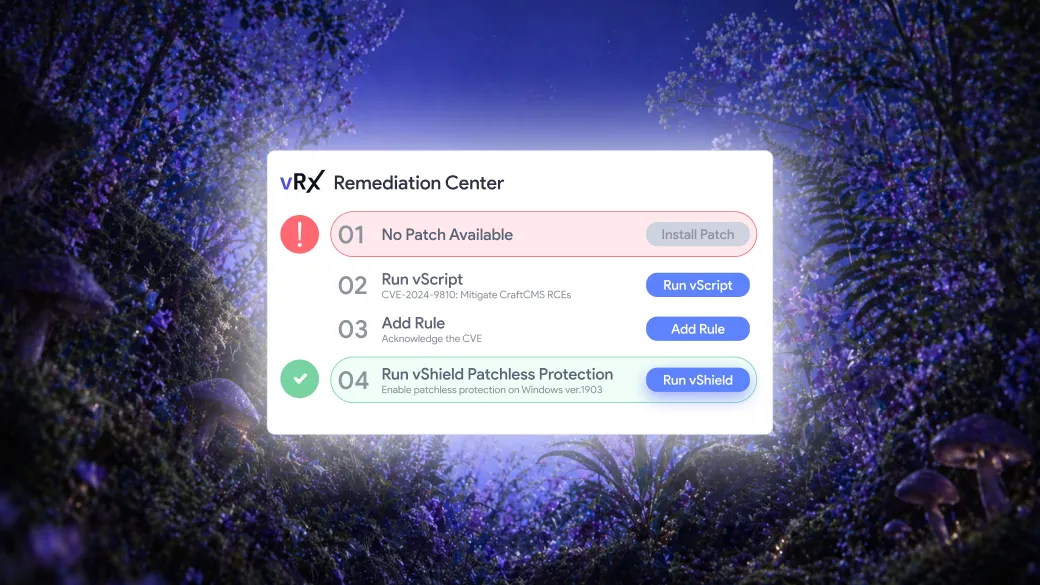
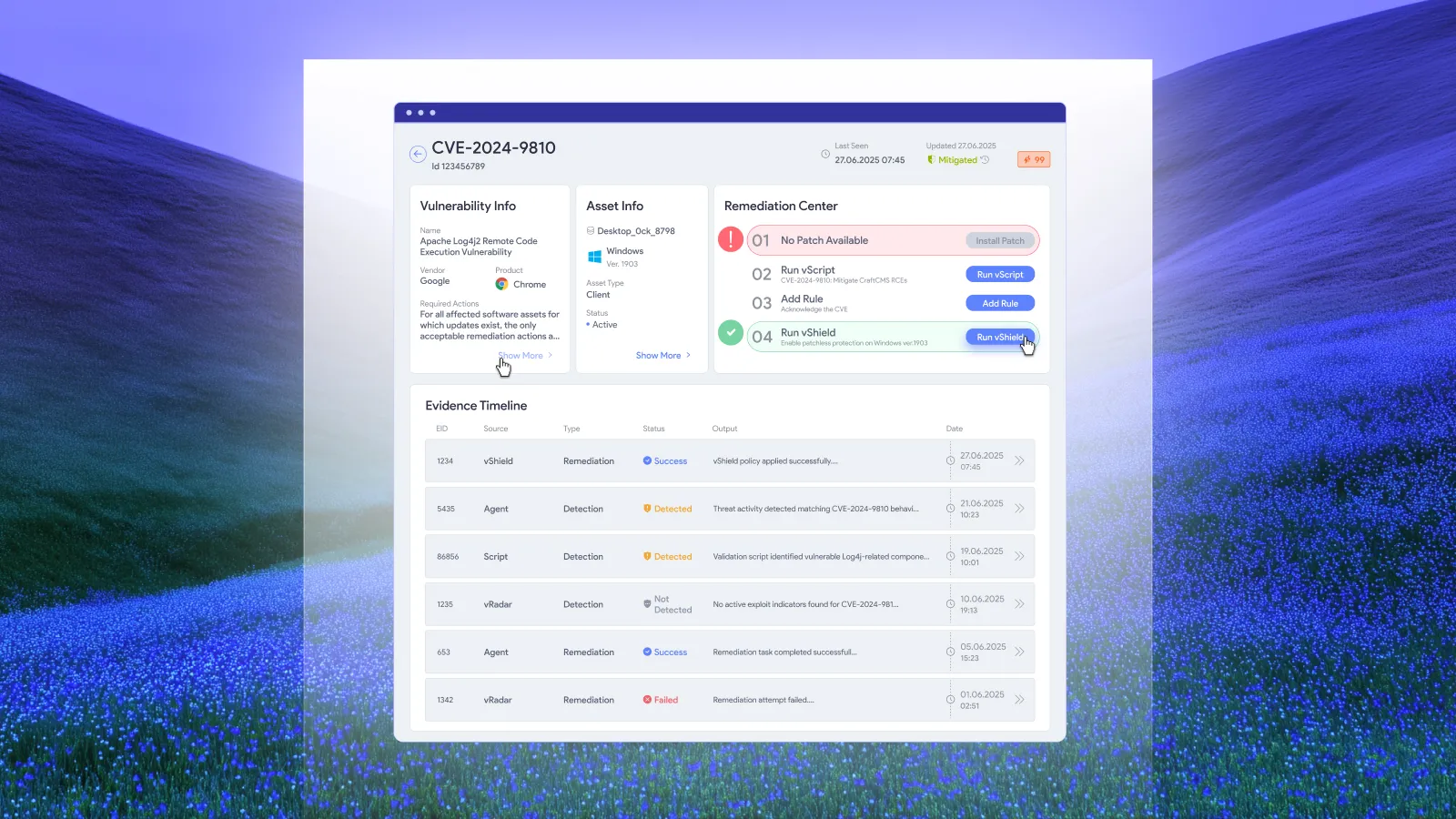
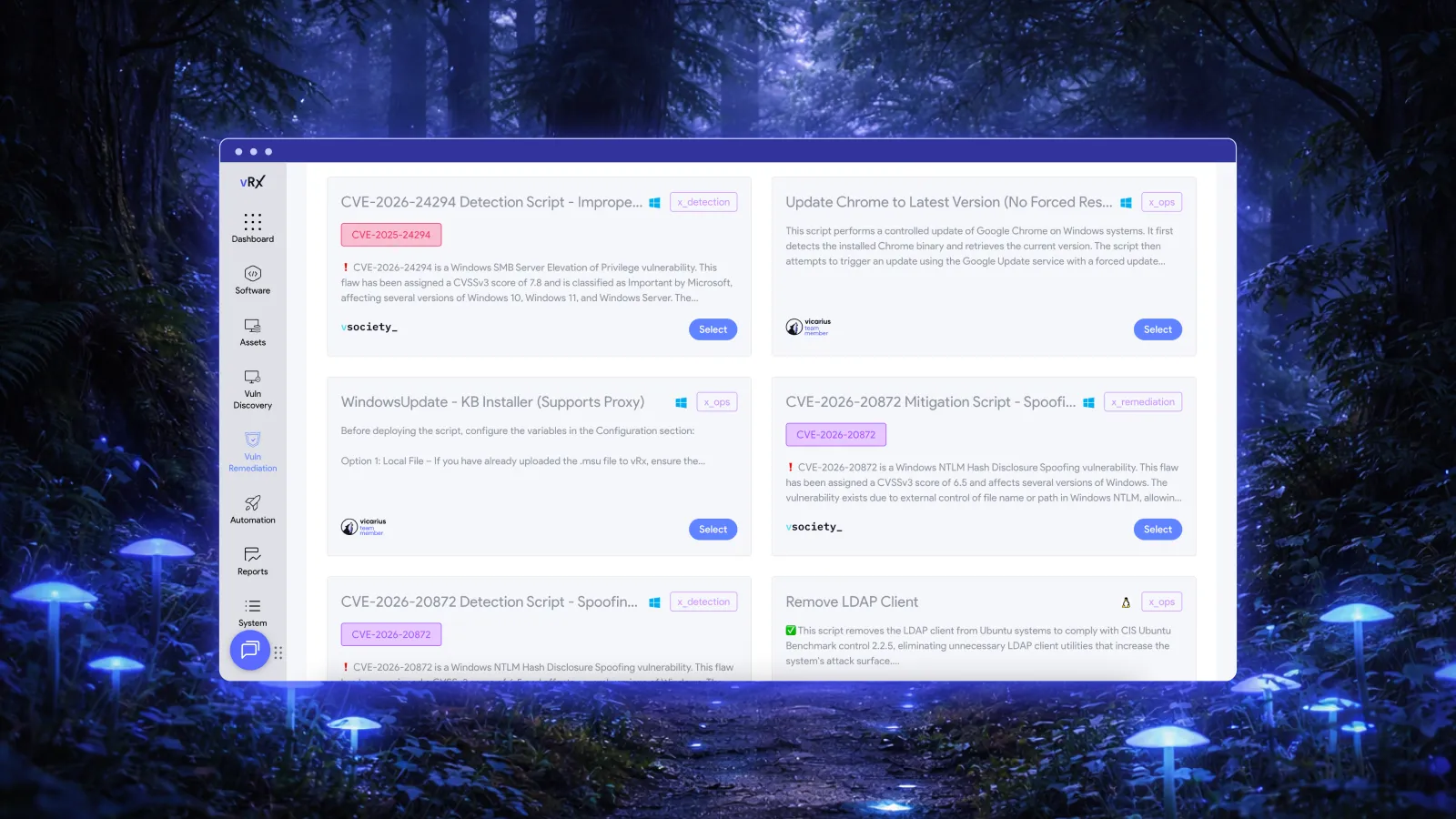
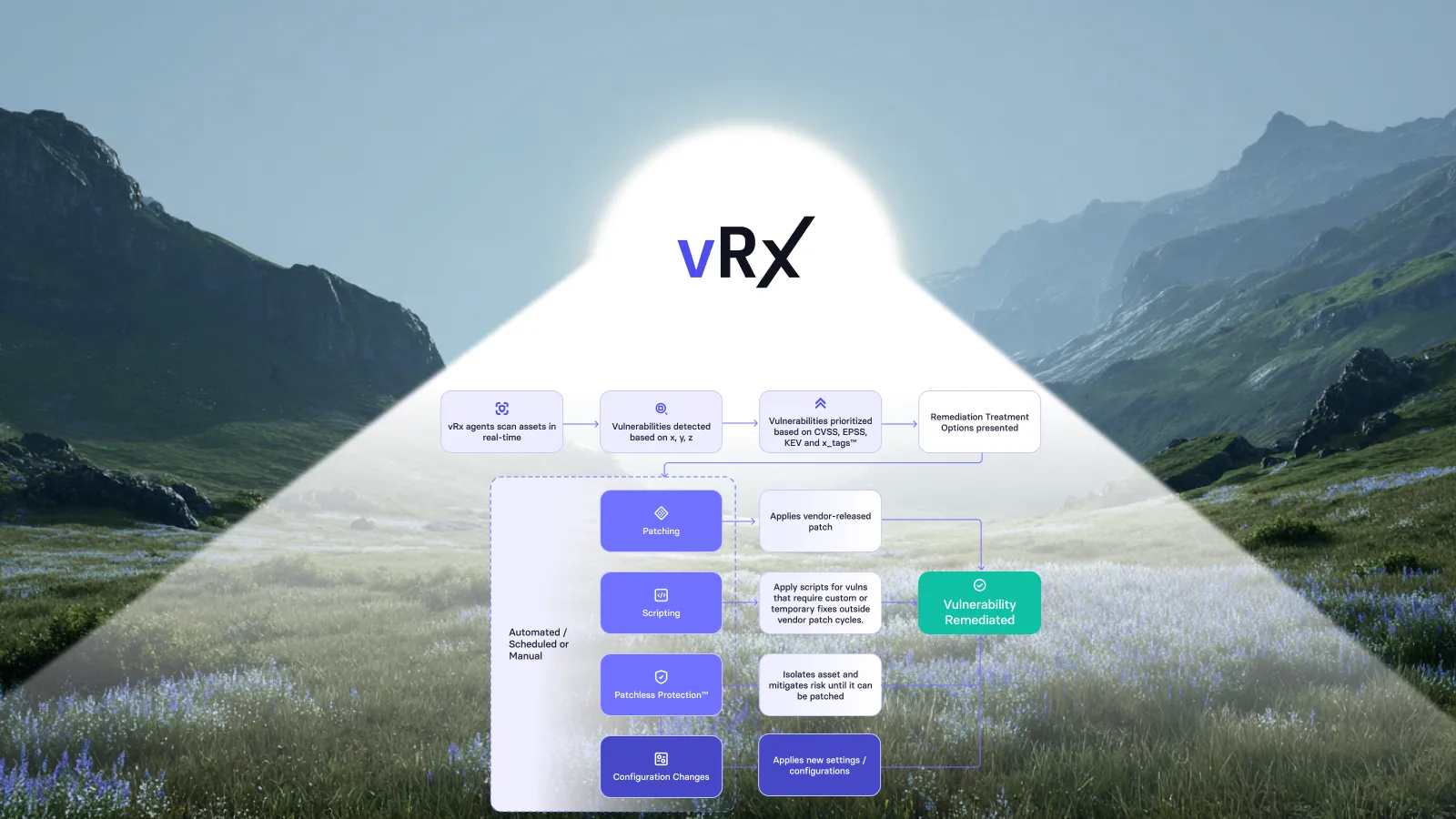
- Automated workflows: Use API-based patching, config-as-code, and SOAR to close gaps at scale.
- ITSM and ticketing integration: Auto-generate tickets, include remediation guidance, loop in approvals, and share updates via Slack/MS Teams ().
- Guardrails: Align remediation within change windows and allow for rollback to avoid unplanned downtime.
Validation: Ensure Effectiveness
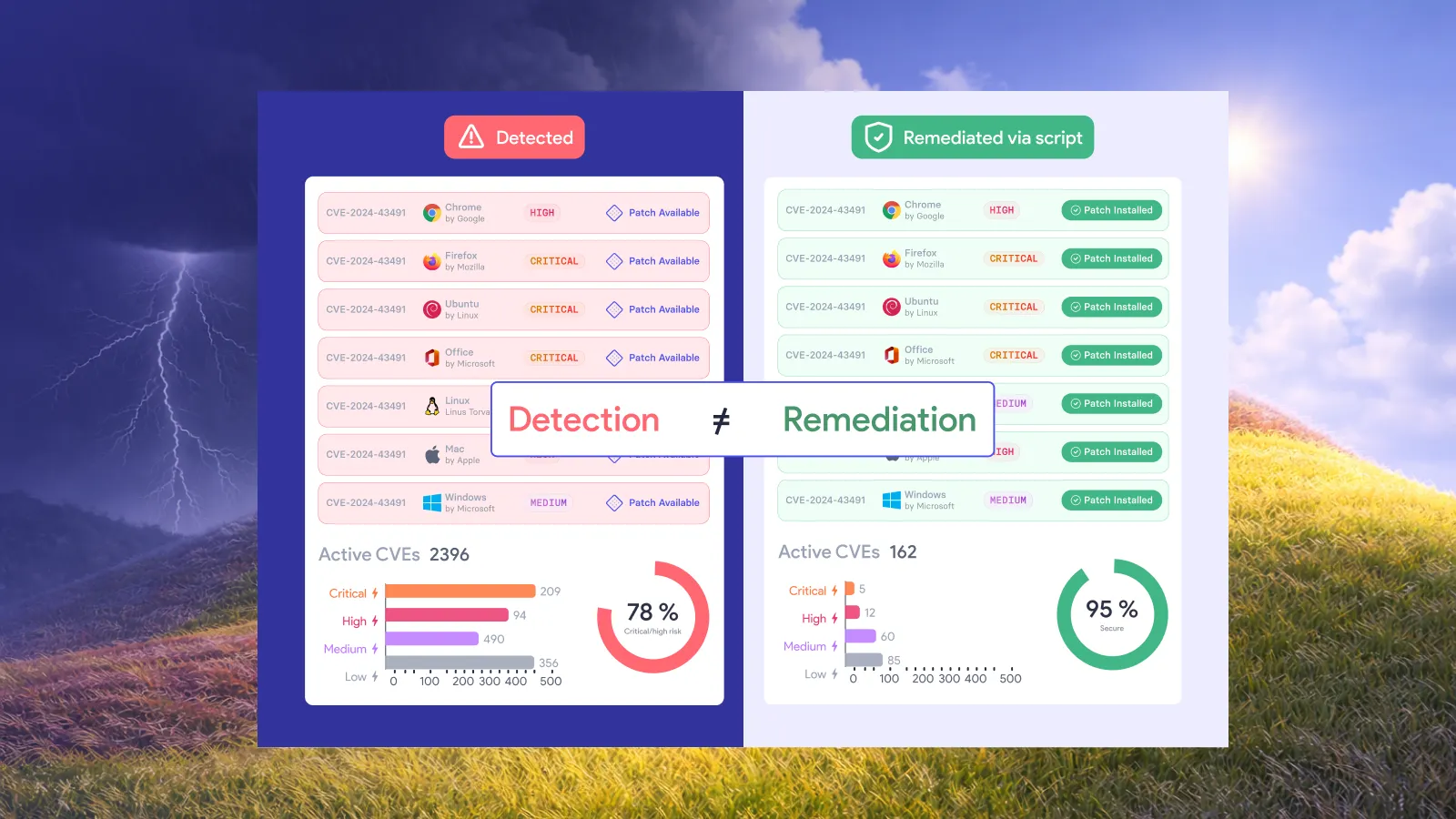
- Post-remediation confirmation: Re-scan or re-check configurations to confirm exposures are addressed.
- False positive suppression: Detect and remove non-actionable alerts, ensuring high-fidelity findings remain.
- Monitor for unintended effects: After applying changes, confirm that critical services still function properly to ensure your preemptive exposure strategy doesn’t disrupt operations.
Continuous Monitoring: Sustain Gains
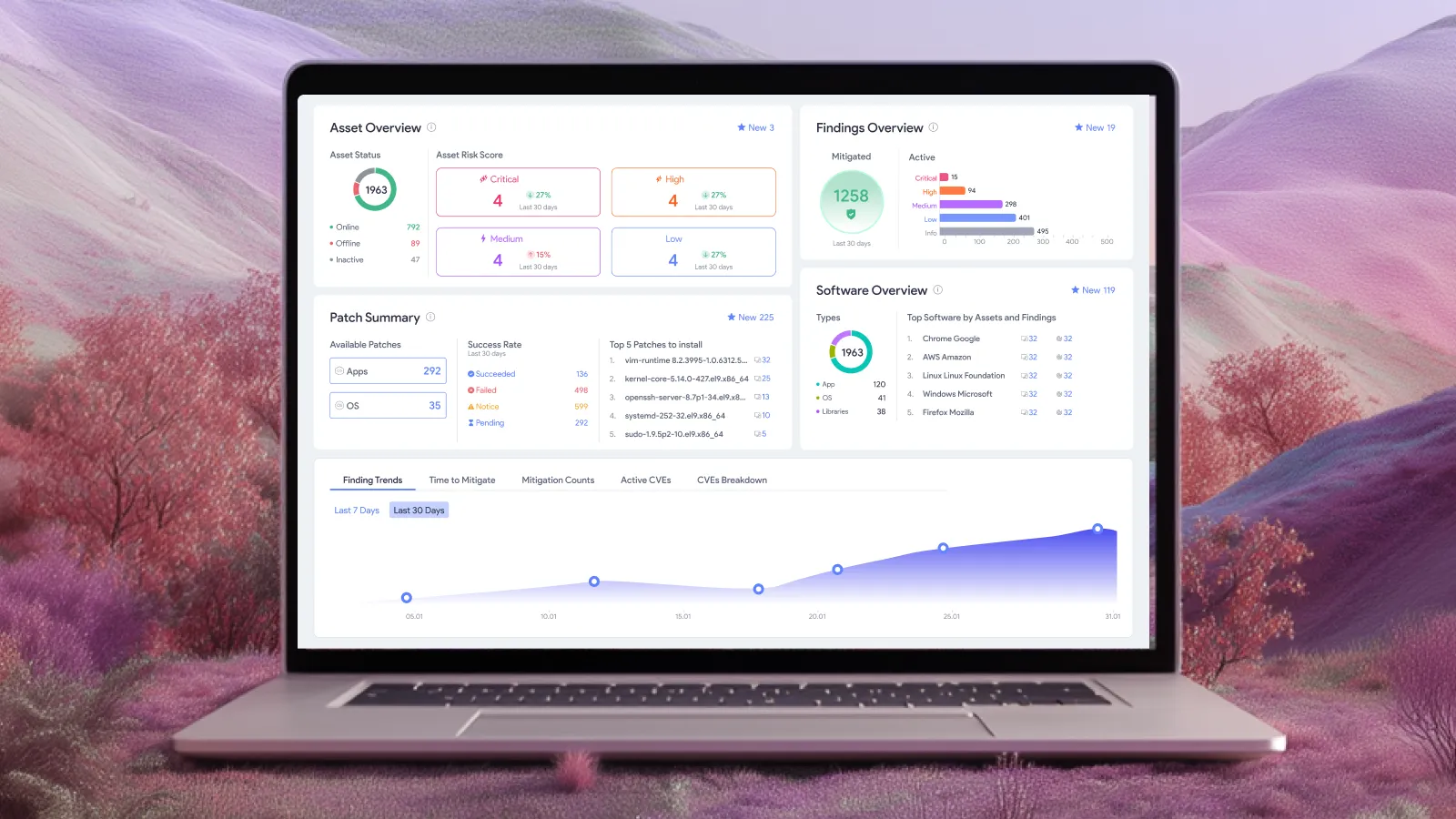
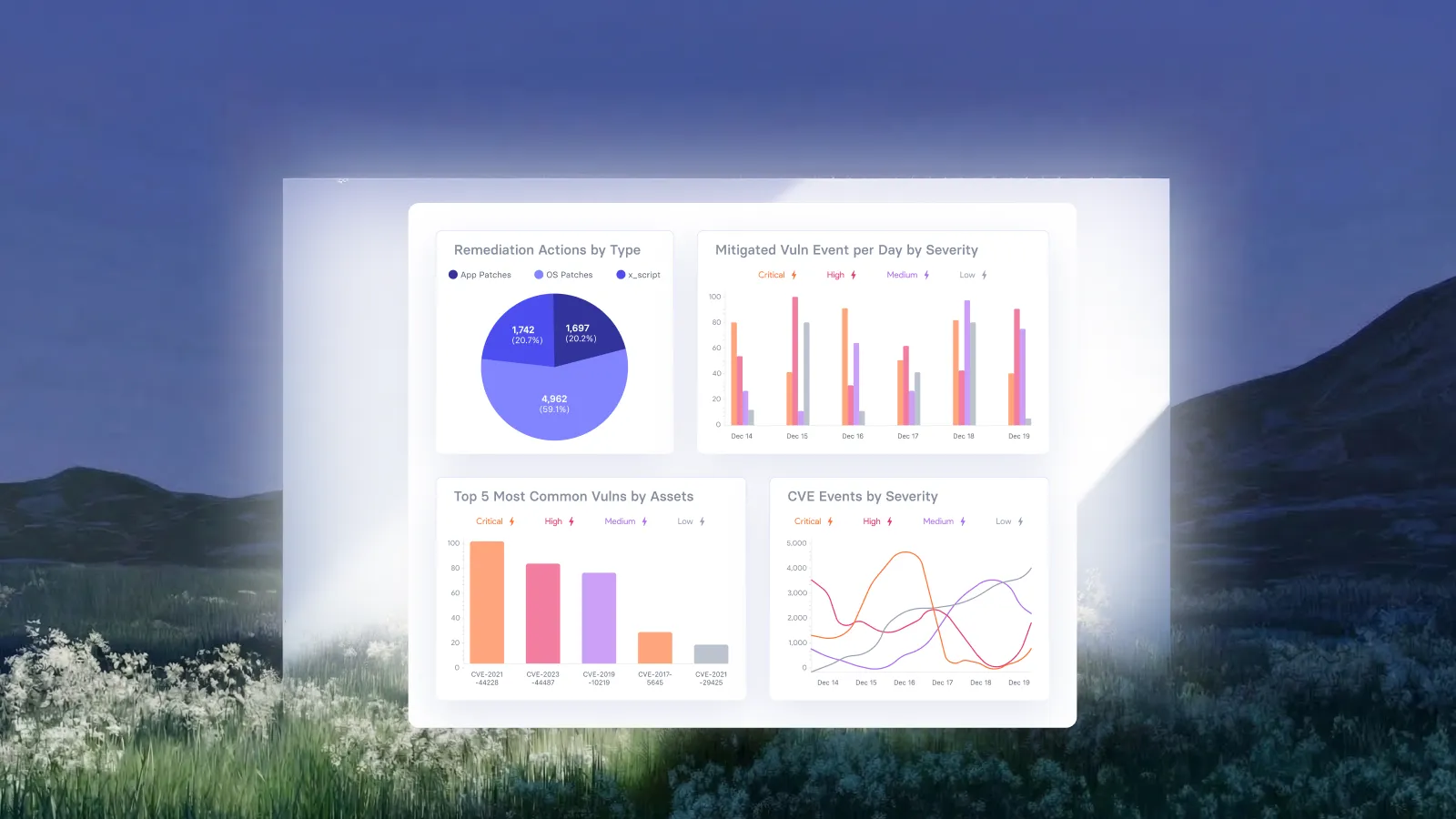
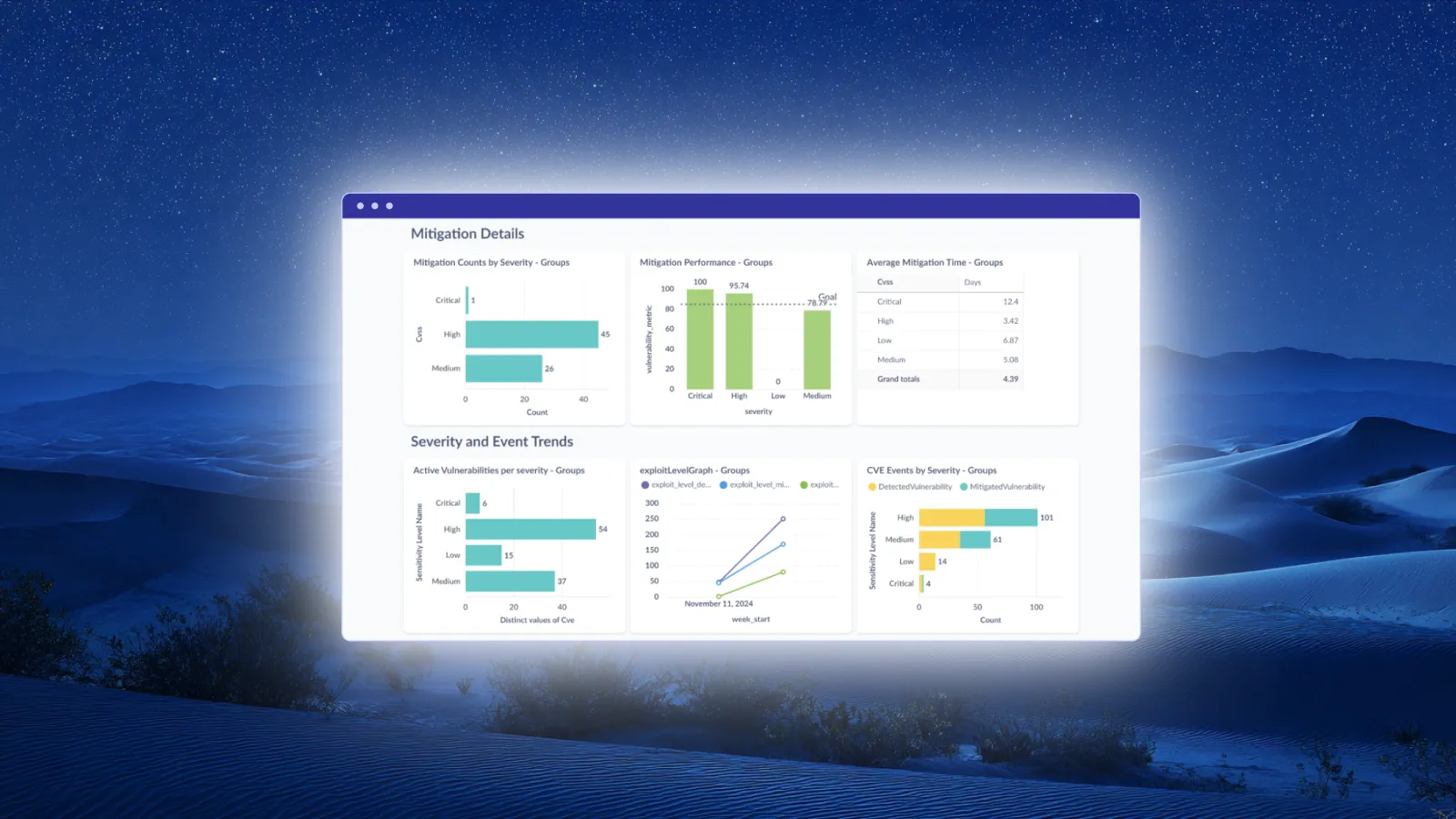
- Real-time exposure mapping: Aggregate logs and telemetry from all environments into unified dashboards.
- Reputation scoring & threat filtering: Use real-time threat feeds and reputation services to assess IP risk .
- Blocked vs. breached: Distinguish between prevented vs. successful threats to maintain operational confidence.
Lifecycle Integration & Play Cycle
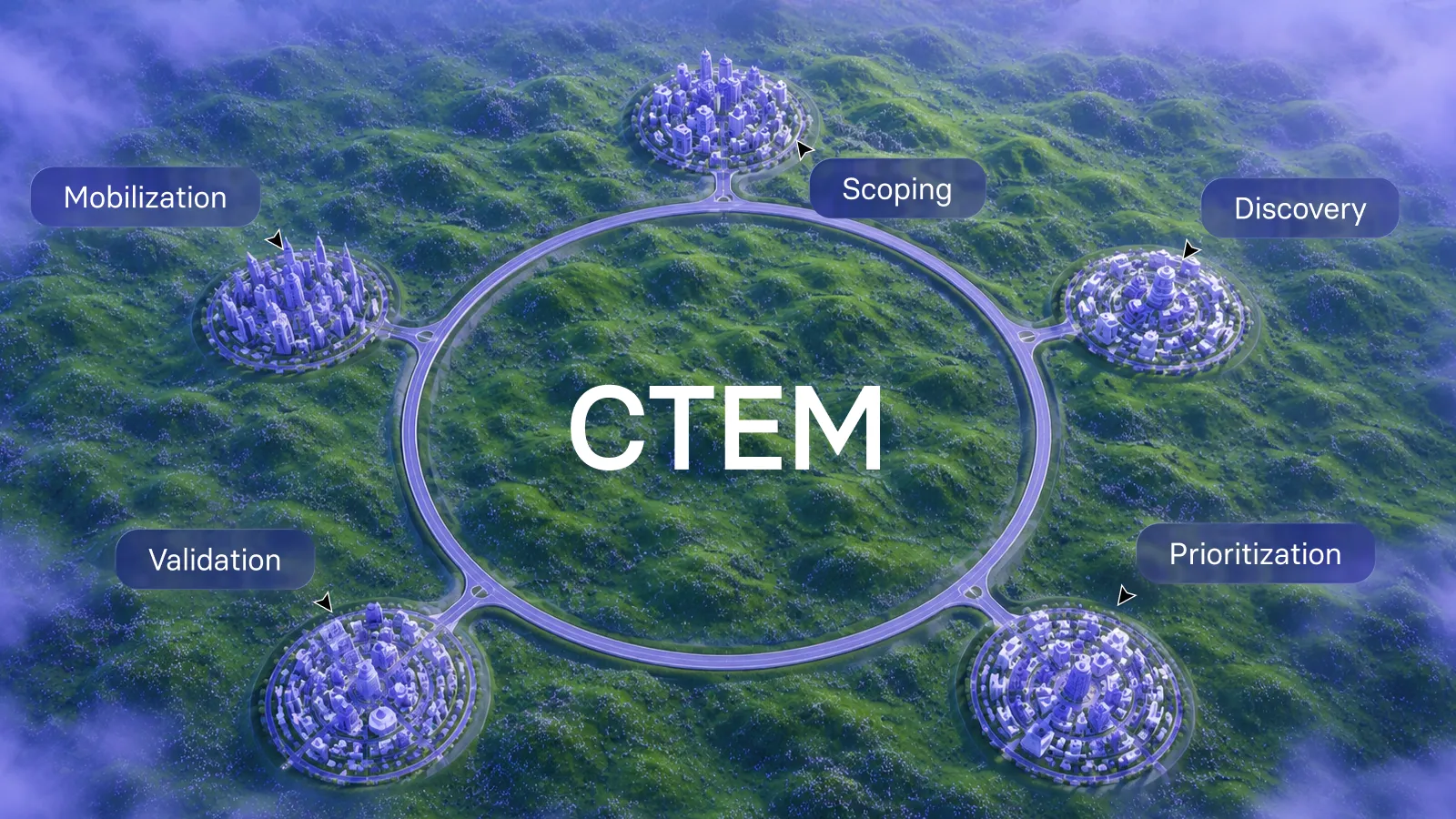
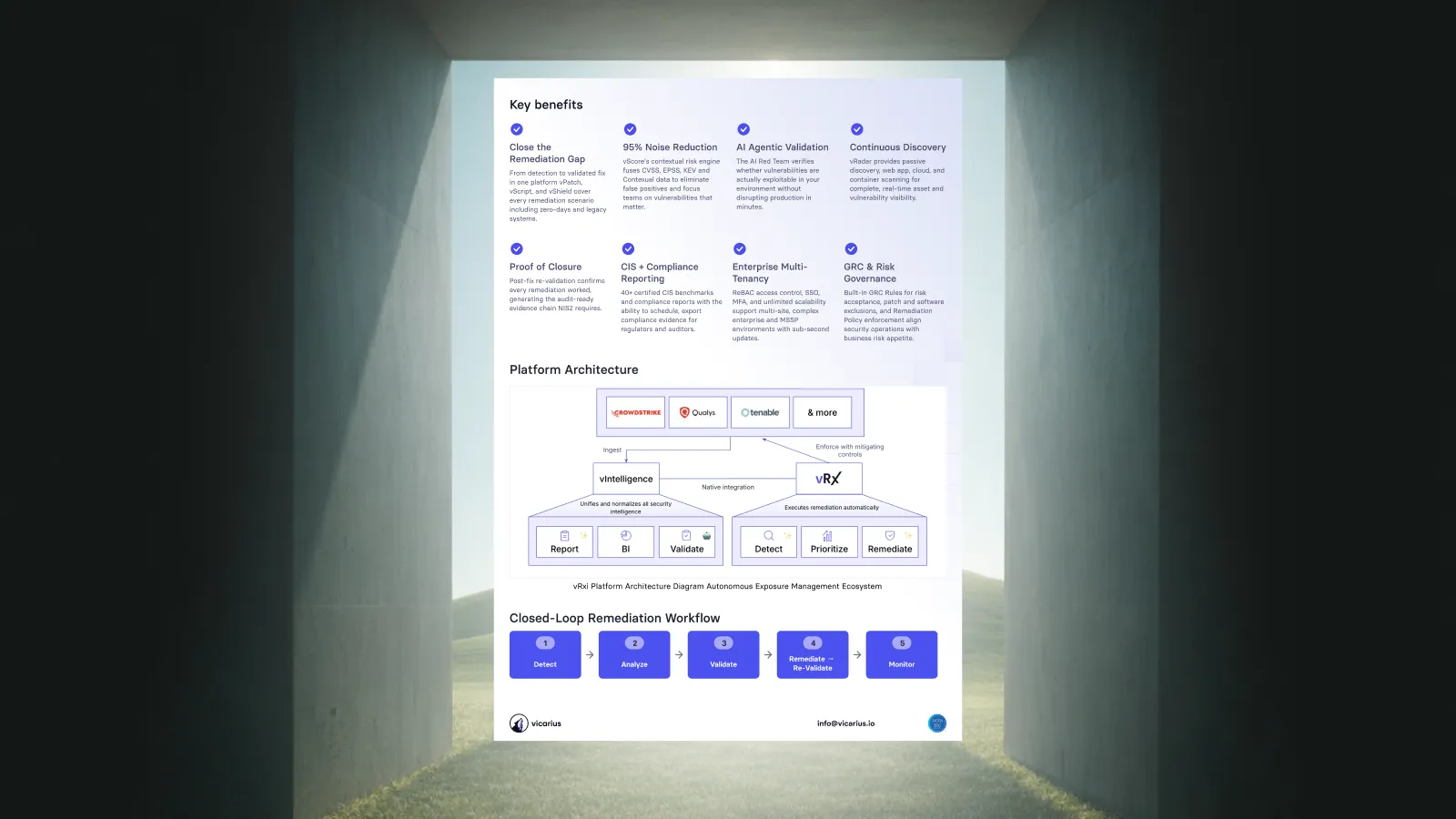
- Iterate continuously: Follow a loop Assessment → Prioritization → Remediation → Validation → Monitoring.
Tools & Integrations
- Attack Surface Management (ASM) / CNAPP / CSPM: for discovery
- Threat-intel feeds: for contextualization
- SOAR, ITSM, ticketing, chat tools: to mobilize remediation
- EDR, NGFW, SIEM, CMDB: to support coverage and control validation
KPIs to Track
- Mean Time to Remediate (MTTR) for critical exposures
- % of exposures closed by automation (>60% goal)
- False positive rate (<2%)
- Time to detect and validate exposures
Best Practices & Industry Insight
- Programmatic governance: Security, IT, and business teams should shape scope, workflows, and success metrics .
- Automation as the backbone: The faster you automate, the less time adversaries have to capitalize. Preemptive exposure strategies thrive on automation to shrink attack windows.
- Stretch forward: Bring in AI/ML capabilities, exploitation simulations, and intelligent remediation for truly proactive posture.
Successful preemptive exposure management isn’t reactive; it's continuous, contextual, and action-driven. By embedding this lifecycle and iterating on results, organizations move from vulnerability reporting to proactive defense, measurably improving resilience over time.






























.webp)























%20Signals%20a%20New%20Era%20of%20Supply%20Chain%20Risk.webp)









.webp)