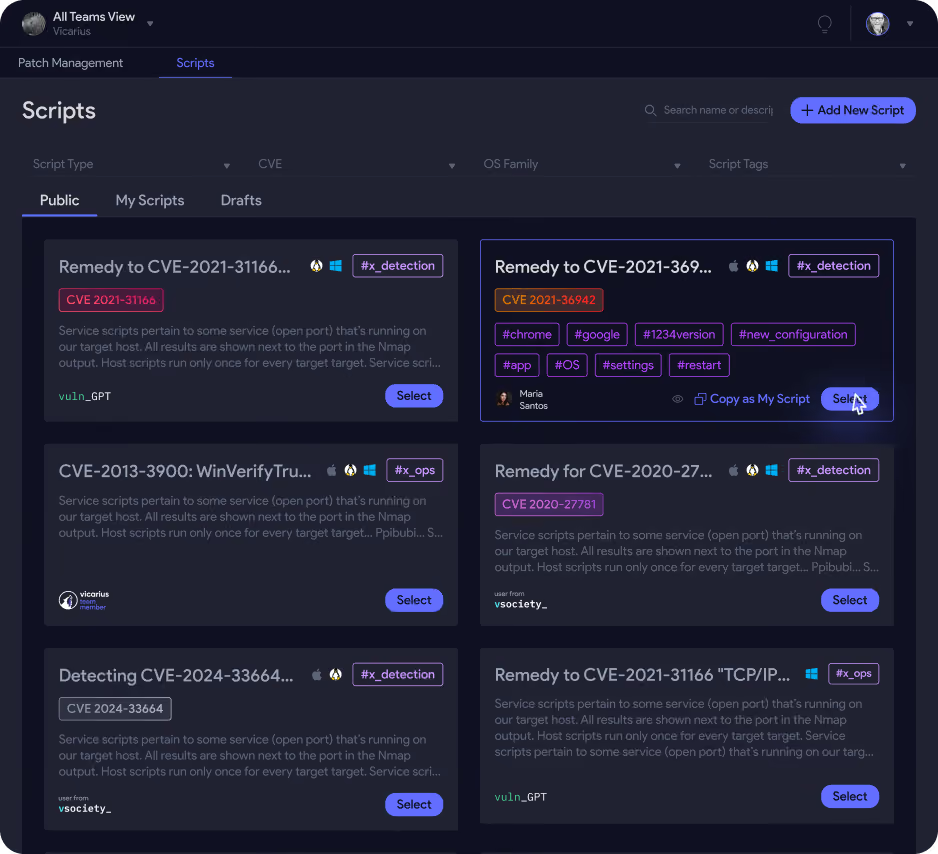
vShield - Patchless Protection
vShield Patchless Protection blocks exploit paths at the memory level without touching the application or requiring a reboot. Your team stops waiting for a patch to close exposure. Protection begins the moment vScore confirms the risk.

new vulnerabilities per day
reduction in manual patching
from months to hours








































































.png)

















Stop waiting for a patch
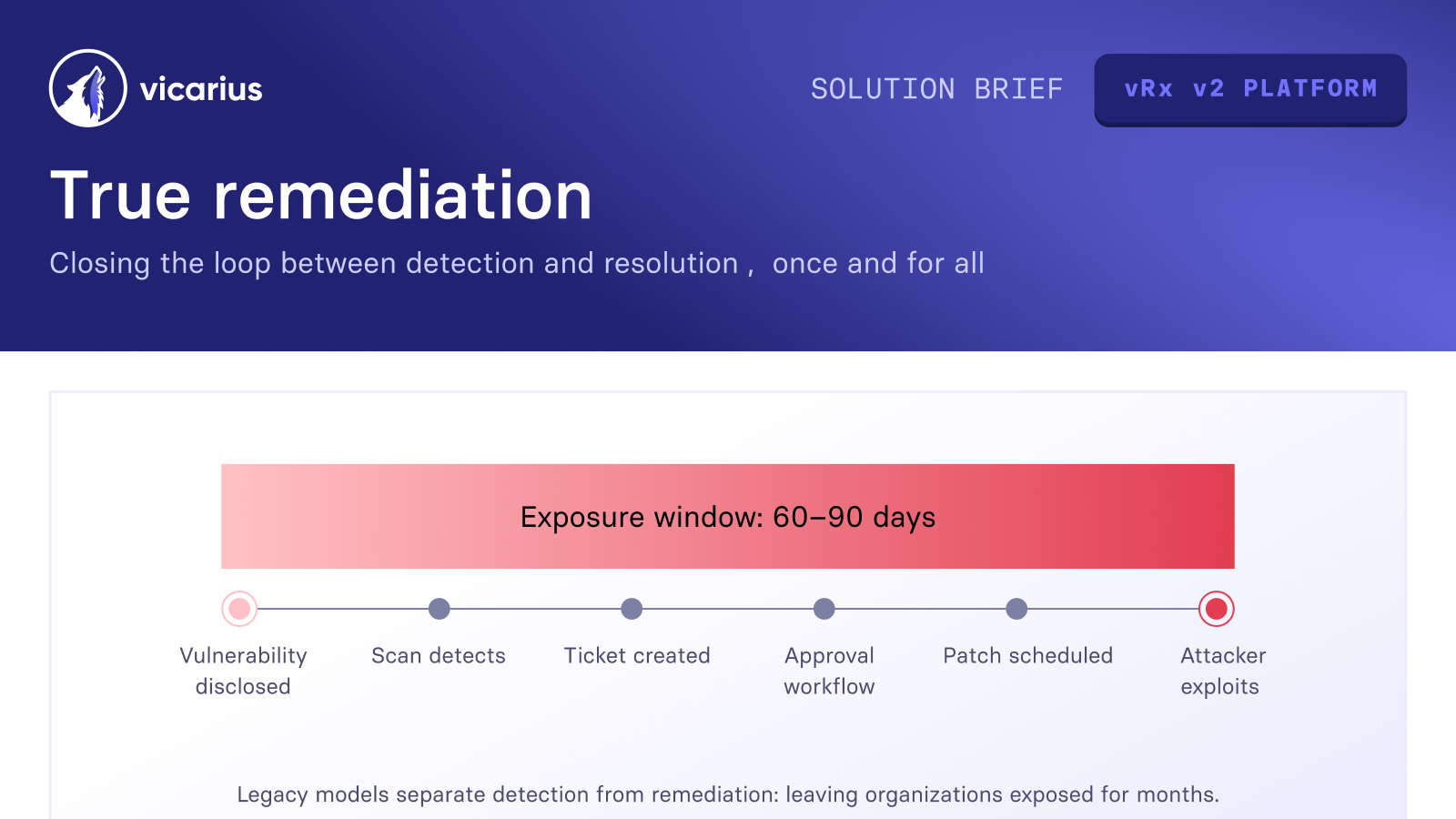
A patch cycle takes days. A zero-day can strike in hours. vShield closes the gap, blocking exploit paths at the memory level the moment vScore confirms the risk, with no reboot and no disruption.


Protected before patches

No reboot required

EOL apps, still covered

No app disruption

Audit ready anyway

Attacks stop cold


Built to protect without a patch
vShield operates at the memory level, wrapping vulnerable applications to block exploit paths without requiring a patch, a reboot, or any application modification. It deploys alongside your existing patch cycle and covers every gap between disclosure and remediation.
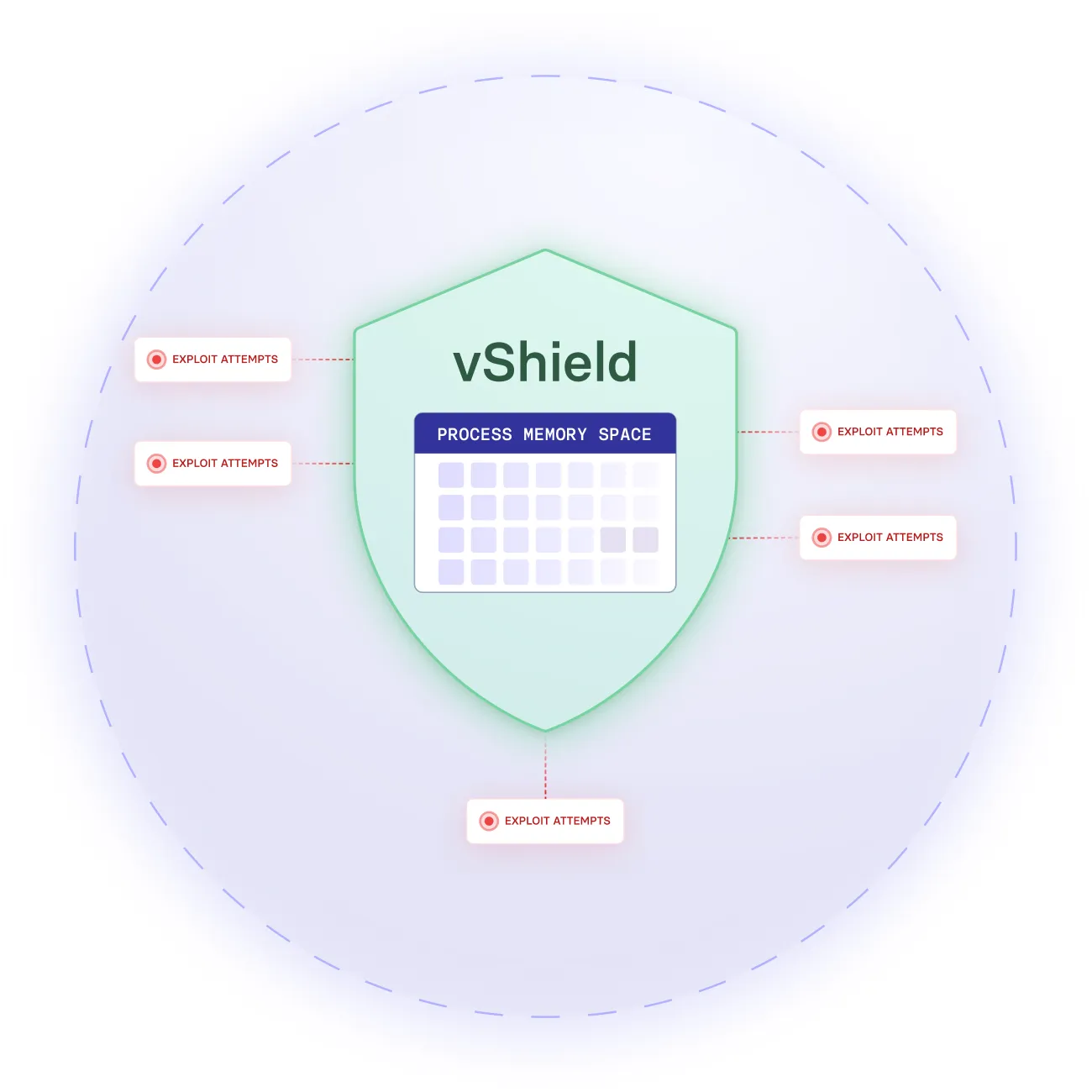
vShield wraps the vulnerable application's memory space, isolating the exploitable code from the operating environment without modifying the application.
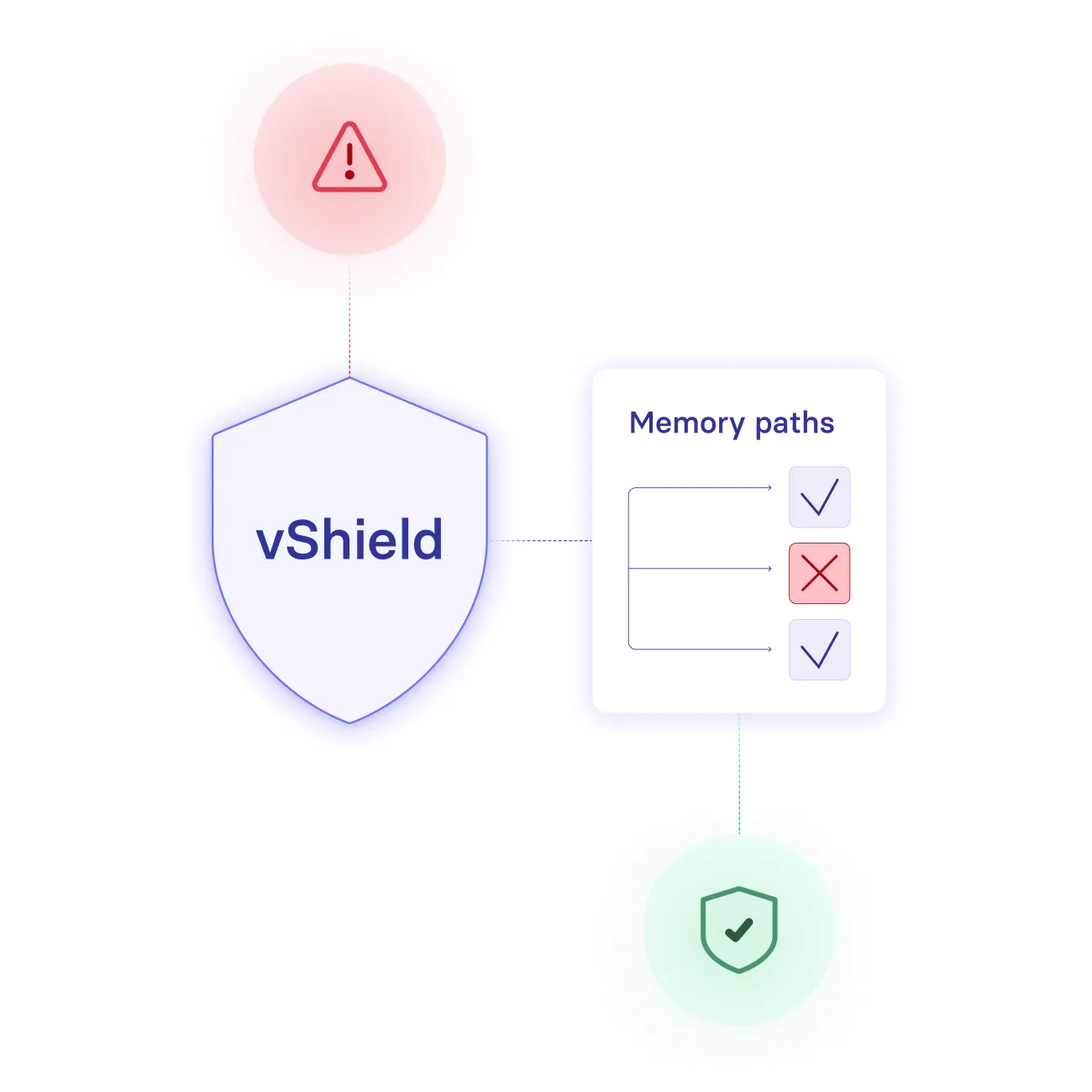
vShield identifies and closes the specific memory and executable paths each CVE uses, rather than blocking broad system behaviors.
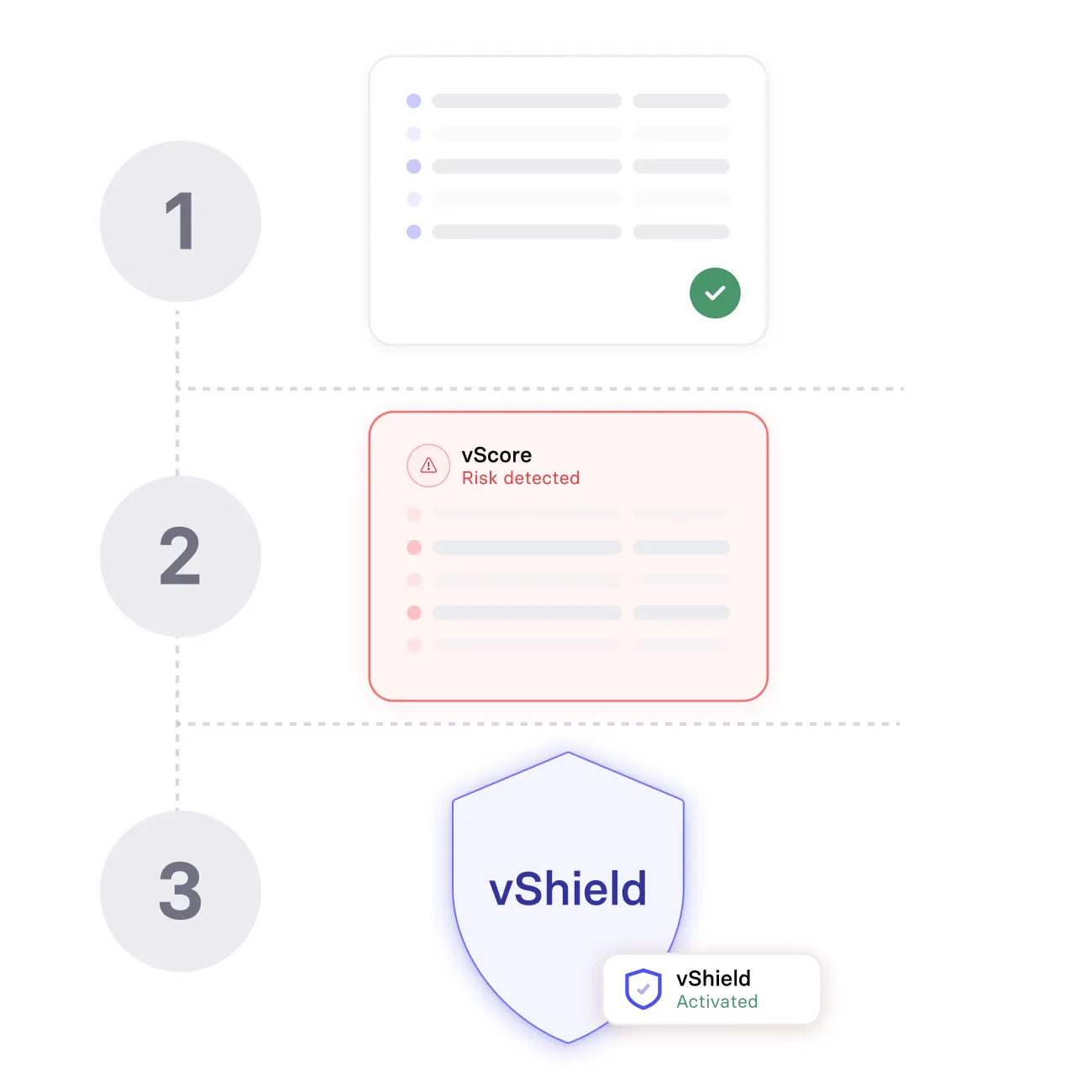
vShield activates on an asset the moment vScore confirms a vulnerability, with no manual intervention required from your team.
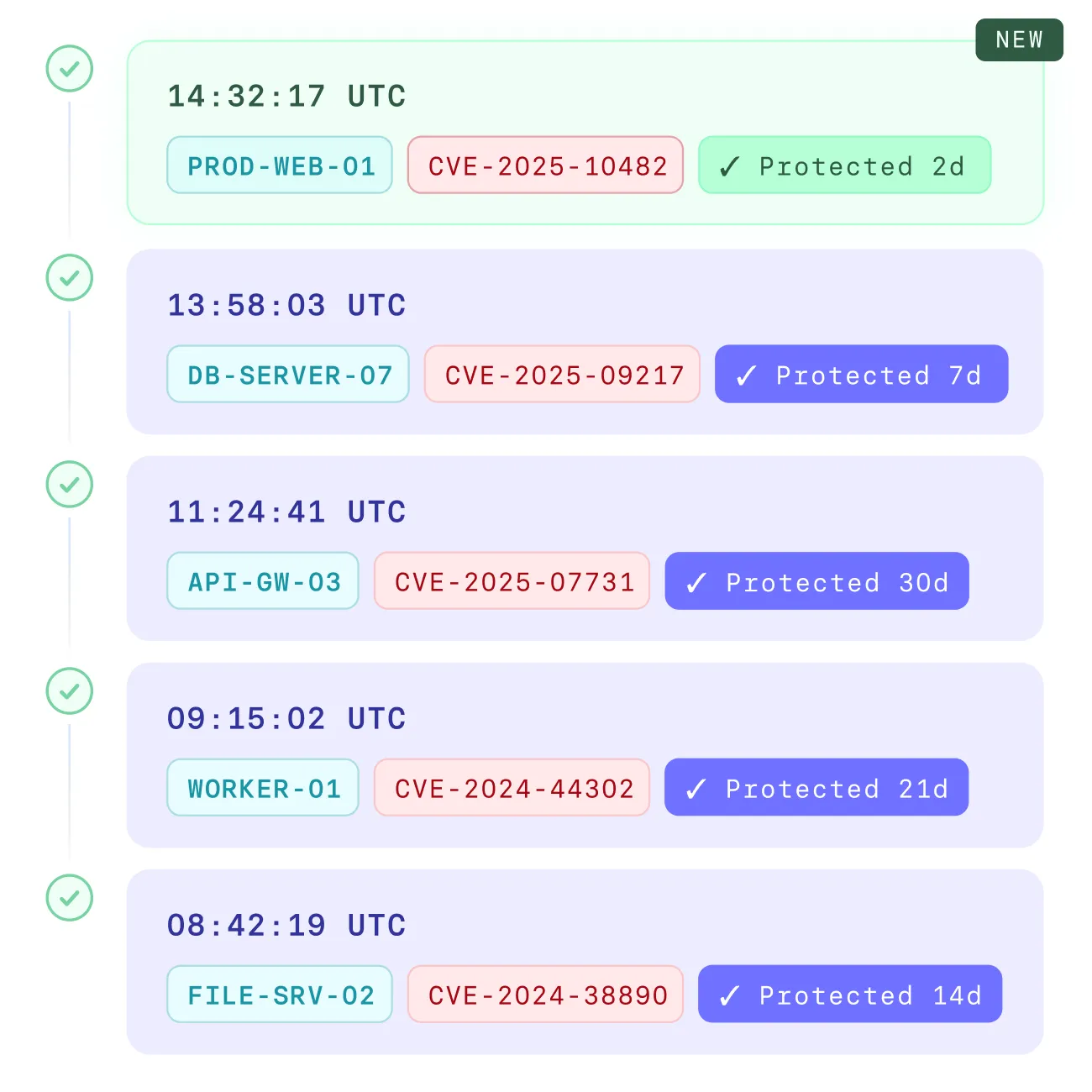
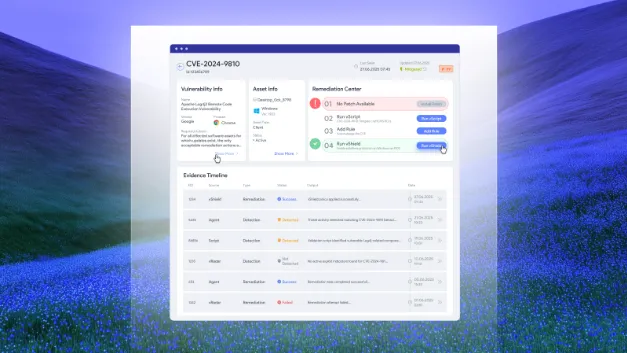
Every vShield activation generates a timestamped mitigation record: which vulnerability, which asset, and how long protection was active.
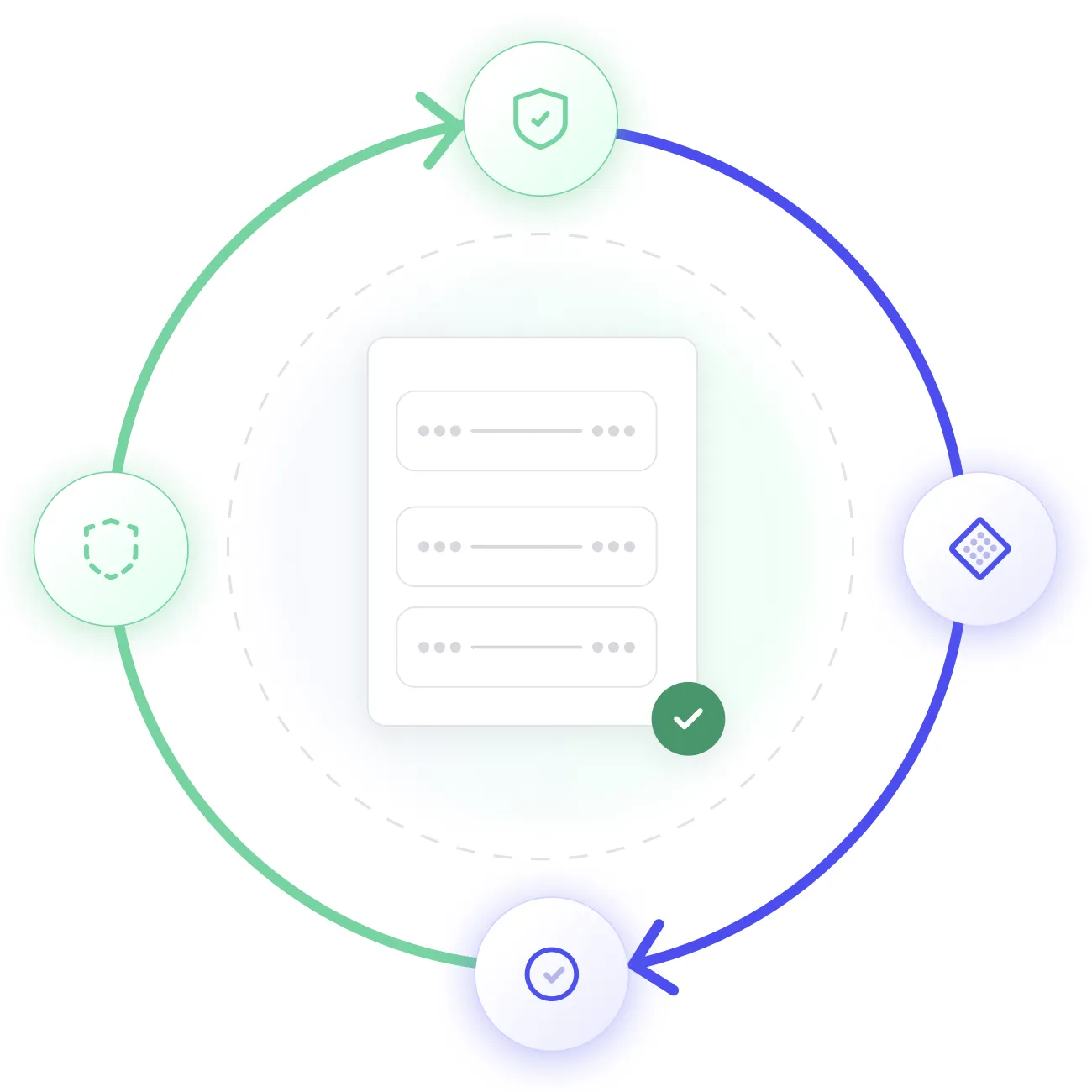
Once vRx applies and validates a patch, vShield steps aside, transitioning the asset from patchless mitigation to permanent remediation.
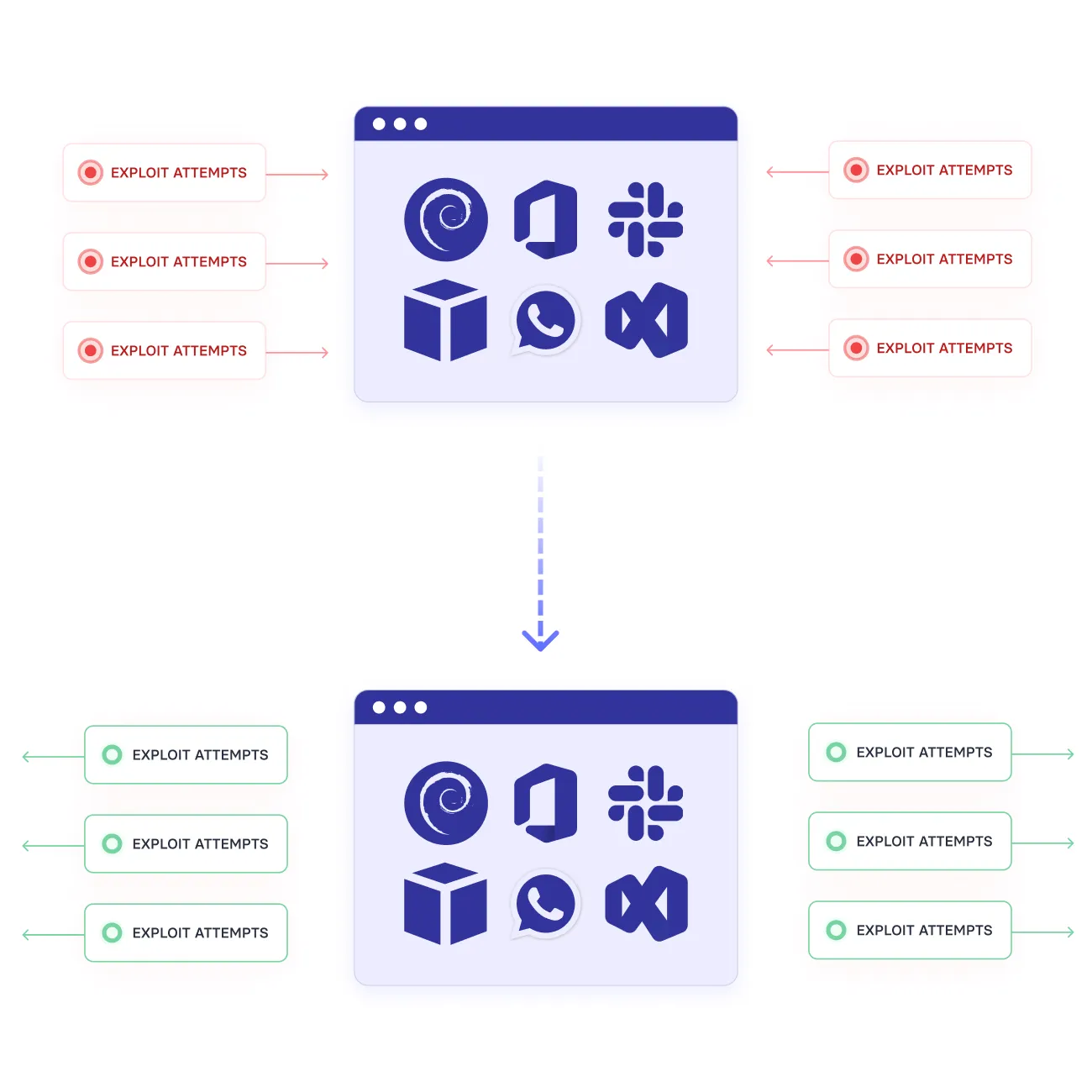
vShield – Patchless Protection leaves the application binary and configuration untouched. Protection wraps the runtime without altering how the application behaves or performs.















What Our Customers Say About Us
See why enterprises trust our approach to AppSec to secure their business-critical applications
From urgency to strategy


60% faster remediation, many hours saved

Patchless Protection is an incredible technology!

Third-party software patching is the most valuable feature.

Complete Vulnerability Remediation Platform


My favorite feature is Patchless Protection


Great patching capabilities, helpful dashboard, and excellent support

Merge Security & IT to Remediate Threats


Single source of truth, capable of handling any application in our fleet
EL AL secures global Patch Compliance


Everything you need to know
What is vShield Patchless Protection and how does it work?
vShield Patchless Protection is a proprietary Vicarius technology that blocks exploit paths at the memory level without applying a patch. It wraps the vulnerable application's memory space and executables, preventing attackers from reaching the vulnerability. The application continues running normally. No patch, no reboot, no disruption.
Does vShield replace patching?
No. vShield runs alongside your patch cycle as a parallel protection layer. When a vulnerability is disclosed and a patch is being tested or awaited, vShield closes the exposure window. Once a validated patch deploys, vShield steps aside. The two capabilities work together, not against each other.
What happens when a patch becomes available?
vShield protection remains active until a validated patch deploys. Once vRx applies the patch and re-validation confirms the vulnerability is closed, vShield protection is no longer needed. Your team transitions from patchless mitigation to permanent remediation inside the same platform, without manual handoff.
Can vShield protect end-of-life applications?
Yes. When a vendor stops supporting software, patches stop coming. vShield fills that gap permanently, blocking exploit paths for applications that will never receive another vendor update. For organizations running legacy or EOL software, this is the only way to close those vulnerabilities without replacing the application.
Does vShield require a reboot or cause application downtime?
Neither. vShield deploys without taking the application offline or requiring a maintenance window. The application stays running throughout deployment. End users notice nothing. This makes vShield the right choice for production systems, mission-critical applications, and any environment where downtime is not an option.
How is vShield different from a WAF or EDR?
WAFs operate at the network perimeter and EDRs detect behavioral anomalies at the endpoint. vShield operates inside the application's memory space, closing the specific exploit path the vulnerability exposes. It is not signature-based and does not depend on detecting an attack after it starts.
Can vShield protect against zero-day vulnerabilities?
Yes. A zero-day by definition has no patch. vShield does not need one. The moment vScore confirms a vulnerability in your environment, vShield can deploy and block the exploit path. Your team gains protection immediately, before the vendor acknowledges the issue or ships a fix.