.avif)


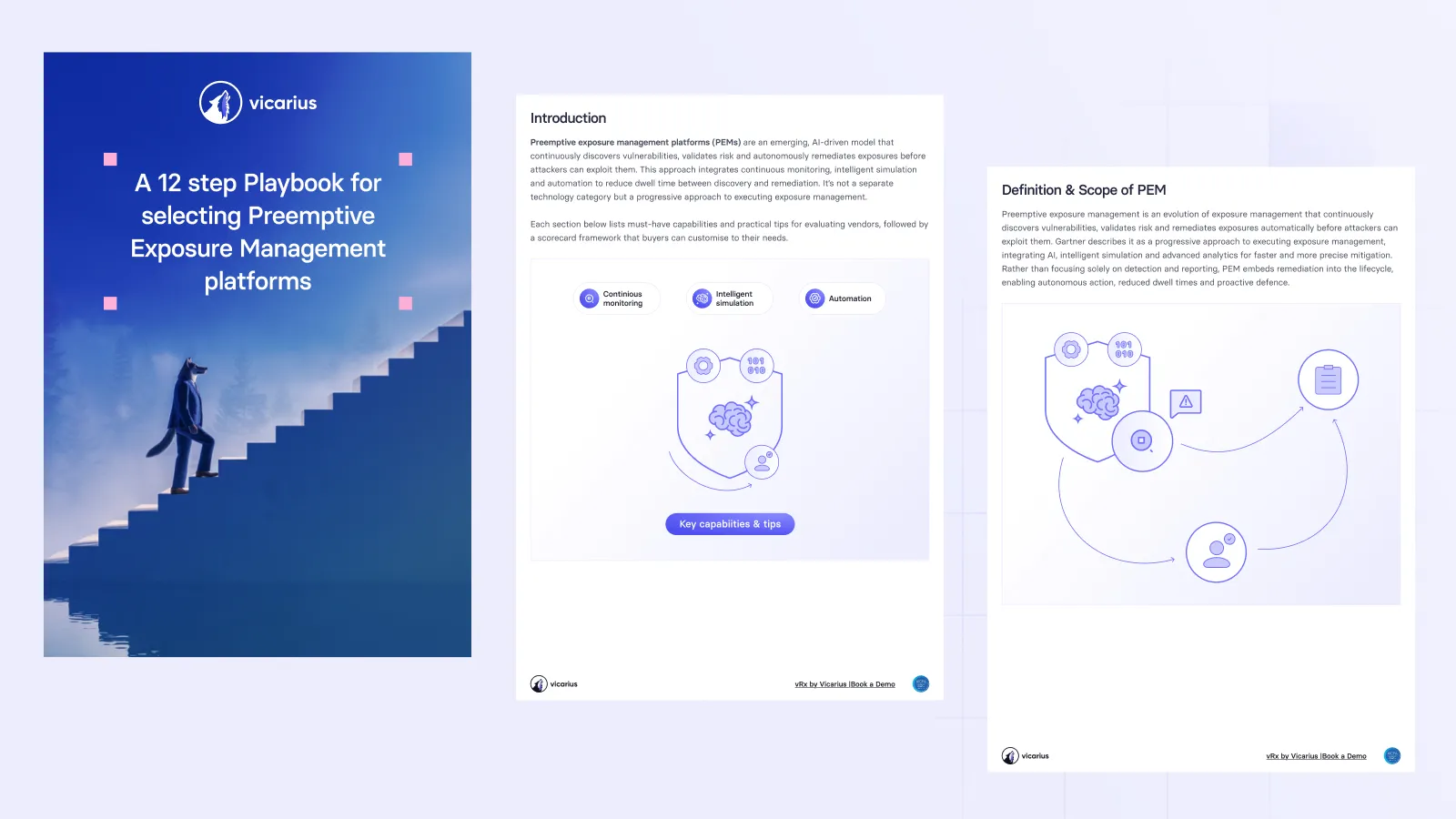
Preemptive Exposure Management is a cybersecurity model that continuously discovers vulnerabilities, validates risk, and remediates exposures automatically before attackers can exploit them. According to Gartner, it is “a progressive approach to executing exposure management” that integrates technologies like AI, intelligent simulation, and advanced analytics to enable faster and more precise mitigation actions.
Rather than relying on long patch cycles or manual workflows, this model enables real-time protection by making exposure reduction proactive, intelligent, and autonomous. Gartner emphasizes that these technologies provide continuous attack surface monitoring and real-time threat intelligence, closing security gaps before they can be exploited by attackers.
From Reactive to Preemptive: A Market in Transition
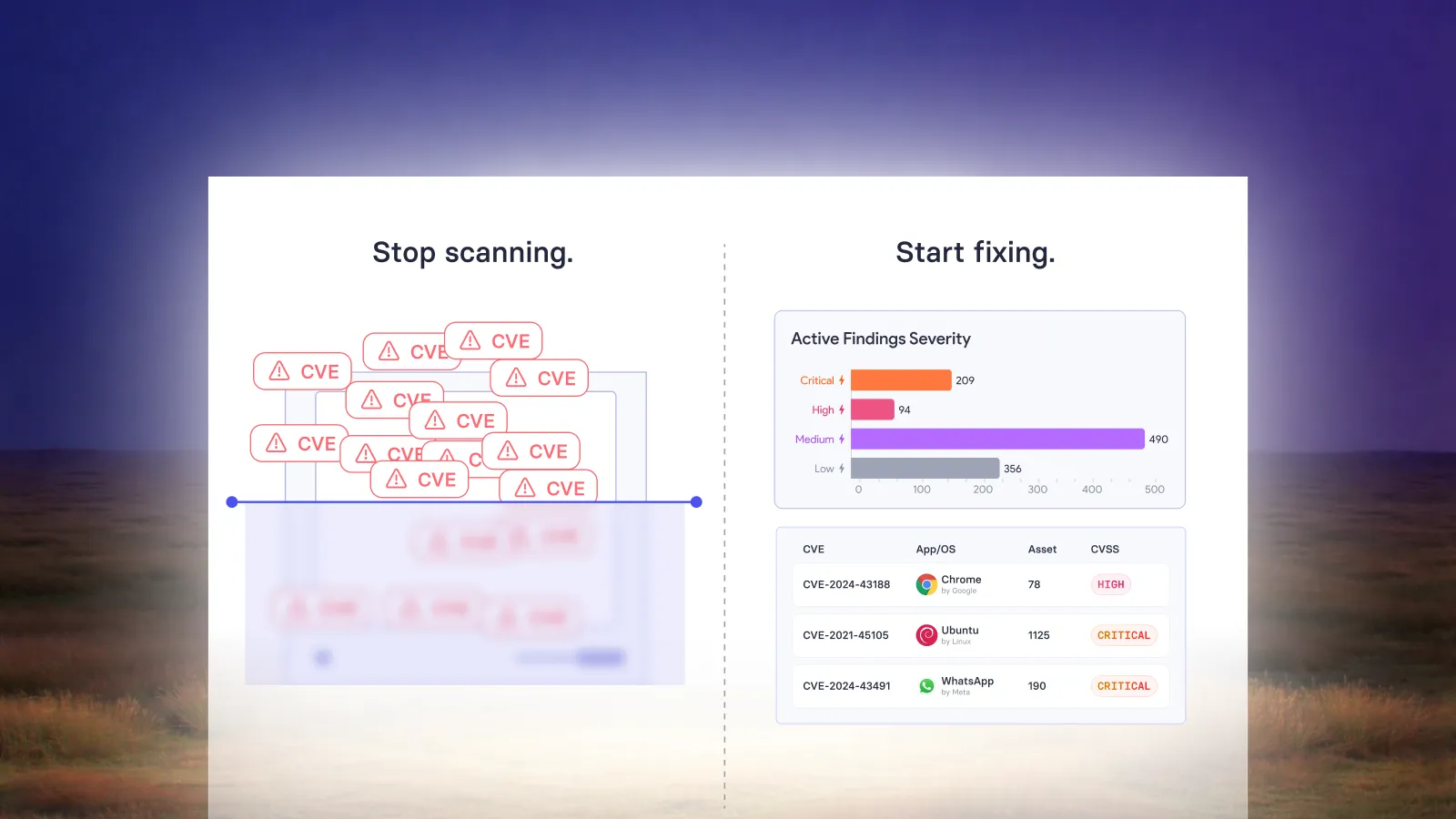
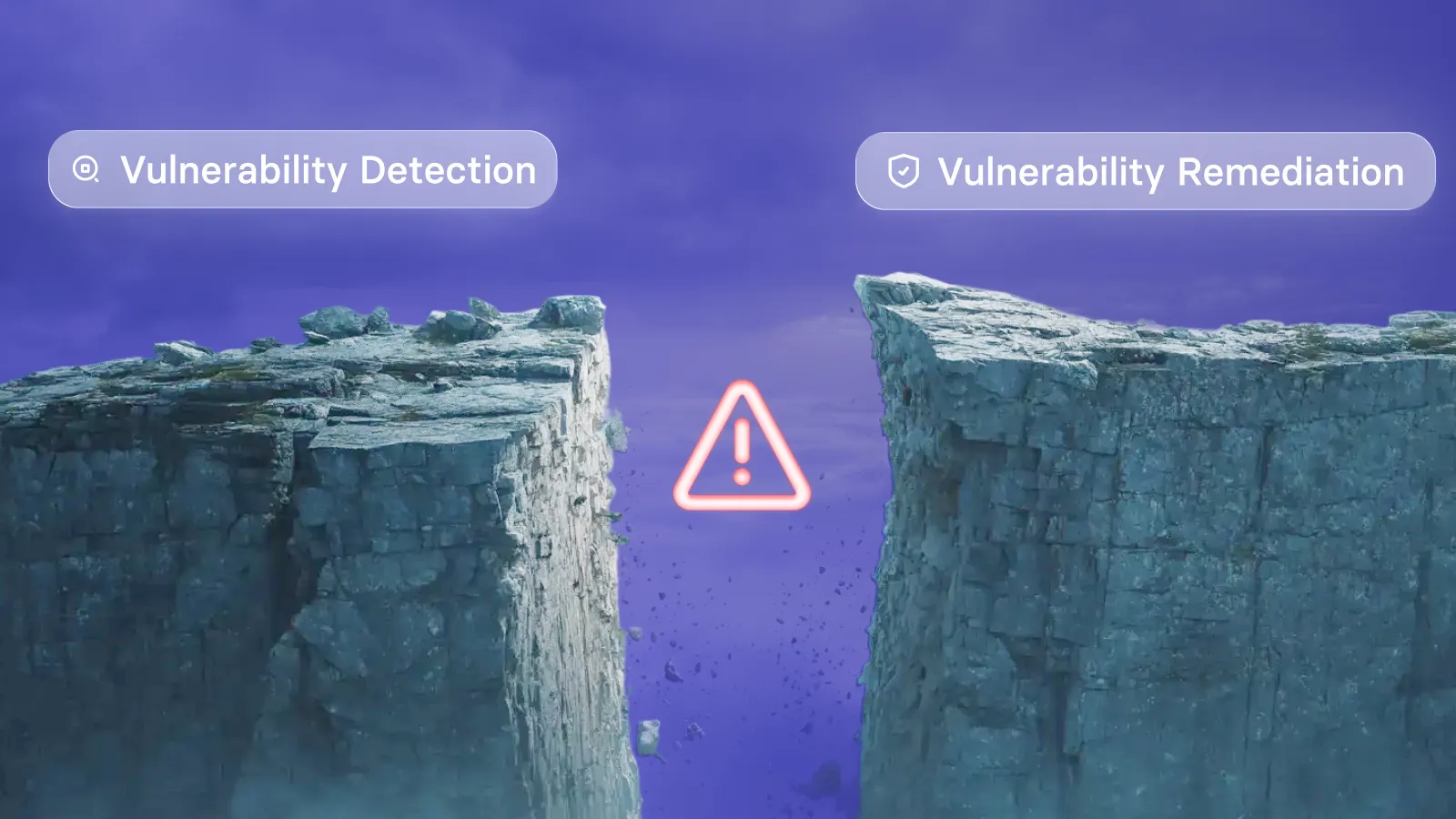
For years, exposure management followed a predictable pattern: scan, prioritize, ticket, patch eventually. The focus was on detection and reporting, not remediation. Tools surfaced risk, but action was still human-dependent.
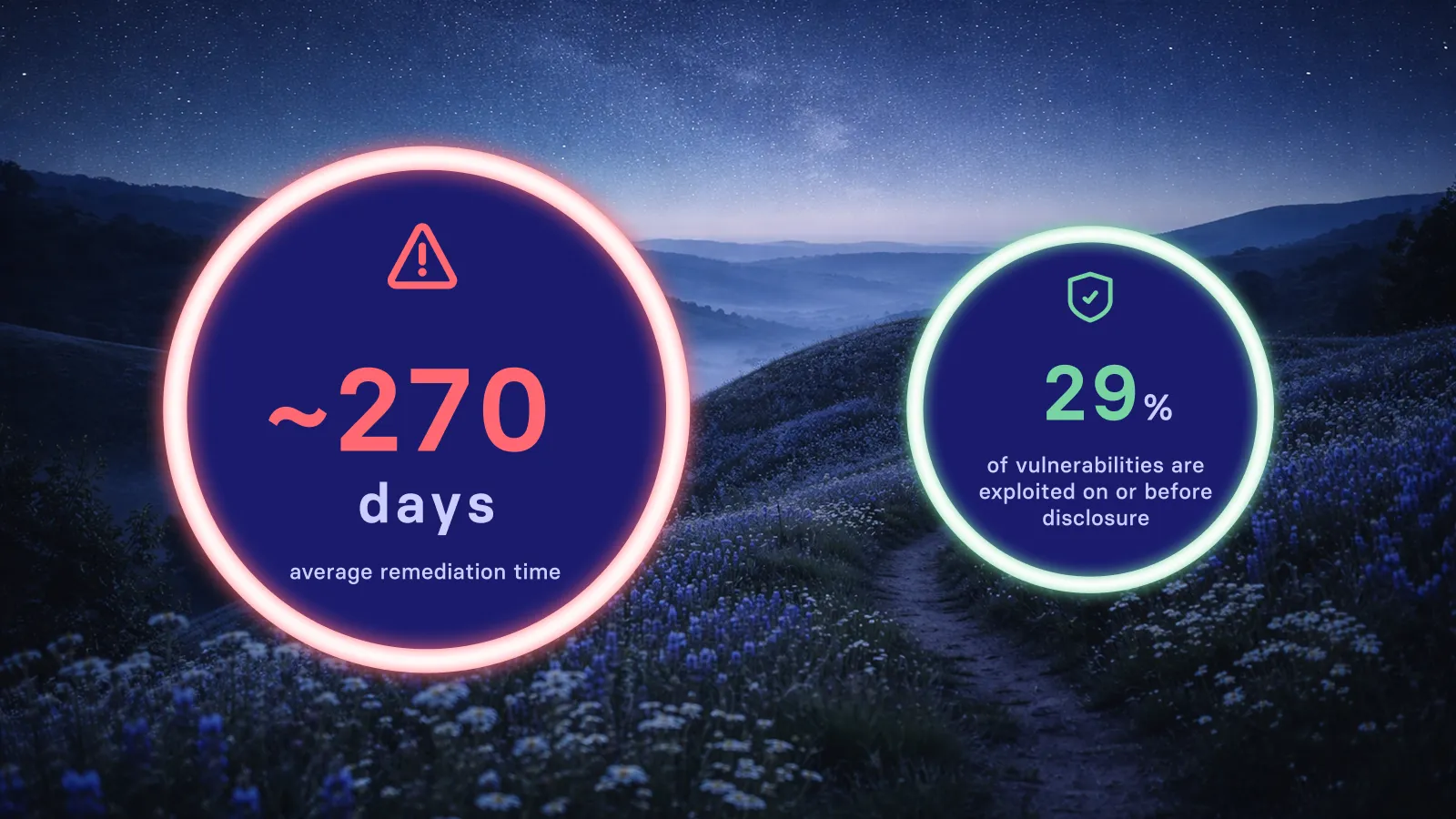
This model is now showing its age. Security teams are overwhelmed by alerts, understaffed, and outpaced. Exploits are being weaponized within hours of CVE publication. Meanwhile, dwell times the gap between vulnerability discovery and remediation remain dangerously high, often averaging over 60 days for critical issues.
Gartner’s preemptive model calls for a new approach: one that integrates remediation into the exposure management lifecycle. By embedding automation, context, and real-time response into the process, organizations can finally close the gap between awareness and action.
In Gartner’s words, this isn’t just a best practice it’s the future of cybersecurity.
Core Capabilities of Preemptive Exposure Management
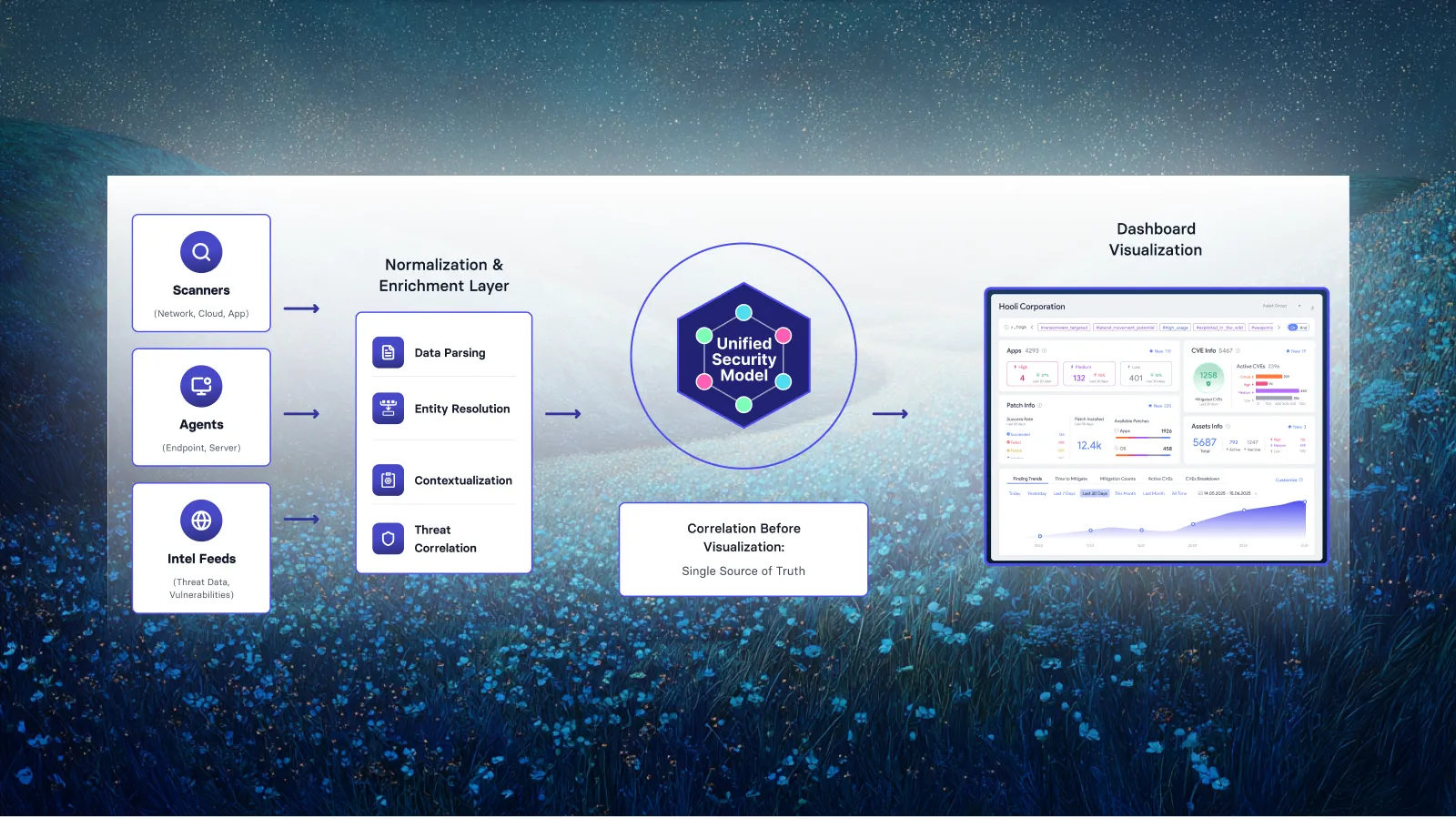
A true Preemptive Exposure Management strategy is built on four core capabilities, each designed to remove friction and accelerate protection.
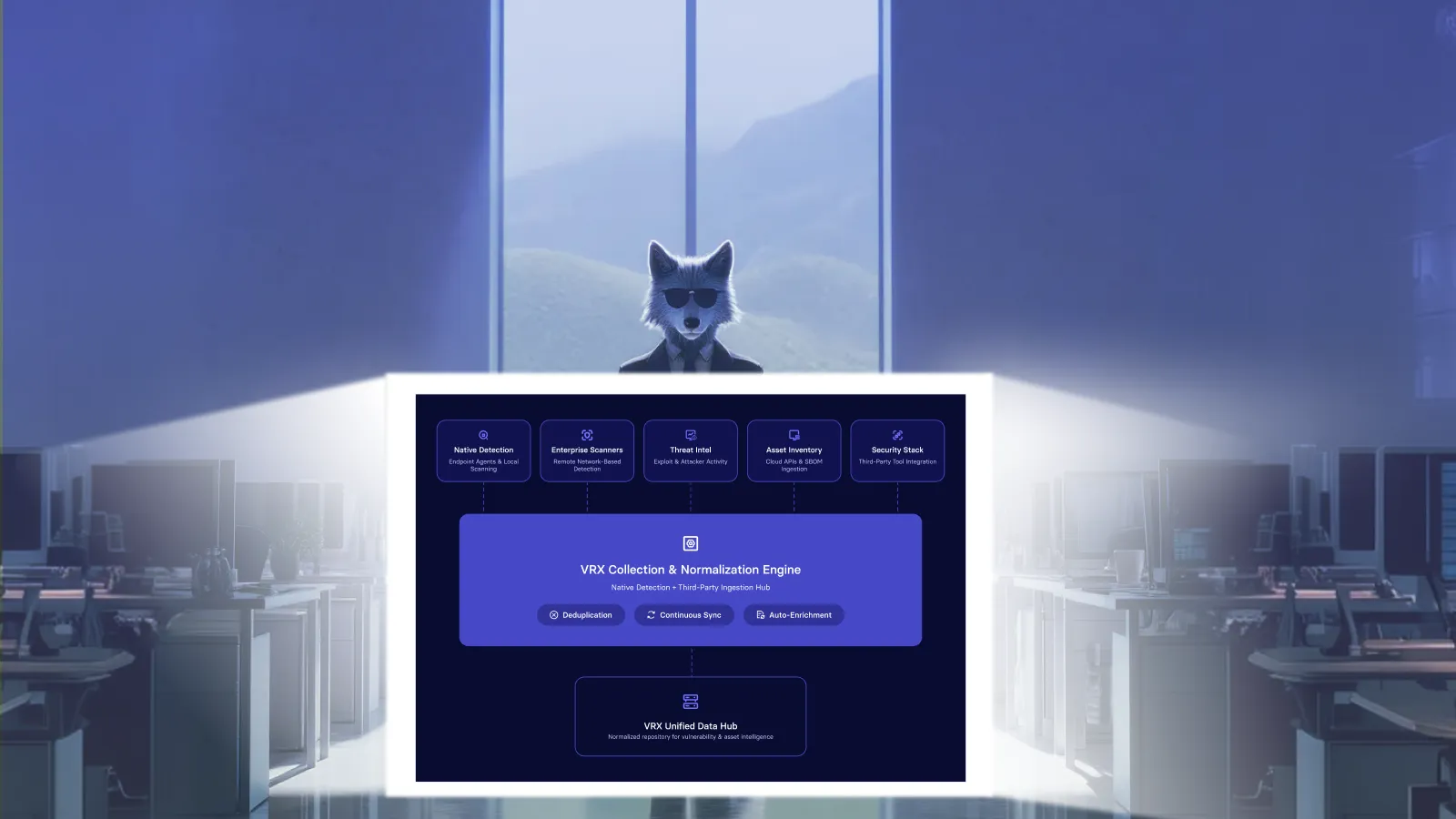
1. Continuous Asset and Vulnerability Discovery
You can’t fix what you don’t know exists. Preemptive platforms operate with continuous discovery at their core:
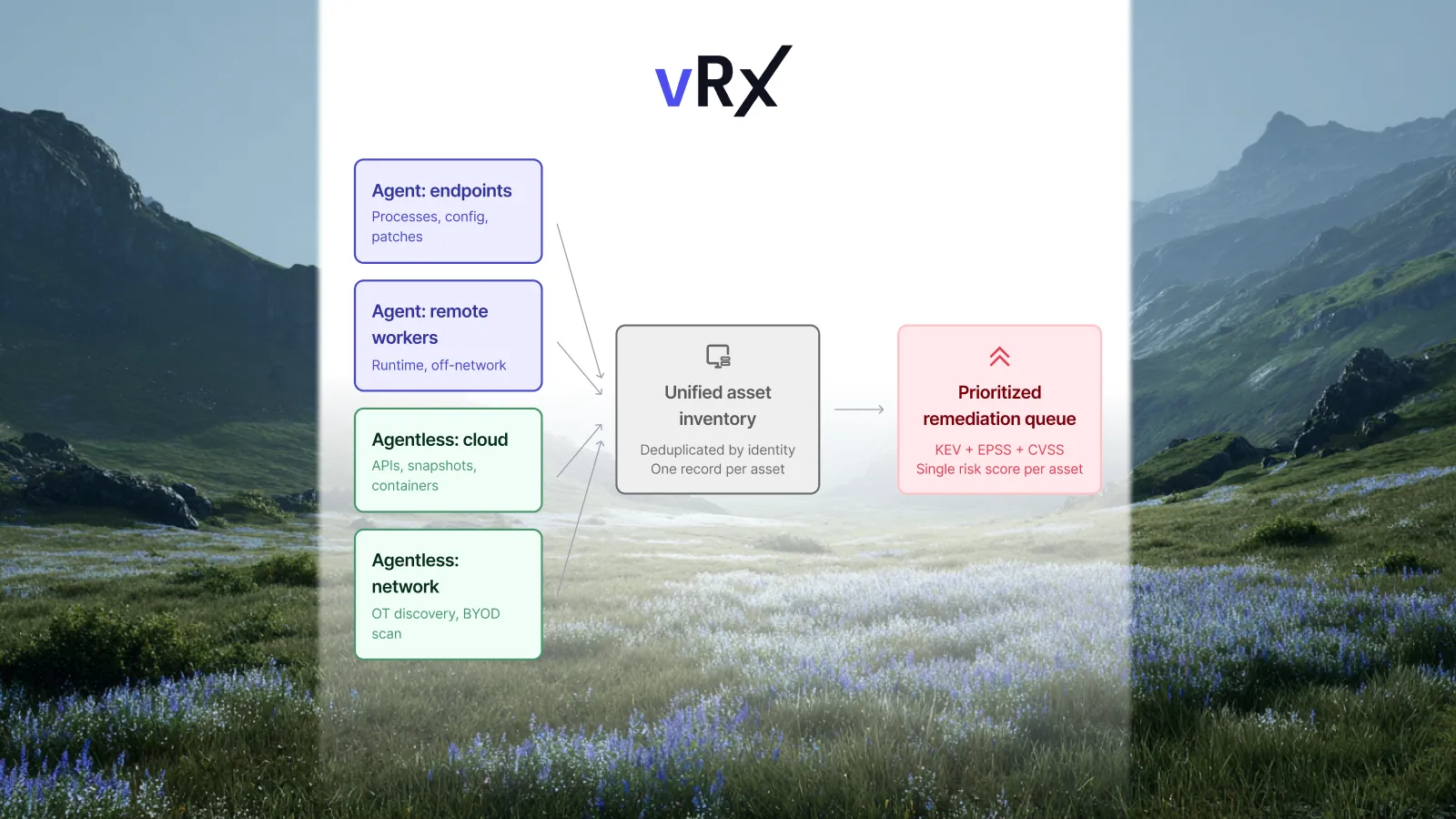
- Real-time scanning for all known and unknown assets across on-prem, cloud, containers, and remote endpoints
- Continuous detection of vulnerabilities in operating systems, third-party applications, open ports, and misconfigurations
- Identification of unmanaged and shadow IT assets
- Integration with inventory and identity systems to enrich asset context
This visibility ensures nothing is left out of scope and that new risks are surfaced the moment they appear.
2. AI-Powered Risk Validation and Prioritization
Legacy models flood teams with low-priority CVEs. Preemptive platforms reduce noise by layering intelligence:
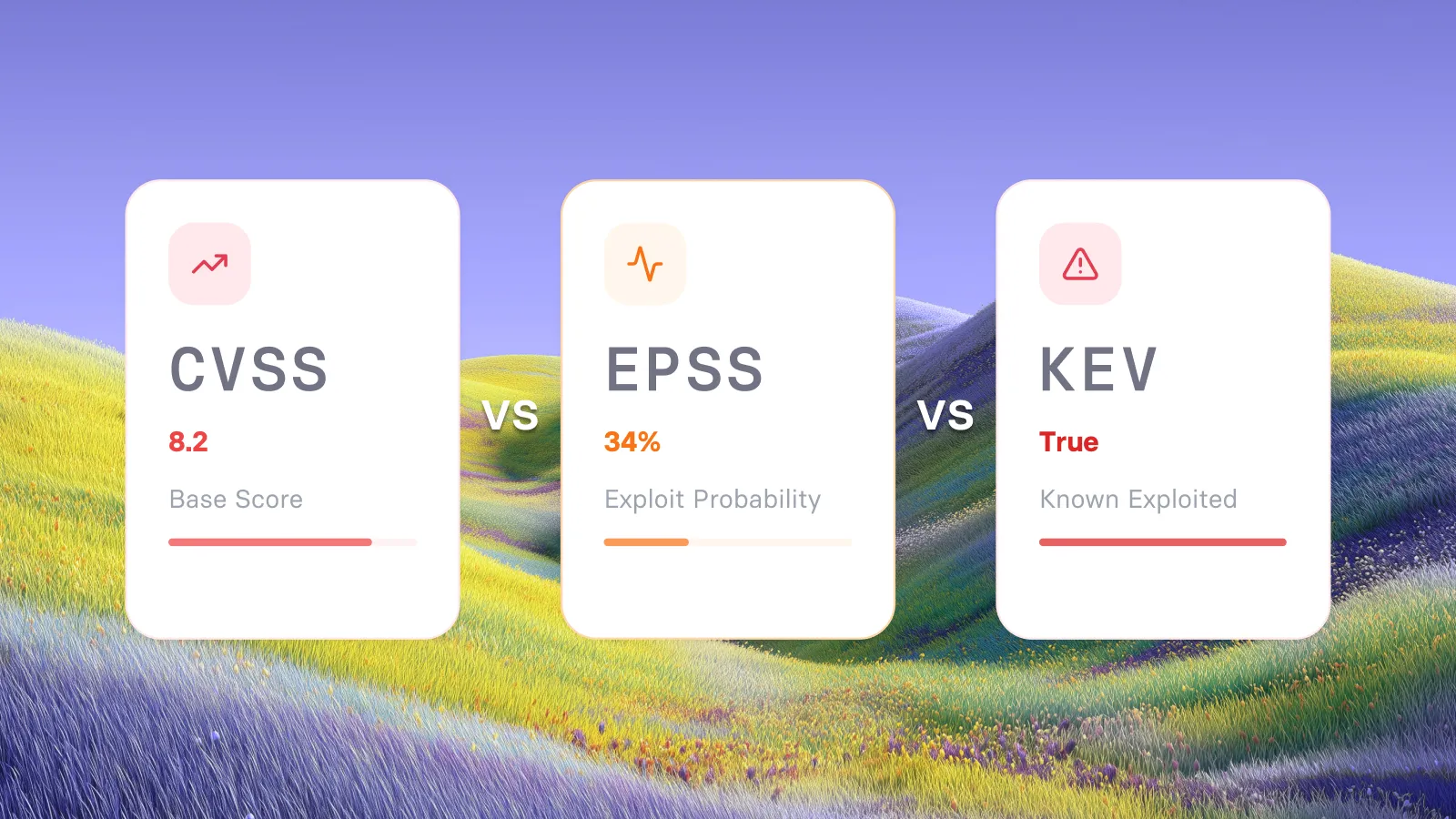
- Correlation with exploit intelligence (CISA KEV, public PoCs, dark web chatter)
- Context-aware scoring based on asset criticality, internet exposure, lateral movement risk
- Business context tagging (e.g., “payment systems,” “customer data”)
- Predictive modeling to flag vulnerabilities likely to be exploited soon
- Adaptive prioritization that updates dynamically as conditions change
This is where preemptive goes beyond static CVSS scores enabling smarter, faster triage.
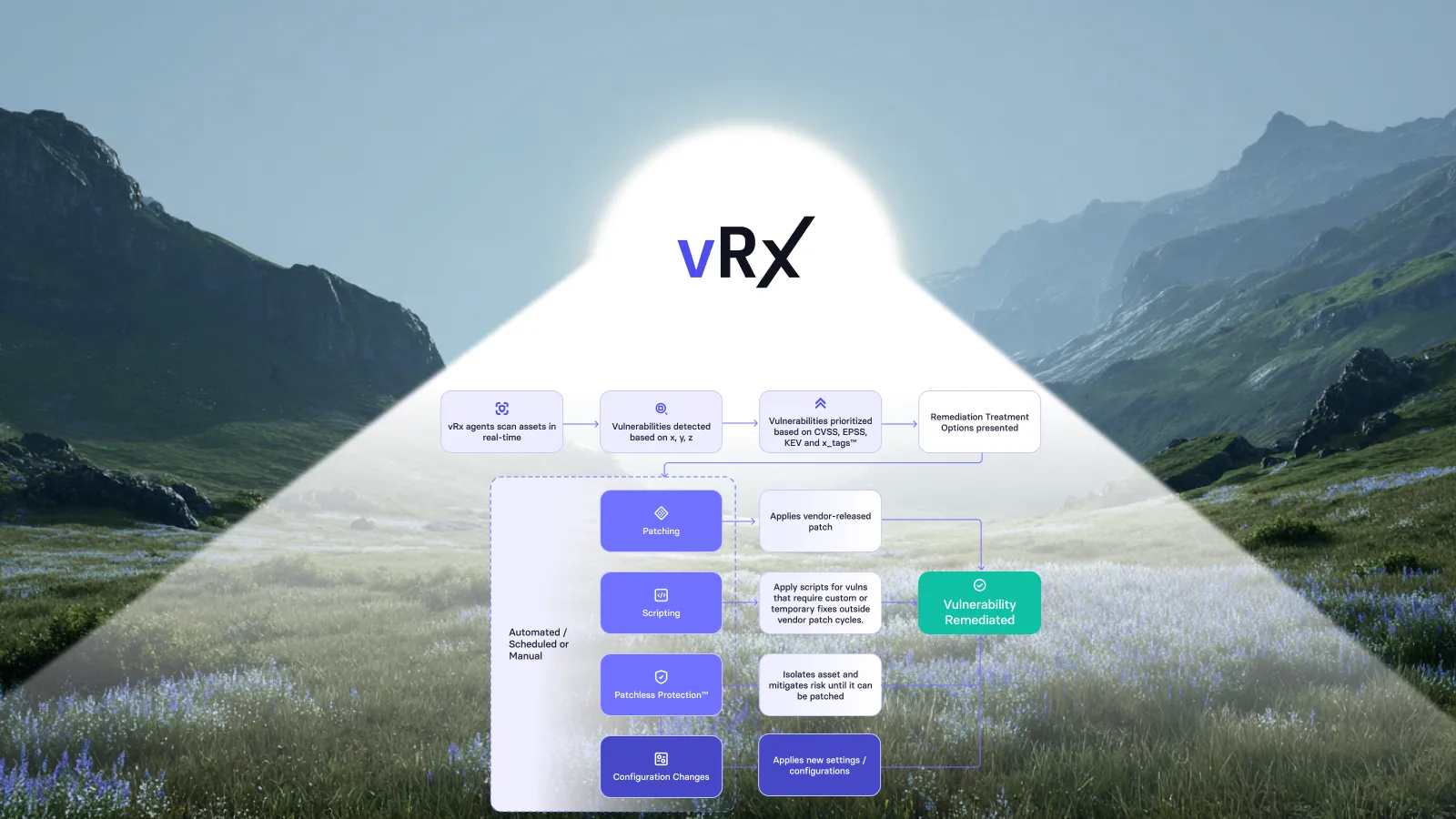
3. Automated Remediation and Policy-Based Response
Preemptive exposure platforms don’t stop at prioritization they act.
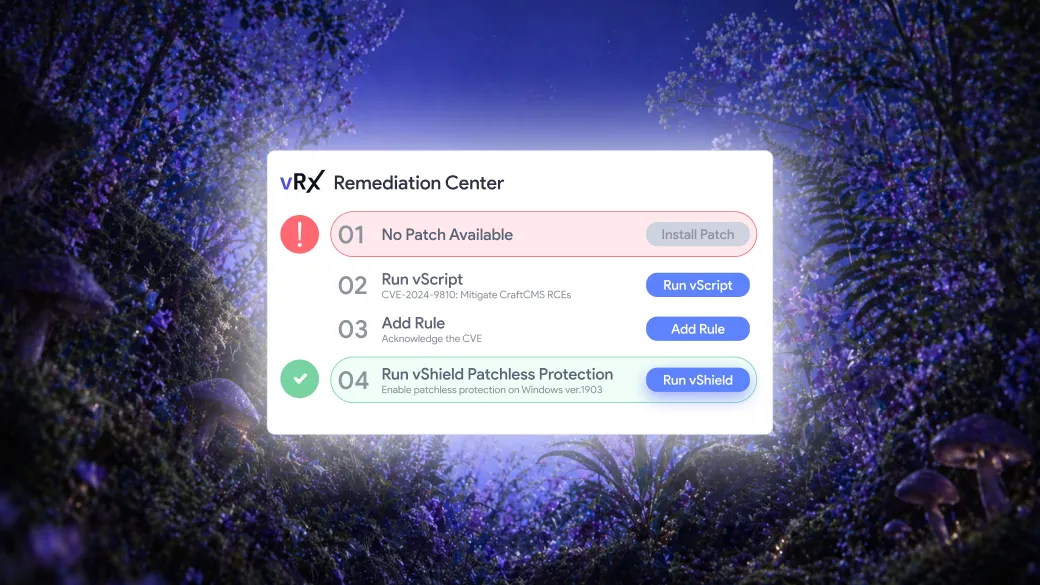
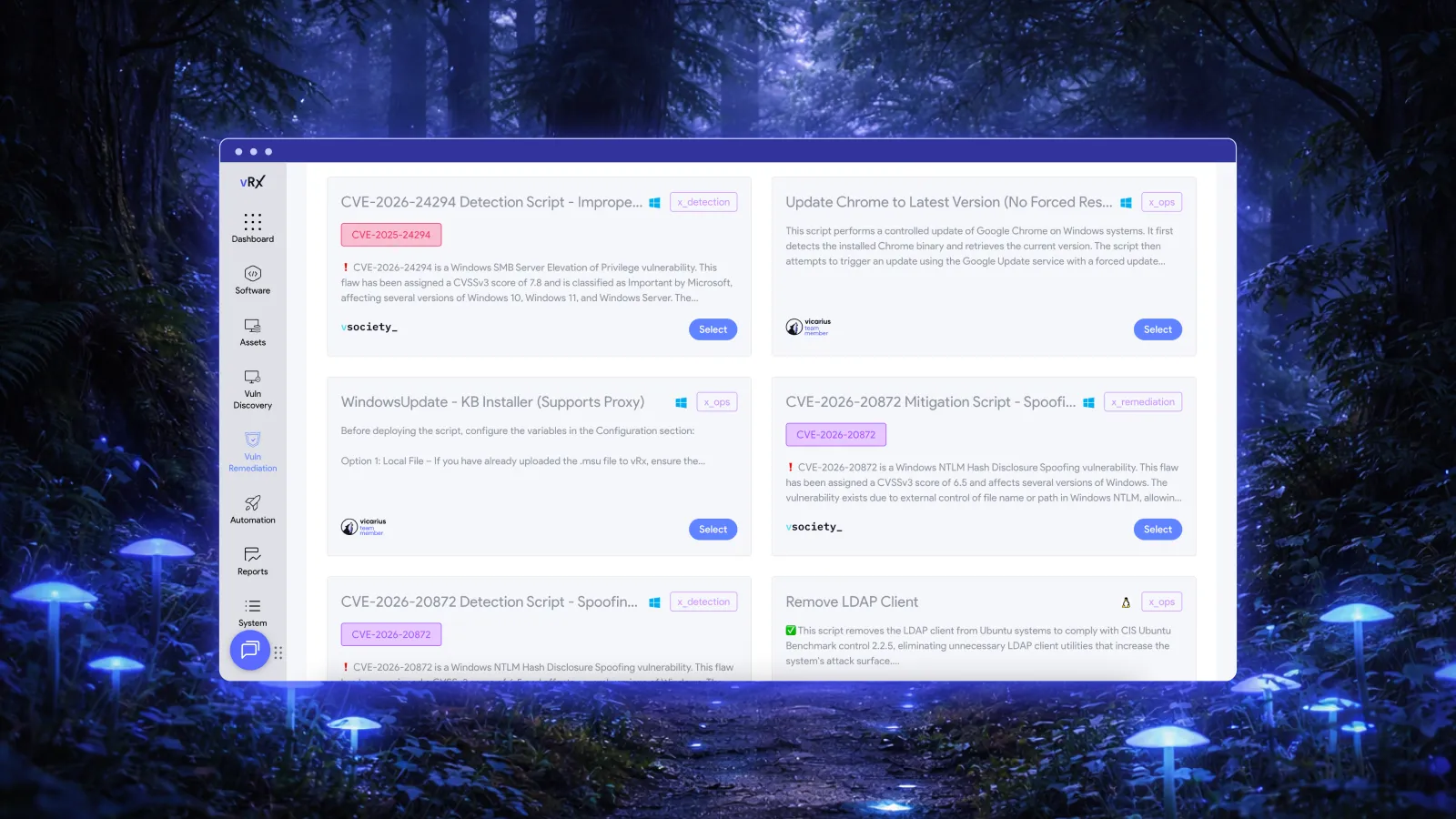
- Automated deployment of patches across OS, third-party apps, and containers
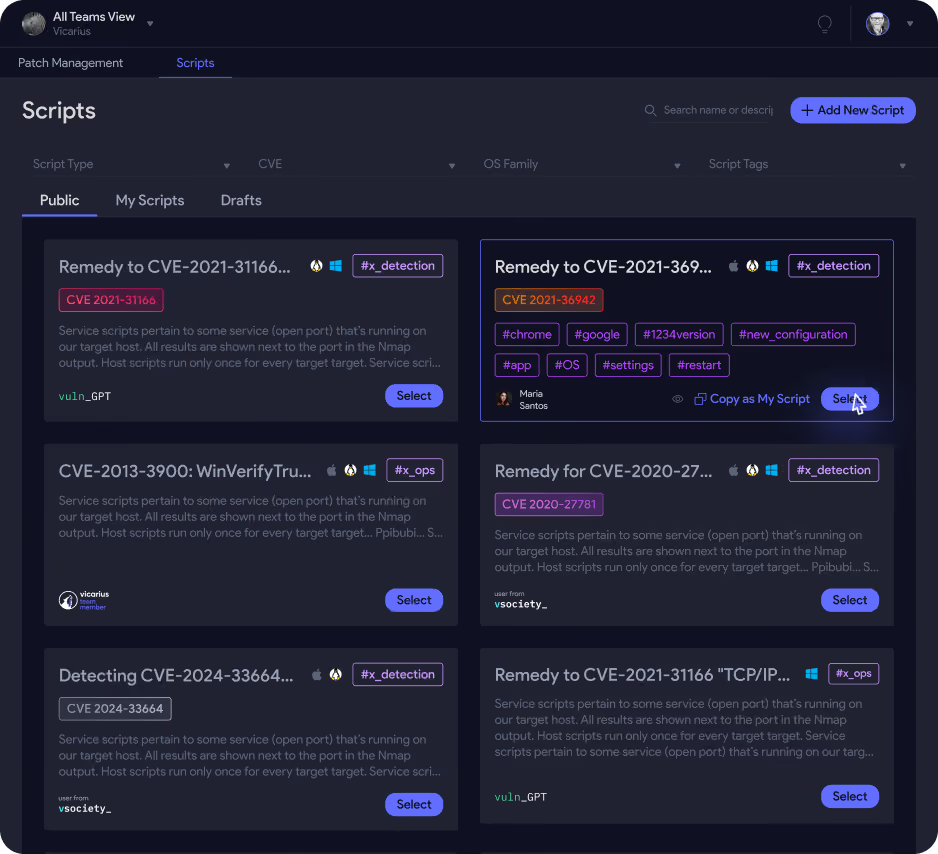
- Script-based remediation of misconfigurations, registry settings, or user permissions
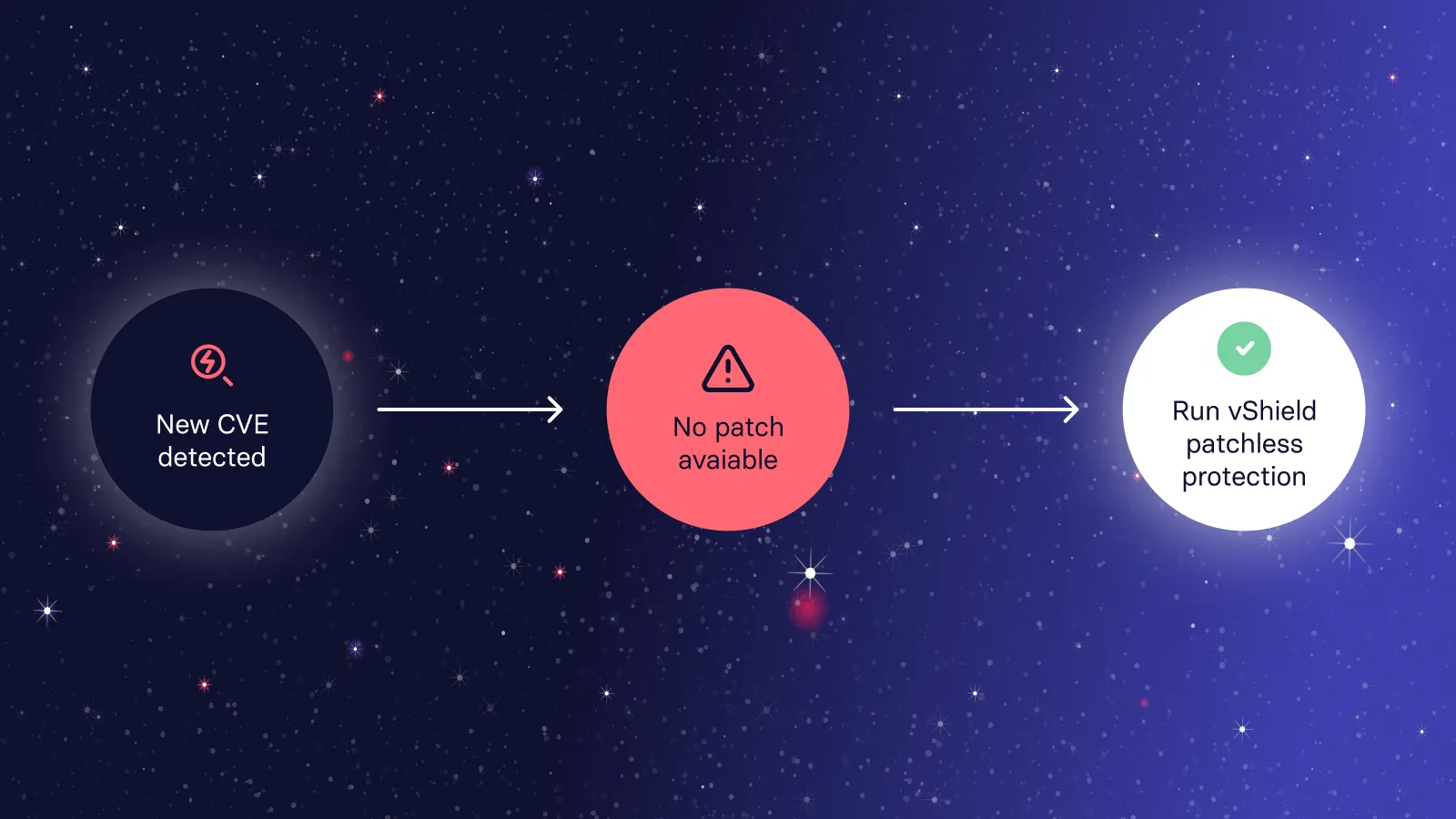
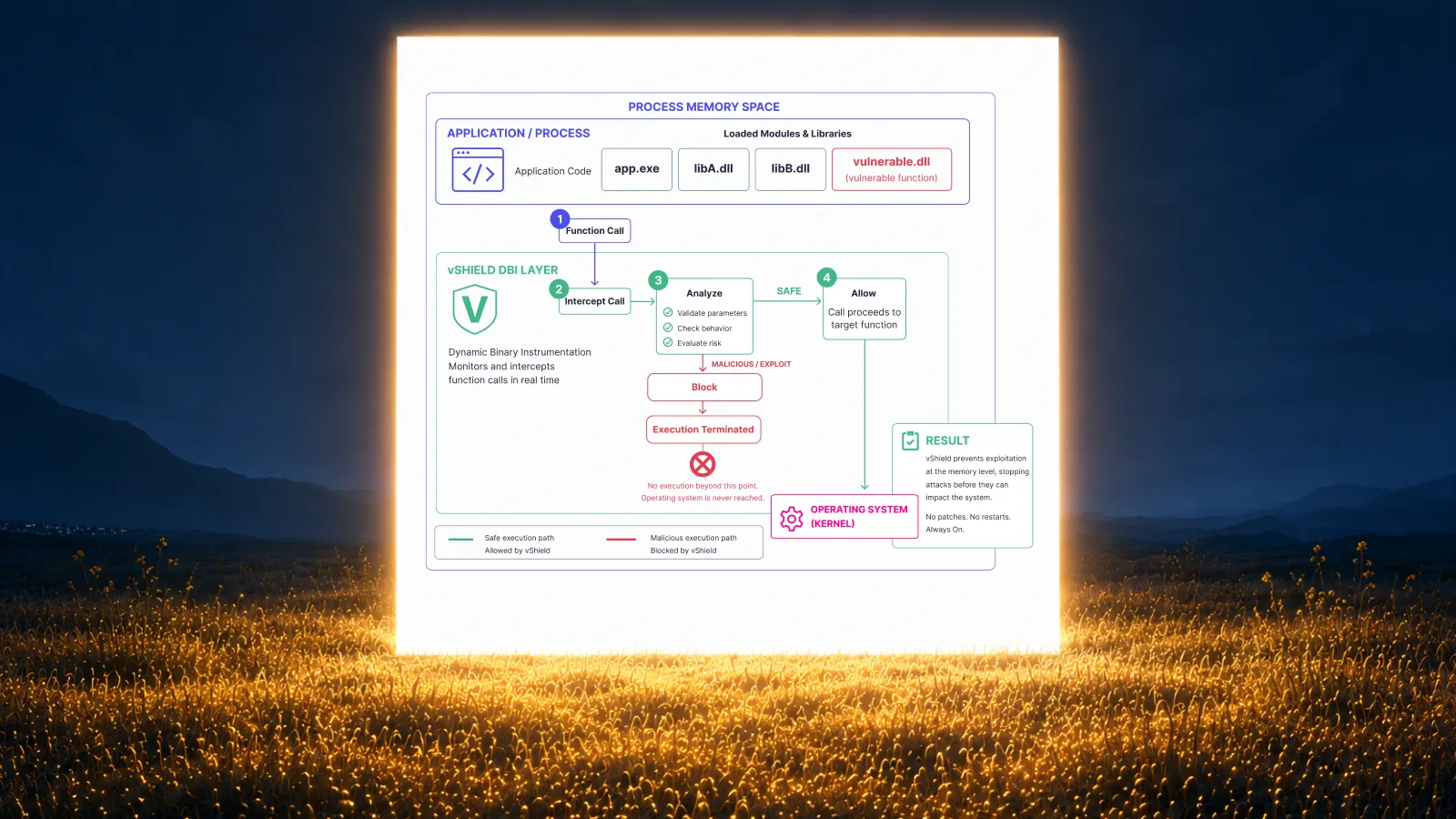
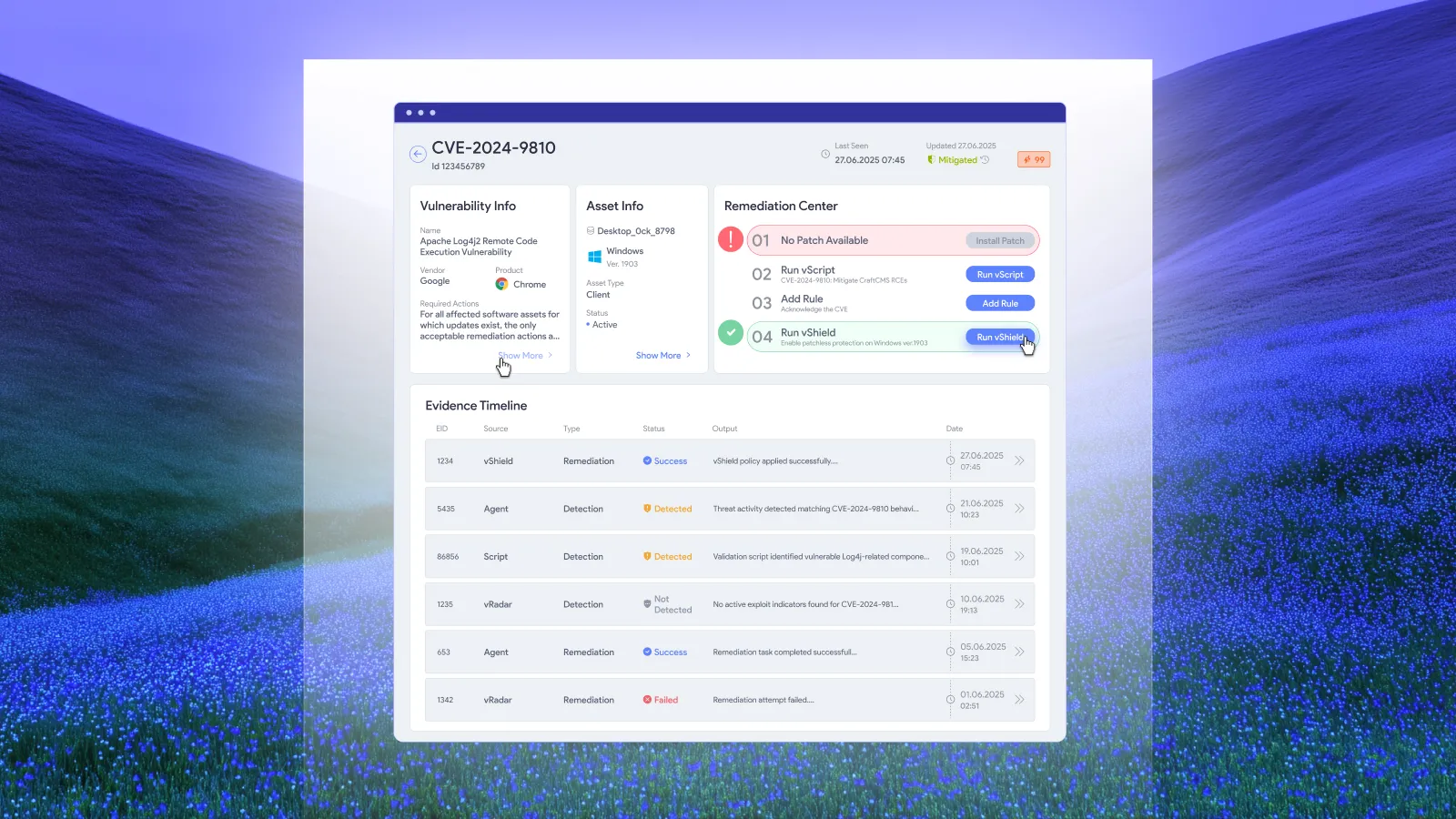
- Virtual patching that shields vulnerable processes in memory when no fix is available
- Policy-driven workflows triggered by CVE severity, exploitability, or asset profile
- Integration with change-control, audit, and rollback protocols
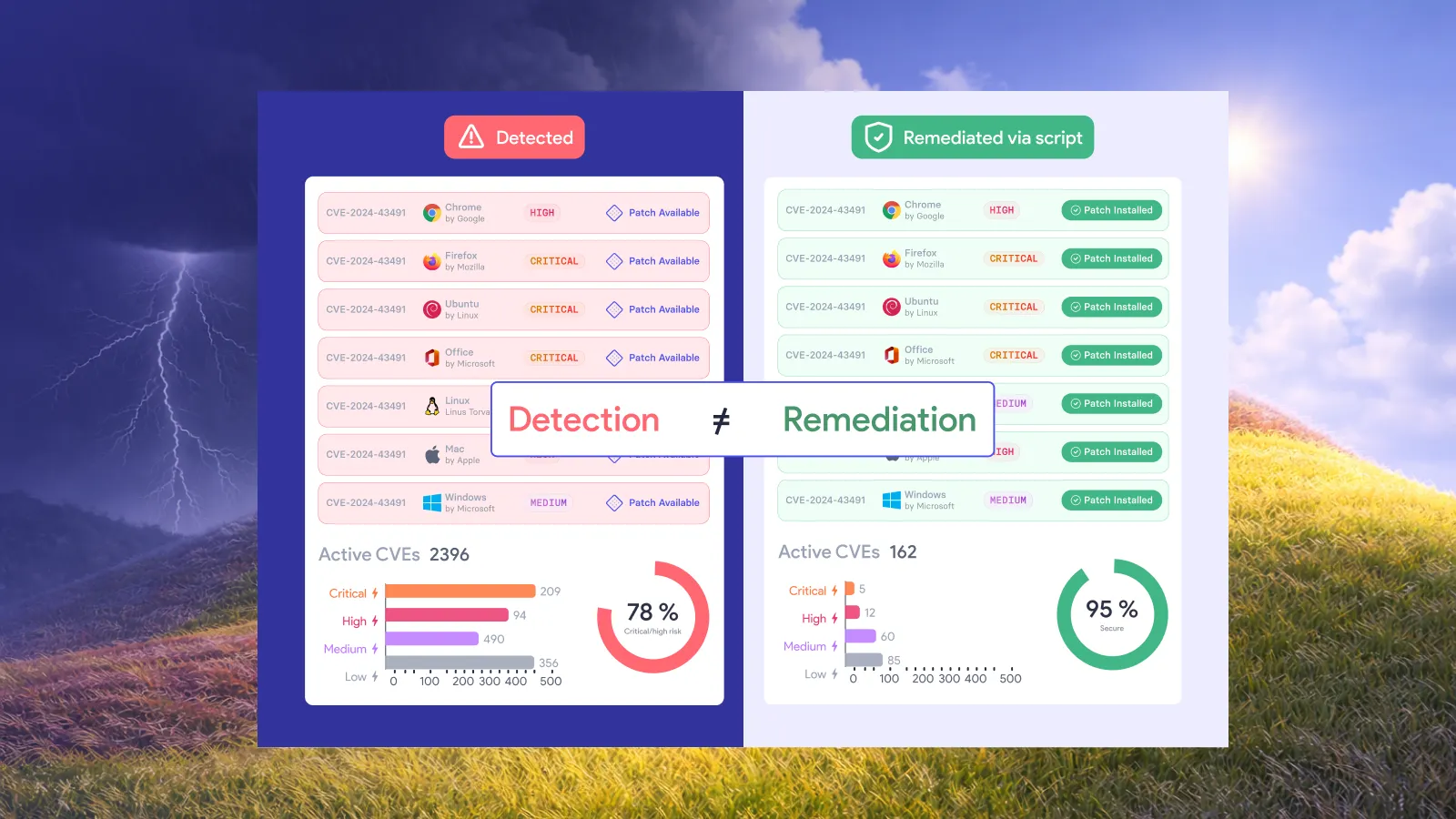
This capability turns detection into protection often in minutes, not weeks.
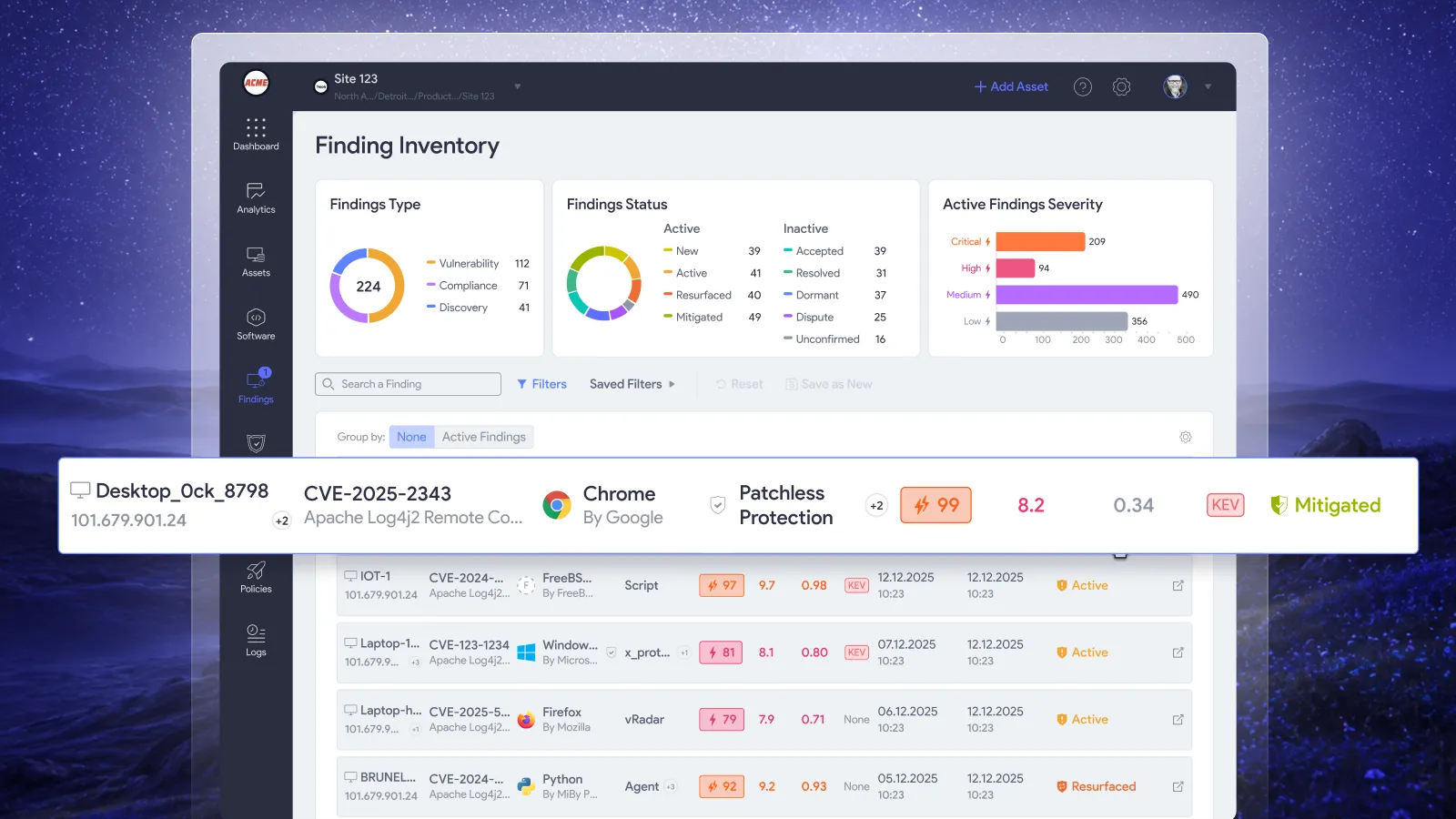
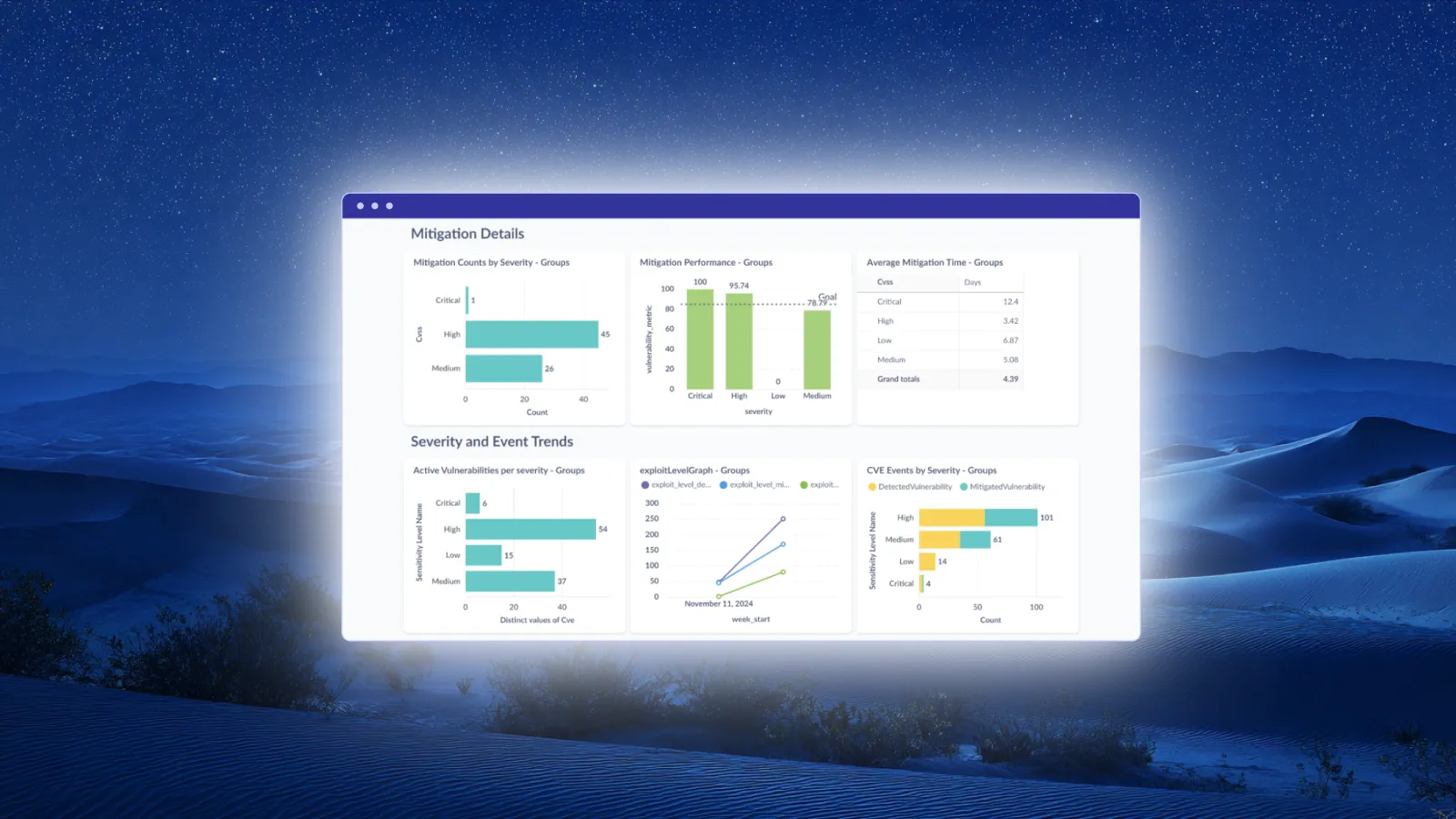
4. Unified Dashboards and Reporting
Security, IT, and compliance all need to see different things. Preemptive platforms centralize visibility:
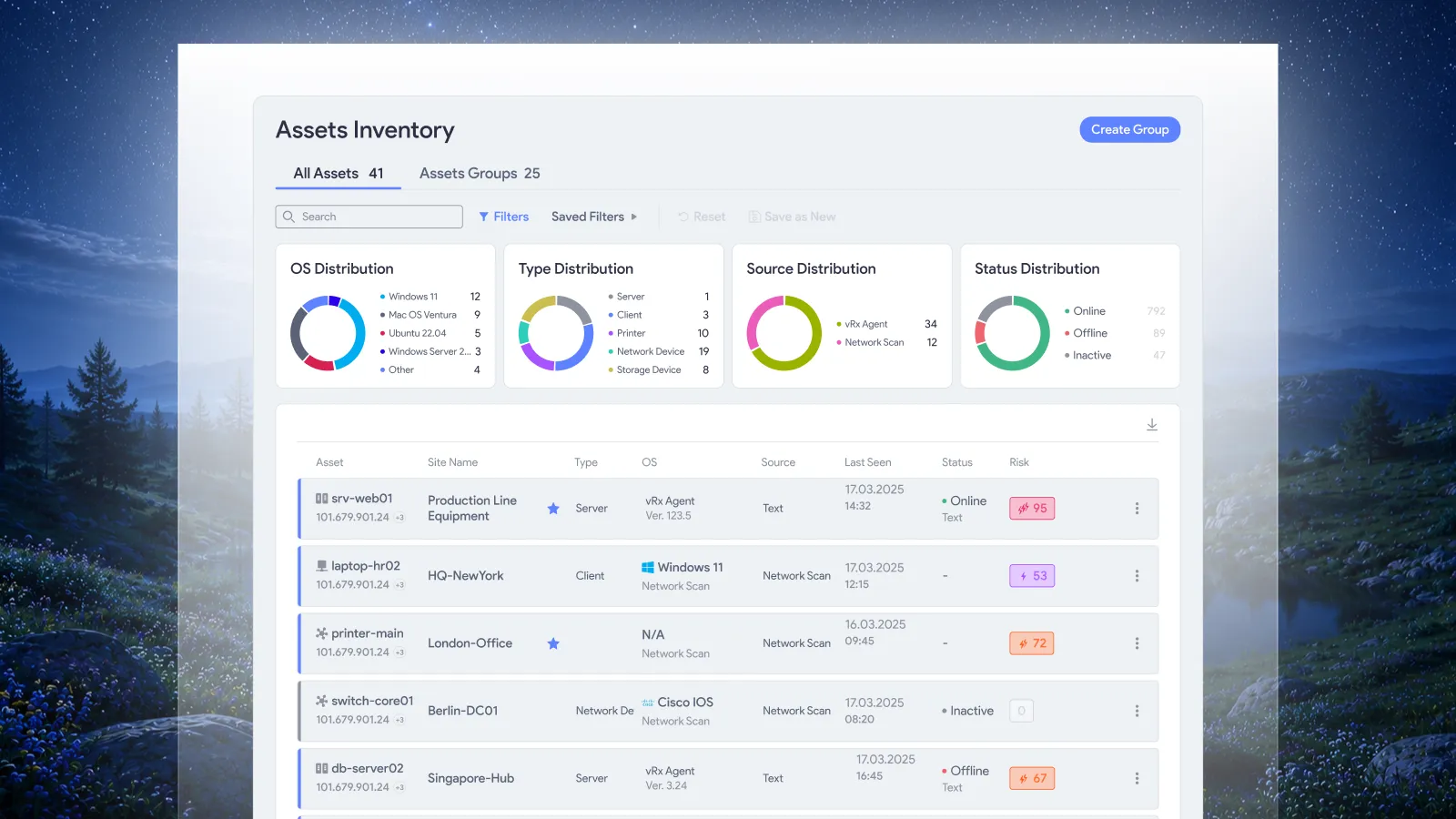
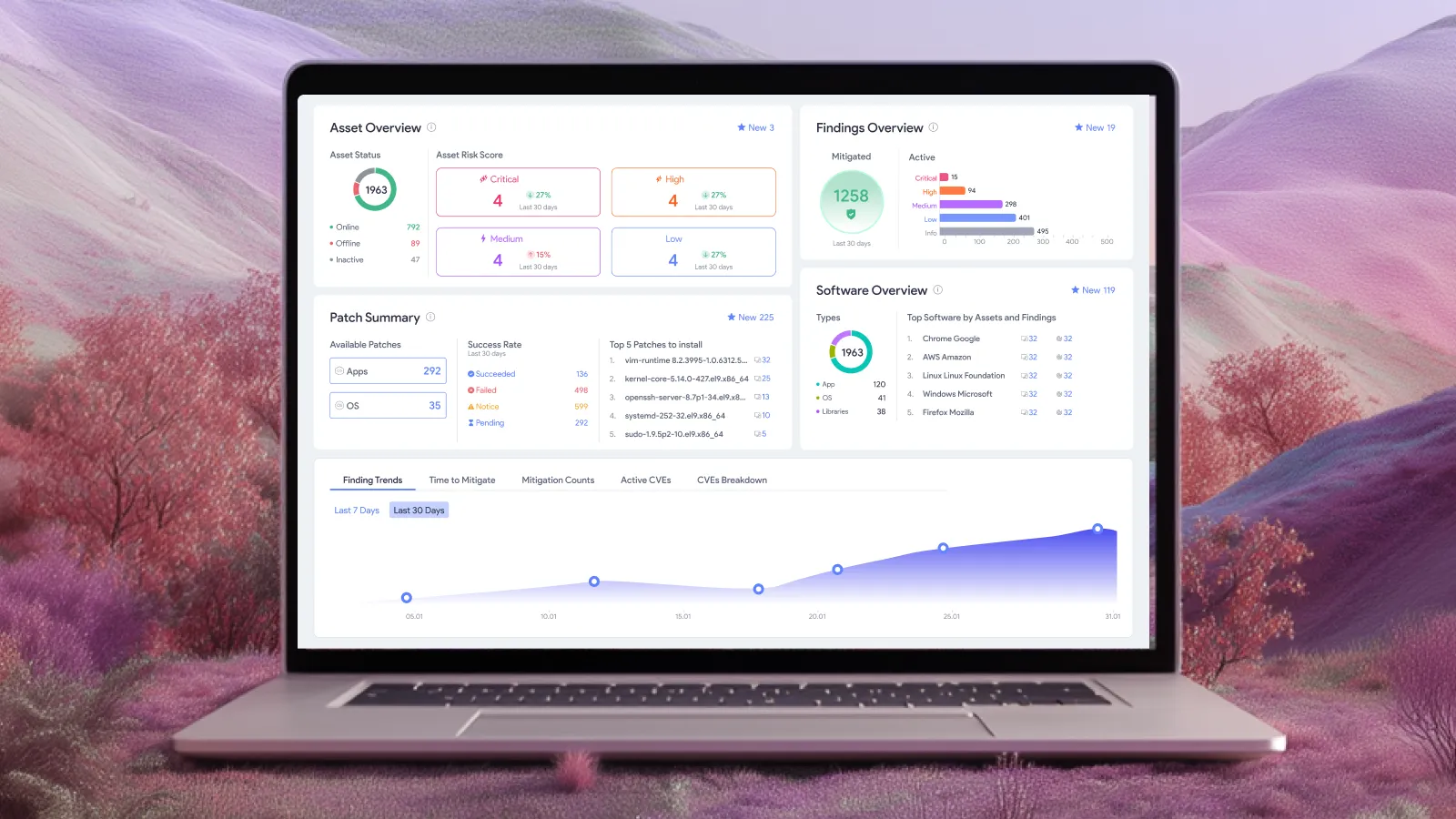
- Real-time exposure maps by site, system, severity, and owner
- Audit-ready logs of every automated remediation and outcome
- SLA tracking and MTTR analytics
- Custom filters by business unit, geography, or asset group
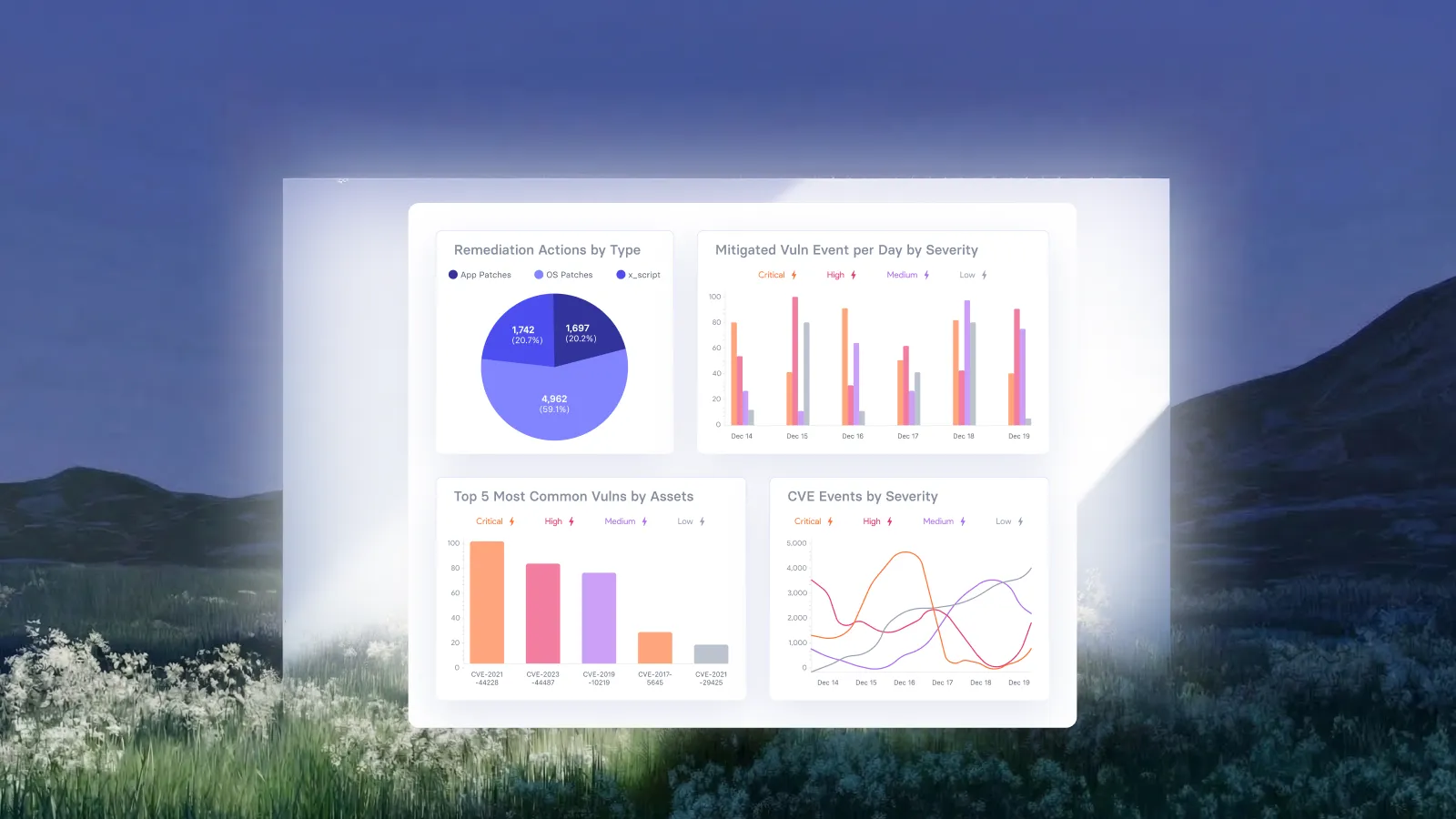
- Drill-down views for investigations, reporting, and decision-making
This isn’t just about data it’s about operationalizing it for results.
Why Preemptive Is the Future of Cybersecurity
Security leaders face three simultaneous challenges: expanding attack surfaces, faster threats, and stagnant team size. Visibility alone doesn’t solve that. Action does.
Preemptive Exposure Management enables:
- Rapid risk reduction: Shrinks the time between discovery and resolution
- Attack surface control: Prevents exploitability before threat actors strike
- Operational scale: Automates tasks that previously required human input
- Alignment with CTEM: Powers the Mitigate and Validate phases of Continuous Threat Exposure Management
- Better audit and compliance: Ensures proof of action is embedded into the remediation lifecycle
- Less burnout, more impact: Frees up security teams to focus on strategy, not patch queues
As cyberattacks become faster and more automated, defense must do the same.
Examples of Preemptive Exposure in Action
To make it real, here are three typical use cases of preemptive exposure management at work:
Scenario 1: Exploitable Zero-Day
A newly disclosed vulnerability in a widely used library is added to CISA’s KEV list.
Traditional model: The team is alerted, waits for a patch, and spends days deploying.
Preemptive model: The platform detects affected systems, applies a virtual patch, and starts monitoring exploit attempts within hours.
Scenario 2: Misconfigured Cloud Storage
A security rule change leaves an S3 bucket publicly exposed.
Traditional model: It’s flagged during a scan, added to a ticket queue, and fixed days later.
Preemptive model: The platform detects the exposure in real time and automatically revokes public access while logging the action for audit.
Scenario 3: Patchable Vulnerability in Legacy App
A known CVE affects a legacy app still running in production.
Traditional model: The fix is delayed due to compatibility fears.
Preemptive model: The platform applies a compensating control, limits access, and schedules the patch during the next approved maintenance window.
In all cases, action occurs before attackers have a chance to exploit the window.
Preemptive Exposure Platforms: What to Look For
The term “preemptive” is catching on, but not every platform delivers on the promise. Look for platforms that combine real intelligence with real automation.
Must-Have Capabilities
- Cross-platform patching: Support for Windows, Linux, macOS, and third-party applications
- Script execution engine: Fix issues beyond patching using built-in or custom scripts
- Patchless protection: Runtime shielding for zero-days and unpatchable apps
- Policy-based automation: Define triggers based on risk, asset group, or time-to-remediate
- Continuous asset discovery: Always-on visibility across hybrid environments
- Unified dashboard: Real-time remediation views, customizable by role
Bonus Capabilities
- Native support for compliance benchmarks (e.g., CIS, ISO, NIST)
- Multi-tenant architecture for MSSPs or distributed orgs
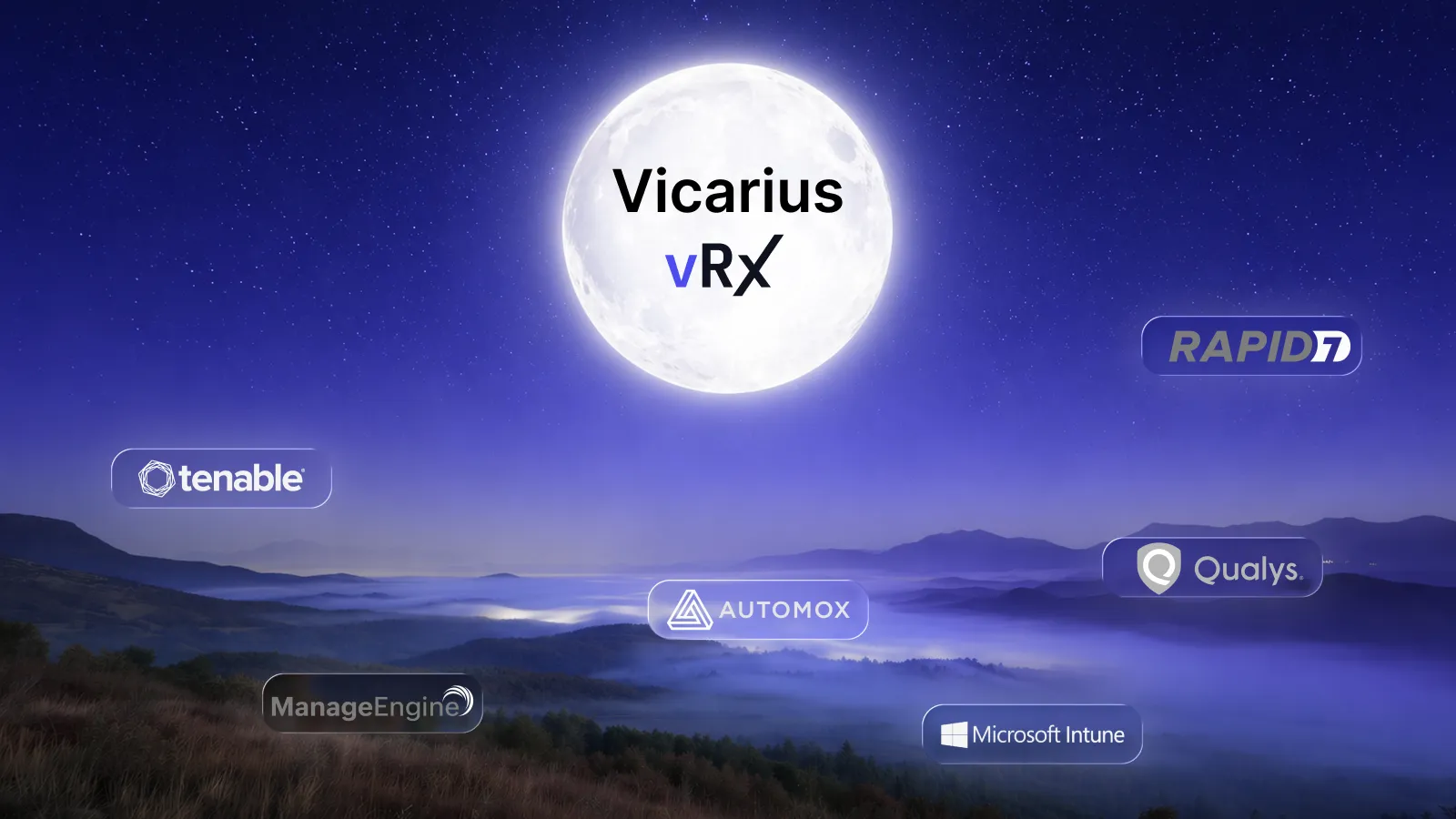
- Built-in integration with SIEM, SOAR, ITSM, and CMDB tools
- Custom remediation policies that balance speed with safety
- Machine-readable evidence exports for audits
Vicarius Perspective: Purpose-Built for Preemptive Defense
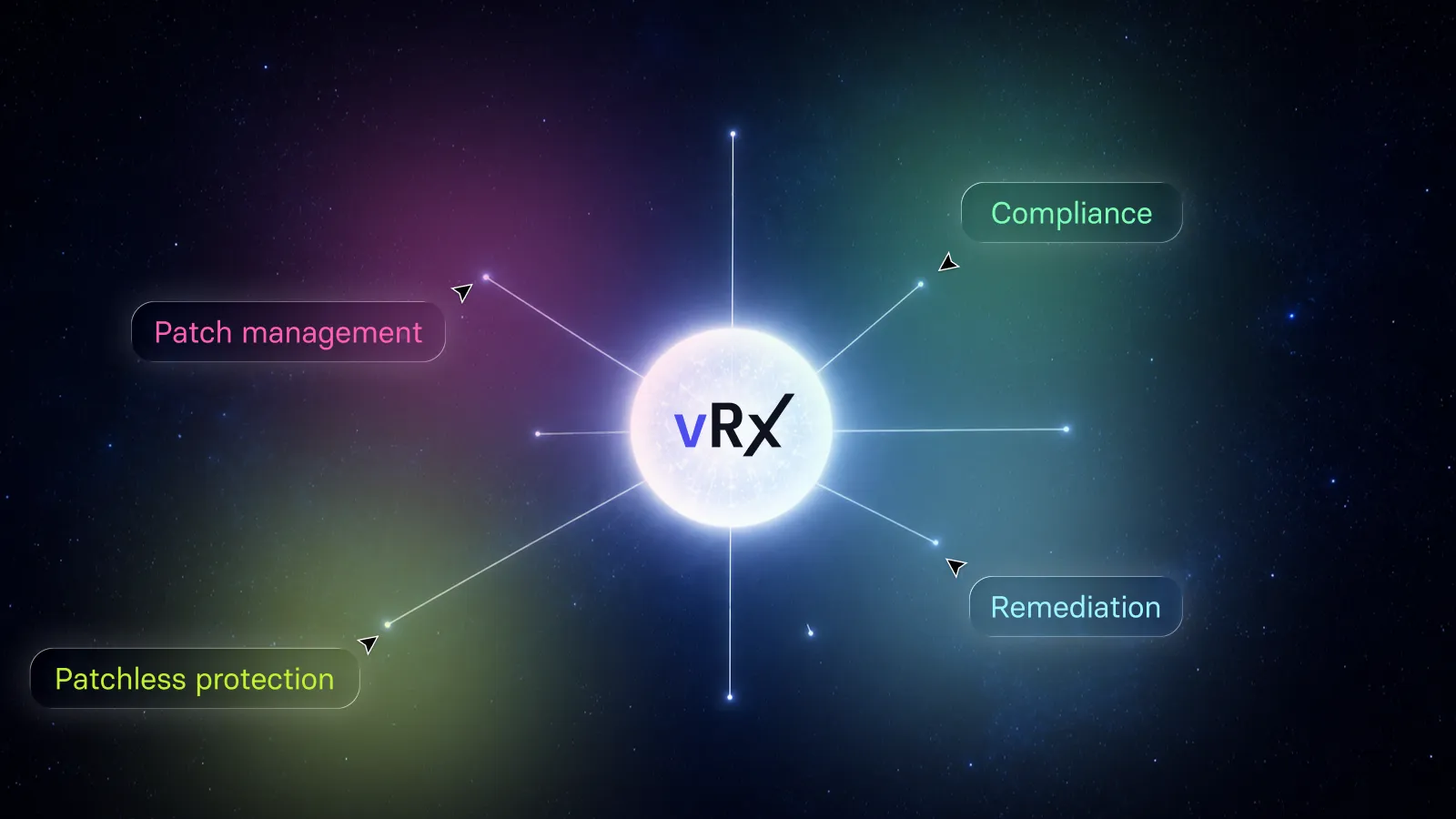
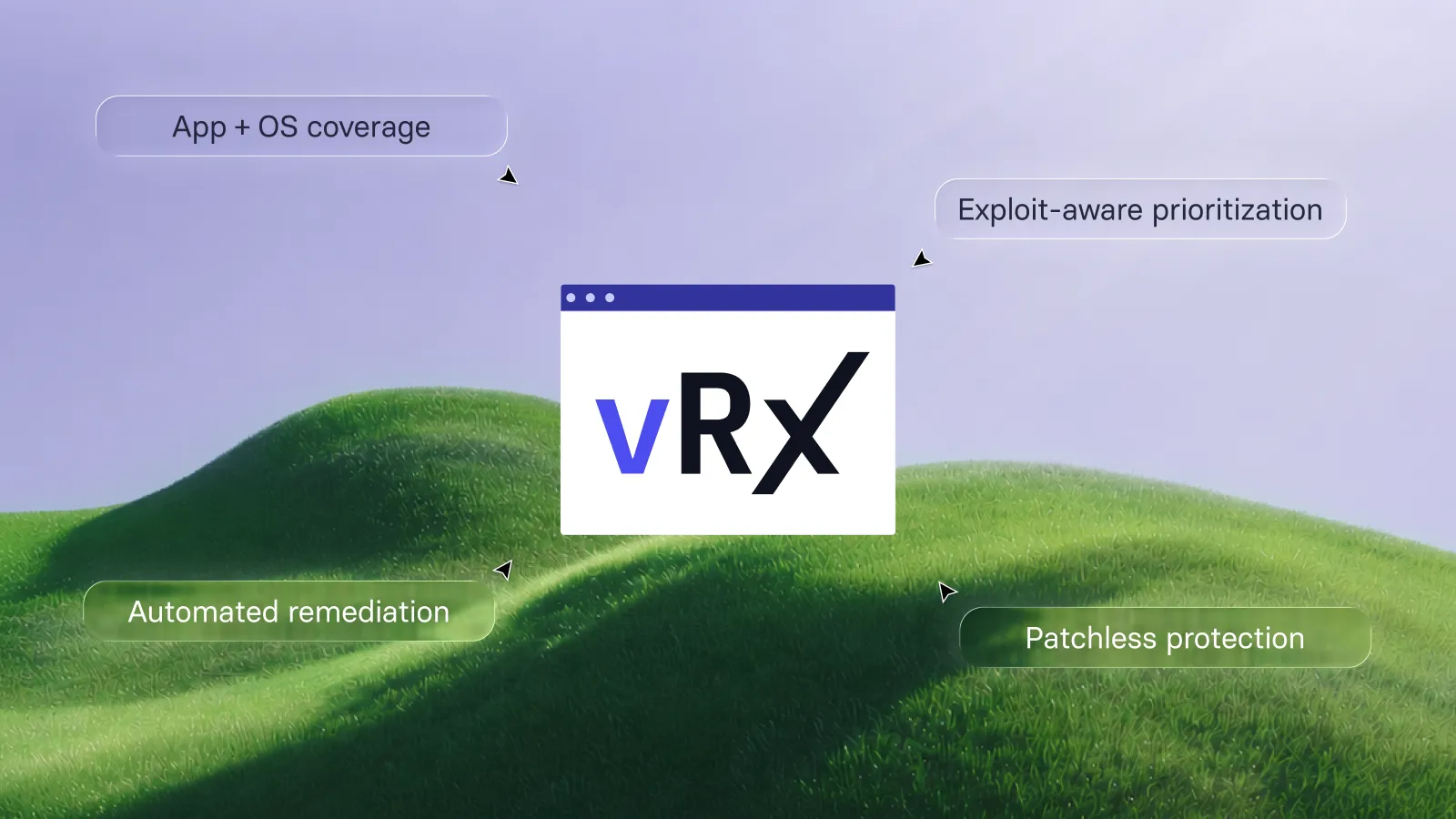
At Vicarius, we built our platform, vRx, around a clear belief: exposure management should result in action not just alerts.
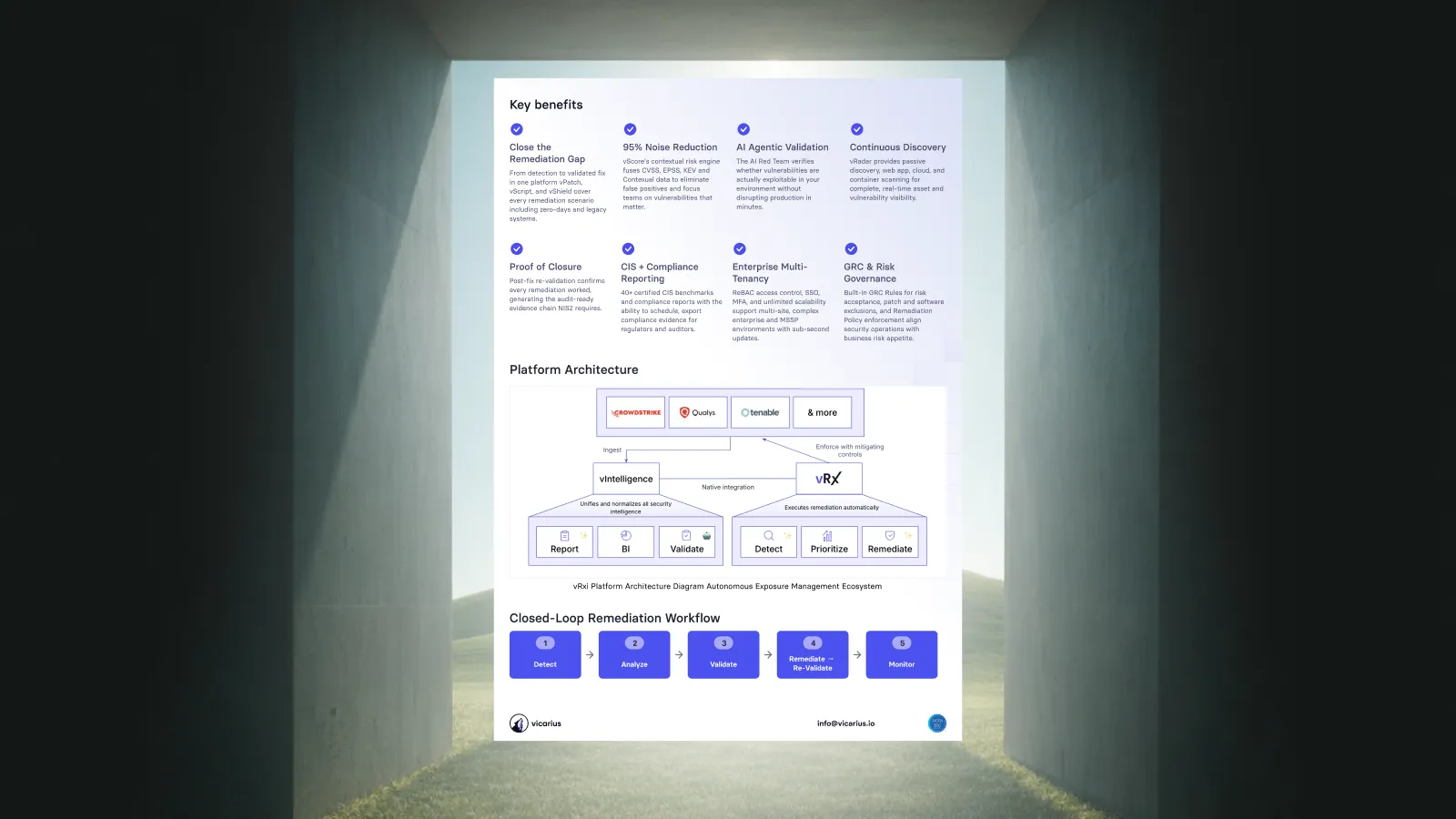
Our approach aligns directly with Gartner’s recognition of preemptive exposure management. vRx delivers:
- Continuous discovery of assets and exposures across hybrid environments
- AI-powered risk validation that cuts through CVE noise
- Cross-platform patching and script-based remediation with no additional tools required
- Patchless protection to shield systems when patches are unavailable
- Policy-driven automation that ensures vulnerabilities are fixed without human bottlenecks
This isn’t a bolt-on. It’s the core of the platform turning exposure data into risk reduction, every day, automatically.
How Preemptive Ties Into CTEM and SOC Operations
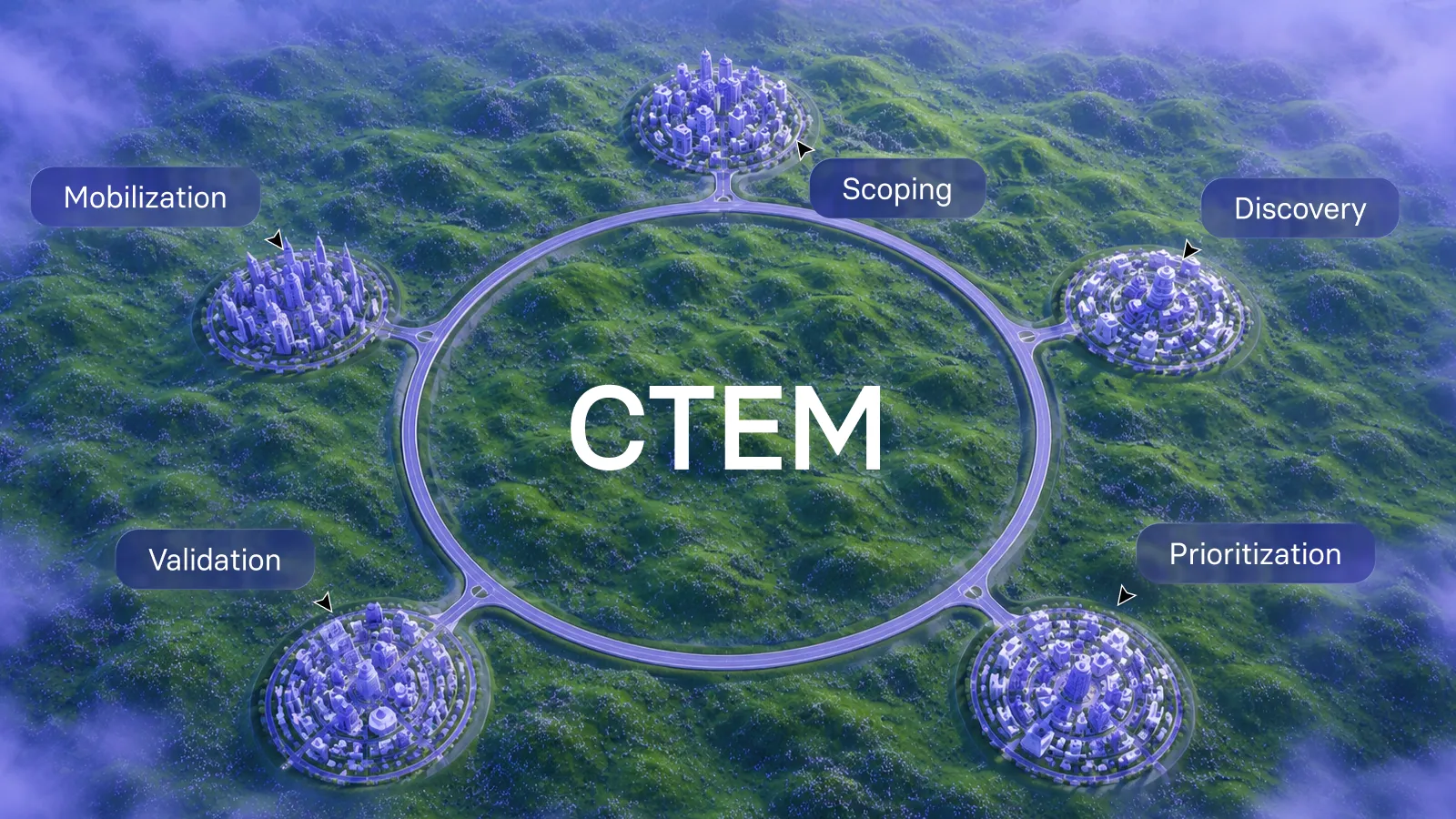
Continuous Threat Exposure Management (CTEM) is the emerging framework many security leaders rely on to organize risk reduction efforts. Preemptive exposure management strengthens and accelerates multiple CTEM stages:
- Discovery: Continuously identifies assets, vulnerabilities, and misconfigurations across hybrid environments.
- Prioritization: Adds real-world exploit intelligence and environmental context to prioritize exposures based on actual risk.
- Mitigation: Automates remediation using patches, scripts, or compensating controls, reducing exposure windows without human bottlenecks.
- Validation: Confirms remediation success by verifying that targeted vulnerabilities are resolved and systems are no longer exposed.
- Mobilization: Feeds insights and telemetry into detection engineering and SOC workflows to support adaptive defense.
For SOC teams, this model means:
- Fewer repetitive remediation tickets
- Lower Mean Time to Remediate (MTTR)
- Stronger correlation between vulnerability and threat data
- Seamless integration into SOAR and IR playbooks
The result is a shift from reactive alert-chasing to proactive exposure control, where the SOC plays a lead role in reducing attack surface continuously and intelligently.
Final Words: From Reaction to Prevention
Cybersecurity is at a turning point. The shift from reactive, alert-heavy models to automated, outcome-driven strategies is no longer optional. It’s necessary.
Preemptive exposure management is the natural evolution of vulnerability management, CTEM, and security operations focused not on highlighting risk, but on eliminating it. It combines intelligence, automation, and policy to deliver what security teams have always needed: fewer exposures, faster resolution, and less manual effort.
If your current approach can’t automatically fix what it finds, it’s time to rethink your exposure strategy. Because attackers are moving fast and you need to be faster.
FAQ
Q: How does preemptive exposure management differ from traditional exposure management?
A: Preemptive exposure management automates discovery, prioritization, and remediation, while traditional models rely on manual workflows and delayed fixes.
Q: What are the benefits of a preemptive exposure platform?
A: It reduces risk faster, minimizes manual workload, and ensures vulnerabilities are fixed automatically before attackers can exploit them.
Ready to take the next step? Improve vulnerability and remediation workflows with the Vicarius vRx Maturity Model.
Related resources:


























.webp)


















%20Signals%20a%20New%20Era%20of%20Supply%20Chain%20Risk.webp)








.webp)