

The cybersecurity industry has spent two decades perfecting the art of finding vulnerabilities. It never quite figured out how to fix them.
There was a time when patching meant walking down a hallway.
In the early days of enterprise computing, a sysadmin would discover a software bug, pull the vendor diskette from a manila envelope, and physically install updates on machines one by one. It was tedious. It was manual. But at least when the work was done, everyone knew the vulnerability had been addressed.
That was remediation in its purest form: identification followed by resolution.
Then the scale arrived. Networks expanded from dozens of machines to hundreds, then thousands. Remote offices multiplied. Third-party applications proliferated. The manual process that once took an afternoon began to take weeks. And somewhere along the way, the cybersecurity industry made a fateful decision: it would prioritize the finding over the fixing.
The Rise of the Scanner Era
The late 1990s and early 2000s saw an explosion in vulnerability scanning technology. Products emerged that could sweep across networks, interrogate systems, and produce exhaustive reports of every flaw, misconfiguration, and missing patch in an environment. For CISOs drowning in complexity, these tools felt like salvation.
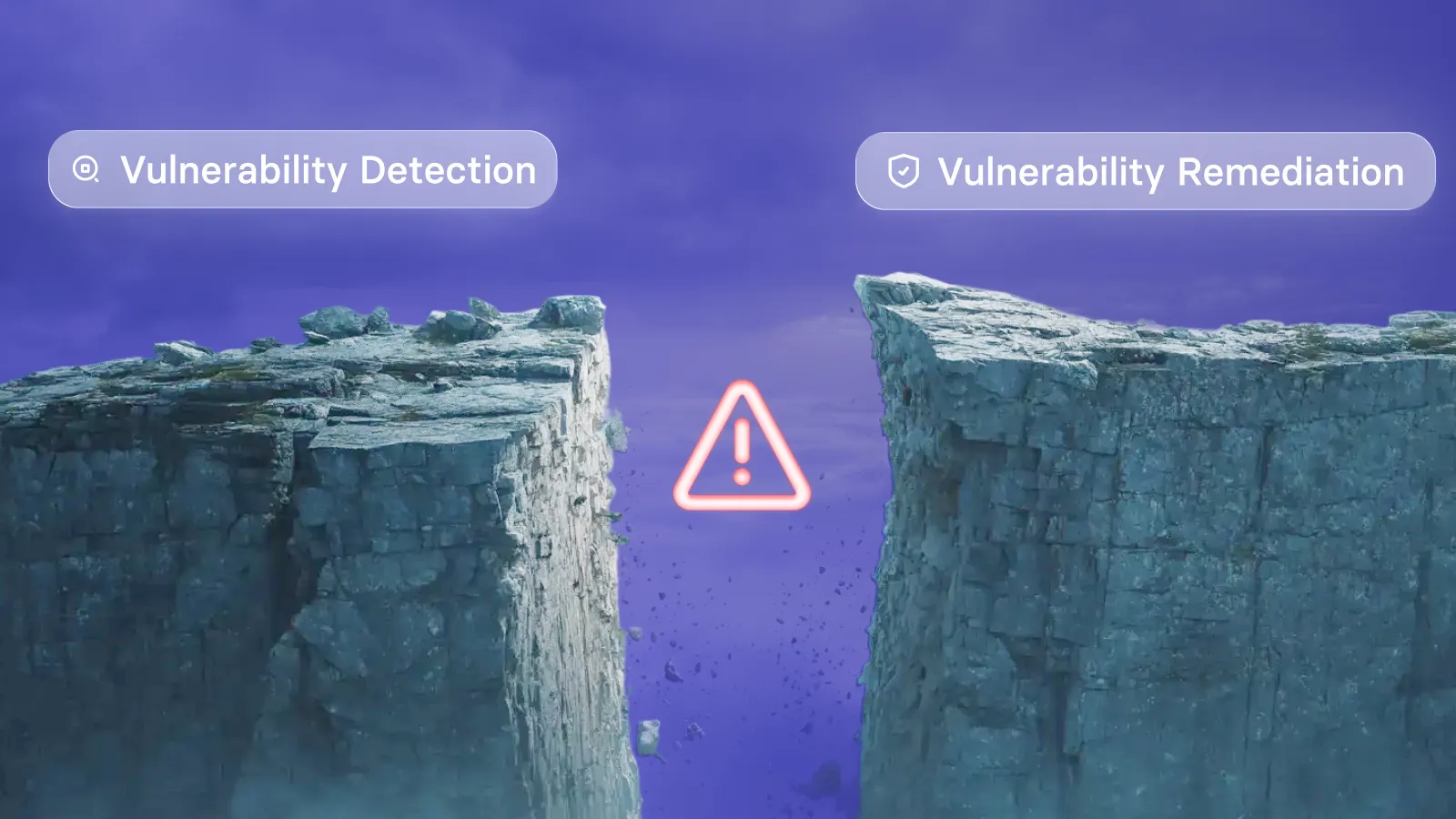
But there was a catch nobody fully acknowledged at the time. Scanning is an observation. Remediation is an action. And the industry had just built an entire market around the former while assuming someone else would handle the latter.
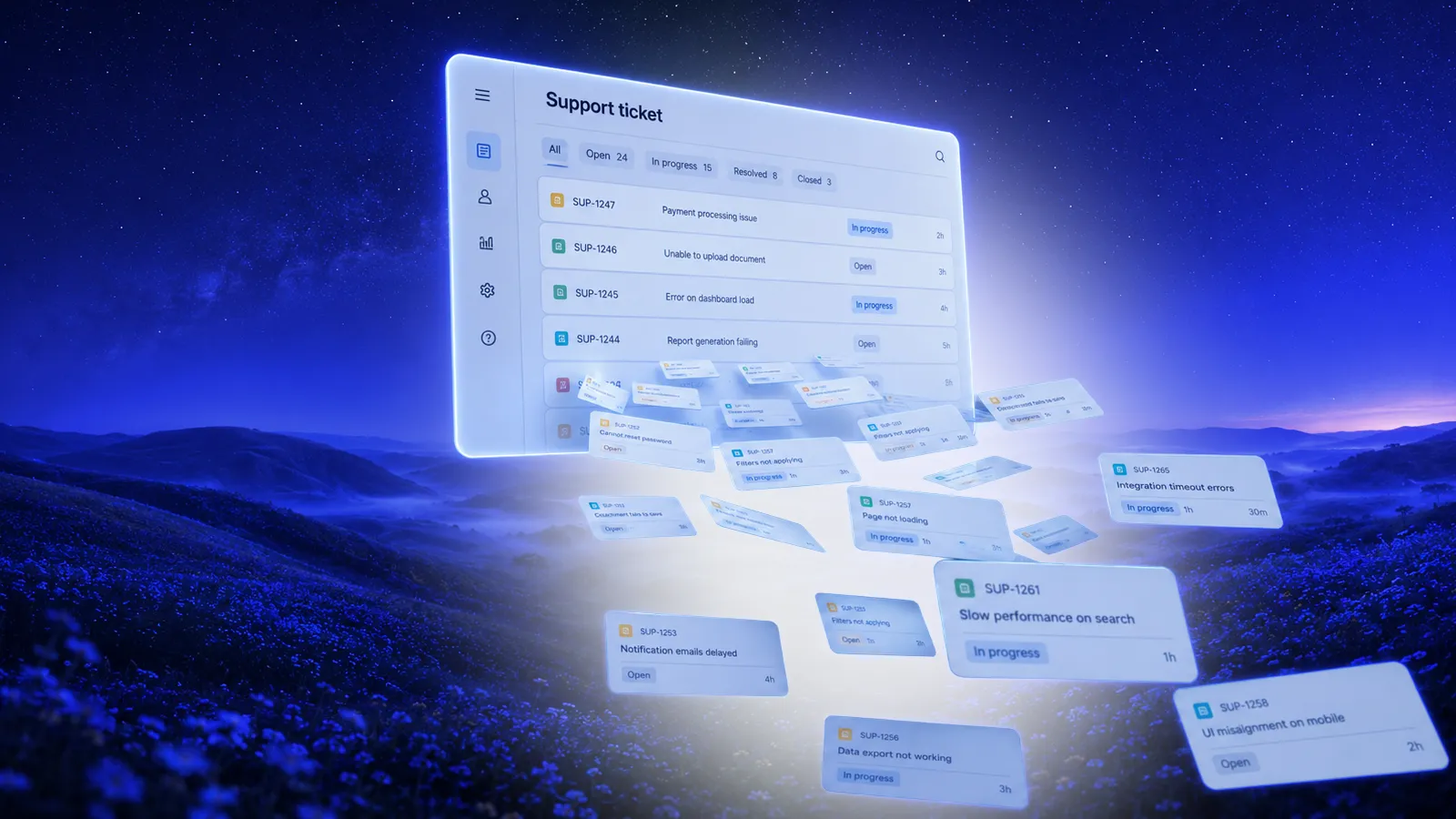
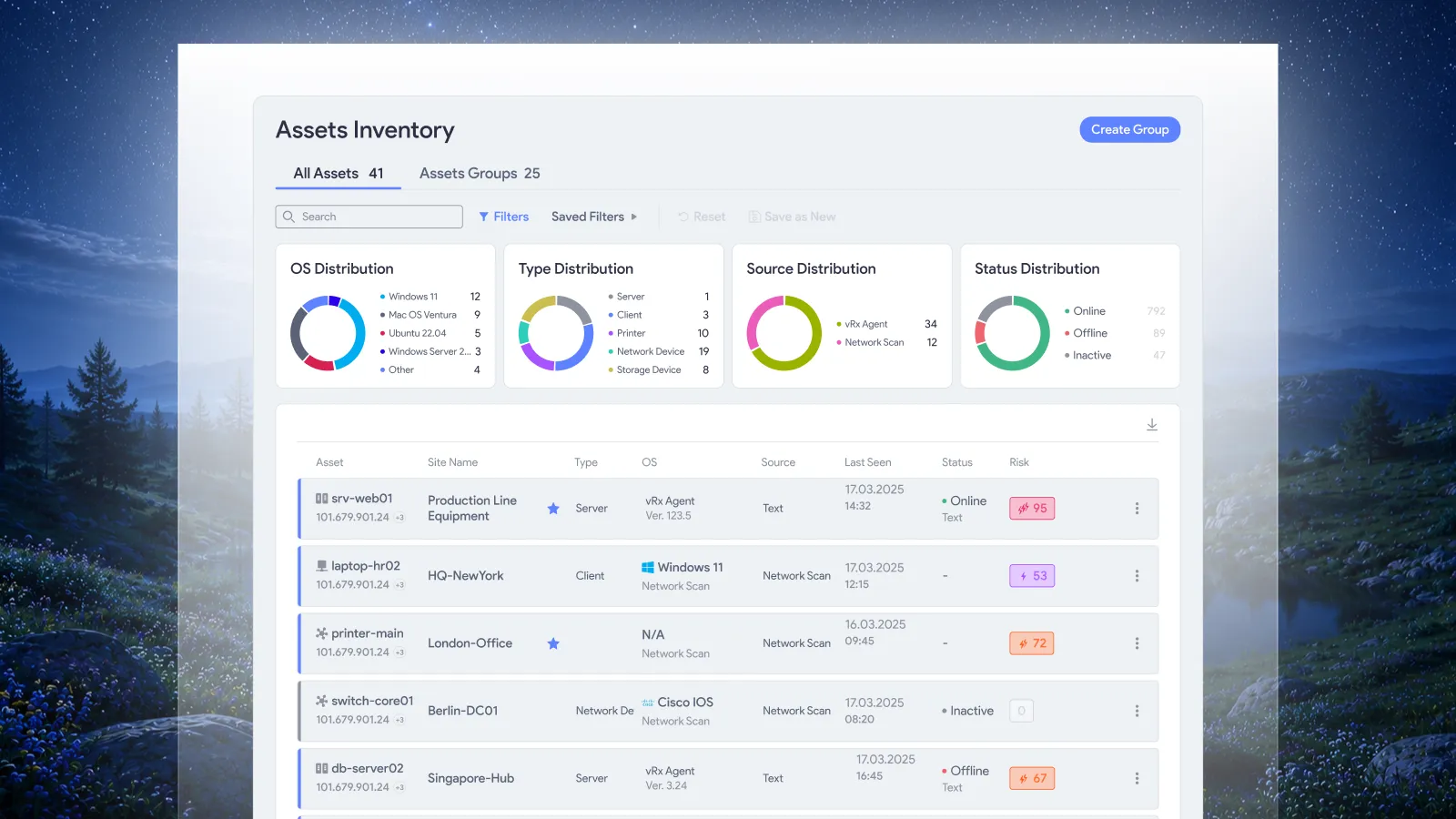
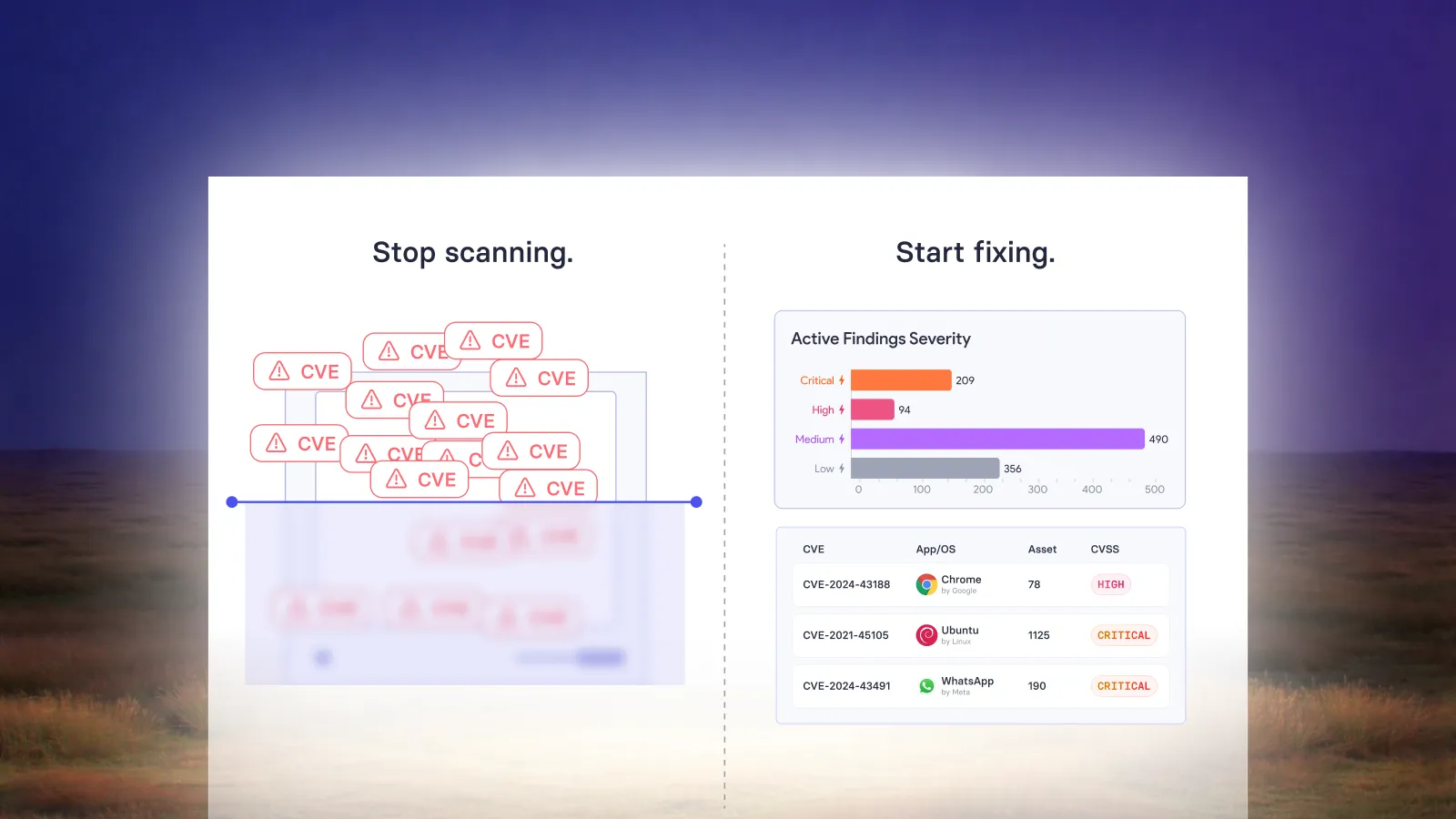
Legacy vulnerability scanners became extraordinarily good at their core function. They could detect thousands of CVEs, map attack surfaces, and generate compliance reports that satisfied auditors. What they couldn't do was close the loop. They created tickets. They assigned risk scores. They produced dashboards full of red and yellow indicators. And then they stopped.
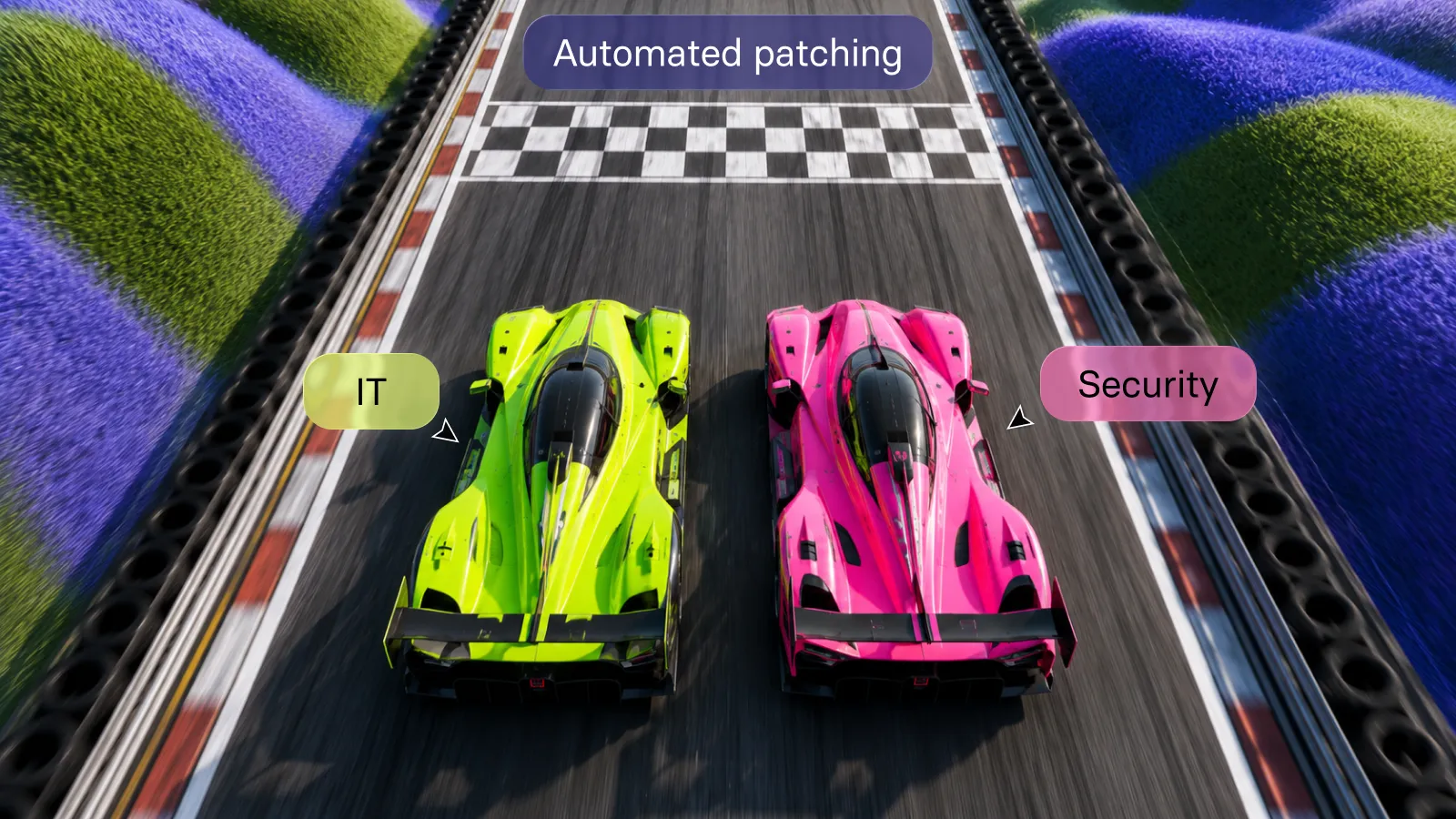
The actual work of patching testing updates, scheduling maintenance windows, coordinating with application owners, verifying successful deployment fell to IT operations teams who were already overwhelmed. Security identified problems. IT was supposed to fix them. And in that handoff, vulnerabilities lingered.
The Ticket Queue That Grew Forever
For more than a decade, the industry accepted this division as natural. Vulnerability management meant scanning and reporting. Patch management was a separate discipline, often handled by different tools, different teams, and different budgets.
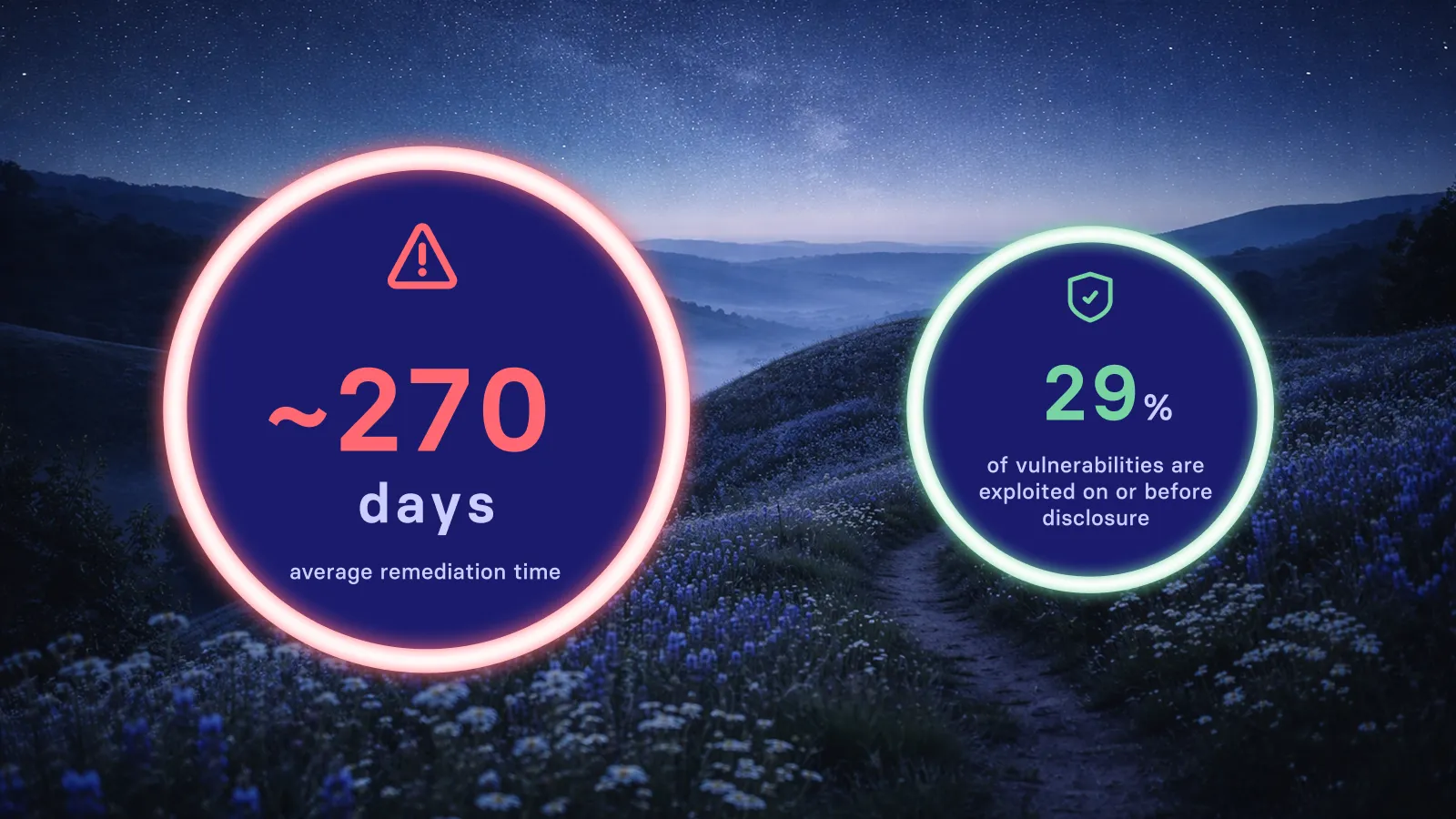
The result was predictable, mean time to remediate (MTTR) ballooned. Industry reports began showing average patching windows stretching to 60 days, 90 days, sometimes longer. Critical vulnerabilities sat exposed for weeks while tickets cycled through approval workflows and change advisory boards.
Legacy vendors responded not by rethinking the architecture but by adding features around the edges. More integrations. More dashboards. More reports. If an organization couldn't remediate fast enough, the solution was supposedly better visibility into why they couldn't remediate fast enough.
Meanwhile, attackers adapted. Exploit timelines compressed from months to weeks to days. The window between vulnerability disclosure and active exploitation narrowed dramatically. By the time many organizations completed their scanning-to-ticketing-to-approval-to-patching cycle, the threat actors had already moved on to the next zero-day.
When "Remediation" Became a Marketing Term
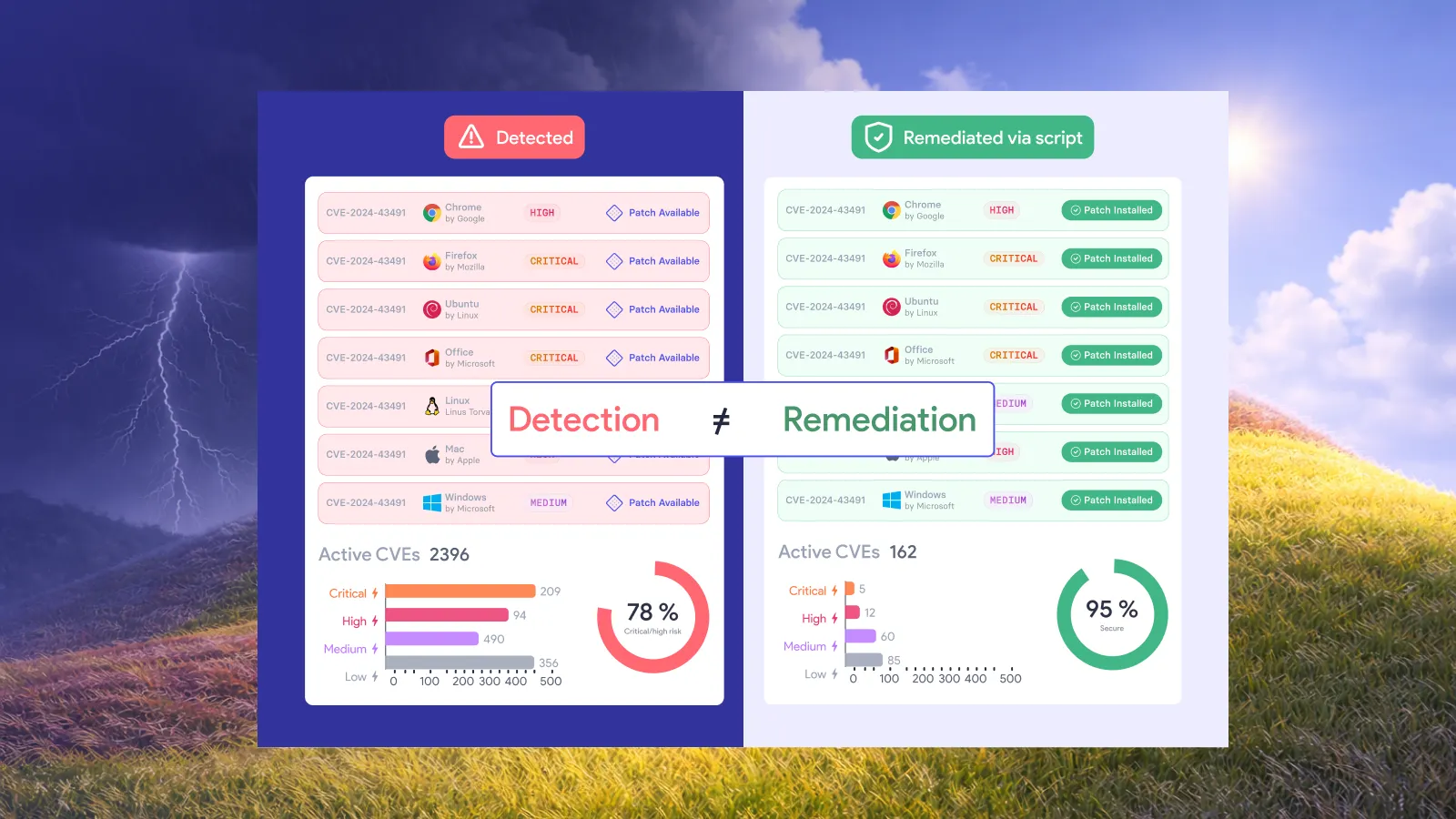
Perhaps the most telling sign of the industry's dysfunction was semantic. Legacy vendors began claiming their products offered "remediation" when all they actually provided was detection plus integration. A scanner that could push a finding to a ticketing system called this remediation. A platform that could generate a patch recommendation called this remediation. The word lost its meaning.
True remediation means the vulnerability no longer exists. The patch has been deployed, or the configuration has been corrected, or the exposure has been otherwise eliminated. Anything short of that is preparation for remediation valuable, perhaps, but incomplete.
For years, security teams accepted the incomplete version because the tooling gave them no alternative. They became experts at managing vulnerability backlogs rather than eliminating them. They developed sophisticated prioritization schemes to decide which findings to address first, knowing they could never address them all. Triage became the strategy because resolution at scale seemed impossible.
The Breaking Point
Several forces converged to expose the limitations of the legacy model.
First, the sheer volume of vulnerabilities accelerated beyond any team's capacity to manage manually. The National Vulnerability Database now tracks over 40,000 new CVEs annually. Even with perfect prioritization, traditional workflows simply cannot keep pace.
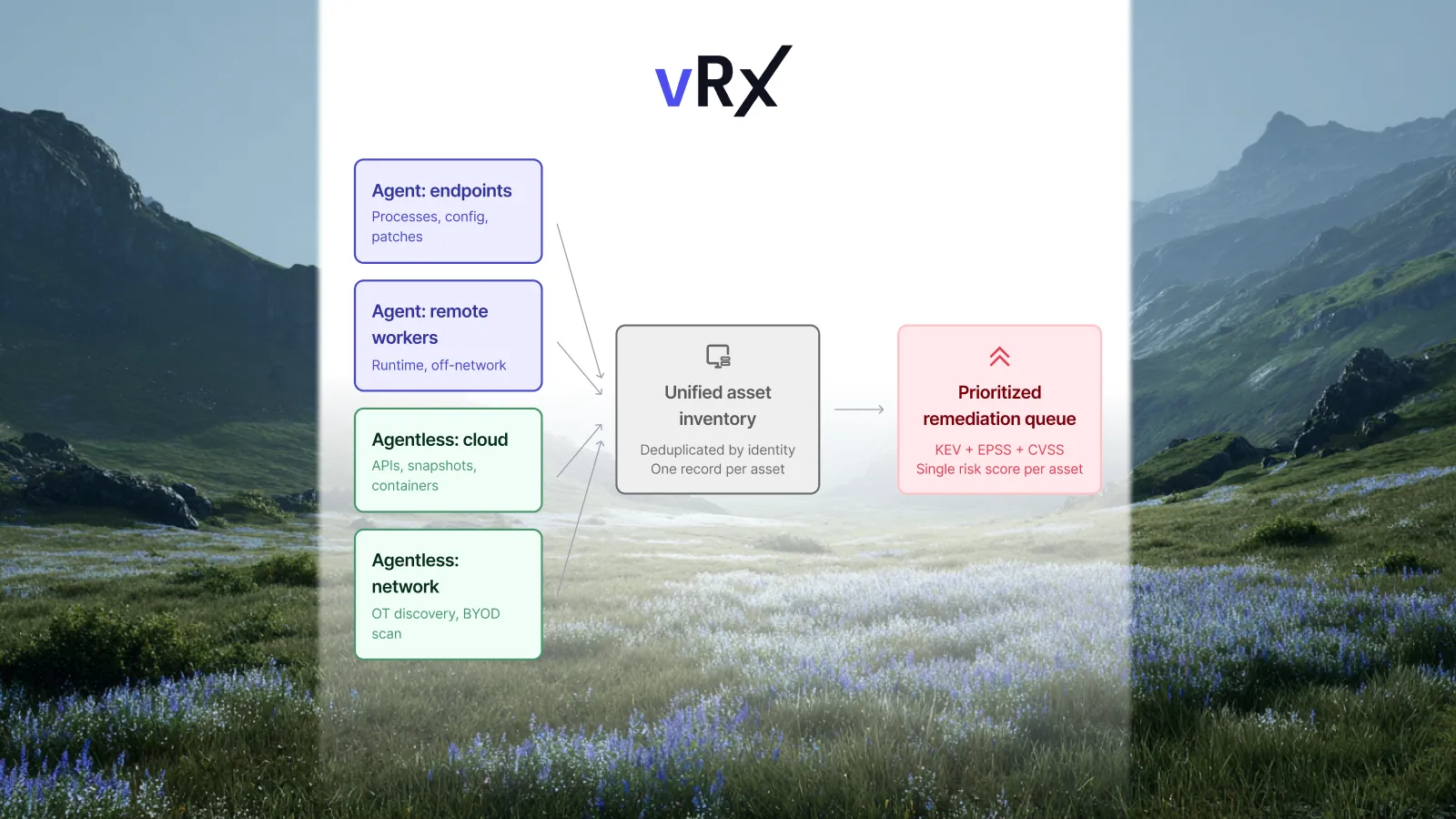
Second, the attack surface expanded dramatically. Cloud workloads, remote endpoints, third-party applications, containerized infrastructure each added complexity that legacy tools weren't designed to handle. Organizations found themselves juggling multiple scanning products for different environments, each generating its own stream of findings with no unified path to resolution.
Third, regulatory and insurance pressures intensified. Compliance frameworks began specifying remediation timelines rather than just requiring vulnerability assessment. Cyber insurers started asking not just whether organizations scanned for vulnerabilities but how quickly they fixed them.
The market was ripe for reinvention.
The Shift Toward Fixing
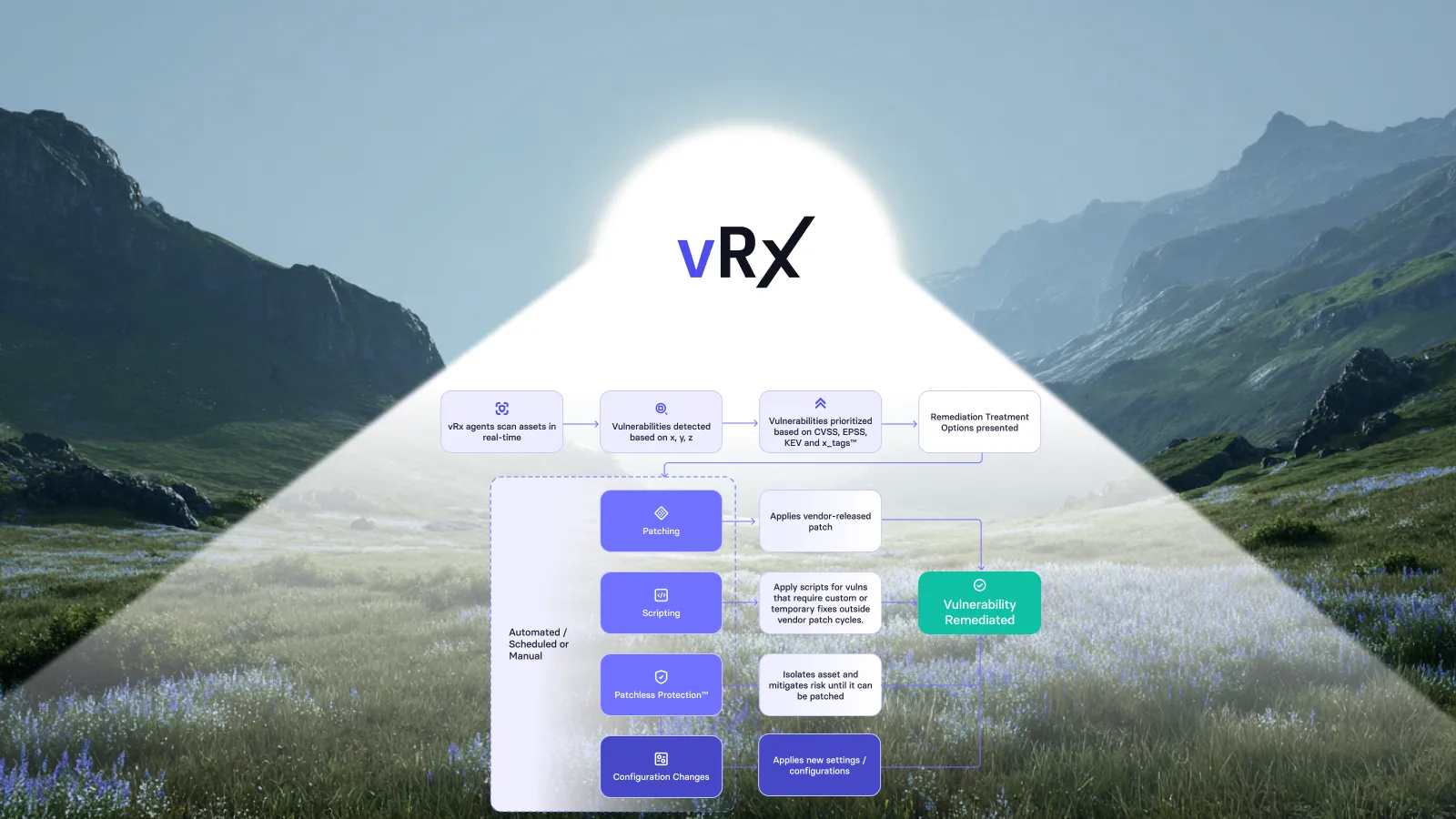
A new generation of platforms began approaching vulnerability management from the opposite direction. Instead of starting with detection and hoping remediation would follow, they started with remediation and built detection as the prerequisite.
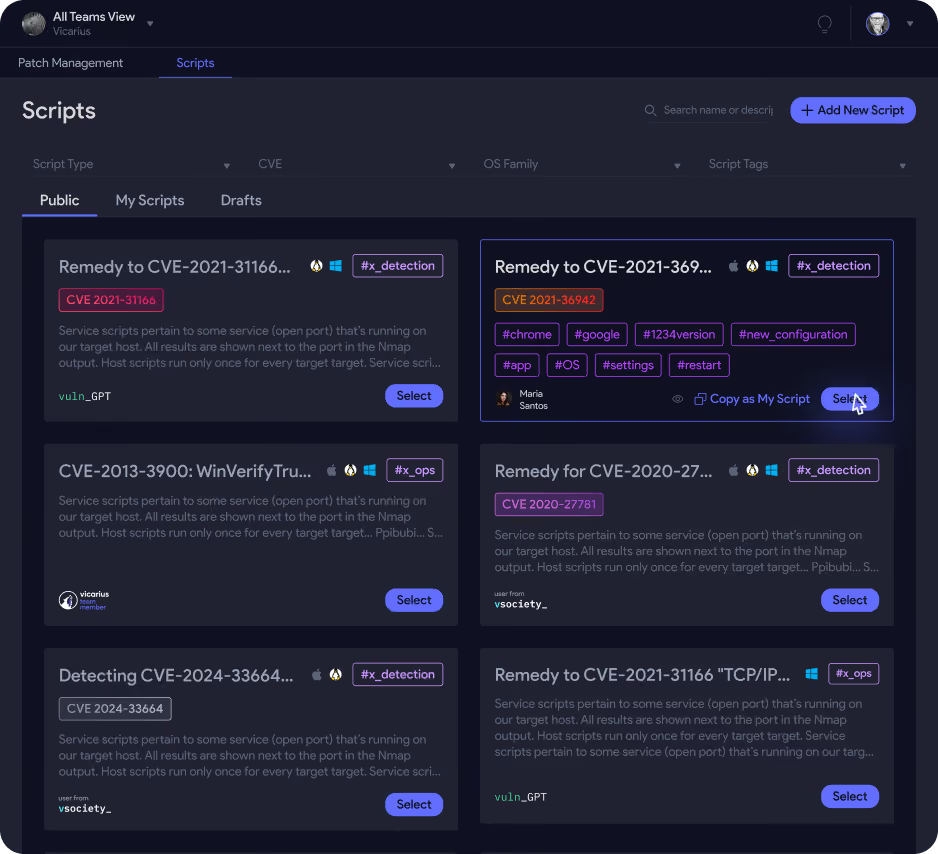
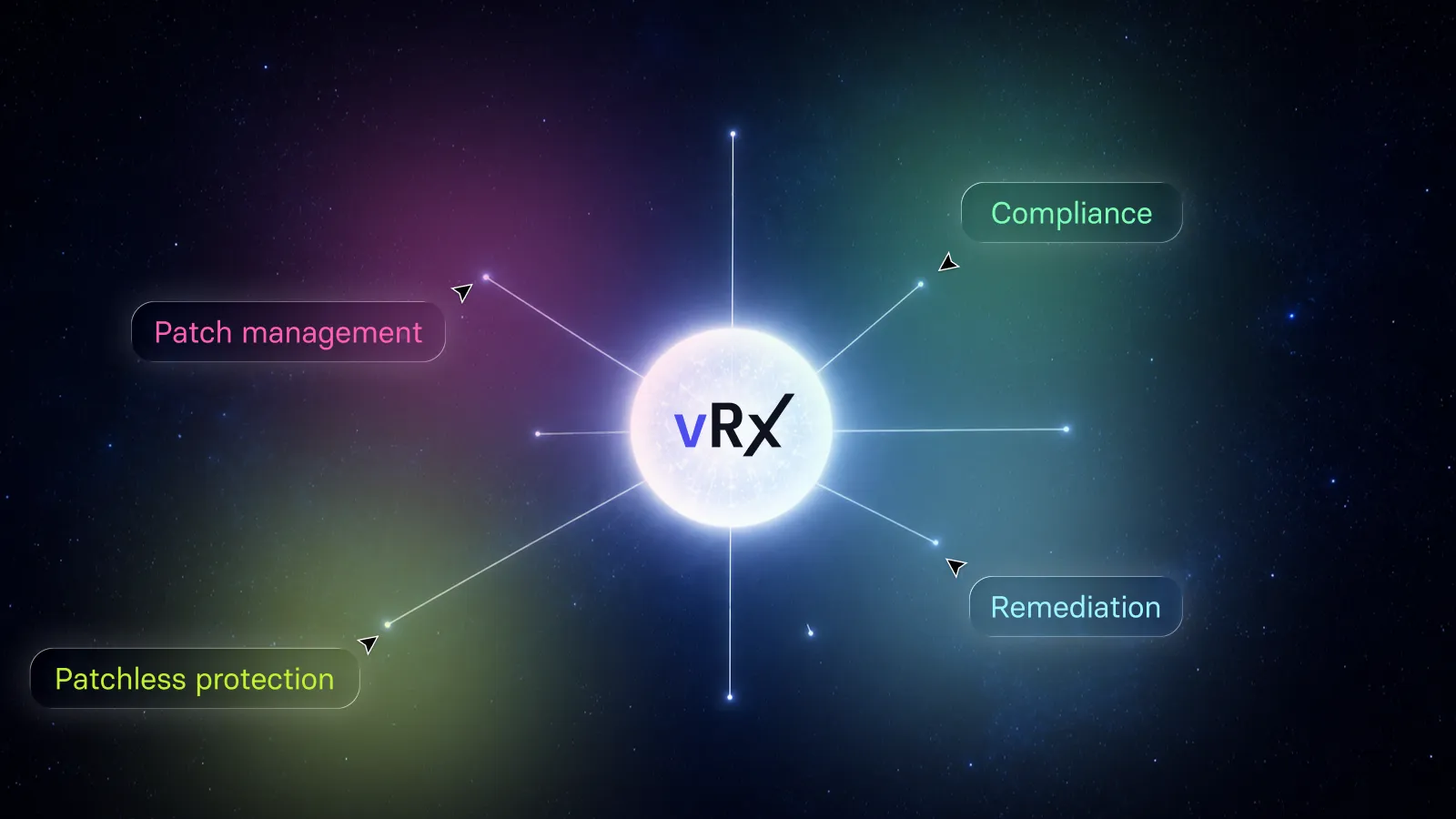
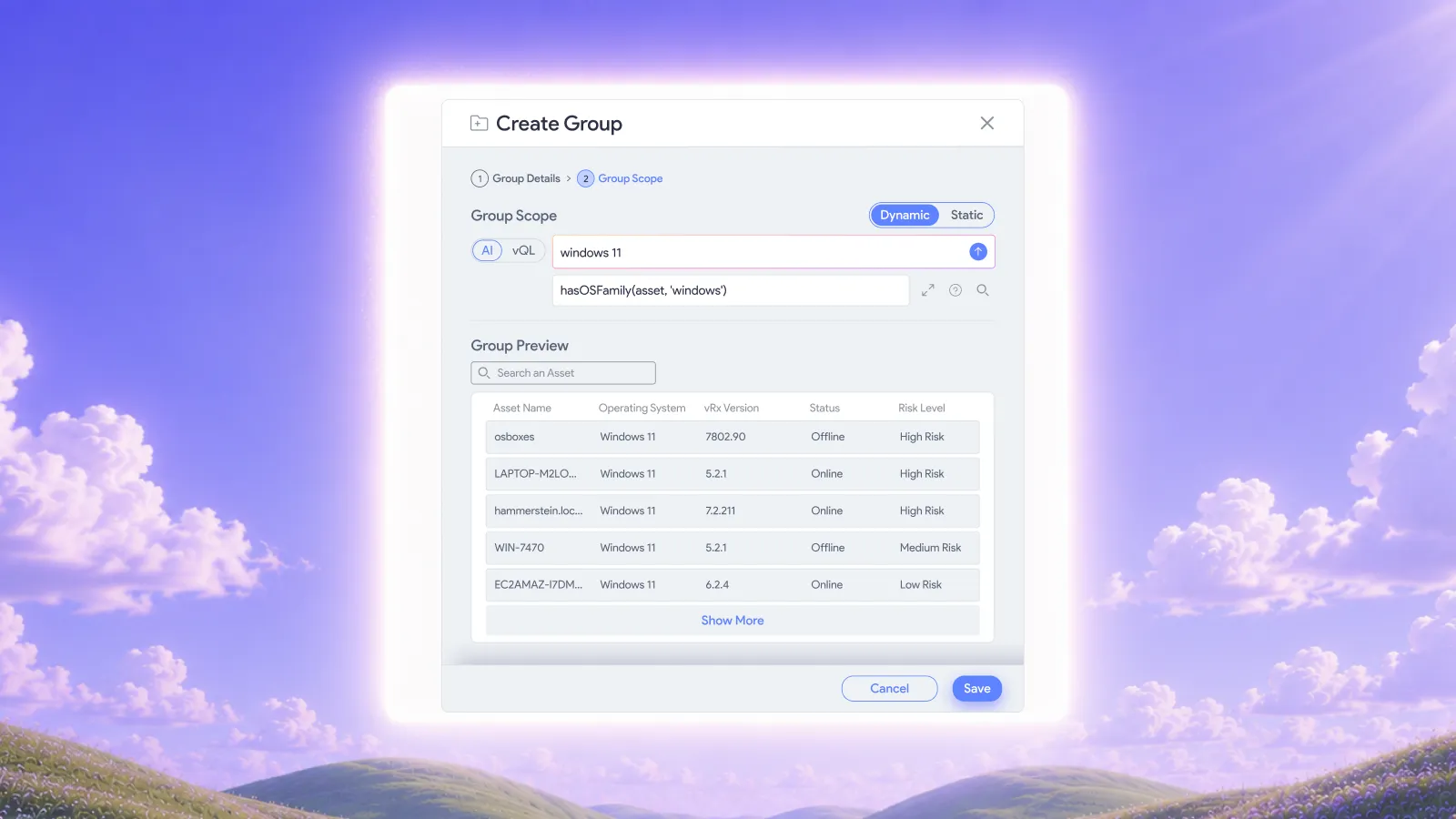
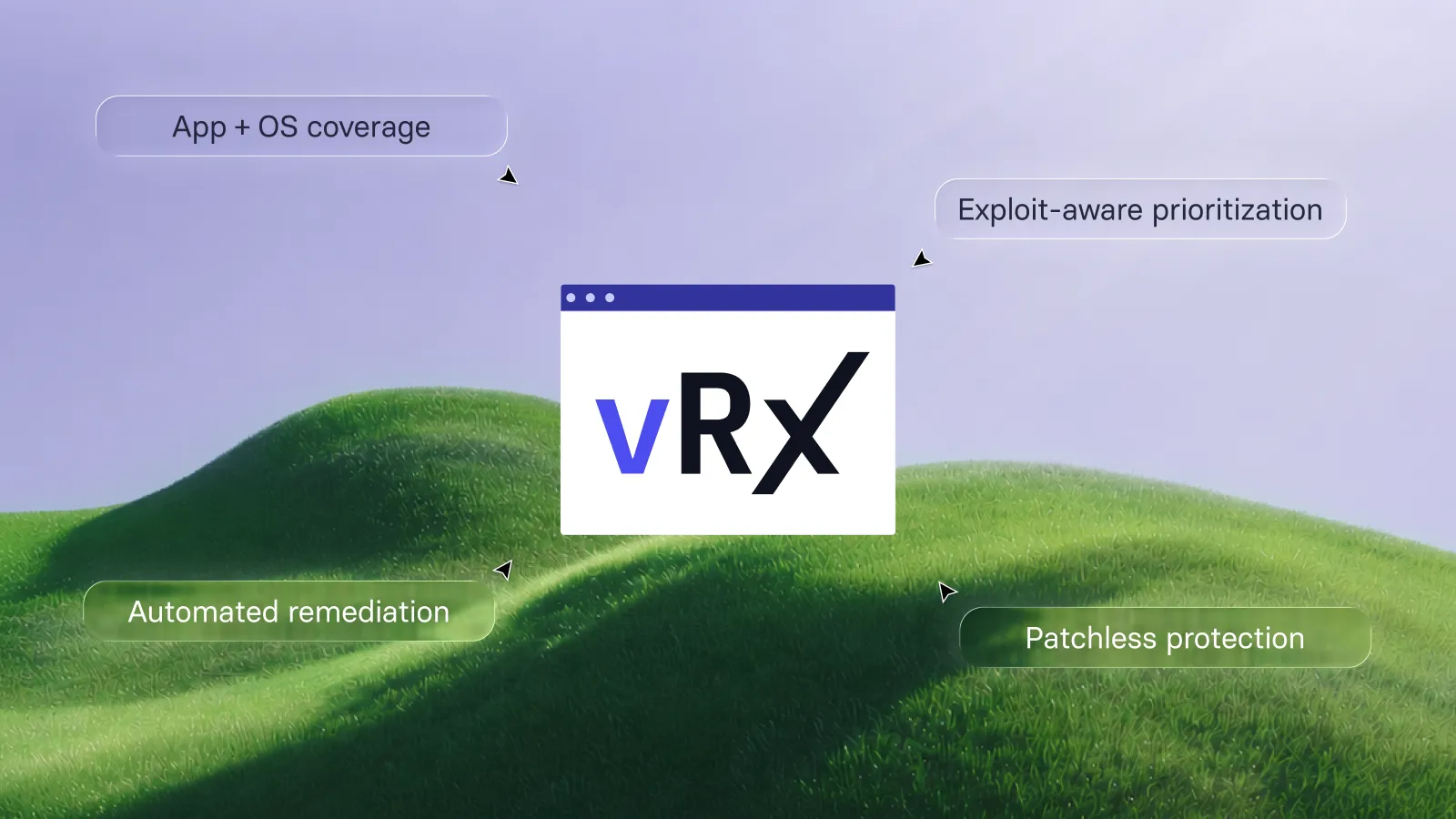
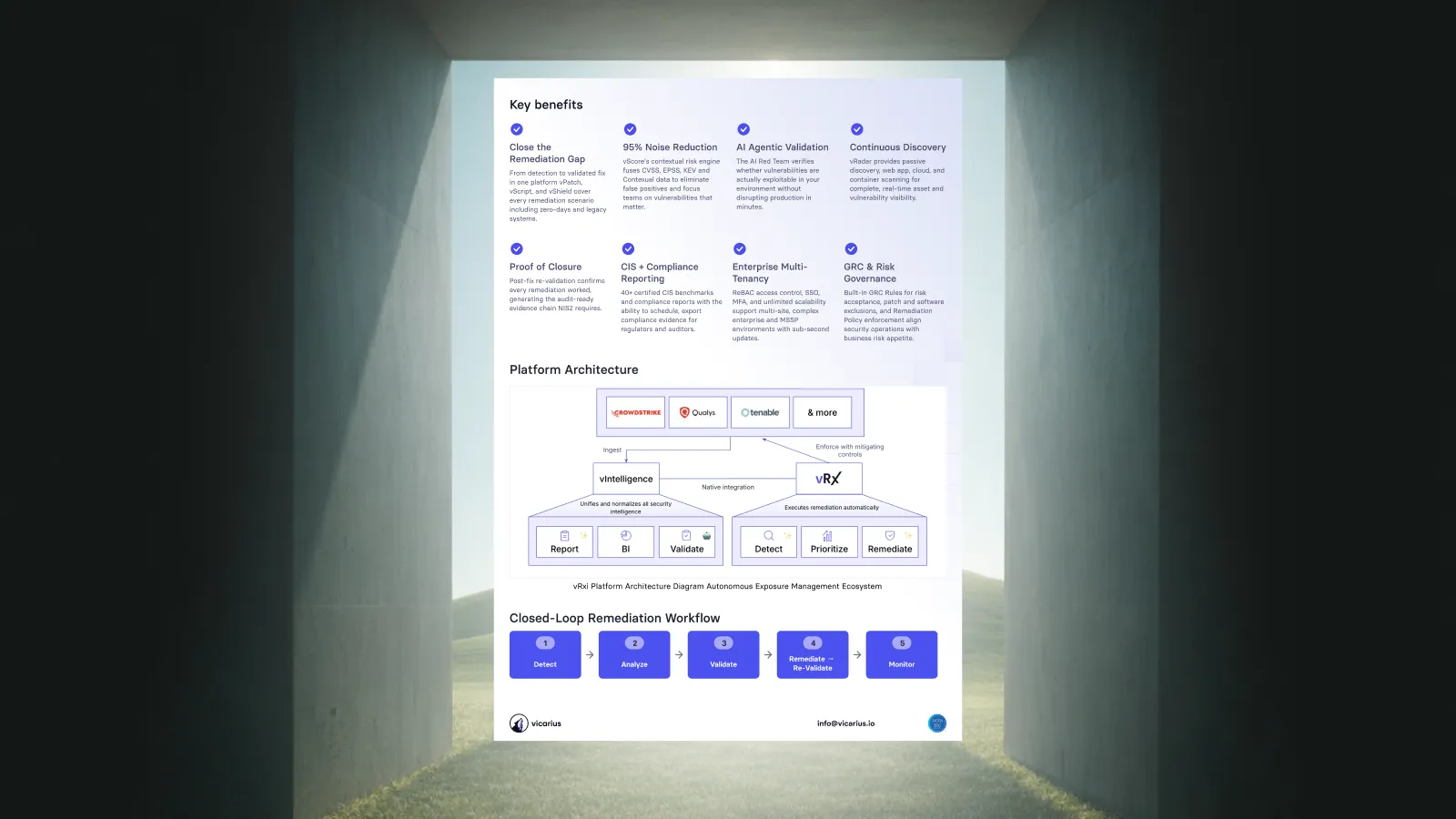
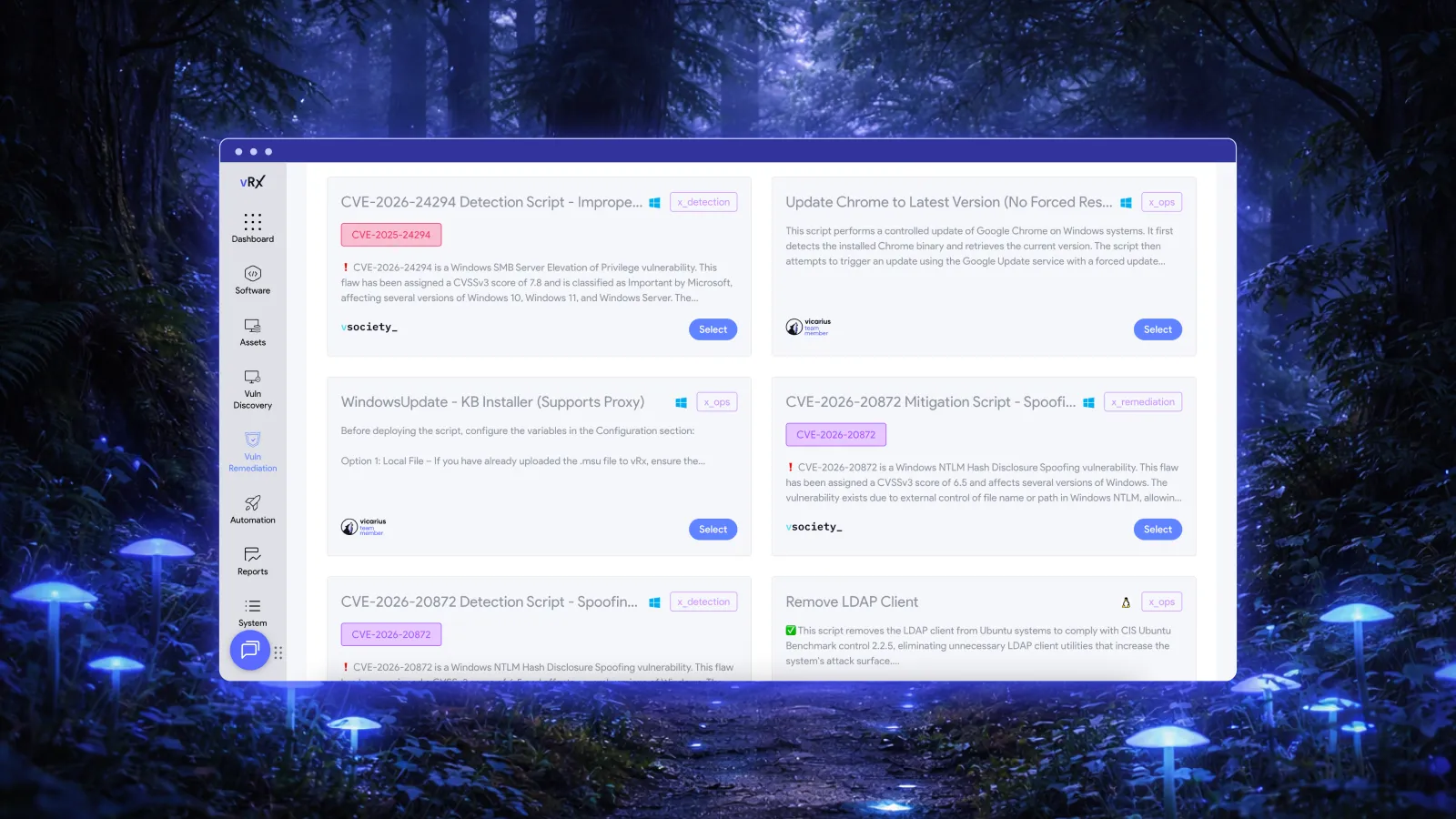
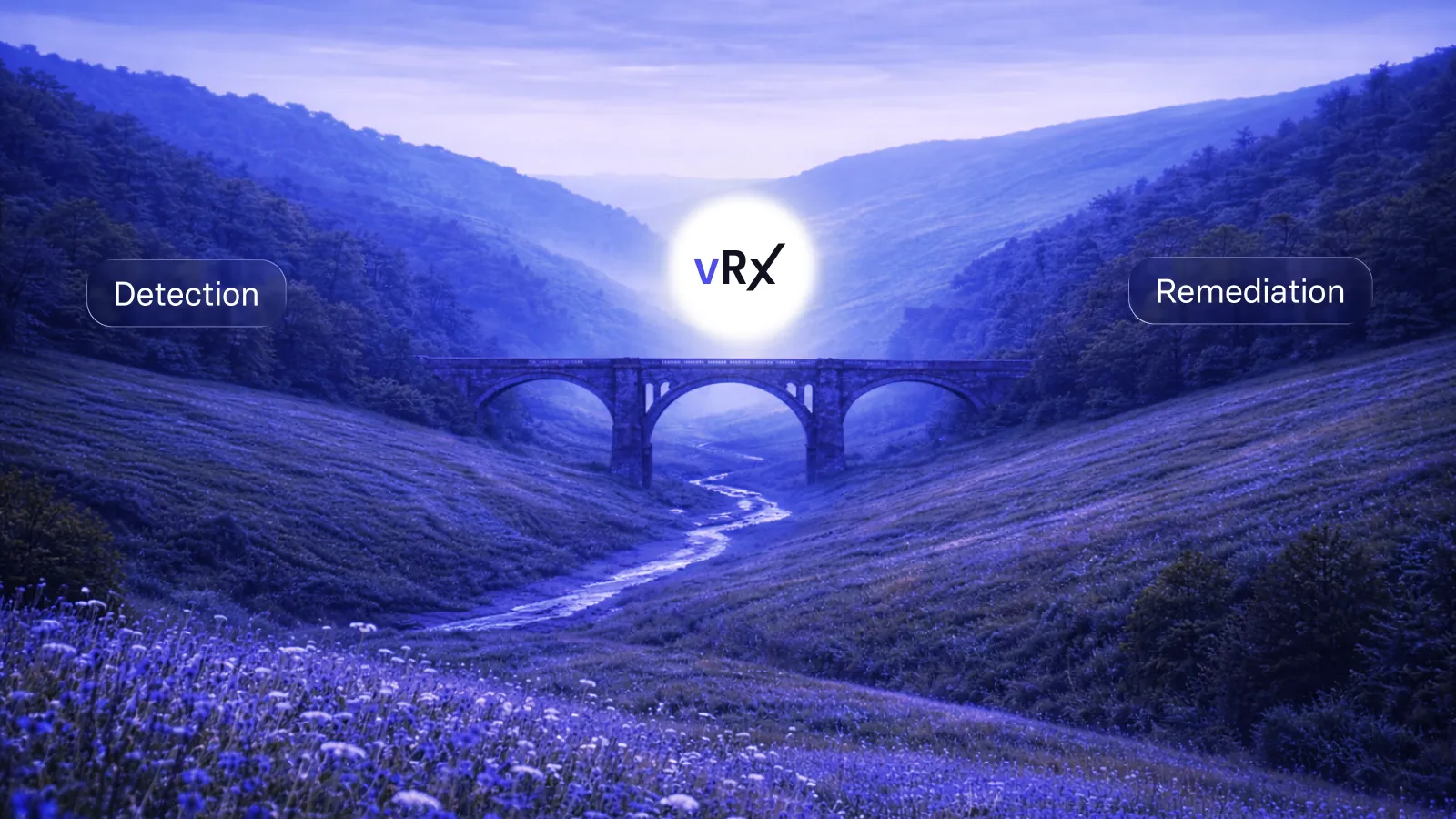
Vicarius emerged as a pioneer of this remediation-first philosophy. Their platform, vRx, was architected around a simple but radical premise: a vulnerability scanner that cannot fix vulnerabilities is not a complete solution.
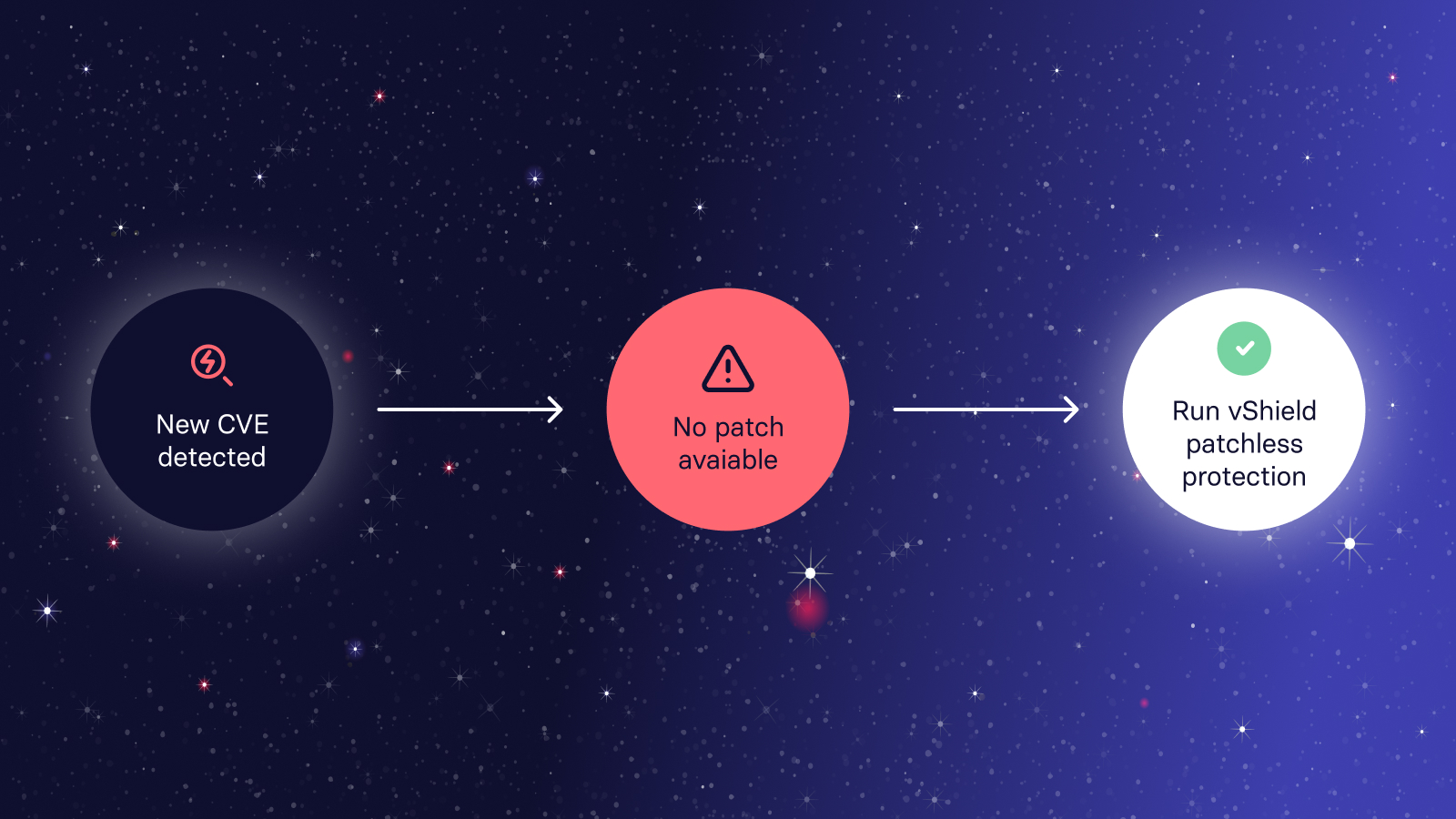
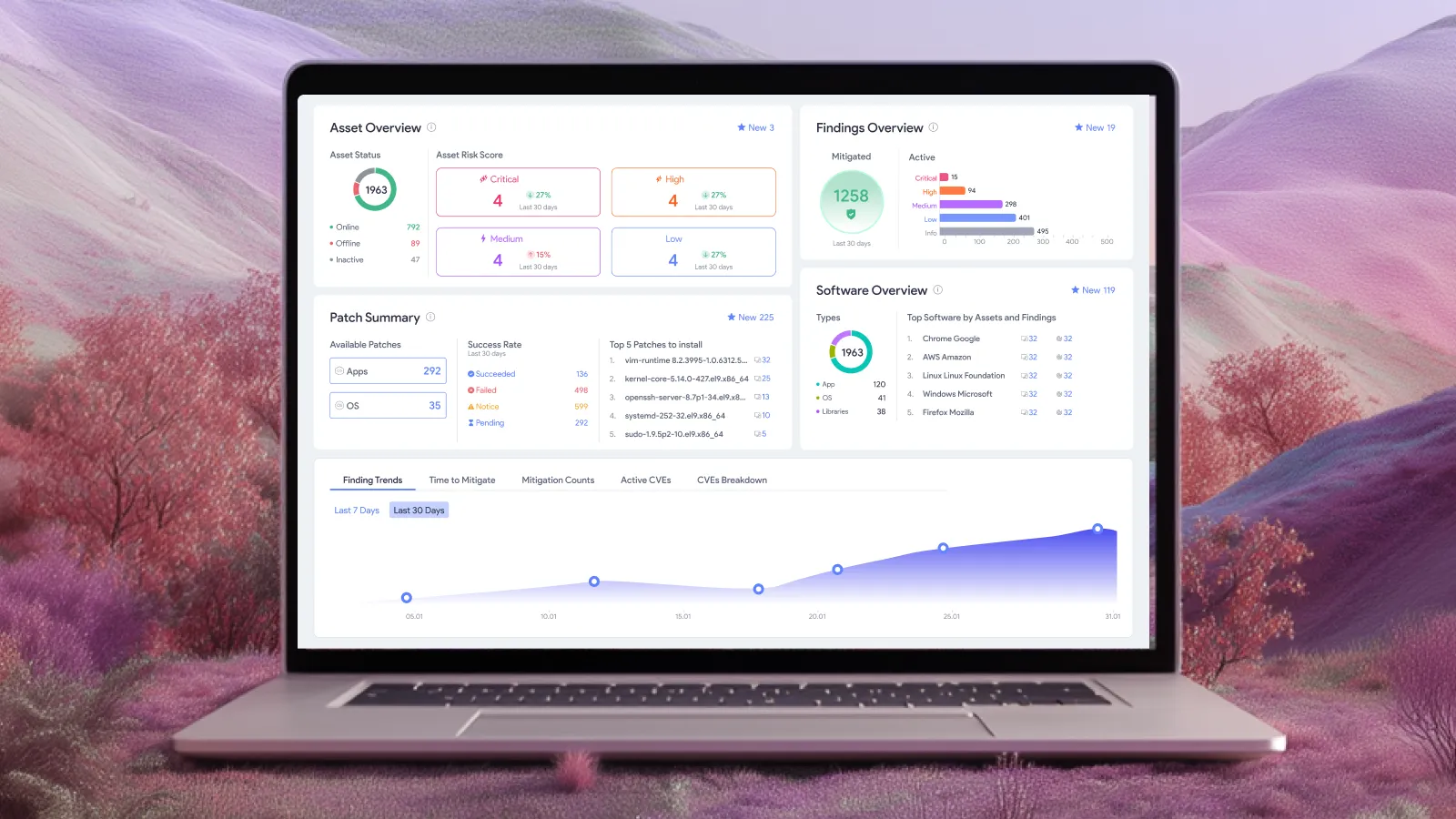
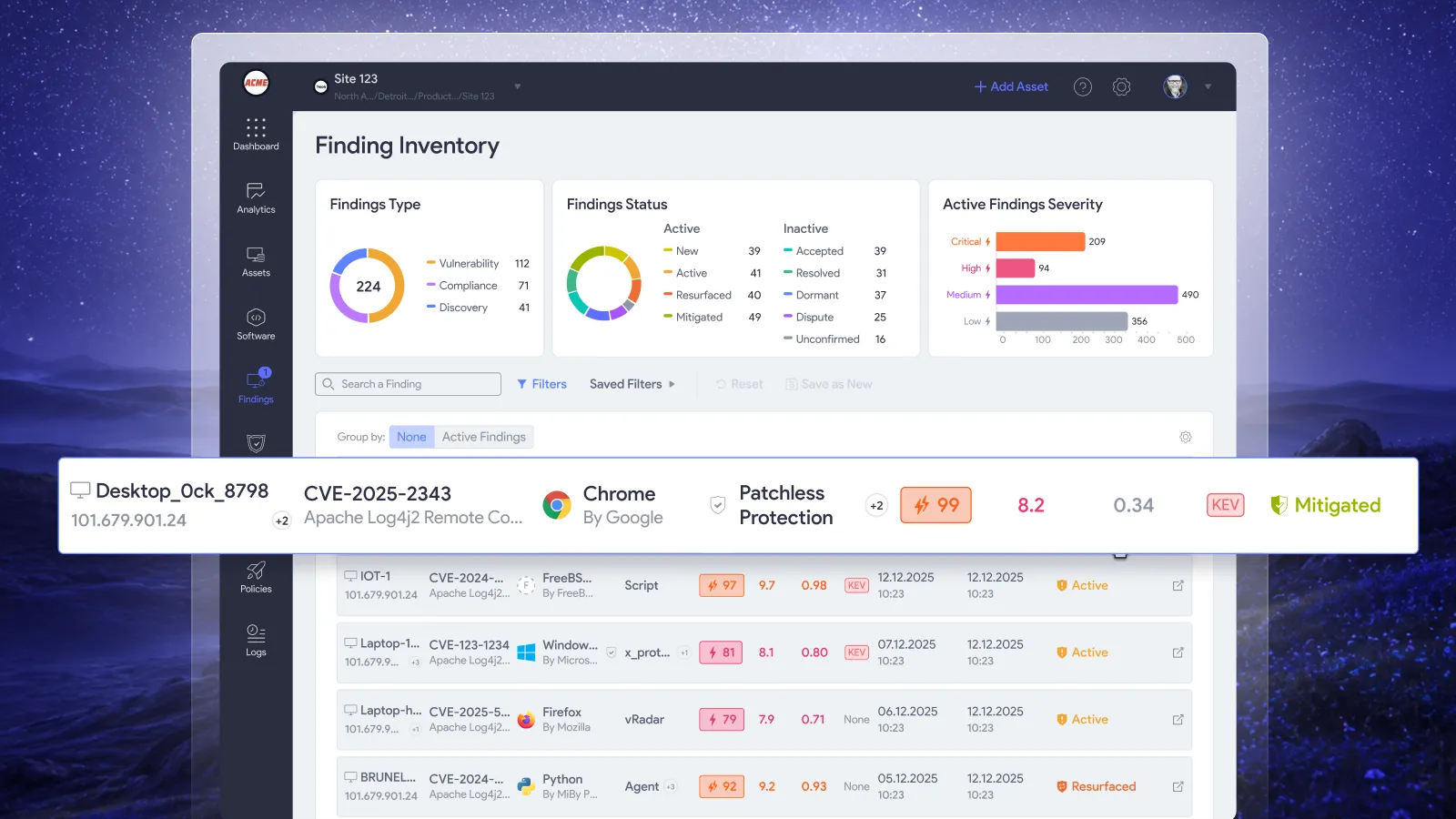
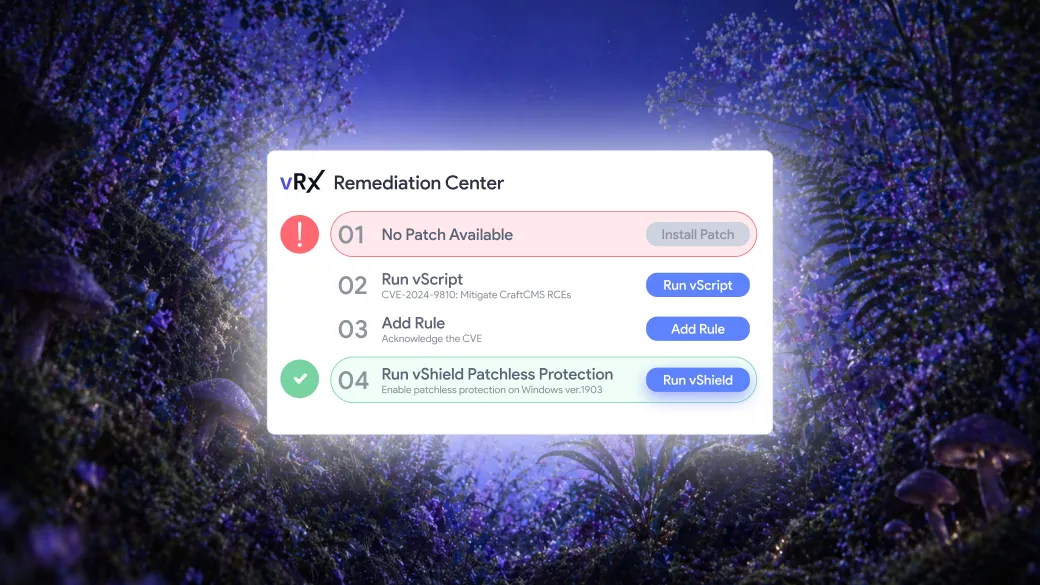
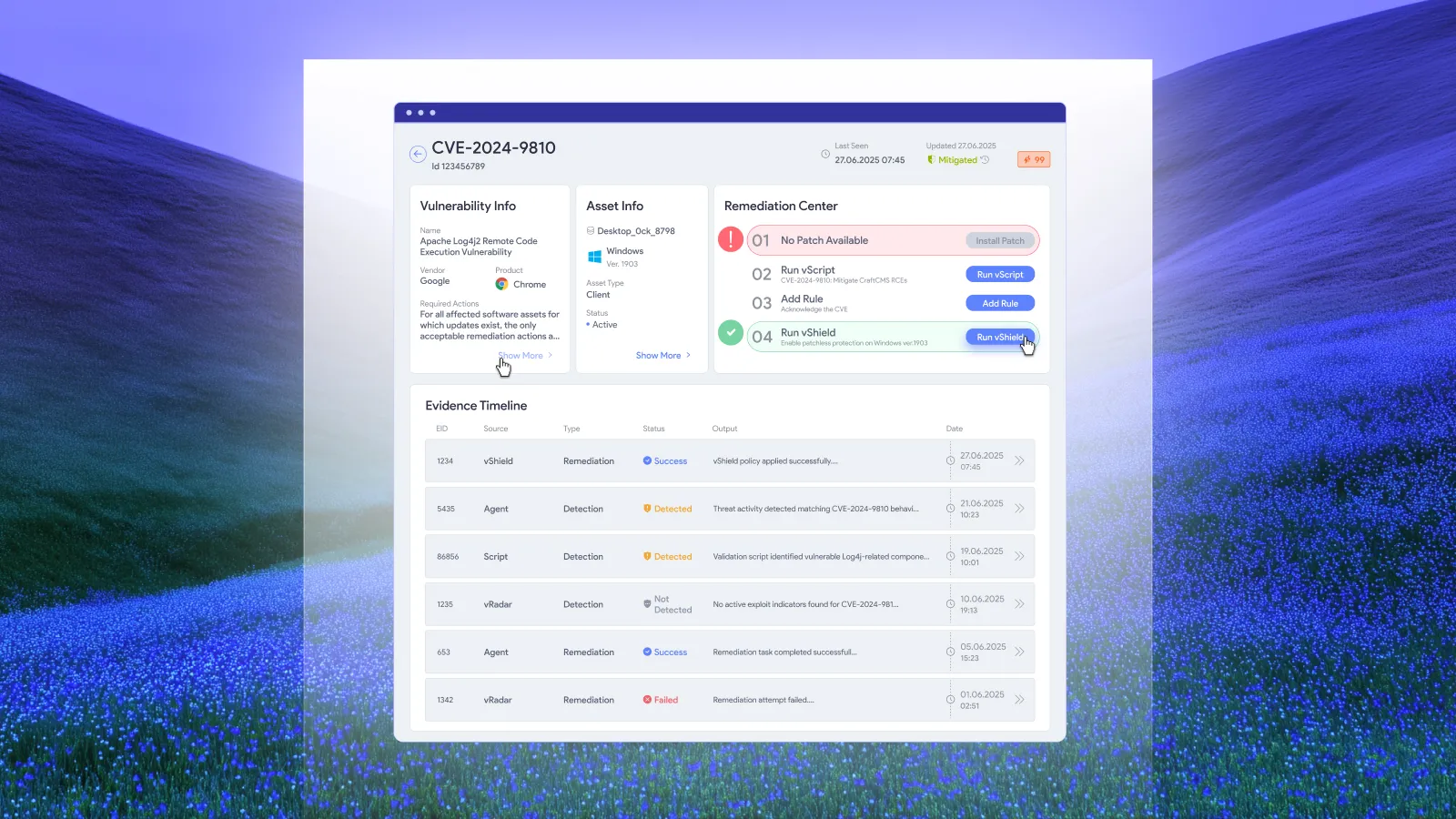
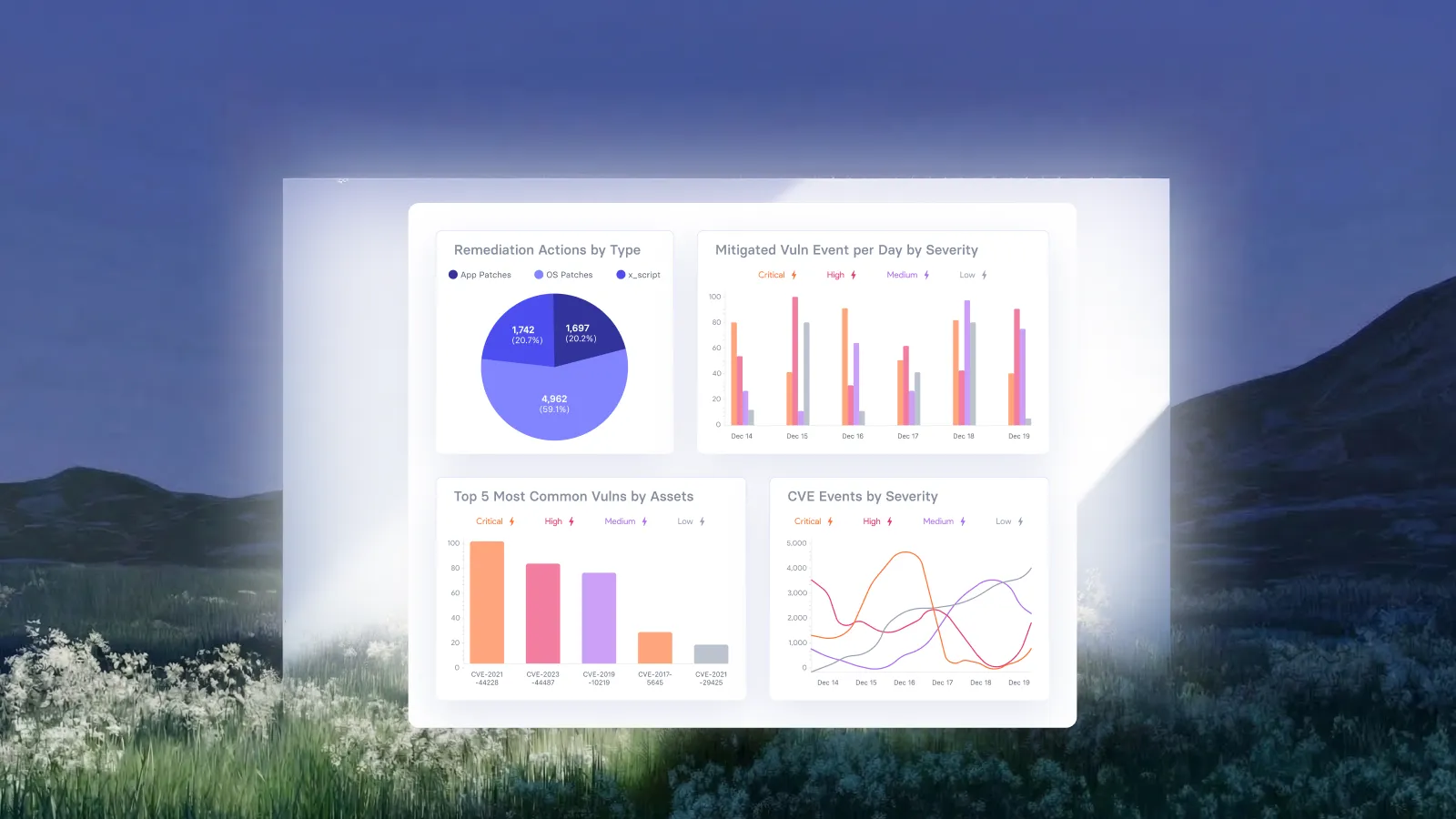
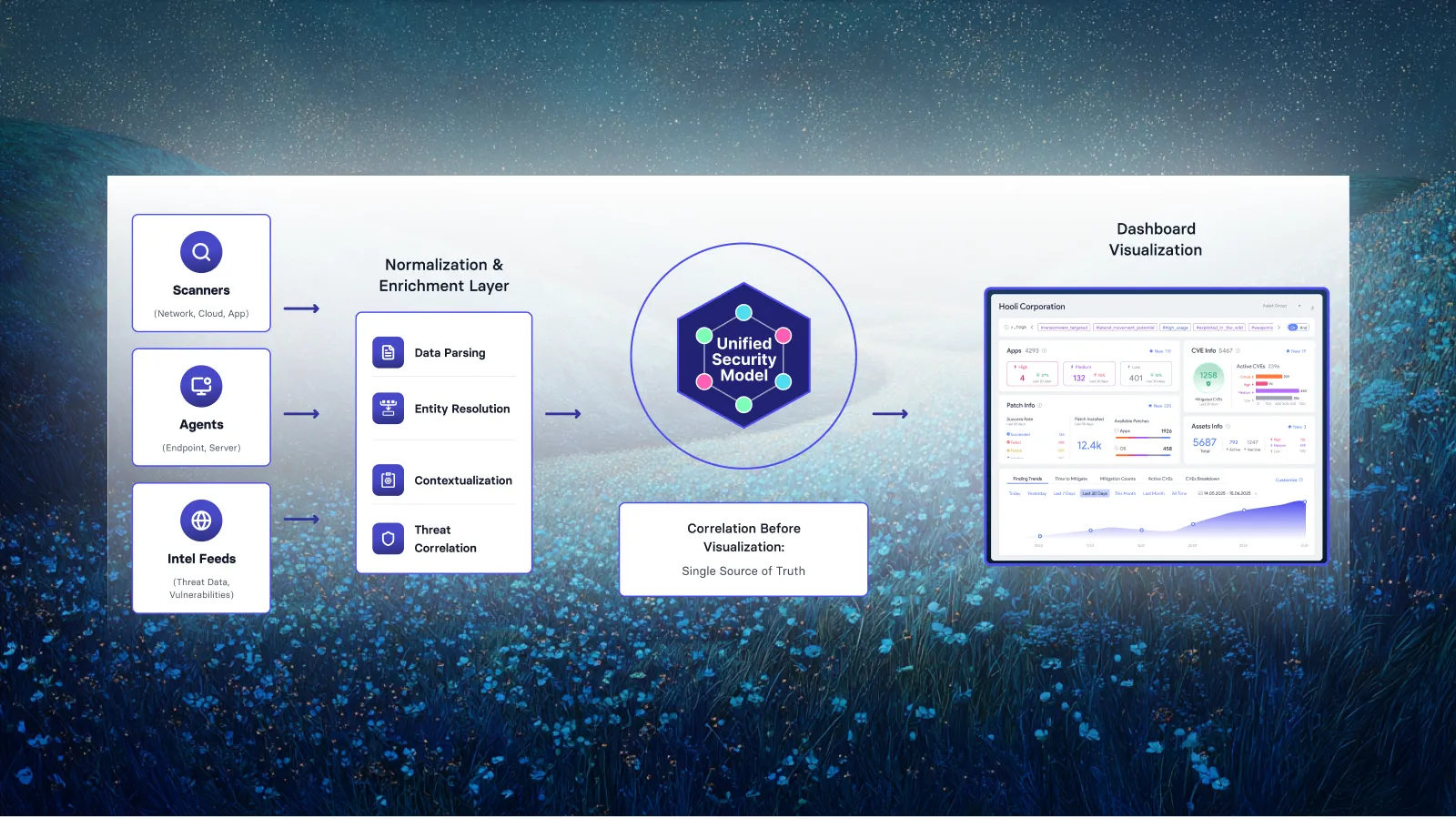
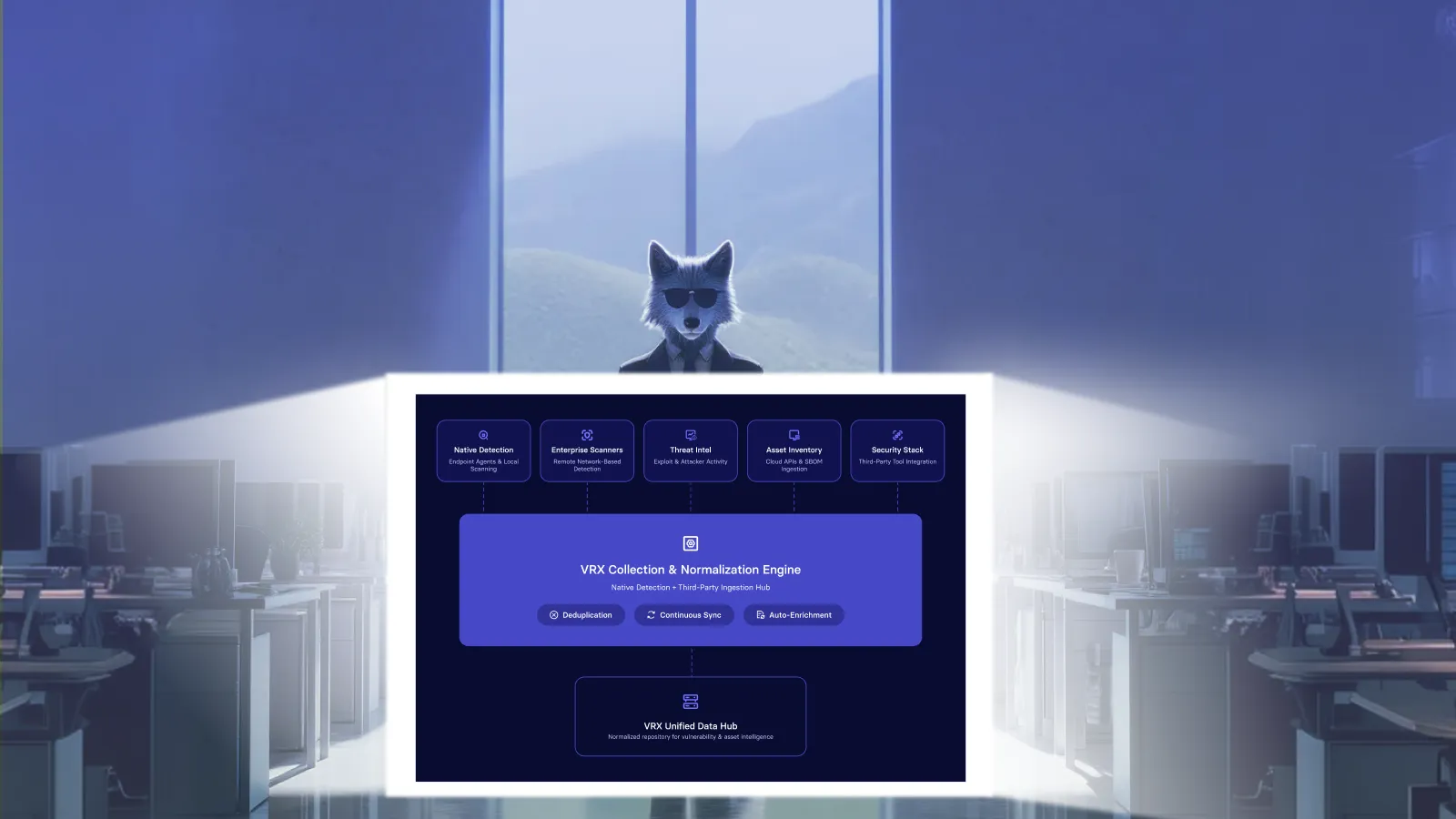
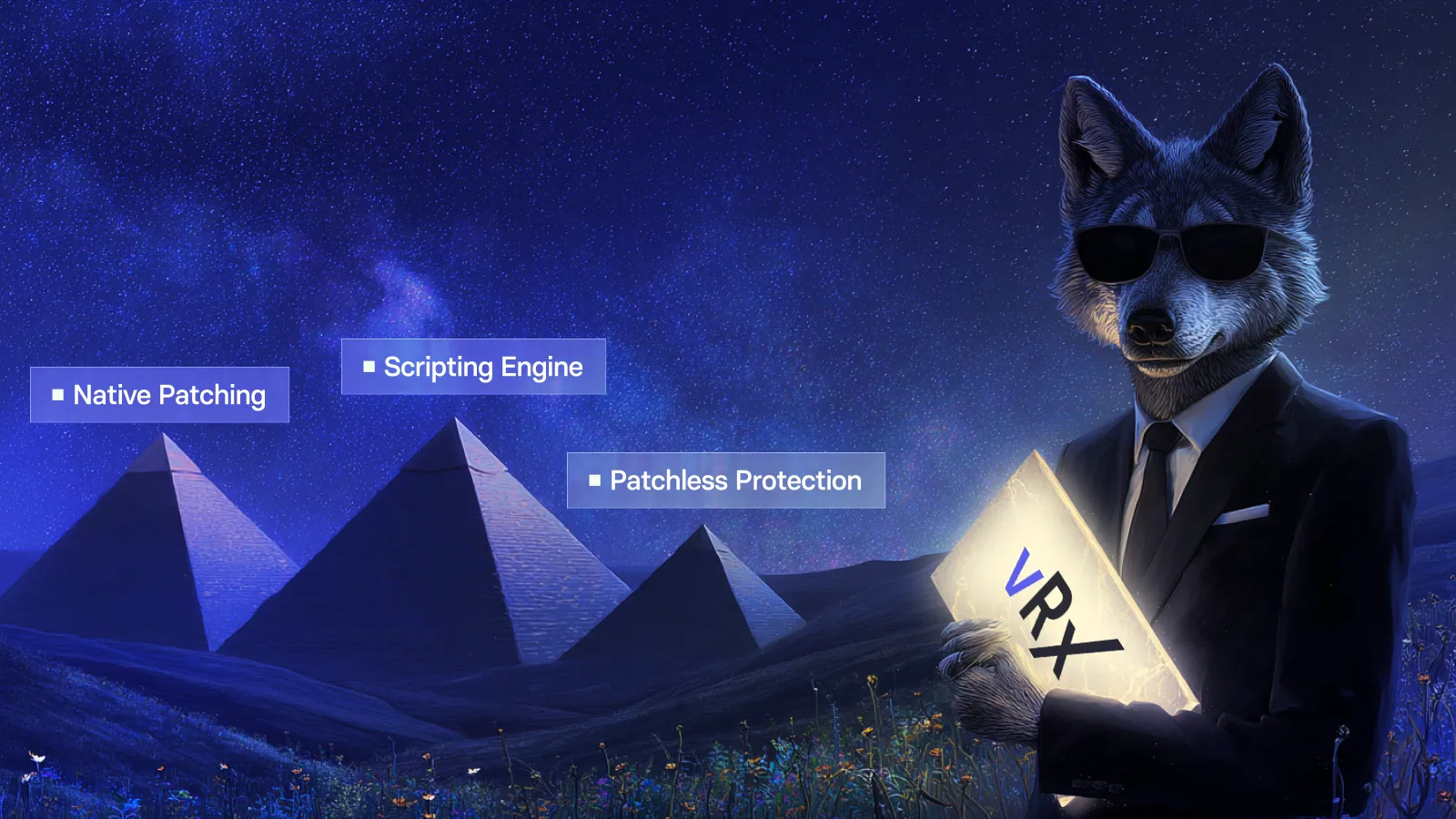
This meant building unified workflows where detection and remediation exist within the same console, the same automation framework, the same operational context. It meant automating patch deployment across operating systems and third-party applications without requiring separate tools or manual intervention. It meant providing alternatives when patches weren't available or couldn't be immediately deployed.
Eric Dowsland, Chief Customer Officer, described the distinction clearly, “what stood out was that the platform wasn't just a scanner or a patch manager it was an entire remediation platform that discovers vulnerabilities, prioritizes based on real risk, and remediates automatically.”
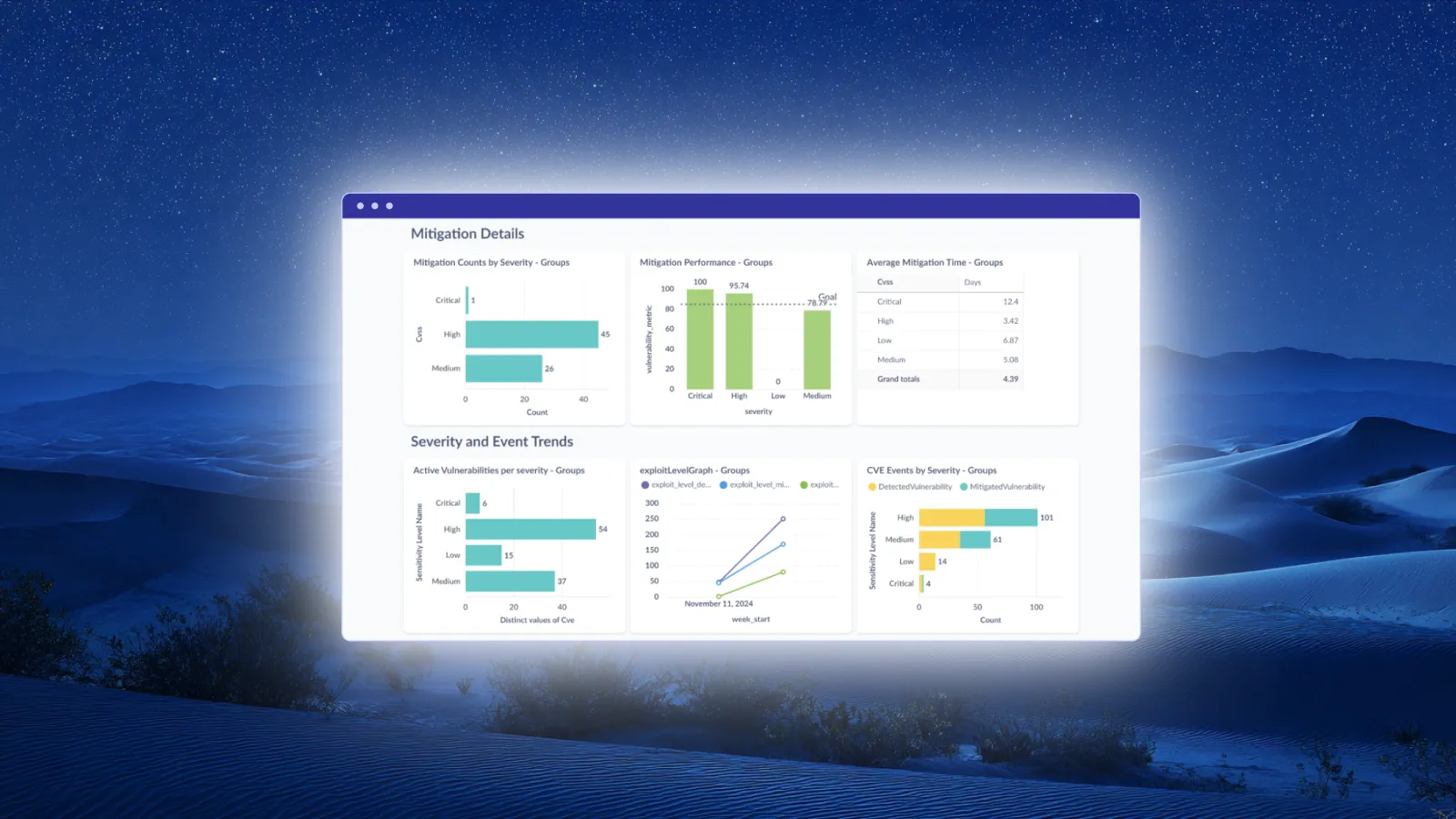
The results have been measurable. Organizations adopting this approach have reported MTTR reductions of 60-70 percent. Teams that once spent full workweeks on patching have compressed those cycles to hours. A major Israeli airline found that patch scheduling went from a full-time job to a one-day task.
Looking Forward
The history of vulnerability remediation is a story of misaligned incentives and incomplete tools. For two decades, the industry optimized for the wrong metric number of vulnerabilities found rather than number of vulnerabilities fixed.
That era is ending. The market is shifting from detection to resolution, from scanning to fixing, from generating tickets to closing them. Organizations are demanding platforms that complete the cycle, not just begin it.
The question is no longer whether your vulnerability scanner can find your exposures. The question is whether your remediation platform can eliminate them before attackers exploit them.
The next chapter in this story isn't about better scanning. It's about faster fixing. And that changes everything.
















.webp)

















%20Signals%20a%20New%20Era%20of%20Supply%20Chain%20Risk.webp)






.webp)





















%20to%20Reduce%20Attack%20Surface.avif)