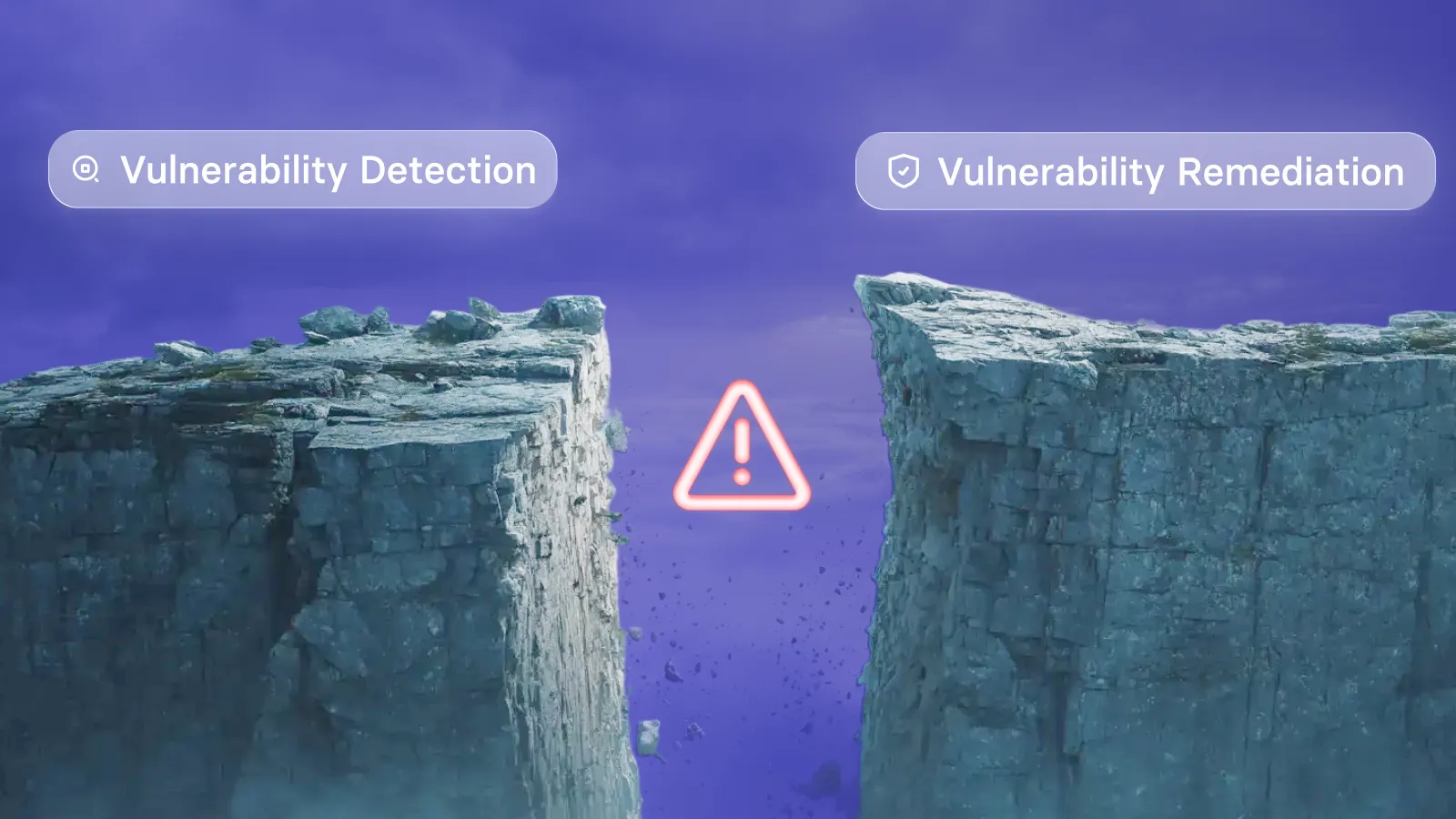


Every scan that doesn't lead to a fix is just documentation of your future breach.
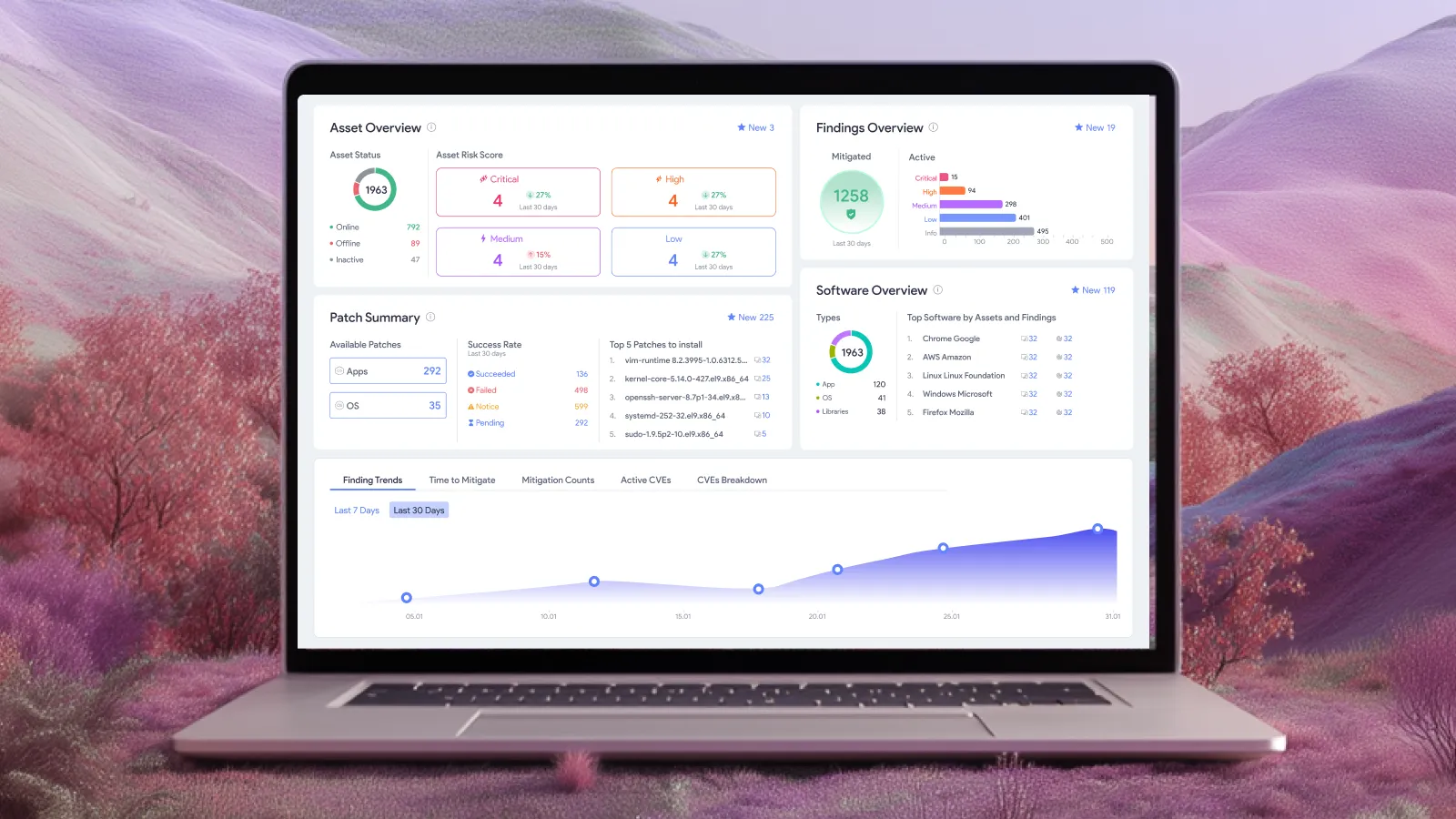
Somewhere in your organization right now, a vulnerability scanner is completing its scheduled assessment. In the next few hours, it will generate a report containing dozens, perhaps hundreds, of findings. Those findings will flow into a dashboard. Some will spawn tickets. Most will join a backlog that already numbers in the thousands.
This is the remediation gap: the expanding chasm between what security teams discover and what IT teams can actually fix. It is the defining failure mode of modern vulnerability management, and it is getting worse.
The Noise Problem
Legacy vulnerability scanners were designed in an era when comprehensiveness was the primary value. Find everything, the logic went, and let the humans sort it out.
The humans are drowning.
A typical enterprise scan now surfaces findings across operating systems, applications, firmware, cloud configurations, and container images. Each finding comes with metadata CVE identifiers, CVSS scores, affected assets, remediation guidance but the sheer volume makes meaningful action impossible. Teams cannot patch 10,000 vulnerabilities simultaneously. They cannot even triage 10,000 vulnerabilities simultaneously.
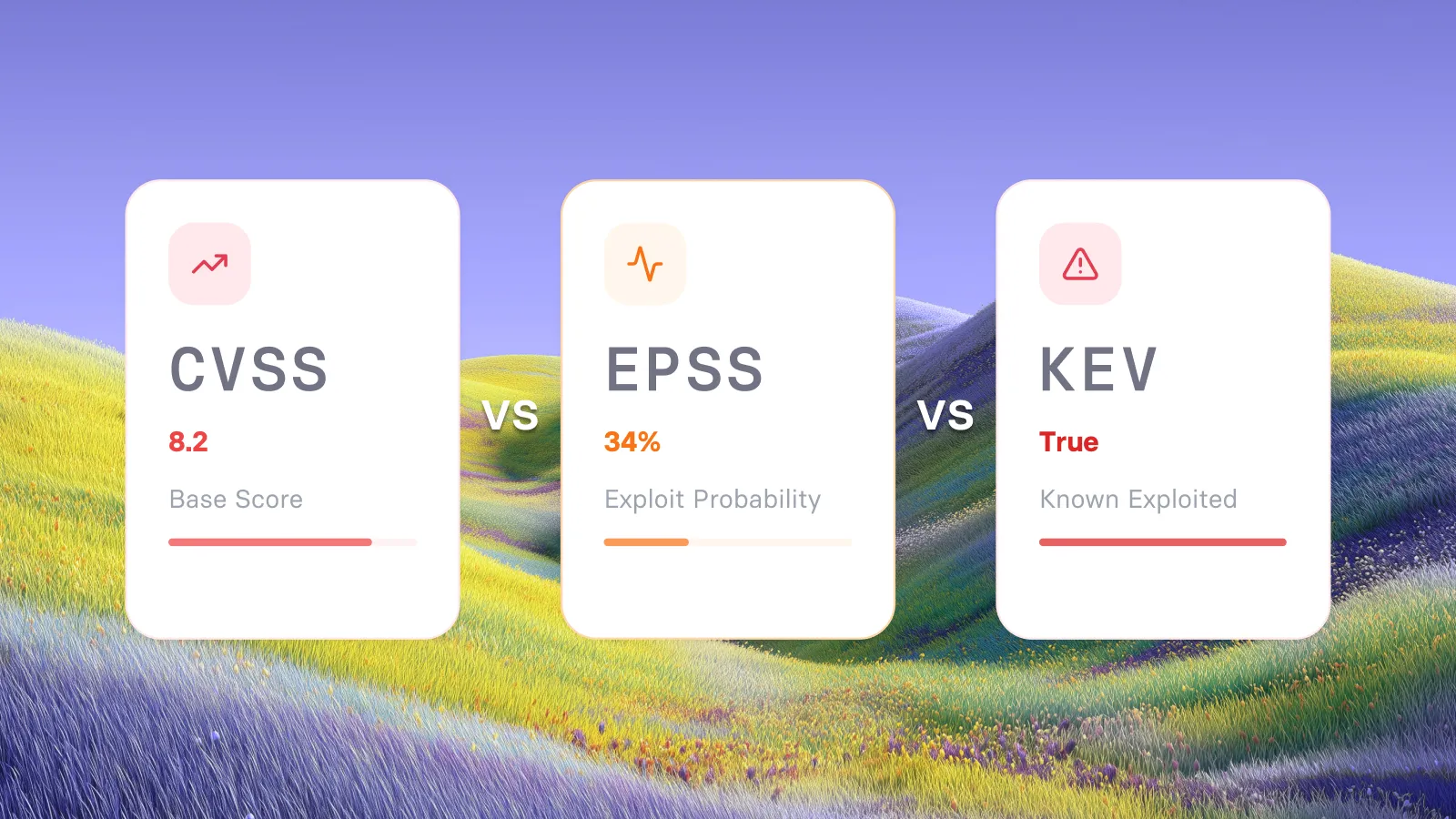
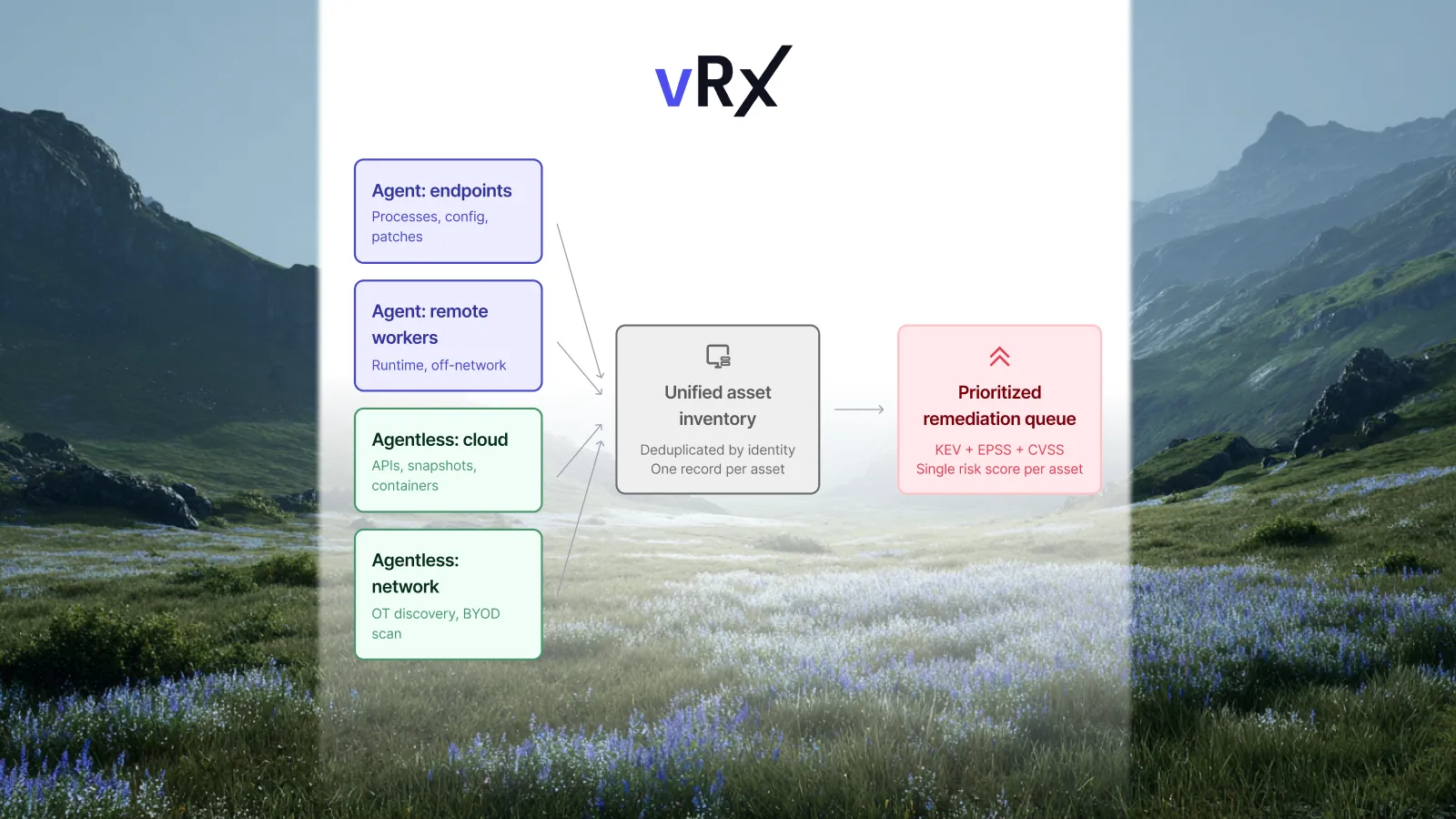
The industry's response was prioritization frameworks. Layer CVSS with EPSS. Add KEV (Known Exploited Vulnerabilities) status. Consider asset criticality. Map to MITRE ATT&CK techniques. Each framework promised to surface the truly urgent from the merely important.
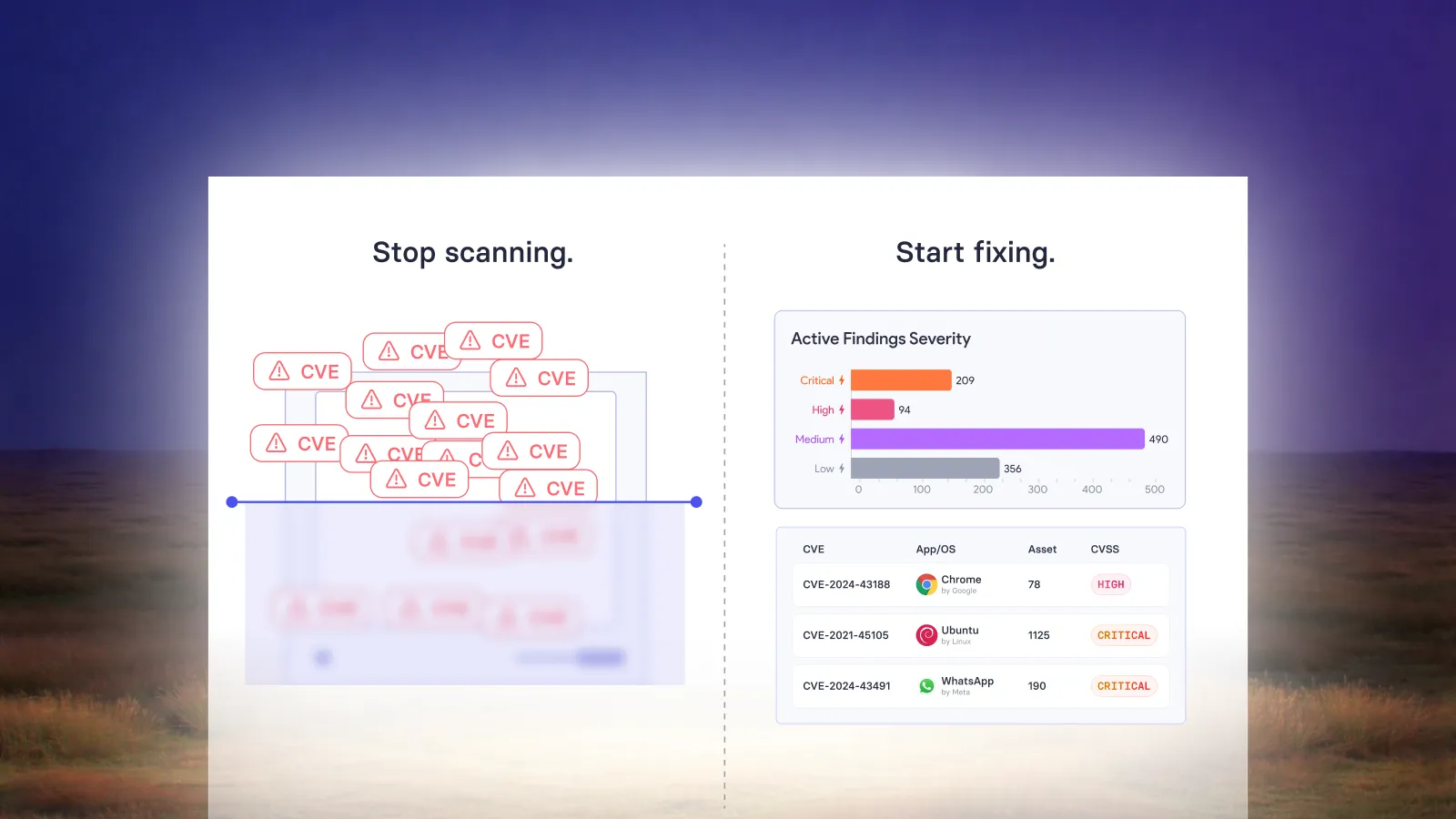
But prioritization without execution capacity is just more sophisticated documentation. You now know exactly which vulnerabilities you should fix first. You still cannot fix them fast enough.
The Handoff That Never Works
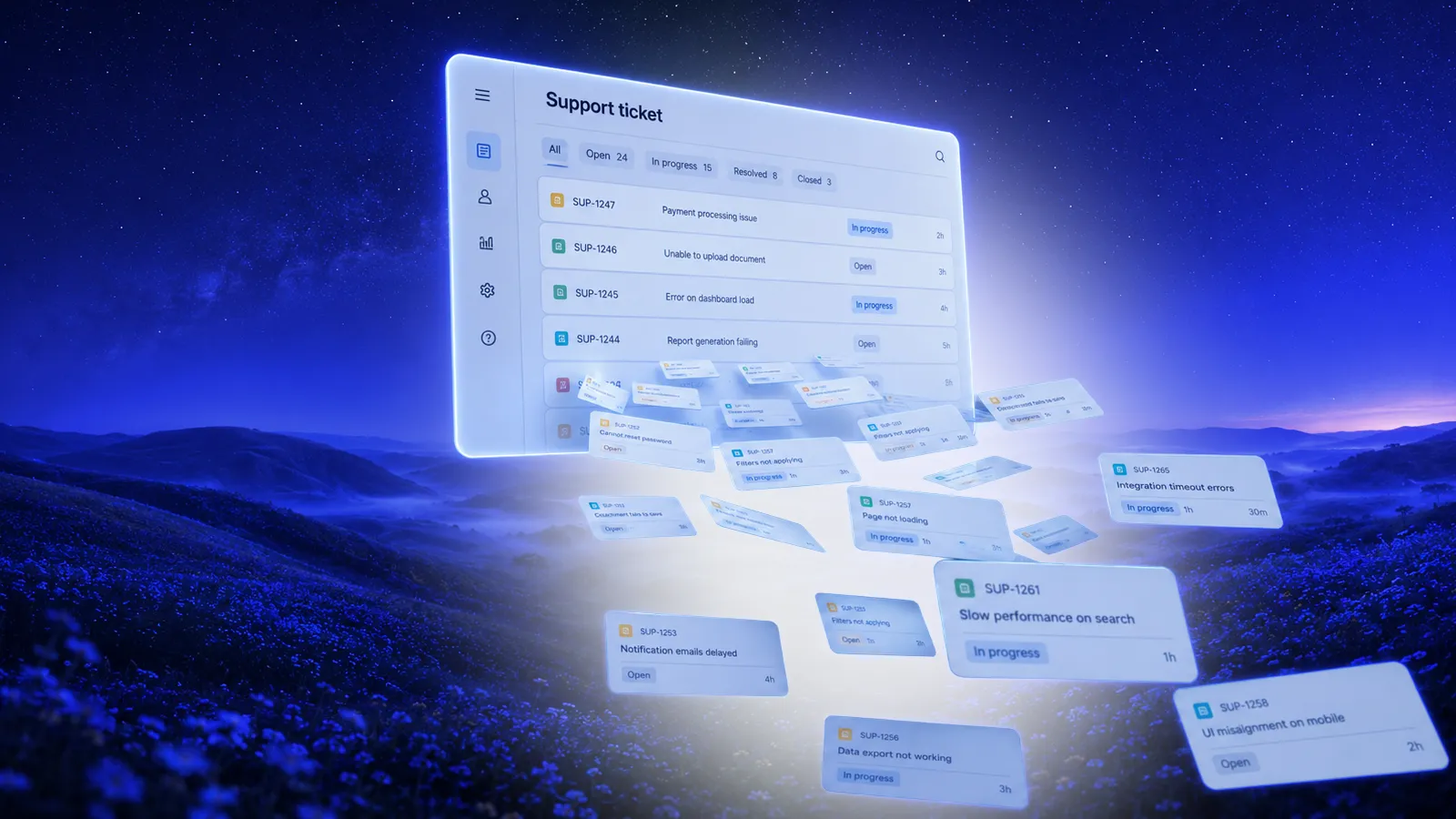
The architecture of legacy vulnerability management assumes a clean separation between teams. Security scans. Security prioritizes. Security creates tickets. Then IT takes over: testing patches, scheduling deployments, managing rollbacks, verifying success.
In theory, this division of labor makes sense. Security has the threat context. IT has operational access. Working together, they address risk.
In practice, the handoff fails constantly.
The ticket queue becomes a buffer where vulnerabilities age. Change advisory boards meet weekly while exploit code circulates daily. Patches require testing, but test environments don't match production. Windows must be scheduled, but business units resist downtime. By the time every stakeholder has approved the remediation, months have passed.
One IT Division Manager described the old reality starkly: before adopting a unified remediation approach, his team lived in perpetual reactive mode, jumping from urgent patch to urgent patch with no strategic perspective, always running behind the threat landscape.
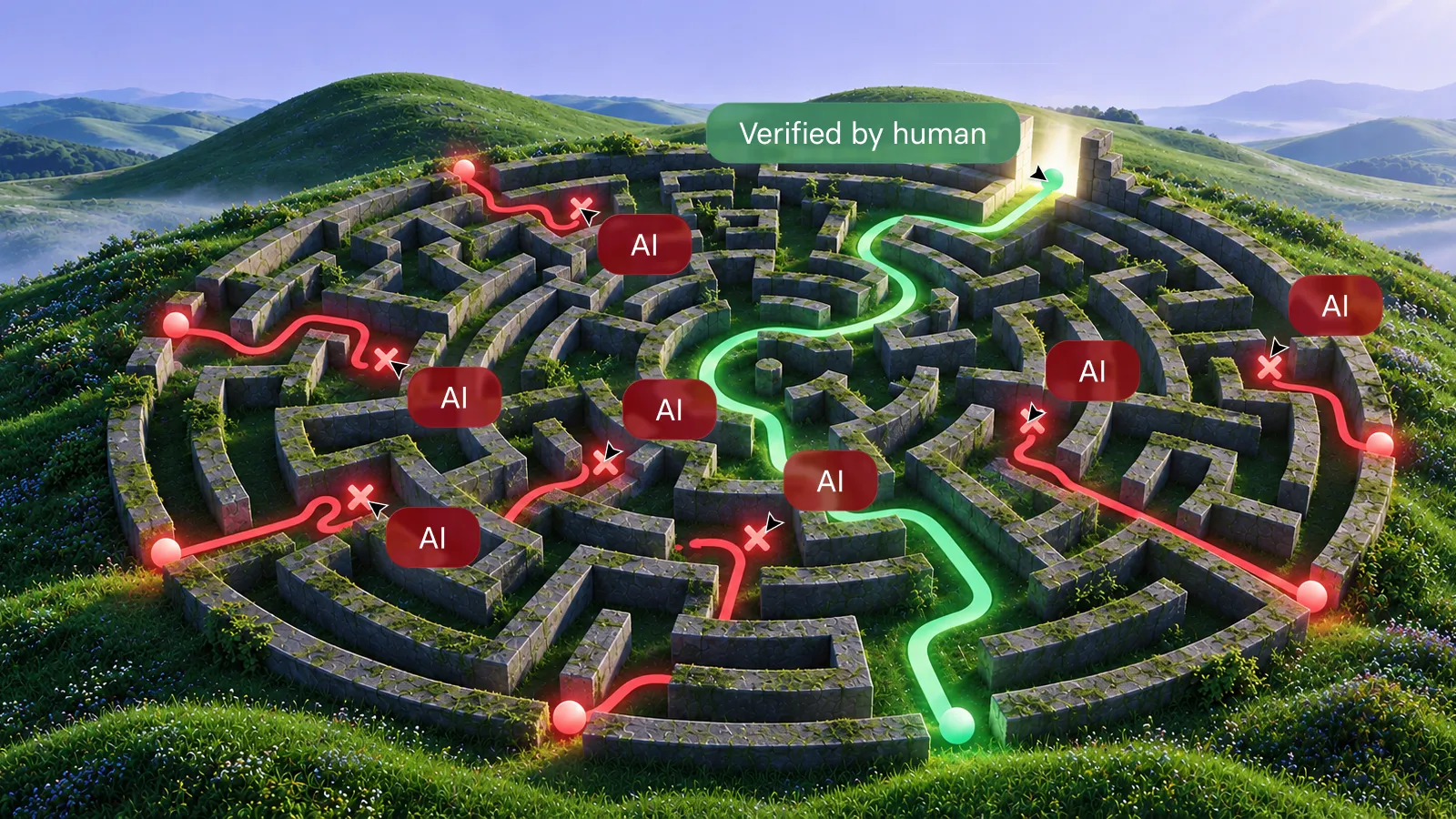
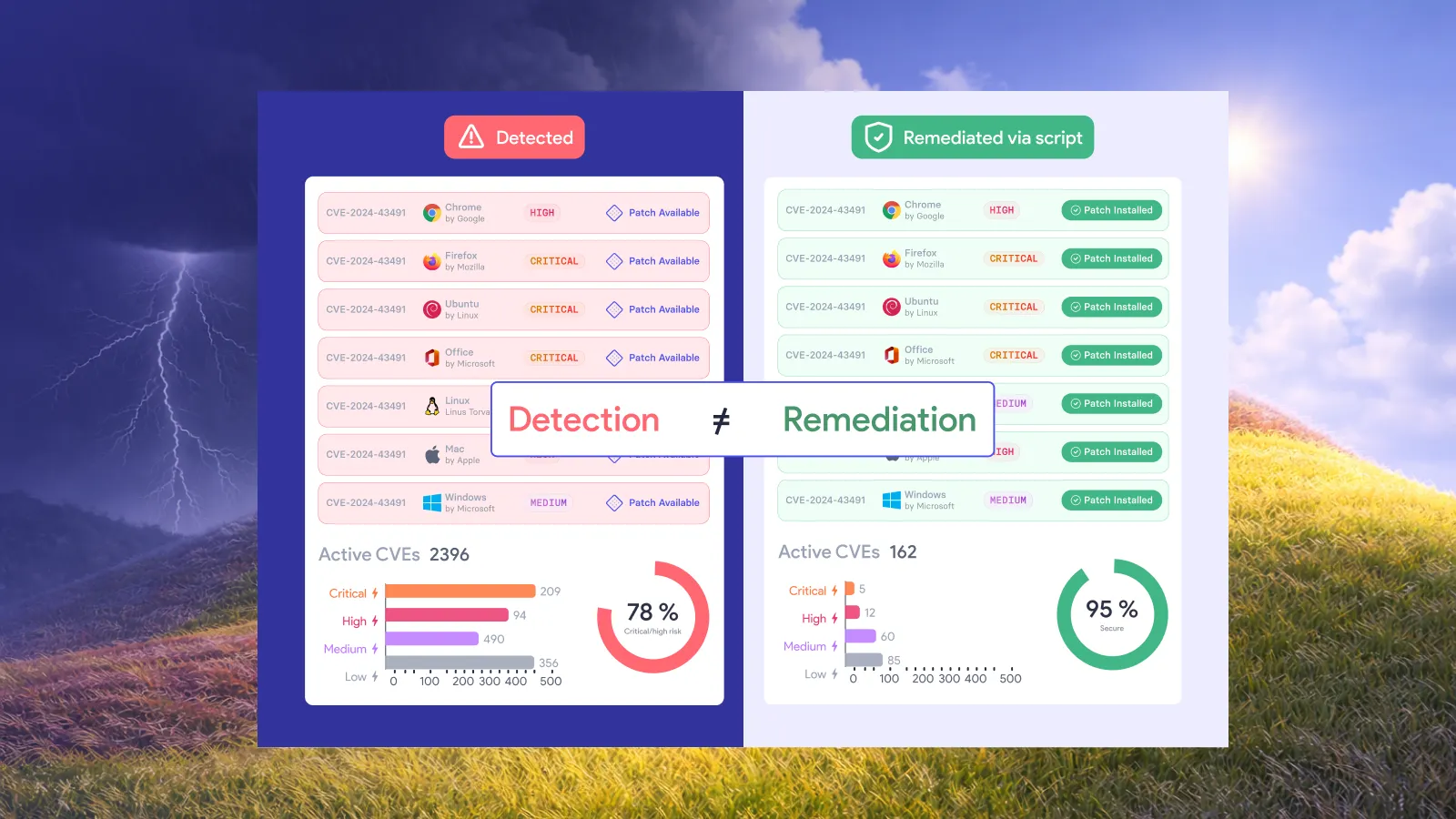
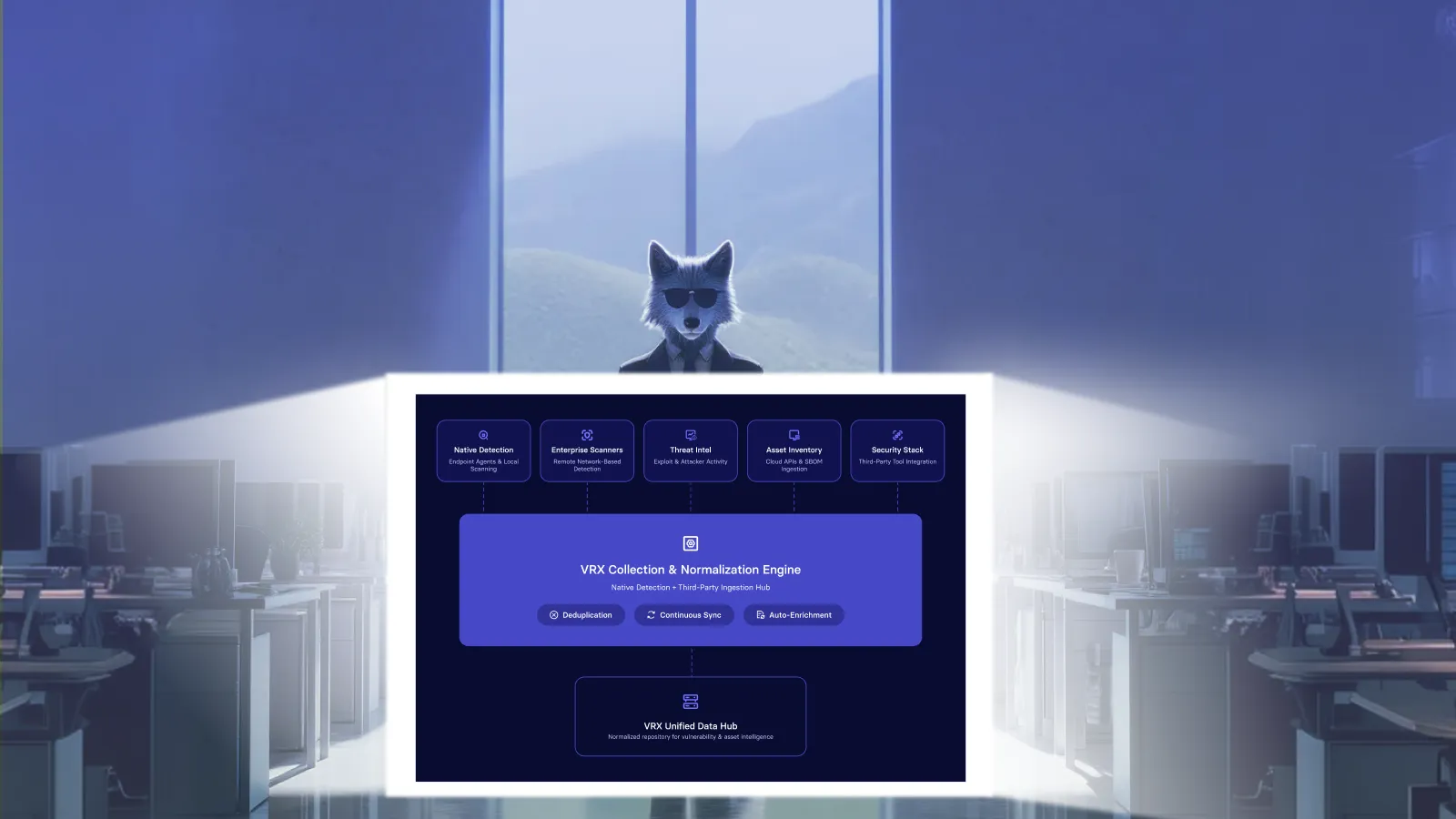
The problem isn't coordination. The problem is that detection and remediation exist in separate systems with no automated connection between them. Every vulnerability requires manual effort to move from "known" to "fixed." At scale, manual effort becomes the bottleneck that ensures vulnerabilities remain exposed.
The MTTR Crisis
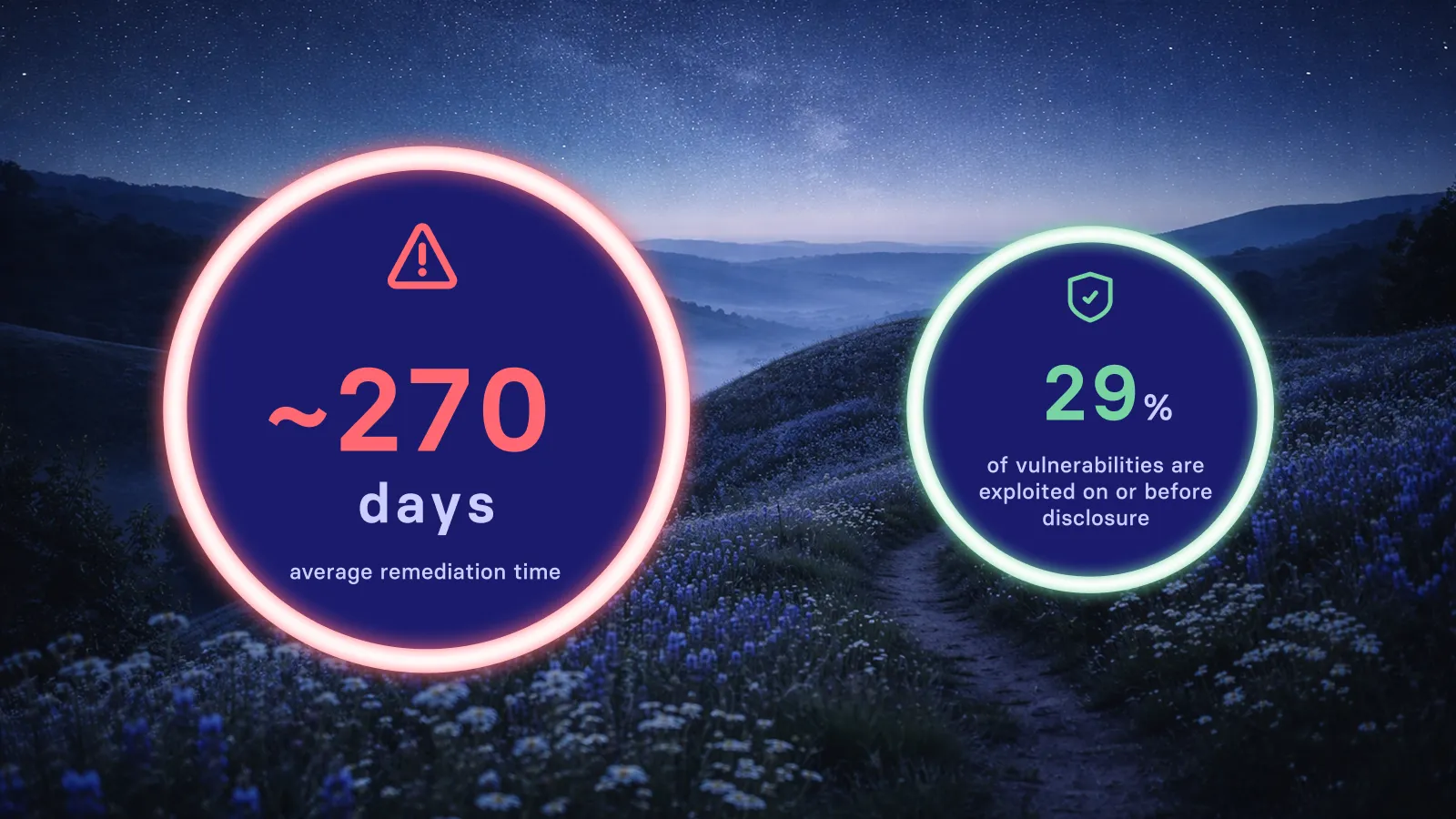
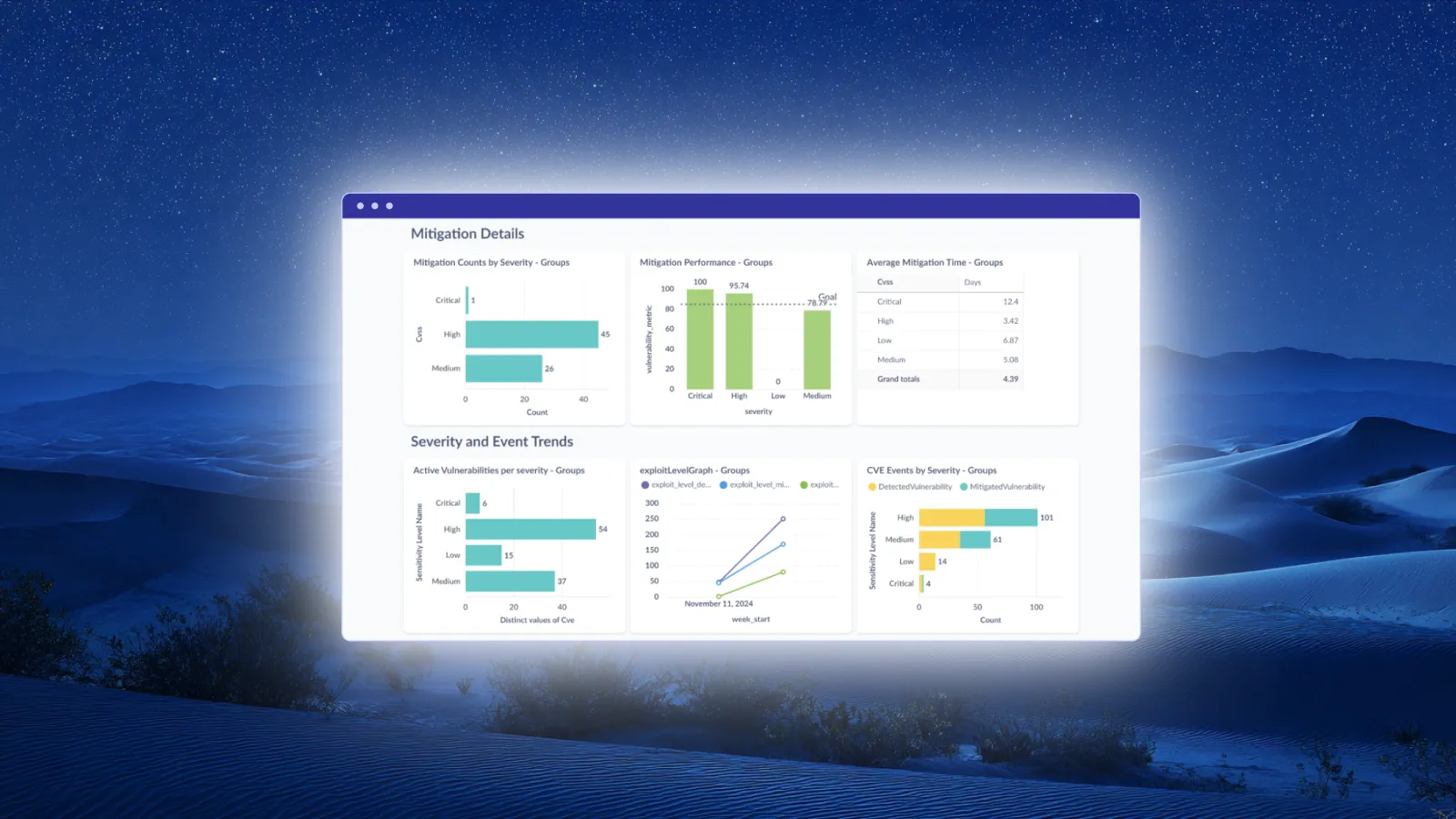
Mean time to remediate has become the metric that reveals the gap. Industry benchmarks show average MTTR stretching to 60 days for critical vulnerabilities, with many organizations exceeding 90 days. Some categories of vulnerabilities third-party application patches, configuration-based exposures, custom code flaws can persist for quarters.
Compare this to attacker timelines. Research consistently shows exploitation of newly disclosed vulnerabilities beginning within days, sometimes hours, of public disclosure. The window between "known to attackers" and "fixed by defenders" represents pure exposure.
Legacy tools make this worse by measuring the wrong things. Dashboards show scan coverage percentages. Reports highlight new findings versus closed findings. Executives see vulnerability counts trending downward and assume progress.
But if MTTR isn't improving, the backlog isn't actually shrinking it's just being pruned of the oldest items while fresh vulnerabilities continuously arrive. The organization remains exposed even as metrics suggest improvement.
Peter Fallowfield, an IT Manager who measured the impact of shifting to automated remediation, reported his team's mean time to remediate dropped by 60 to 70 percent once scanning and patching existed within a single platform. That reduction came not from working harder but from eliminating the manual handoffs that consumed time without adding value.
Third-Party Software: The Hidden Crisis
Operating system patches receive the most attention because they're the most visible. But third-party applications represent the larger and more dangerous exposure surface.
Every enterprise runs hundreds of third-party applications: productivity tools, development environments, browser plugins, specialized business software. Each application has its own update cadence, its own patching mechanism, its own compatibility considerations. Many have no centralized deployment method at all.
Legacy vulnerability scanners find third-party vulnerabilities readily. Legacy remediation approaches struggle to address them. The scanner knows Chrome is out of date, but the scanner cannot update Chrome. That requires a separate patch management tool, which may not support the application, which means manual intervention, which means more delay.
Billy Turner, VP of Managed Technology and Services at Novatech, described how automated third-party patching transformed his operations, “by automating patches on specific third-party software, efficiency improved by 80 percent because the platform offered comprehensive third-party remediation rather than just detection.”
This is the remediation gap at its most concrete. Finding the vulnerability took seconds. Fixing it manually took hours. Automating the fix collapsed hours back to seconds.
When Patches Aren't Enough
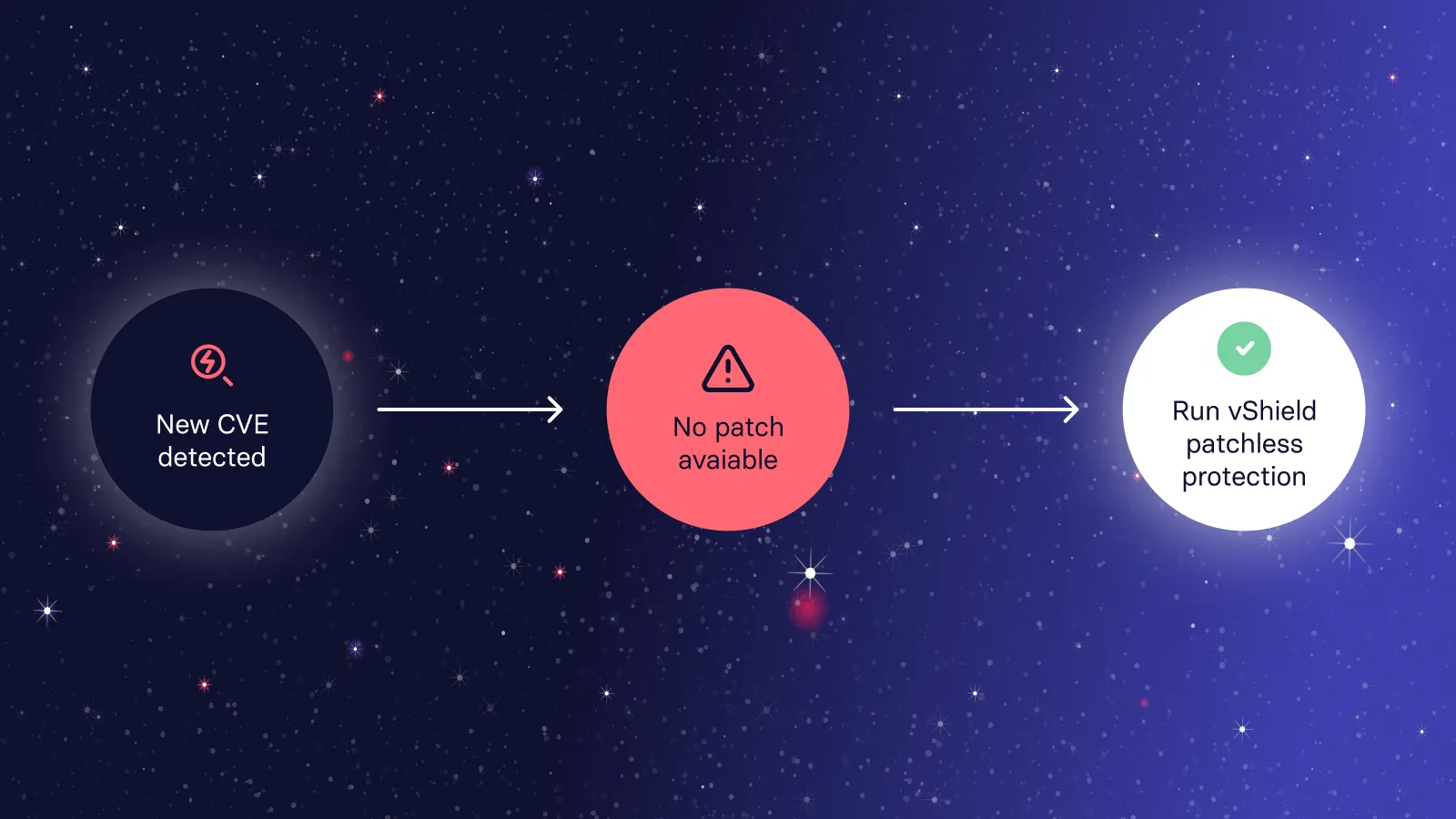
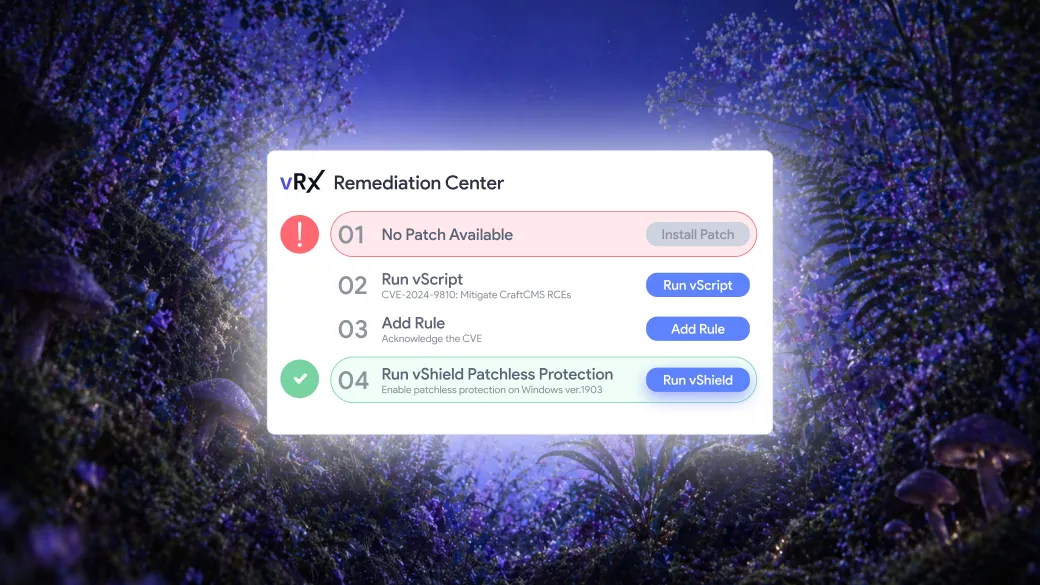
Not every vulnerability has a patch. Some exposures require configuration changes, registry modifications, or temporary mitigating controls. Some patches can't be deployed immediately due to compatibility concerns. Some zero-day vulnerabilities have no vendor fix available at all.
Legacy scanners handle these situations poorly. They continue flagging the vulnerability as open. They generate the same findings week after week. They offer no mechanism for reducing risk in the absence of a traditional patch.
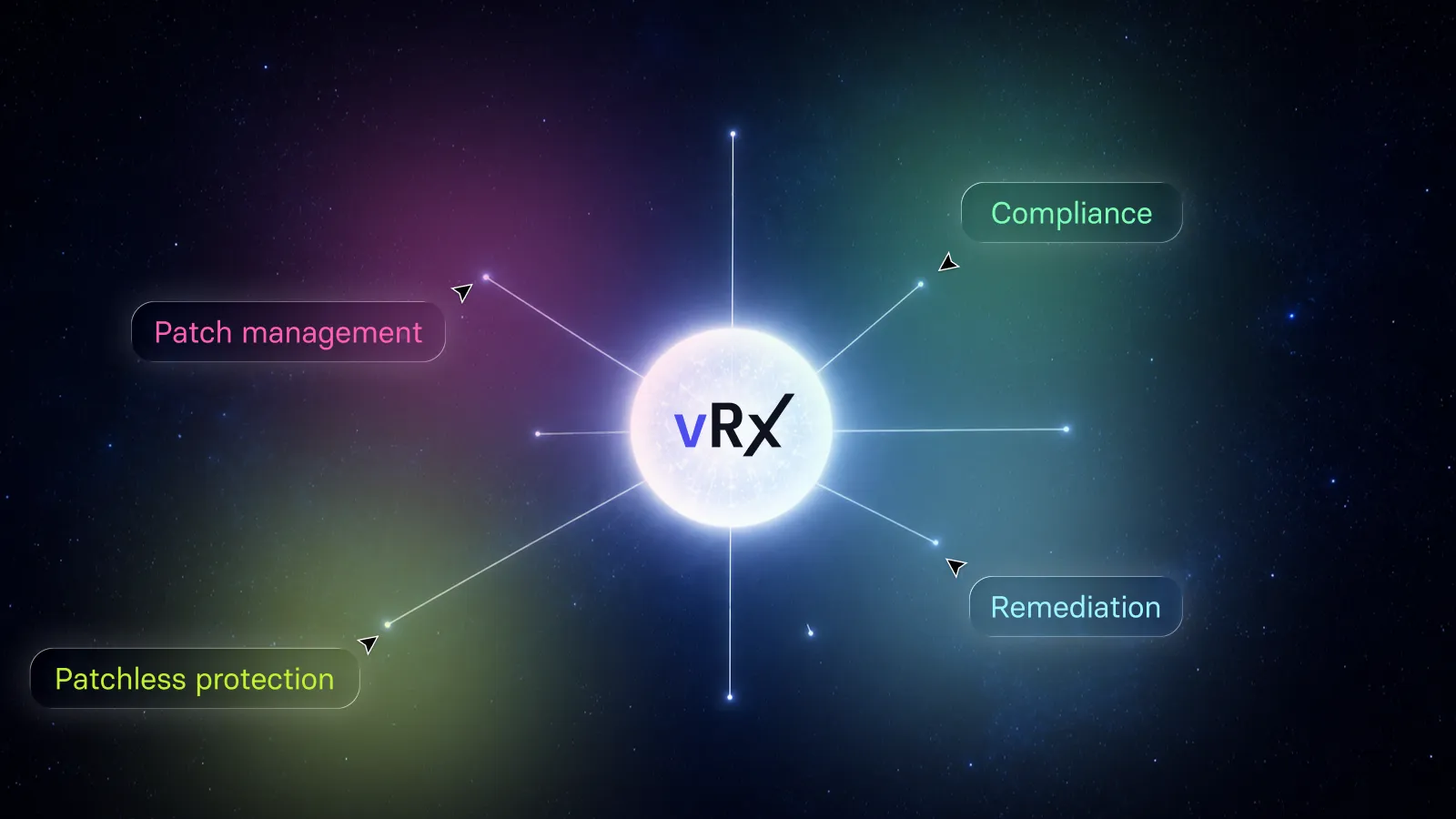
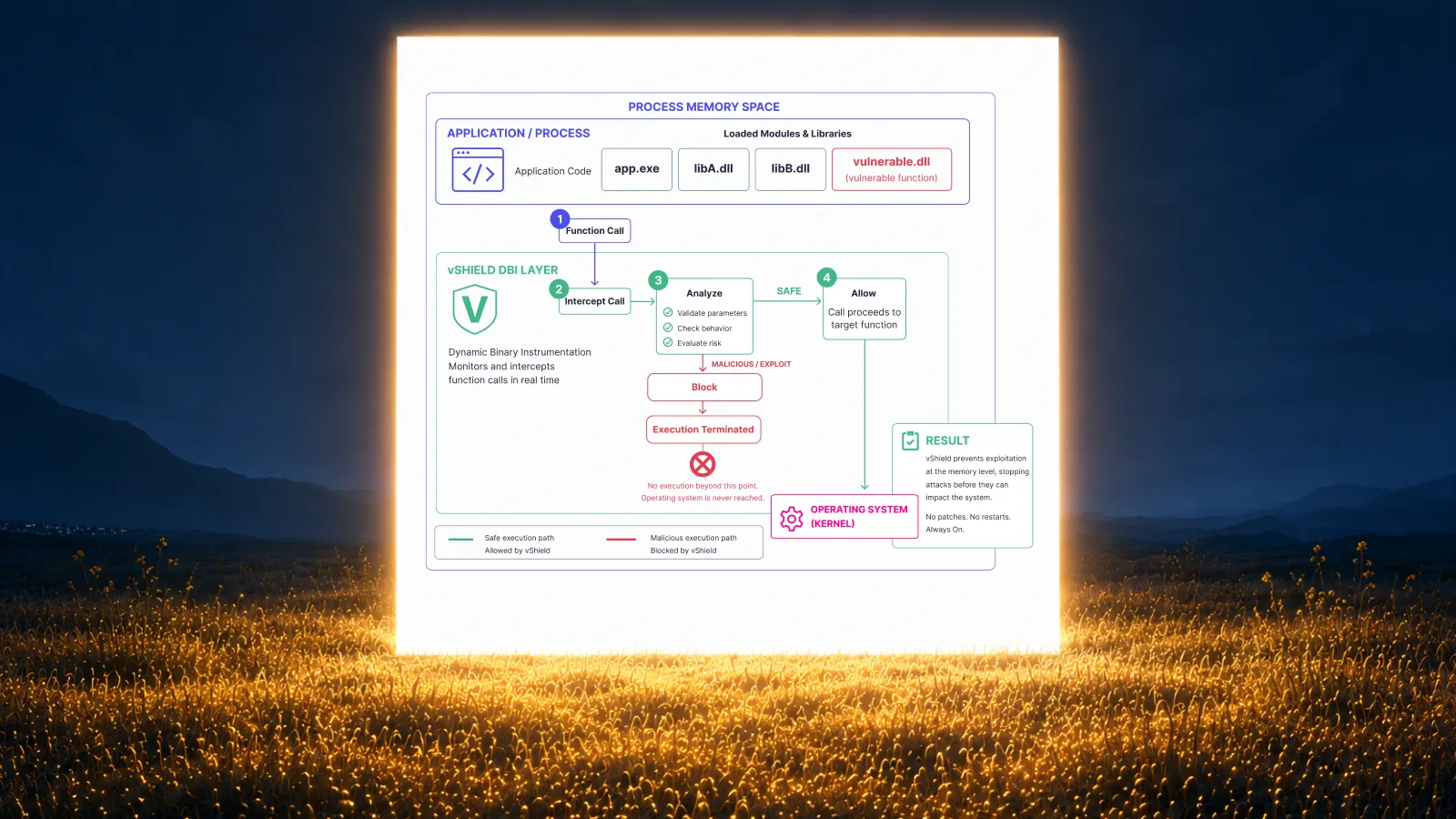
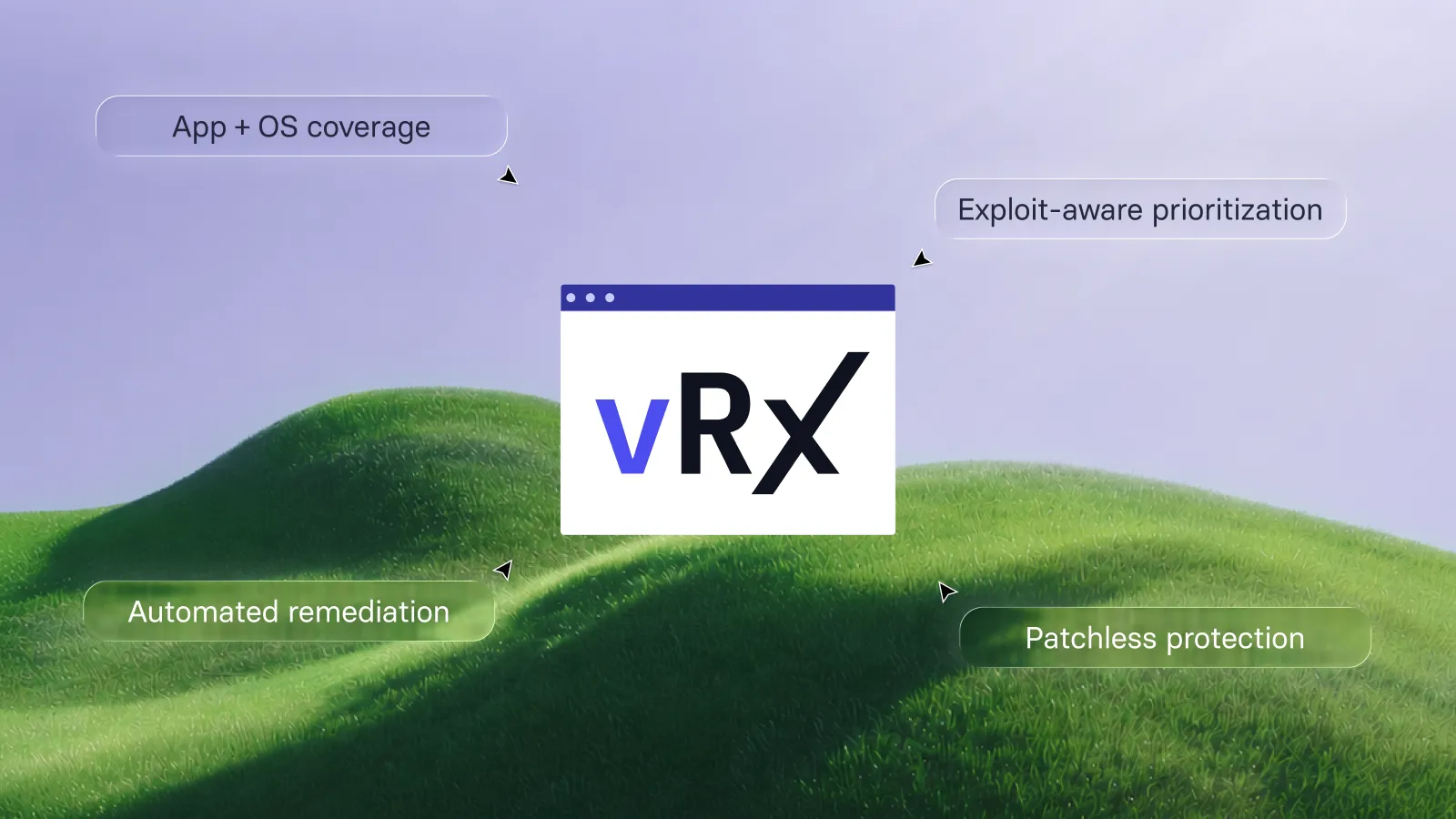
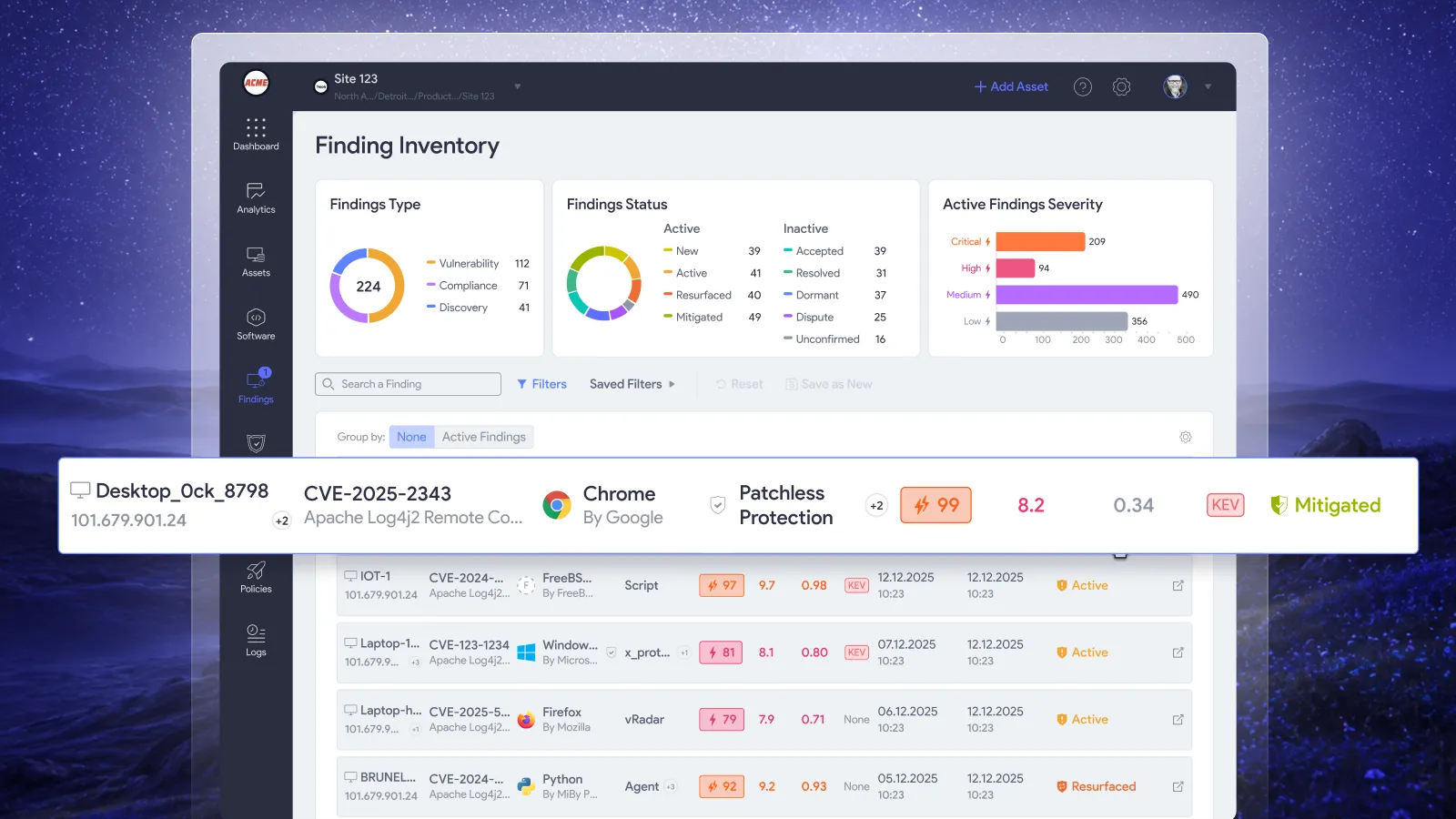
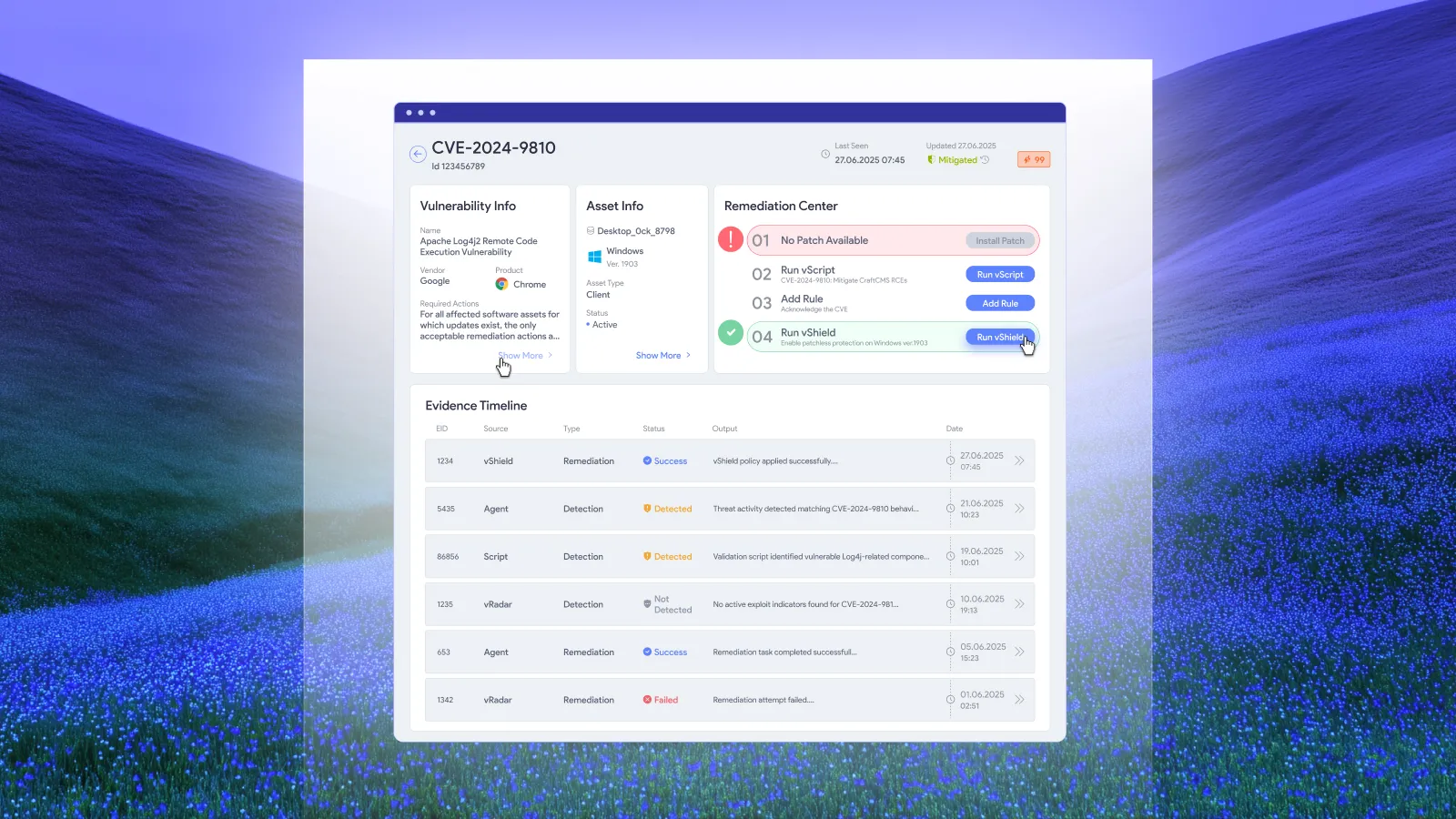
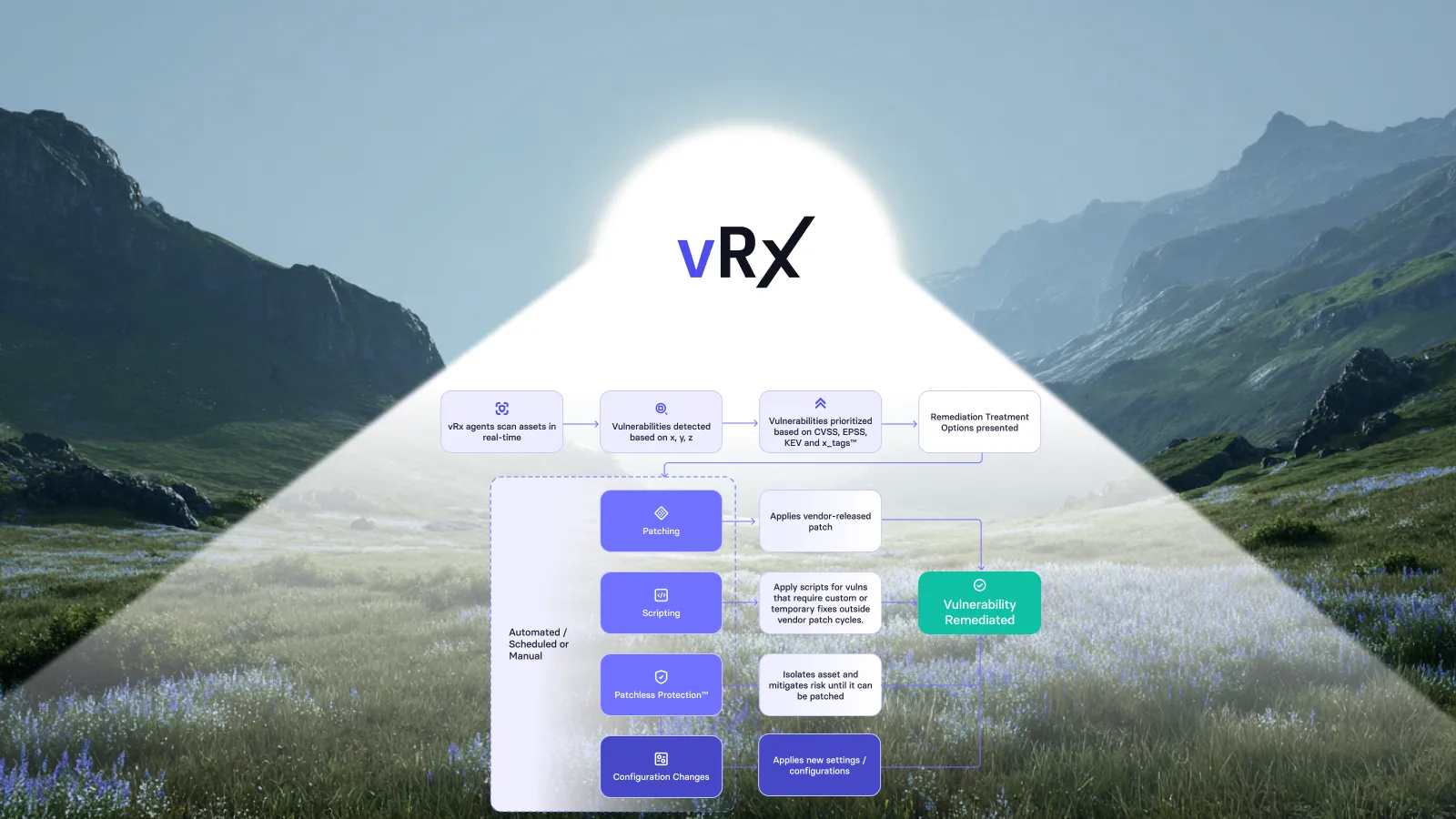
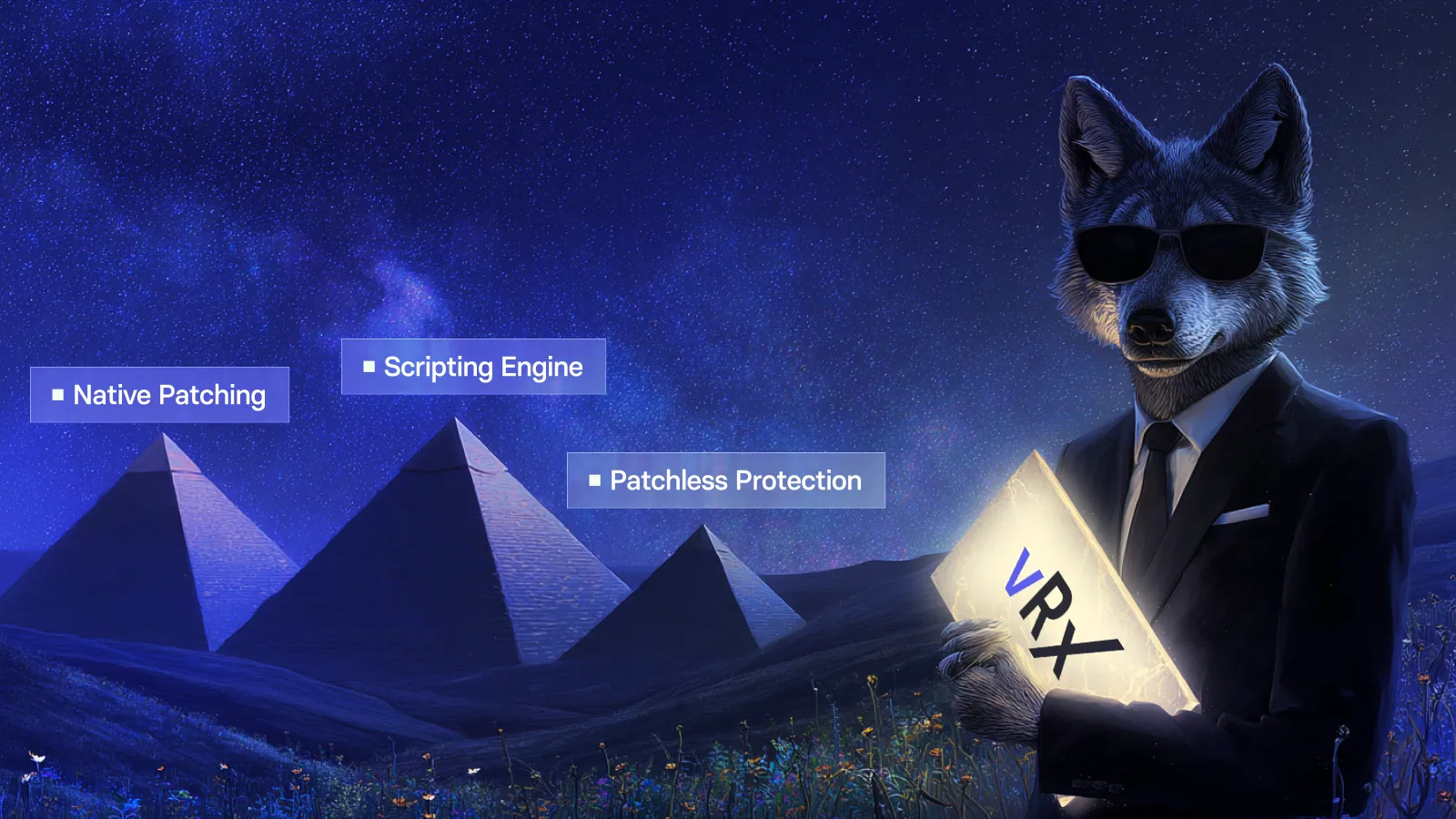
The remediation-first model addresses this gap directly. Vicarius developed Patchless Protection specifically for scenarios where immediate patching isn't available or feasible. This capability creates a protective barrier around vulnerable applications, maintaining functionality while significantly reducing risk until a validated patch becomes available.
Jeremy Herman, a Security Engineer at Novatech, pointed to Patchless Protection as his favorite feature because it offers real protection during the gap between vulnerability disclosure and patch availability precisely when exposure is highest.
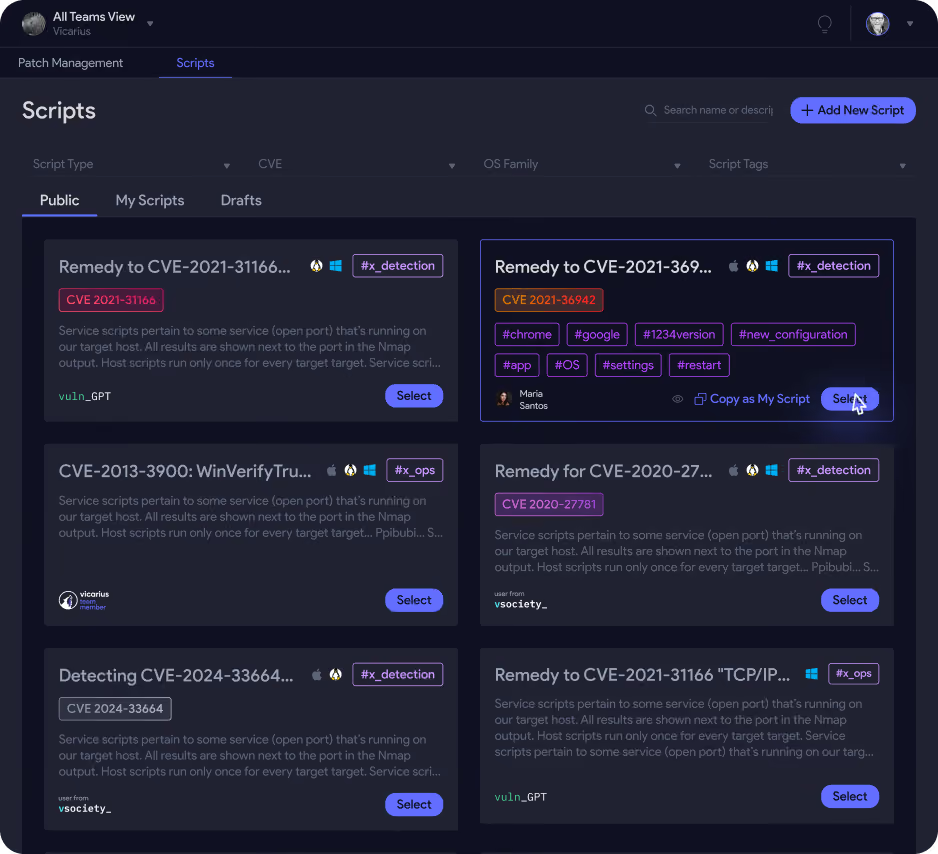
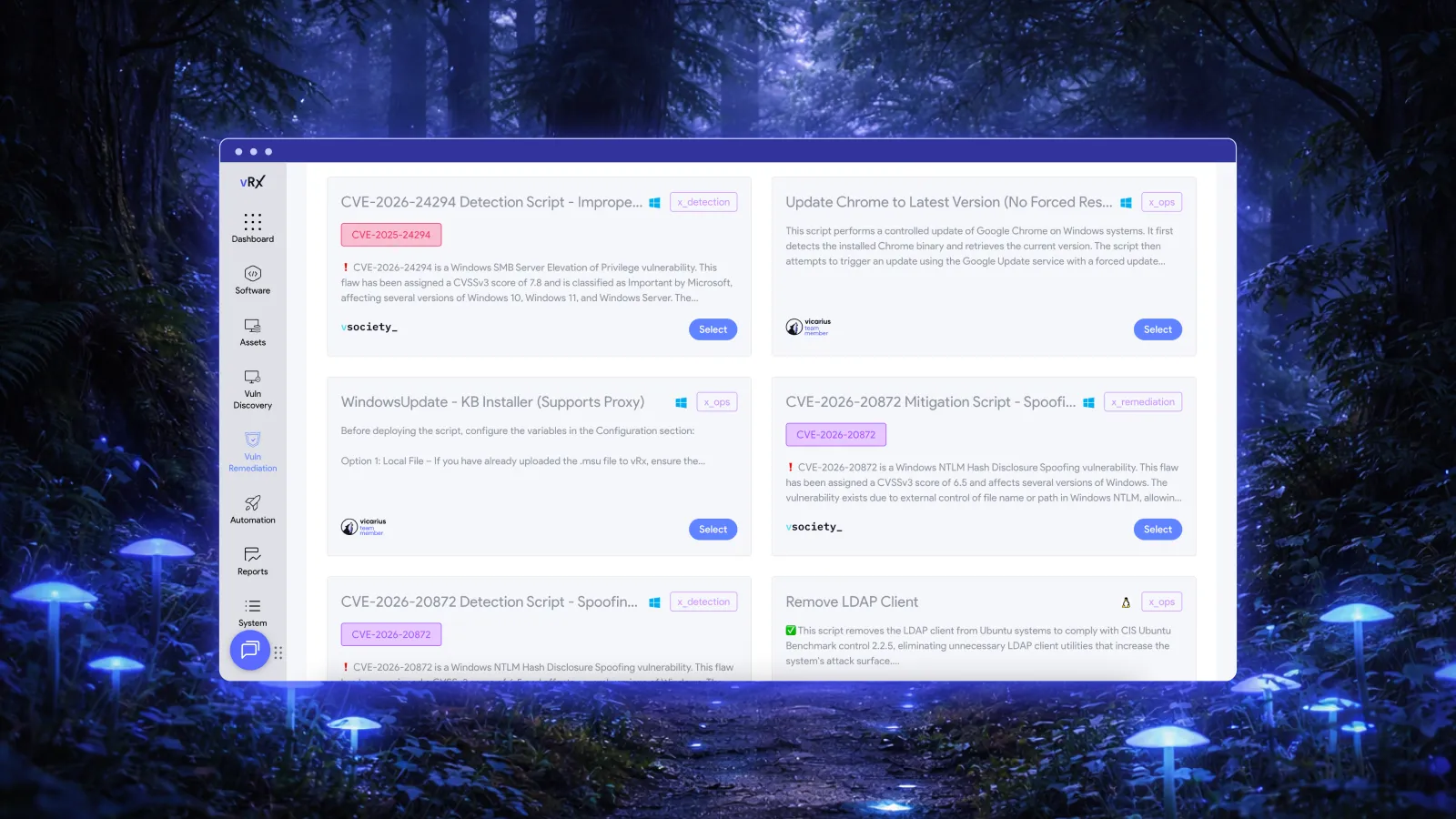
Similarly, a scripting engine that handles configuration-based vulnerabilities eliminates another category of findings that legacy tools could detect but not resolve. Complex vulnerabilities like log4j, which require specific remediation steps beyond simple patches, become addressable through built-in or custom scripts rather than manual intervention.
The Compliance Dimension
Regulatory frameworks have evolved to recognize the remediation gap. Where once vulnerability scanning satisfied audit requirements, modern frameworks specify remediation timelines and measure actual risk reduction.
CIS Controls emphasize continuous monitoring and rapid remediation. PCI DSS requires organizations to address critical vulnerabilities within defined windows. HIPAA's security rule expects covered entities to implement "procedures for guarding against, detecting, and reporting malicious software" language that implies protection, not just detection.
For organizations operating under multiple compliance frameworks, the remediation gap creates compounding risk. Every unpatched vulnerability potentially violates multiple requirements. Every delayed remediation extends the compliance exposure.
Vicarius built compliance alignment into its unified approach. The platform's Compliance Engine provides visibility into misconfigurations against CIS benchmarks, enabling organizations to measure compliance with best practices, identify misconfigurations before they become security risks, and demonstrate remediation progress during audits.
An Information Security Professional at a State Federal Credit Union, noted that unifying vulnerability discovery, prioritization, and remediation streamlined operations between IT and Security by directly linking identified vulnerabilities to required patches exactly the connection that compliance frameworks now expect.
The Path Forward
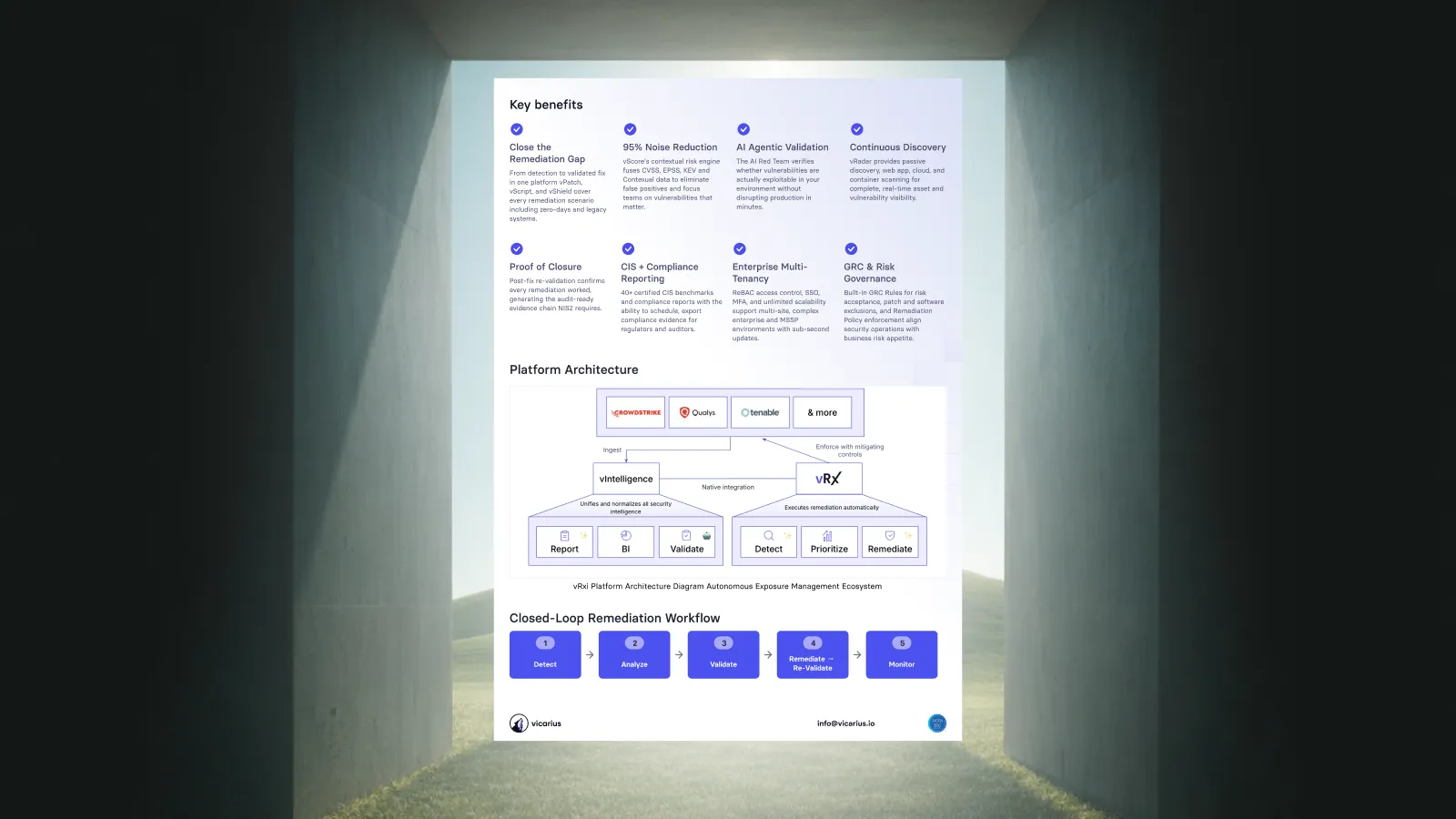
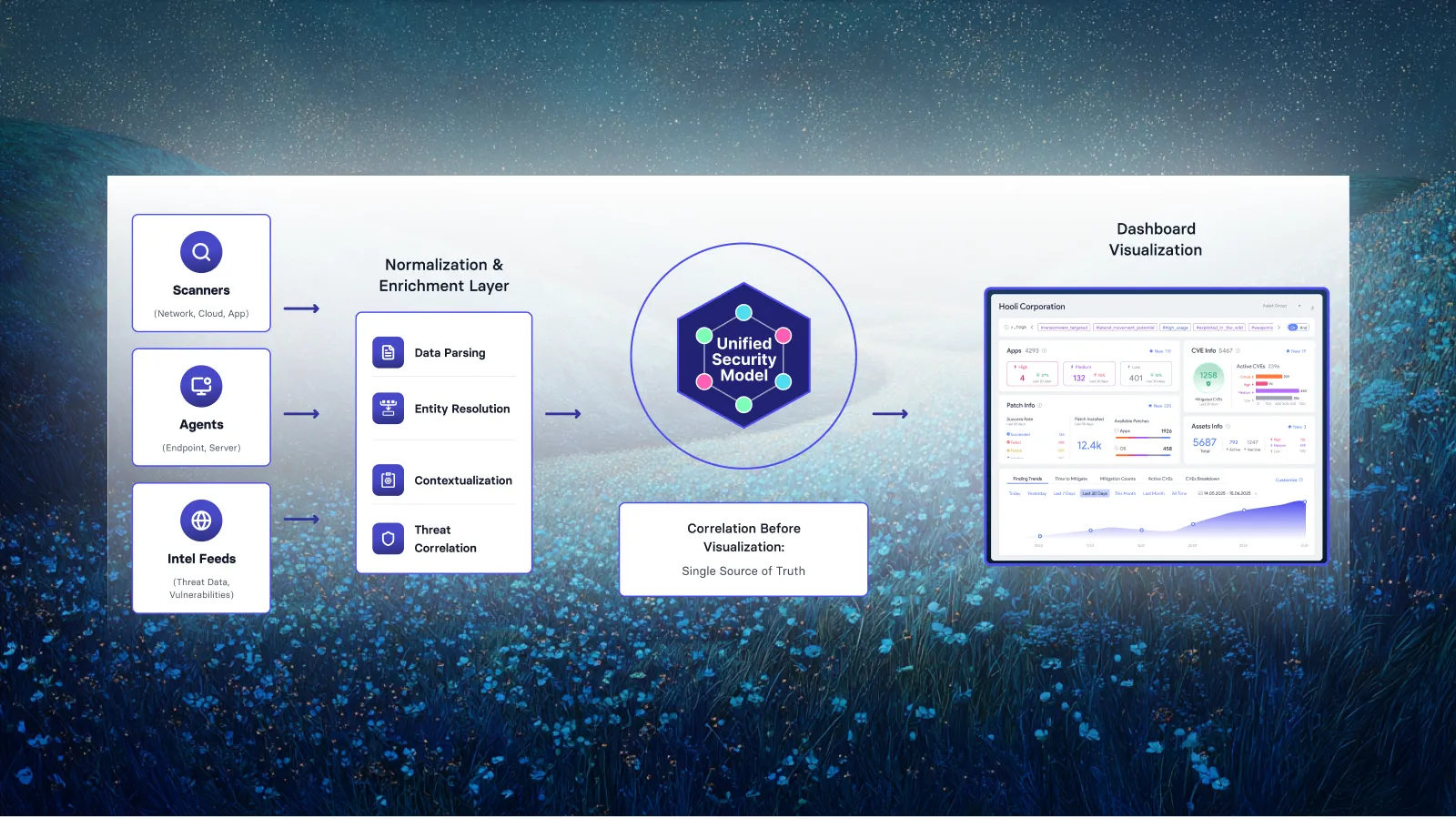
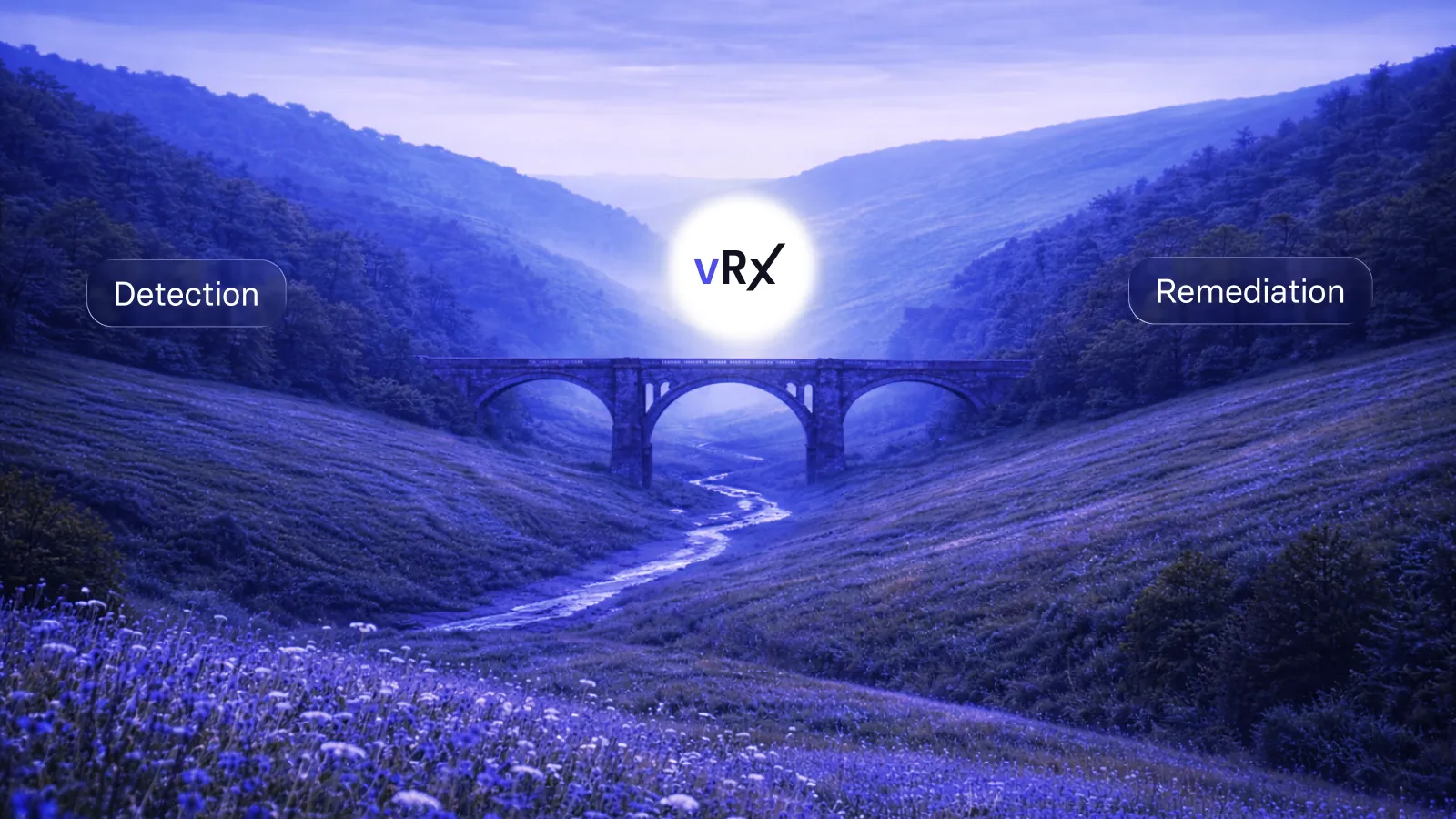
The remediation gap exists because the industry built detection and remediation as separate disciplines with separate tools. Closing the gap requires architectural change, platforms where finding a vulnerability and fixing it exist within a single workflow.
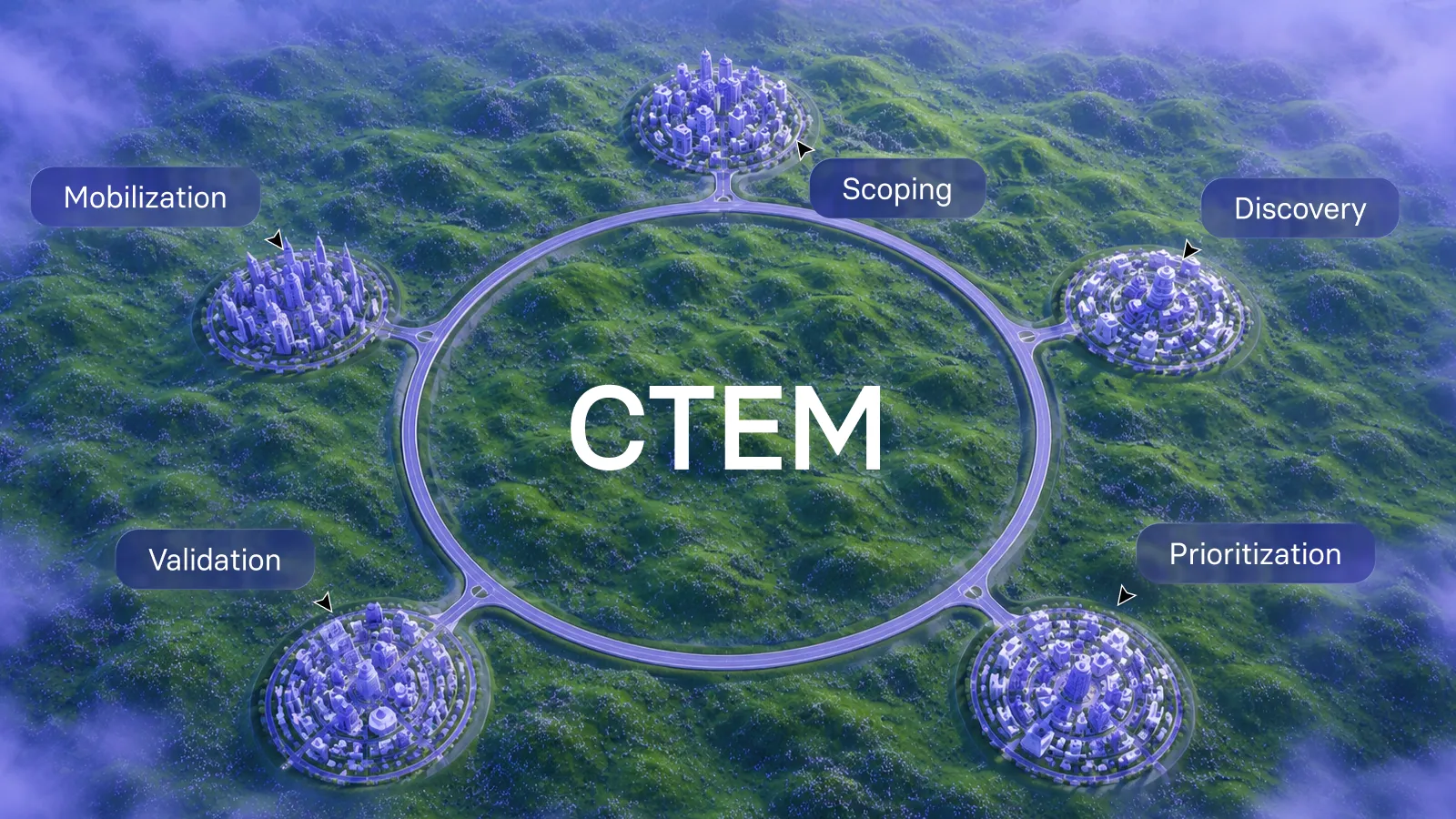
This is what autonomous remediation means in practice. Not scanning plus reporting plus ticketing plus manual patching, but continuous cycles where discovery triggers prioritization triggers action triggers verification with minimal human intervention between steps.
Organizations that adopt this model see immediate impact. Michael Cortez, Sr. Director of IT at Charter School Associates, described saving hundreds of hours by relying on automated systems and schedules rather than manual patch verification and deployment. That time reclaimed directly translates to faster MTTR and reduced exposure.
The legacy model treated remediation as someone else's problem. The modern model treats it as the entire point.
Detection without fixing is surveillance, not security. It tells you what's wrong without making anything right. It documents risk without reducing it. It generates metrics that satisfy dashboards while leaving vulnerabilities exposed to exploitation.
The market has spent two decades optimizing detection. The next era will be defined by organizations that optimize resolution.
Next in the series: "Remediation Reimagined: How Vicarius Built the Future of Fixing"

























.webp)
















%20Signals%20a%20New%20Era%20of%20Supply%20Chain%20Risk.webp)







.webp)