

The future of vulnerability management isn't about finding more. It's about fixing faster.
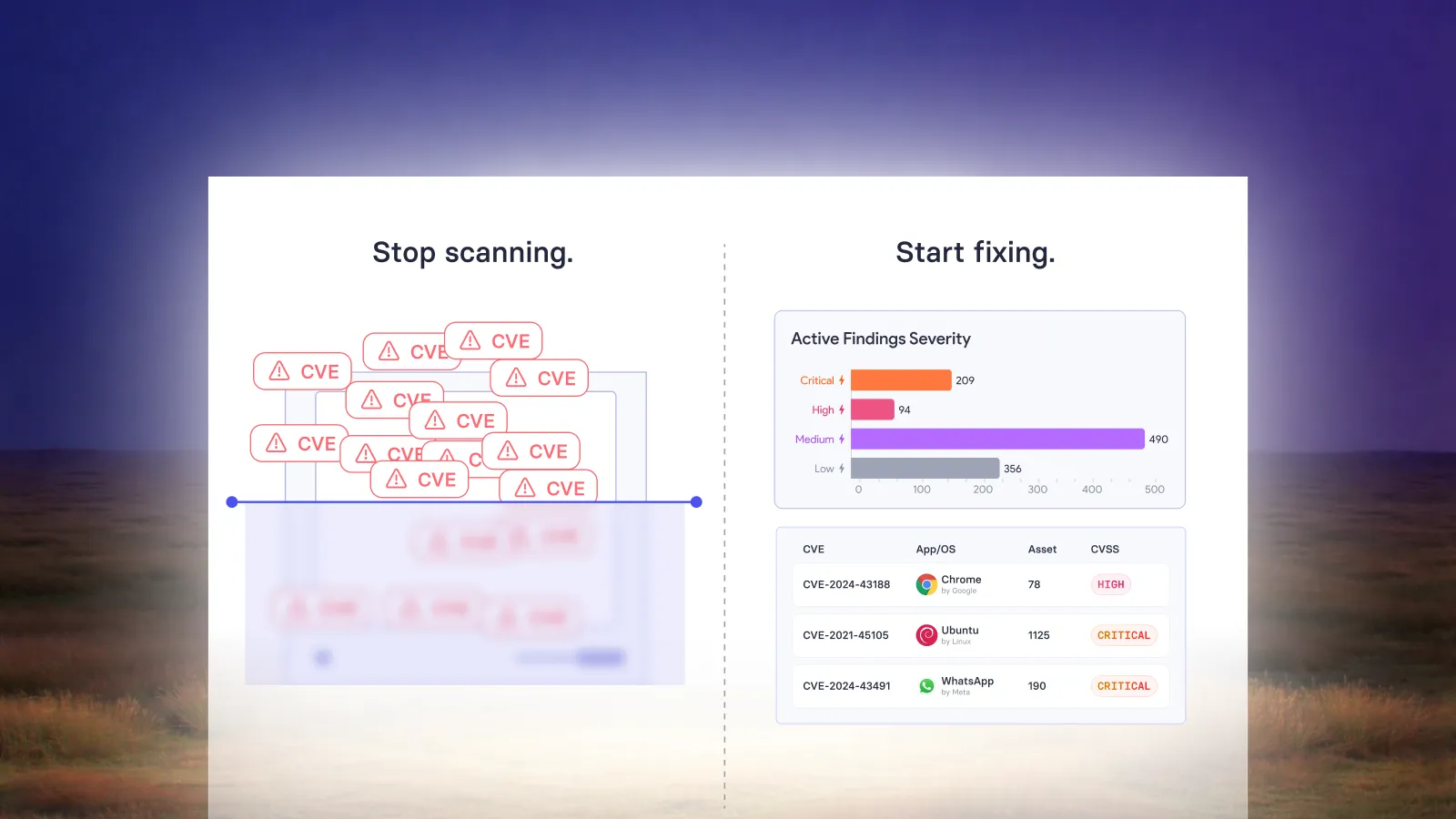
For twenty years, the cybersecurity industry operated on an assumption that now seems almost quaint, if you could see your vulnerabilities clearly enough, remediation would naturally follow. Build better scanners. Generate better reports. Create better dashboards. Eventually, somehow, the fixing would happen.
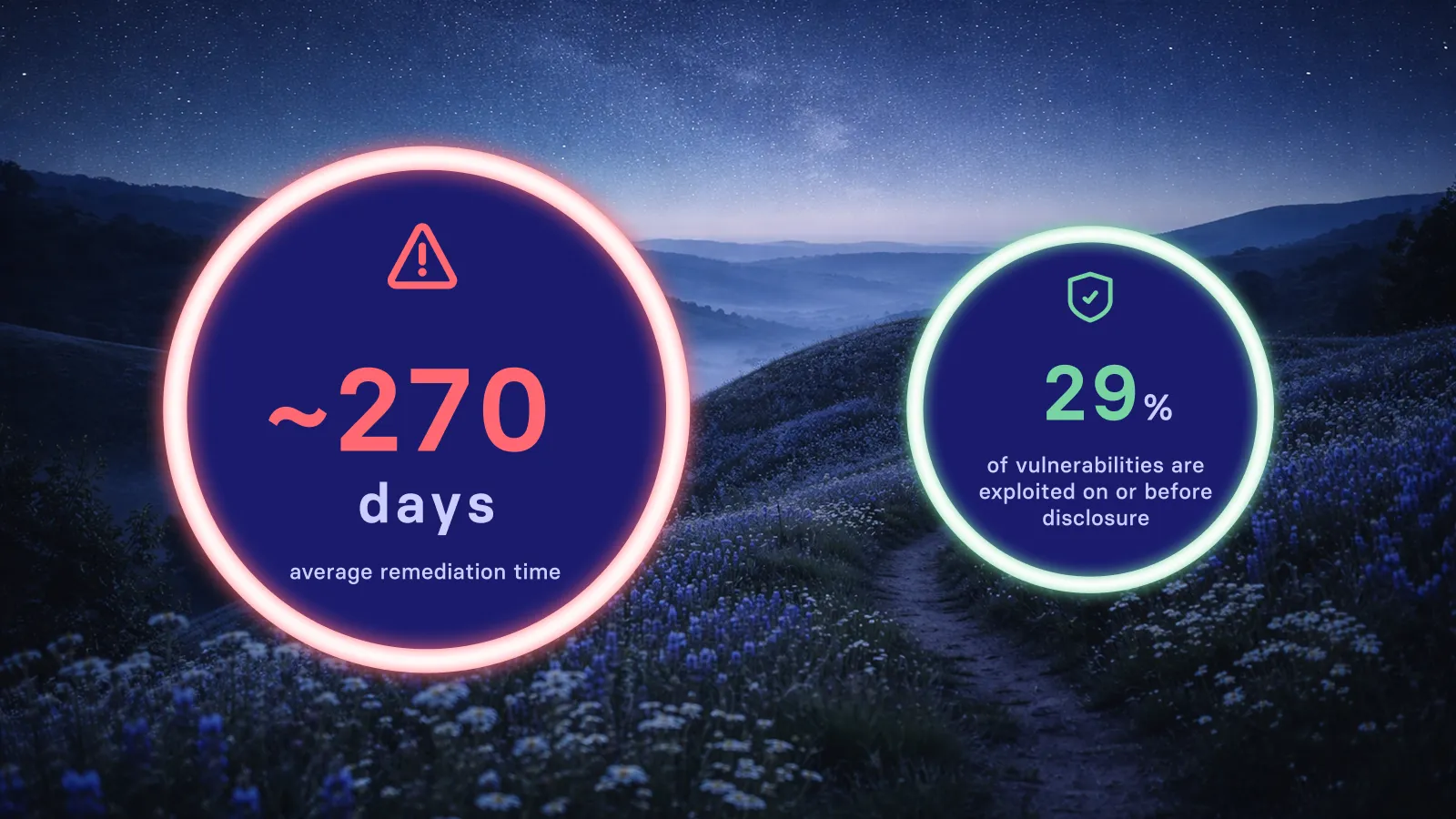
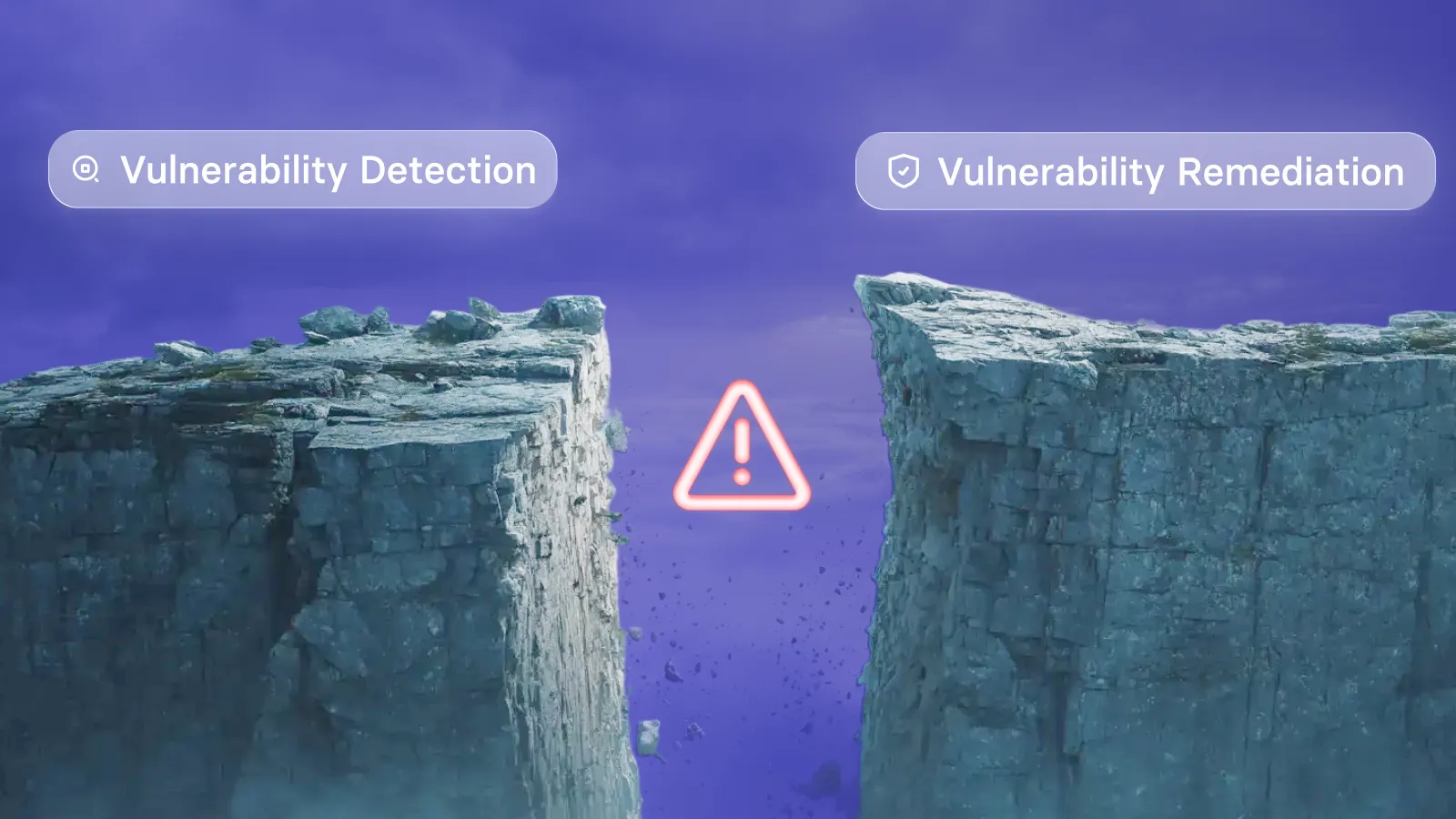
It didn't. The remediation gap widened. MTTR stretched. Backlogs grew. And organizations found themselves documenting their risk exposure rather than eliminating it.
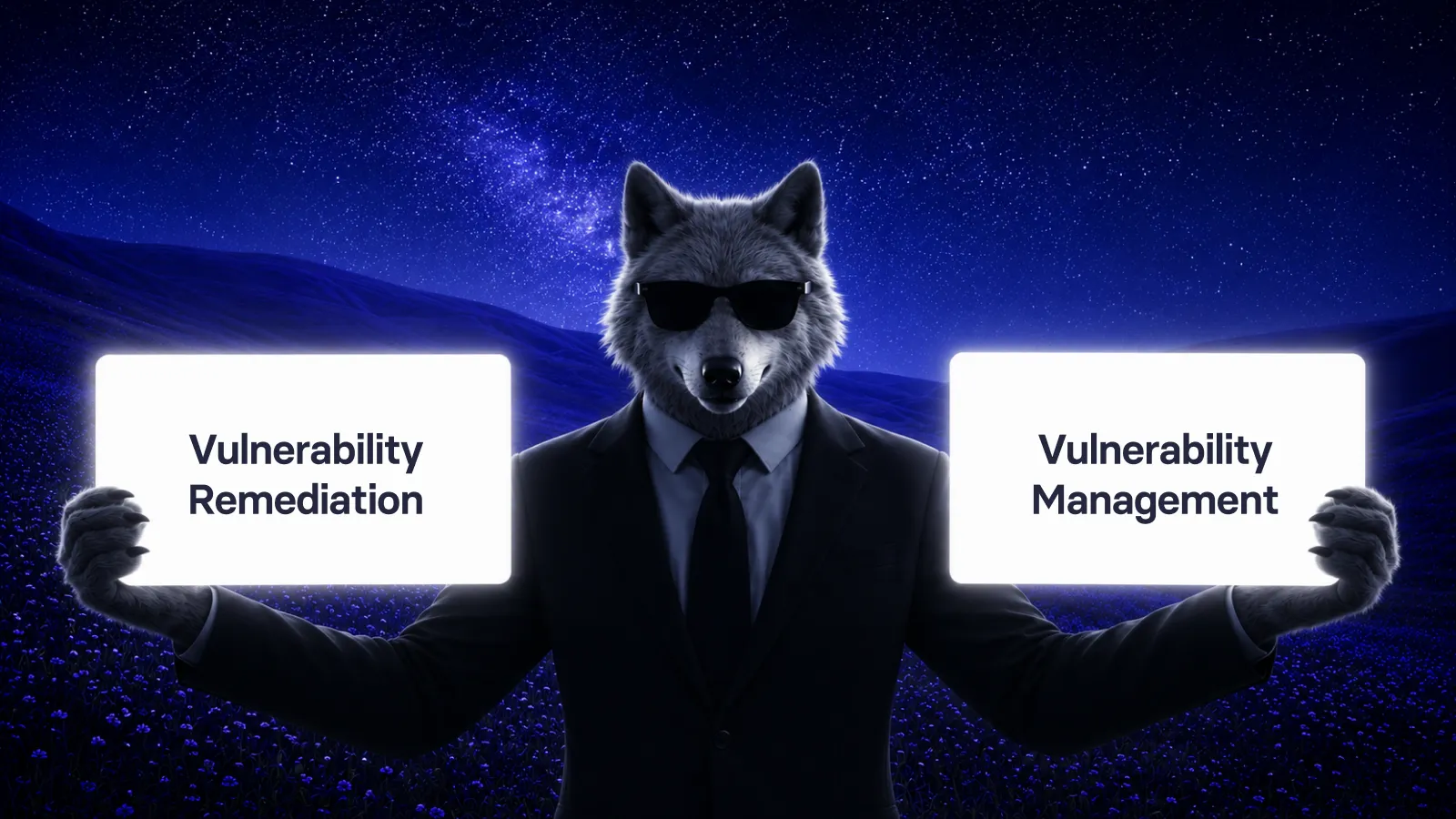
Vicarius was founded on a different premise. What if remediation wasn't the afterthought of vulnerability management but its organizing principle? What if every capability detection, prioritization, automation, compliance was designed to serve a single outcome, actually fixing things?
This is remediation reimagined. Not as a separate phase that follows scanning, but as the continuous heartbeat of a unified platform where discovery and resolution exist in constant conversation.
The Architecture of Autonomous Remediation
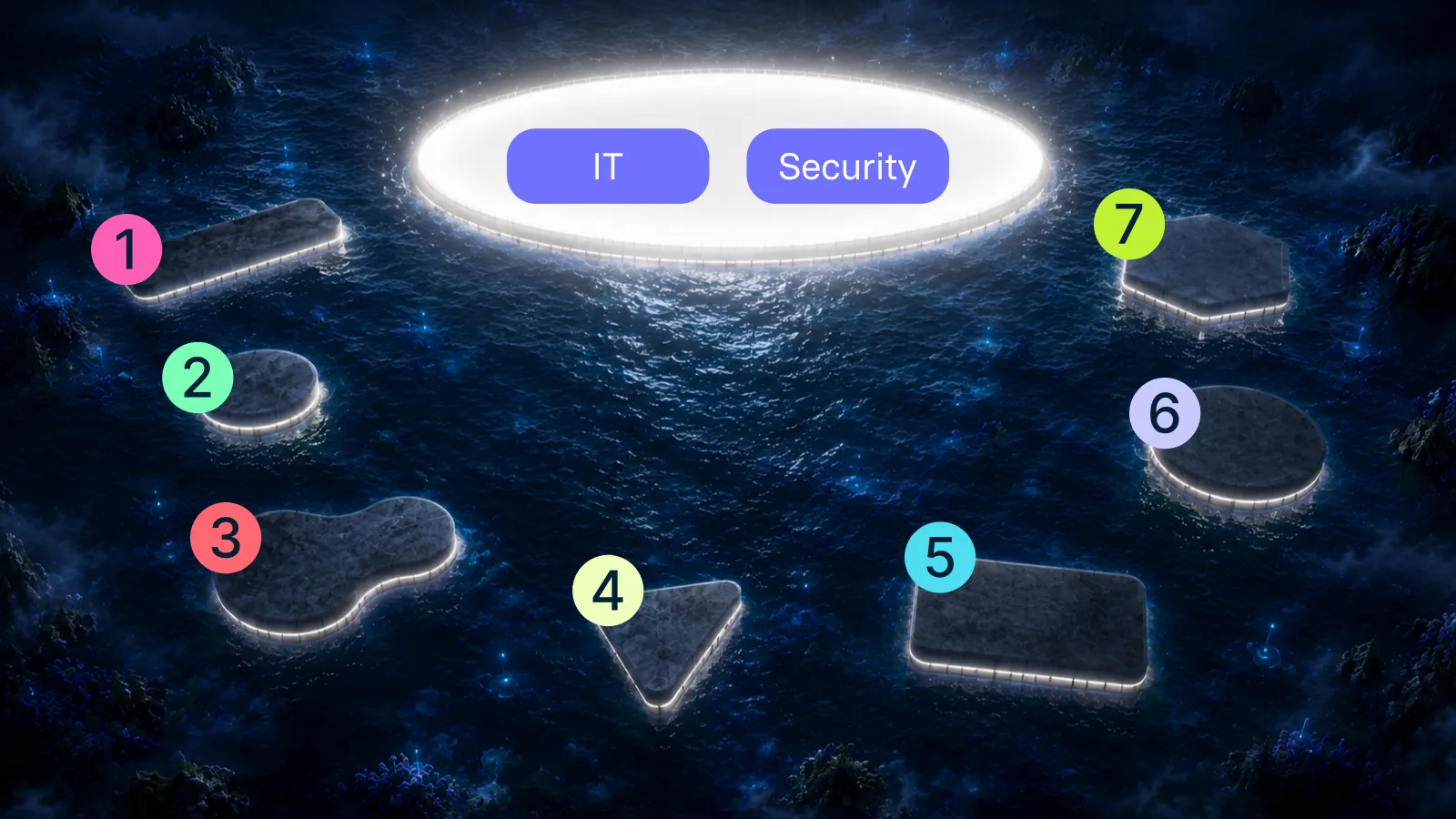
The vRx platform began with a structural insight, the handoffs between security tools and IT operations are where vulnerabilities go to age. Every ticket queue, every approval workflow, every manual patch deployment represents delay and delay represents exposure.
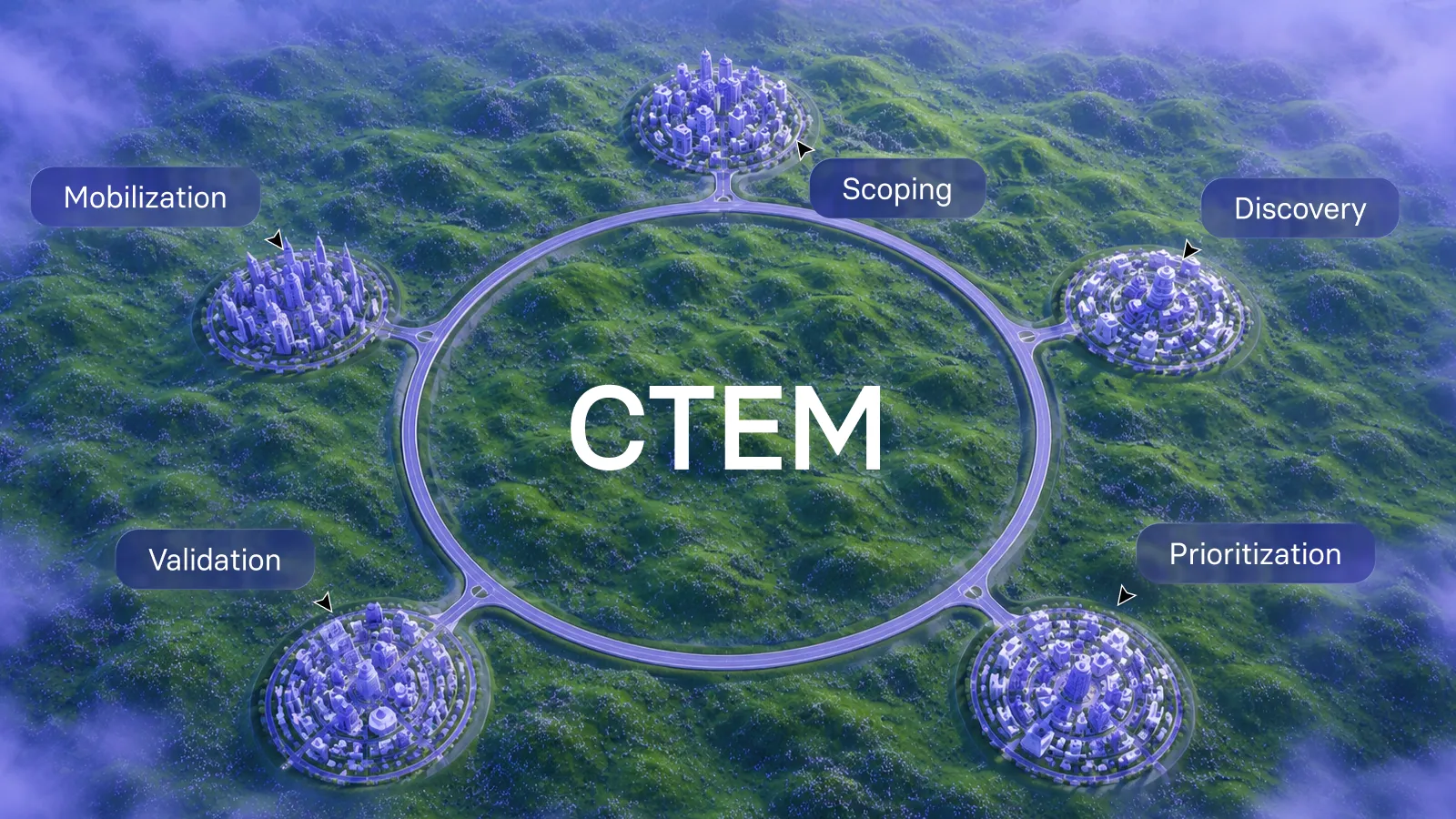
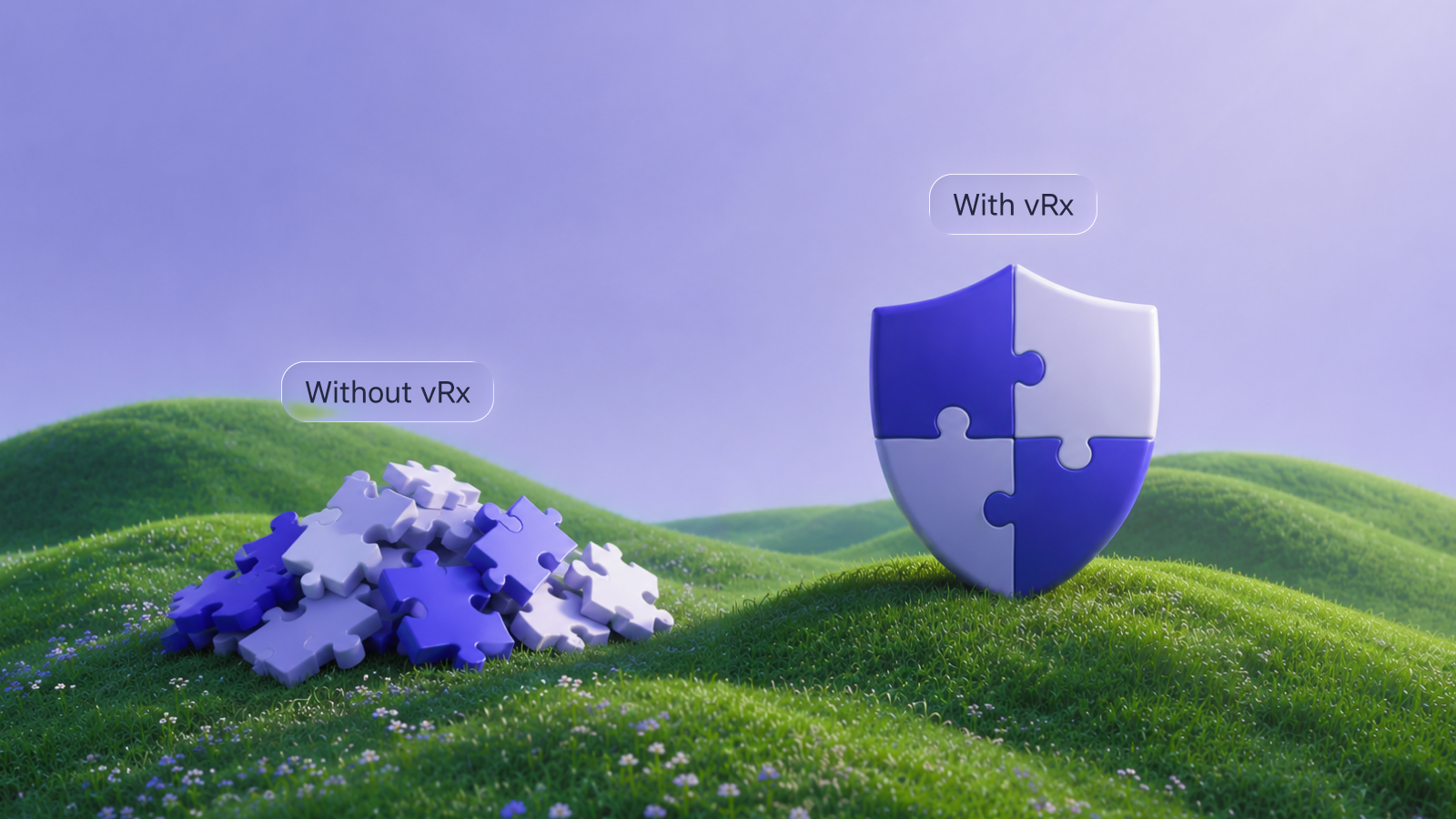
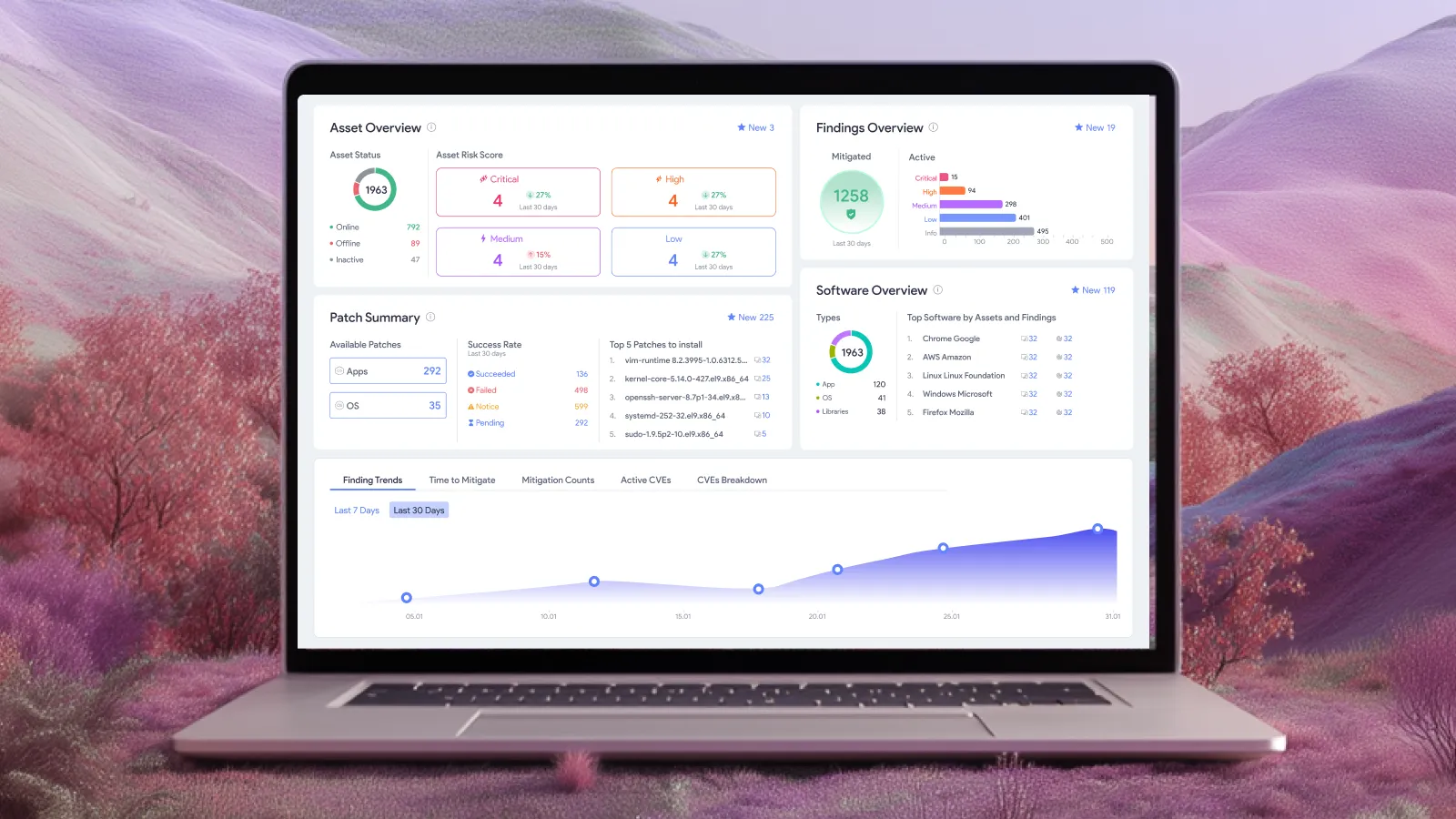
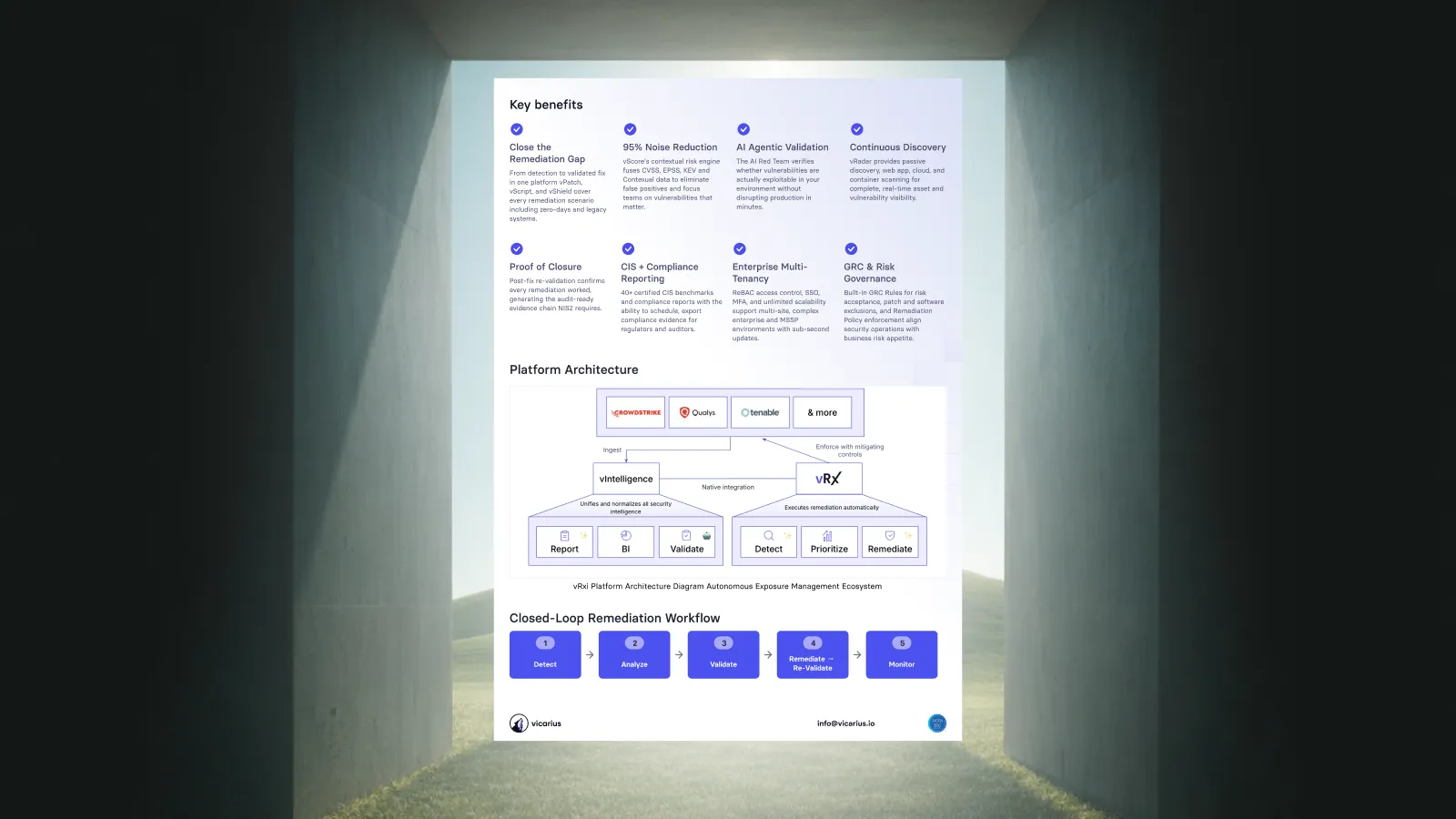
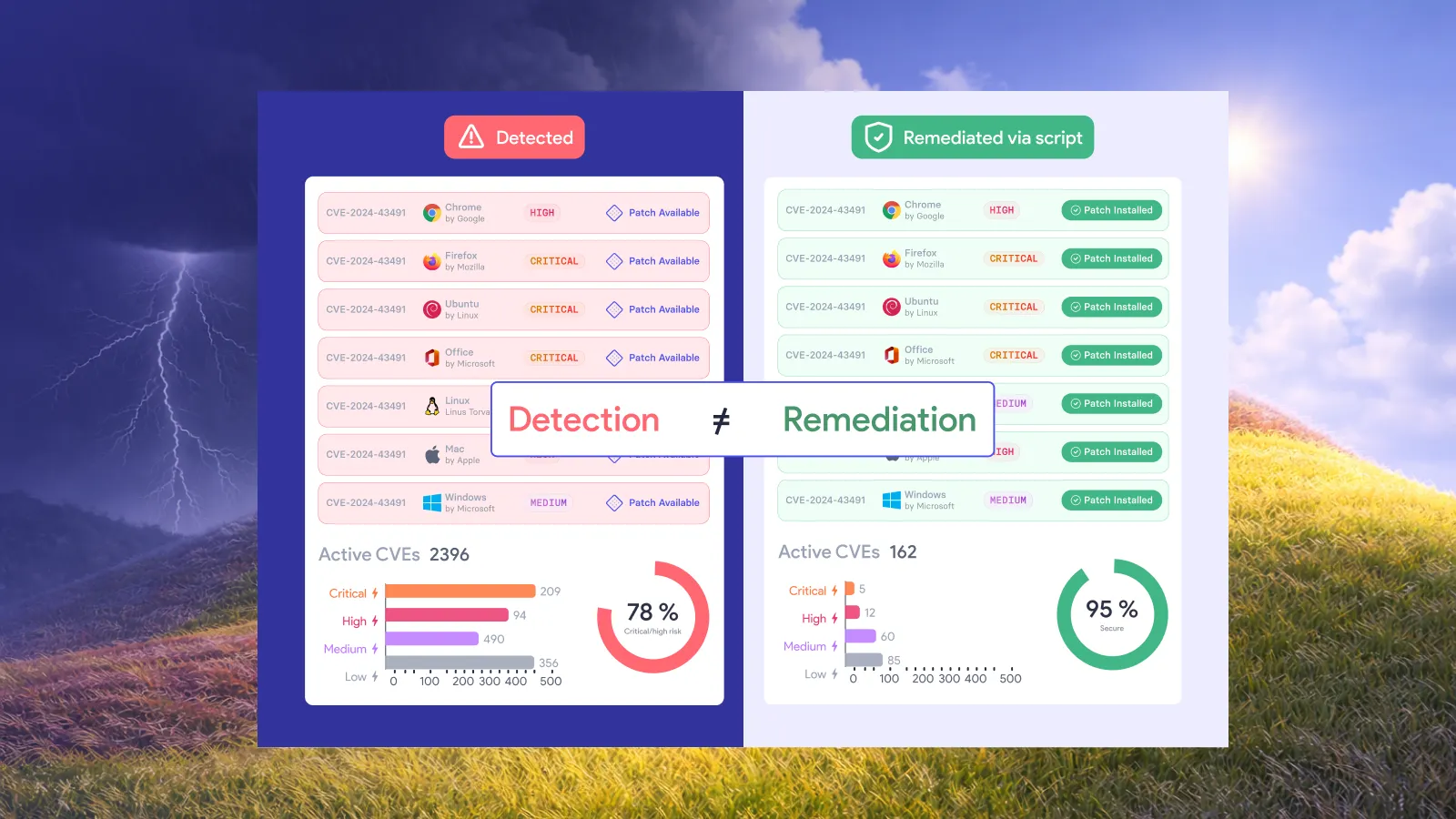
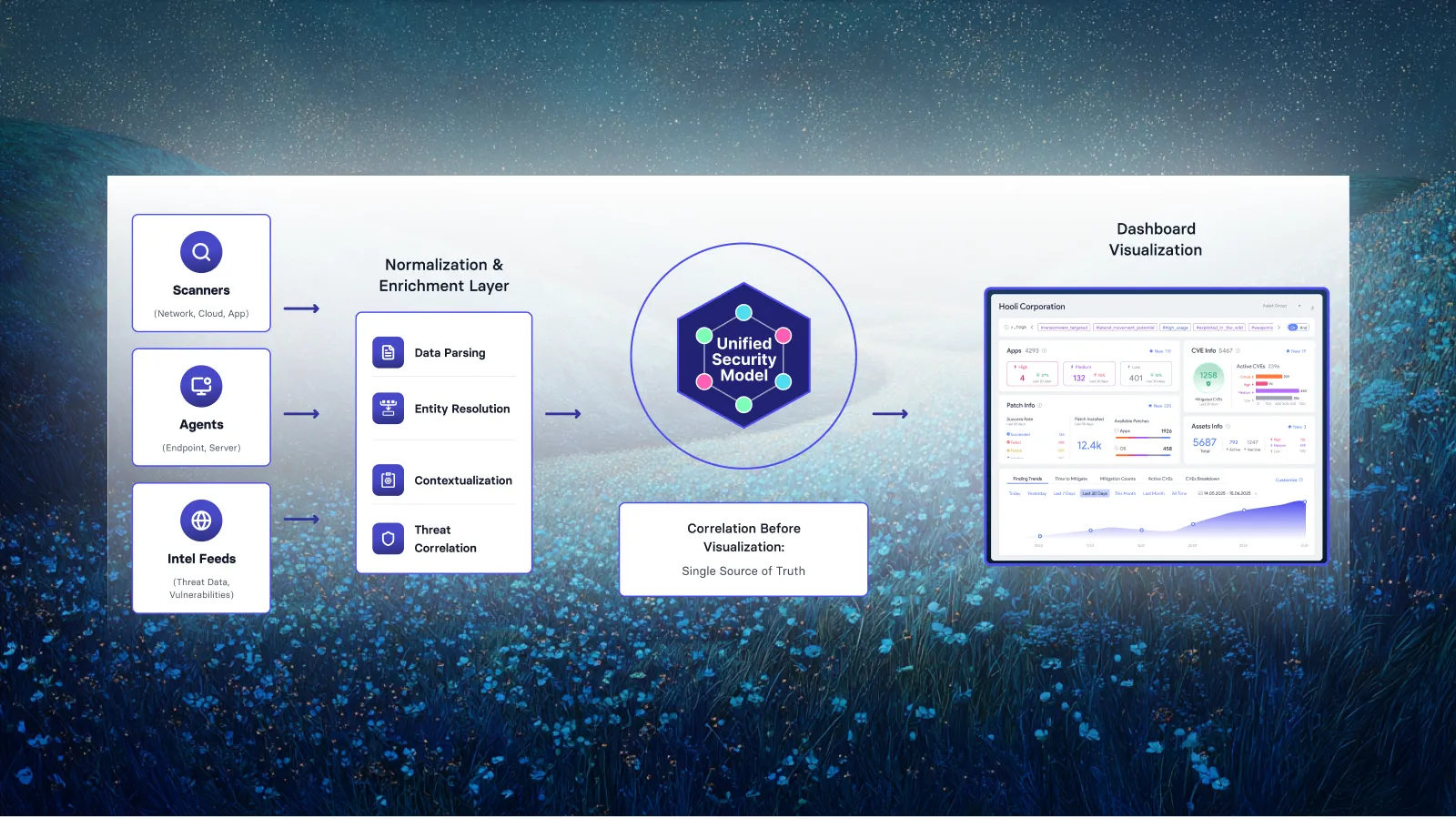
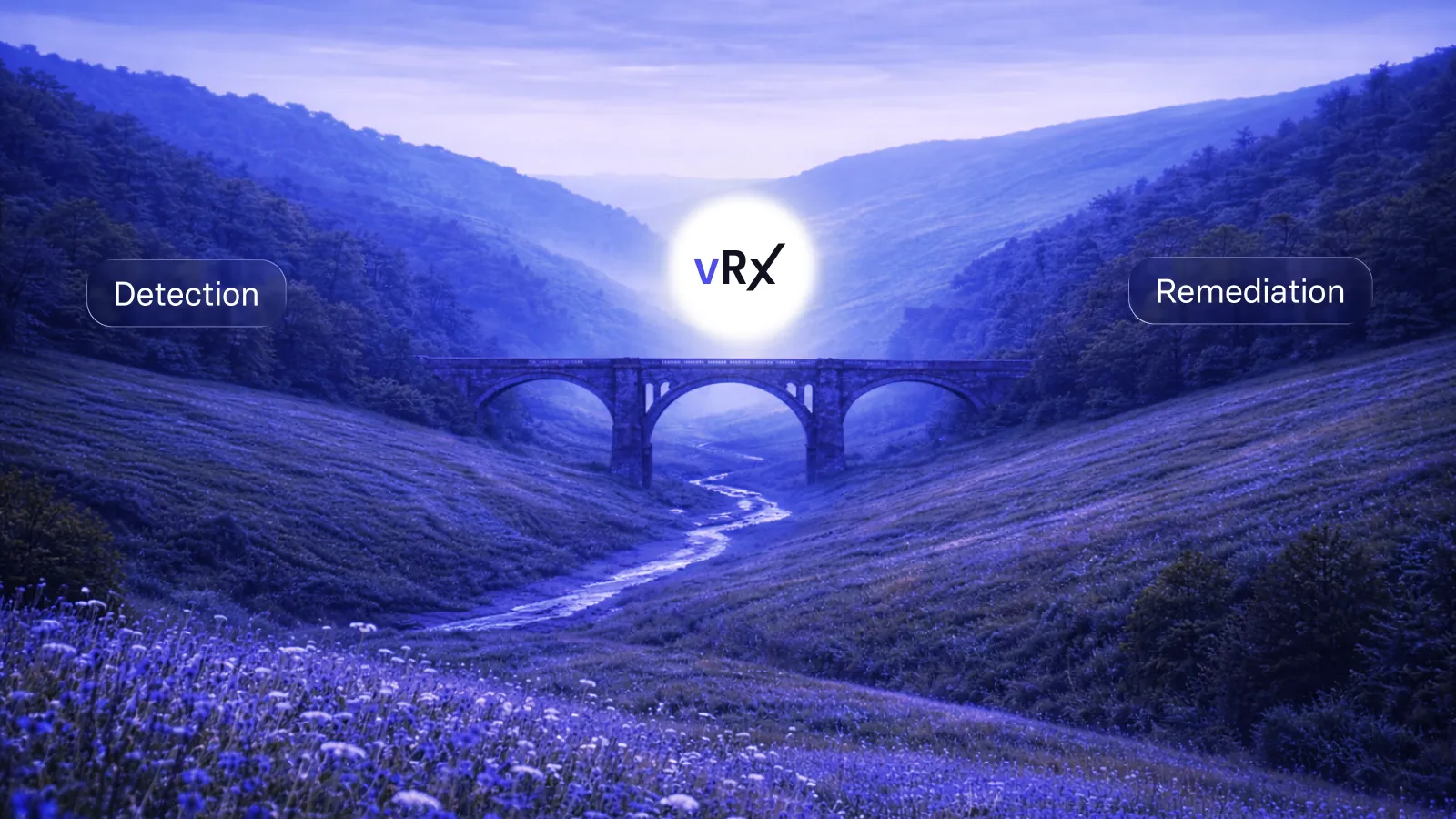
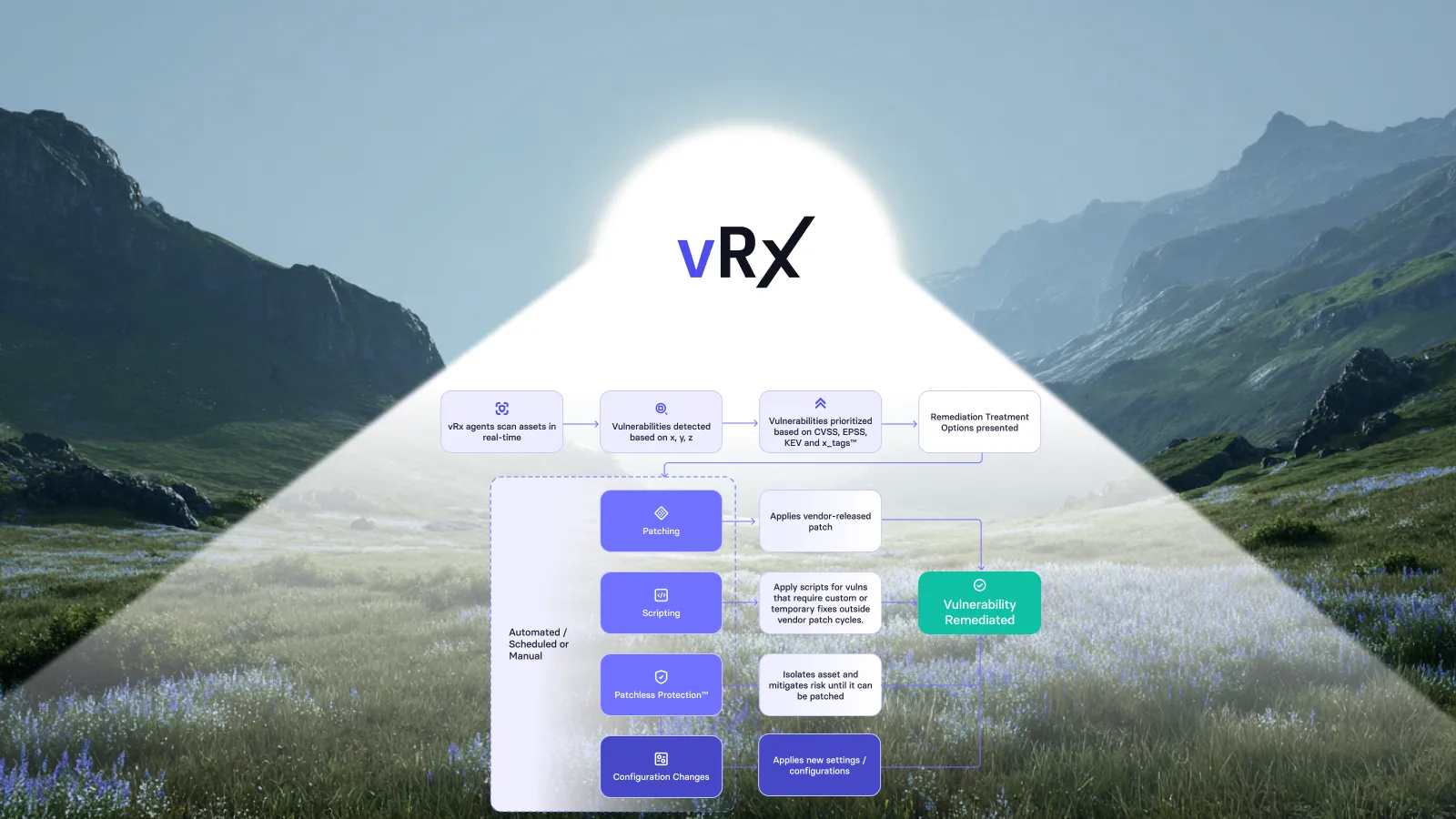
Eliminating those handoffs required building detection and remediation into a single operational framework. When vRx discovers a vulnerability, the remediation path is immediately visible. When it identifies a missing patch, it can deploy that patch. When it detects a misconfiguration, it can correct it. The gap between "known" and "fixed" collapses because no gap was designed into the architecture.
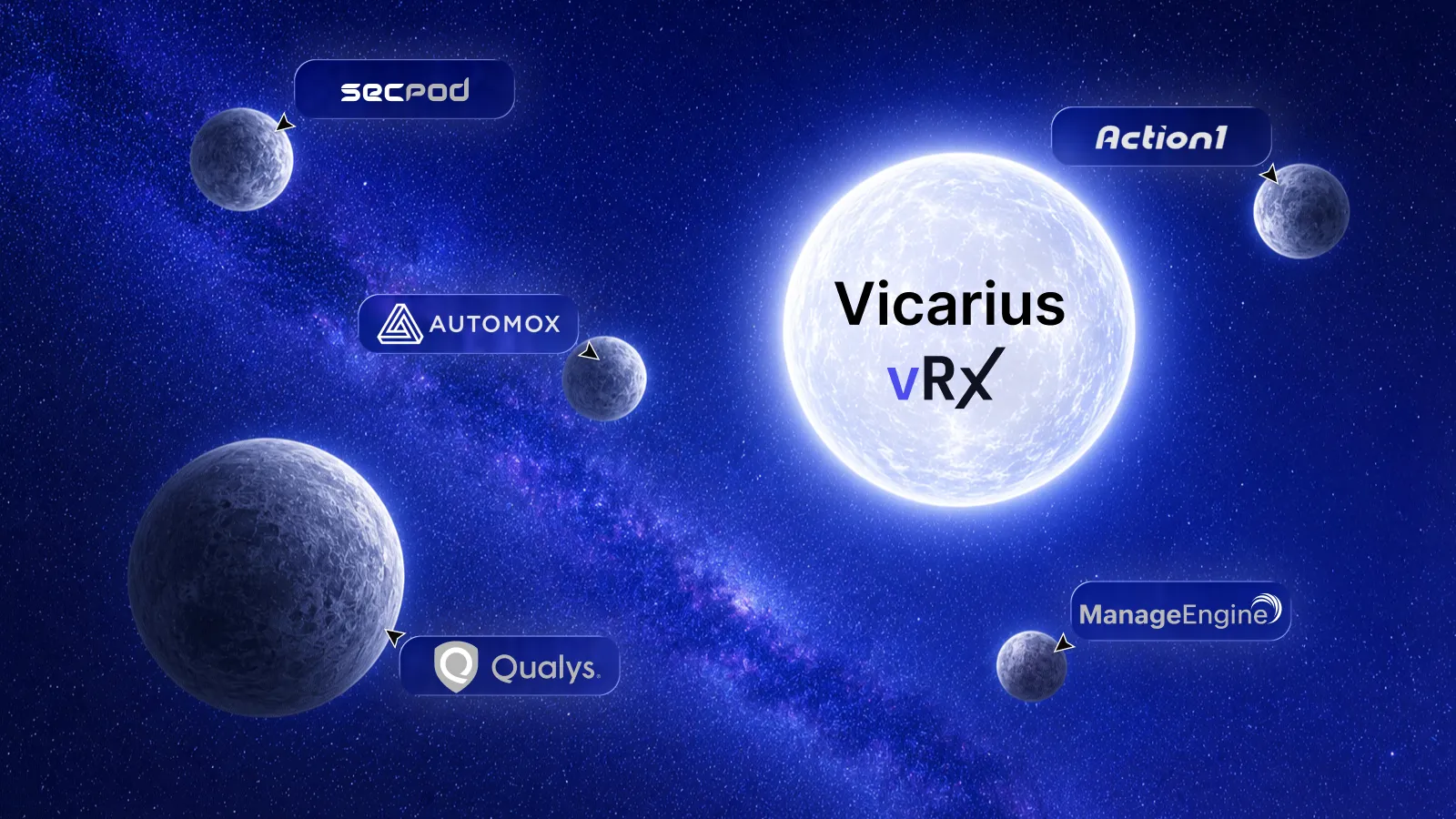
This consolidation has proven transformative for organizations managing complex environments. A Security Analyst who previously relied on ManageEngine described the change, what used to take three hours to patch a Windows Server now takes less than an hour, which means less downtime for the business each month when patches are deployed.
But speed is only part of the story. Autonomous remediation also means reliability. When patches can be automatically tested, scheduled, and deployed without manual intervention at each step, the failure modes that plague traditional approaches, patches that never get applied, patches that get applied incorrectly, patches that cause conflicts and require rollbacks become far less common.
A Security Engineer at a large MSSP, noted that his clients using the platform haven't experienced failed patches or rollbacks, which was a persistent concern with previous approaches to vulnerability remediation.
Three Remediation Methods, One Platform
True autonomous remediation requires flexibility. Not every vulnerability responds to the same treatment. Some need standard patches. Some need configuration changes. Some need interim protection while waiting for vendor fixes.
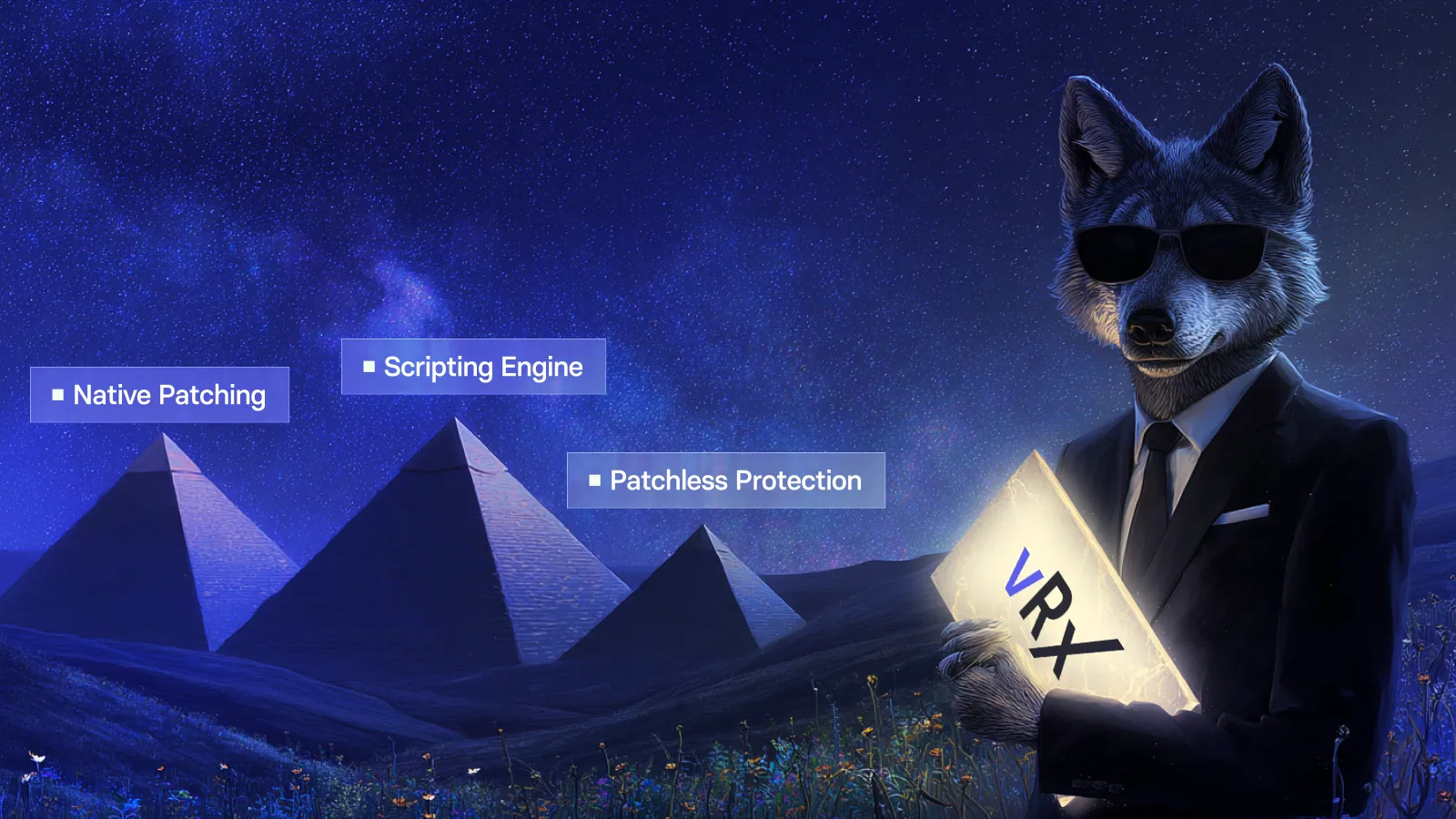
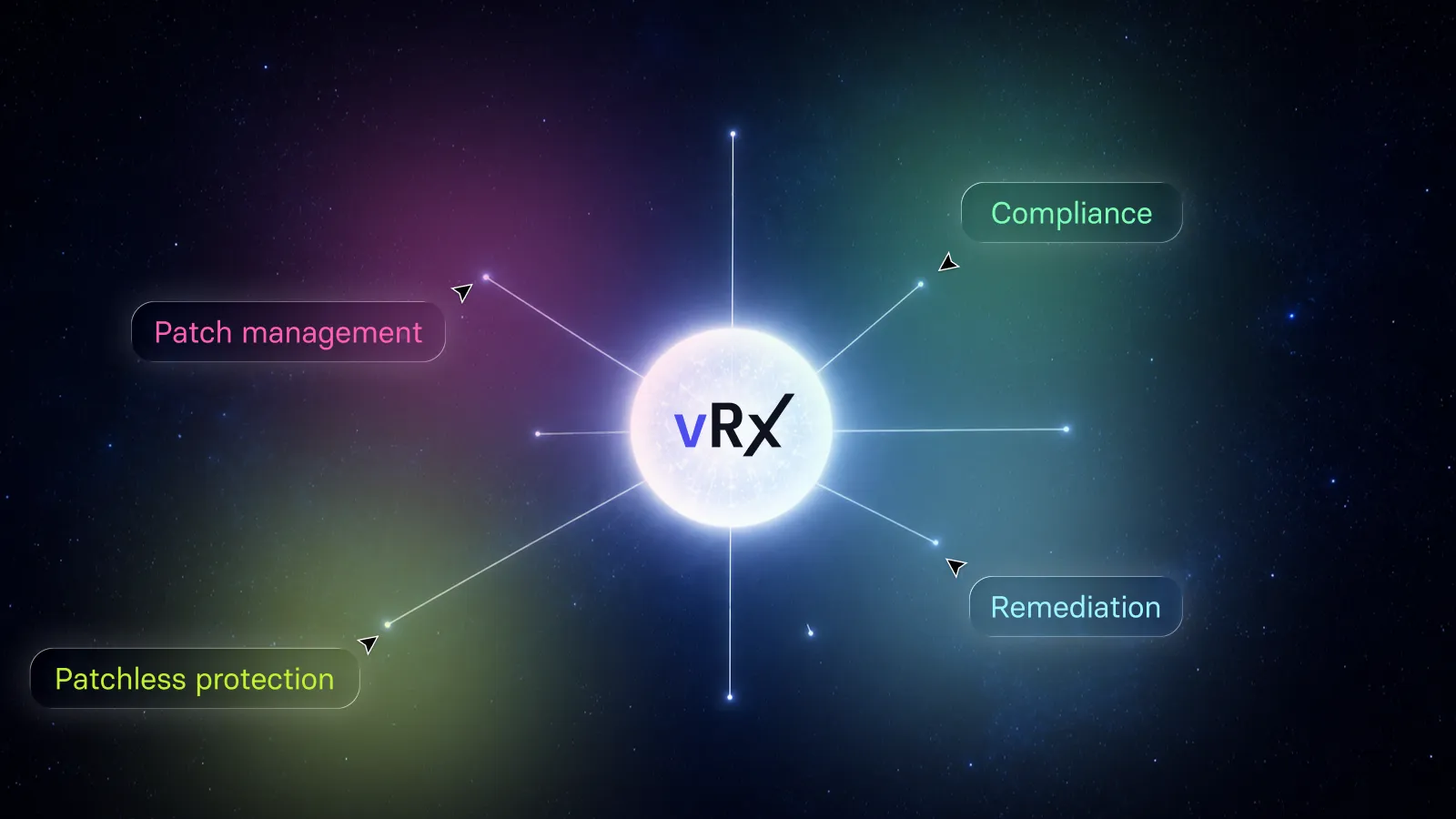
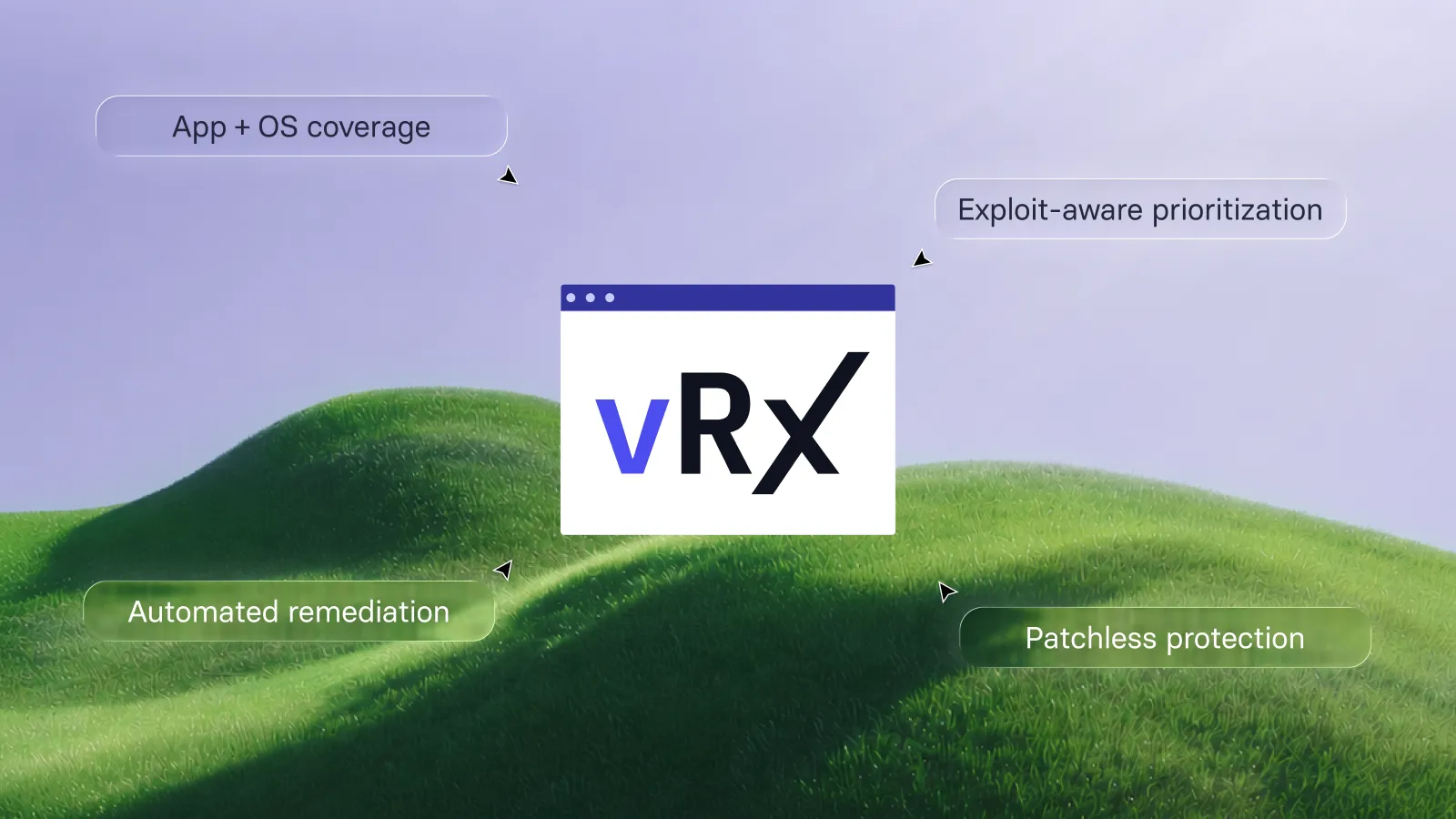
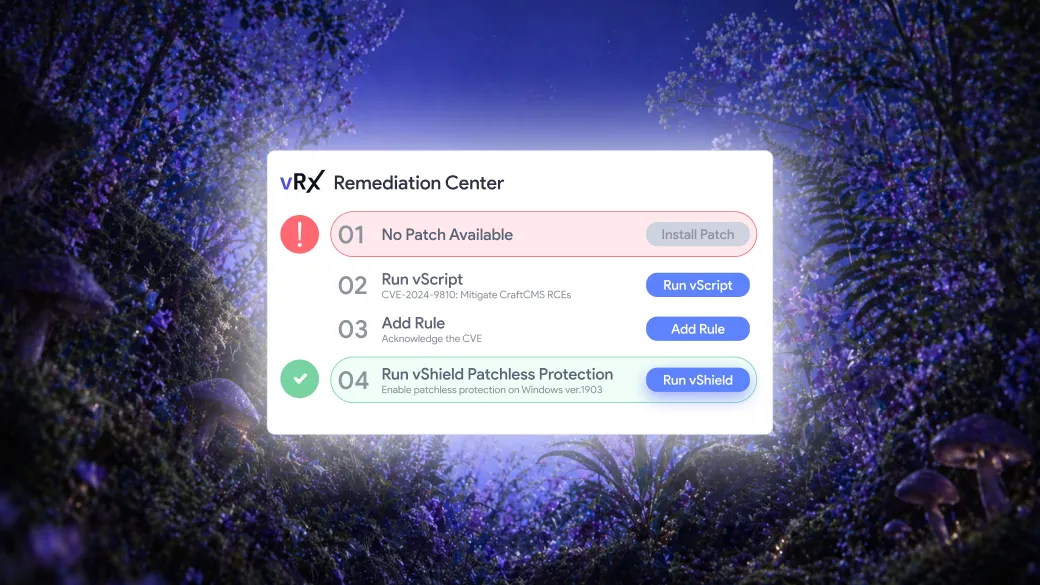
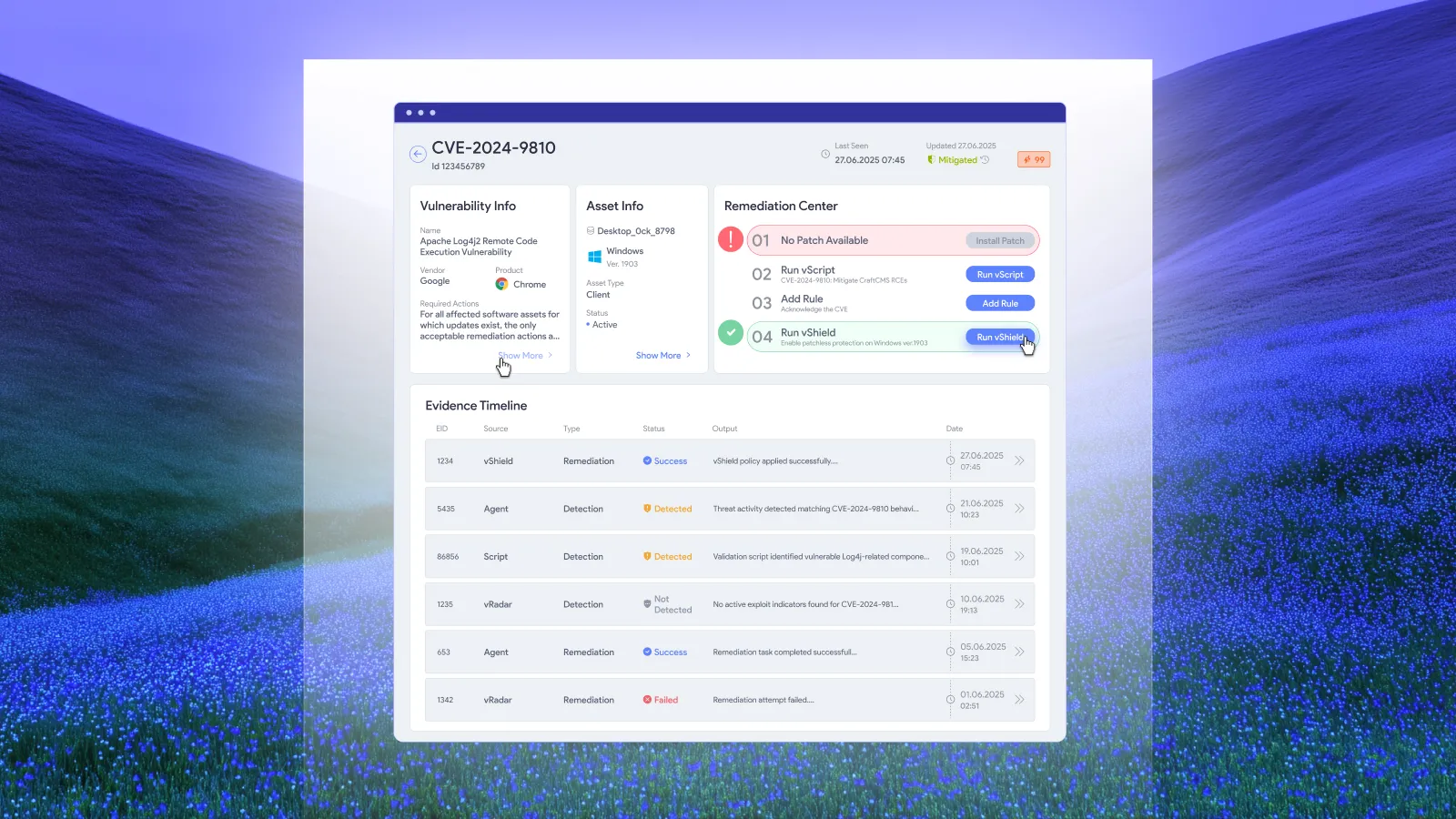
Vicarius built vRx around three integrated remediation methods that cover the full spectrum of vulnerability response.
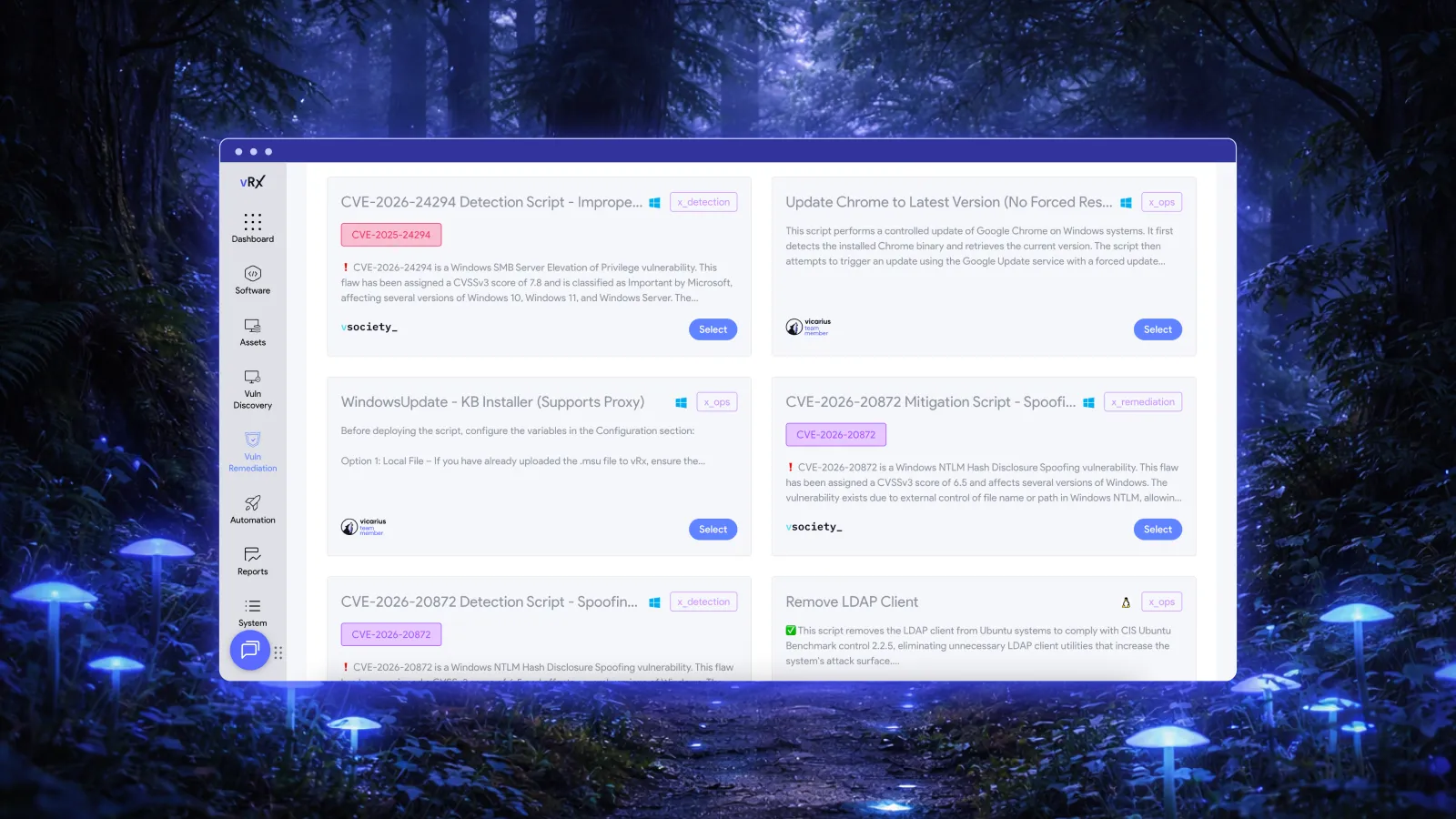
The first is native patching, which automates the identification and deployment of patches across more than 10,000 applications and operating systems. This isn't just Windows, Linux and macOS it's the long tail of third-party applications that represent the modern enterprise's actual attack surface. The platform finds what you're running, identifies what patches are needed, and applies them on whatever schedule fits your operational requirements.
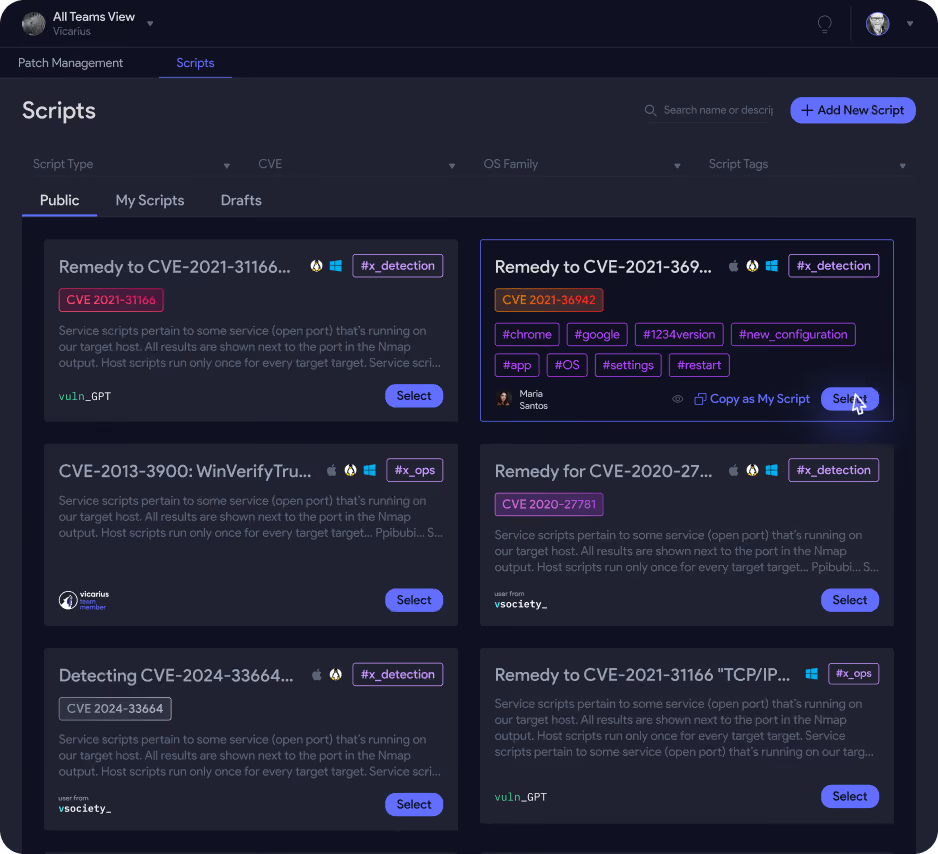
The second is the scripting engine, which addresses complex vulnerabilities that require specific configurations or registry changes. Some exposures can't be fixed with a simple patch. They need nuanced intervention and the scripting engine provides both a library of pre-built scripts and the capability to create custom scripts for unique situations. This approach proved essential during incidents like log4j, where remediation required specific steps beyond standard patching.
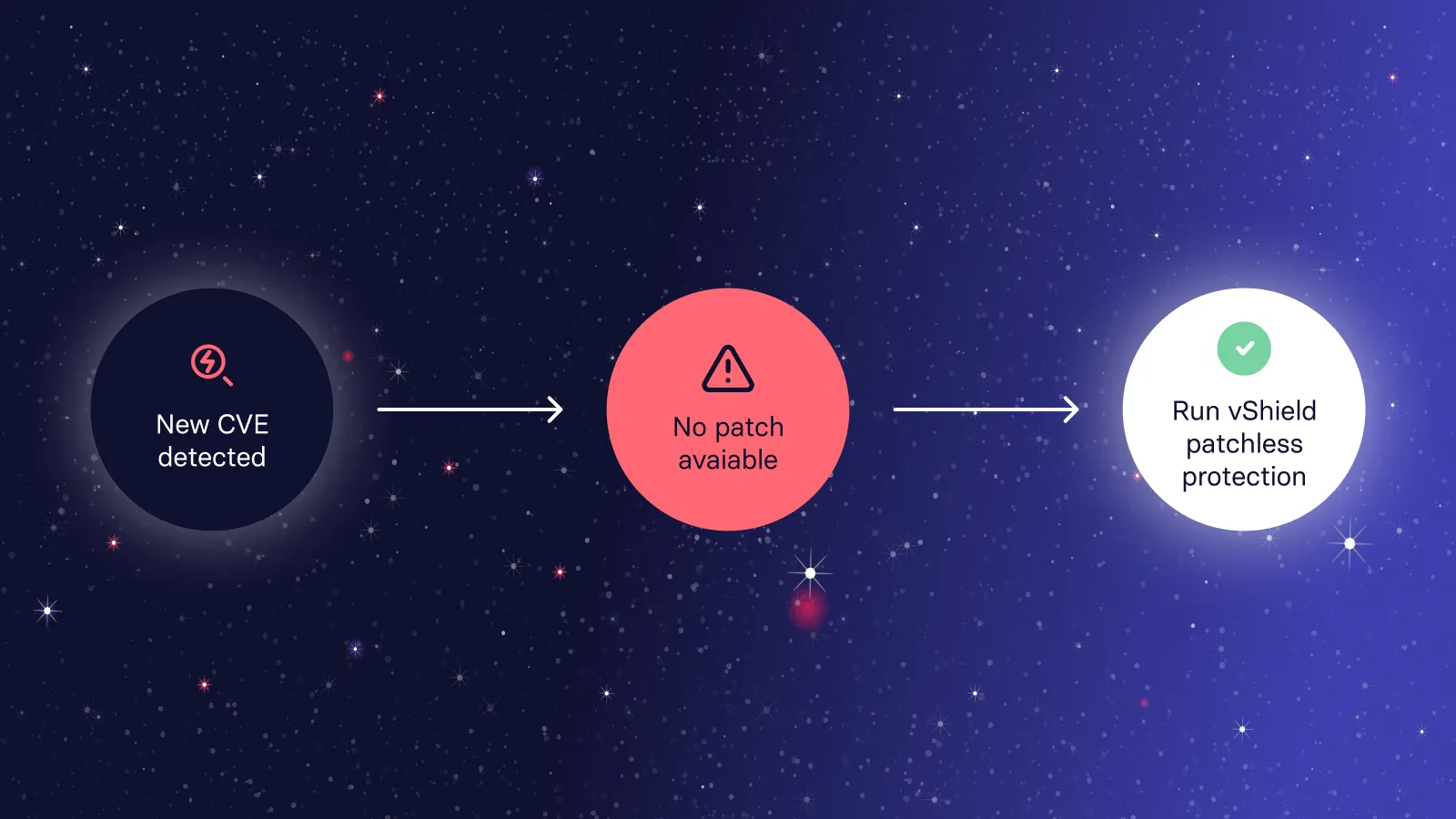
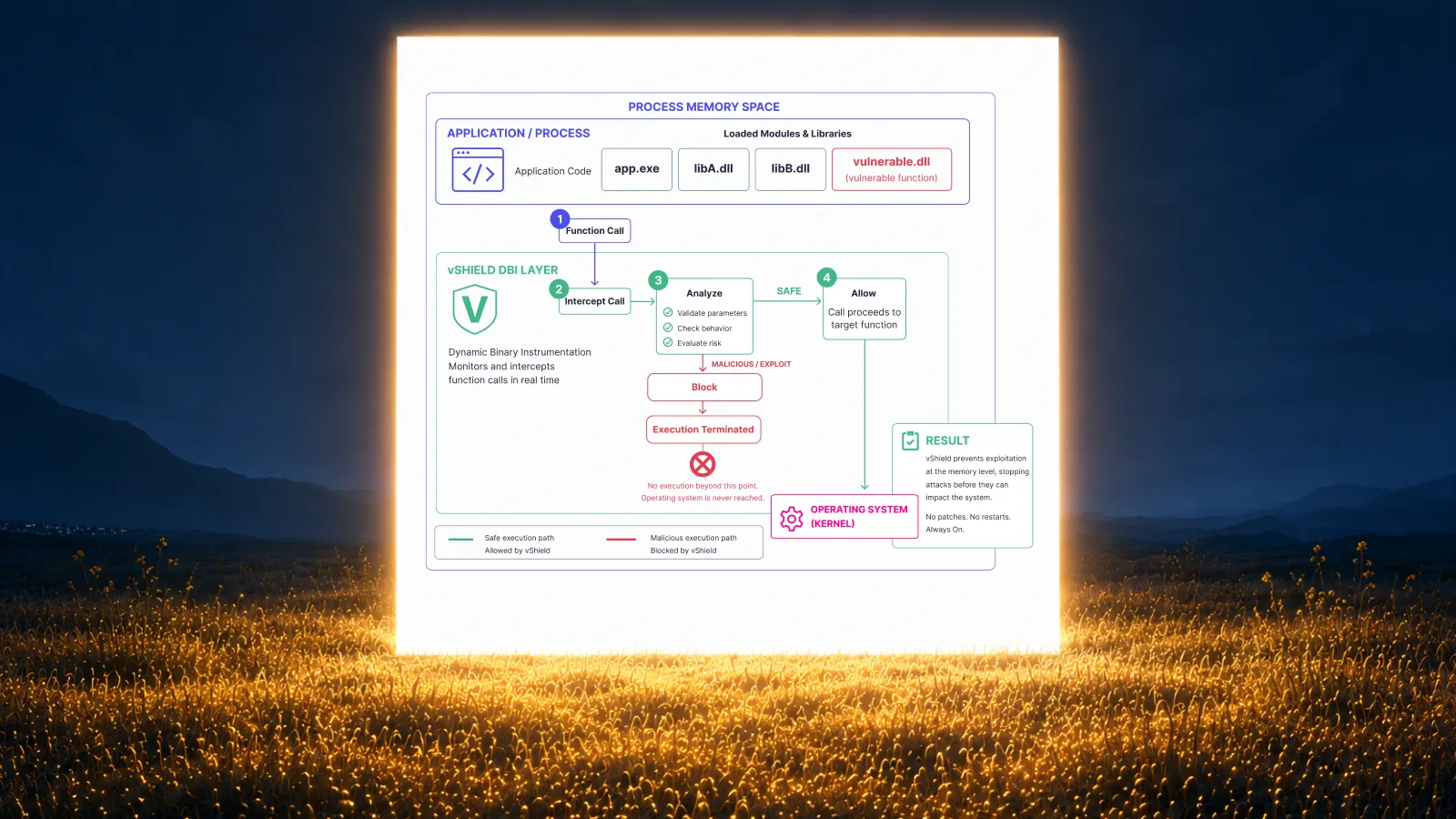
The third is Patchless Protection, which creates a protective barrier around vulnerable applications when immediate patching isn't available or feasible. Zero-day vulnerabilities, incompatible patches, change-frozen systems all represent scenarios where traditional patching can't provide immediate relief. Patchless Protection maintains functionality while reducing risk until a validated patch is ready for deployment.
Antwune Gray, VP of IT Security and Services at NetX, described Patchless Protection as an incredible technology that reduces customer overhead on administrators, allowing them to focus on additional work rather than endless patch coordination.
Real-Time Visibility, Contextual Priority
Autonomous remediation requires knowing what to fix first. Not everything can be patched simultaneously, and not everything carries equal risk.
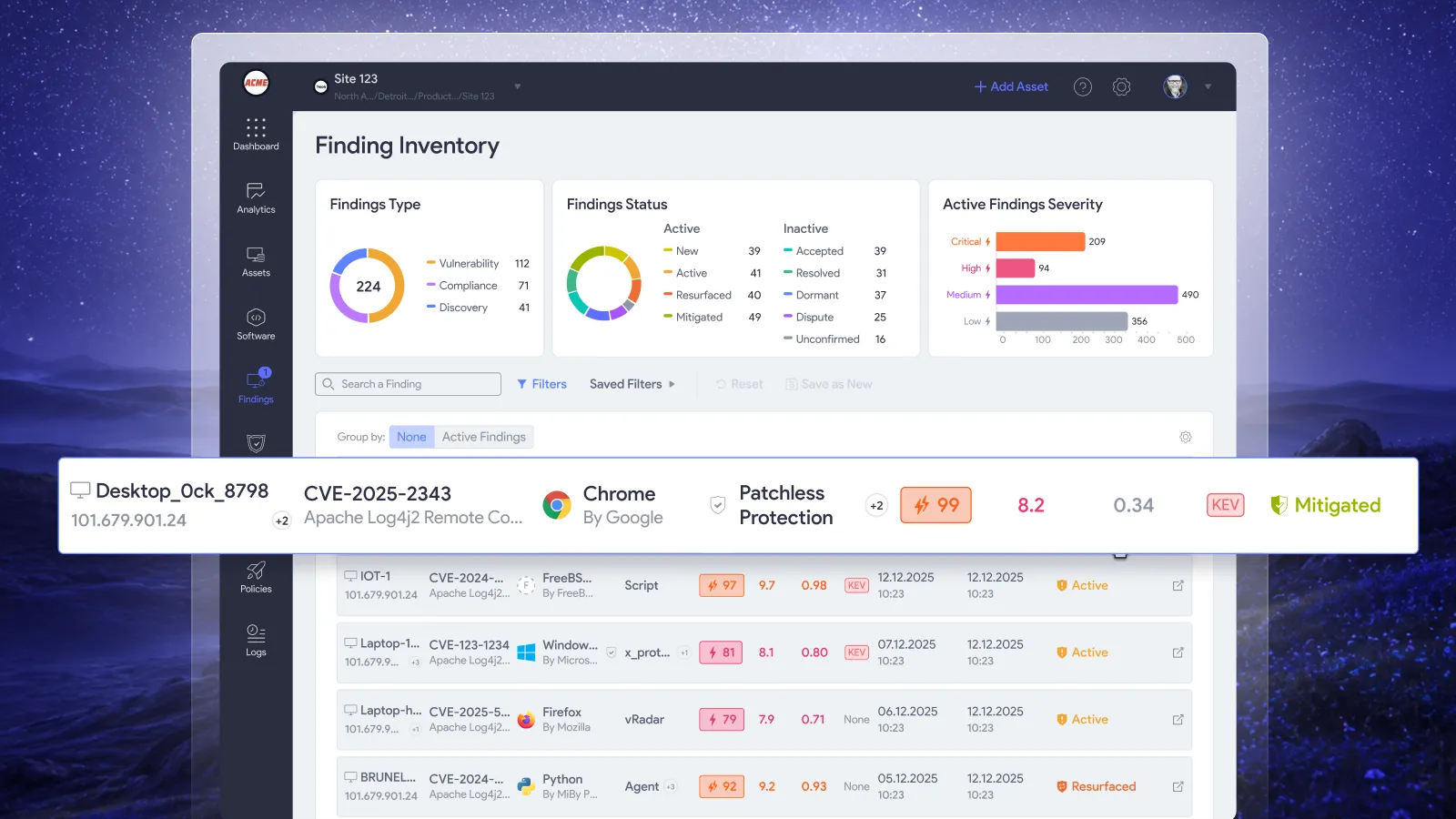
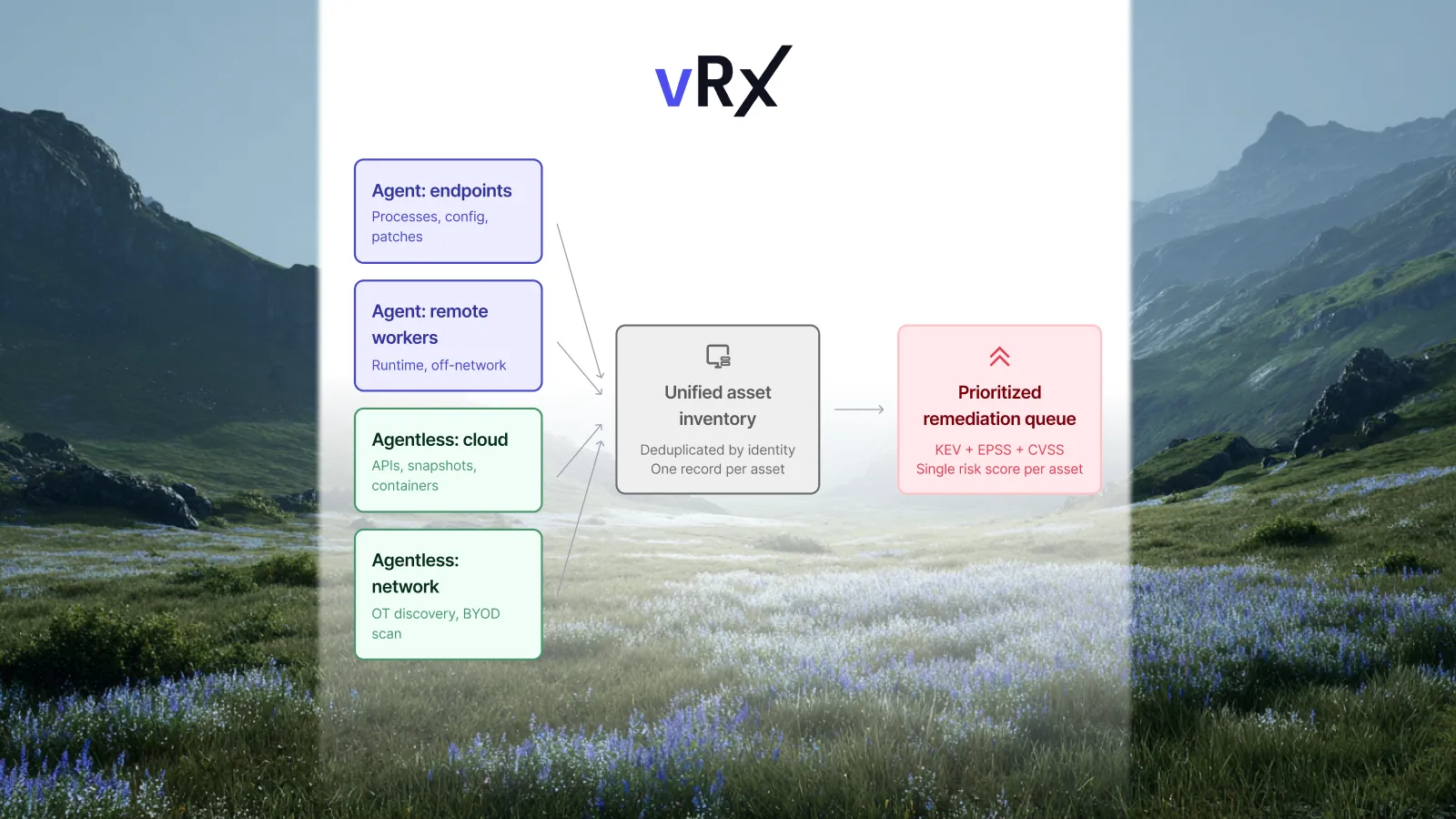
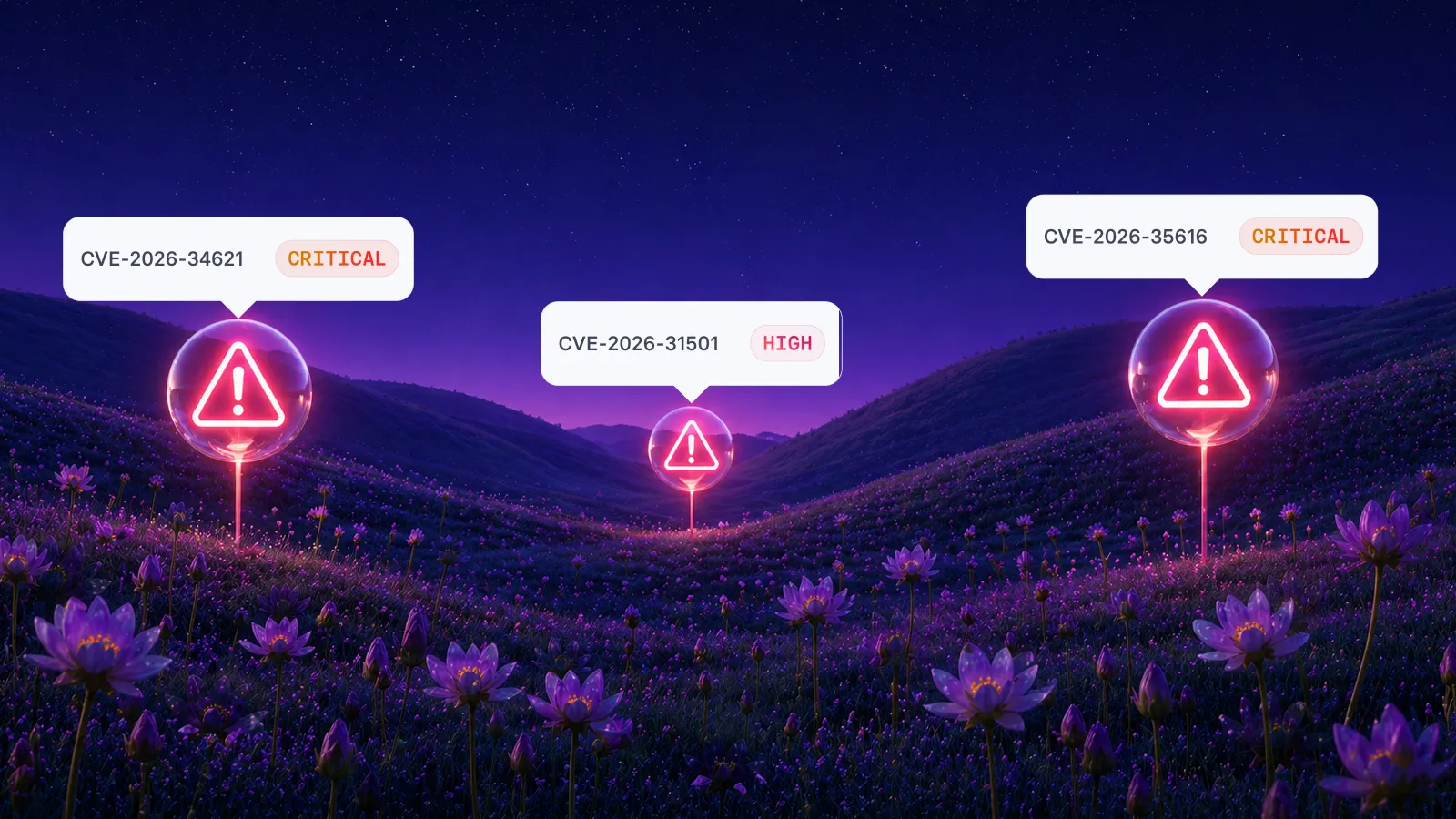
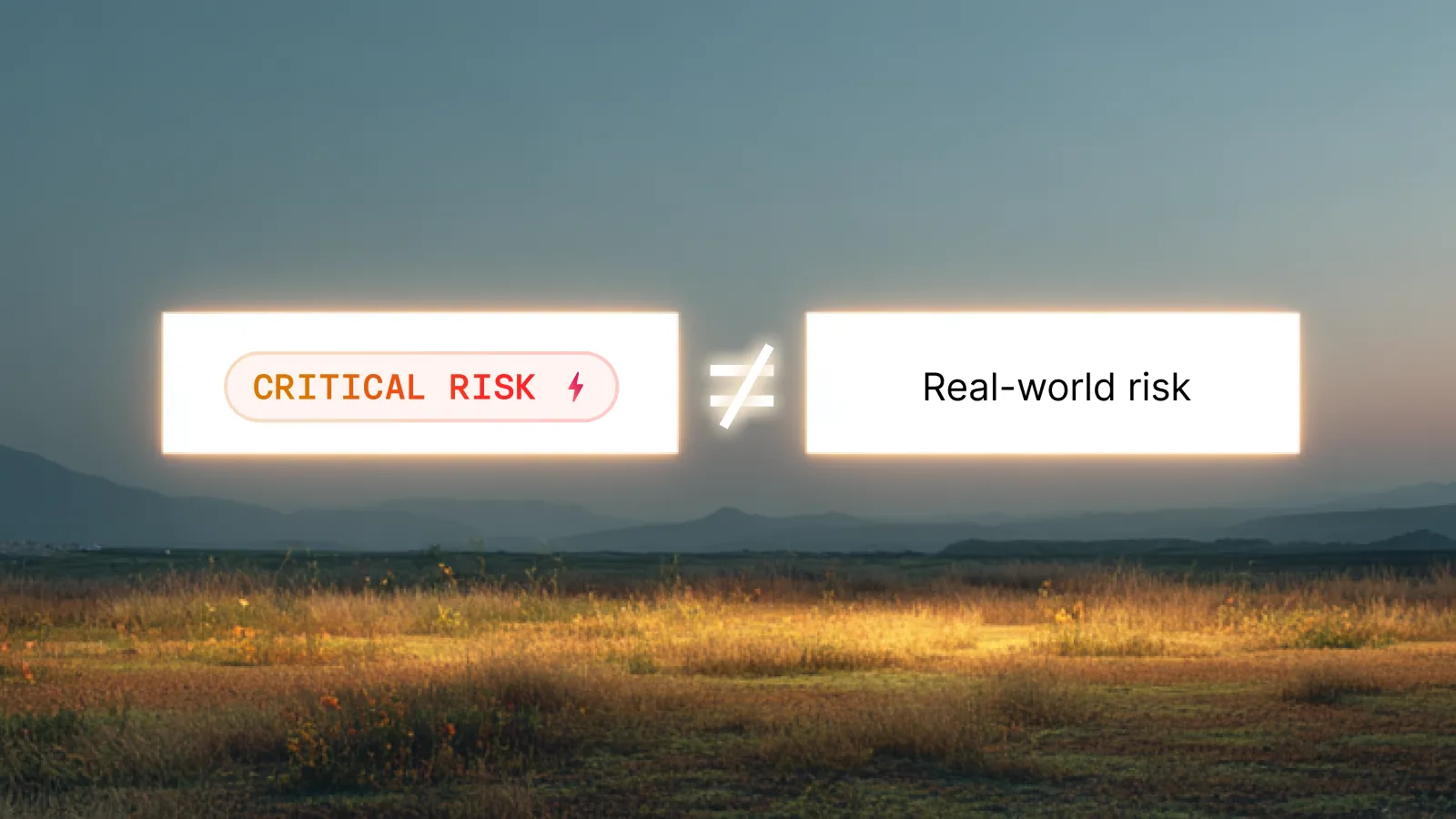
vRx approaches prioritization through contextual intelligence that goes beyond standard CVSS metrics. The platform's risk-scoring engine evaluates vulnerabilities by considering asset criticality and the likelihood of exploitation. A critical CVE on an internet-facing production server represents a different risk than the same CVE on an isolated development machine. Context determines priority.
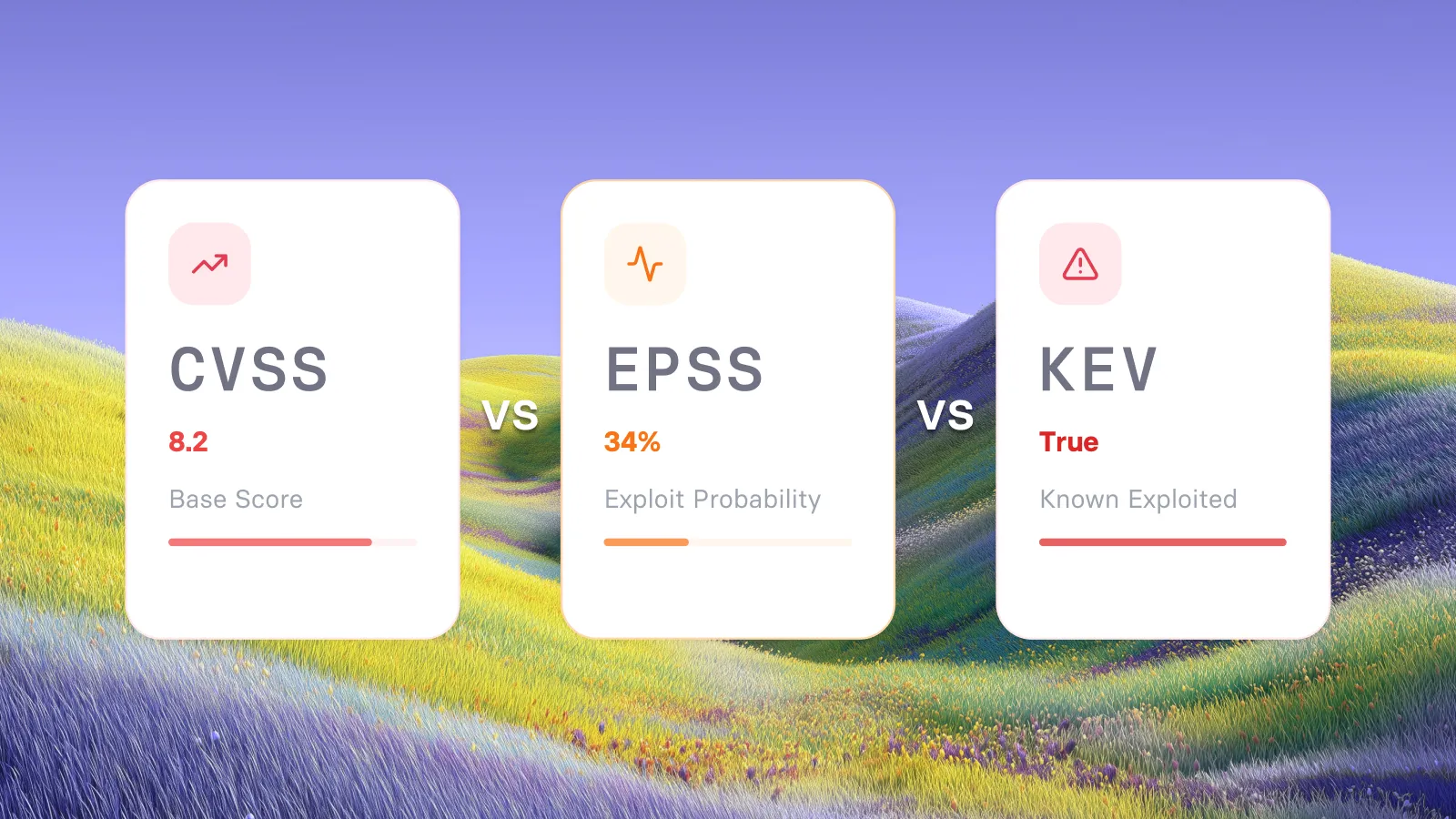
This intelligence draws from multiple data sources: CVSS scores provide baseline severity, EPSS (Exploit Prediction Scoring System) indicates exploitation likelihood, KEV status shows what's actively being exploited in the wild, and asset context reveals what matters most to your specific organization.
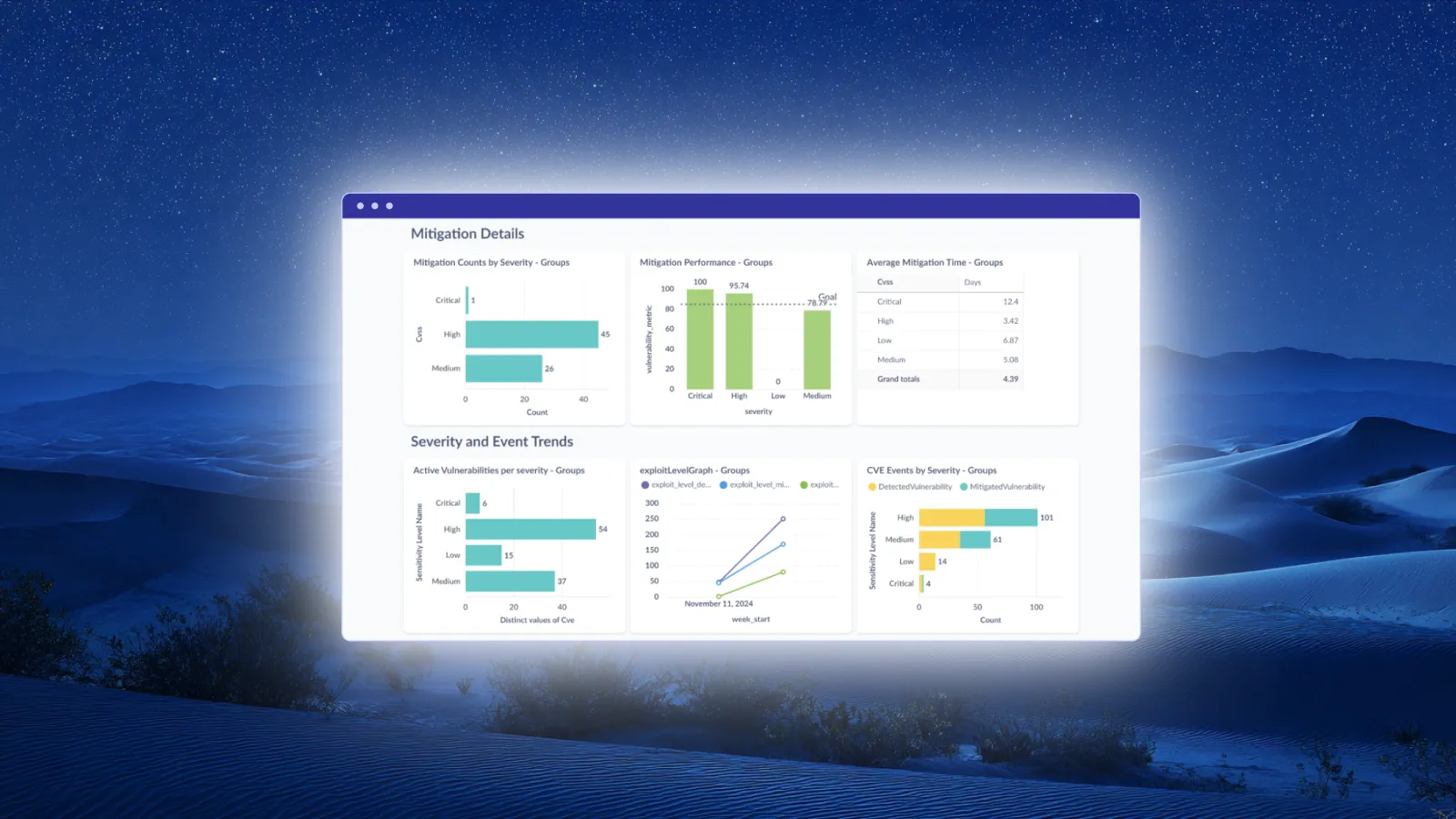
The result is prioritization that reflects actual business risk rather than theoretical severity. Security teams can focus remediation efforts on the exposures that genuinely threaten operations rather than chasing every high-CVSS finding regardless of real-world significance.
An IT Operations Lead at a large enterprise described the before-and-after, before vRx, the team spent countless hours manually finding and verifying patches. That time disappeared not because vulnerabilities decreased but because the platform eliminated the manual analysis that previously consumed every cycle.
MSP-Scale Orchestration
Managed Service Providers face the remediation challenge at multiplied complexity. Every client represents a distinct environment with unique applications, compliance requirements, and operational constraints. Scaling vulnerability remediation across dozens or hundreds of clients requires architecture designed for multi-tenancy from the ground up.
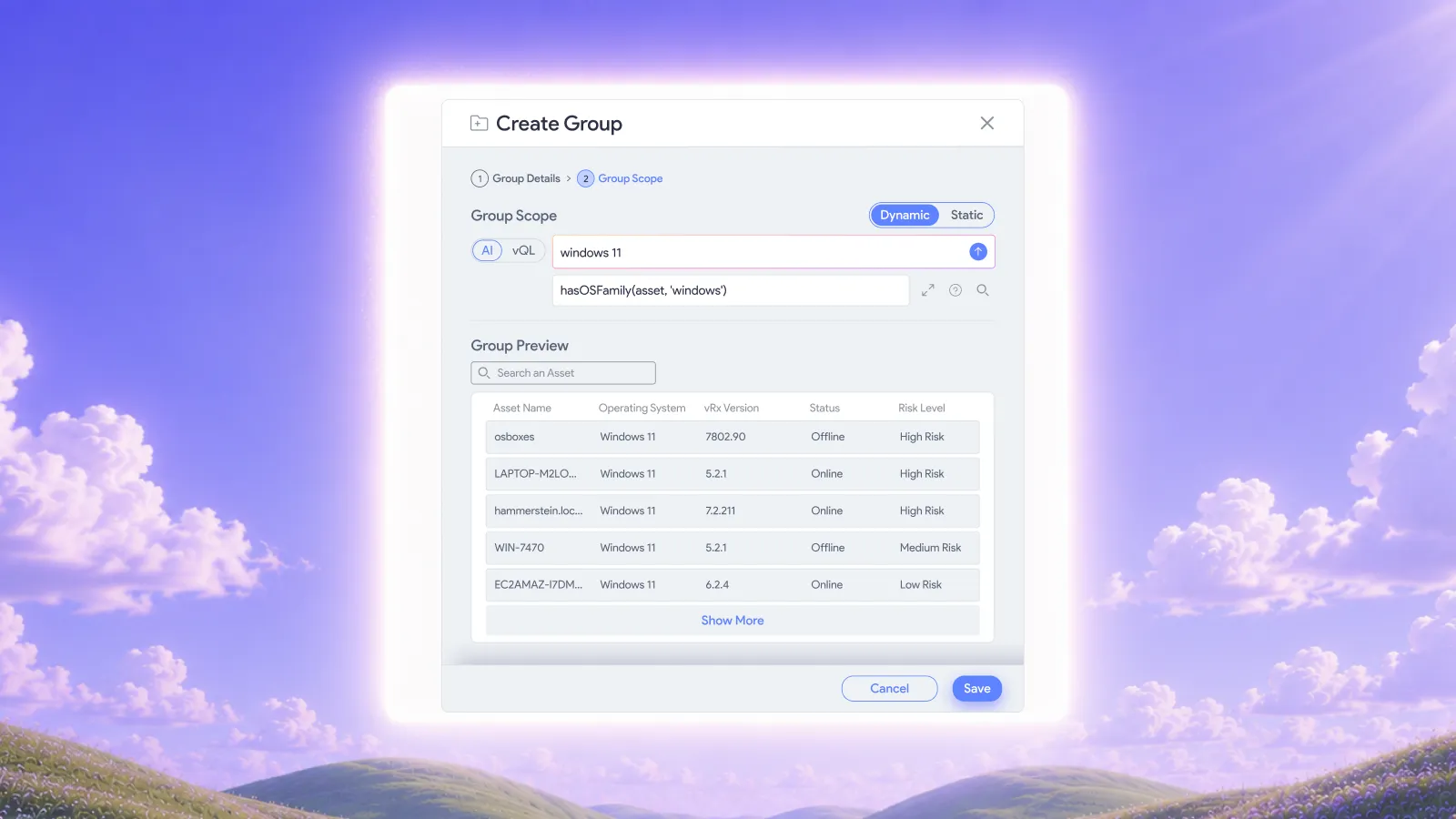
Vicarius built vRx with MSP workflows as a first-class consideration. The platform's multi-tenant structure consolidates client environments into a single interface with subtenants that represent each client's assets. This structure allows providers to manage everything from one place without risking data exposure between clients.
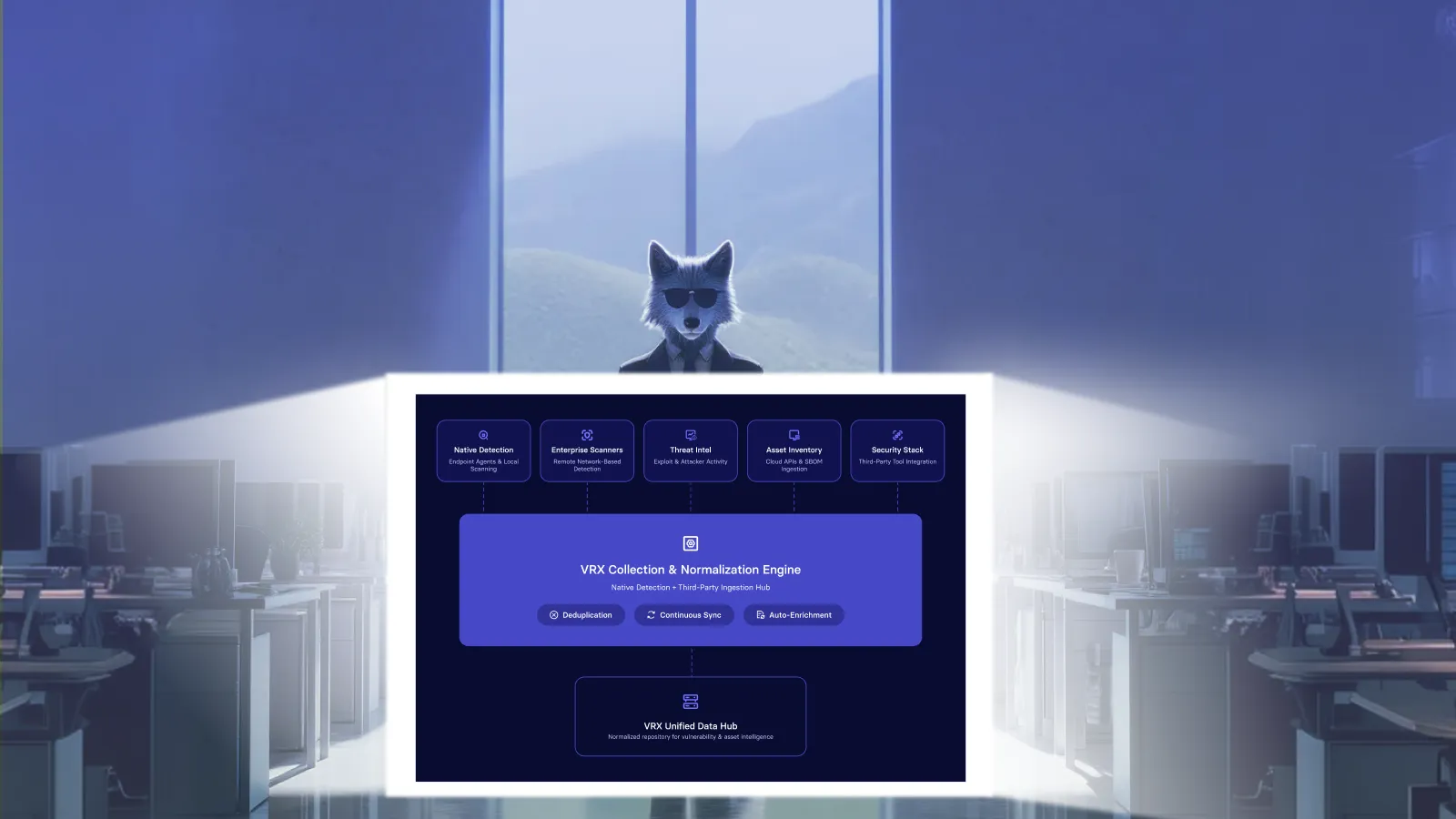
For MSPs, this consolidation eliminates tool sprawl. Rather than maintaining separate scanners, separate patch management tools, and separate reporting systems for each client, the unified platform handles the entire vulnerability management lifecycle within a single operational framework.
The automation capabilities scale naturally across clients. Routine tasks like browser updates, application patches, and configuration corrections can be automated across many endpoints, reducing manual workloads while maintaining consistency. What would require separate attention for each client environment becomes a standardized, repeatable process.
This approach transforms how MSPs deliver vulnerability remediation services. It shifts the model from reactive, manual, client-by-client intervention to proactive, automated, portfolio-wide protection. The business implications are significant: MSPs can serve more clients with the same team while delivering better security outcomes.
Compliance as Continuous Verification
Regulatory frameworks increasingly expect not just vulnerability awareness but demonstrated remediation progress. Annual audits are giving way to continuous compliance monitoring. Assessors want to see not just that you scanned but that you fixed.
The vRx Compliance Engine addresses this shift by providing instant visibility into misconfigurations across systems and applications, particularly against CIS benchmarks. Organizations can measure their alignment with best practices, identify deviations before they become audit findings, and generate evidence of remediation progress.
For organizations operating under multiple frameworks CIS, PCI DSS, HIPAA, SOX the compliance challenge multiplies. Each framework carries its own requirements, and demonstrating adherence to all of them traditionally required separate tools, separate processes, and significant manual effort.
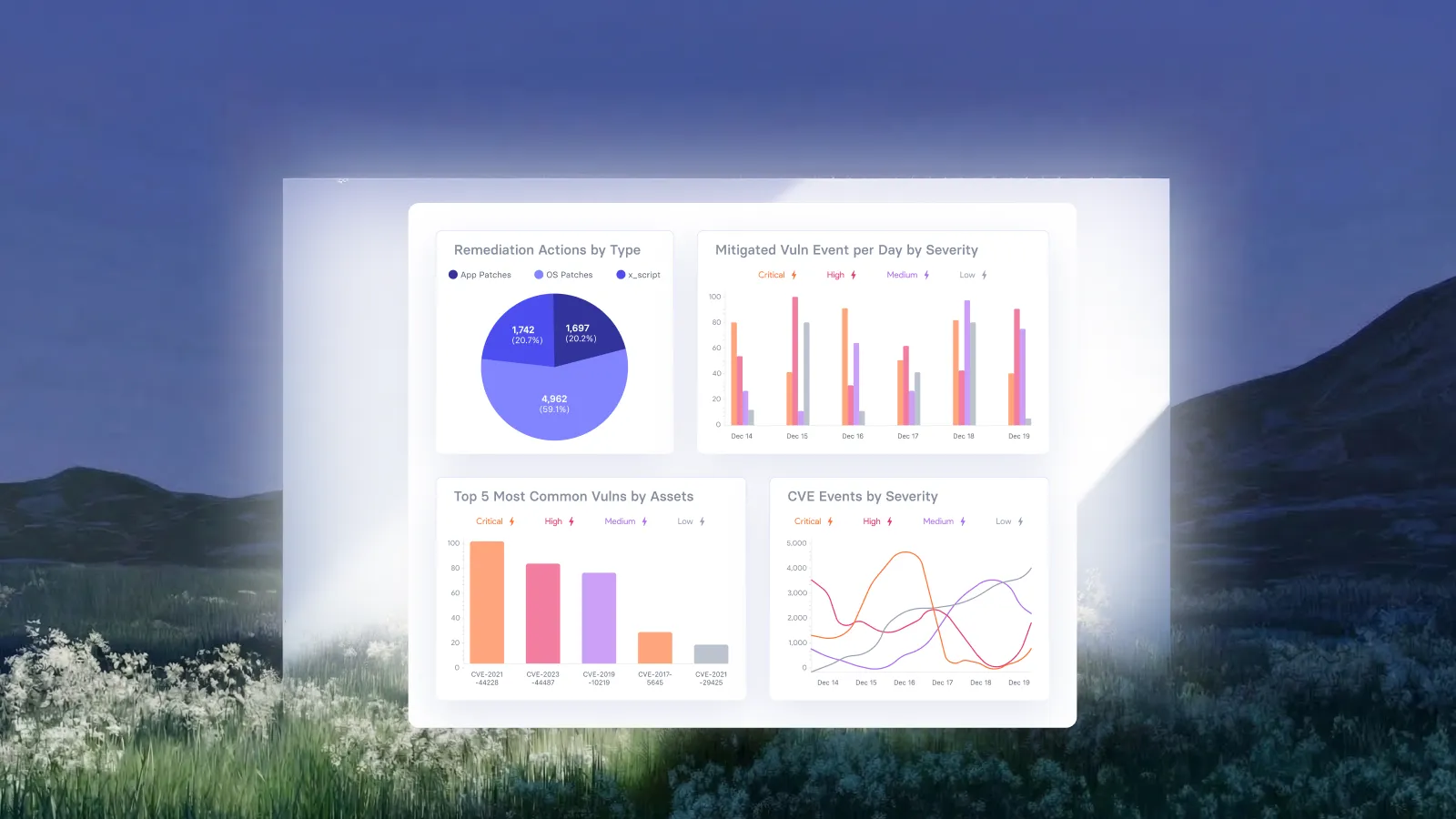
Unified remediation simplifies this complexity. When vulnerability discovery, prioritization, and remediation exist within a single platform, compliance evidence is generated automatically. The platform knows what was found, when it was found, when it was fixed, and how it was fixed. Audit preparation becomes report generation rather than archaeological research through disconnected systems.
The Real-World Impact
The shift from legacy scanning to autonomous remediation produces measurable change.
At EL AL Airlines, Tal Shachar, Deputy Director of Infrastructure, reported that patch scheduling went from a full-time job to a one-day task within two weeks of deployment. That compression represents time reclaimed for strategic security work rather than operational maintenance.
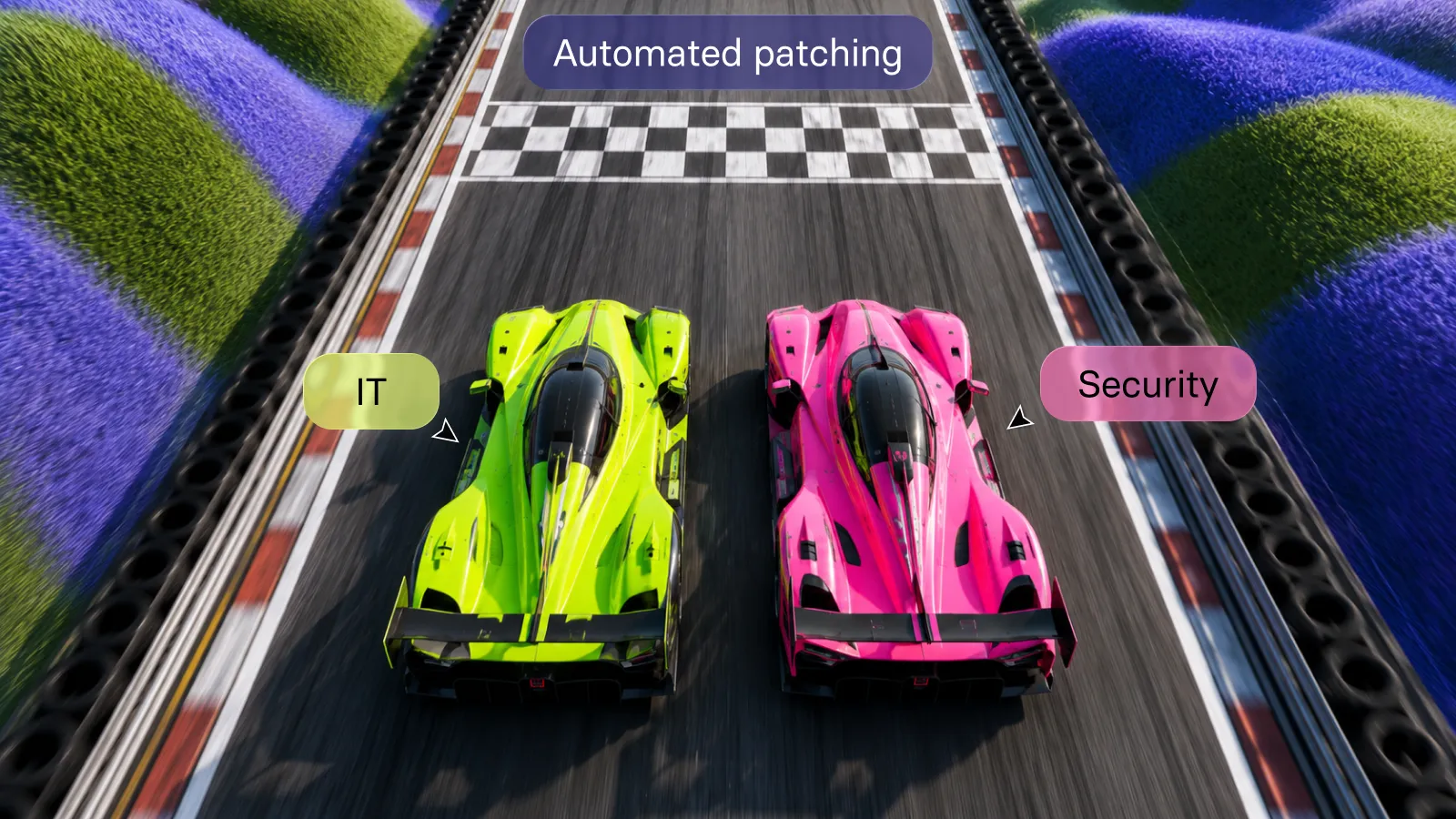
At Adama, CISO Oshri Cohen found that the platform enabled centralization and consolidation of work between IT and security teams, leading to more efficient patching workflows exactly the organizational alignment that legacy tool separation made difficult.
A US Federal Credit Union quantified the automation benefit, at least 30 percent of manual tasks eliminated through the direct linking of identified vulnerabilities to required patches.
These aren't hypothetical projections. They're documented outcomes from organizations that made the architectural shift from detection-focused to remediation-focused vulnerability management.
Where This Leads
The future of vulnerability management is not more sophisticated scanning. The industry has already built scanners capable of finding virtually anything. What it hasn't built, until recently, is the operational architecture to fix what gets found at the speed attackers require.
That architecture is now emerging. Autonomous remediation, real remediation, not ticket generation dressed up as action represents the next evolutionary stage of the discipline. Detection becomes a prerequisite rather than the destination. Prioritization feeds directly into execution. The gap between knowing and doing closes.
For CISOs and security leaders, this shift changes what questions to ask. The relevant metric is no longer coverage percentage or finding count. It's MTTR. It's patch success rate. It's vulnerabilities that are actually eliminated, not just catalogued.
For IT operations teams, the shift changes daily work. Less time in ticket queues and more time on strategic improvements. Less manual patch verification and more automated deployment. Less firefighting and more prevention.
For MSPs and MSSPs, the shift changes the business model. Vulnerability remediation becomes a scalable, profitable service rather than an unscalable, manual burden. Clients get better outcomes; providers get sustainable operations.
The industry spent two decades perfecting the telescope. It's finally building the scalpel.
“Remediation reimagined”, means treating the fix as the point rather than the afterthought. It means platforms designed around resolution rather than reporting. It means measuring success by what got eliminated, not what got found.
The organizations that recognize this shift early will operate at a structural advantage. They will close vulnerabilities while competitors are still opening tickets. They will demonstrate compliance while others are gathering evidence. They will reduce their attack surface while others are documenting its expansion.
The future belongs to those who fix.
This concludes the "Remediation Reimagined" series. The evolution from manual patching to autonomous remediation represents one of the most significant architectural shifts in cybersecurity. Organizations that embrace this shift will define the next generation of resilient enterprises.























.webp)












%20Signals%20a%20New%20Era%20of%20Supply%20Chain%20Risk.webp)





.webp)