%20Signals%20a%20New%20Era%20of%20Supply%20Chain%20Risk.webp)


Objects in the React-ing-glass may be more privileged than they appear
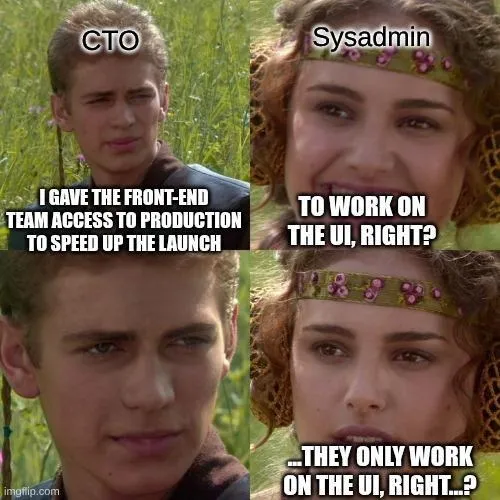
The React2Shell exploit (CVE-2025-55182) isn't just another vulnerability. It's proof that the old security boundary between "front end" and "back end" no longer holds.
For years, security teams assumed front-end vulnerabilities meant client-side issues like Cross-Site Scripting (XSS). Serious, but rarely a path to the underlying infrastructure.
React2Shell breaks that assumption. It shows how modern front-end architectures can be manipulated to run remote commands on the server - exposing how fragile the modern front-end supply chain really is.
This is a signal that a new era of risk has arrived. The front-end layer is now as vulnerable, and as privileged, as the backend database. Ignoring the security complexities of modern web frameworks is no longer an option. The presentation layer has become a direct gateway to the server - and it demands security leadership's immediate attention.
Attack surface all the way down
React2Shell (CVE-2025-55182) is a critical zero-day vulnerability in the React ecosystem. It allows attackers to achieve Remote Code Execution (RCE) by manipulating how Server Components serialize data.
Attackers are exploiting this right now. They inject malicious payloads into component props that get processed on the server, turning a standard rendering request into a shell command execution.
This isn't a simple coding error. It's a vulnerability built into how the framework is designed - one that turns your frontend into far more backend attack surface.
Server-side execution of UI code
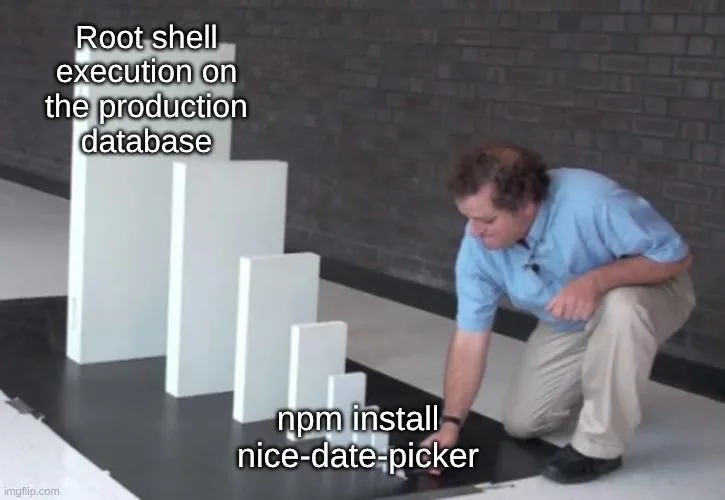
The root cause is architectural. Frameworks like Next.js and React now run server components - code that looks like UI but executes on the server to improve performance and SEO. That requires the front-end build process to access server-side environments and secrets. Components developers treat as visual elements can now execute backend logic. That's a new avenue for RCE.
Blurred security boundaries
Engineering directors can no longer rely on network segmentation alone. The application layer itself now bridges the public internet and internal server processes. The front end isn't a static set of assets delivered to a browser anymore - it's a dynamic runtime environment spanning client and server. That creates a tunnel through the firewall, where malicious input meant for a UI component can reach the server's operating system directly.
Serialization risks
Serialization - the mechanism that passes data between server and client - has become a high-value target for injection attacks. In the React2Shell case, the vulnerability exists because the serialization process trusts complex objects passed from the client, or manipulated during the render cycle. Without rigorous validation, the deserialization step can be tricked into creating malicious objects or running arbitrary code, bypassing standard perimeter defenses entirely.
The unique volatility of the JS/Node ecosystem
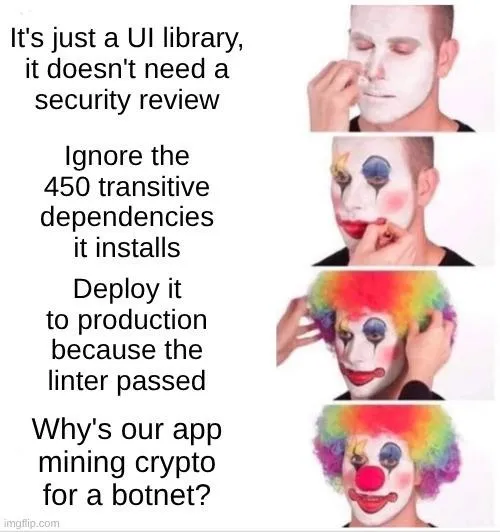
JavaScript and Node.js supply chains differ fundamentally from traditional ones. They're deeper and more volatile than most scanning tools can handle. Unlike compiled languages, where dependencies are largely static and vetted, Node relies on a sprawling graph of micro-dependencies. A single top-level package can pull in hundreds of transient dependencies - and any one of them can bury a vulnerability like React2Shell deeper than a standard scan will ever reach.
This creates three specific challenges:
- Rapid dependency mutation: npm updates so frequently that a secure build can become vulnerable within hours - with no code changes from your team.
- Deep-chain obscurity: Vulnerabilities often live in "nth-level" dependencies: packages developers never explicitly installed and don't know they're using. That makes manual tracking of vulnerabilities and exploits nearly impossible.
- Inadequate scanning coverage: Most scanning tools are built for flatter dependency structures. They fail to show how a deep-chain vulnerability is actually invoked at runtime.
The strategic shift: front-end as critical infrastructure
Enterprises need to apply the same security rigor, governance, and compliance standards to front-end code that they already apply to backend services. Treating the front end as "low-risk" is outdated. If code can execute on the server, touch a database, or handle auth tokens - as modern Server Components do - it's critical infrastructure.
Unified security governance
Policy and review should apply to the frontend directory exactly as they do to backend services, closing off "shadow IT" in UI development. Security teams need strict code review standards for front-end engineers - specifically watching for logic that handles server-side data or secrets. Front-end teams bypassing security gates in the name of "agility" or "UI polish" is no longer an acceptable trade-off. The risk is too high.
Developer education and mindset
In a server-component architecture, front-end developers are writing backend code - and they need to think like it. That means a real shift in how they approach input validation and data handling. Most front-end developers haven't had the security training backend engineers get, like recognizing SQL injection or RCE vectors. Closing that skills gap is essential to keeping vulnerabilities like React2Shell from being introduced in the first place.
Rigorous pipeline integration
CI/CD pipelines for front-end deployments need the same enforcement as backend ones: block builds with unverified deep dependencies. That means automated gates that fail builds not just for known CVEs, but for permissive dependency configurations or unvetted packages. Automation should be tuned to catch server-side rendering vulnerability patterns specifically - not just run generic static analysis.
The perimeter has dissolved. With front-end code now executing privileged logic on the server, there are no more "safe" zones in the application stack. Your button component's mouseover effect deserves the same scrutiny as your most mission-critical database query.
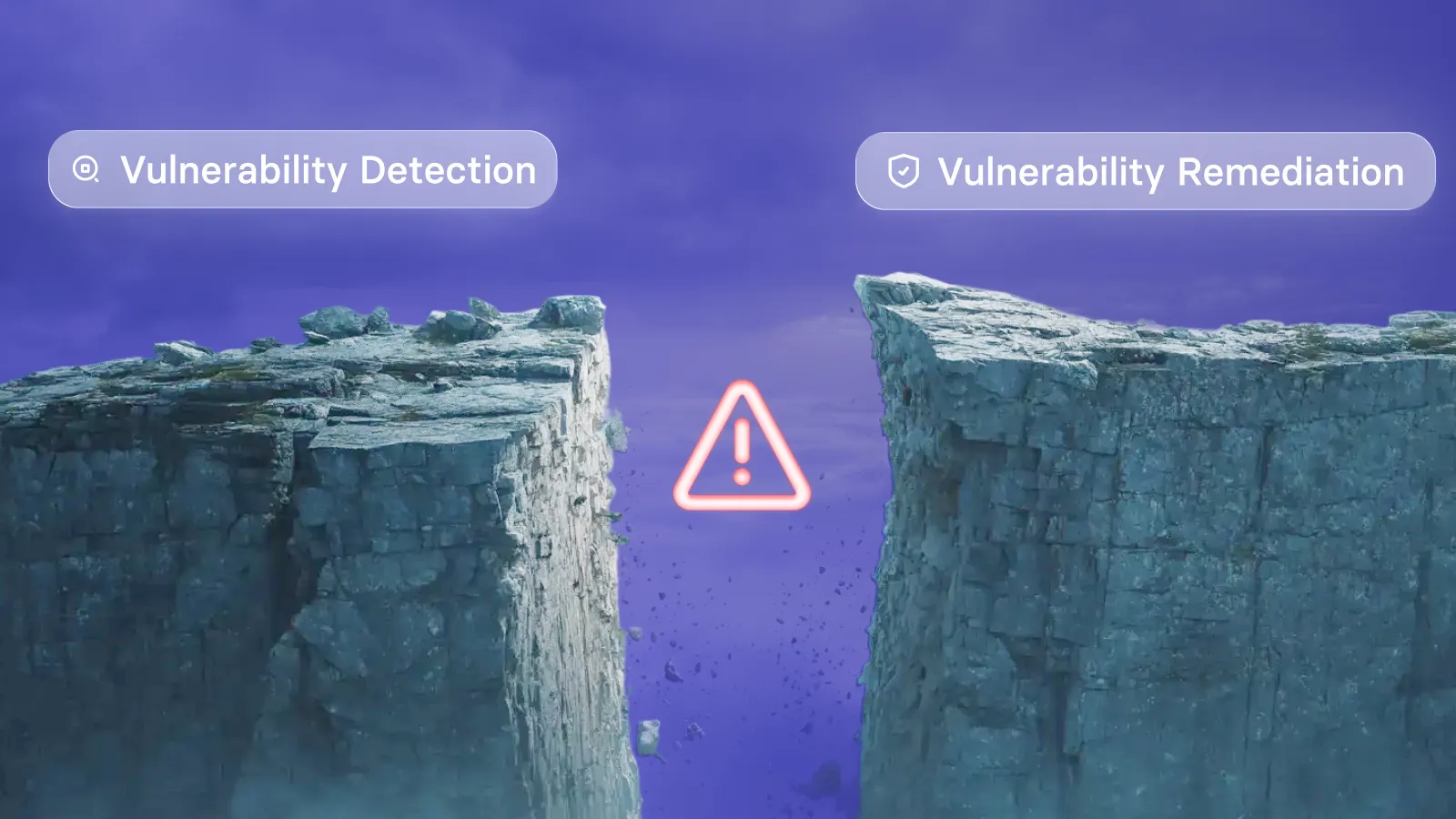
Moving from detection to action
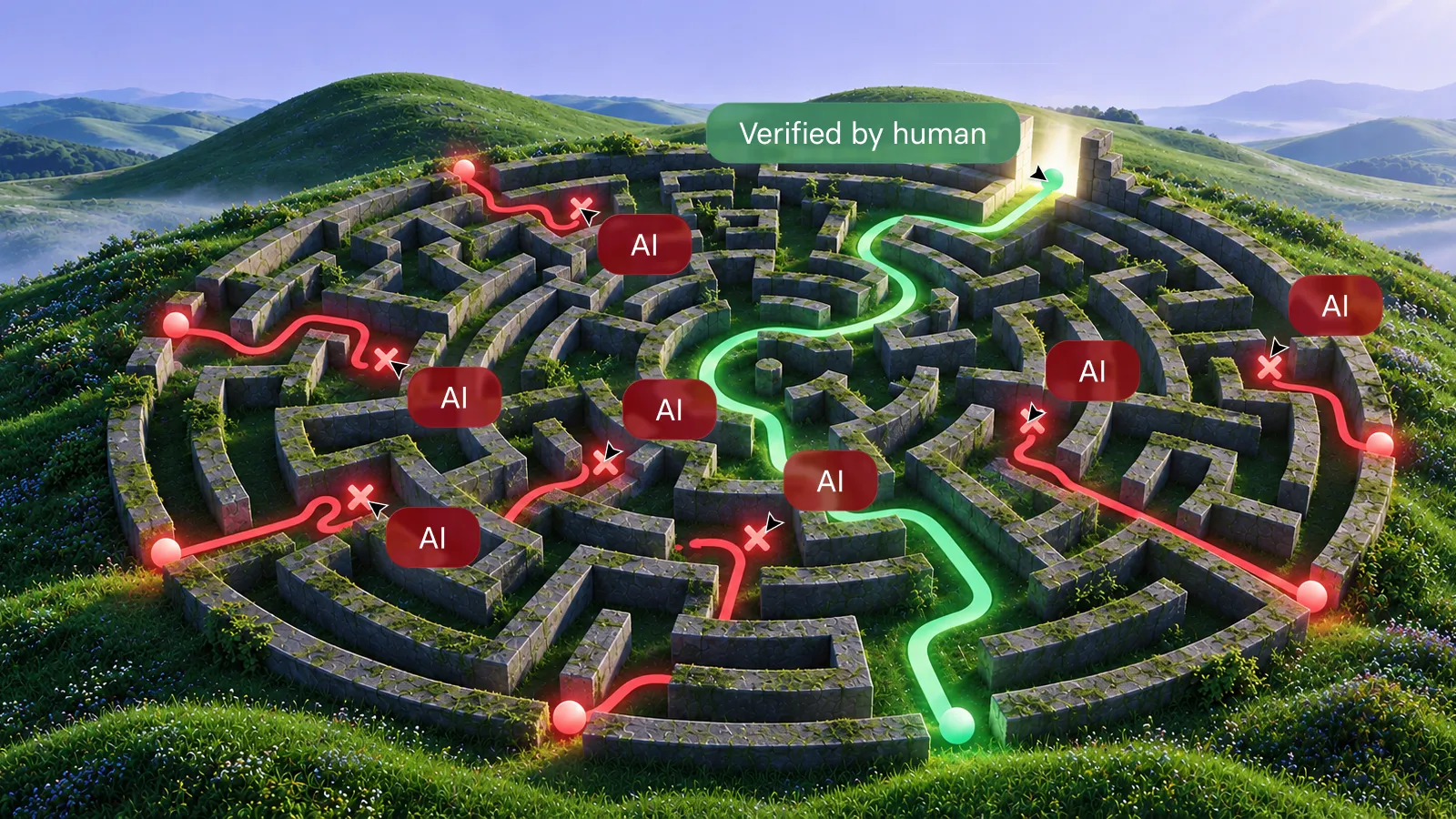
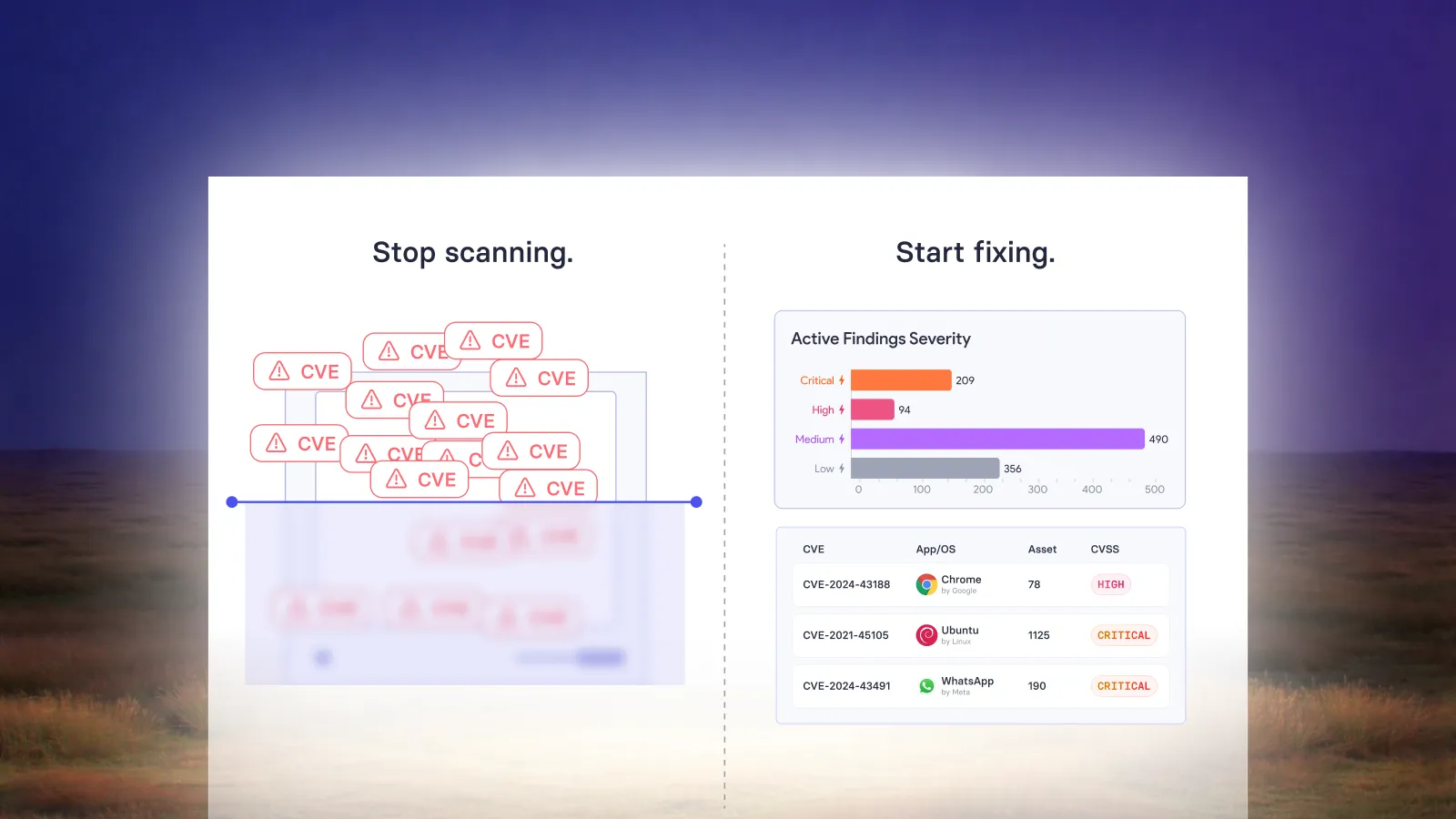
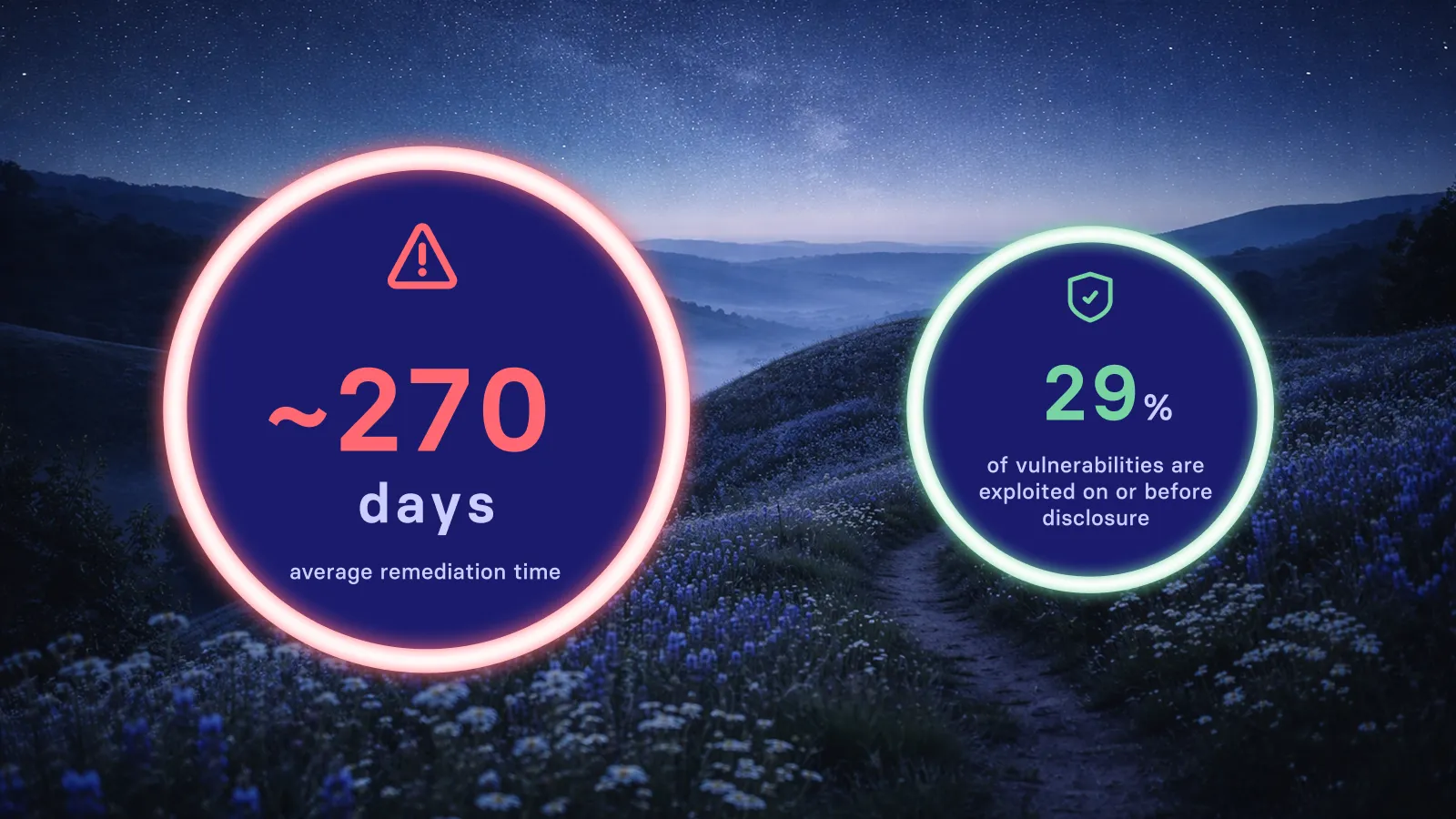
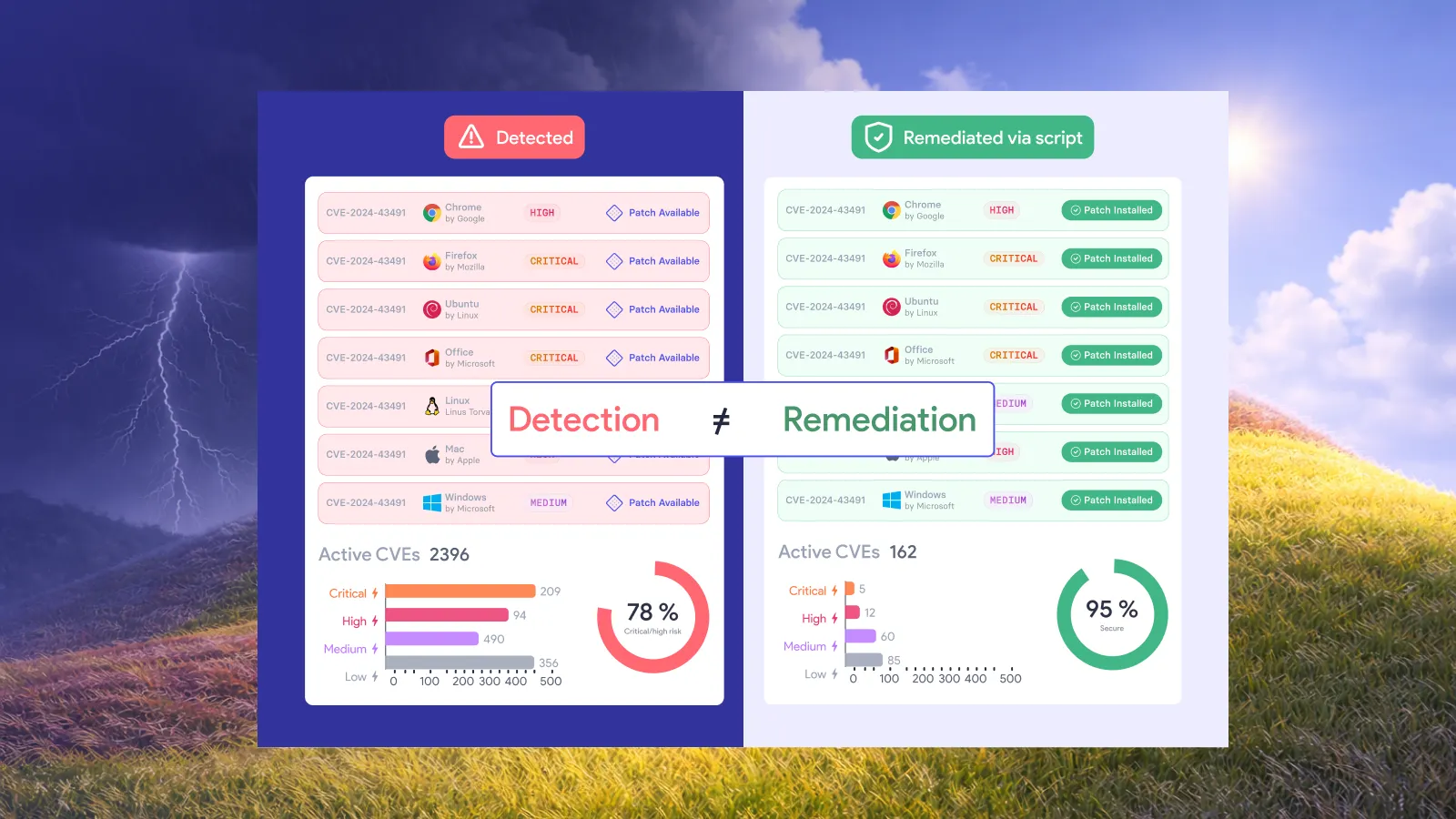
React2Shell demands immediate tactical steps: audit every use of Server Components for untrusted input, and pin dependency versions to known safe releases. But long-term security means a shift in posture - detection and patching are only the first step. The real measure of success is how fast and how well you remediate.
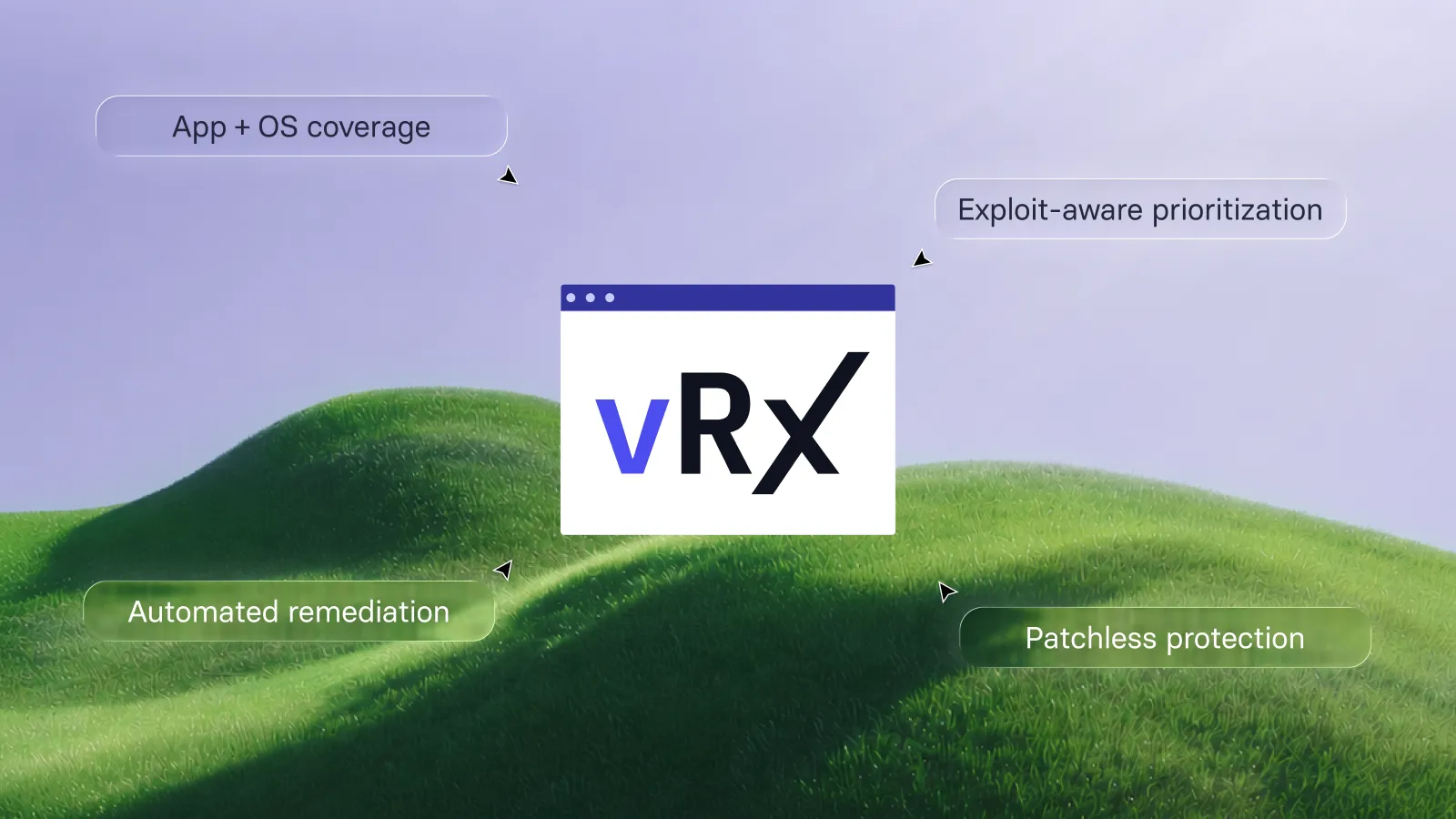
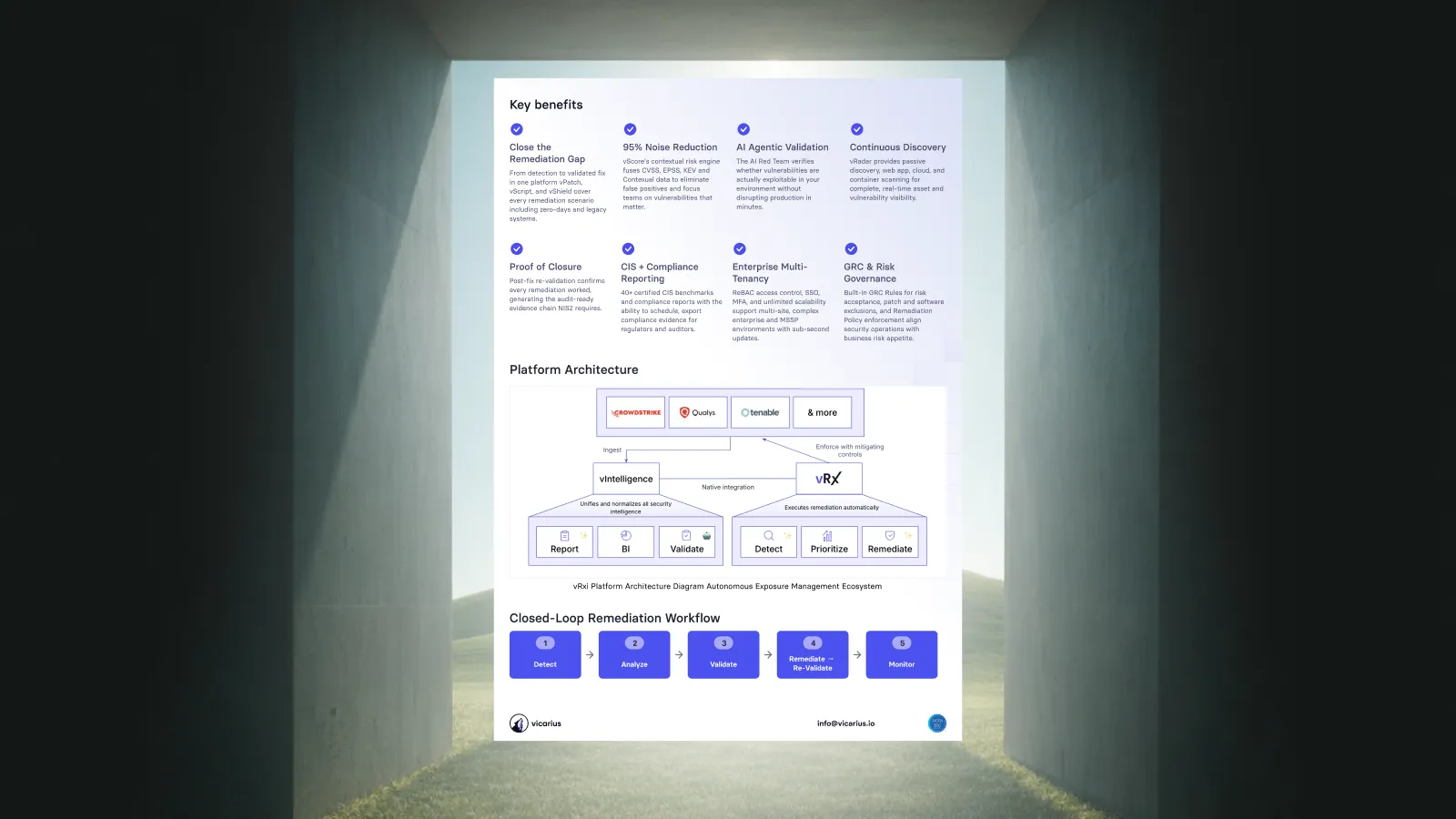
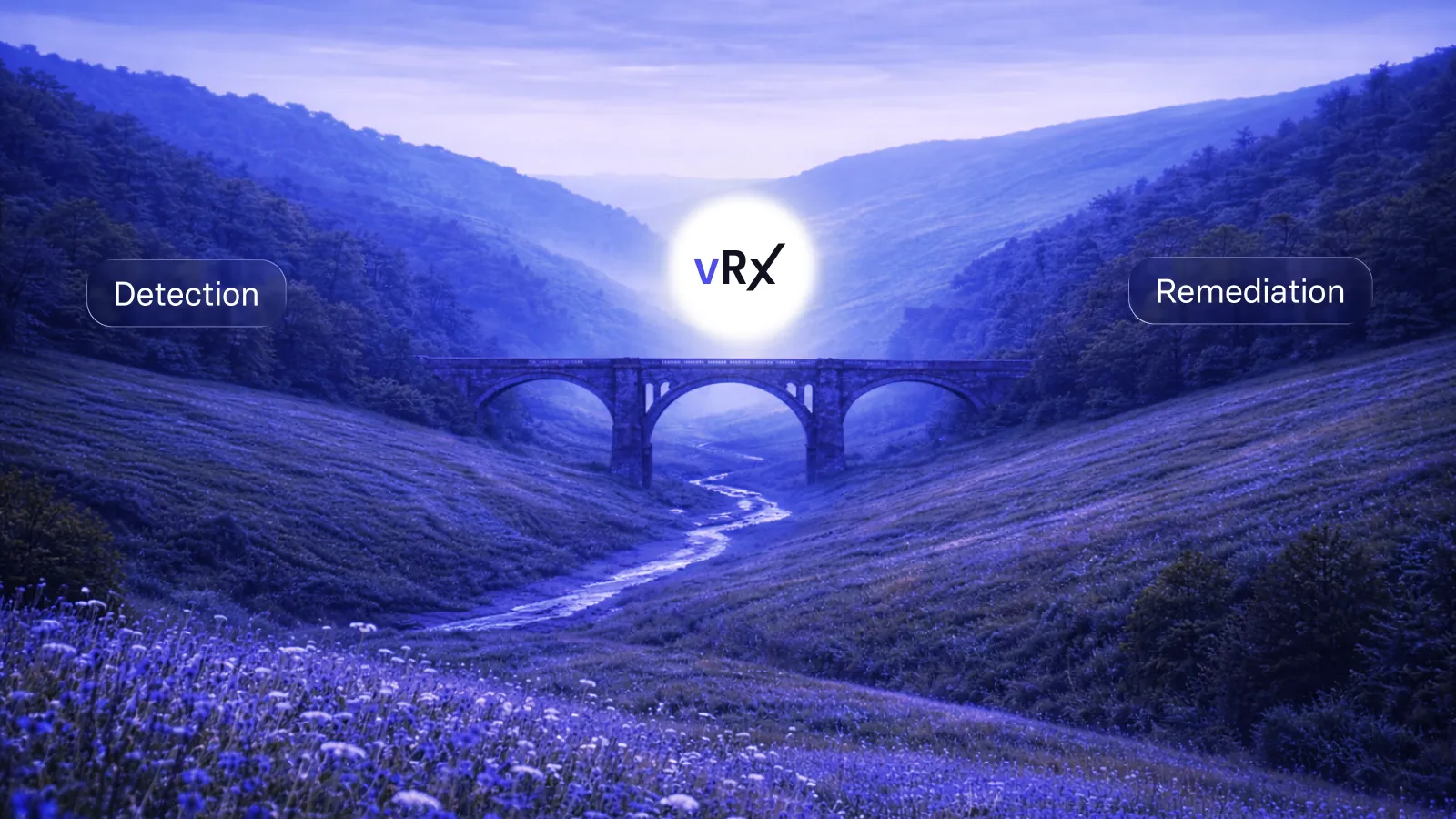
vRx by Vicarius is built for exactly this phase of the vulnerability lifecycle: remediation.
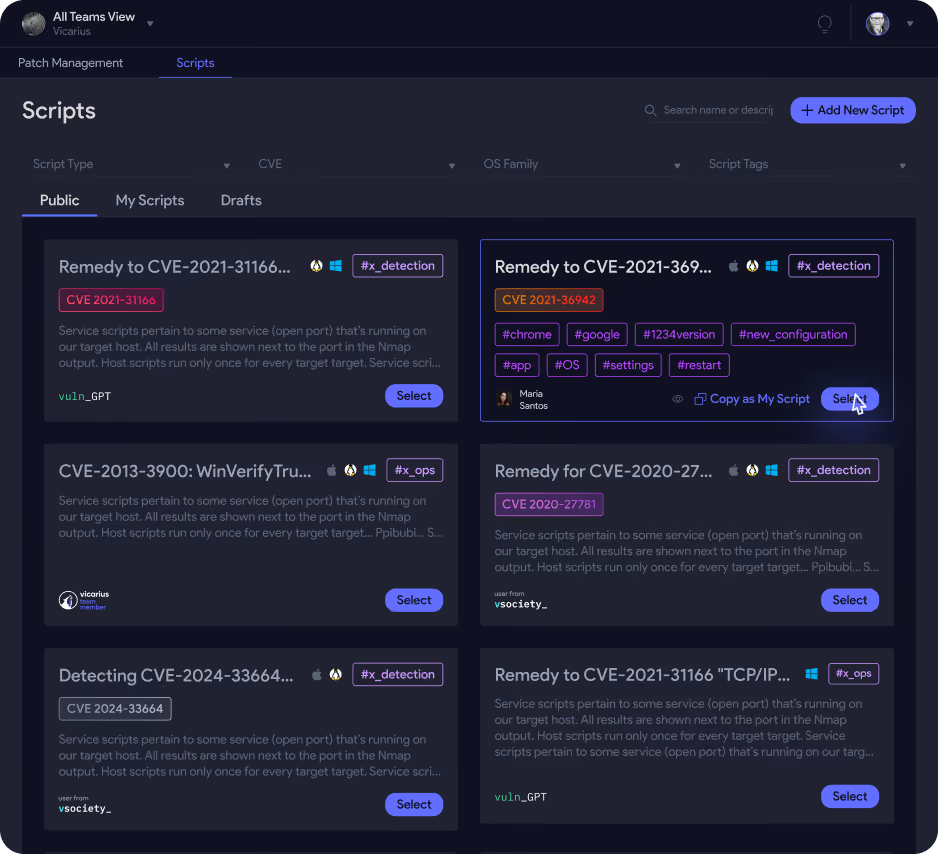
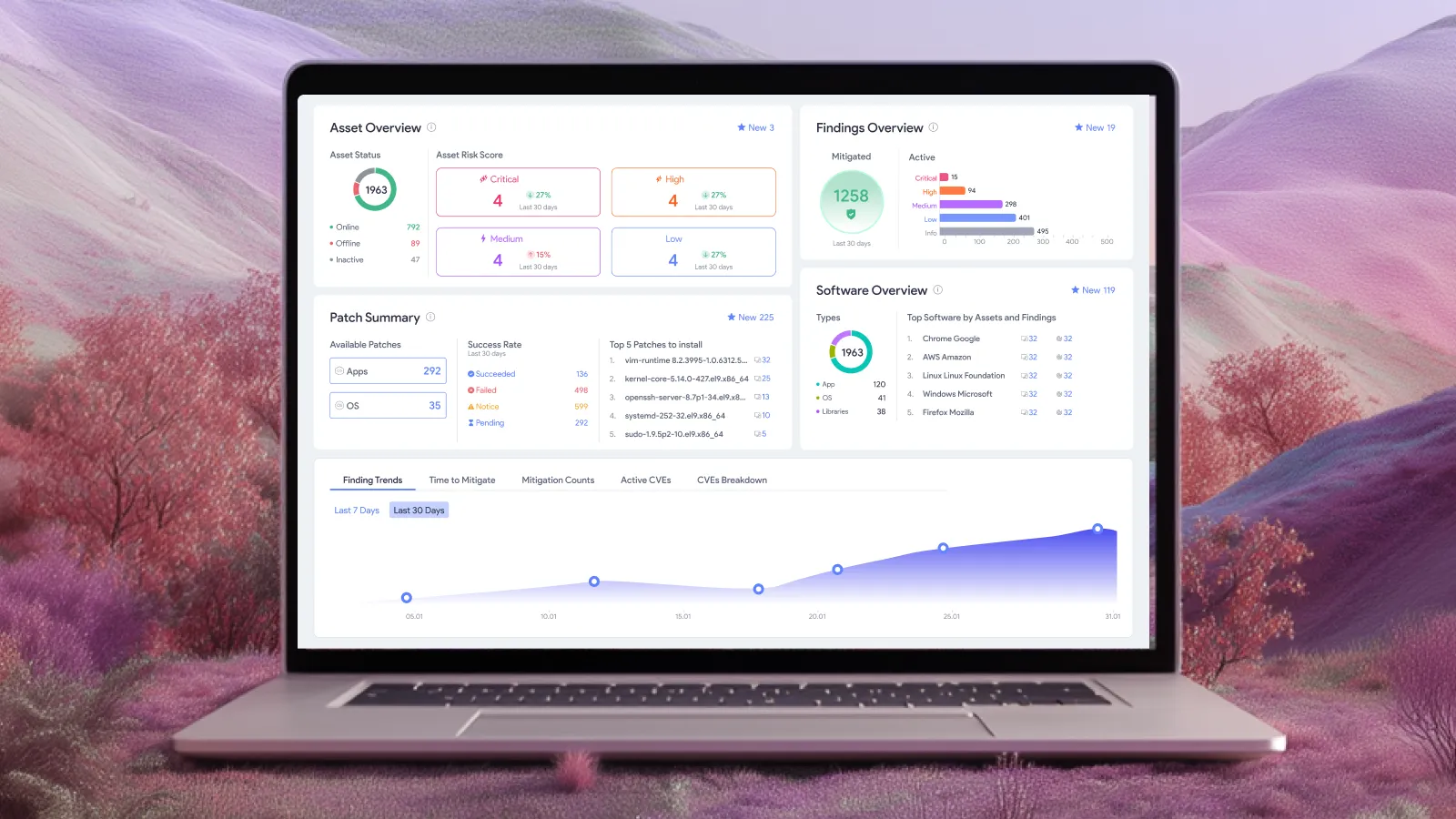
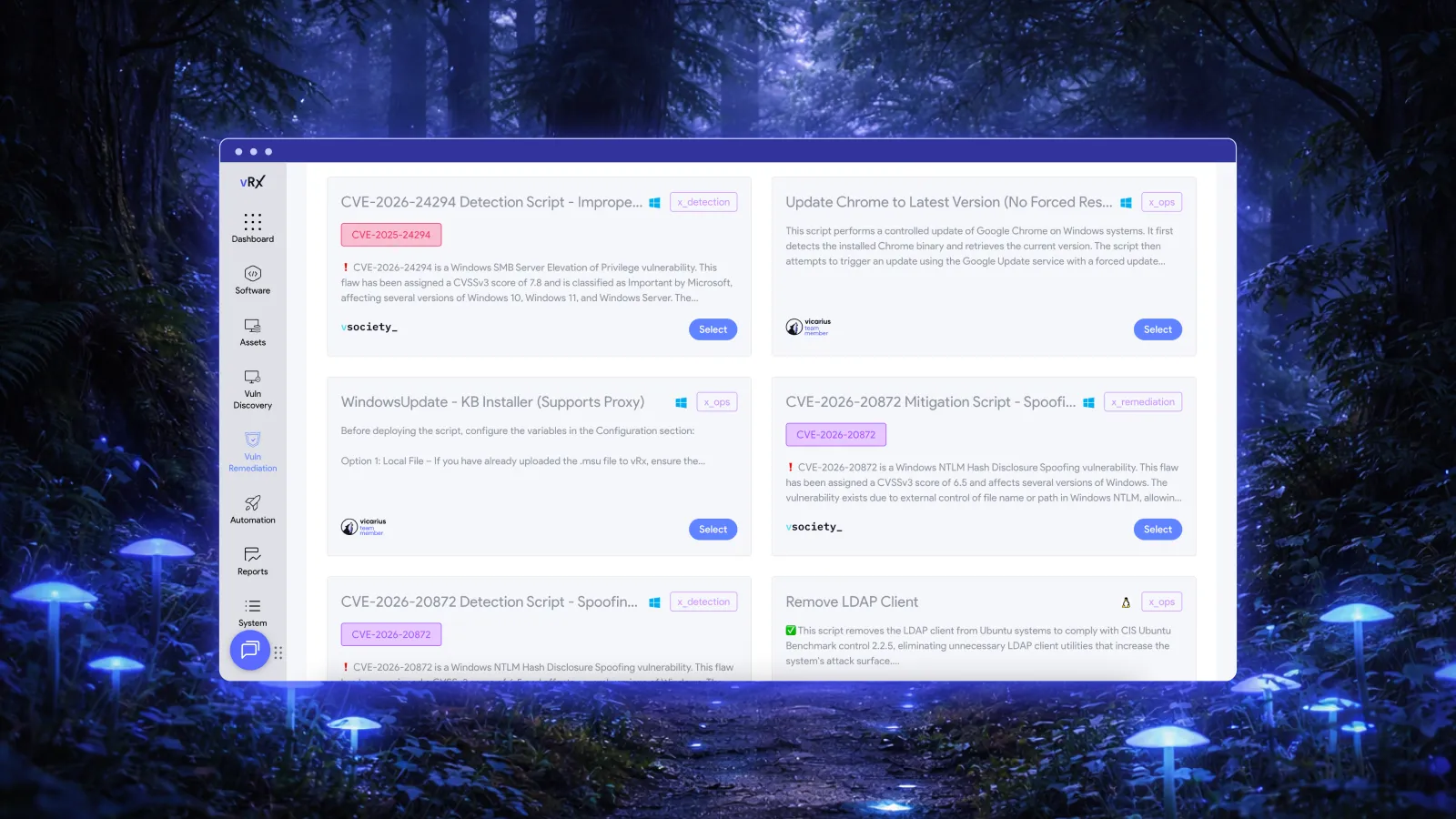
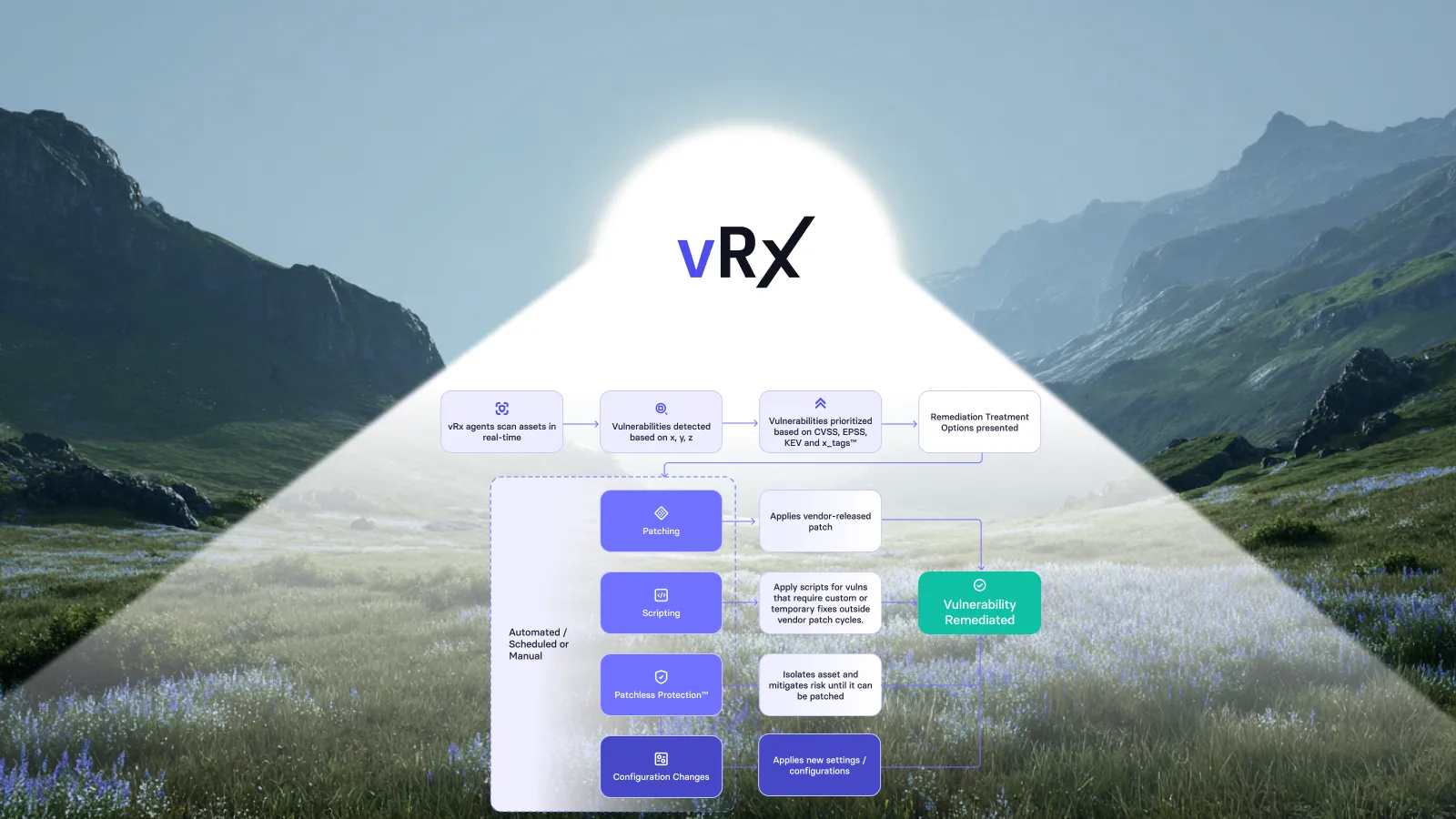
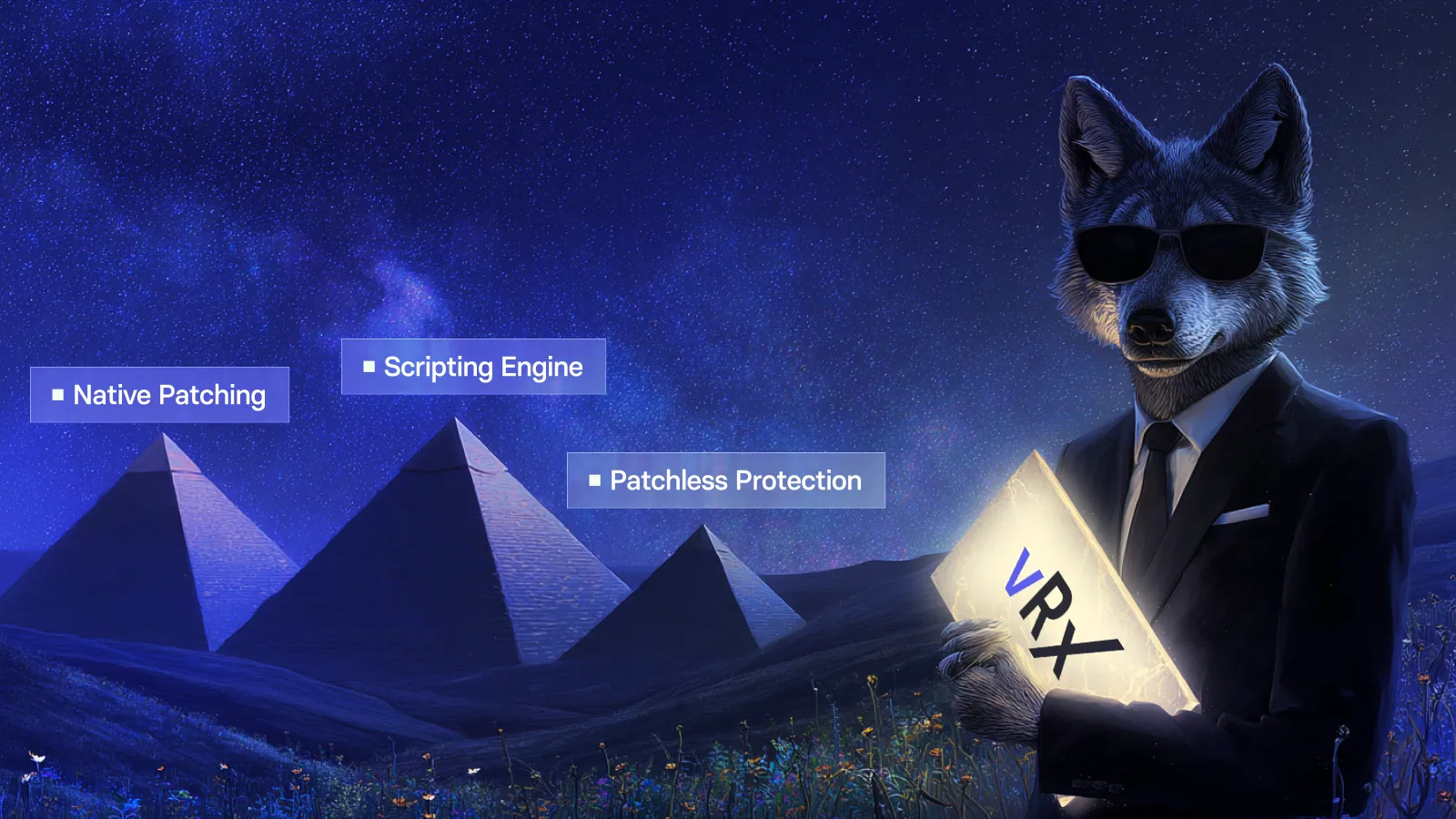
Any tool can generate a list of problems. vRx's expert-system AI focuses on triaging and mobilizing fixes - helping teams patch at scale and, often agentlessly, reconfigure vulnerable systems remotely and precisely.
Our approach is "Better Together" - built around the tools you already have:
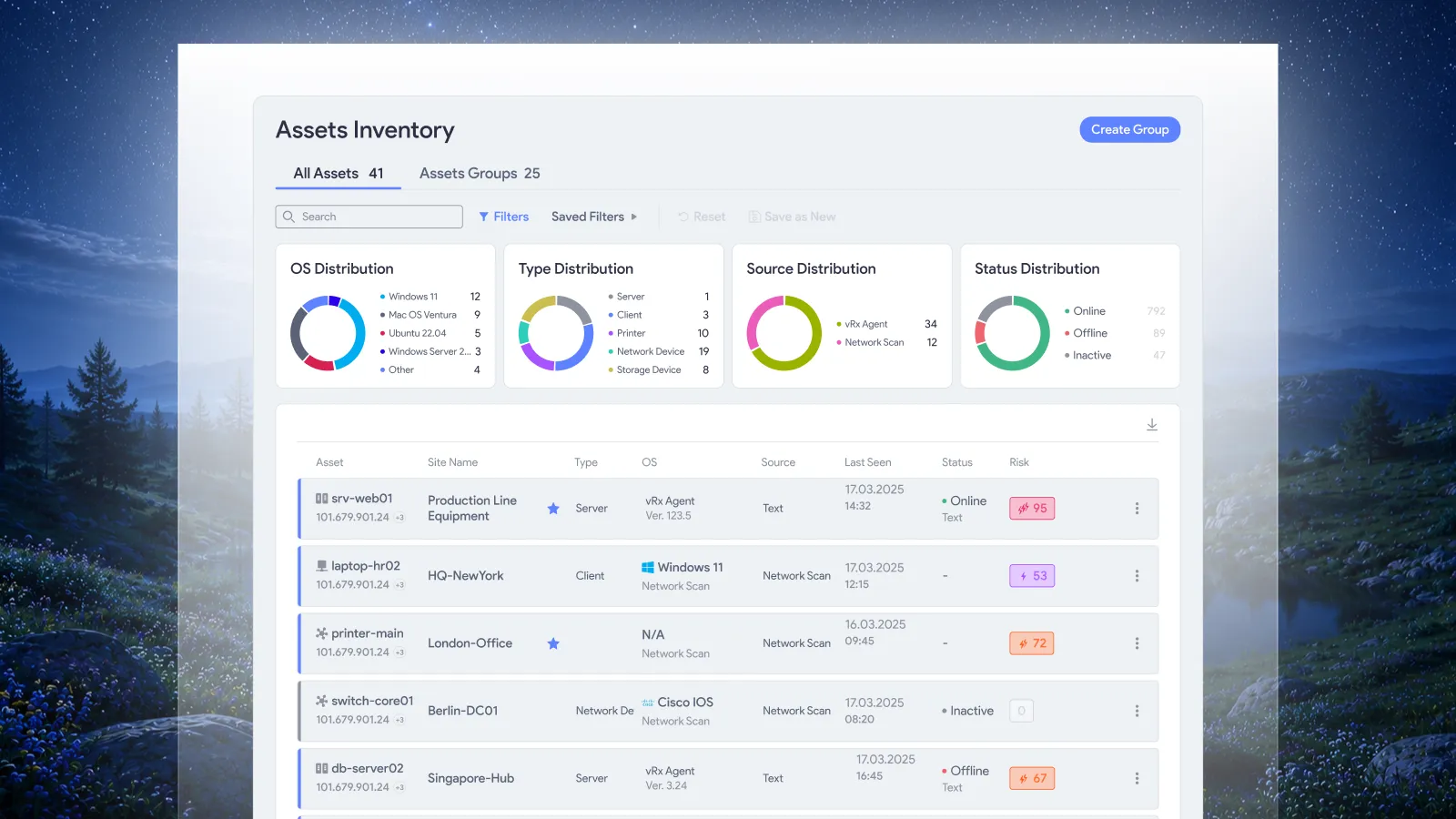
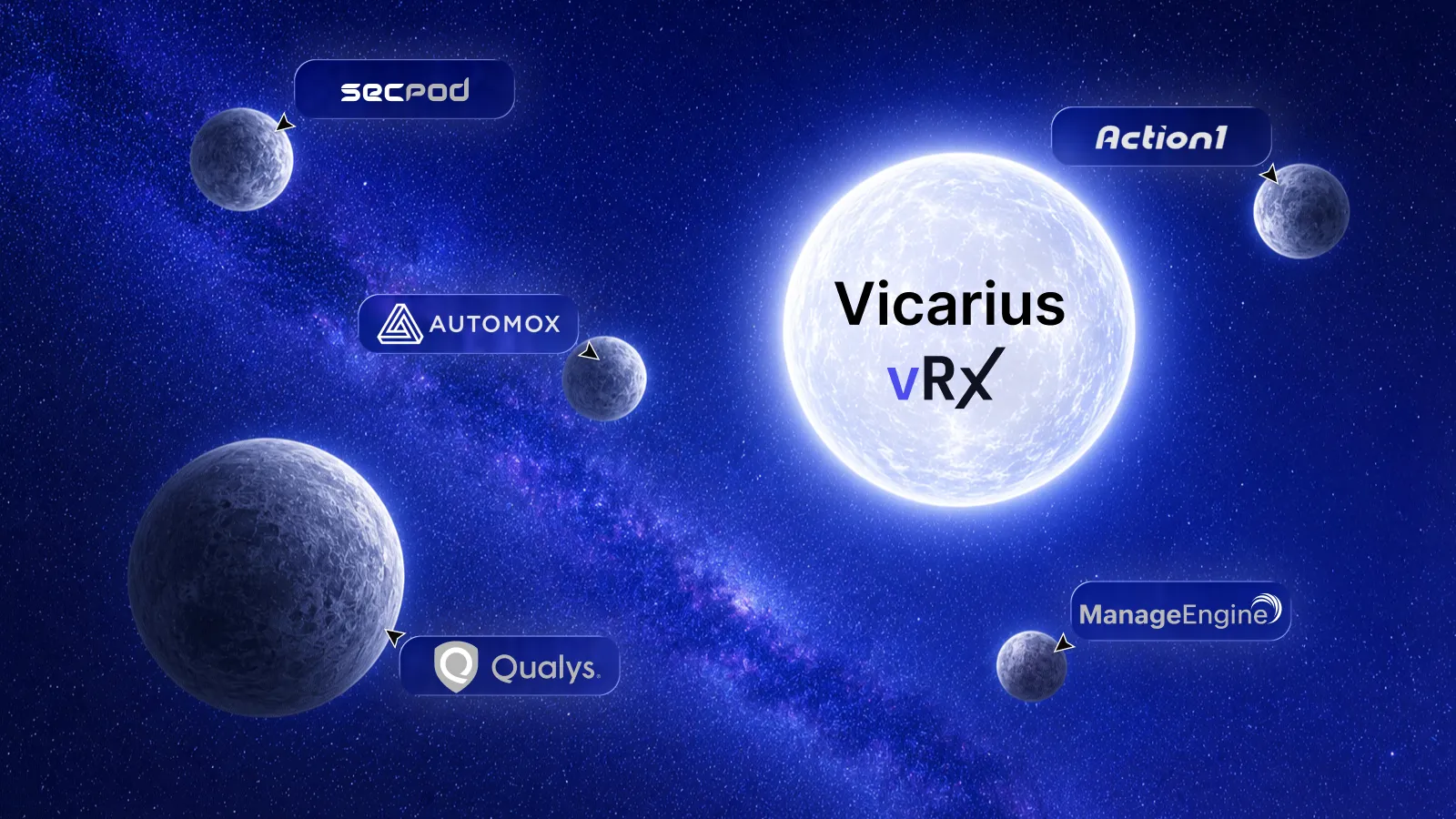
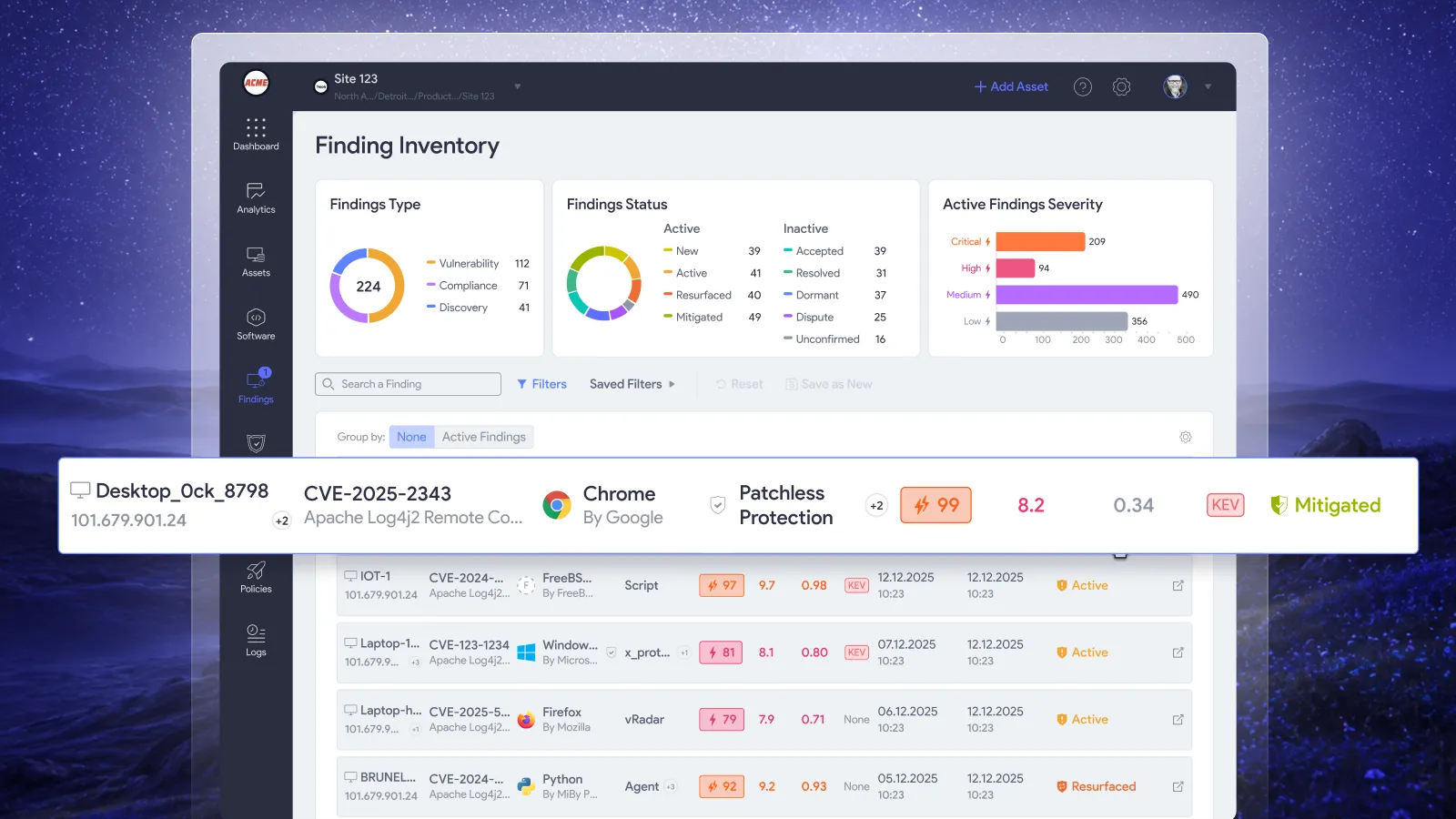
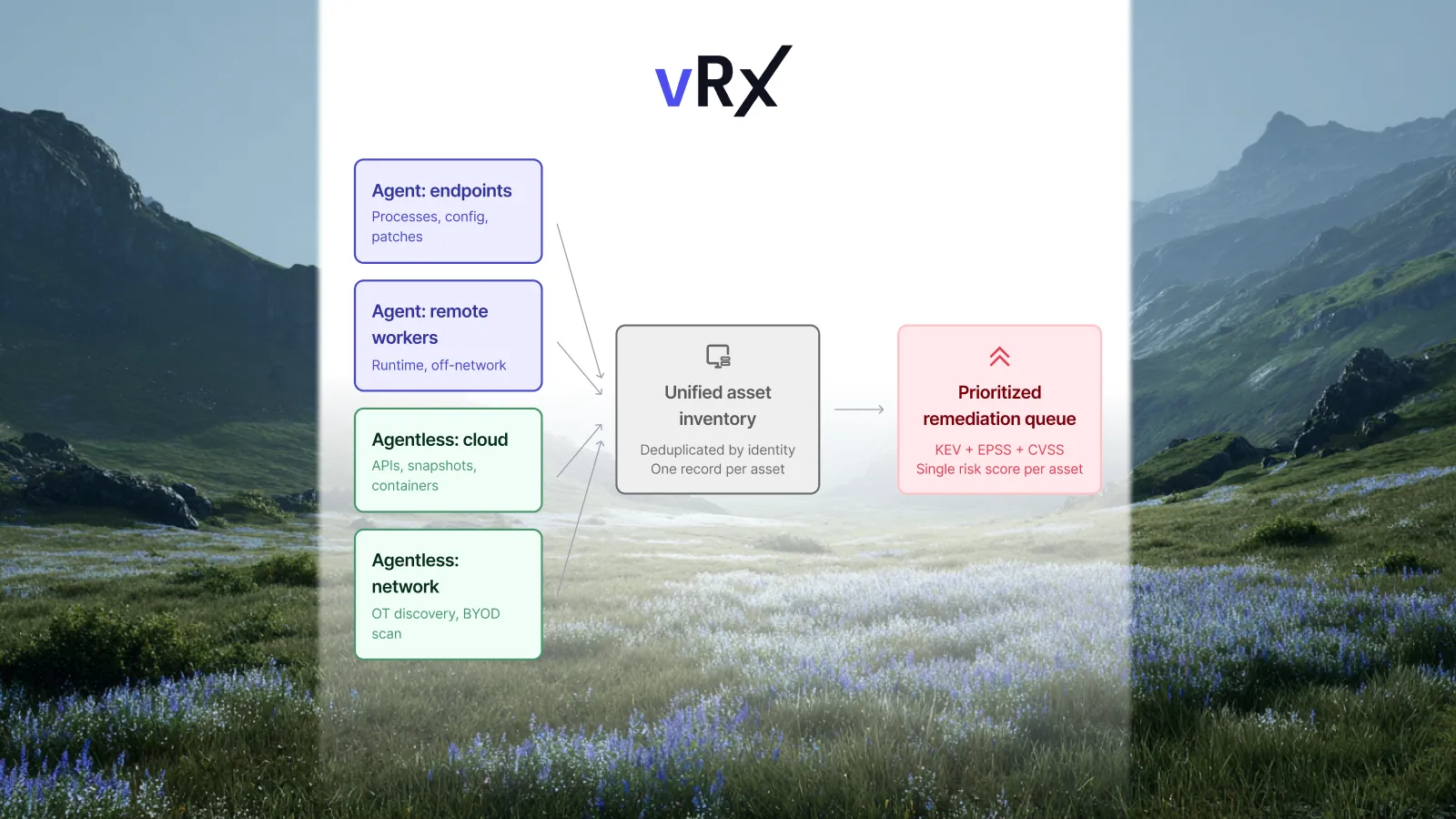
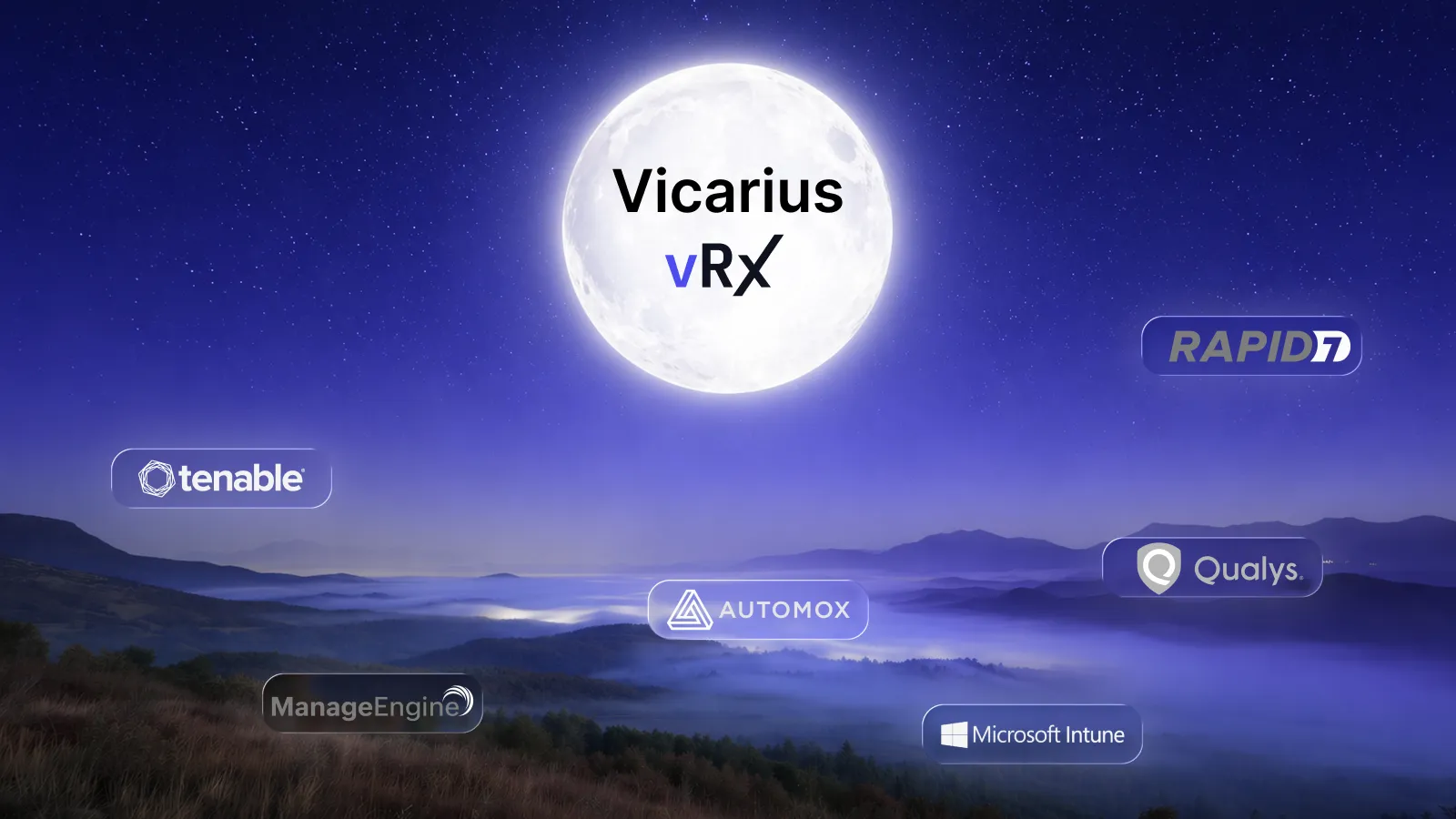
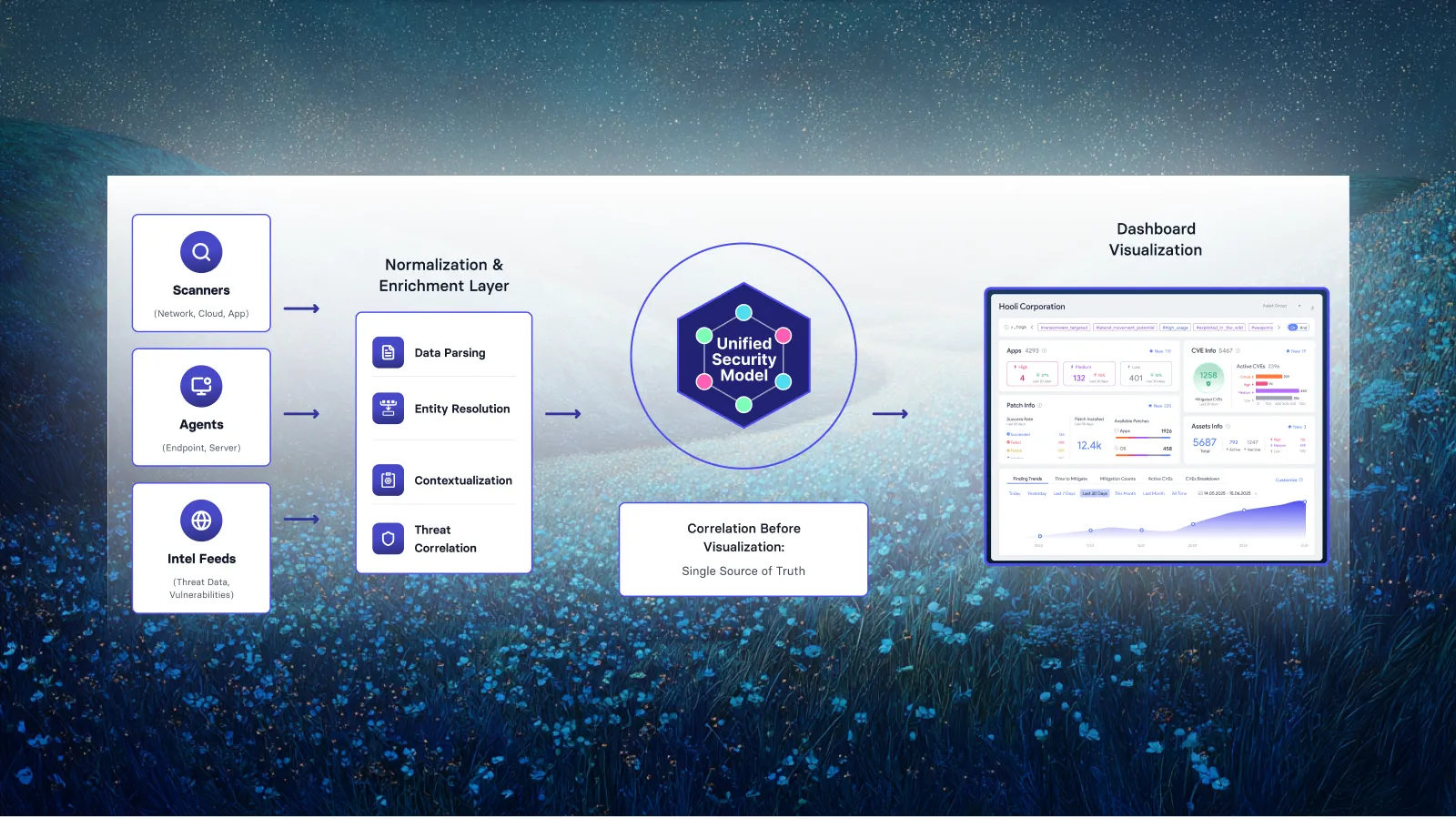
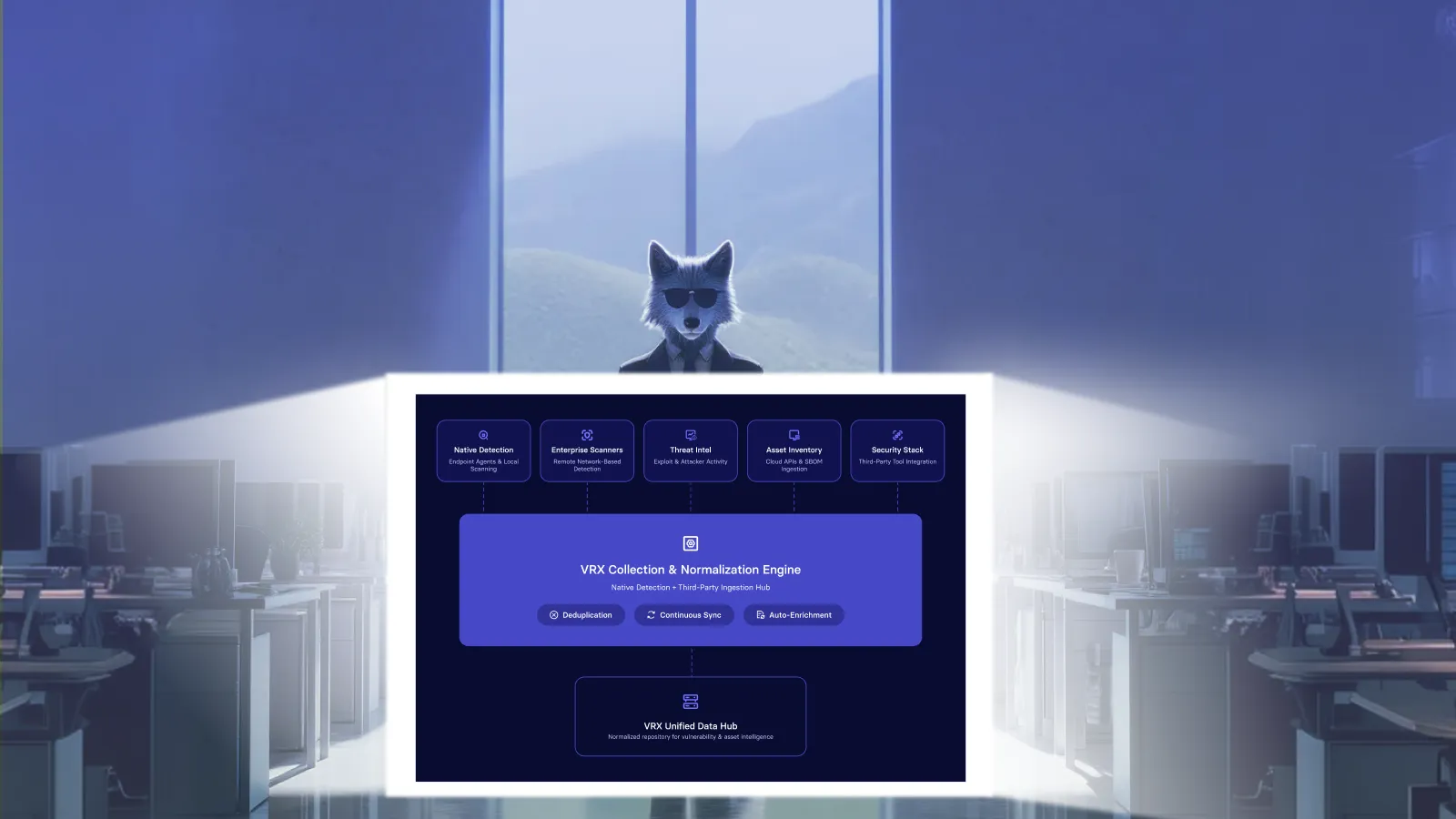
- Integrates with what you use. vRx plugs into the scanners and detection tools already in your stack, so you can pull in vulnerability data from any source. From there, it connects that data across all your cloud and network assets - internal and external - turning scattered signals into one clear picture for your team.
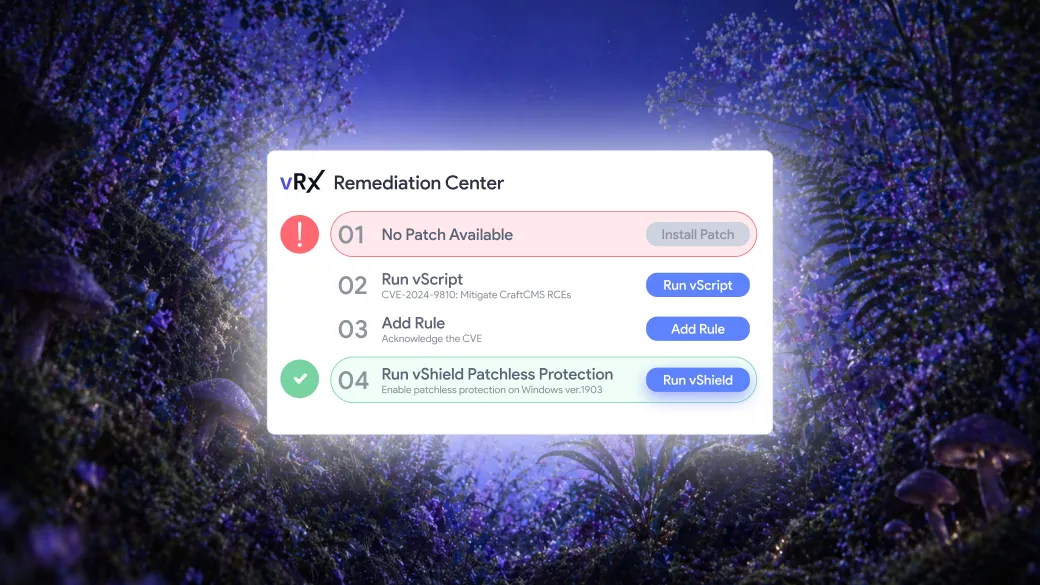
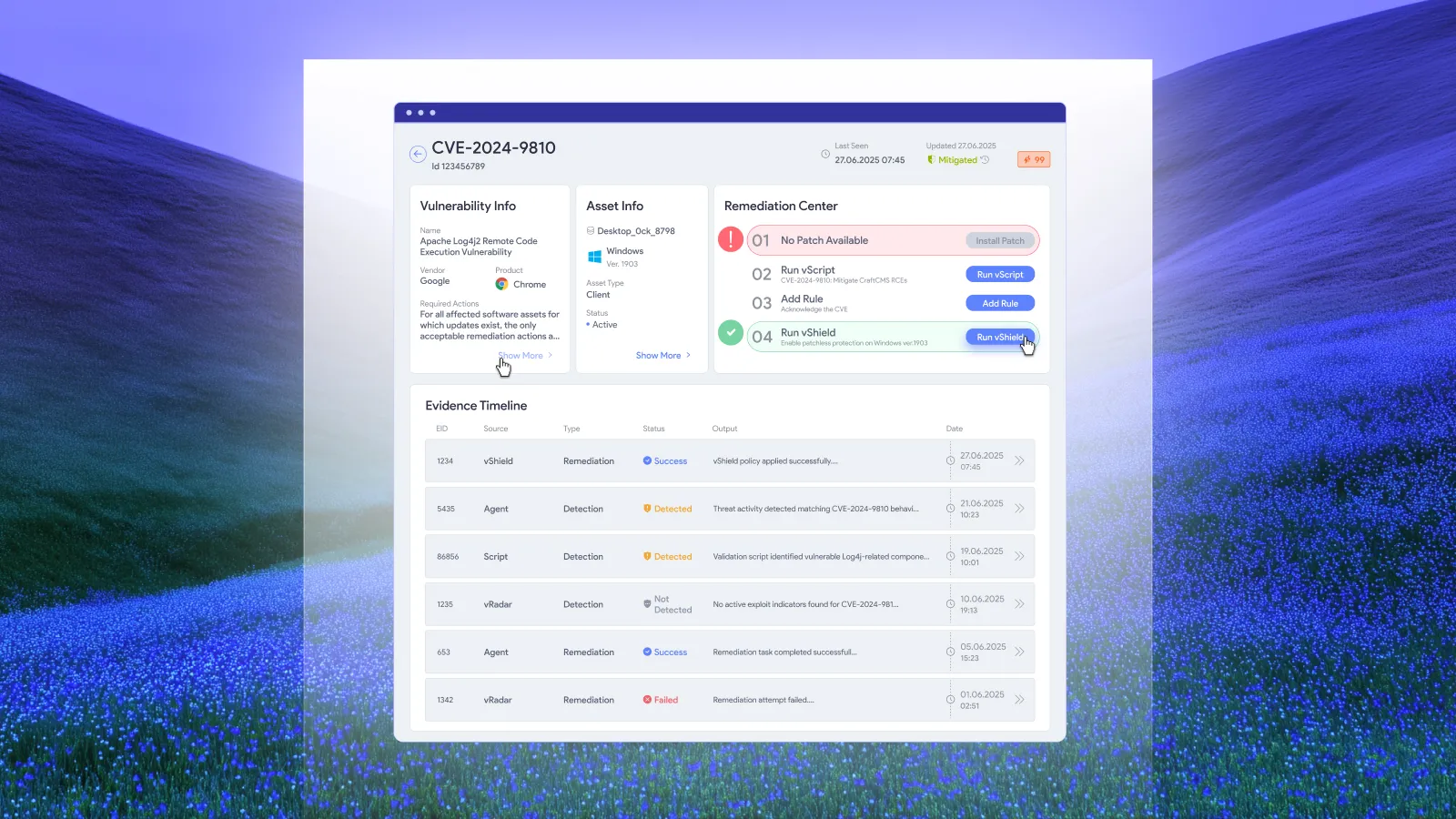
- Turns findings into fixes. Wherever a vulnerability like React2Shell is detected, vRx lets you remediate it through one unified platform - so "now you know" becomes "we already fixed it," faster.
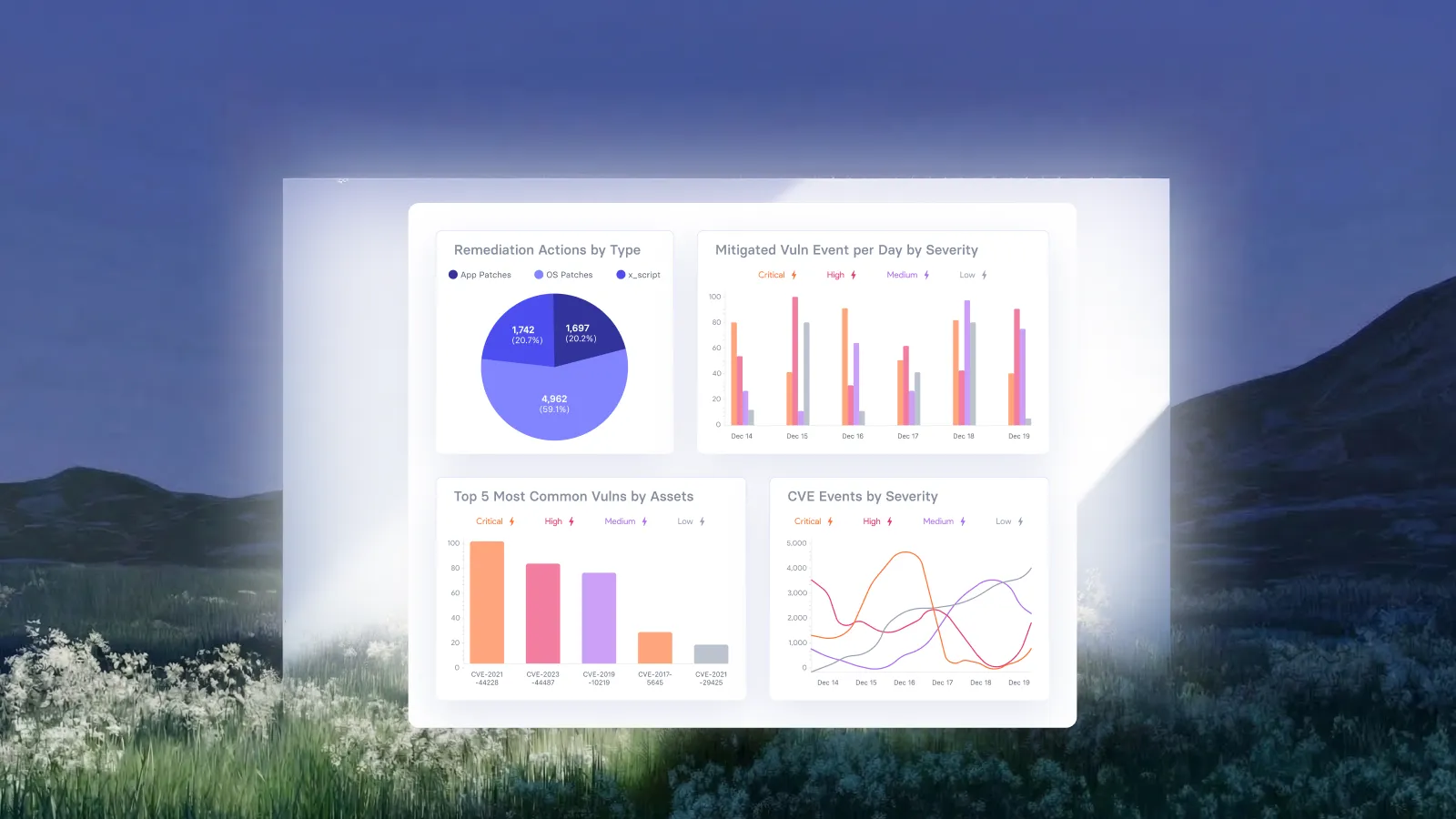
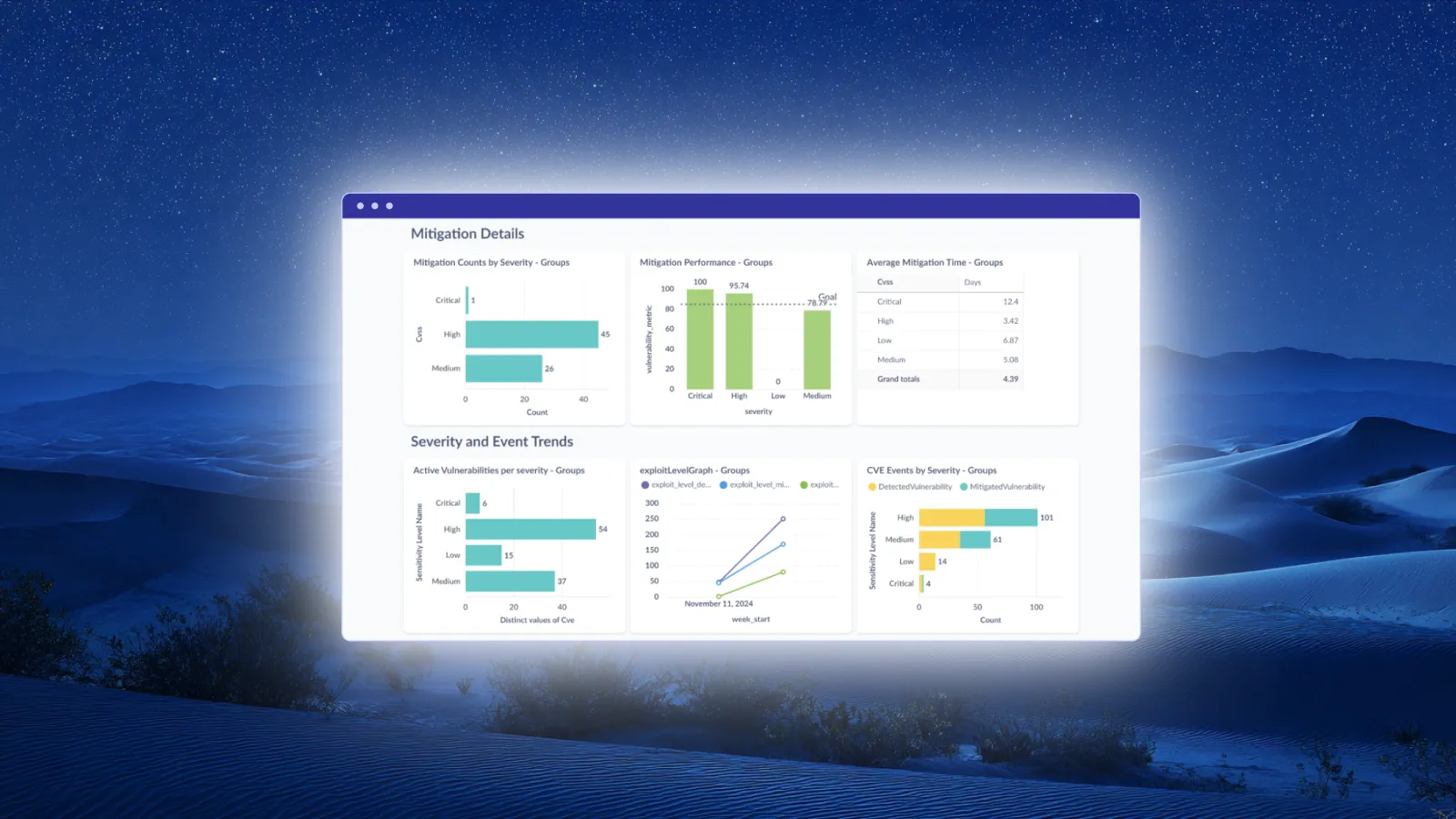
- Automates the heavy lifting. Our automation-first technology streamlines patch management, so critical fixes deploy without burning out your engineering team. Machine learning drives sharper triage - giving most security teams a faster, more precise remediation response than they could manage manually in a normal workday.
We don't claim to solve every problem in cybersecurity. But remediation - fixing vulnerabilities fast and well - is what we do best. When front-end code creates backend risk, the ability to fix what matters most, quickly, is both your first line of defense and your last one.
The React2Shell KEV should push the industry to drop the old split between front-end and backend security. As application architectures evolve, attack surface grows with them. The only sustainable answer is defense-in-depth: integrate everything, and prioritize fast remediation over simply flagging issues for the next patch cycle. Security leaders need to stop accumulating alerts and start closing the window of exposure attackers actually use.
Knowing about a vulnerability isn't enough. What matters is fixing it before it's exploited.
Book a demo with vRx to see how we help you fix vulnerabilities faster and secure your supply chain against the next wave of threats.
Related resources:
CVE research



























.webp)


















.webp)