

Malicious VS Code extensions are becoming a major supply-chain threat. Learn how attackers target developers and how to detect, prevent, and remediate the risk.
The "Shift Left" security paradigm has fundamentally changed software development. It pushes responsibility for security earlier in the lifecycle. But this shift has arguably created a significant blind spot.
Organizations have concentrated security tools and permissions on developer workstations. Without meaning to, they've turned these machines into high-value targets - a way for adversaries to bypass hardened production perimeters.
These workstations are often rich with SSH keys, cloud credentials, and source code. Yet they rarely get the rigorous monitoring that production servers do. That gap has made Integrated Development Environments (IDEs) a primary vector for modern supply-chain attacks.
VS Code is an especially attractive target because of its visibility and prominence. Its rapid user base growth, combined with its relatively recent move to open source, has created a large - and relatively inexperienced - pool of developers for cyber-criminals to exploit.
The threat landscape: why developers are the new targets
The core of this emerging threat is what's called the "Trust Gap" - a gap built into how extension marketplaces work.
Marketplaces offer a veneer of security through "Verified Publisher" badges. But these badges often only verify domain ownership, not the safety or integrity of the code itself. That leads developers to trust tools they shouldn't.
The "TigerJack" campaign shows just how damaging that misplaced trust can be. Over 17,000 downloads of fake tools happened because developers assumed marketplace presence meant the tools had been properly vetted. It hadn't.
2025 saw this threat vector escalate fast. Detections of malicious extensions quadrupled during the year. That's a clear shift - from simple nuisanceware to sophisticated espionage tools capable of deep infiltration.
Threat actors are now deliberately targeting developer environments as a strategic entry point into the wider organization. And VS Code extensions carry a systemic risk that mobile apps and browser extensions don't: they run without a sandbox. They typically inherit the full privileges of the developer's user account. That means malicious code inside an extension can get root-level access to the entire host system.

Common attack vectors and techniques
Attackers use a range of deceptive tactics to get into developer environments. These have moved well beyond simple malware drops into sophisticated social engineering and supply chain manipulation.
Most of these techniques exploit one thing: a developer's need for speed. They embed threats inside tools that look necessary or helpful for everyday tasks.
Typosquatting and brandjacking
This remains one of the most common methods. Attackers mimic popular tools to trick hurried developers.
One notable example: the "Icon Theme: Material" attack. It cloned a popular legitimate extension to deploy Rust-based malware.
These attacks rely heavily on visual similarity - copied icons, descriptions, copywriting styles, and brand names - to slip past developer scrutiny. The goal is to build an install base before the community catches on and flags the deception.
Trojanized functionality
This method is more insidious. Attackers build extensions that genuinely do something useful, while quietly running malicious activity in the background.
Extensions like Codo AI and Bitcoin Black delivered real features - code formatting, AI assistance - while stealing session cookies behind the scenes. This dual nature makes detection exceptionally hard. The tool works exactly as advertised, so users have no immediate reason to suspect anything is wrong.
Dependency poisoning
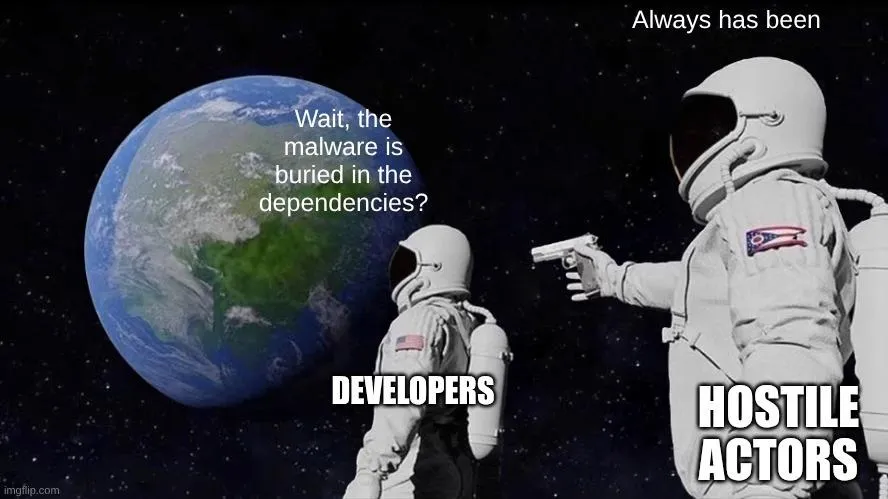
Attackers are increasingly hiding malware deep inside node_modules dependencies, rather than in the primary extension files themselves.
A recent campaign involving the path-is-absolute npm package showed this clearly. It concealed malicious binaries inside a fake PNG file. By burying the threat deep in the dependency tree, attackers make sure that standard code reviews of the main extension usually miss the malicious payload.
Living off the land (LOLBins)
Sophisticated attackers use legitimate system binaries to dodge standard antivirus detection.
By abusing tools like cmstp.exe or Lightshot to run payloads, malicious extensions avoid dropping known malware files onto disk. This "fileless" approach makes traditional file-based scanning far less effective, since the malicious activity runs through trusted system processes.
Exfiltration and persistence strategies
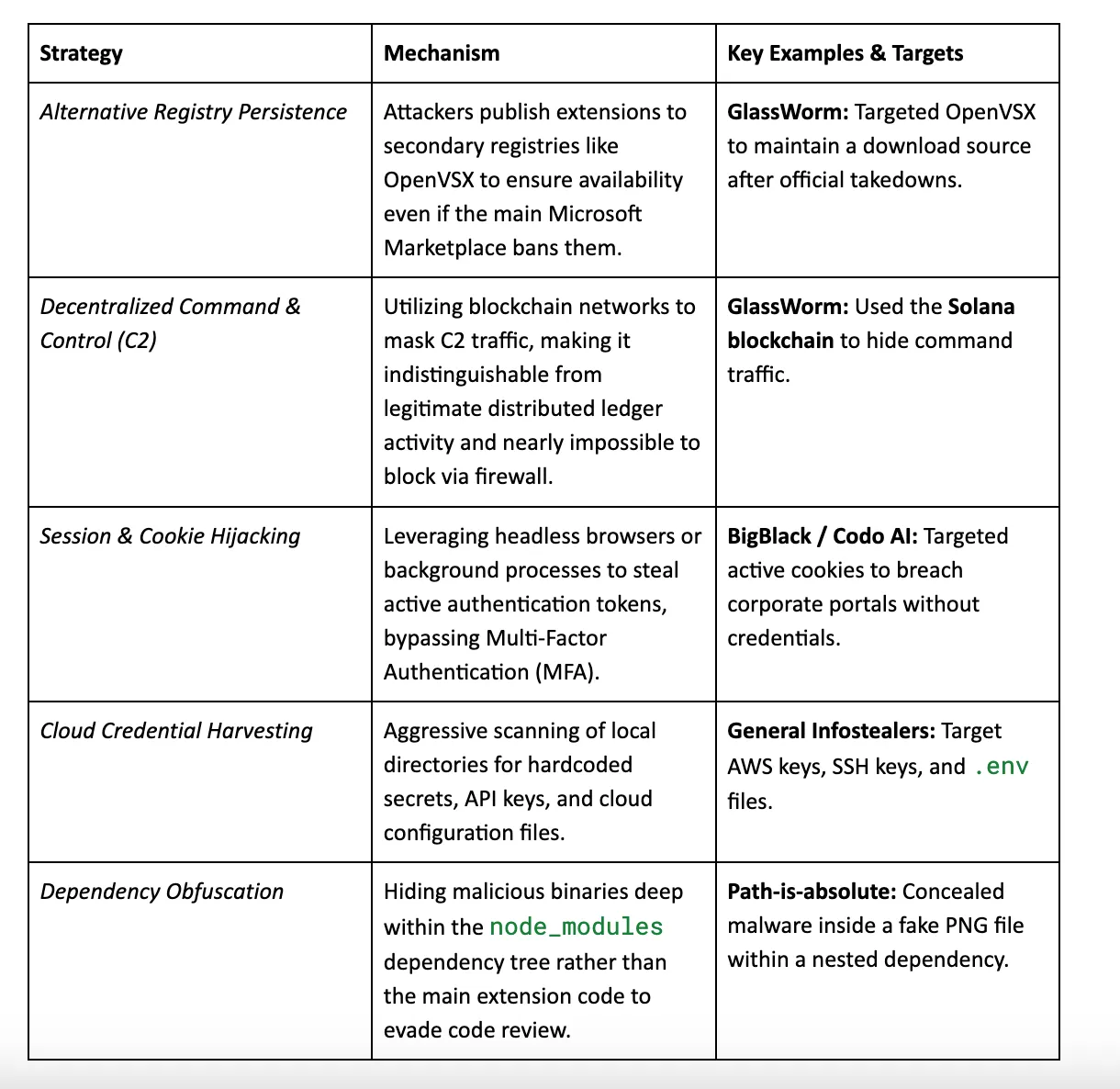
Modern malicious extensions are built for longevity. They're designed to keep access long after the initial compromise - even after the IDE is closed.
Rather than a simple smash-and-grab, these tools use sophisticated evasion techniques to bypass firewalls and dig in for the long term.
Here are some of the strategies attackers use to stay persistent and exfiltrate sensitive data:
Detection and destruction
Effective detection needs a multi-layered approach - manual vigilance combined with automated fleet management. Standard endpoint protection often misses the specific nuances of IDE-based threats, so security teams need to look further.
Manual hunting in directories
Proactively "hunting" in the ~/.vscode/extensions directory is a necessary layer of defense. Visual red flags can reveal compromised extensions that automated tools miss.
Look for:
- Obfuscated code inside extension.js
- Unusual file types like .vbs or .bat, which have no place in a standard extension
- Publisher names that don't match the official vendor
Scalable fleet detection
Scalable detection means leveraging tools like Osquery. By querying the vscode_extensions table, administrators can scan an entire fleet for specific dangerous publisher IDs, or find any extensions installed in the last 24 hours.
This turns a manual, one-by-one check into a queryable dataset - making it possible to quickly assess exposure across the whole organization.
Network behavior monitoring
Network-based detection is critical for catching active breaches. Security teams should watch for suspicious "phone home" behavior right when VS Code launches.
Indicators of compromise include immediate connections to dynamic DNS services or non-Microsoft IP addresses. These often signal an extension trying to establish a command-and-control channel, or exfiltrate environment variables.
Prevention and governance
Reducing the risk of malicious extensions means shifting from a reactive stance to a governance-first model. Organizations need controls that limit what code can run in the developer environment - without slowing developers down.
Enterprise allowlisting
Enterprise environments should adopt a strict "Allowlist" approach. Using Group Policy or settings.json, organizations can block all extensions by default and only permit a vetted list of Publisher IDs - for example, restricting installs solely to "Microsoft" and "GitHub."
This drastically shrinks the attack surface. Developers can no longer install unverified third-party tools on a whim, and every new addition goes through a review process first.
Leveraging workspace trust
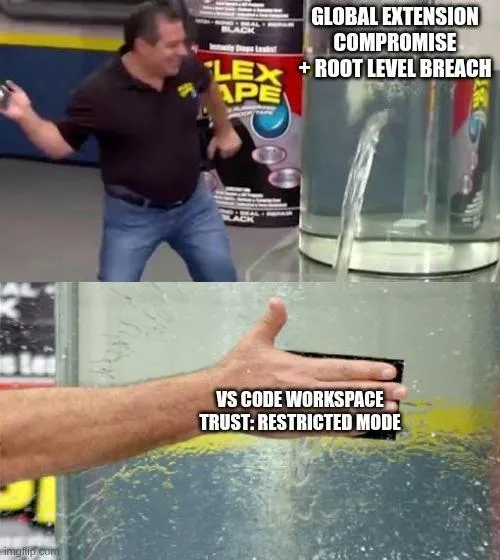
VS Code Workspace Trust plays a key role in preventing "drive-by" attacks. Its "Restricted Mode" can reduce risk when opening untrusted repositories.
But it's important to be clear about its limits: this feature doesn't neutralize extensions that are already installed globally. It's a containment measure for new code sources - not a cure for an environment that's already compromised.
Limiting blast radius
Organizations also need to limit the "blast radius" of any potential compromise. Best practices include:
- Using short-lived credentials through regular key rotation
- Implementing secret scanning tools
These measures mean that if a developer machine is compromised, any stolen keys are likely already invalid or quickly revoked. That minimizes the damage and helps prevent attackers from moving laterally into production.
Virtualization techniques like containerization on developer machines can also help limit the potential scope of a breach.
From detection to remediation, automatically
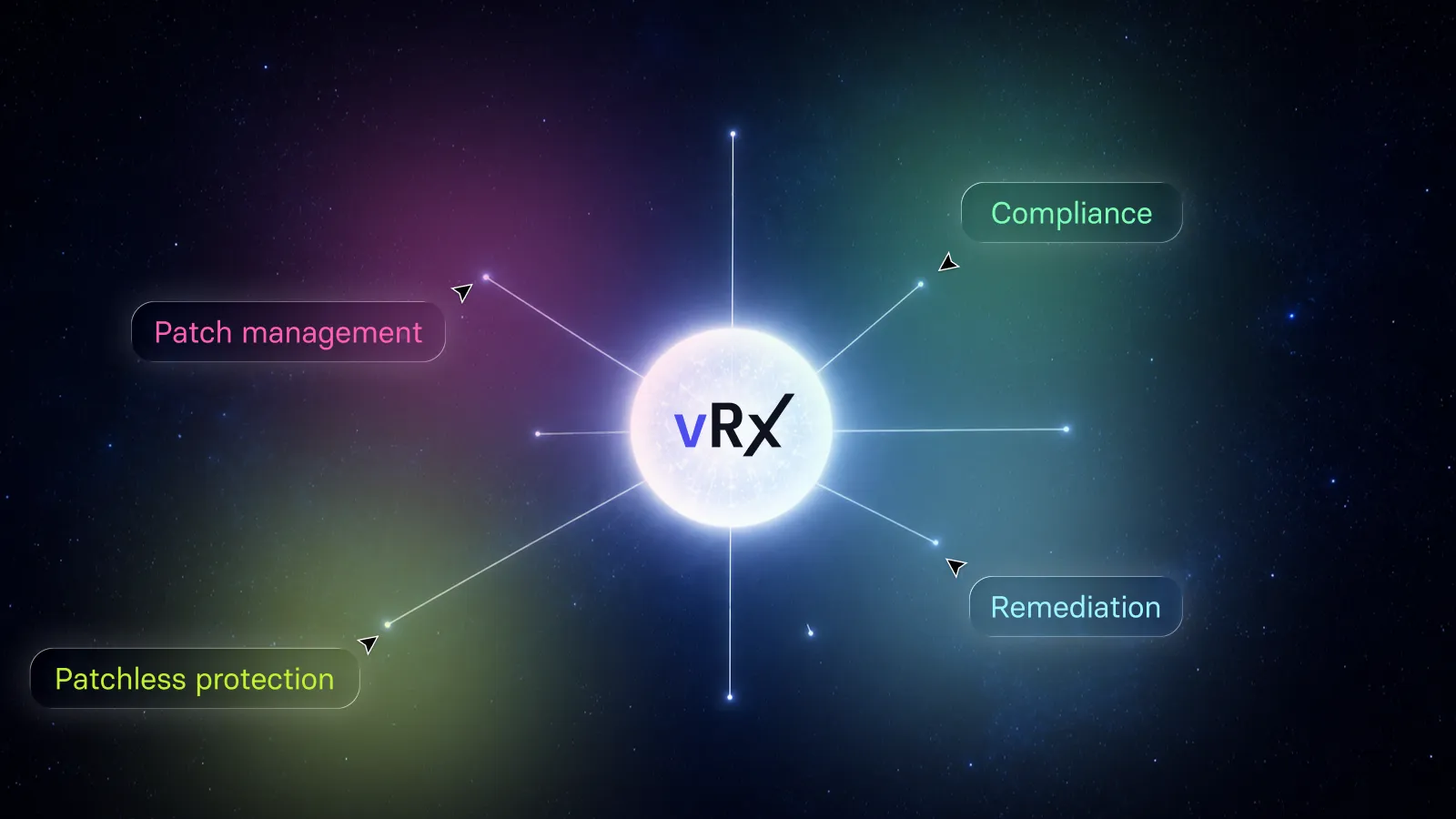
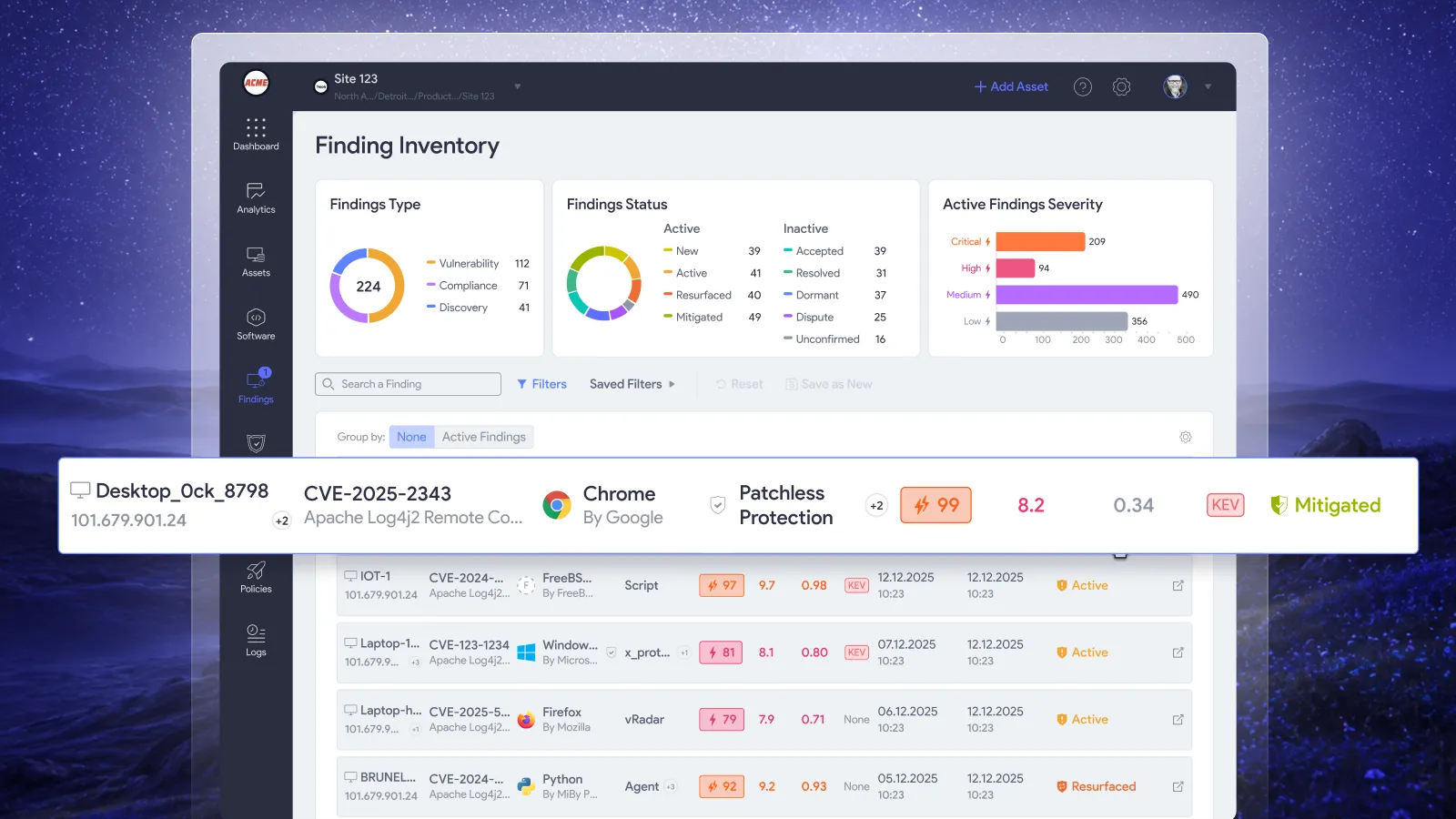
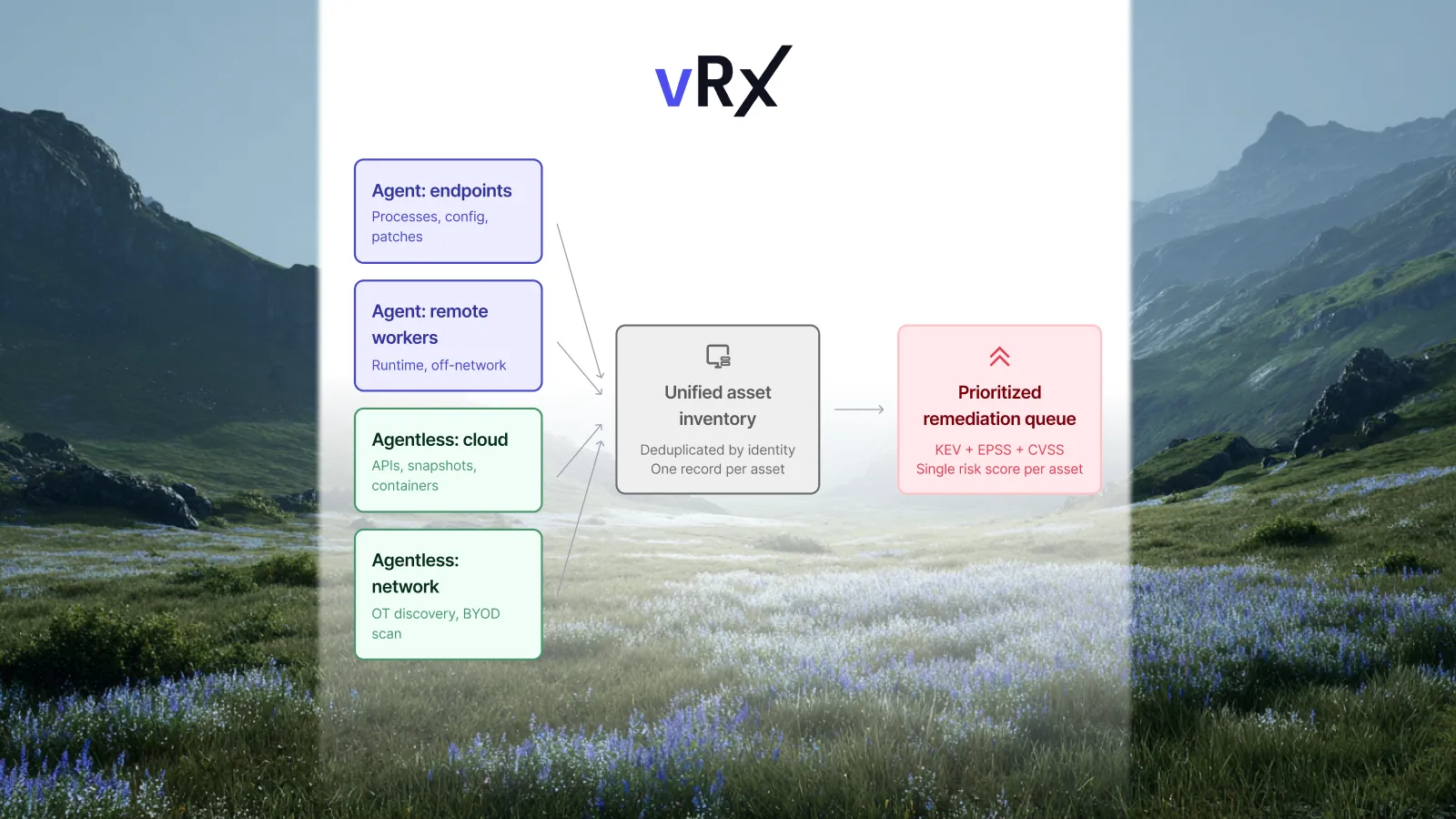
When prevention fails, rapid remediation becomes essential. vRx by Vicarius is a vulnerability remediation platform built to handle the most critical part of the vulnerability lifecycle: actually fixing the problem.
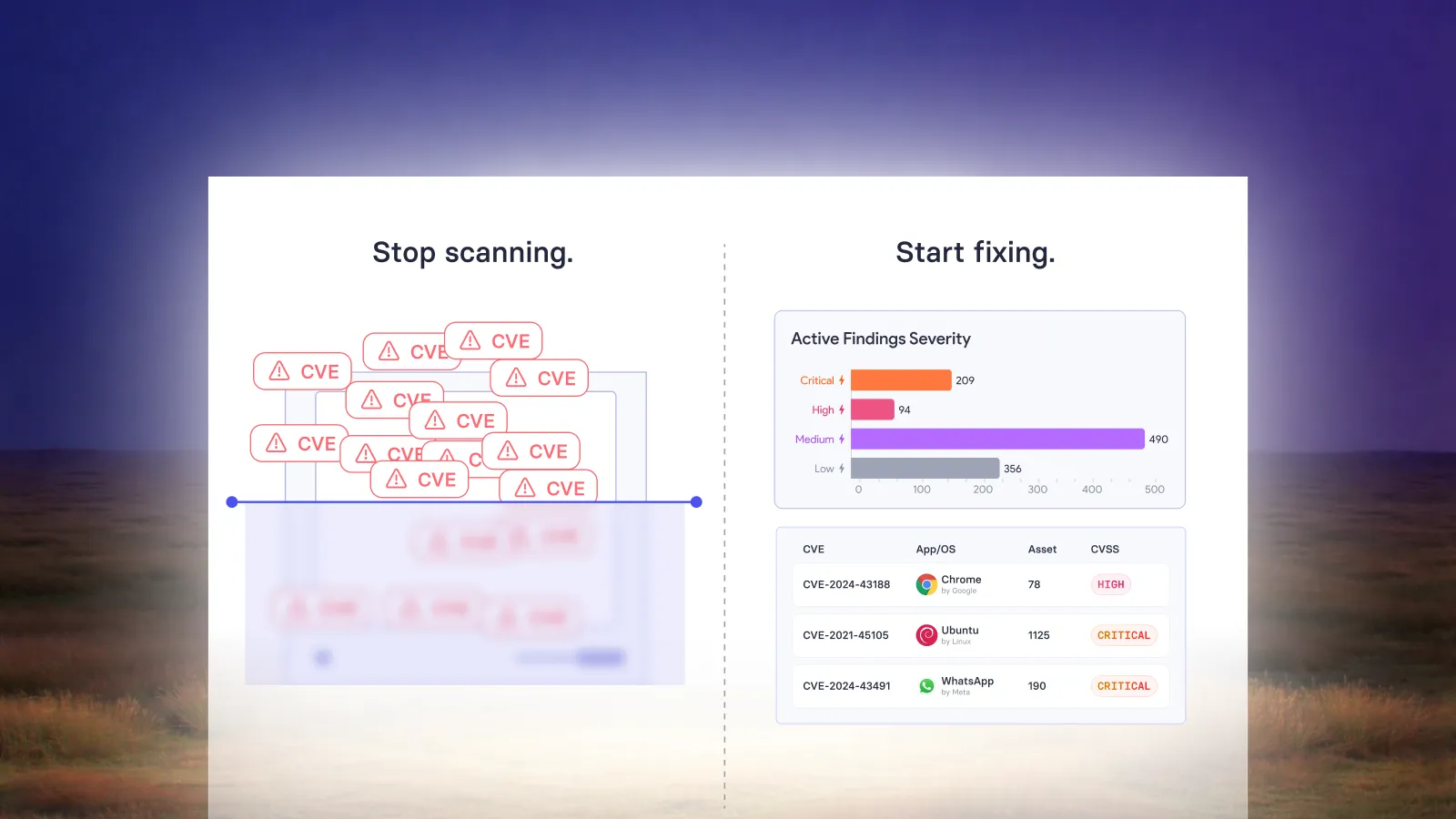
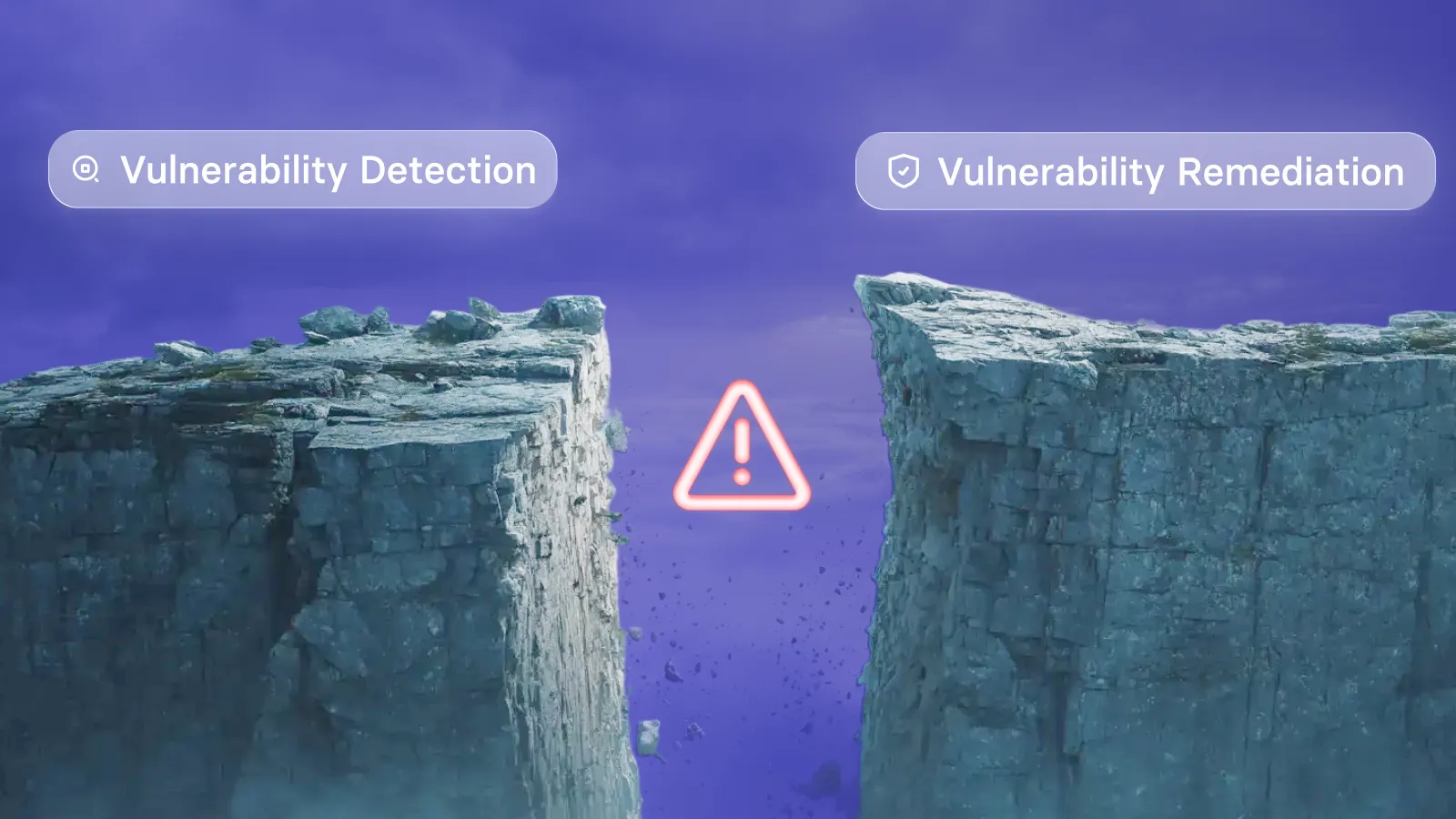
Many tools focus heavily on detection. vRx instead prioritizes mobilizing and remediating exposures, so organizations can move quickly from identifying a problem to resolving it. This is especially useful for vulnerabilities that don't have a standard CVE - like malicious software components or configuration flaws in developer tools.
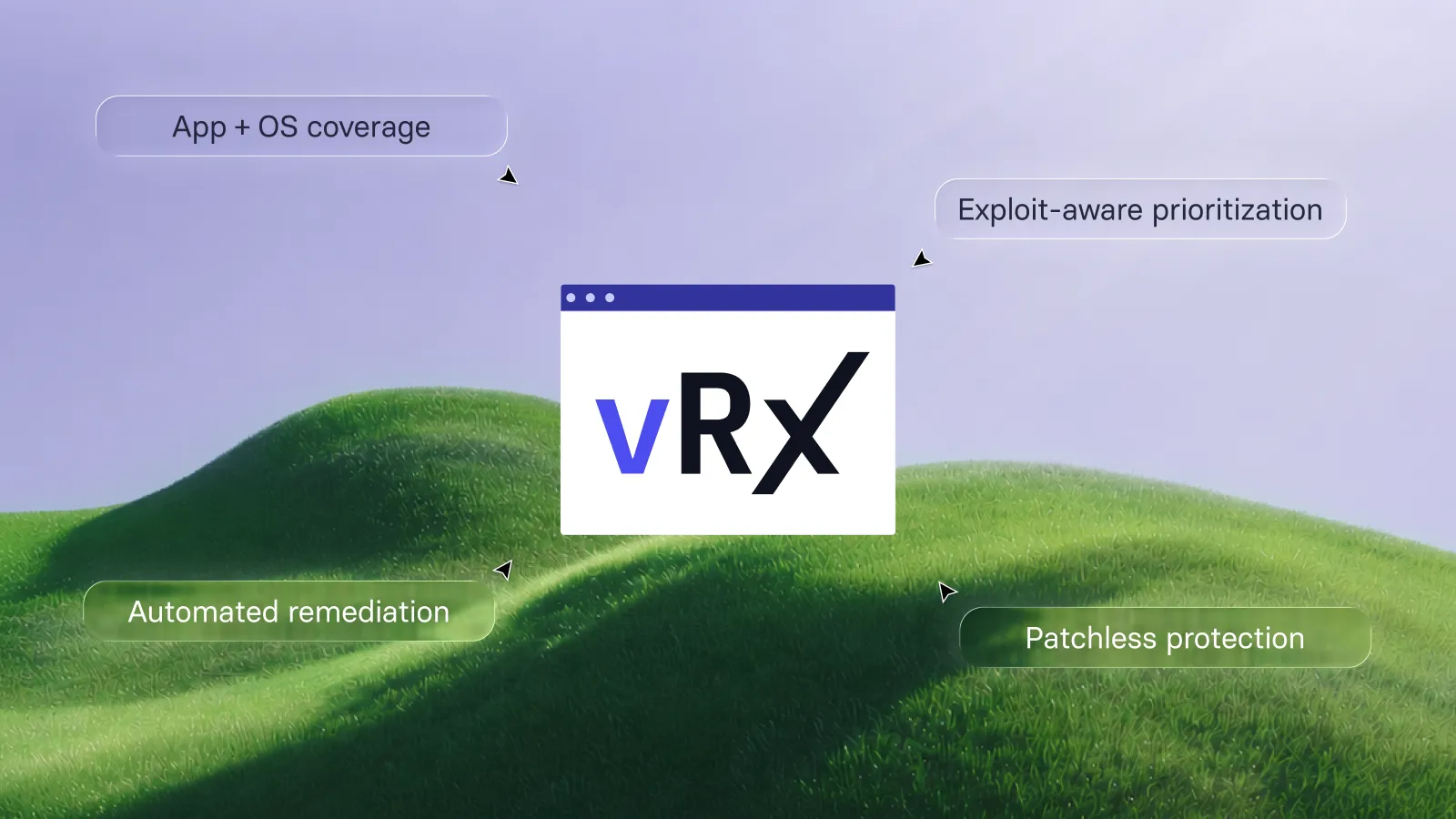
Key capabilities for securing the developer supply chain include:
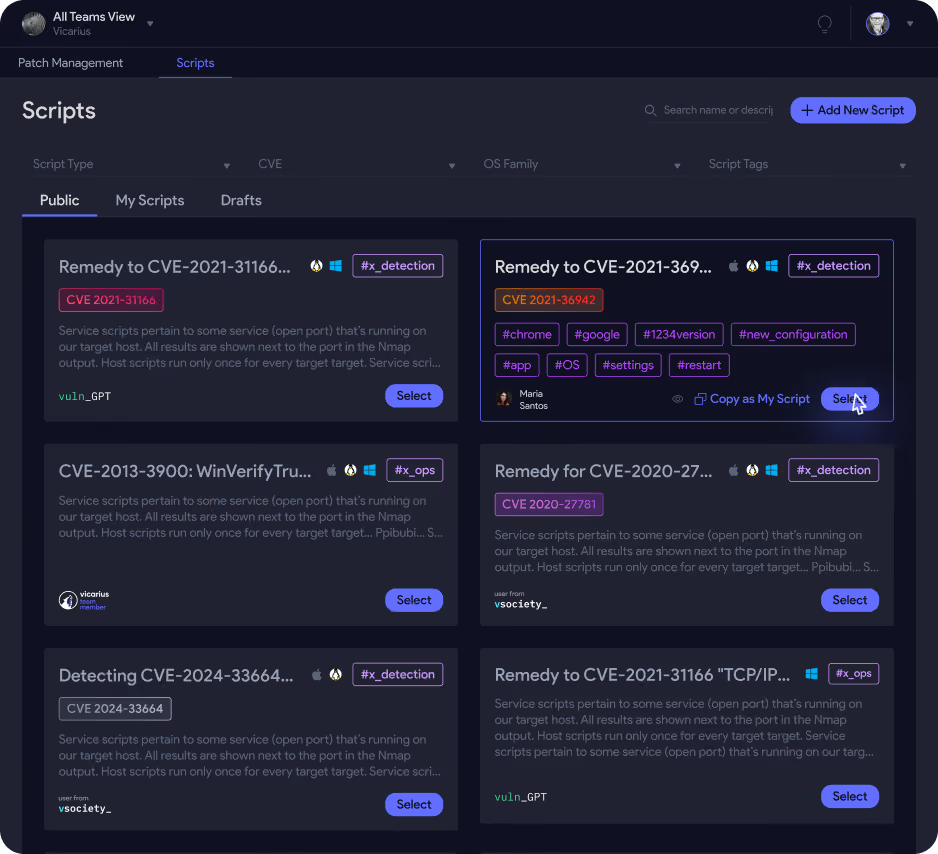
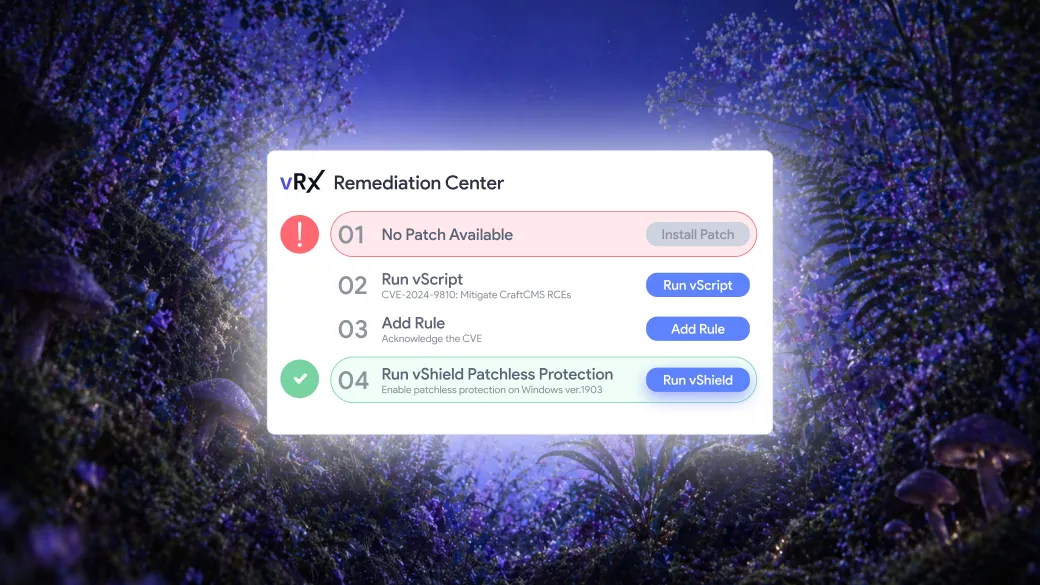
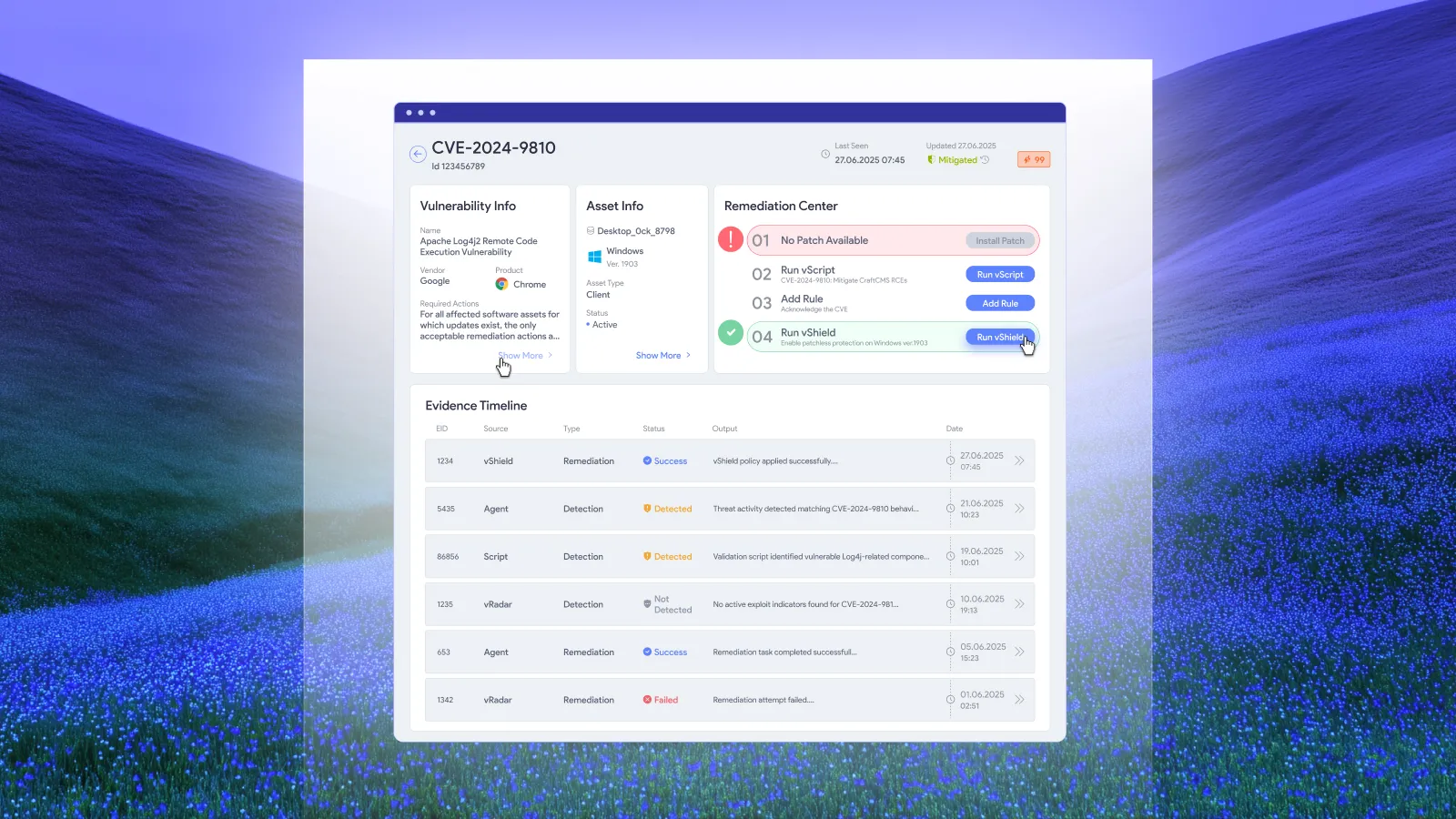
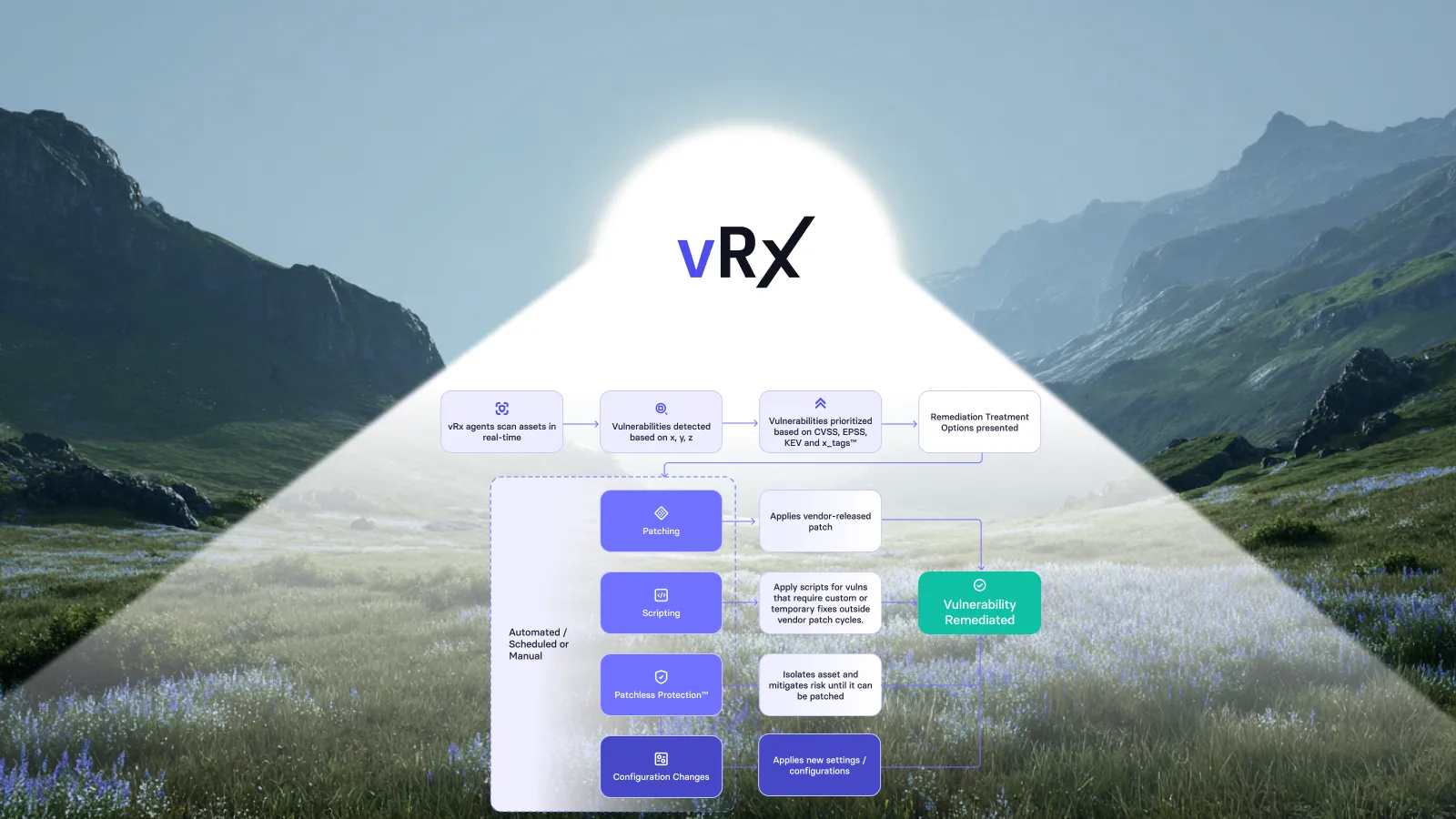
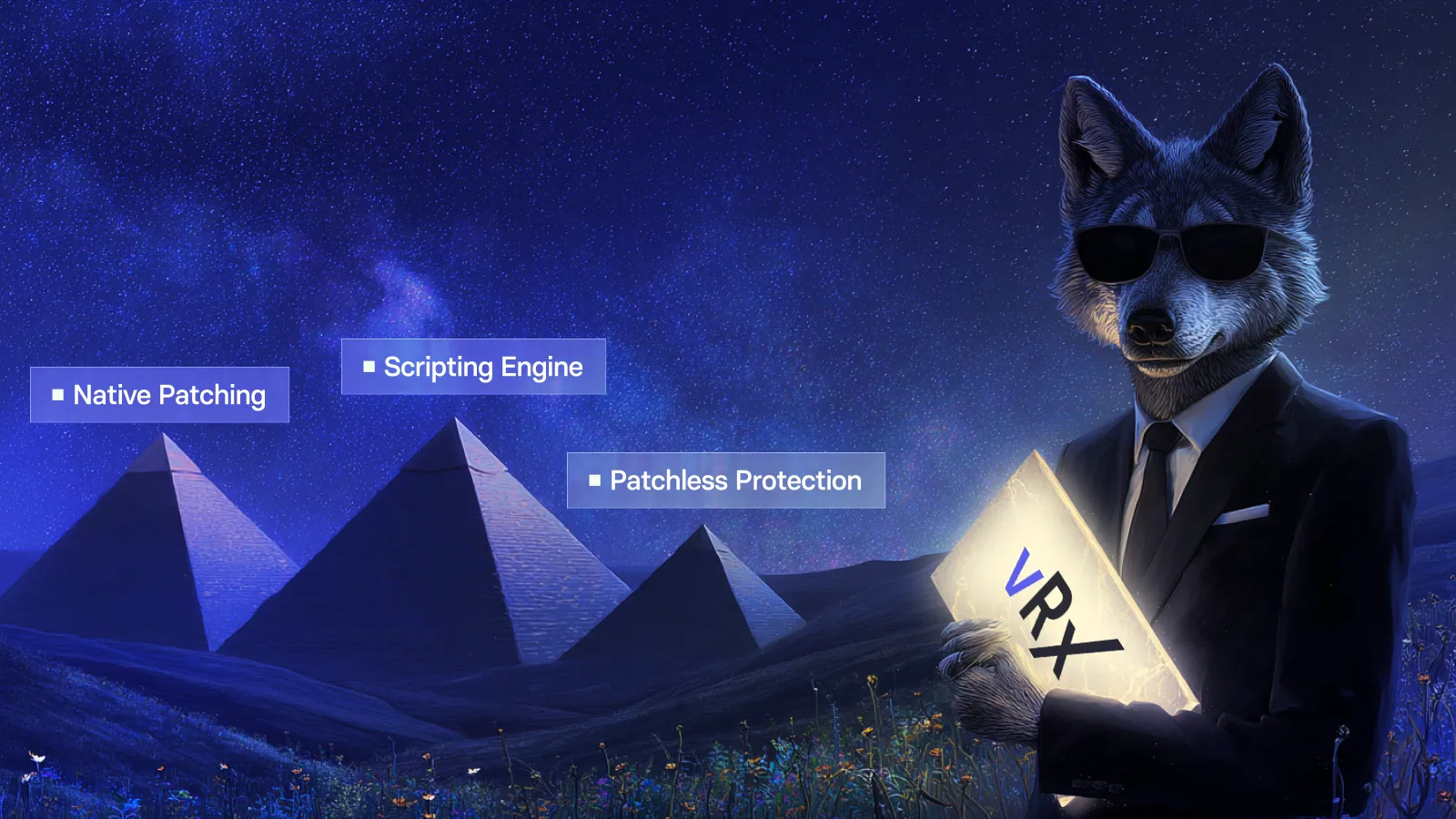
- Scripting engine for surgical remediation: Security teams can use vRx's proprietary, automation-first technology to deploy scripts that terminate the VS Code process and delete specific malicious extension directories - across thousands of endpoints at once.
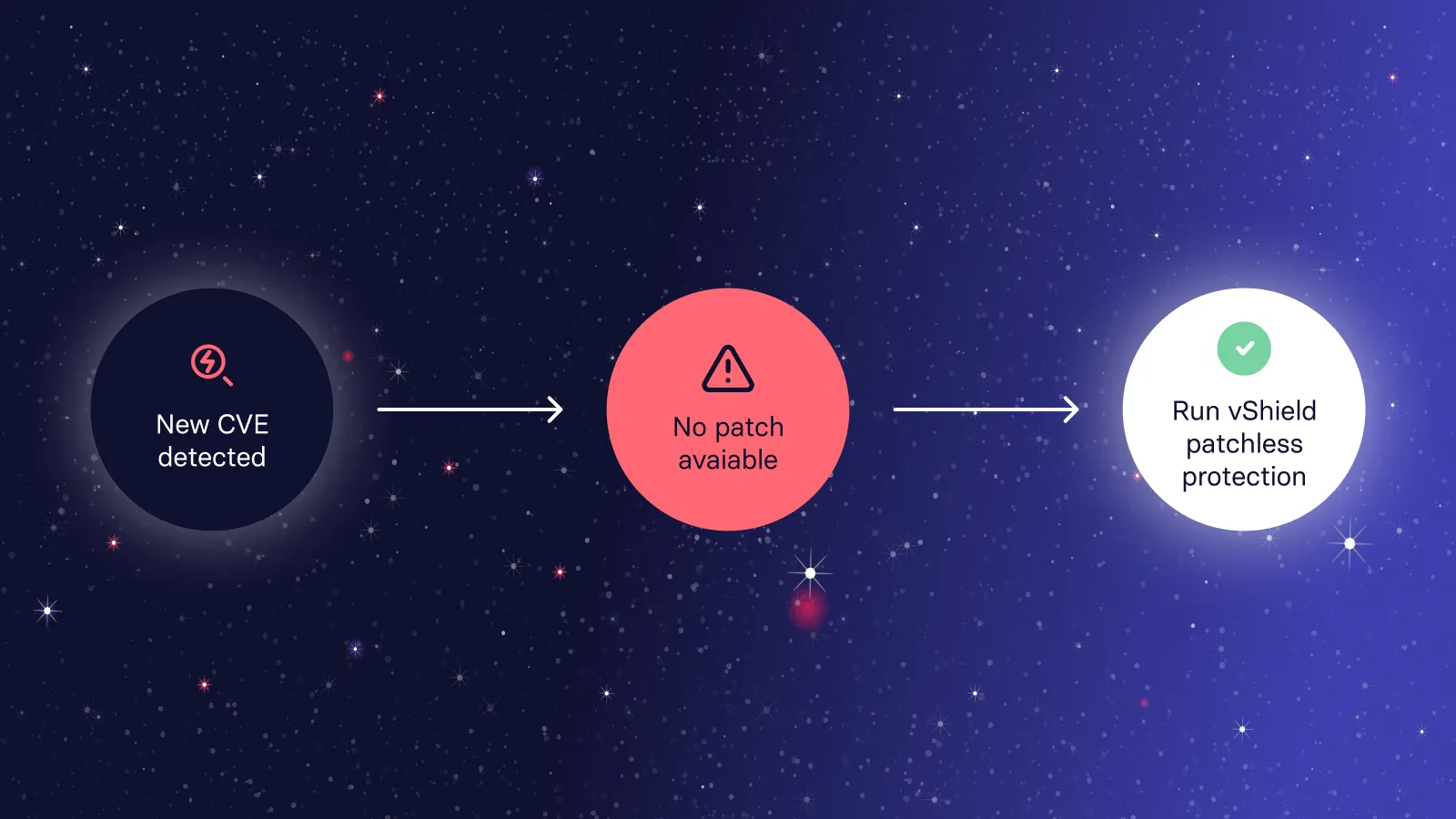
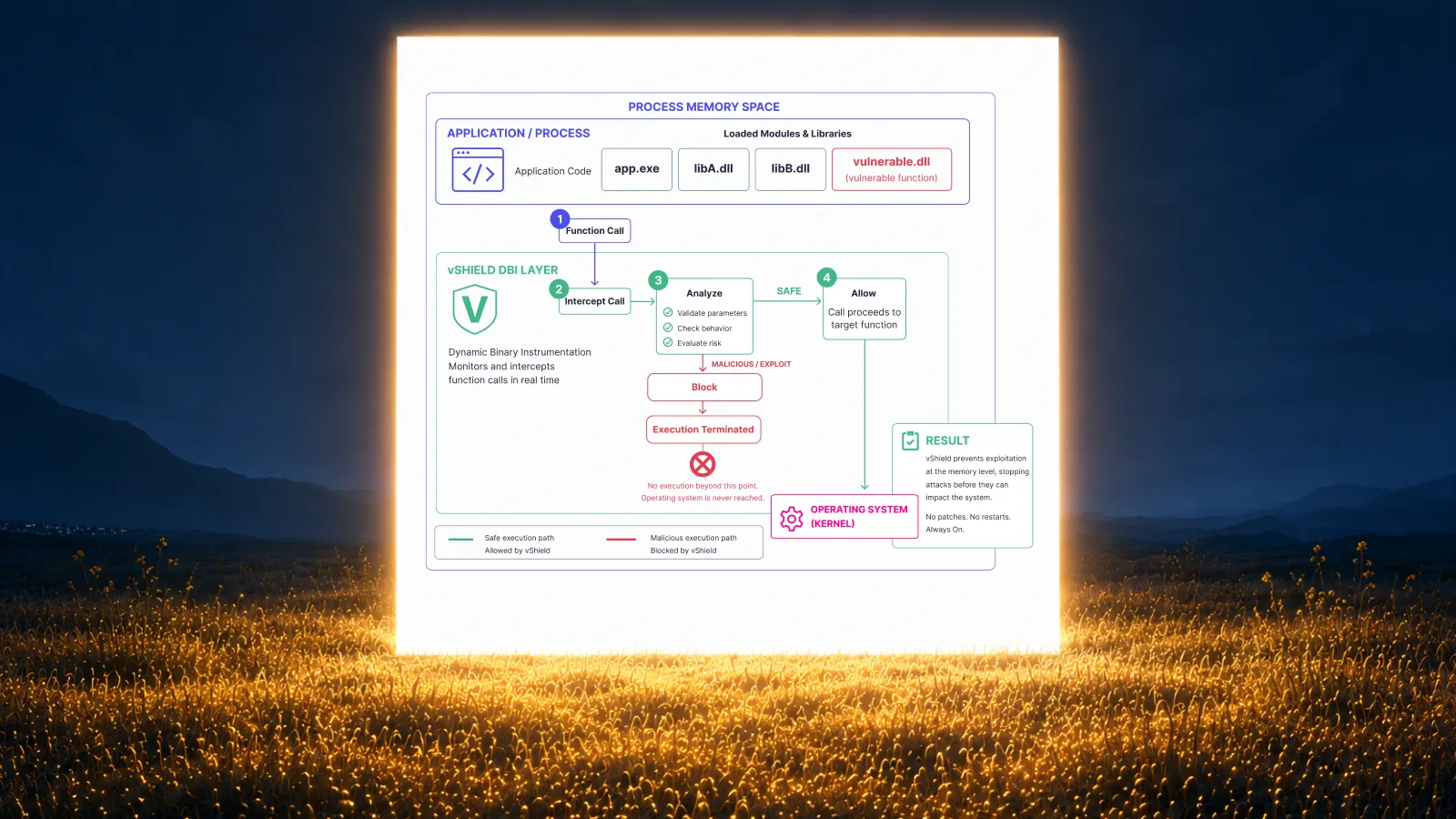
- Patchless protection: vRx provides in-memory protection for underlying developer tools, like Node.js or Python runtimes, giving you a defense layer even when an official vendor patch isn't available yet.
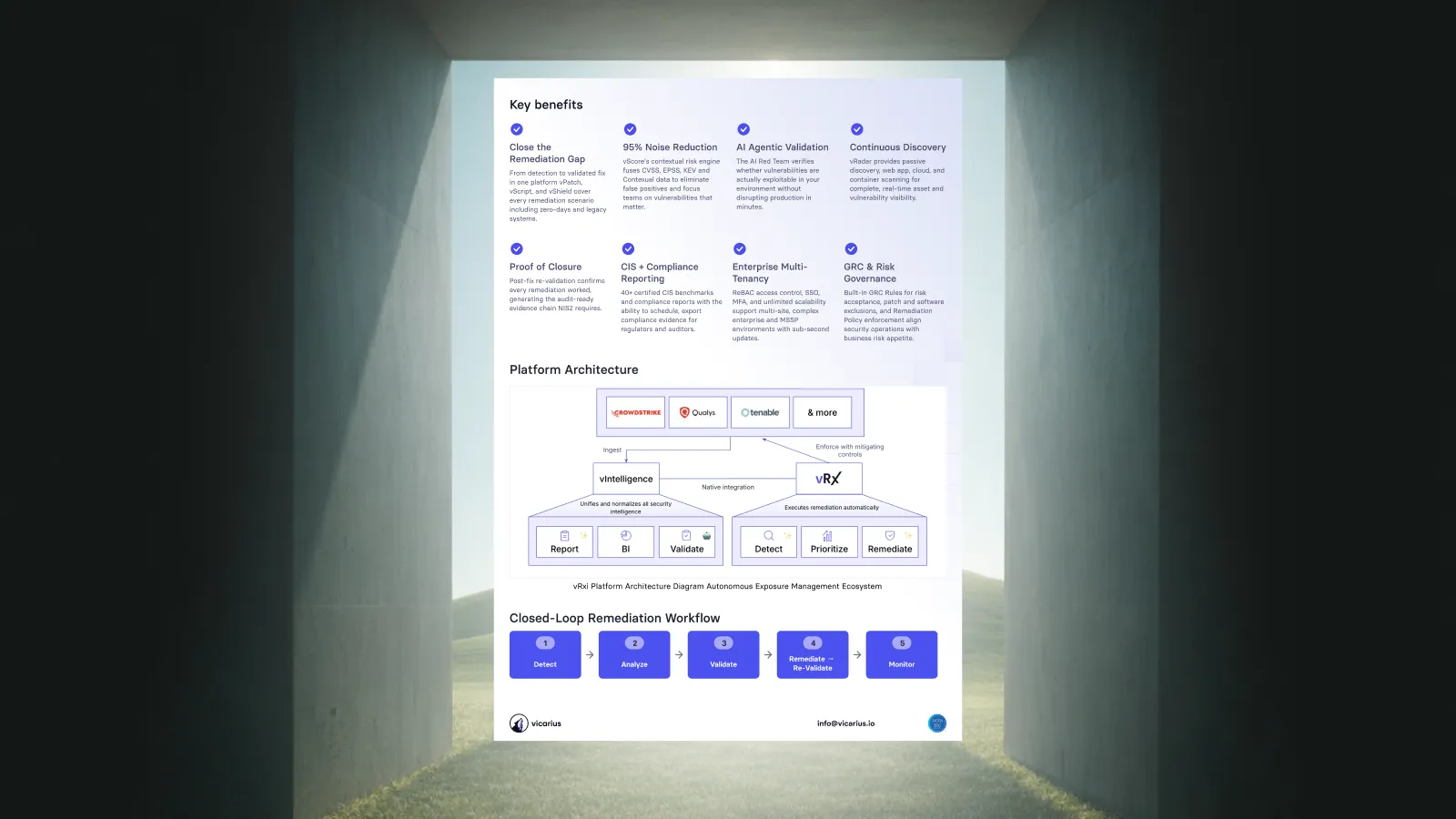
- Native patching: vRx delivers native, end-to-end patching built directly into the platform - no tickets, no handoffs, no external tools needed. It supports automated patching for operating systems and over 10,000 third-party applications from a single control plane, using pre-tested remediation packages, flexible deployment policies, and safe rollout mechanisms like scheduling, maintenance windows, and rollback. Instead of just documenting risk or waiting on manual work, vRx closes the loop by turning detected exposures into verified fixes at scale.
A surgical response for supply chain security
The security challenges facing modern development environments are deeply rooted in the open-source ecosystem. But the solution lies there too.
The "Shift Left" movement and VS Code's open nature have created new avenues for supply chain attacks. At the same time, they've fostered the innovation needed to defend against them.
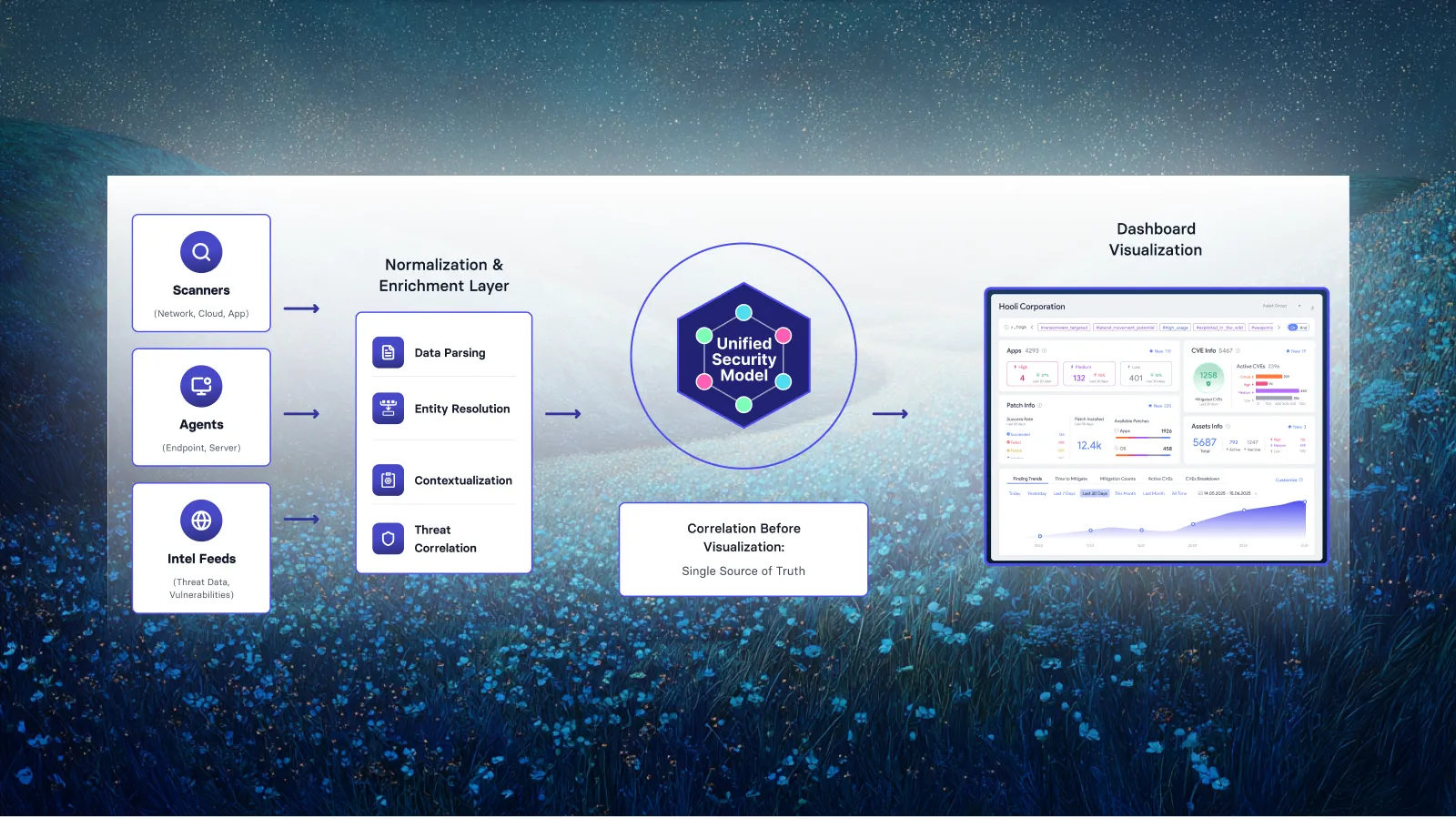
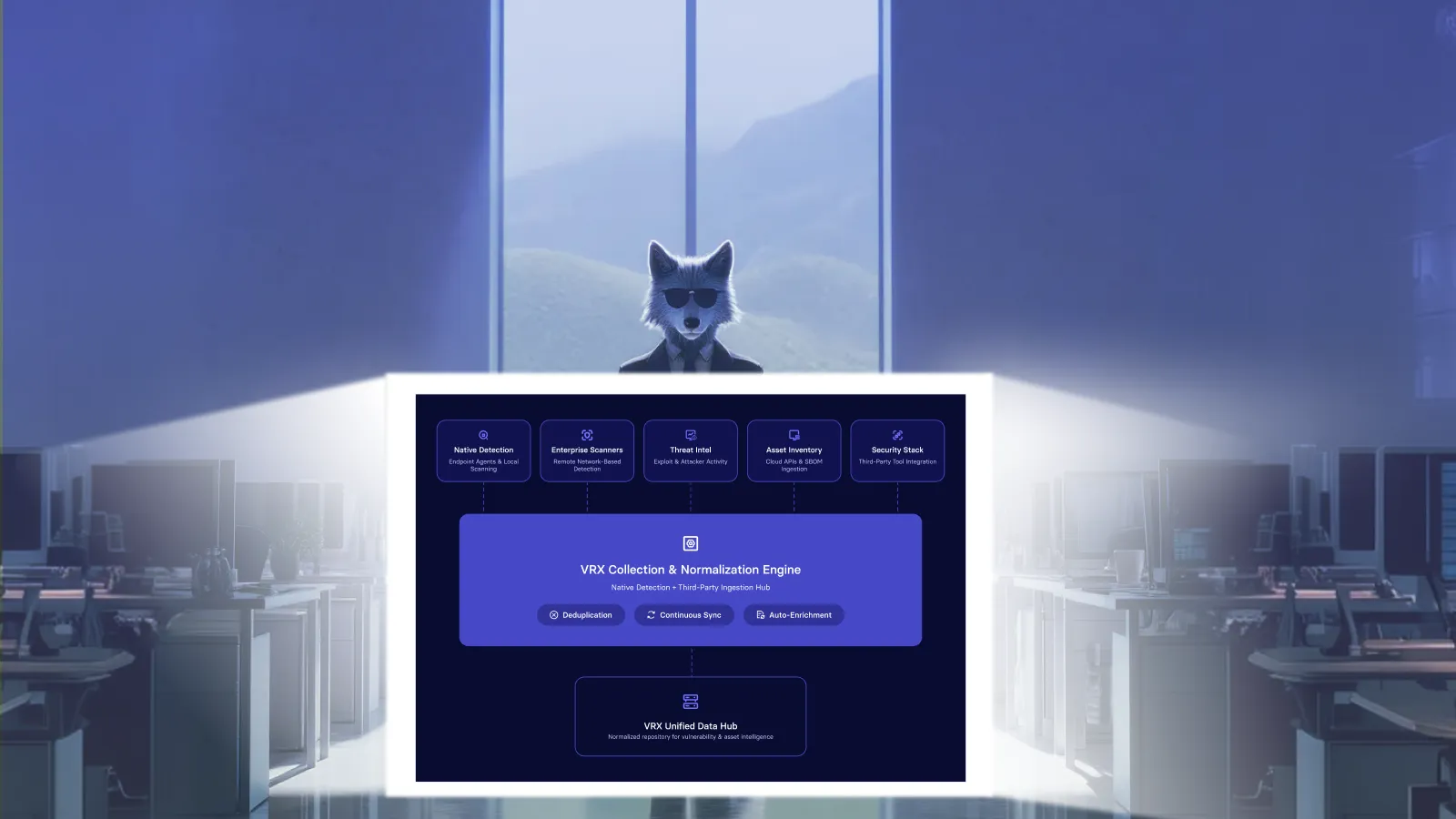
vRx embodies that duality through its "Better Together" initiative, which integrates seamlessly with the scanners and security tools organizations already rely on. By connecting detection with automated remediation, vRx closes the loop - turning scanner alerts into practical fixes.
Are you ready to secure your developer environments? Book a demo session today to see the vRx difference.
Related resources:
CVE research & advisories




























.webp)


















%20Signals%20a%20New%20Era%20of%20Supply%20Chain%20Risk.webp)






.webp)