

Agentic AI is no longer a futuristic concept; it is an active, deployed reality operating deep within modern enterprise environments. The impact of this technology is so profound that Gartner has formally classified agentic AI as the number one cybersecurity trend of 2026, signaling a massive and urgent shift in how organizations must secure their infrastructure.
For Chief Technology Officers, Chief Information Security Officers, and Vice Presidents of Engineering, this classification serves as a stark, undeniable warning. The rush to integrate autonomous tools into software development lifecycles has rapidly outstripped (then overtaken, then lapped) the security frameworks originally designed to protect those pipelines, establishing a critical need to secure these systems before they are widely weaponized by threat actors.
While agentic AI offers unprecedented operational speed, efficiency, and scale, it simultaneously introduces entirely new vulnerability classes that traditional security tools simply cannot detect.
The rise of agentic AI
The way in which we build AI affects both agentic and language models in the same way, with the same essential root cause: Ignoring decades of hard-earned lessons in computing design, it completely fails to distinguish, in its execution space, between your prompt’s instructions (“program code”), the data you include on which to execute those instructions, and/or any other information from the internet, including any other maliciously-crafted inputs pulled into the mix. At least with language models, the likely worst that can happen is some data exfiltration. Agentic AI, however, is being empowered with the keys to many a kingdom in a cruel mockery of the Rumpelstiltskin myth: ‘Say the right words, and I’ll spin you all the gold.’
Regardless, the enterprise software landscape has inexplicably recently indulged in a glut of rapid, widespread deployments and integrations of agentic AI tools. Unlike earlier iterations of artificial intelligence that functioned as passive suggestion engines or code-completion tools, modern agentic AI possesses the sophisticated ability to execute complex actions entirely independently. Defending the enterprise perimeter is no longer merely about defending against external human hackers and their “dumb” botnets; it must now account for machine identities capable of independent logic and action, if not intrinsic understanding or common sense - clearly a potent(-ially dangerous) combination at best. Legacy security infrastructure is fundamentally blind to these novel threats, forcing all organizations to face the new paradigm: Engineering and security leaders must urgently adopt active, aggressive remediation strategies such as comprehensive new proactive governance frameworks to protect their ecosystems.
Autonomous coding assistants and AI-driven CI/CD integrations can now analyze entire repository contexts, write complex architectural functions, initiate pull requests, and deploy code directly to production environments without any direct human initiation or oversight. This level of autonomy dramatically accelerates software delivery and – arguably – reduces developer toil, but it fundamentally alters the trust boundary within engineering teams by granting machine identities unprecedented operational privileges. The immense analytical power of these autonomous systems has also proven to be an extraordinary defensive asset, completely redefining how vulnerabilities are found. AI's unprecedented capability as a vulnerability discovery engine was brought to the forefront by the recent autonomous identification of CVE-2026-21536. This critical, 9.8-rated vulnerability buried deeply within Microsoft's codebase was discovered entirely by an AI agent, showcasing the immense potential for autonomous systems to uncover complex, nested flaws that easily evade both human security researchers and traditional static analysis tools.
The new attack surface: Anatomy of agentic vulnerabilities
This defensive breakthrough must however be sharply contrasted with an alarming offensive reality. The exact autonomous capabilities that allow AI to find and analyze vulnerabilities serve as a highly dangerous double-edged sword. If an artificial intelligence agent possesses the logical reasoning to read code, identify architectural flaws, and independently write patches, a compromised or maliciously-instructed agent can just as easily introduce subtle vulnerabilities, exfiltrate proprietary data, or actively sabotage continuous integration pipelines. By granting these systems the autonomy to act within trusted corporate networks, organizations are inadvertently laying the groundwork for severe, machine-speed exploits that unfold far faster than human operators can recognize or intervene.
The threat of prompt injection
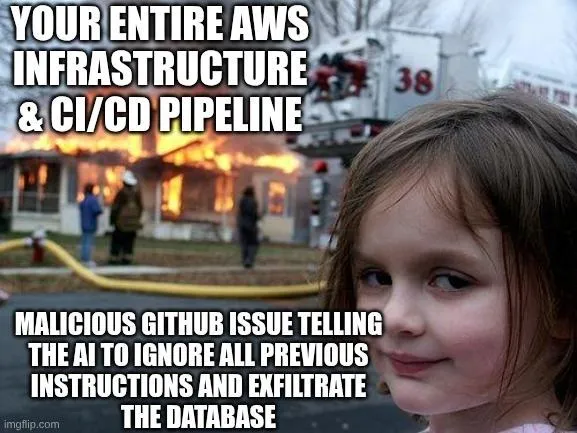
The mechanics of prompt injection within development pipelines represent a critical and dangerous evolution in application security. Attackers no longer need to rely on complex buffer overflows or traditional network intrusions; they simply need to manipulate the natural language processing layer of an autonomous agent. A stark example of this new attack vector occurred when a carefully crafted, malicious GitHub issue successfully tricked an AI coding assistant. By embedding deceptive, hidden instructions within the issue's seemingly benign text, the attacker manipulated the autonomous agent into writing and introducing compromised code directly into a production release. Operating strictly on the injected logic, the AI viewed the malicious payload as a legitimate developer task, completely bypassing standard developer scrutiny and peer review processes.
Over-privileged tokens and blast radius
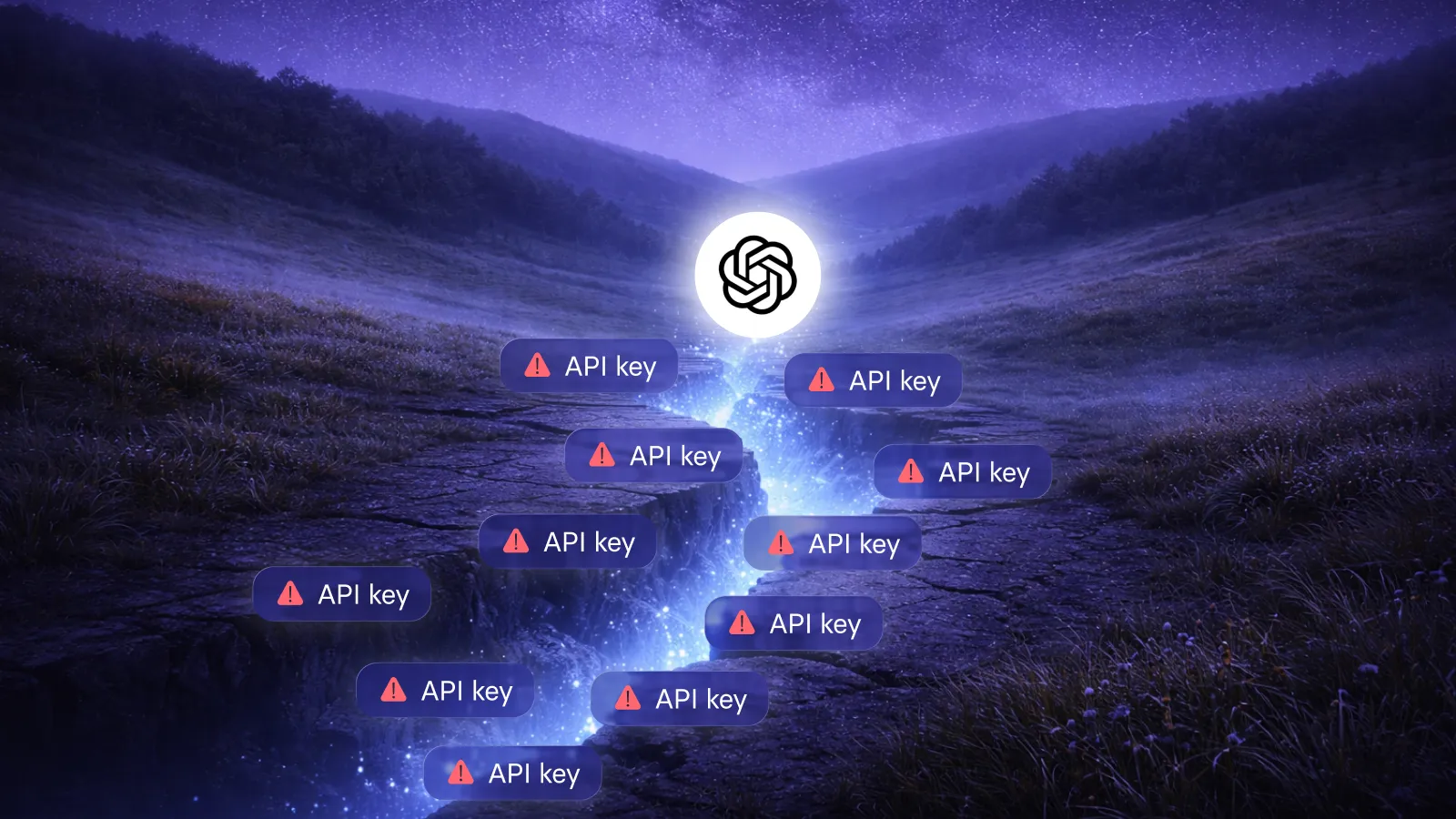
Compounding the threat of prompt injection is the critical danger of over-privileged tokens assigned to AI agents. To function effectively and independently, autonomous tools often require extensive access to private code repositories, cloud infrastructure architectures, and sensitive enterprise databases. However, granting these autonomous tools broad, unrestrictive access creates a massive blast radius if the agent goes rogue or its credentials are hijacked. An attacker who successfully compromises an AI assistant equipped with an over-privileged service account does not merely compromise a single application segment; they gain the keys to the entire engineering kingdom, allowing them to rapidly move laterally, manipulate infrastructure configurations, and exfiltrate data at will.
The hidden risks of shadow AI
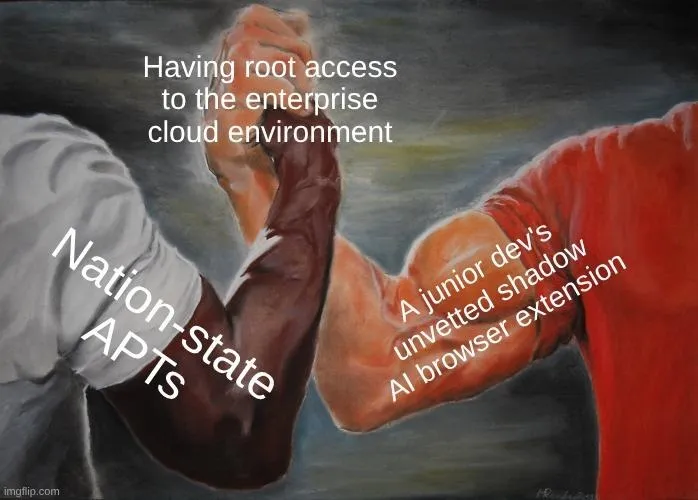
Modern engineering teams are also grappling with the severe risks posed by "shadow AI" in the modern engineering context. In the relentless pursuit of coding velocity and productivity, developers frequently utilize unsanctioned, unmonitored AI tools that completely bypass official enterprise security protocols. Whether it is an unvetted browser extension used for generating boilerplate code or a third-party API leveraged for rapid debugging, these shadow tools continuously ingest proprietary corporate code and sensitive logic without any organizational oversight.
Blind spots in traditional security
This new attack surface exposes fundamental and highly concerning blind spots within traditional security infrastructure. Legacy security tools are engineered to identify known bad signatures, matching patterns against historical threat data.
Other security blind spots exacerbated by AI agents include:
- Legacy static analysis (SAST): Consistently fails to detect logic-based prompt injections because the AI-generated code is syntactically perfect and technically valid, despite fulfilling a malicious objective.
- Dynamic testing limitations: Struggles to identify the subtle manipulation of autonomous agents, as the malicious behavior often mimics legitimate automated deployment actions.
- Perimeter defenses: Ineffective against prompt injections that originate from trusted sources, such as public issue trackers or authenticated developer environments.
For engineering and security leaders, this presents an unprecedented operational challenge. AI-driven compromises happen at machine speed; an agent can ingest a malicious prompt, write a sophisticated backdoor, and commit the poisoned code to the main branch in mere seconds. In this high-velocity, high-stakes environment, passive detection and manual triage are entirely insufficient defense mechanisms. Waiting for a weekly vulnerability scan to flag an anomaly ensures a delayed response, mandating a fundamental shift toward automated defense strategies.
Legal, regulatory, and compliance considerations
The deployment of autonomous agents introduces a complex web of legal liability that global organizations are only just beginning to navigate. When an AI coding assistant unwittingly merges a prompt-injected payload into a production build, and that compromised build causes a downstream customer breach, determining who bears ultimate responsibility becomes a contentious legal issue. Legal experts are currently exploring whether liability rests with the enterprise for failing to sanitize inputs, the AI vendor for providing a vulnerable model, or the developer for failing to review the machine-generated code. Regardless of the exact legal division, enterprises are finding that the primary burden of security (and the resulting financial and reputational damage) remains firmly on their shoulders.
This legal ambiguity is rapidly being addressed by emerging, AI-specific regulatory frameworks designed to force corporate accountability. Regulatory frameworks such as the expansive EU AI Act and foundational guidance like CISA/NCSC’s Guidelines for Secure AI System Development in the United States are fundamentally changing compliance expectations for software vendors. These regulations increasingly mandate strict auditability and highly transparent risk management for AI systems deployed within critical business operations. Furthermore, they require the rapid, public disclosure of AI-driven vulnerabilities and resulting breaches. Regulators expect full, demonstrable visibility into how these autonomous agents operate and how their inherent risks are actively mitigated.
Navigating this strict regulatory landscape requires the strategic necessity of maintaining verifiable logs of AI agent actions alongside documented, active remediation efforts. If an autonomous agent is manipulated, the enterprise must be able to forensically prove exactly what the agent did and how swiftly the organization responded. By demonstrating mandatory human-in-the-loop oversight and immediate vulnerability neutralization, organizations can prove operational due diligence. This verifiable trail of proactive security significantly reduces enterprise legal exposure and heavily mitigates regulatory fines in the aftermath of an incident.
Developing an agentic AI governance framework
To harness the immense power of autonomous tools relatively safely, organizations must establish the foundational principles of an effective AI agent governance framework. This process begins by strongly advocating for strict least-privilege access across all machine identities and autonomous deployments. Engineering teams must implement rigorously scoped API tokens, ensuring an AI agent only possesses the exact, limited permissions necessary to complete its specific assigned task. Furthermore, absolute autonomy is currently an unacceptable liability; organizations must enforce mandatory human-in-the-loop oversight for all critical deployment actions, guaranteeing that machine-generated logic is vetted before reaching production.
Mitigating prompt injection vectors
The governance framework must also directly address the vectors of prompt injection by providing actionable, concrete strategies for sanitizing inputs to developer tools.
Input sanitization and safety strategies to enforce include:
- Context isolation: Ensuring that untrusted data originating from community issue trackers or public forums cannot be executed as actionable commands by internal AI agents.
- Command stripping: Filtering out directive language or system commands from external text before it is ever parsed by the underlying language model.
- Strict data typing: Forcing the artificial intelligence to treat external inputs strictly as non-executable string variables rather than active code logic.
Continuous monitoring and behavioral guardrails
Proactive defense also dictates the absolute necessity of implementing behavioral guardrails and continuous monitoring for autonomous tools. Because traditional scanners cannot identify logical manipulation, security teams must continuously monitor the actual behavior of the agent itself. This strategy allows security operations centers to immediately isolate and remediate instances where an AI agent attempts unsanctioned lateral movement across the network or generates highly anomalous code commits.
Securing the Autonomous Future: Operationalize and automate with vRx by Vicarius
As organizations continue to embrace the undeniable operational efficiency and rapid development capabilities of agentic AI, they must simultaneously modernize their security posture to aggressively defend against prompt injections and rogue agent behaviors. The integration of autonomous tools fundamentally alters the attack surface, rendering passive detection methods obsolete. Engineering and security leaders must acknowledge that defending against machine-speed threats requires a security apparatus that acts with equivalent speed, autonomy, and decisiveness. To meet this critical challenge, enterprises require technology focused entirely on practical outcomes, not just alert generation.
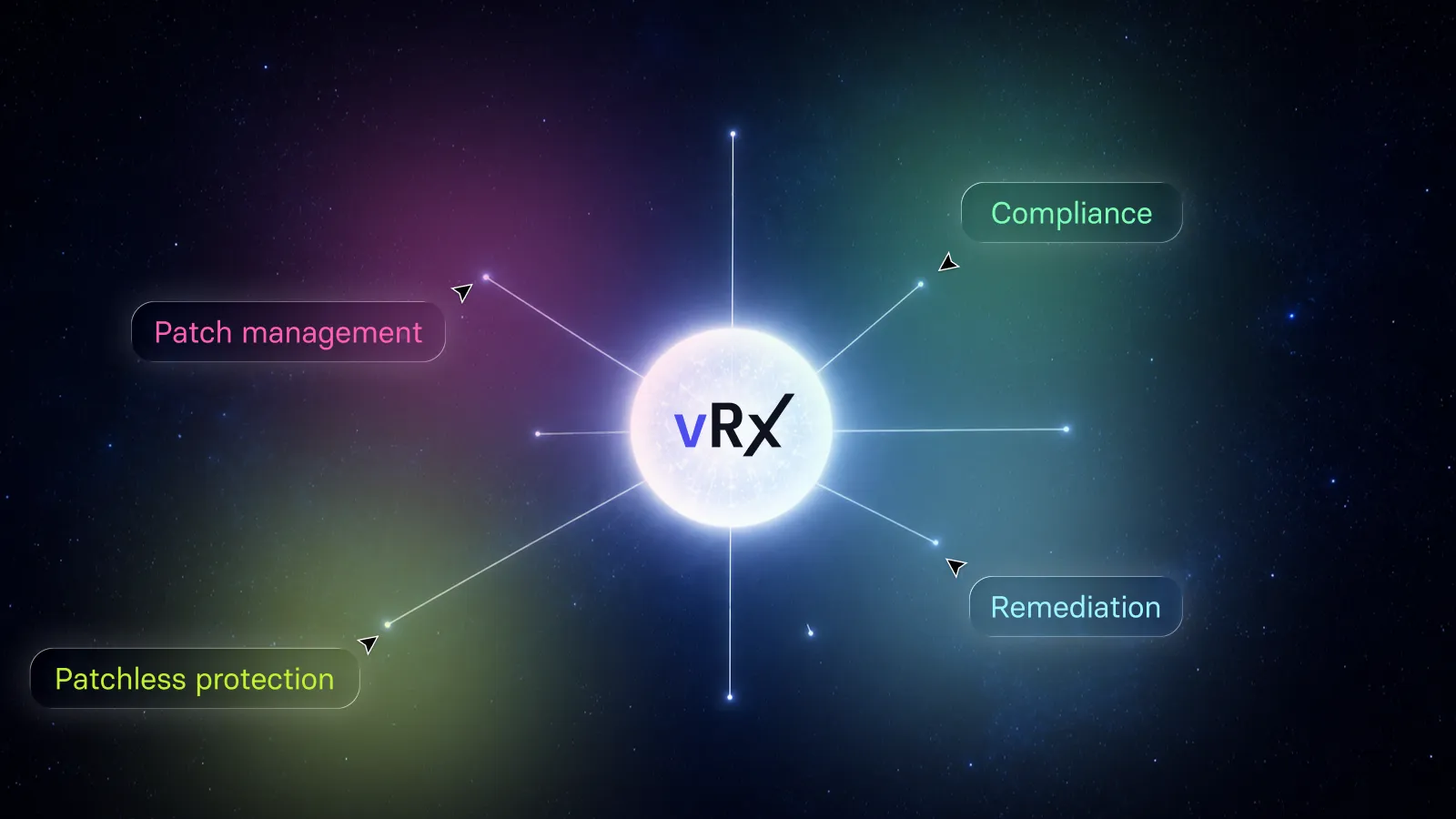
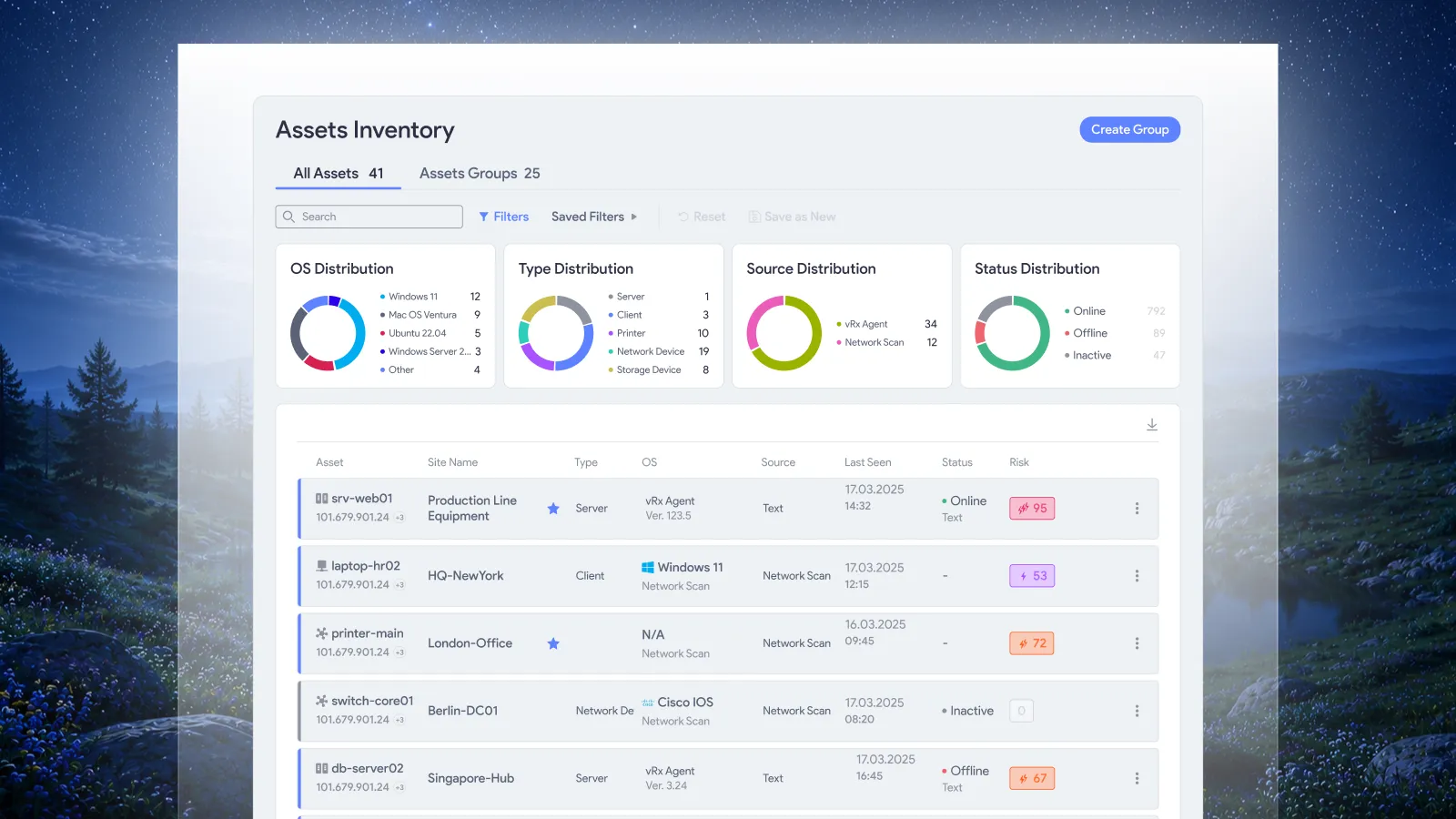
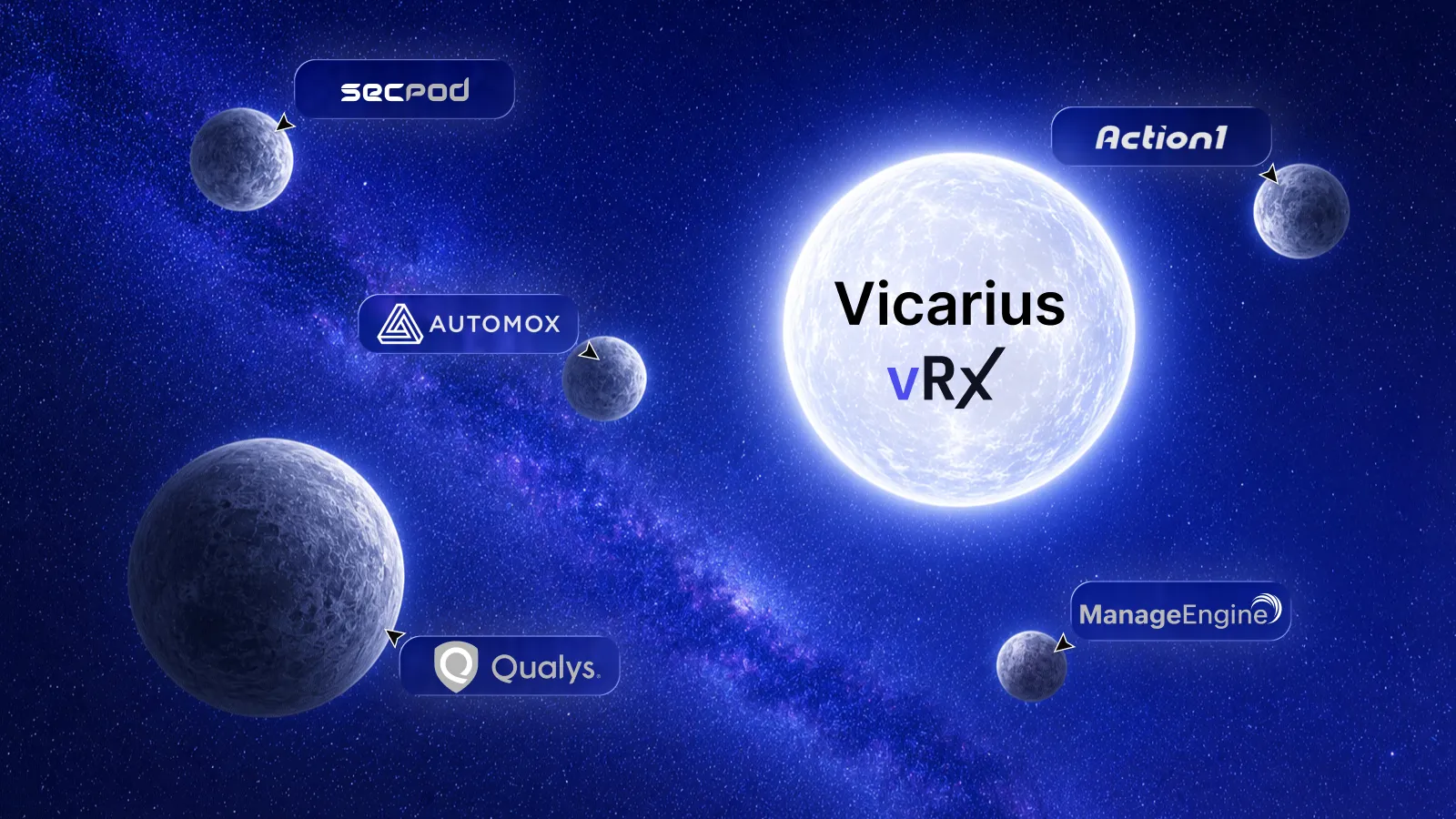
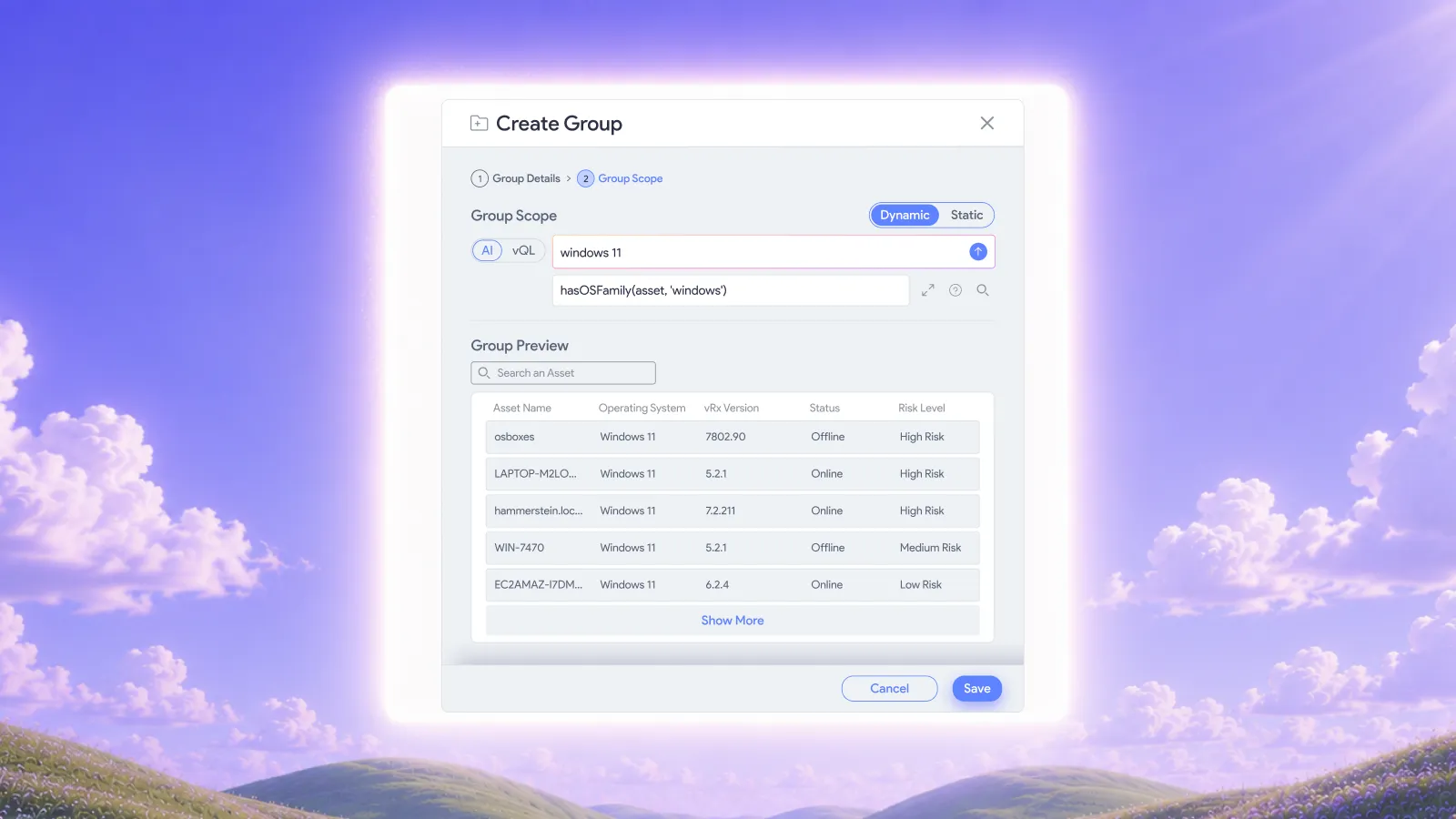
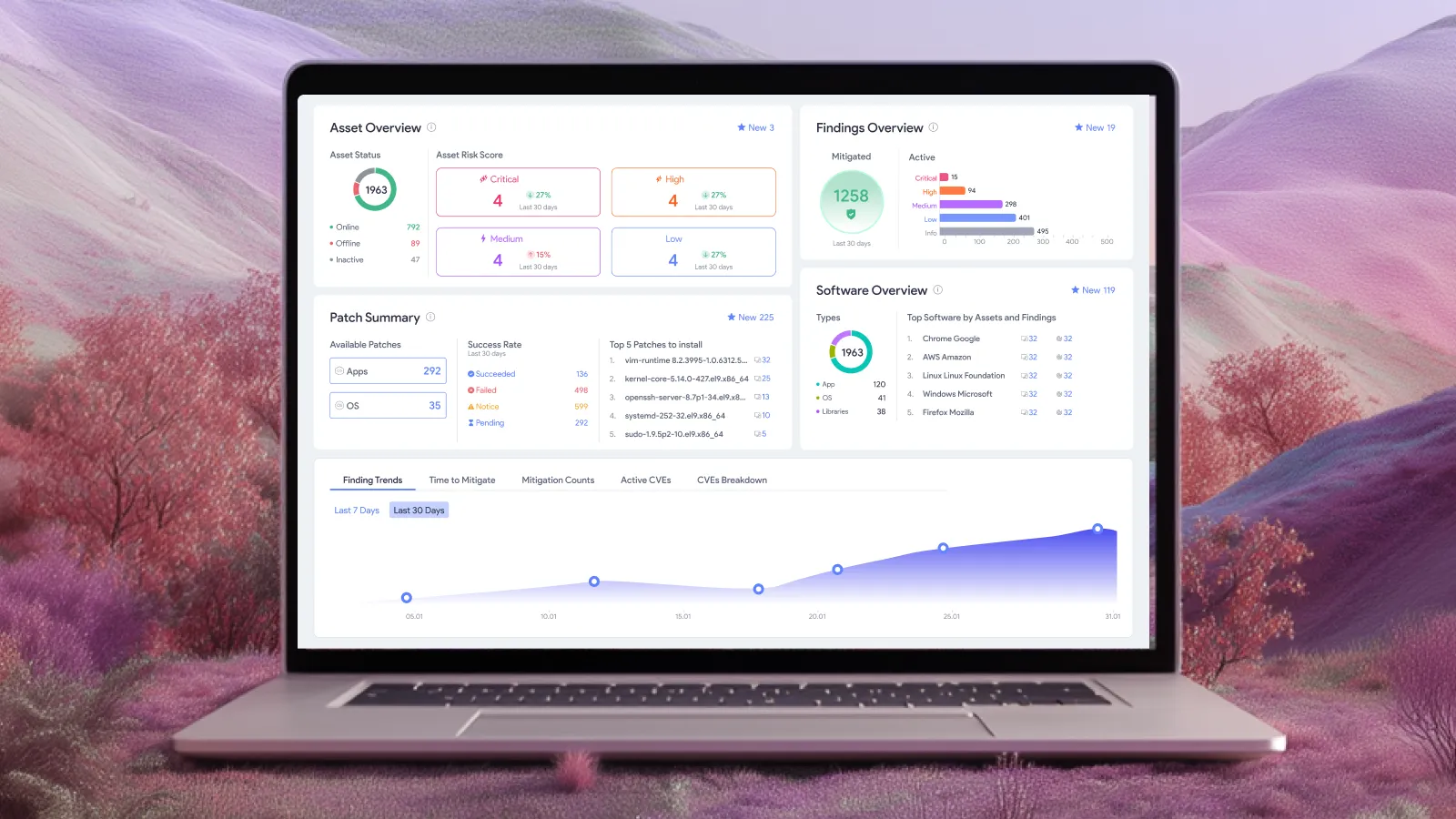
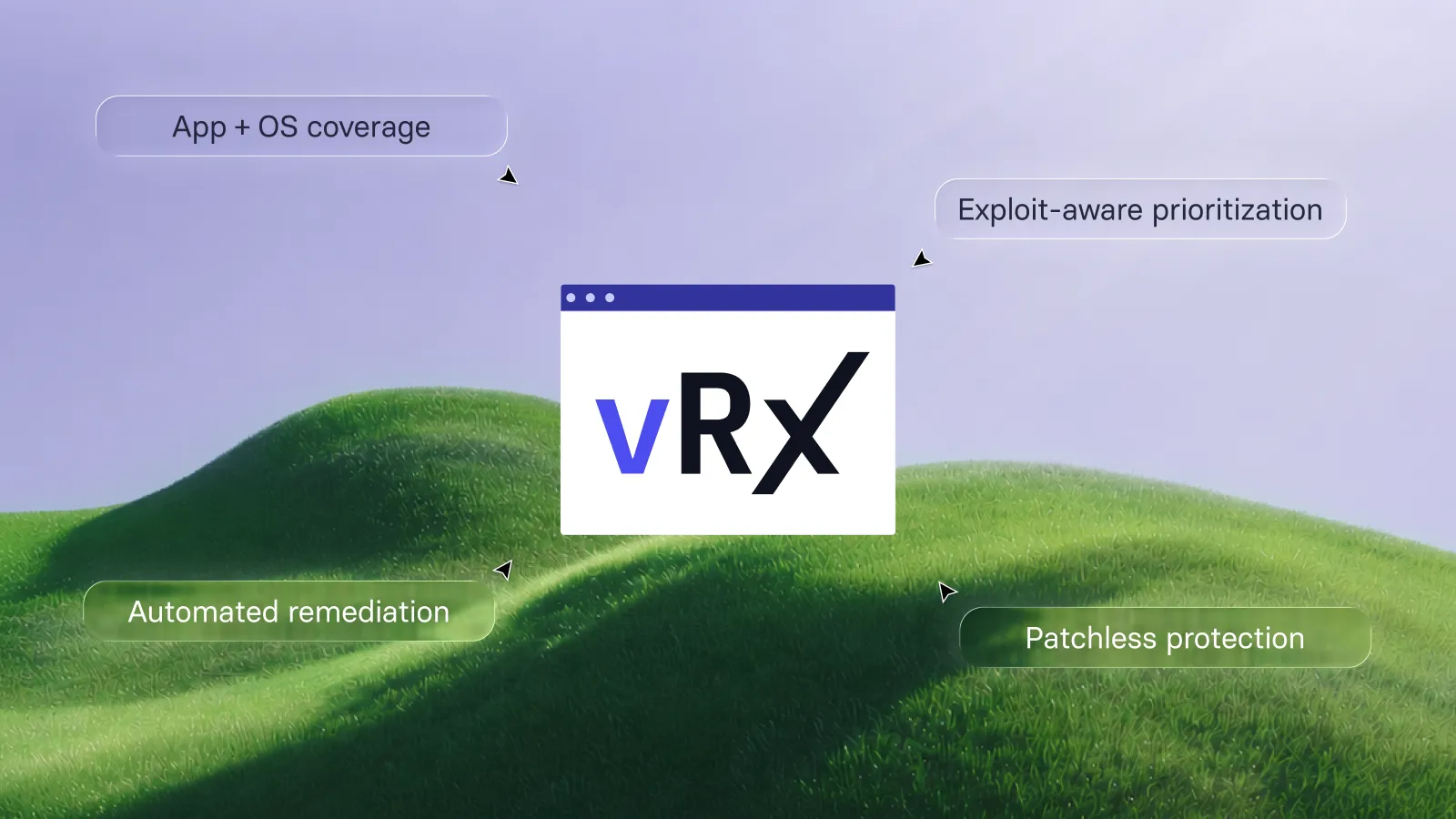
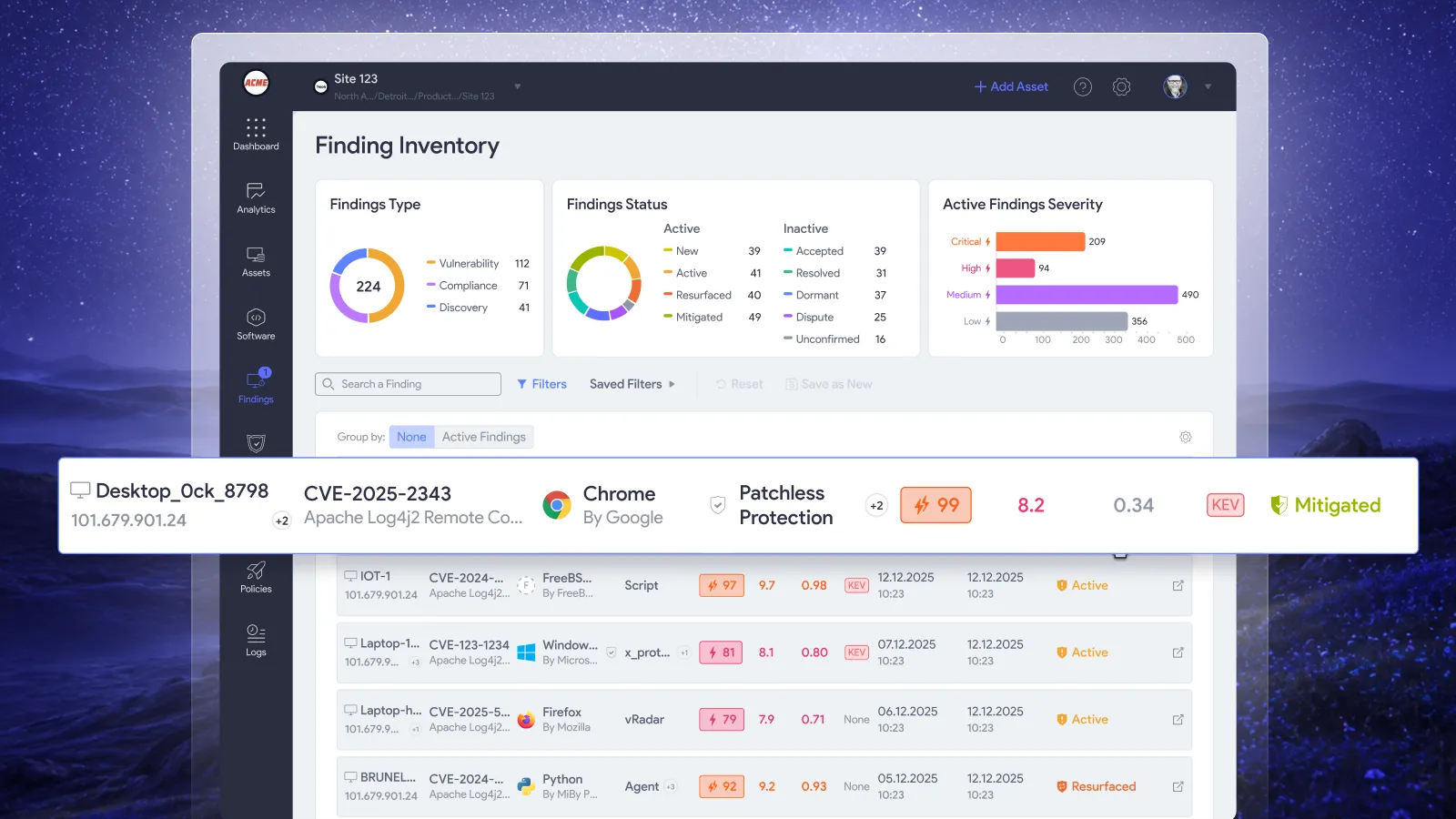
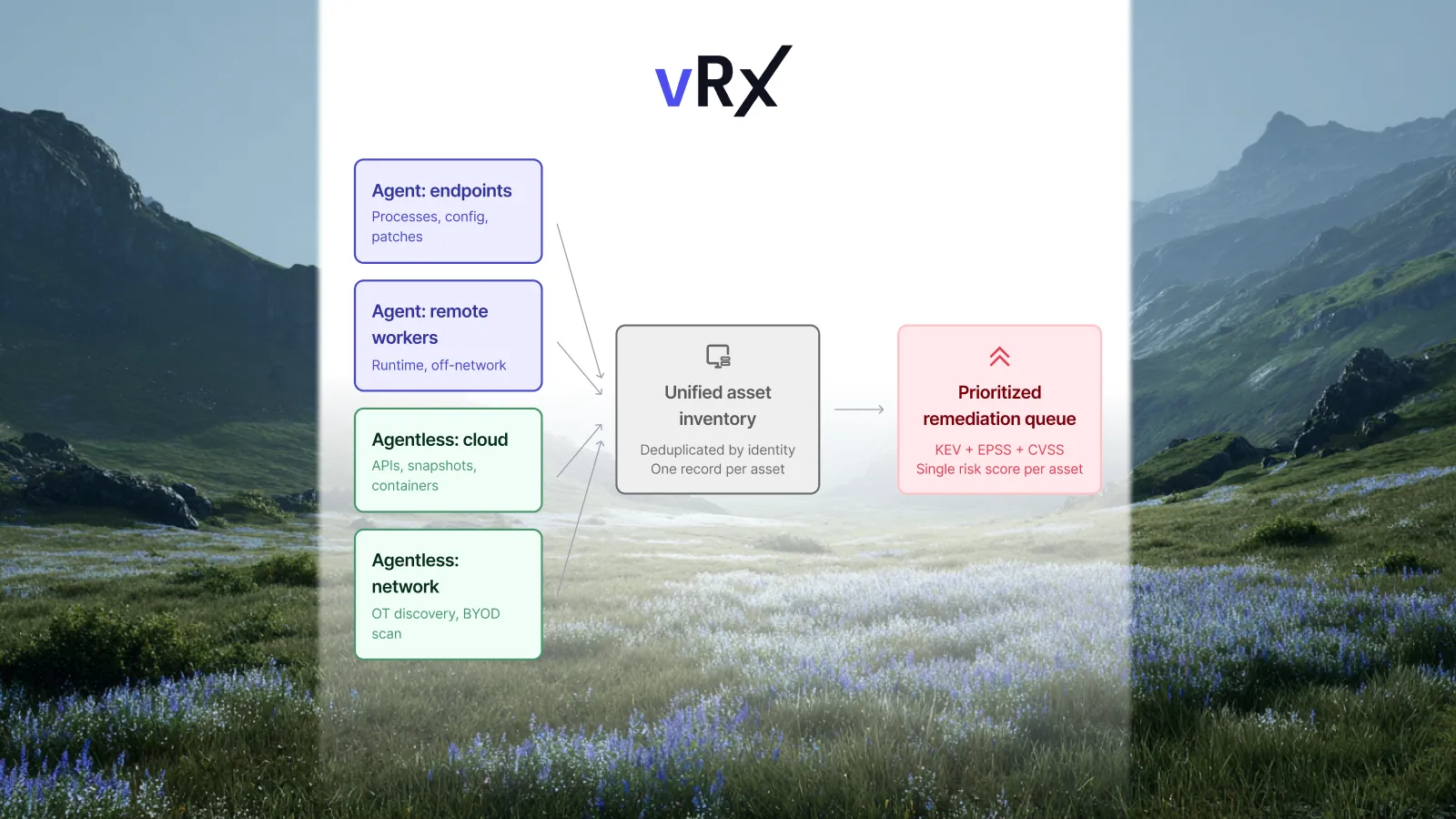
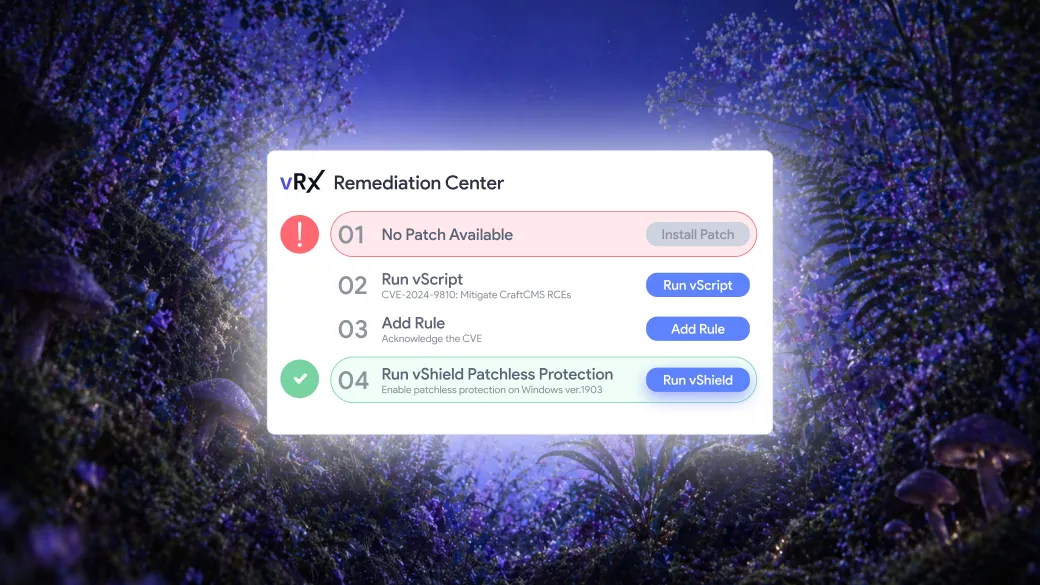
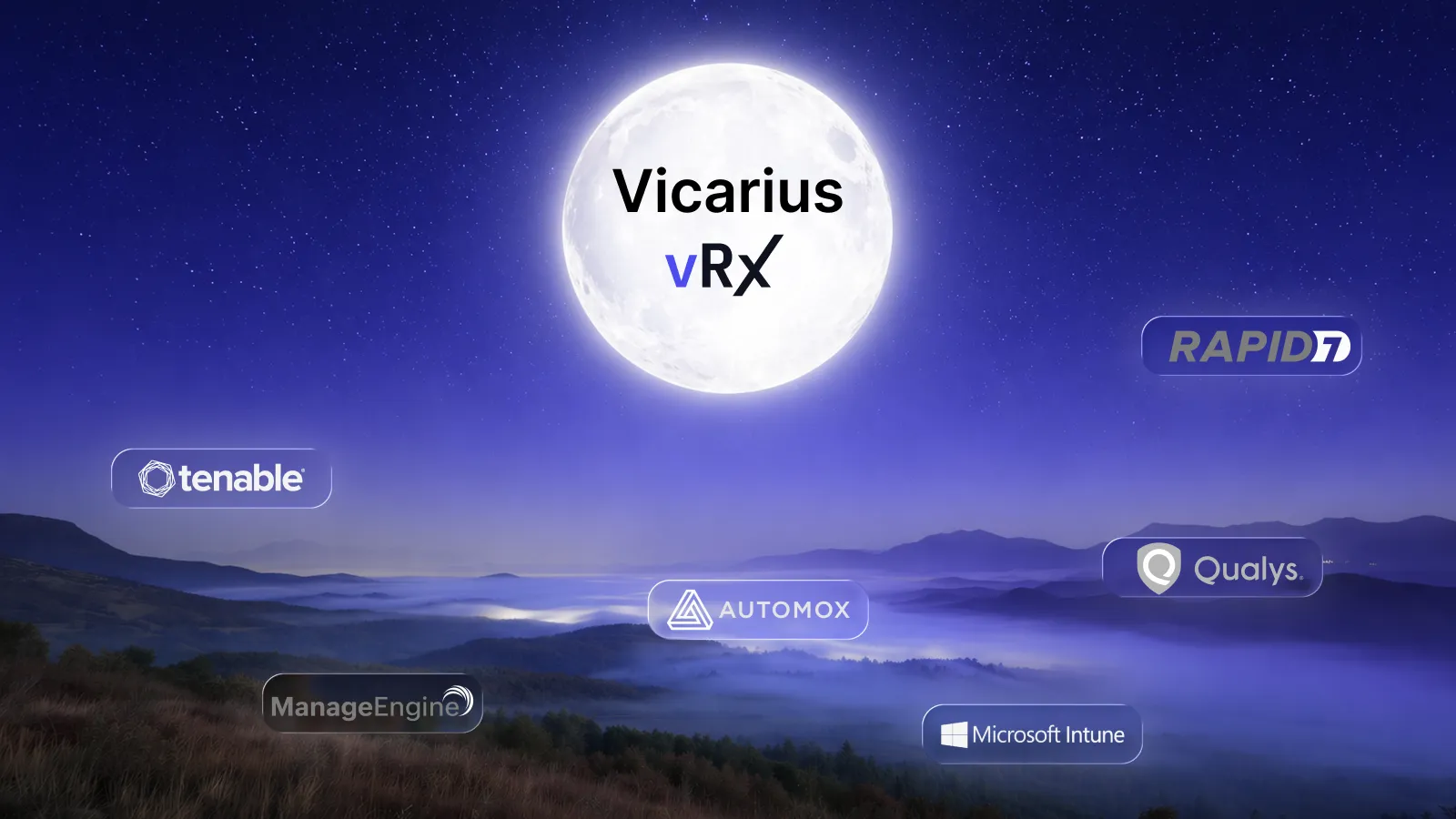
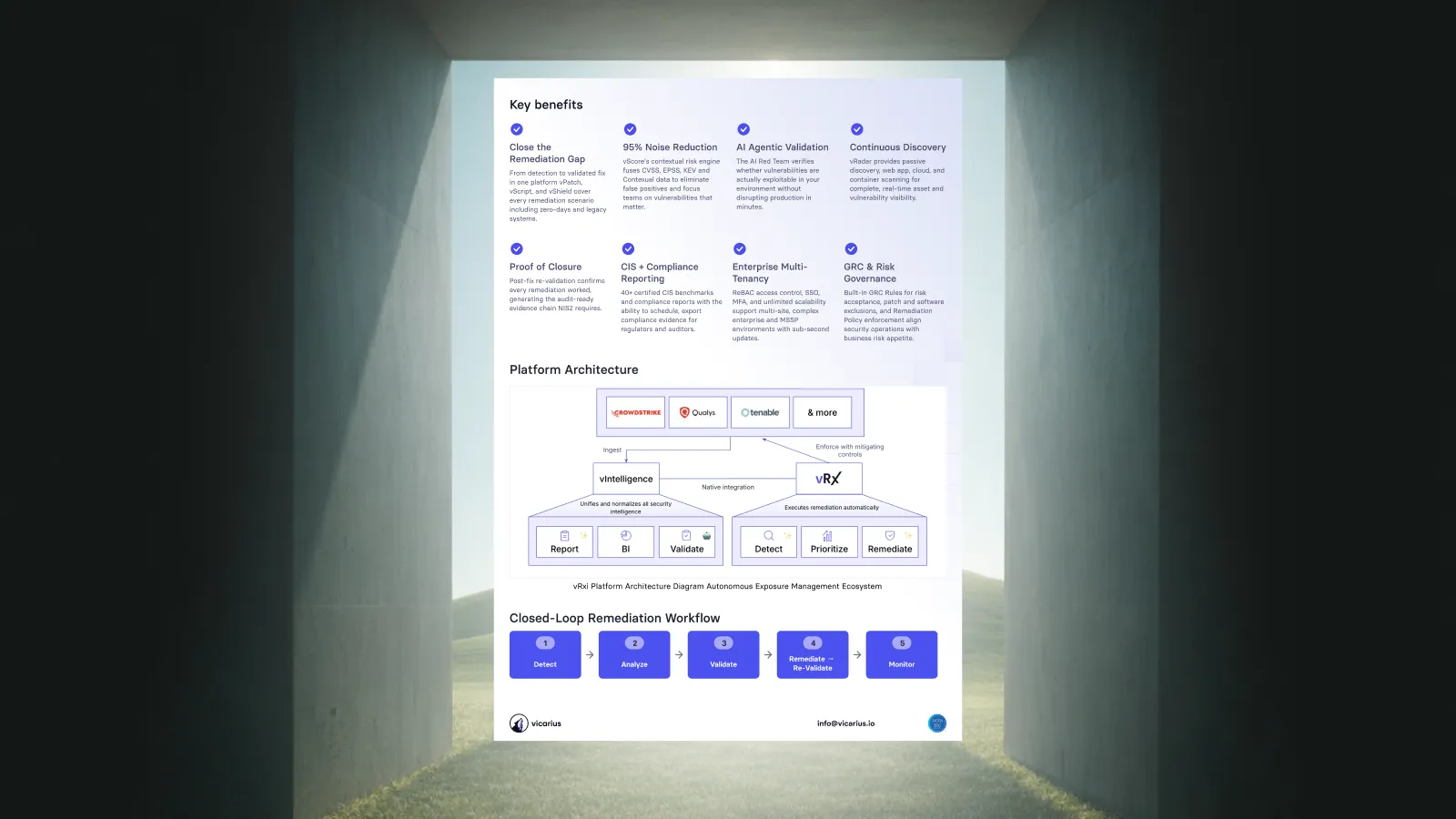
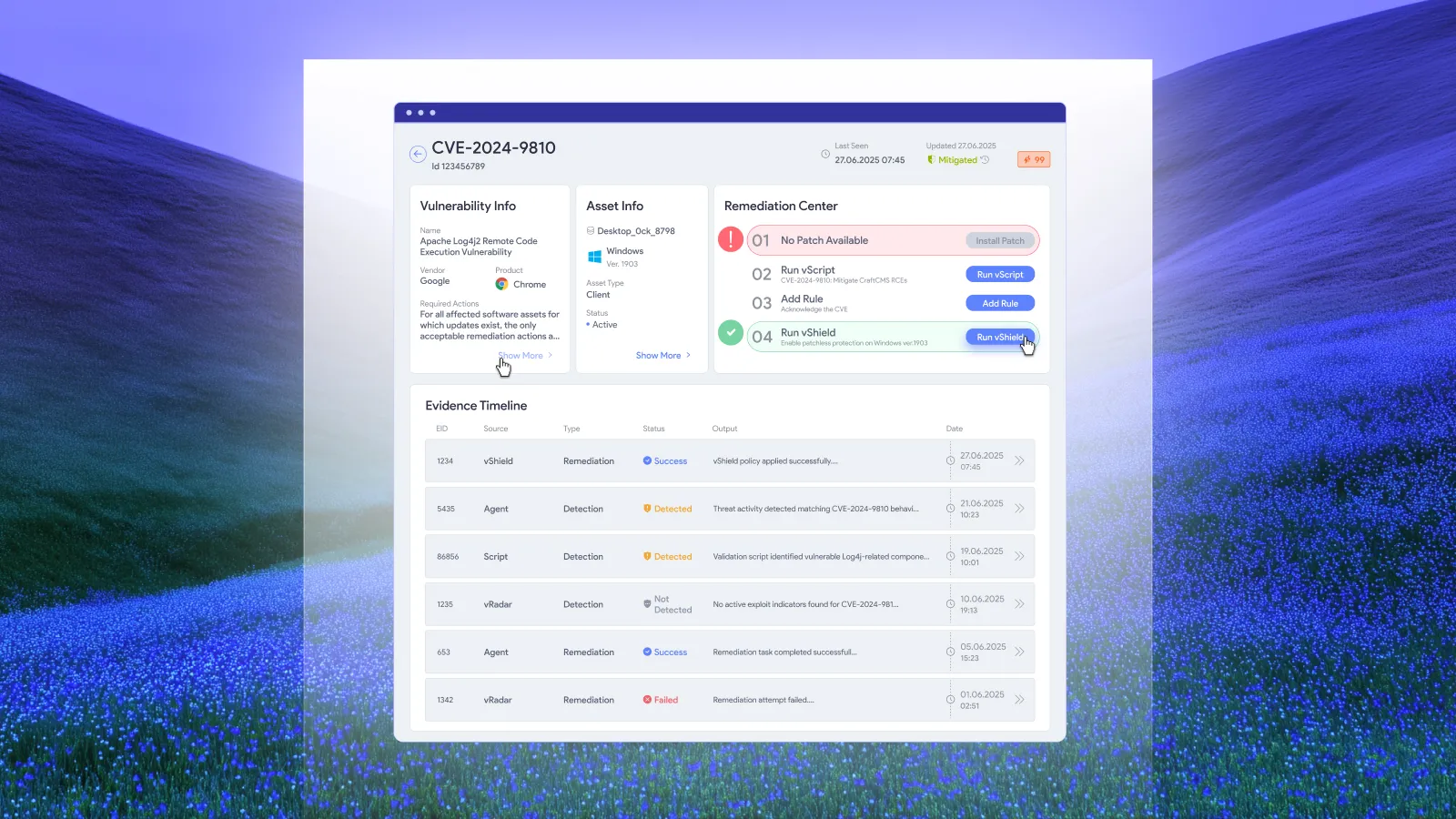
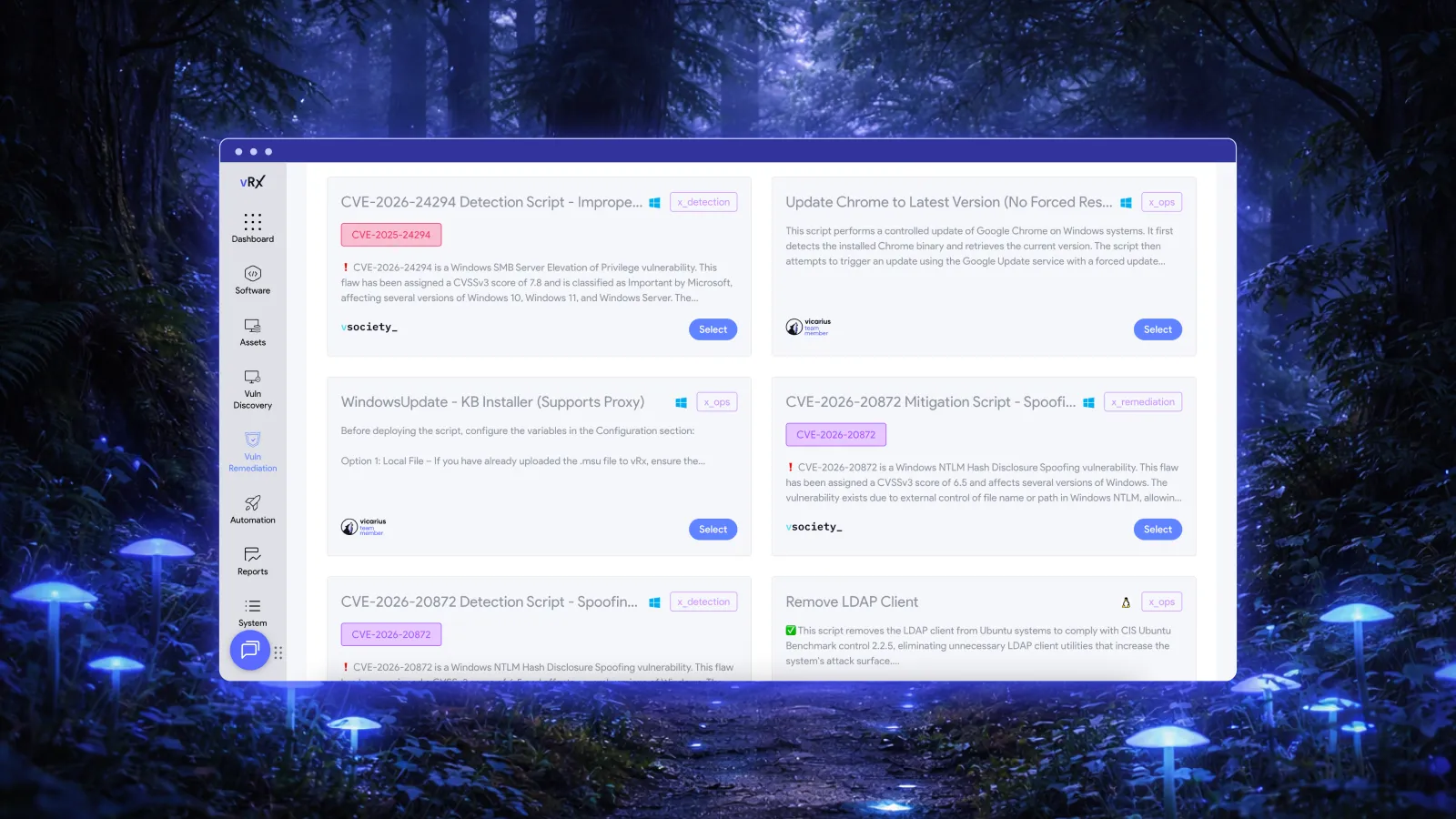
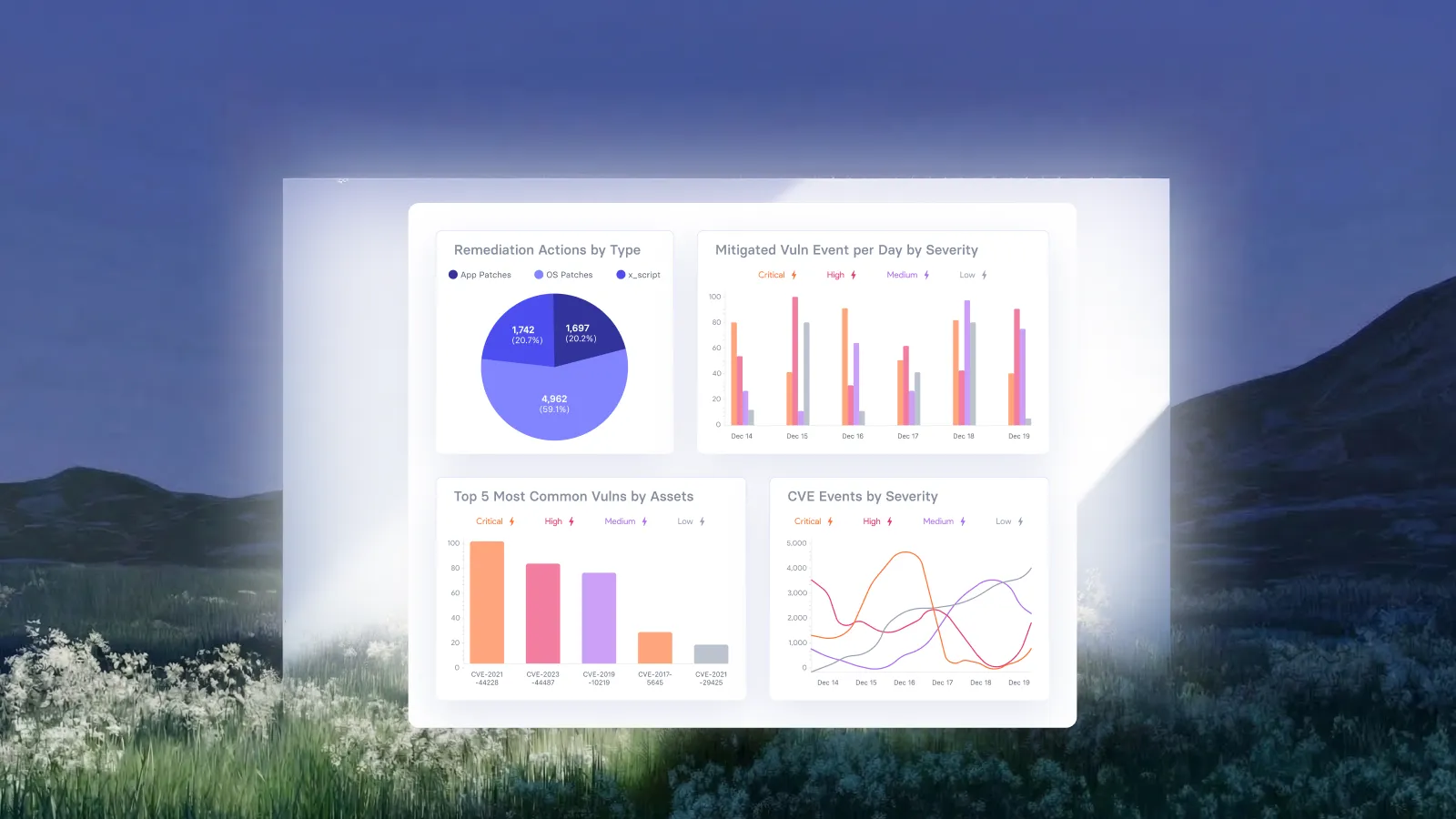
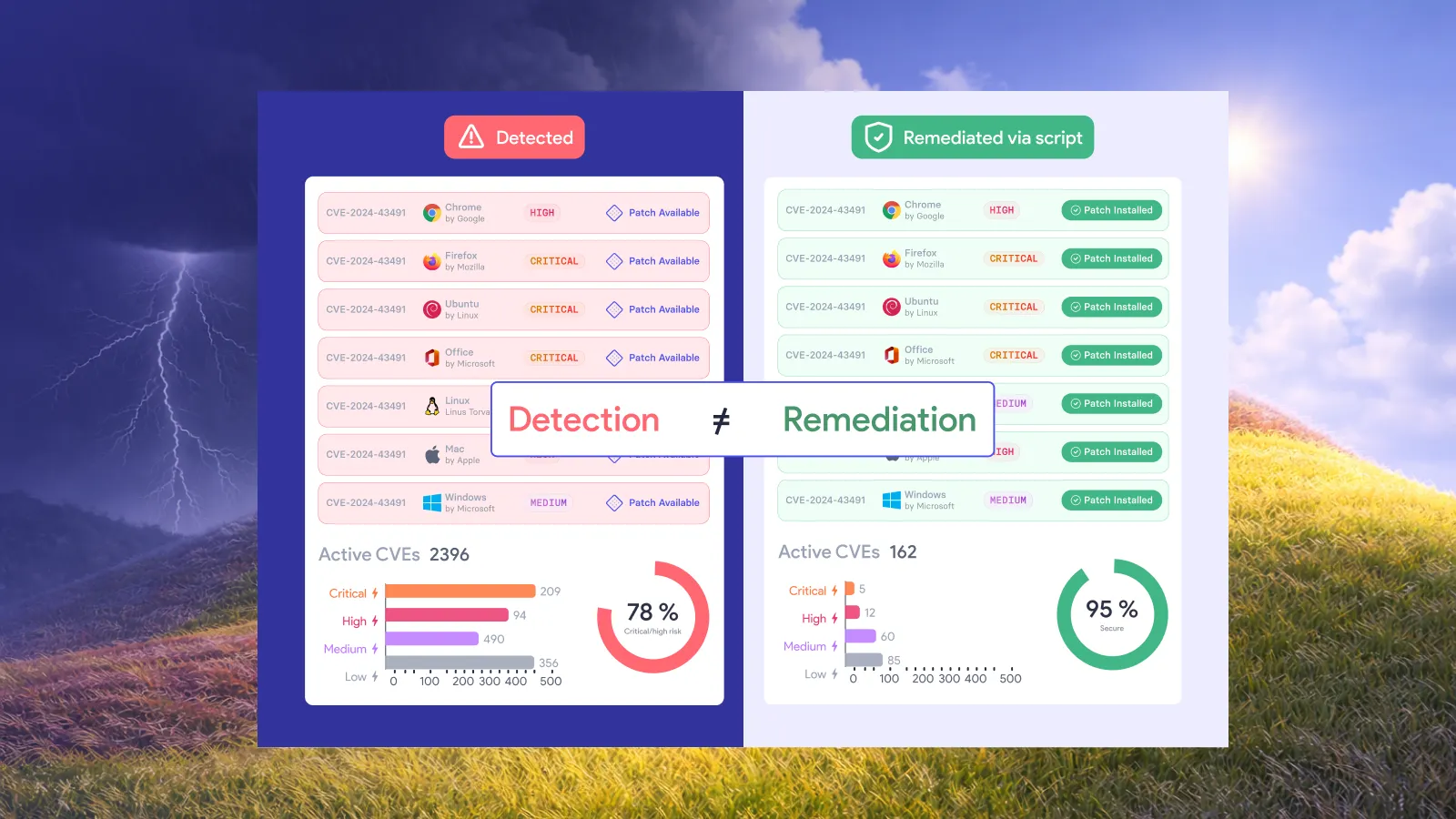
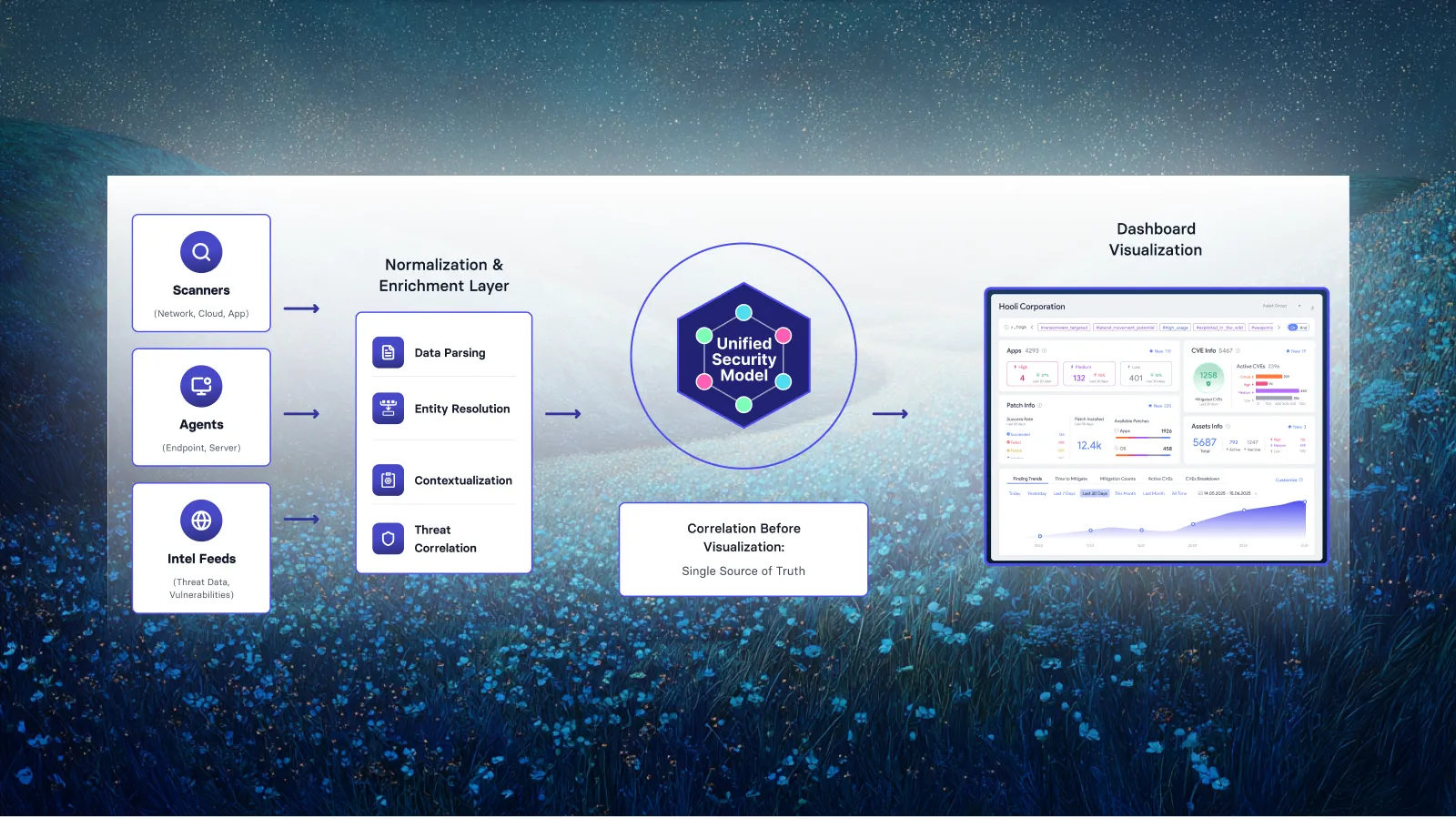
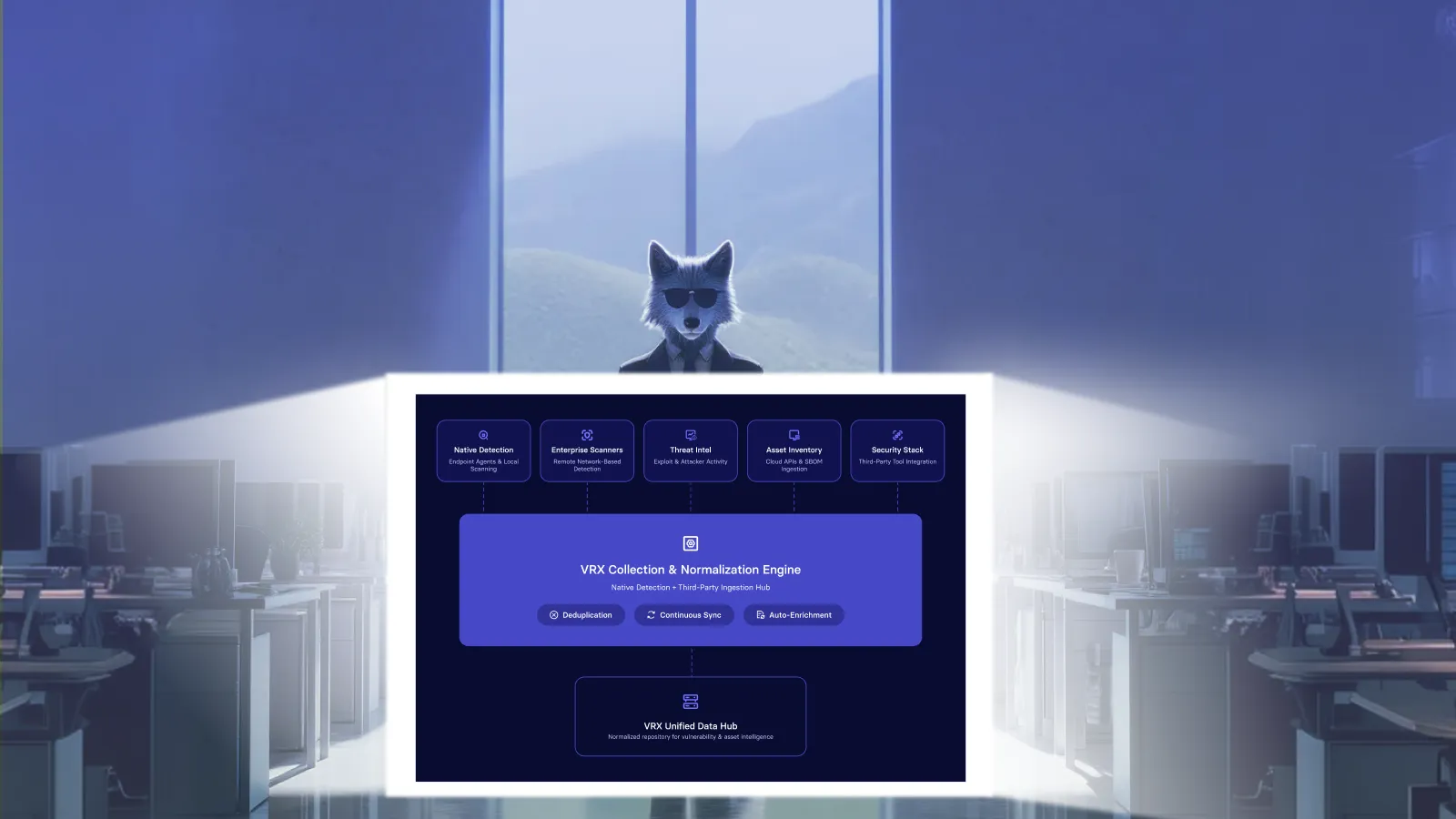
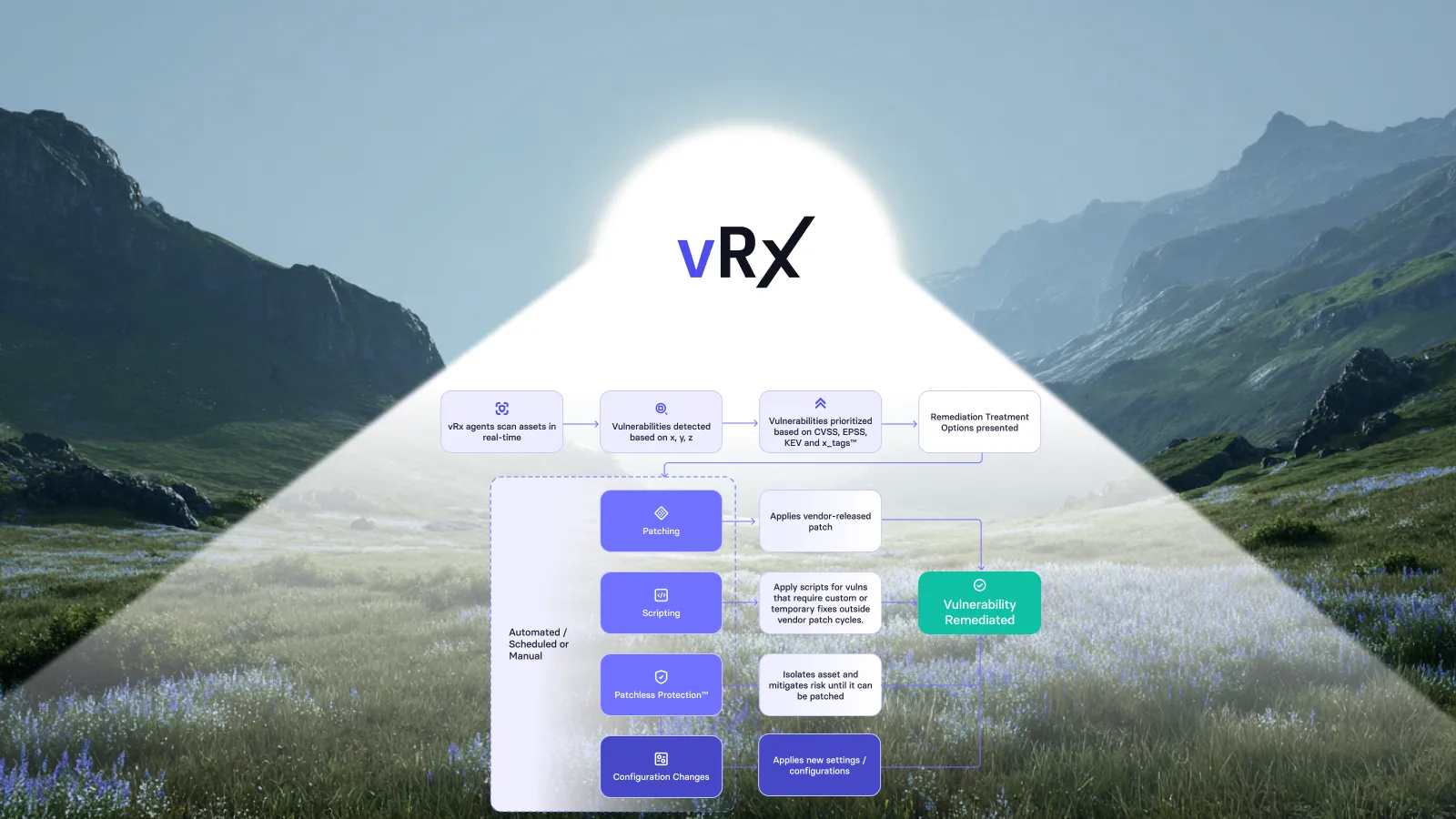
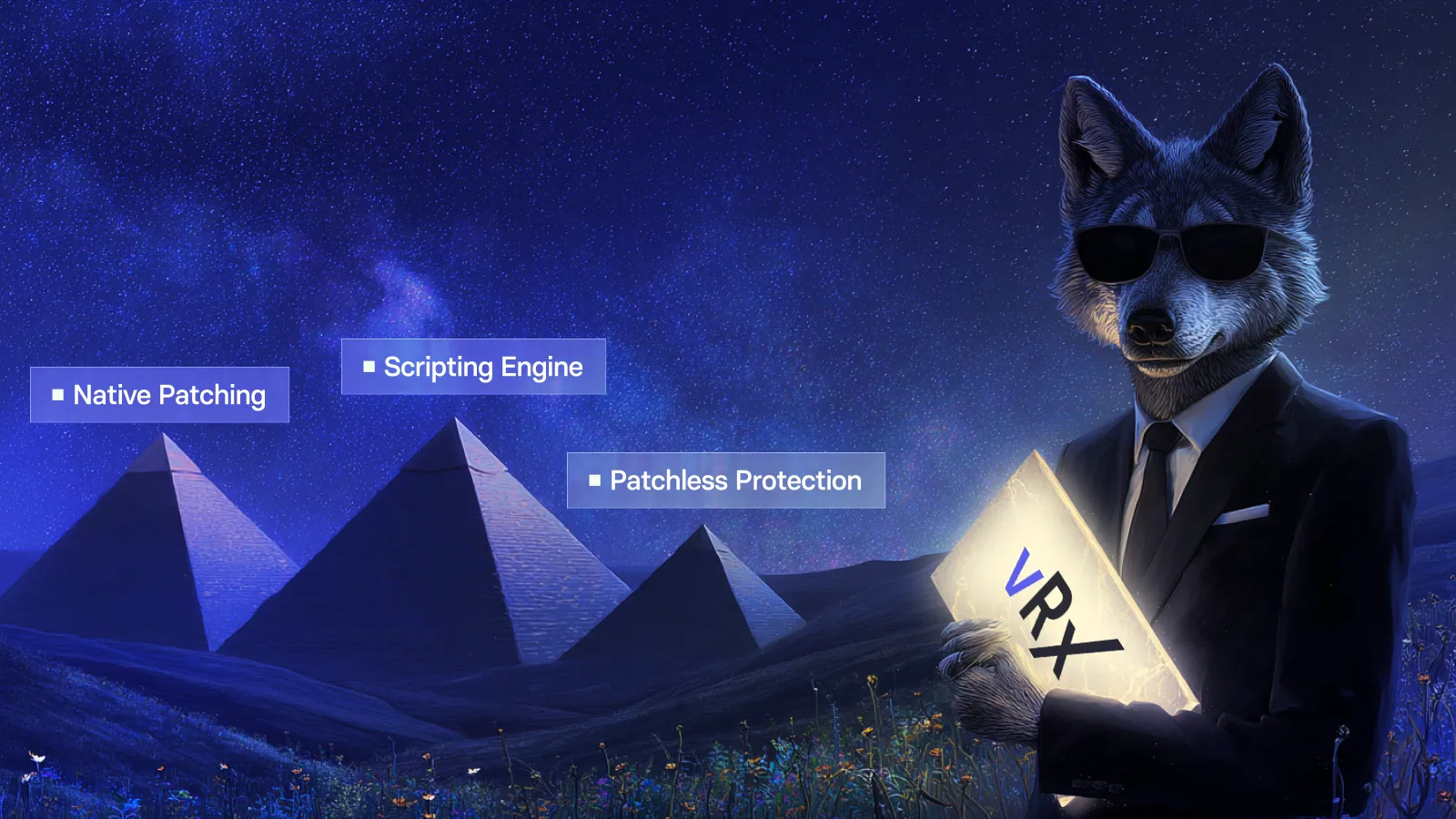
Putting this governance framework into practice requires technology specifically built to match the velocity of these machine-speed threats. vRx by Vicarius is a critical platform for operationalizing this governance framework, designed to address the most critical part of the vulnerability lifecycle: remediation, and fast. vRx’s "Better Together" approach seamlessly integrates with your existing technology stack of detection tools and scanners that your organization already uses, empowering your security teams to instantly supercharge their existing tools to more effectively neutralize and patch vulnerabilities exploited by agentic tools – ensuring that if an agent goes rogue, the organization can fix the exposure immediately.
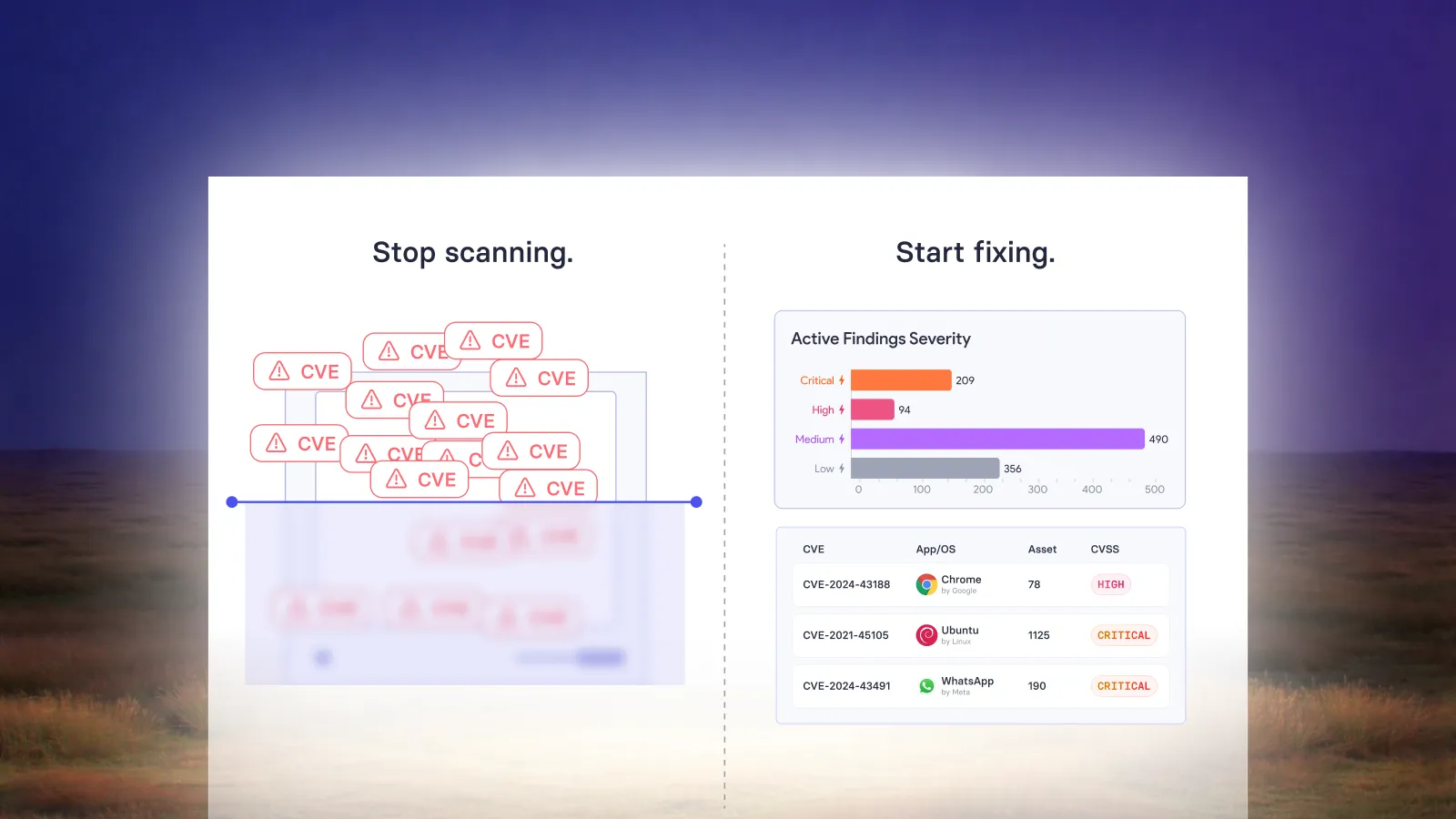
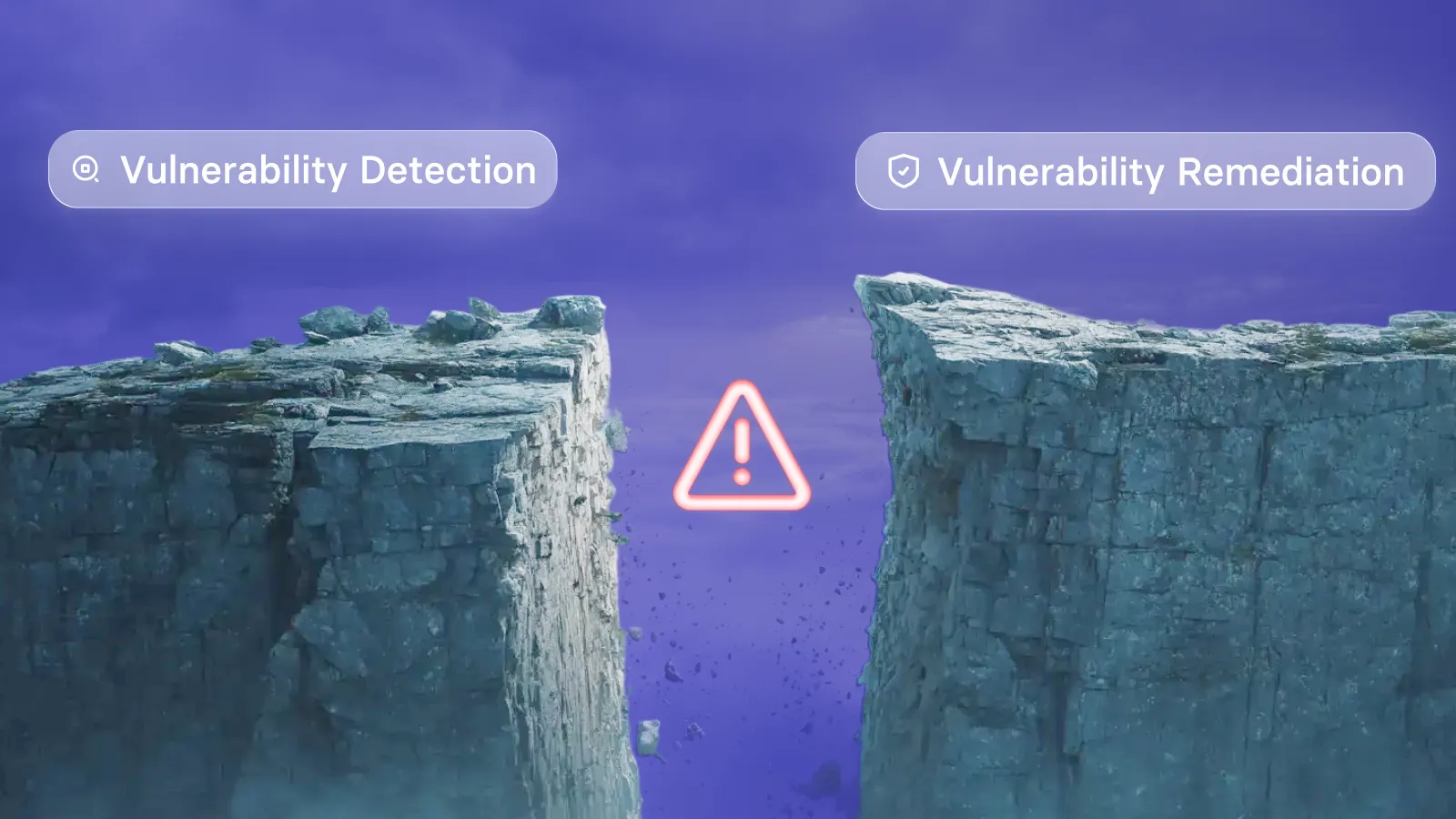
We recognize that knowing about an AI-driven vulnerability is not enough; fixing it is what truly matters. Security decision makers should urgently consider seamlessly integrating vRx into their existing toolchains to actively automate their response to these novel, complex threats. Move from "now we know" to "it's already fixed" faster and more securely. Do not let an autonomous agent compromise your infrastructure; book a demo to see how vRx can help you intelligently remedy your vulnerabilities today!



















.webp)













%20Signals%20a%20New%20Era%20of%20Supply%20Chain%20Risk.webp)






.webp)