

Mid-market companies sit in an uncomfortable spot. The attack surface has expanded fast, cloud workloads, containerized microservices, third-party integrations, and a mix of on-prem and cloud infrastructure that wasn't designed to be patched from a single console. Enterprise vendors sell platforms built for teams of 50 security engineers. SMB tools lack the depth to handle genuine heterogeneity.
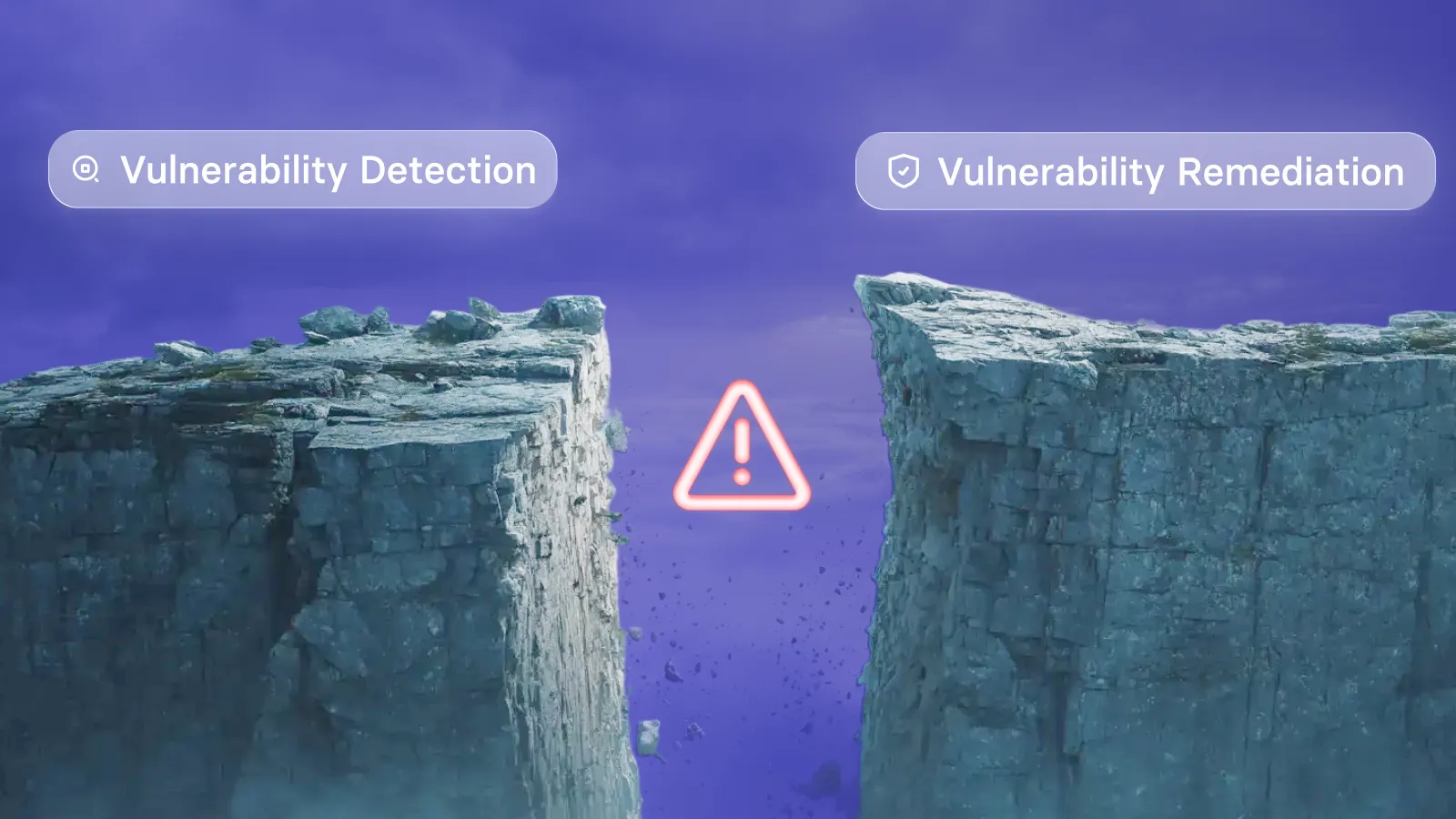
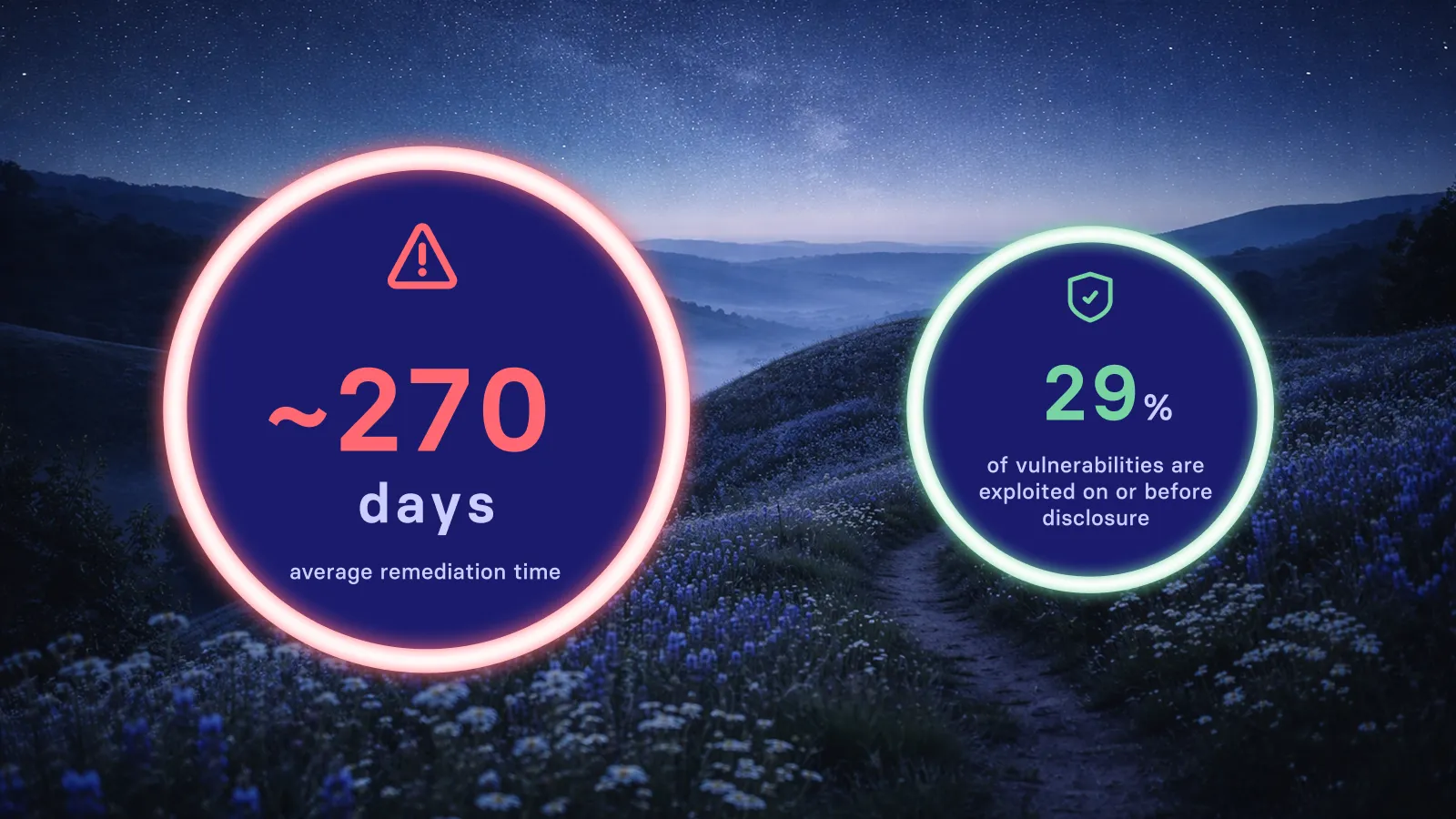
In 2025, 48,185 CVEs were published, a 20.6% increase over 2024. Industry data shows 80% of exploits are available publicly before the corresponding CVE is released, and the median gap between a first exploit and its CVE is 23 days. For Security and IT teams, that window is the problem. Most consolidated vulnerability management platforms close it by deploying a patch. The ones worth evaluating in 2026 do more than that.
This guide covers six platforms built for mid-market environments. Each entry includes a direct assessment of zero-day coverage, remediation depth, Linux support, and whether the platform actually fits the scale and budget constraints most mid-market teams operate within.
80% of exploits are public before the CVE is released
The median time from first exploit to corresponding CVE is 23 days.
48,185 CVEs published in 2025
A 20.6% increase over 2024. CVE submissions in early 2026 are running nearly a third higher than the same period last year. (Source: NVD / jerrygamblin.com, 2026)
What is a consolidated vulnerability management platform?
A consolidated vulnerability management platform finds security weaknesses across your infrastructure, prioritizes them by real-world risk, and gives your team the tools to close them. The word consolidated matters, it means asset discovery, vulnerability scanning, risk prioritization, and remediation all live in one place, rather than across four separate tools that don't share data.
For mid-market companies specifically, consolidation matters for two reasons. First, your infrastructure is almost certainly heterogeneous: Windows, MacOS and Linux, cloud and on-prem, ephemeral containers alongside persistent servers. Second, your security team is small. Running four tools, four consoles, and four alert queues is not a realistic operating model for a team of two or three engineers.
A good consolidated platform handles continuous scanning, real-time threat correlation, risk-based prioritization, and remediation workflow from one interface. The best ones also handle what happens when a patch isn't available yet.
Why the right vendor matters more than it used to
Most organizations fail to remediate new vulnerabilities within the first 18 months of discovering them. After that window, the vulnerability count continues growing, which means the backlog compounds. The vendors that prevent that outcome share a few traits, they provide continuous scanning rather than periodic snapshots, they prioritize by exploitability rather than CVSS score alone, and they support environments where the clean-deployment assumption doesn't hold.
For security and IT teams, three capabilities separate platforms worth evaluating from the rest:
- Zero-day coverage without a patch: When 80% of exploits precede the CVE, a tool that only acts after a patch ships leaves teams exposed during the most dangerous window. Platforms with patchless protection or configuration-level mitigations close exposure before the vendor catches up.
- Attack surface visibility across hybrid infrastructure: organizations don't have clean network perimeters. The platform needs to discover and cover cloud instances, containers, serverless functions, and on-prem systems from a single inventory. Gaps in discovery are gaps in coverage, even if the patching engine is strong.
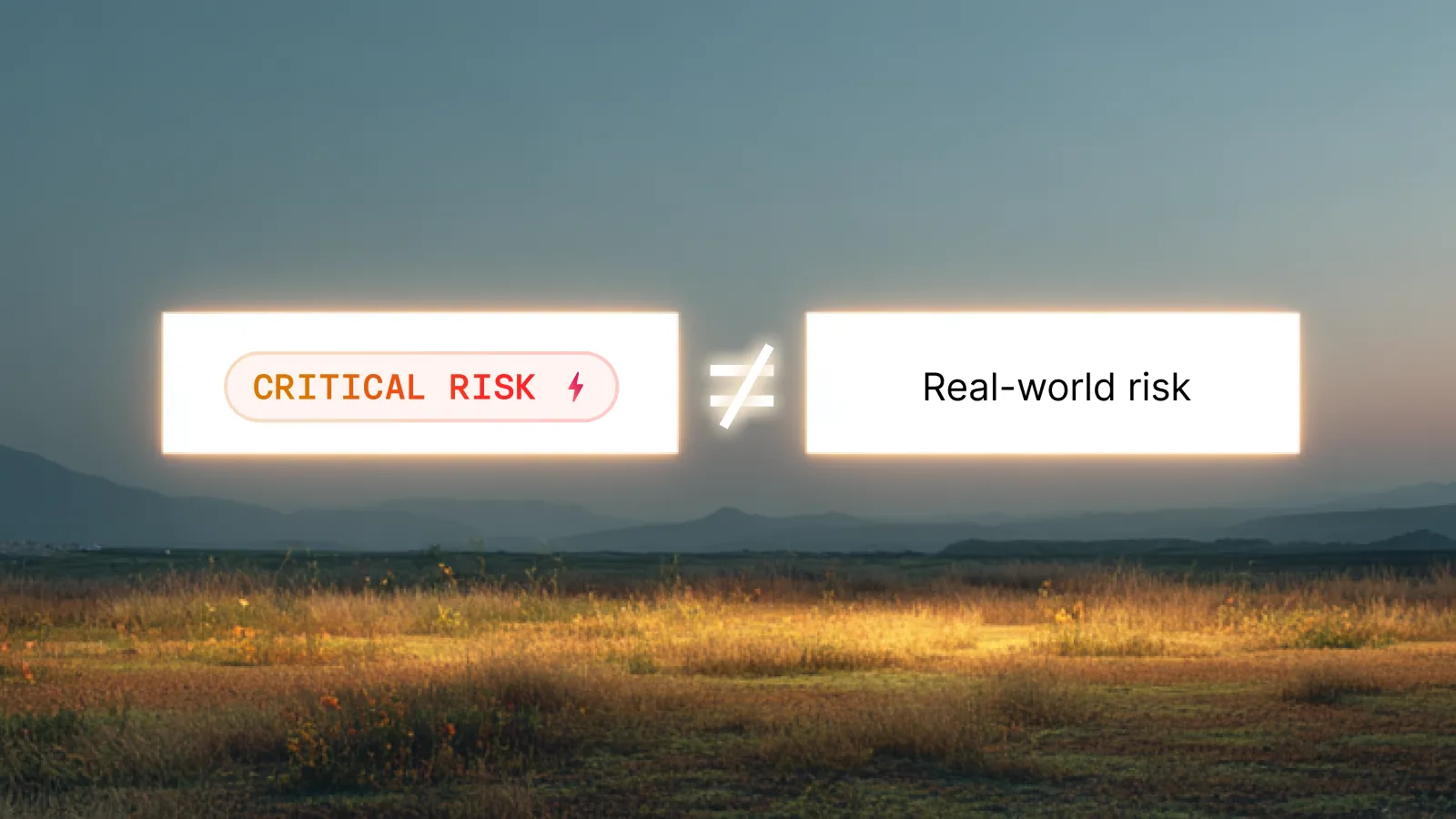
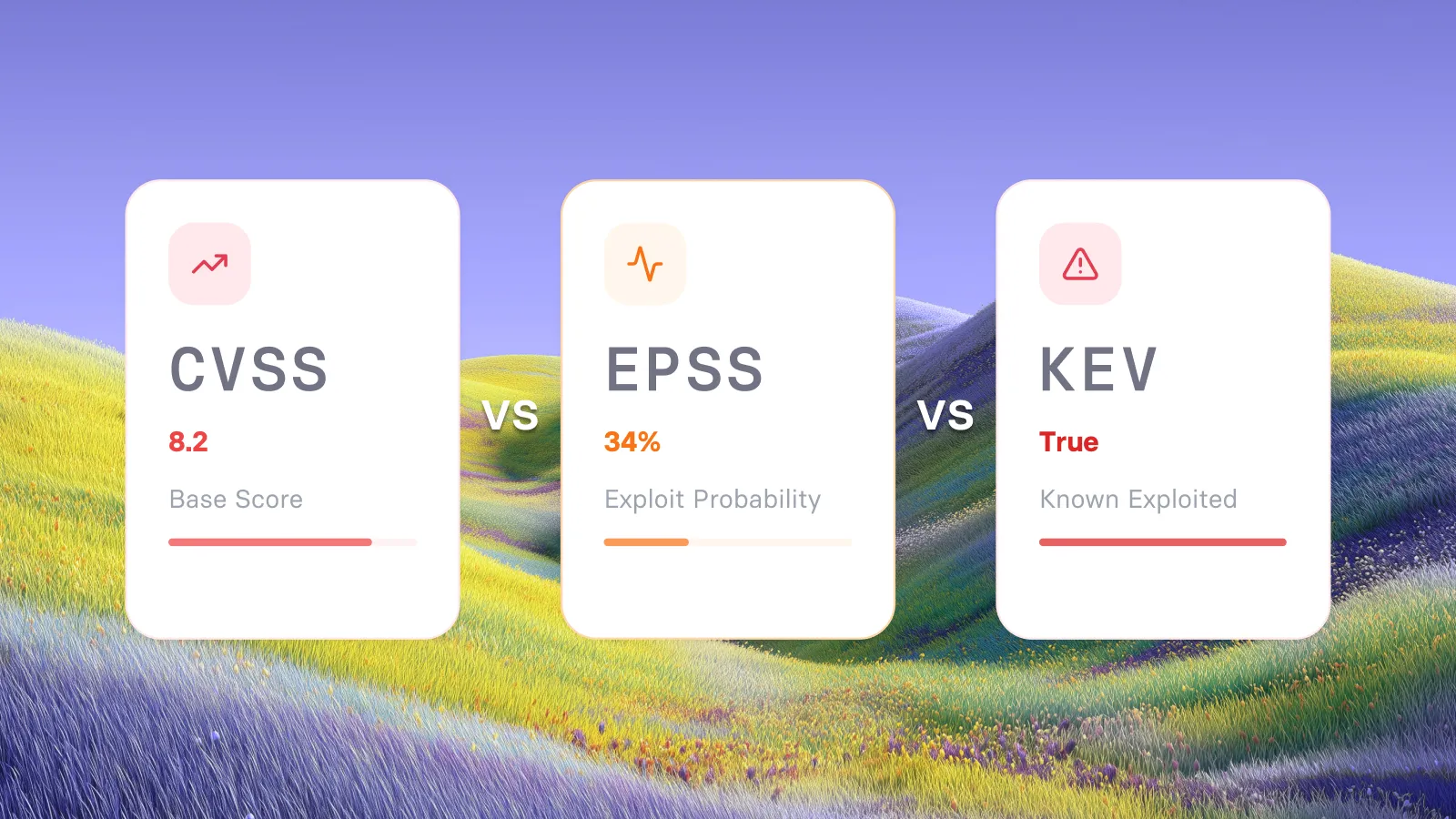
- Risk-based prioritization that reduces noise: A CVSS score describes theoretical severity. A platform that only surfaces CVSS criticals sends teams into patch fatigue. The ones that layer active exploit intelligence on top let small teams work on what actually matters.
How to evaluate a consolidated vulnerability management platform
Before reviewing specific platforms, here are the six criteria that matter most for mid-market and enterprise SaaS buyers:
- Coverage across hybrid and cloud: Does it scan cloud workloads, containers, serverless, and on-prem from the same console? Tools designed for one environment create blind spots in the others.
- Zero-day and pre-patch mitigation: Can it reduce exposure before a vendor patch is available? This is the single biggest differentiator between platforms in 2026.
- Remediation options beyond patch deployment: Scripting, configuration changes, memory-level mitigations, when a patch can't be deployed safely, teams need another option. Most platforms don't have one.
- Risk-based prioritization: Does it use real exploit data, not just CVSS scores? Without active exploit intelligence, critical queues overflow with low-probability items.
- Mid-market pricing and setup complexity: Enterprise platforms can cost as much to implement as to license. For a two-person security team, that's a non-starter. Evaluate total cost including setup and ongoing management.
- Reporting for compliance and audits: PCI DSS, SOC 2, HIPAA, auditors want patch timelines, risk reports, and remediation evidence. The platform should generate those without a separate reporting tool.
Best consolidated vulnerability management platforms for mid-market security and IT teams
1. Vicarius vRx
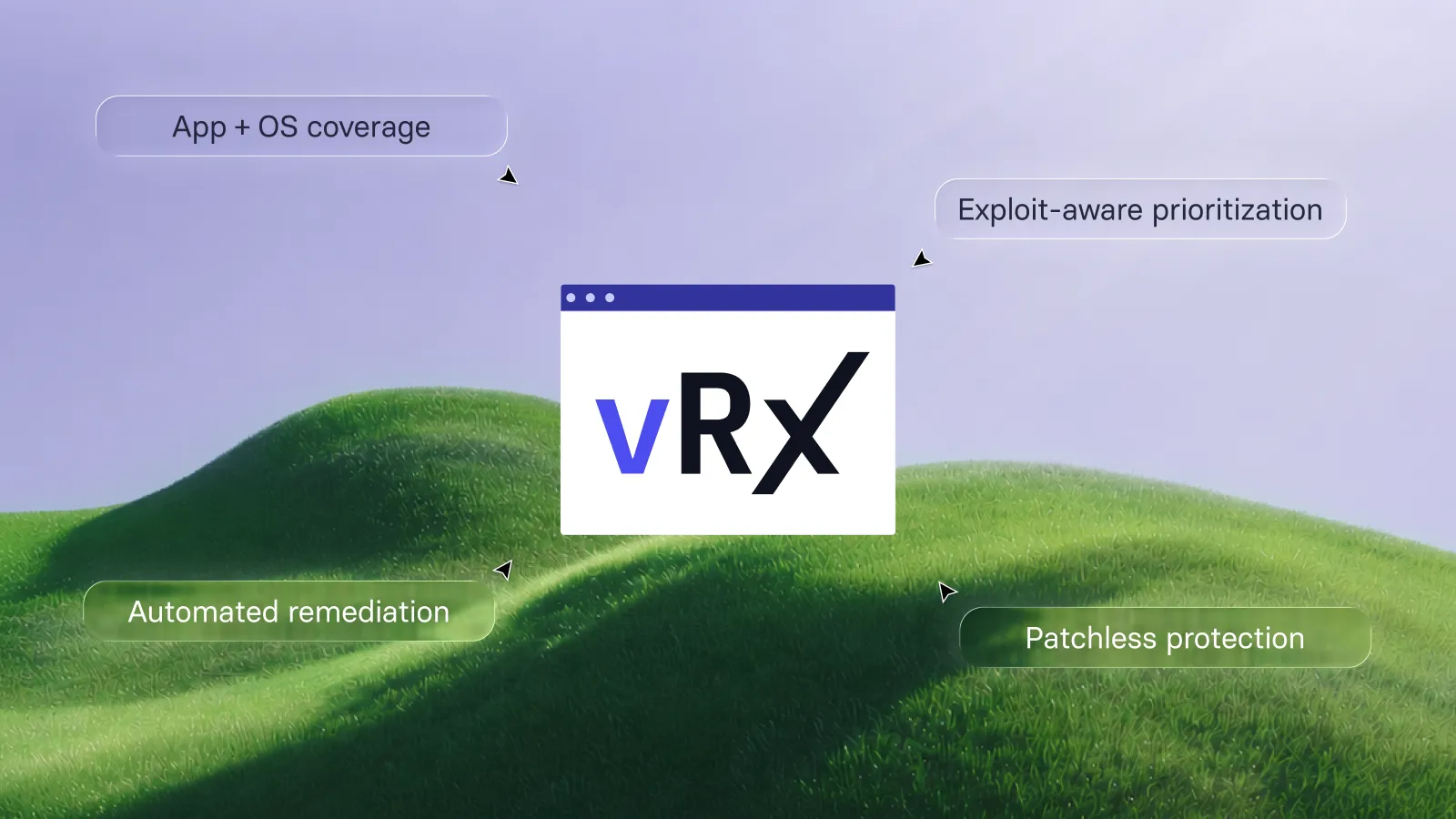
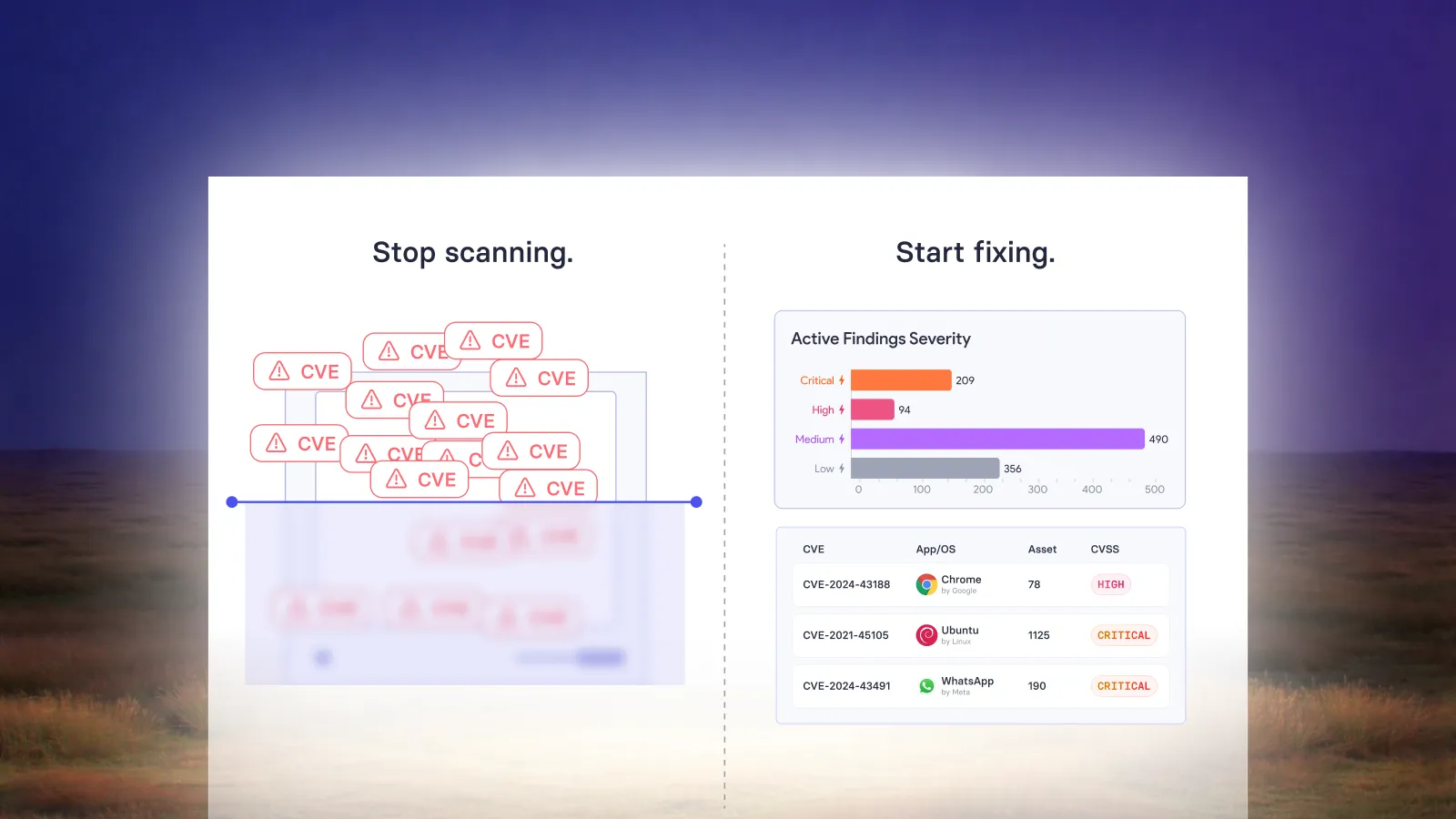
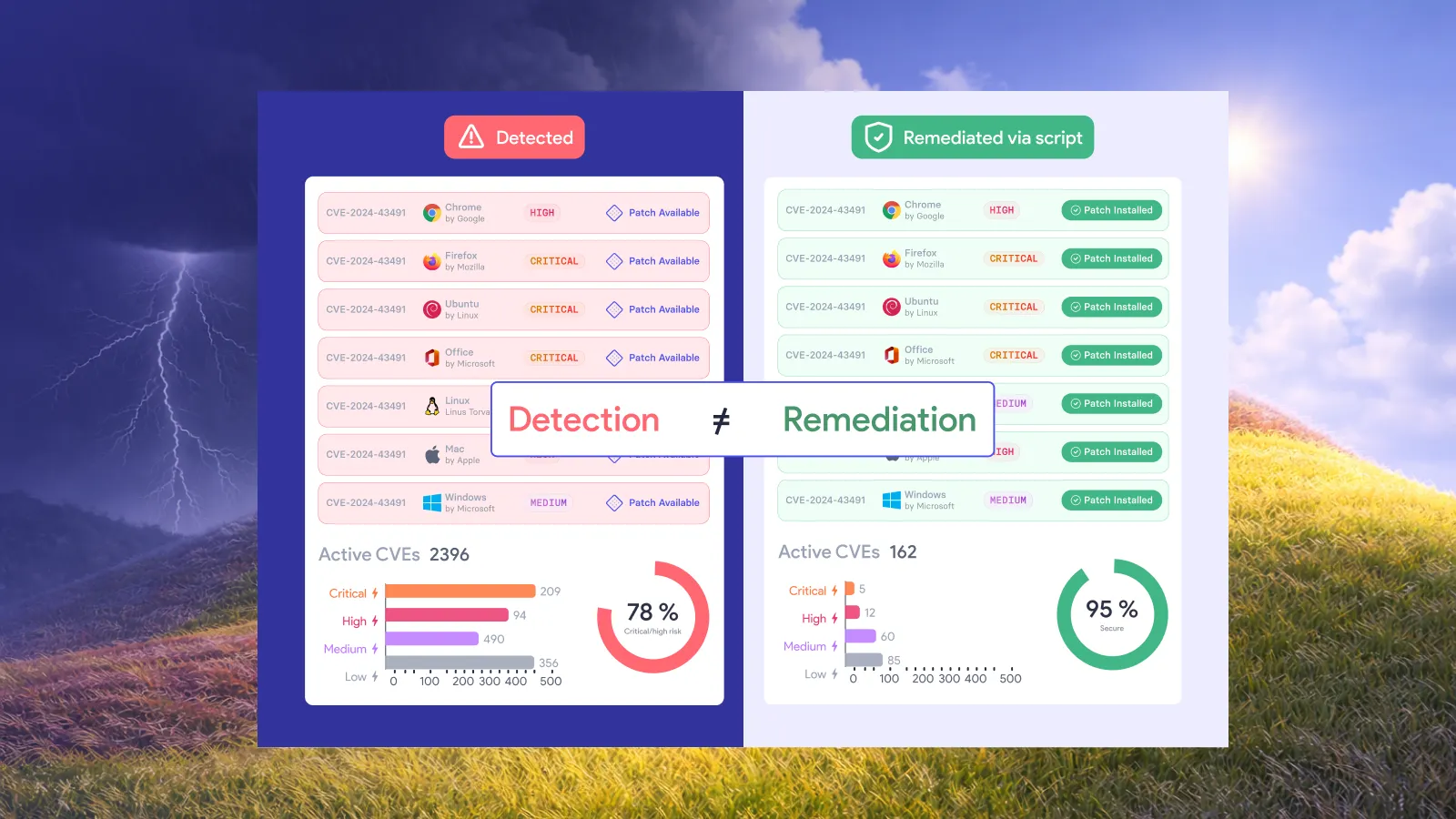
Most vulnerability management platforms have one move, find the vulnerability, surface the patch, wait. Vicarius vRx is built on the premise that this is not a complete remediation strategy. When 80% of exploits precede the CVE, waiting for a vendor patch leaves teams exposed during exactly the window that matters most.
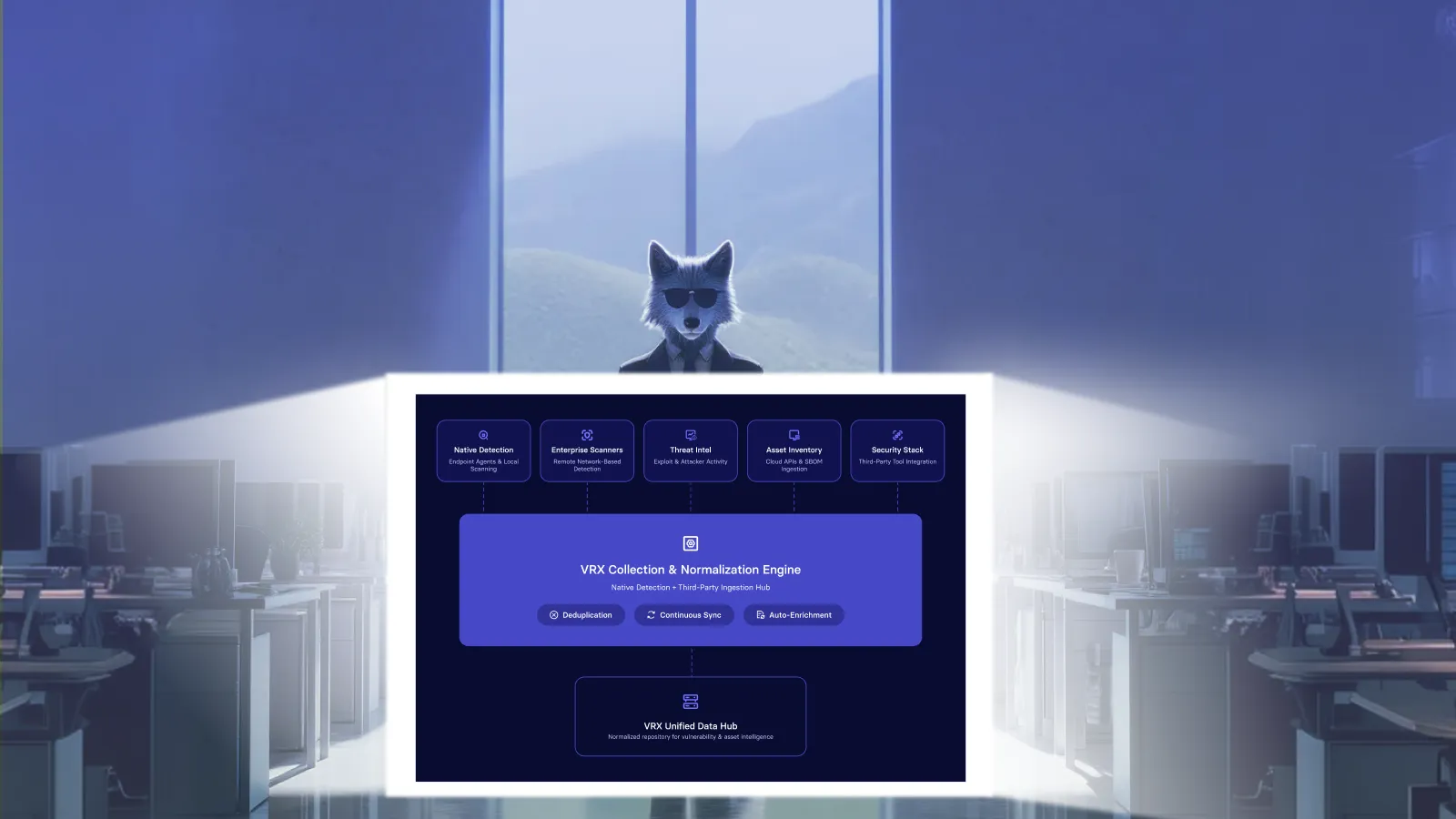
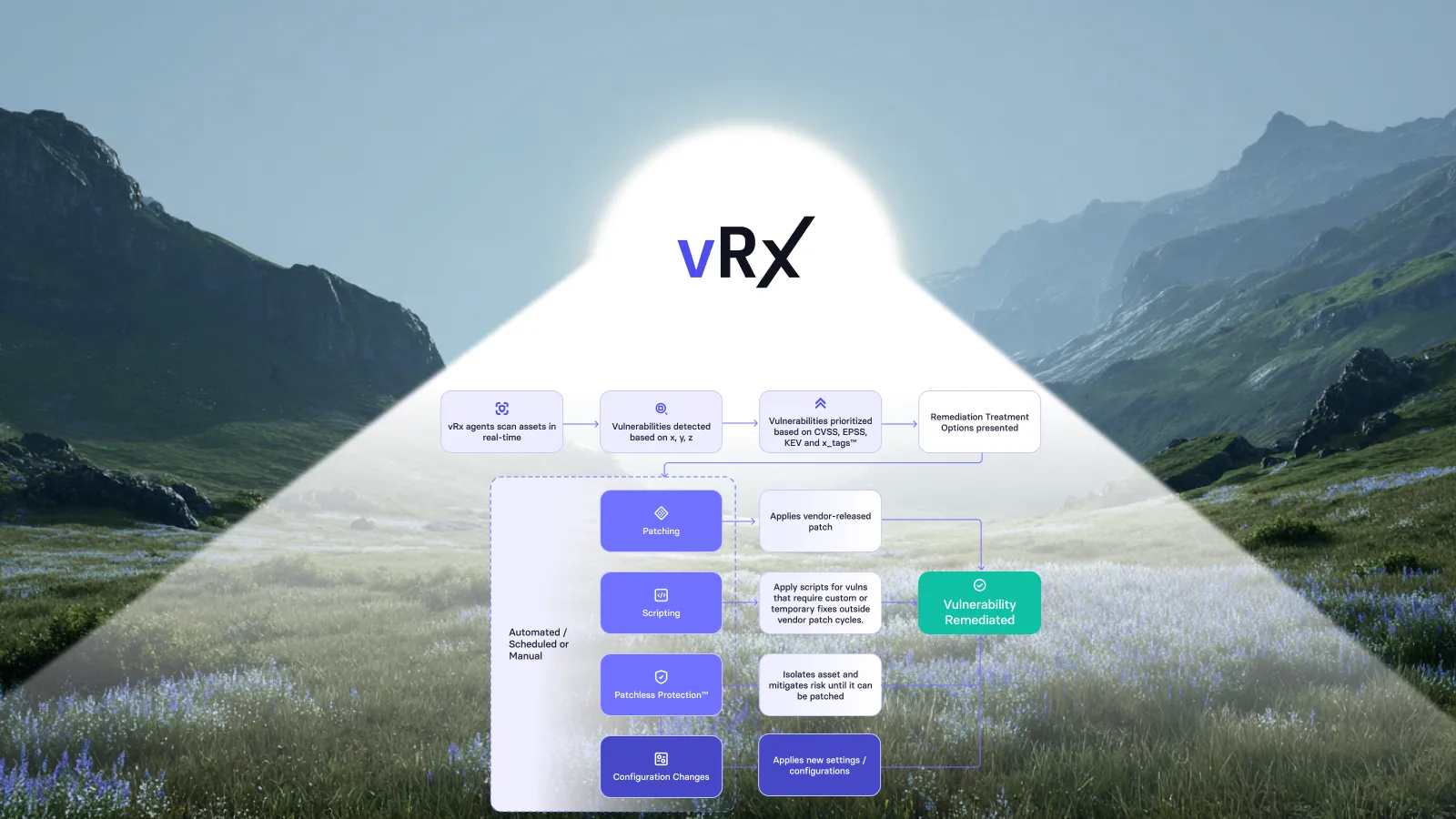
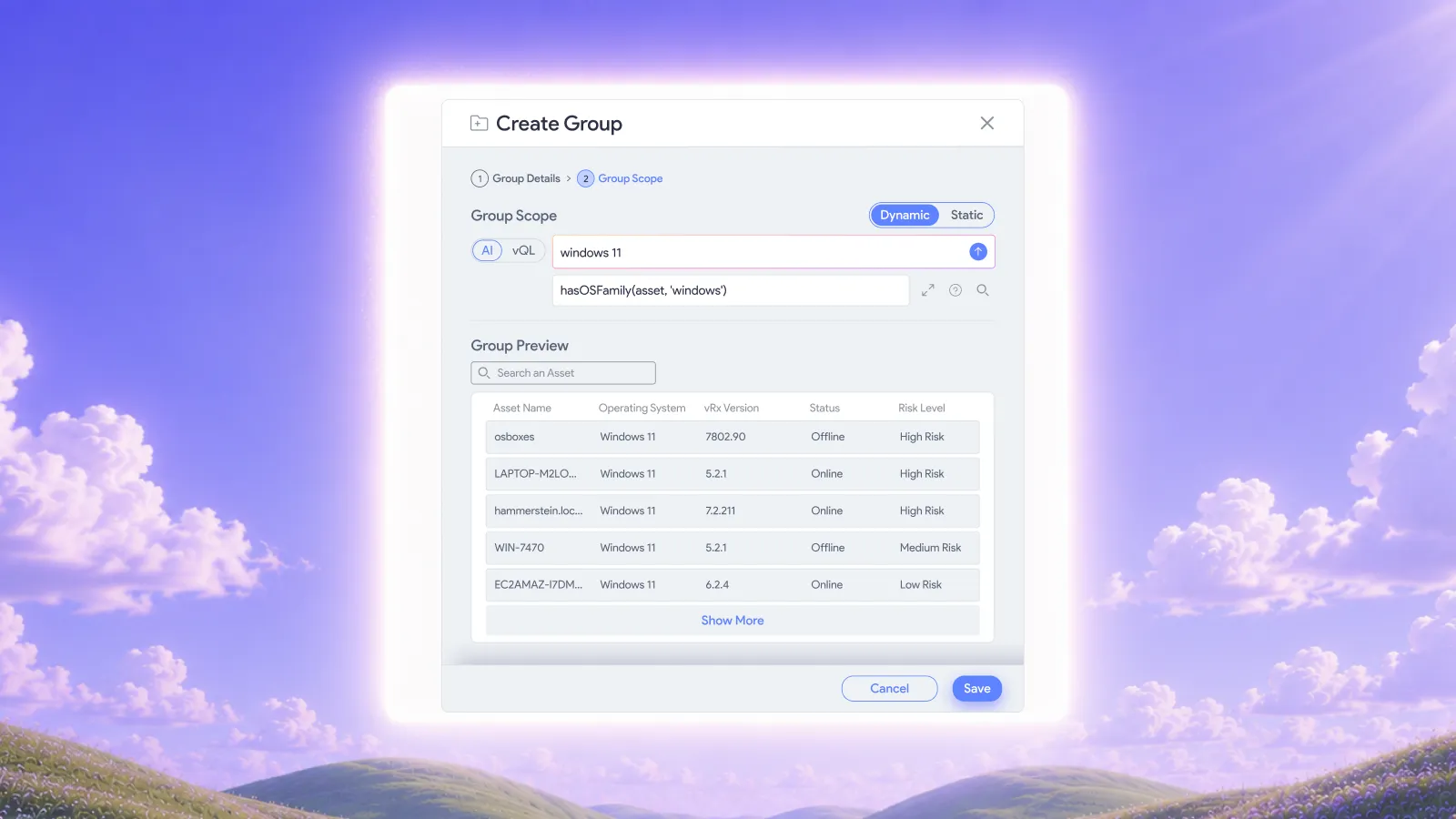
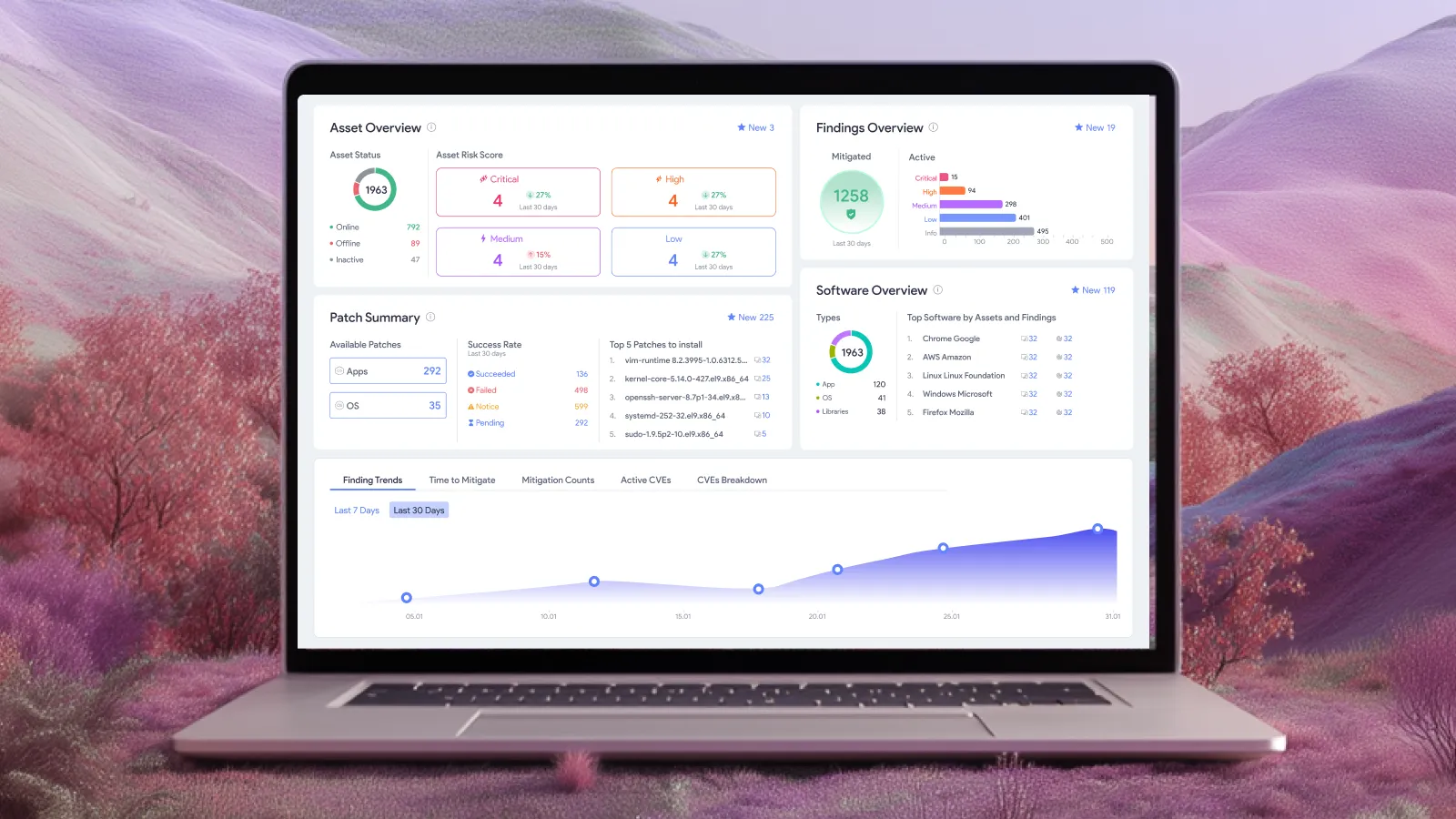
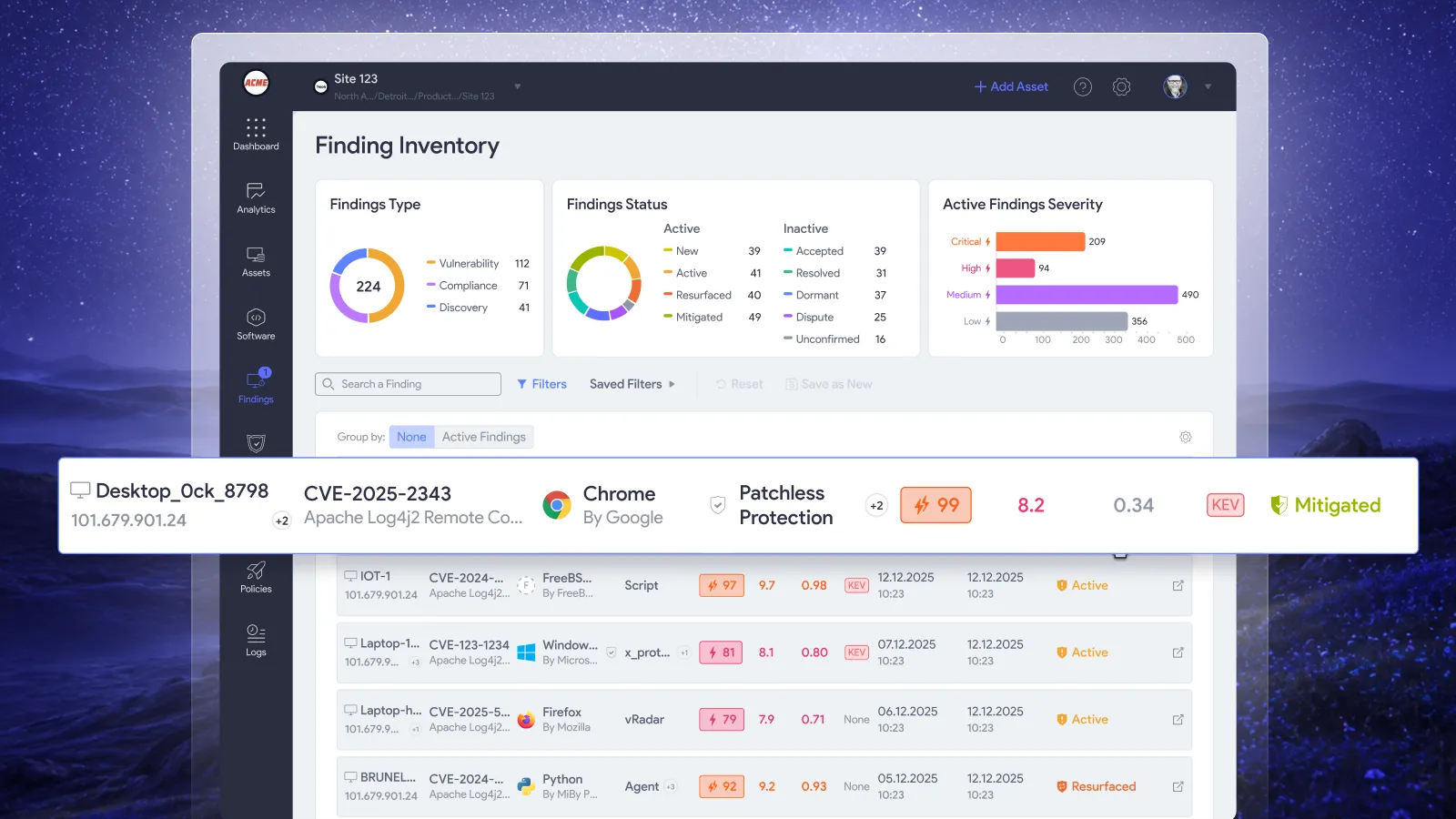
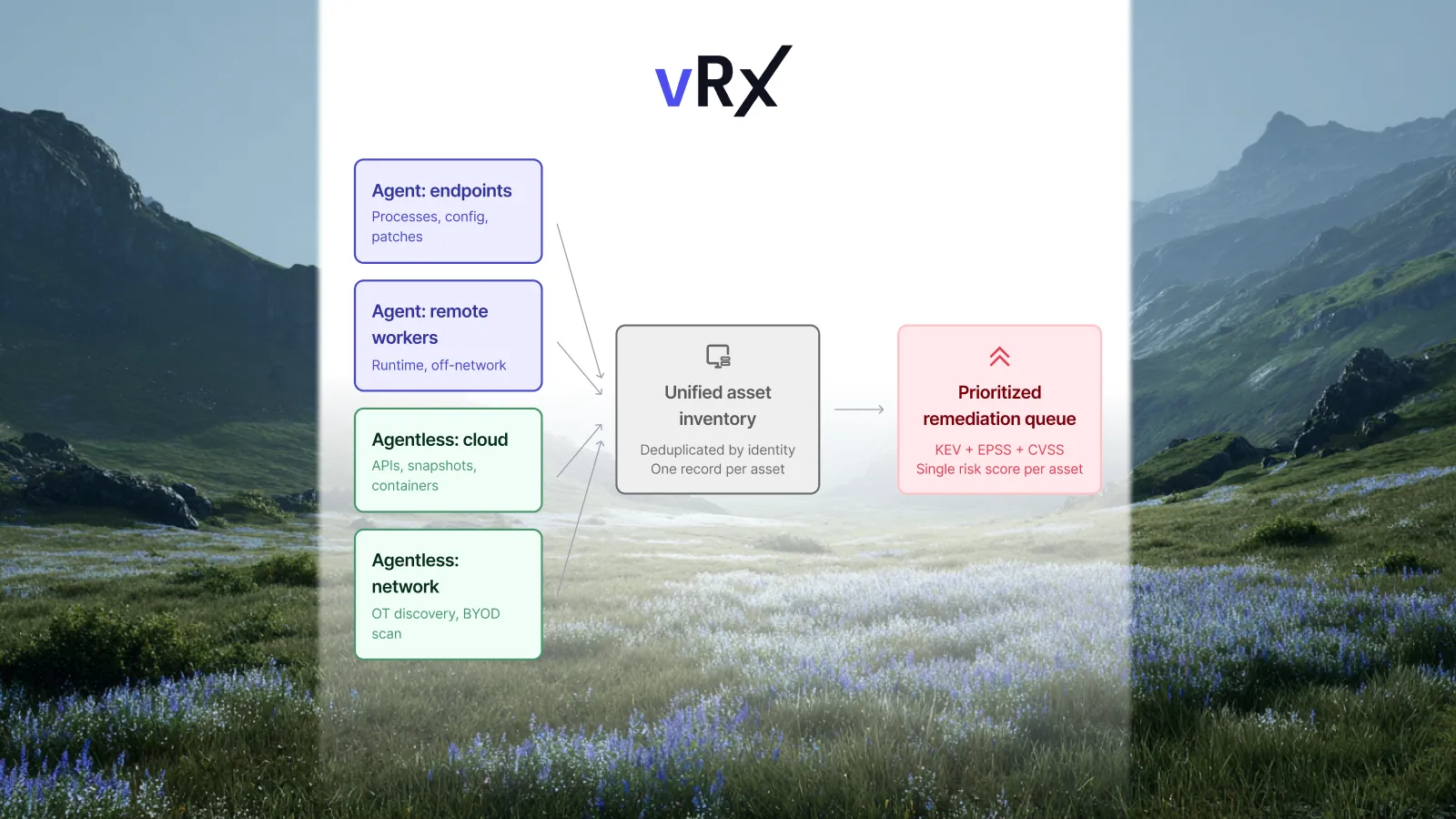
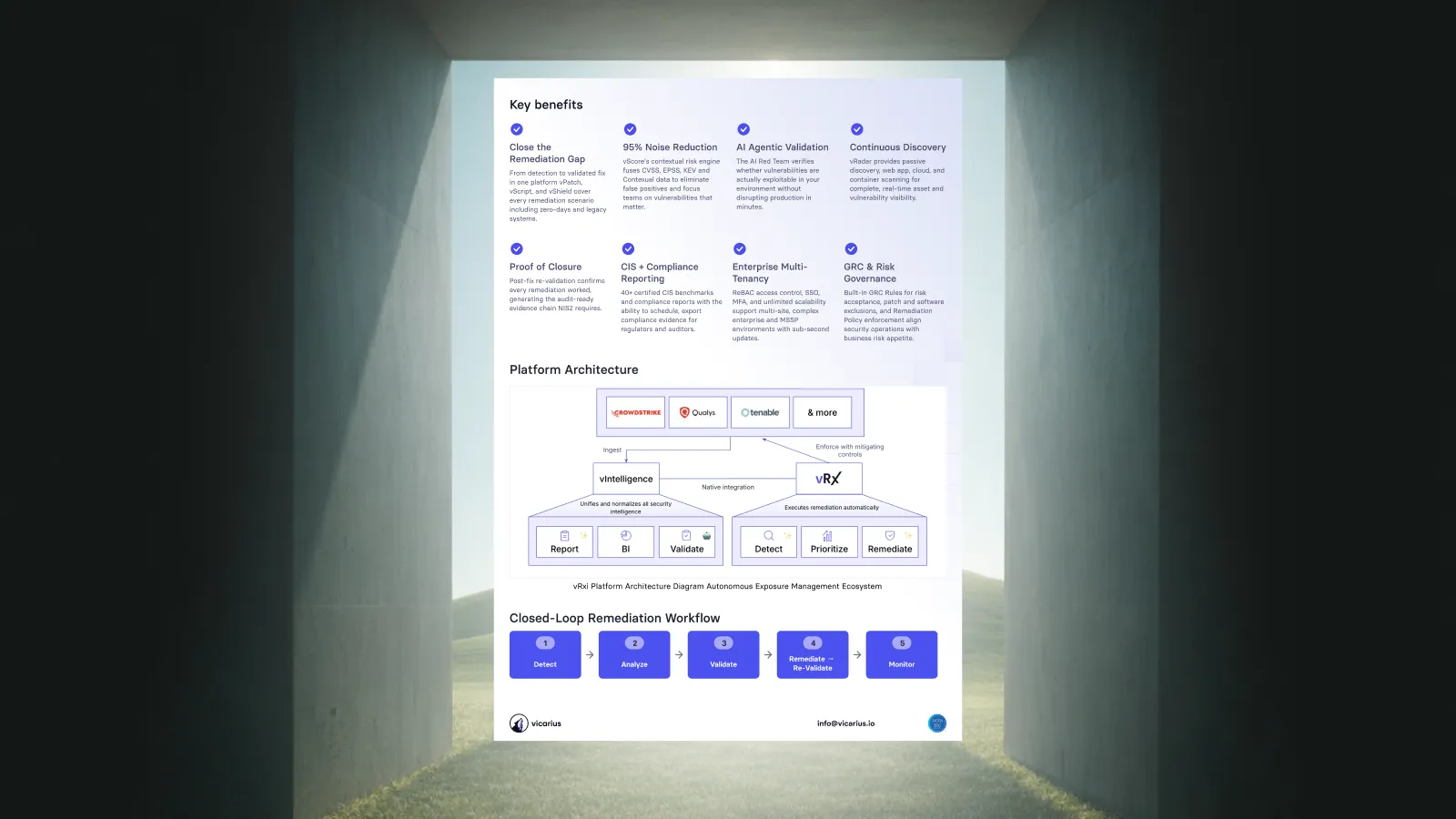
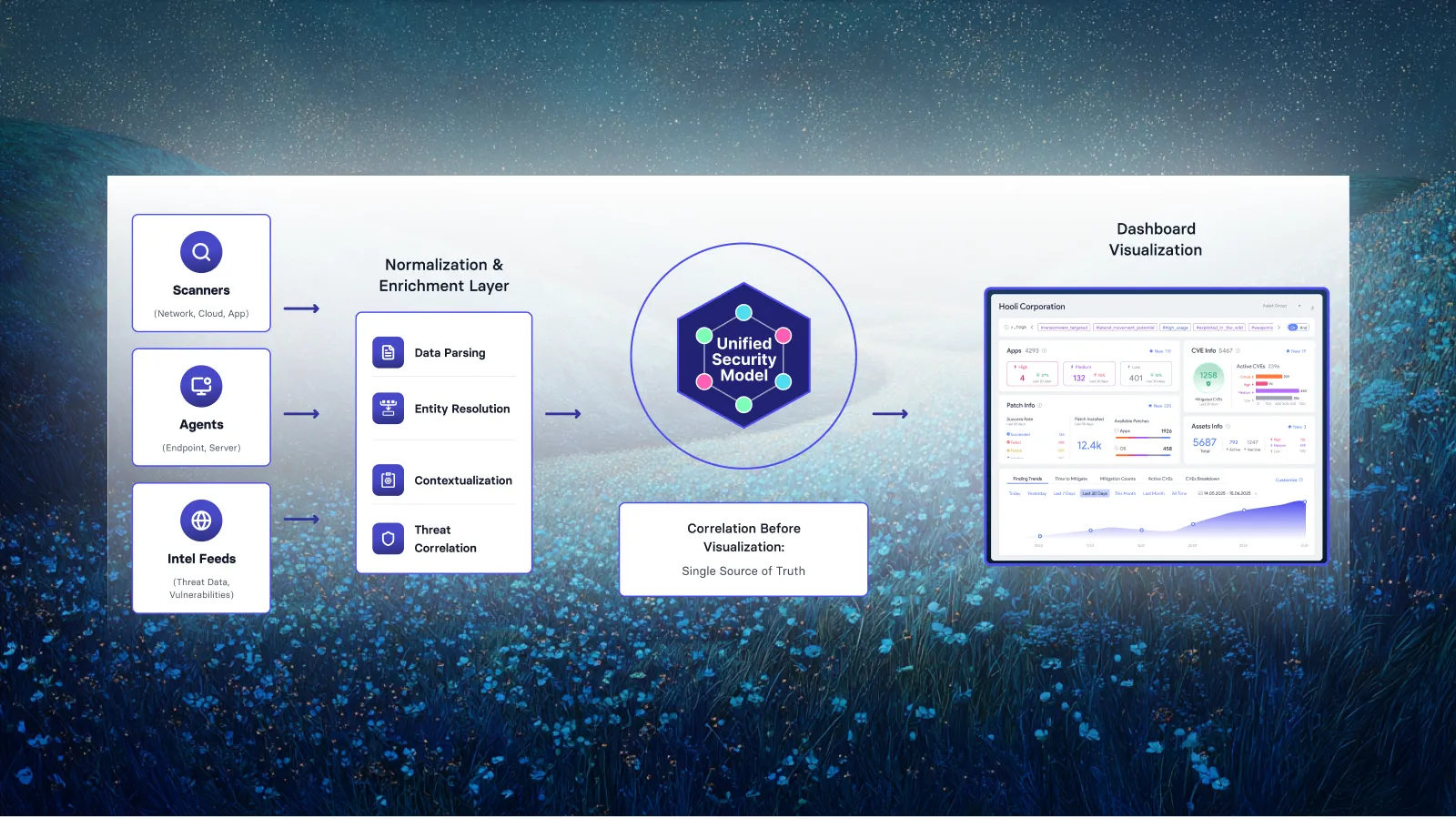
vRx combines agent-based and agentless discovery across Windows, Linux, and macOS so every asset shows up in the risk inventory regardless of whether it can support a traditional agent. Continuous vulnerability scanning runs against OS and third-party applications from a single console, with risk prioritization driven by real-world exploitability data from vIntelligence rather than CVSS scores alone.
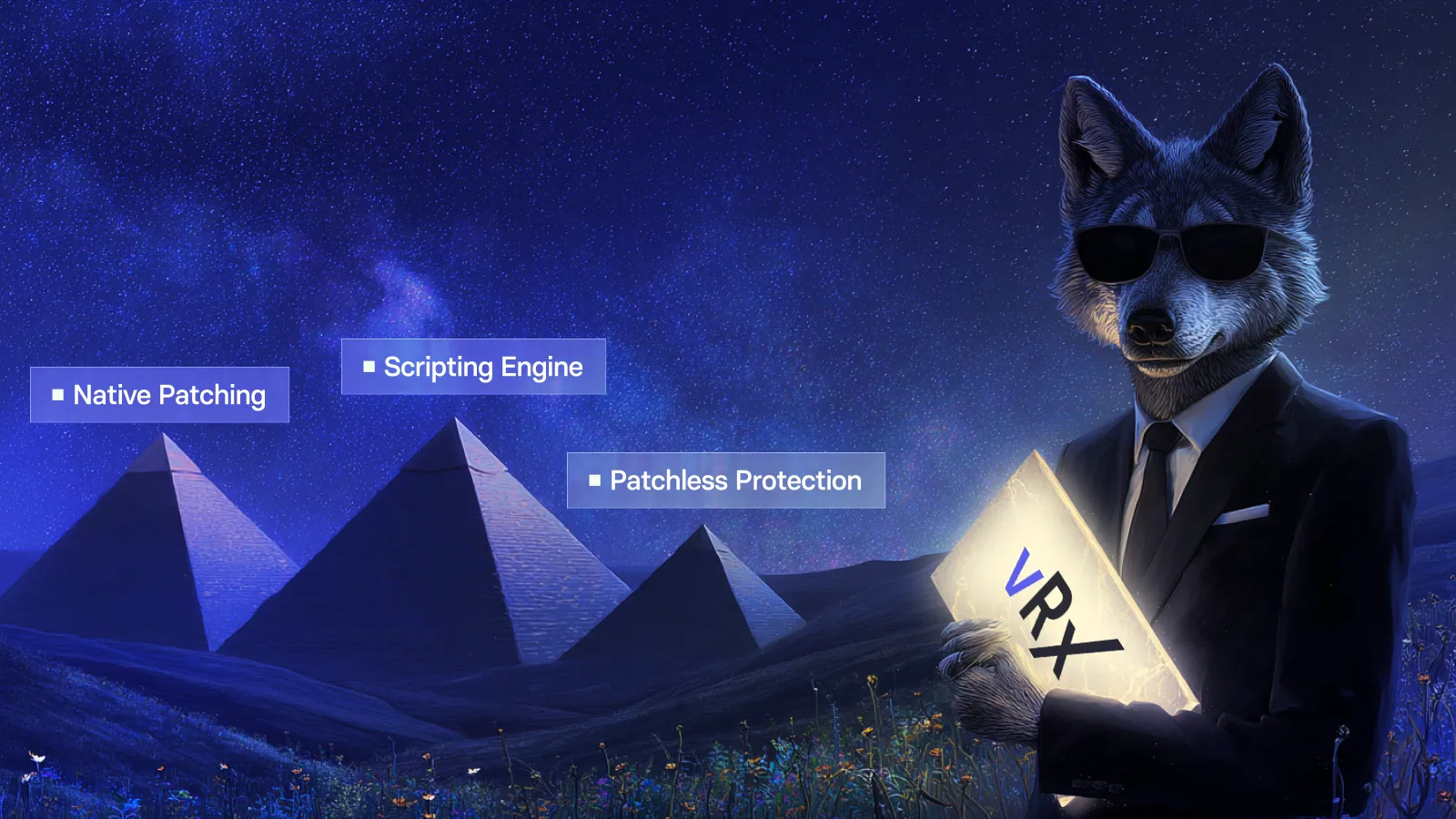
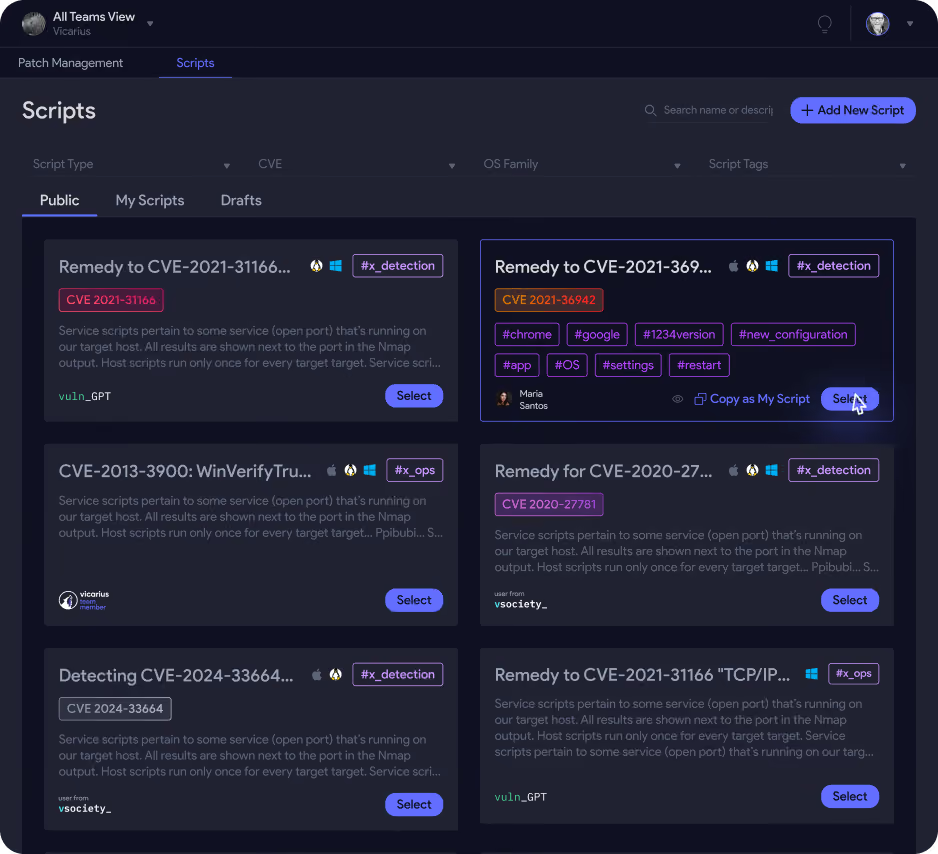
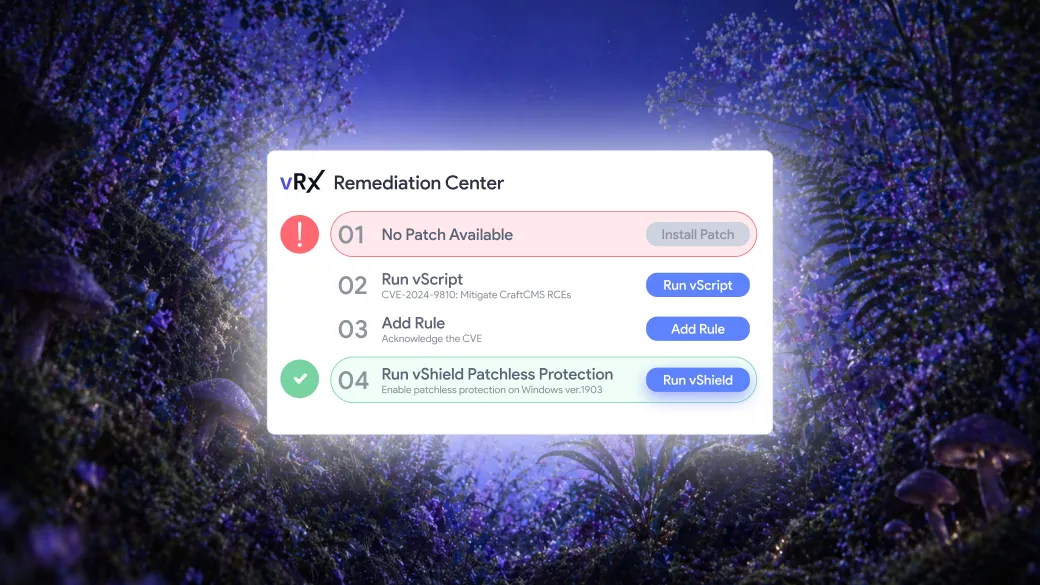
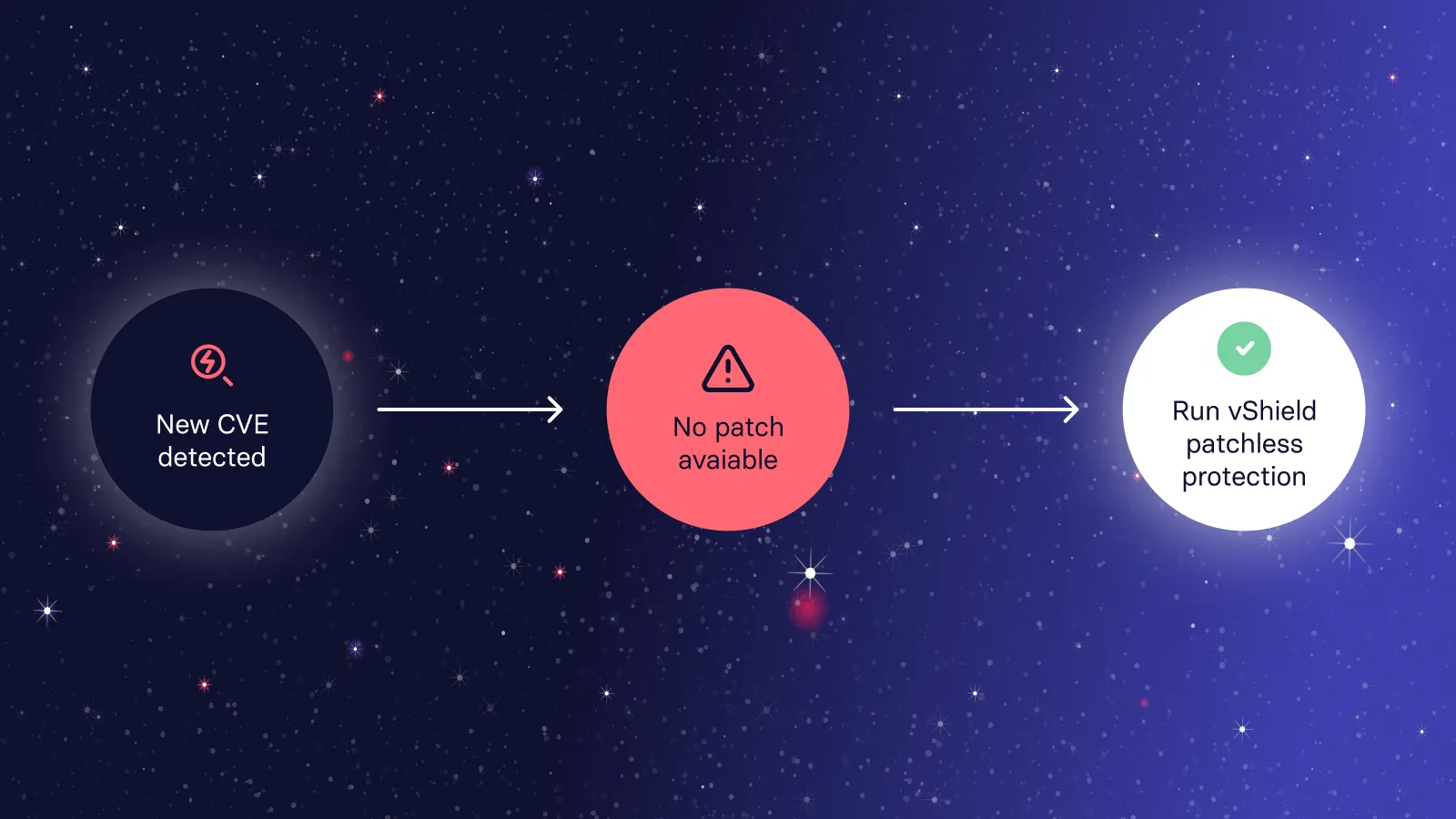
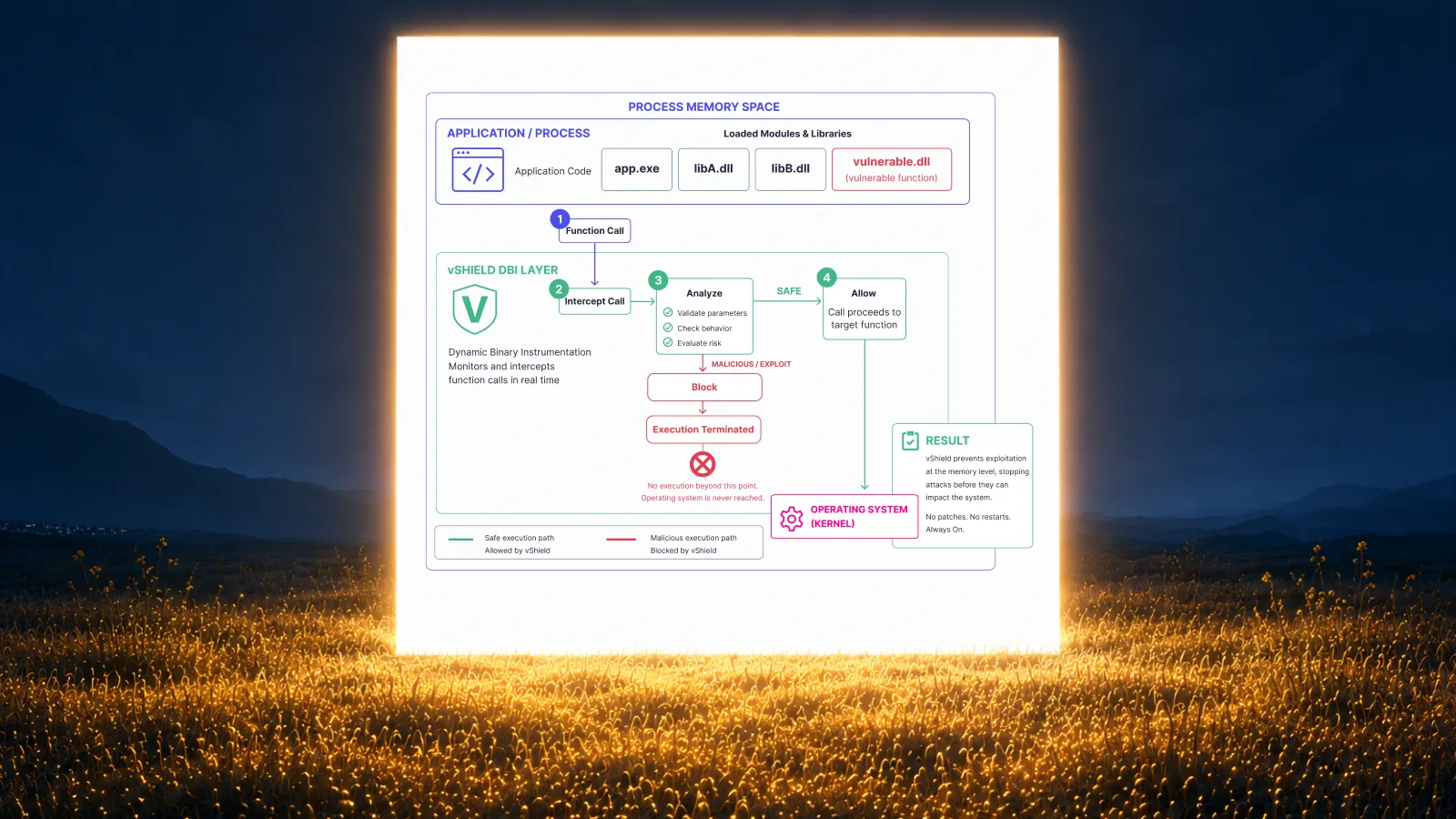
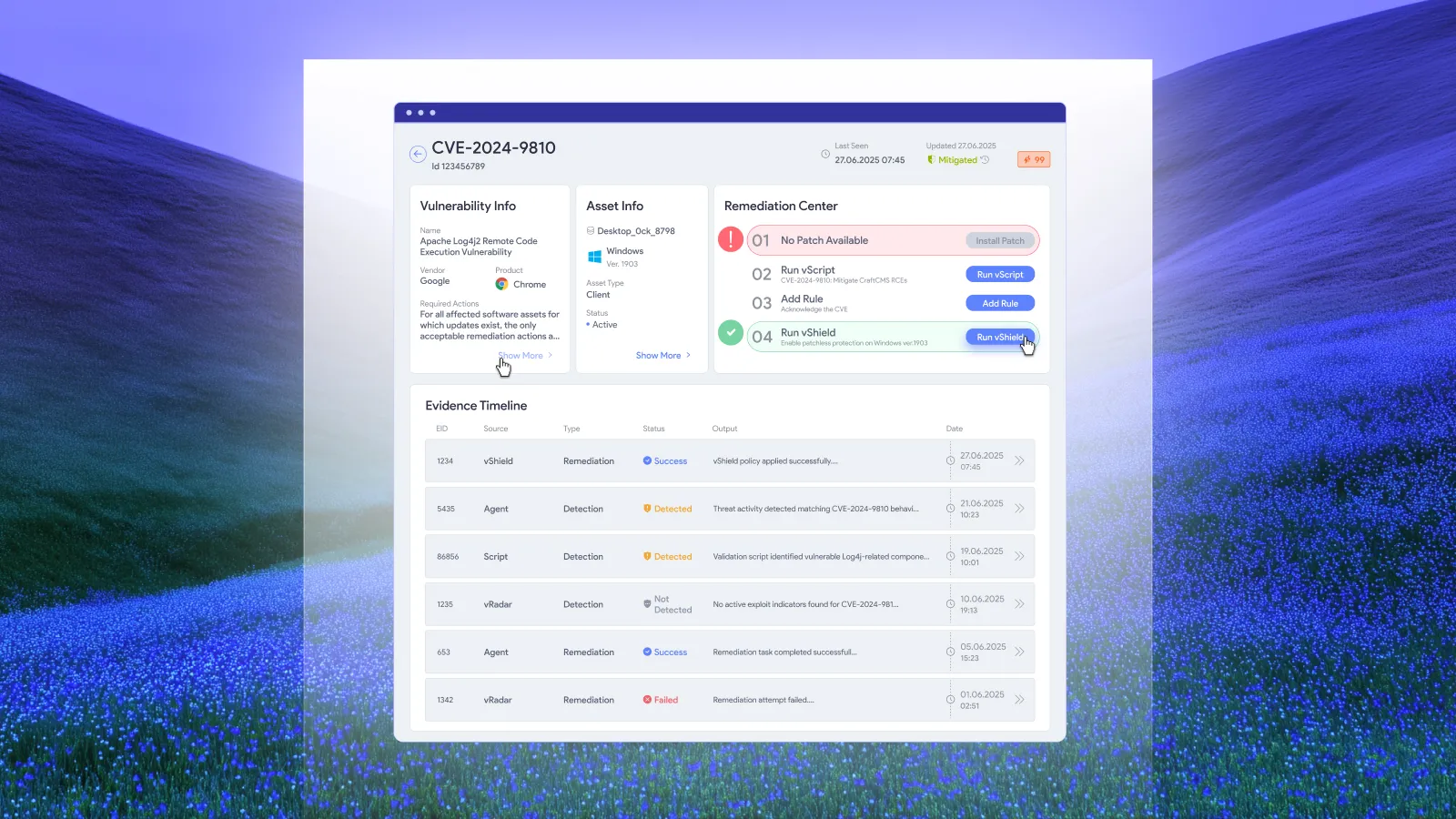
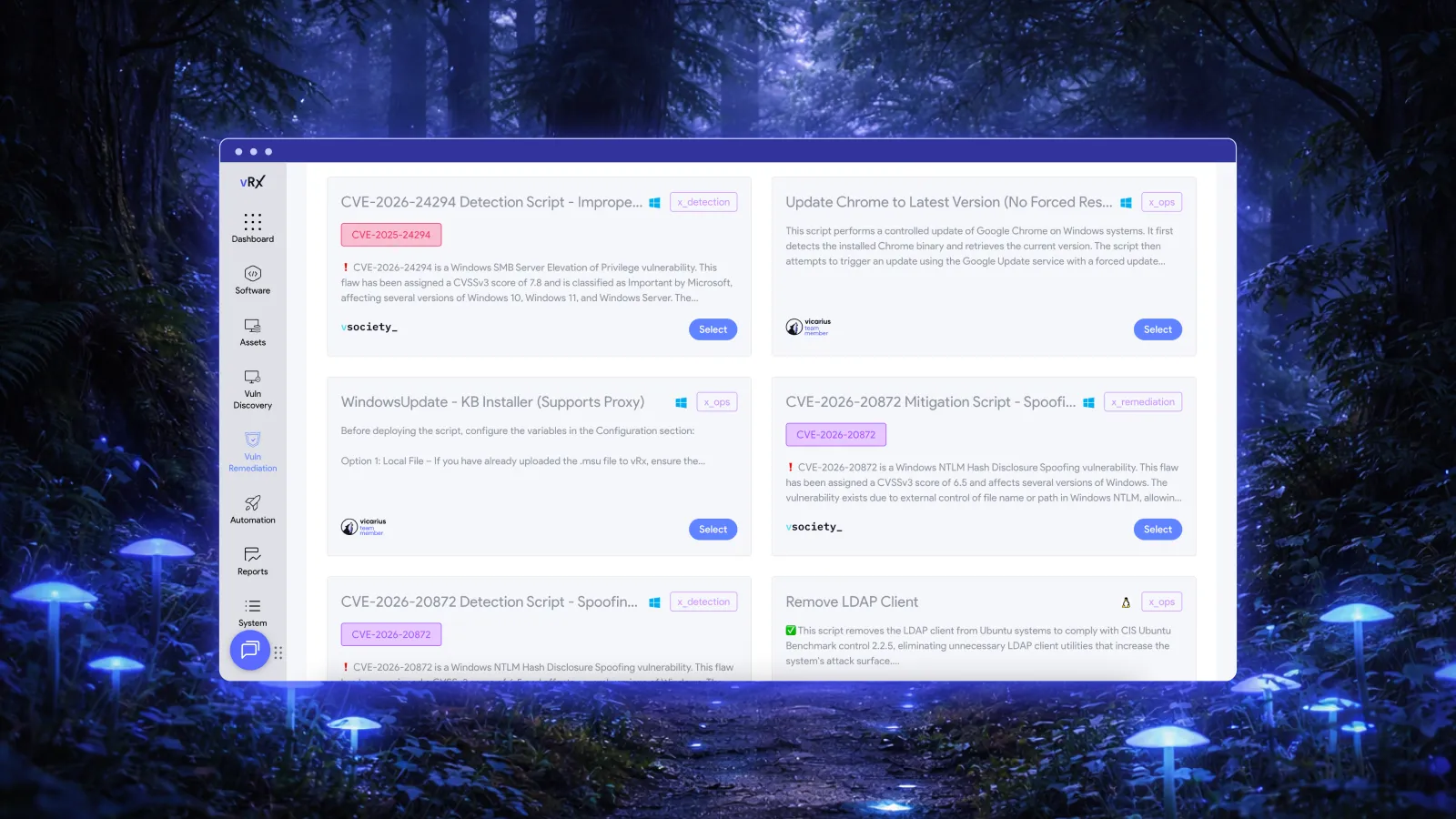
The capability that separates vRx from every other platform on this list is patchless protection. When a vendor patch isn't available yet, vRx applies memory-level mitigations that block exploitation of the vulnerable function without modifying the application. The scripting engine adds a second path, custom scripts that close a specific attack vector, restrict an affected service, or change a configuration. When the patch ships, deploy it. Before that, the exposure is already closed.
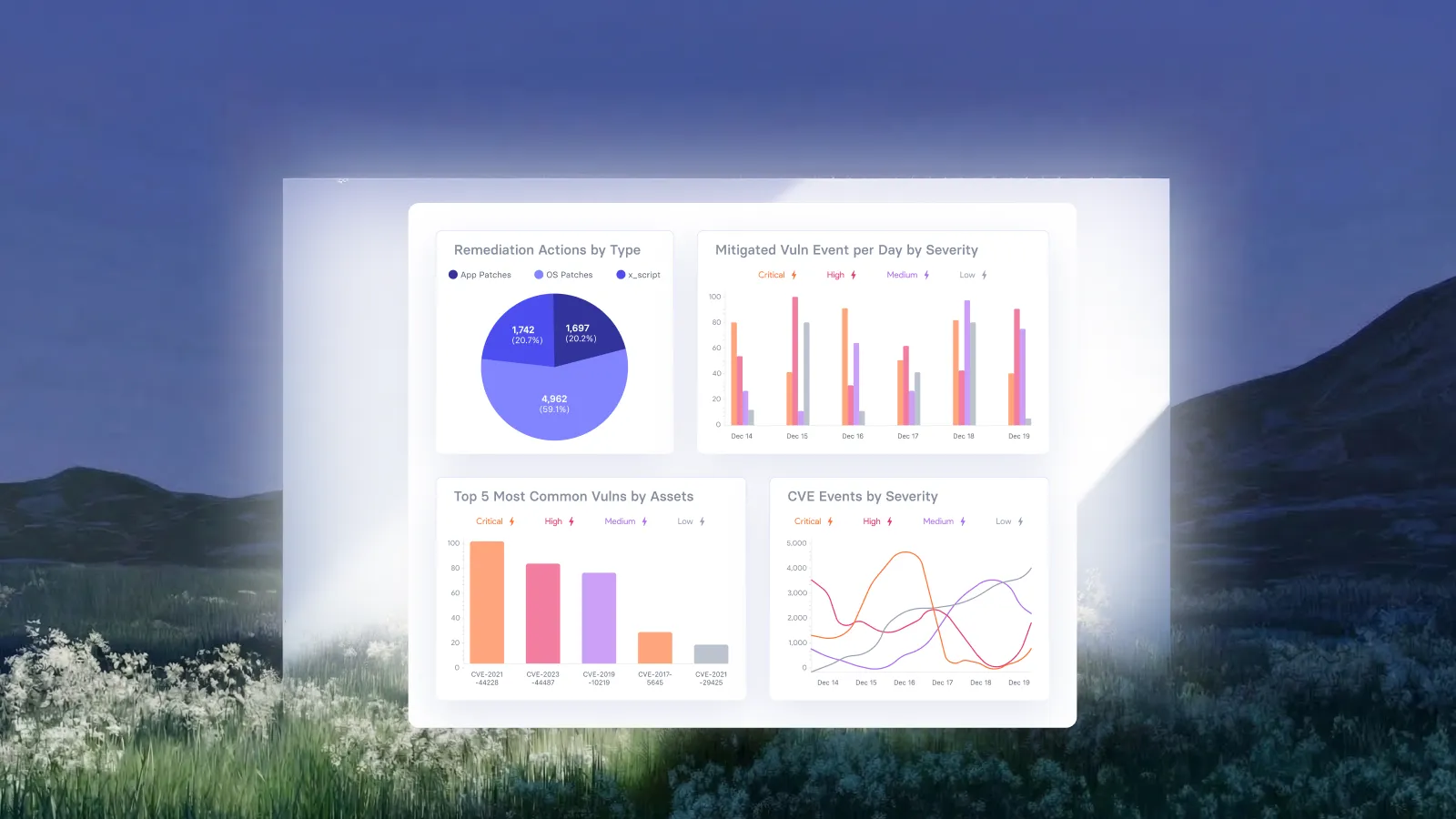
For mid-market and enterprise SaaS teams specifically, the single-console architecture matters. One risk view across cloud and on-prem, one remediation queue, one set of compliance reports. No fragmented tooling, no gaps between consoles.
Key features:
- Agent-based and agentless discovery across Windows, Linux, and macOS
- Continuous OS and third-party application vulnerability scanning from one console
- Patchless protection: memory-level mitigations that close exposure before vendor patches exist
- Scripting engine for custom remediation workflows and attack vector closure
- vIntelligence: risk prioritization based on active exploitability, not just CVSS
- Unified cloud and on-prem asset inventory with single-console visibility
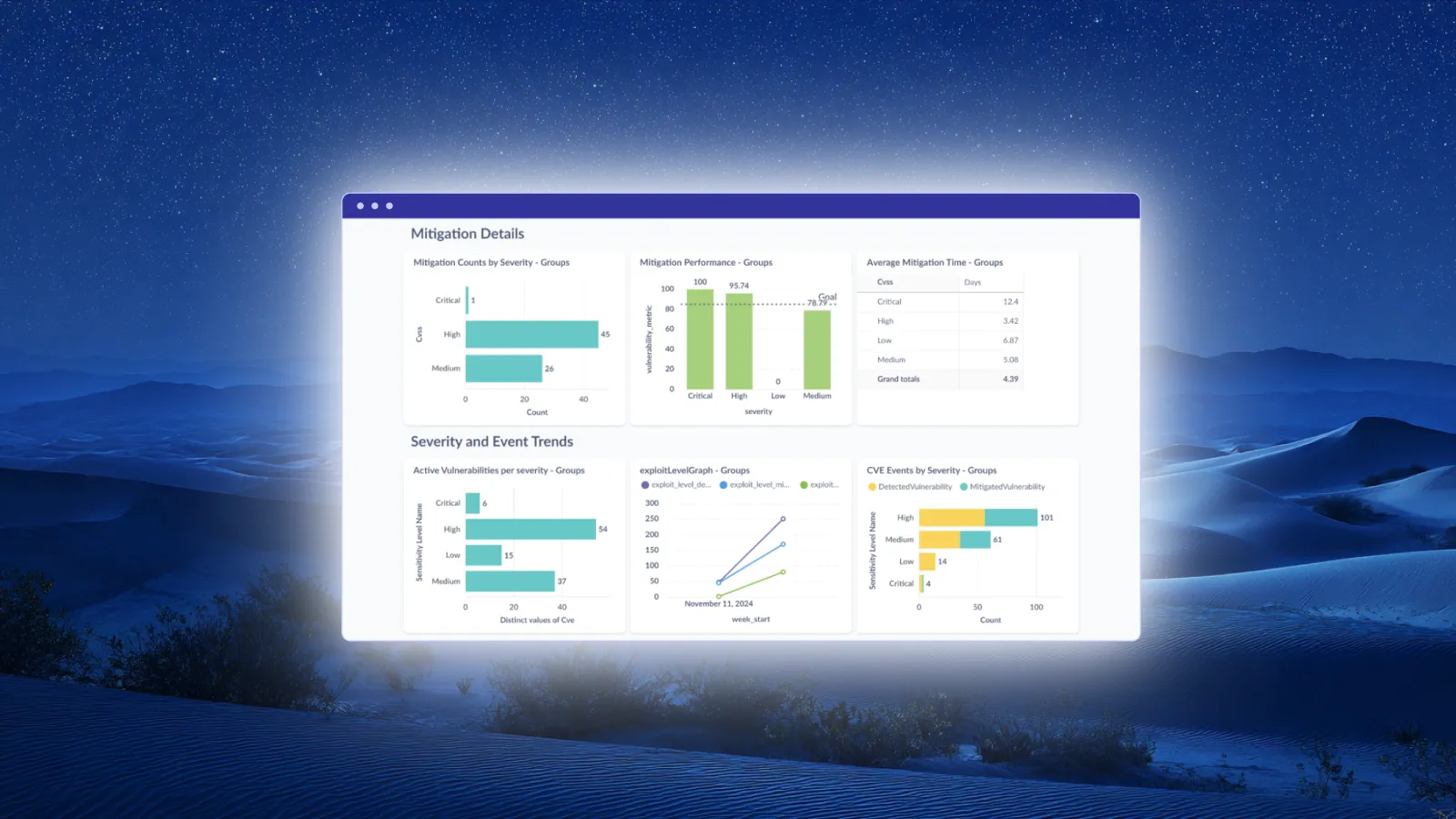
- Compliance reporting for PCI DSS, HIPAA, CyberEssentials and other major regulatory frameworks
Pros:
- Patchless protection and scripting mean zero-day windows and vendor delays don't leave teams waiting with no options
- Equal Linux and Windows depth: not a Windows-first platform with Linux support bolted on
- Remediation-first philosophy fits mid-market teams with small security headcount and broad infrastructure
- vIntelligence cuts through CVSS noise so teams focus remediation effort where actual exploit risk is highest
Cons:
- Smaller single-OS environments may not need the full capability set
2. Qualys VMDR
Qualys VMDR is a cloud-based vulnerability management platform covering asset discovery, vulnerability assessment, risk prioritization, and patch deployment. It supports both agent-based and agentless scanning across on-premises, cloud, and container environments. Threat intelligence integration informs patch prioritization, and the platform connects to ticketing and workflow systems for remediation orchestration.
It's a strong platform. The gaps that show up in mid-market evaluations are in fit rather than capability. Qualys is built for mature security programs with dedicated VM teams and the operational infrastructure to run it. For a two-person security team, the setup complexity and pricing structure can be harder to justify than the capabilities warrant. And like most platforms in this category, the remediation story defaults to patch deployment. There's no fallback when a patch isn't available.
Key features:
- Agent-based scanning covering ephemeral and persistent systems
- Threat intelligence-driven patch prioritization
- Real-time asset inventory management
- Built-in orchestration for patch application and configuration changes
Pros:
- Strong cloud-based architecture with broad multi-environment coverage
- Well-established platform with deep integration ecosystem
- Good compliance reporting across PCI DSS, HIPAA, and other frameworks
Cons:
- Pricing and complexity tend to skew toward larger enterprise environments
- No fallback remediation option when a vendor patch isn't available
- Setup investment can be significant for smaller teams
3. Rapid7 InsightVM
Rapid7 InsightVM focuses on risk assessment and remediation workflow. The platform offers vulnerability validation and exploitability analysis, which helps teams distinguish between theoretical risk and what's actually likely to be exploited. Built-in vulnerability scoring goes beyond CVSS to assess exploit likelihood, and the platform integrates with ITSM tools to route remediation tasks to the right teams.
The risk scoring is a genuine strength. The limitation is that the remediation story still ends at patch deployment. InsightVM will tell you a vulnerability has a working public exploit, track it for weeks, and surface it prominently in the queue. If the patch isn't available or can't be deployed, the platform's answer is to continue monitoring. For mid-market teams dealing with EOL software, vendor delays, or change freeze windows, that's a real operational gap.
Key features:
- Vulnerability validation and exploitability analysis beyond CVSS
- Built-in exploit likelihood scoring for prioritization
- ITSM integration for remediation workflow routing
- Coverage across on-premises, cloud, and container environments
Pros:
- Exploitability-informed risk scoring reduces patch fatigue better than CVSS-only platforms
- Strong workflow integrations for teams with mature remediation processes
- Good fit for organizations already using Rapid7's broader security stack
Cons:
- No remediation options when a patch isn't available
- Pricing and complexity can be significant for smaller teams without dedicated VM staff
- Value increases significantly with the broader Rapid7 ecosystem: limited benefit as a standalone tool
- Additional costs for addon solutions and integrations
4. Tenable Security Center
Tenable Security Center builds on Nessus scanning for enterprise networks, cloud services, and containerized workloads. It links scan results to compliance frameworks and policy requirements, making it a practical tool for organizations with heavy audit obligations. CVE mapping ensures vulnerabilities align to identified assets, and the Nessus plugin ecosystem covers niche and legacy systems that other scanners miss.
The fit issue for mid-market teams is primarily pricing and complexity. Tenable Security Center is built for large enterprise environments with dedicated security operations teams. For companies running lean security functions, the operational overhead to run it well competes with the protection it provides. It also follows the standard remediation pattern: scan, prioritize, patch. Nothing happens when a vendor patch isn't available.
Key features:
- Enterprise-grade scanning built on Nessus with extensive plugin coverage
- CVE mapping to identified assets for complete coverage verification
- Policy enforcement integrated with compliance framework requirements
- Analytics for managing patch cycles and remediation timelines
Pros:
- Deep scanning coverage including niche and legacy systems via Nessus plugins
- Strong compliance reporting for PCI DSS, HIPAA, ISO 27001, and related frameworks
- Well-established enterprise platform with broad integration ecosystem
Cons:
- Complexity and cost structure favors large enterprise environments over mid-market
- No alternative remediation path when a vendor patch isn't available or deployable
- Requires significant operational investment to configure and maintain effectively
- No remediation capabilities natively but with bolted on integrations
5. Microsoft Defender for Cloud
Microsoft Defender for Cloud protects Azure workloads and extends some capabilities to AWS and GCP. It combines threat identification, policy enforcement, and vulnerability assessment in one platform. Log analysis across Azure services surfaces misconfigurations and anomalies, and the recommendation system provides specific remediation guidance tied to identified risk levels.
The constraint is the Azure-native orientation. For companies running primarily on Azure with Microsoft-centric identity and security infrastructure, Defender for Cloud is a strong, cost-effective choice. For organizations with meaningful AWS or GCP workloads, or Linux-heavy infrastructure outside Azure, the coverage depth drops off. Linux support is limited relative to Windows, and multi-cloud coverage is uneven outside the Microsoft ecosystem. It's a platform that works well within its scope and creates gaps outside it.
Key features:
- Azure-native scanning for VMs, containers, and PaaS resources at deployment
- Advanced threat analytics across network logs, OS data, and Azure AD
- Automated recommendation system tied to identified risk levels
- Extended coverage for AWS and GCP with basic, standard, and deep scan options
Pros:
- Native integration with Azure reduces deployment complexity for Azure-first organizations
- Strong mobile device management and Microsoft security ecosystem integration
- No additional agent required on Windows devices
Cons:
- Linux support is limited: a real gap for companies with significant Linux server infrastructure
- Multi-cloud coverage is uneven and weakest outside Azure
- Not a practical choice for organizations with mixed or non-Microsoft-centric infrastructure
6. ManageEngine Vulnerability Manager Plus
ManageEngine Vulnerability Manager Plus offers vulnerability coverage, visibility, and assessment alongside asset categorization based on criticality and functionality. Paired with ManageEngine Patch Manager Plus, it covers automated vulnerability assessment and patch management from one vendor. Pricing is competitive and the free tier supports smaller environments, which makes it accessible for mid-market teams early in building a VM program.
The practical gaps show up in Linux depth and remediation flexibility. ManageEngine's vulnerability and patch management tooling is significantly stronger on Windows than Linux. For companies where Linux runs the backend servers, that imbalance matters. The platform also follows the standard pattern: find the vulnerability, deploy the patch. No scripting engine for custom remediation, no alternative path when a vendor fix isn't available. Asset categorization is a useful organizational feature, but it doesn't change what happens at the remediation layer.
Key features:
- Vulnerability coverage and assessment with asset categorization by criticality
- Integration with ManageEngine Patch Manager Plus for combined VM and patch management
- Coverage across Windows, macOS, and Linux with on-prem and cloud editions
- Compliance reporting and automated assessment workflows
Pros:
- Competitive pricing with a free tier for smaller environments
- Good fit for Windows-heavy mid-market organizations building their first VM program
- Single-vendor approach with Patch Manager Plus reduces integration overhead
Cons:
- Linux depth lags behind Windows, a significant gap for companies with Linux backend infrastructure
- No scripting engine or alternative remediation path when a vendor patch is unavailable
- Interface complexity can slow teams managing large or heterogeneous fleets
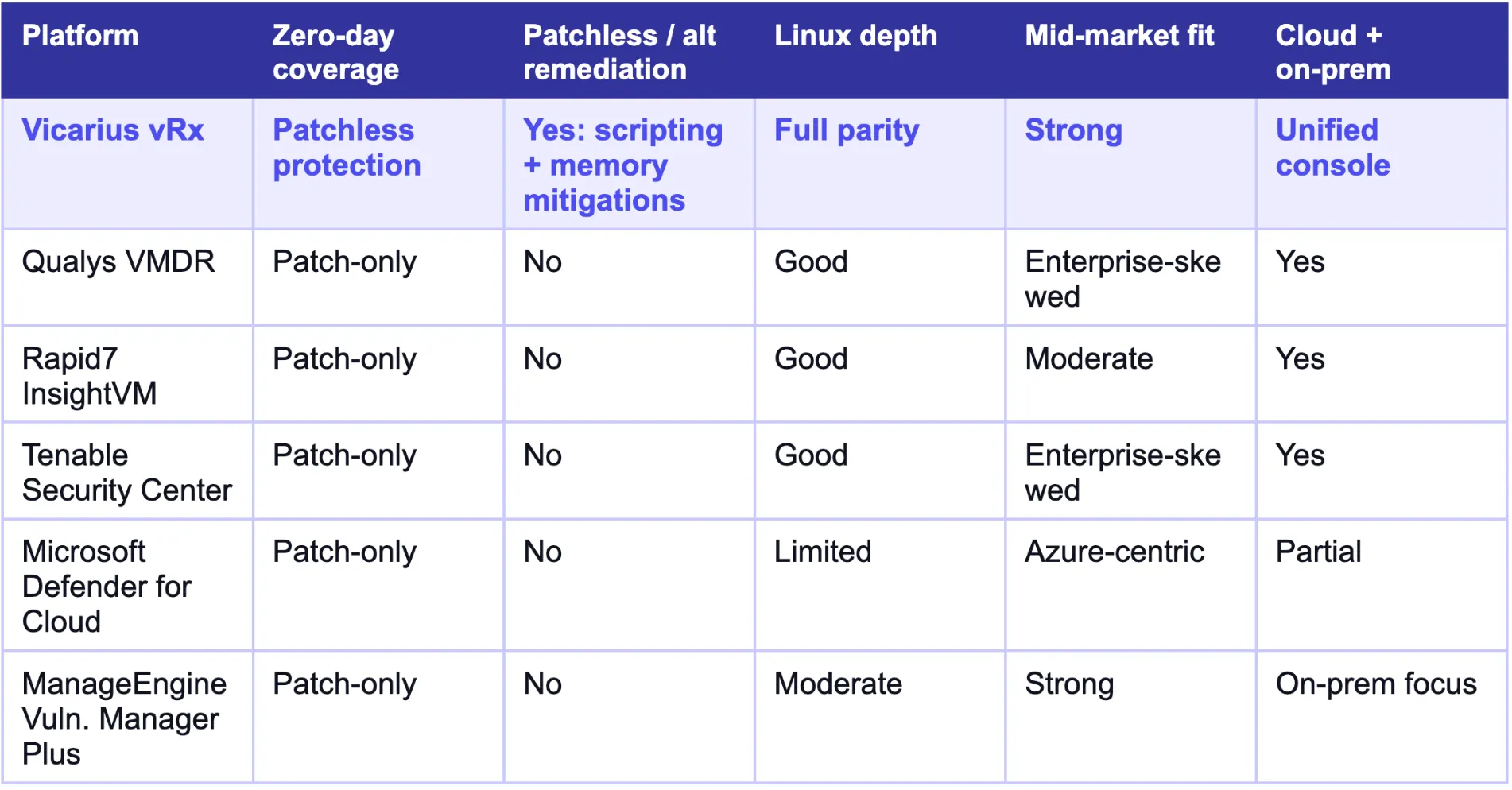
Platform comparison at a glance
The table below covers the six criteria that matter most for mid-market SaaS buyers. Zero-day coverage and alternative remediation paths are the hardest to find and the most consequential when vendor patch timelines don't match your exposure window.
Which platform fits your environment?
The right choice depends on where your infrastructure actually lives and what your team can realistically operate.
- Azure-first, Microsoft-centric stack: Microsoft Defender for Cloud is the most natural fit and reduces deployment complexity. The limits appear outside Azure.
- Windows-heavy mid-market, budget-conscious: ManageEngine Vulnerability Manager Plus covers the basics at a price point that works for smaller teams. Linux coverage is the gap to watch.
- Mature security program with dedicated VM staff: Qualys VMDR and Tenable Security Center both have the depth. The operational investment to run them well is real.
- Existing Rapid7 investment: InsightVM adds meaningful risk prioritization depth to a Rapid7 stack. Less compelling as a standalone.
- Mixed infrastructure, Linux servers, vendor patch delays, or zero-day exposure: Vicarius vRx. The remediation-first model, patchless protection, and scripting engine are built for environments where the patch-and-wait approach leaves gaps. For mid-market teams specifically, the single-console architecture and equal Windows and Linux depth matter more than they might for a Windows-only enterprise.
Frequently asked questions
What is the best vulnerability management platform for mid-market companies?
The answer depends on infrastructure. For teams with mixed Windows and Linux environments, cloud and on-prem workloads, and limited security headcount, Vicarius vRx is the strongest fit. Its patchless protection covers the pre-patch exposure window, and the single-console architecture reduces operational overhead for small teams. For Azure-first organizations, Microsoft Defender for Cloud is a more natural starting point. For Windows-heavy environments with budget constraints, ManageEngine Vulnerability Manager Plus is a practical option.
How do consolidated vulnerability management platforms improve zero-day mitigation?
Most platforms don't. Standard vulnerability management tools identify a zero-day and wait for the vendor patch before taking action. Consolidated platforms with patchless protection capabilities, like Vicarius vRx, apply memory-level mitigations that block exploitation of the vulnerable function before a patch exists. This closes exposure during the window between first exploit availability and vendor patch release, which averages 23 days based on 2025 industry data.
What should mid-market teams look for when comparing vulnerability management vendors?
Six criteria matter most: coverage across hybrid and cloud infrastructure, zero-day mitigation options beyond patch deployment, remediation flexibility when a patch can't be deployed, risk-based prioritization using active exploit data rather than CVSS scores alone, pricing and setup complexity that fits a small security team, and compliance reporting for PCI DSS, SOC 2, or HIPAA. Most platforms cover scanning and prioritization well. The gap shows up in what they do when a patch isn't available.
Which consolidated vulnerability management platforms work best for companies with Linux infrastructure?
Vicarius vRx provides the most consistent depth across Windows and Linux, with equal patching capability and scripting support on both operating systems. Qualys VMDR and Rapid7 InsightVM both cover Linux adequately for most use cases. Microsoft Defender for Cloud and ManageEngine Vulnerability Manager Plus have documented limitations on Linux that matter for companies where Linux runs backend servers and containers.
Related resources:






































.webp)













%20Signals%20a%20New%20Era%20of%20Supply%20Chain%20Risk.webp)