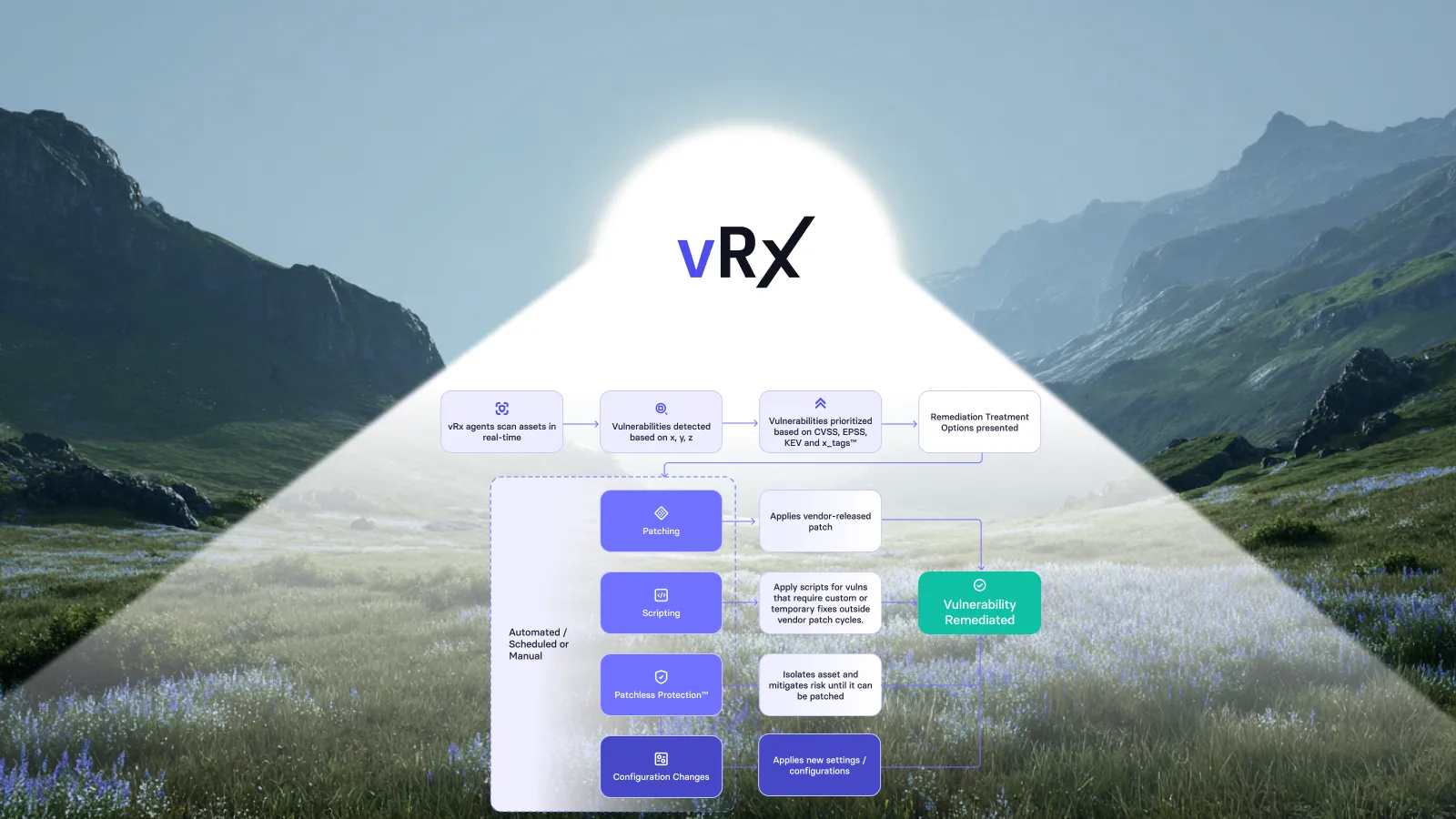


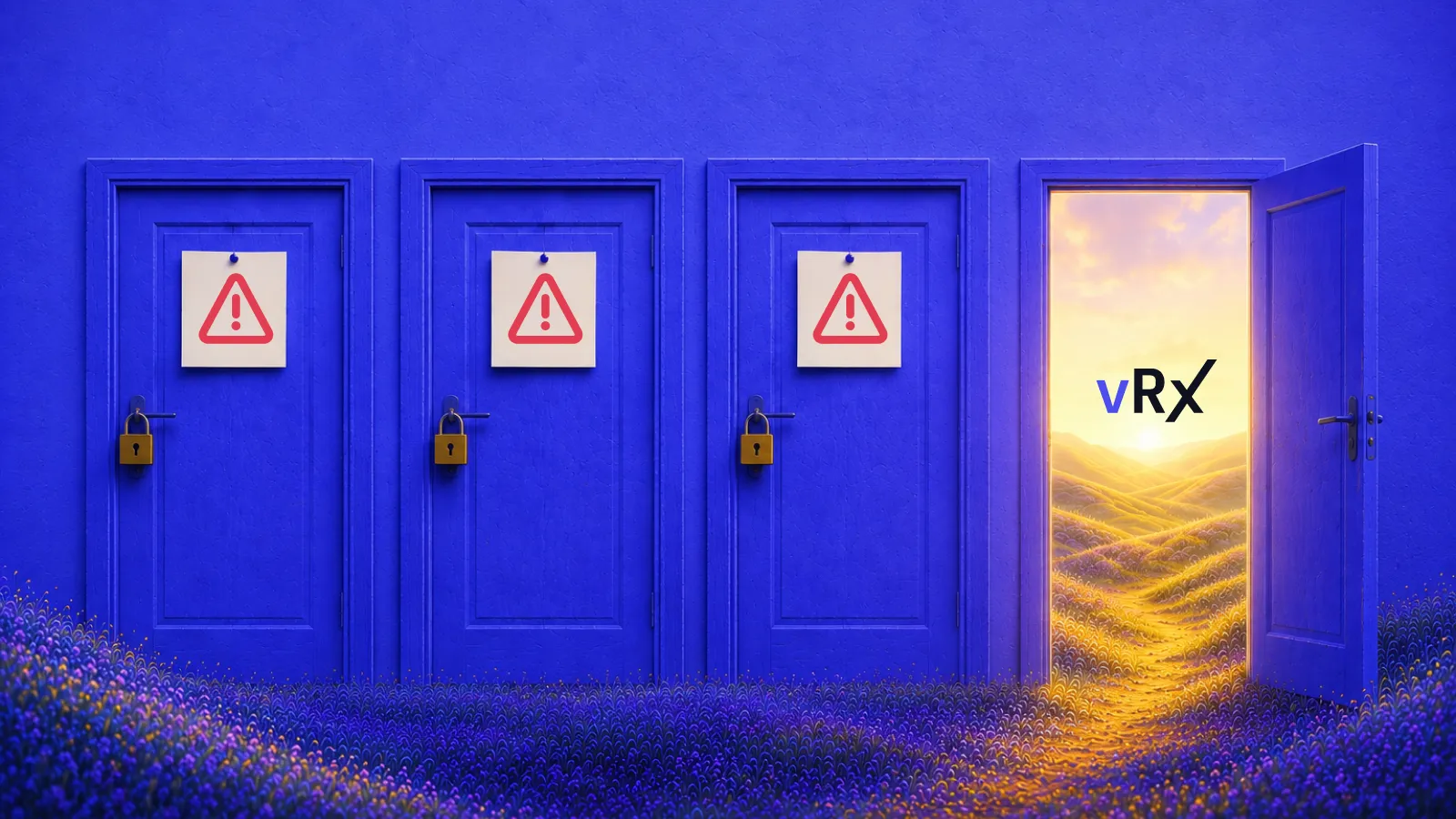
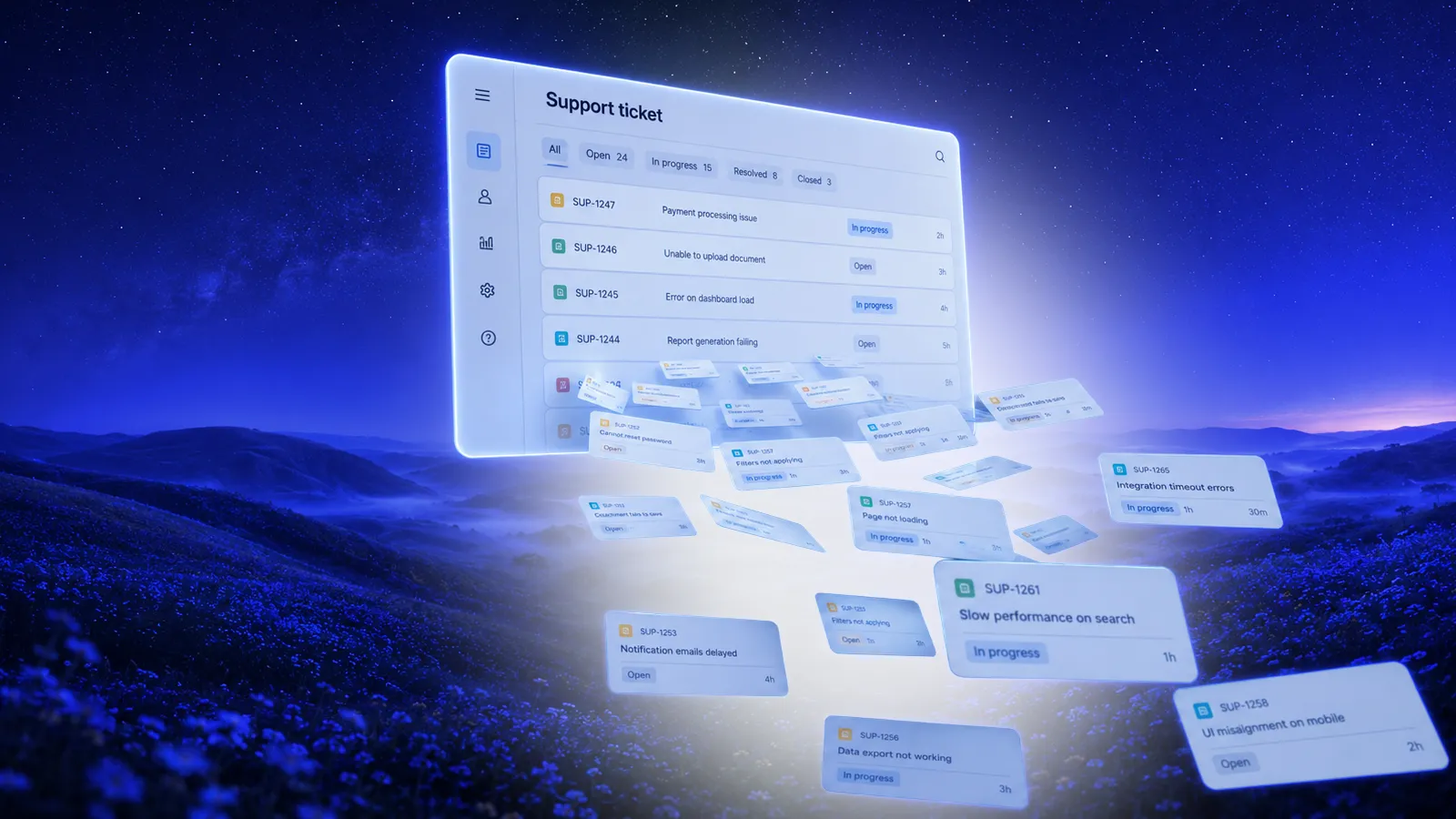
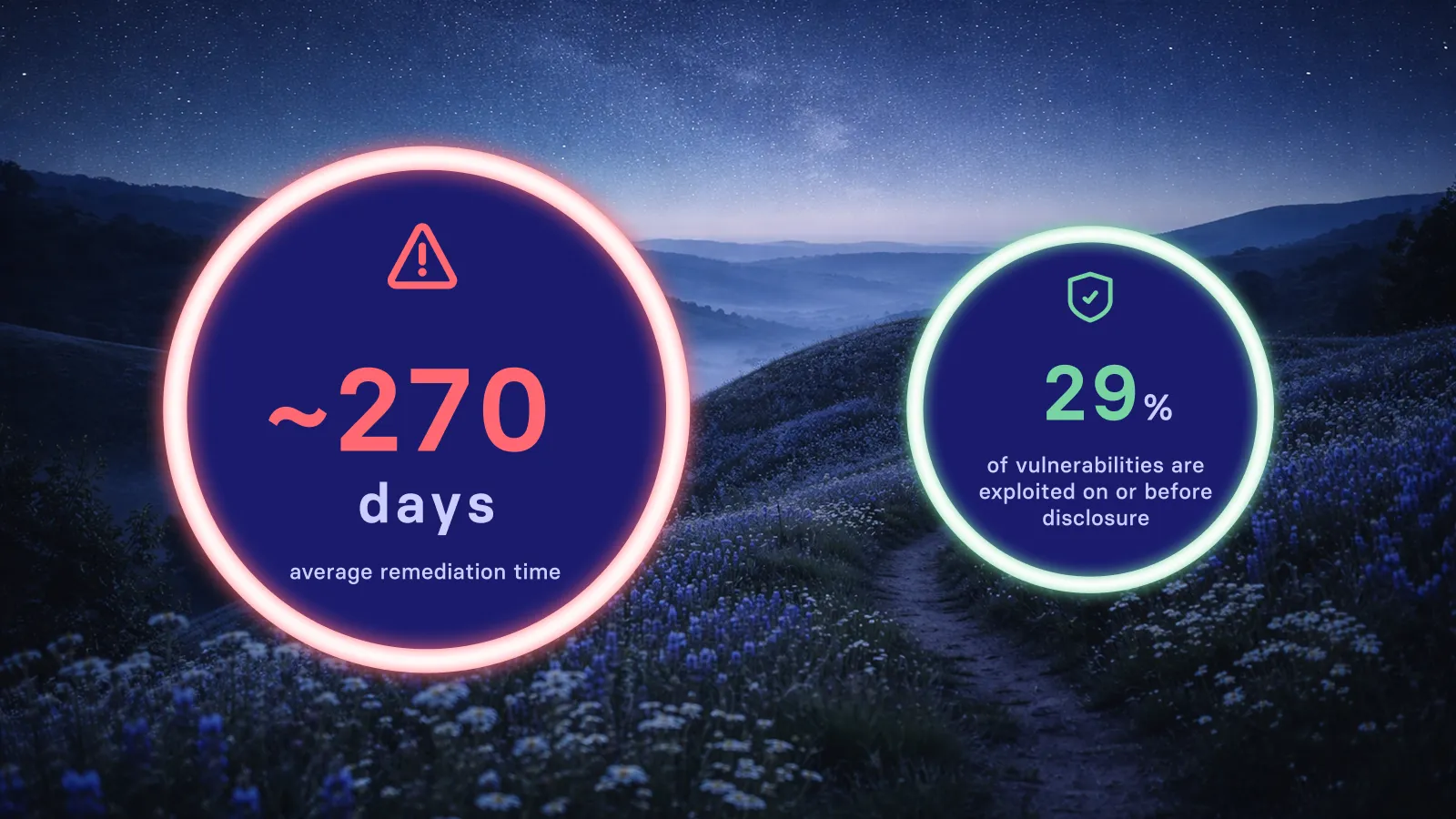
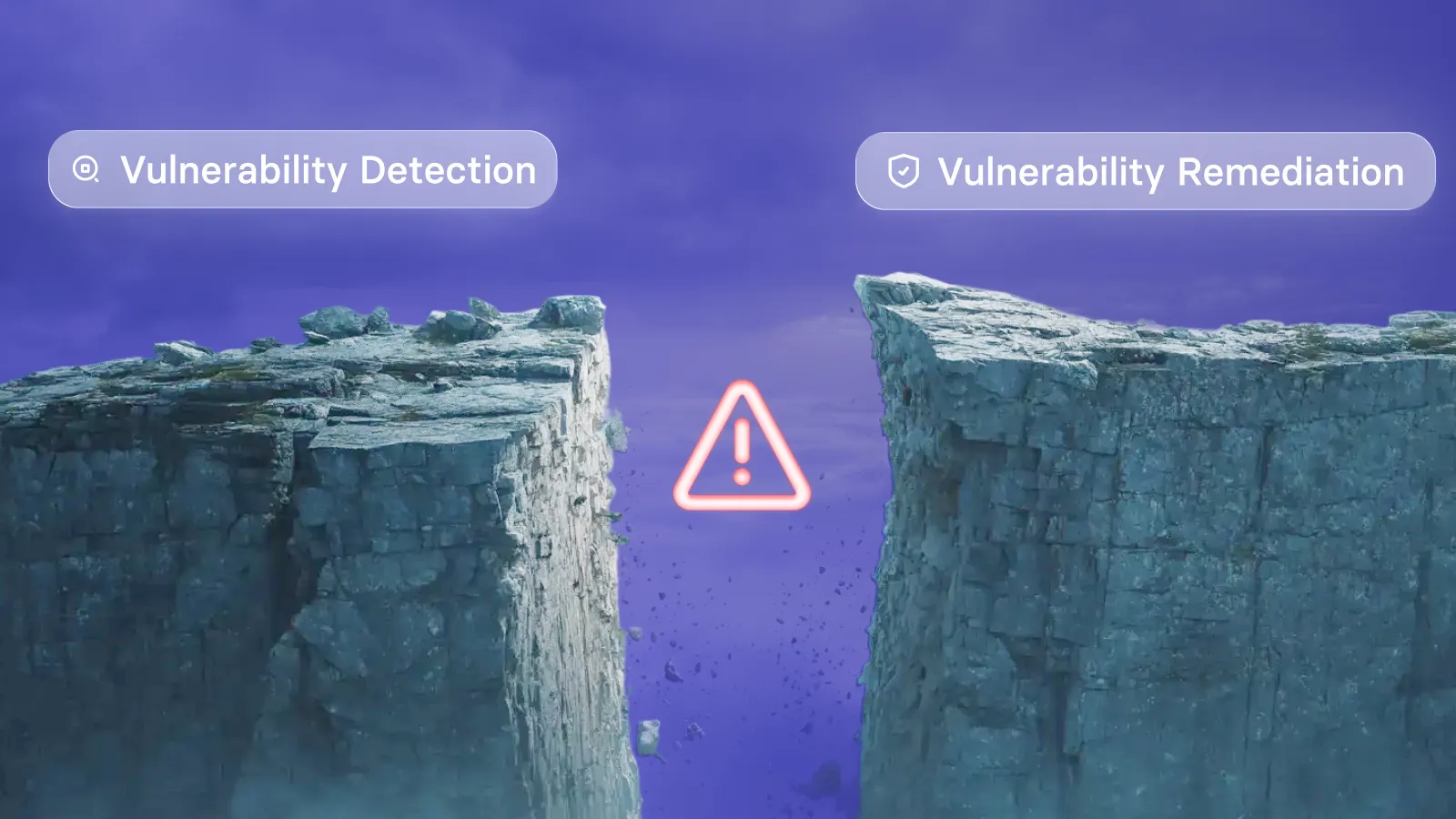
Modern environments overwhelm IT teams with vulnerability tickets, burying critical risks in backlogs. Context is lost as issues move from security to operations, while manual research slows remediation. Tickets track work completed and not risk reduced. This leaves critical assets exposed. And until fixes are deployed, systems remain vulnerable with no protection in place.
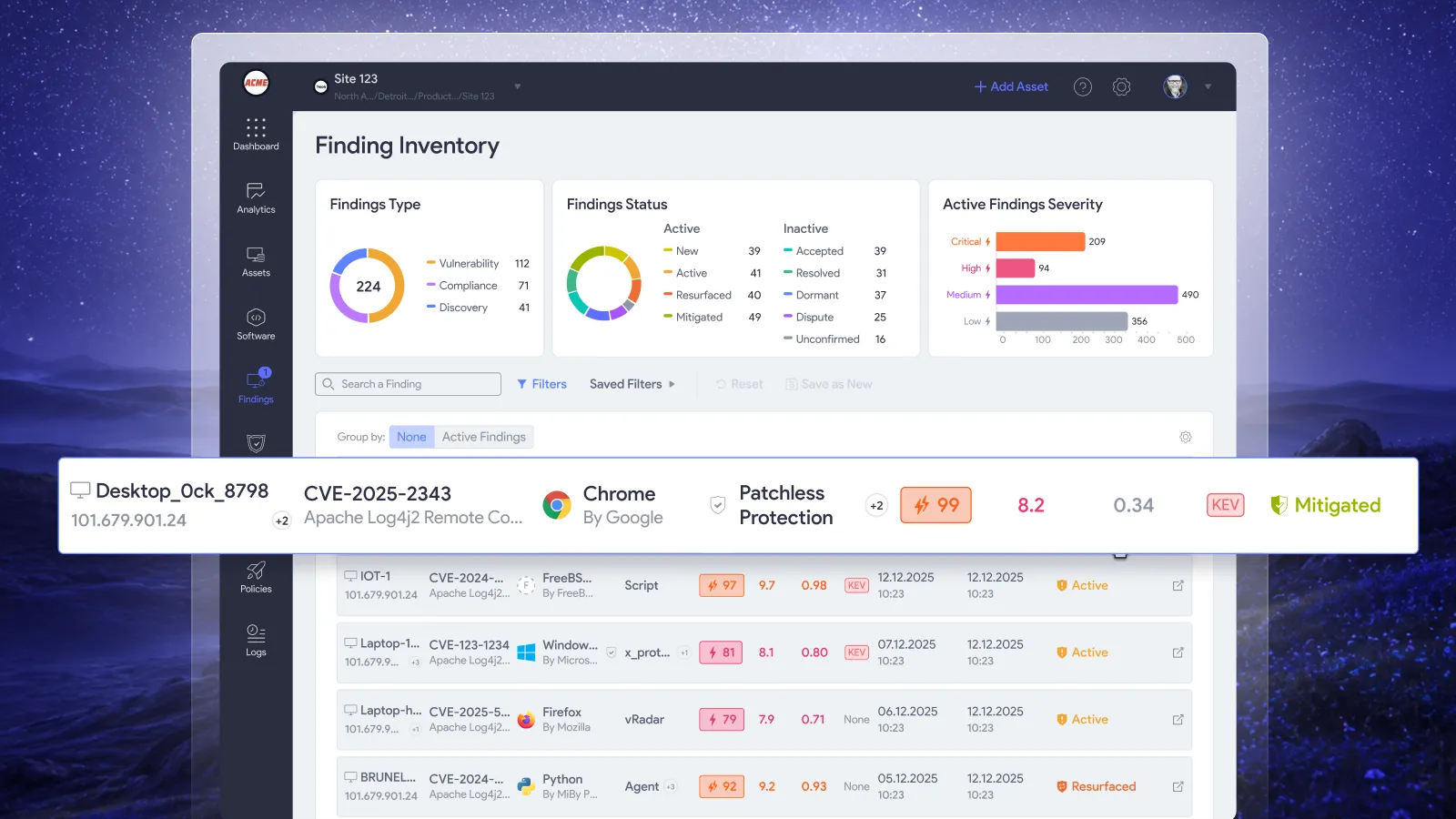
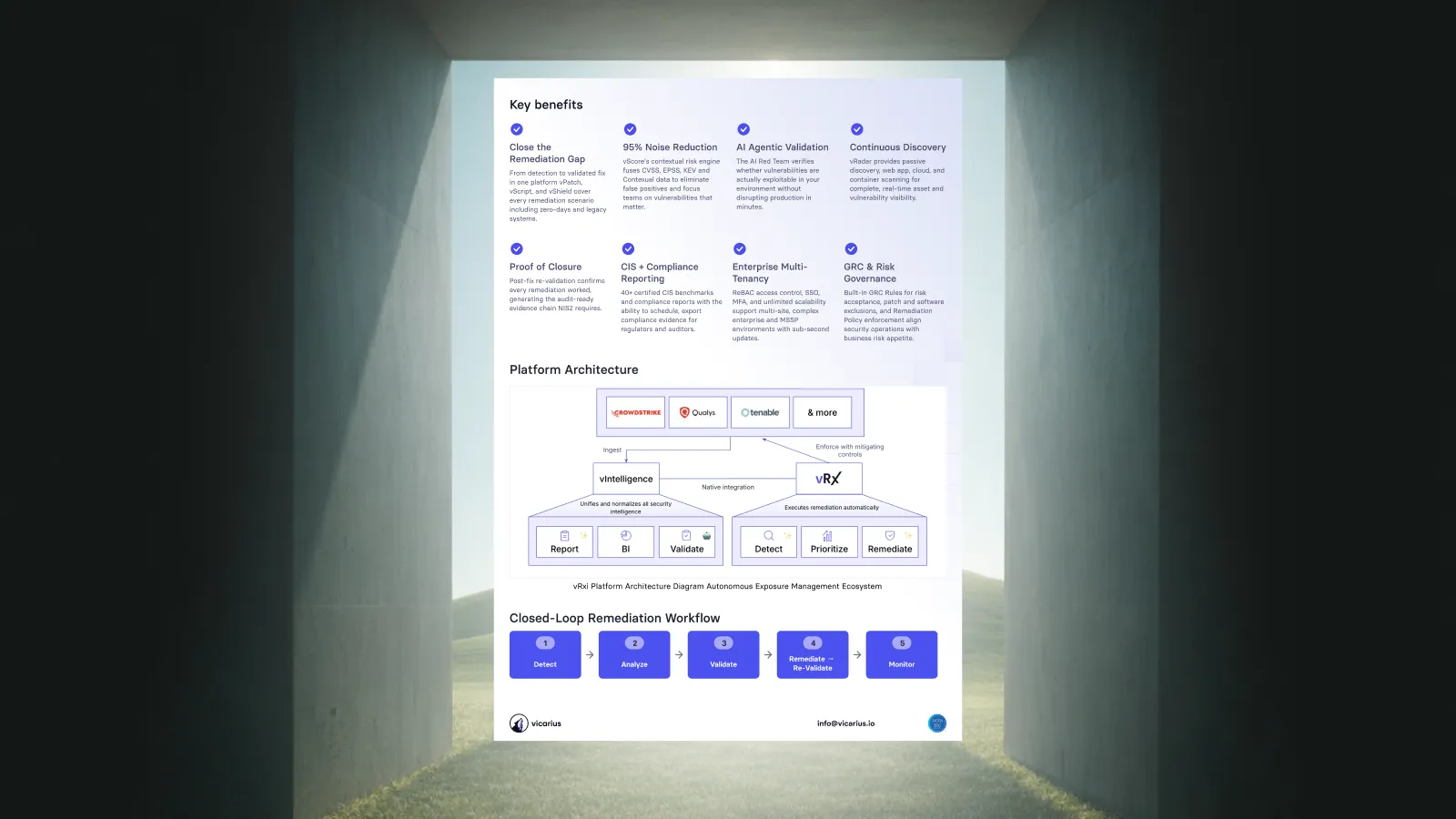
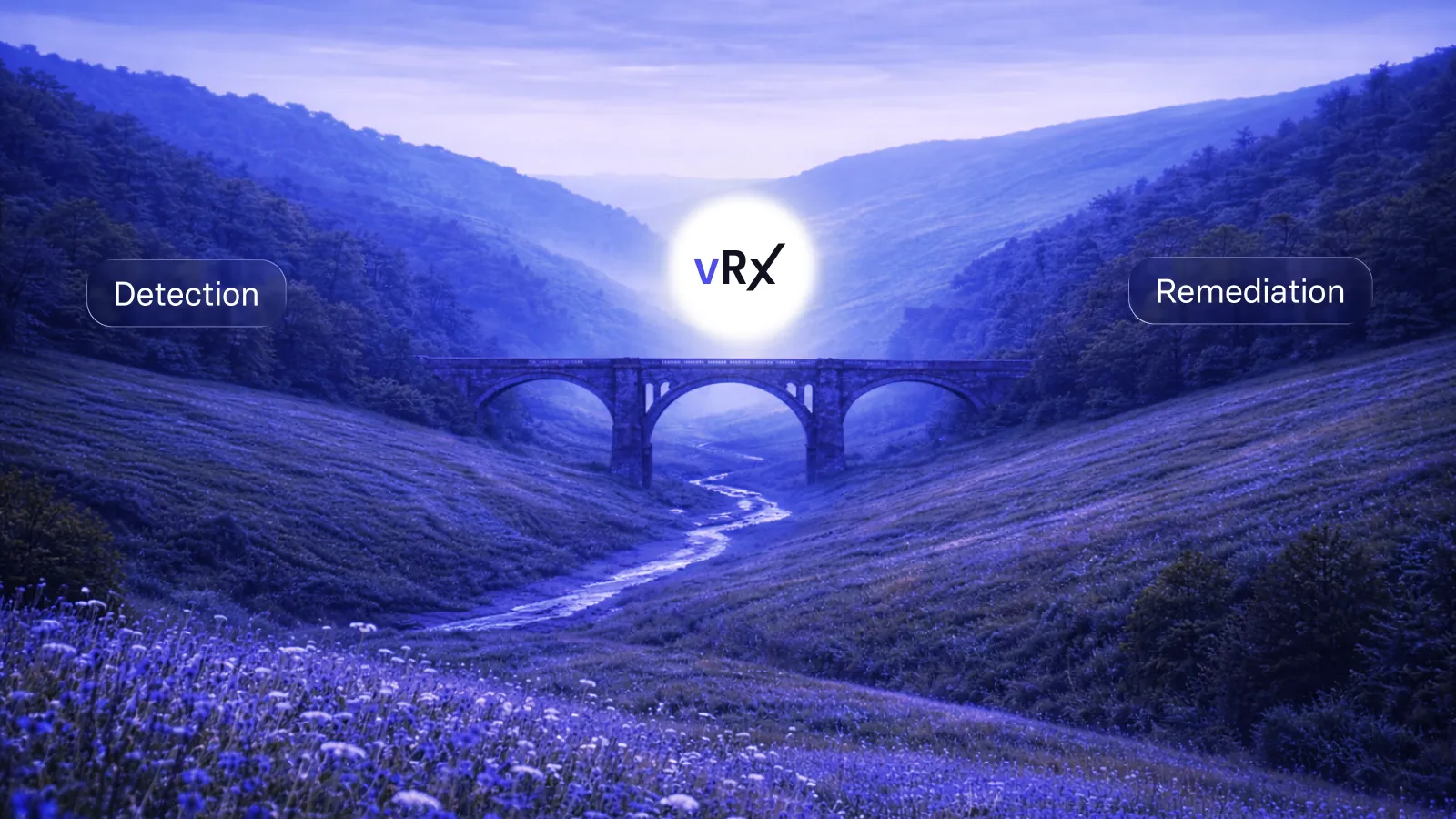
vRx’s closes this loop by offering remediation options for detected vulnerabilities
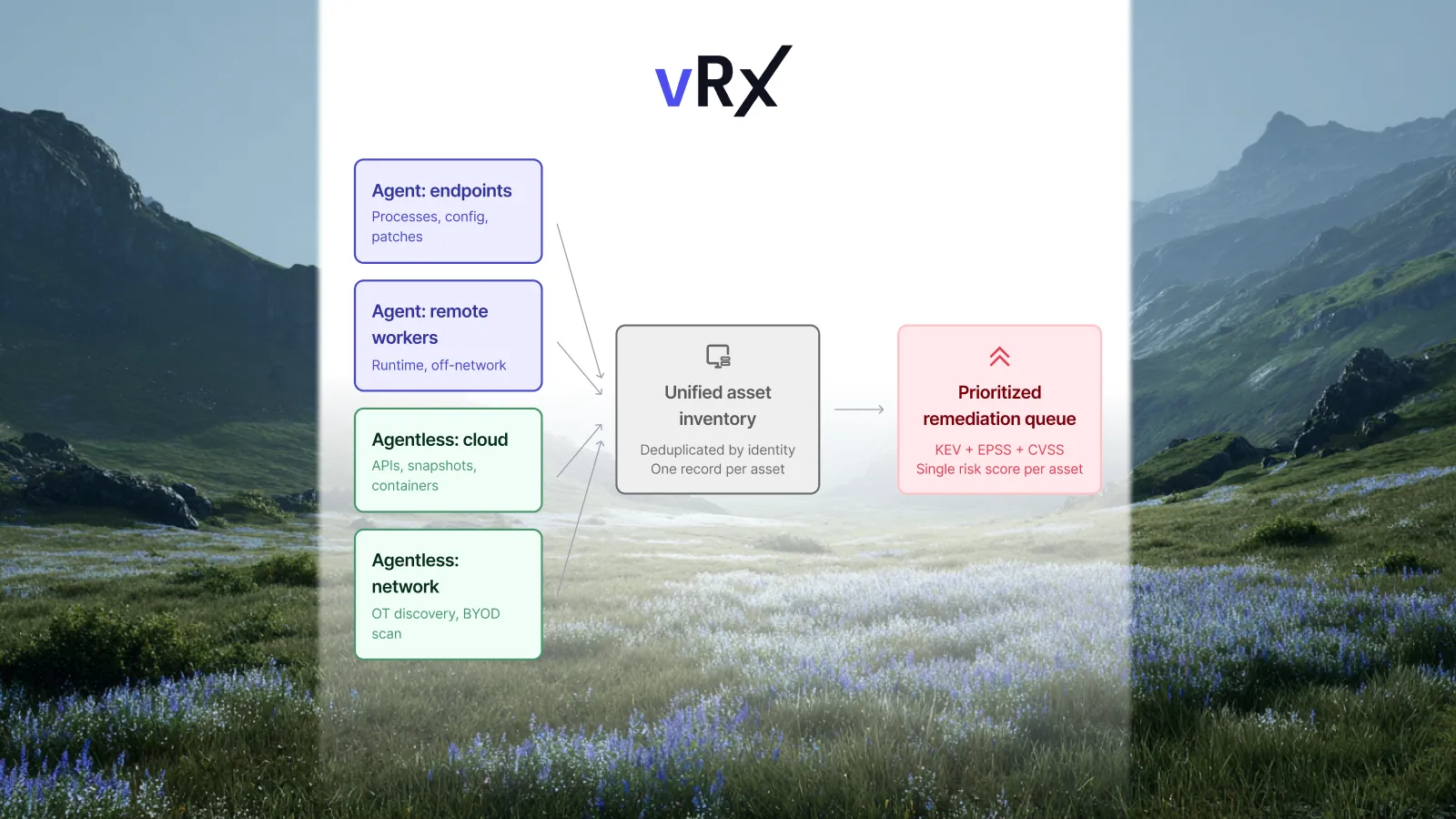
vRx’s remediation-first platform treats remediation as the primary function with detection serving that goal rather than being the end state.
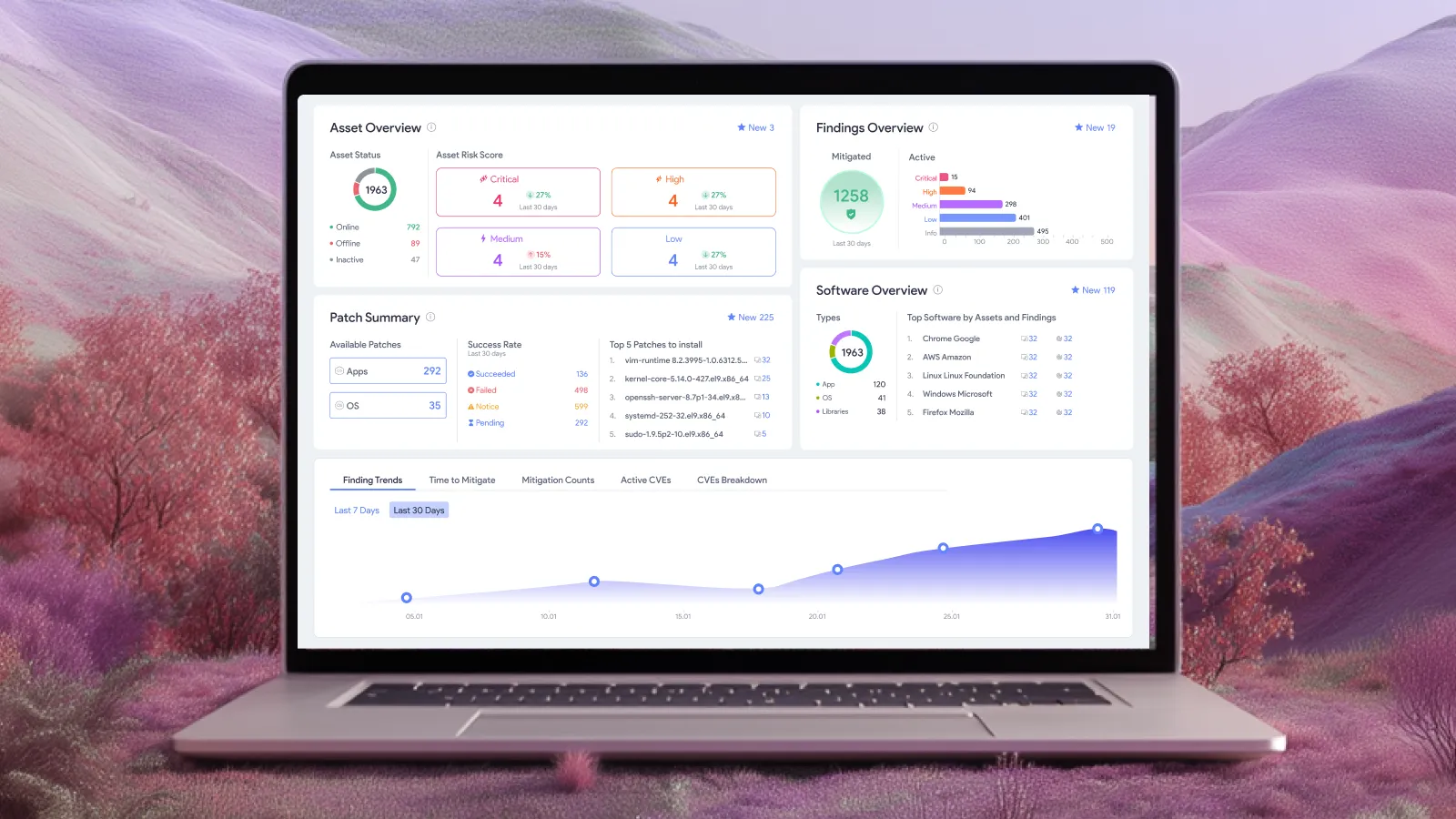
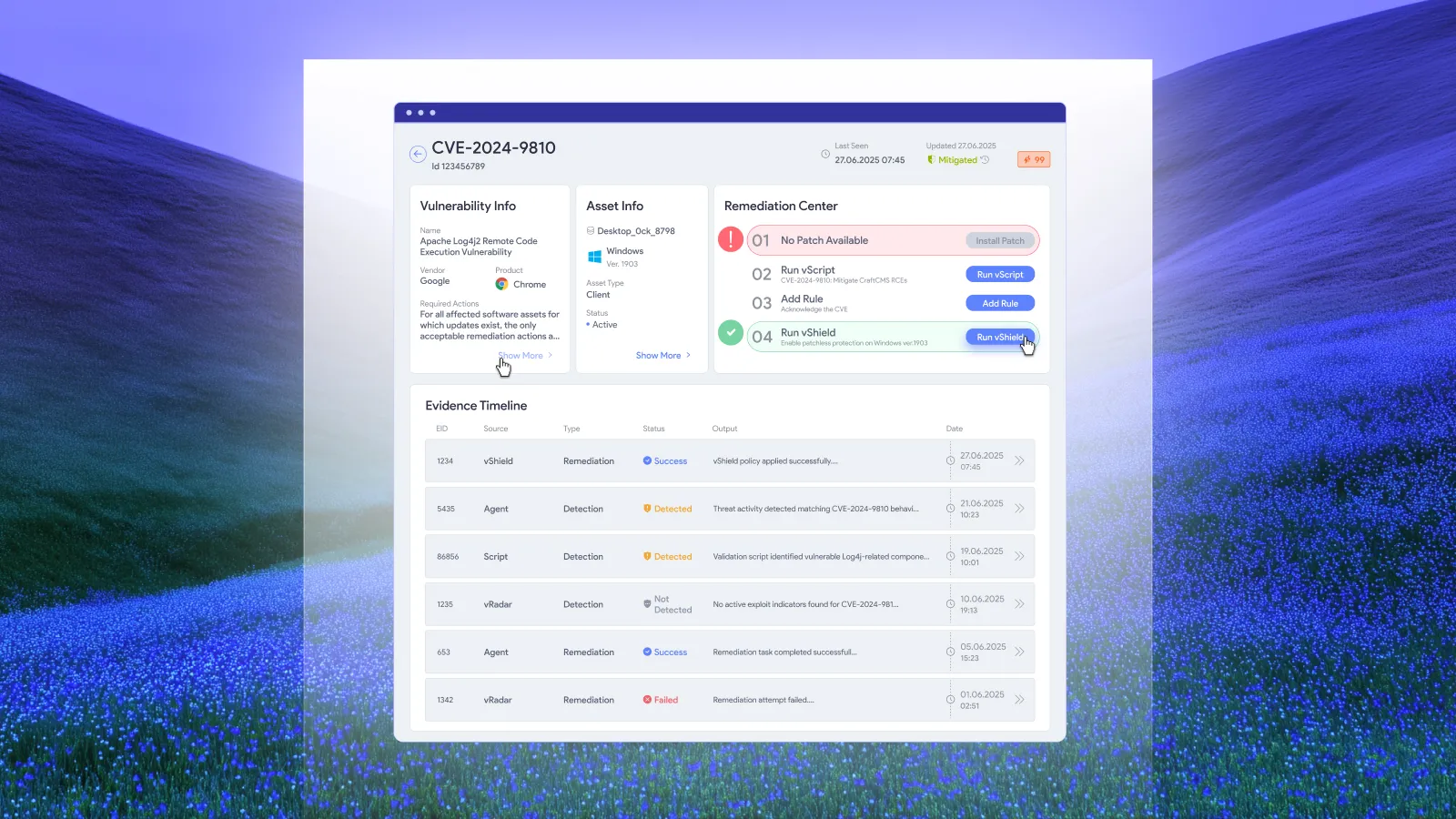
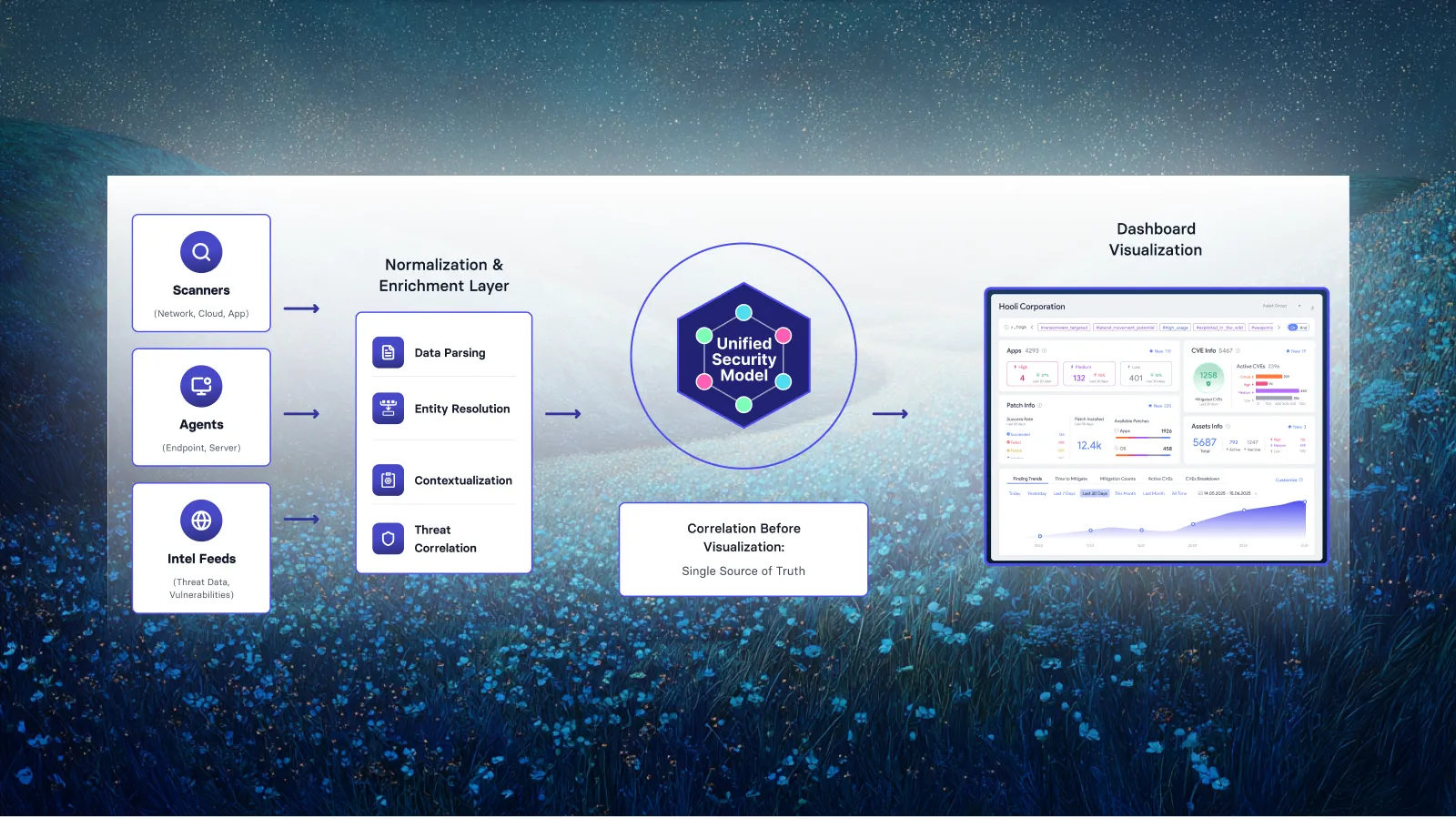
With vRx, the platform discovers vulnerabilities and immediately presents remediation options not just information about the problem, but the actual tools to fix it. Security teams can remediate directly from the same console where they identified the risk, without switching tools or waiting for another team to act.
Tickets still have their place for tracking and compliance documentation. The difference is that tickets become a record of work completed, not a queue of work waiting to happen.
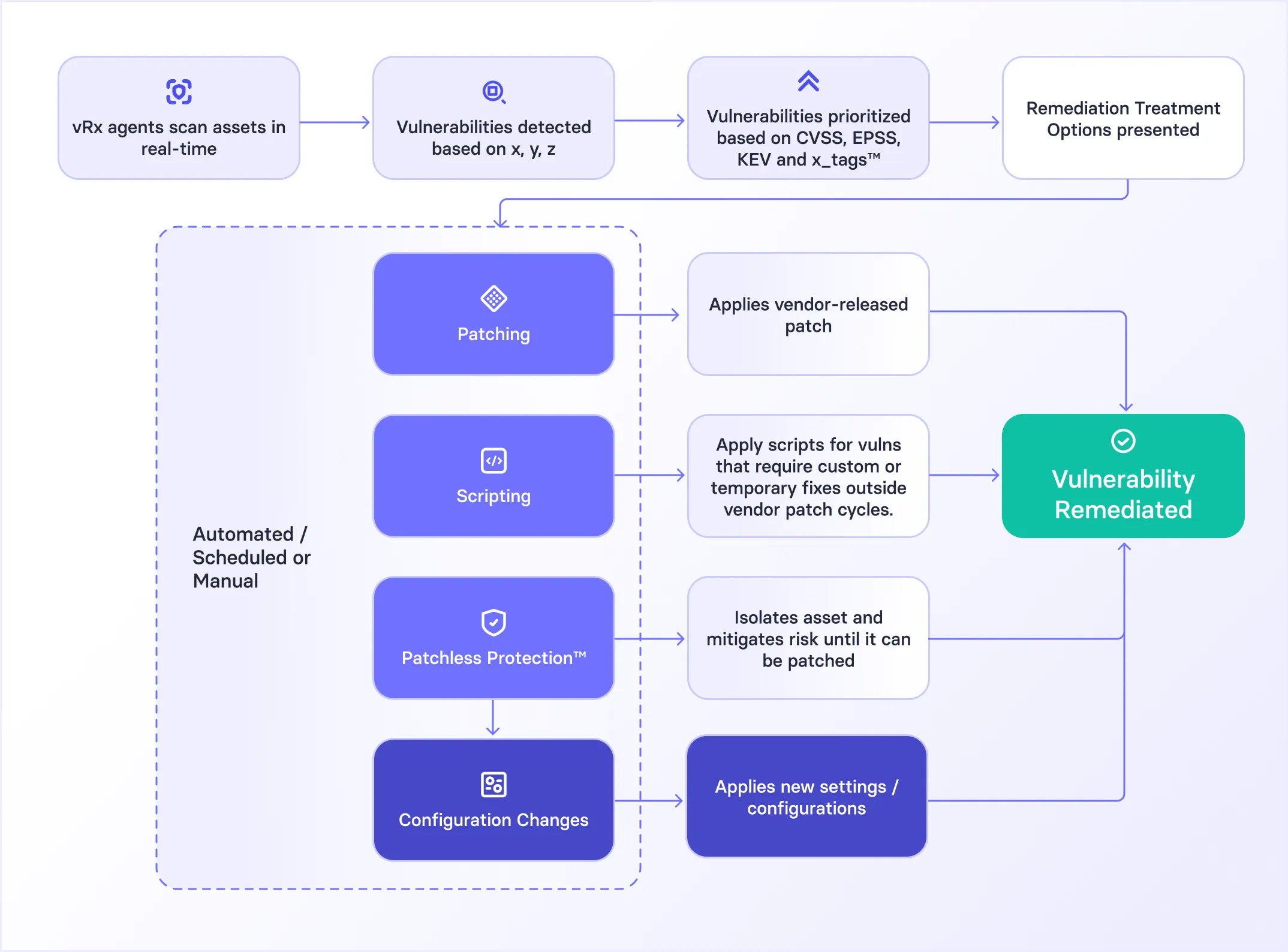
Treatment Options for True Remediation
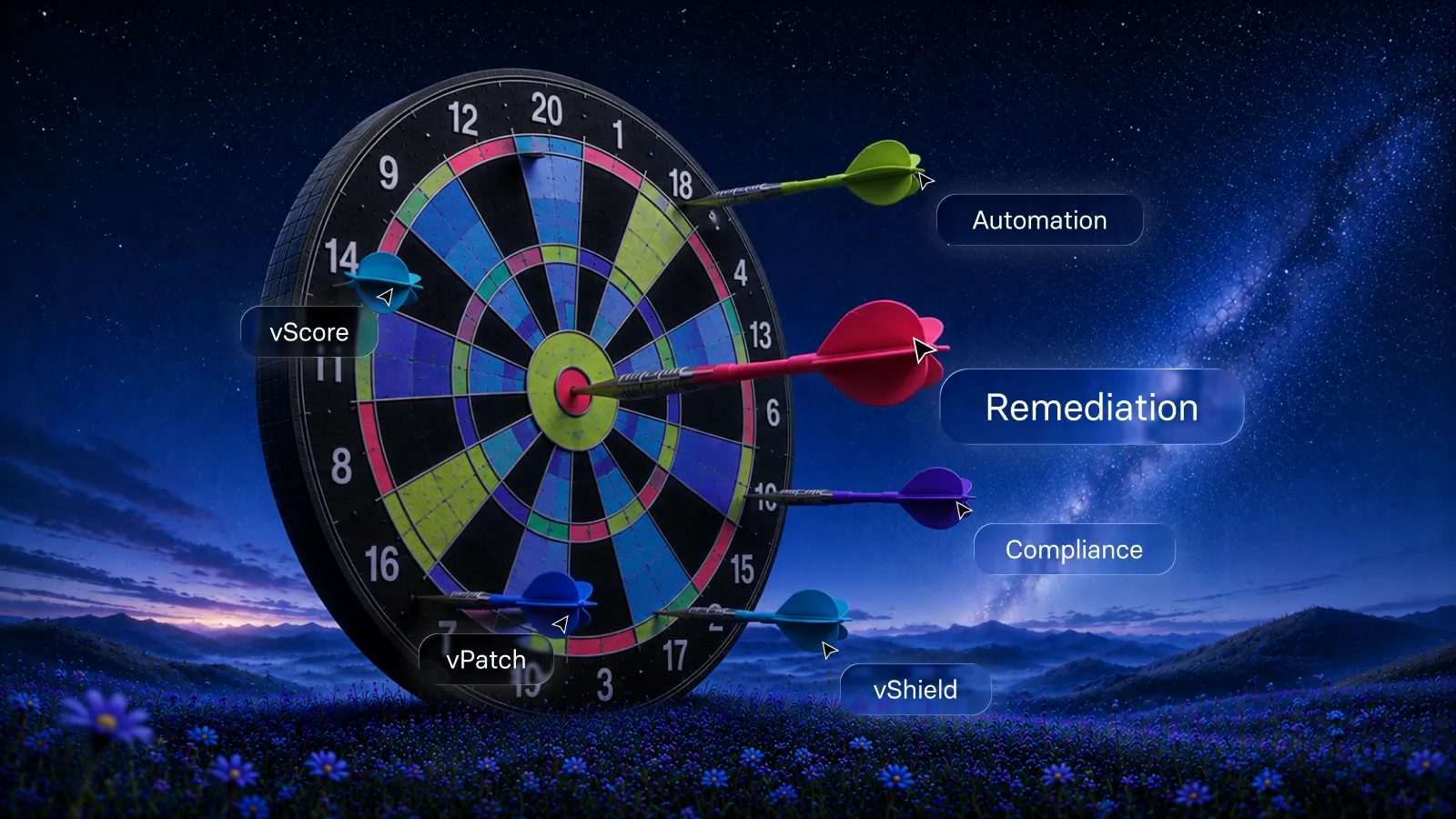
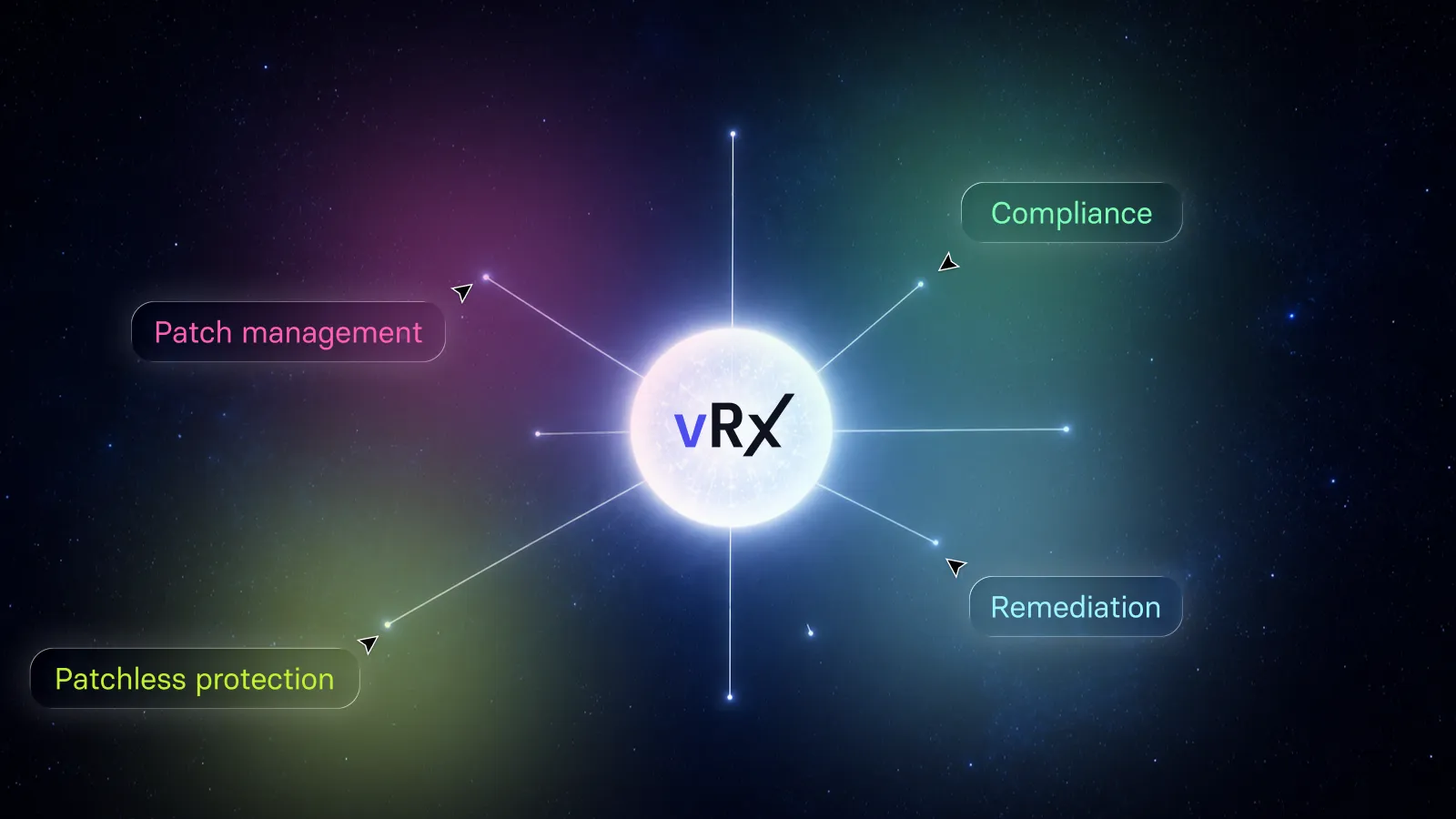
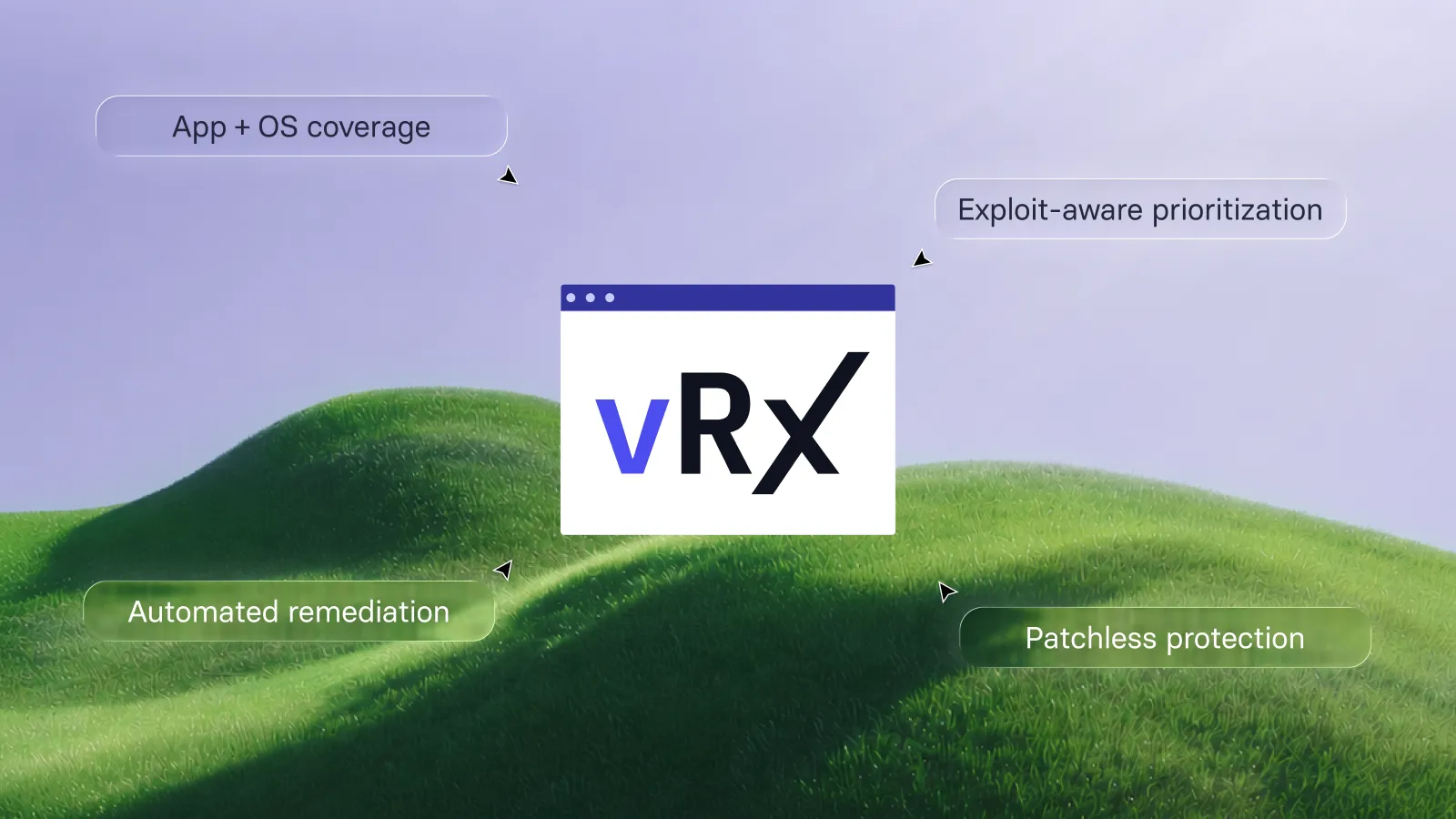
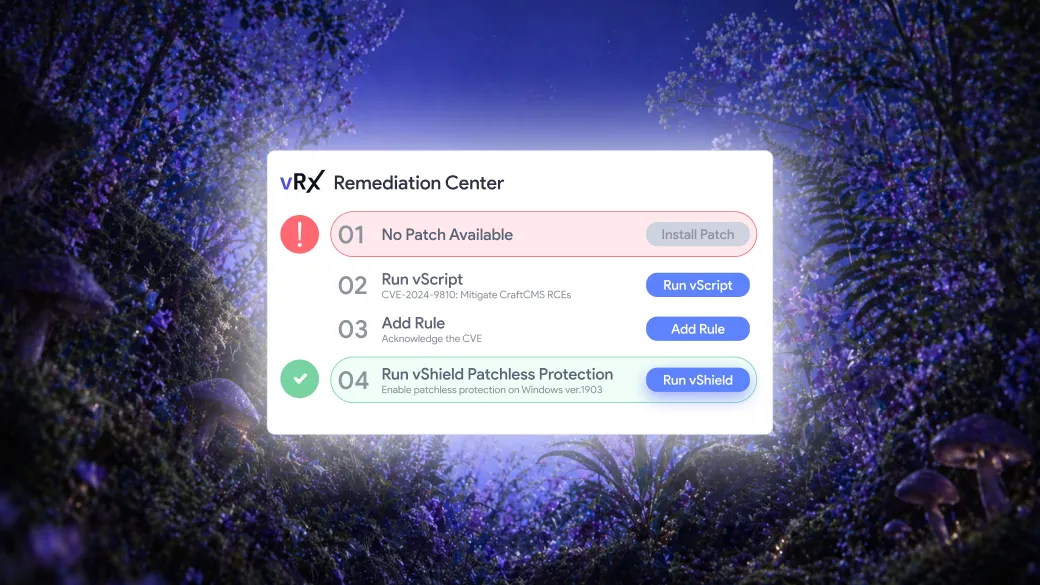
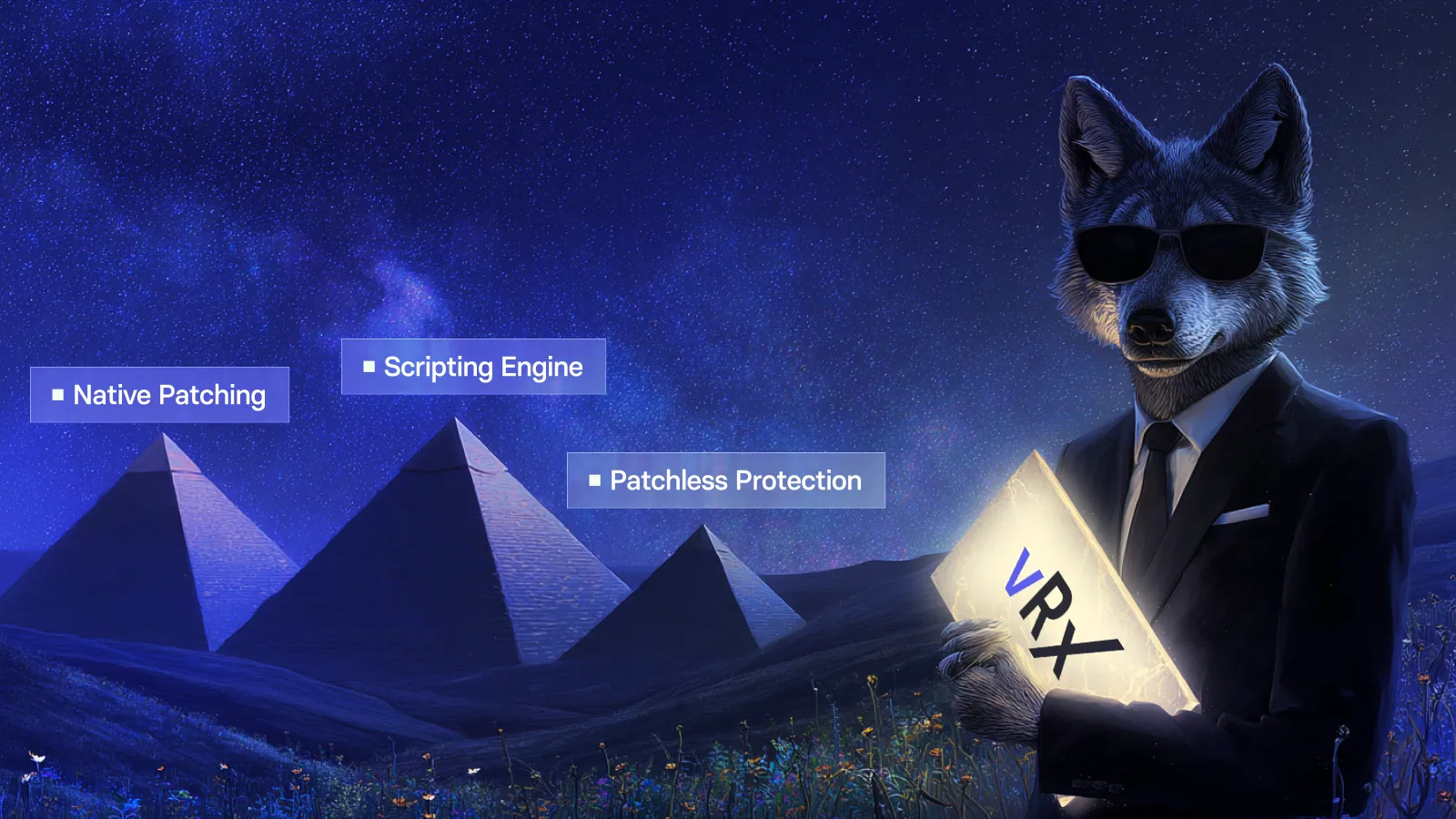
vRx offers four methods to ensure that for virtually any vulnerability, there's an actionable path to risk reduction, not just a ticket documenting the problem.
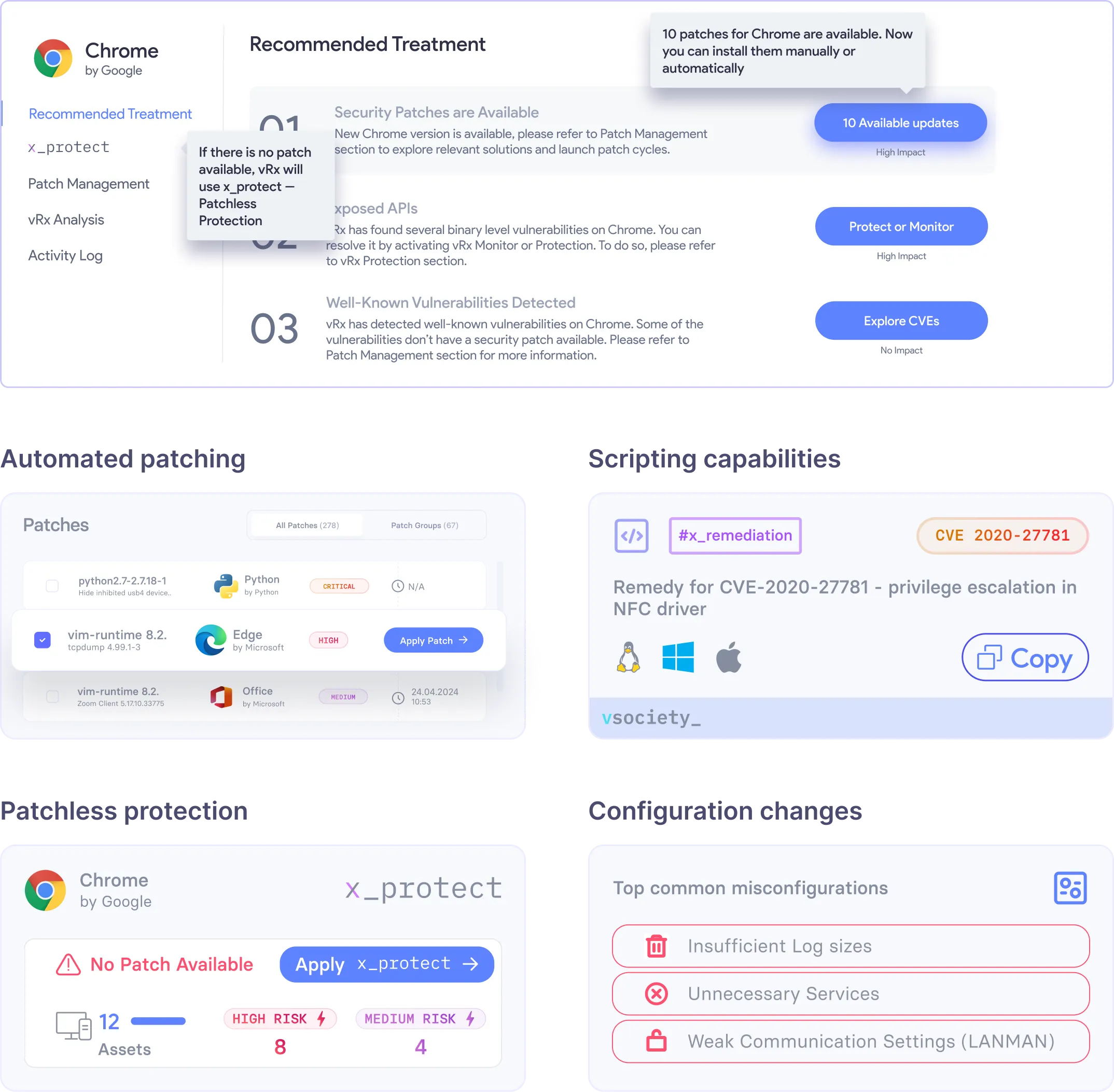
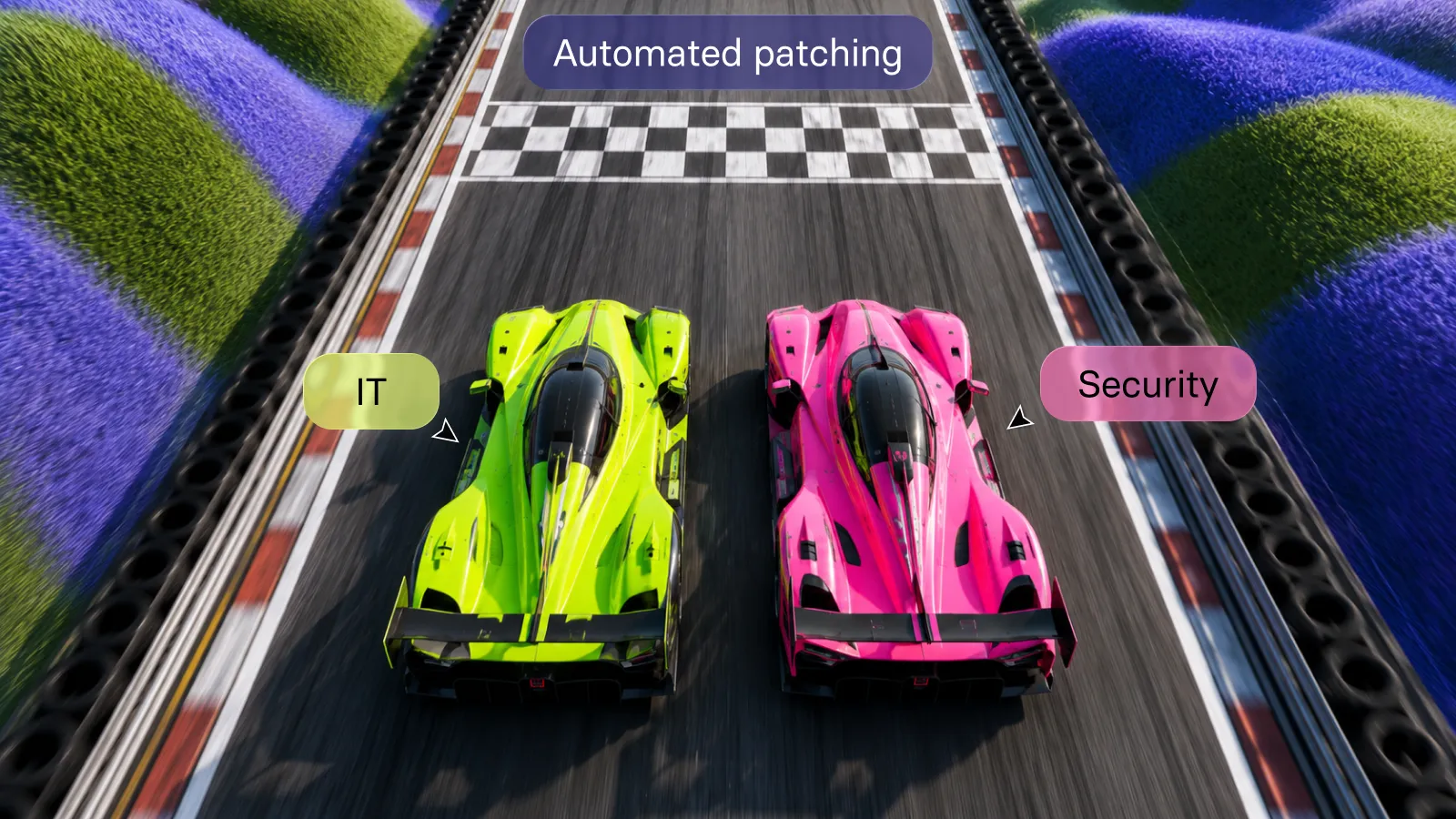
Automated patching handles straightforward cases. When a patch exists, the platform identifies it, tests compatibility, and deploys it according to your policies covering operating systems and thousands of third-party applications without manual intervention.
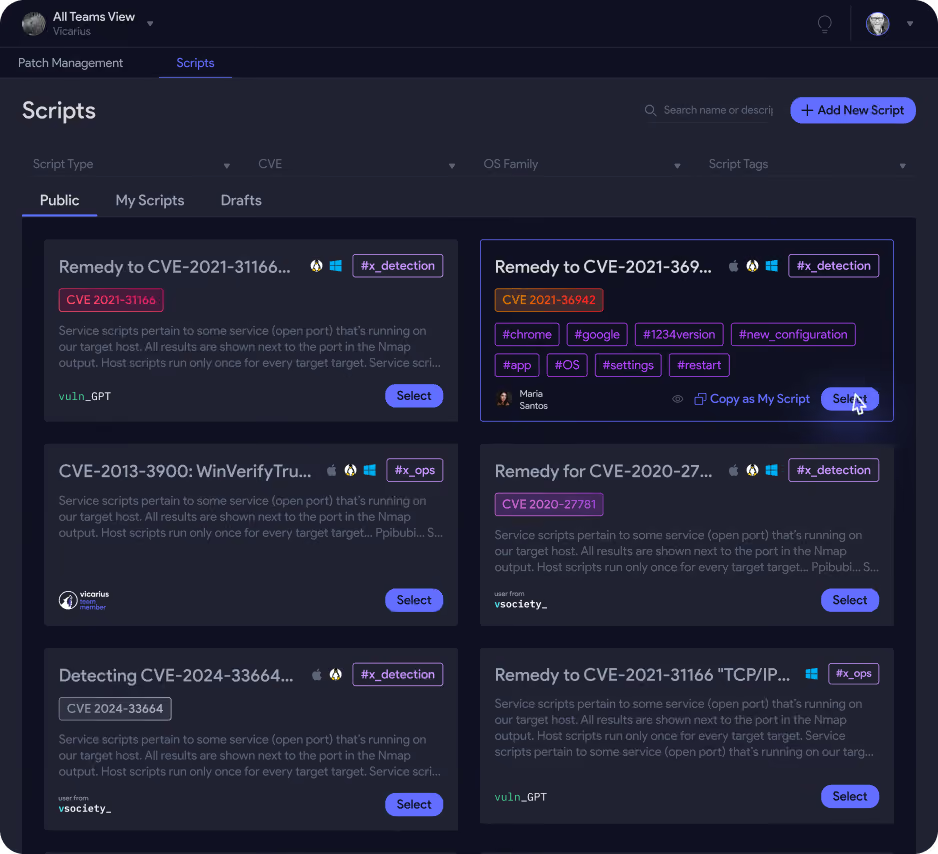
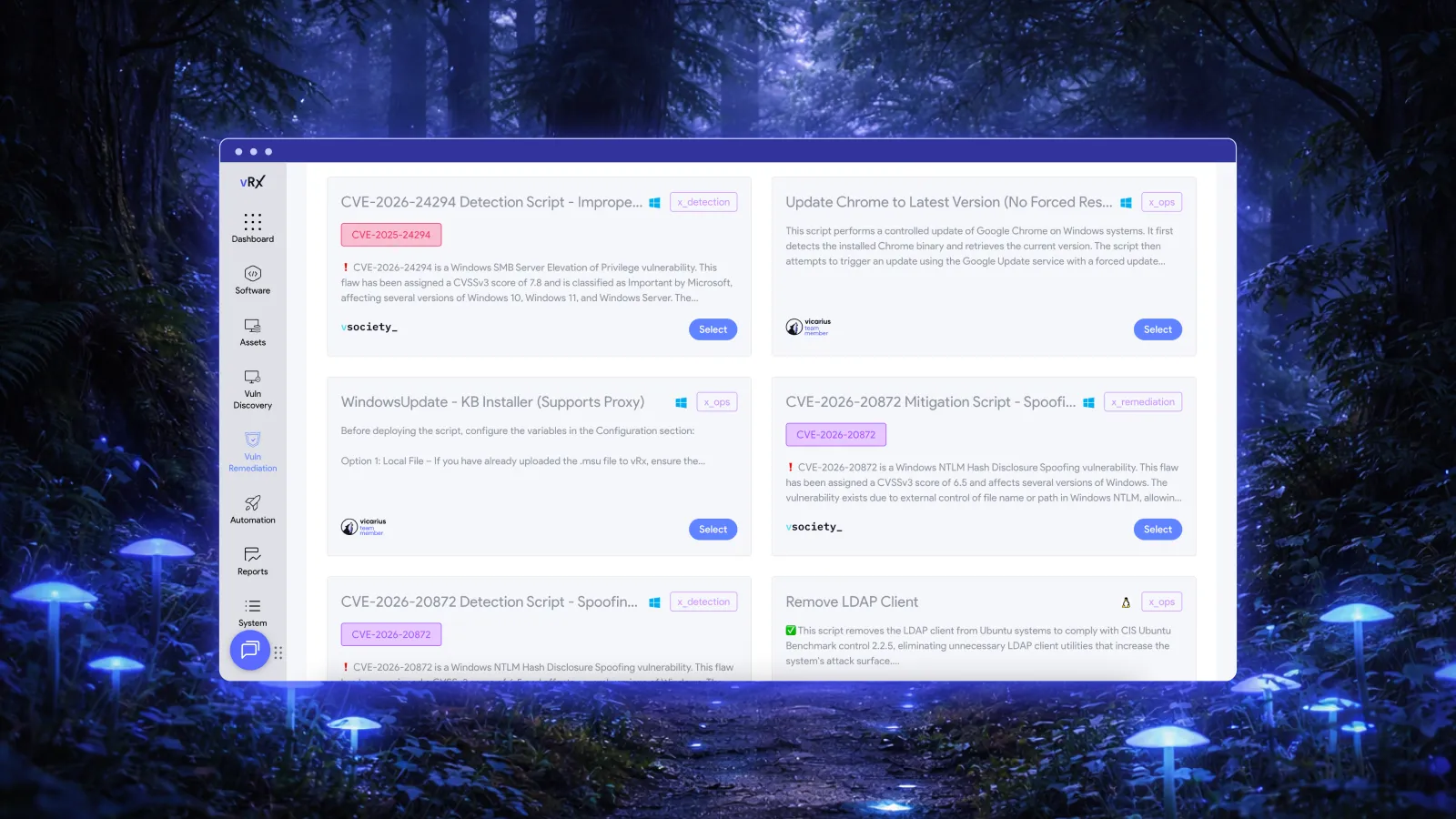
Scripting capabilities address vulnerabilities requiring more than a simple patch. Some fixes involve registry changes, configuration modifications, or targeted remediation of specific components. vRx provides verified scripts and custom scripting for complex scenarios.
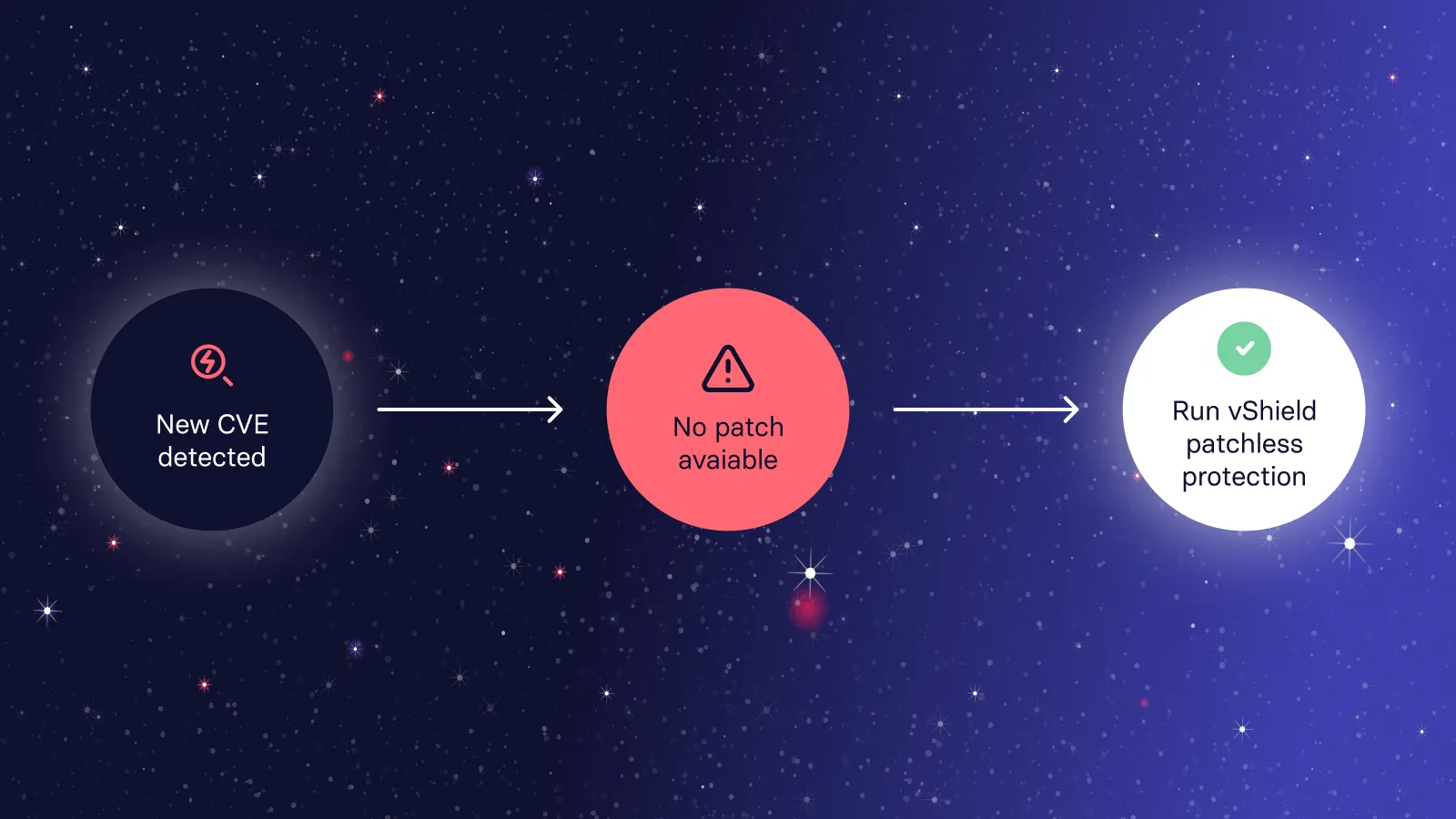
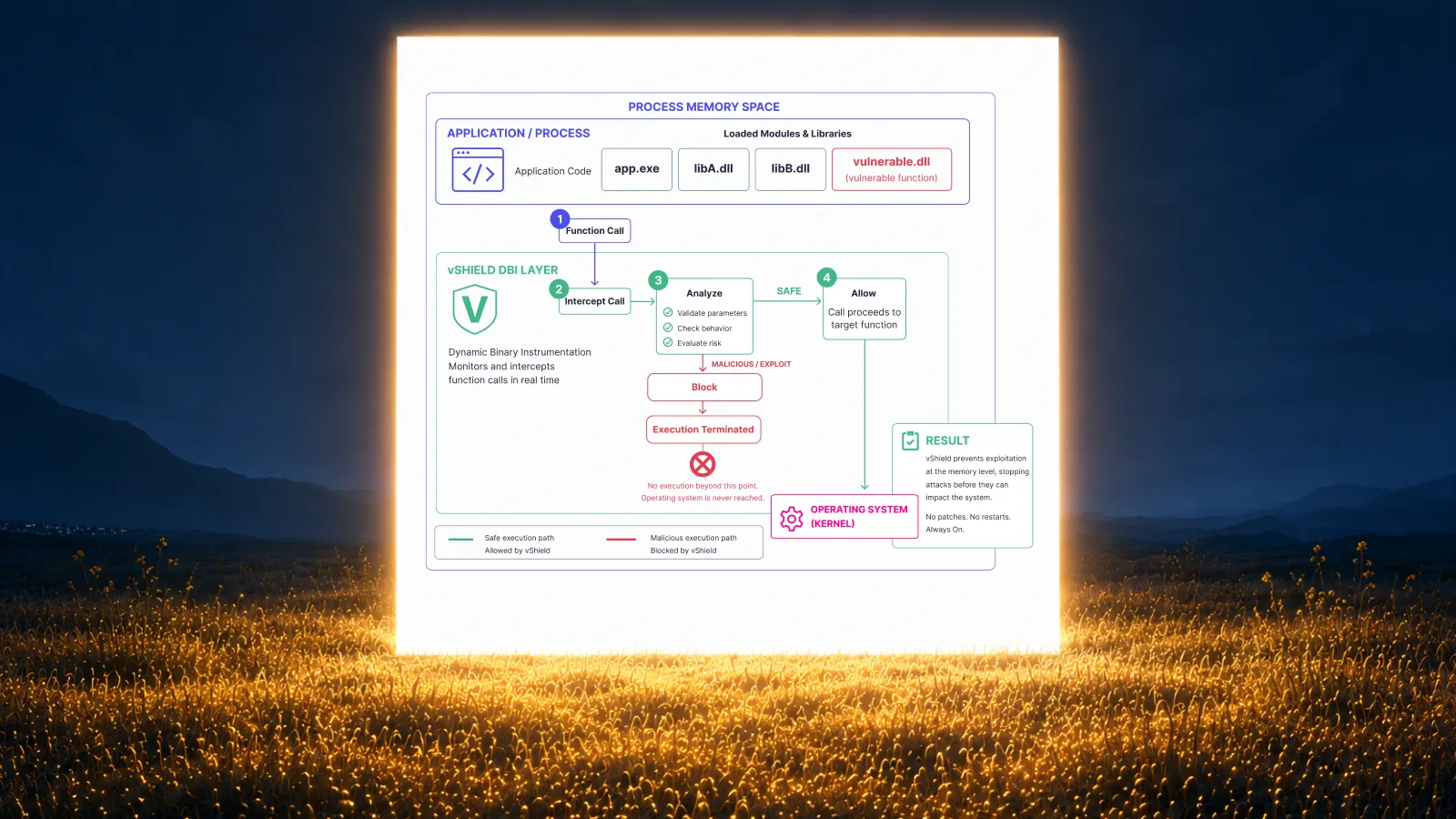
Patchless protection fills the gap when patching isn't immediately possible. When vendors haven't released a fix, when maintenance windows are weeks away, or when patching would break critical applications, compensating controls neutralize exploitability without modifying underlying software.
Configuration Changes enable organizations to reduce exposure by enforcing secure settings across systems, eliminating risks caused by weak configurations, default credentials, and misconfigured services. Using secure baseline templates, OS and application hardening, and remote configuration at scale, teams can apply and maintain consistent security posture across large, distributed environments.
The Real-World Impact that vRx customers report
Time to remediation drops dramatically. Organizations report 60-70% reductions in mean time to remediate. Tasks that took weeks of ticket juggling now complete in days or hours.
Manual effort decreases significantly. Some organizations see 80% reductions in time spent on manual patching. That time redirects to strategic security work.
Vulnerability backlogs actually shrink. Remediation cycles that occurred quarterly now happen weekly. The backlog becomes manageable because fixes happen faster than new vulnerabilities appear.
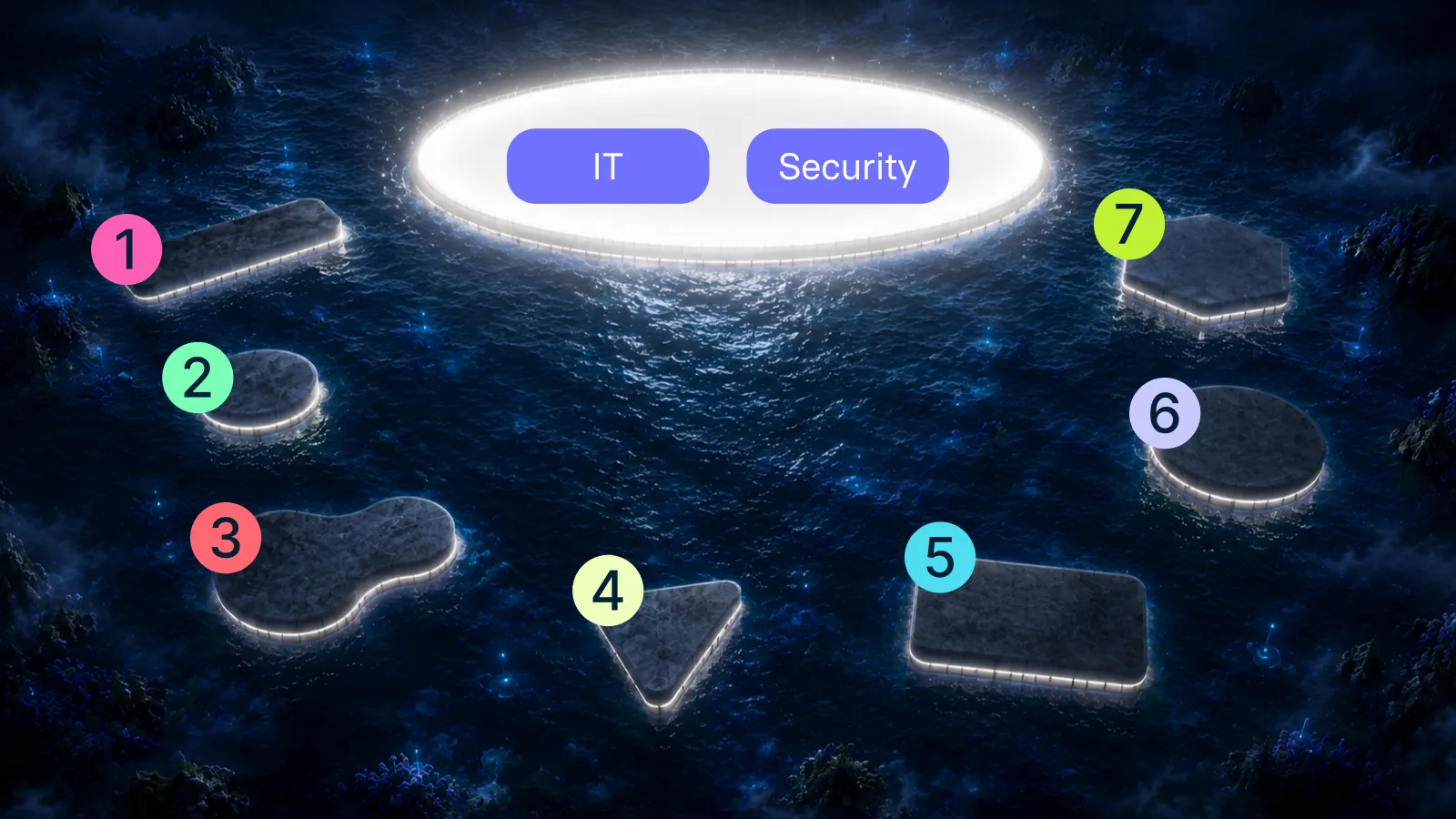
Security and IT alignment improves. When both teams work within the same platform, handoff friction disappears. The adversarial dynamic between "the team that creates tickets" and "the team that closes them" gives way to collaboration.
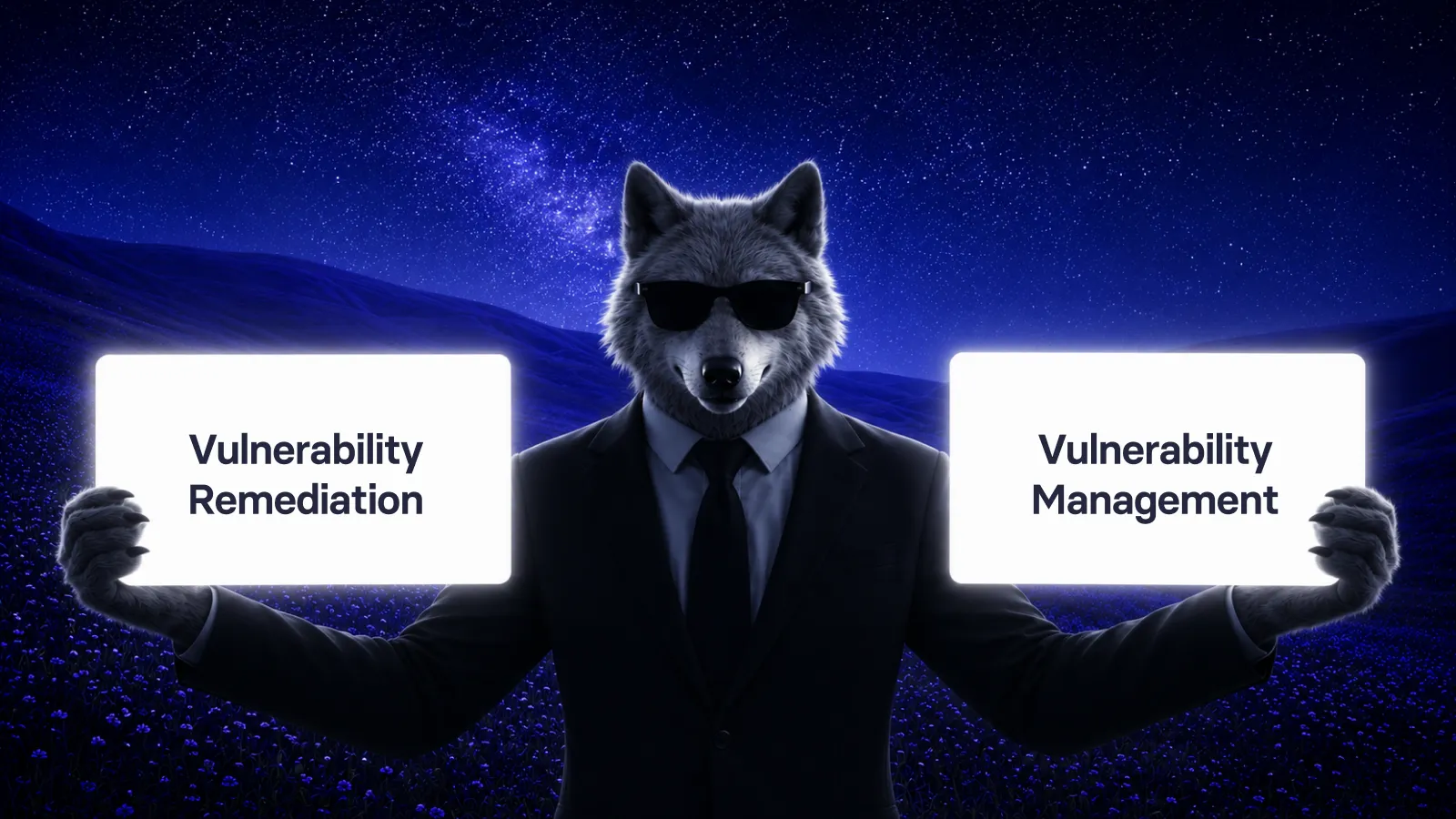
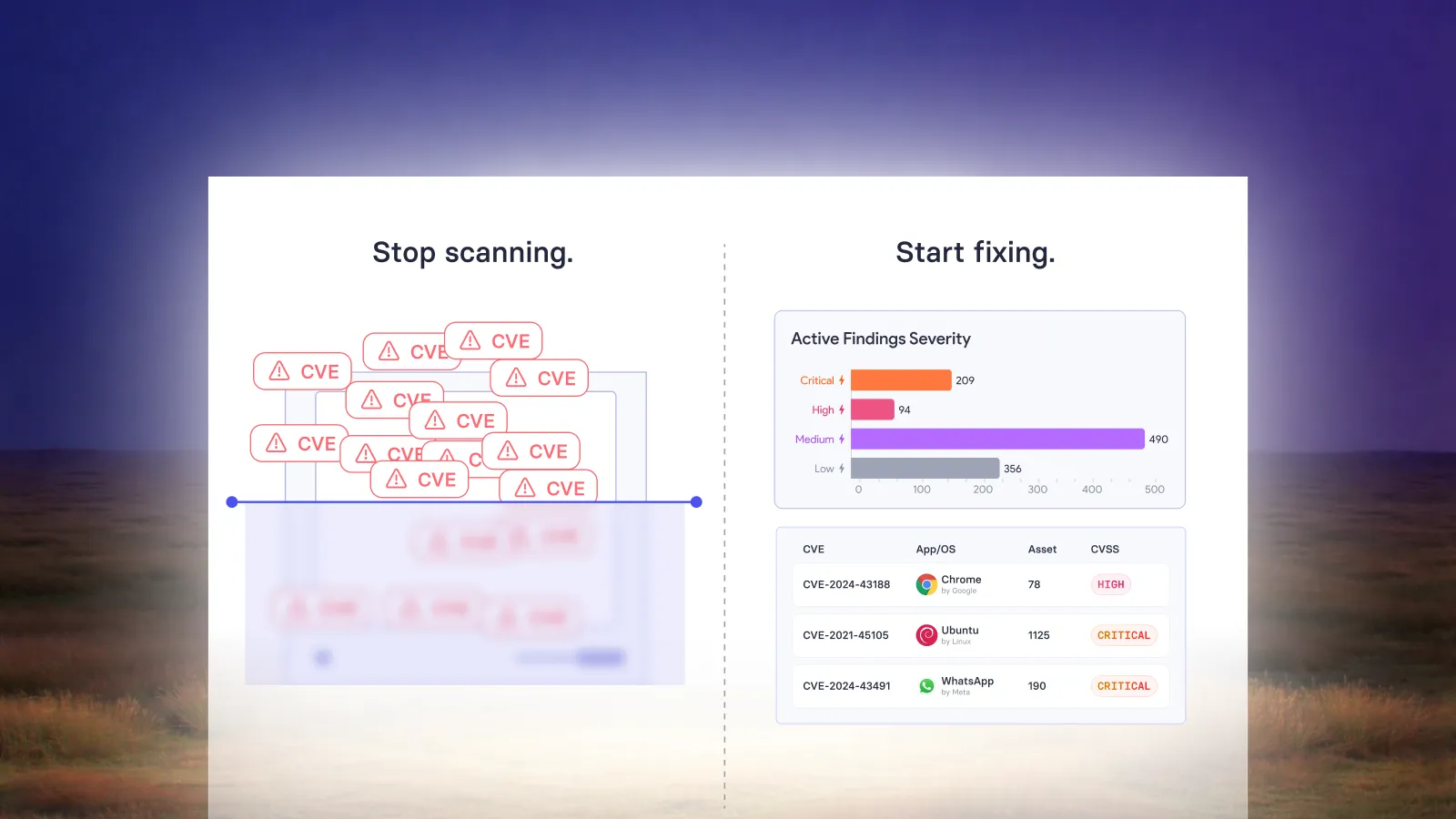
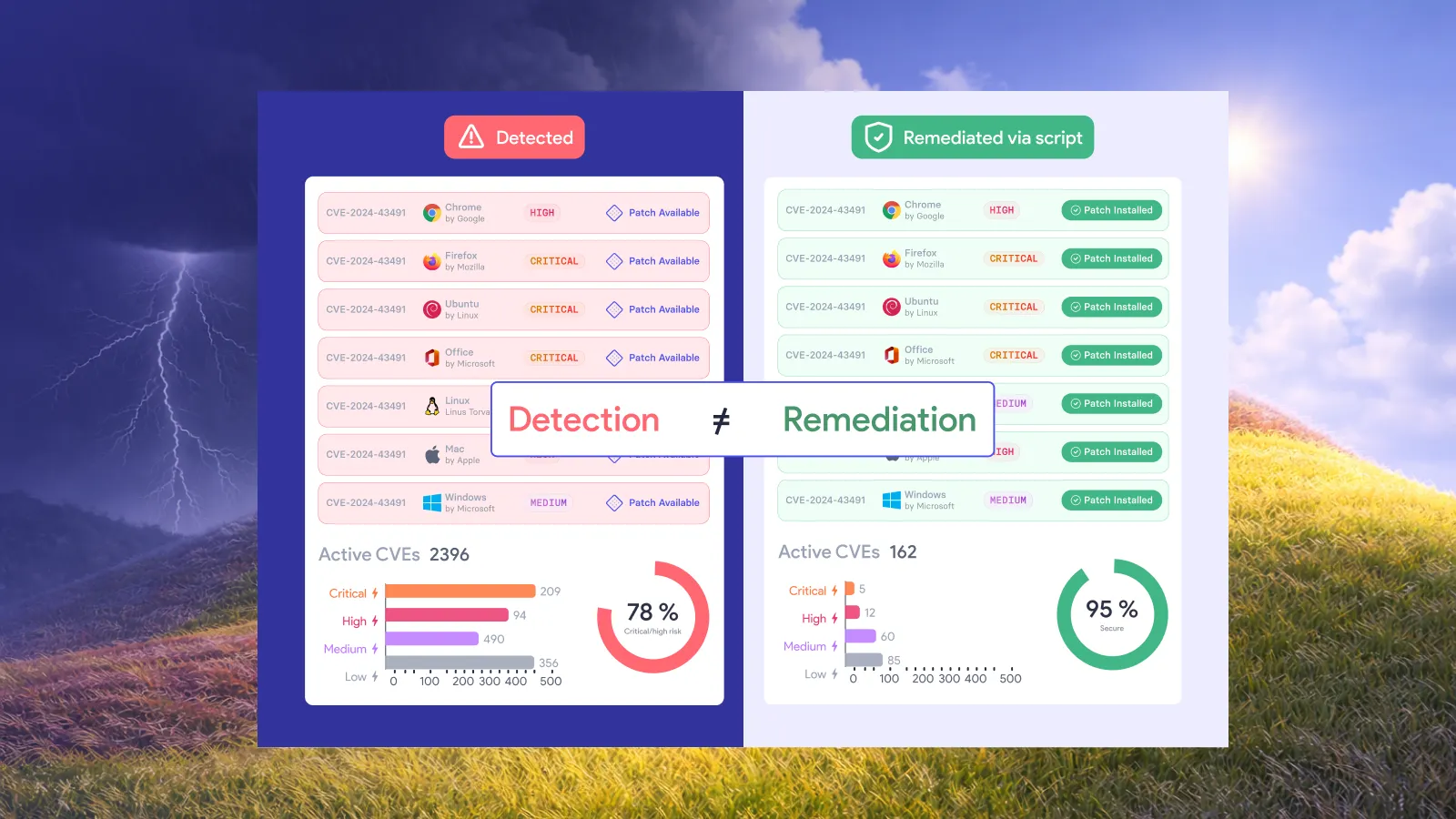
Side-by-Side Comparison
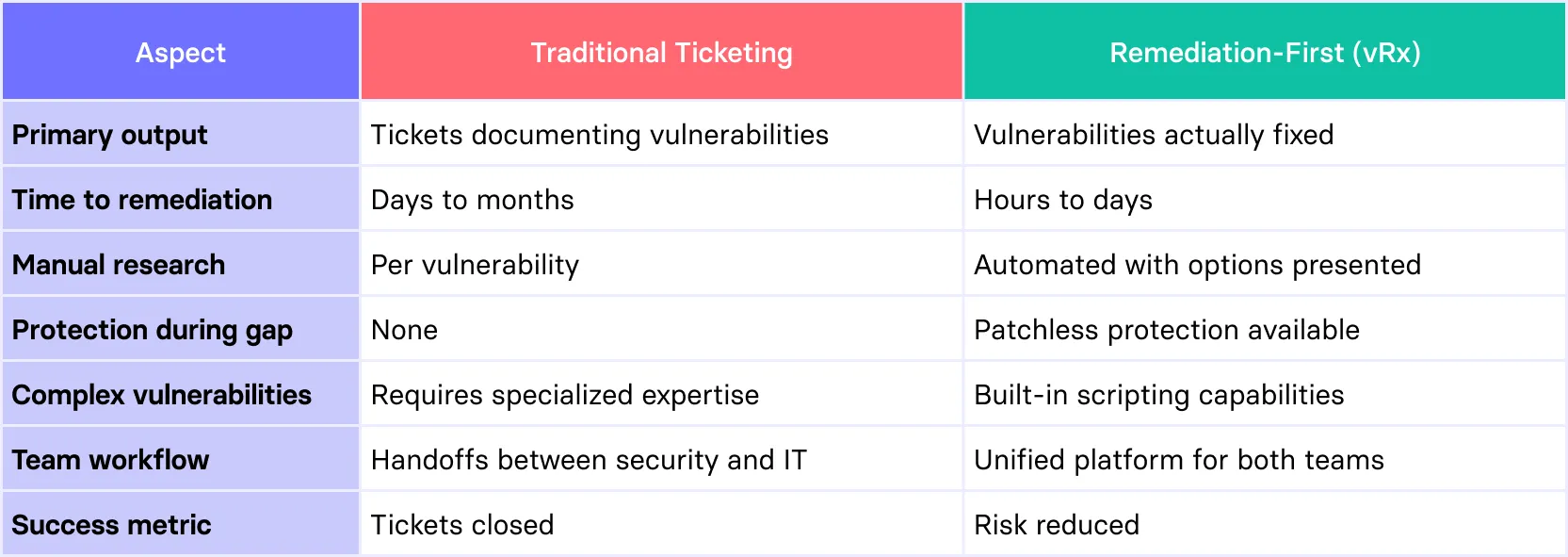
As an industry we have spent years perfecting detection. Scanners are faster and more comprehensive than ever. Prioritization algorithms incorporate threat intelligence and asset context to surface what matters most.
But detection was never the hard part. Finding vulnerabilities is straightforward. Fixing them at scale, consistently, faster than new ones appear is where organizations struggle.
A remediation-first approach builds the solution around this reality. Instead of handing off to ticketing systems and hoping for the best, vRx by Vicarius provides automated patching, scripting for complex cases, and compensating controls when patches aren't available.
Ready to see what remediation-first looks like in practice? Explore how vRx closes the gap between identifying vulnerabilities and actually fixing them.
Related resources:
















.webp)











%20Signals%20a%20New%20Era%20of%20Supply%20Chain%20Risk.webp)





.webp)