

“It takes all the running you can do, to keep in the same place. If you want to get somewhere else, you must run at least twice as fast as that!” – from Through the Looking Glass by Lewis Carroll
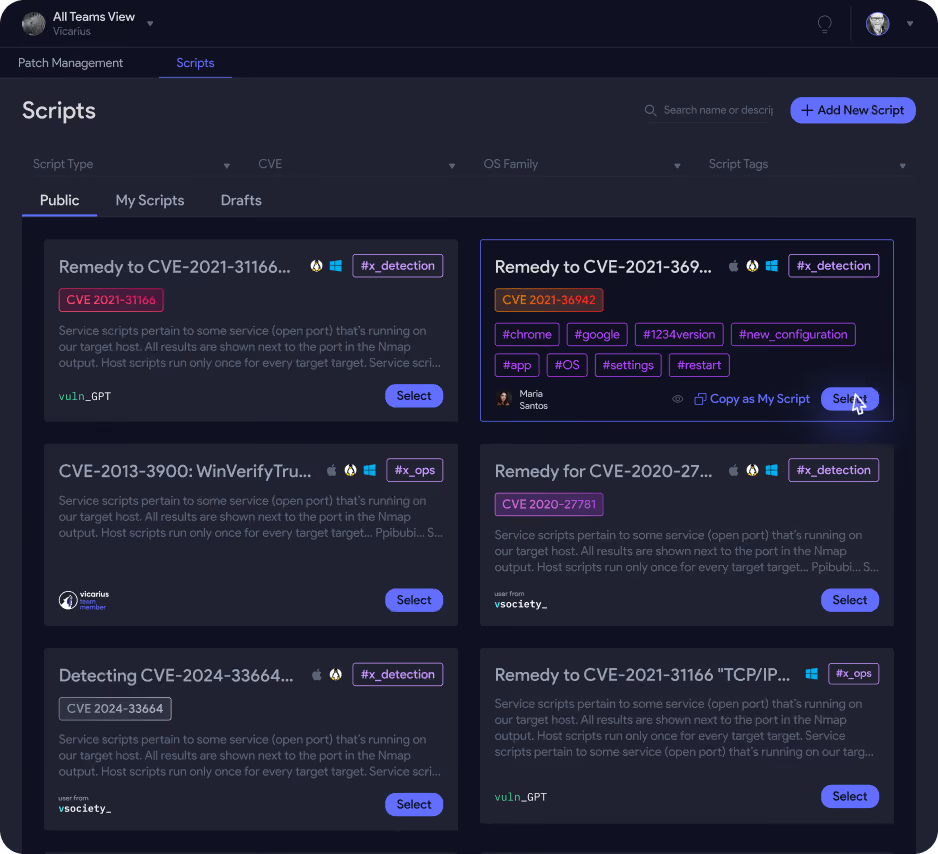
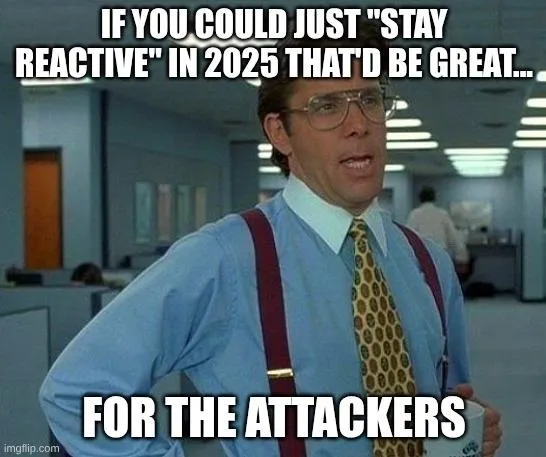
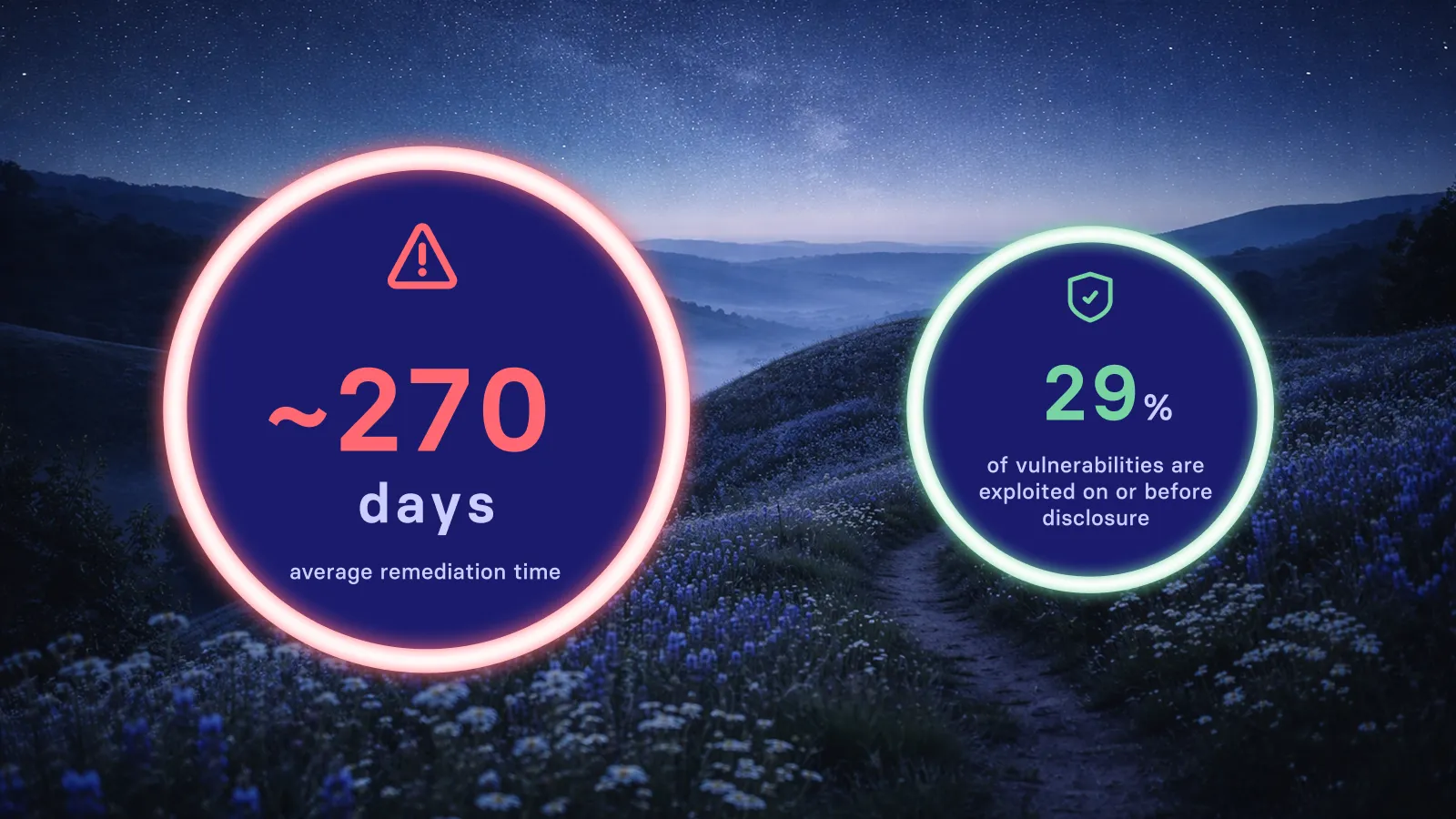
Everything feels flipped on its head lately, almost like crossing into a different reality. Malware now uses AI-driven “vibe coding” to rewrite itself and slip past detection, which means hesitation usually ends in being blindsided. For MSPs, relying on reactive security just doesn’t hold up anymore.
“We fix it when it breaks”: Too little, too late?
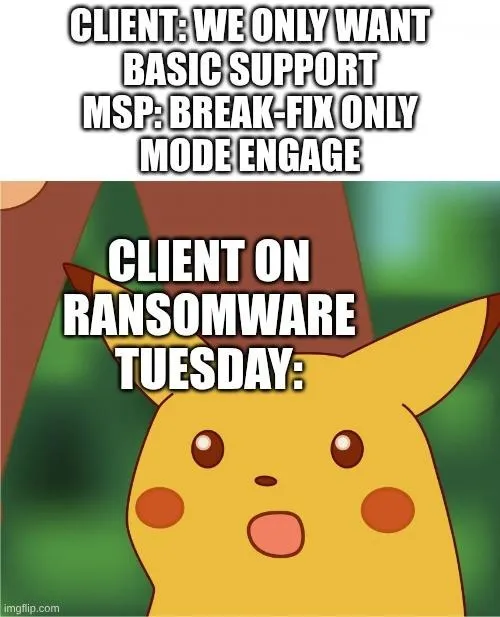
The break-fix mindset is struggling to survive in environments that move faster every quarter. Clients operate in a world where digital continuity is assumed, remote workflows must hold together under pressure, and regulatory exposure is never far from view. They already expend significant effort running as fast as they can merely to avoid losing ground, and they expect their MSPs to help them keep momentum rather than simply restoring lost function after the fact. When the only tangible contribution an MSP makes is during a disruption, clients might rightfully begin to regard the MSP as part of the problem rather than part of the solution, and themselves as the precipitate.
This creates a perception gap that widens over time. Executives often compare reactive MSPs on shallow criteria because the service feels interchangeable across providers. That pushes the conversation toward price rather than capability, compressing margins and eroding trust. A relationship built primarily on ticket closures rarely inspires confidence during a time when organizations need guiding hands more than ever. MSPs need to be ahead of the curve on tech trends for their clients’ sake.
The result otherwise is an MSP running twice as fast to get anywhere while clients quietly look for partners who understand that the terrain itself is accelerating.
How MSPs can reposition themselves around measurable business outcomes
MSPs seeking a more durable position in their clients’ strategic thinking need to reorient their work around the improvements they enable rather than the actions they perform. Clients invest in reliability, resilience, and predictability; they want confidence that core workflows will hold together under routine load and during moments of stress. When the MSP describes its contribution in these terms, the relationship begins to feel more like forward motion than perpetual recovery.
Articulating a value story that resonates
A strong value proposition identifies what becomes easier, safer, or more predictable when the MSP operates at its best. Leaders respond well to clarity about reduced operational incidents, steadier IT spending, stronger compliance posture, or greater workflow stability. These outcomes express the MSP’s work in the language of progress rather than maintenance, making it easier for stakeholders to link investment to practical benefit.
Establishing a consultative rhythm that encourages foresight
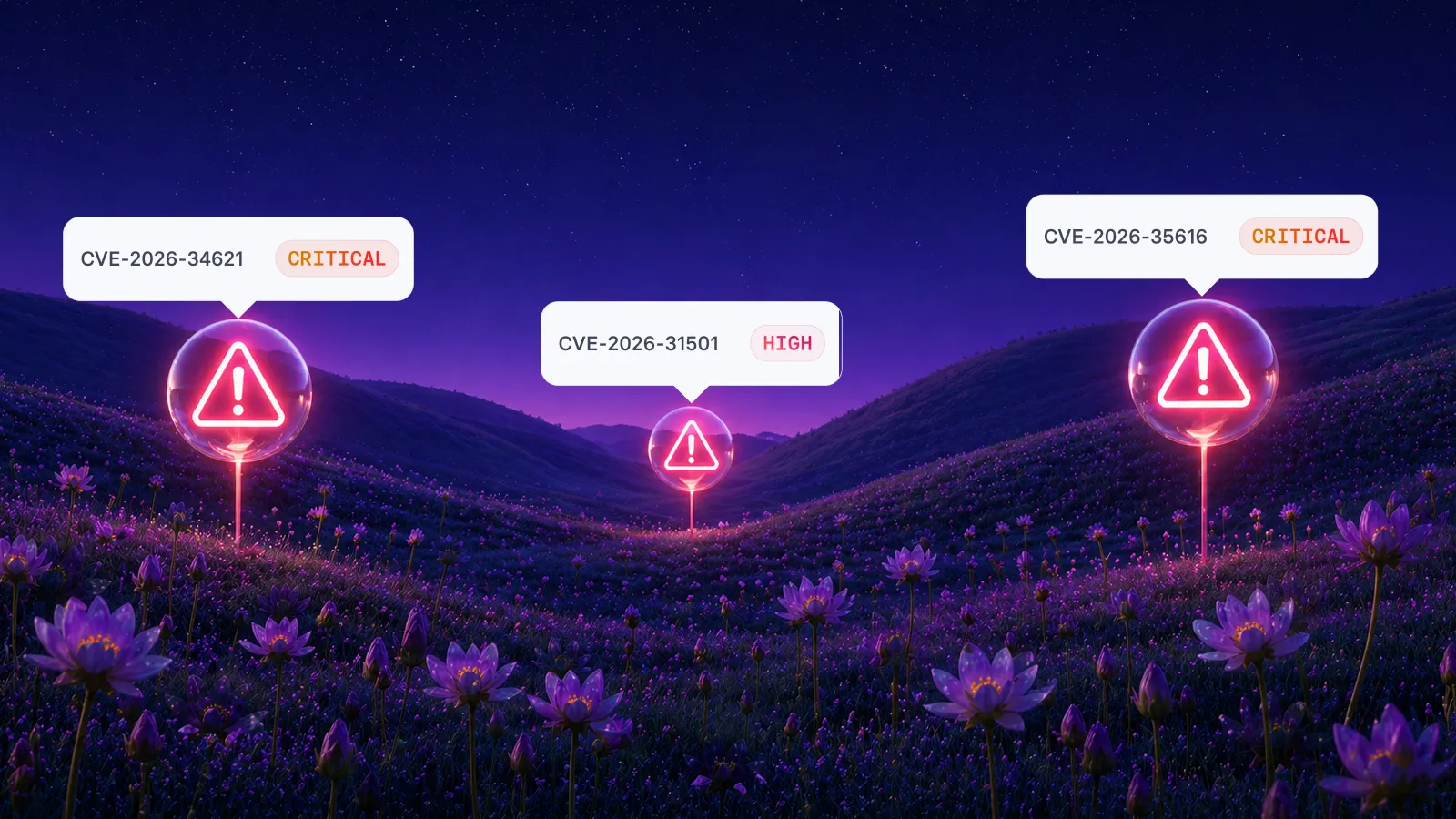
A more strategic posture emerges once the MSP shapes interactions around trends, risks, and upcoming shifts in the environment. When conversations spotlight how the client’s operational landscape is evolving, the MSP becomes a source of orientation. This habit builds trust because it demonstrates awareness of the forces that affect the client’s ability to keep pace. A structured, regular strategic dialogue replaces the reactive, incident-driven contact pattern that often leaves MSPs trapped in firefighting narratives. A consultative rhythm becomes even more valuable when the MSP also alerts clients to risks that are beginning to surface elsewhere, offering quiet but timely signals that help them brace before those pressures arrive.
Packaging services around desired outcomes
Service design gains clarity when offerings reflect levels of assurance rather than collections of tools. Clients choosing between tiers should understand that each level represents a different degree of operational steadiness or risk oversight. This gives them a straightforward way to select the degree of stability they want to maintain, and it gives the MSP a natural framework for demonstrating improvement through reporting, trend analysis, and planning.
What consultative strategic client engagement looks like in practice
Once an MSP develops the posture of a guide rather than a responder, client engagement takes on a different character. Quarterly conversations shift focus toward emergent dependencies, operational friction points, and near-term changes that could alter the organization’s stability. MSPs who operate at this level help clients keep their footing in an environment where holding position demands constant adjustment.
The consultative model is not about grand gestures; it is about being present in the right way, at the right time, with the right perspective. Extending this dialogue both ways can also inform MSPs regarding clients’ growth and needs prospects, as well as ongoing possibilities for optimization as both parties’ hardware and software stacks evolve over time.
How the MSP relationship evolves when moving from reactive to consultative engagement
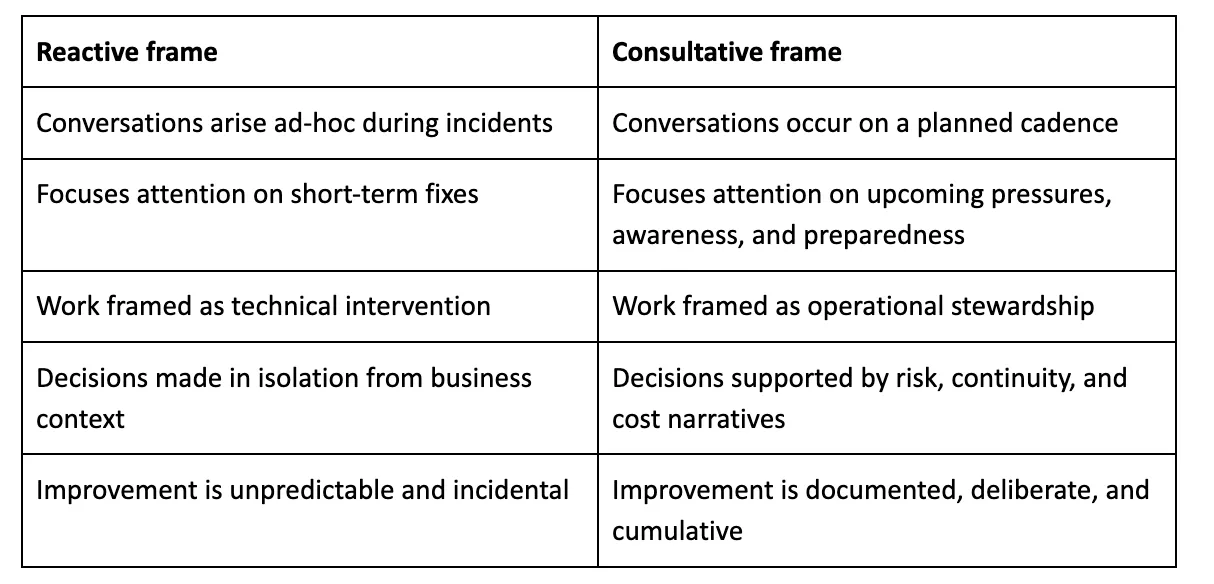
This evolution helps clients feel anchored. It reinforces the idea that progress is achievable even in fast-moving environments, provided someone is watching the right indicators.
How security-led services become the foundation for strategic partnership
Security has become one of the most decisive forces shaping technology management. Threat actors adapt continuously, insurers tighten their underwriting expectations, and regulators expect organizations to demonstrate that their controls continue to operate reliably year-round. MSPs who bring continuous visibility, structured remediation, and genuine risk context into their clients’ environments demonstrate a maturity that speaks directly to executive concerns. Their work becomes a stabilizing force rather than an afterthought.
Leaning into security accelerates the MSP’s transition into strategic territory. Continuous assessment surfaces areas of fragility before they crystallize into failures. Prioritized remediation focuses attention on issues that carry the greatest operational or reputational impact. Clear reporting provides executives with a sense that risk is being managed deliberately rather than by routine or instinct.
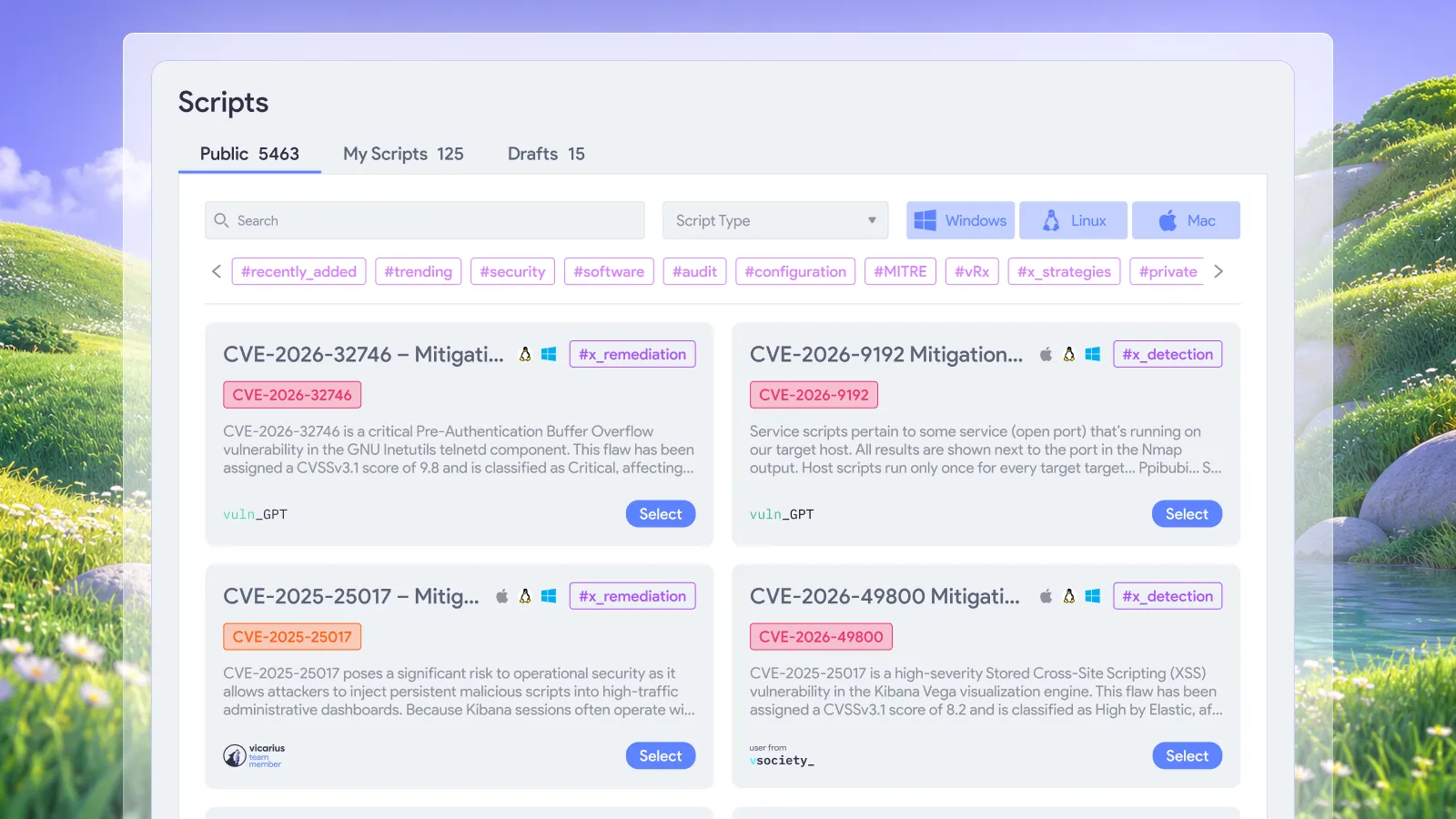
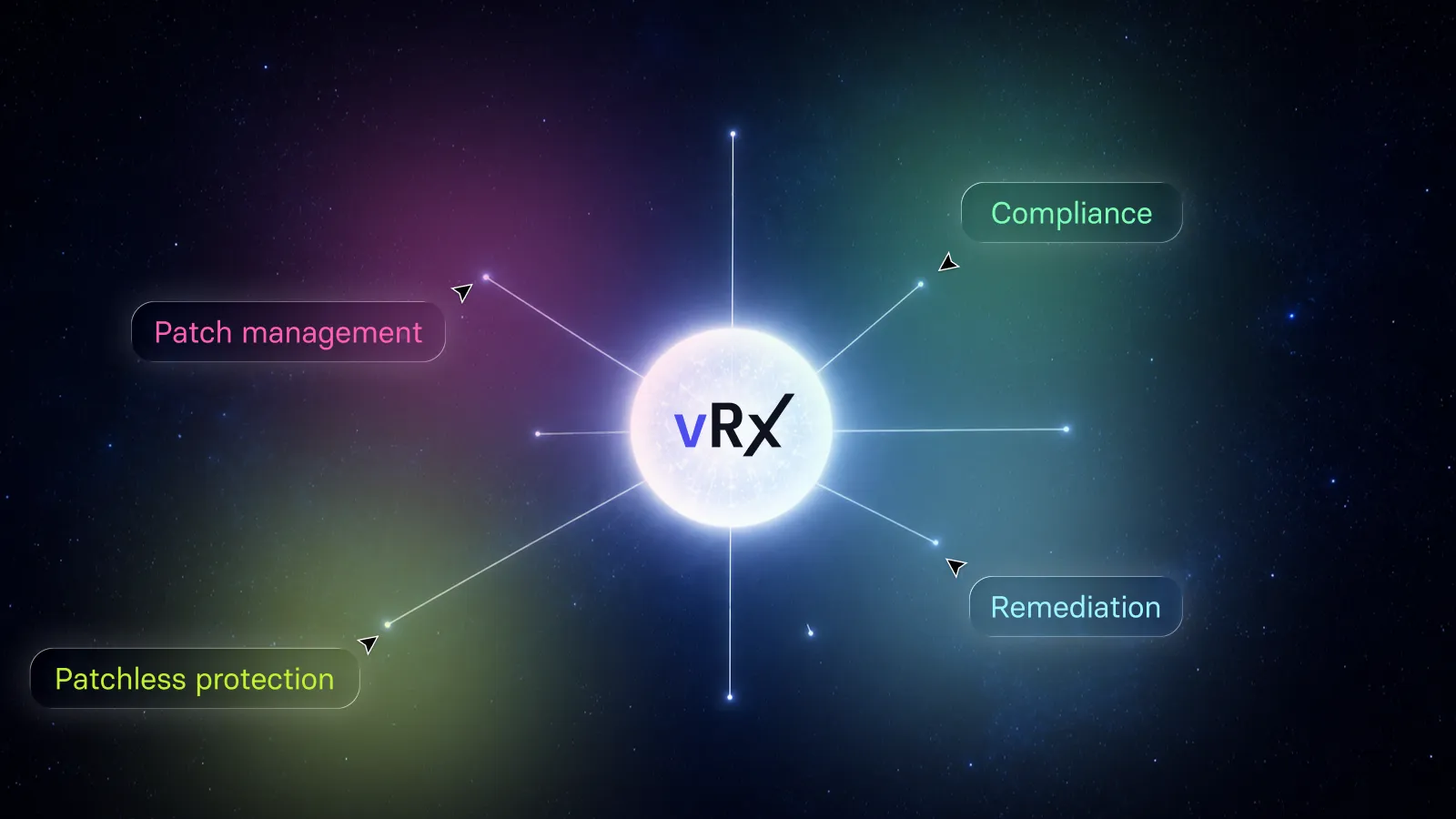
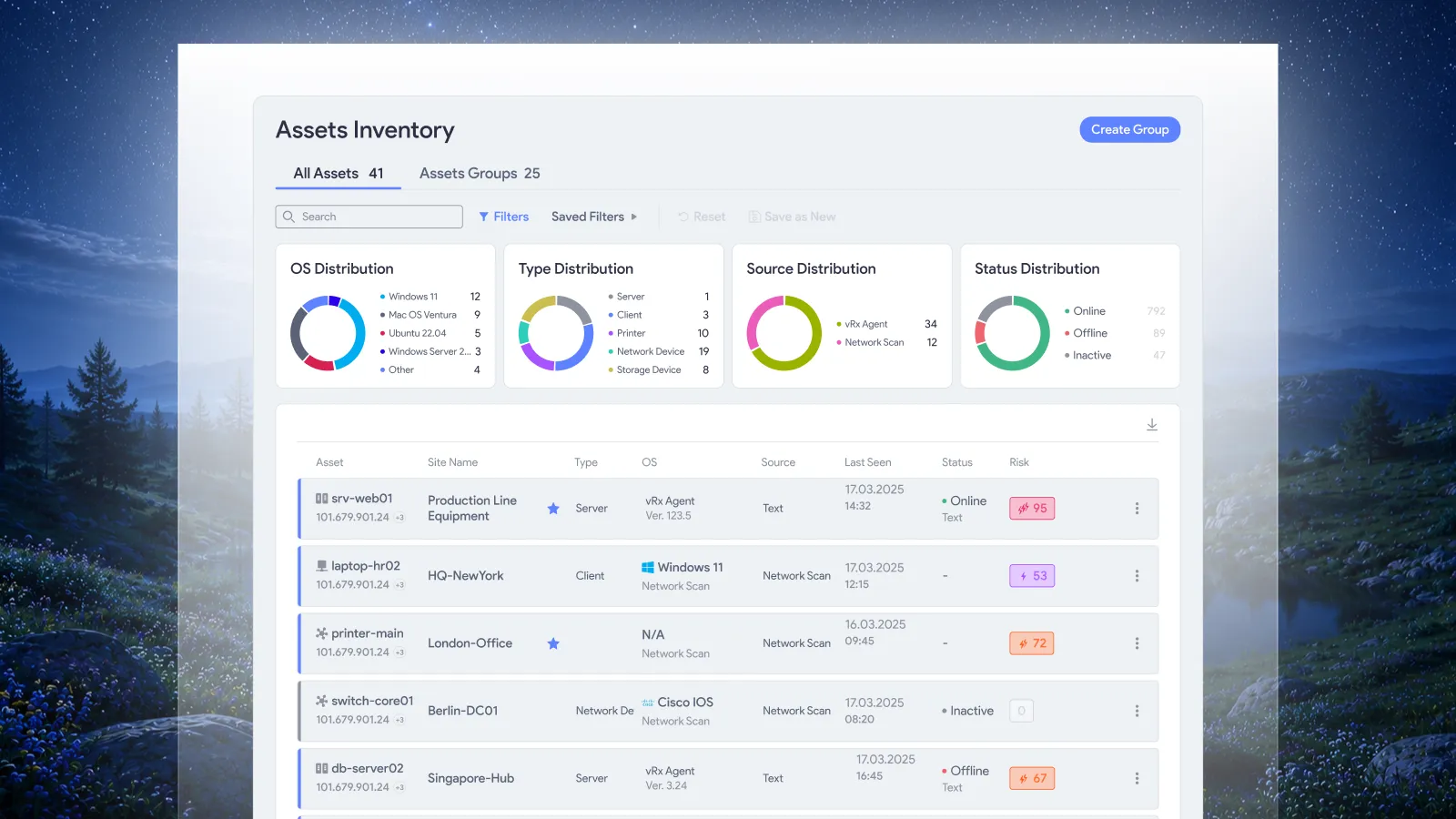
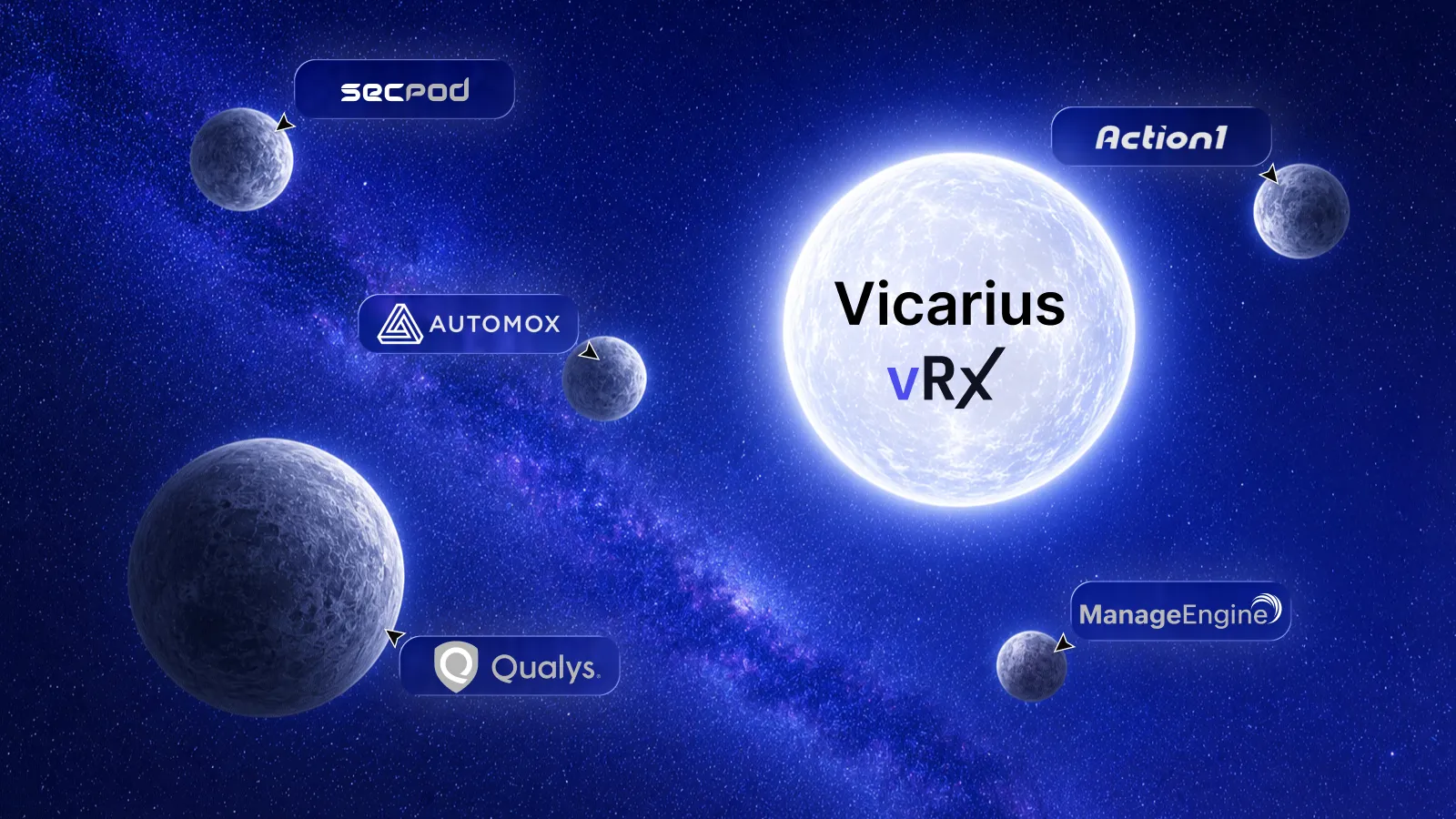
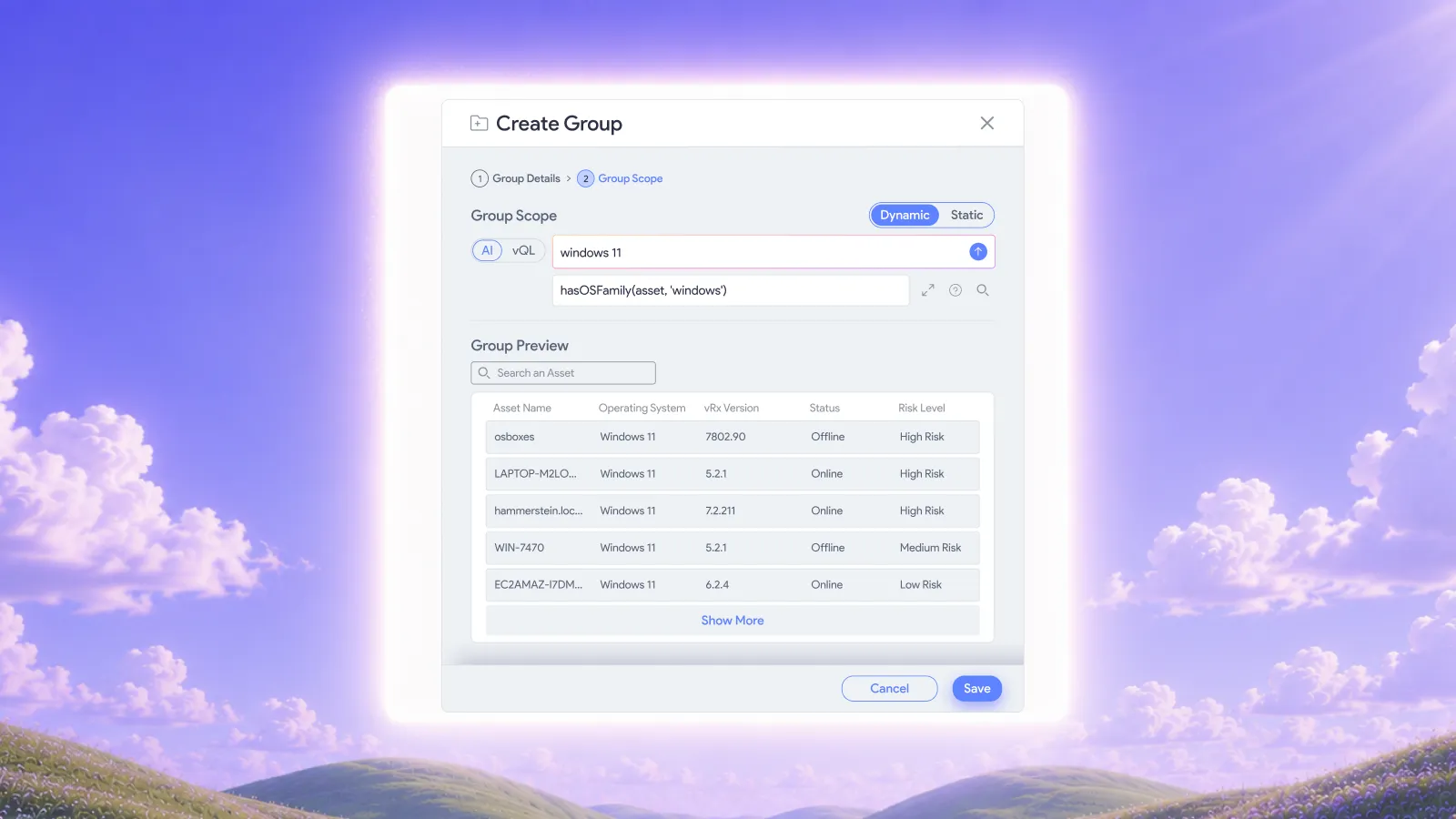
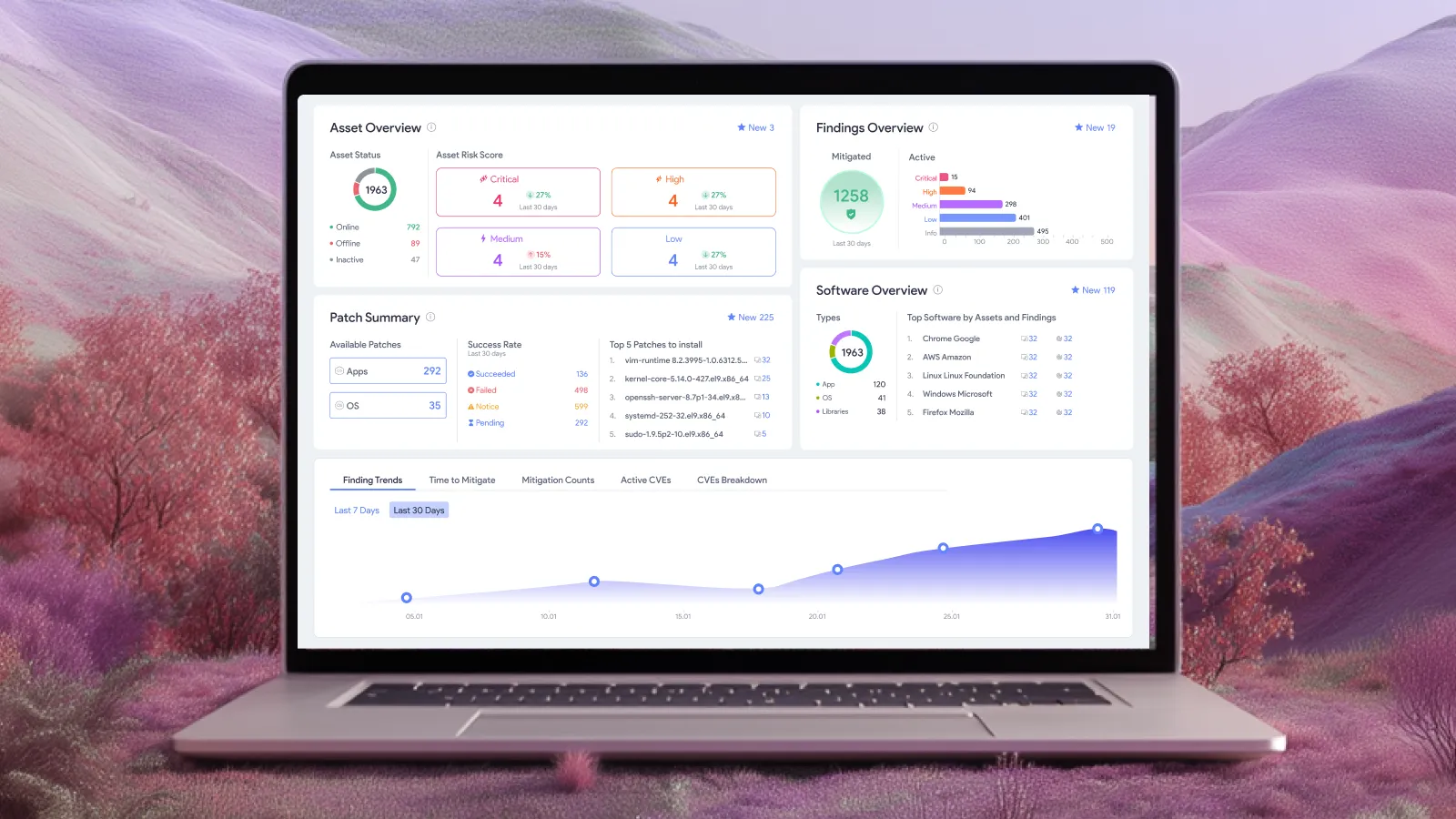
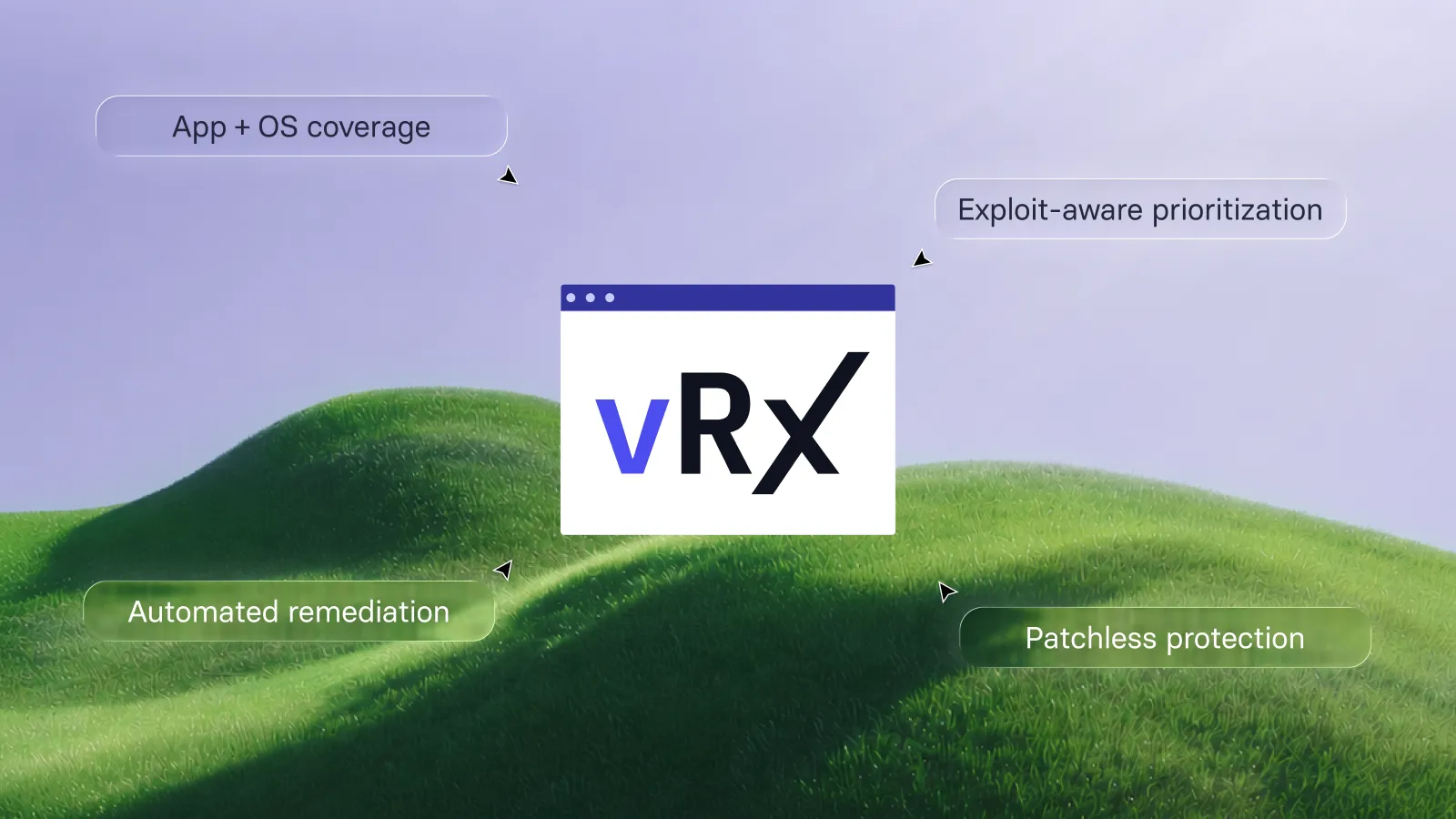
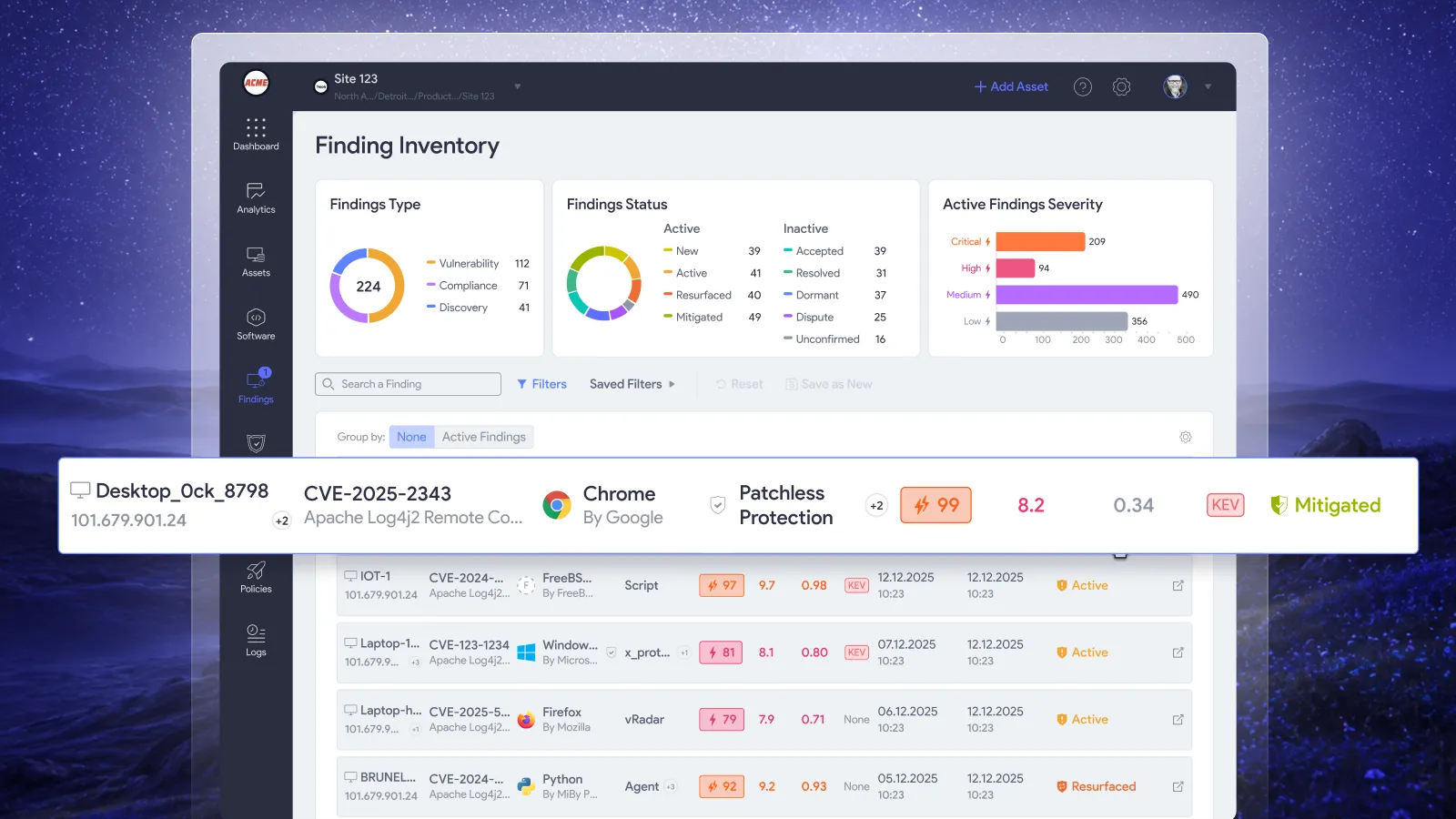
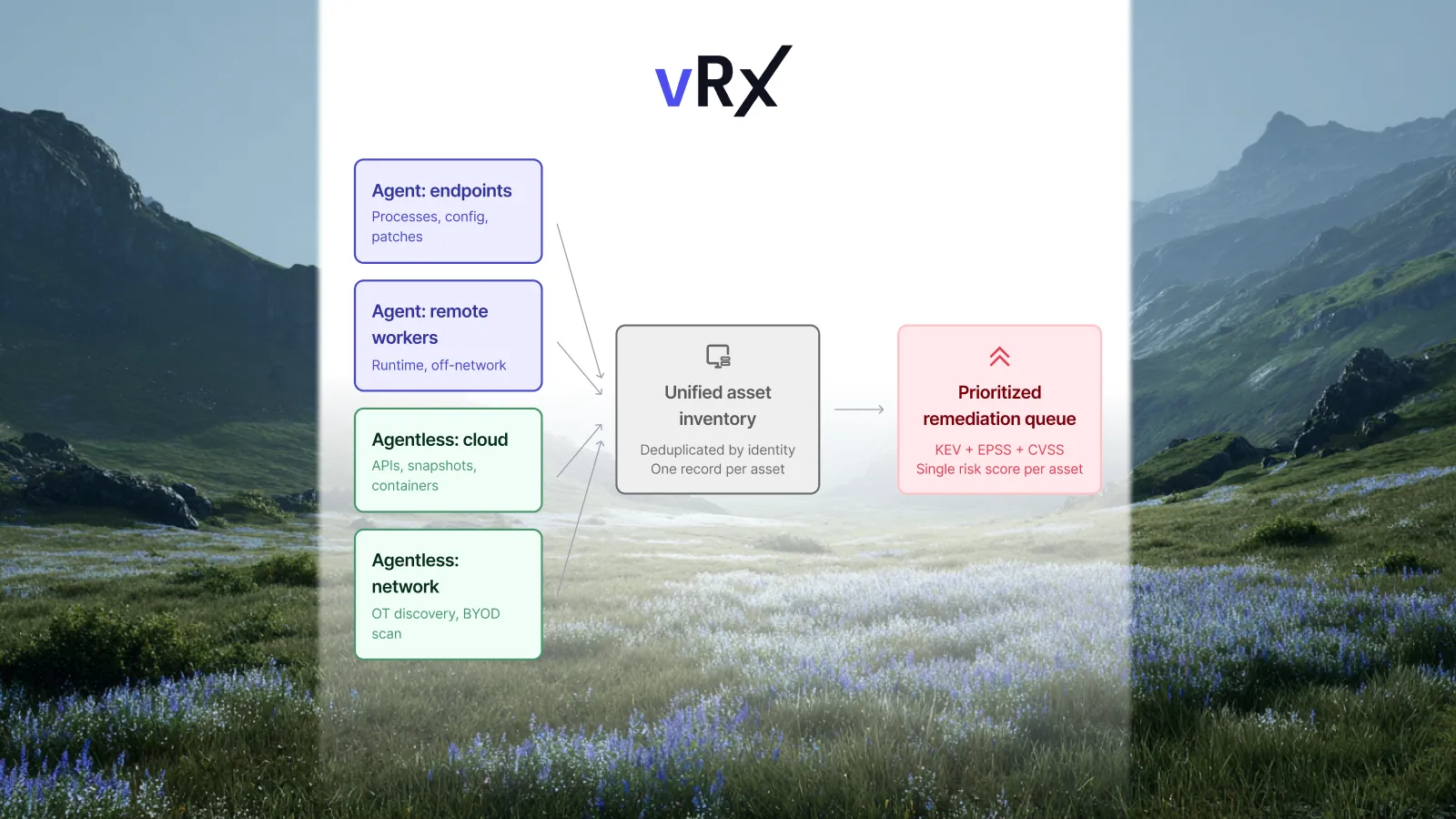
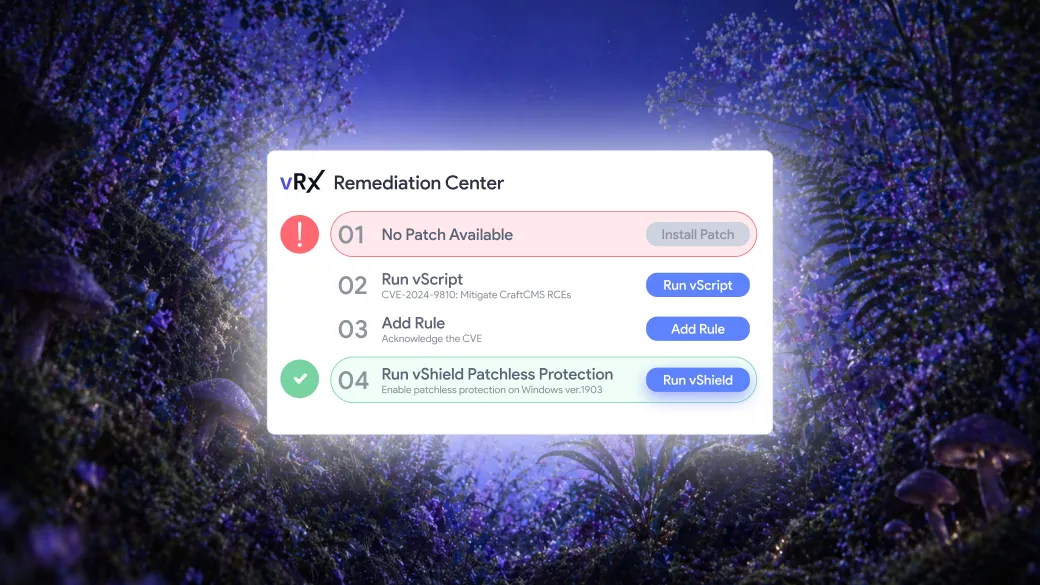
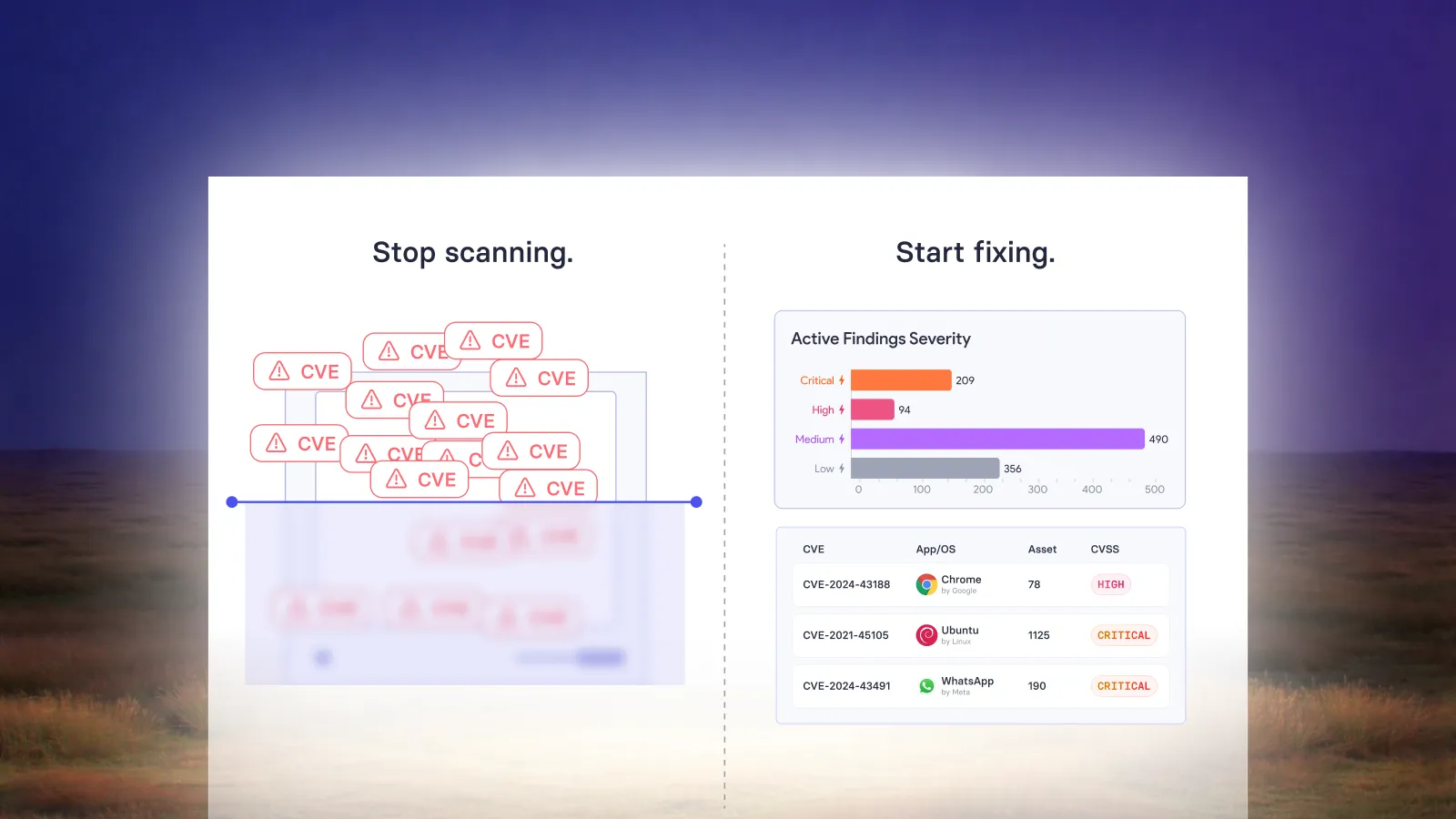
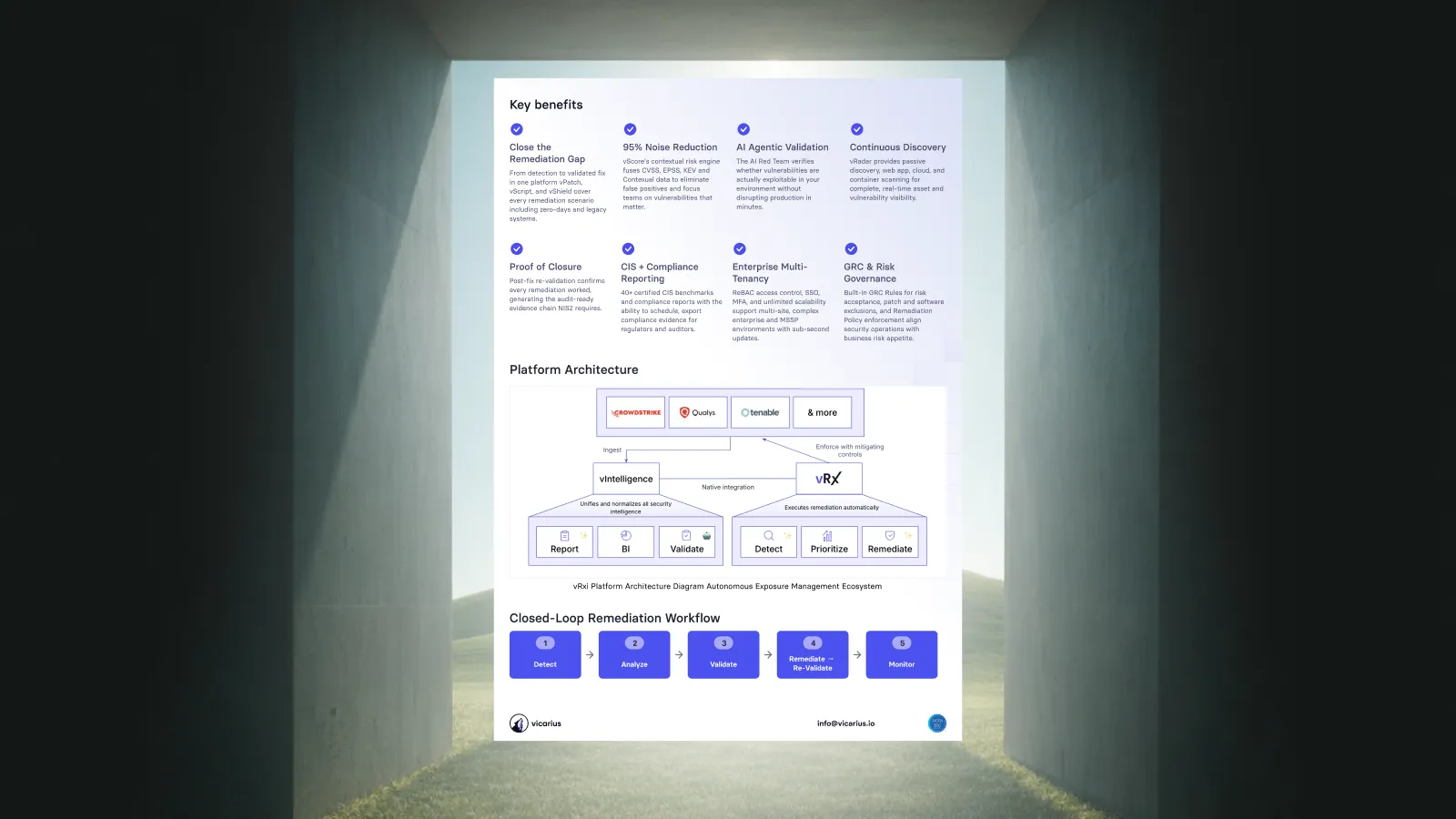
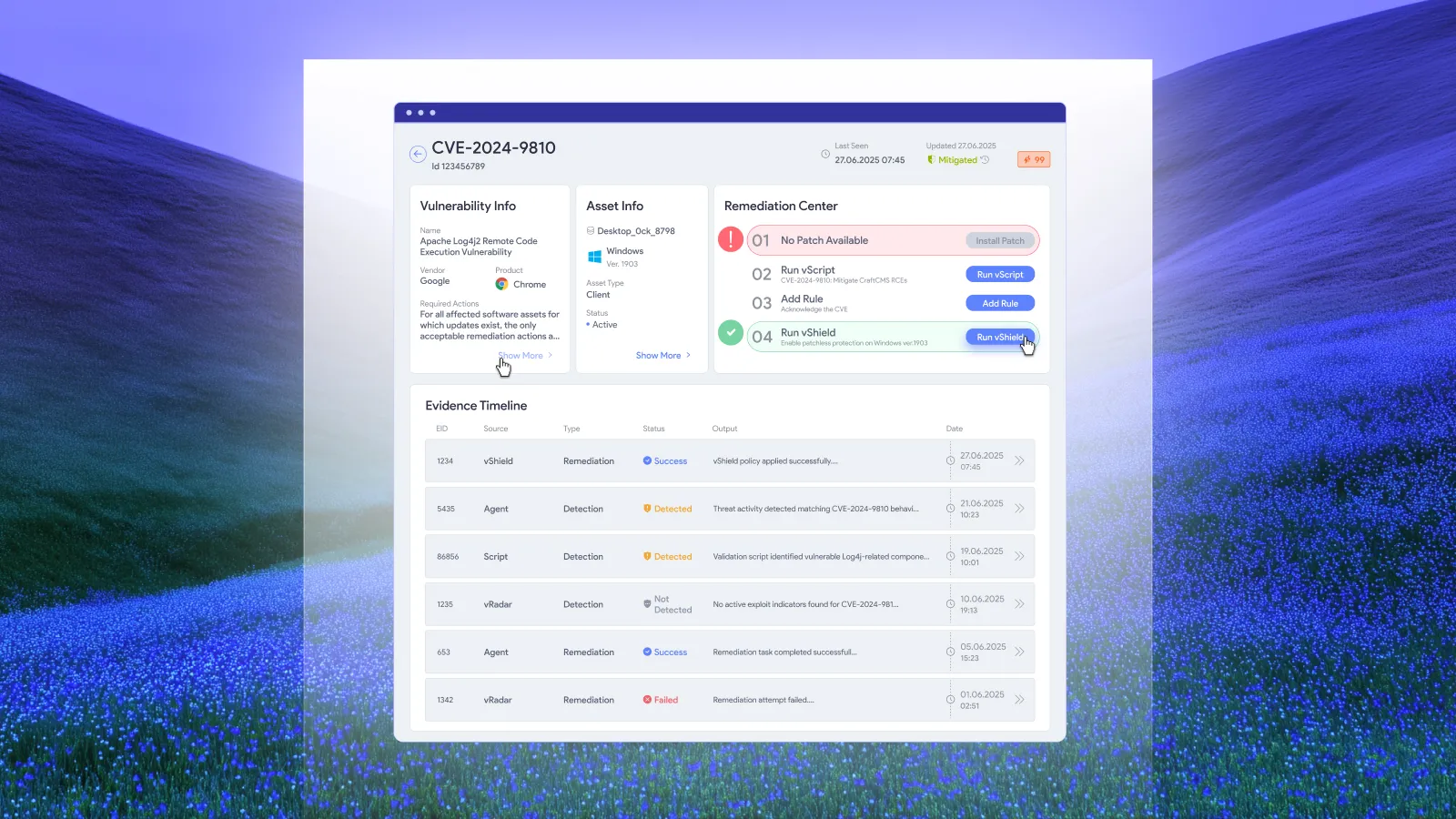
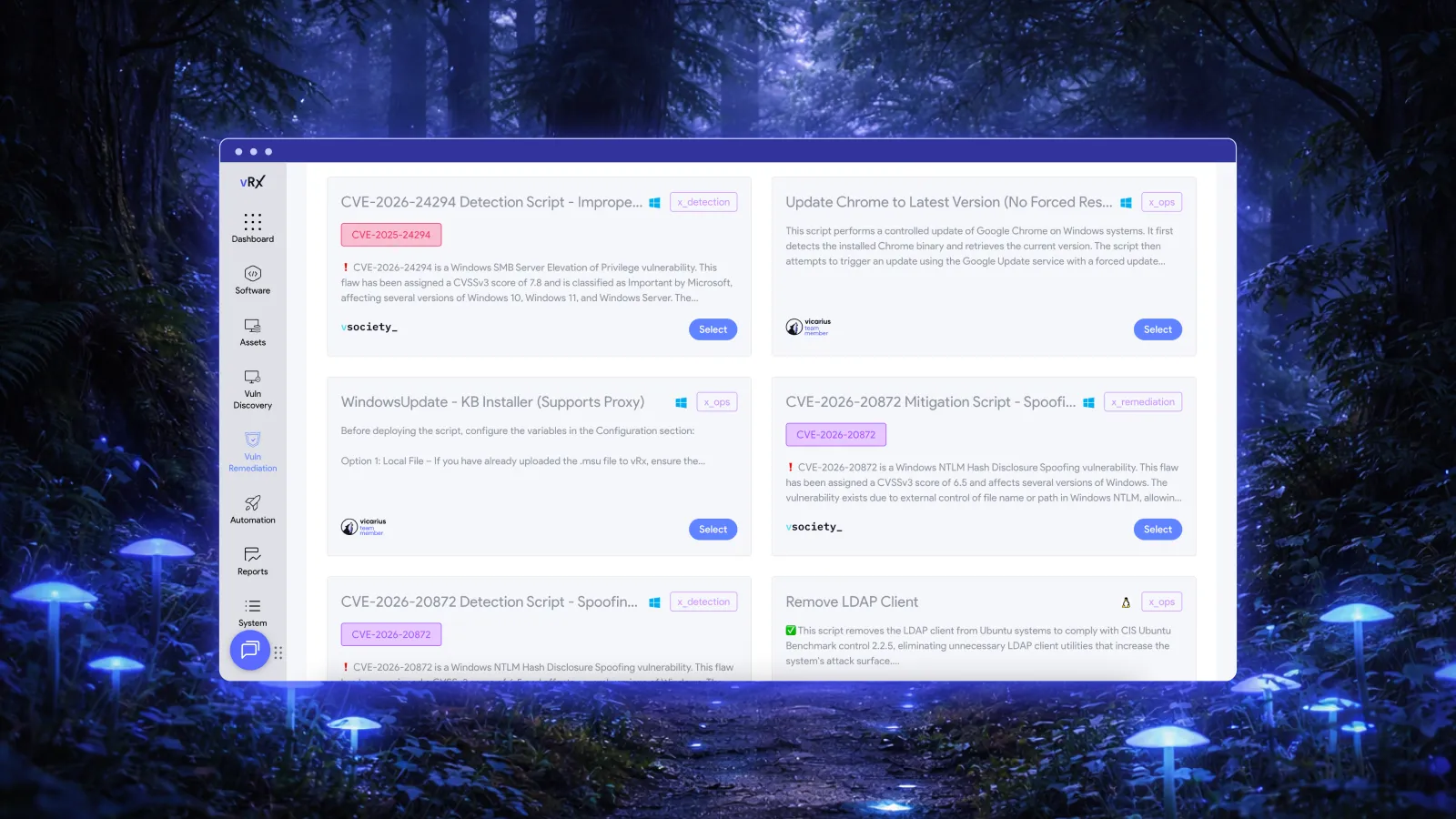
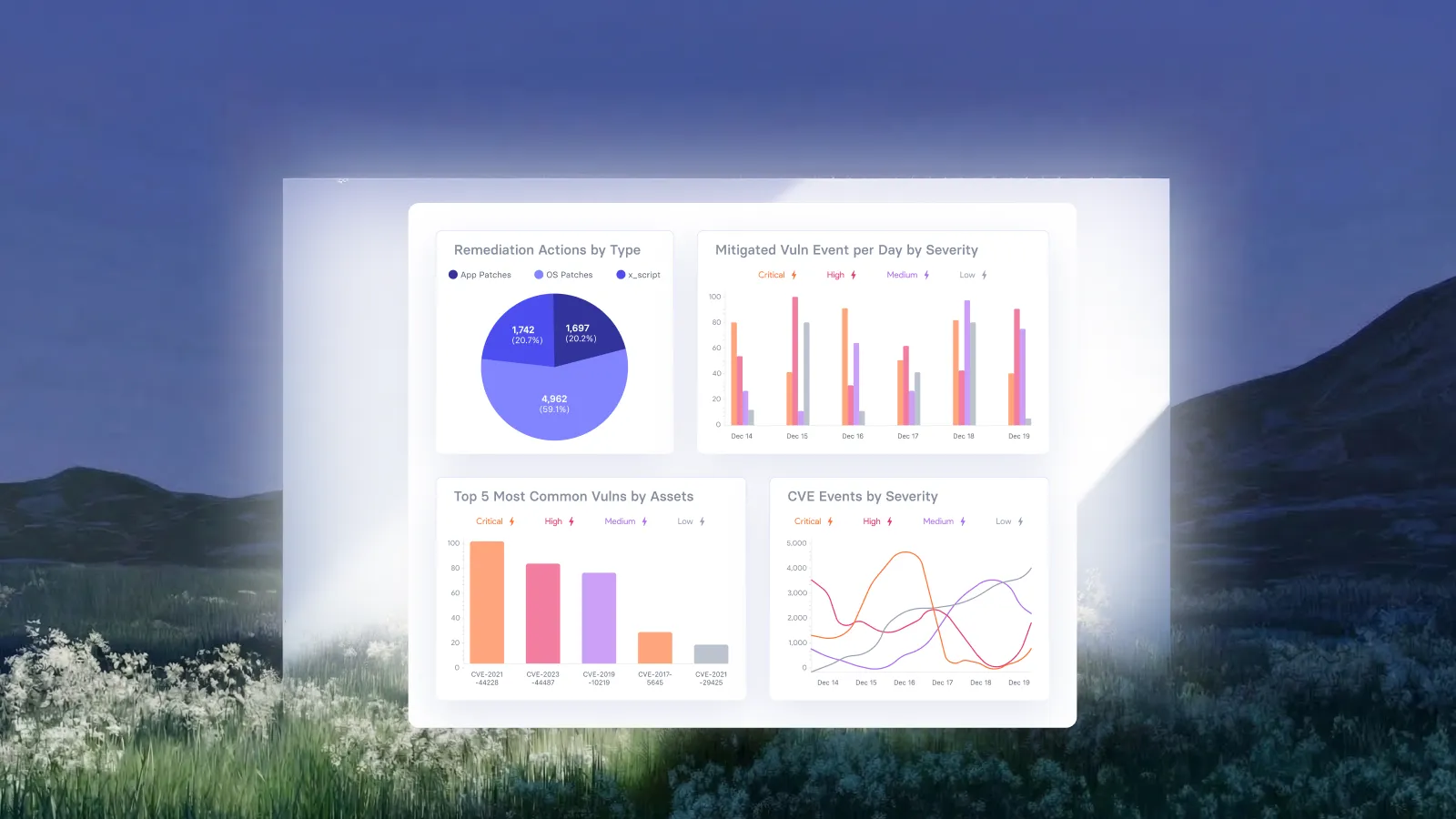
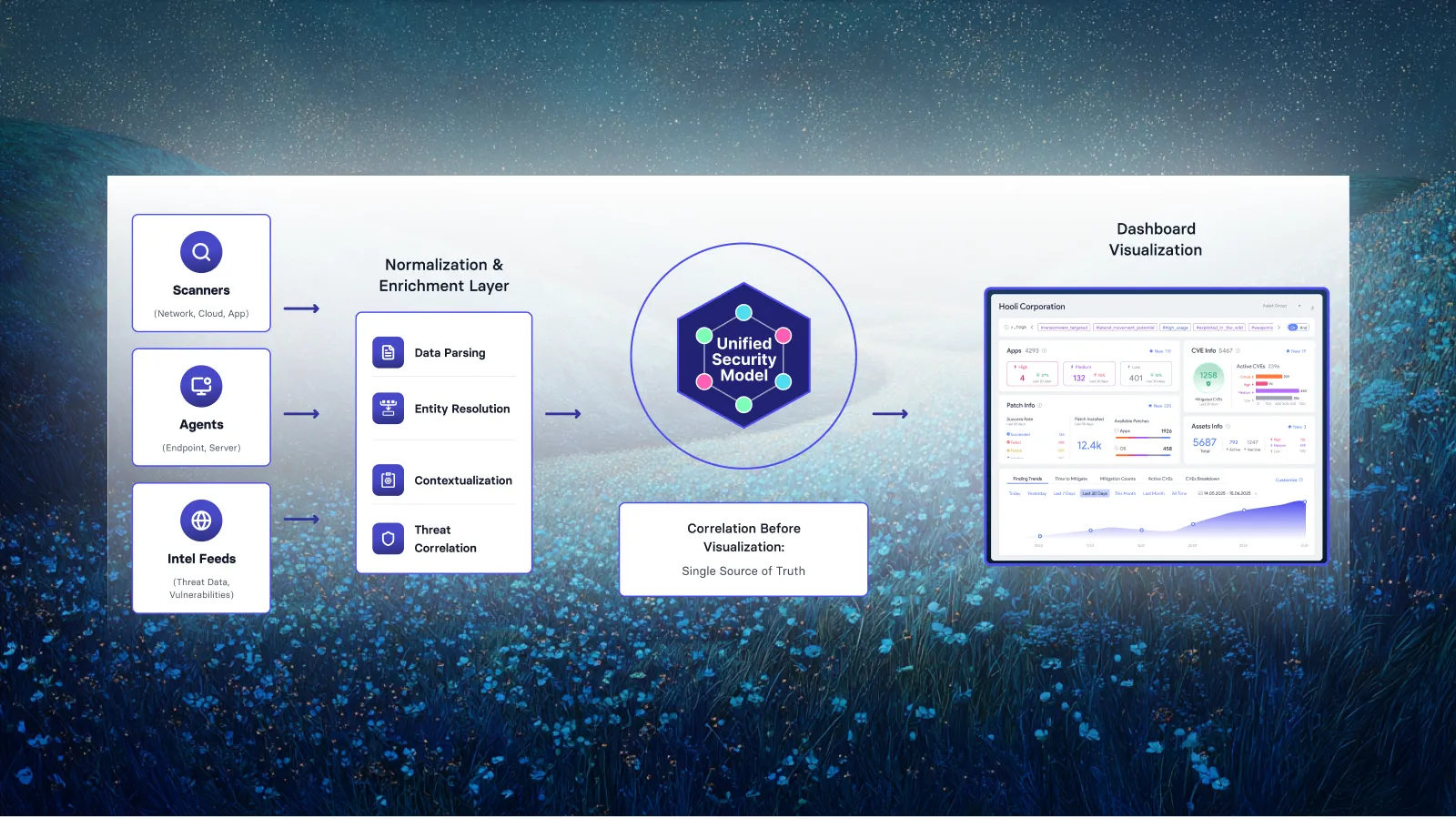
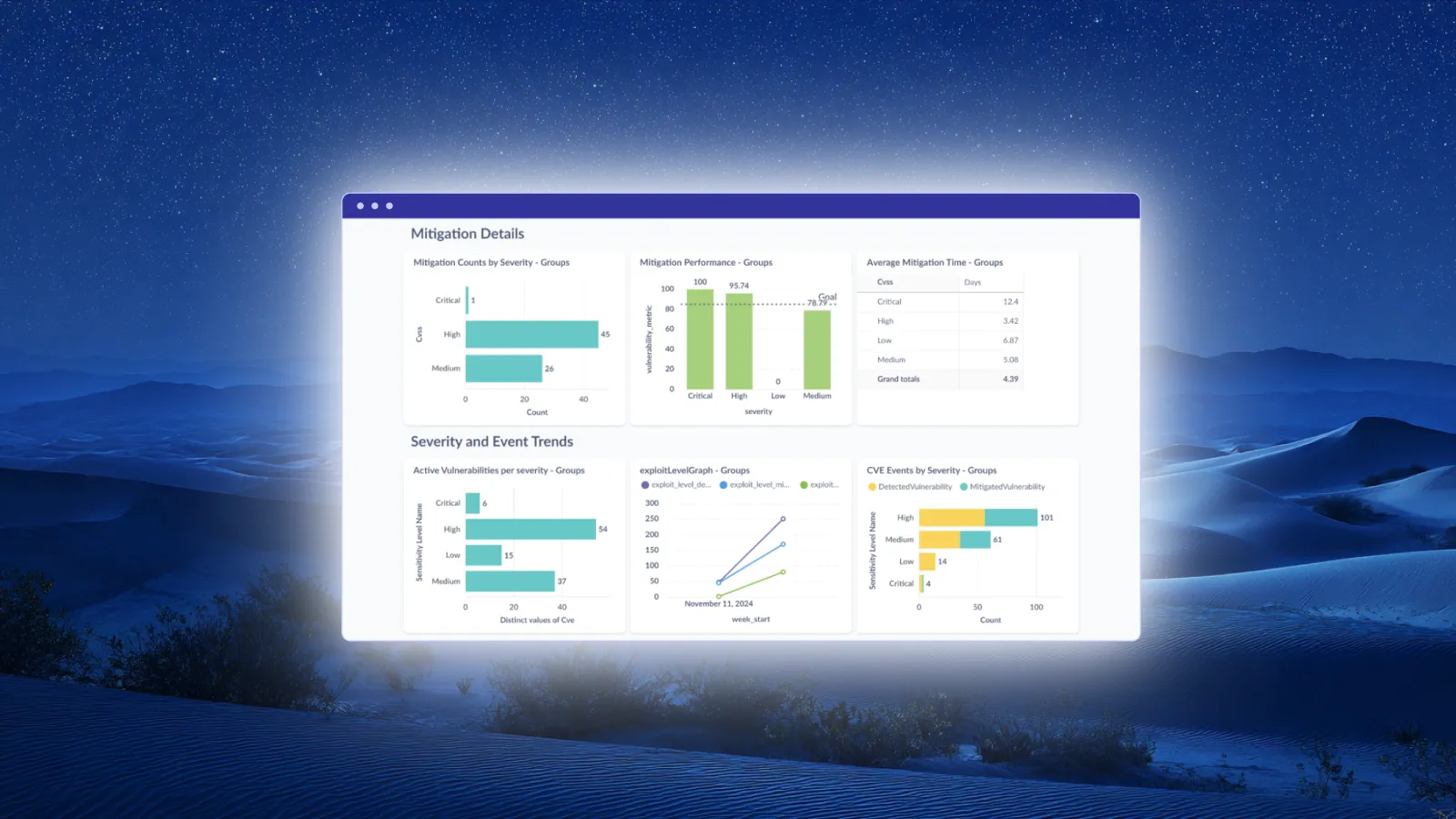
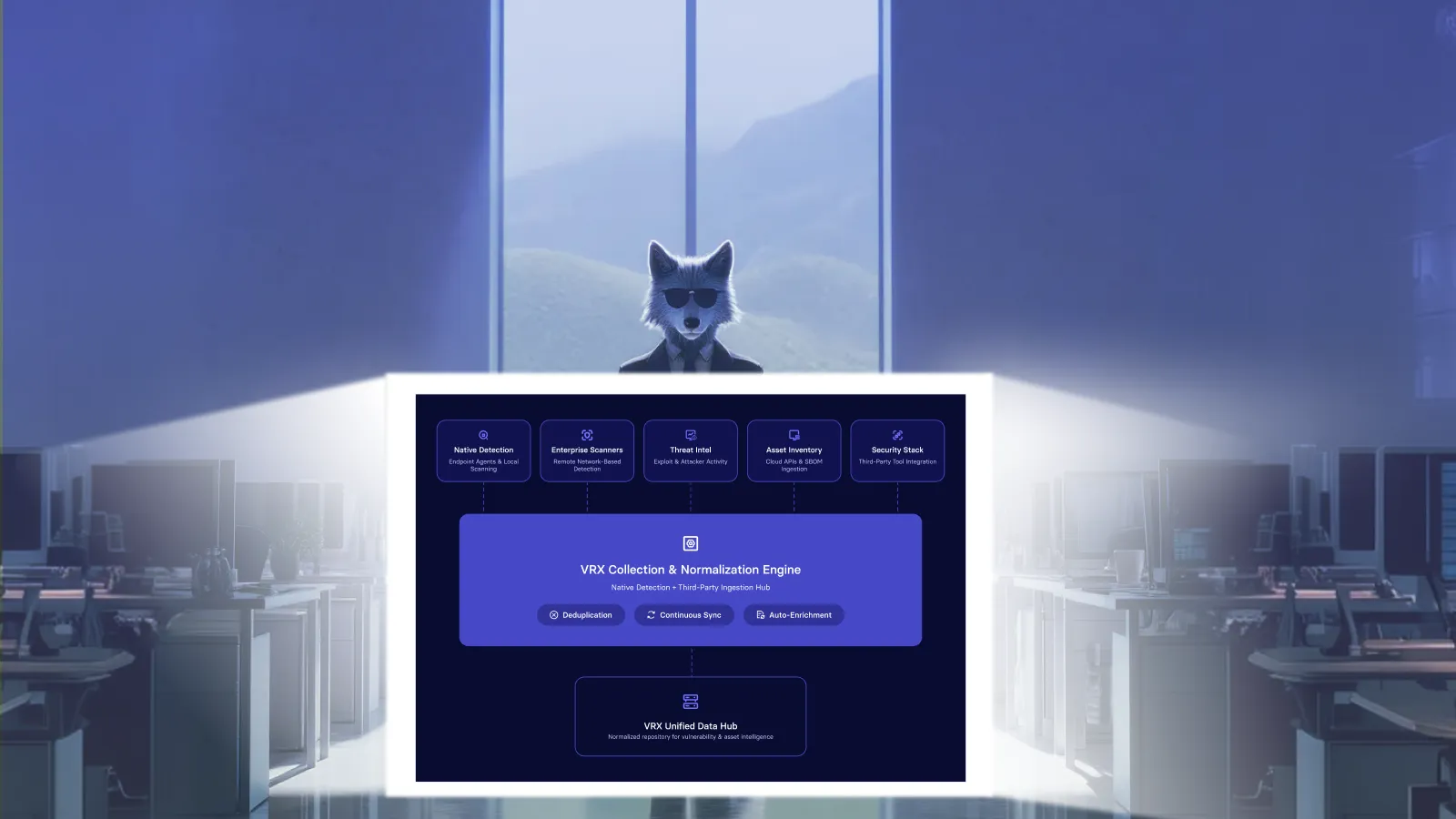
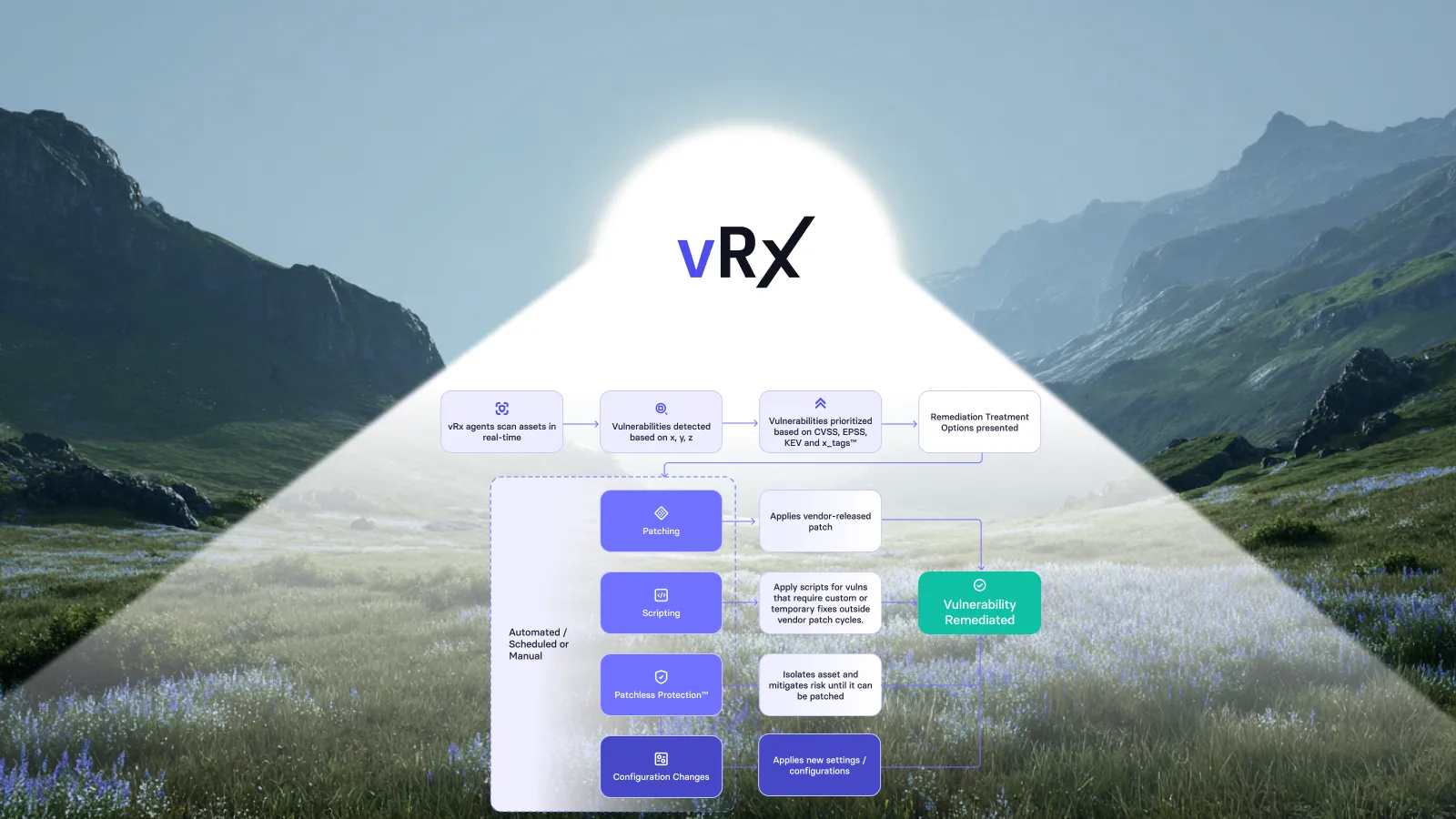
Tools such as vRx by Vicarius support this approach by giving MSPs a real-time view of vulnerability patterns and exposure trends across multiple environments. That visibility makes it easier to propose architectural changes, plan remediation cycles, and show measurable improvement. Security-led services give MSPs a way to demonstrate motion in a landscape where standing still is rarely an option. Clients respond strongly to partners who help them regain control over the pace at which risk accumulates.
Vulnerability management: Where resilience takes shape and strategy becomes visible
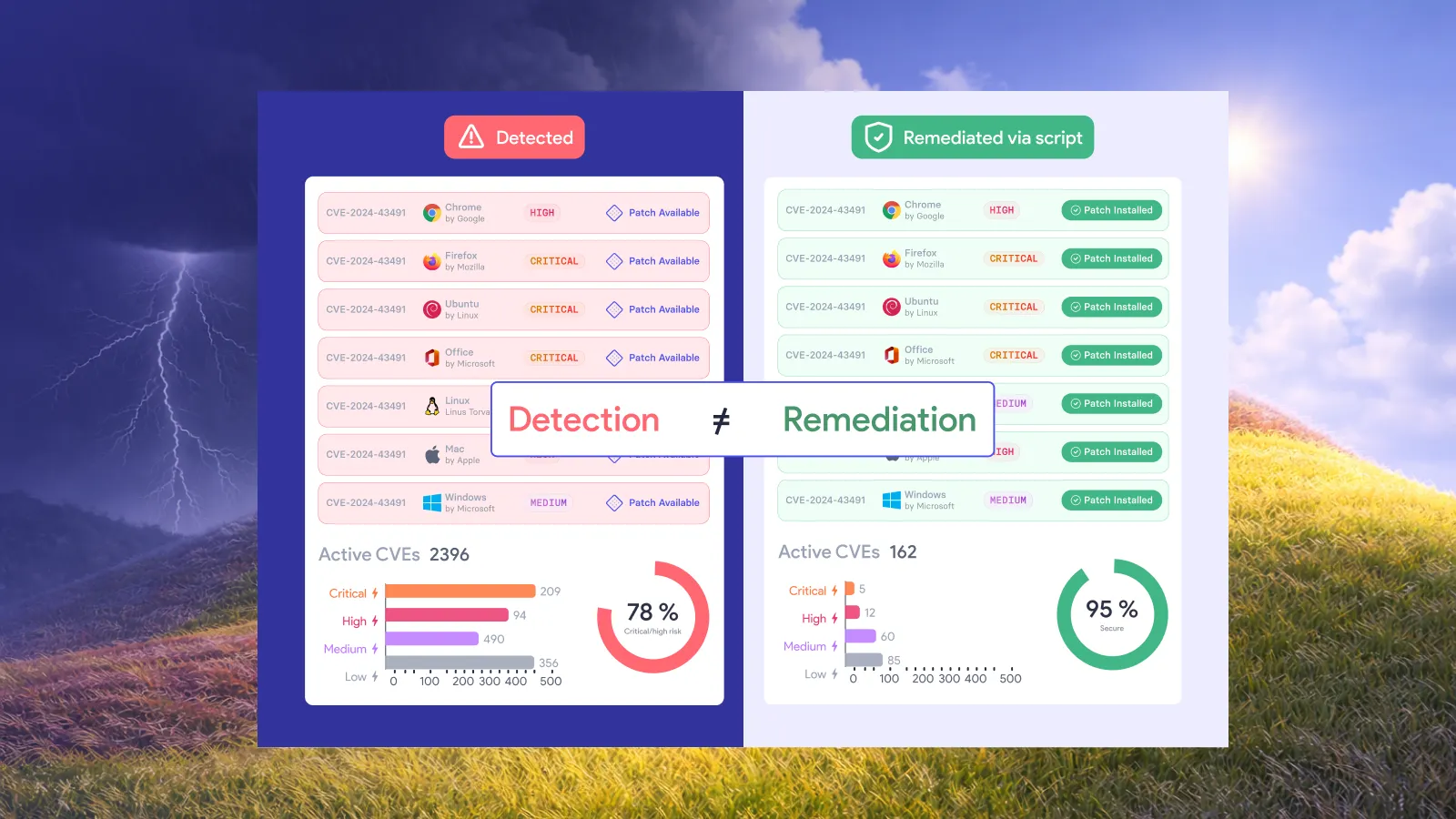
Vulnerability management provides one of the clearest paths toward outcome-driven service delivery because it produces tangible changes clients can see without needing to decode technical detail. When exposure counts fall, when repeat issues disappear, or when remediation cycles shorten, clients intuitively understand that their environment is becoming more resilient. That perception is particularly valuable for MSPs aiming to reposition themselves around strategic outcomes rather than transactional activities.
The continuous rhythm of vulnerability management supports strategic conversation in a way few other services can. Each assessment cycle reveals movement: which systems have stabilized, which require further investment, which patterns point to structural weaknesses, and which areas are gaining resilience through consistent remediation. These insights help MSPs guide architectural planning, budget conversations, and long-term prioritization. The narrative shifts from firefighting to momentum-building, which is precisely the reframing that clients look for when determining whether their MSP understands the pressure they operate under.
When clients can see that vulnerability management helps them run with purpose rather than sprint to recover from setbacks, they gain confidence that progress is possible even when the environment moves quickly.
Building partnerships that help clients stay ahead of the curve with Vicarius
MSPs who define their work by its outcomes, who maintain a consultative rhythm, and who treat security as a continual force rather than a periodic concern position themselves as steady hands in an accelerating environment (not to mention an increasingly crowded market). Their work helps clients find traction where chaos might otherwise prevail, and that shifts the MSP-client relationship from commodity provision to strategic partnership. In a world where running hard is required just to hold position, organizations value partners who supply stability, clarity, and forward motion.
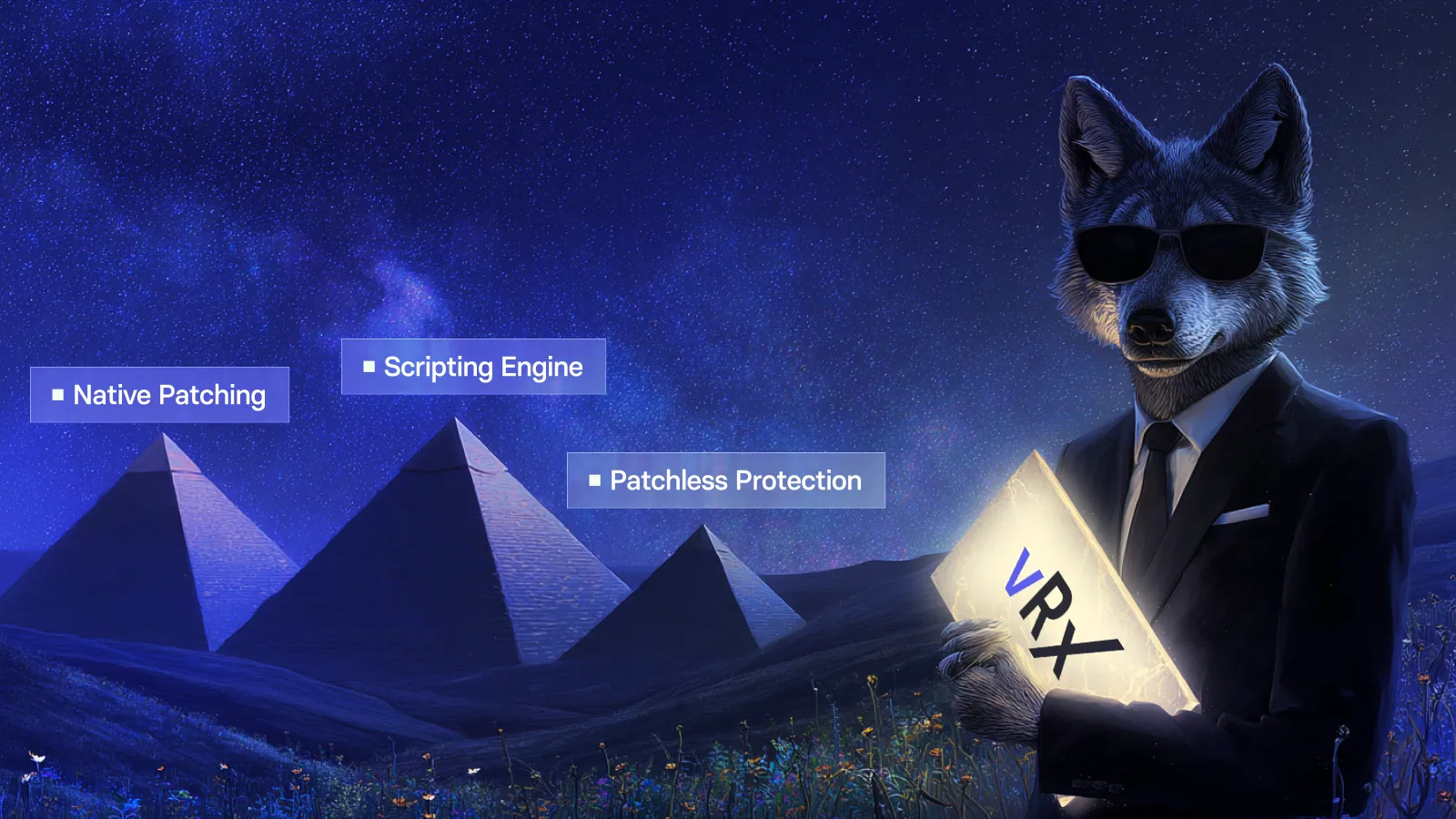
vRx reinforces this partnership model by giving MSPs continuous vulnerability insight, meaningful risk context, and efficient remediation workflows that help them support clients proactively. The looking-glass landscape is ever accelerating; book a demo today to see how vRx can help you to help your clients hit the ground running, keep up, and get ahead.































.webp)











%20Signals%20a%20New%20Era%20of%20Supply%20Chain%20Risk.webp)




.webp)