

The economy is hitting hard everywhere right now. Paradoxically, it can sometimes seem as if even doing well is punished, with operational overheads placing a hard ceiling on an MSP’s ability to scale even as growth inevitably increases support demand faster than staffing can be onboarded.
With technicians already at a scarcity premium, rising client expectations, and tightening margins, even small inefficiencies compound quickly. The result is a service organization that spends most of its time maintaining status quo operations rather than building capacity for strategic growth. Understanding these patterns helps MSPs recognize that operational overhead isn’t just the cost of doing business; it is a direct limiter of stability, profitability, and long-term growth. In this context, decreasing one’s overhead becomes more than just the logical smart move; overcoming this structural limitation on expansion becomes vital.
Common sources of MSP operational inefficiency
Manual processes remain one of the most persistent drains on MSP productivity. When technicians must handle repetitive tasks such as ticket triage, patch coordination, reporting preparation, or onboarding workflows by hand, each activity incurs a hidden operational cost. These tasks not only consume more hours than necessary but also introduce variability and inconsistency into the service lifecycle.
As the client base grows, the cumulative effect multiplies, creating a gap between demand and available engineering capacity:
- Fragmented visibility from disconnected toolsets: Disconnected PSA, RMM, security, and documentation platforms force technicians to navigate multiple dashboards, reconcile mismatched data, and manually chase context across assorted isolated data silos. This fragmentation often results in duplicated effort and increases the risk of human error, delays, and friction during support and remediation tasks.
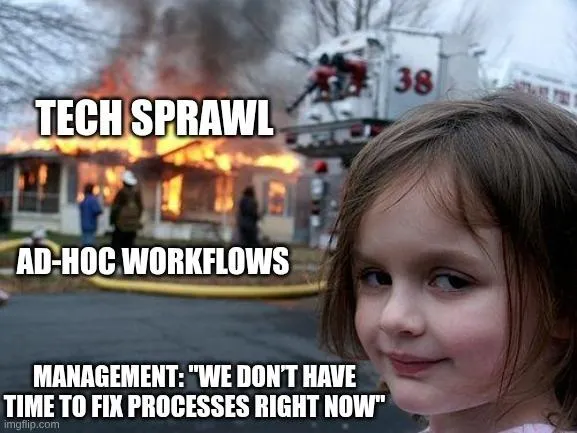
- Compounding overhead from tech sprawl: As overlapping platforms accumulate, they generate inconsistent datasets and create an administrative burden. Each additional tool imposes obligations around licensing, maintenance, updating, and integration management that slow troubleshooting, complicate reporting, and reduce the flexibility of the entire environment.
- Unpredictable service delivery from ad-hoc workflows: When escalation paths, ticket routing, and remediation procedures are not standardized, technicians rely on ad-hoc personal interpretation rather than repeatable logic. This unpredictability leads to inconsistent resolution times, uneven client experiences, and an operational model that becomes increasingly difficult to scale as demand grows.

Upping the stakes: Why using automation, standardization, and consolidation is now the bare minimum
Automation as the new operational baseline
Automation is no longer optional for MSPs; it is foundational to maintaining profitable operations. By automating routine workflows and ticket-handling steps, MSPs can reduce the labor hours required per incident and increase the predictability of margins across their client base. Faster response times, more consistent routing, and fewer manual interventions help stabilize performance even when demand fluctuates.
Standardization as the scaffolding of scalable delivery
Standardization supports this effort by ensuring that all technicians follow the same processes, regardless of experience level. When workflows are clearly defined, you lower the friction on onboarding, training times shorten, and uniform service quality becomes easier. It also reduces the cognitive burden on technicians who otherwise must rely on a combination of improvisation and terrible documentation and/or tribal knowledge. Standardization builds a more resilient operational framework anchored in repeatability.
Operational strain on support desks
The pace and structure of an inefficient support desk slow the entire operational rhythm, creating conditions that intensify cognitive load and overhead, undermining technician well-being. Burnout and a struggle to maintain focus become recurring risks in a work environment and workflow featuring high ticket volumes, fragmented escalation paths, and constant grinding on low-value support tasks.
Engineers caught in this never-ending context switching cycle are often pulled every which way at once, forced to shift mental context repeatedly throughout the day – an energetically costly maneuver – and are often left in an executive functioning deficit state where they have no choice but to be reactive rather than effective. Turnaround times stretch with each added client, not because the MSP lacks expertise, but because its processes do not scale under load. Over time, what should be predictable service delivery transforms into a cycle of reactive work. The cumulative cognitive load erodes their capacity to work deliberately, and over time, this wears down both individual well-being and the organization’s overall resilience.
Financial impact of inconsistent delivery
The financial side also suffers when billing cycles are slow or unstructured. If service delivery is inconsistent, data capture is incomplete, or time entries remain uncorrelated to actual work, revenue leakage becomes a certainty. Margins erode silently, often unnoticed until profitability assessments reveal clients who consistently cost more to support than they bring in. These unprofitable relationships typically arise from loose scoping, undefined boundaries, and service models built on reactive problem-solving instead of proactive management.
Consolidation as the antidote to operational noise
Tool consolidation completes the triad by removing redundant platforms and reducing operational noise. With fewer systems to manage, technicians spend less time switching contexts and more time resolving issues. Consolidation also simplifies reporting, improves data consistency, and makes security oversight more manageable. When auditing or compliance checks arise, the clarity provided by a cleaner toolset becomes invaluable.
Asset intelligence as a lever for proactive service
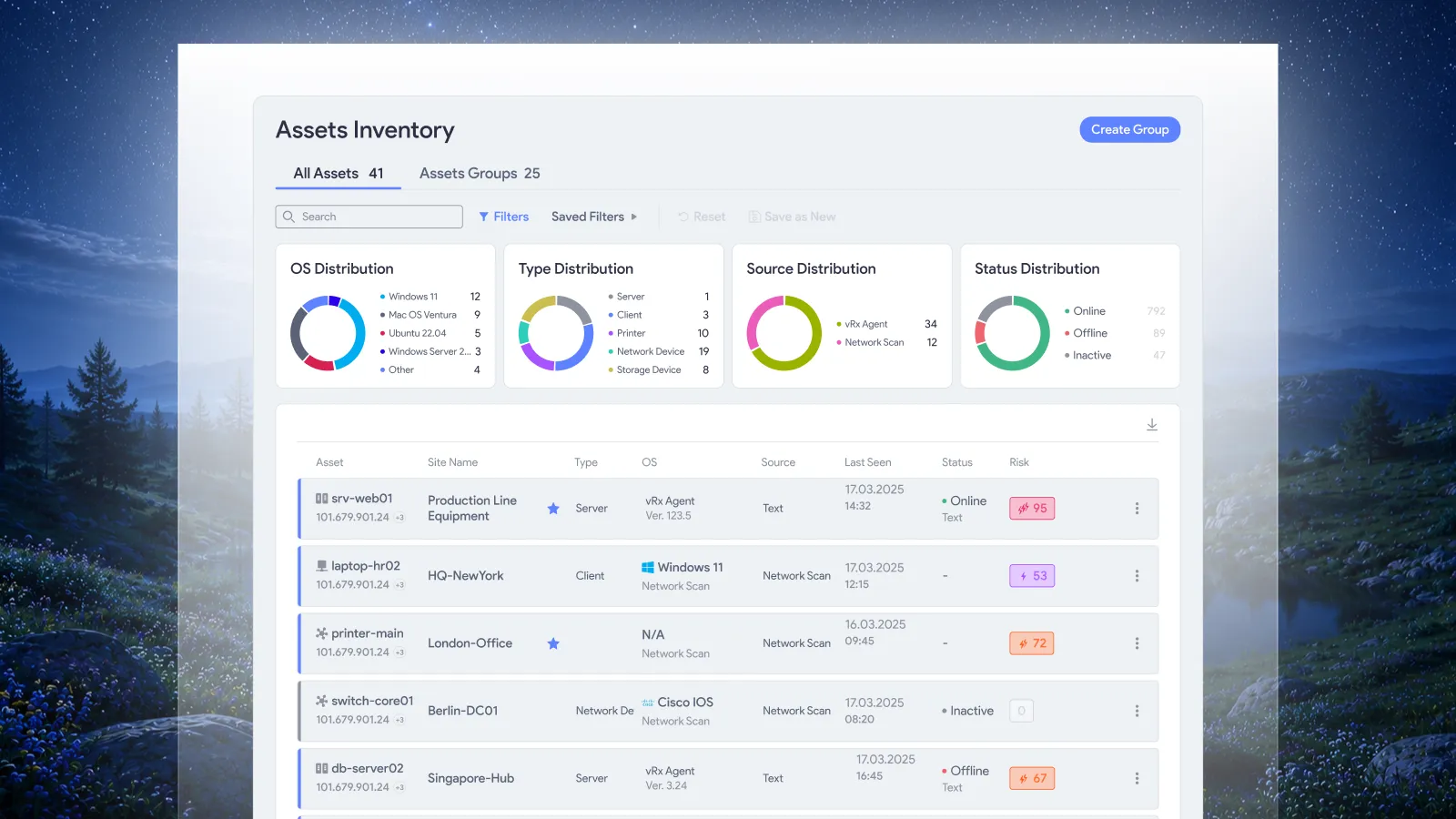
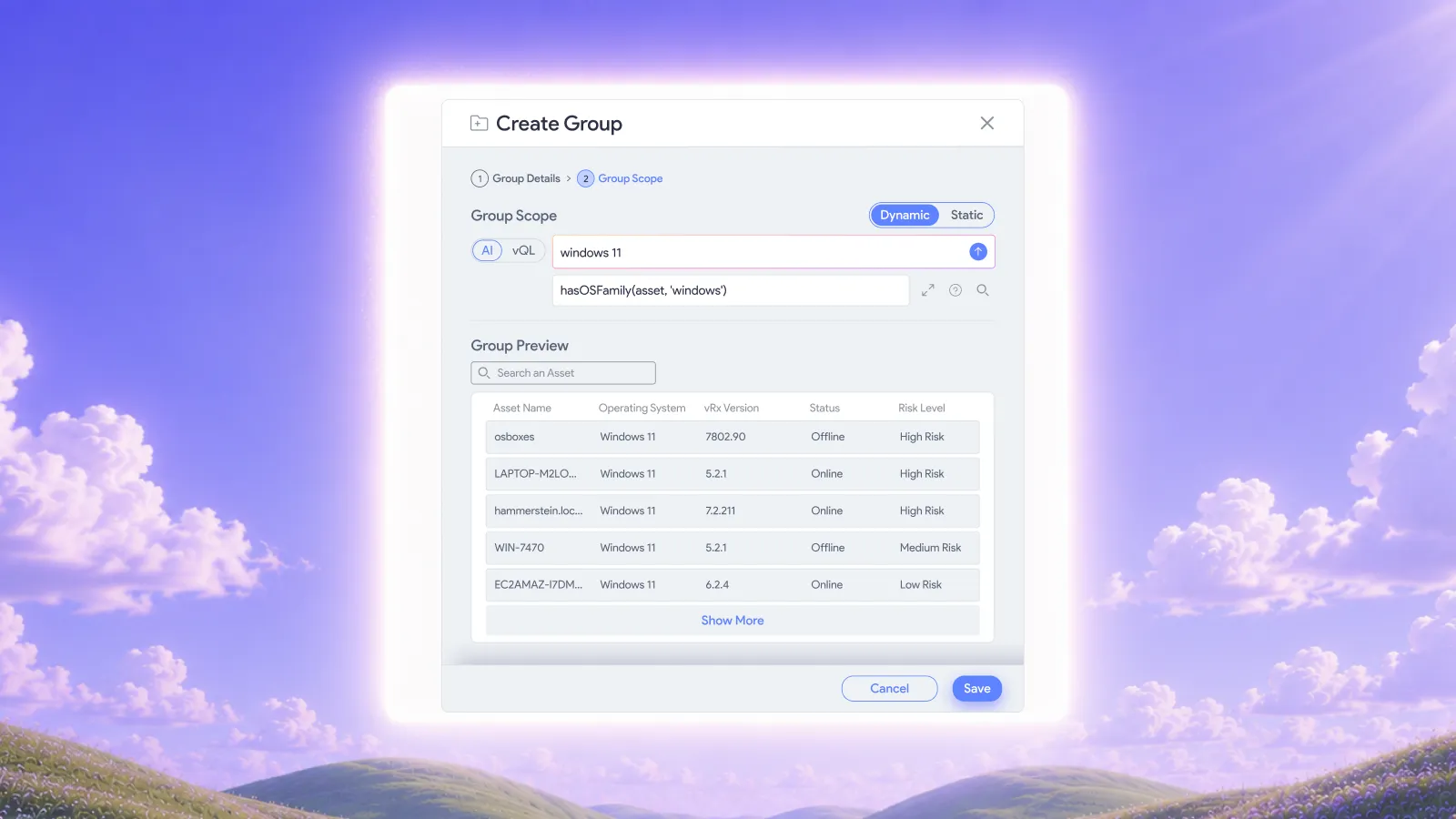
Automation-enabled asset intelligence adds another dimension by equipping MSPs to operate proactively. With accurate machine data, technicians can address issues before they escalate and reduce the volume of reactive tickets. This shift towards consistency strengthens client trust and improves retention by demonstrating consistent, anticipatory service.

Unifying remediation automation, profitability insight, and operational streamlining
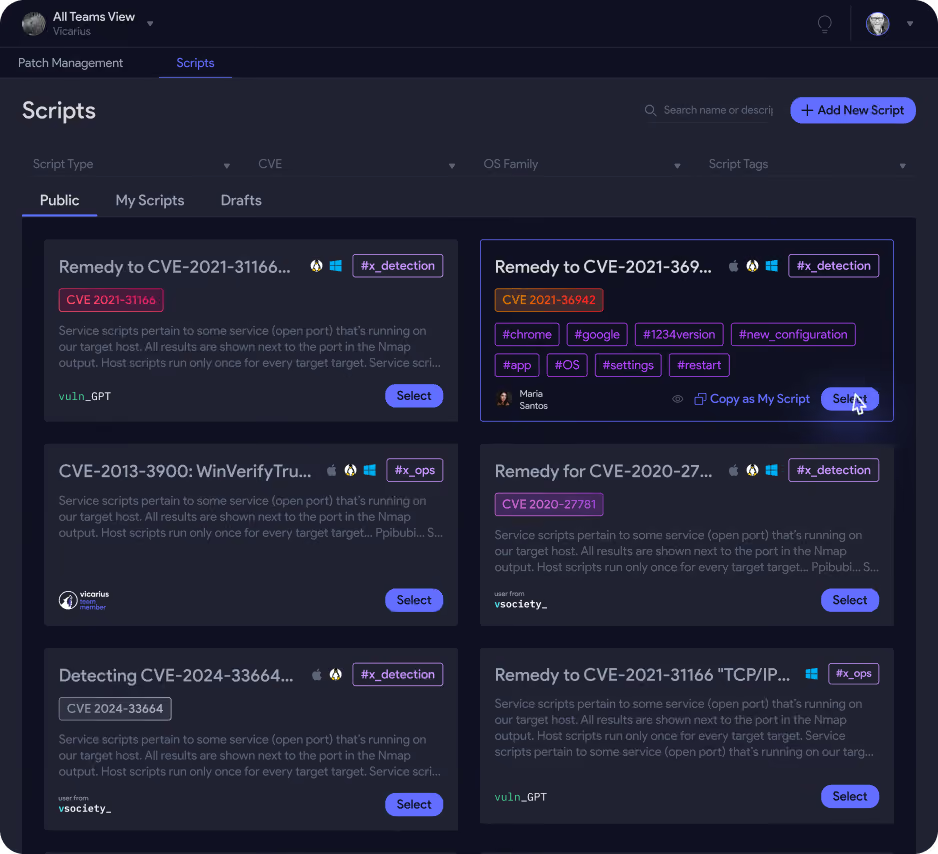
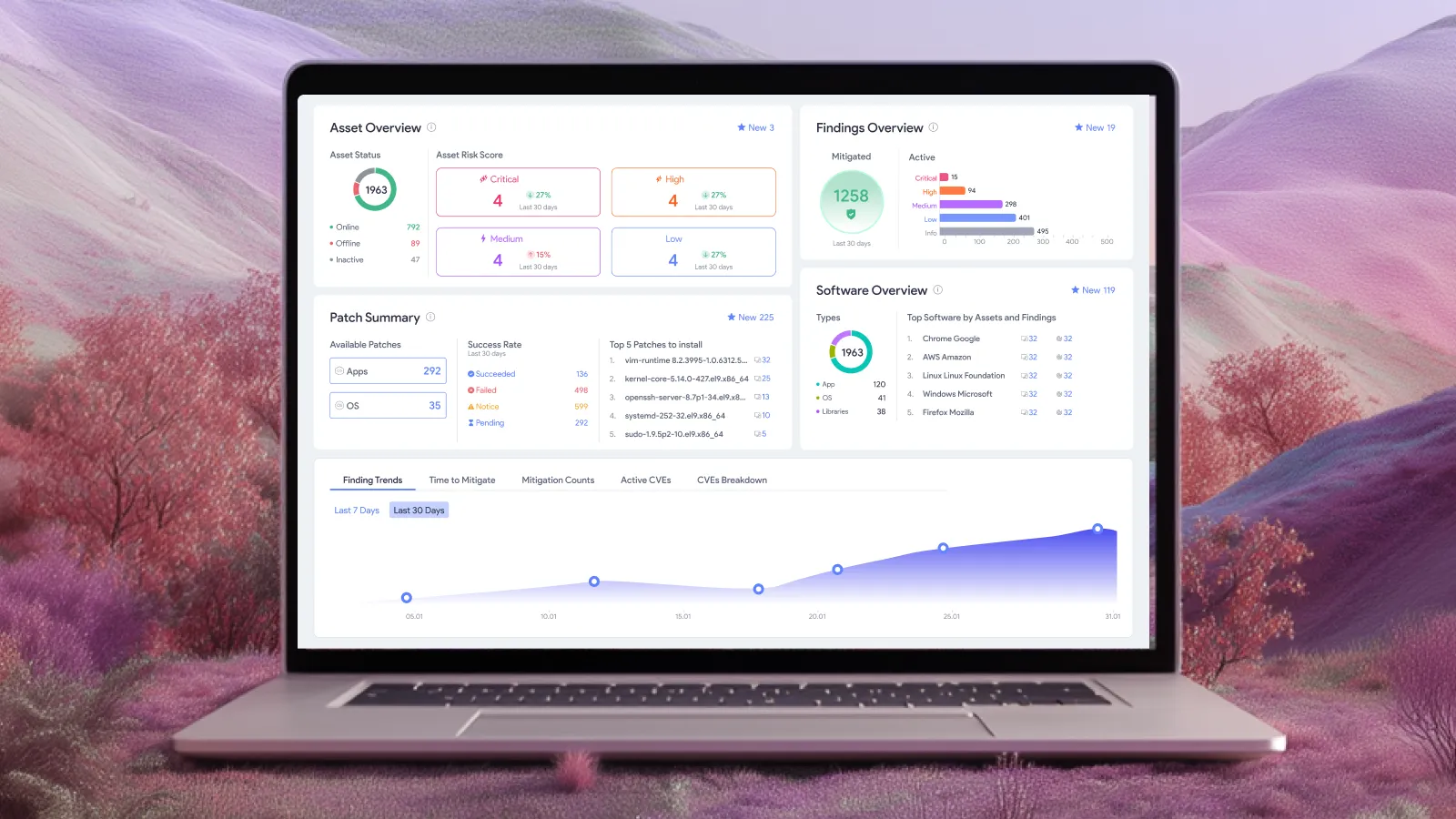
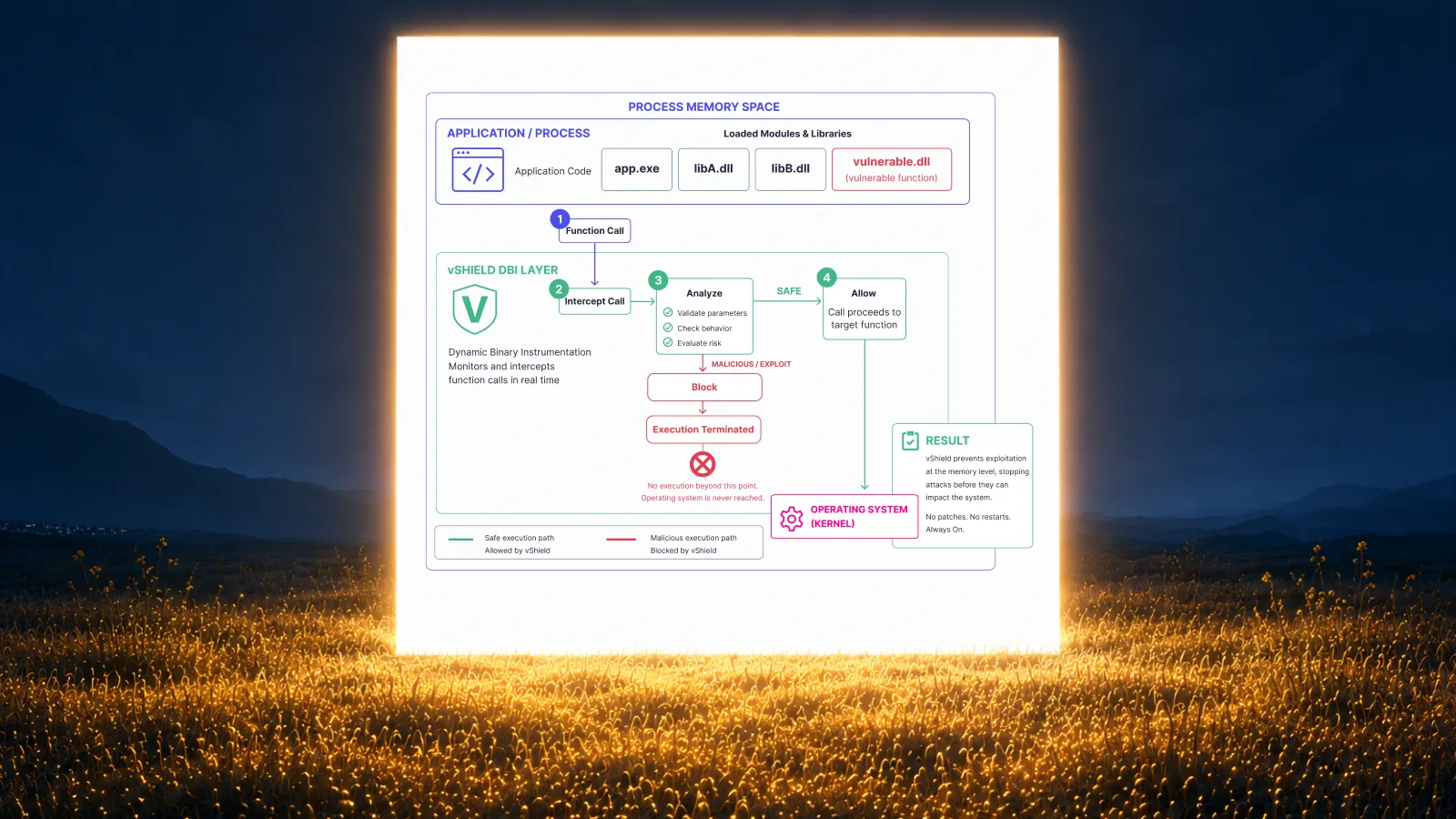
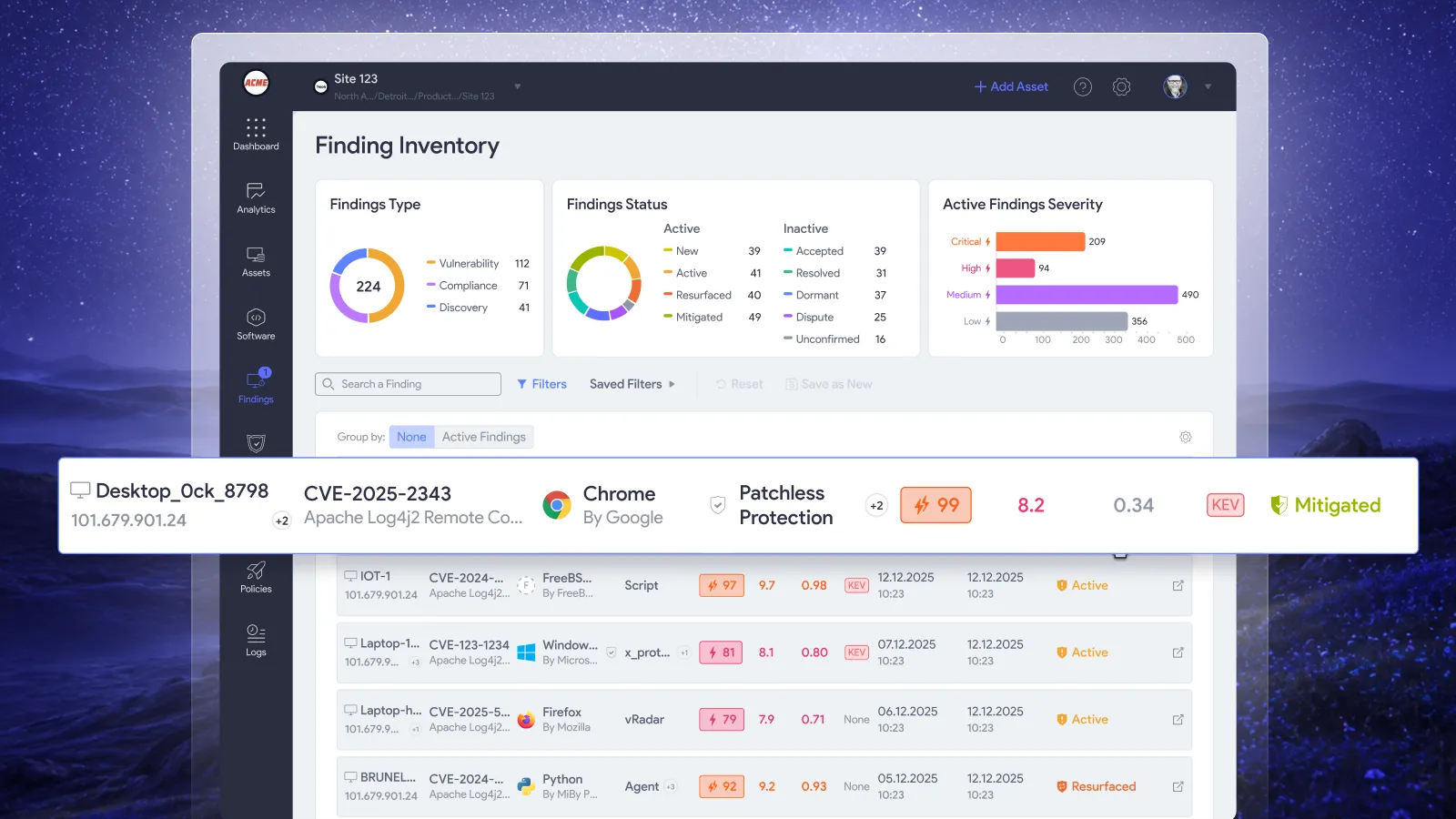
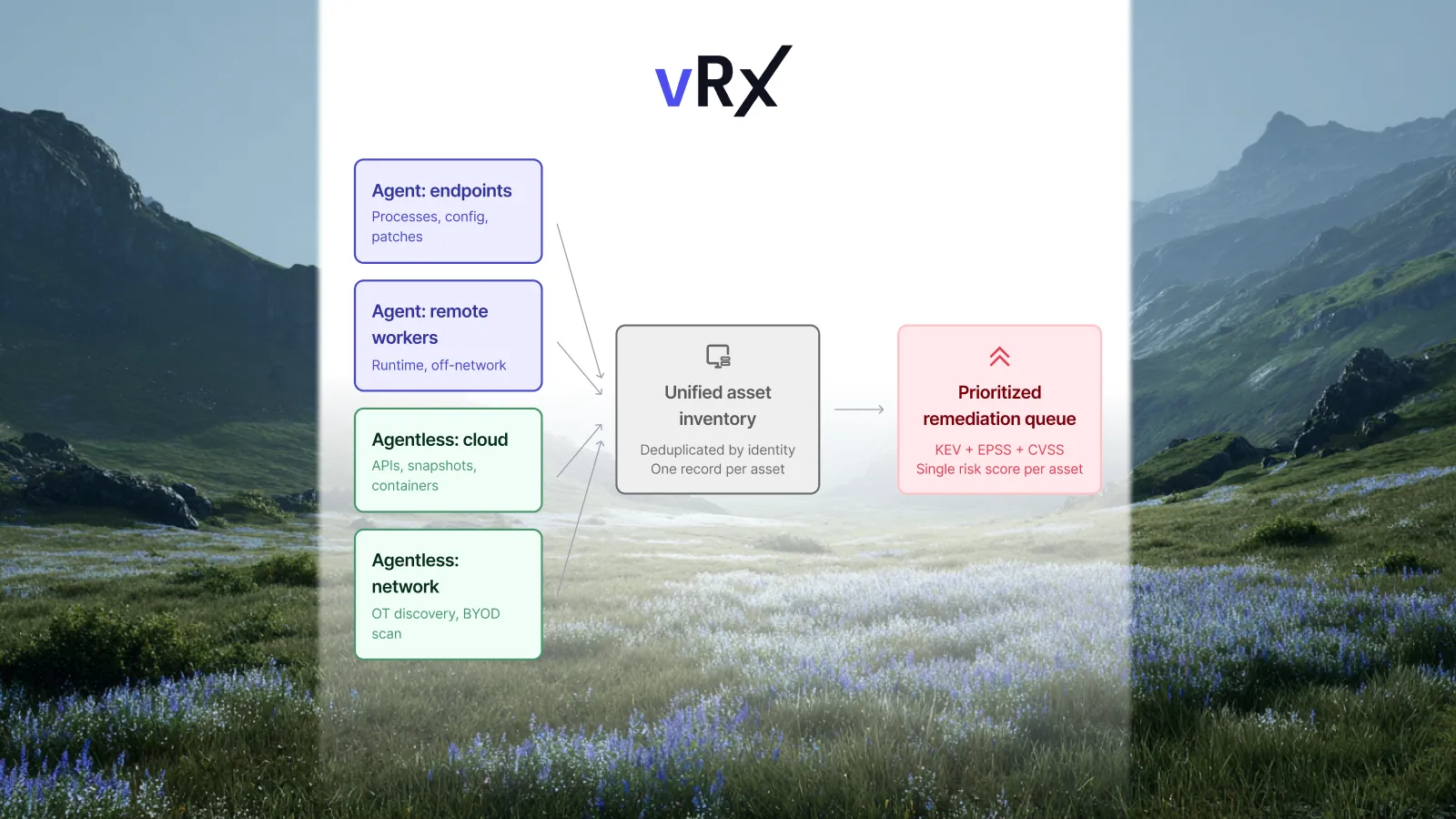
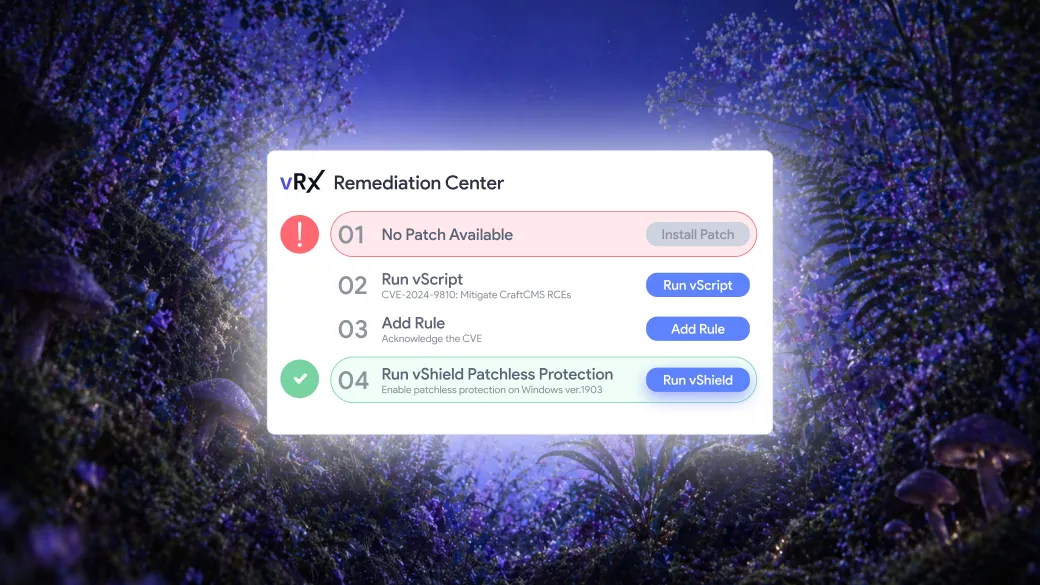
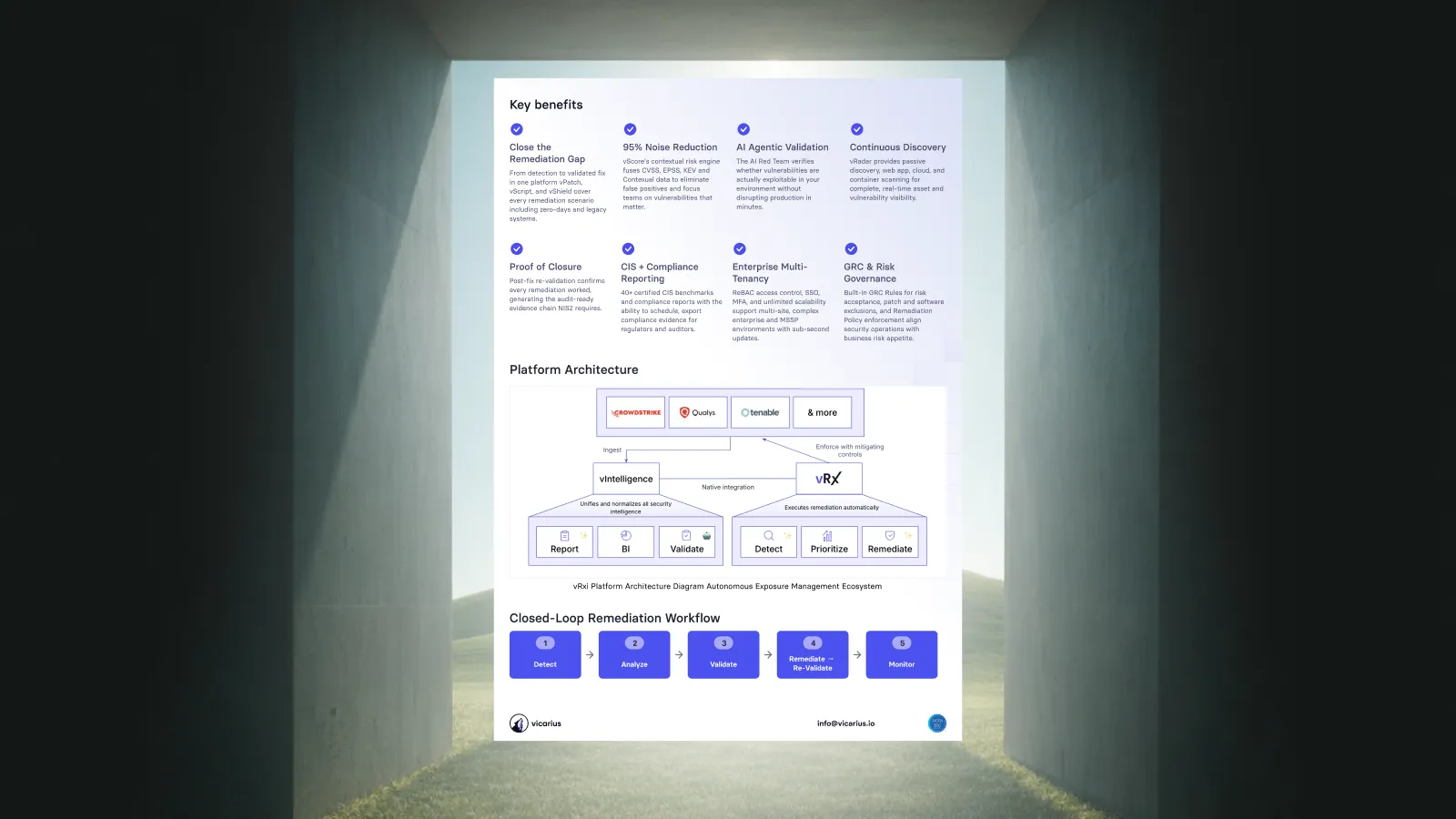
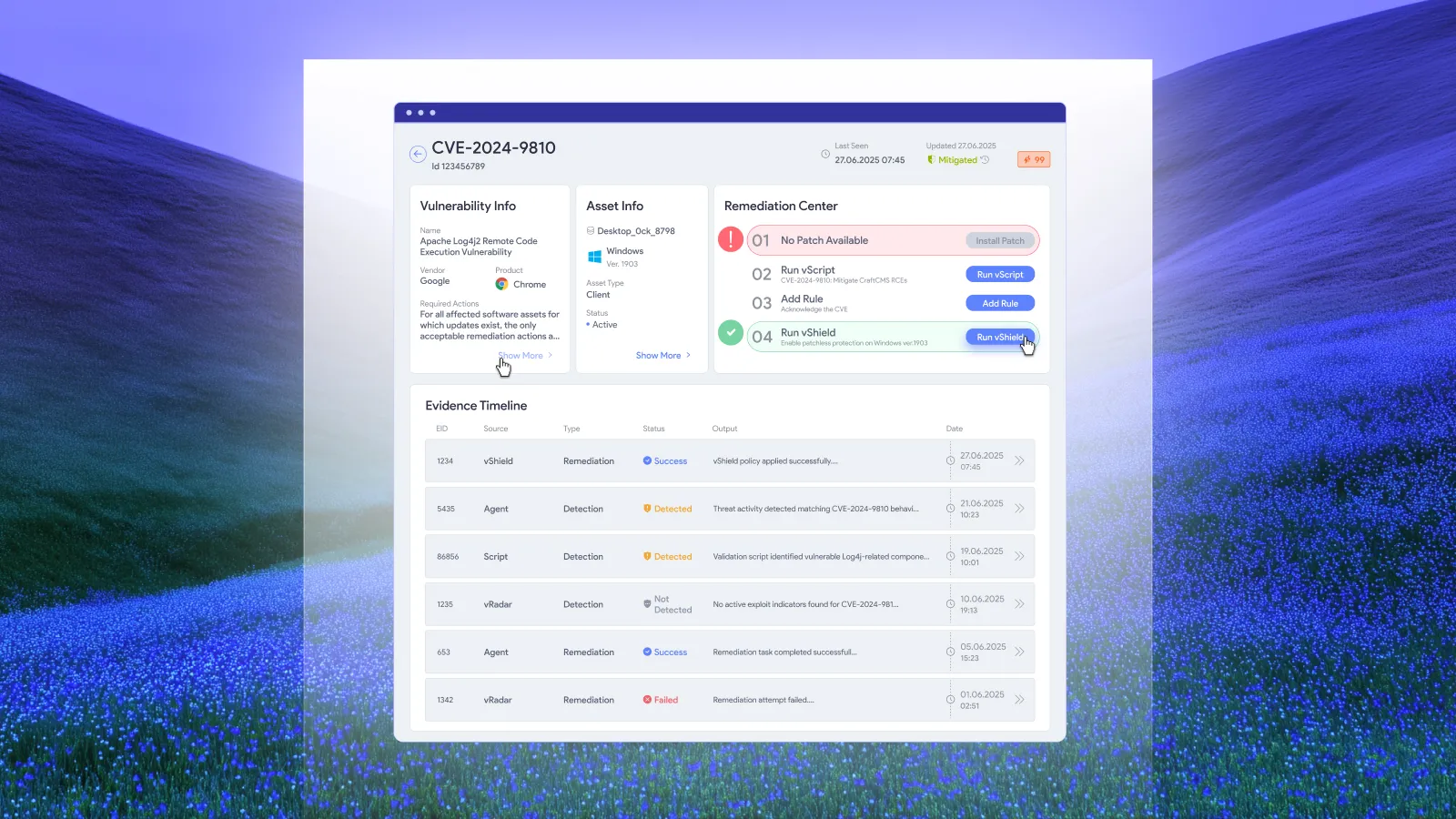
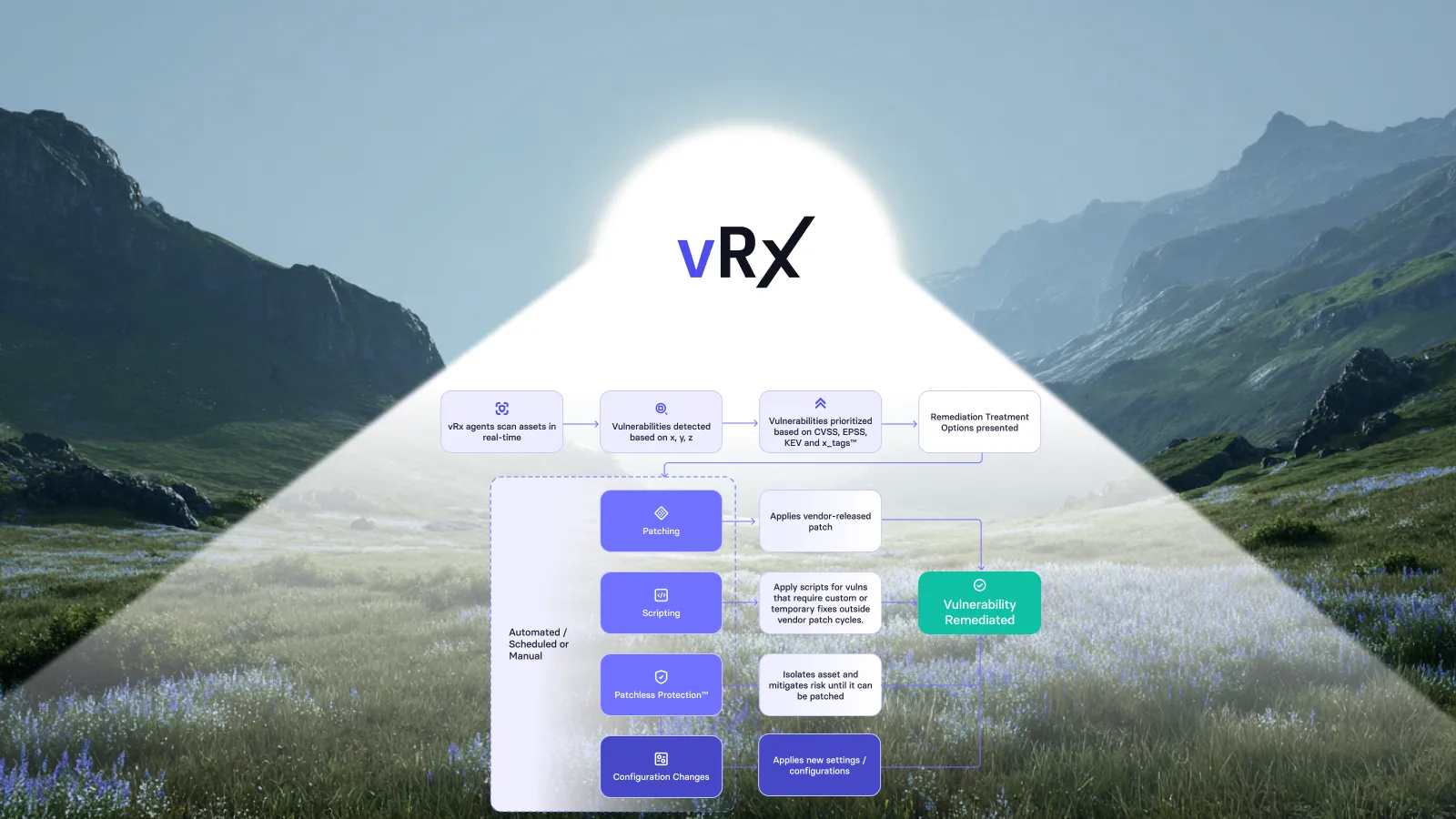
Integrating vulnerability remediation automation into broader operational workflows yields a compound benefit. When vulnerability detection, prioritization, and patching are automated, and PSA and RMM activity are synchronized with it, technicians no longer need to spend hours repeating tasks that can be handled automatically.
The result is a leaner workload, fewer redundant processes, and a support desk that experiences significantly lower ticket pressure. This integration elevates day-to-day service stability because recurring, low-value work is systematically removed from the queue. Automated prioritization and patch orchestration also create cleaner operational data. Because every remediation step flows through consistent workflows and triggers, it becomes far easier to collaborate on and correlate labor inputs, ticket flow, and remediation timelines with real margin performance. With complete and structured data, MSPs can model profitability at both the account level and the technician level, enabling more precise planning for future resource allocation and client segmentation.
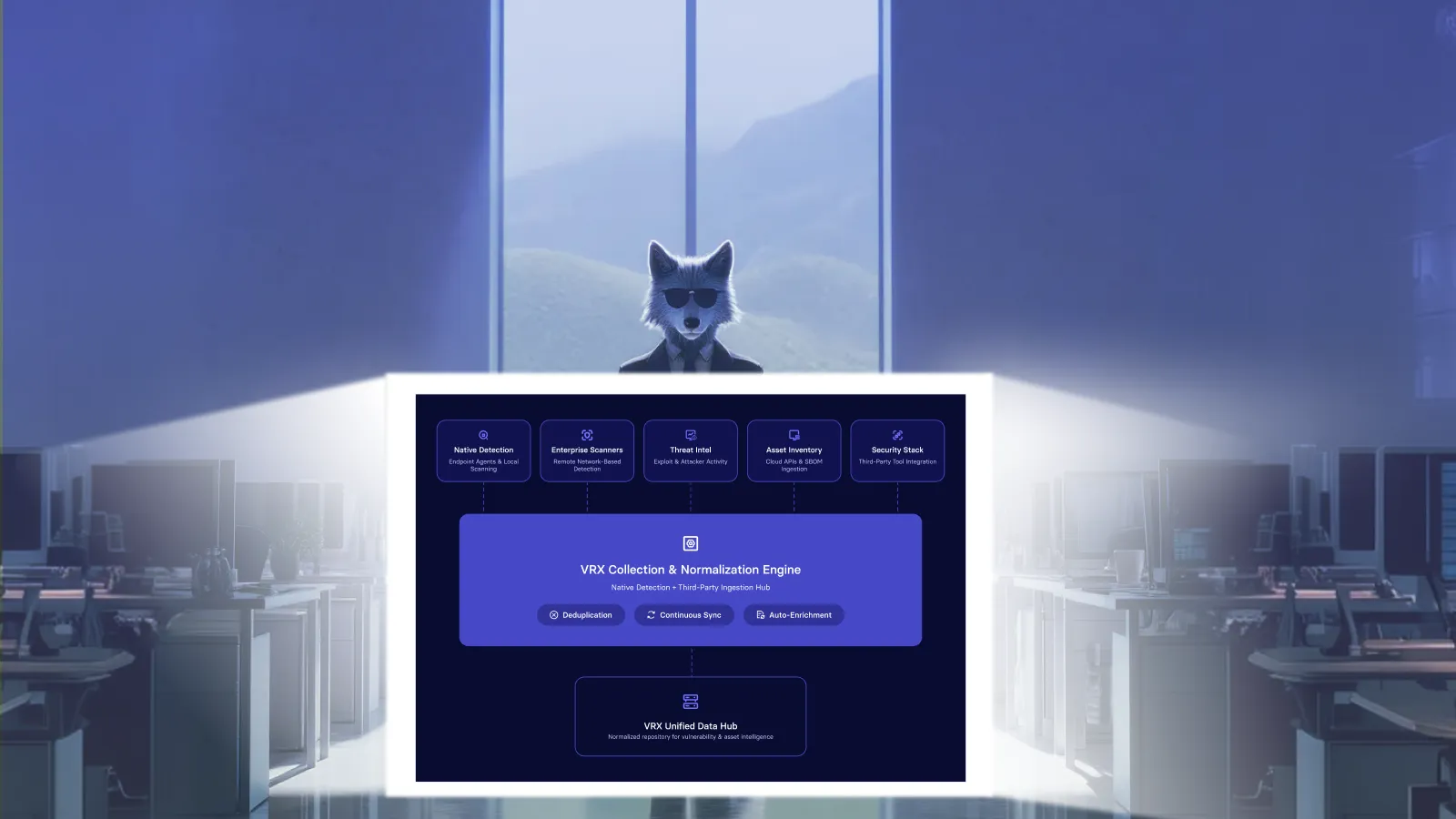
A unified automation layer across PSA, RMM, and security tooling delivers a more coherent operational environment. Technicians no longer need to toggle between multiple dashboards or interpret conflicting data sources; instead, alerts, remediation actions, and task routing exist within a single ecosystem. This reduces cognitive overhead, accelerates throughput, and removes the subtle inefficiencies that, over time, drain capacity. When operational consistency is combined with remediation automation, MSPs gain a defensive posture that helps to create the conditions that decrease inbound support noise.
Proactive patch deployment, predictable remediation cycles, and consistent preventative maintenance cut down on emergencies, leading to fewer fire drills and a more stable revenue pattern. Recurring revenue becomes more predictable because avoidable incidents are minimized.
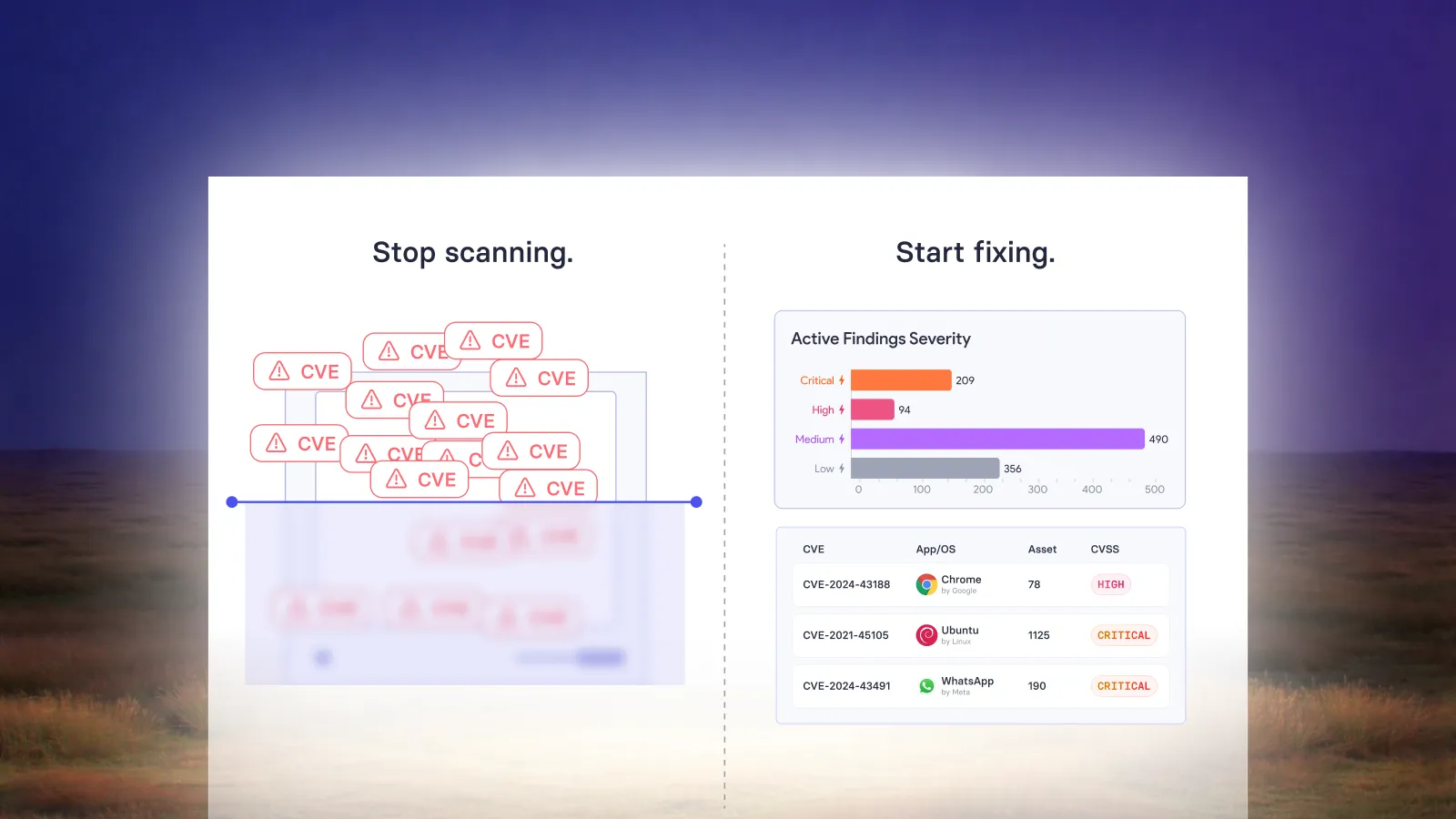
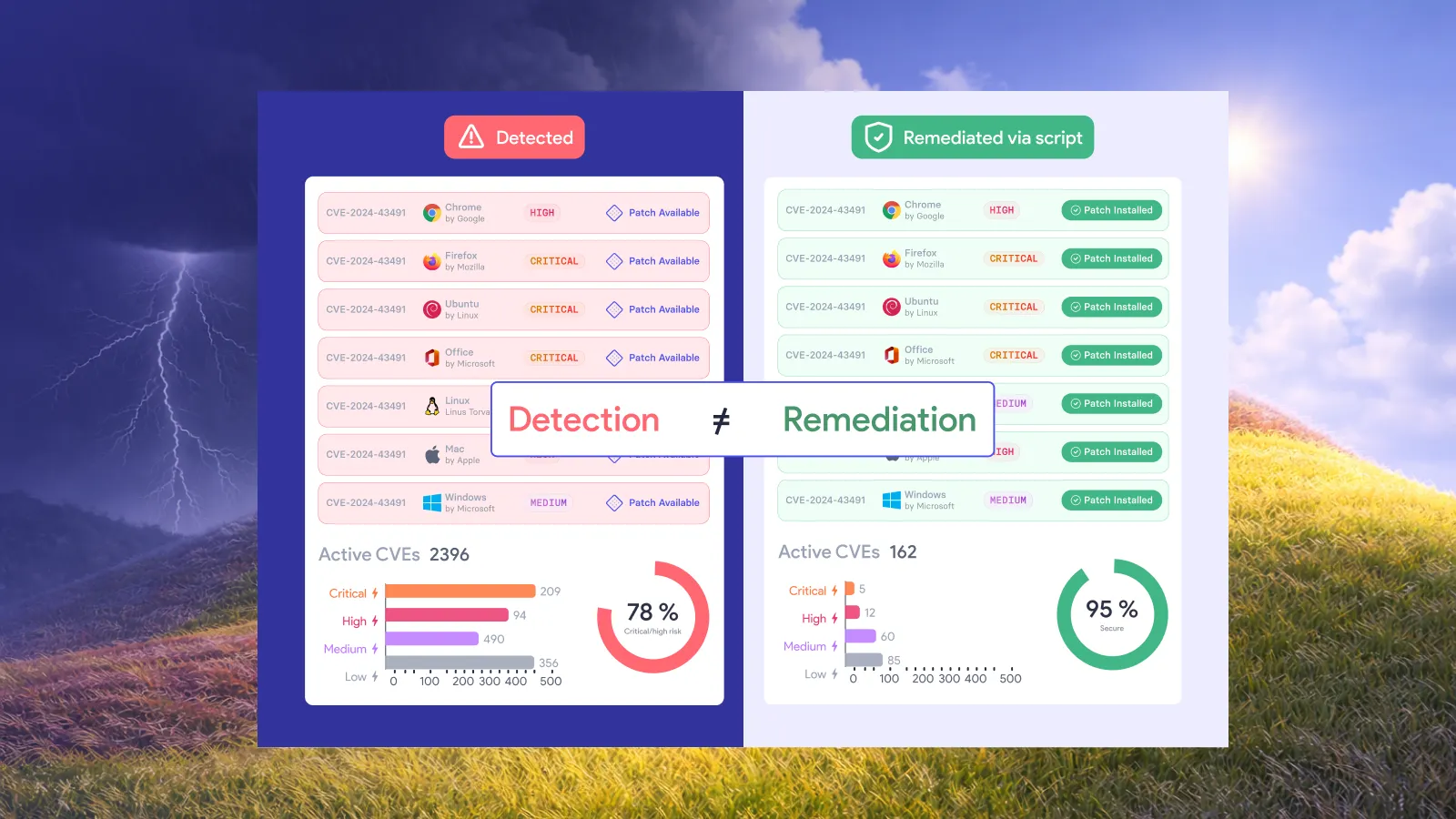
Integrated automation: Before-and-after comparison
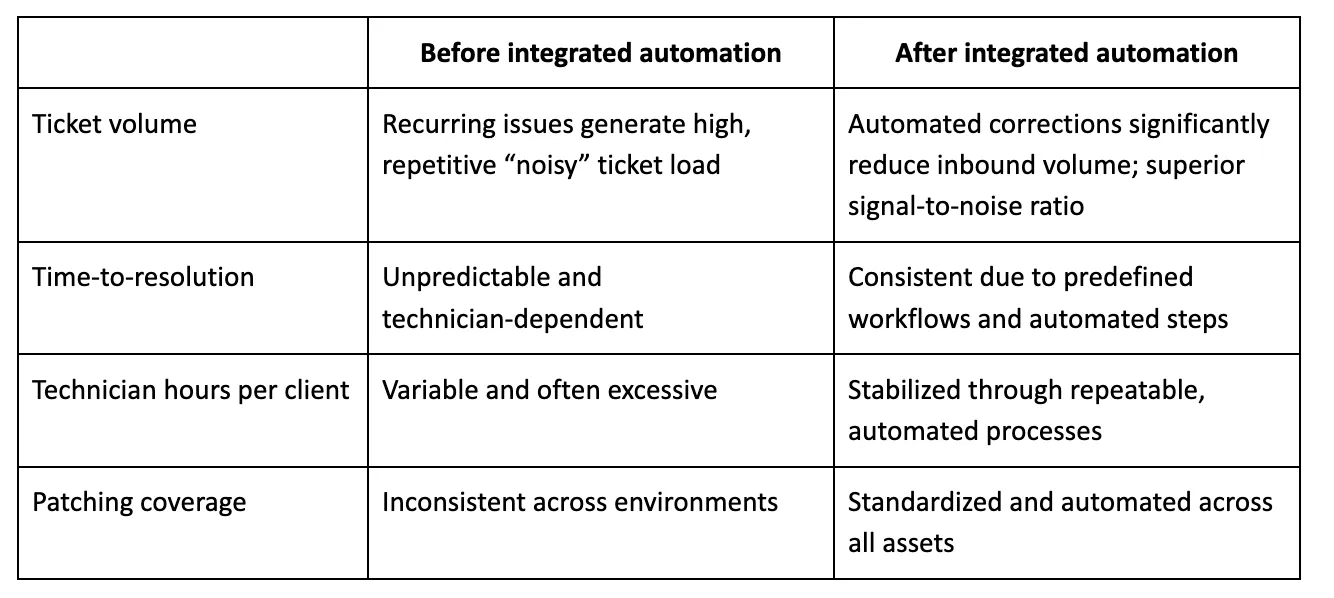
Together, these improvements prepare MSPs for sustainable growth by creating an operational model that scales through process, not headcount. When automation forms the backbone of service delivery, MSPs can expand their client base without compromising response times, profitability, or technician well-being.
Building a scalable operational model for the next phase of MSP growth
A scalable operational model is built on the principle that technician time must be reserved for high-value work rather than repetitive tasks. Leaner operations, fueled by automation and standardization, allow MSPs to take on more clients without necessarily proportionally increasing the number of engineers. This shift is essential in a labor-constrained industry where adding headcount is neither fast nor cost-effective. By modelling workload based on support demand, remediation cycles, and automation efficiencies, MSPs gain the ability to scale strategically rather than reactively. This enables deliberate planning of client mix, service tiers, and onboarding sequences.
Other growth factors to consider:
- Repeatable operational frameworks create institutional stability: Prepares MSPs for broader opportunities; whether considering expansion into new verticals, preparing for acquisition, or diversifying service lines, consistent processes provide the foundation for predictable performance. Buyers, partners, and clients all benefit from a service model rooted in reliability.
- Long-term resilience depends on maintaining automation hygiene: Even efficient environments can regress if workflows are not periodically reviewed or if tools accumulate beyond necessity. Routine operational audits ensure that tech sprawl does not re-emerge and that automation remains aligned with current business needs. Through continuous optimization, MSPs preserve the benefits of their streamlined model.
Automation: Connecting efficiency with evolution
Operational excellence is the bedrock of MSP growth. By combining automation, standardization, and remediation tooling, MSPs reduce drag across their entire service lifecycle, enabling them to operate more efficiently and scale more confidently. These capabilities offer a direct path to improved margins, stable service delivery, and stronger long-term performance. Automation-forward vendors play a crucial role in this evolution by reducing repetitive technician workloads and providing consistent, reliable remediation outcomes. Solutions that eliminate manual checks and uplift operational consistency enable MSP teams to focus on engineering work rather than repetitive maintenance.
MSPs ready to accelerate efficiency gains should begin by evaluating their current operational maturity and identifying gaps where automation can deliver immediate results. Small improvements in workflow coverage can quickly cascade into measurable gains in capacity, stability, and profitability.
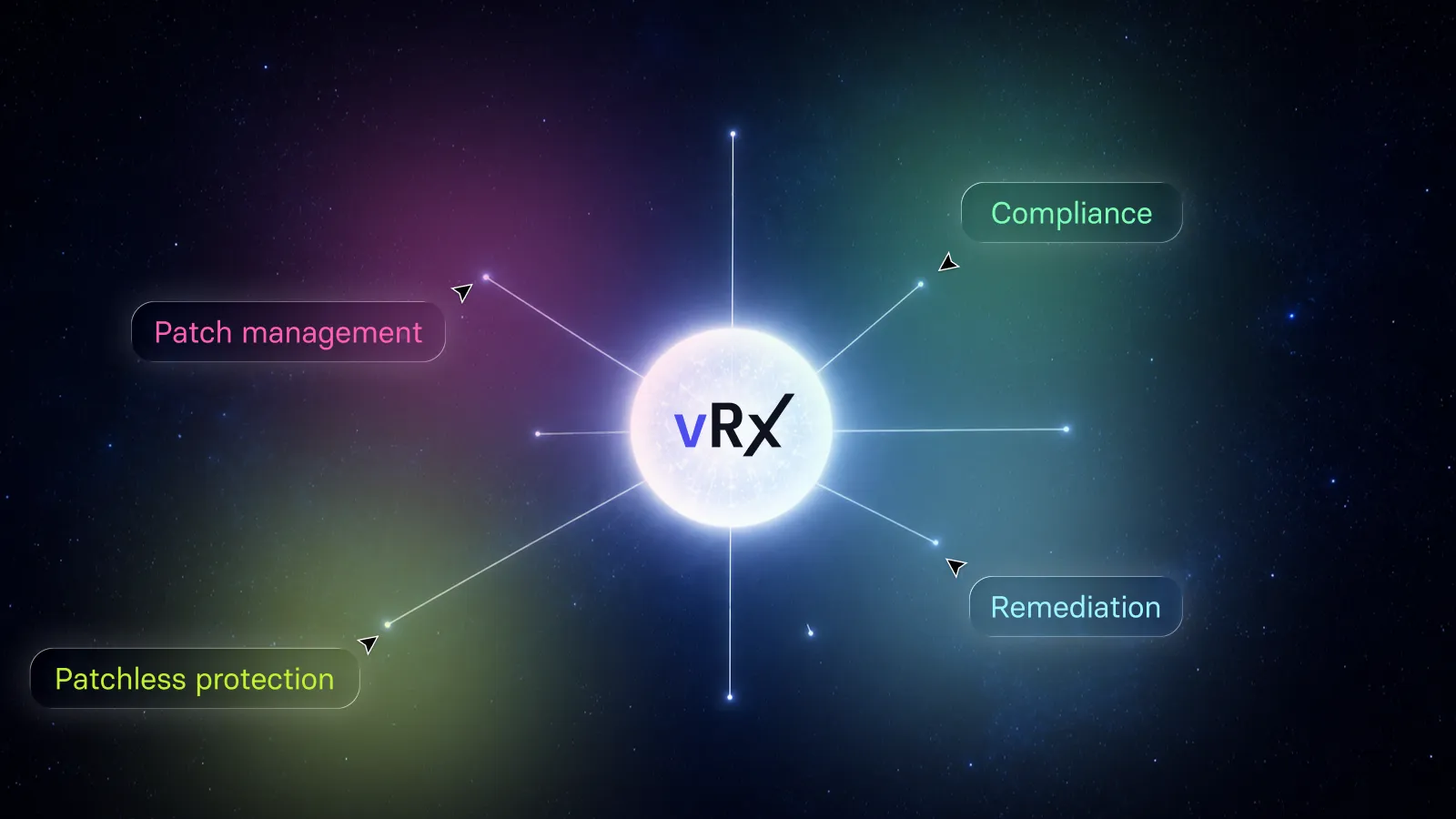
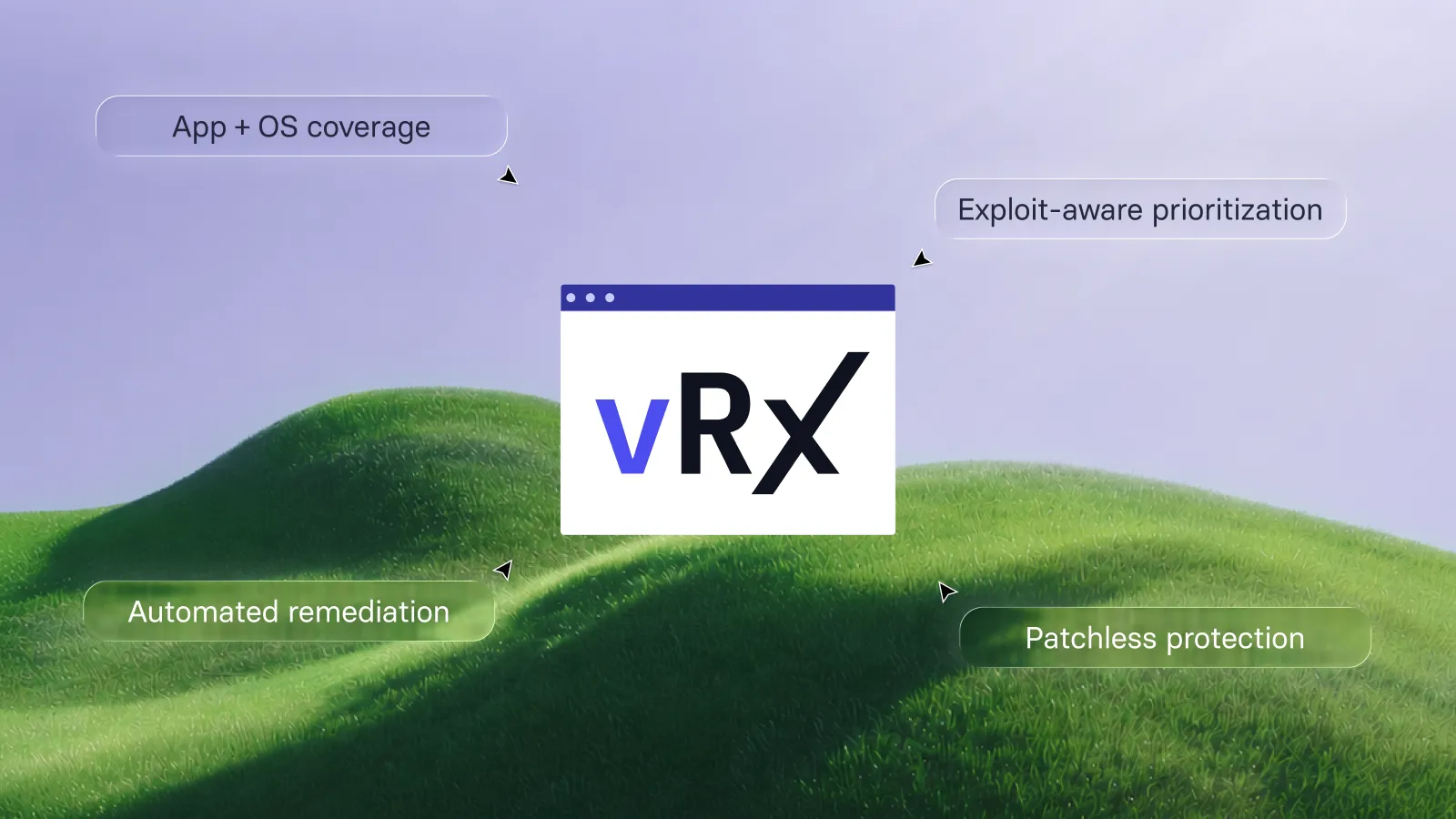
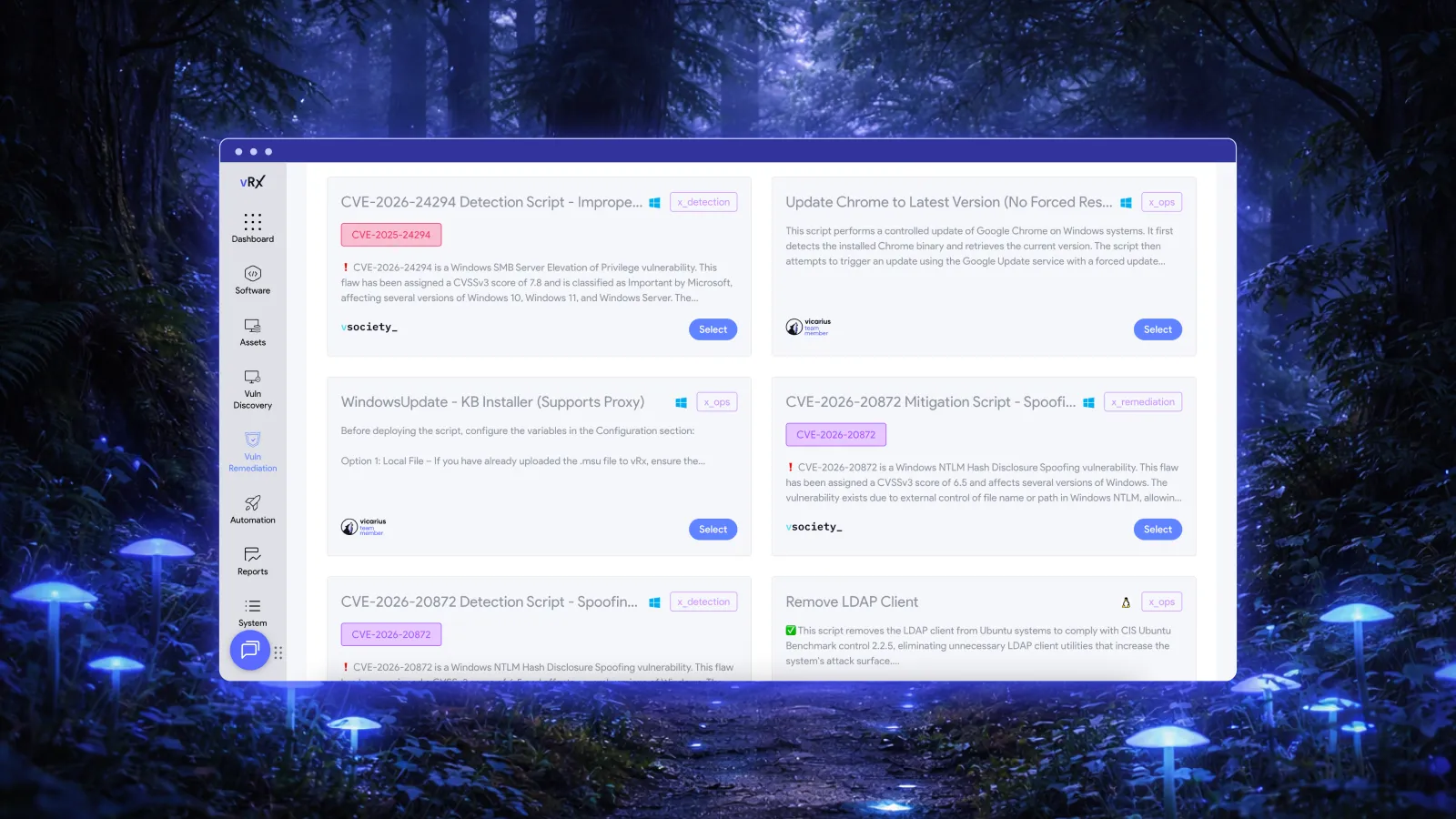
vRx by Vicarius offers targeted remediation automation that streamlines workflows, removes repetitive labor, and drives consistent security outcomes for MSPs seeking to scale frictionlessly with smaller operational burdens. Request a demo today to see how vRx can help you to realize the benefits of an integrated, automation-driven service model.

















.webp)






















%20Signals%20a%20New%20Era%20of%20Supply%20Chain%20Risk.webp)








.webp)






















%20to%20Reduce%20Attack%20Surface.avif)