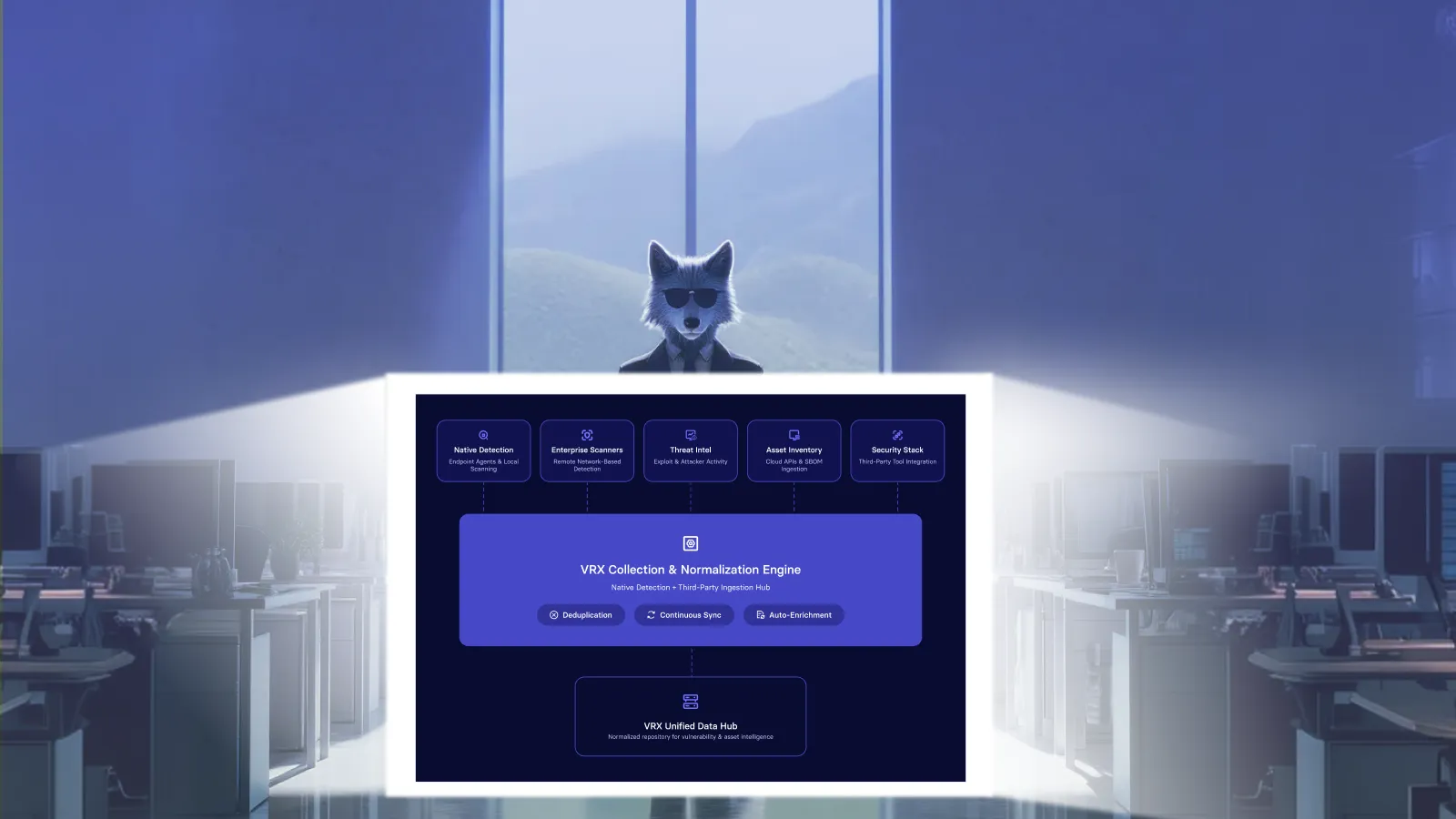


If you're evaluating vulnerability management tools right now, you already know the basic pitch, scan, prioritize, patch. Every vendor says the same thing. What actually separates platforms is how far they go once a vulnerability is found, how well they handle compliance evidence, and whether they cover both applications and operating systems without requiring two separate tools.
This document covers ten platforms security and IT teams are actively comparing in 2026. For each one, we examined automated remediation depth, compliance reporting capabilities, OS and application coverage, and patchless protection. One finding stands out: most platforms still treat patchless protection as an afterthought. More on why that matters below.
What to look for in a vulnerability management platform
Security teams get burned by the same four gaps regardless of vendor. Ask these questions before the first demo.
1. Automated remediation vs. automated detection
Most platforms automate scanning. Far fewer automate the actual fix, and those that do often require heavy configuration before a single patch deploys without human approval. Ask vendors specifically: what happens after the CVE is found? How many manual steps sit between discovery and deployment?
2. Application coverage alongside OS patching
OS patch management is essentially a solved problem. Third-party application vulnerabilities, especially in browsers, Java runtimes, and productivity suites, are where breaches actually happen. If a platform only patches Windows Updates reliably, that's only half the job done.
3. Compliance proof points
Auditors don't want to hear that you have a patching process. They want timestamped evidence: what was found, when it was found, what remediation ran, and the verified outcome. Platforms that export audit-ready reports save IT teams days of manual work per quarter and weeks per year.
4. Patchless protection for what can't be patched immediately
Zero-days and legacy systems don't wait for a maintenance window. This is where most platforms fall short. See the dedicated section below for a full breakdown of which platforms offer real patchless protection versus marketing language.
Patchless protection: what it actually means and who actually has it
The term gets used loosely. Before comparing platforms, it's worth being precise about what patchless protection means, what mechanisms different vendors use, and where the real gaps are.
The patch gap problem
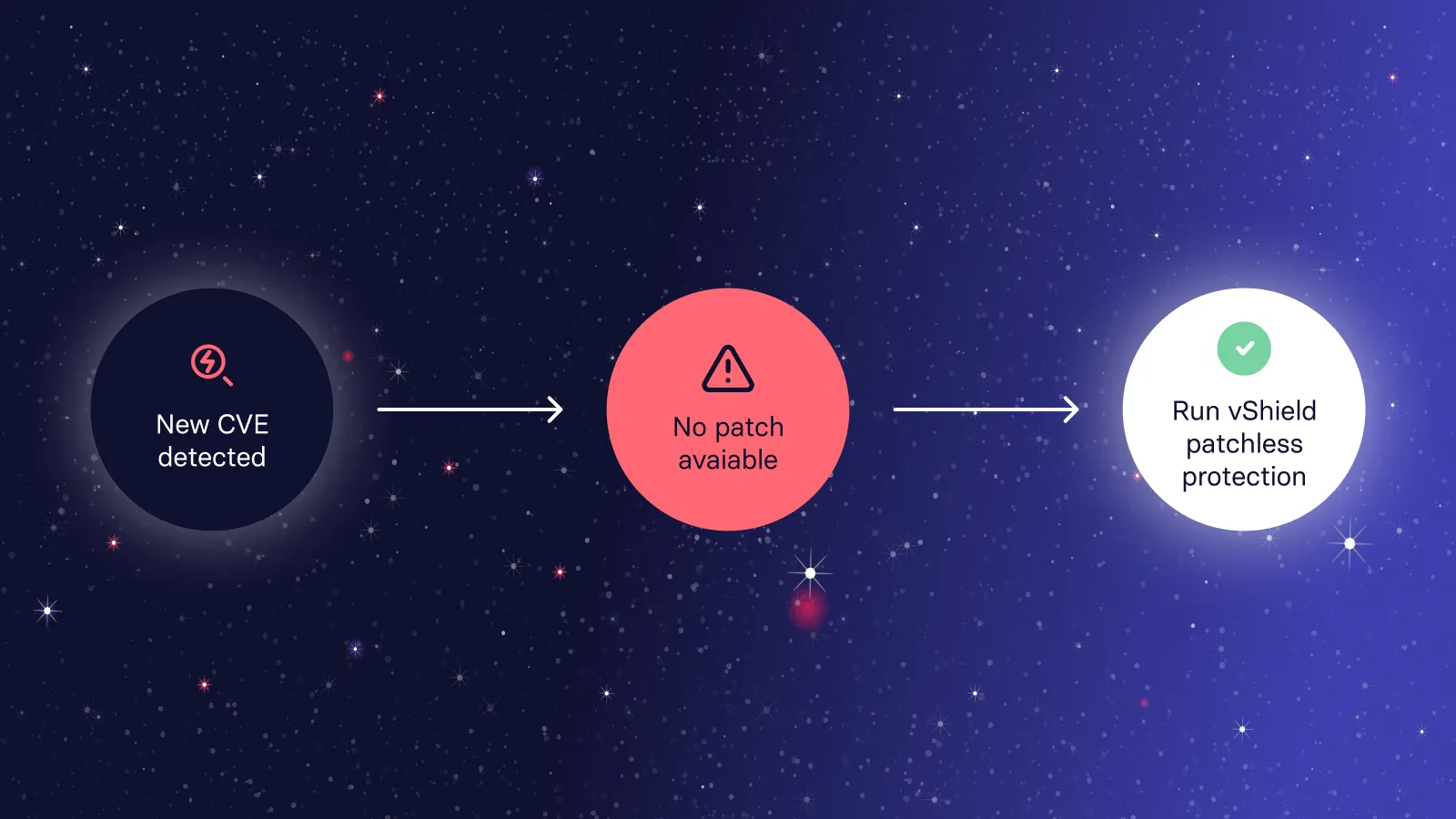
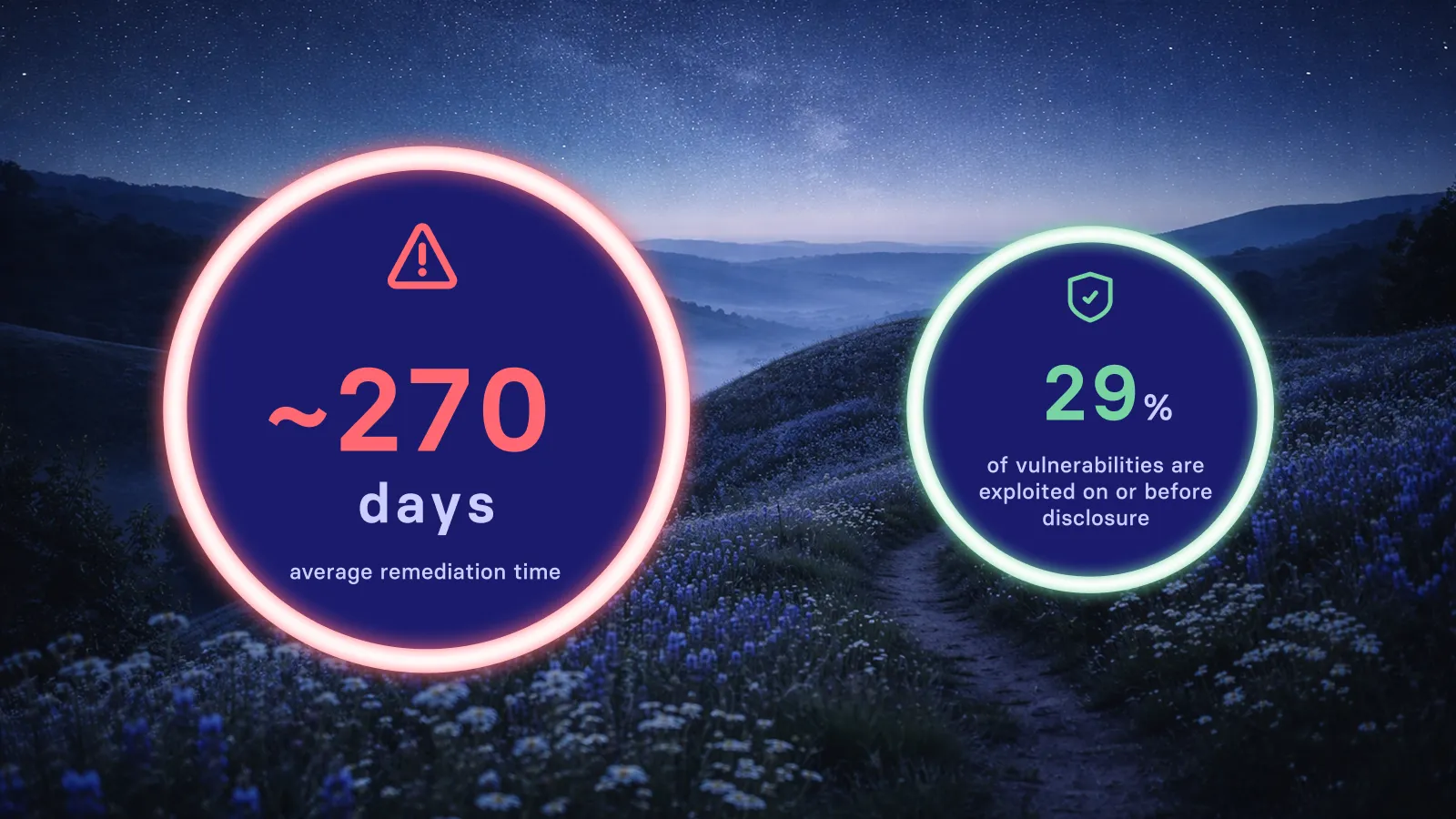
When a zero-day is published, most organizations face one of two scenarios: either no vendor patch exists yet, or a patch exists but deploying it would disrupt a critical system, a legacy application, or a production environment that can't be taken offline. In both cases, the CVE is live, it's known, and the system is exposed. The window between public disclosure and patch deployment is where attacks happen.
According to the 2026 State of Endpoint Management Report, only 6% of organizations have achieved full patch automation. The rest are managing the gap manually. For those organizations, patchless protection isn't a nice-to-have; it's active risk coverage during the days or weeks between disclosure and deployment.
How vRx patchless protection (vShield) works
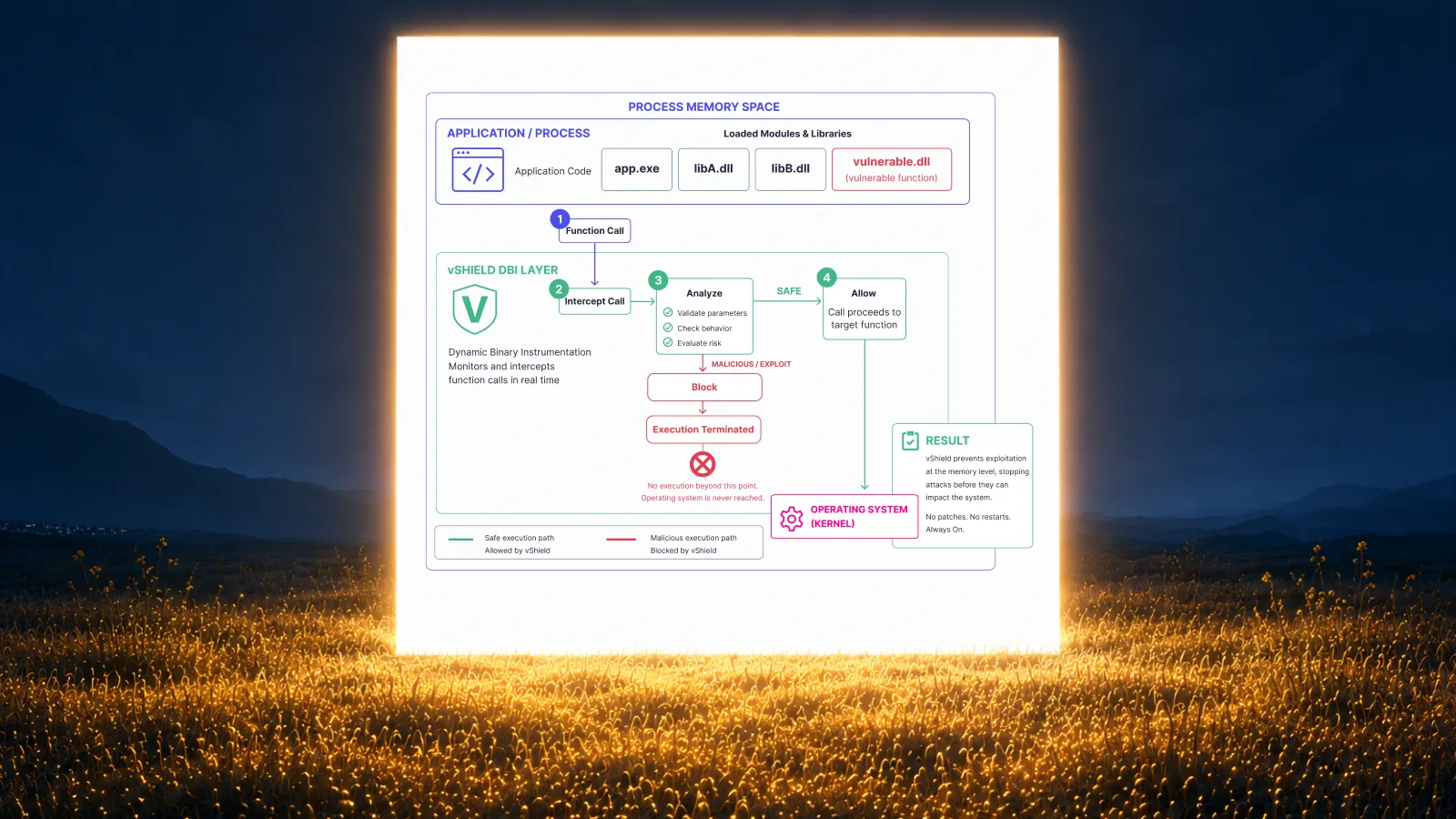
vRx's patchless protection, internally called vShield, uses Dynamic Binary Instrumentation (DBI) technology. Rather than modifying the vulnerable software or relying on network-level controls, the mechanism operates directly in memory.
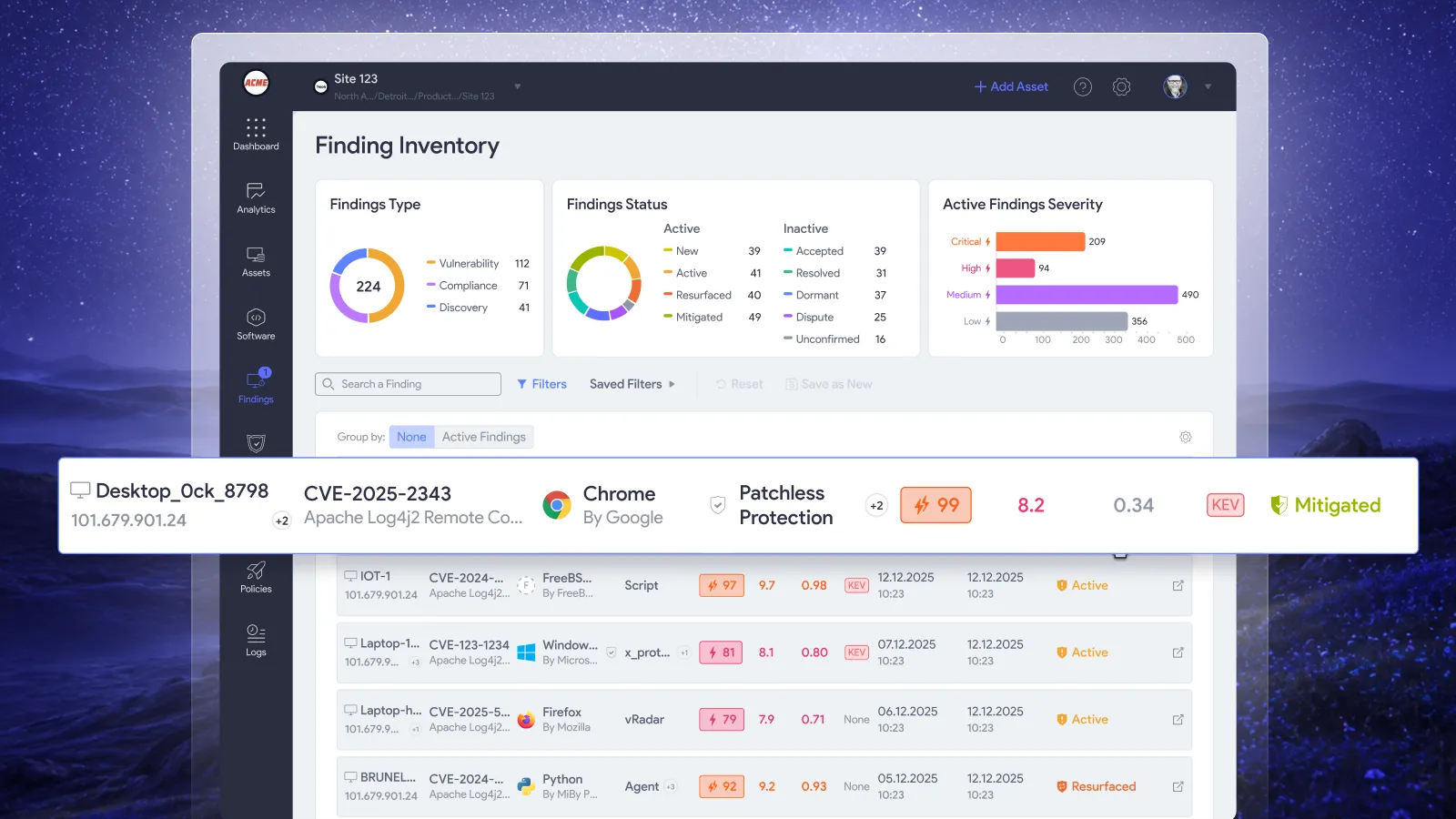
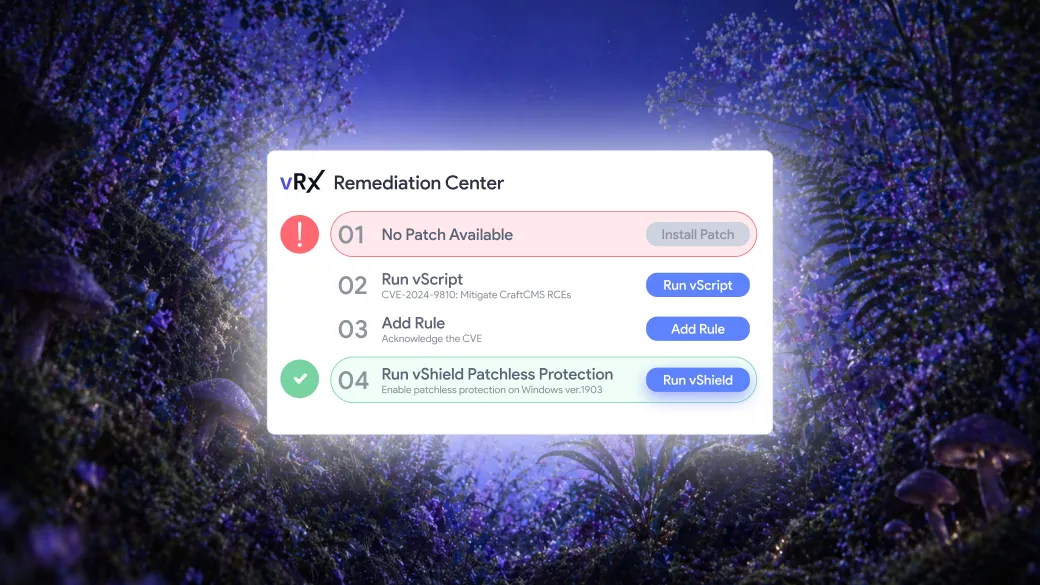
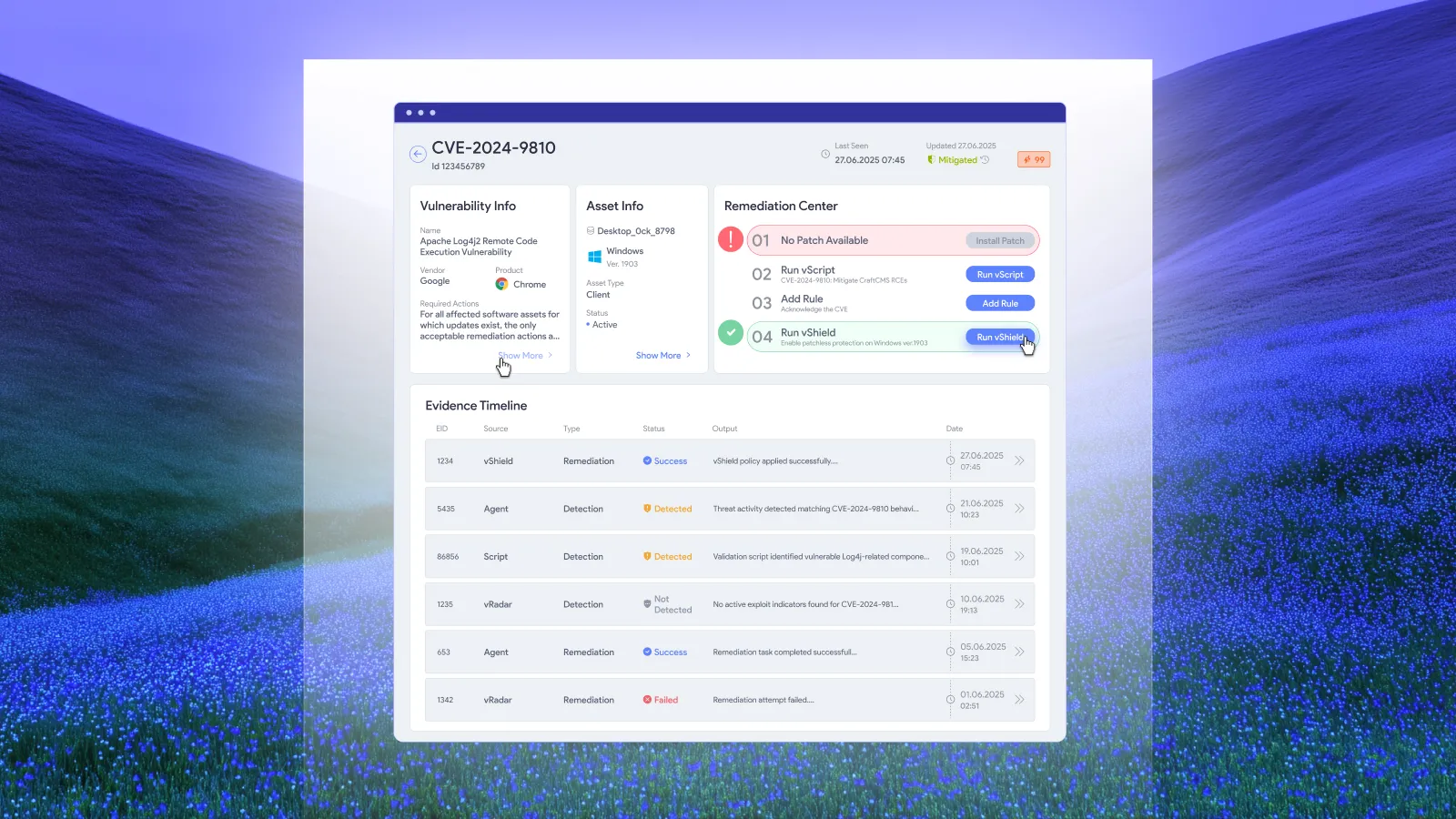
When patchless protection is activated for a software package, vRx wraps the application's legitimate executables in memory and restricts access to the API memory space of any function that Vicarius has identified as sensitive or exploitable. The DBI engine tracks those vulnerable functions from the moment they load into memory. If an exploitation attempt targets one of those functions, the system either blocks the system call in memory or notifies the administrator, depending on how the policy is configured.
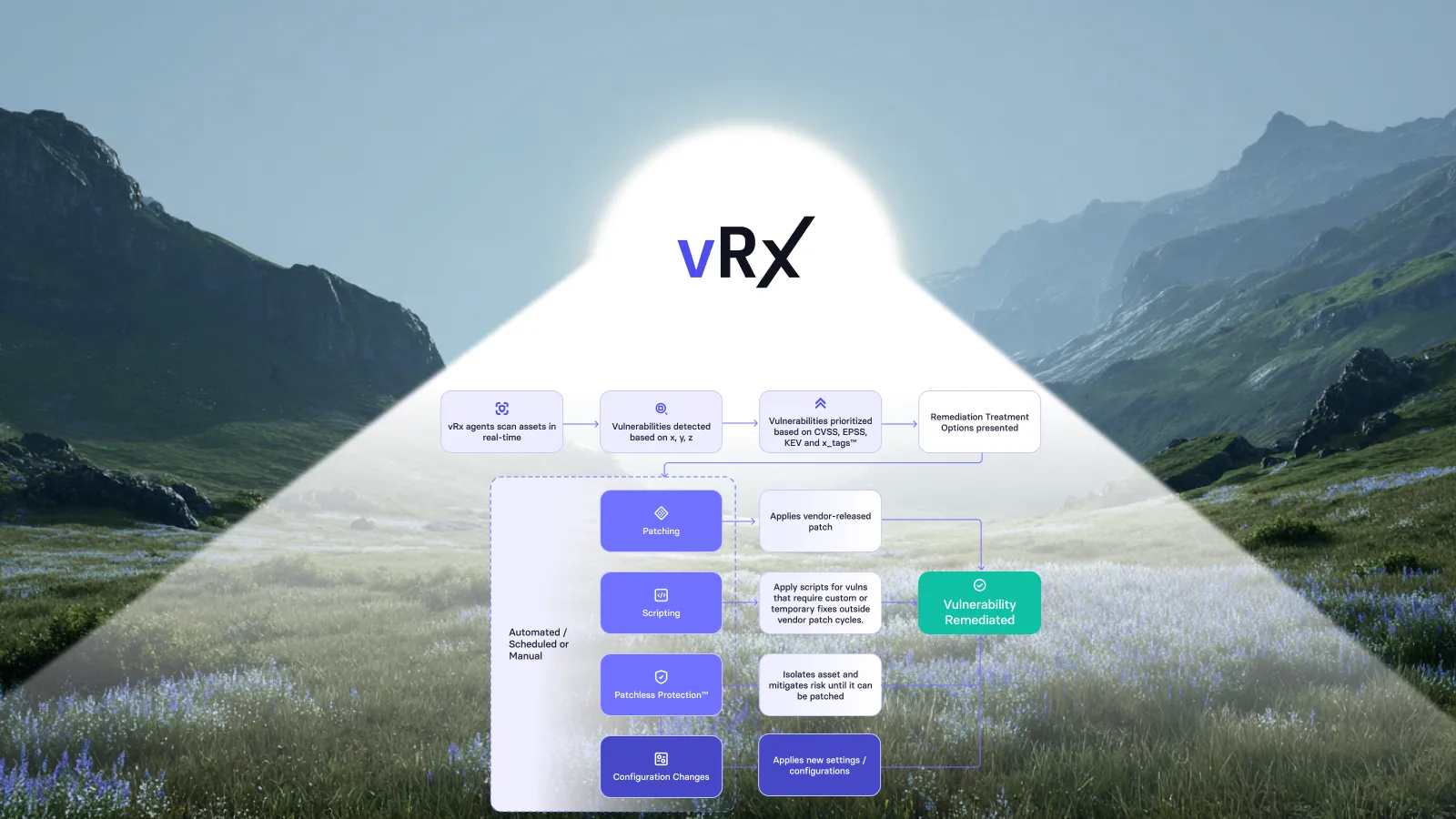
This approach has two meaningful consequences. First, the protected application keeps running normally. Users don't notice anything. The functionality is intact. Second, when the actual patch eventually becomes available, vRx deploys it through its standard automated patching workflow and automatically disables the patchless protection for that software, since it's no longer needed.
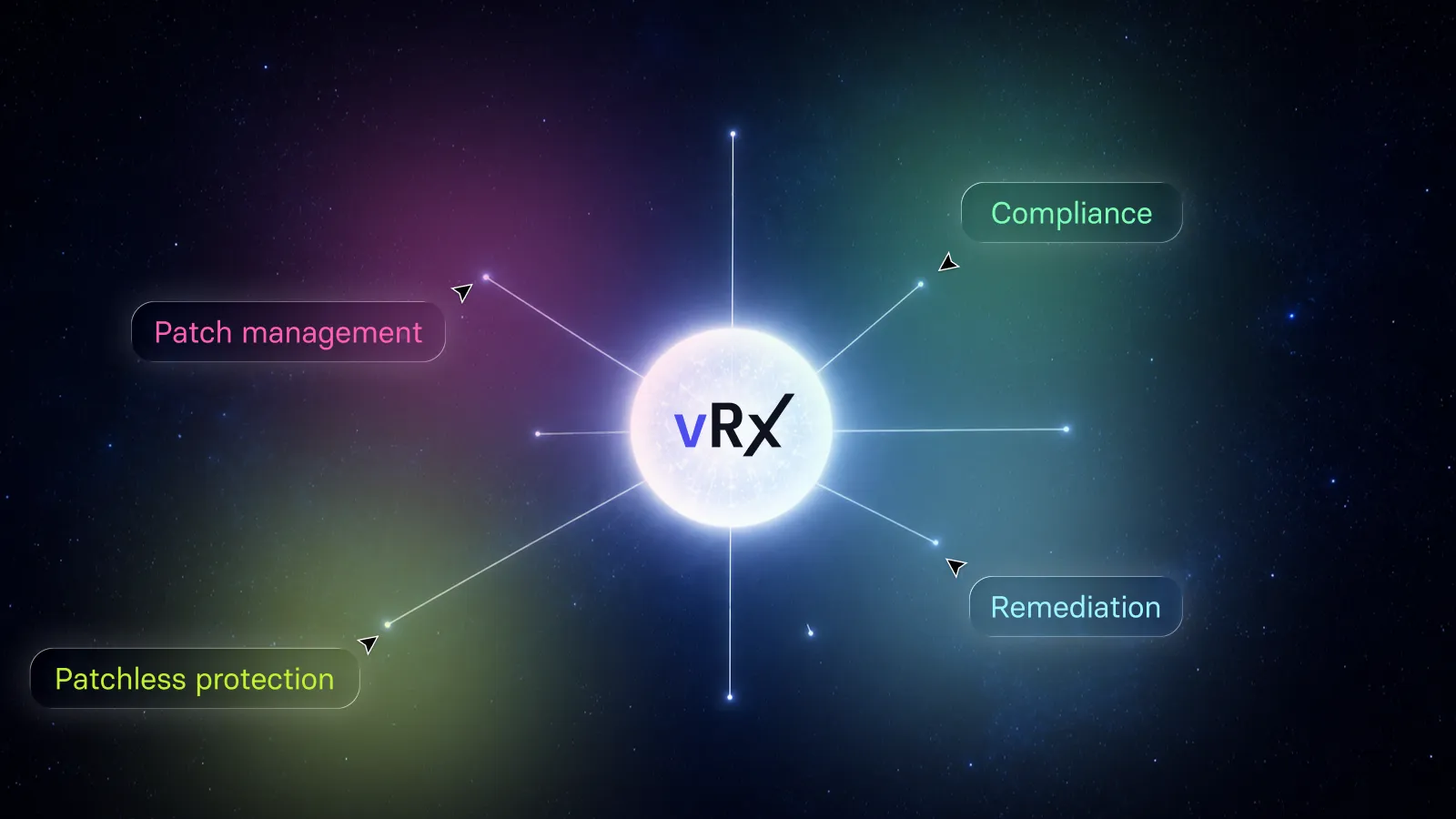
It covers the full remediation lifecycle for unpatchable vulnerabilities: in-memory protection to close the exploit path, monitoring of exploitation attempts, and automatic handoff to the patch once it exists.
What Qualys calls "patchless patching" and why it's different
Qualys introduced TruRisk Eliminate at Black Hat 2024, billing it as patchless patching. The capability is real and more layered than most comparisons give it credit for, but it operates on fundamentally different principles from vRx's approach.
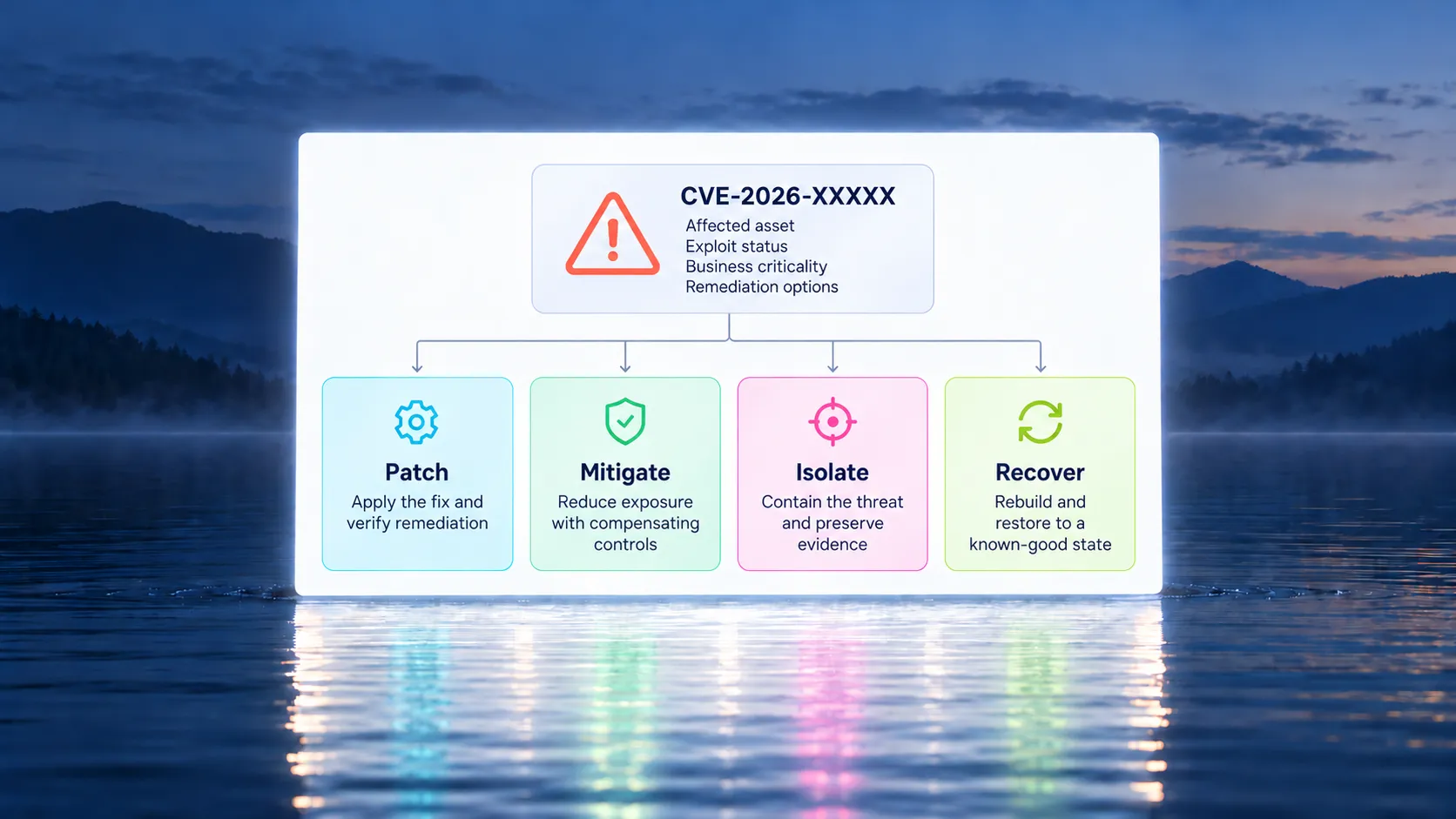
TruRisk Eliminate bundles four remediation methods. Patch Management handles standard CVE fixes. TruRisk Mitigate applies configuration changes, disabling vulnerable services, blocking ports, changing registry keys. These are curated and tested by Qualys's Threat Research Unit before publication. TruRisk Isolate network-quarantines risky assets to prevent lateral movement while remediation is staged. Custom Assessment and Remediation (CAR) lets teams run custom scripts for scenarios like removing non-standard Java versions or making configuration changes that fall outside the standard patch workflow.
The critical limitation is the TRU dependency. Every TruRisk Mitigate action requires a Qualys researcher to have first studied the specific CVE, identified a valid workaround, tested it, and published it to the platform. For well-documented vulnerabilities, this is reliable and fast. For a genuine zero-day that dropped this morning with no established workaround, there is no TruRisk Mitigate action available yet. TruRisk Isolate can still quarantine the affected asset, which limits blast radius but doesn't neutralize the exploit path. vRx's DBI approach works independently: it protects vulnerable memory functions regardless of whether anyone has documented a workaround for that CVE. That distinction matters most in the first hours and days after a zero-day disclosure.
Tenable, Rapid7, and the others
Tenable's platform has no native patchless protection mechanism. It's a detection and prioritization platform. Remediation, including any compensating controls, requires integration with separate tools. Tenable has 1000’s of detection plugins and excellent risk scoring through its Vulnerability Priority Rating (VPR) system, but once a vulnerability is found, the platform hands off to external systems to act on it.
Rapid7 InsightVM is in the same position. Its differentiation is the Metasploit integration, which shows whether a vulnerability has known exploit code, helping teams focus on what's actually weaponized. But InsightVM doesn't deploy patches or compensating controls natively. Automated remediation requires pairing it with a separate orchestration layer.
ManageEngine, SecPod SanerNow, and Automox all handle automated patch deployment well, but none of them offer patchless protection. When a zero-day drops without a vendor patch, or when a legacy system can't be patched without a maintenance window, those platforms don't provide coverage. The vulnerability stays open.
CrowdStrike Falcon Spotlight correlates vulnerability data with endpoint telemetry, giving useful context about which assets are actively targeted. But it doesn't patch or protect anything on its own. It's an intelligence layer, not a remediation tool.
Why this gap matters for zero-days and legacy systems
Consider the scenario that comes up repeatedly in enterprise environments: a critical CVE is published for a version of Java that a line-of-business application requires. The application vendor hasn't certified the new Java version yet, so upgrading Java would break the application. The security team knows about the vulnerability. The IT team knows. But they can't patch it.
Without patchless protection, the organization's options are: accept the risk and monitor closely, isolate the system at the network level (which adds operational burden), or engage in a months-long application upgrade project. With vRx's vShieldrunning, the vulnerable Java functions are wrapped in memory and exploitation attempts are blocked while the longer-term fix is planned. The business keeps running. The risk is contained.
This is why patchless protection is a decision criterion that warrants separate consideration from automated patching coverage. They solve different problems. A platform that patches 2,000 applications automatically but offers nothing for the one application that can't be patched may still leave an organization's most critical exposure unaddressed.
The platforms
1. Vicarius vRx
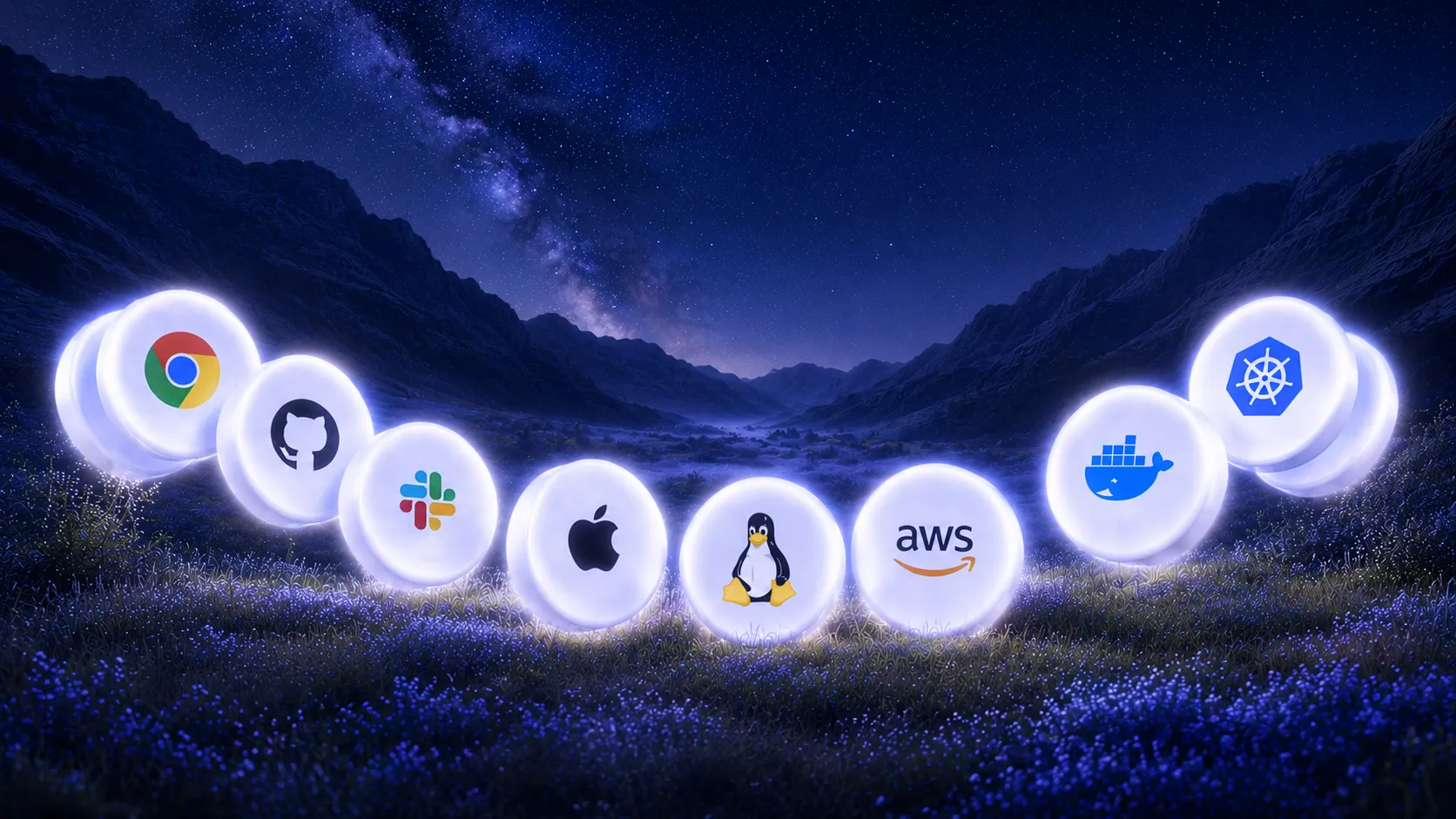
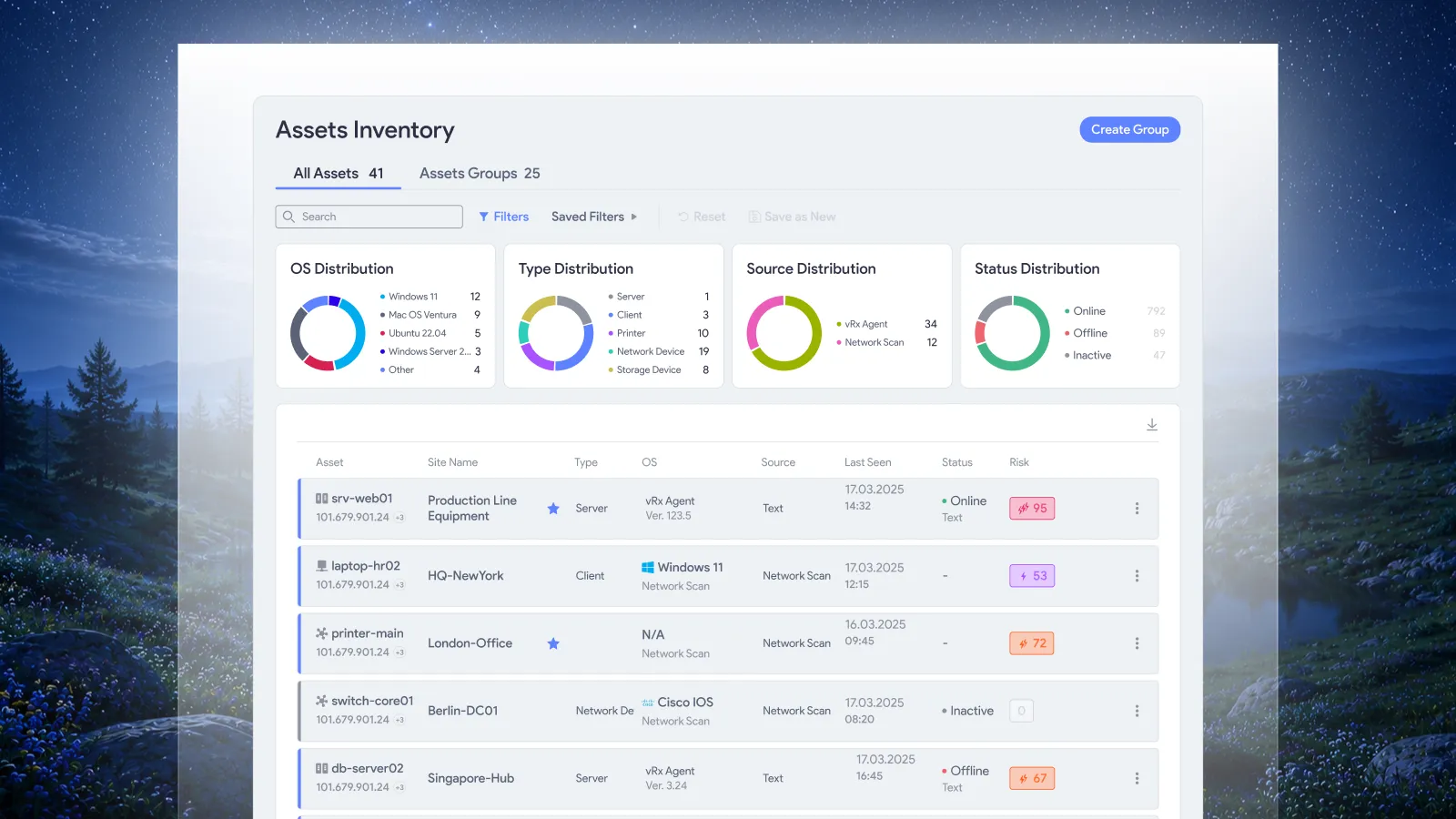
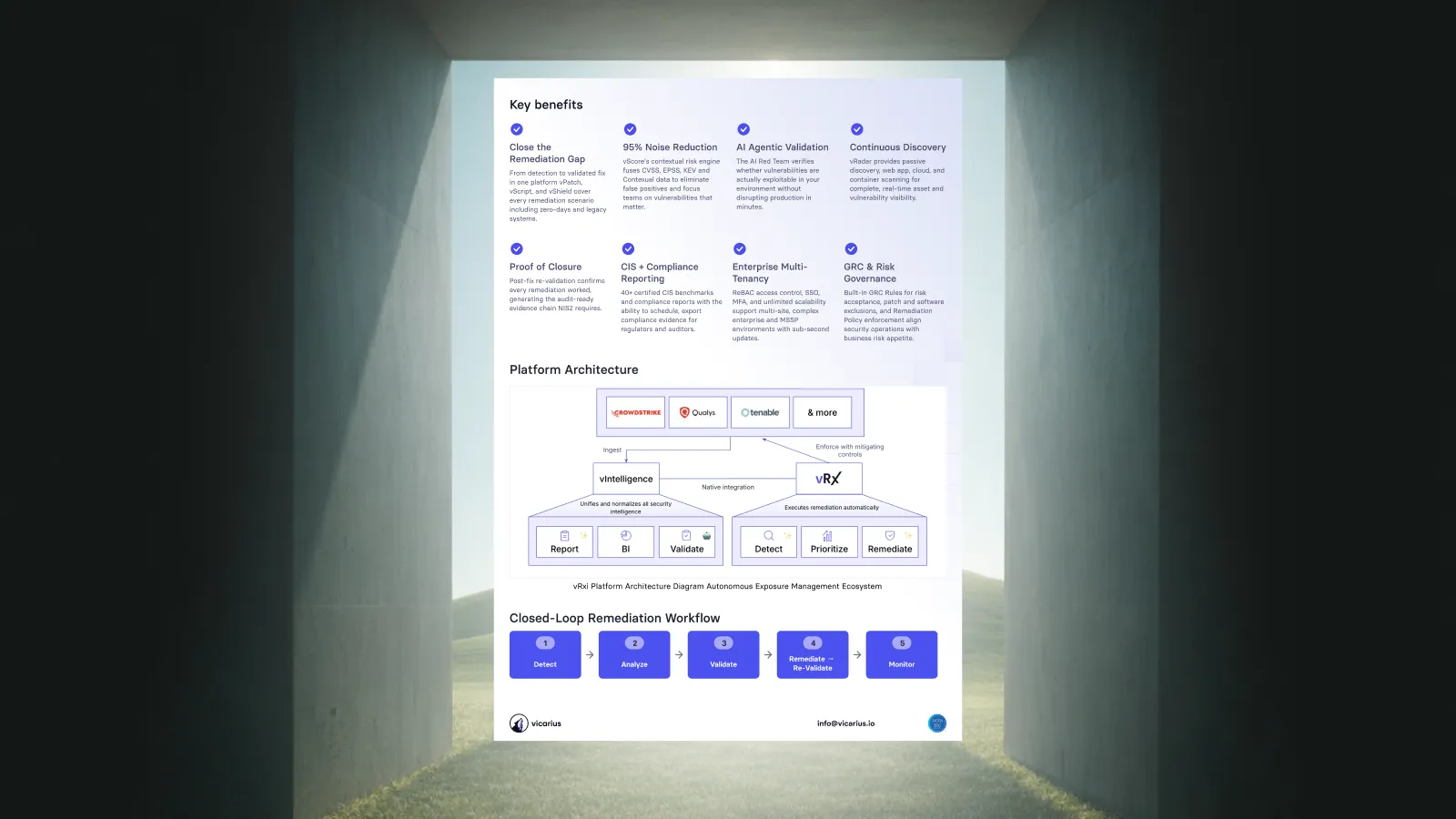
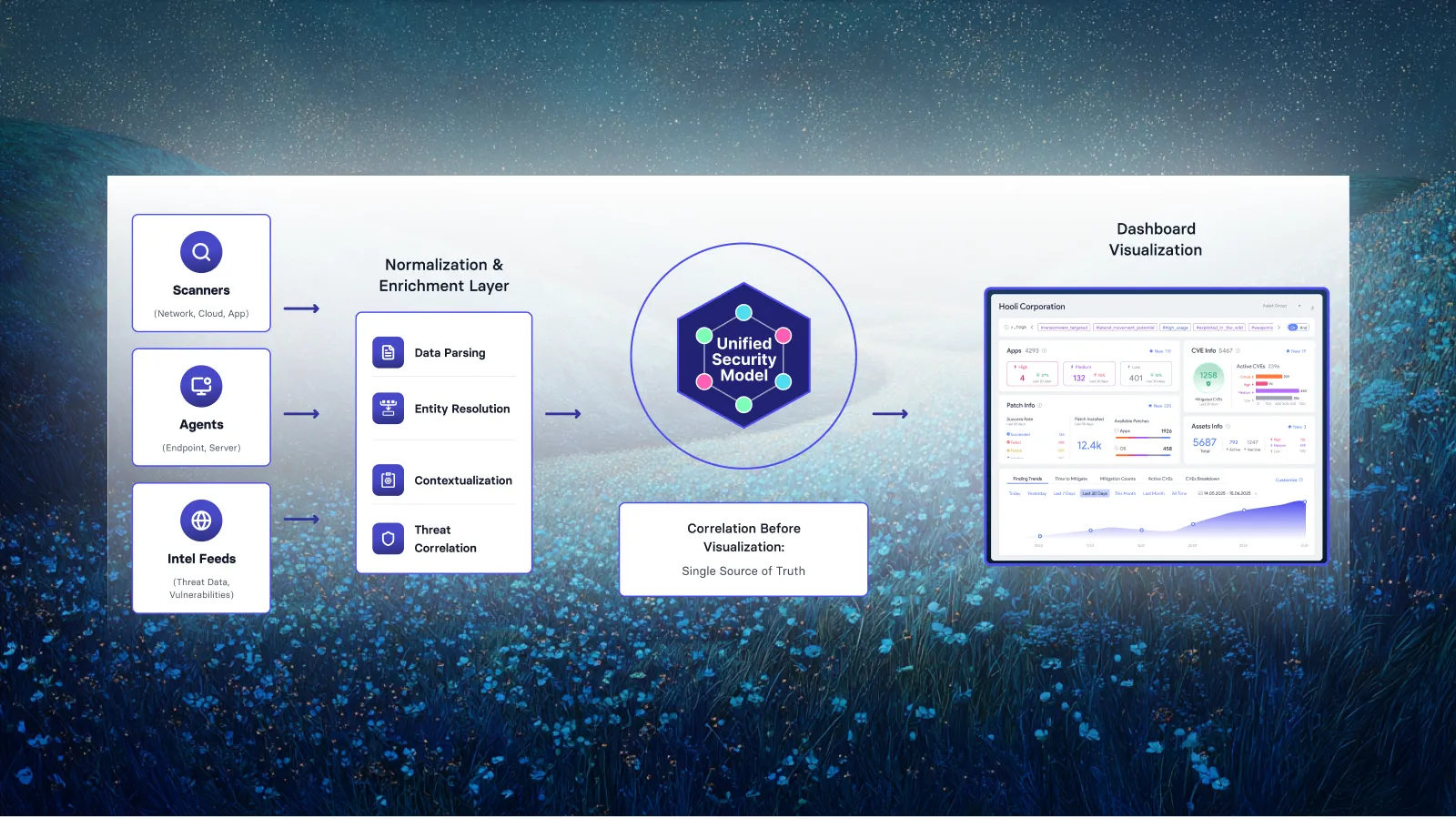
vRx is built around the idea that detection and remediation should live in the same workflow, not in separate consoles. It covers OS-level patching across Windows, macOS, and Linux alongside third-party applications, with automated coverage for over 20,000 software packages and an ever growing library, tracking vulnerabilities.
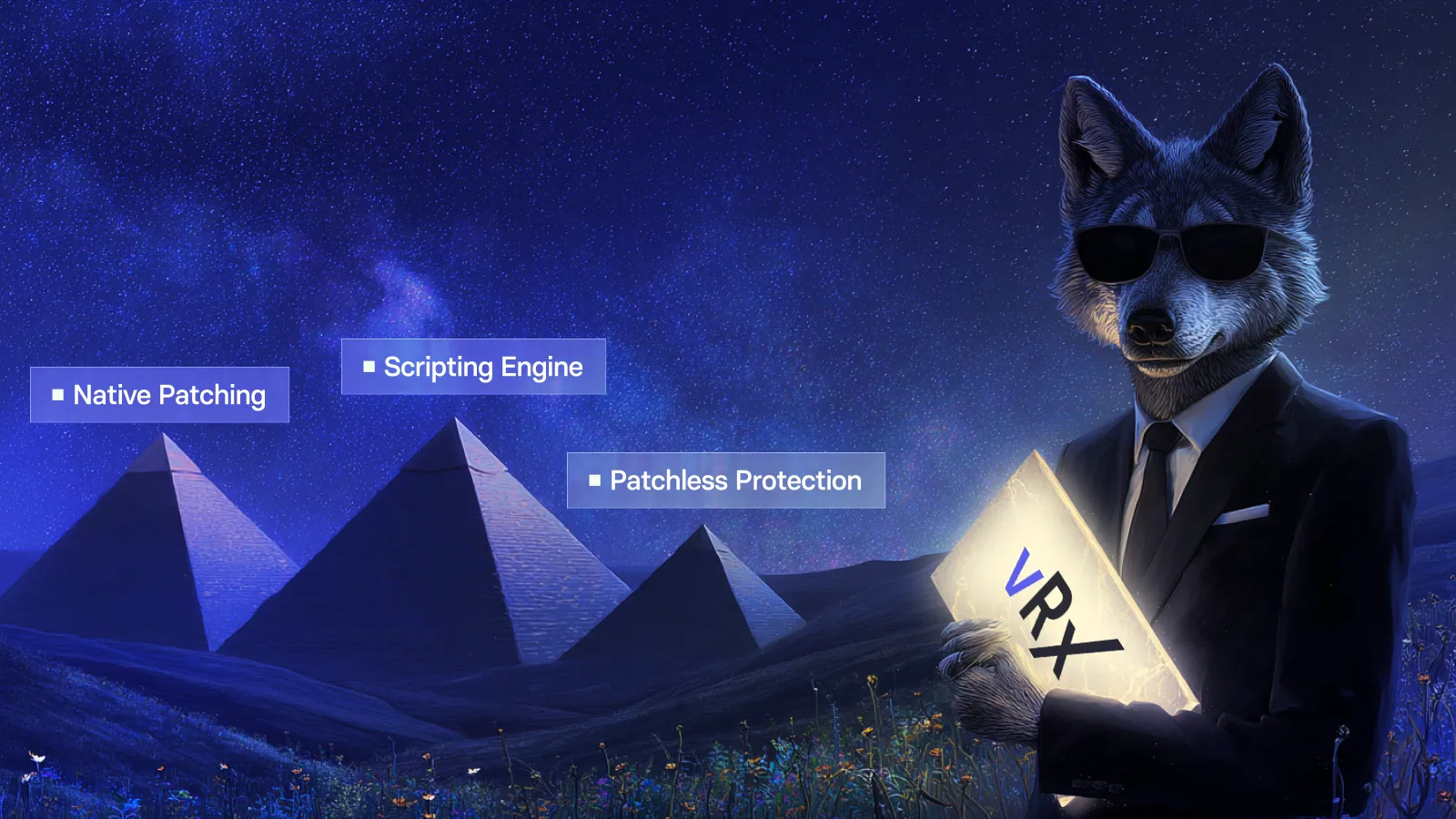
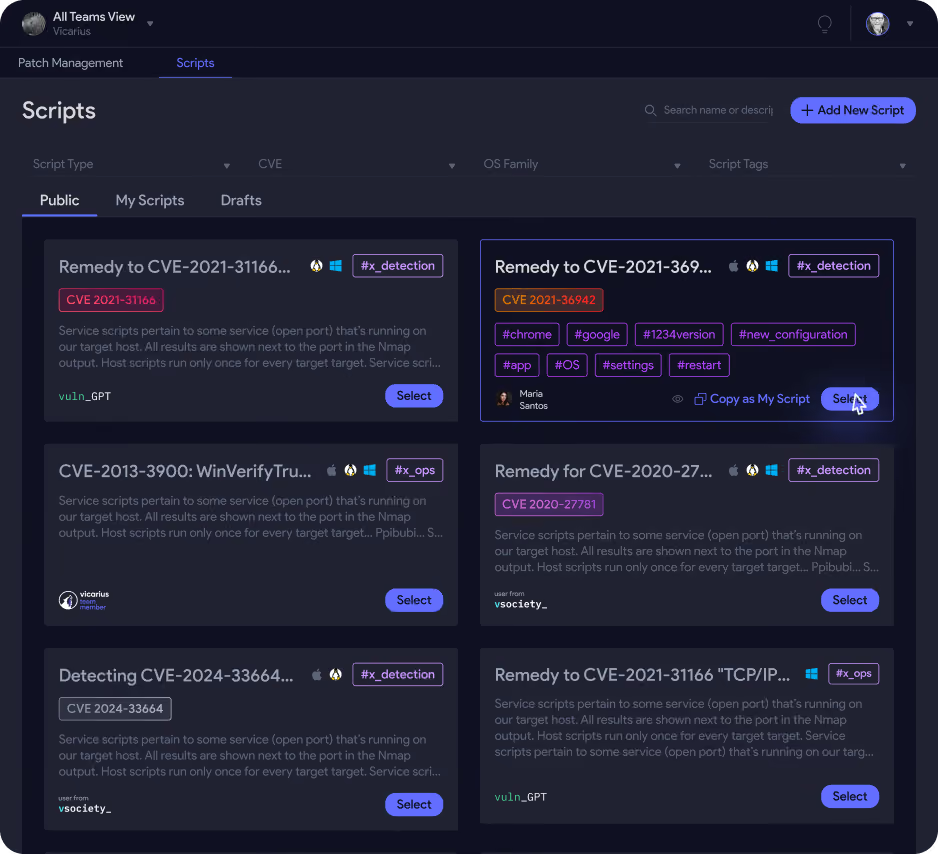
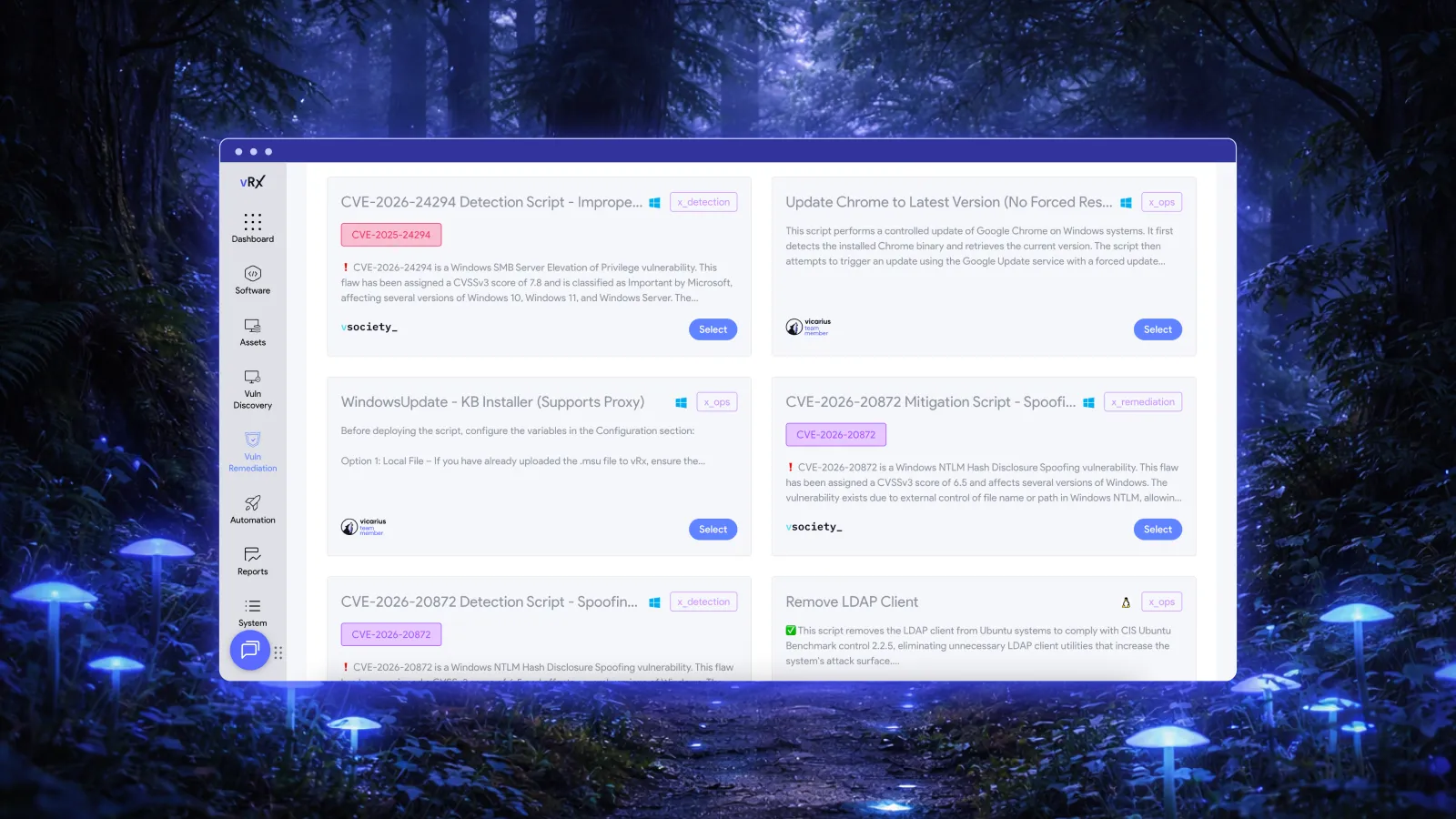
Three built-in remediation methods work together. Automated patching handles standard CVEs with vendor-released fixes. The scripting engine handles complex vulnerabilities that require configuration changes, registry edits, or specific file operations (Log4j's nested JAR files being the classic example). Patchless protection, described in detail above, handles the vulnerabilities that can't be addressed any other way.
The compliance reporting is audit-ready by default, not something teams have to build. Every scan, every remediation action, every patchless protection activation, and every verified fix is logged with timestamps. Teams running under PCI-DSS, HIPAA, or CIS controls can export evidence packages without manual assembly. vRx is rated Highest ROI on G2 in its category. Customers report mean time to remediate reductions of 60 to 70%, and one manufacturing customer cut Windows Server patching time from three hours to under an hour.
Best for: Organizations that need unified app and OS coverage, audit-ready compliance evidence, patchless protection for zero-days and legacy systems, and a single platform that replaces the scanner plus patch tool plus manual scripting workflow.
2. Tenable Vulnerability Management
Tenable is the detection leader. Its plugin library exceeds 219,000 signatures, the largest in the market by a significant margin, and its Vulnerability Priority Rating system incorporates real-time threat intelligence to push genuinely exploited vulnerabilities to the top of the queue rather than just high CVSS scores. For heterogeneous environments with legacy systems, OT assets, and uncommon network devices, Tenable's coverage breadth is hard to match.
Tenable now offers patch management as an add-on module, Tenable Patch Management, which is powered by Adaptiva. It covers Windows, macOS, Linux, and 20,000+ third-party applications and is available on-premises or as a SaaS deployment. The catch, it's a paid add-on, not included in a base Tenable VM license. Teams buying Tenable for detection will need a separate purchase and deployment to get patching. For organizations that do buy the full stack, the integration is tight, feeding VPR scores directly into patch prioritization. But it's an additional cost and an additional deployment, which makes the total footprint meaningfully larger than a platform where detection and remediation ship together.
Patch management is a paid add-on powered by Adaptiva, not native to Tenable VM. No patchless protection. Teams evaluating cost should account for the combined license, not just the detection module.
Best for: Large enterprises with existing patch management infrastructure that need best-in-class detection coverage, especially in complex environments with OT/IoT or unusual network devices.
3. Qualys VMDR
Qualys built a unified console that connects asset discovery, vulnerability detection, and patch deployment without requiring a separate integration project. Patch Management is included in the VMDR base subscription, covering Windows, macOS, Linux, and a catalog of 300+ third-party applications. Threshold-based rules can trigger deployment automatically, and compliance templates map to PCI-DSS, HIPAA, CIS Benchmarks, and ISO 27001 out of the box.
The remediation story goes deeper than patching alone. TruRisk Eliminate is Qualys's broader remediation umbrella, bundling four distinct capabilities. Patch management handles standard CVEs with vendor fixes. TruRisk Mitigate applies configuration-based compensating controls: disabling services, blocking ports, registry changes, curated and validated by Qualys's Threat Research Unit. TruRisk Isolate network-quarantines risky assets to prevent lateral movement while a patch or mitigation is staged. Custom Assessment and Remediation (CAR) adds a scripting engine for custom actions beyond standard patching, with a prebuilt library covering real-world scenarios like removing non-standard Java installations. Together, these four methods mean Qualys can act on nearly 100% of CISA Known Exploited Vulnerabilities even when a vendor patch isn't available.
The honest limitation on patchless protection: TruRisk Mitigate works from a curated list. The Threat Research Unit has to research and publish a documented mitigation for a specific CVE before teams can deploy it. For genuine zero-days with no established workaround, that mitigation doesn't exist yet. It's faster than waiting for a patch, but it's not the same as vRx's in-memory DBI approach, which protects vulnerable functions regardless of whether a workaround has been documented. On third-party app coverage, Qualys published a figure of 300+ at launch in 2019 and hasn't updated it publicly since. The current catalog is larger, but an exact count isn't disclosed. Pricing scales by module, and the interface has a learning curve that smaller teams consistently report as steep.
TruRisk Mitigate is configuration-based, not in-memory runtime protection. It only covers CVEs where the Qualys TRU has published a documented workaround — zero-days with no established mitigation get no coverage. Third-party app catalog sits at 300+ (last published count); meaningfully smaller than ManageEngine or vRx. Interface complexity requires dedicated Qualys expertise to operate well.
Best for: Mid-to-large enterprises that want scan-to-patch with strong compliance templates in a single subscription, and value the breadth of TruRisk Eliminate's four remediation methods over raw app catalog size.
4. Rapid7 InsightVM
InsightVM's differentiator is context, not coverage. The connection to Metasploit's exploit database means every vulnerability can be mapped against actual exploit code, showing teams not just that a CVE exists but whether it's actively weaponized in the wild. That changes prioritization significantly. A CVE with a Metasploit module ranks differently from one that's only theoretical.
In July 2025, Rapid7 launched Active Patching within its Exposure Command platform, powered by Automox. This delivers automated patch deployment across Windows, macOS, Linux, and Automox's catalog of 580 third-party applications, with VPR-informed prioritization feeding directly into the patching workflow. The important nuance: Active Patching is part of Exposure Command, not standalone InsightVM. Teams on InsightVM specifically still need a separate patching tool. Rapid7 has also discontinued built-in automation workflows for patching via IBM BigFix and SCCM for new InsightVM customers, steering the remediation story toward Exposure Command instead.
Patching requires Exposure Command (powered by Automox) as a paid step up from InsightVM. Teams on InsightVM alone have no native remediation. No patchless protection across either product. Some previously supported patching integrations are no longer available to new customers.
Best for: Security-focused teams that want exploit intelligence and context. Those needing unified scan-to-patch should evaluate Exposure Command specifically rather than InsightVM in isolation.
5. ManageEngine Patch Manager Plus
ManageEngine covers OS patching and third-party application patching across Windows, macOS, and Linux with a software catalog covering over 850 applications. Automated patch deployment with approval workflows fits IT operations teams that need to maintain change control processes while still hitting SLA targets. Compliance reporting covers CIS, NIST, and HIPAA requirements.
The vulnerability intelligence is where ManageEngine falls behind security-first platforms. The risk scoring lacks the threat intelligence depth of Tenable's VPR or Qualys's TruRisk. ManageEngine is strong at finding and deploying patches; it's less strong at helping teams understand which vulnerabilities are actually being exploited and deserve priority attention. For IT operations teams that want a reliable, straightforward patch workflow, that's fine. For teams trying to align patching with actual threat activity, it's a gap.
No patchless protection. Vulnerability risk scoring lacks threat intelligence depth. Suited to straightforward patch execution rather than risk-based prioritization. Teams that moved from ManageEngine to vRx have reported patching time reductions of over 60%.
Best for: IT operations teams that prioritize reliable patch execution across a large app catalog and have a separate security tool providing risk context.
6. SecPod SanerNow
SanerNow covers vulnerability management, patch management, compliance, and endpoint hardening from a single agent with continuous scanning rather than scheduled scan windows. The automated remediation is genuinely automated: risk-threshold rules can trigger patch deployment without manual approval, with rollback capability if a patch causes instability. It's a credible unified platform, particularly for organizations that find Qualys or Tenable oversized for their needs.
Coverage thins out at cloud-native and container workloads, where Tenable and Qualys have meaningfully more depth. The reporting interface is functional but less polished than enterprise incumbents. SanerNow is a strong choice at its price point but tends to get outgrown as environments scale or compliance requirements become more demanding.
No patchless protection. Cloud-native and container coverage is limited compared to enterprise platforms. Reporting interface doesn't match the polish of larger competitors. Compliance reporting may not satisfy the most demanding audit requirements.
Best for: SMBs and mid-market teams that want continuous scanning with built-in automated remediation at a competitive price point.
7. CrowdStrike Falcon Spotlight
Falcon Spotlight takes a different approach: vulnerability data gets correlated with CrowdStrike's endpoint telemetry, so teams see which vulnerable assets are actively targeted, have made suspicious connections, or sit in attack paths that threat actors are currently using. That's genuinely useful context. An asset that's vulnerable to a CVE and has been observed communicating with a known C2 infrastructure is a different priority than an asset that's vulnerable in isolation.
It's important to be clear about what Falcon Spotlight is and isn't. It doesn't patch anything. It doesn't deploy compensating controls. It surfaces prioritized vulnerability intelligence to feed into separate remediation workflows. Teams that already run Falcon for endpoint detection get meaningful additional value from Spotlight. Teams evaluating it as a standalone vulnerability management platform will find it incomplete.
No patch deployment. No patchless protection. No automated remediation of any kind. Falcon Spotlight is intelligence, not execution. It requires a separate patching platform to act on what it finds.
Best for: Organizations already running CrowdStrike Falcon for EDR that want vulnerability data enriched with endpoint telemetry, fed into existing remediation workflows.
8. Microsoft Defender Vulnerability Management
For organizations running a primarily Microsoft environment, Defender Vulnerability Management is hard to argue against on simplicity: managed Windows devices in Entra ID need no additional agent, and vulnerability data surfaces natively in the Microsoft 365 Defender portal alongside other security signals. Risk prioritization incorporates Microsoft's threat intelligence. Compliance reporting integrates with Microsoft Purview for organizations already using that stack.
The scope is the limitation. Third-party application coverage exists but isn't as broad as dedicated vulnerability management platforms. macOS and Linux coverage is functional but clearly secondary to Windows. For organizations with meaningful non-Windows infrastructure or diverse third-party application estates, Defender Vulnerability Management works better as one piece of a broader stack than as the primary platform.
No patchless protection. Third-party app coverage is narrower than dedicated platforms. macOS and Linux support is limited. Works best when the environment is primarily Windows-managed through Intune.
Best for: Microsoft-heavy enterprises that want to consolidate tooling within the Microsoft stack and accept the coverage tradeoffs for non-Windows assets.
9. Automox
Automox is a cloud-native endpoint management platform that focuses on automated patching across Windows, macOS, and Linux with a clean interface that IT teams consistently describe as easy to deploy and use. Its Worklets feature allows teams to create reusable automation scripts for configurations and remediations that fall outside standard patch deployment, similar to vRx's scripting engine in concept but scoped to endpoint management rather than full vulnerability remediation.
Automox's own 2026 State of Endpoint Management Report found that only 6% of organizations have achieved full patch automation. The platform is designed to close that gap for IT teams: automate the high-volume routine patches first, then expand coverage incrementally. The integration with vulnerability scanners allows scan findings to flow into Automox device groups with patching policies applied automatically, reducing the manual handoff between security detection and IT remediation.
What Automox doesn't offer: patchless protection, deep vulnerability risk intelligence, or built-in vulnerability scanning. It's a patching execution platform that works best alongside a vulnerability scanner rather than as a standalone vulnerability management solution. Teams that need risk-based prioritization driven by threat intelligence or compensating controls for zero-days will need additional tooling.
No patchless protection. No built-in vulnerability scanning or risk scoring. CVE exposure metrics in the dashboard use public disclosure dates rather than device detection dates, which can complicate internal SLA reporting. Best understood as a patching automation platform, not a full vulnerability management solution.
Best for: IT operations teams that want reliable, user-friendly cross-platform patch automation at scale, and are comfortable pairing it with a separate vulnerability scanner for risk intelligence.
10. Nucleus Security
Nucleus is an aggregation layer rather than a scanner or patching tool. It pulls findings from existing scanners, Tenable, Qualys, Rapid7, and others, deduplicates them, consolidates them into a single interface, and routes remediation tasks to the right teams via Jira, ServiceNow, and other ticketing integrations. For organizations already running multiple scanning tools and drowning in duplicate findings, Nucleus solves a real coordination problem.
The limitation is equally clear: Nucleus doesn't do anything to the vulnerabilities themselves. It doesn't patch them, doesn't protect against them, and doesn't provide intelligence beyond what the underlying scanners produce. Adding Nucleus to a stack that doesn't include a platform capable of actual remediation doesn't close any vulnerability faster. It just organizes the queue better.
No remediation capabilities of any kind. Dependent entirely on the quality and coverage of underlying scanners. Adds workflow value but doesn't reduce exposure. Organizations with a single scanner will get limited benefit from the aggregation layer.
Best for: Enterprise teams with multiple existing scanning tools that need deduplication and workflow routing, not another scanner or remediation capability.
Platform comparison at a glance
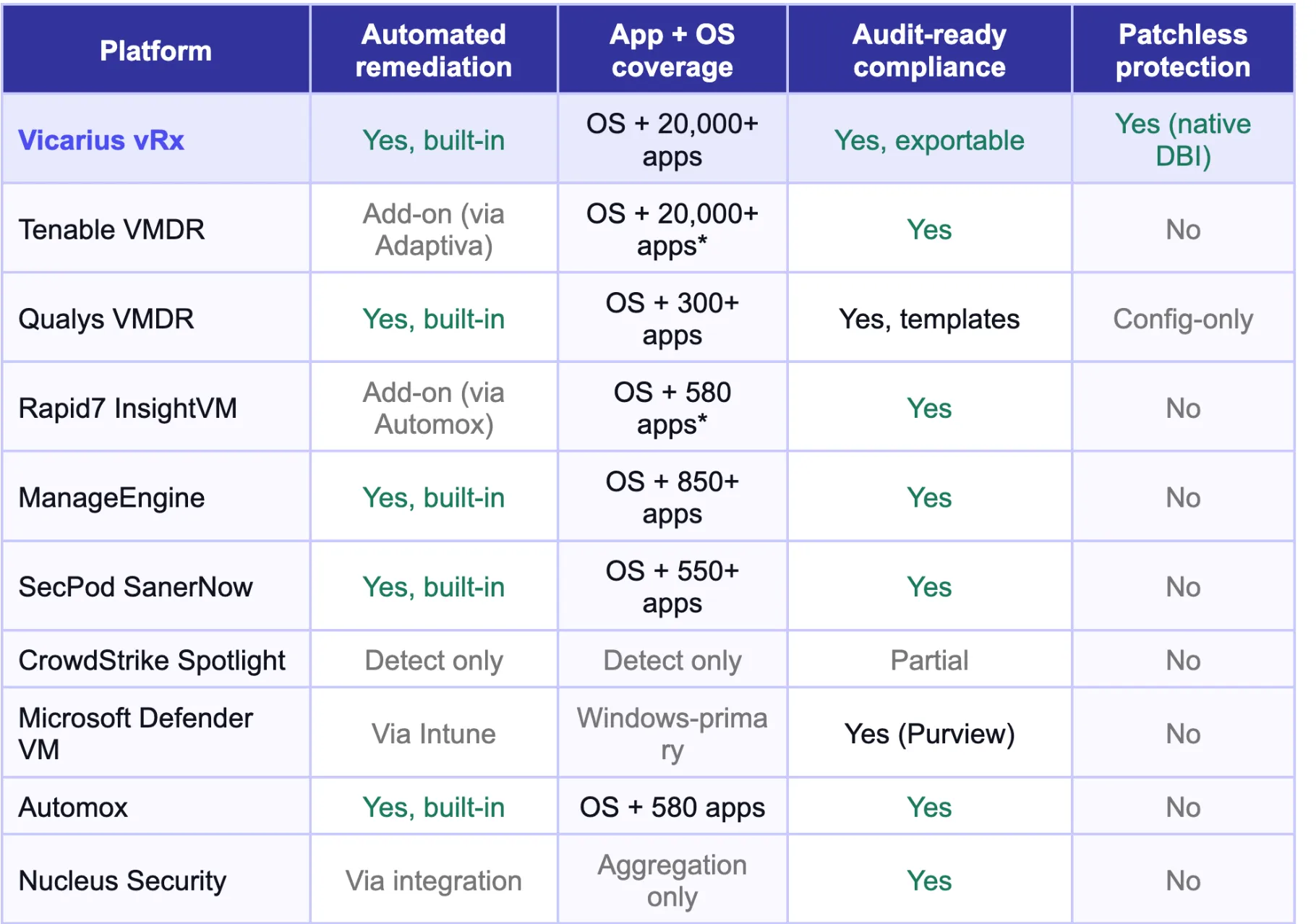
Decision criteria by use case
If patchless protection matters: vRx is the right call. No other platform on this list protects vulnerable applications in memory via Dynamic Binary Instrumentation. That means coverage on day zero of a zero-day, before a vendor patch or documented workaround exists, and for legacy systems that can't be taken offline.
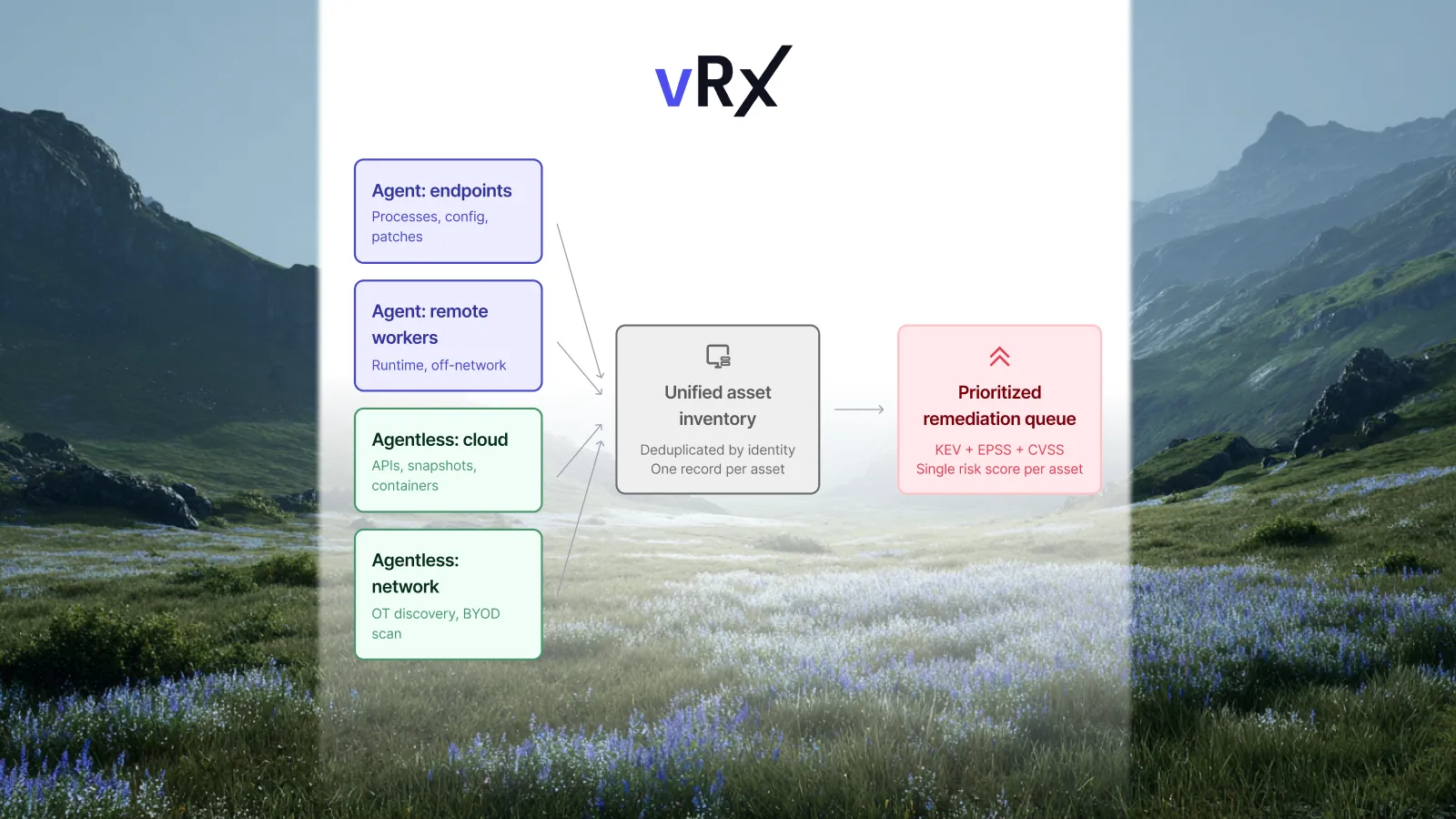
If you need unified app and OS patching without bolting on extra tools: vRx covers 20,000+ applications and all major operating systems from a single agent and console. Tenable and Rapid7 both route patching through paid add-ons powered by third parties. ManageEngine and Automox do patching well but require a separate scanner for vulnerability intelligence. vRx handles scanning, prioritization, and remediation in one place.
If compliance reporting is the main deliverable: vRx logs every scan, remediation action, and verified fix with timestamps and exports audit-ready evidence mapped to CIS, PCI-DSS, HIPAA, and others. Teams typically spend hours per quarter assembling patch evidence manually when their platform doesn't produce this natively.
If your environment includes unpatchable systems or end-of-life software: vRx's vShieldwas built specifically for this. Production systems that can't be rebooted, applications pinned to legacy Java versions, EoL software that the business still depends on: vShieldwraps those executables in memory and blocks exploitation attempts until a long-term fix is in place.
If you're currently on ManageEngine and hitting its limits: vRx customers who switched from ManageEngine have reported patching time reductions of 60% or more. The gap tends to show up in third-party app coverage, risk-based prioritization depth, and the absence of any compensating controls for things that can't be patched.
If you're evaluating Tenable or Qualys but don't need their full enterprise stack: Both are strong at detection. Where they add complexity is remediation: Tenable routes it through a paid Adaptiva add-on, Qualys's TruRisk Mitigate depends on documented workarounds, and neither offers in-memory runtime protection. vRx closes those gaps without the enterprise price tag or the onboarding overhead.
Frequently asked questions
What's the difference between vulnerability scanning and vulnerability remediation?
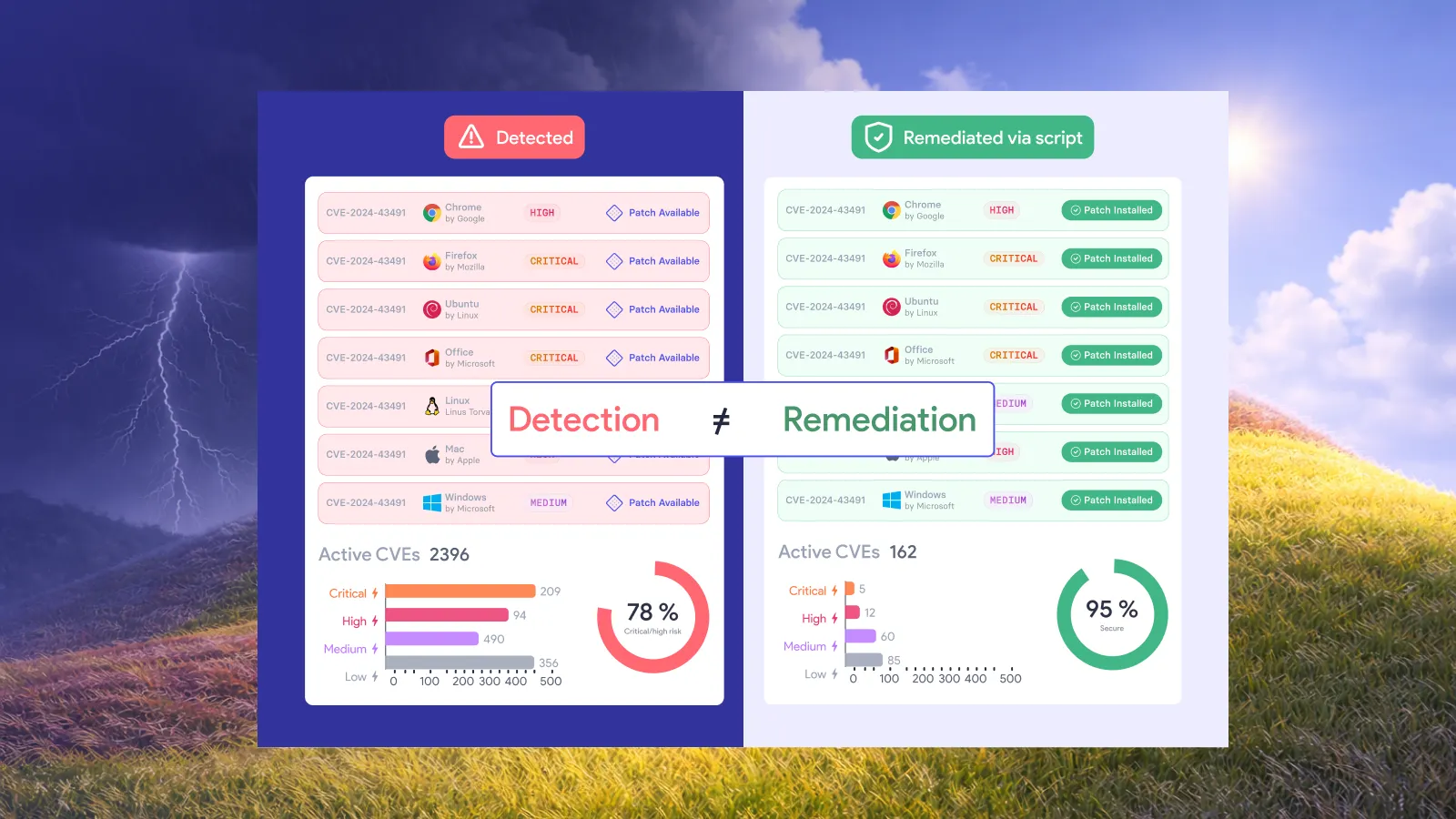
Scanning identifies vulnerabilities and assigns risk scores. Remediation is the act of fixing them: deploying a patch, changing a configuration, running a remediation script, or applying a compensating control. Many platforms do scanning well but require external tools or manual processes for remediation. Platforms like vRx, Qualys VMDR, and SecPod SanerNow handle both in a single workflow, which eliminates the handoff gap where vulnerabilities sit unaddressed.
What does automated remediation actually mean in practice?
At a minimum, it means automated patch deployment: the platform detects a vulnerability and can deploy the vendor patch without a human manually approving and triggering it. More complete automation includes threshold-based rules that trigger deployment without human intervention, scripted remediations for vulnerabilities that require configuration changes rather than patches, post-deployment verification confirming the fix worked, and rollback if a patch causes instability.
How does patchless protection differ from virtual patching?
Virtual patching typically refers to network-level controls like WAF rules or IPS signatures that block traffic patterns matching known exploits. Patchless protection at the endpoint level, as implemented in vRx, operates in memory on the vulnerable machine itself. It wraps the vulnerable application's executables and restricts access to sensitive API functions using Dynamic Binary Instrumentation. The distinction matters because in-memory protection works on encrypted traffic and internal lateral movement that WAF-level controls don't see.
Can a vulnerability management platform protect against zero-days?
Most cannot. Zero-days by definition don't have a vendor patch, and most platforms have nothing to offer until one exists. vRx's vShieldaddresses this by operating at the memory level: it tracks vulnerable functions in-memory and blocks exploitation attempts against them regardless of whether a vendor fix exists. Qualys's TruRisk Eliminate adds configuration-based mitigations but only for CVEs where a documented workaround has been researched and validated by Qualys's team. For a true unknown zero-day, vRx's DBI approach provides coverage; configuration-based approaches don't.
How do vulnerability management platforms support compliance audits?
Modern platforms maintain a full audit log of every scan, finding, remediation action, and verification result with timestamps. This log can be exported as a compliance report mapped to specific frameworks (CIS, PCI-DSS, HIPAA, CyberEssentials and others). During an audit, teams can show not just that they have a patching process but that specific CVEs were found on specific dates and closed within defined SLA windows. Without this logging built into the platform, teams end up assembling audit evidence manually from scan exports, ticketing systems, and change records.
Why do some organizations run a separate vulnerability scanner alongside their patching tool?
Historically, vulnerability scanning and patch management were separate product categories built by different vendors. Many organizations still run Tenable or Qualys for detection and a separate tool for deployment. The cost is real: two vendor relationships, two pricing models, integration maintenance, and a handoff gap between detection and deployment where CVEs can sit for weeks. The trend since 2022 has been consolidation onto platforms that handle both, reducing overhead and closing the handoff gap.
































.webp)







%20Signals%20a%20New%20Era%20of%20Supply%20Chain%20Risk.webp)