

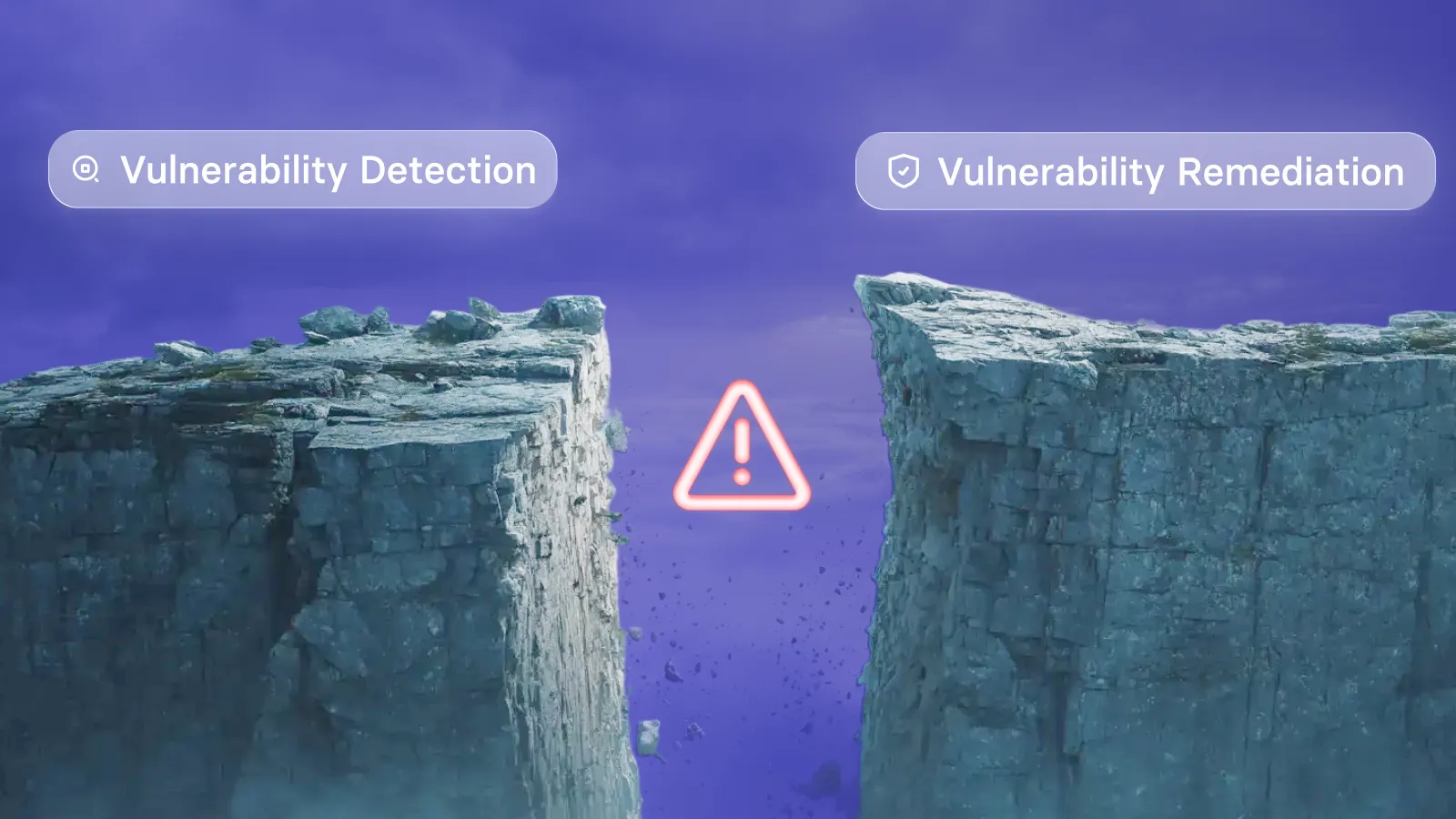
Vulnerability management finds and tracks security weaknesses across your environment. Vulnerability remediation fixes them. For most enterprise security programs, these two things are not the same, and the gap between them is where breaches happen. A vulnerability management program that produces reports without closing exposures has done the discovery work and stopped. Remediation is the execution layer: patches deployed, configurations corrected, and protections applied to systems that can't be patched. Without it, your risk doesn't go down. You just know more about it.
The gap most enterprise programs don't talk about
Here's the situation in most large organizations, the scanner runs, findings land in a dashboard, tickets get created in Jira or ServiceNow, and the queue grows faster than it gets cleared.
That's not a failure of the security team. It's a structural problem. Vulnerability management tools were designed to find and classify risk. They were not designed to fix it. The assumption baked into most enterprise vulnerability programs is that remediation happens somewhere else, in a separate patching tool, through a separate IT workflow, managed by a separate team.
That handoff is where exposure time gets measured in months instead of days.
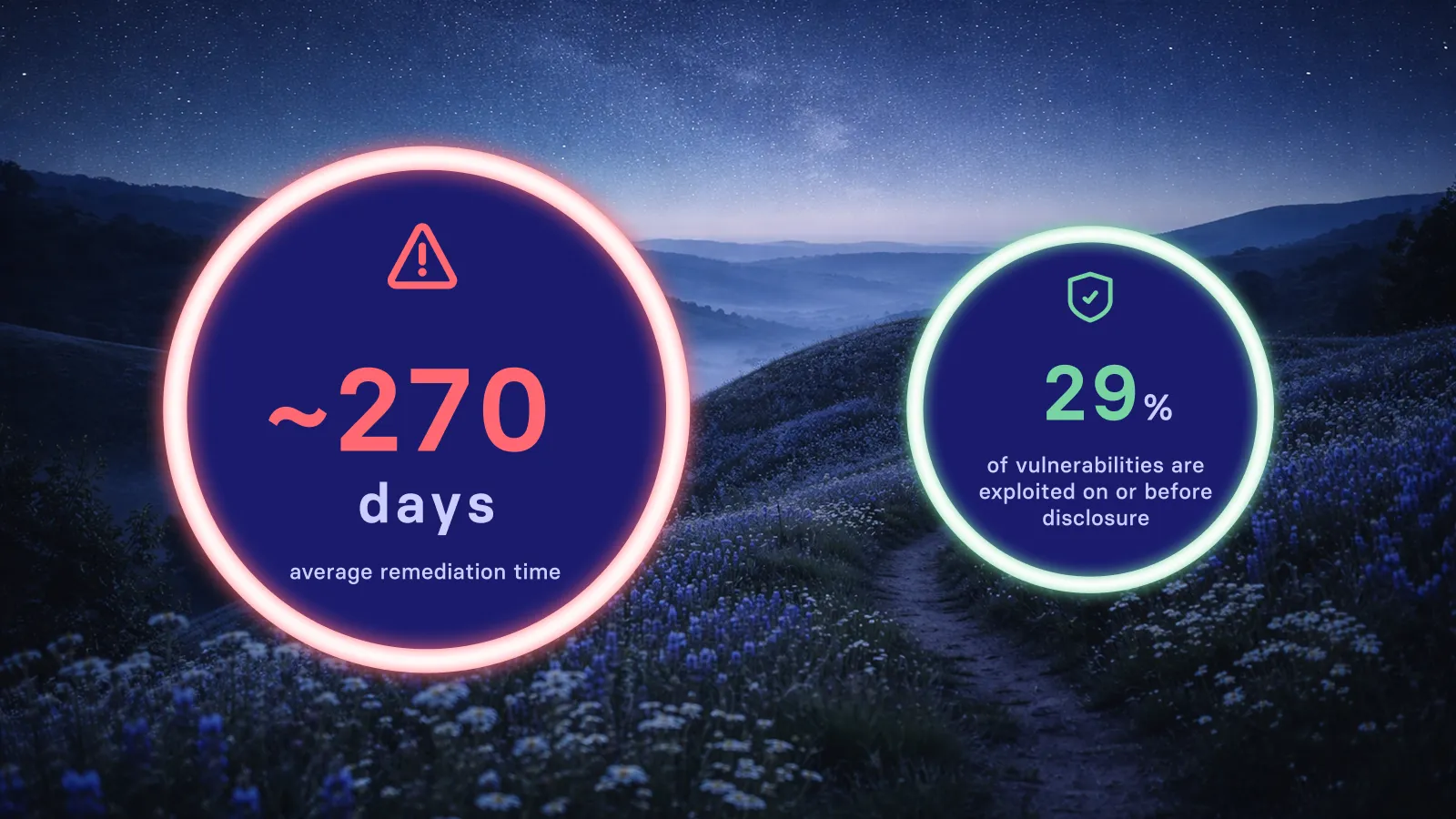
According to the 2026 State of Vulnerability Remediation report by Vicarius, the average enterprise takes 100+ days to remediate a critical vulnerability after detection. The average working exploit for a known CVE appears within 19 days of public disclosure. That window is not a compliance problem. It's an operational one.
What each term means
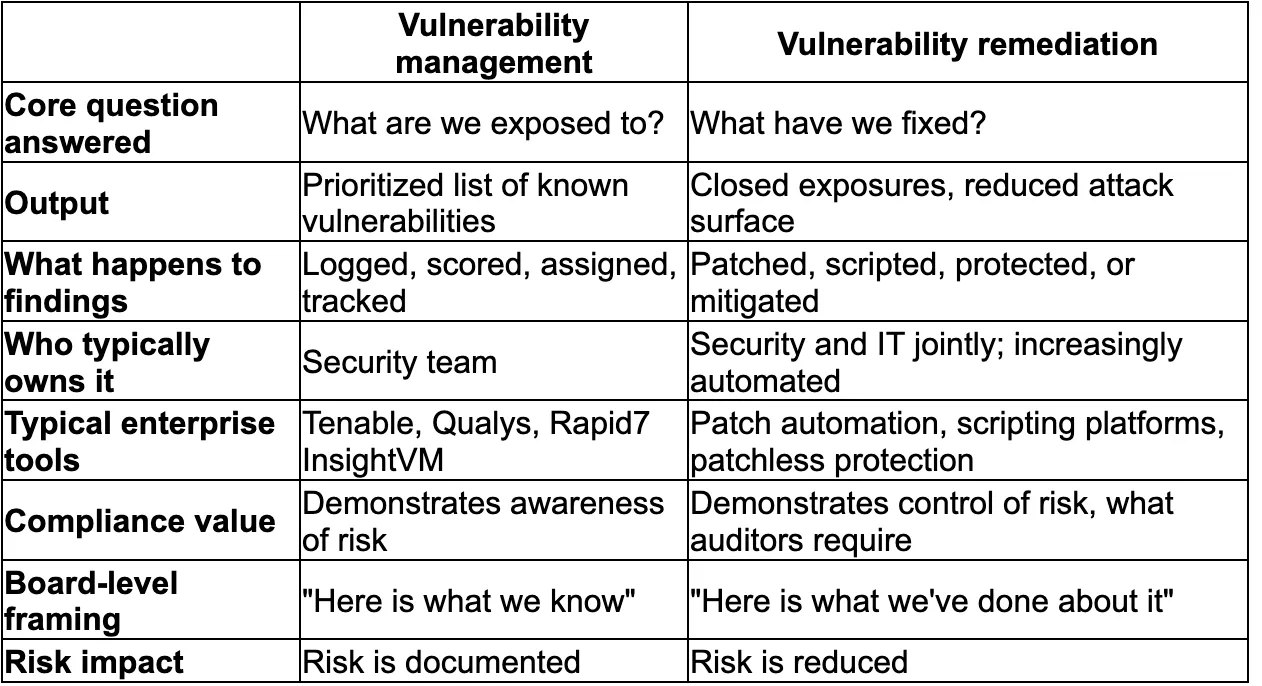
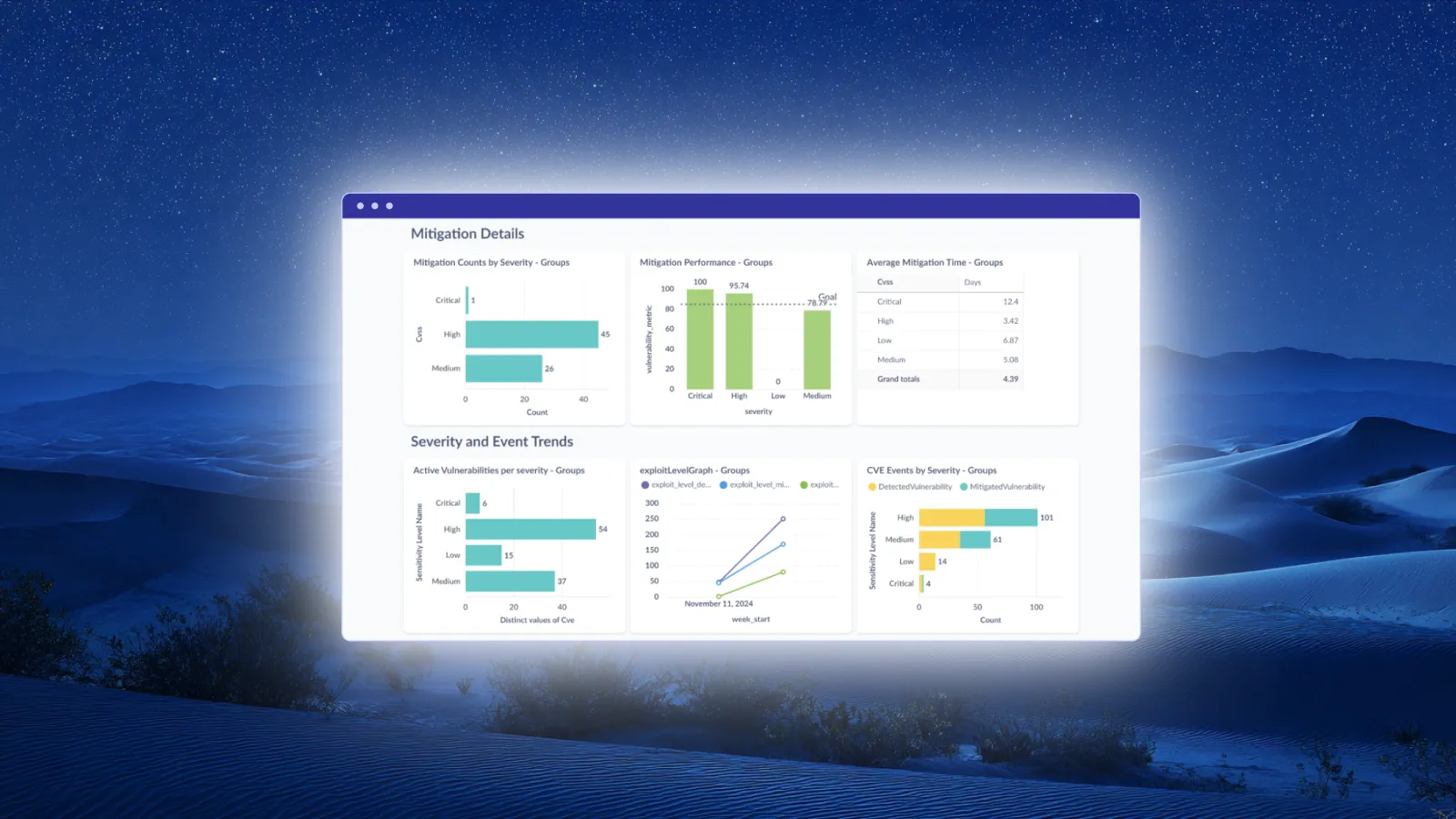
Vulnerability management is the continuous process of identifying, classifying, prioritizing, and tracking security vulnerabilities across an organization's assets. It answers the question: what are we exposed to, and how bad is it? The output is information: a prioritized list of known weaknesses, assigned to owners, tracked against SLAs.
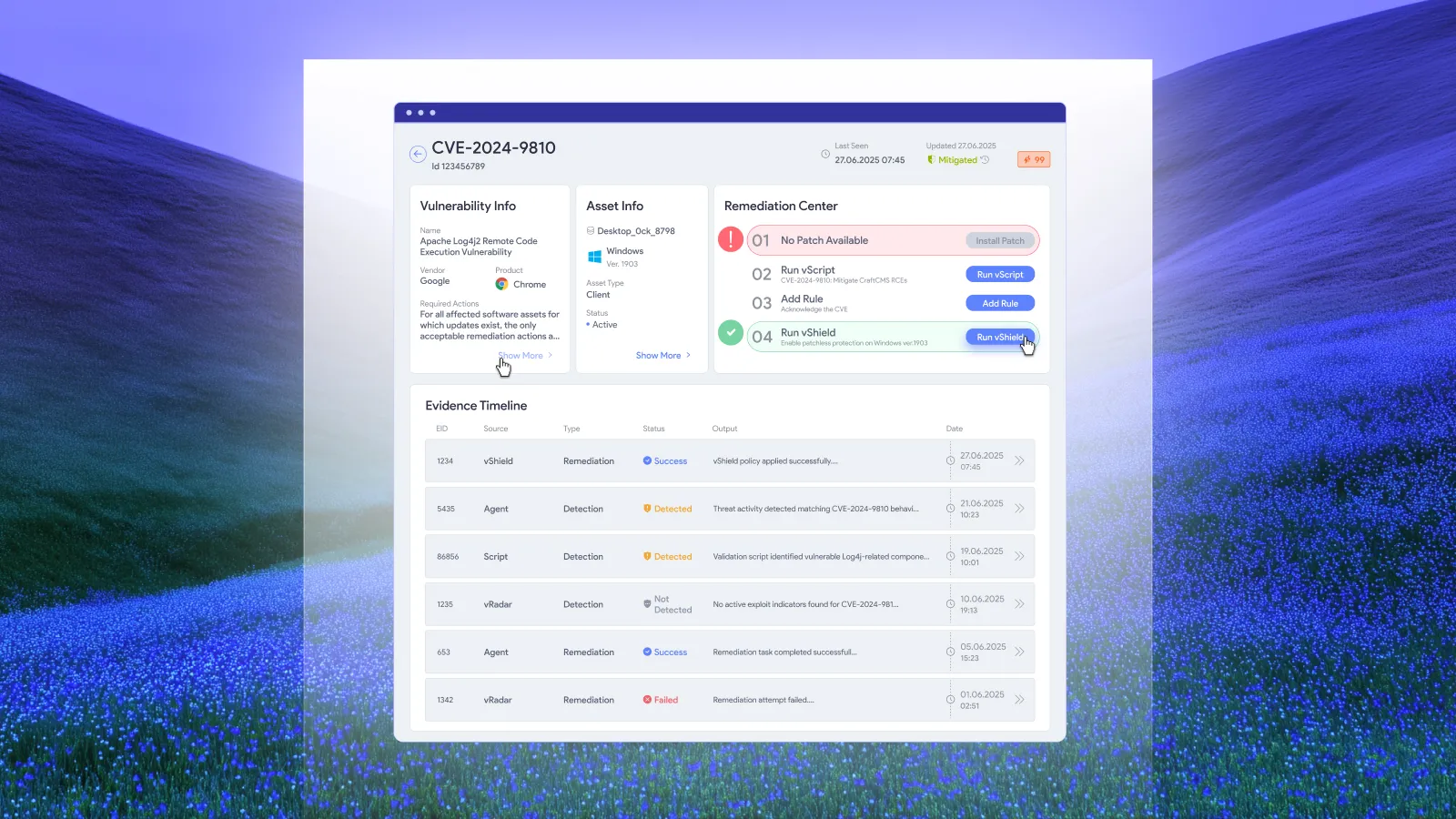
Vulnerability remediation is the process of closing those exposures. It answers the question: what did we fix? The output is action: patches deployed, scripts executed, configurations corrected, and for systems where no patch exists, protections applied at runtime to block exploitation while a permanent fix is developed.
The distinction matters at every level of the organization. For the CISO presenting to the board, a vulnerability management report shows what's known; a remediation report shows what's been done about it. For the security director evaluating tooling, management and remediation require different capabilities and often different vendors. For the SecOps engineer working the queue, remediation is the part that reduces risk. For GRC, auditors don't want your list of open findings. They want evidence that high-priority vulnerabilities were fixed within your stated SLA.
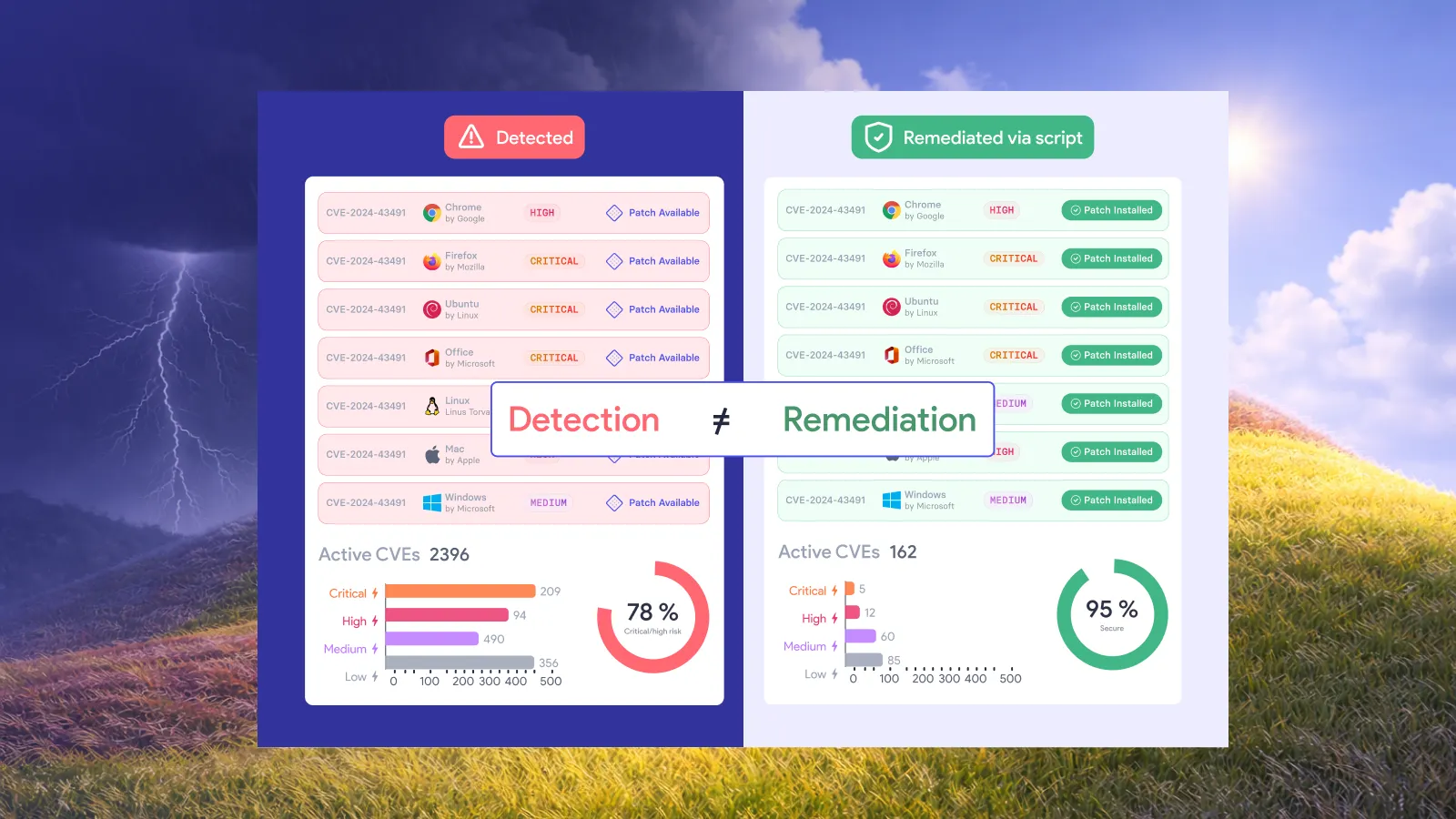
Side by side
Why enterprise programs stall between the two
In a Fortune 2000 environment, the scale problem is real. Thousands of assets. Multiple operating systems. Legacy infrastructure that hasn't been touched in years. Hundreds of third-party applications that fall outside OS patching workflows. And a change management process that turns a straightforward patch into a two-week approval cycle.
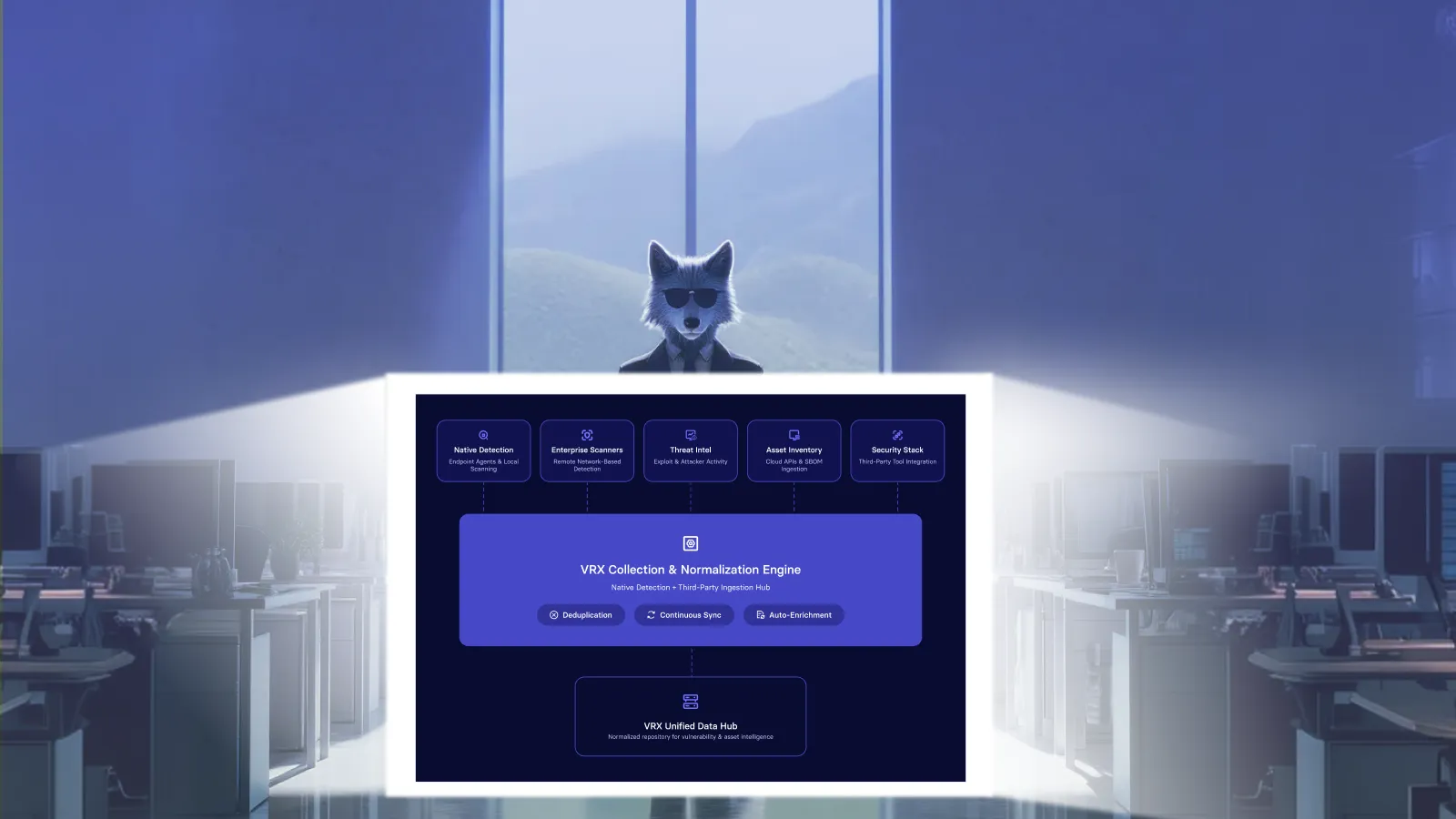
Vulnerability management tools surface all of this. They're very good at it. The scanner sees the exposure, the dashboard shows the count, the report goes to leadership. What most of these platforms don't do is fix anything. The remediation step is offloaded to IT, to a separate patch management tool, or to manual effort. Each handoff introduces delay, inconsistency, and gaps.
The practical consequence, organizations running mature vulnerability management programs often have better visibility into their risk than they have capacity to close it. The list is accurate. The exposure is documented. The backlog keeps growing.
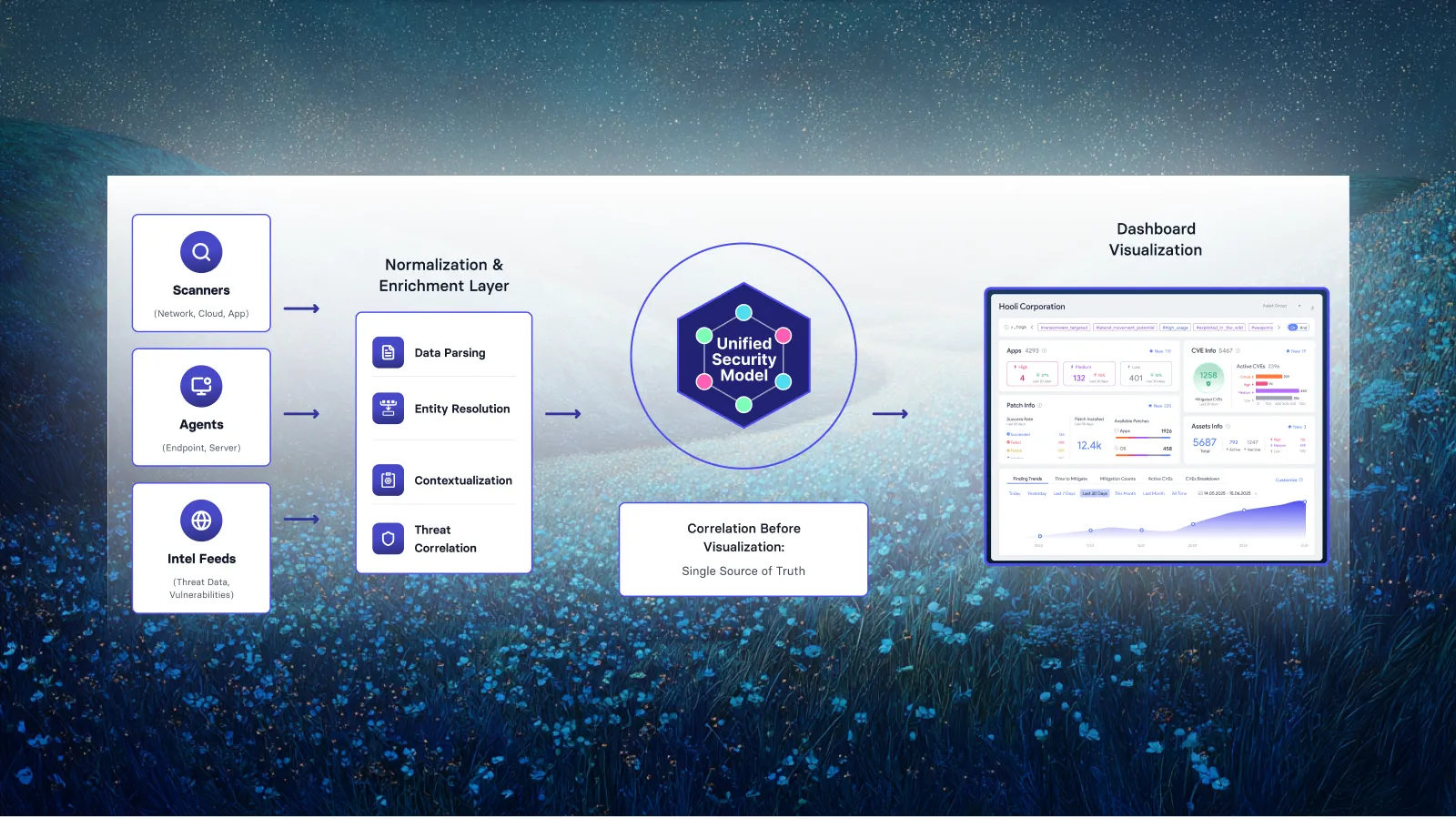
That's not a people problem. The security engineers running these programs are good at their jobs. It's a tooling architecture problem. The scanner and the fix mechanism were never connected.
What remediation covers in enterprise environments
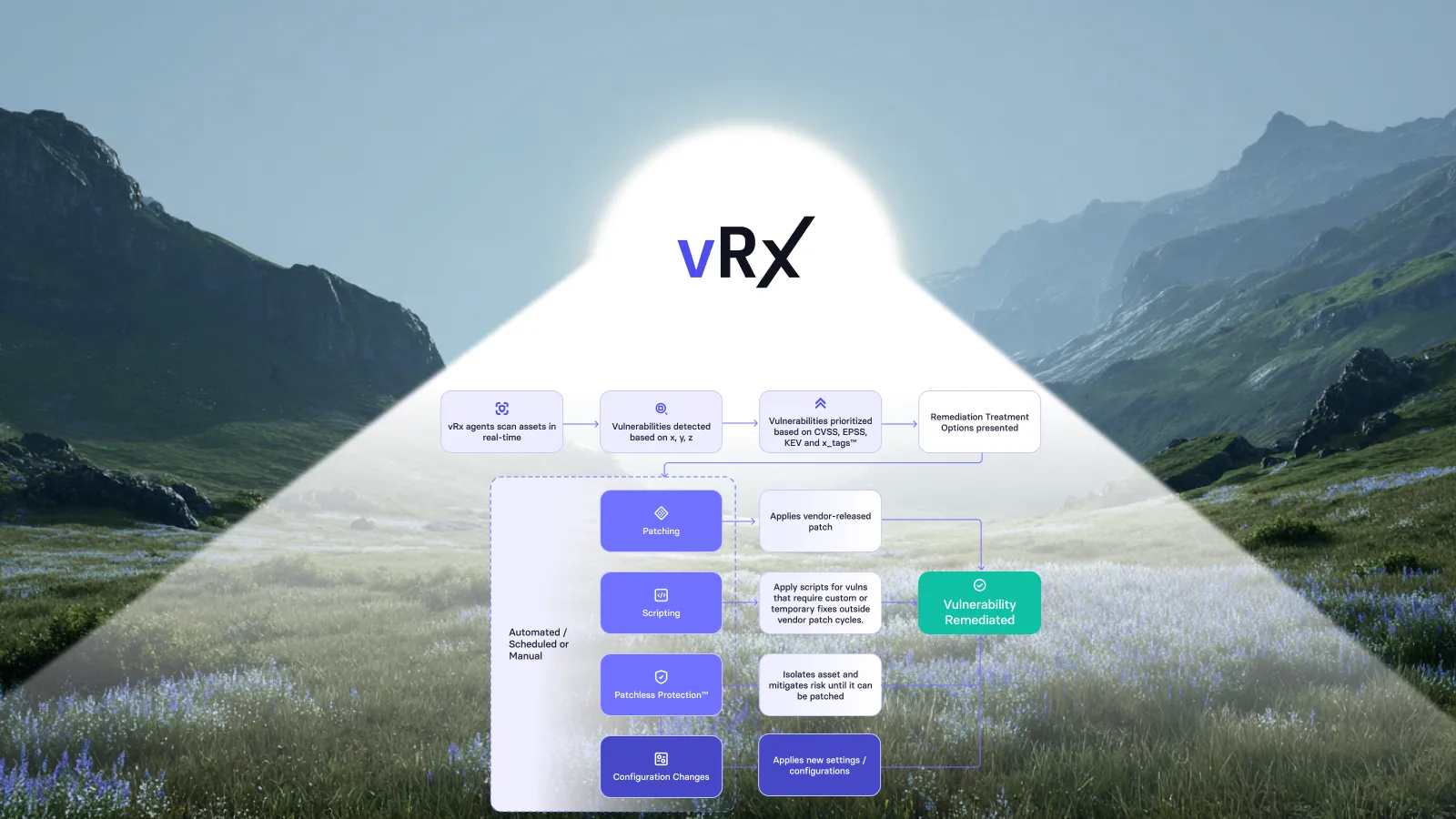
Patching is the most visible remediation action, but it's not the only one, and for large organizations it's rarely sufficient on its own.
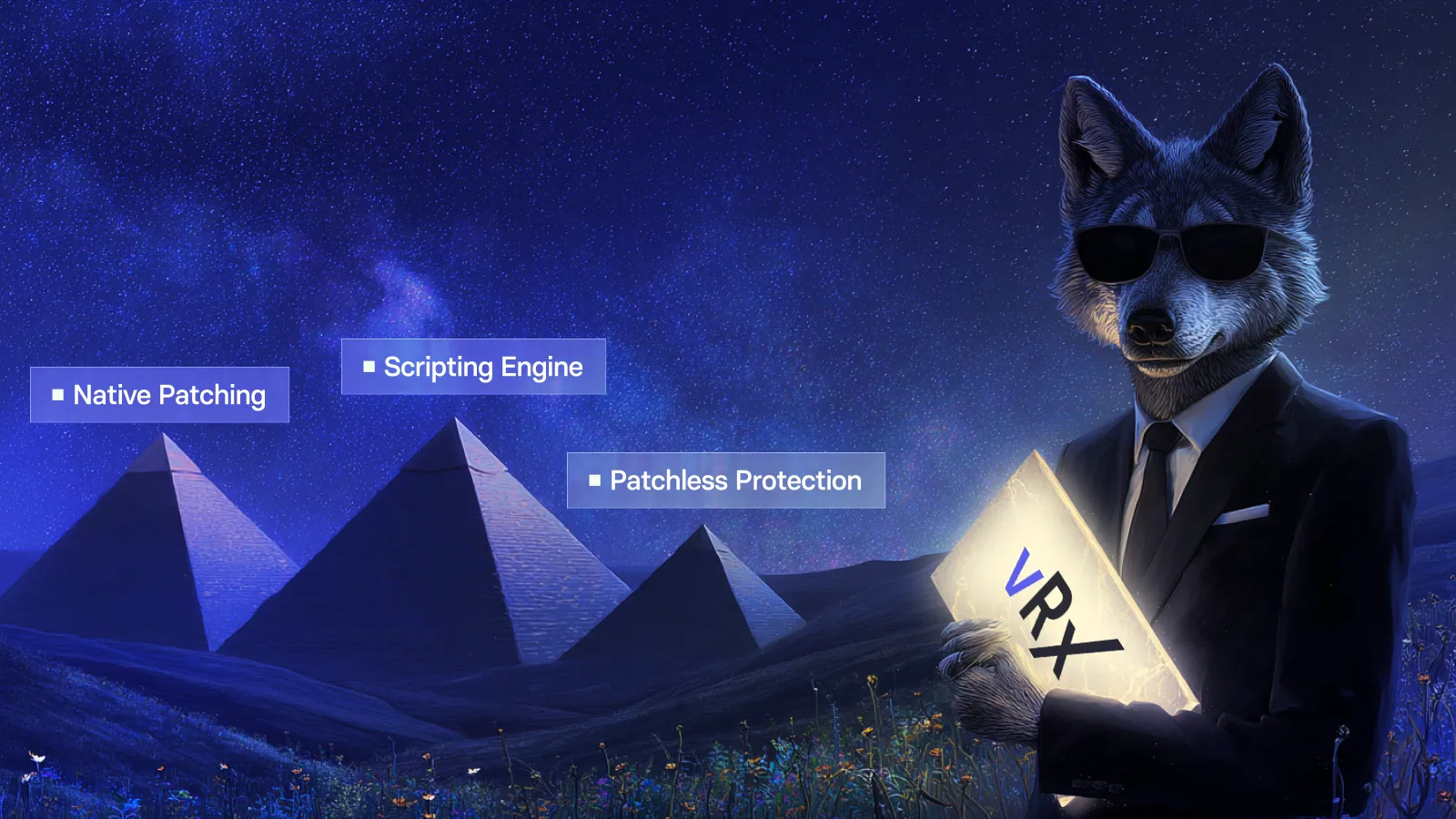
OS and application patching covers the standard case, vendor releases a fix, the fix gets tested, the fix gets deployed. For Fortune 2000 environments, this means coordinating across Windows, Linux, and macOS endpoints, managing server patching windows that don't disrupt production, and handling third-party applications like Chrome, Adobe Reader, and Zoom that sit outside OS update mechanisms entirely.
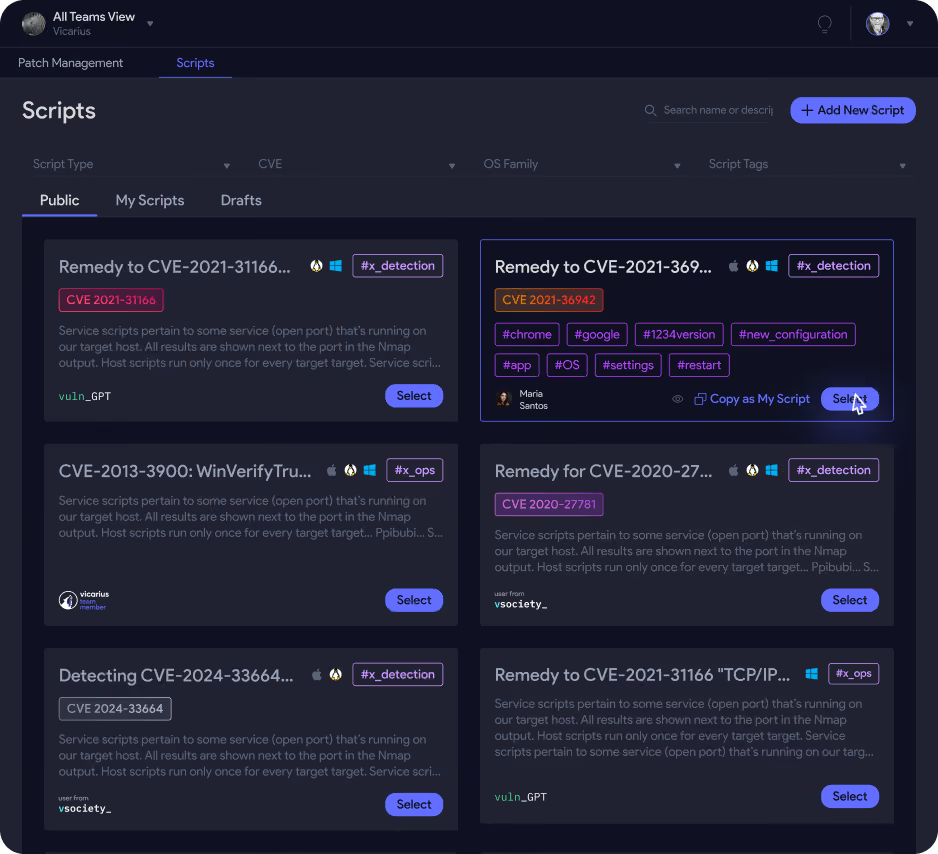
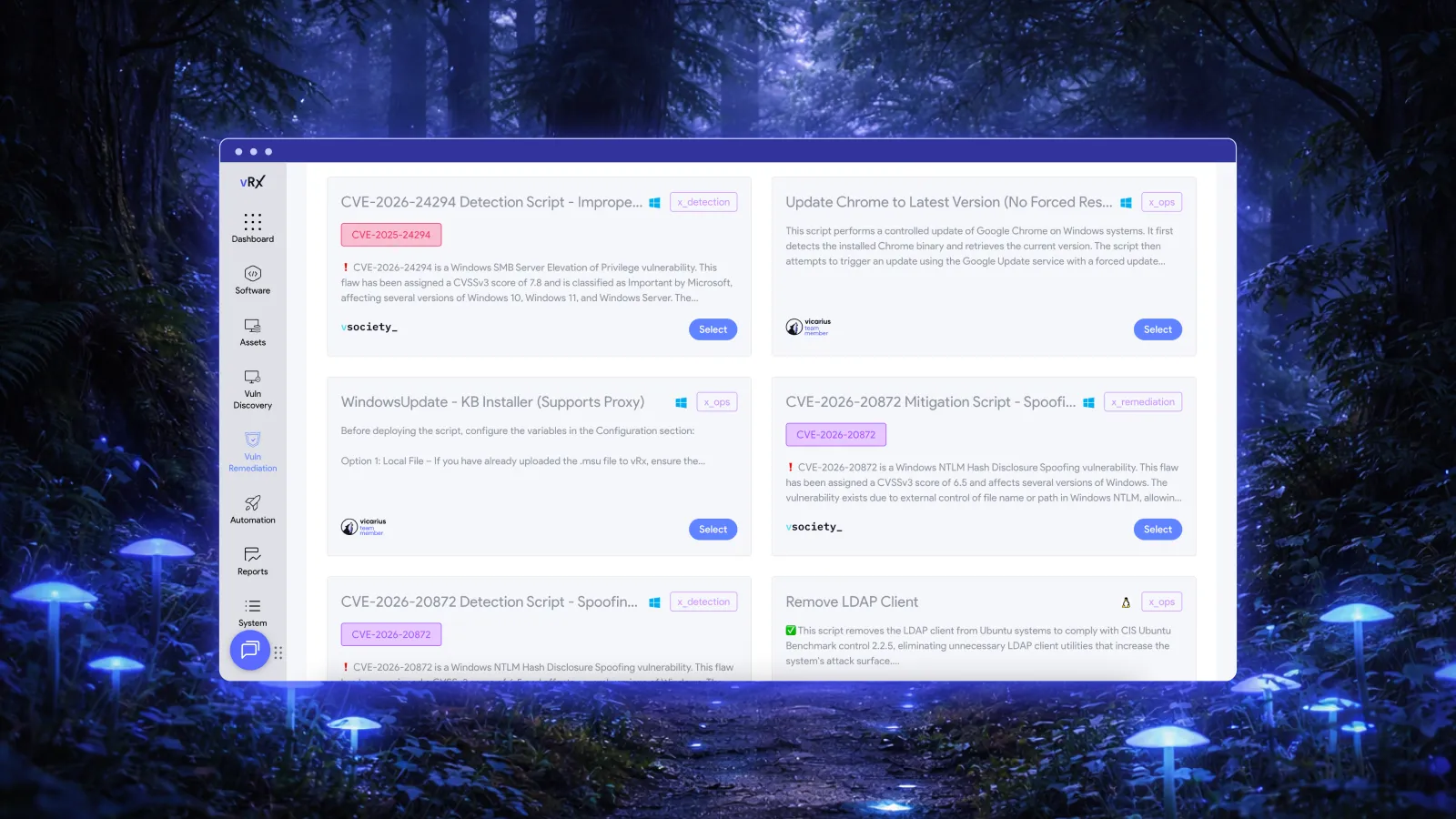
Scripted remediation handles cases where there's no patch file to deploy. Misconfigured registry keys. Disabled security controls. Service accounts with excessive permissions. A well-constructed script closes these exposures consistently across thousands of endpoints without a technician touching each one.
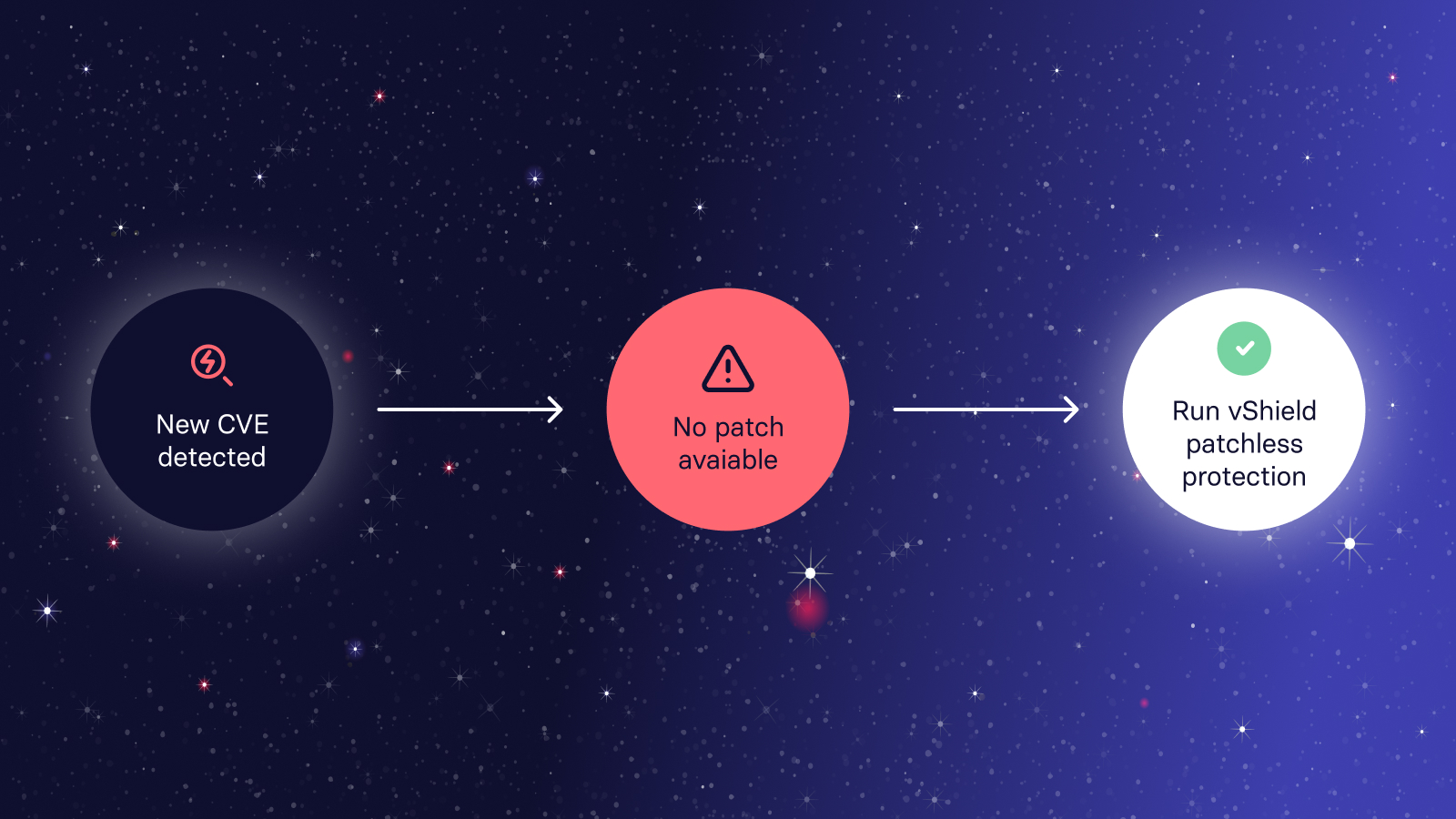
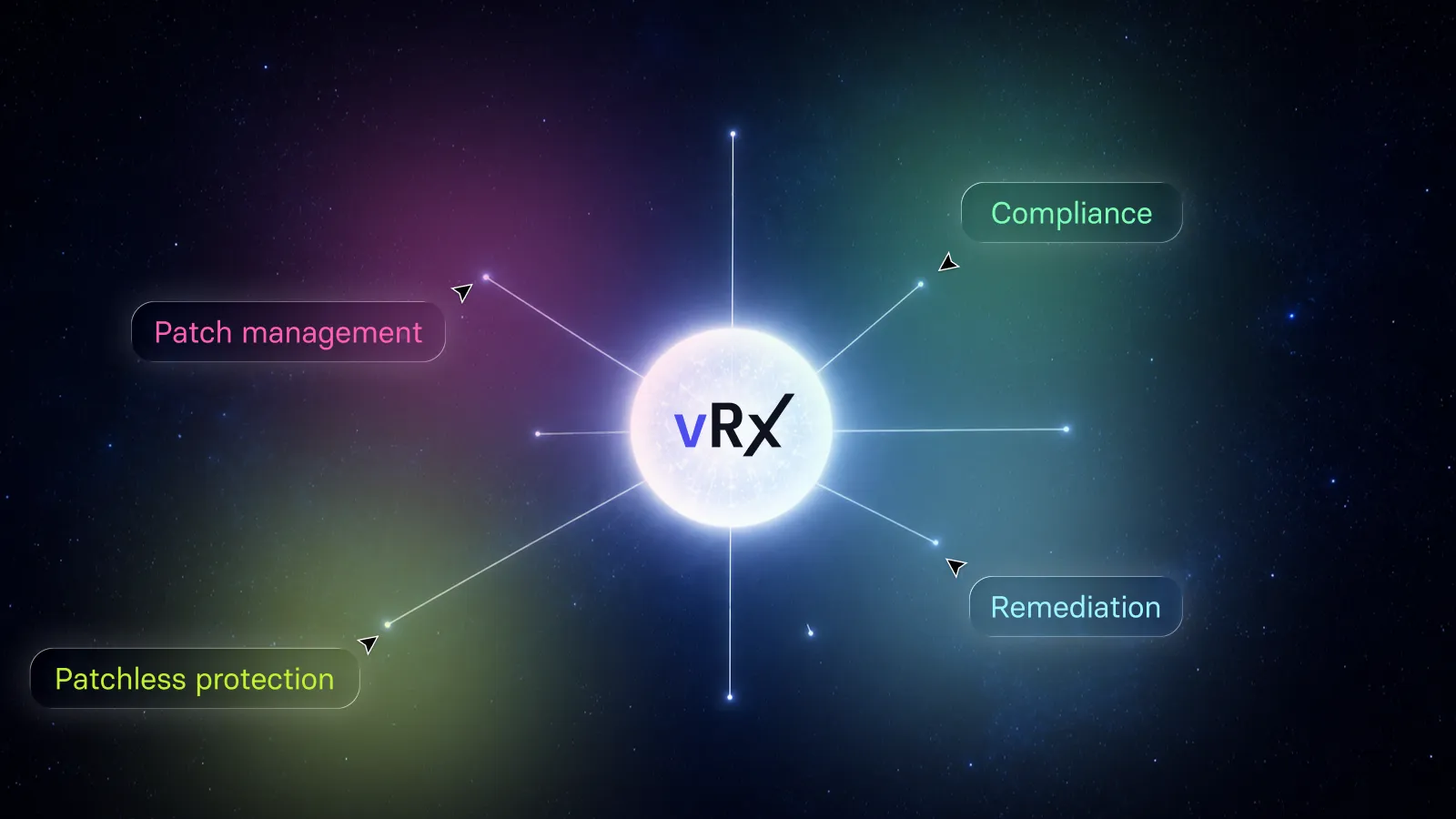
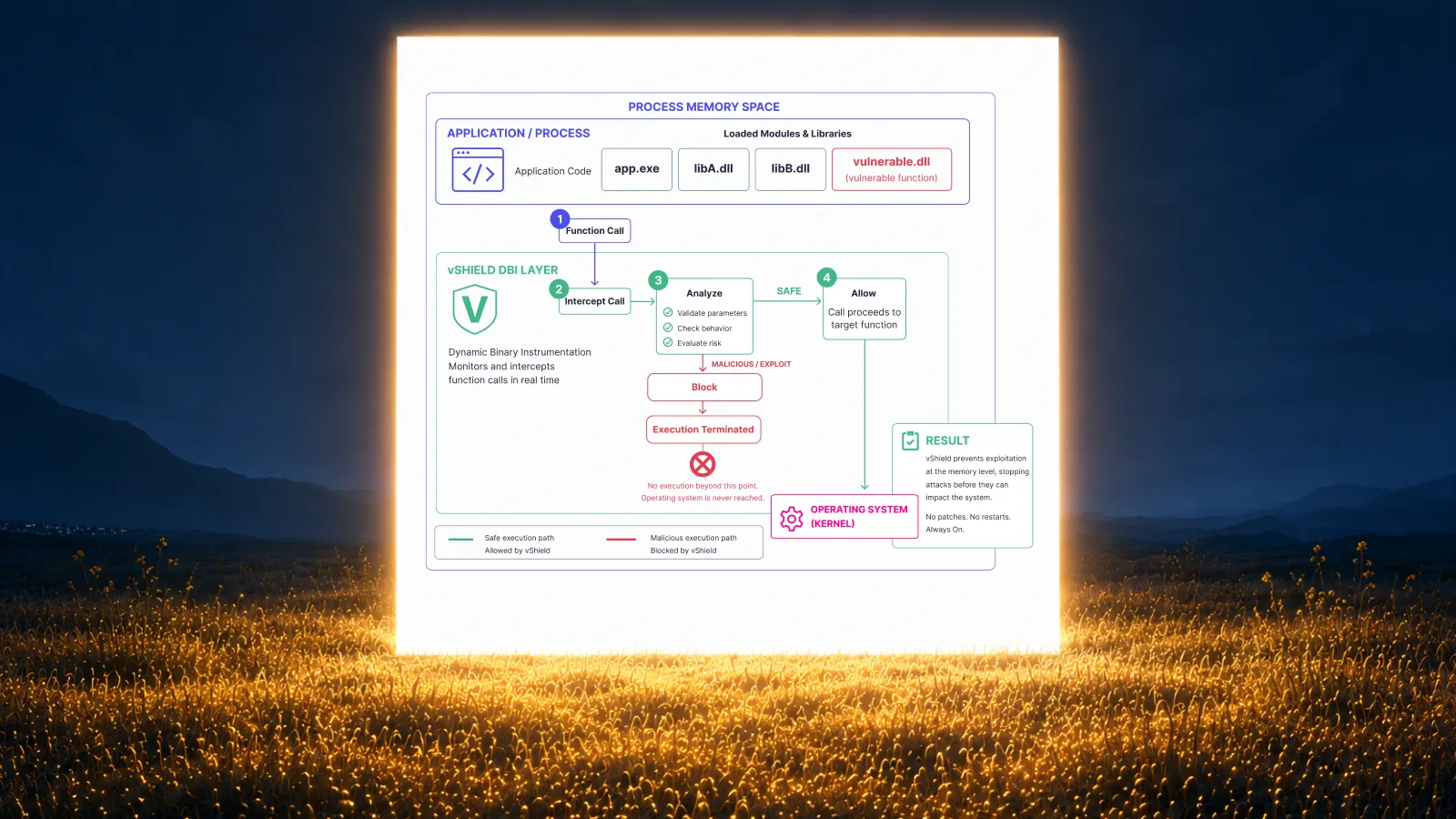
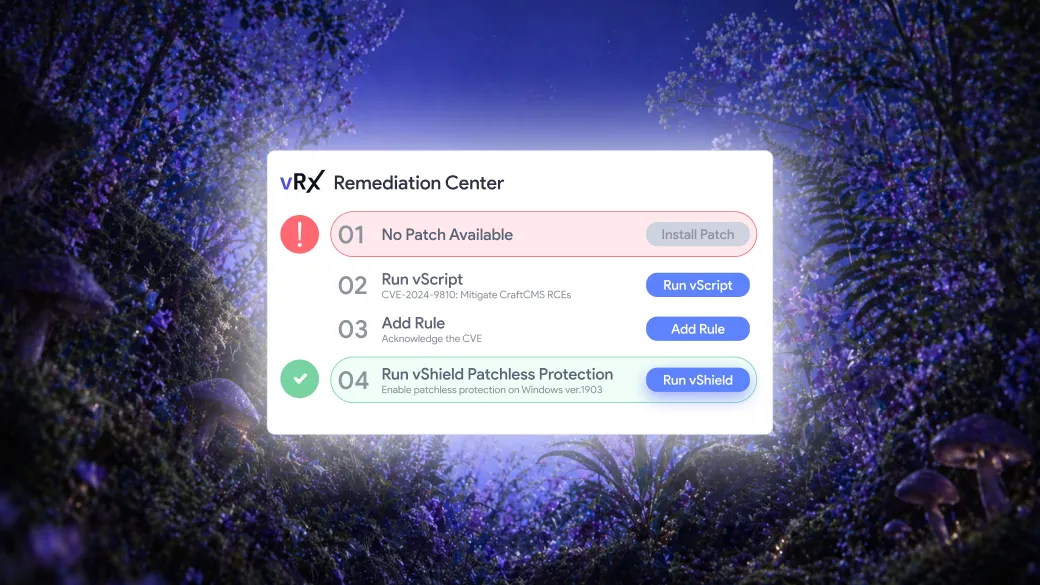
Patchless protection is where enterprise programs have the biggest gap. Every large organization has assets that can't be patched: end-of-life systems still running business-critical workloads, OT-adjacent infrastructure where downtime is not acceptable, and applications where the vendor has stopped releasing updates. When a zero-day hits one of these systems, traditional patching provides no answer. Patchless protection applies a protection layer at runtime, blocking the exploitation path without requiring a patch to exist, until a permanent fix arrives or the system is decommissioned.
Validation closes the loop. A patch deployed without verification is an assumption. Rescanning after remediation confirms the exposure is actually closed, not just addressed on paper. For compliance purposes, that before-and-after scan comparison is often exactly the evidence an auditor needs.
The compliance angle is not about the scan
GRC teams spend a lot of time pulling vulnerability scan reports for audits. PCI DSS, SOC 2, HIPAA, NIST, every major framework requires evidence of vulnerability identification. But identification is the floor, not the ceiling.
PCI DSS Requirement 6.3 doesn't ask whether you scanned. It asks whether you identified vulnerabilities and addressed them. SOC 2 Trust Services Criteria CC7.1 requires that vulnerabilities are resolved in accordance with the organization's vulnerability management policies, which means your SLA needs to be real, not aspirational, and your remediation records need to prove it.
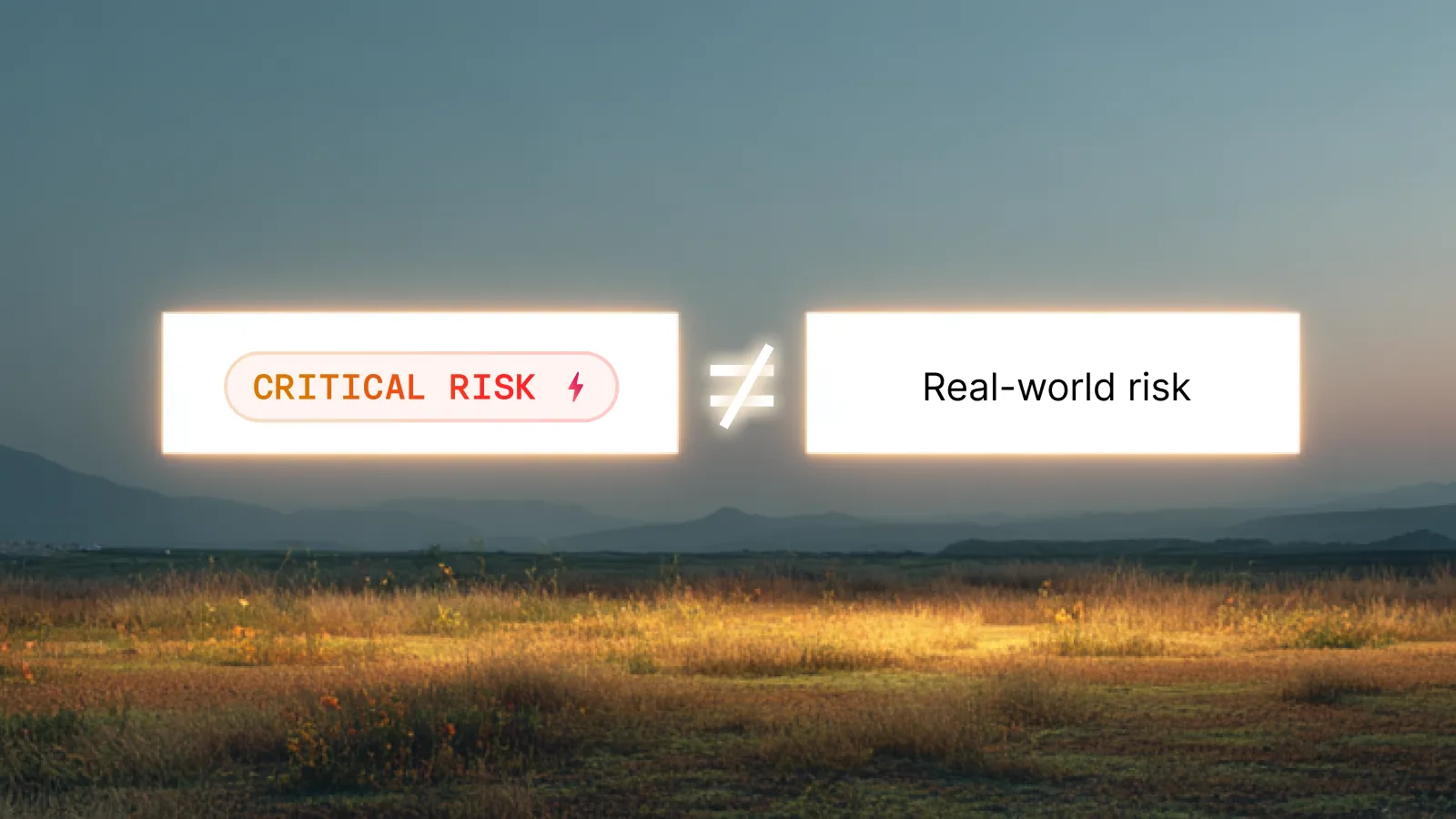
The risk for enterprise security programs is presenting a scan report as compliance evidence when an auditor is looking for remediation evidence. The scan shows you found something. The remediation log shows you did something about it. Both are required. They are not interchangeable.
What to ask your current vendor
If you're running an enterprise vulnerability management program and evaluating whether your tooling covers remediation, four questions will tell you quickly.
What happens after the scan? If the answer is "we generate findings and integrate with your ticketing system," you have a management tool. Remediation is happening somewhere else, or not at all.
How do you handle third-party application patching? If the answer requires a separate tool or a manual process, that's a gap. Third-party apps represent a significant share of exploited vulnerabilities in enterprise environments.
What's your answer for systems that can't be patched? If there isn't one, your exposure window on legacy and end-of-life systems is open indefinitely.
Can you show remediation evidence for an audit, not just scan results? If the reporting capability stops at findings, your GRC team is building that evidence by hand.
Those four questions separate vulnerability management platforms from remediation platforms. The distinction is worth getting clear before your next vendor renewal or evaluation cycle.
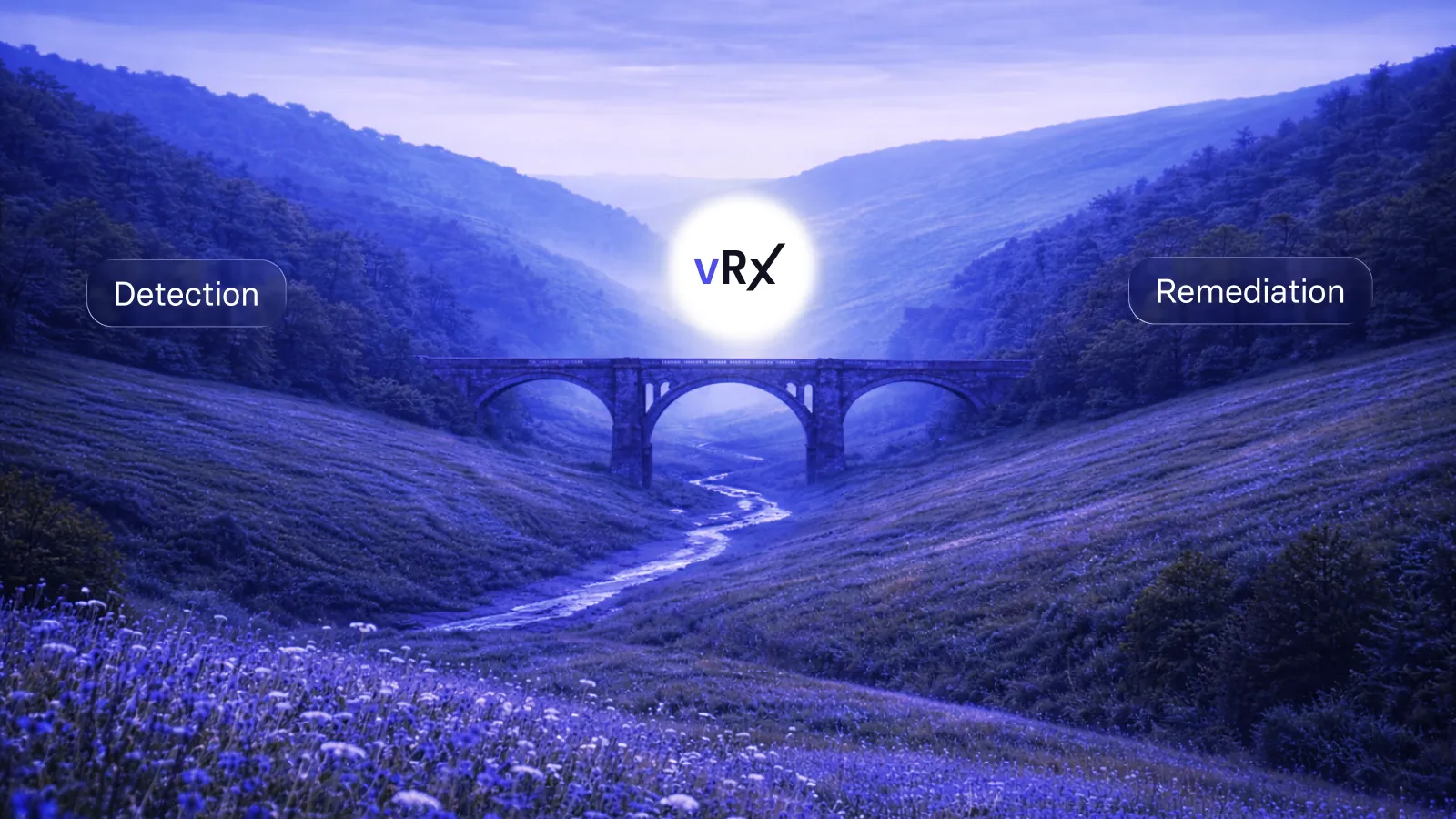
vRx was built to close the loop from discovery through fix, covering patching, scripting, and patchless protection across Windows, Linux, macOS, and third-party applications, in environments where some systems will never receive a vendor patch. If you want to see how automated vulnerability remediation works at enterprise scale, that's where to start.
Frequently asked questions
What is the difference between vulnerability management and vulnerability remediation?
Vulnerability management is the process of continuously discovering, classifying, prioritizing, and tracking security vulnerabilities across an organization's environment. Vulnerability remediation is the process of closing those vulnerabilities through patch deployment, scripted configuration changes, or patchless protection for systems that can't be patched. Management produces a prioritized list of known exposures. Remediation reduces the number of open ones.
Why do large enterprises have vulnerability management programs but still get breached through known vulnerabilities? Because vulnerability management identifies and tracks risk without necessarily closing it. In most enterprise environments, the scanner and the fix mechanism are separate tools owned by separate teams, connected by a ticketing workflow that introduces significant delay. The 2026 State of Vulnerability Remediation report by Vicarius found that enterprises average 100+ days to remediate a critical vulnerability, well past the window when most exploits appear in the wild.
What does vulnerability remediation include beyond patching? Enterprise remediation covers four actions: OS and application patching for systems where vendor fixes are available; scripted remediation for configuration and policy-based vulnerabilities that don't involve a patch file; patchless protection for end-of-life systems, OT-adjacent infrastructure, and zero-day vulnerabilities where no patch exists yet; and post-remediation validation to confirm exposures are actually closed, not just addressed in a ticket.
What evidence do auditors need for vulnerability remediation vs vulnerability management? Auditors want to see that vulnerabilities were identified and addressed within the organization's stated SLA. A scan report demonstrates identification. A remediation log showing when a vulnerability was detected, when it was fixed, and on which assets demonstrates control. Frameworks including PCI DSS Requirement 6.3, SOC 2 CC7.1, and NIST SP 800-53 SI-2 all require remediation evidence, not just discovery evidence.
How does patchless protection fit into an enterprise vulnerability remediation program? Patchless protection applies a runtime protection layer to a vulnerable system without requiring a vendor-released patch. It blocks the exploitation path at the memory or API level, giving security teams time to plan a permanent fix without leaving the vulnerability open in the interim. In Fortune 2000 environments, this is particularly relevant for legacy infrastructure, production systems where downtime is not acceptable, and zero-day vulnerabilities where the vendor hasn't shipped a fix yet.
Related resources:















.webp)

















%20Signals%20a%20New%20Era%20of%20Supply%20Chain%20Risk.webp)






.webp)




















%20to%20Reduce%20Attack%20Surface.avif)