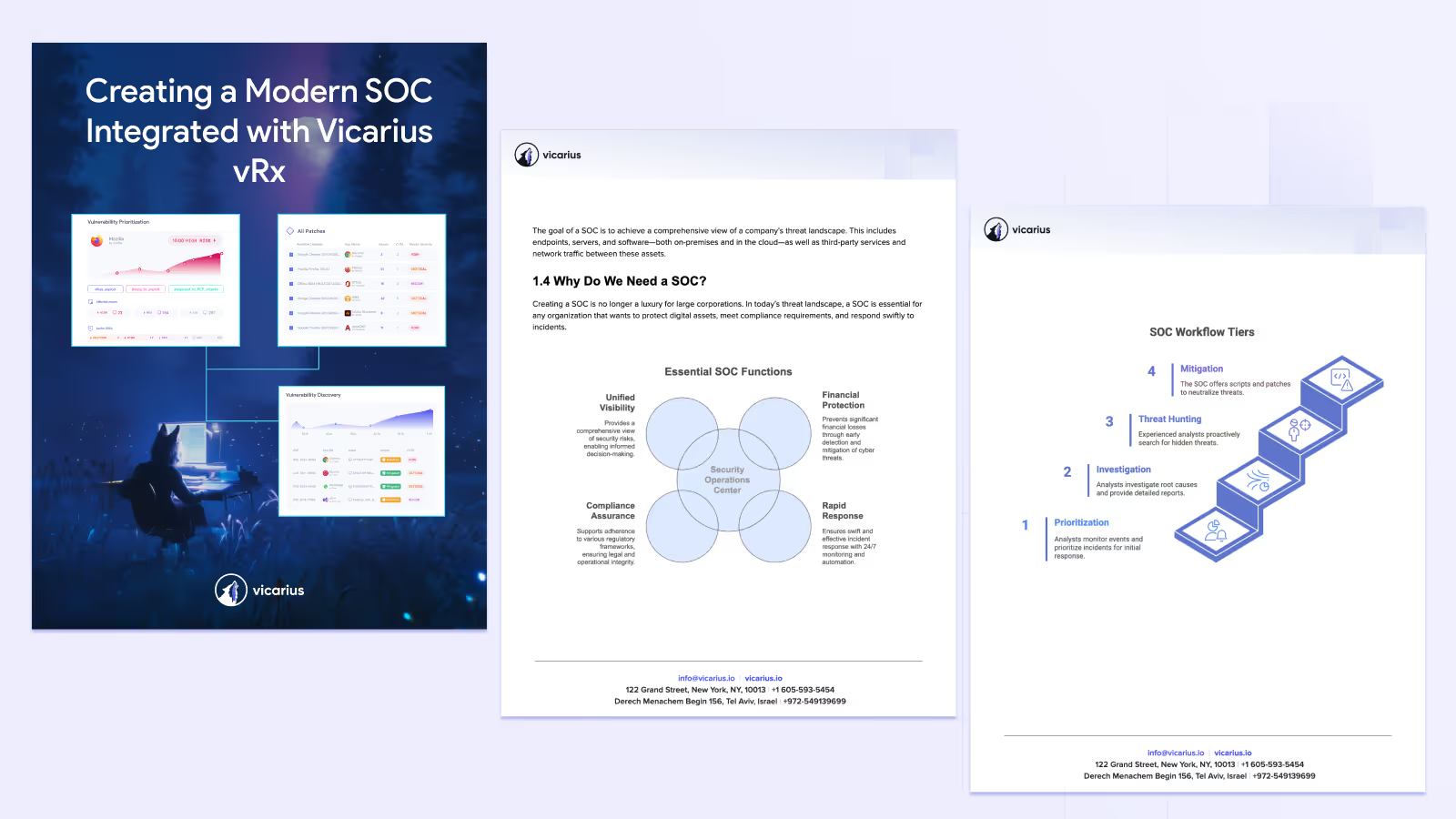


Vulnerability management is one of the cornerstones of IT security, providing continuous oversight and protection against the unavoidable weaknesses in your company's IT infrastructure. As it's an ongoing, evolving process, many companies struggle with it for technical, operational, and governance reasons. This is usually a result of a lack of scanning focus causing noise, tool sprawl adding unnecessary complexity, a reliance on manual workflows, and a lack of context and understanding.
This guide explains these factors, how they cause organizations' vulnerability management efforts to lose effectiveness, and how you can solve them.
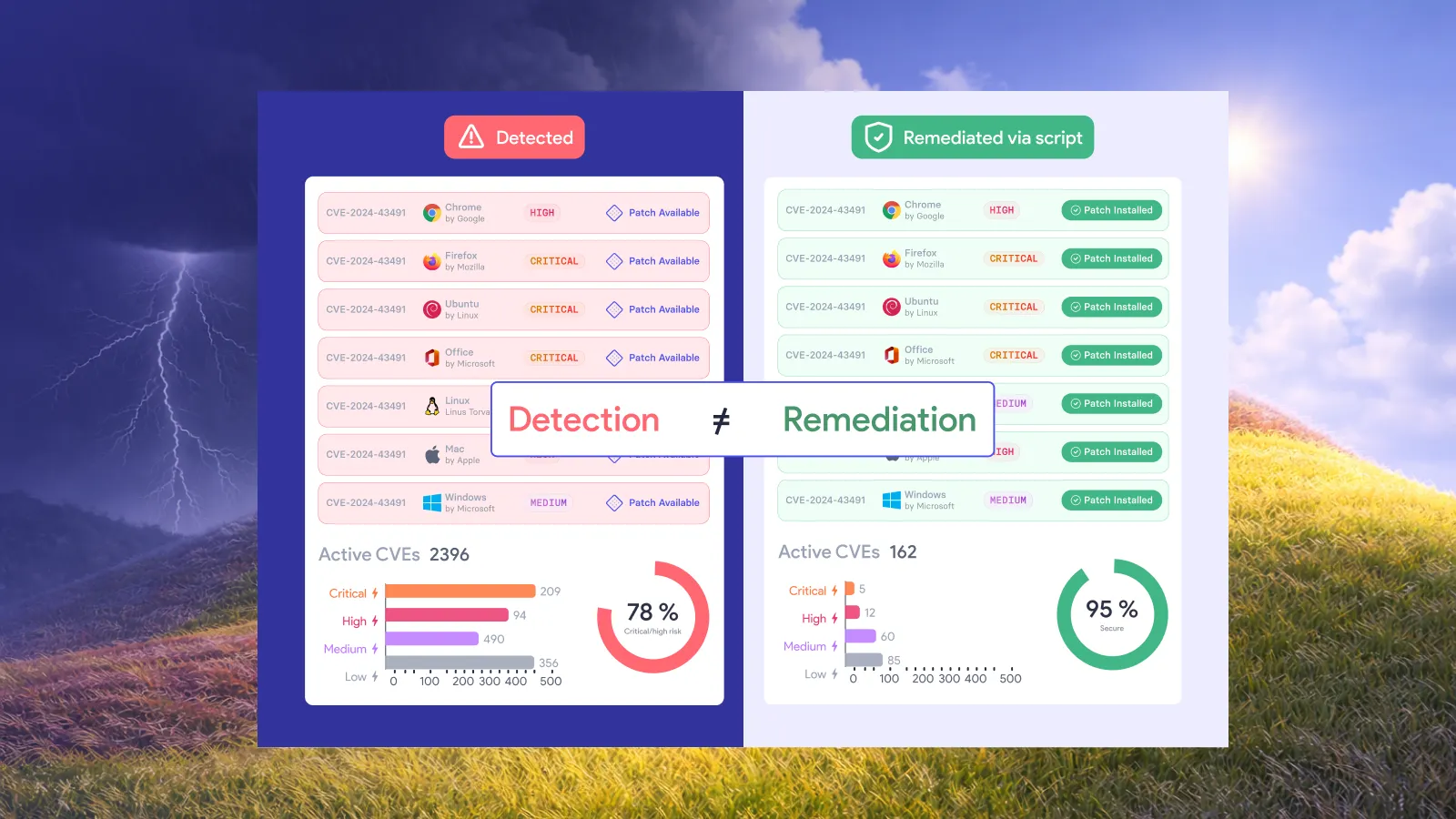
Remediation can only happen once vulnerabilities have been identified
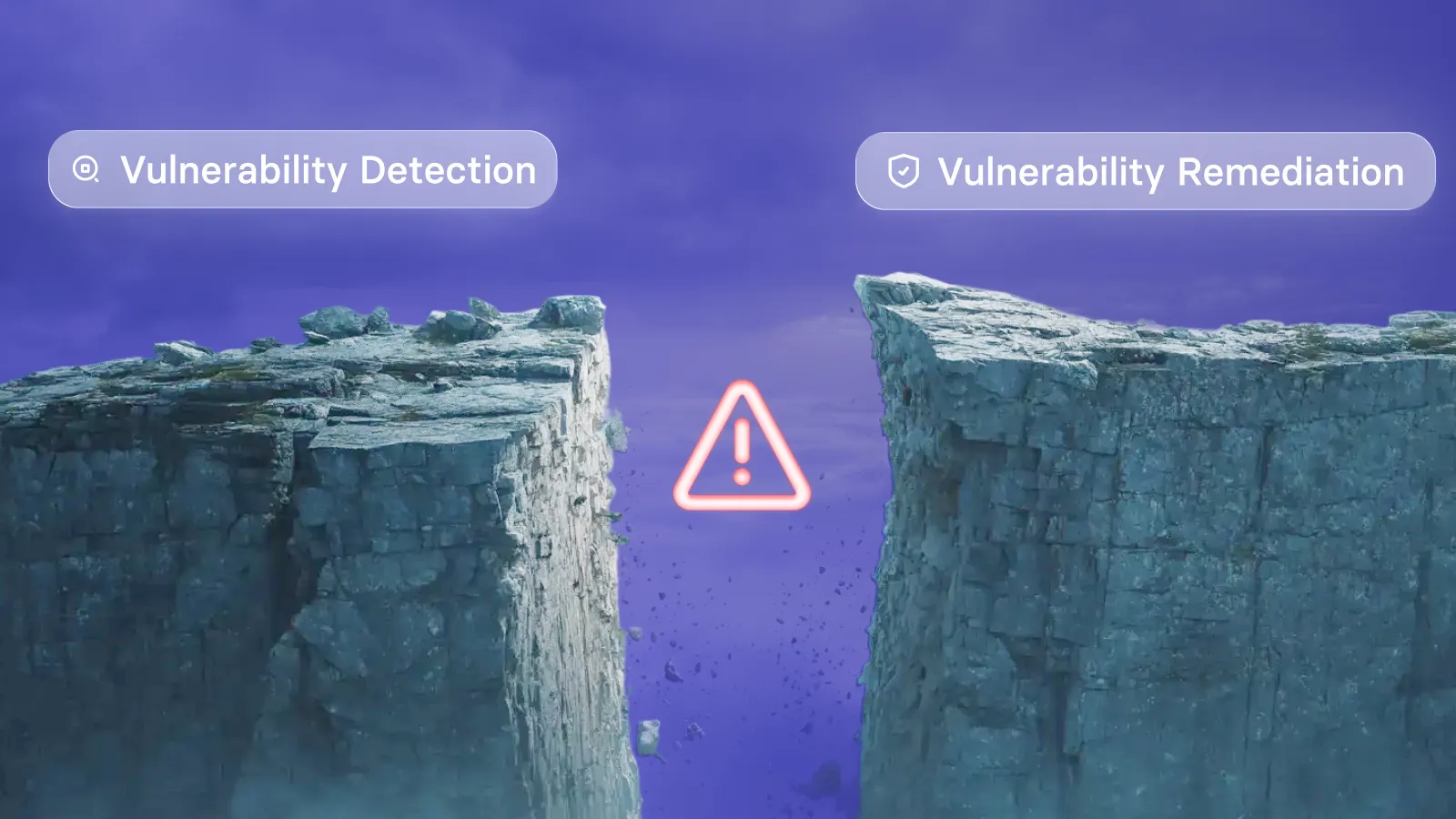
Companies struggling with vulnerability management often don't even get to the stage where risk and prioritization are effective, delaying or preventing remediation. Not only is this a security issue, but it's also a waste of valuable resources — an investment in tools and labor with no security outcomes.
Cybersecurity vulnerabilities are a persistent threat. Misconfiguration, bugs, unpatched software, and zero-days can accumulate risk when incomplete vulnerability management workflows based on traditional platforms fail.

'I think so' is not a sufficient answer to 'are we covered', for internal responsibility or compliance reasons. You must be able to demonstrate that all efforts have been taken to address these vulnerabilities and that your vulnerability management strategies are continuously tested for gaps and flaws. This must be demonstrable and backed by evidence.
The systemic weaknesses in vulnerability management tools and processes that lead to remediation challenges usually fall into five broad categories.
1. Scanning focus
The problem: Poor scanning focus causes alert fatigue and missed vulnerabilities by failing to distinguish between critical threats and background noise. While the need for full coverage is a given, a misaligned focus affects prioritization and causes severe threats to be lost in the noise of unnecessary data.
The impact this has on businesses: Inefficient use of cybersecurity resources, delayed time-to-remediate (MTTR), and increased risk.
The solution: Your team must have clear roles and boundaries, and understand their responsibilities and the risks present in their domain. Automation that takes care of routine tasks grants ops teams the resources to preemptively iterate and improve your overall security posture.
2. Cybersecurity tool sprawl
The problem: Cybersecurity tool sprawl creates fragmented visibility and operational complexity, making it difficult to maintain a unified and effective vulnerability management strategy. Ad-hoc toolchains for specific tasks lead to process drag, where separate tools for data protection and vulnerability management fail to integrate efficiently.
The impact this has on businesses: Complex toolchains cost more to license, manage, and maintain. They also lead to security and compliance gaps.
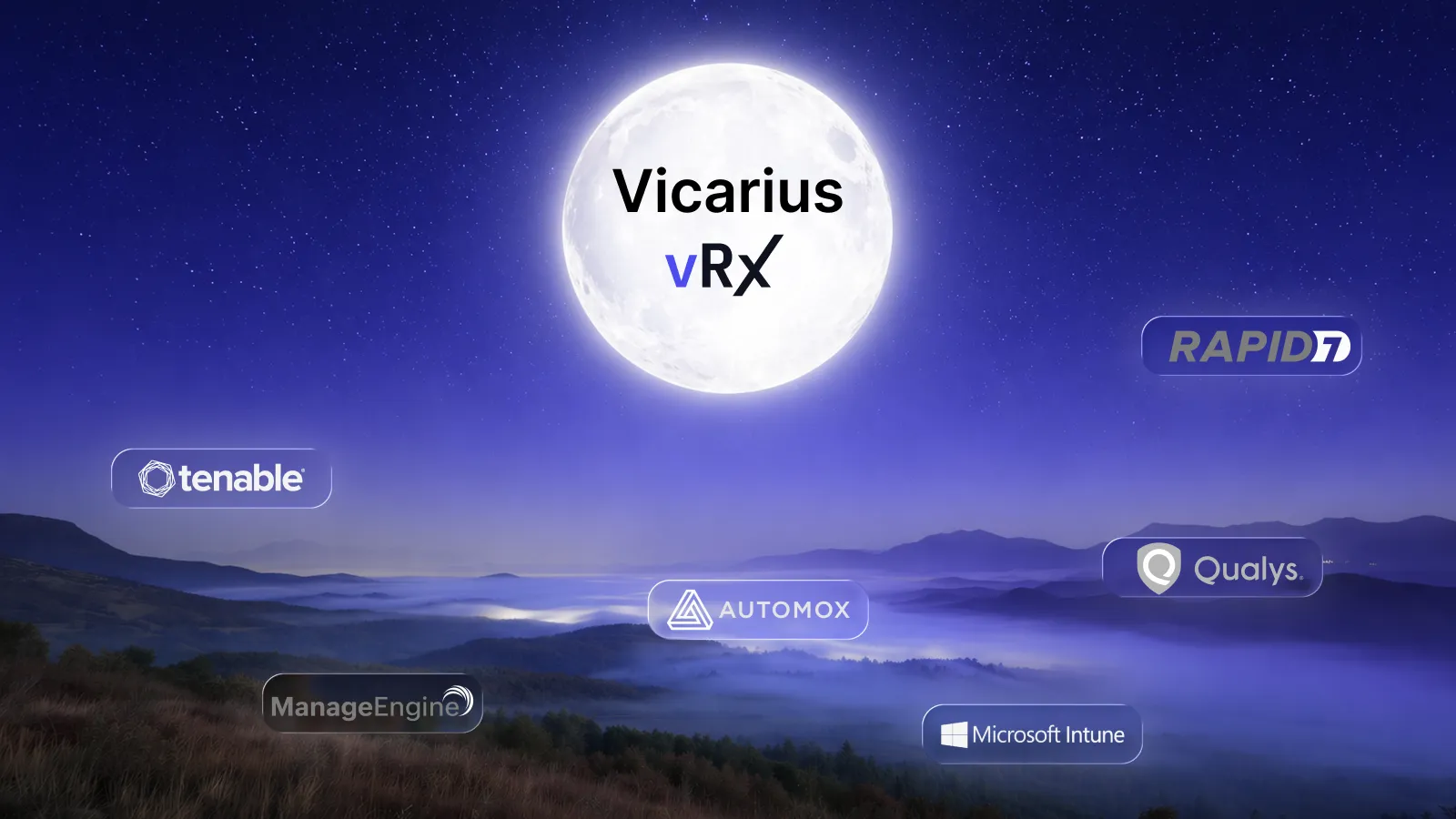
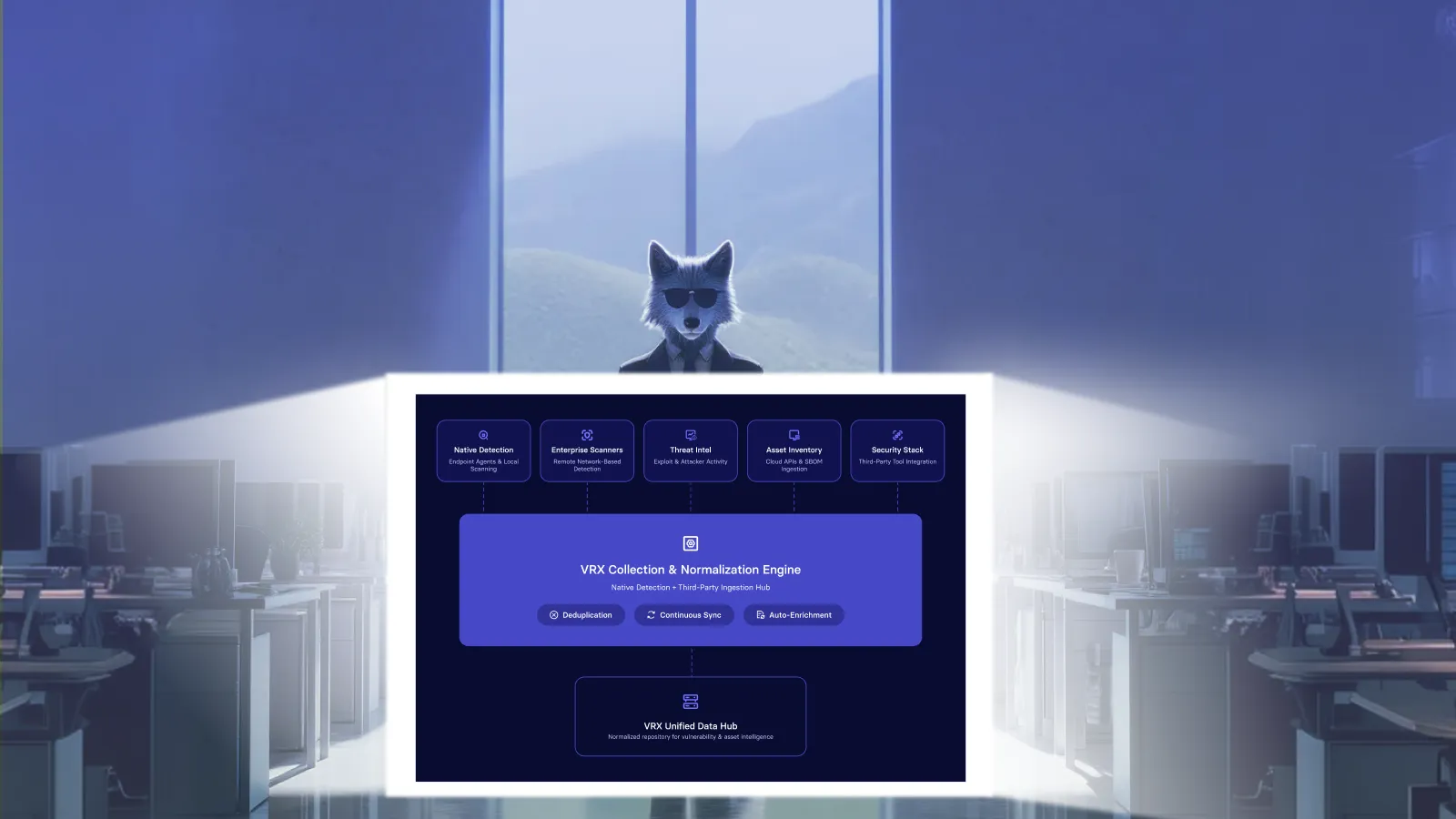
The solution: Choose tools that integrate with your workflows (and each other), and that offer end-to-end solutions that unify multiple functions, rather than relying on separate products. Look for exposure management solutions that build on foundational vulnerability management features with built-in threat intelligence and remediation tools, APIs, and that integrate with SIEM for real-time, centralized visibility and insights.
3. Manual vulnerability management workflows
The problem: Manual vulnerability management workflows are error-prone, resource-intensive, and fail to keep pace with the rapid speed of modern cyber attacks. Often intended as temporary stop-gaps, these manual processes lead to overlooked assets and incomplete remediation when teams lack the resources for robust automation.
The impact this has on businesses: Manual workflows are not cost-effective, lead to security gaps, and can be lost if a team member is incapacitated or leaves. Lost knowledge is especially impactful when you have custom code or complex configurations that need to remain secure.
The solution: Automation doesn't just make workflows more efficient; it formalizes processes and documents the steps that need to be taken in a repeatable manner.
4. A lack of contextual prioritization for vulnerabilities and exposures
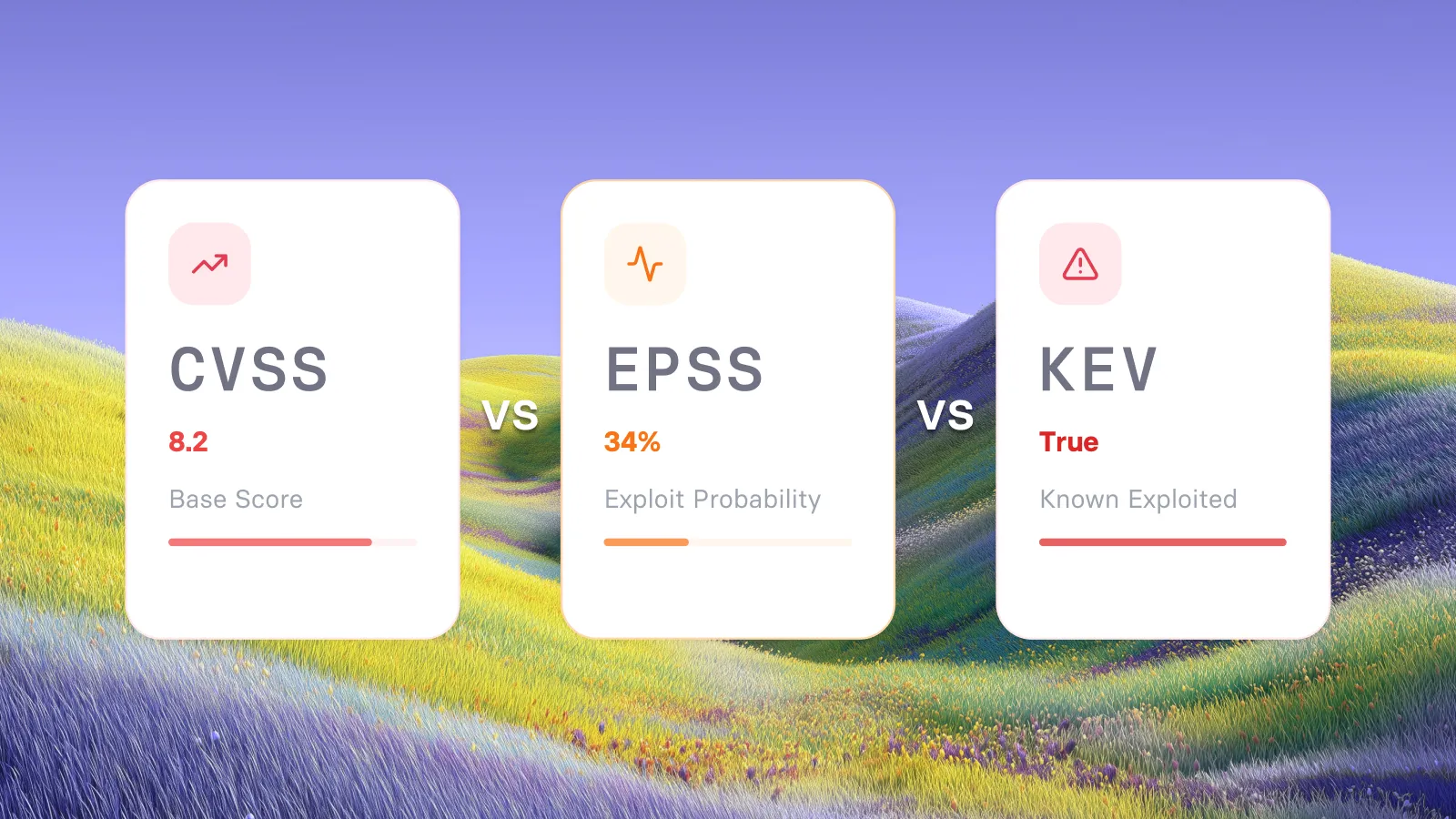
The problem: A lack of contextual prioritization forces security teams to waste time on minor issues while severe, exploitable threats to unique infrastructure remain unaddressed. Without automated intelligence, organizations cannot distinguish which vulnerabilities pose the highest real-world risk to their specific environment.
The impact this has on businesses: Exposure to zero days and novel threats to your unique infrastructure.
The solution: Automation should take care of the majority of patching and remediation, so that your team can focus on prioritizing complex vulnerabilities.
5. Legacy and custom systems
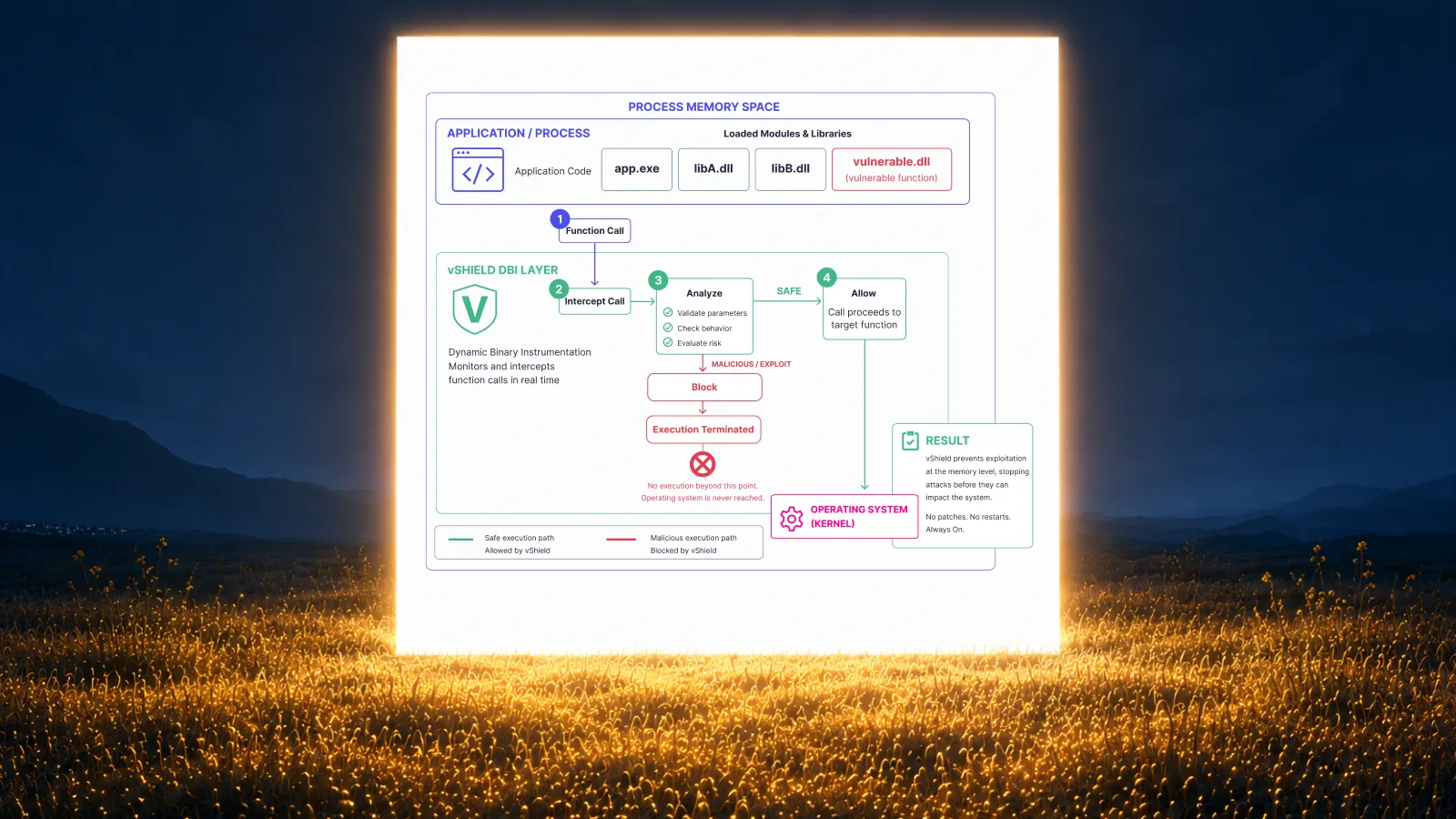
The problem: Legacy and custom systems often cannot be patched due to end-of-life status or compatibility issues, leaving permanent gaps in a company's security posture. Patching can be infeasible due to the absence of original developers or high costs, and traditional firewalls cannot protect these unpatchable assets from all threats.
The impact this has on businesses: Legacy tools are the cornerstone of many processes (and in some cases are required to control expensive industrial or medical hardware), and simply cannot be retired. They must be able to continue operating securely.
The solution: Cybersecurity tools that go beyond vulnerability management to vulnerability remediation, and can protect the working memory and executables for legacy software, and implement custom rules for additional protection.
The cumulative impact of these weaknesses is poor remediation that harms business outcomes
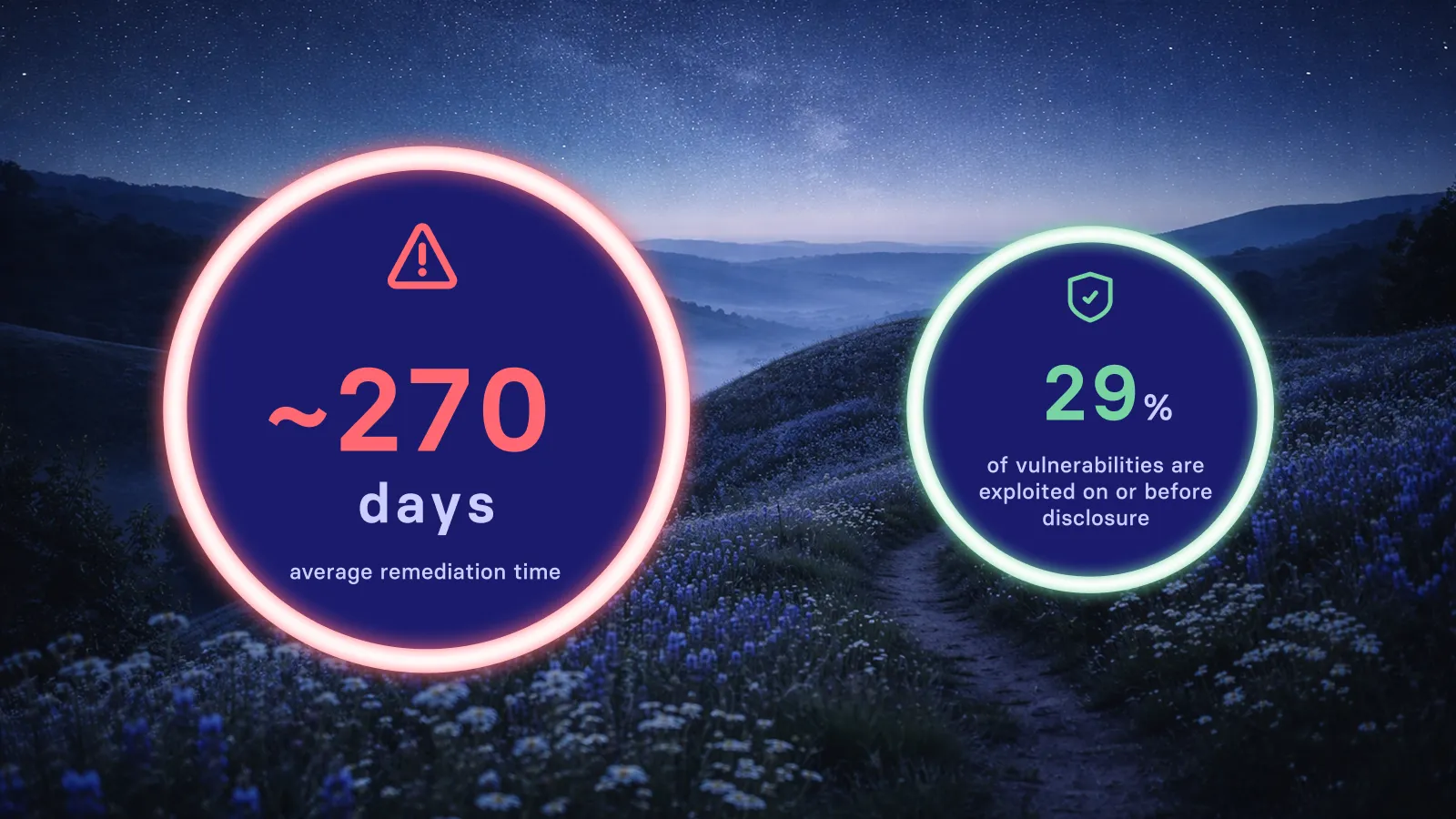
It's not about the journey: the end goal of vulnerability management is remediation. As vulnerability management degrades while your team is busy putting out fires from previous incidents and dealing with technical debt from unexploited but as-yet unresolved issues, you fall further and further behind while risk continues to build up.
Compliance is also negatively impacted: Ad-hoc, manual workflows may not leave sufficient evidence of the scanning and detection of vulnerabilities, the controls put in place, and the remedial actions taken to address threats.
Business outcomes are directly affected by these efficiency, security, and compliance concerns — without even factoring in the effects of a successful attack on your IT infrastructure that leads to data breach, loss, or exploitation.
The biggest factors that affect vulnerability remediation are ownership and visibility

Each of the above difficulties has a unique multi-faceted solution that requires both technical and process responses. Common to all of them is ownership and visibility. Your team has to take responsibility for vulnerability management from its inception, grow it, and assign roles to those who understand their domain, the vulnerabilities in it, and the effect security tools have in responding to them.
This responsibility extends to vulnerability management platform choice and implementation: fragmented tools contribute to visibility gaps, and while vulnerability management and remediation should not be a manual process, human oversight must be maintained to validate coverage and effectiveness across your toolchain.
Similarly, prioritization factors can vary across IT environments: for example, your organization may have bespoke or legacy systems that present unique risks that need explicit configuration to mitigate. Stakeholders aware of these potential threat vectors can ensure they are adequately covered.
This doesn't have to mean overloading team members. Consolidated tools with automation can take care of high volumes of vulnerabilities — while humans focus on ensuring these tools are applied where and how they are needed and that configurations are consistent (and that the required outcomes are reached).
Discover, own, and address exposure threats with vRx by Vicarius
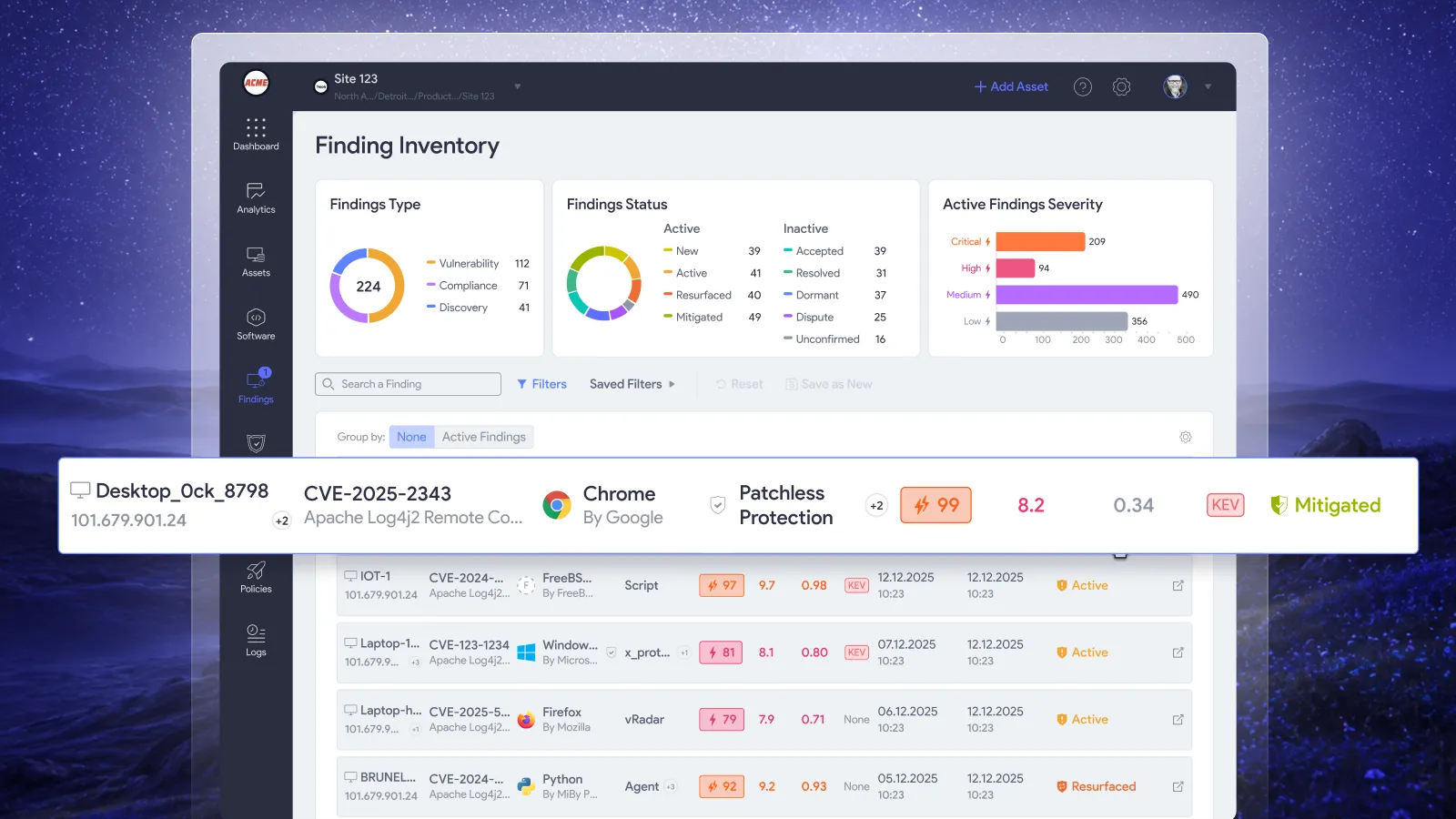
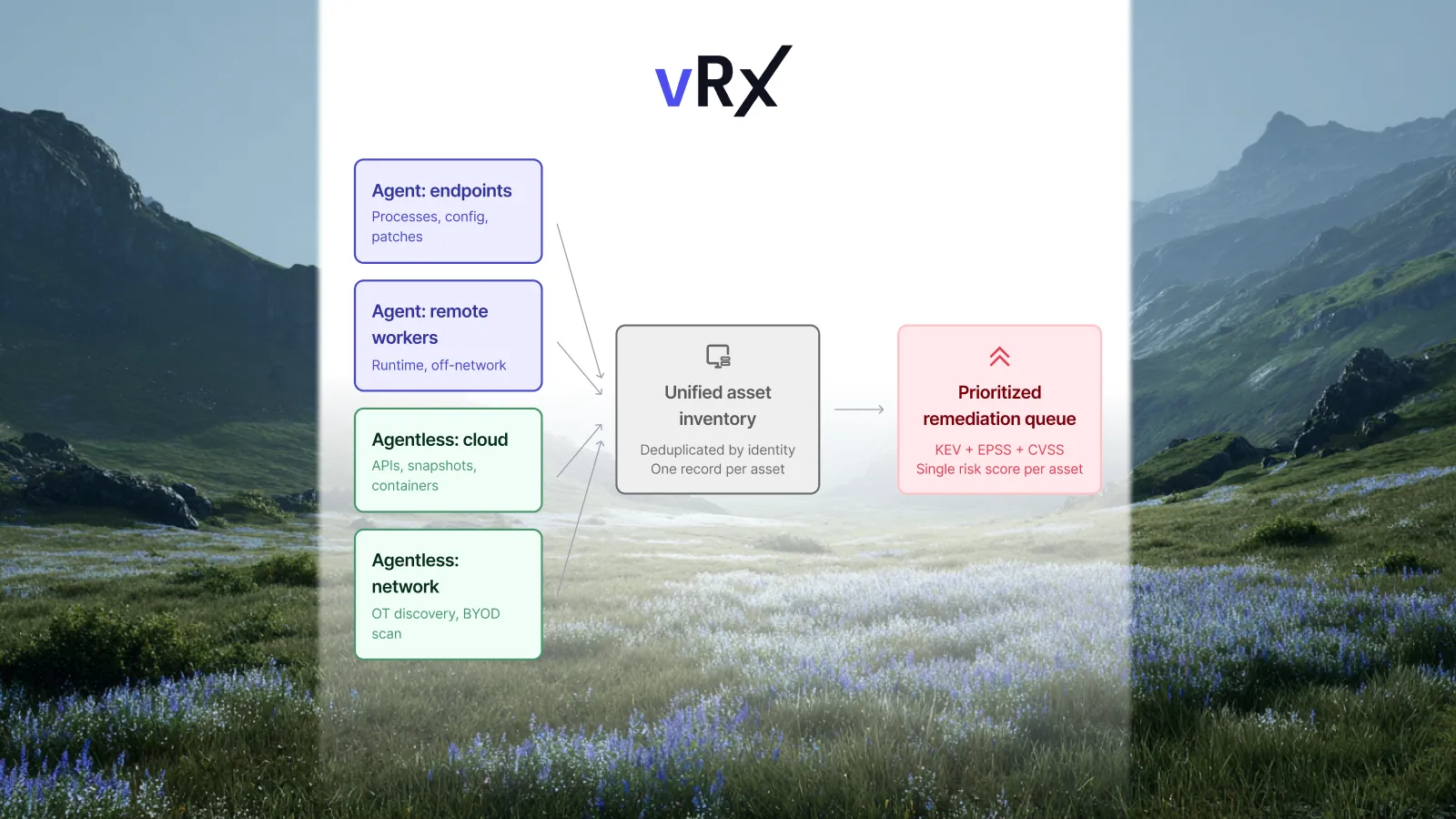
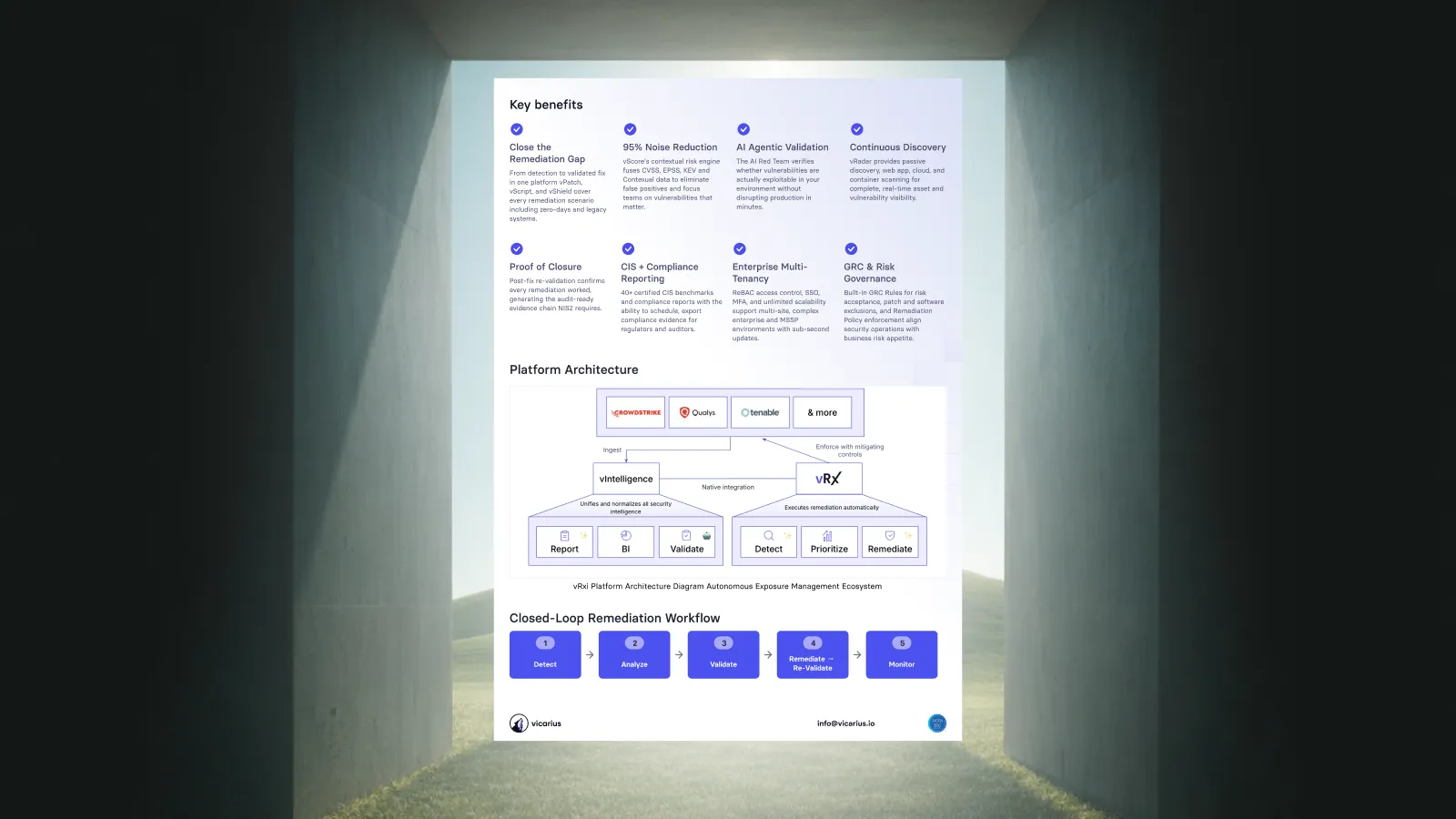
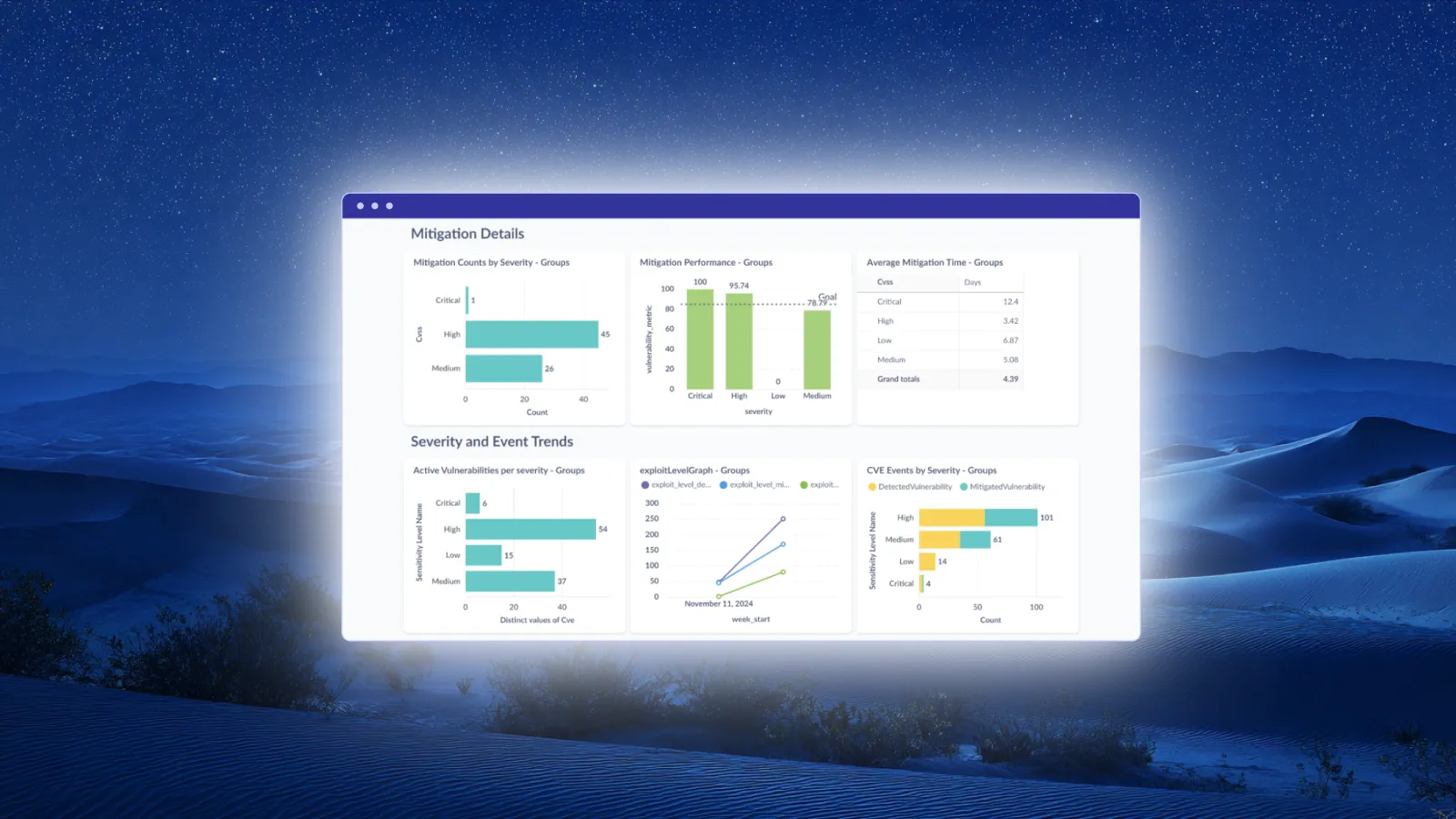
You need to know where to look for vulnerabilities to identify them. Then, you need to fix them. This can be a further struggle for organizations with limited resources. vRx by Vicarius enables ownership, helping even small teams provide comprehensive, continuous, prioritized exposure management that results in actual fixes and long-term risk reduction.
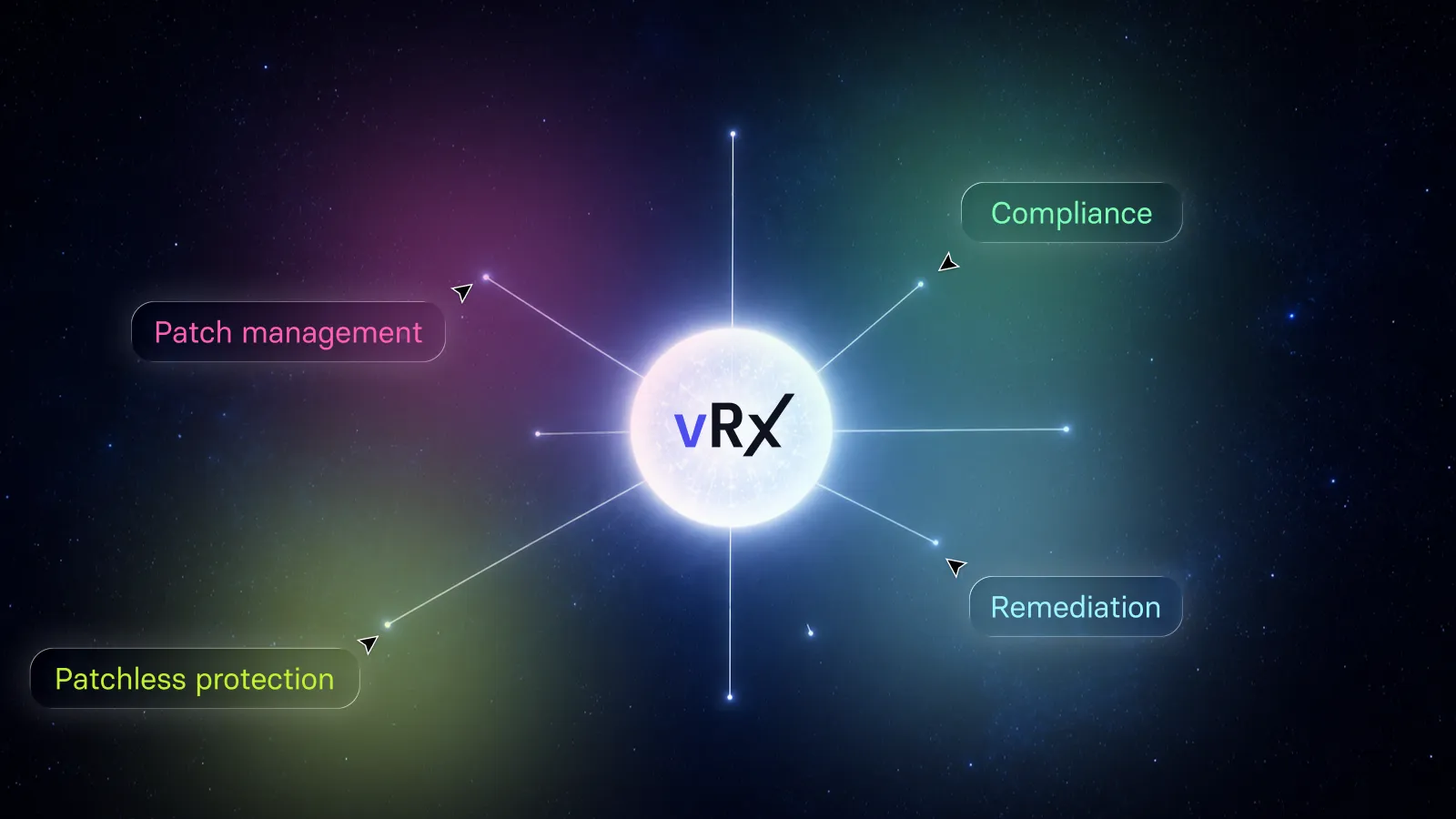
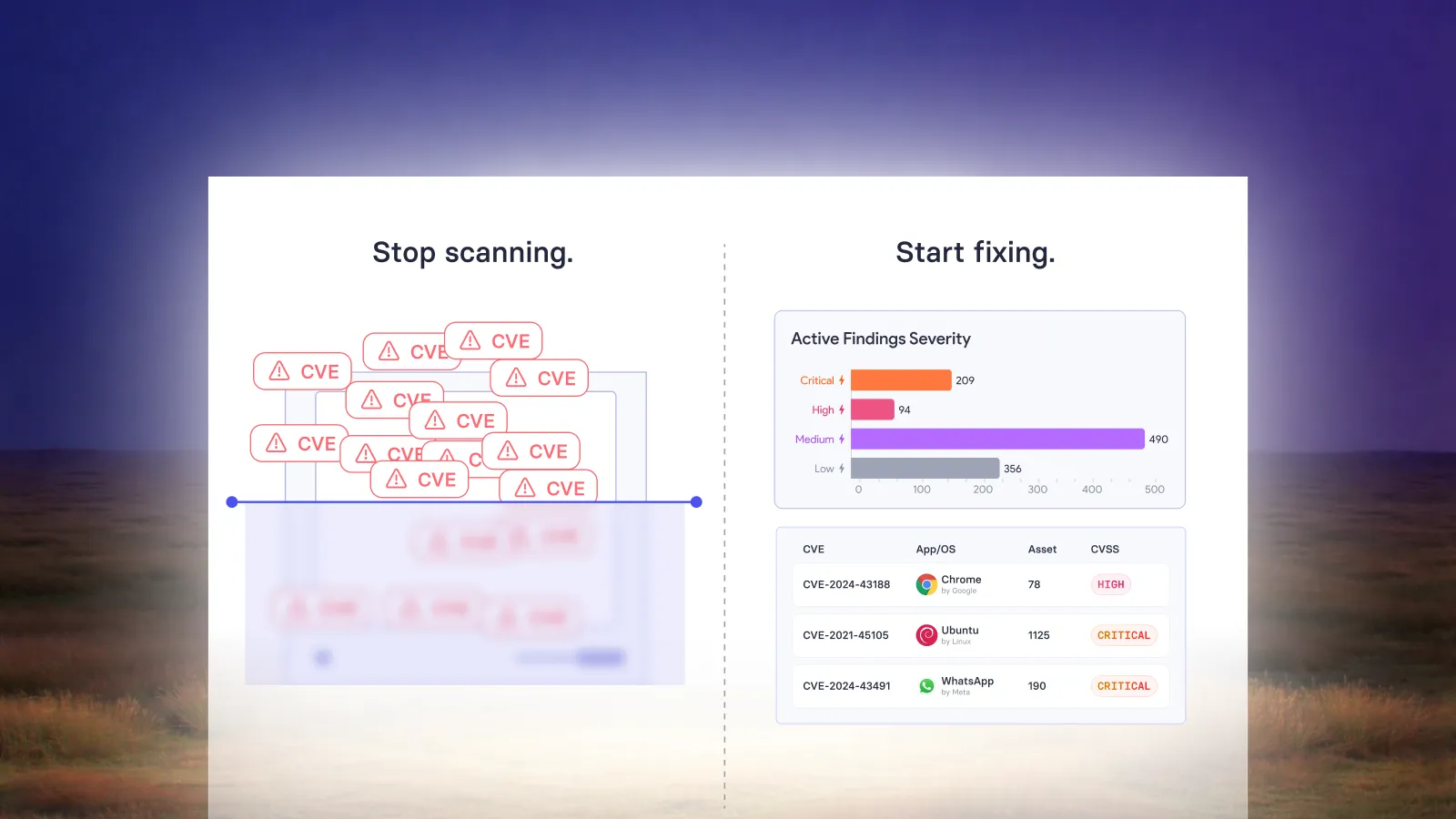
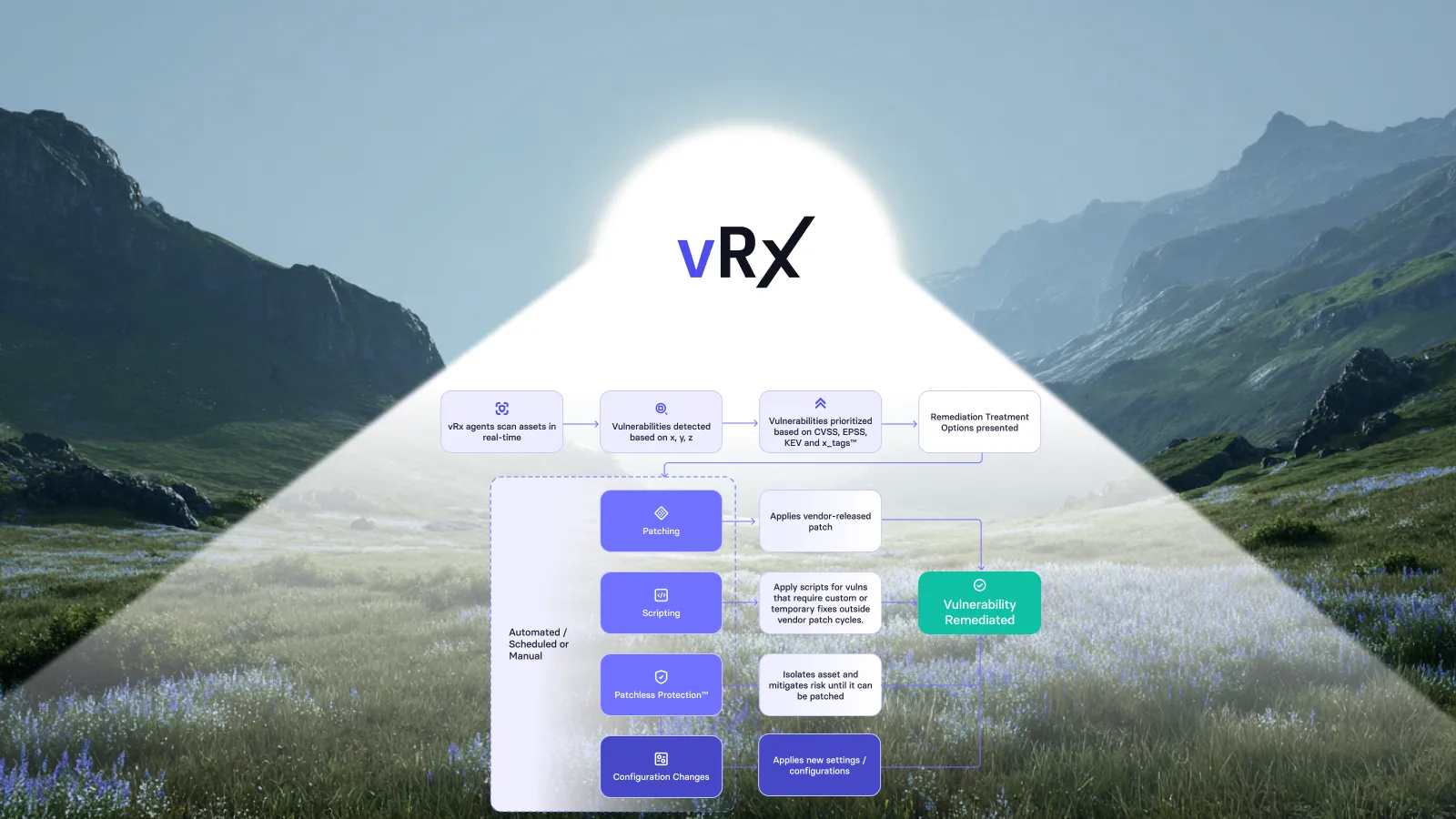
This is achieved with a focus on actual remediation outcomes through automation, not just scanning:
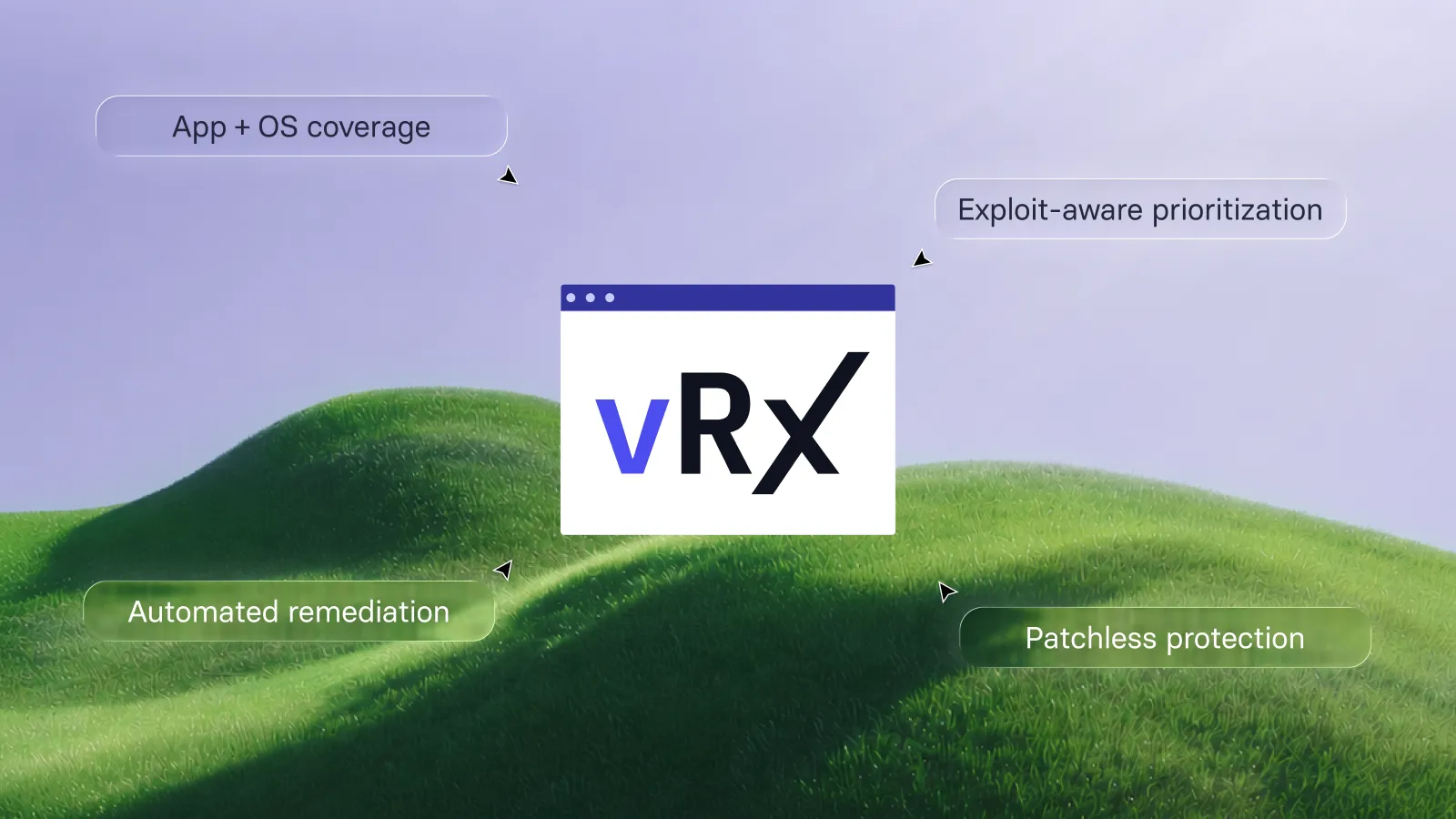
- Automated patching identifies and deploys patches for over 2,000 apps and operating systems.
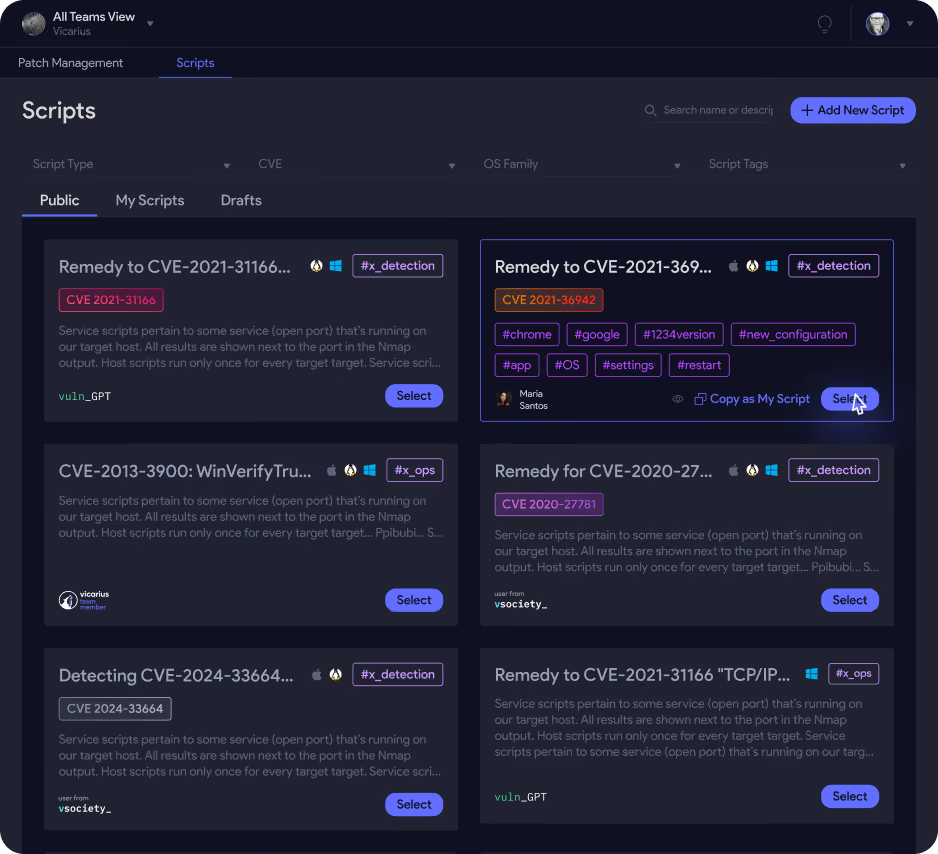
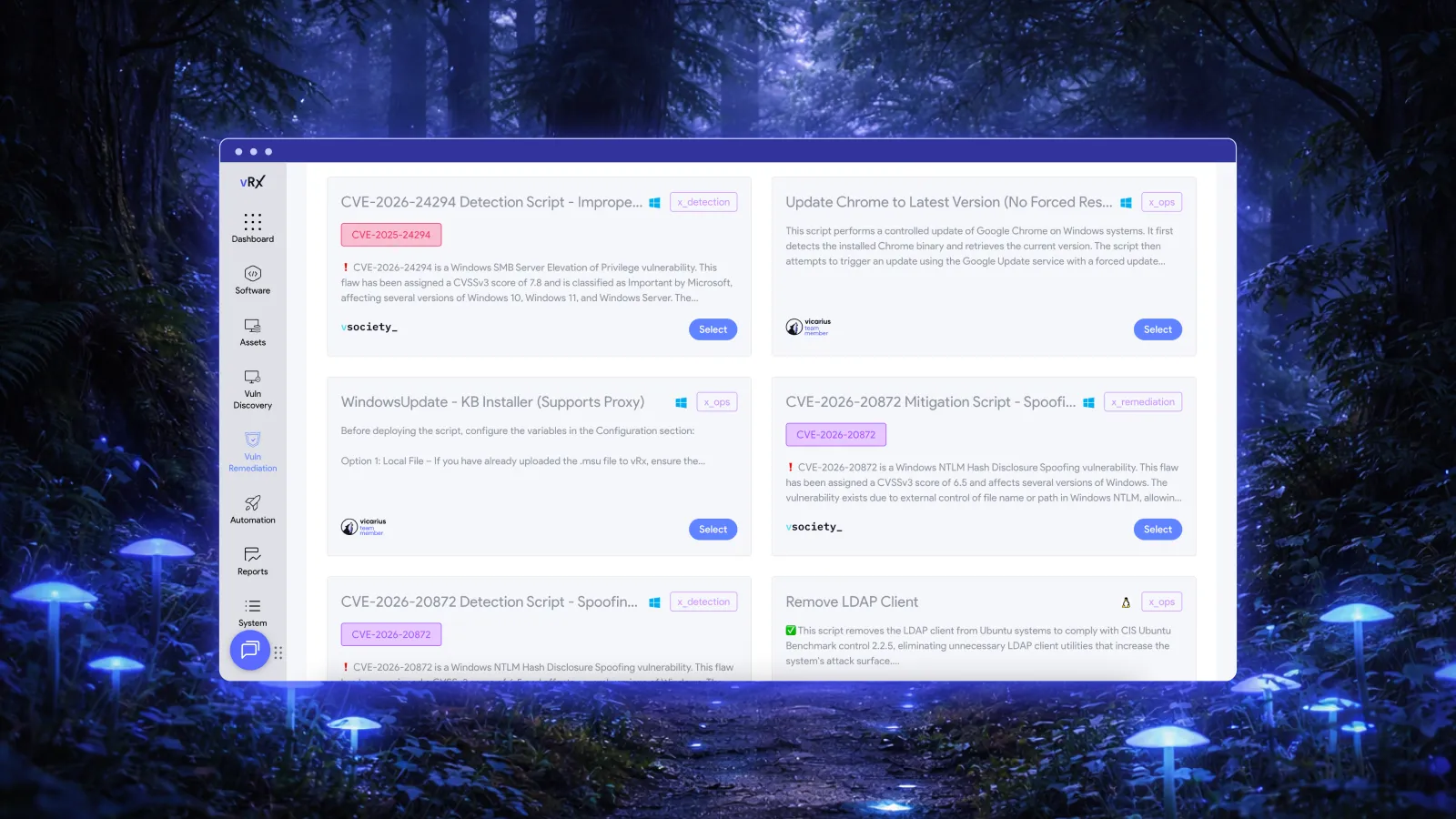
- Custom scripting addresses complex vulnerabilities, even those in custom code or in multi-system toolchains.
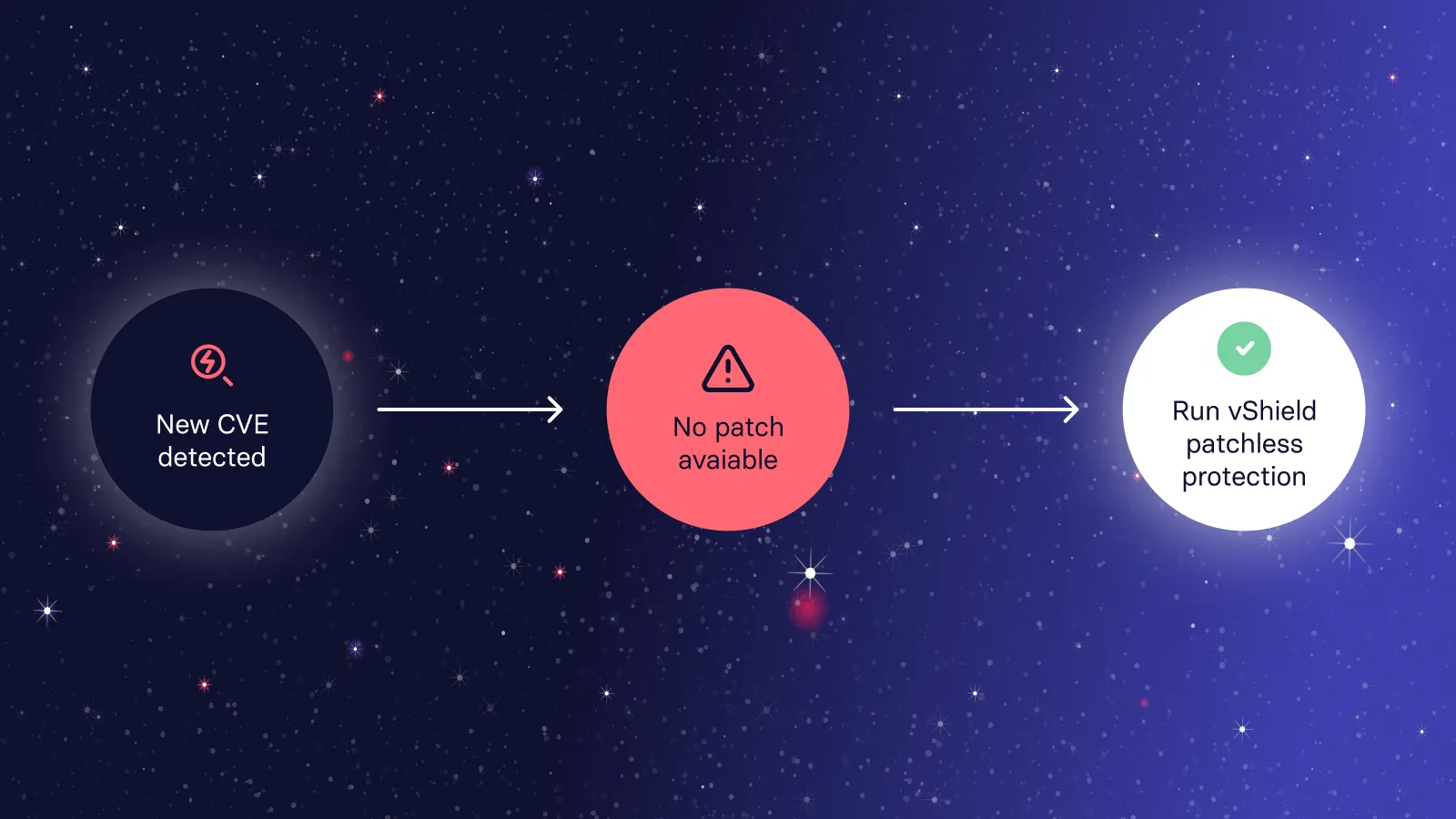
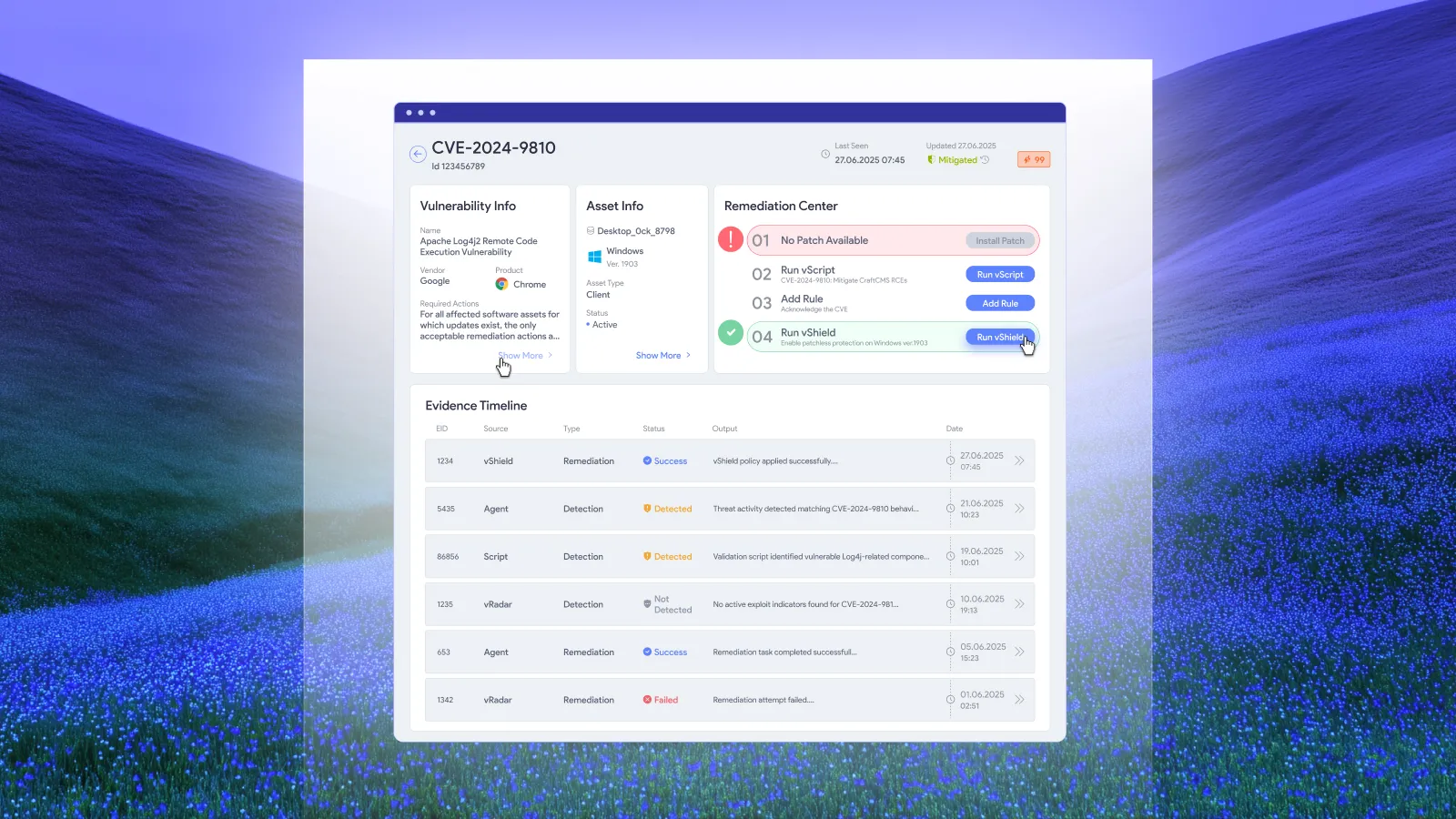
- When a patch isn't available or isn't possible for compatibility, EOL, or operational reasons, patchless protection secures an app's memory and executables from attacks.
Schedule a vRx demo to see how you can establish a compliant, mature vulnerability management process signified by continuous coverage, integration with your existing workflows, and prioritized remediation that spans on-premises, cloud, and web apps.
FAQ
What are the biggest challenges for companies struggling with vulnerability management?
Poor or misaligned focus and tool sprawl can lead to gaps and alert fatigue, while manual workflows and a lack of context reduce the effectiveness of vulnerability management.
How can companies improve vulnerability management outcomes, without expending significant extra resources?
Choose tools that readily integrate with your patching workflows, and automate exposure management processes, from scanning and identification to remediation.
Why is ownership so important in vulnerability management?
You must be able to verify that your vulnerability management is working as intended (and continually improve it), which requires human oversight with clear responsibilities and goals.
What should companies look for in vulnerability management platforms?
Automation and integration are critical features that have become prerequisites for most organizations. You should select a vulnerability management platform that builds on this and further improves measuring MTTR with a focus on remediation and not just scanning.
How do legacy systems affect vulnerability management?
Unsupported software cannot always be replaced or updated, creating a persistent cybersecurity threat. Vulnerability remediation tools that actively protect app memory and executables address this.





























.webp)


















%20Signals%20a%20New%20Era%20of%20Supply%20Chain%20Risk.webp)








.webp)