.webp)


Vulnerability management platforms solve a lot of problems, but aren't a panacea
No security tool can fully replace human oversight: even the best tools will fail if they are not maintained by experts and strictly governed. Misconfiguration and visibility gaps cause vulnerability scanning tools to lose effectiveness, and remediation cannot be validated without oversight.
Similarly, automation doesn't replace responsibility; while it makes workflows more efficient, it doesn't make you any less culpable for security and compliance outcomes. With that said, investing in automated vulnerability scanning and remediation is a must for modern cybersecurity. Vulnerability management must be a continuous process, with regular review that evolves configurations and processes to meet challenges such as changing infrastructure, new threats, and an ever-moving business environment. This is a lot of work without automation, even for well-resourced security teams in large enterprises.
Top 10 vulnerability management platform challenges (and solutions)
Not all vulnerability management challenges are caused by platform shortcomings, but instead by strategy and process flaws. However, vulnerability management tools can directly enable best practices, including automated remediation, centralized visibility and governance, ownership, and evidence collection.
1. What is alert fatigue in vulnerability management and how can it be solved?
Quick Answer: Alert fatigue occurs when security teams are overwhelmed by high volumes of notifications; it can be mitigated by an automated vulnerability remediation system that prioritizes critical threats.
Cybersecurity quickly falls apart when engineers tasked with enterprise vulnerability management are overwhelmed with alerts. This leads to severe threats being lost in noise and potentially overlooked, or to incorrect prioritization. It can also contribute to burnout in your team, further affecting outcomes.
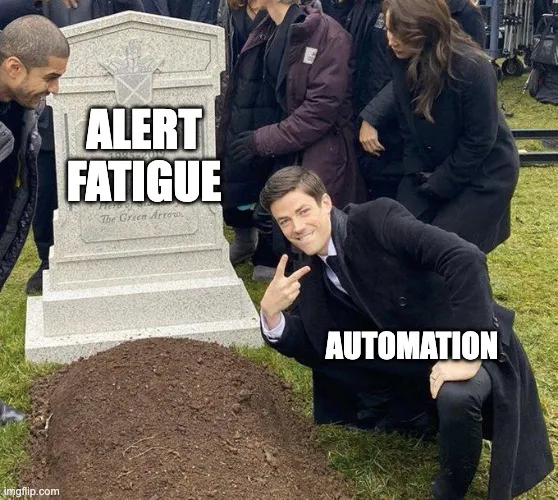
How prioritization and remediation automation help: Automation can sort and assign vulnerabilities to the relevant technician, reducing load on individual team members. With added context that reflects your real-world environment, issues can be correctly prioritized by these systems.
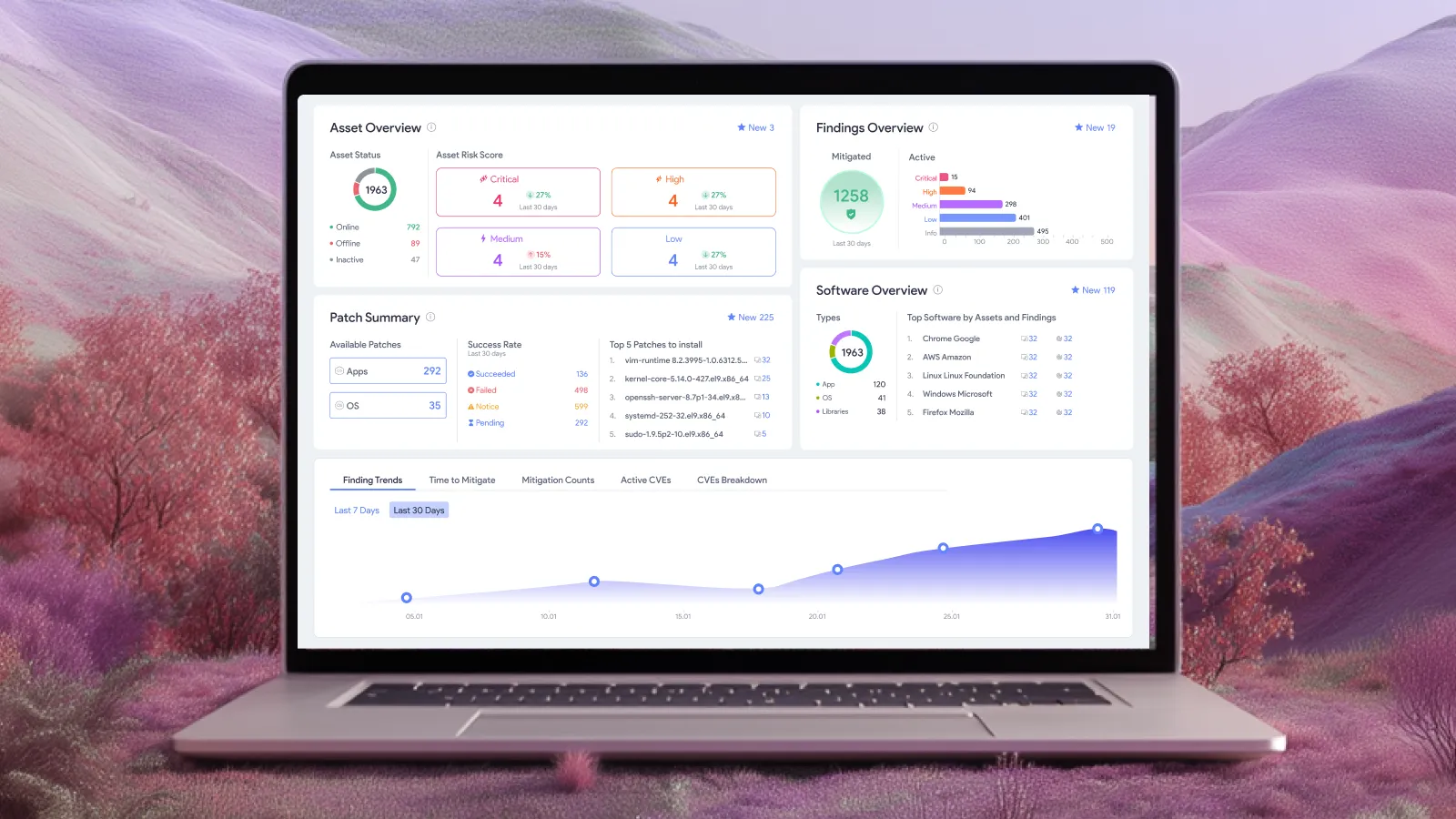
Automation powered by agentic AI takes this further, reducing risks by making decisions and taking preemptive action rather than just scanning and alerting when vulnerabilities are detected. This reduces technician load, allowing them to focus on verifying the effectiveness of fixes rather than sifting through alerts from thousands of endpoints.
2. How do I manage fragmented tools and tool sprawl in my security stack?
Quick Answer: Tool sprawl is addressed by consolidating discovery and patching into a unified vulnerability management solution that integrates with existing workflows.
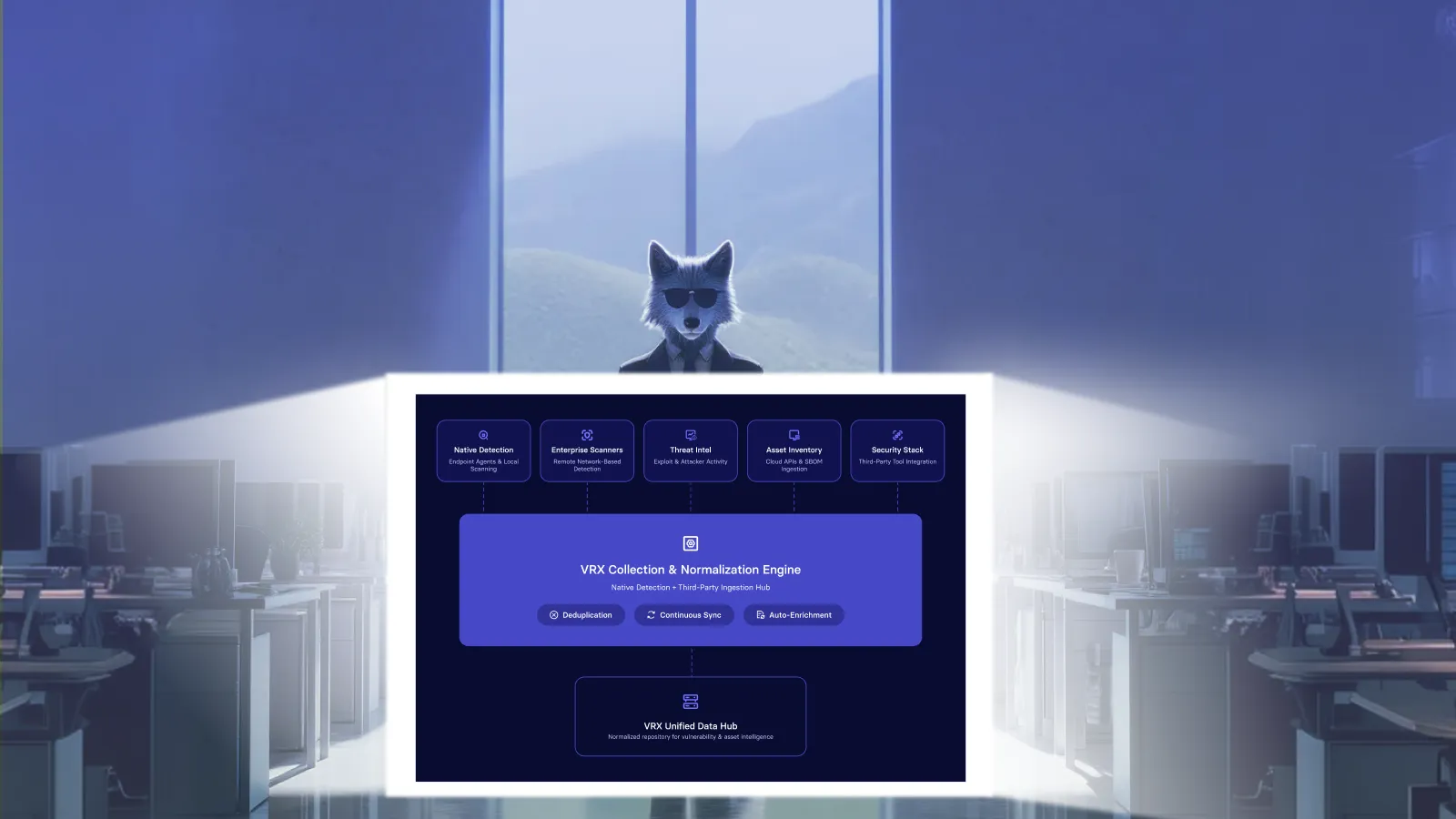
Fragmented toolchains consisting of multiple third-party patch management tools that do not integrate lead to gaps in visibility and the need to manually bridge workflows. This leads to incomplete or delayed remediation.
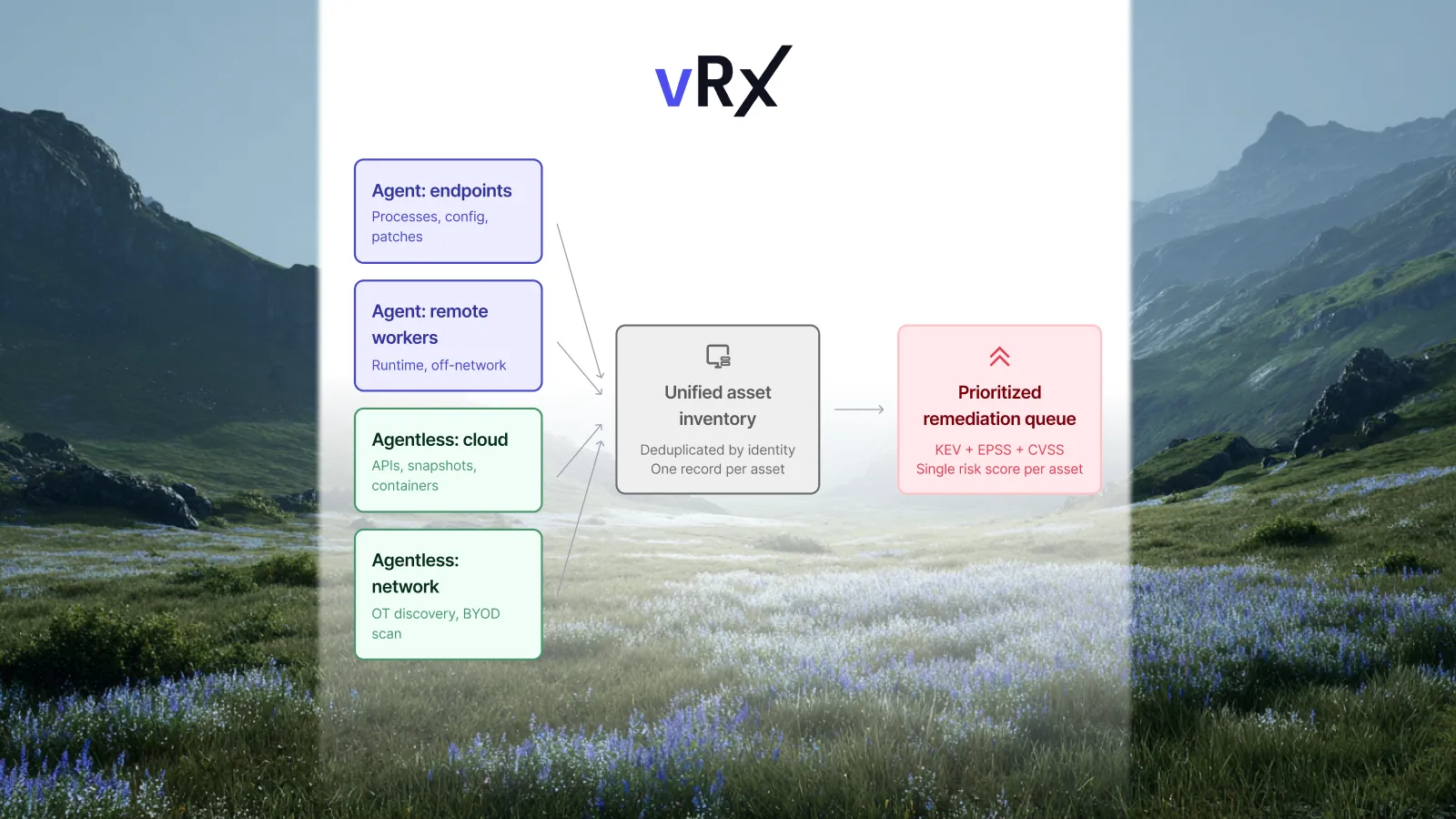
How prioritization and remediation automation help: Not only should inventory and vulnerability scanning be unified, but automation should also be integrated, either using APIs (which you'd need to integrate yourself) or under a comprehensive exposure management platform.
3. Why are information silos dangerous and how can automation break them down?
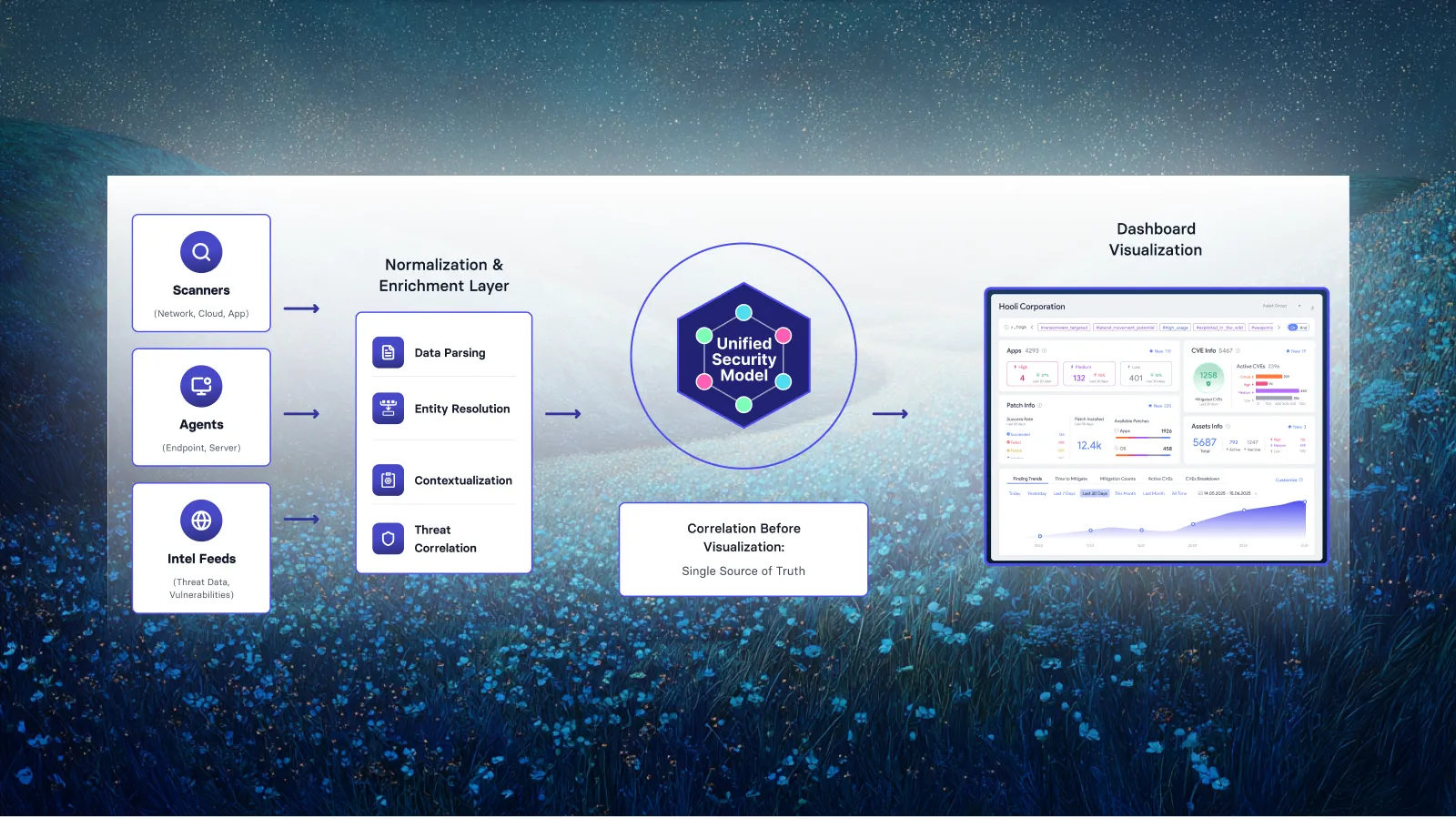
Quick Answer: Silos delay response times; automated vulnerability remediation breaks these by centralizing data into a single source of truth for your entire team.
Tool sprawl also leads to information fragmentation that slows down collaboration. When key context and live vulnerability data are spread across disparate tools, it's difficult to get an accurate assessment of your security posture.
How prioritization and remediation automation help: Automatically consolidate vulnerability data and enrich it with your own context, and create a single source of truth that informs strategy, priority, and automated remediation actions.
4. Is relying only on CVSS scores sufficient for prioritizing vulnerabilities?
Quick Answer: No, because scores lack environmental context; a modern vulnerability remediation platform uses real-world risk data to prioritize what actually matters.
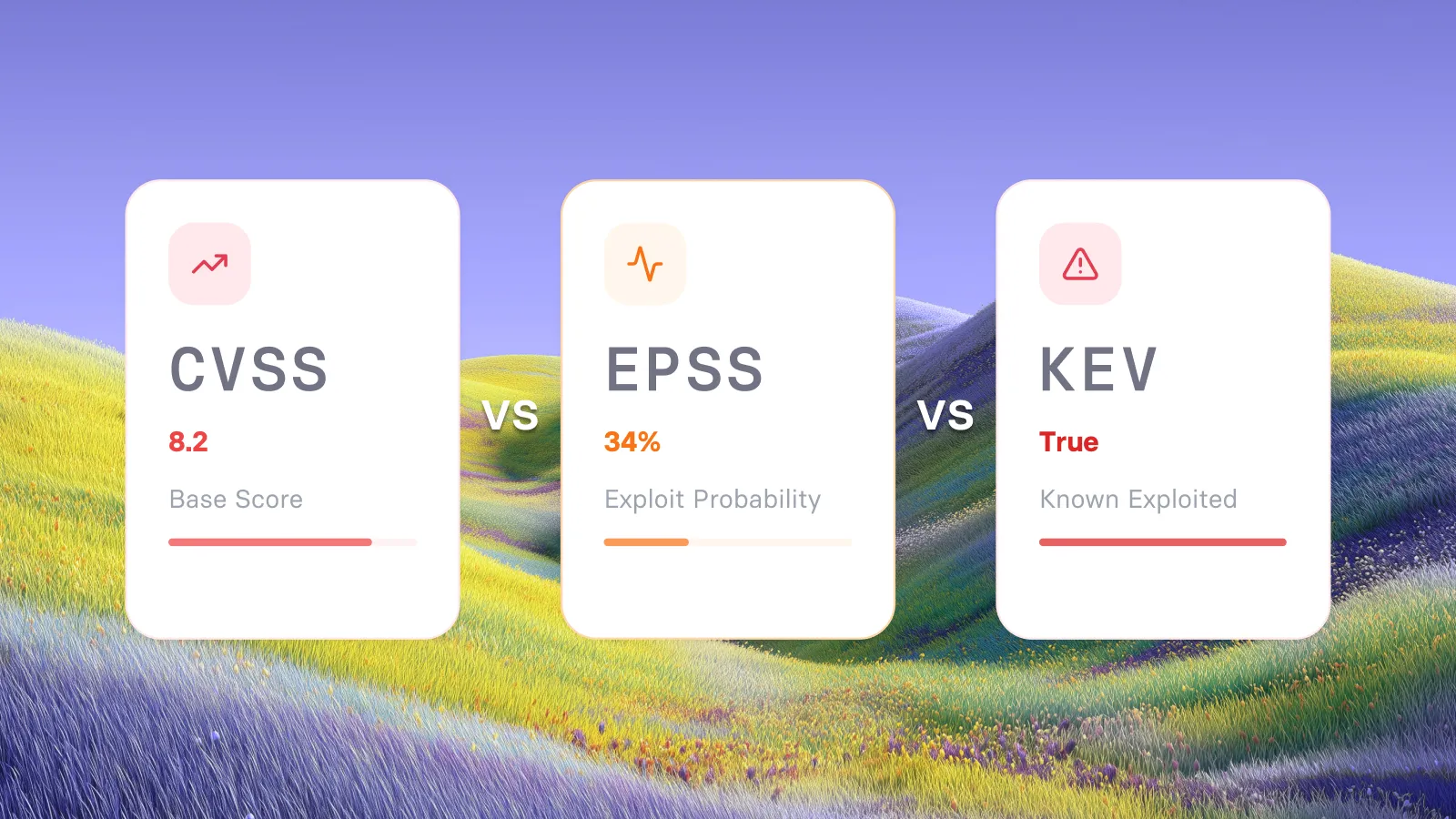
The Common Vulnerabilities and Exposures (CVE) database and the Common Vulnerability Scoring System (CVSS) scores are invaluable, without which modern cybersecurity would be near-impossible. However, relying on base severity scores alone can lead to inefficiency if you treat every case of a vulnerability with the same severity. For example, within your infrastructure, a vulnerability may be severe for internet-facing assets, but a 'to-do' item for firewalled endpoints.
How prioritization and remediation automation help: Live vulnerability data and intelligent tools that understand context and risk can inform automated prioritization to ensure remediation efforts are focused.
5. How can I identify and close security blind spots in hybrid infrastructure?
Quick Answer: Closing blind spots requires continuous automated discovery within your vulnerability management solution to bring shadow IT under control.
Shadow IT, BYOD, IoT, ephemeral cloud resources like auto-scaling instances and microservices-based apps, unsecured physical access points... Your IT infrastructure is riddled with blind spots, and what exists in them cannot be secured.
How prioritization and remediation automation help: Automated discovery and integration with cloud platforms and other network scanning and security tools reduce vulnerability management blind spots so that assets can be brought under control and covered by automatic security vulnerability remediation.
6. How do I ensure that security fixes and patches stay in place?
Quick Answer: Use automated vulnerability remediation to continuously validate and re-patch systems if configuration drift or restorations occur.
Vulnerabilities can reappear after a patch is applied. For example, in the event of a backup restoration bringing an OS back to a previous version, or a cached update being applied.
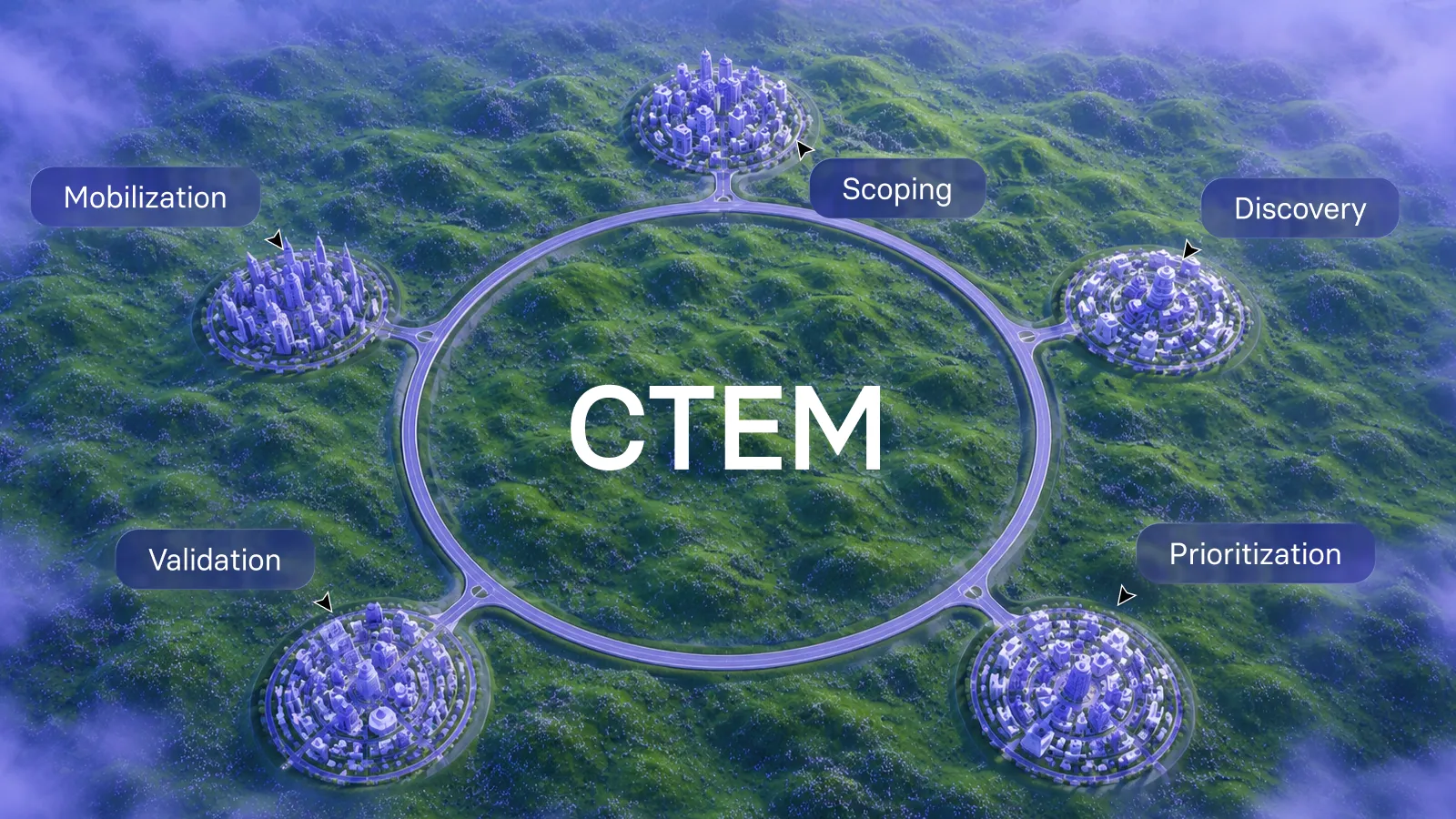
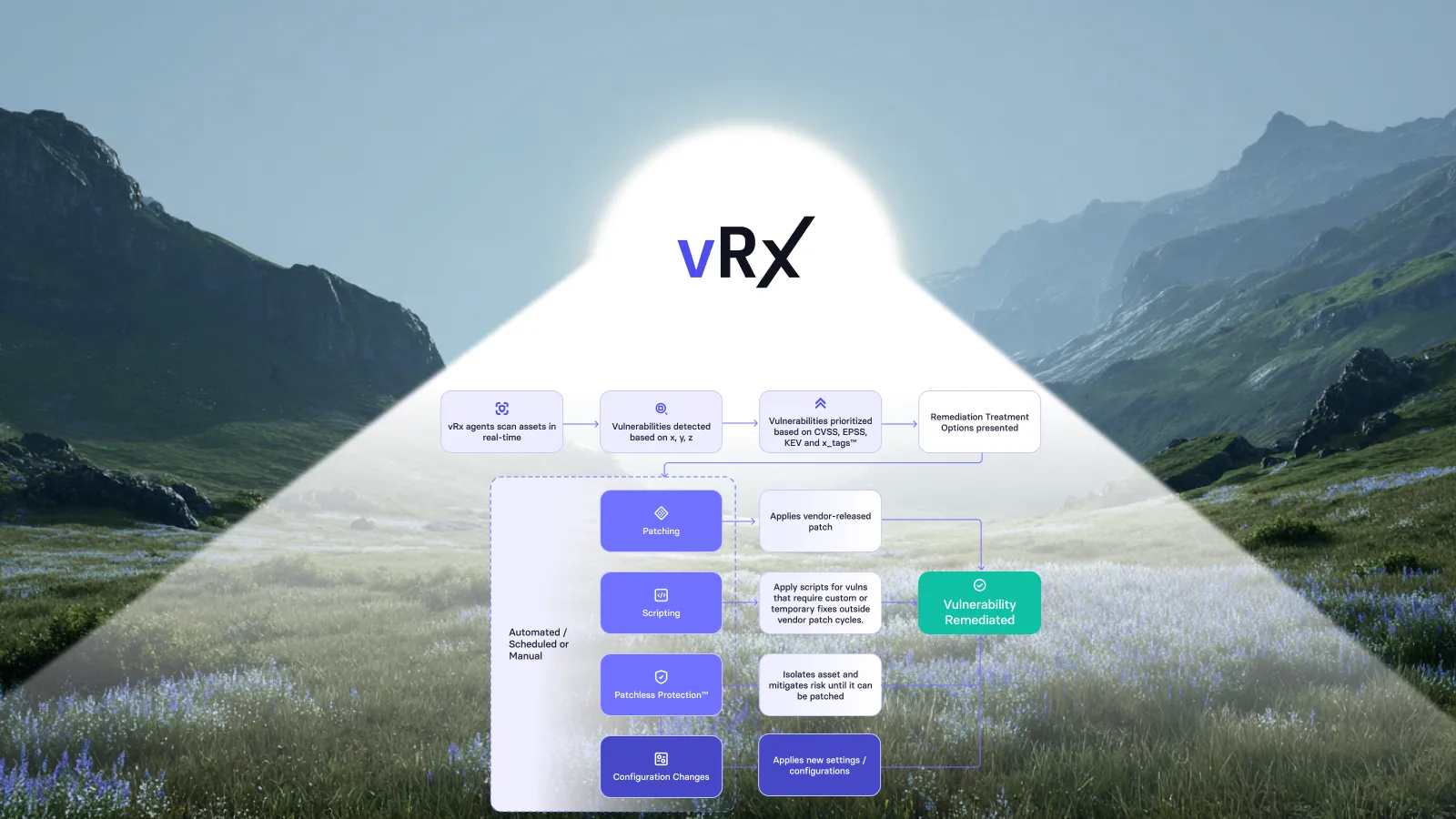
How prioritization and remediation automation help: This highlights the need for a continuous vulnerability management lifecycle that is constantly scanning, prioritizing, remediating, and validating (and re-validating) rather than scanning between lengthy intervals and then handing security vulnerability remediation off to other tools.
7. What is the best way to secure "unpatchable" legacy or custom systems?
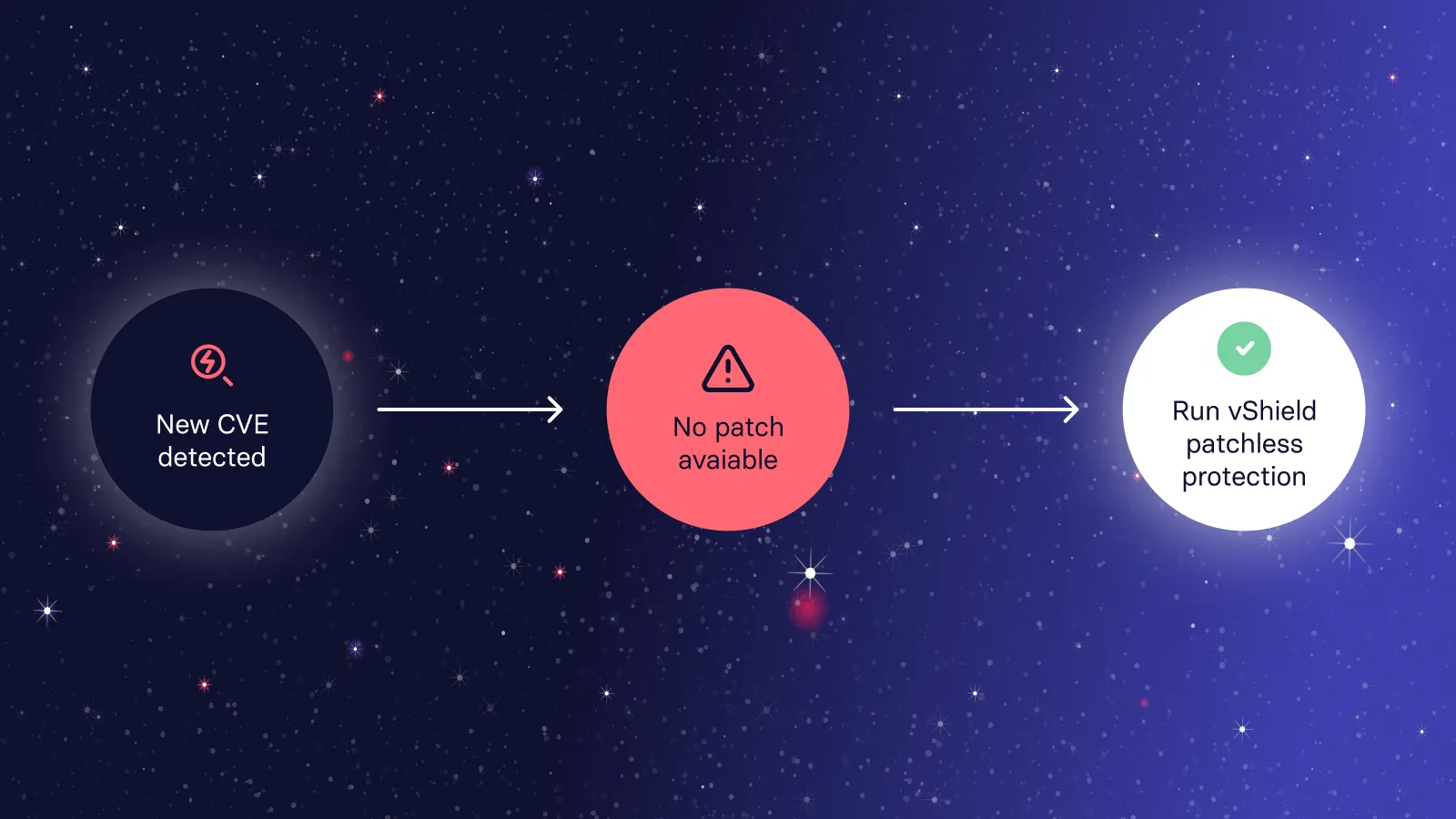
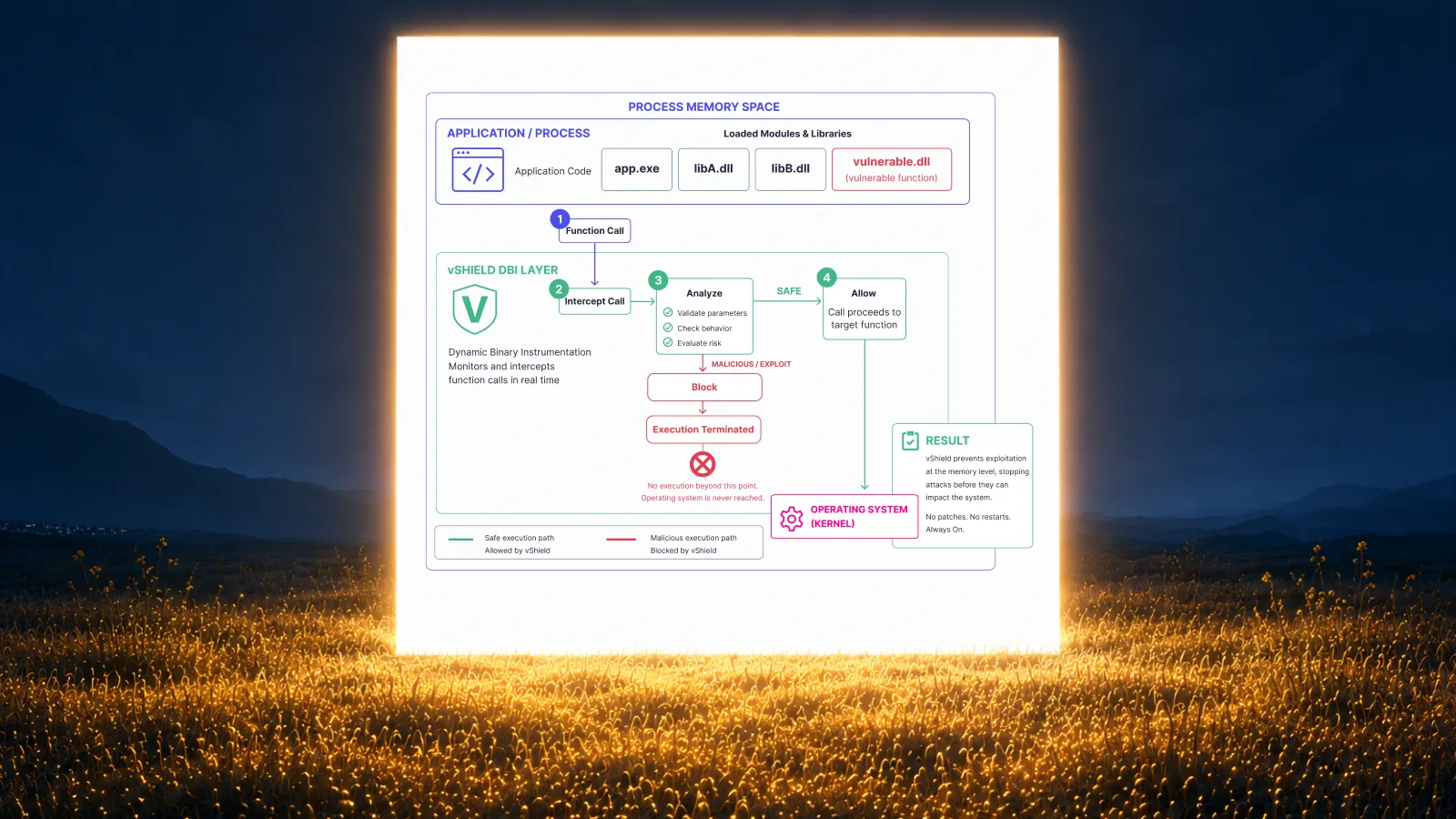
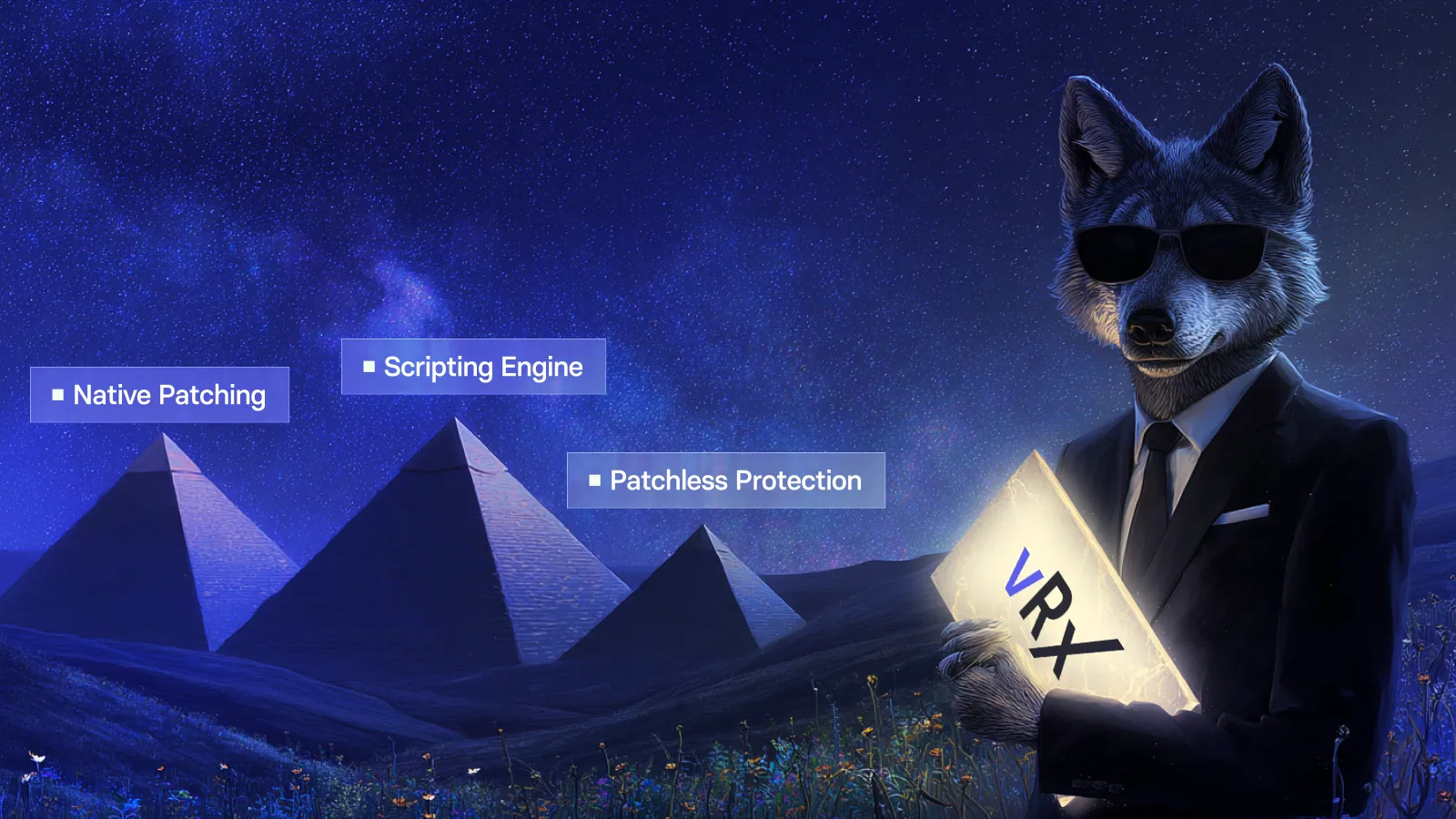
Quick Answer: When traditional patching fails, a vulnerability remediation solution providing patchless protection can secure active memory and executables.
Not every asset can be patched: End-of-life (EOL) systems, custom internal apps, and software and operating systems that cannot be patched for compatibility reasons (for example, with industrial and medical devices) are commonly left with security vulnerabilities that accumulate risk.
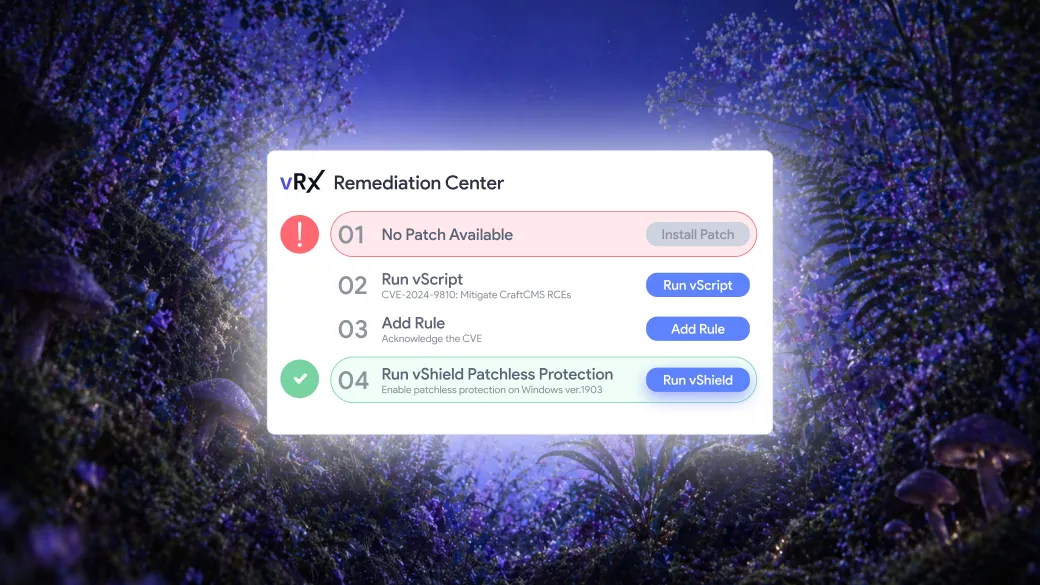
How prioritization and remediation automation help: Airgapping and firewalling these assets do not provide protection against all threats. Remediation automation that can protect 'unpatchable' assets by guarding them during runtime allows legacy assets to remain online even if they cannot be patched.
8. Why is manual scaling impossible and how does automation solve it?
Quick Answer: Manual processes cannot keep up with thousands of CVEs; automated vulnerability remediation reduces the gap between detection and fix at scale.
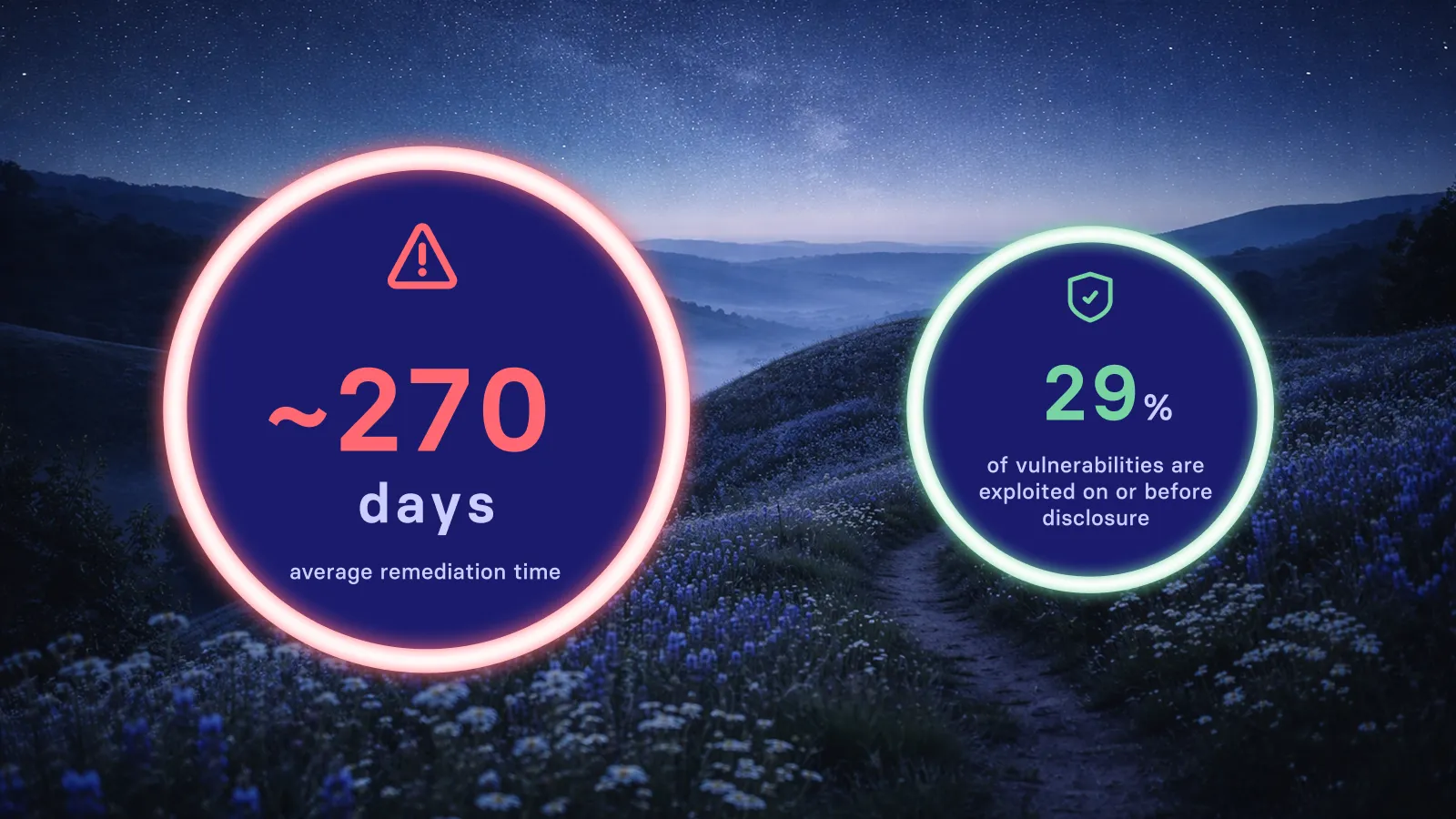
Manual asset management, vulnerability scanning, and prioritization is practically impossible at any scale. Backlogs quickly grow, and the gap between detection and remediation widens significantly — with organizations reporting an average mean time to resolution (MTTR) of 270 days when vulnerabilities have a mean time to exploit (MTTE) of only 5 days.
How prioritization and remediation automation help: Automation across the vulnerability lifecycle is an important part of enterprise vulnerability management, as it reduces the need for work (and rework) and reduces MTTR.
9. Does meeting compliance standards mean my organization is fully secure?
Quick Answer: Compliance is only a baseline; a proactive vulnerability remediation strategy is needed to address unique threats beyond checkbox requirements.
Compliance requires evidence of your security measures and responses, but being able to check every box on your reports does not make you secure, especially against unknown threats. This does not mean they are worthless — for example, NIST SP 800-53 and CIS Benchmarks provide a solid foundation for your cybersecurity strategy — but you cannot rely on compliance alone, as every IT deployment has unique architectural and endpoint vulnerabilities that may not be specifically addressed in applicable compliance requirements.

How prioritization and remediation automation help: Prioritization informed by continuous context can find and patch issues that previously existed in blind spots, so that they can be automatically patched before they are exploited.
10. How can I avoid misconfiguration in my vulnerability management platform?
Quick Answer: Reduce human error by choosing a vulnerability management solution that uses detailed automation to verify the success of every protection measure.
Misconfiguration doesn't just occur when an inexperienced team member is given responsibility for deploying and maintaining your vulnerability management platform. Even seasoned engineers can make mistakes, configuration drift can occur, and changing requirements can make previously robust configurations less so.
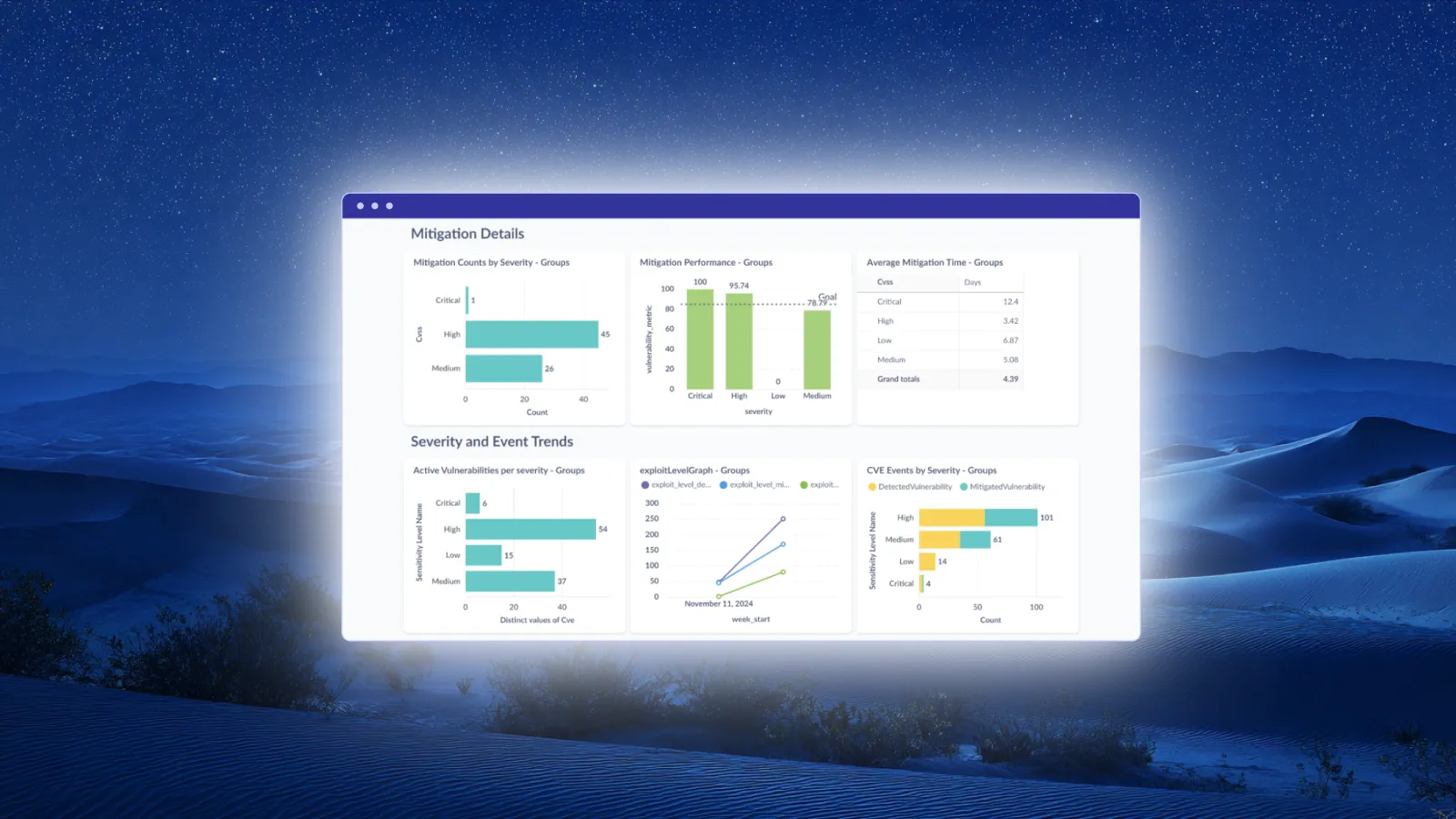
How prioritization and remediation automation help: When security teams aren't overloaded, clearing backlogs, and 'putting out fires', they can focus on verifying the impact and real-world reduction of risk that their efforts are having. Detailed data collected through automated remediation can be used to ensure that patching and protection measures are providing tangible outcomes.
Vulnerability management requires strategy, not just tooling
A vulnerability management strategy, backed by flexible, tightly integrated tools, should adapt to your organization's specific infrastructure, assets, and compliance requirements. Clear goals, quantifiable outcomes, and accurate insights are also required to accurately assess whether the risk is actually being reduced by your vulnerability scanning, prioritization, and remediation efforts.
Spanning implementation, maintenance, and troubleshooting, you should make sure your strategy evolves to meet your changing business goals, compliance requirements, and operational concerns. This requires flexible, consolidated toolchains and documented, repeatable processes.
Streamlining vulnerability management and remediation with vRx by Vicarius
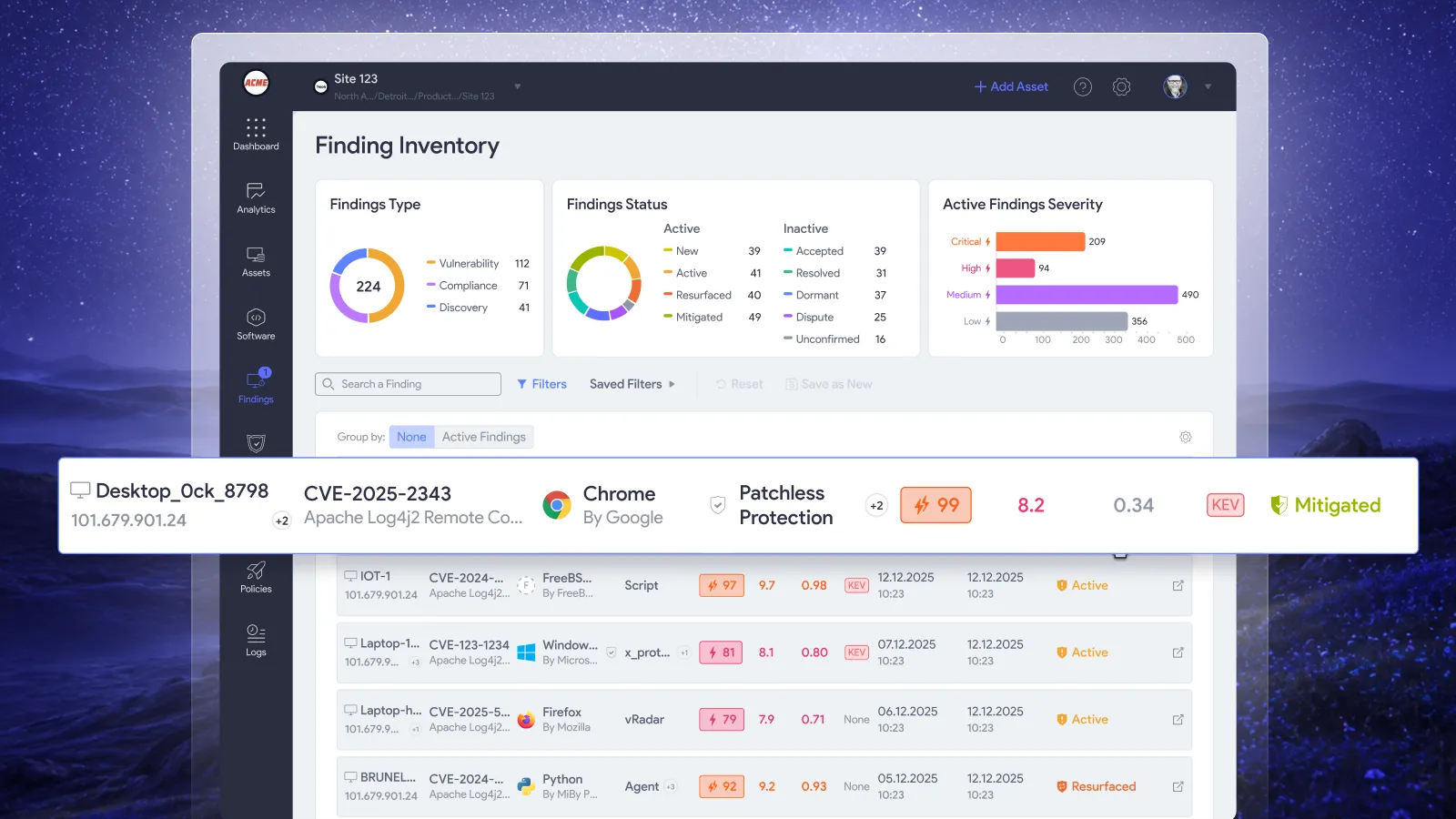
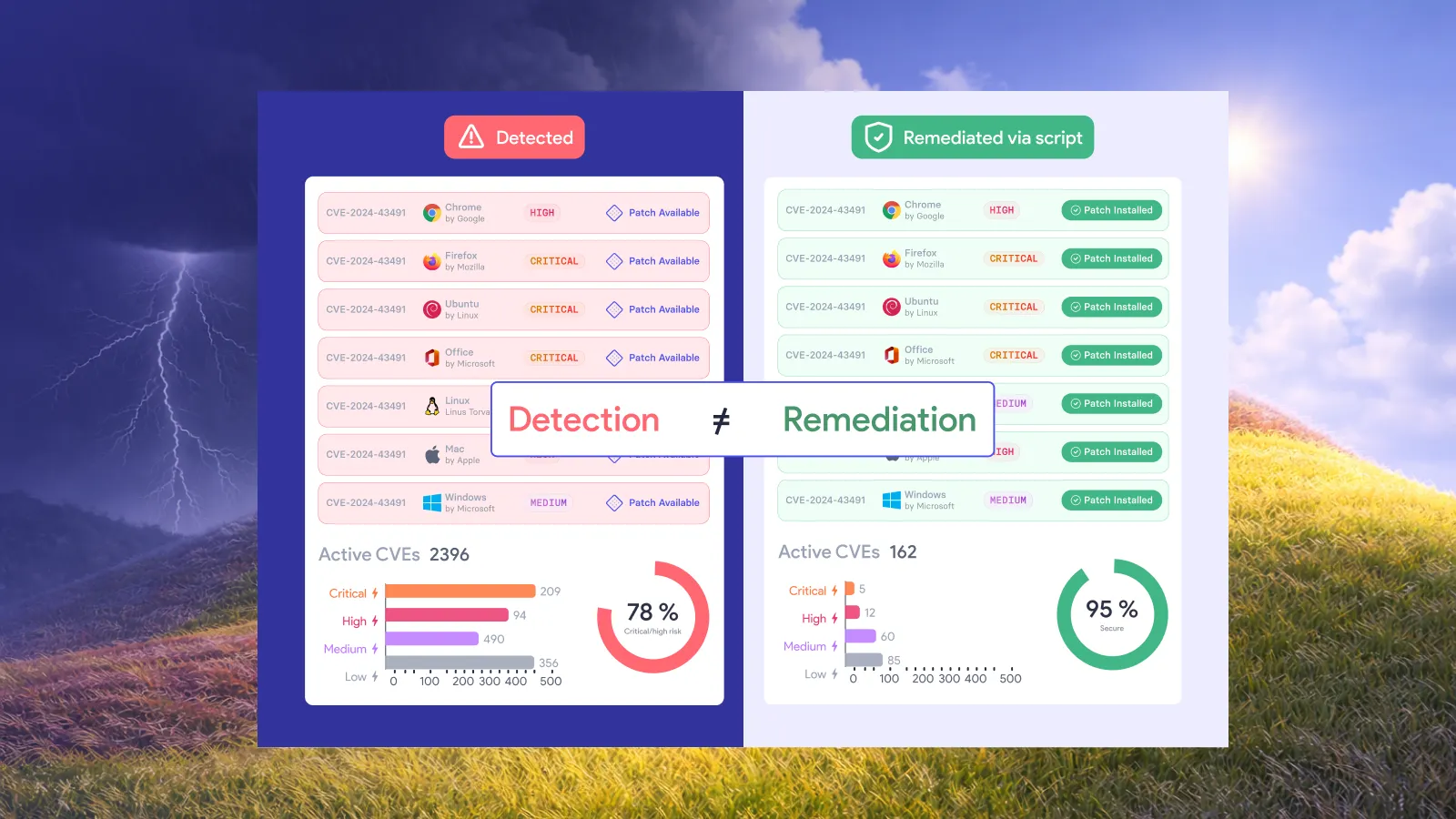
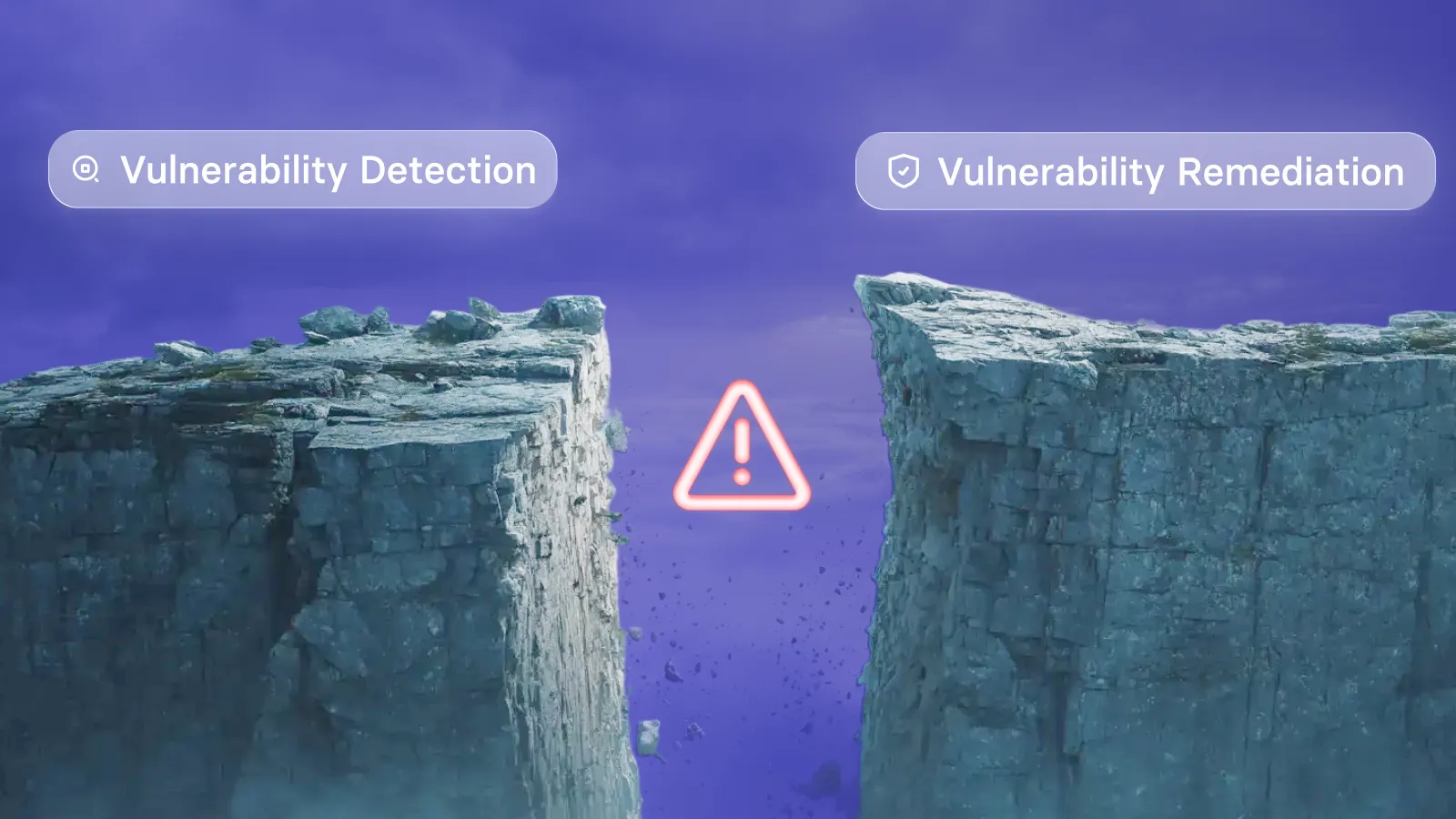
Most vulnerability management platforms stop at prioritization, leaving patching and remediation to other tools and creating foundational gaps that you need to address yourself through governance and, inevitably, manual intervention.
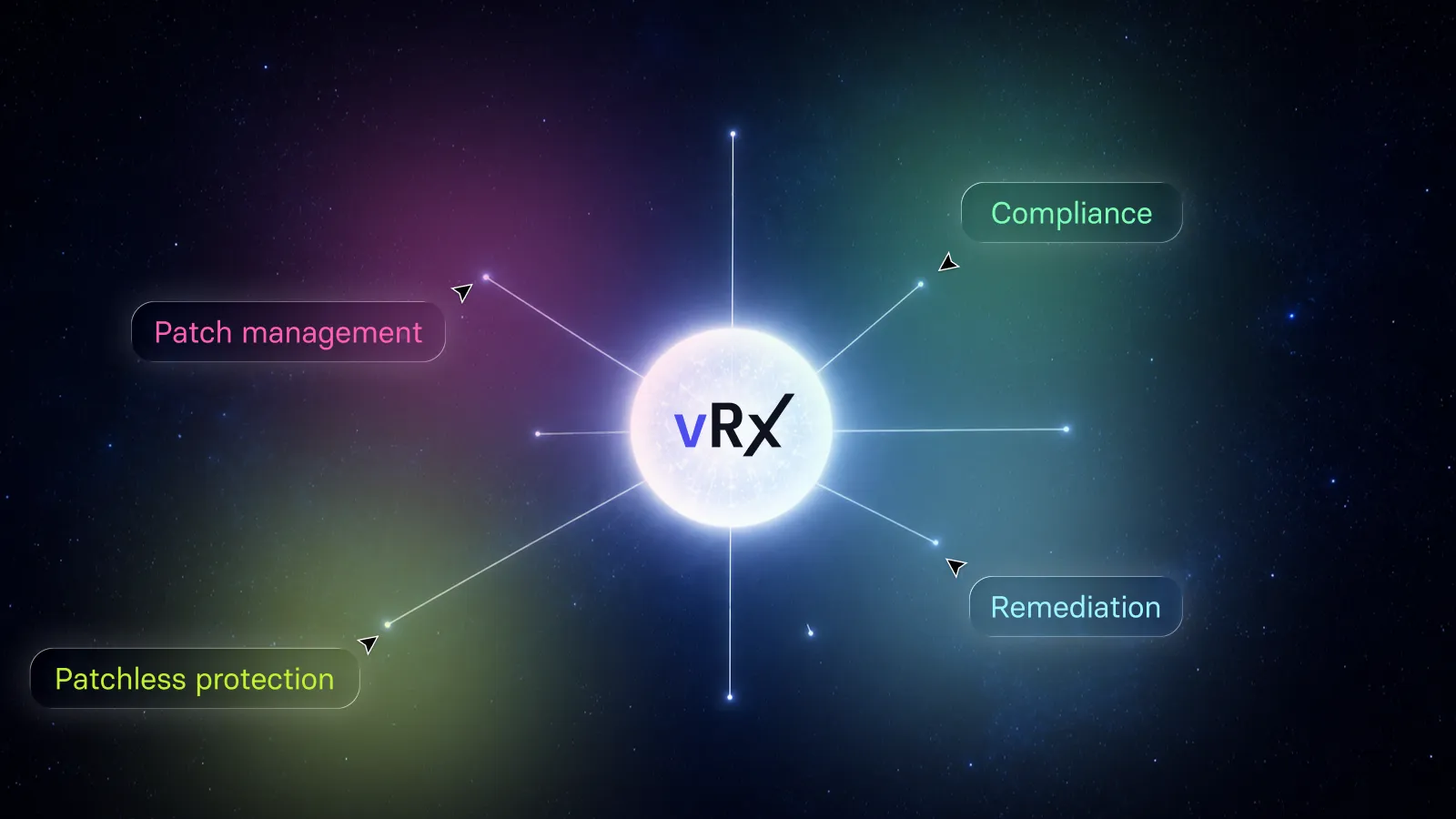
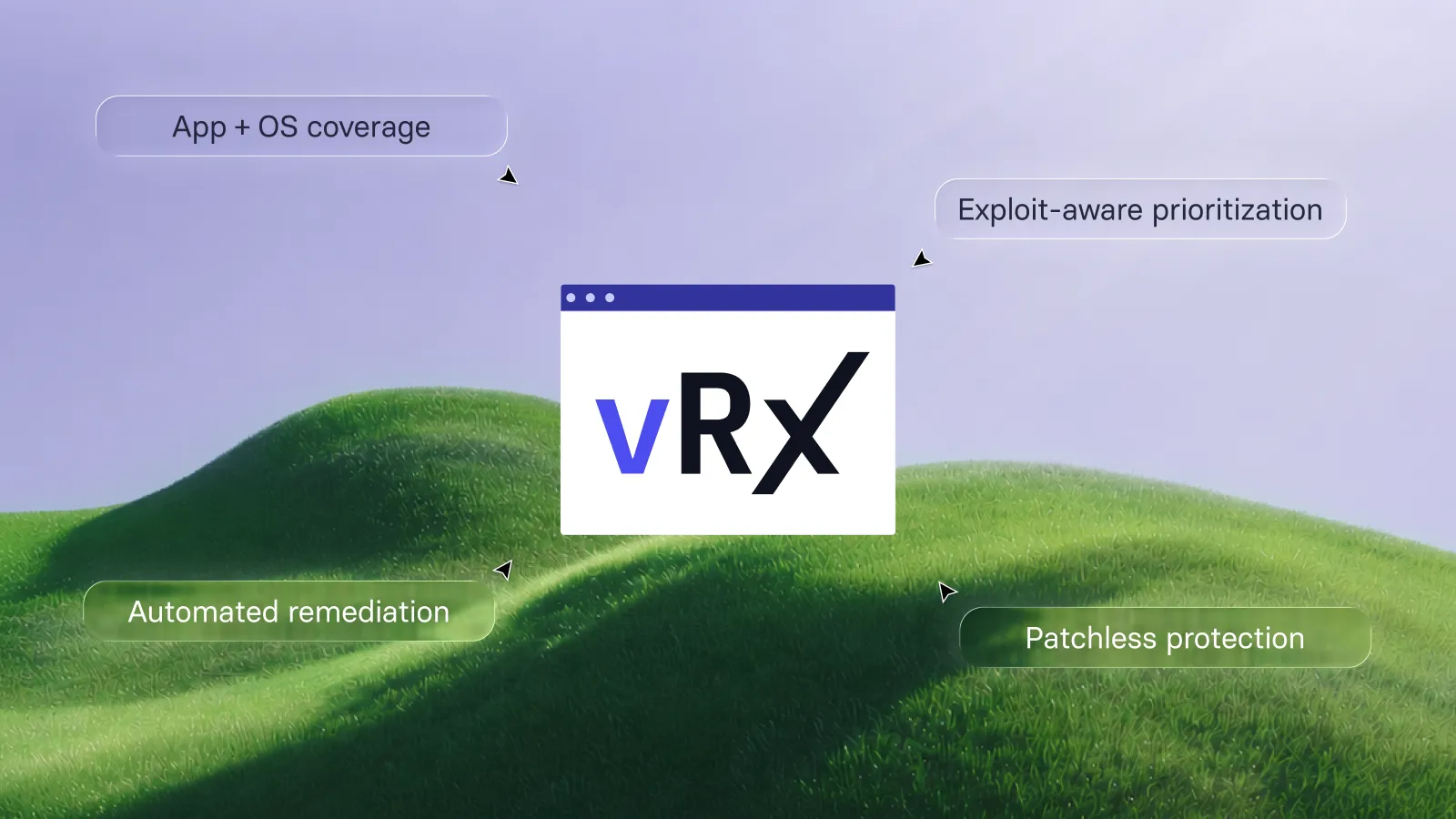
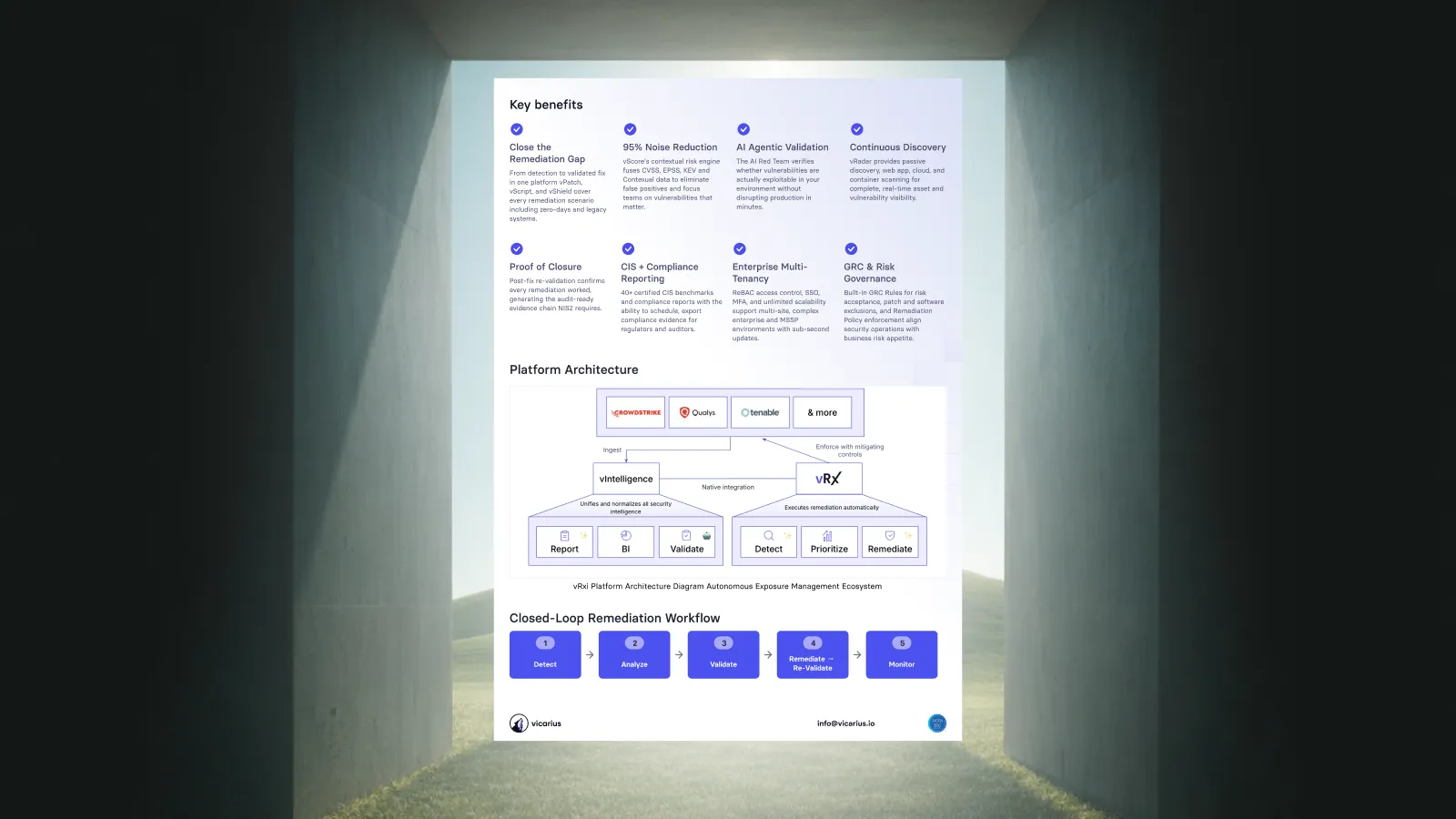
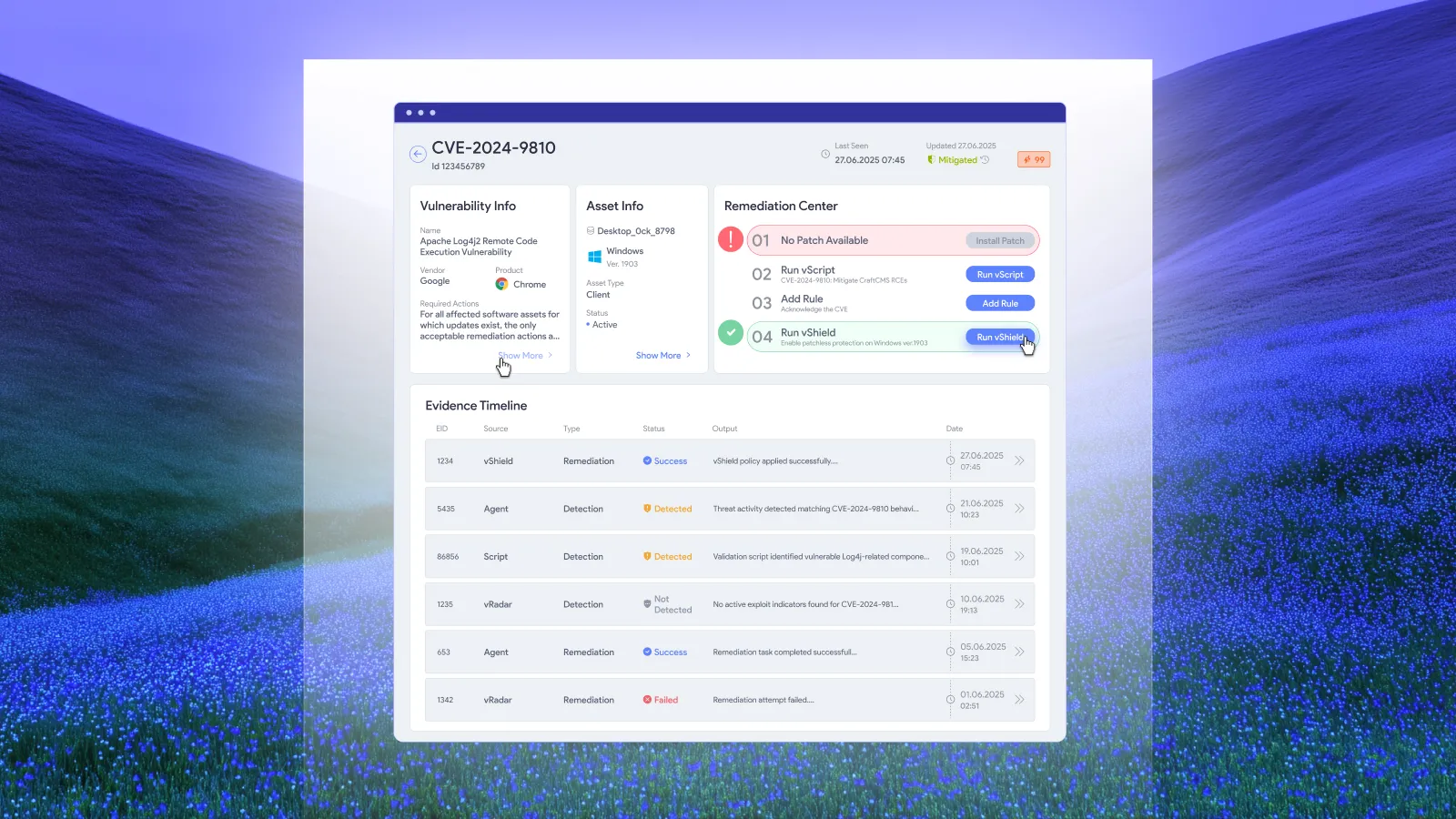
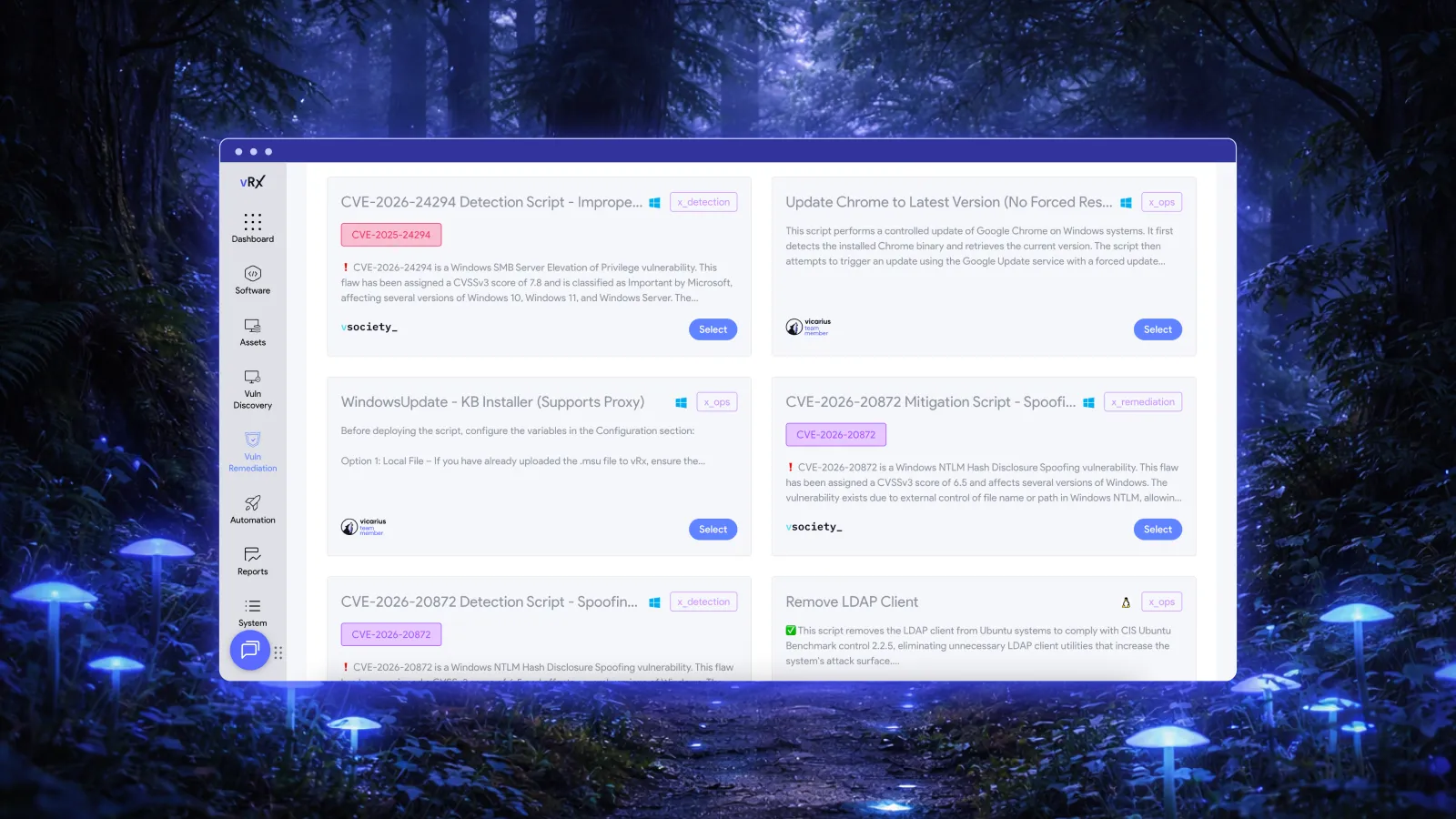
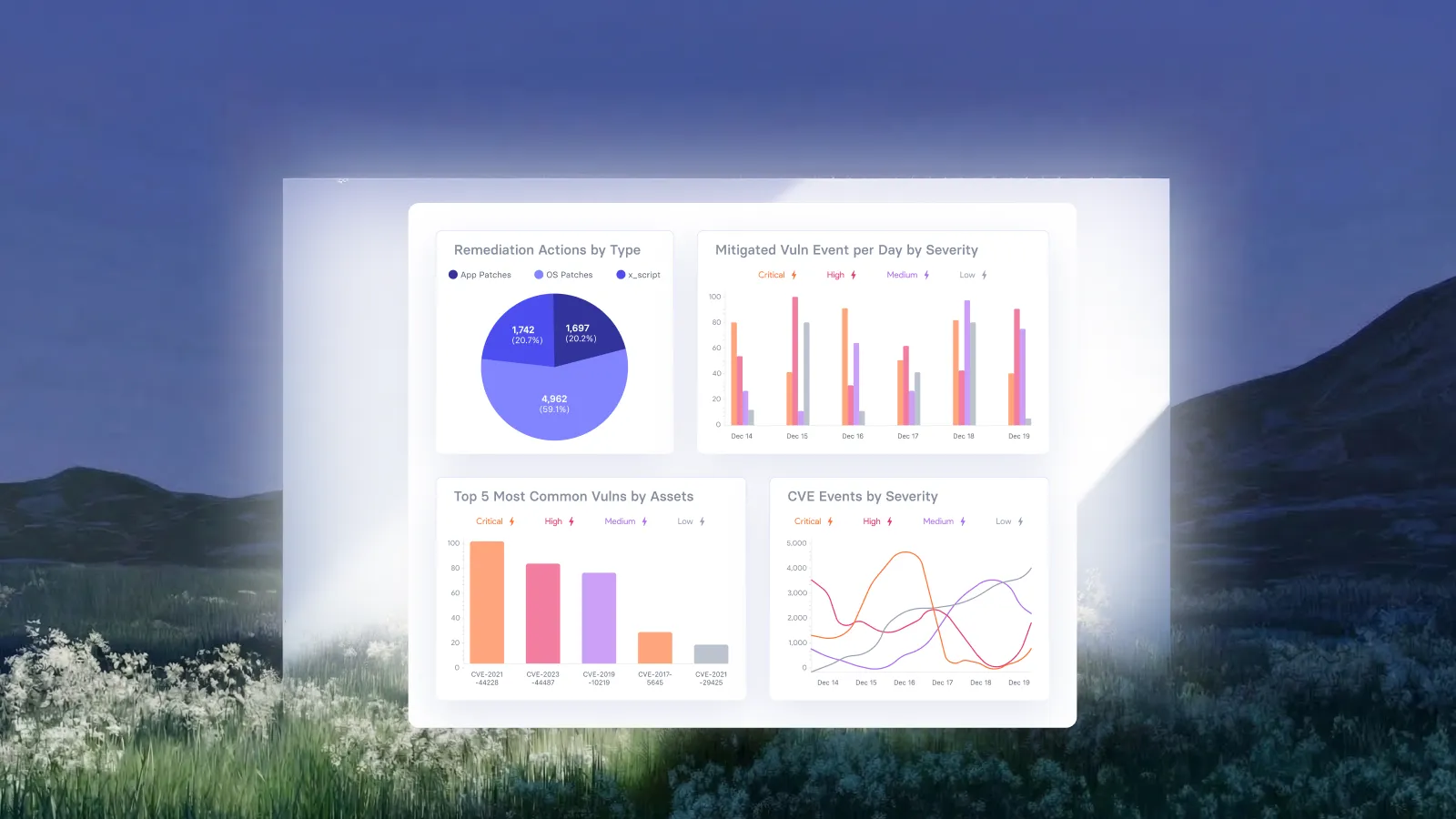
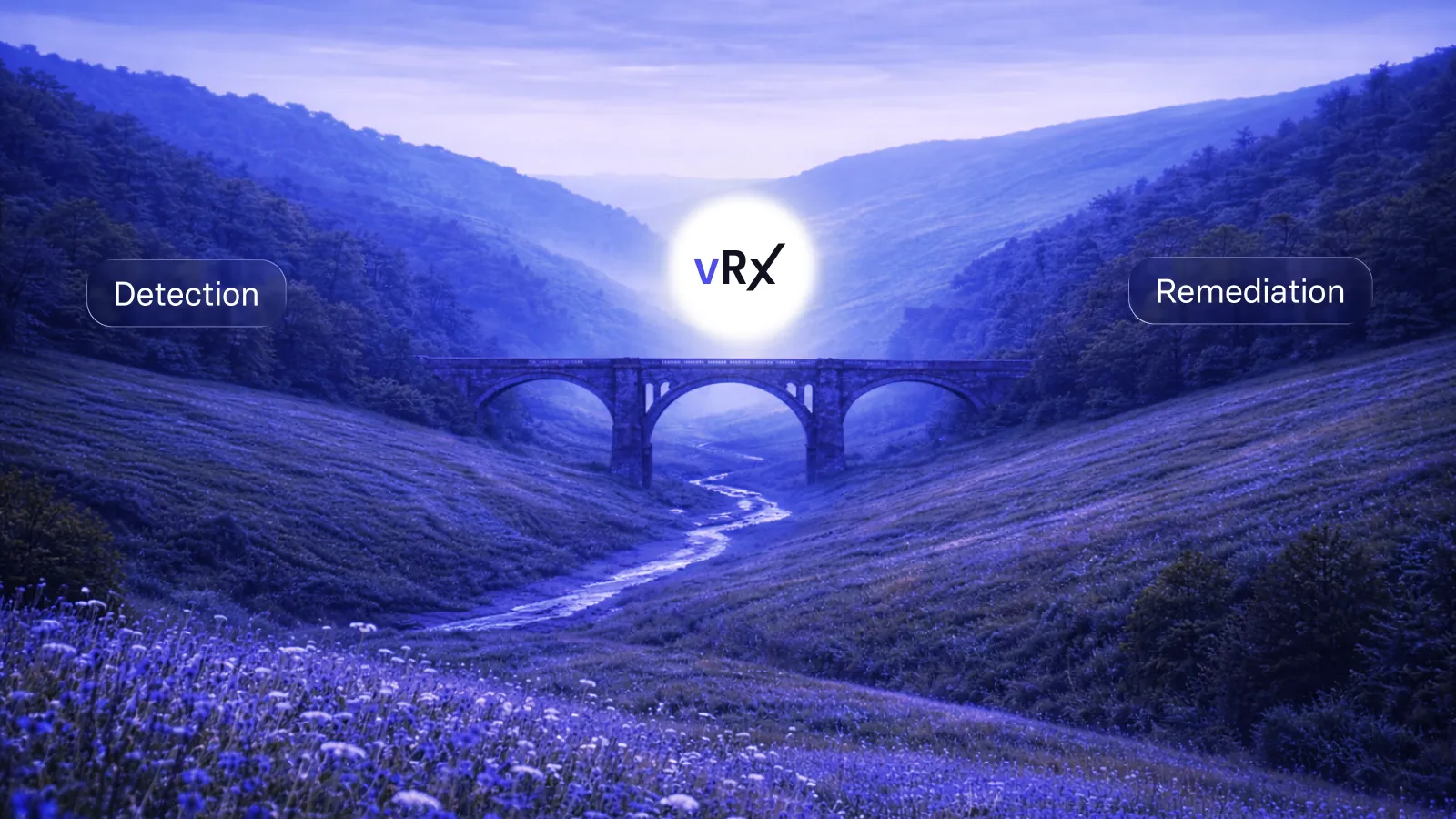
vRx by Vicarius is an end-to-end exposure management platform that extends vulnerability management to remediation and active protection of unpatchable apps — it both finds and fixes vulnerabilities. This sidesteps many of the vulnerability management challenges that drag down patching and mitigation efforts, leaving your organization with a stronger, proactive security posture. Through automated vulnerability remediation, you can significantly reduce your mean time to resolution. Schedule a vRx demo to see how you can unify your enterprise vulnerability management and eliminate gaps with a comprehensive vulnerability remediation solution.
FAQ
What is a vulnerability management platform?
A vulnerability management platform takes inventory of your IT assets, scans them for cybersecurity vulnerabilities, and prioritizes their severity so that remedial action can be taken. Exposure management takes this further by actually implementing remediation.
Why is it important that vulnerability management is a continuous process?
IT environments are fast-moving, with new assets regularly added. New vulnerabilities in existing assets are also regularly found, and often exploited within hours or days of discovery.
How can alert fatigue be avoided?
Prioritization, reducing noise, and dividing duties between security team members help avoid alert fatigue so that critical issues are not overlooked.
Can EOL systems be patched against new threats?
EOL and other 'patchless' vulnerable systems can be protected against threats using tools like vRx by Vicarius that secure their memory and executables.
Does being compliant mean that you are secure?
No. Checking compliance boxes doesn't make you inherently secure. You must ensure your specific infrastructure is protected, and continuously validate and improve security measures, including patching vulnerabilities.
How do I choose the best vulnerability management platform?
Look for a solution that offers end-to-end capabilities, including discovery, prioritization, and vulnerability remediation. A platform should integrate seamlessly with your existing stack and support automation to handle threats at machine speed.











































%20Signals%20a%20New%20Era%20of%20Supply%20Chain%20Risk.webp)






.webp)