

What Are the 6 Stages of Enterprise Vulnerability Management?
There are six generally accepted stages in enterprise vulnerability management:
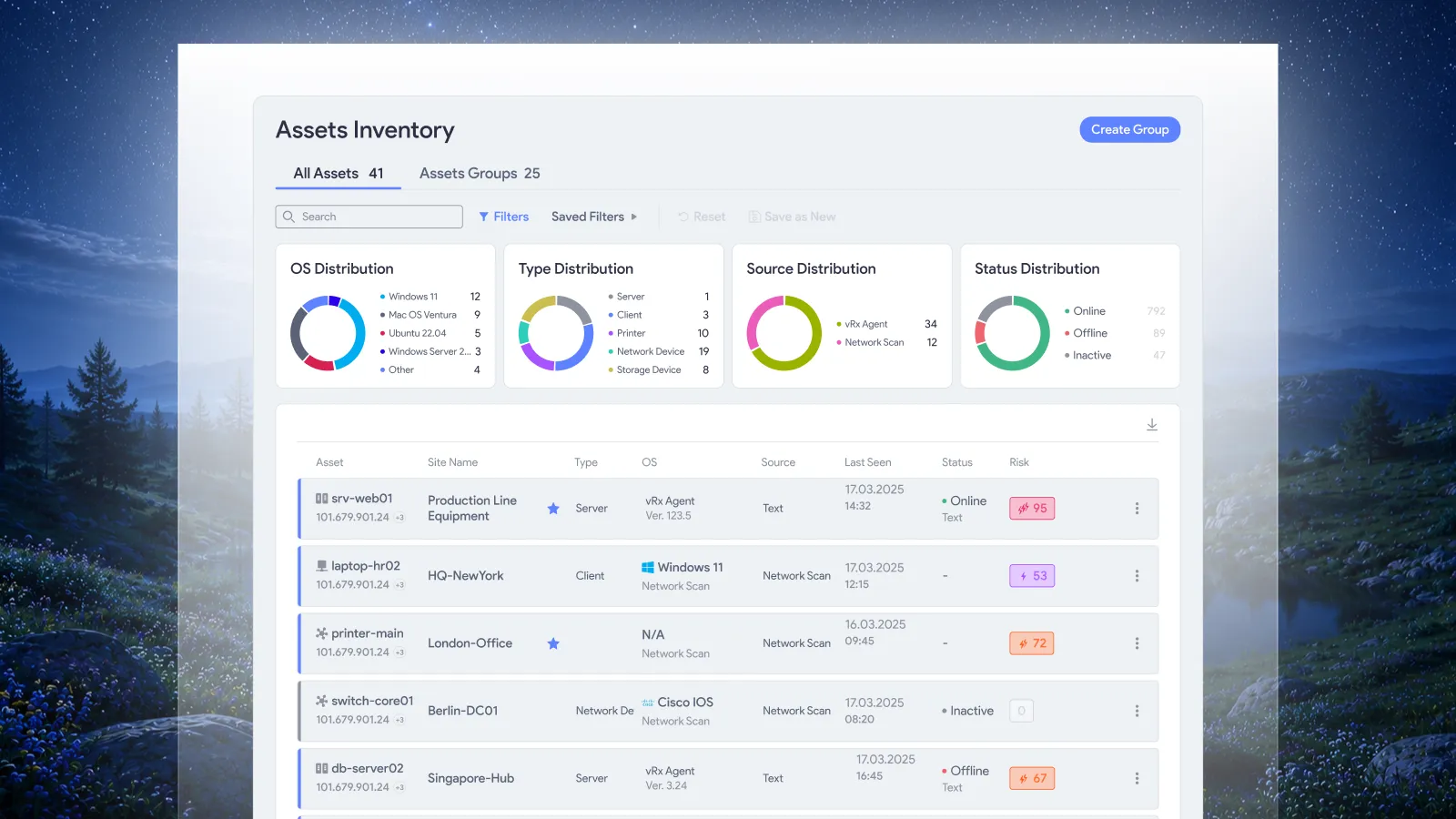
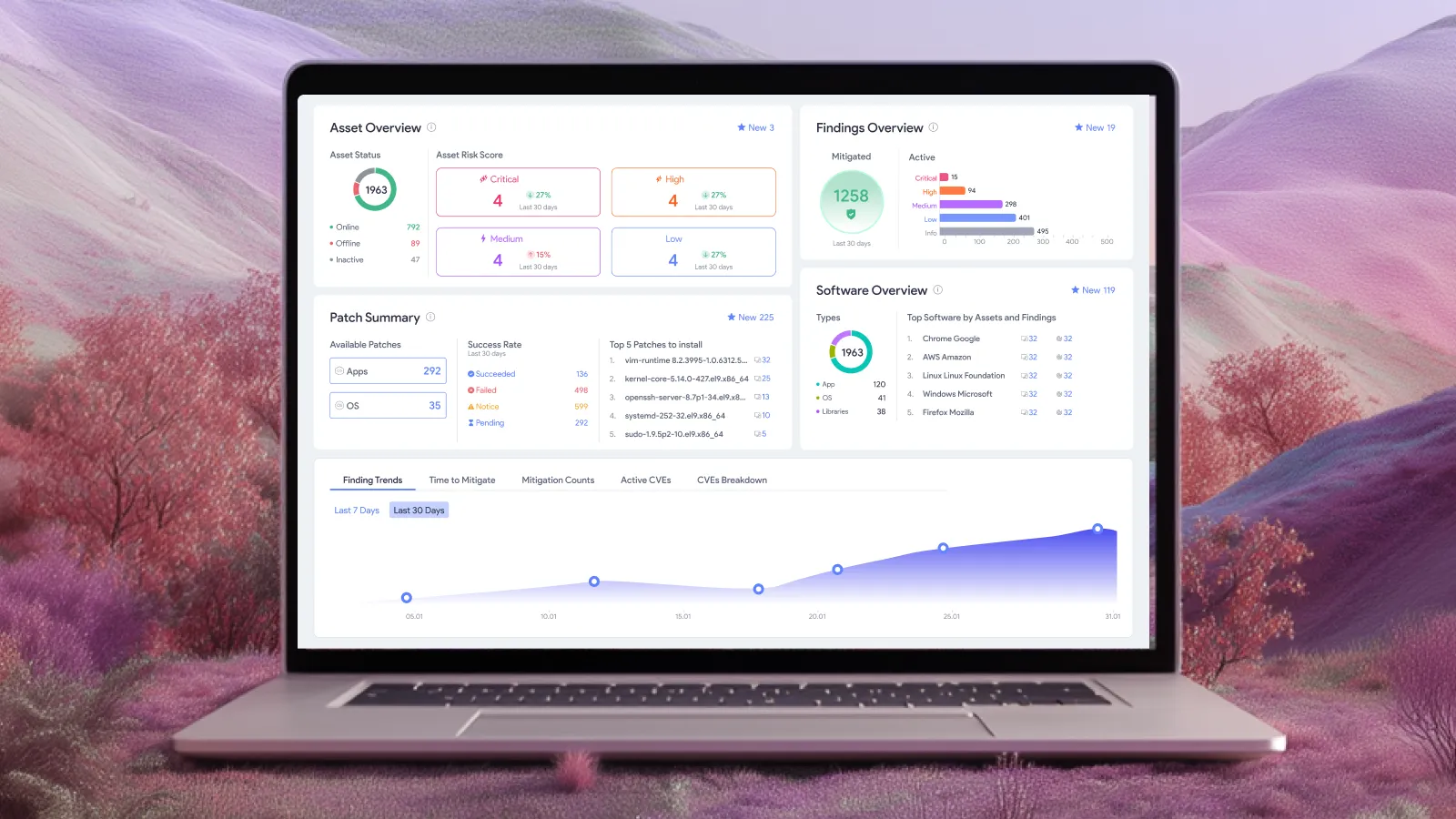
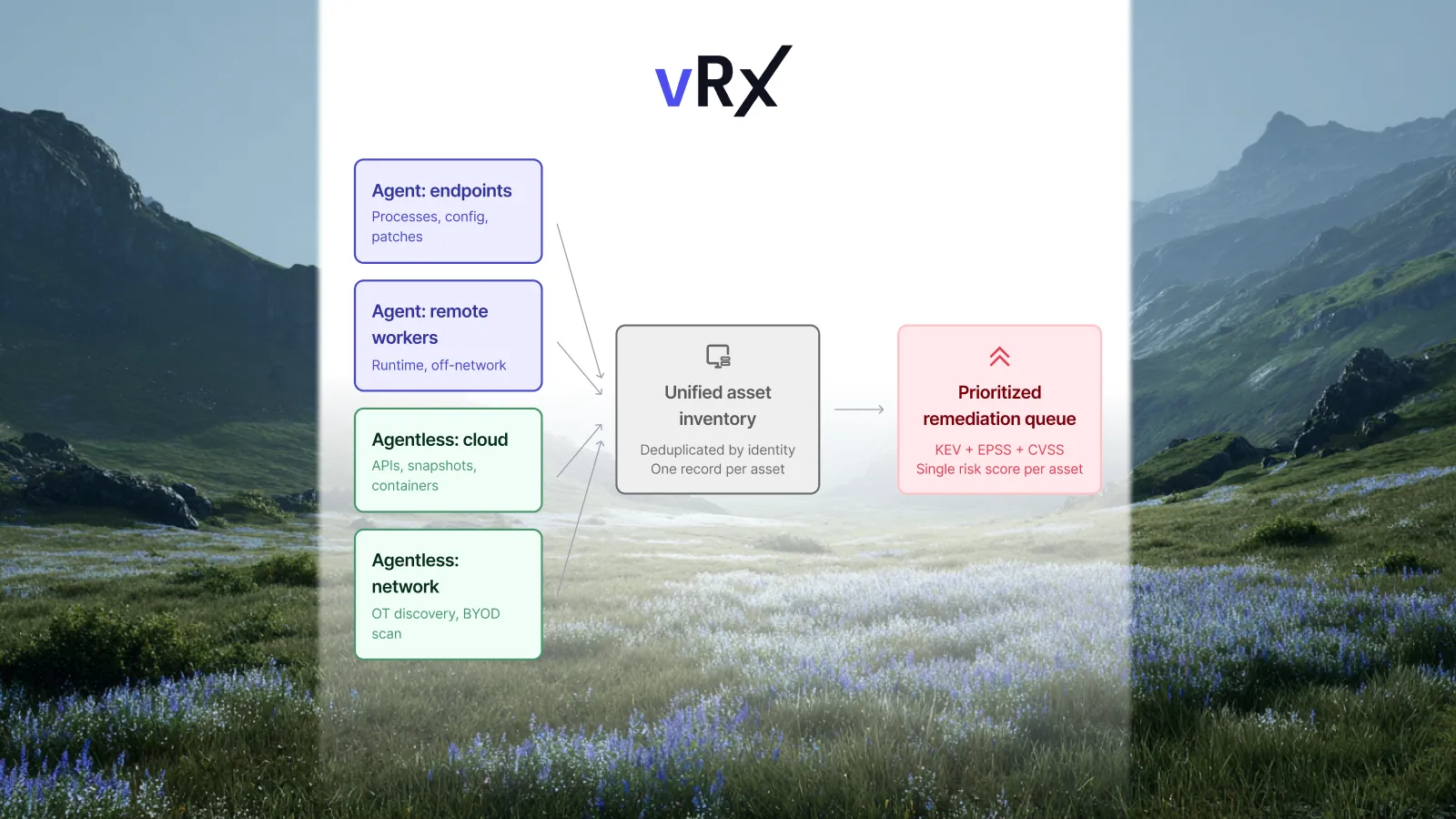
- Discovery catalogs assets, including endpoints and servers, cloud containers, and web apps, and identifies their vulnerabilities.
- During assessment, your vulnerability management platform gathers information to understand the severity, context, and risk of each vulnerability.
- Vulnerabilities must then be prioritized based on their severity, impact, and what can actually be fixed.
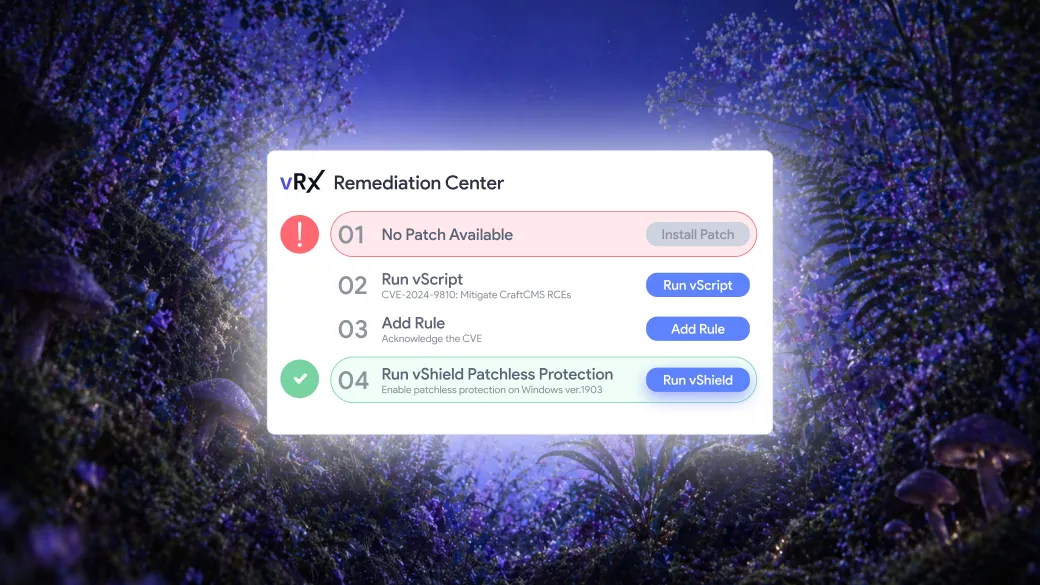
- Remediation can then occur, where vulnerabilities are patched, or when this is not possible, mitigated, monitored, or protected with additional controls.
- These measures must then be validated to confirm their effectiveness and that the associated risk is reduced.
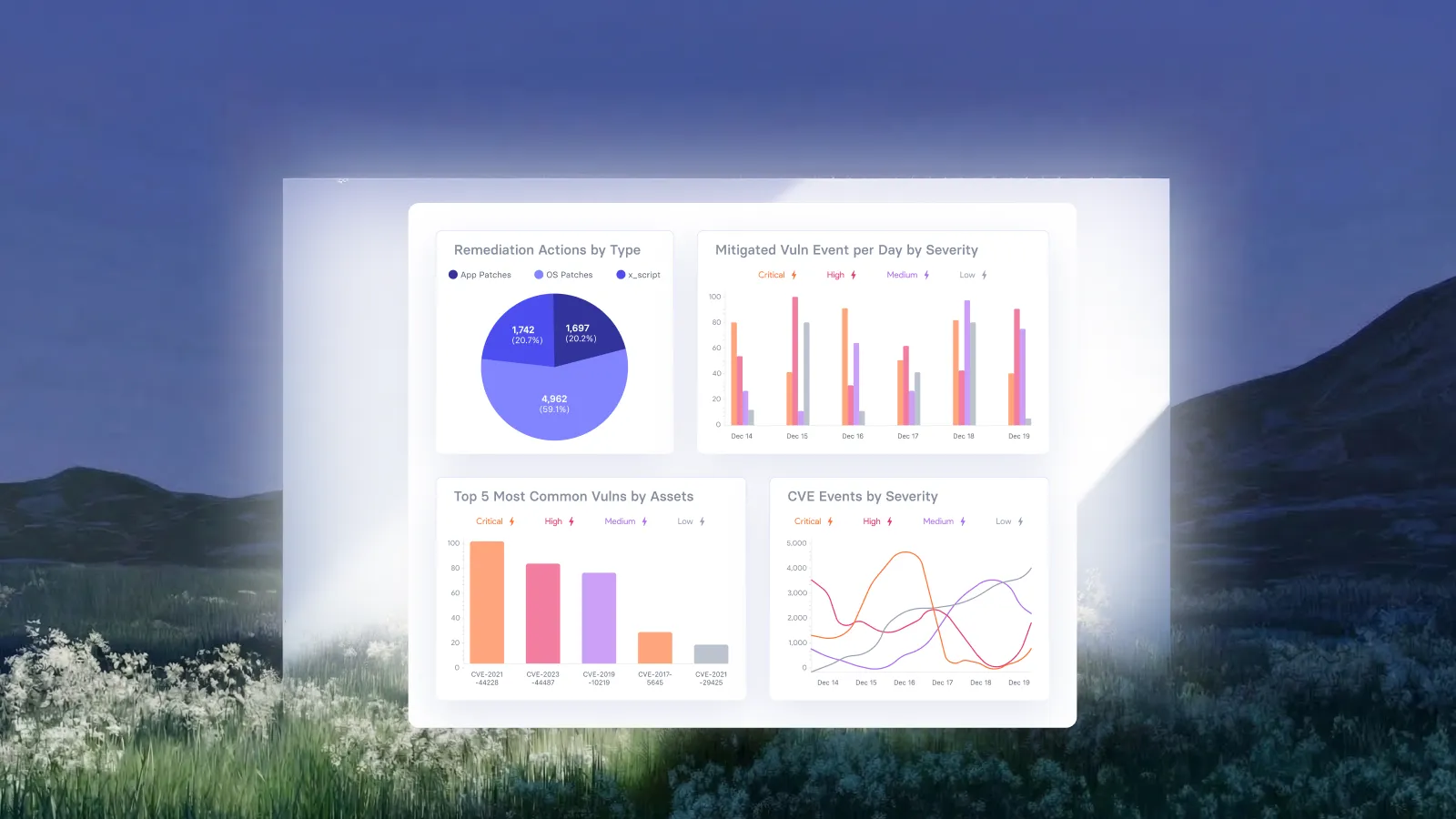
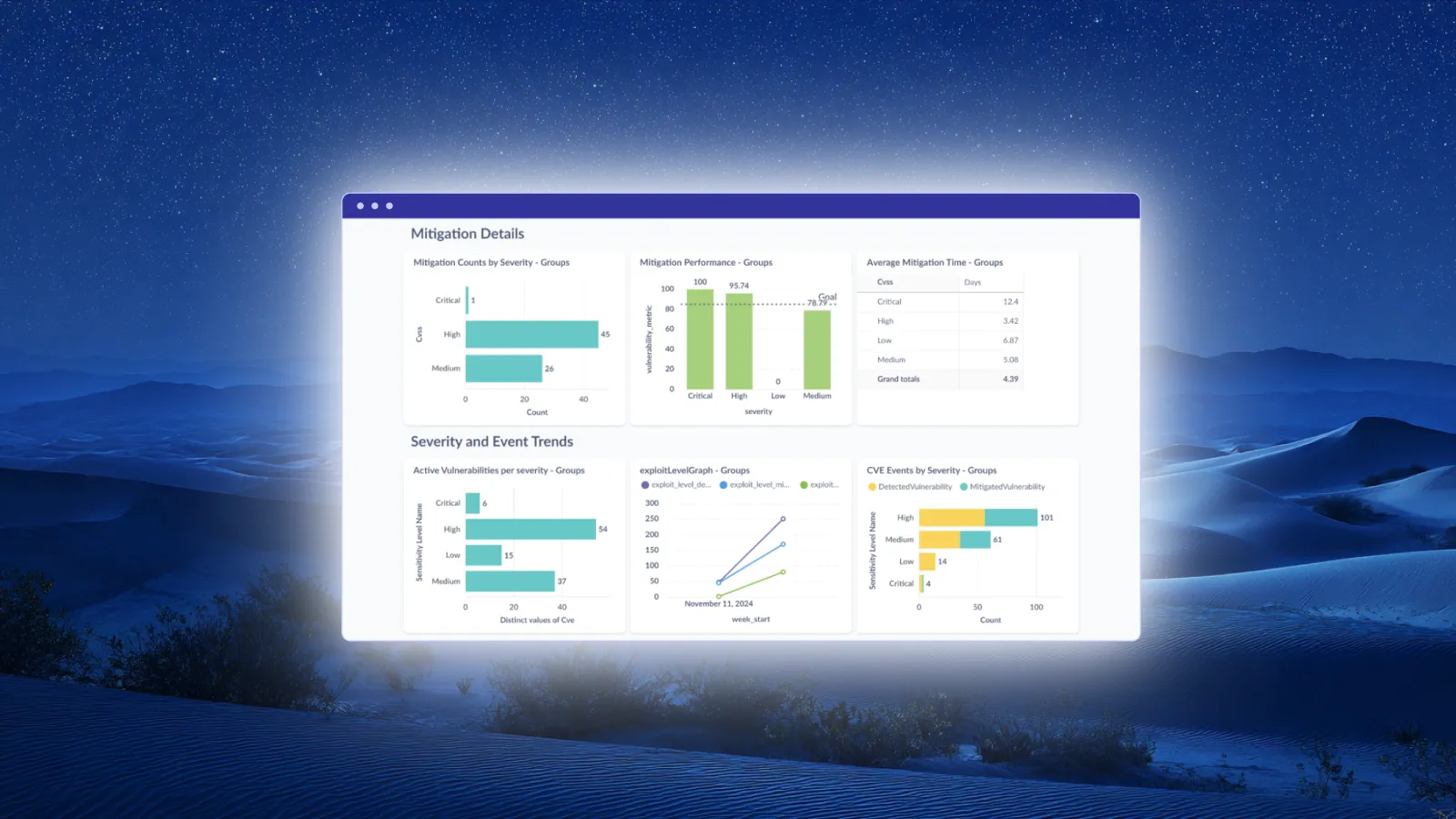
- Reporting, visualization, and validation can then take place, providing compliance evidence and post-factum analysis and improvement.
There's also a seventh step — a GOTO 1 — because this process must be continuous and iterative.
Why Do Vulnerability Management Platforms Fail?
Vulnerability management platforms fail across scanning, prioritization, and remediation when they are incorrectly configured, improperly used, or simply lack modern features and are not effective security tools.
Visibility is the primary challenge for discovery: platforms that only support periodic scanning allow for shadow IT and unmanaged endpoints to remain invisible. This is compounded by the ephemeral nature of cloud infrastructure like auto-scaling instances and containers.
Alerts must be configurable to avoid fatigue and streamline triage. Your specific IT infrastructure also has its own context that informs the assessment: what is a minor flaw in one architecture could be fundamental in another. Vulnerability management platforms often lack key context, and may only include basic information from Common Vulnerabilities and Exposures (CVE) records.
Assessment breakdowns lead to prioritization failures that result in the 'wrong' issue being fixed — with resources assigned to fix relatively trivial problems while high-risk vulnerabilities remain unaddressed.
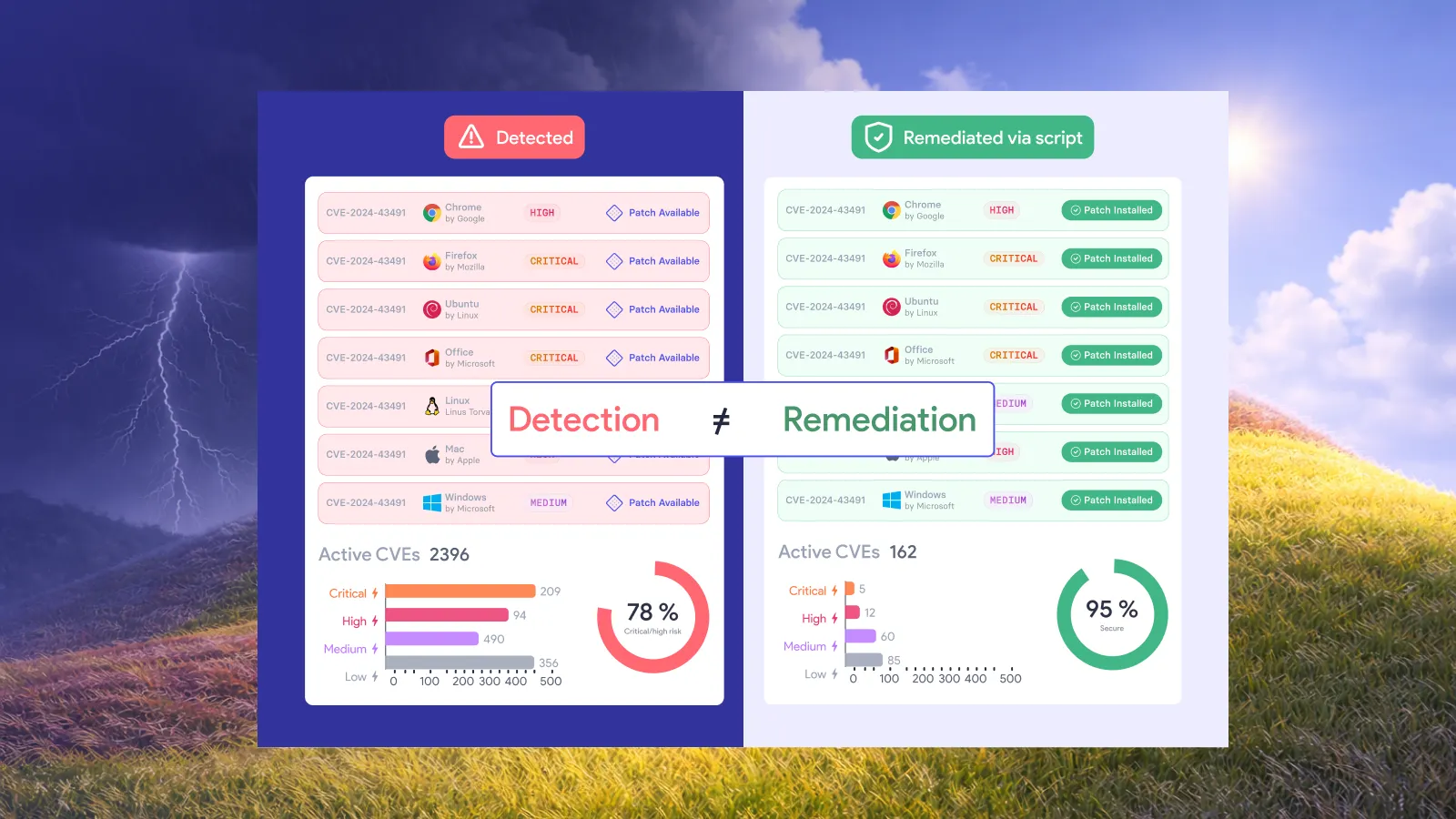
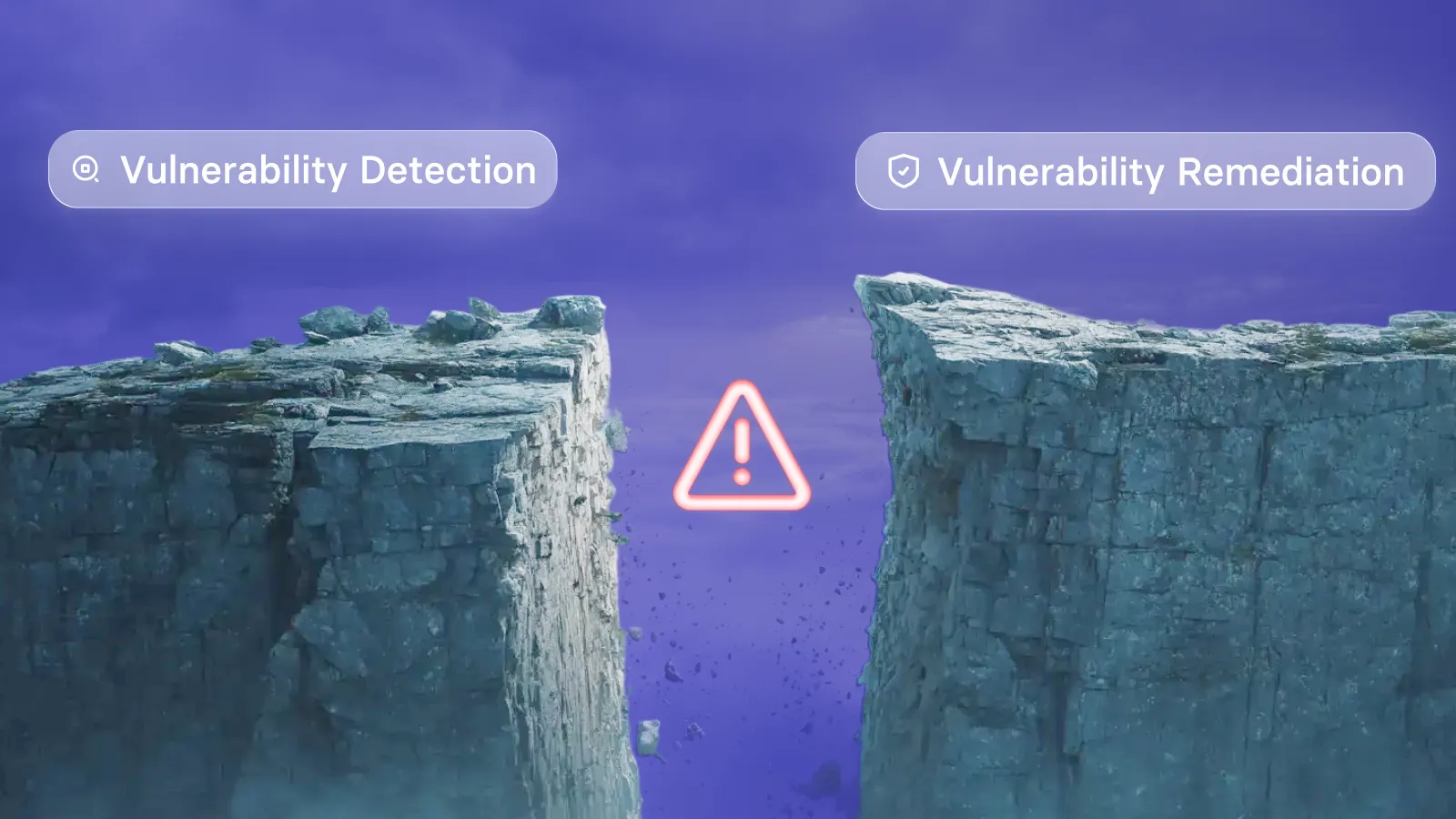
As the gap between detection and remediation widens, vulnerability management platforms can lose effectiveness or directly hinder remediation efforts. Lack of integration between tools leads to silos, and lack of centralization leads to poor oversight and manageability. Lack of support for niche, legacy, and custom apps also requires manual intervention.
Validation and subsequent reporting must demonstrate continuous compliance. Proving that you are compliant right now is not enough to satisfy most data protection and privacy laws.
Then, there's the need for continuous coverage improvement. Vulnerabilities don't stop appearing after the first scan and remediation pass — and there are always gaps to close and efficiency gains to be had as your cybersecurity landscape continues to evolve with new endpoints and software.
What Are the Signs of an Ineffective Vulnerability Management Process?
How will you know troubleshooting is required? The reporting and validation stage of your vulnerability management workflow should inform this. KPIs and metrics like mean time to remediate (MTTR) extending past recommended timeframes are easily measured, but there are other factors like your team members feeling overwhelmed that must be factored in by consulting with them as part of the review process.
Other signals that your process or vulnerability management platform is not effective are having to treat every severe CVE as such, rather than having your own prioritization context, and the need to manually correct and correlate reports and audit evidence.
How Do You Troubleshoot Vulnerability Management Platform Challenges?
As with all cybersecurity recommendations, you must account for the unique aspects of your IT infrastructure and adapt them to ensure your implementation specifics and security and compliance concerns are covered. It is your responsibility to understand your organization's cybersecurity landscape and make sure that risk is properly identified and reduced across attack surfaces — especially when novel technologies like AI agents present new vectors.
You can use the 6-step process below as a framework for troubleshooting the effectiveness of your vulnerability management platform. This will help you identify technological weaknesses, as well as visibility and process gaps.
- Step 1: Close blind spots by leveraging automatic discovery and continuous scanning in your vulnerability management platform. Integration with cloud providers can assist in quickly identifying ephemeral assets. Assign ownership of assets and security domains.
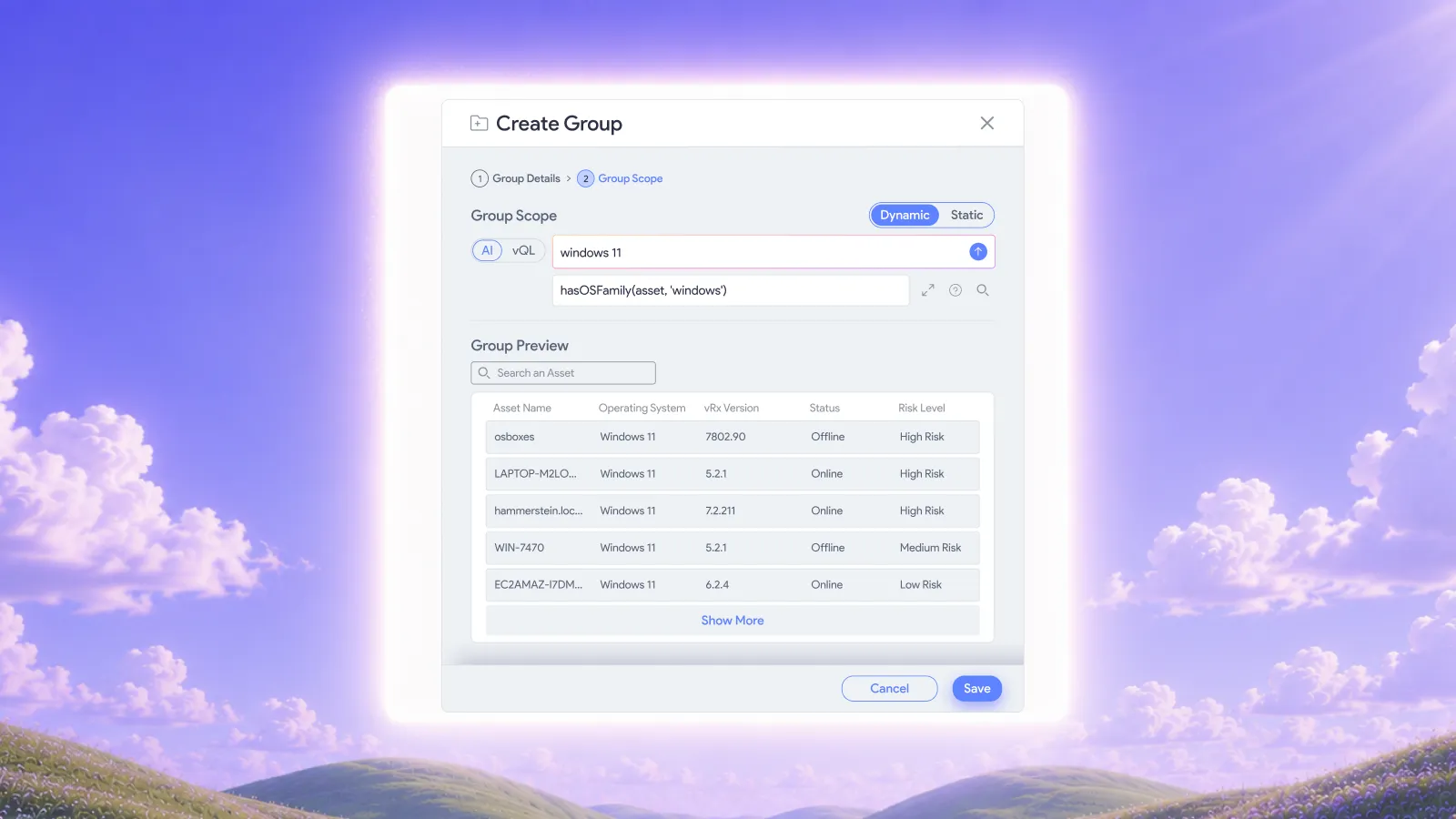
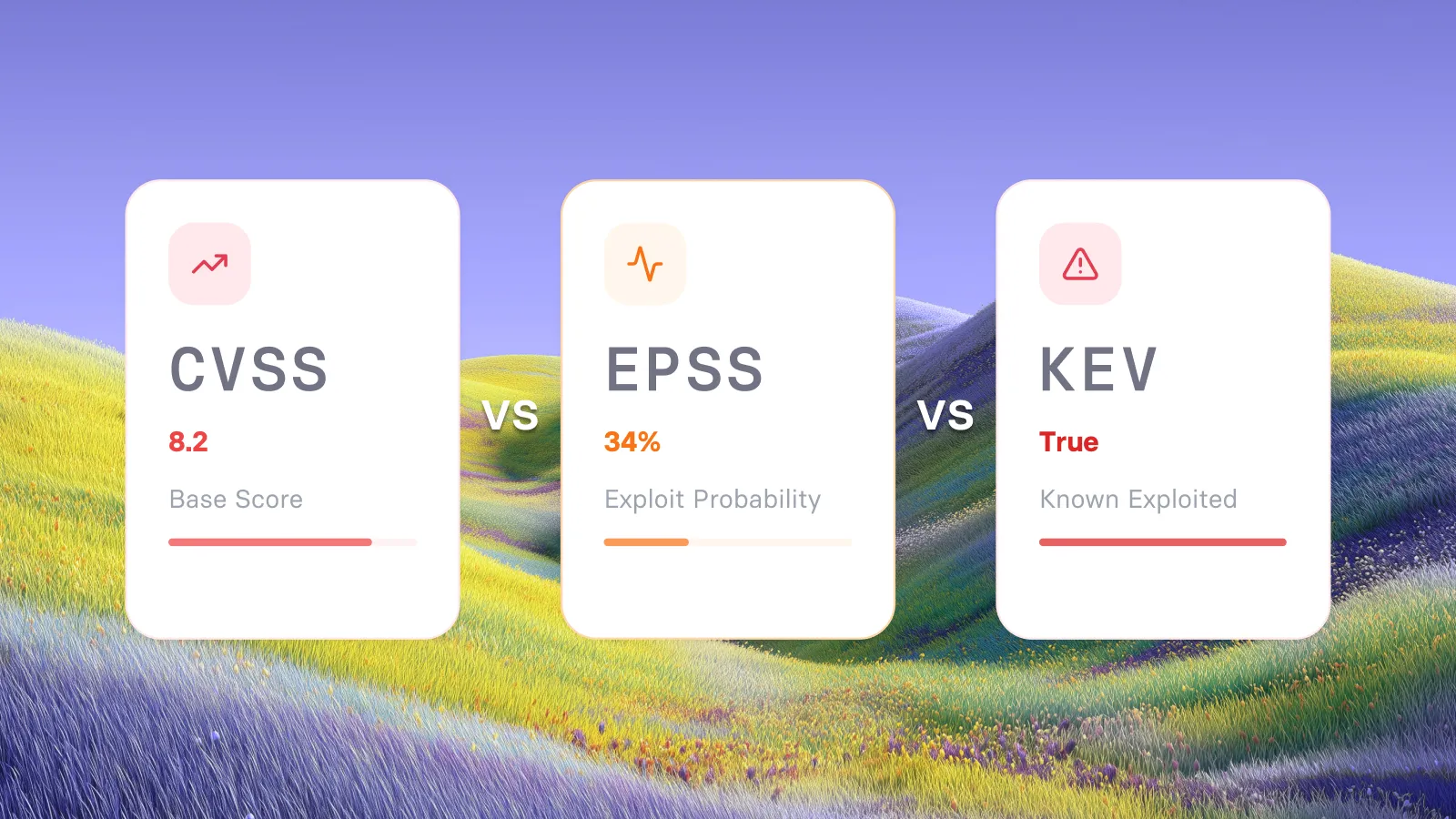
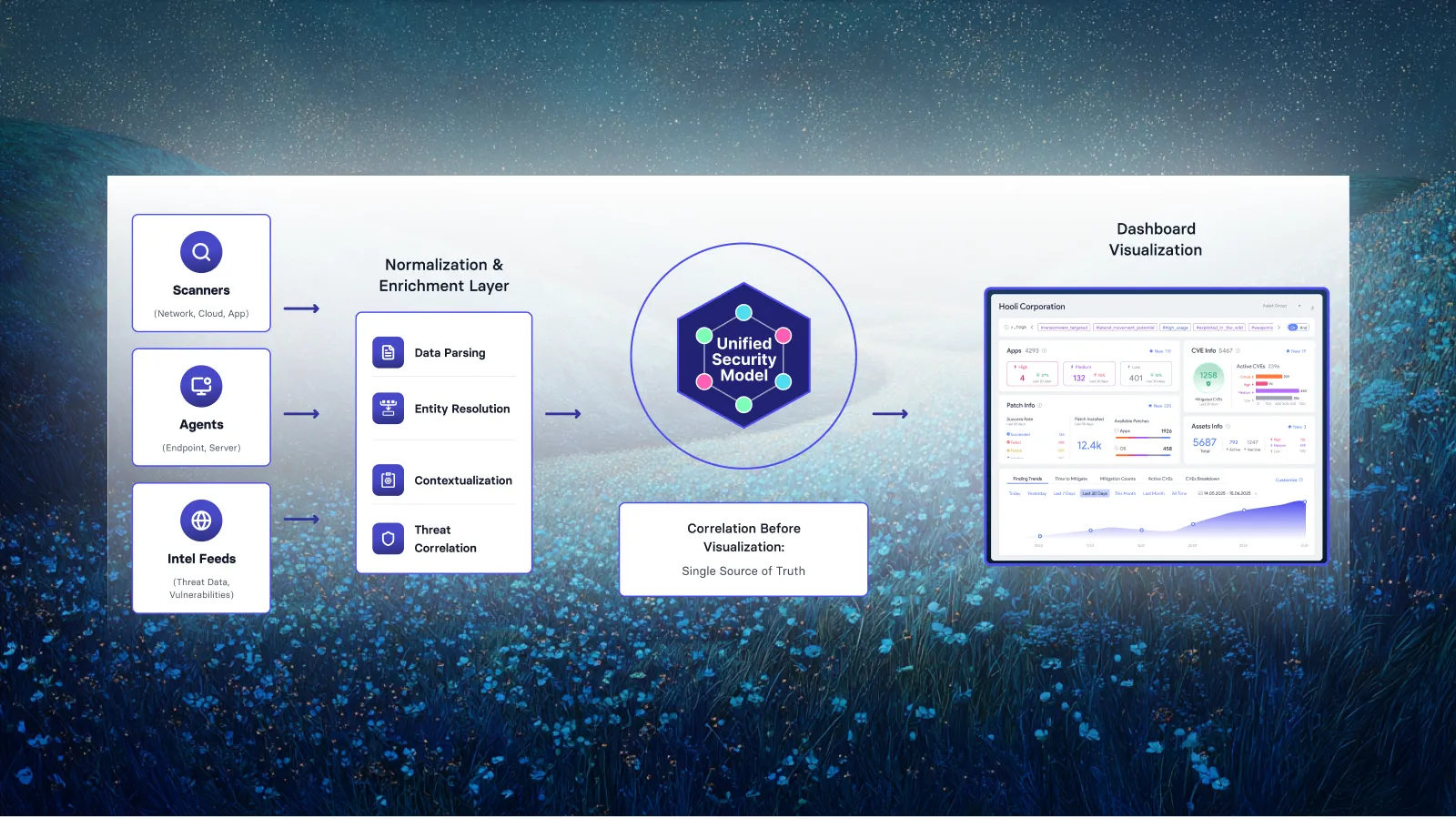
- Step 2: Provide context and ensure all relevant available data is ingested to reduce noise, including normalized CVSS vectors, CWE tags, and exploit status.
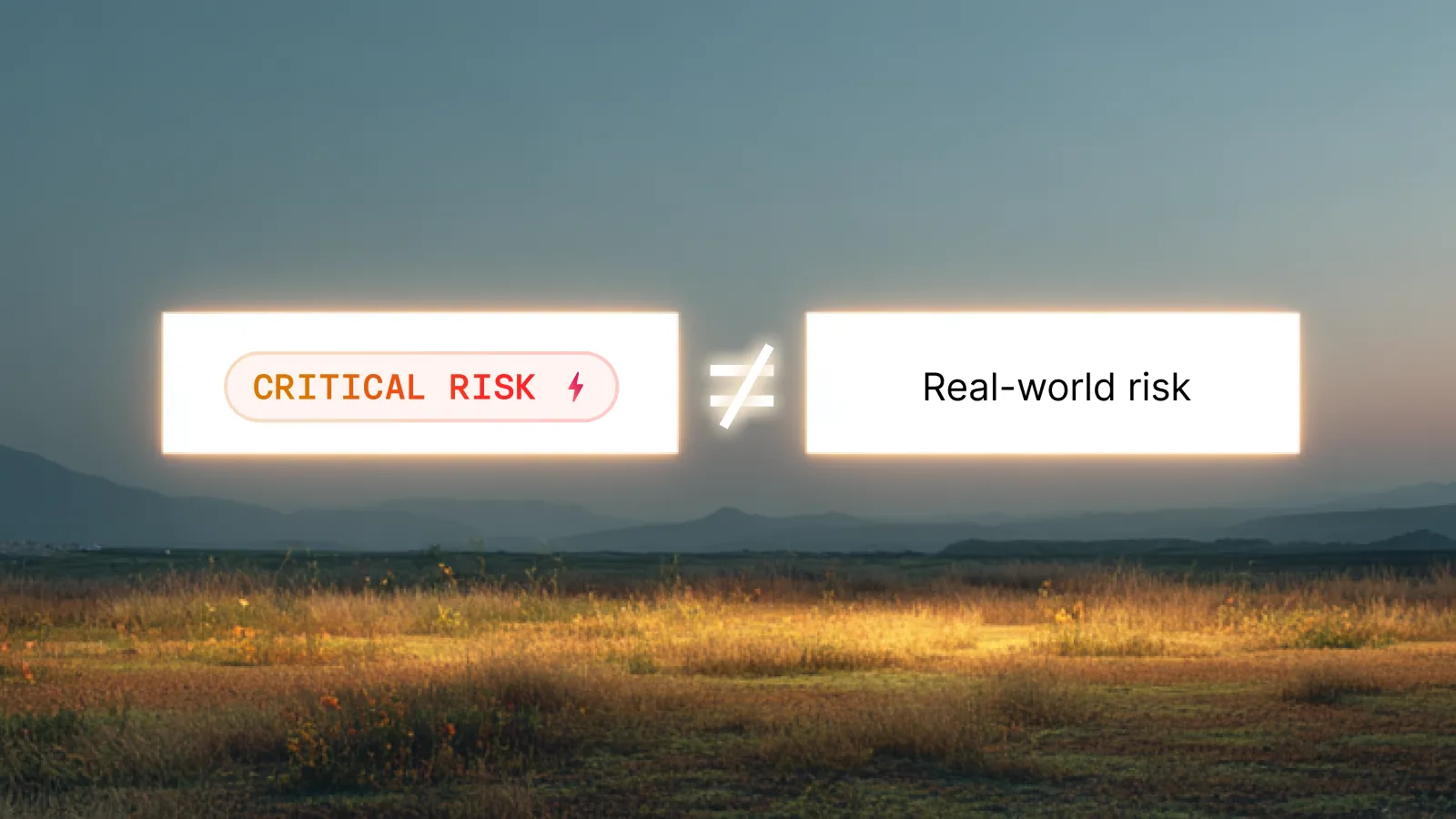
- Step 3: Add your own standardized context to ensure accurate prioritization that factors in real-world exposure risks and focuses on critical infrastructure.
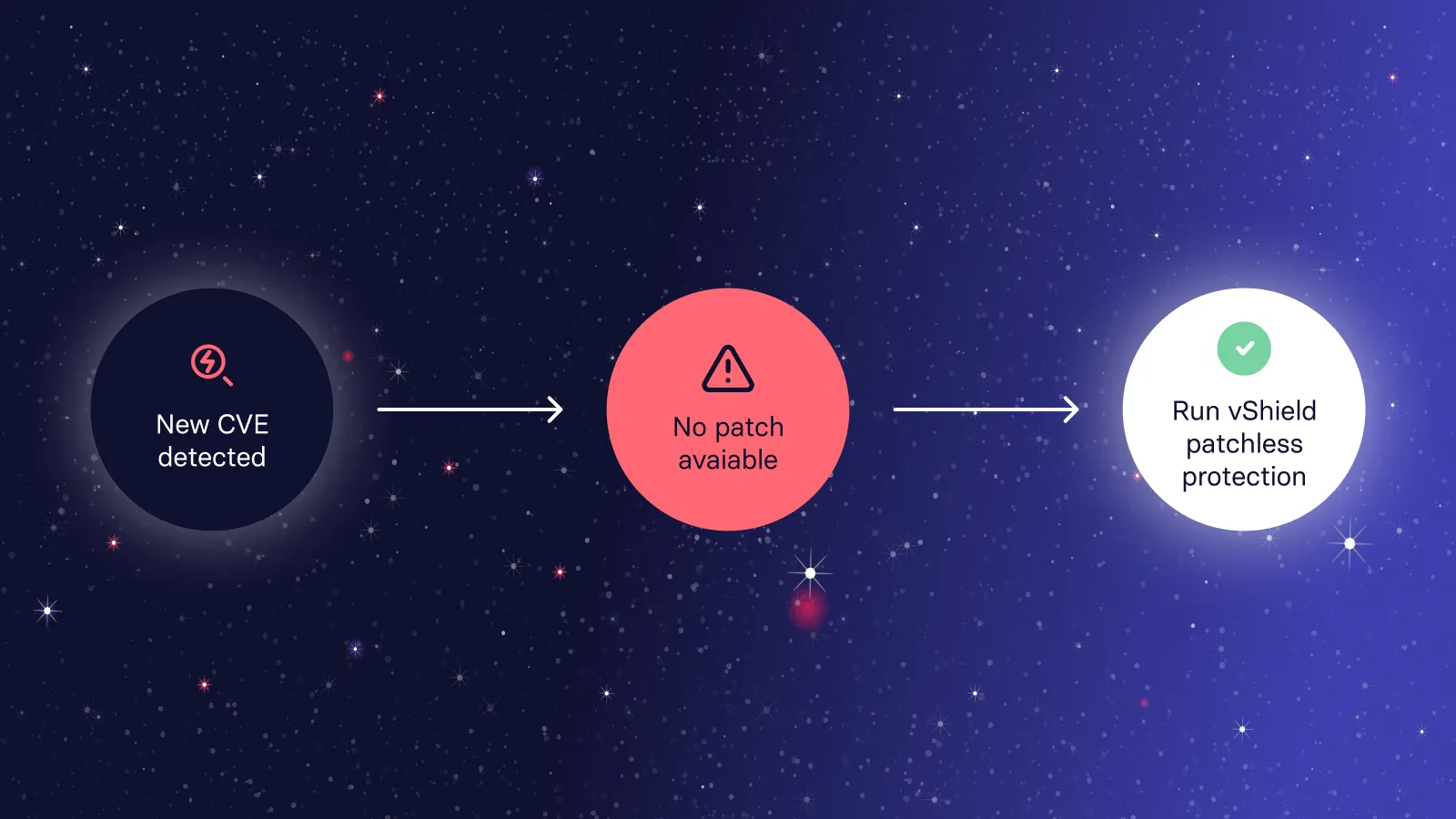
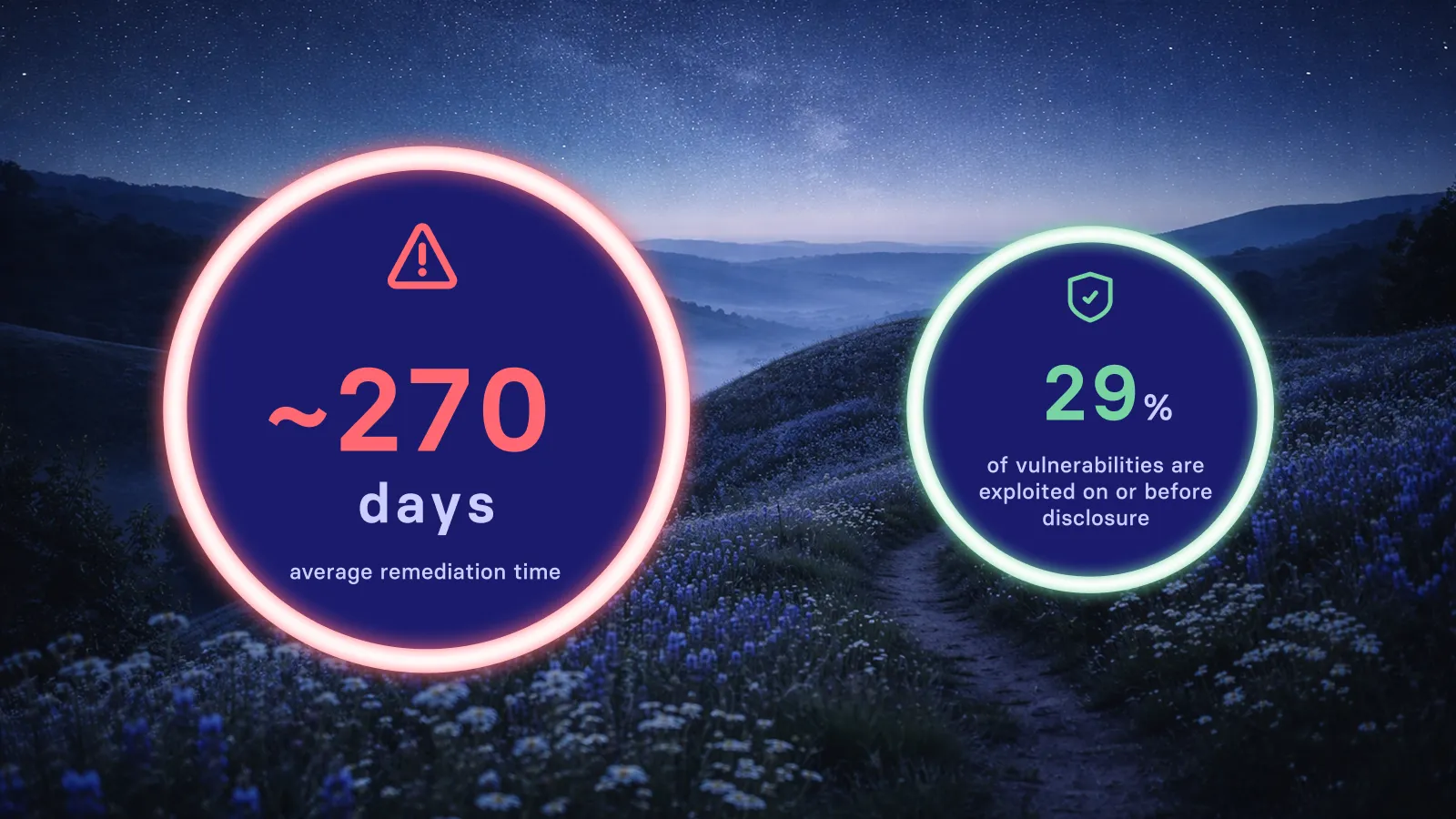
- Step 4: The gap between detection and remediation is one of the primary failure points of vulnerability management. Close this gap with unified tools and patchless remediation for legacy and custom assets.
- Step 5: Validate against real-world goals and outcomes with actionable metrics — not just checking boxes and only comparing MTTR before and after. Set thresholds, assign resources, and set new goals.
- Step 6: Human error is a factor even in highly automated systems. Consult with security team members, ensure they are aware of their responsibilities, and make sure they have access to the information they need.
At all stages, ensure that compliance evidence is automatically generated to further reduce the manual work required to prepare audit-ready documentation that proves continuous, ongoing compliance.
Manual intervention should be considered a last resort to resolve one-off issues, and should be replaced with automation for repeatable tasks. Manual inventory is not possible at scale, and you cannot manually patch the thousands of apps, dependencies, operating systems, Internet of Things (IoT) devices, and cloud assets your organization relies on.
How Can Integration Features Prevent Vulnerability Management Issues?
Troubleshooting is a reactive measure. By being preemptive with vulnerability management, you can reduce breakdowns and the associated backlog and time crunch in fixing them. Reducing tool sprawl leads to less initial gaps to fill workarounds. Scanner-only approaches to vulnerability management require additional tools for remediation, fragmenting workflows.
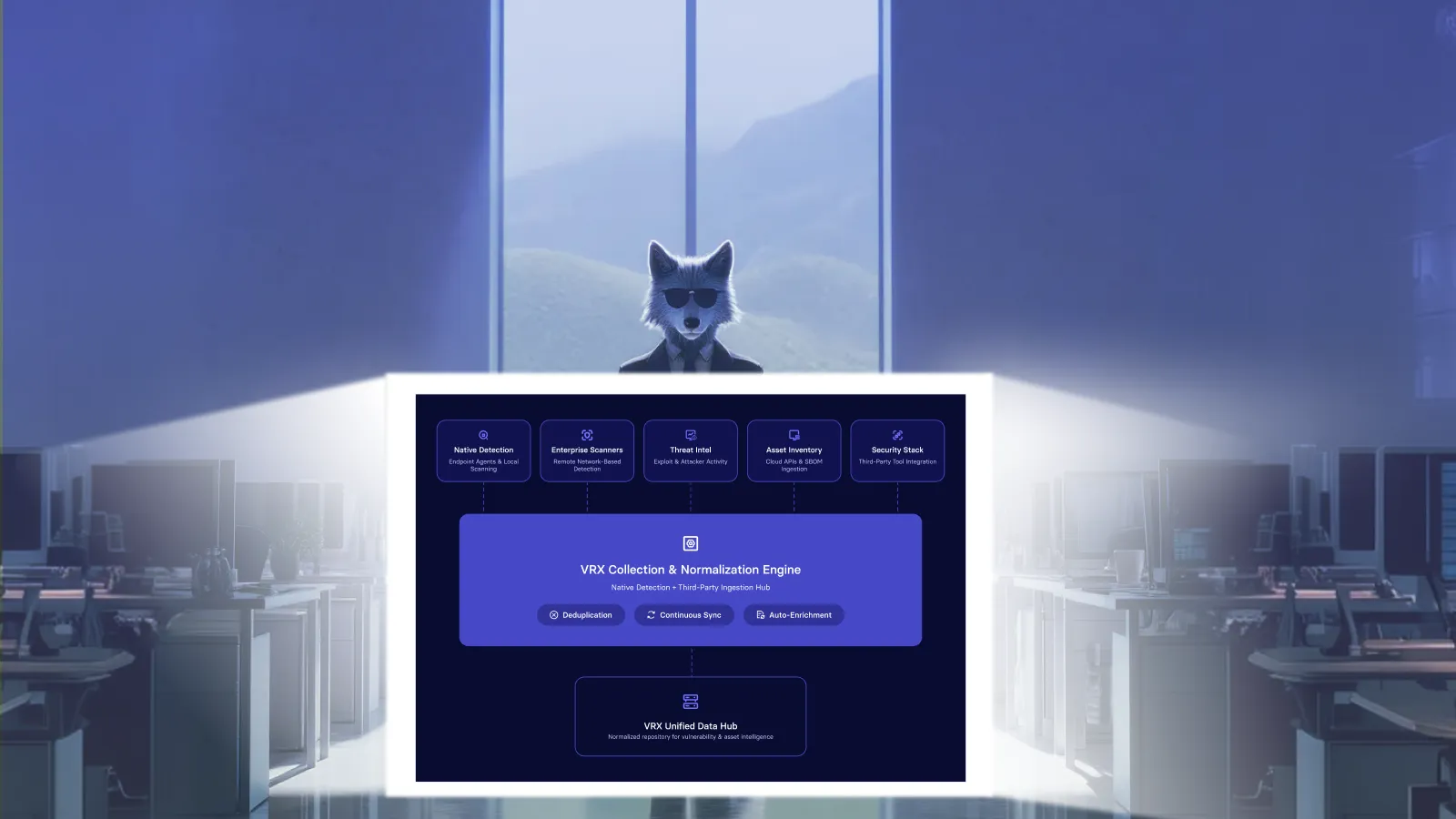
Vulnerability management is a significant part of overall cybersecurity, where visibility and management gaps can also grow between other components, including security information and event management (SIEM), data loss prevention (DLP), and endpoint detection and response (EDR). Integration gives you the tools to solve this, allowing you to bring the unique security toolchain that protects your infrastructure under control with centralized monitoring, reporting, and notifications.
How Can You Improve Vulnerability Management Platform Efficiency?
Context is a force multiplier for vulnerability management, and when provided to a full exposure management platform, it reduces alert fatigue and drastically improves prioritization. Rather than treating every asset equally, immediate threats to critical systems can be identified.
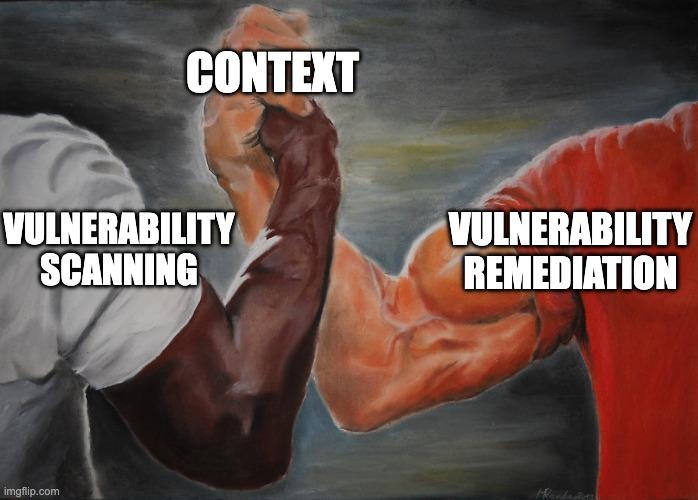
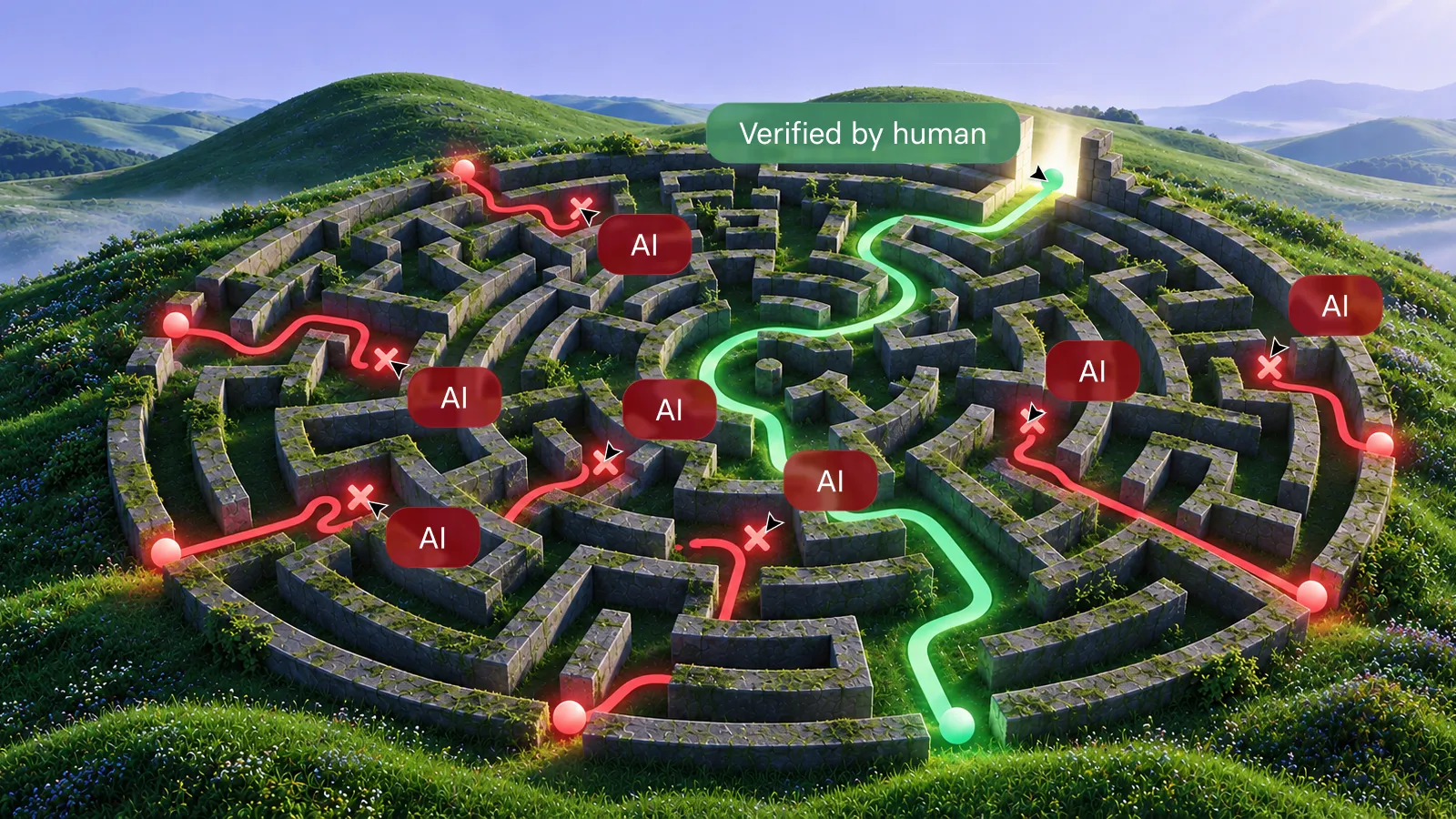
For example, an exposure management platform understands the impact of an endpoint being internet-facing or sandboxed, and can flag the former as a high priority. Combined with automation and agentic AI tools that can prioritize, make decisions, and apply and verify patches, many points of failure are bypassed.
You should also consider covering non-traditional assets like mobile devices and cloud assets — areas often not covered by legacy vulnerability management platforms.
How Do You Move From Vulnerability Management to Remediation?
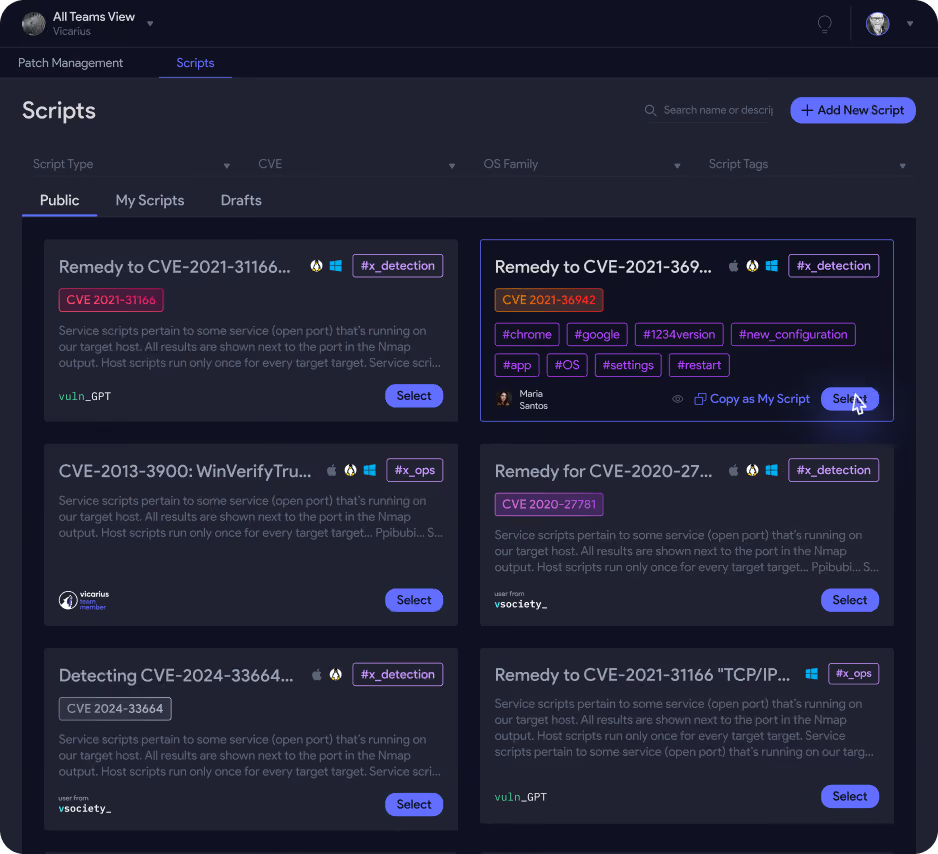
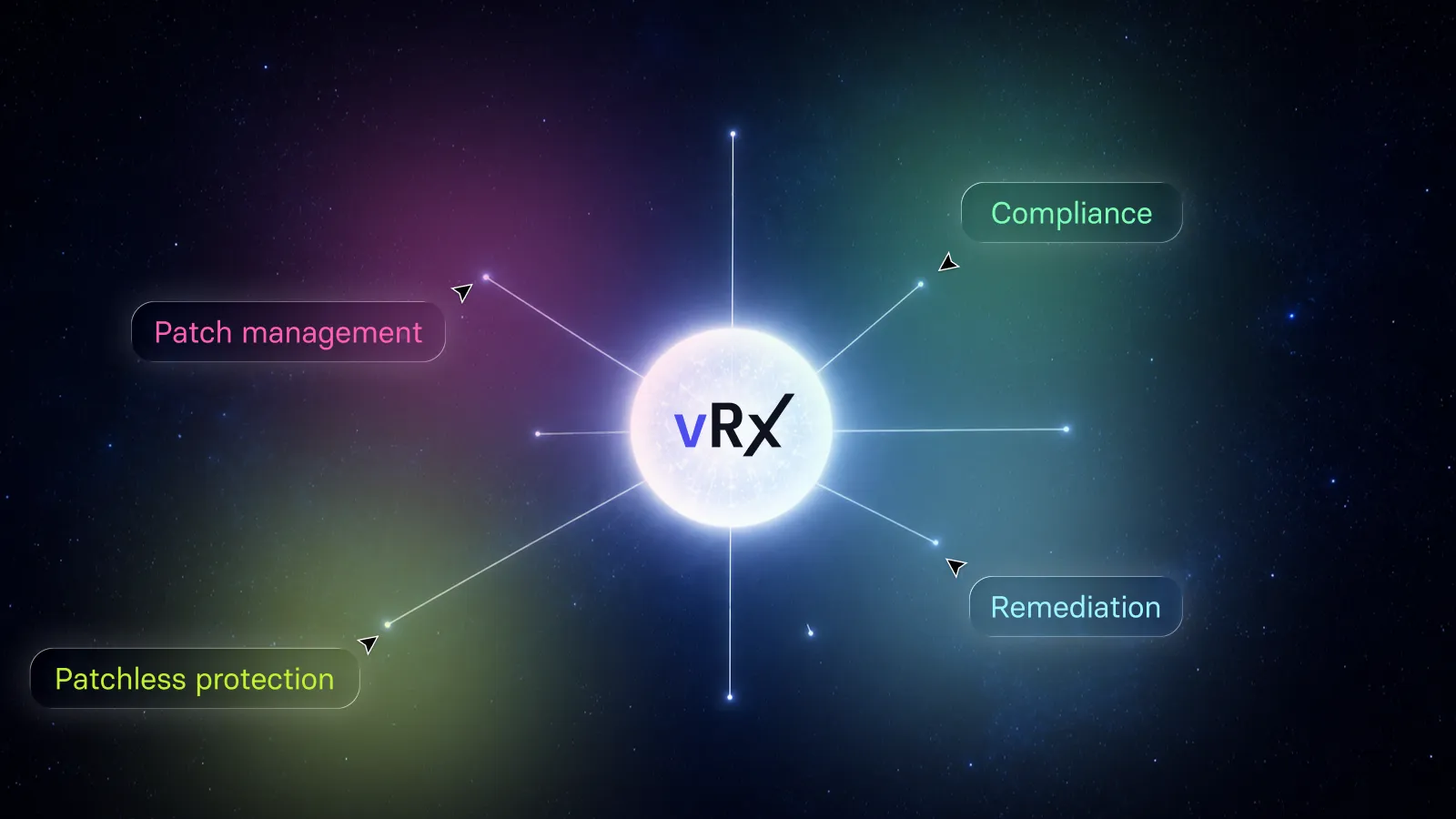
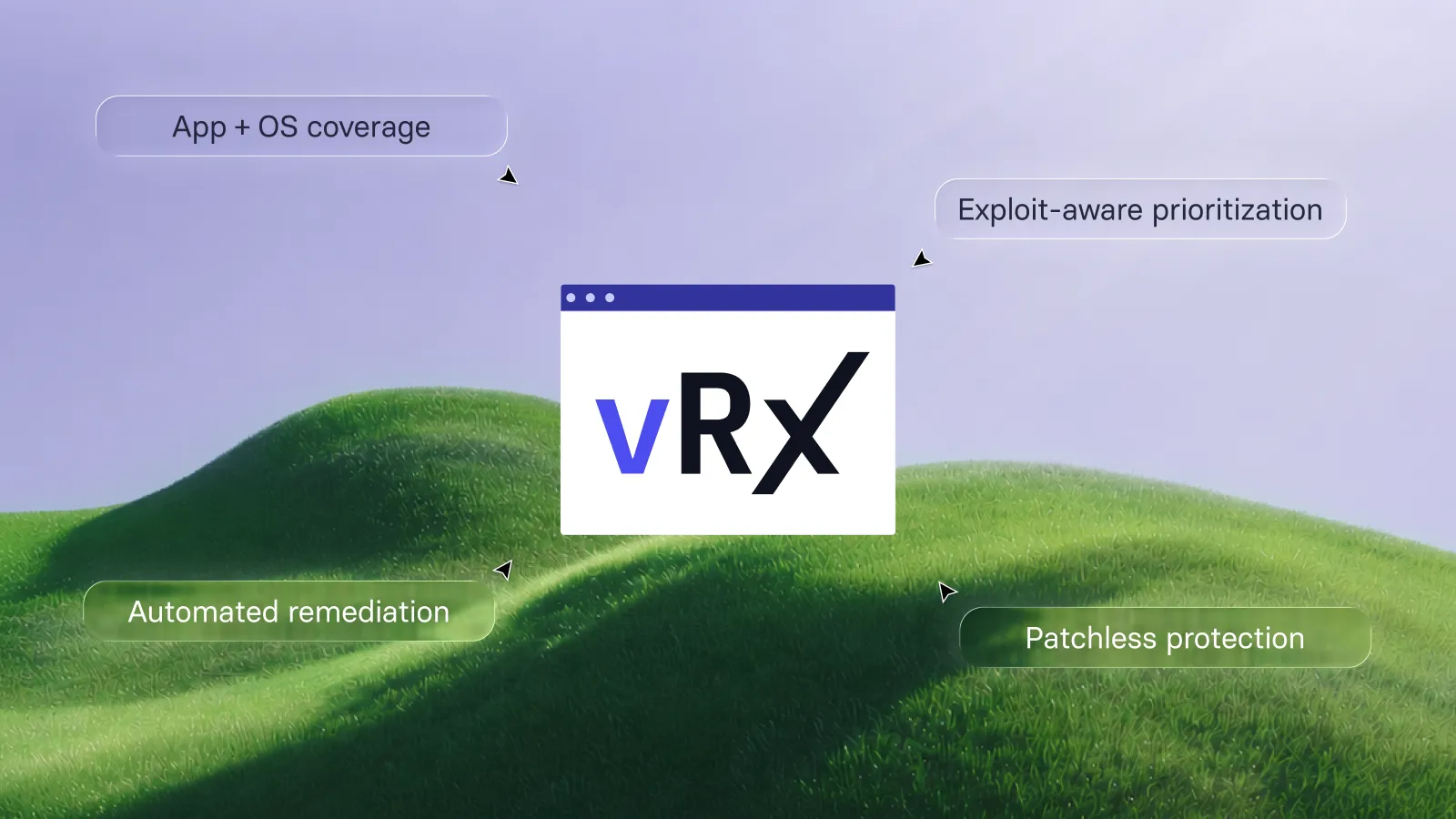
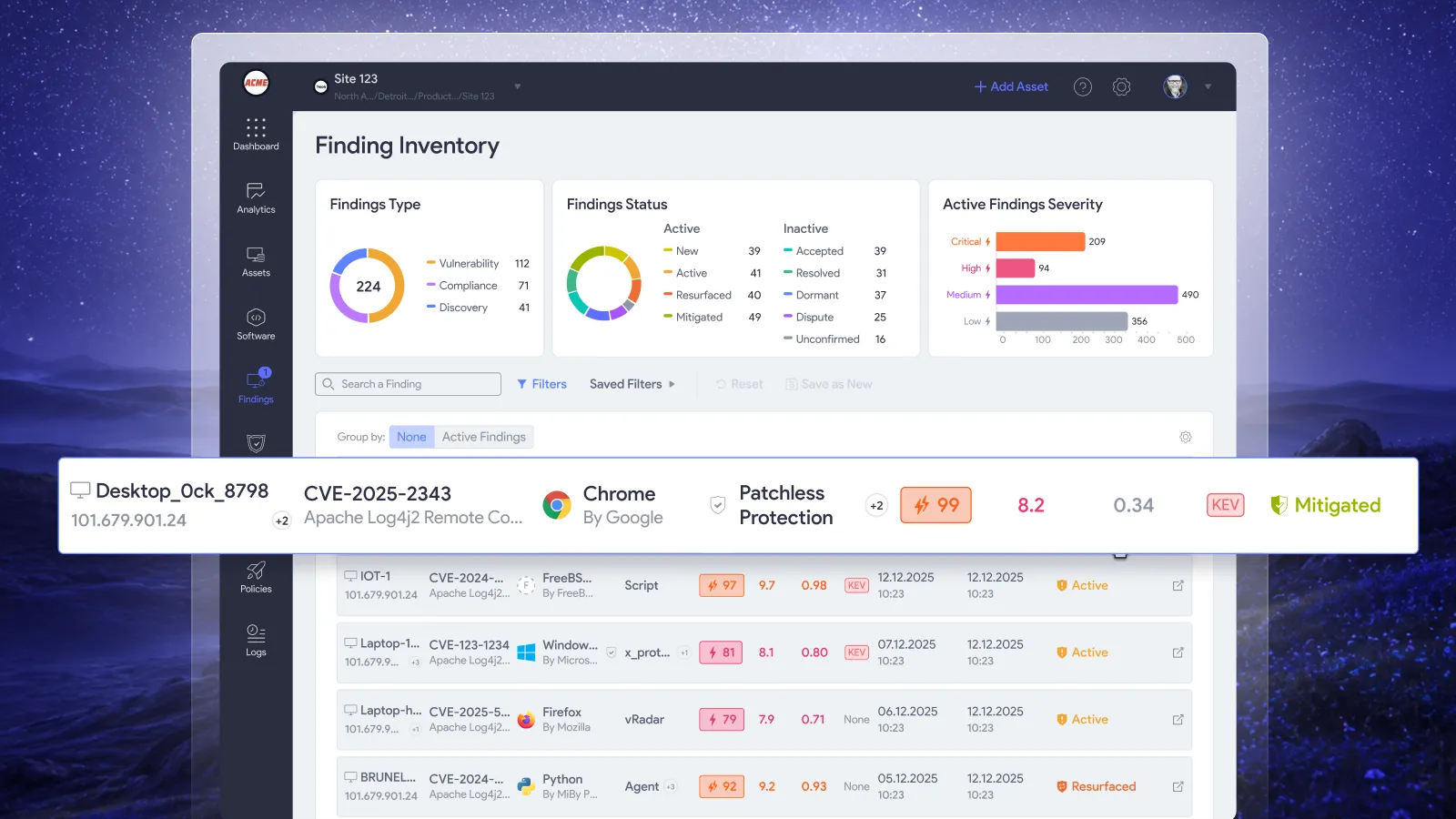
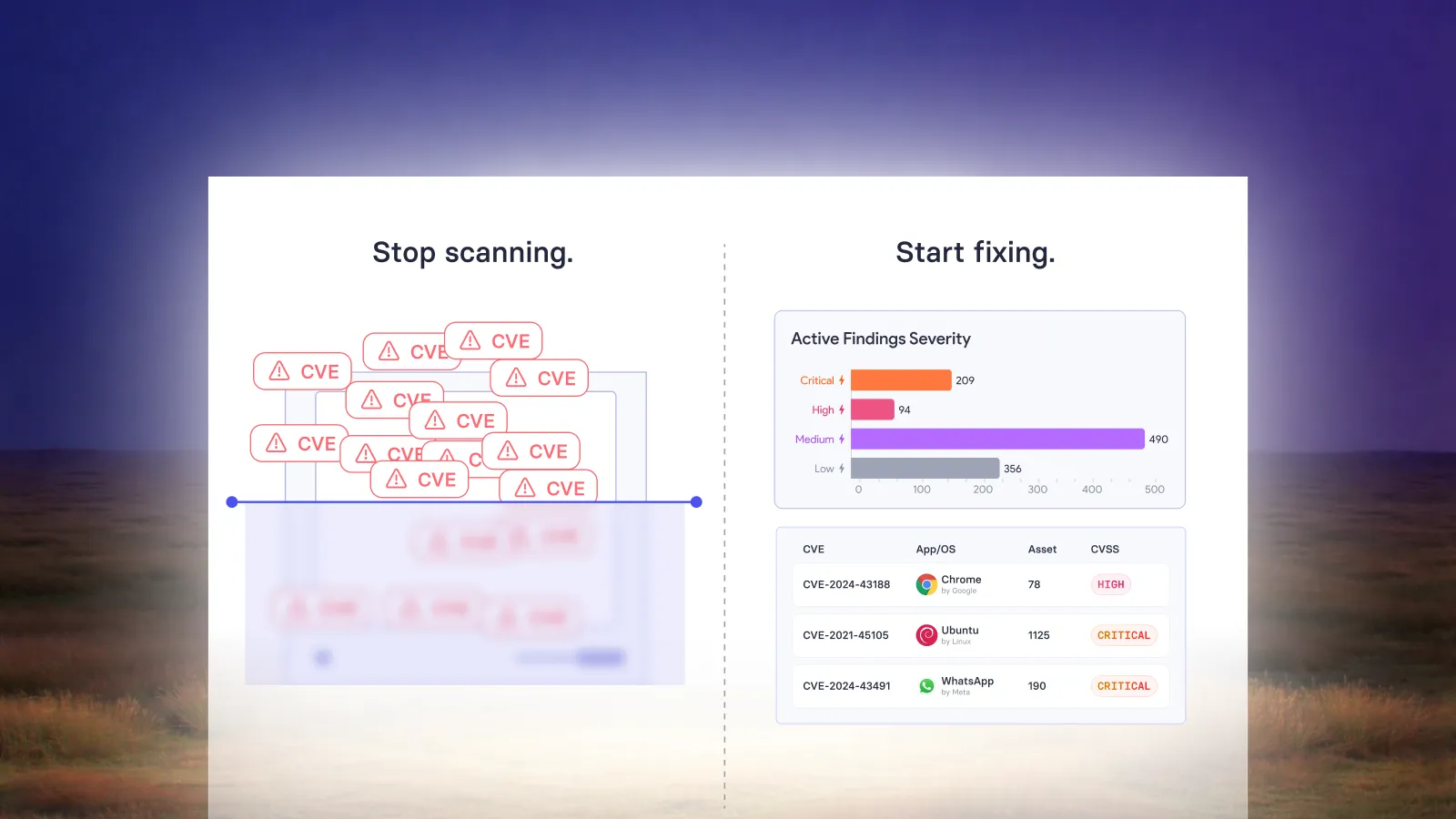
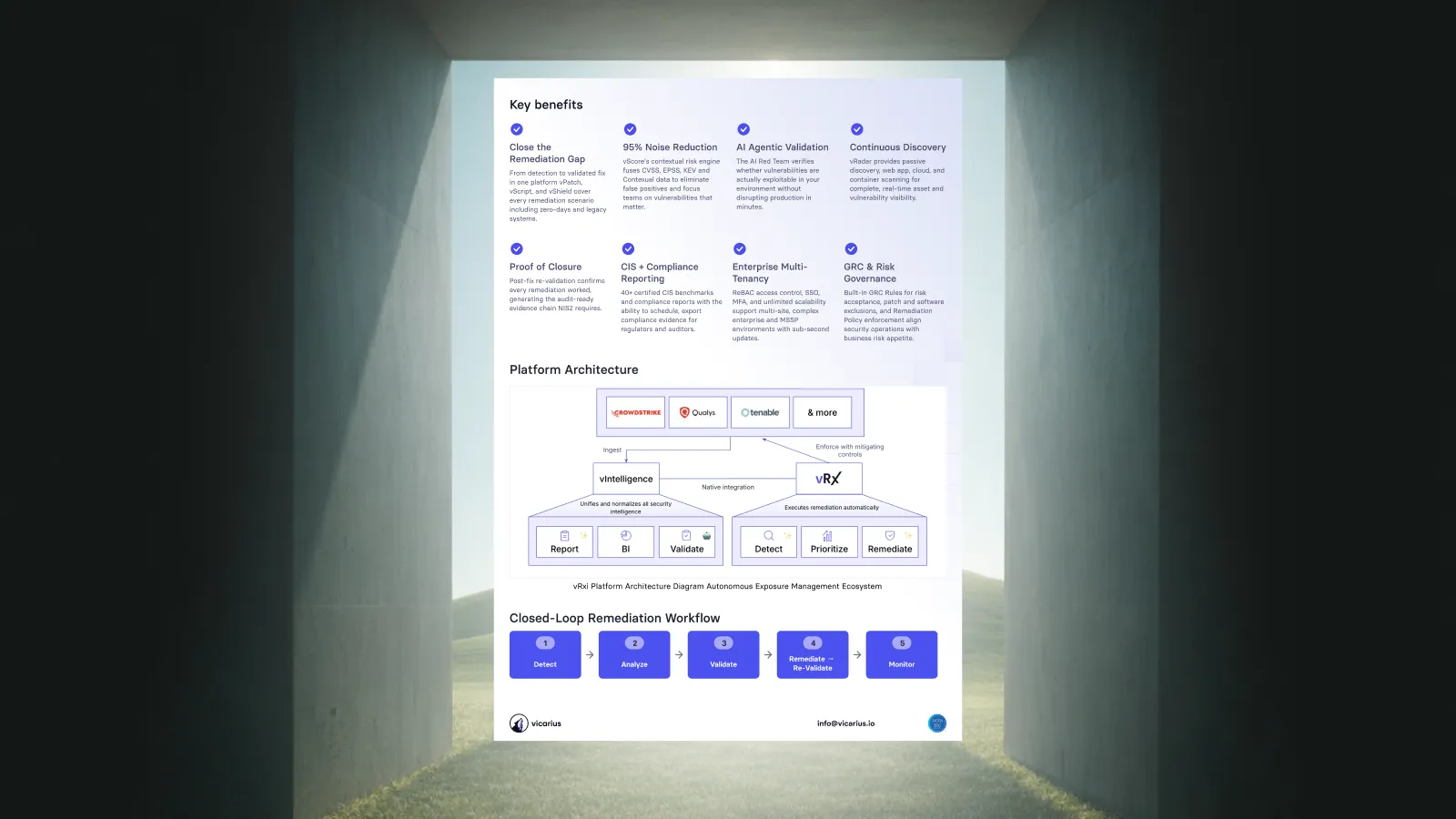
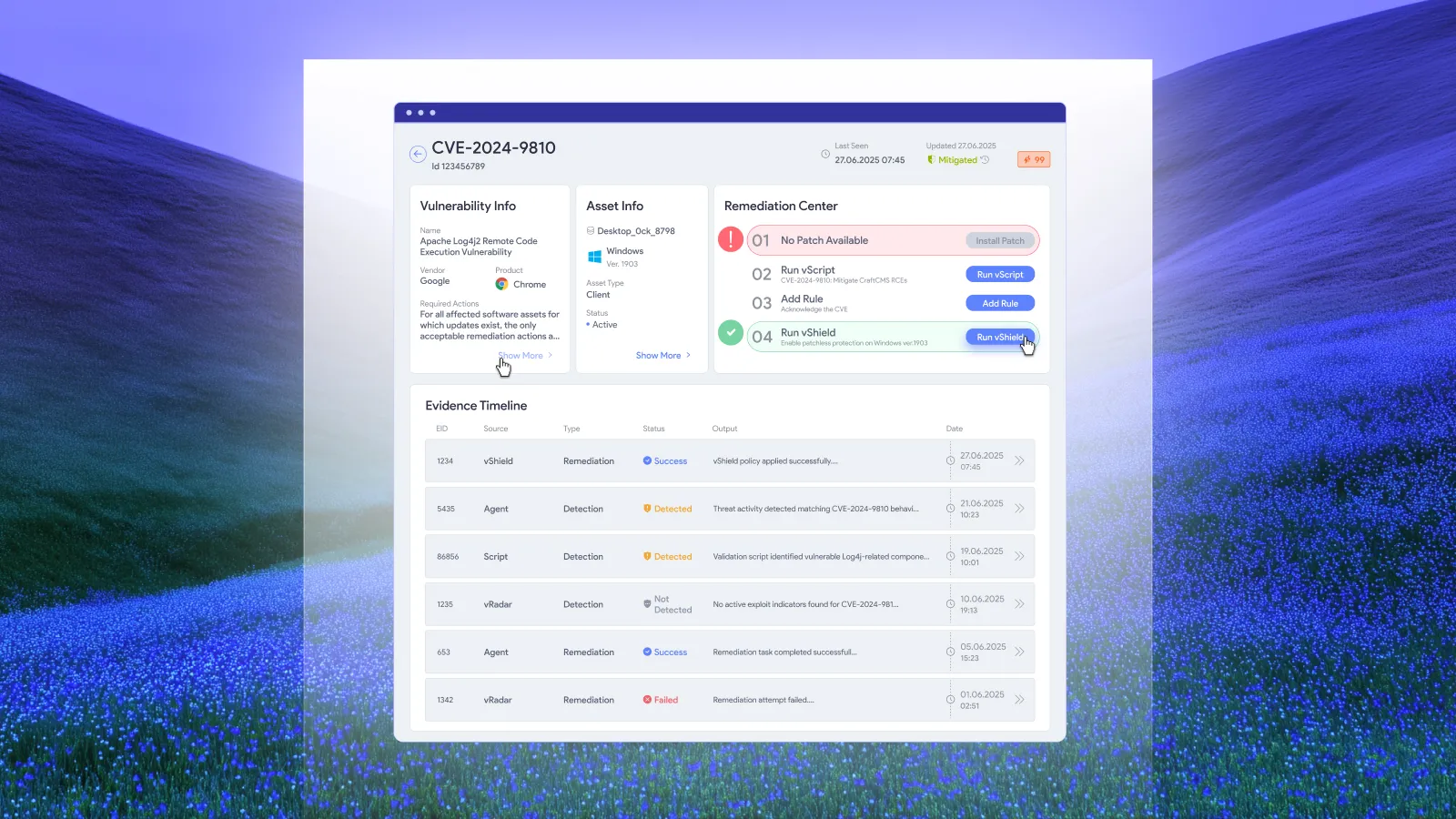
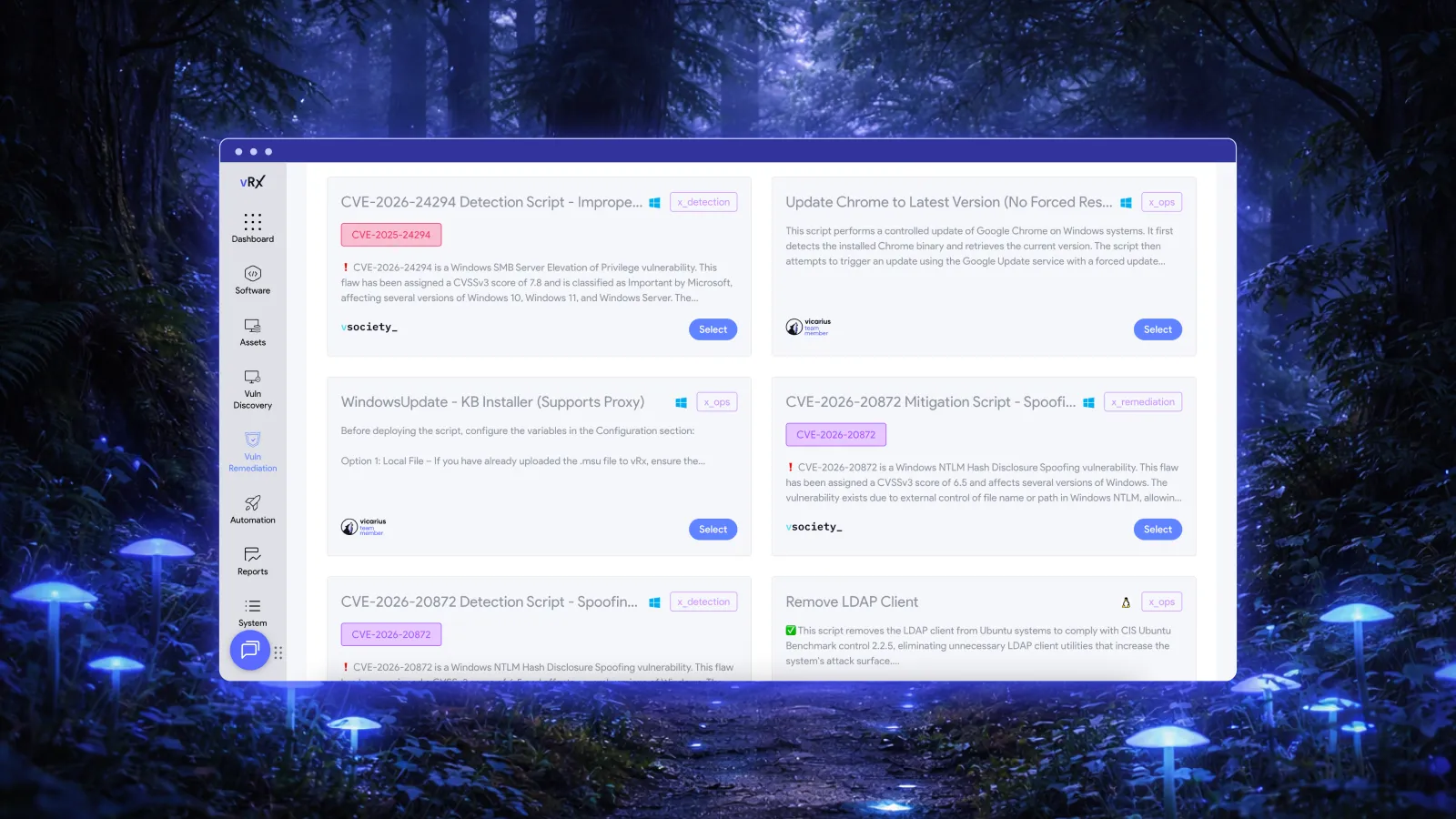
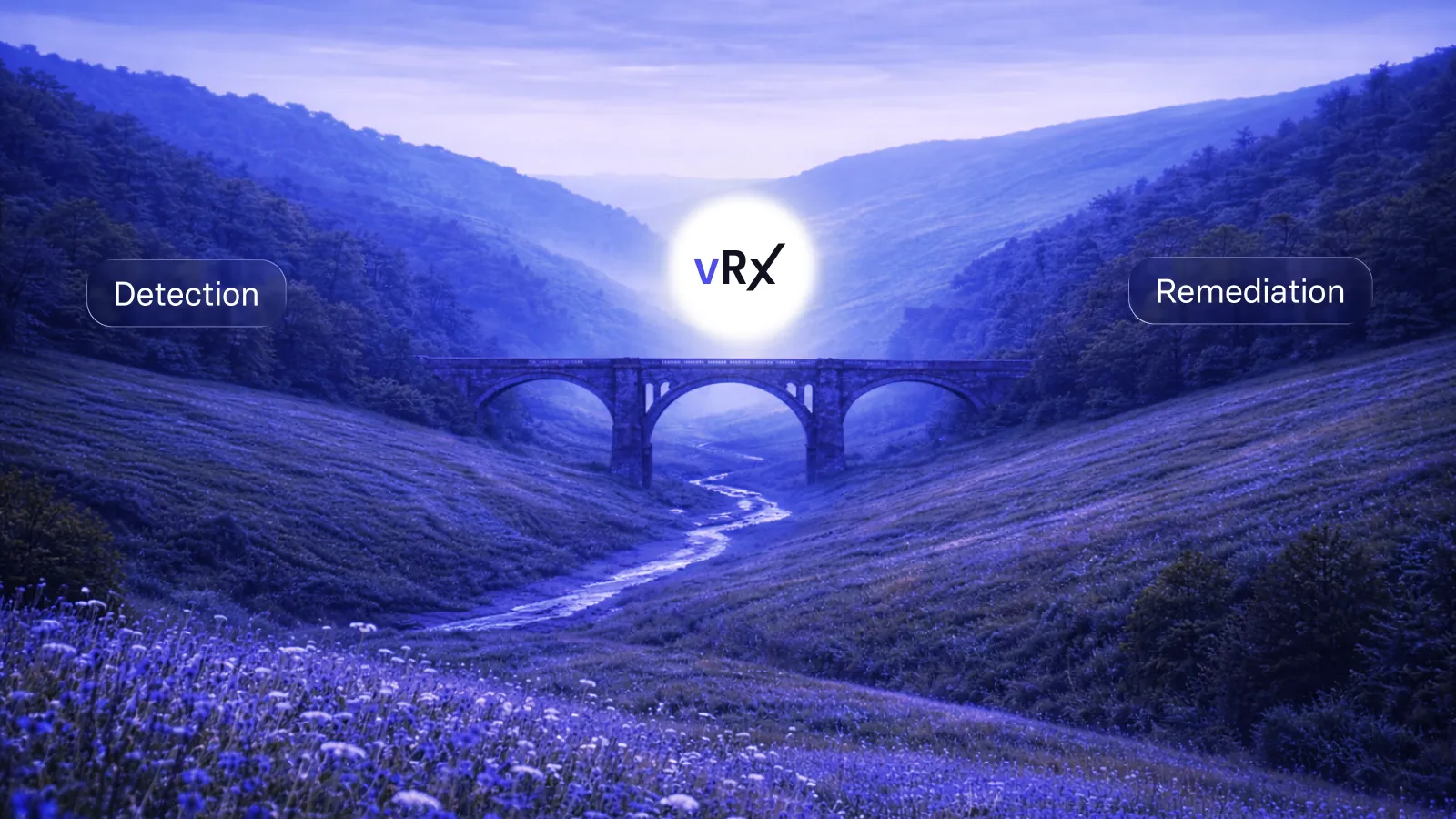
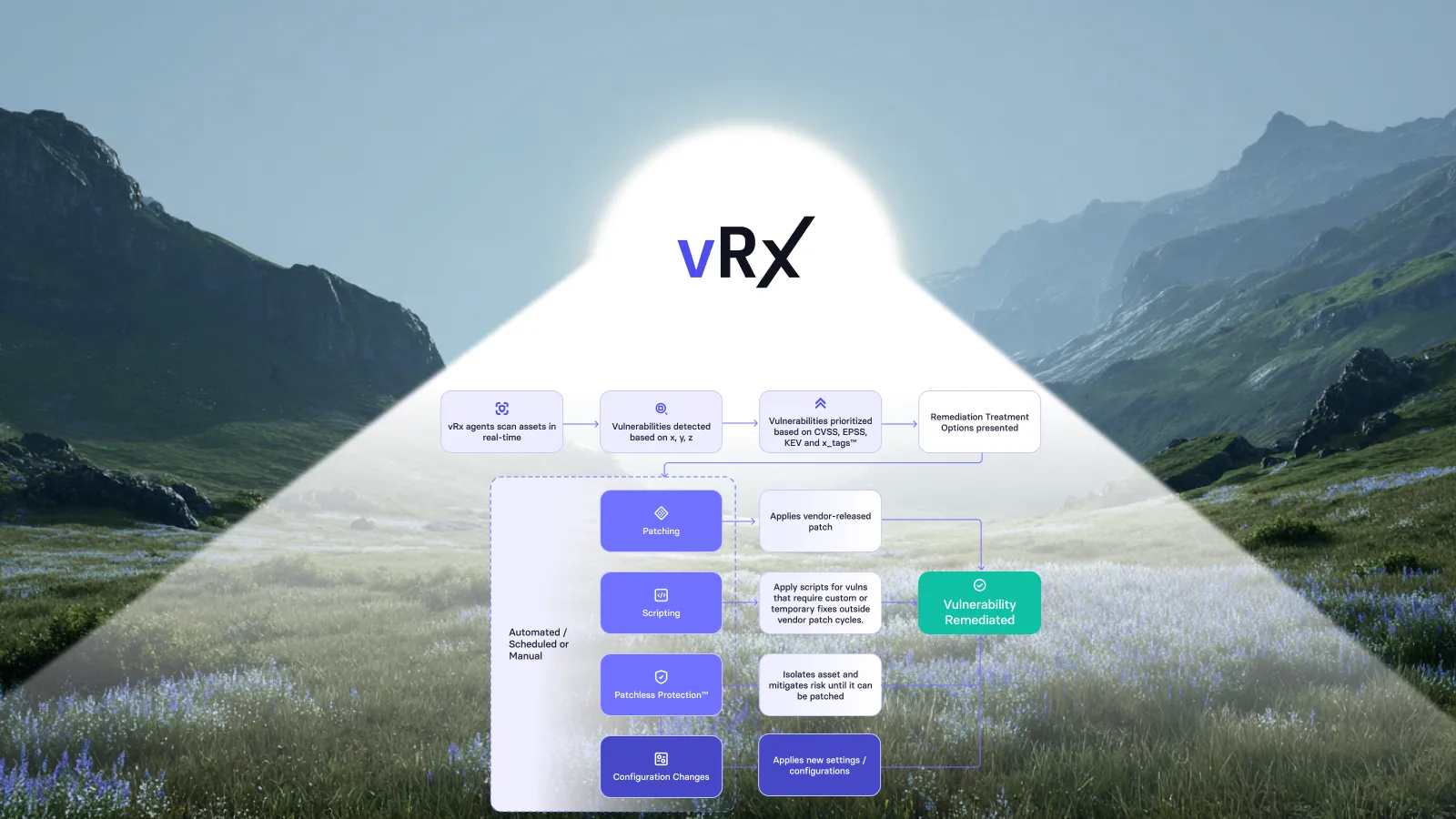
vRx by Vicarius builds on the functionality that defines vulnerability management platforms with built-in automation and remediation to provide complete, continuous exposure management that spans everything from asset inventory to scanning, prioritization with context, and remediation.
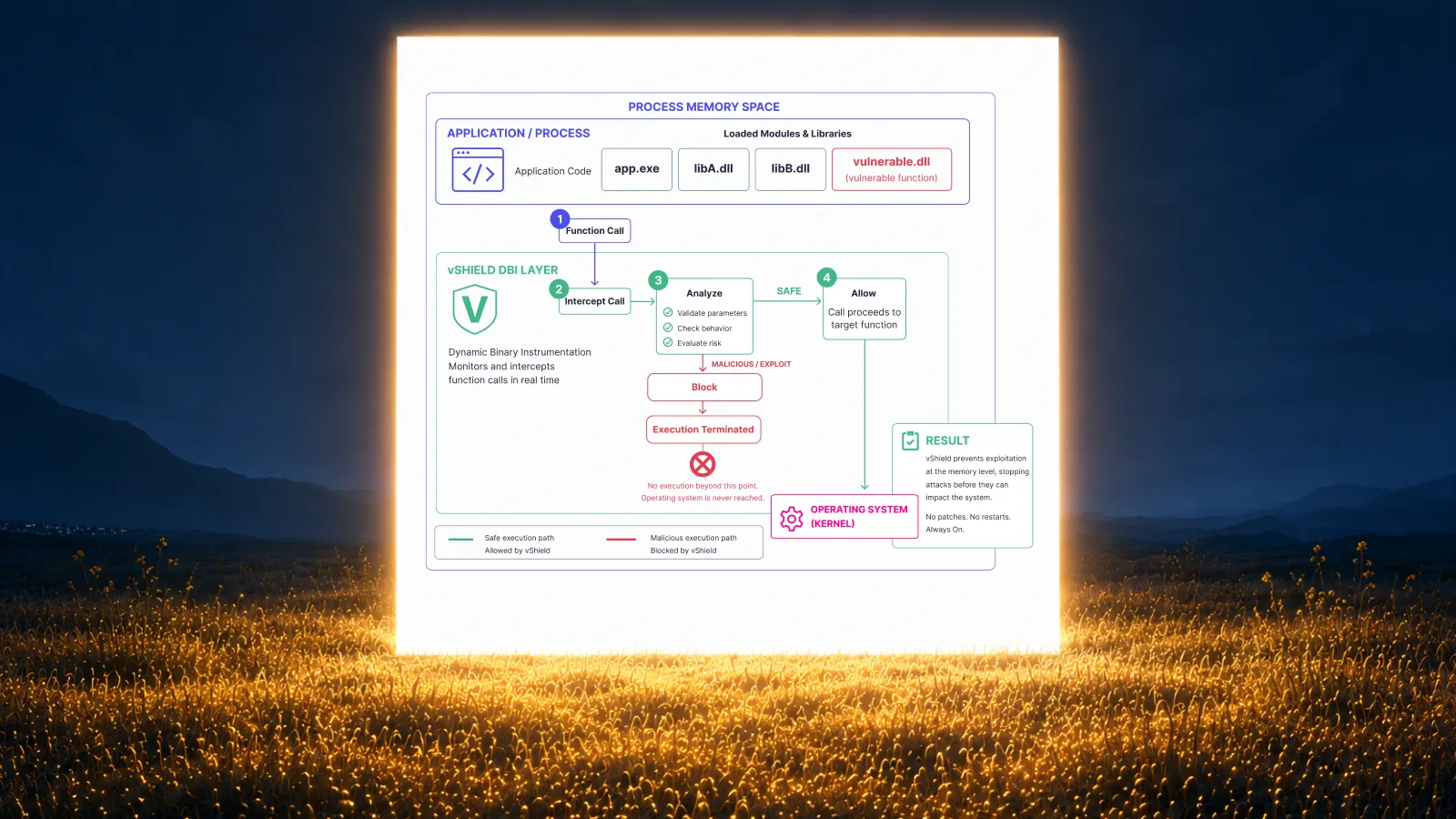
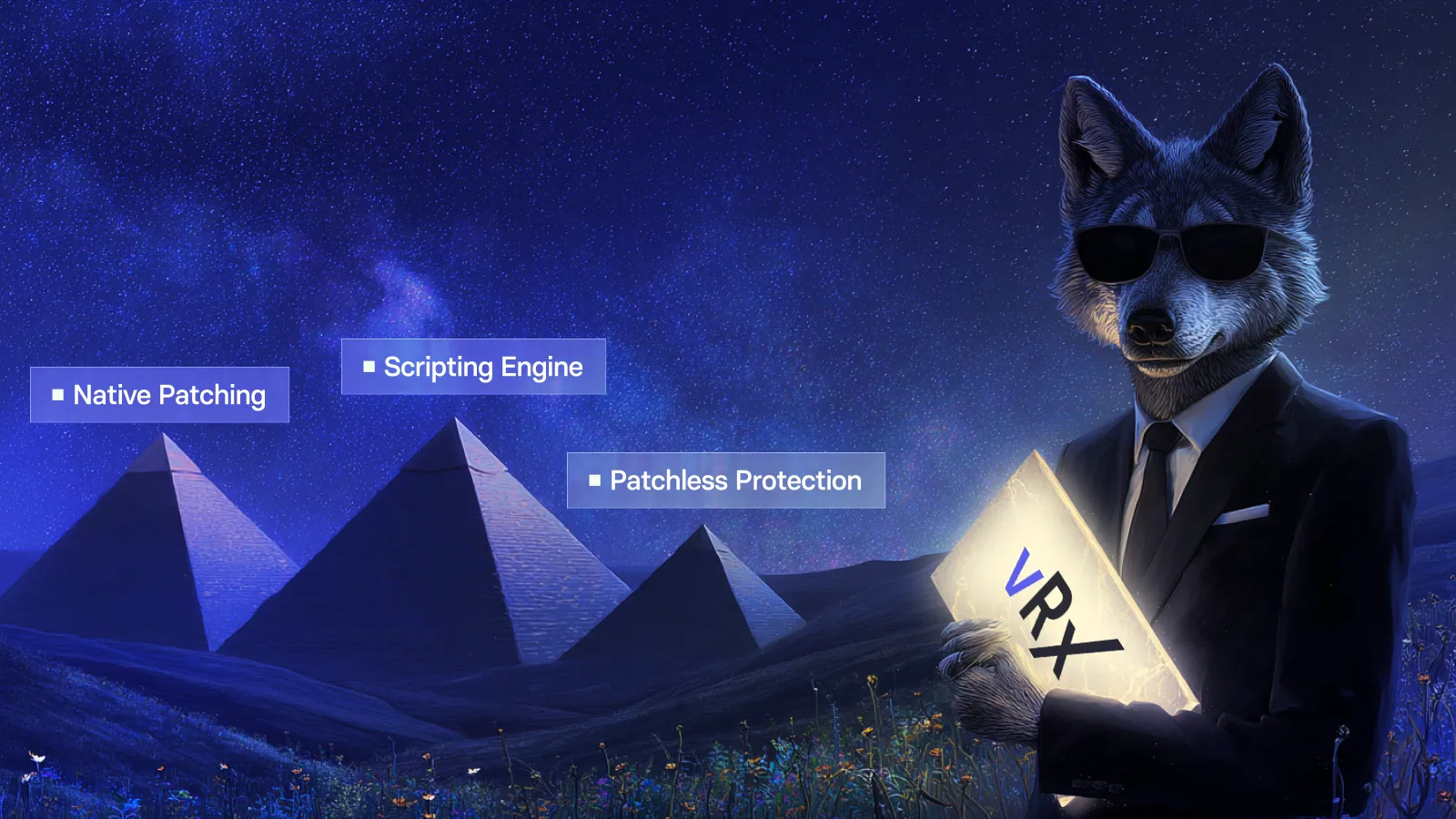
Rather than just detecting issues and handing them off to other tools (or your technicians) for manual remediation, vRx by Vicarius actively protects your IT infrastructure, managing patches for thousands of software products, and protecting 'unpatchable' legacy and custom apps by guarding memory and executables. Schedule a vRx demo and find out how you can make your vulnerability management context-aware and proactive.
FAQ
What is the biggest cause of vulnerability management platform breakdowns?
The biggest causes of vulnerability management platform breakdowns are visibility gaps and alert fatigue. These stem from relying on periodic, manual scanning, failing to integrate with diverse IT environments, and lacking the contextual intelligence required to prioritize critical risks over background noise.
Are vulnerability management platform challenges usually technical or process-related?
Both. Adopting a platform that doesn't meet your technical requirements encourages poor vulnerability management practices, like workarounds and manual discovery, patching, and reporting.
Can vulnerability management be fixed without improved tools?
Yes, through governance, increased context, consistency, and regular review of outcomes. However, fragmented legacy security tools will still promote gaps and cause inefficiency, often requiring manual fixes.
What features should an enterprise vulnerability management platform provide?
Most vulnerability management platforms focus on asset discovery, vulnerability scanning, and prioritization.
Does an exposure management platform fix vulnerability management platform weaknesses?
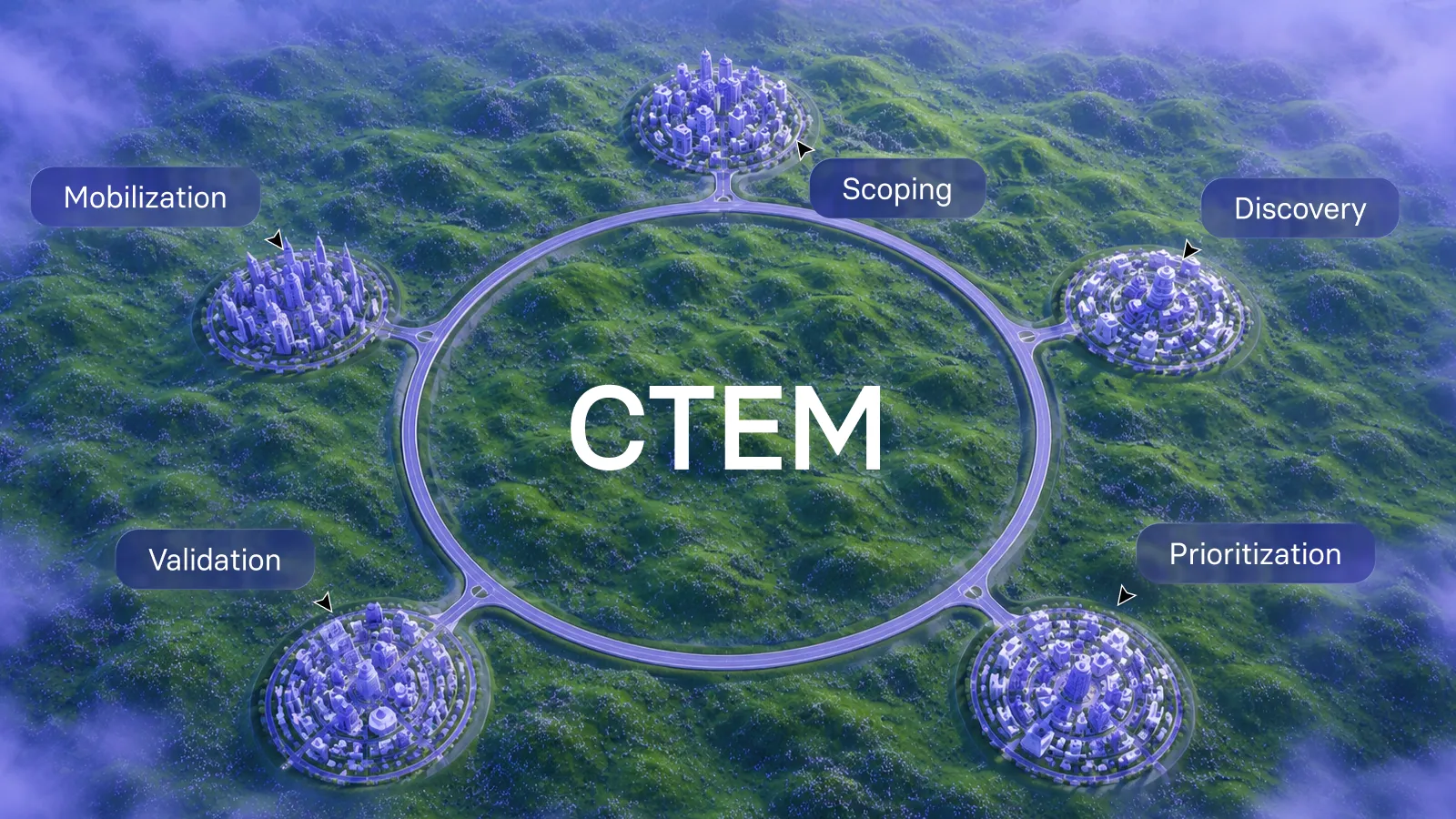
Exposure management platforms build on core vulnerability management features with automated remediation tools that reduce tool sprawl and close the gap between a vulnerability being found and being fixed.
























.webp)















%20Signals%20a%20New%20Era%20of%20Supply%20Chain%20Risk.webp)





.webp)