

Most automated patching tools miss critical vulnerabilities because they were built for clean, homogeneous environments. Real enterprise infrastructure isn't that. Windows servers sit next to Linux containers, cloud workloads share the network with legacy on-prem systems, and end-of-life software stays in production because nobody has the budget or the window to remove it.
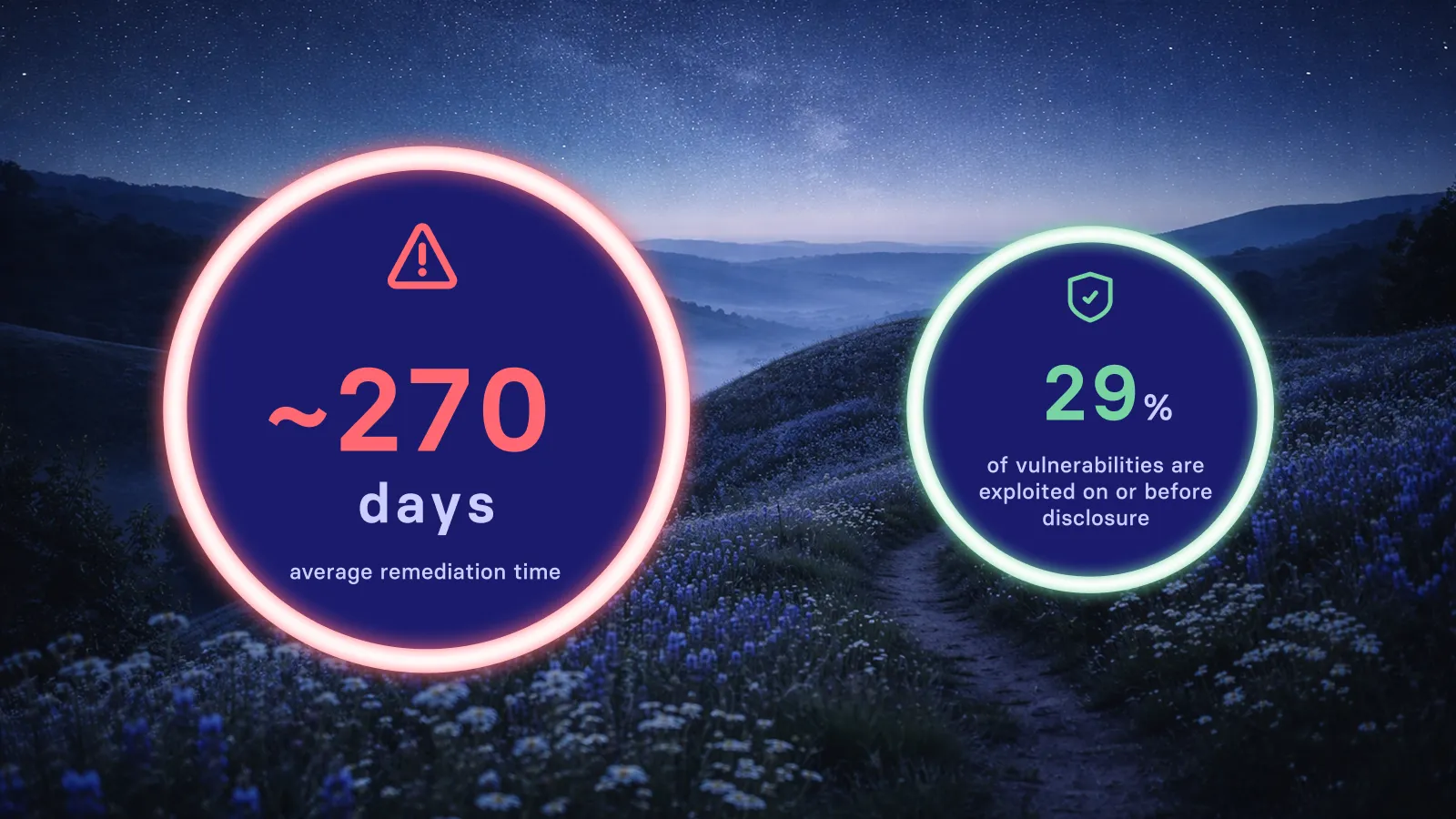
The result, tools built for simple environments leave silent gaps in mixed ones. The 2024 Verizon DBIR found it takes organizations around 55 days on average to remediate after detection. The same report recorded a 180% increase in attacks exploiting unpatched vulnerabilities year over year. That's the gap this list is designed to help you close.
Here are the five most evaluated automated patching tools for mixed environments, plus the one that covers what the others can't.
1. Automox
Best for: Cloud-first organizations with distributed workforces that already own a vulnerability scanner
Automox is cloud-native: no on-prem infrastructure, no VPN, no configuration overhead for remote endpoints. It covers OS and third-party app patching across Windows, macOS, and Linux from a single console, with 400+ supported applications and Worklets for scripting custom remediation logic beyond standard patch policies.
One architectural detail worth knowing before you buy: Automox does not run its own vulnerability scanner. For most scanners, Vulnerability Sync is a manual process: you export a CSV report from CrowdStrike, Tenable, or Qualys, then upload it into the Automox console. Rapid7 InsightVM had an automated workflow that removed that manual step, but Rapid7 has discontinued built-in automation workflows for new InsightVM customers. New buyers are directed to Rapid7's Exposure Command product instead. For every other scanner, the CSV export-and-upload is manual.
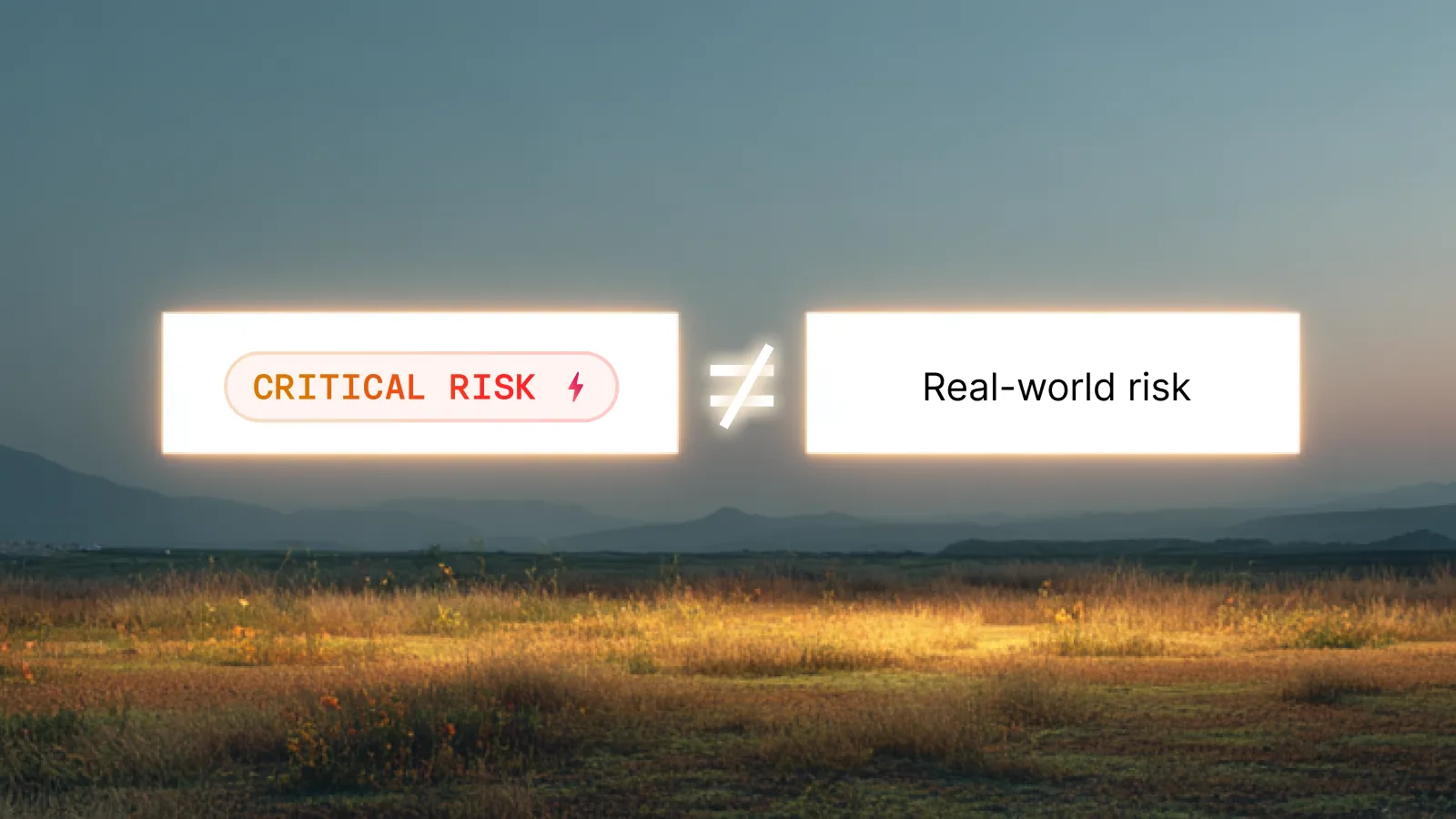
The gap: Automox is the remediation half of a workflow, not the full stack. Its native severity engine runs on CVSS from the NVD. EPSS and KEV signals only appear if your scanner includes them in its CSV export. If it doesn't, the queue is CVSS-only. And when a zero-day drops, there's nothing to deploy until the vendor ships a fix.
2. ManageEngine Patch Manager Plus
Best for: Mid-market and enterprise organizations with internal IT teams managing on-prem or hybrid environments
ManageEngine brings deep Active Directory integration, 350+ third-party app coverage, and compliance reporting across HIPAA, PCI DSS, CIS, and NIST. For GRC-heavy environments where audit-ready patch documentation matters as much as deployment, it's a solid fit.
The gap: Large hybrid deployments require significant configuration work before the platform is useful, which is a real cost for teams without dedicated endpoint management resources. Prioritization is CVSS-only with no integrated threat intelligence. And like every tool in this category, zero-days stay open until a vendor patch exists.
3. Action1
Best for: Mid-market teams moving off manual patching, and MSPs with distributed clients
Action1 is cloud-native, easy to deploy, and built for multi-tenant MSP management. Peer-to-peer patch distribution reduces bandwidth strain at scale. Cross-platform (Windows, macOS, Linux) from a single agent, with a free tier for smaller deployments.
The gap: Vulnerability prioritization depends on CVSS and whatever external scanner data you pipe in. EPSS and KEV correlation isn't native. No patchless protection. Systems that can't accept patches stay exposed.
4. SecPod SanerNow
Best for: Security teams who want detection and patching in a single workflow
SanerNow's database covers 190,000+ security checks, more than any other platform in this comparison. Detection and patching run from the same agent and console, with no handoff gap between scan and remediation. Compliance coverage spans HIPAA, PCI DSS, ISO, NIST, and CIS.
The gap: SCAP breadth isn't the same as live threat intelligence. SanerNow doesn't natively correlate EPSS or the CISA KEV catalog. A confirmed active exploit sits in the queue alongside an unexercised theoretical risk, with no prioritization difference between them. No patchless protection.
5. Qualys Patch Management
Best for: Enterprises already running Qualys VMDR
Qualys Patch Management is the remediation layer inside VMDR. TruRisk scoring combines CVSS, EPSS, threat intelligence, and asset context into one risk score, which puts it among the more sophisticated prioritization models in this category. OS coverage extends to cloud assets.
The gap: It's not a standalone product. Buying it means buying into the full VMDR
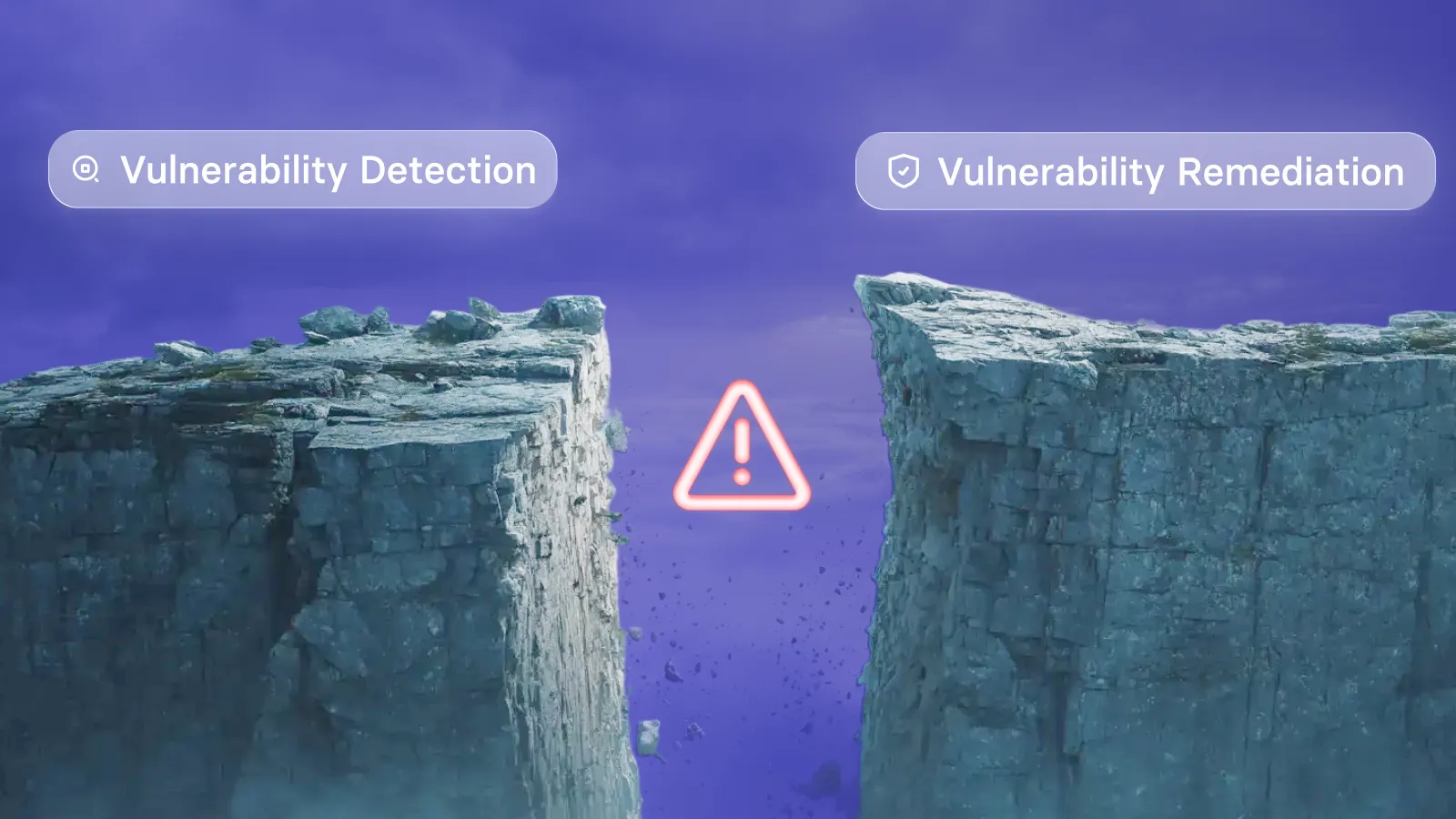
subscription. And TruRisk can identify zero-day exposure, but there's no mechanism to protect a vulnerable application in memory before a vendor patch exists. Detection without protection is still an open window.
Why all five share the same blind spot

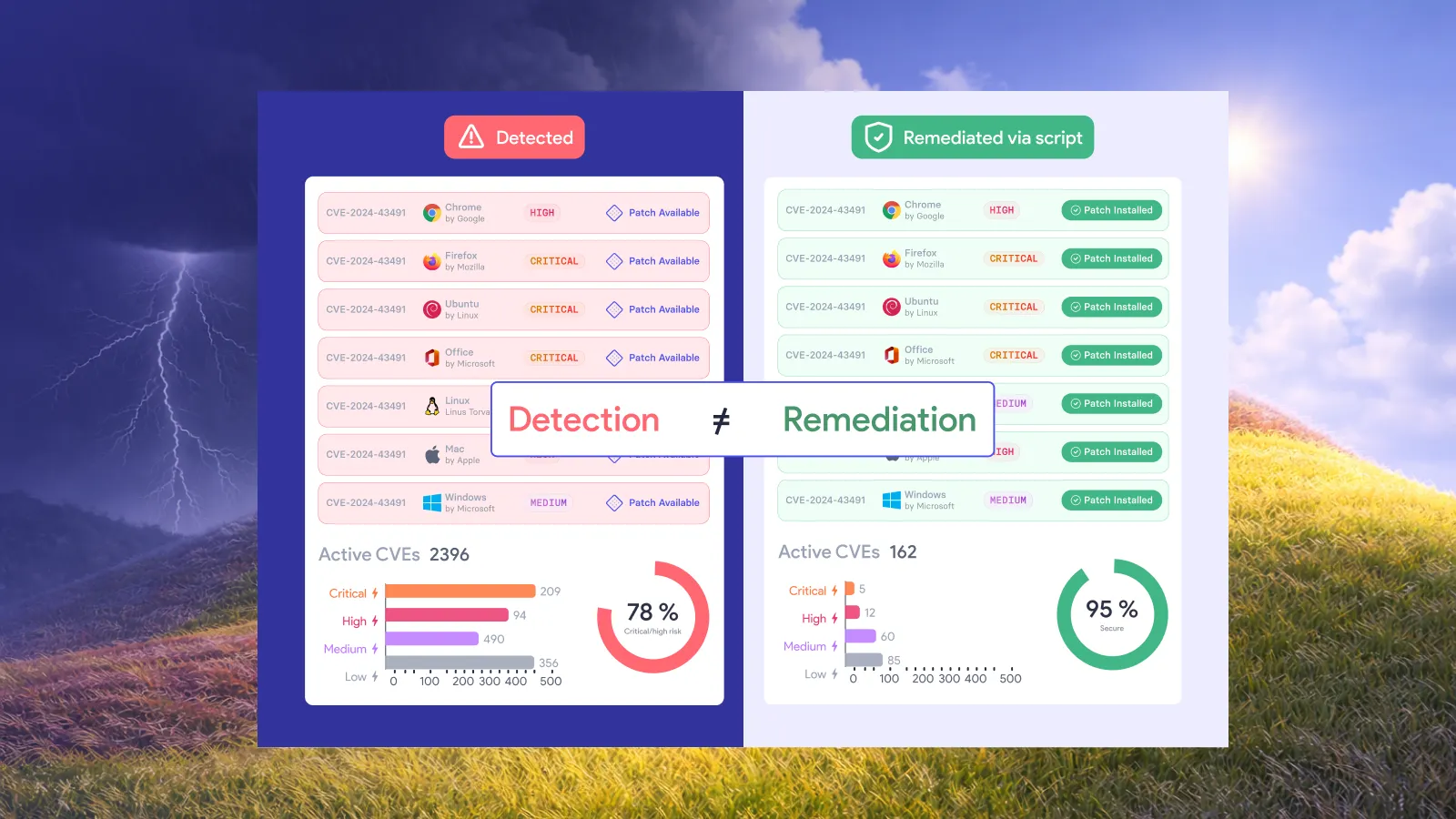
The zero-day gap is universal. None of these tools protect vulnerable systems in the window before a vendor patch ships. That's a structural limit, not a missing feature, of tools built around patch deployment as the only remediation mechanism.
The alternative: vRx by Vicarius
vRx is built on a different premise. Patching is necessary, but not sufficient.
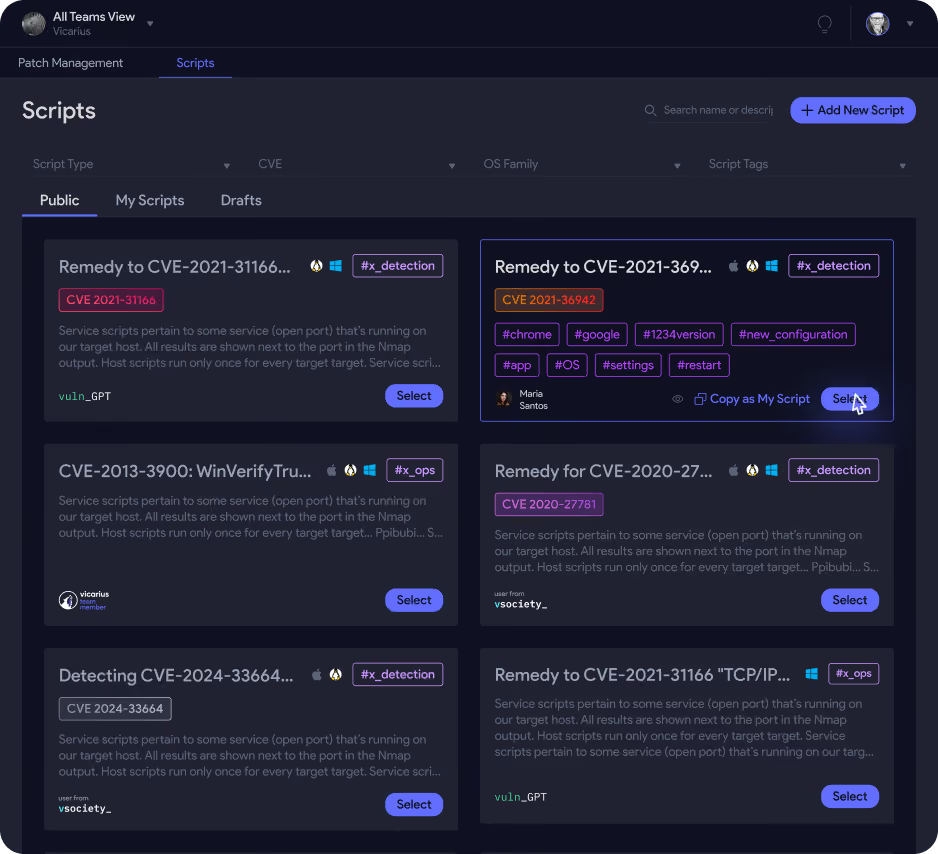
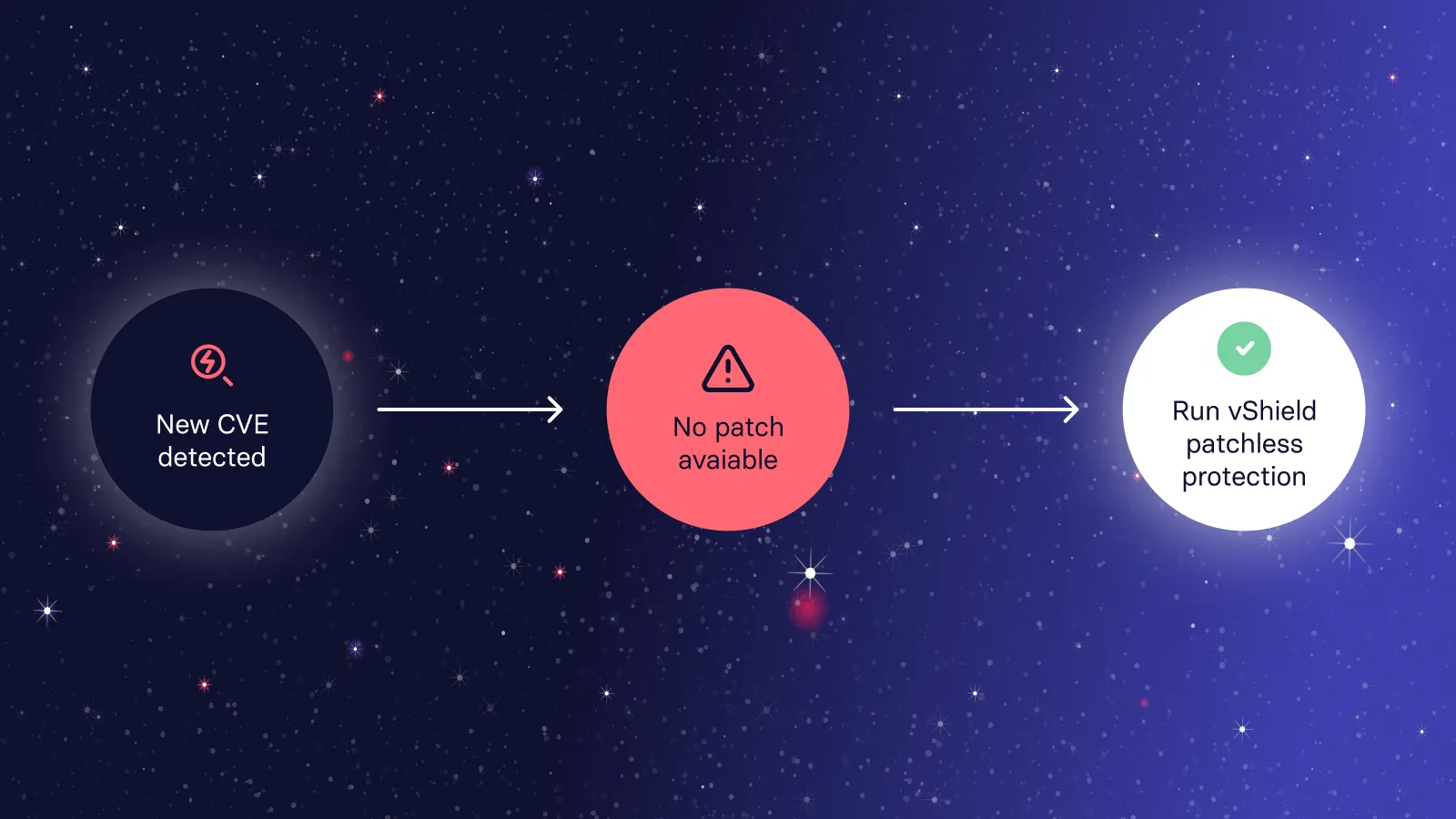
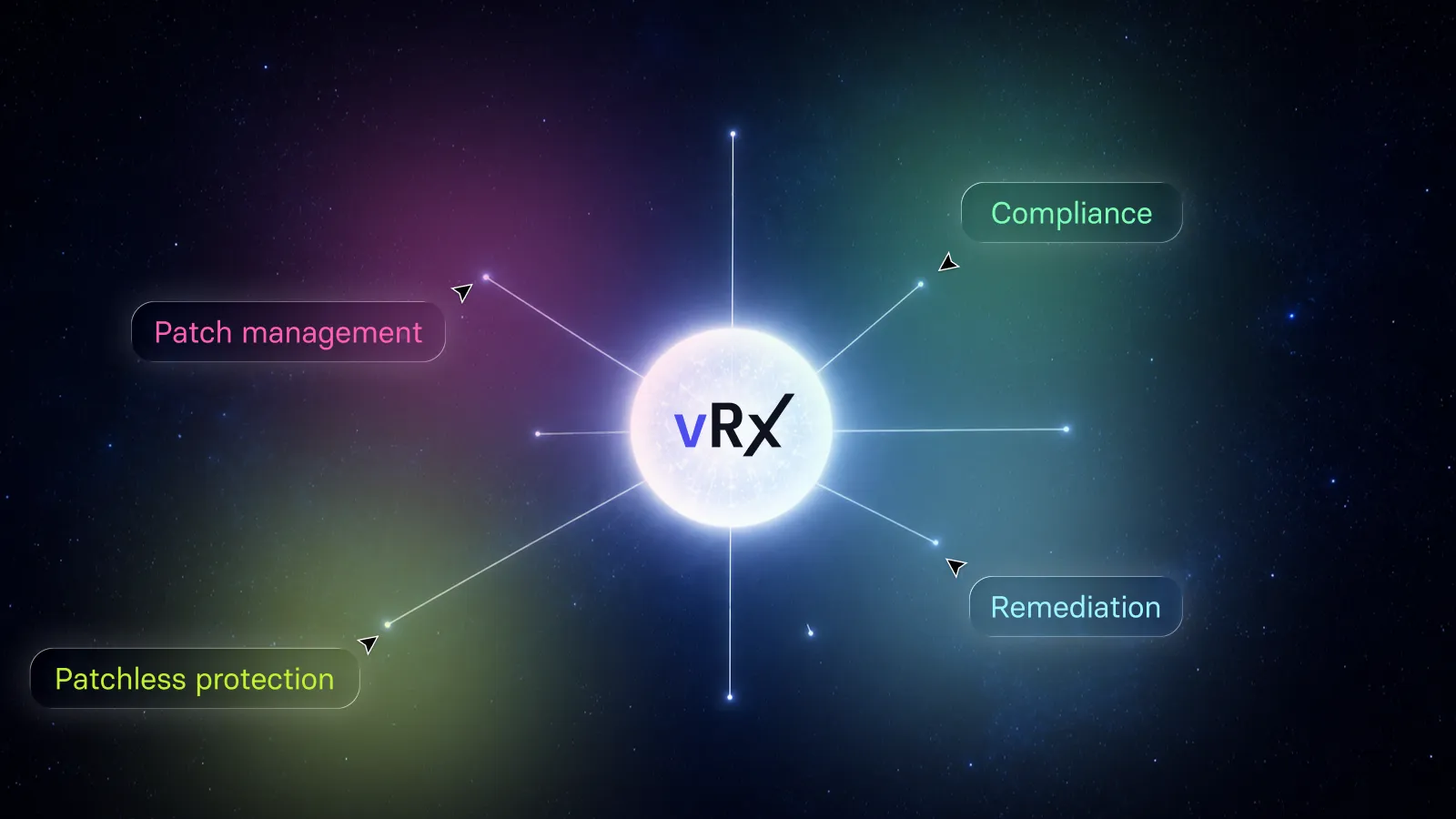
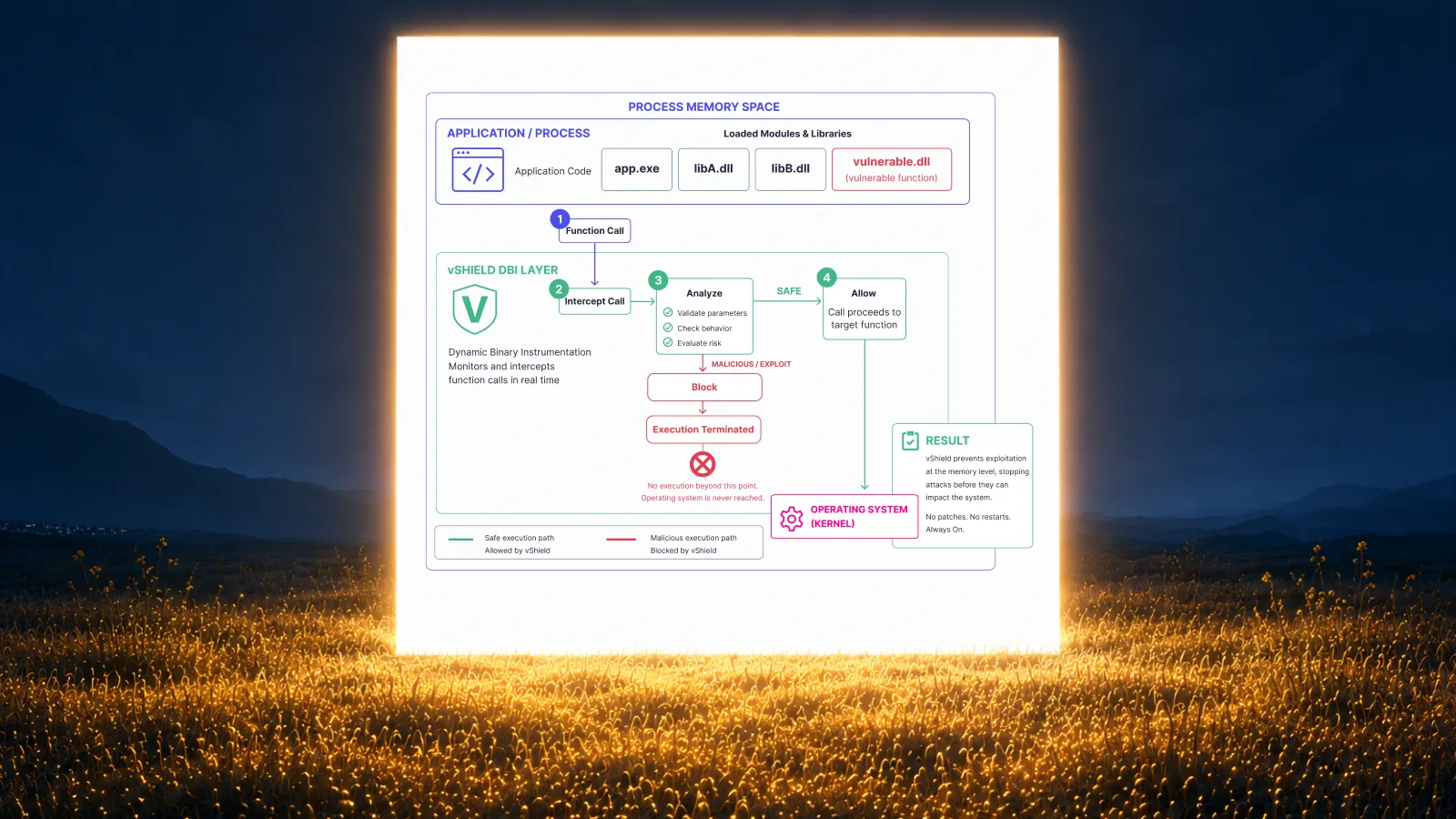
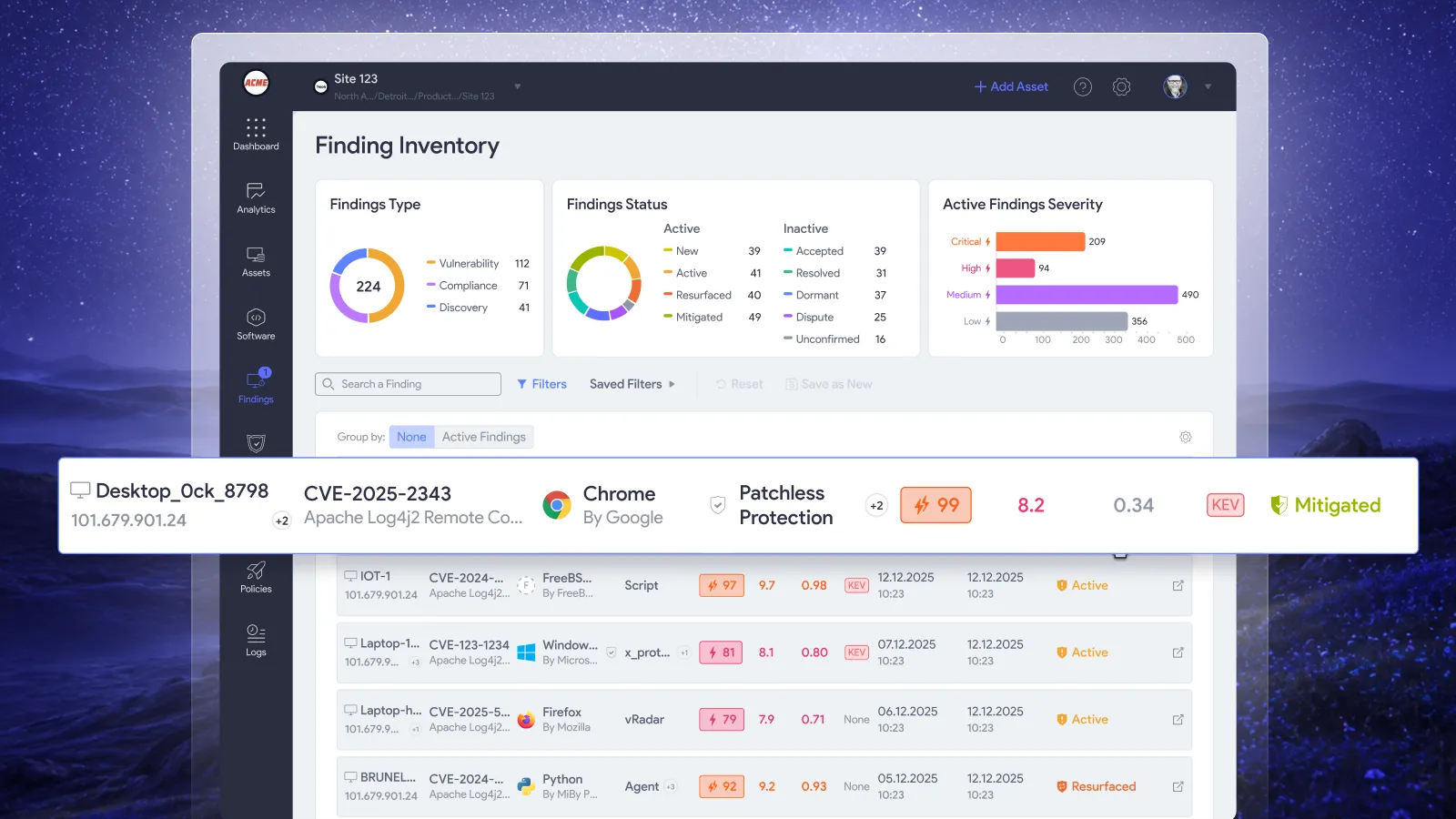
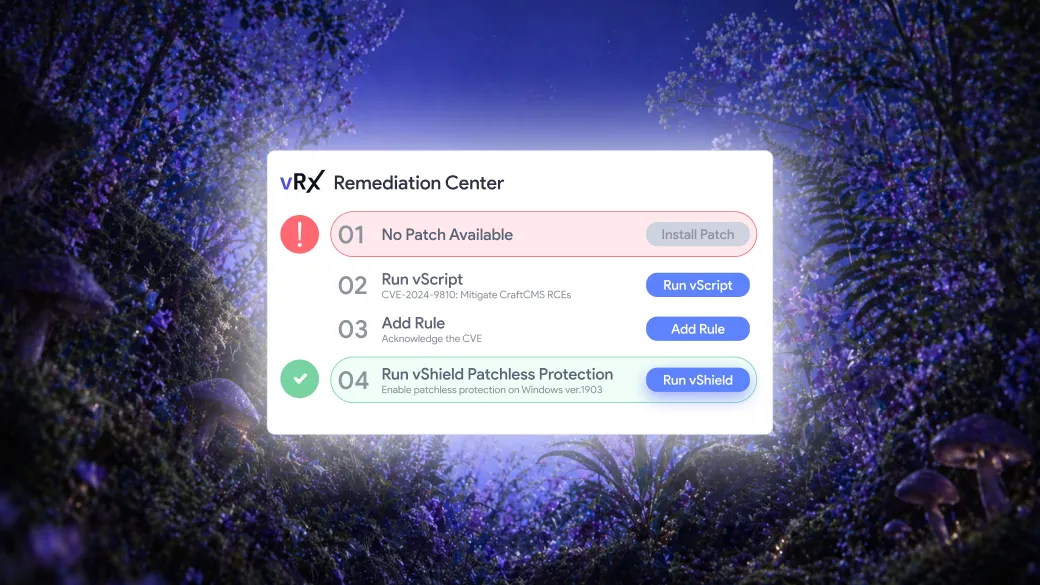
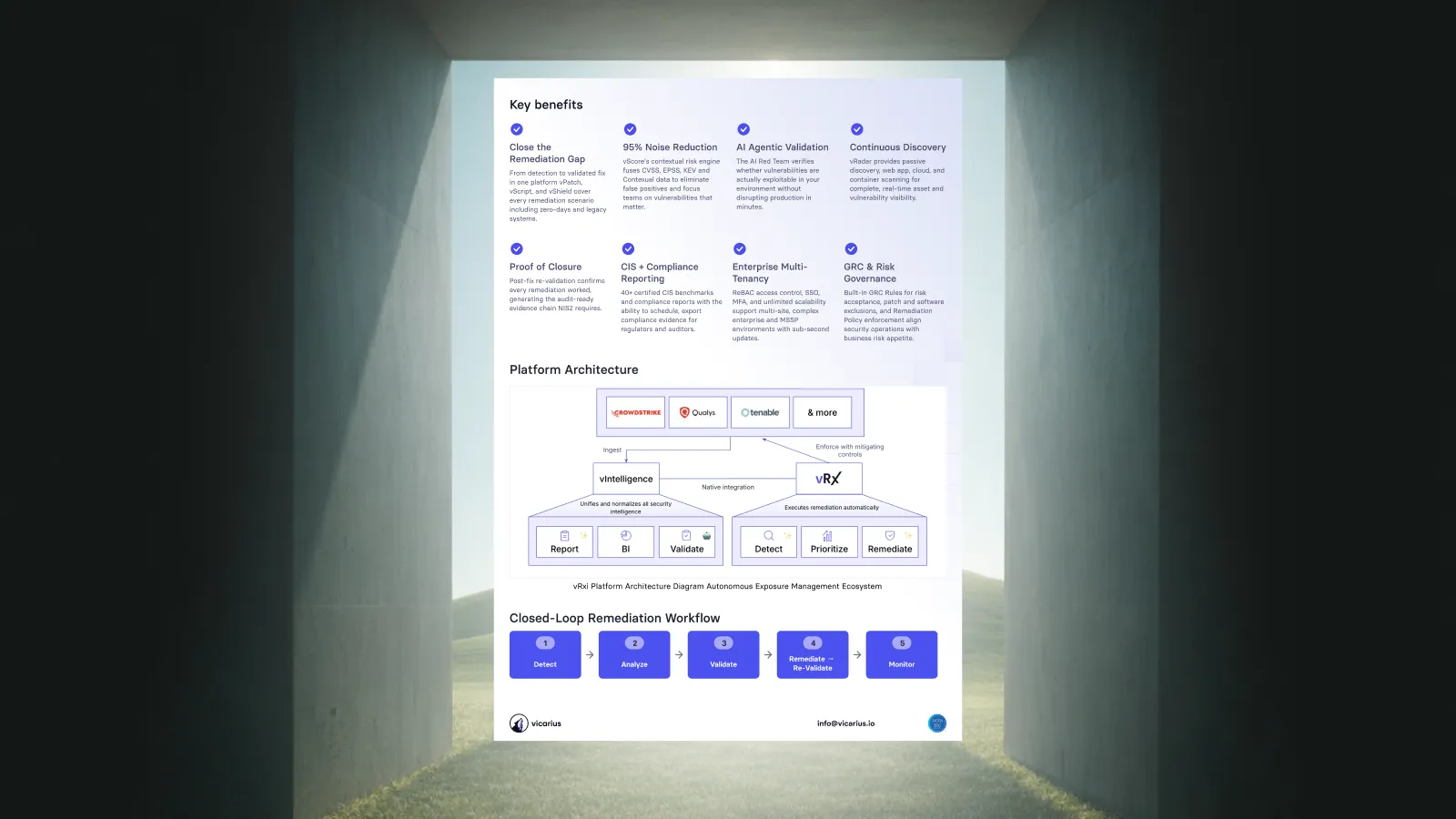
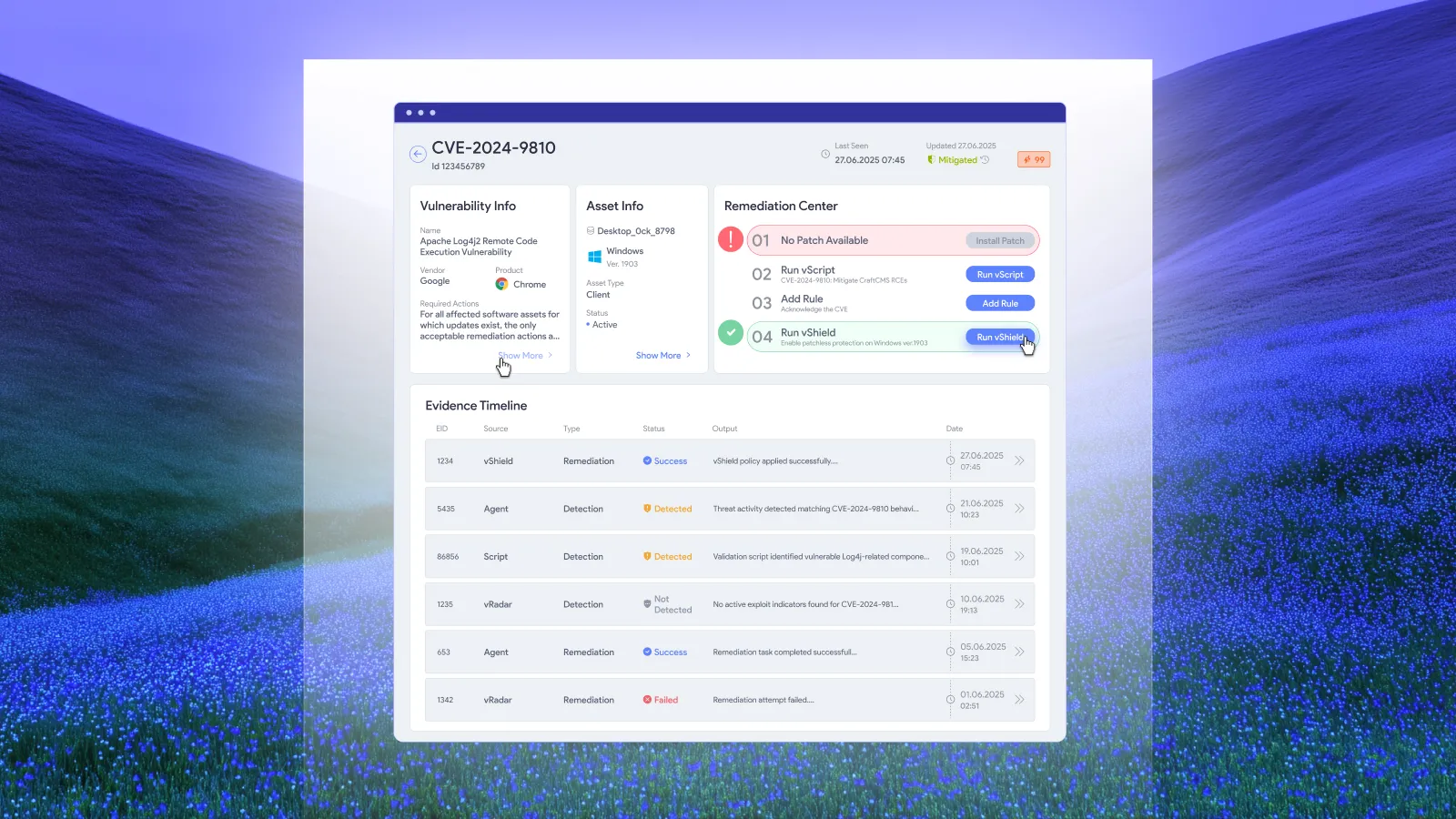
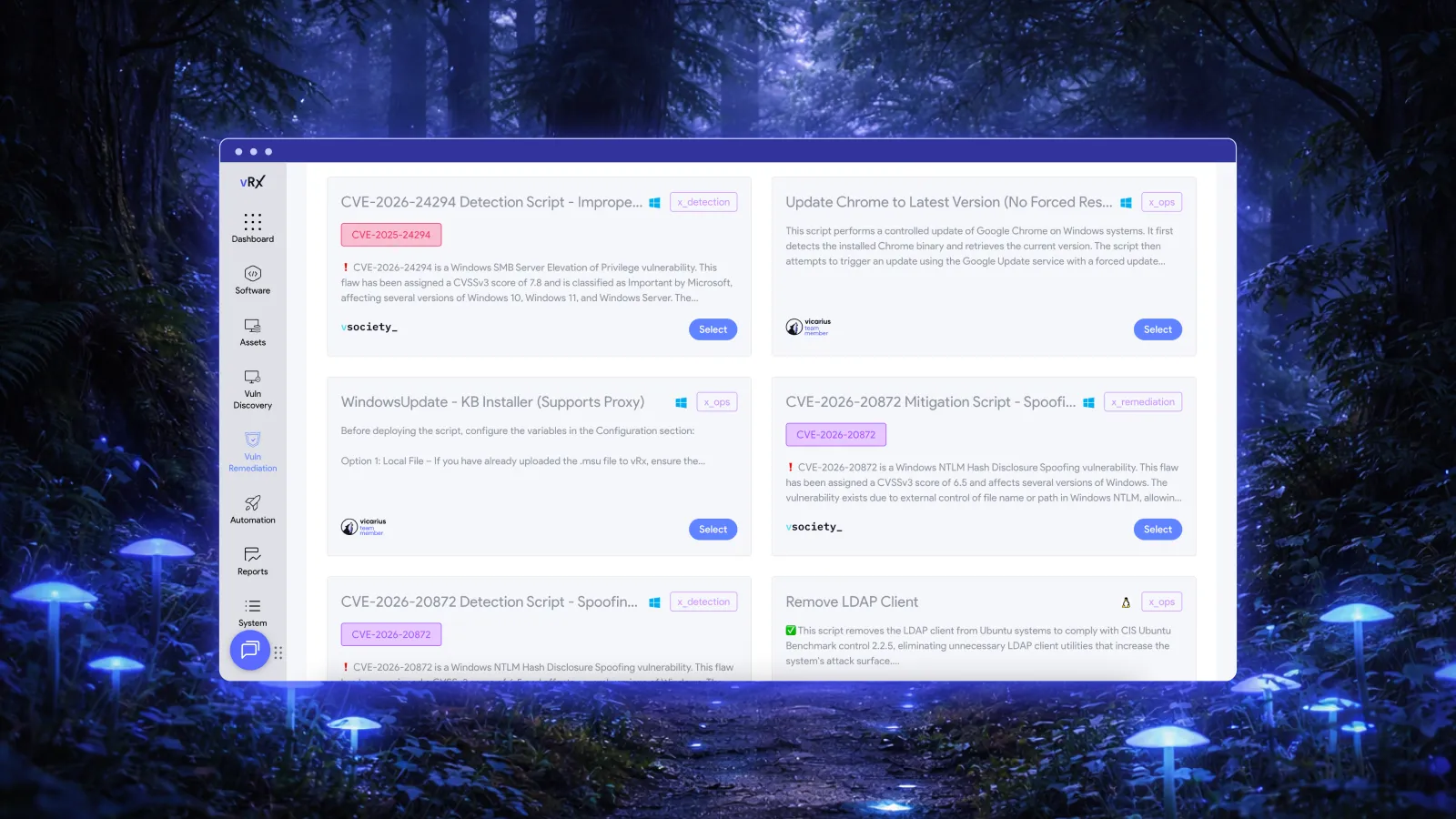
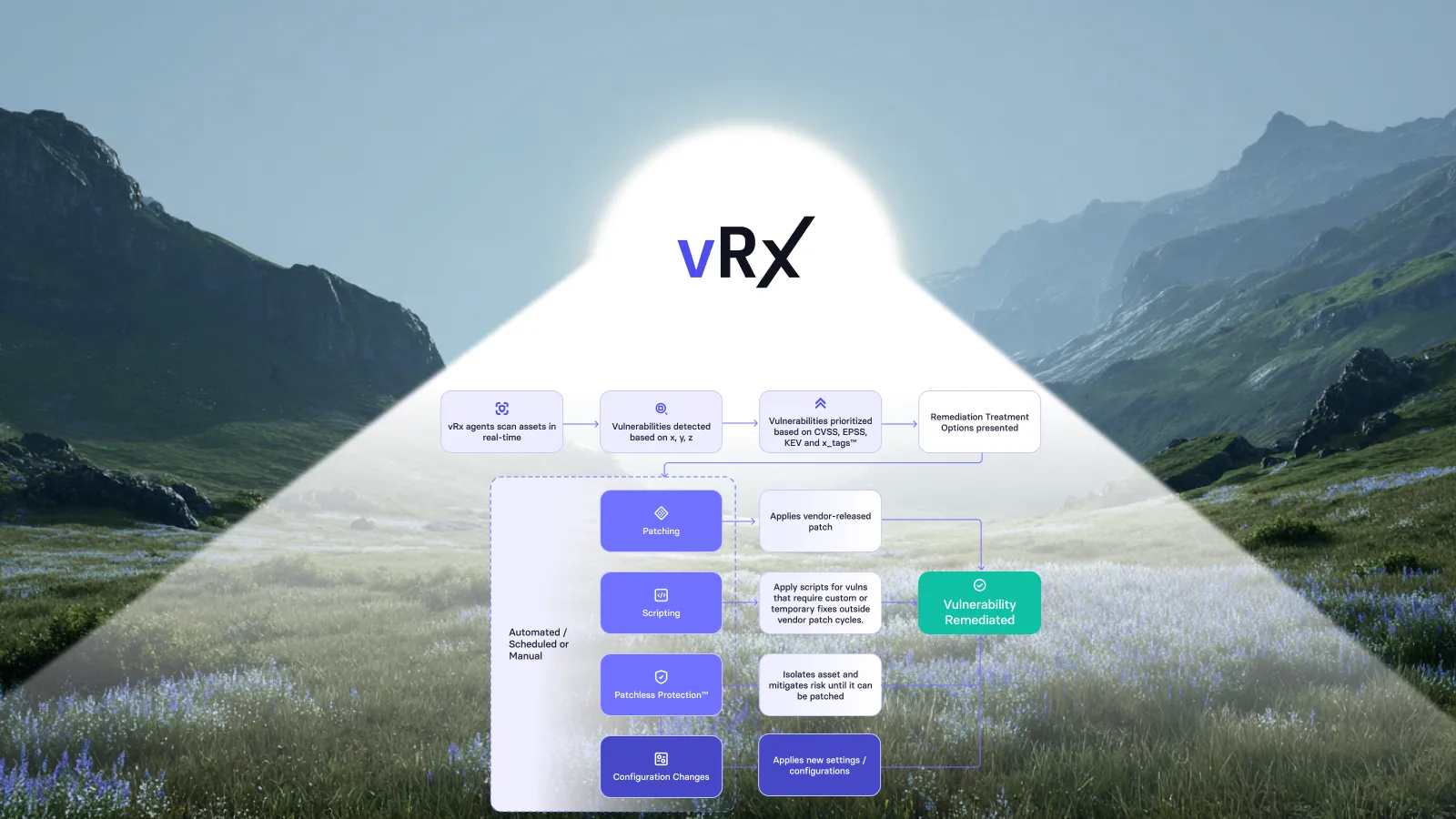
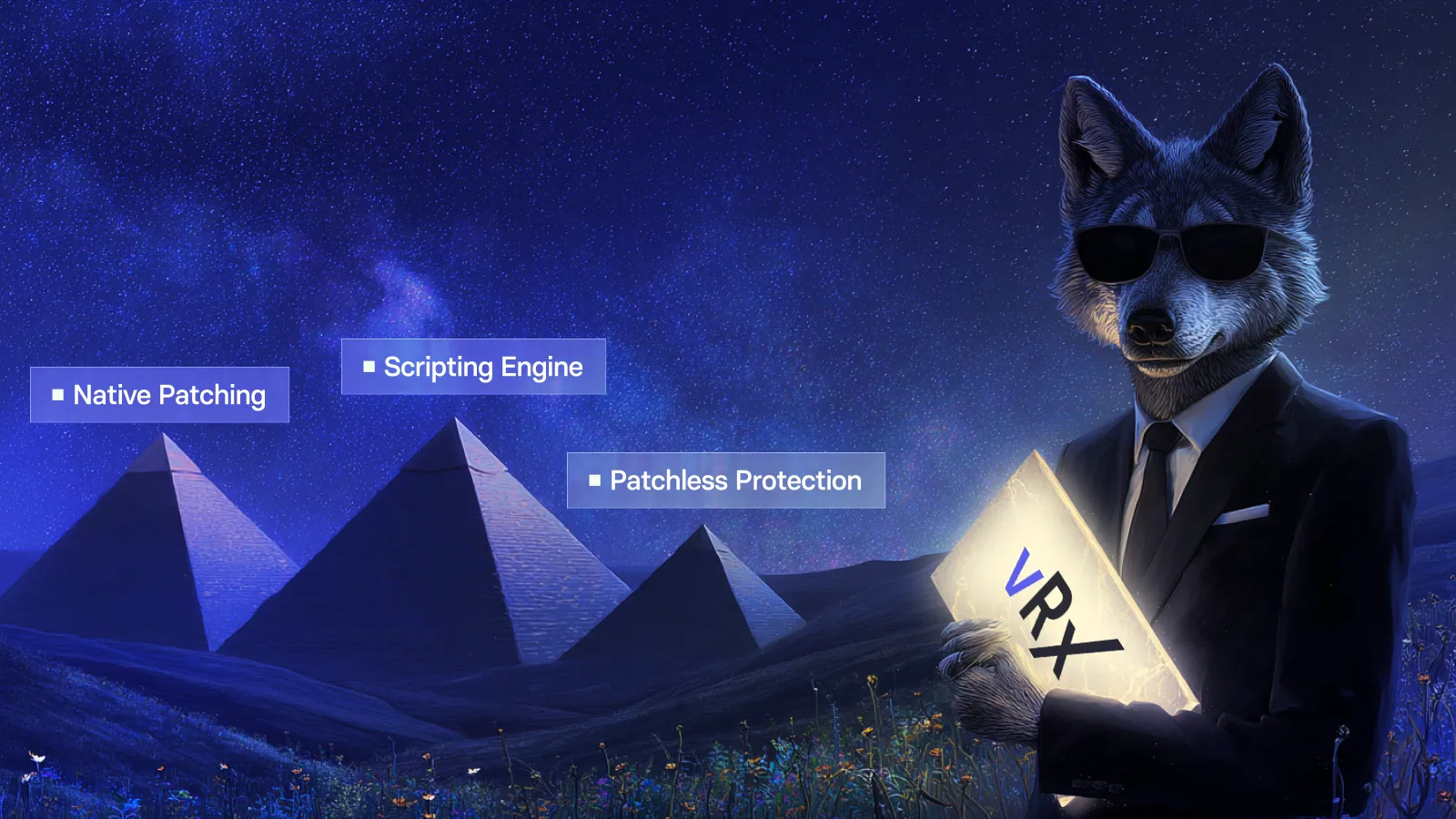
For zero-days without available patches, for legacy systems that can't go offline, and for third-party applications still waiting on a vendor fix, vRx adds patchless protection via Dynamic Binary Instrumentation. It works in memory on the vulnerable machine itself. When an attacker tries to exploit a vulnerability, the protection neutralizes the attempt at runtime, without a vendor patch and without scheduling a maintenance window.
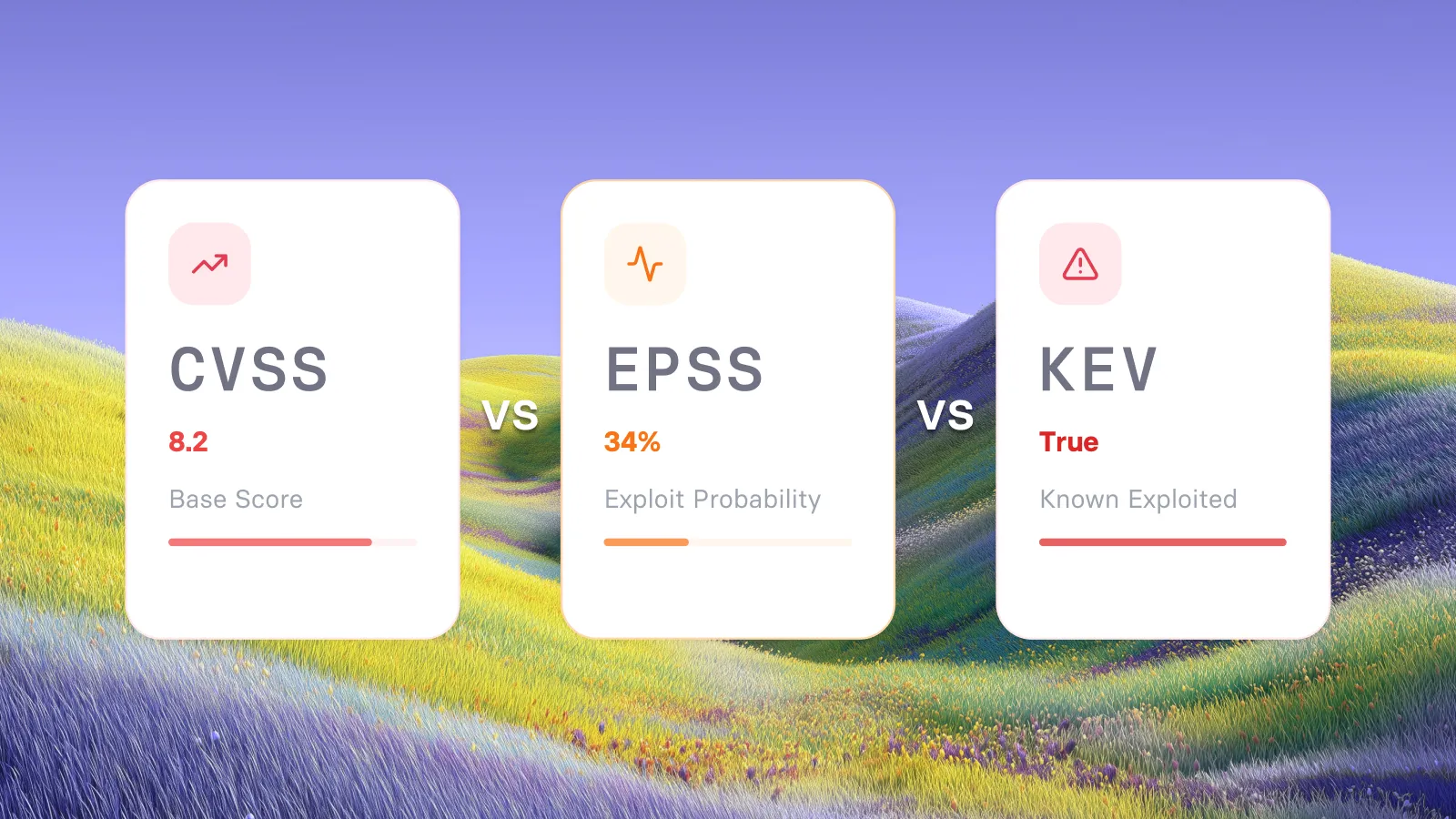
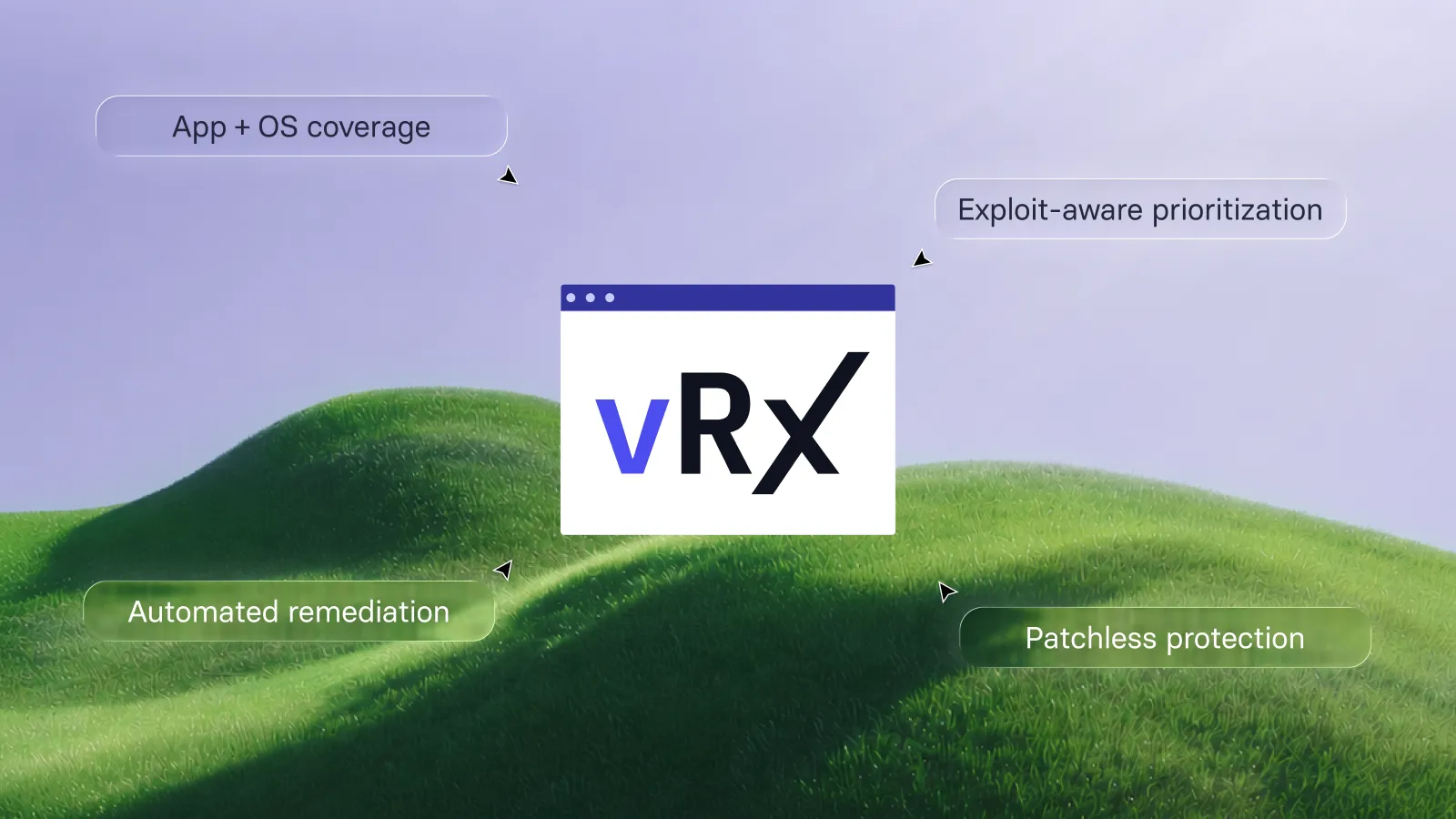
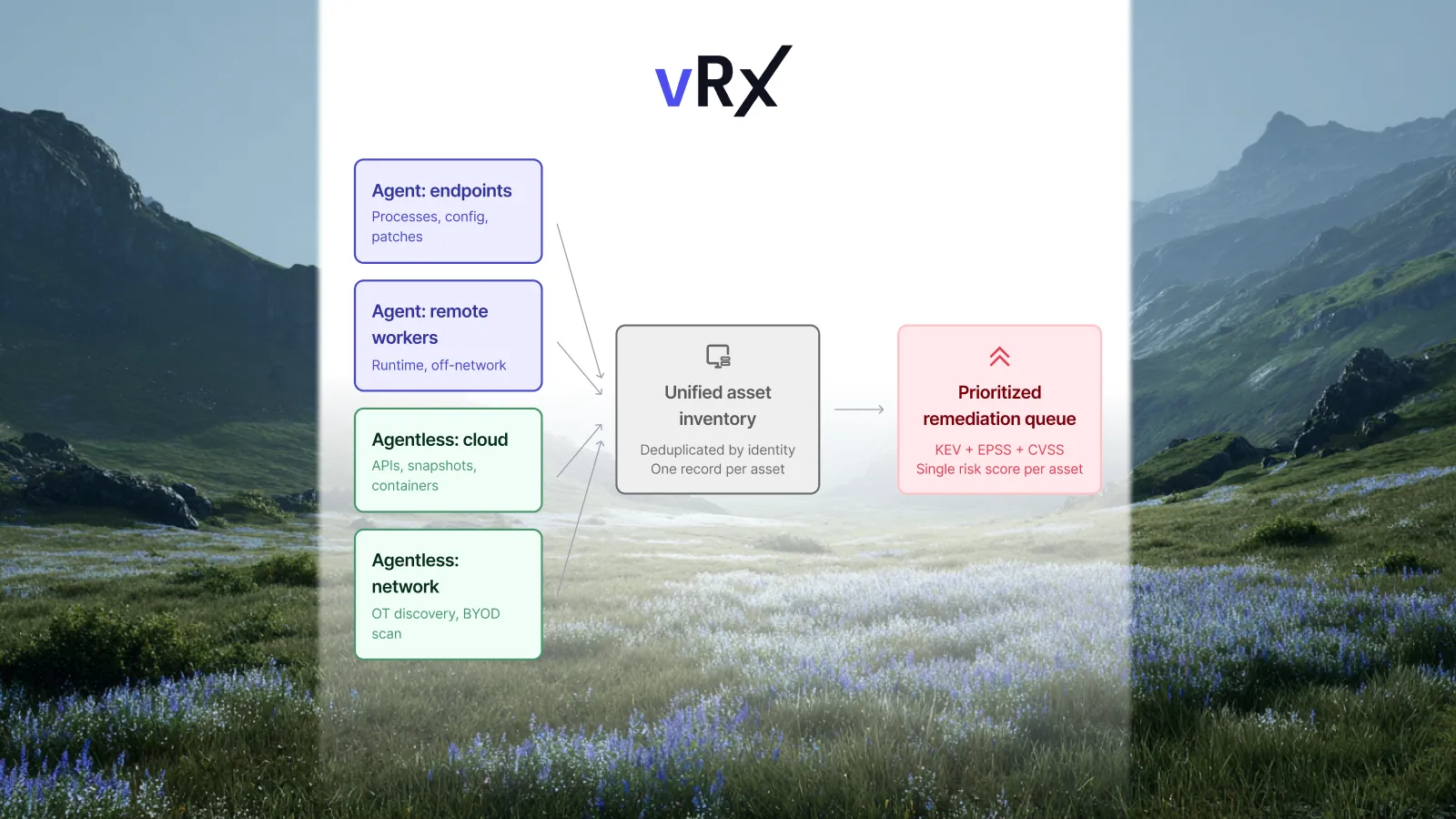
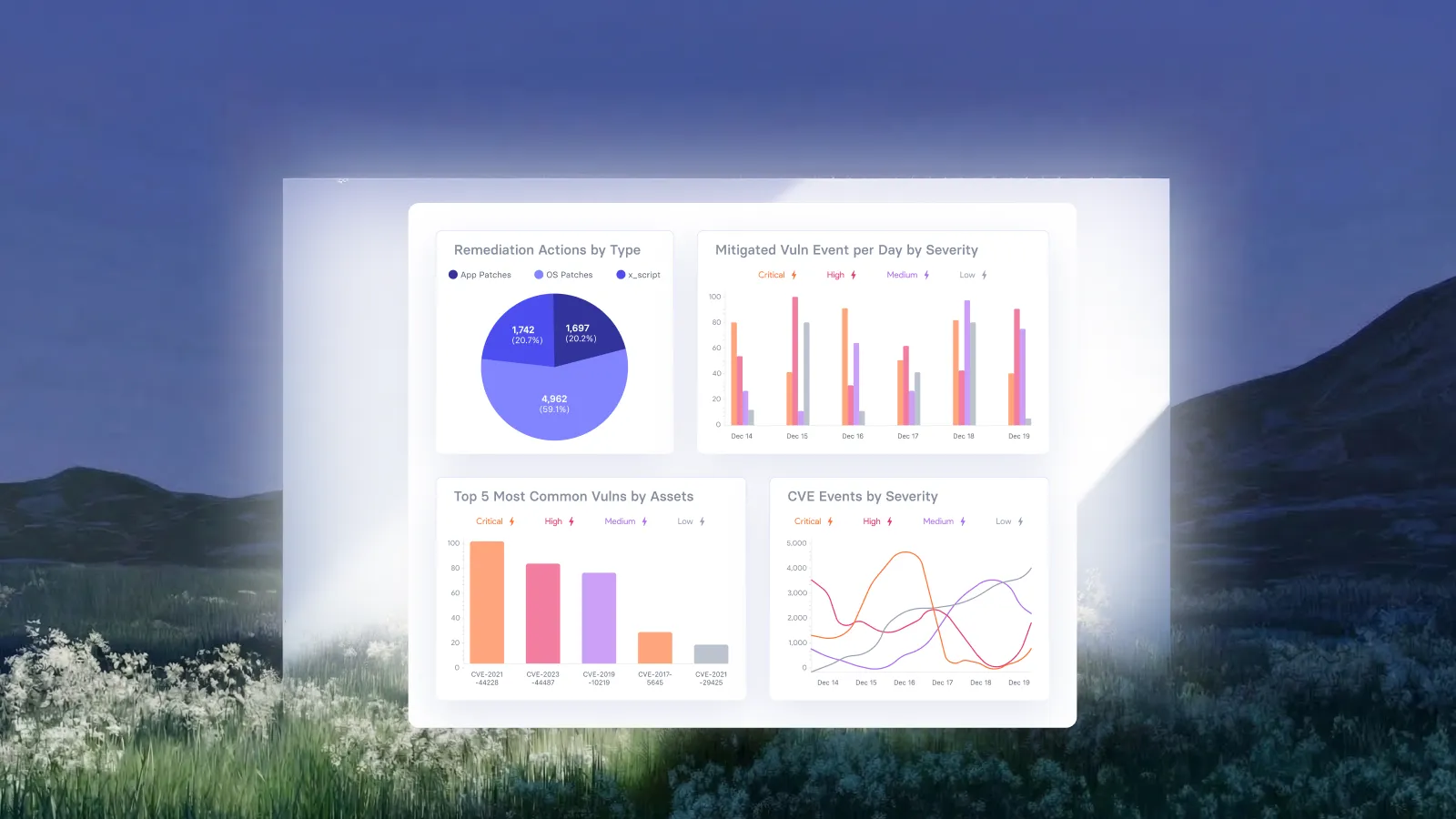
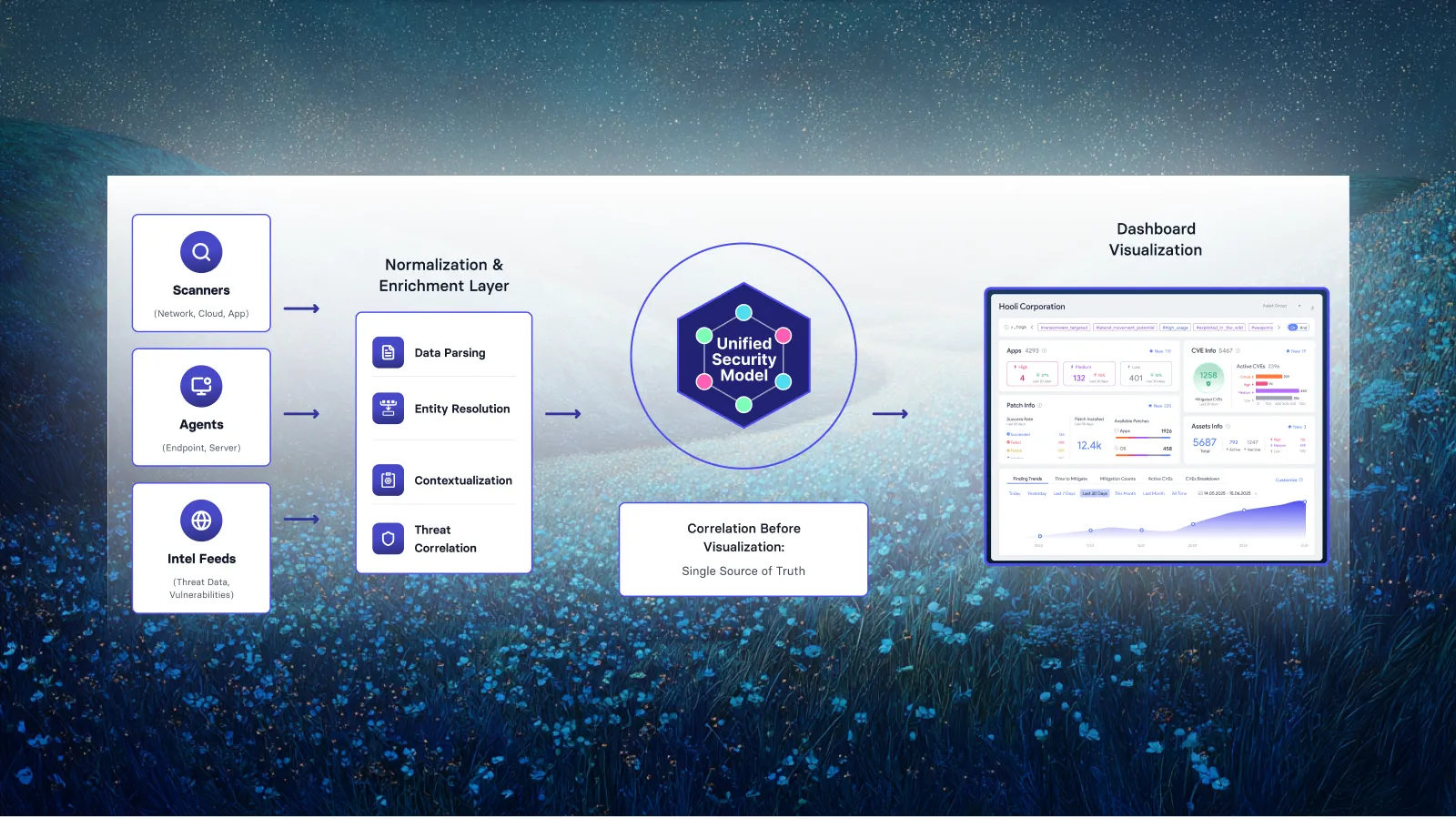
Combined with 20,000+ 3rd-party applications and OS coverage, multi-signal prioritization (CVSS, EPSS, and KEV), and a single-agent architecture, vRx closes all the gaps above.
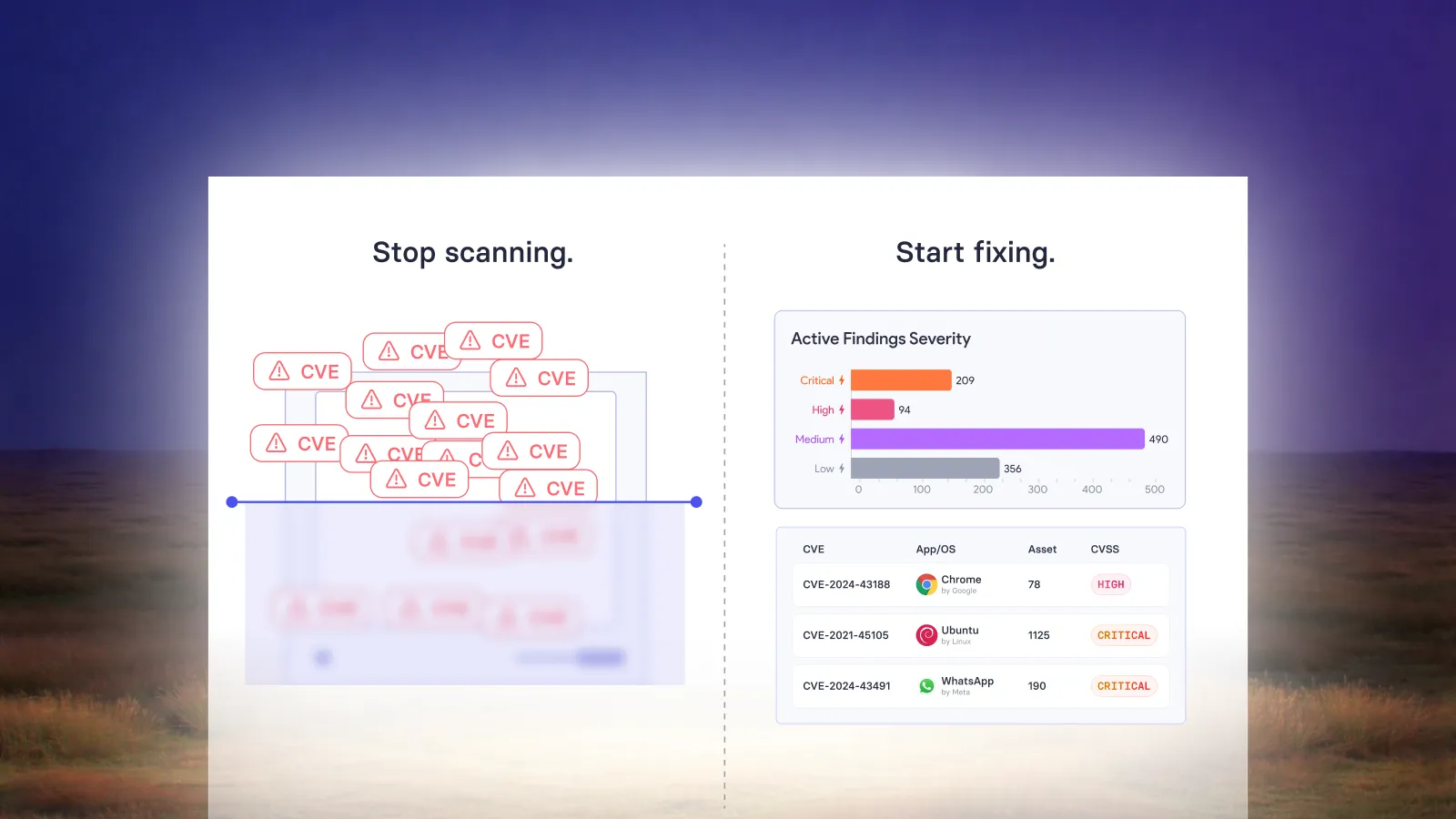
Qualys, Tenable, and similar platforms scan and report. Automox, ManageEngine, Action1, and SecPod patch. vRx fixes.
Related resources:
Download trusting automated vulnerability patching whitepaper


























.webp)
















%20Signals%20a%20New%20Era%20of%20Supply%20Chain%20Risk.webp)





.webp)