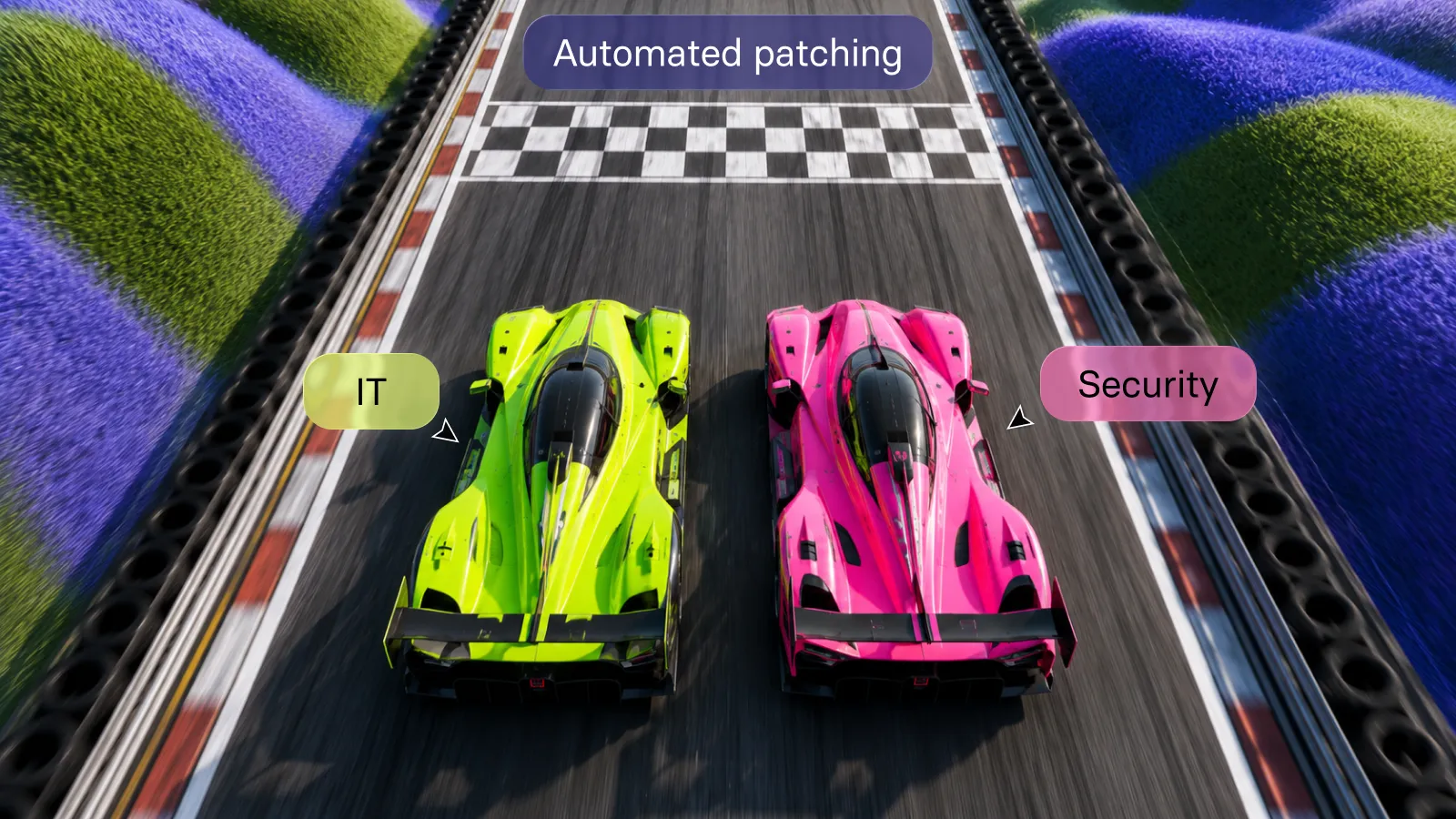


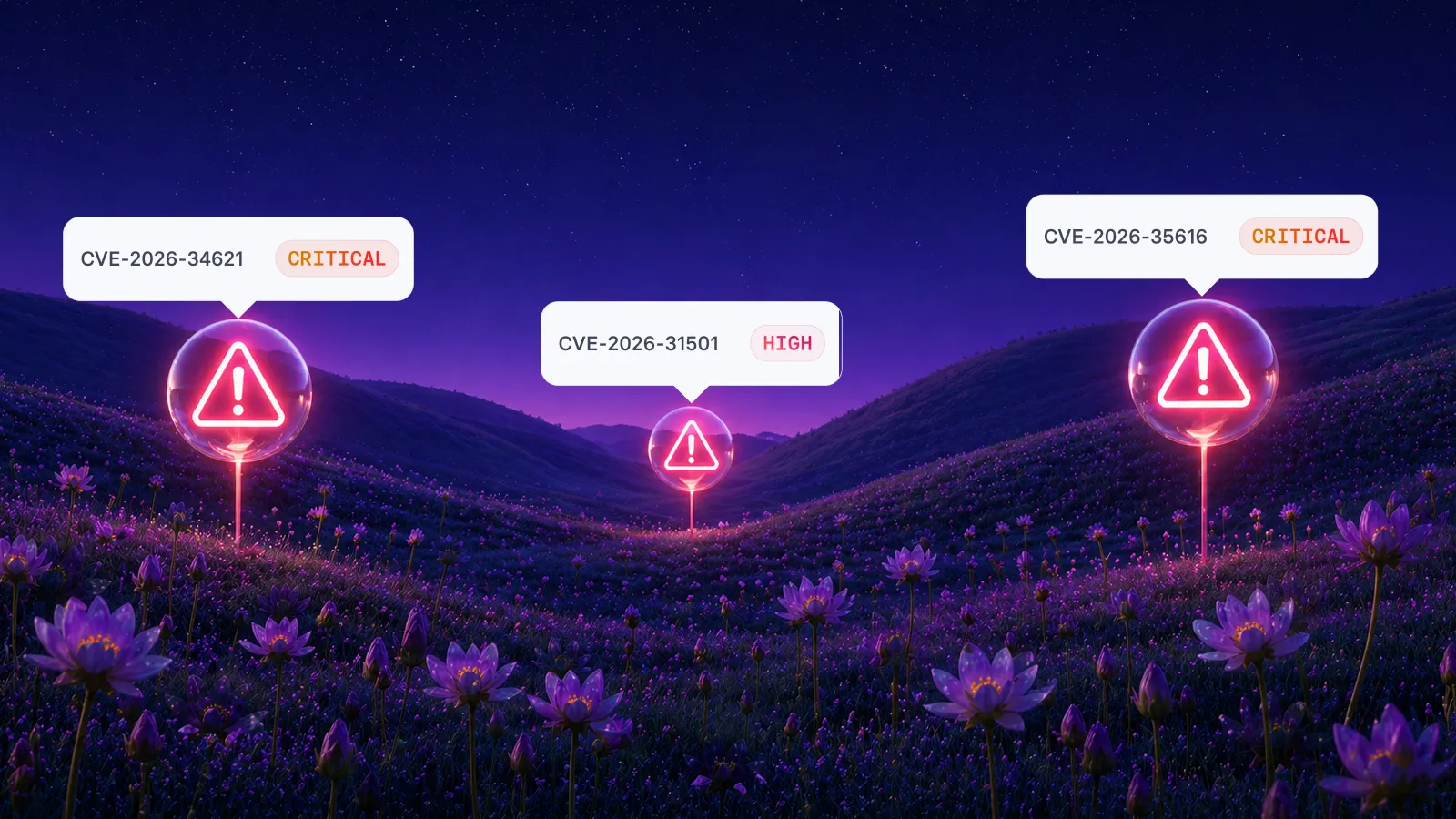
A vulnerability scanner flags a critical CVE on Monday morning. Security opens a ticket. IT ops checks the change calendar and finds no open maintenance window until next weekend. Security escalates. IT pushes back: that server runs a finance job nobody wants to break. Five days pass before the patch goes out. The CVE was public for 47 days before that.
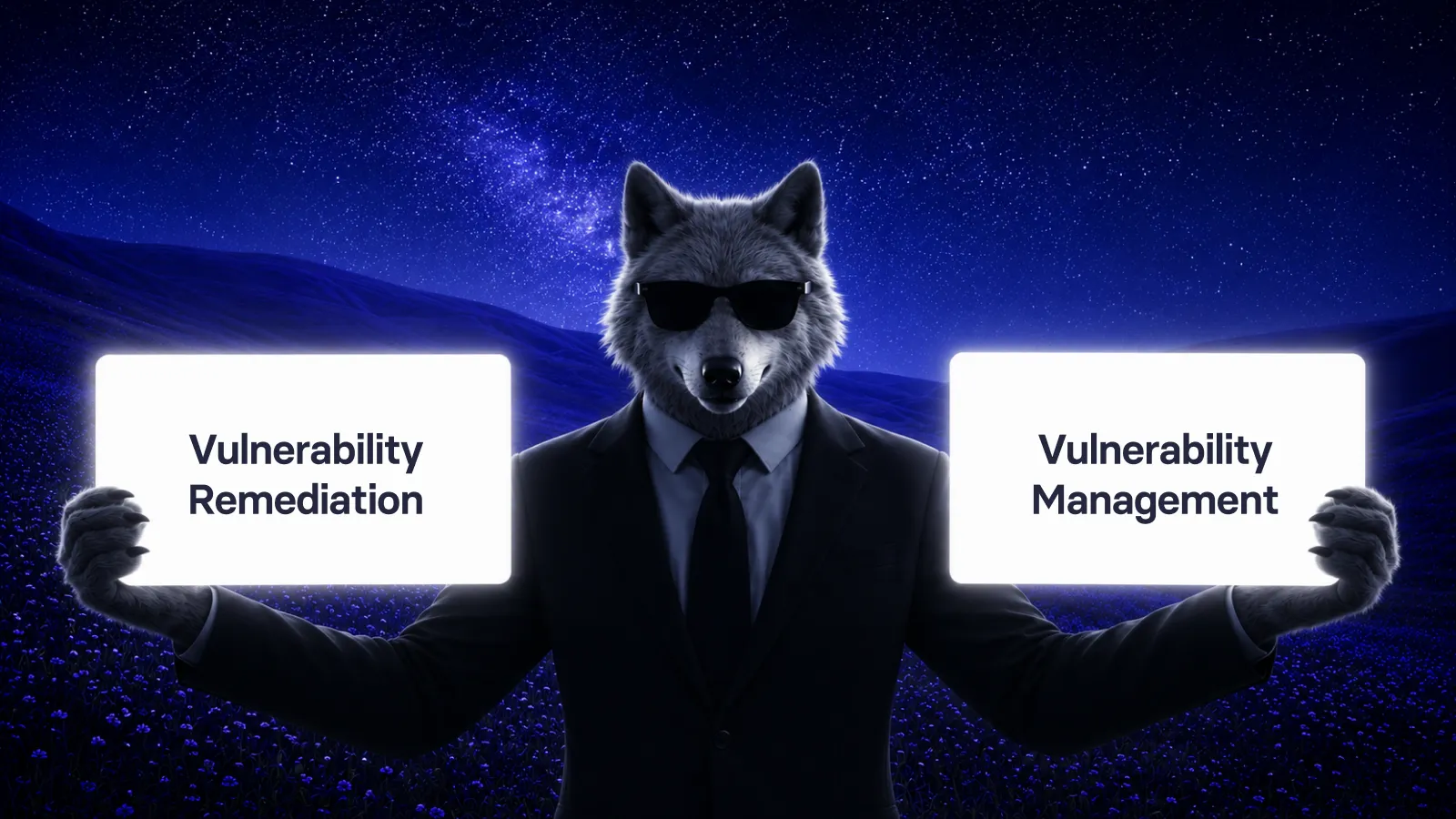
This isn't a tooling problem. It's a coordination problem, and it plays out in nearly every organization running vulnerability management and patch operations as two separate disciplines with two separate owners.
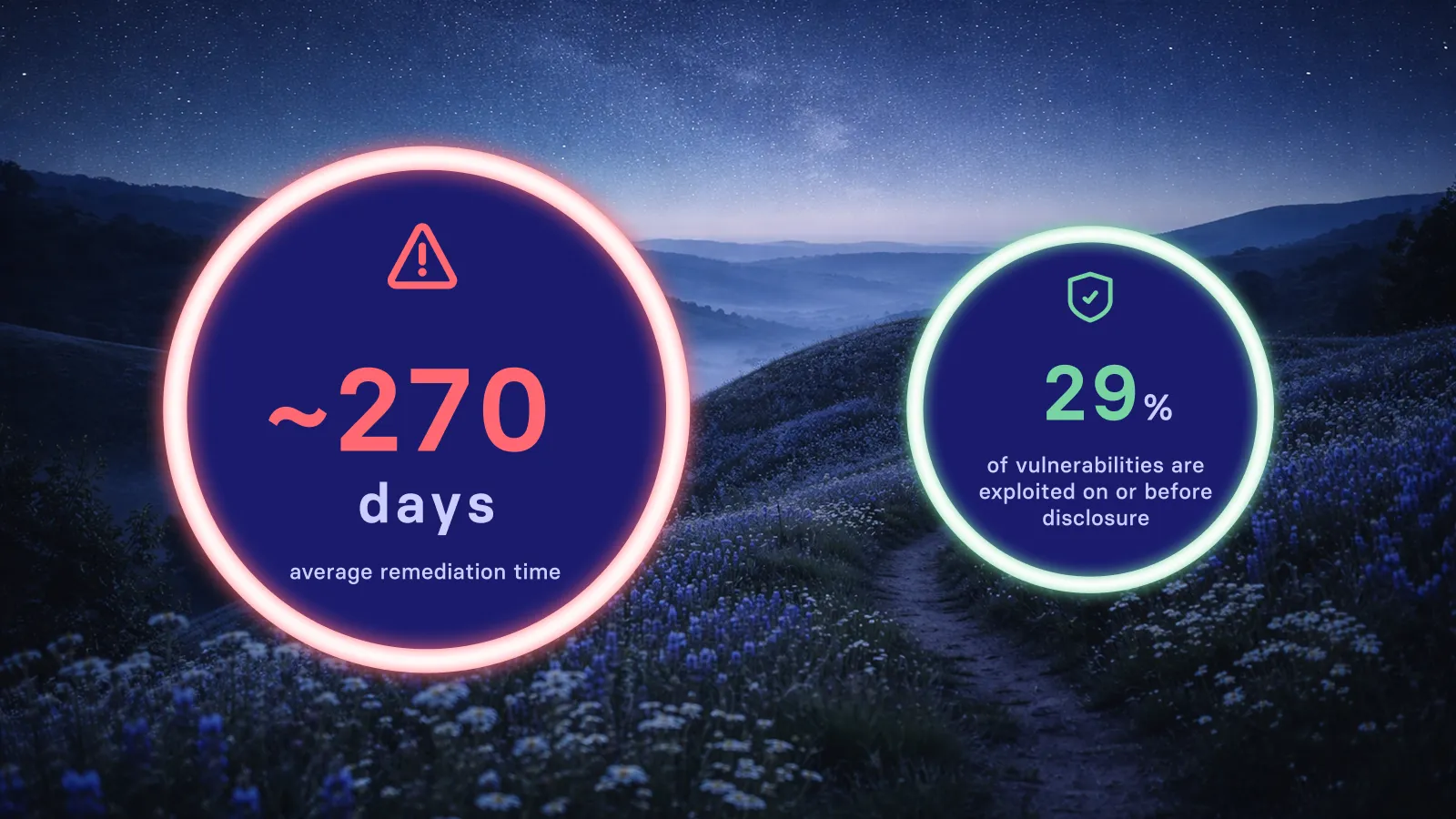
The data backs this up. Vicarius surveyed 300 IT and security leaders across the US and UK for Exposed and Unfixed: The 2026 State of Vulnerability Remediation, and found that 79% had suffered a security incident in the past year involving a vulnerability their own team already knew about. Not an unknown zero-day. A known issue that sat unresolved long enough to get exploited. The same report found that 38% of organizations say remediation ownership varies by situation, and 43% sometimes need to pull in an additional team just to execute a fix that's already been approved.
What automated patching platforms fix?
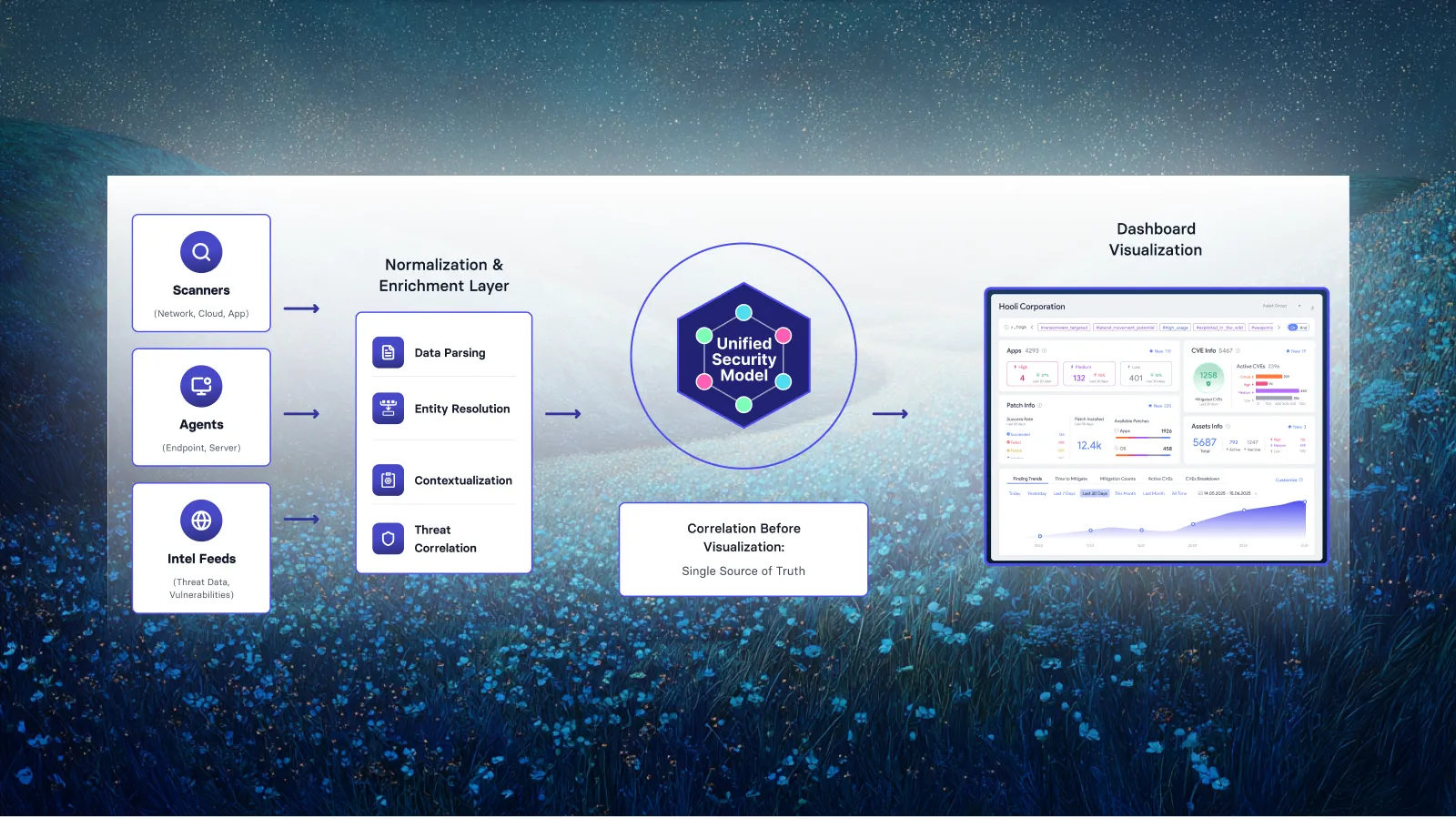
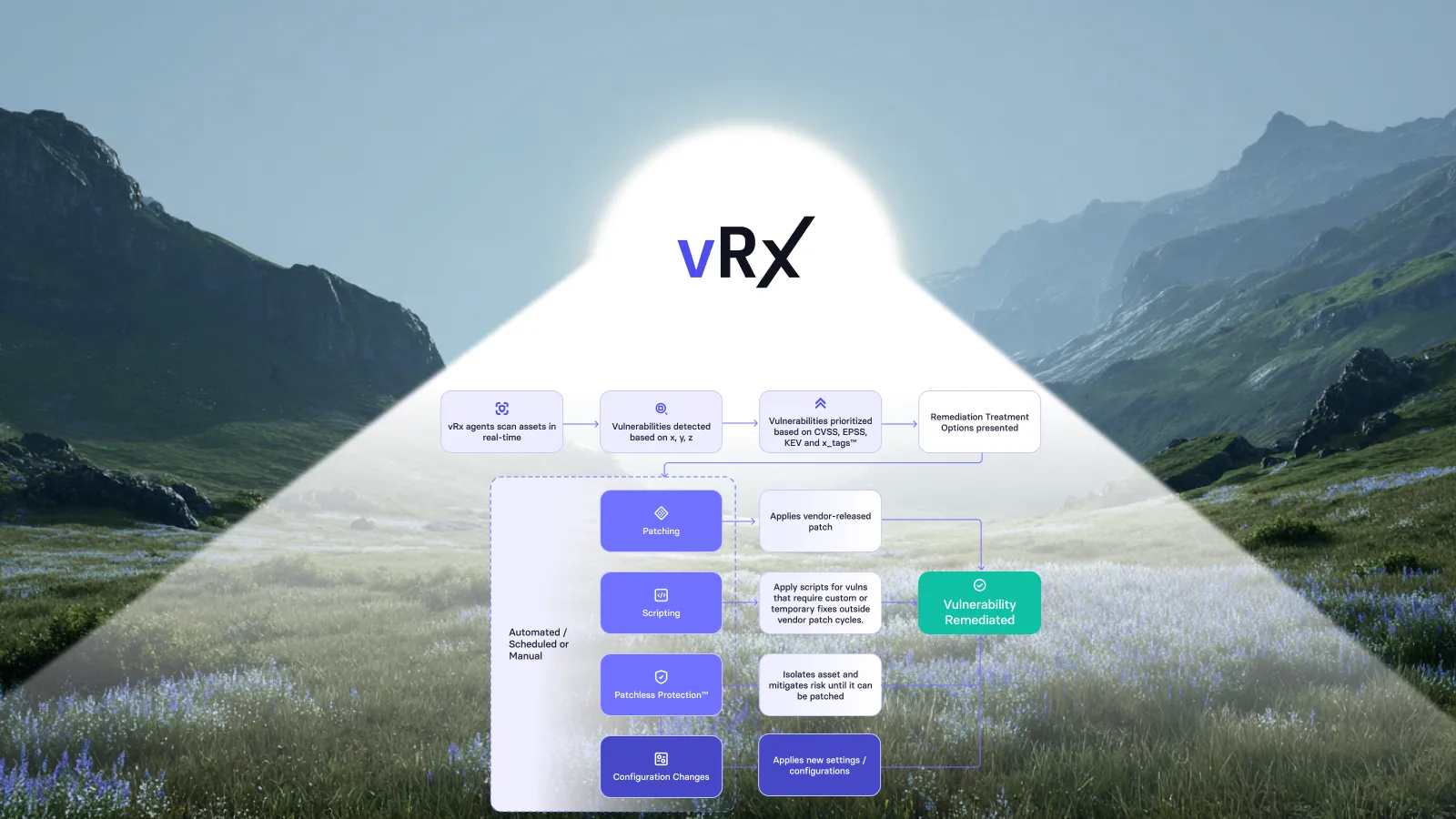
Automated patching platforms should handle the mechanical parts of the remediation lifecycle: discovery, prioritization, deployment, verification, without a human manually queuing each task. But the interesting effect isn't speed alone. It's what happens to the relationship between security and IT once a shared, automated workflow replaces the tug-of-war over spreadsheets and Slack threads.
When both teams work from the same pipeline instead of two separate ticketing systems, ownership stops being ambiguous. A patch either has an assigned owner and a deadline inside the workflow, or it doesn't ship. Vicarius's survey found that the average organization touches three or more separate systems to complete a single remediation cycle. Every extra system is another place ownership can get lost, which lines up with that 38% figure on ownership varying case by case.
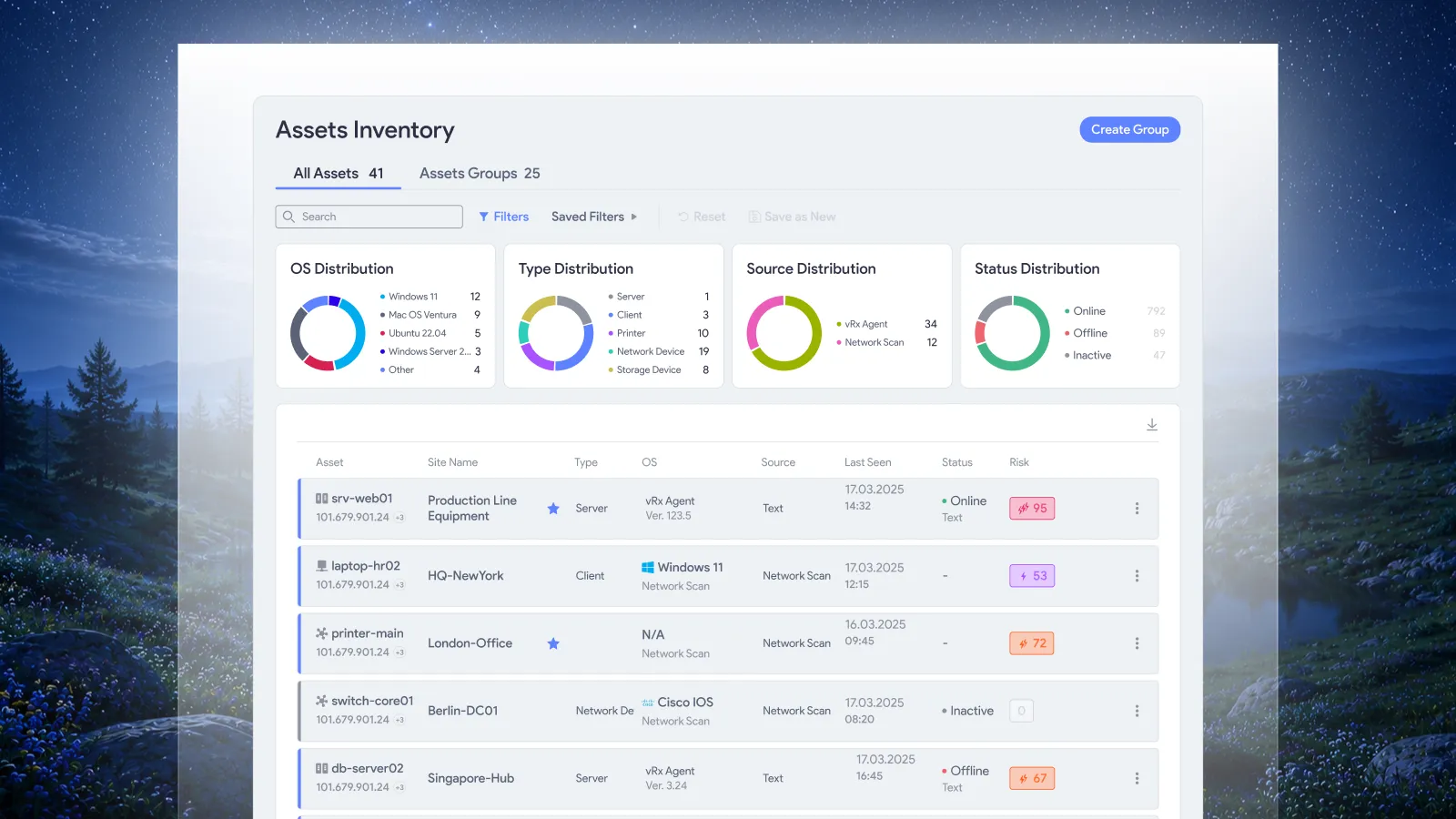
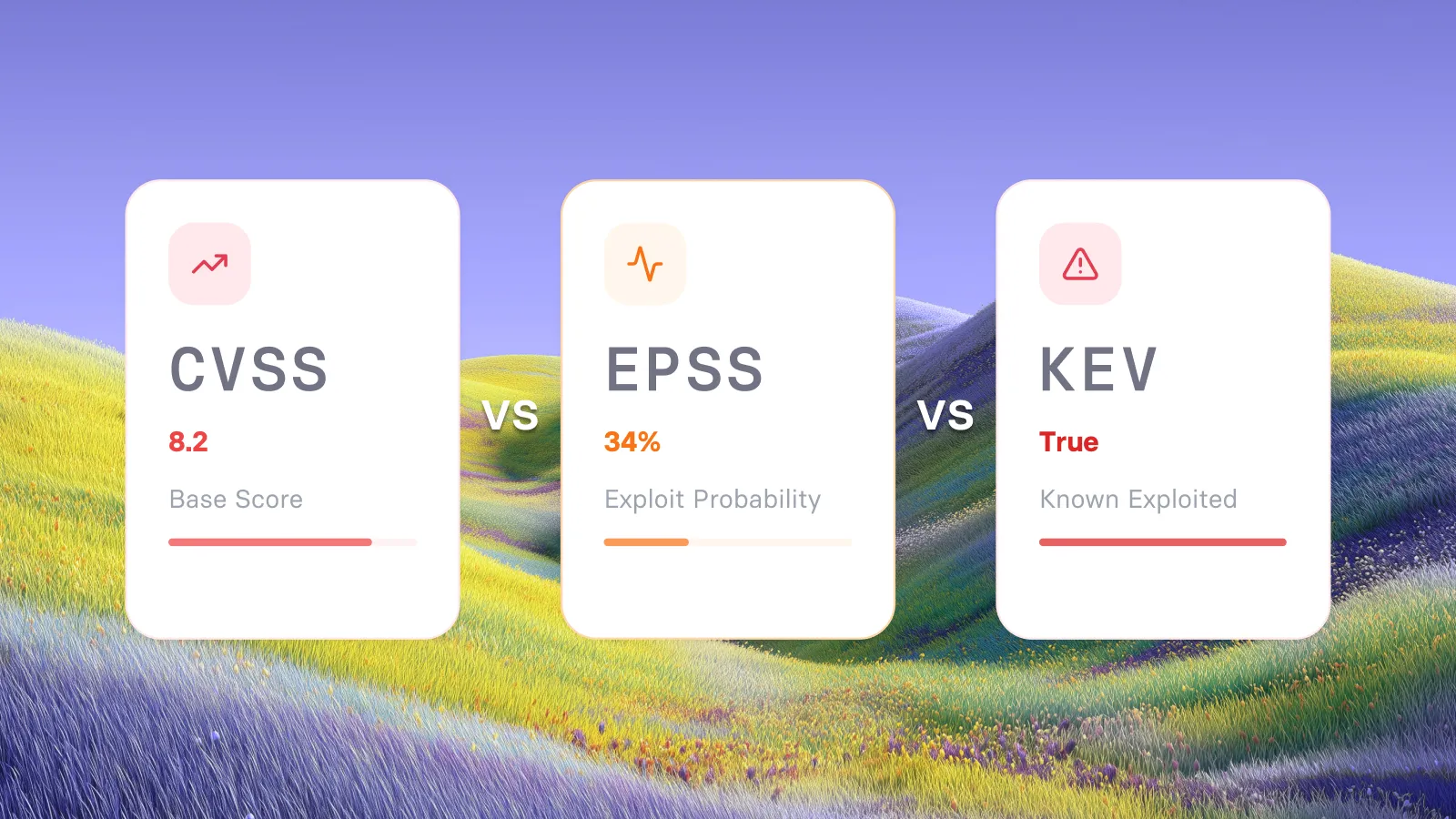
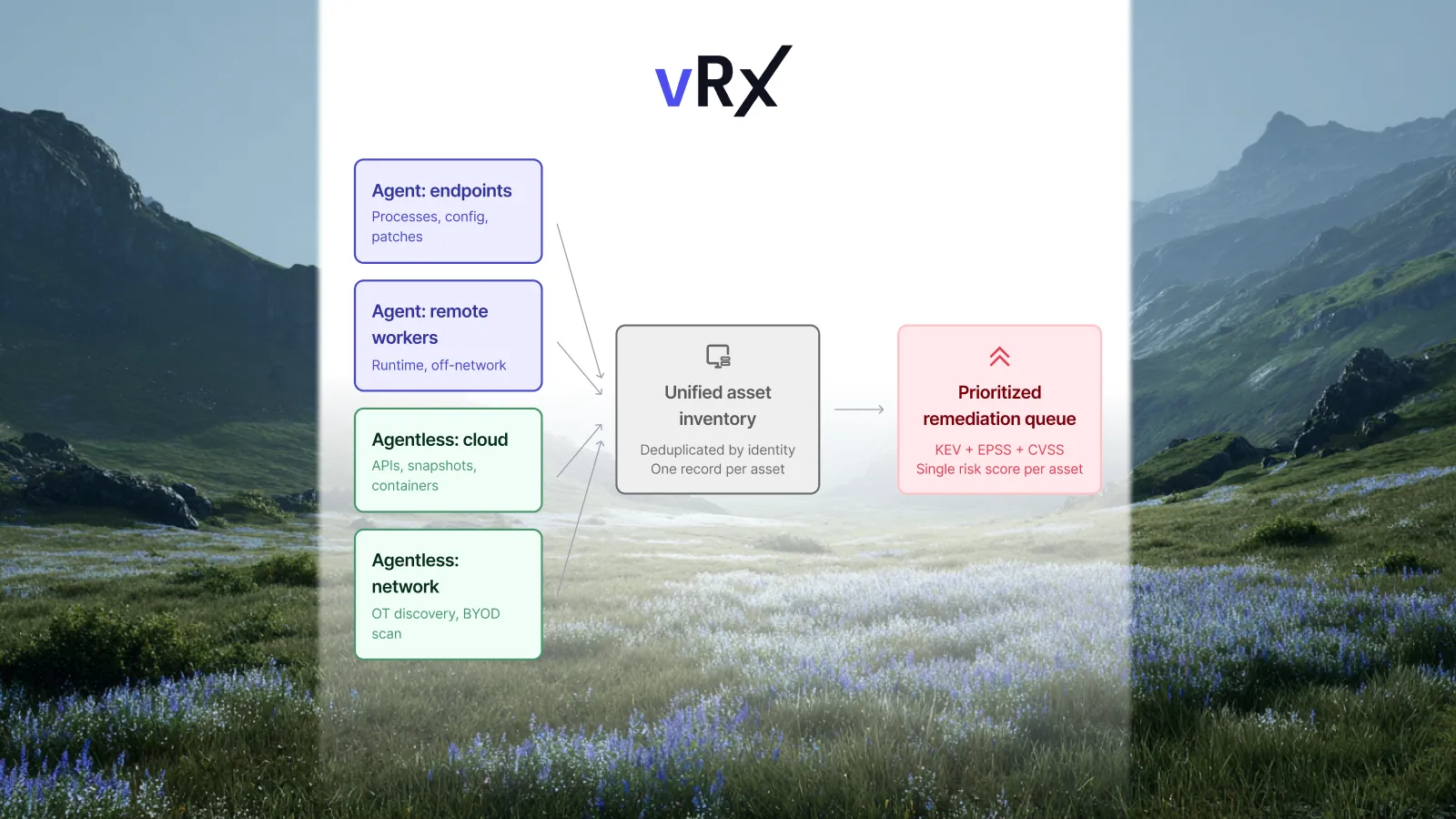
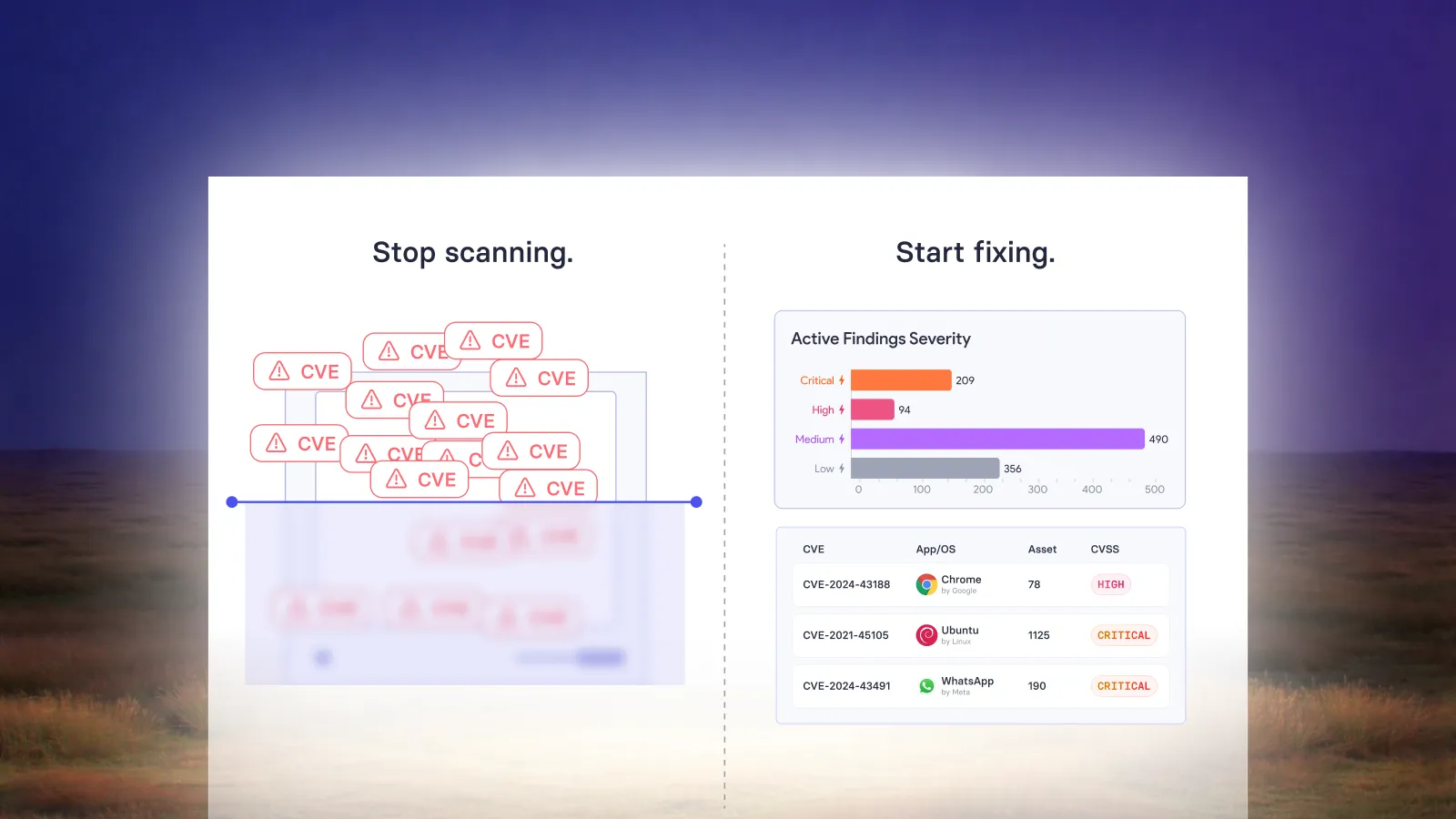
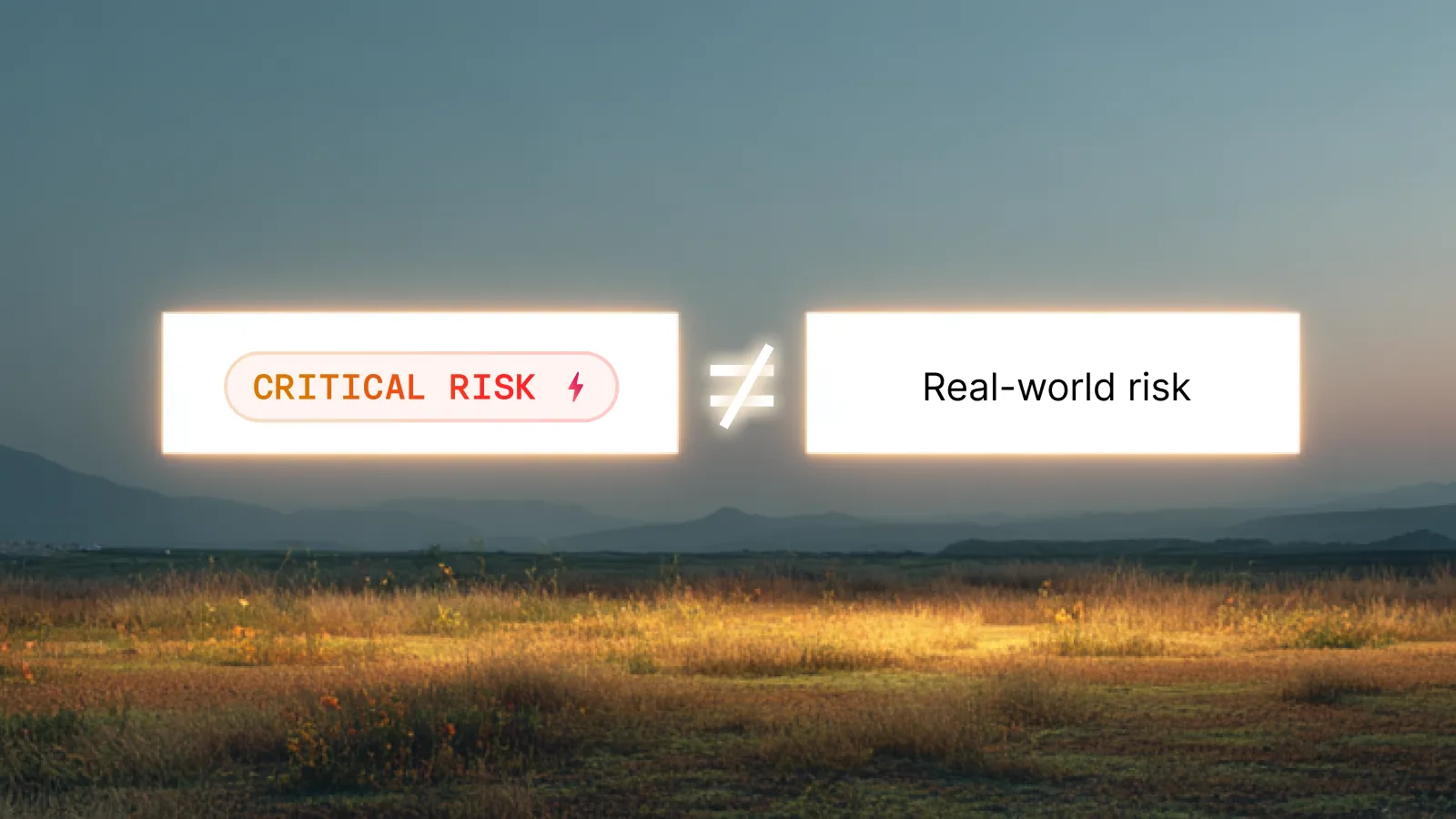
Prioritization becomes a shared fact instead of a shared argument. Security stops sending IT a raw CVE list and starts sending a ranked list built from exploitability, asset criticality, and business context: the same list both teams can see and query, rather than two separate spreadsheets that drift out of sync within a week.
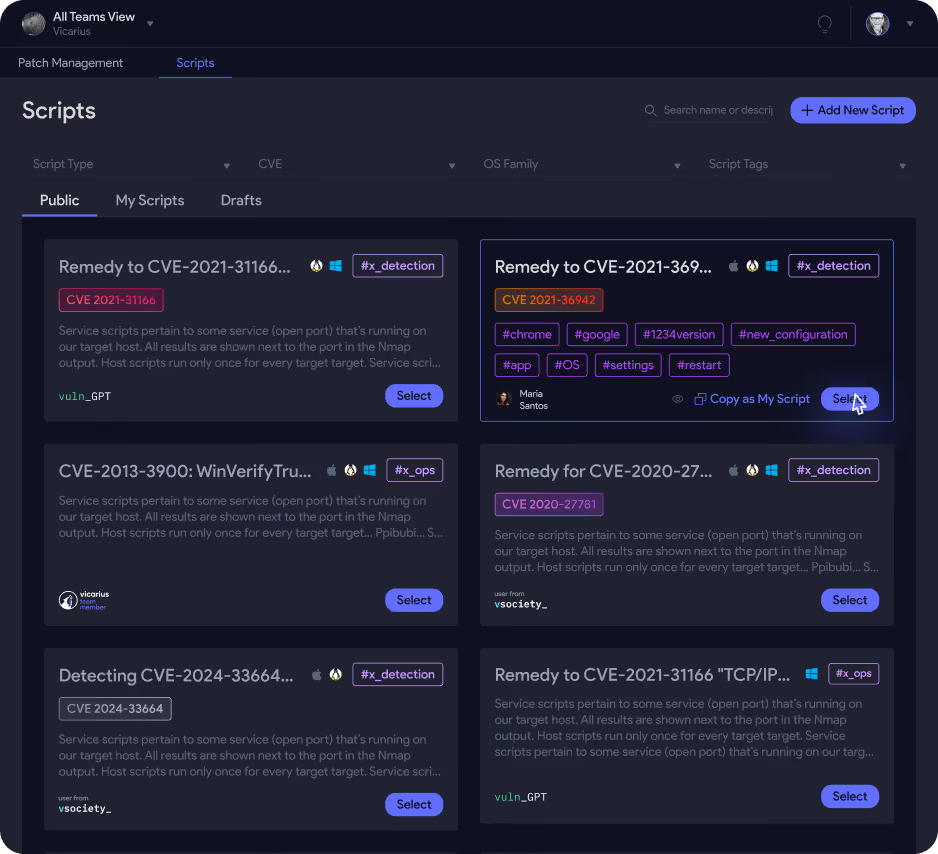
Deployment stops requiring a meeting, at least for the patches that don't need one. Low-risk, frequently updated software (browsers, common utilities, agent updates) can move through policy-based automation with guardrails, so human attention goes to the patches that actually require judgment.
The cost of staying siloed
Here's the part that should worry any CISO or IT director reading this: even with automation tools already deployed, coordination isn't improving on its own. Vicarius's survey found that 58% of remediation activity still requires direct human intervention, and only 25% of organizations deploy automated fixes directly from their security platform. Buying automation tools and fixing the security-IT handoff are two different projects, and most organizations have only done the first one.
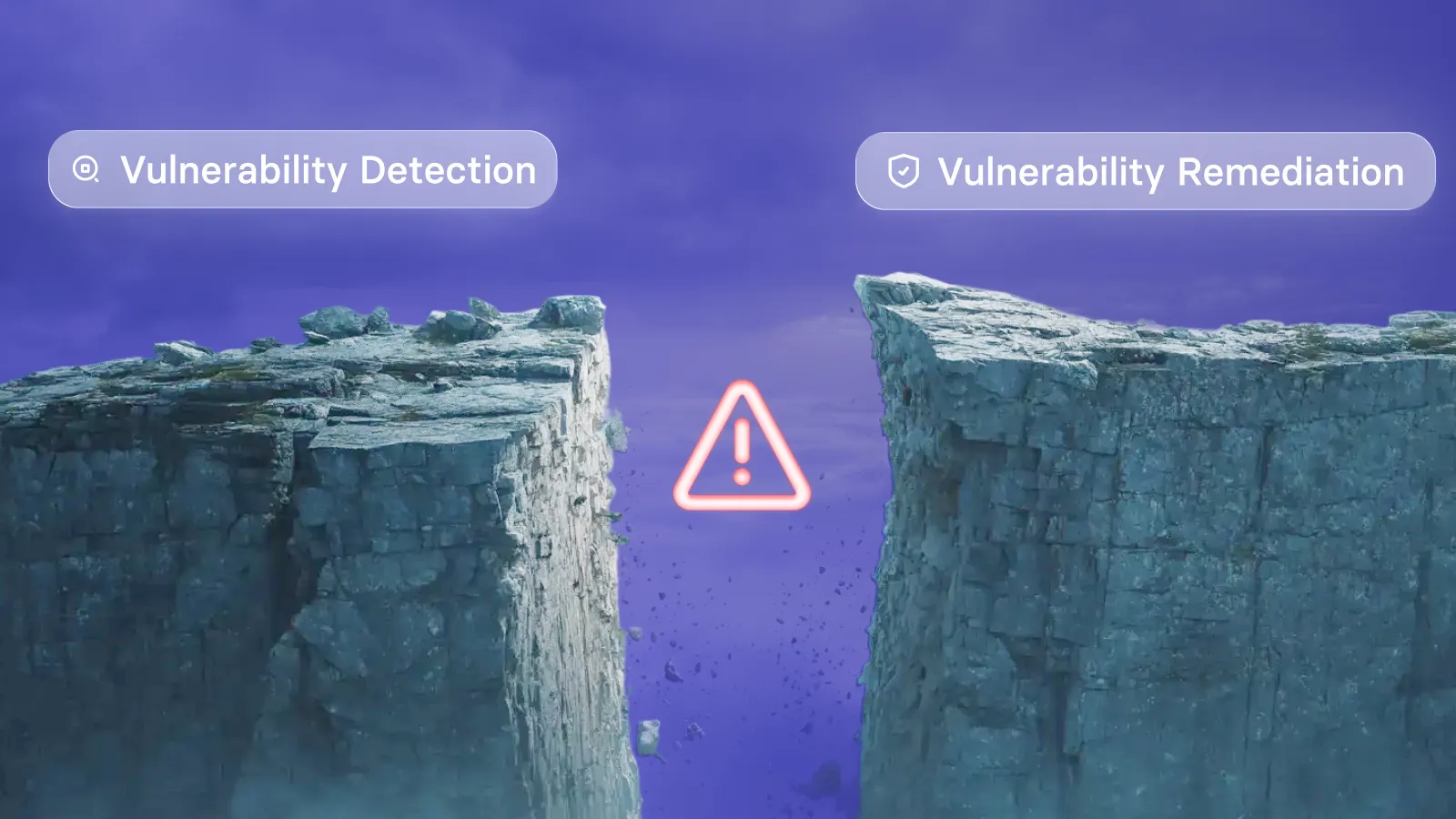
Gartner's June 2025 report on preemptive exposure management put a name to the gap: legacy tools are strong at finding vulnerabilities and weak at closing them, because "patch delays open the door to compromise" while threats move faster than remediation timelines. The report specifically called out vendors, Vicarius among them, building toward full-cycle remediation, from discovery to fix, without handoffs between separate tools or teams.
What shared workflows look like in practice?
A platform that closes the gap between security and IT operations does a few specific things well.
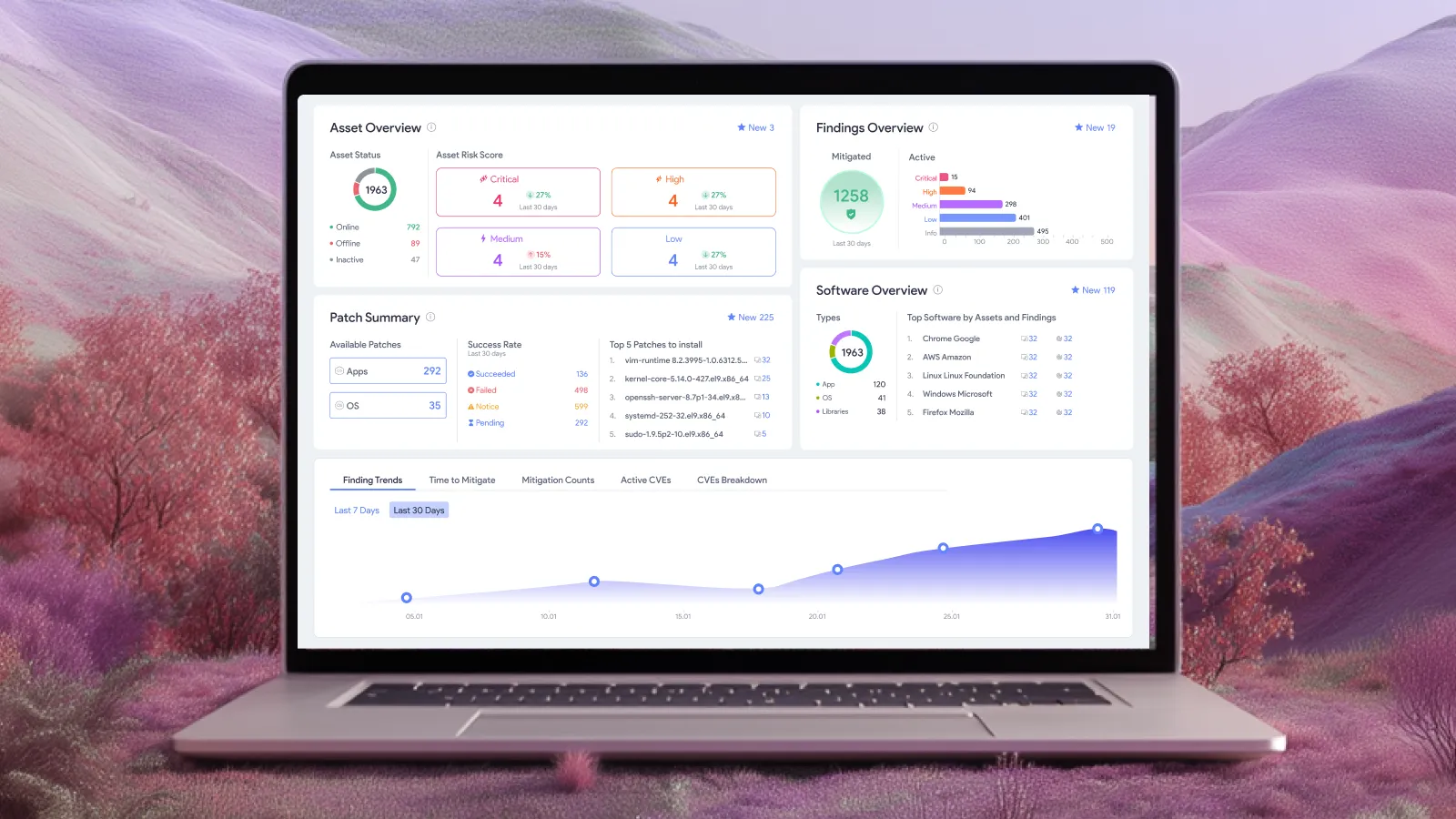
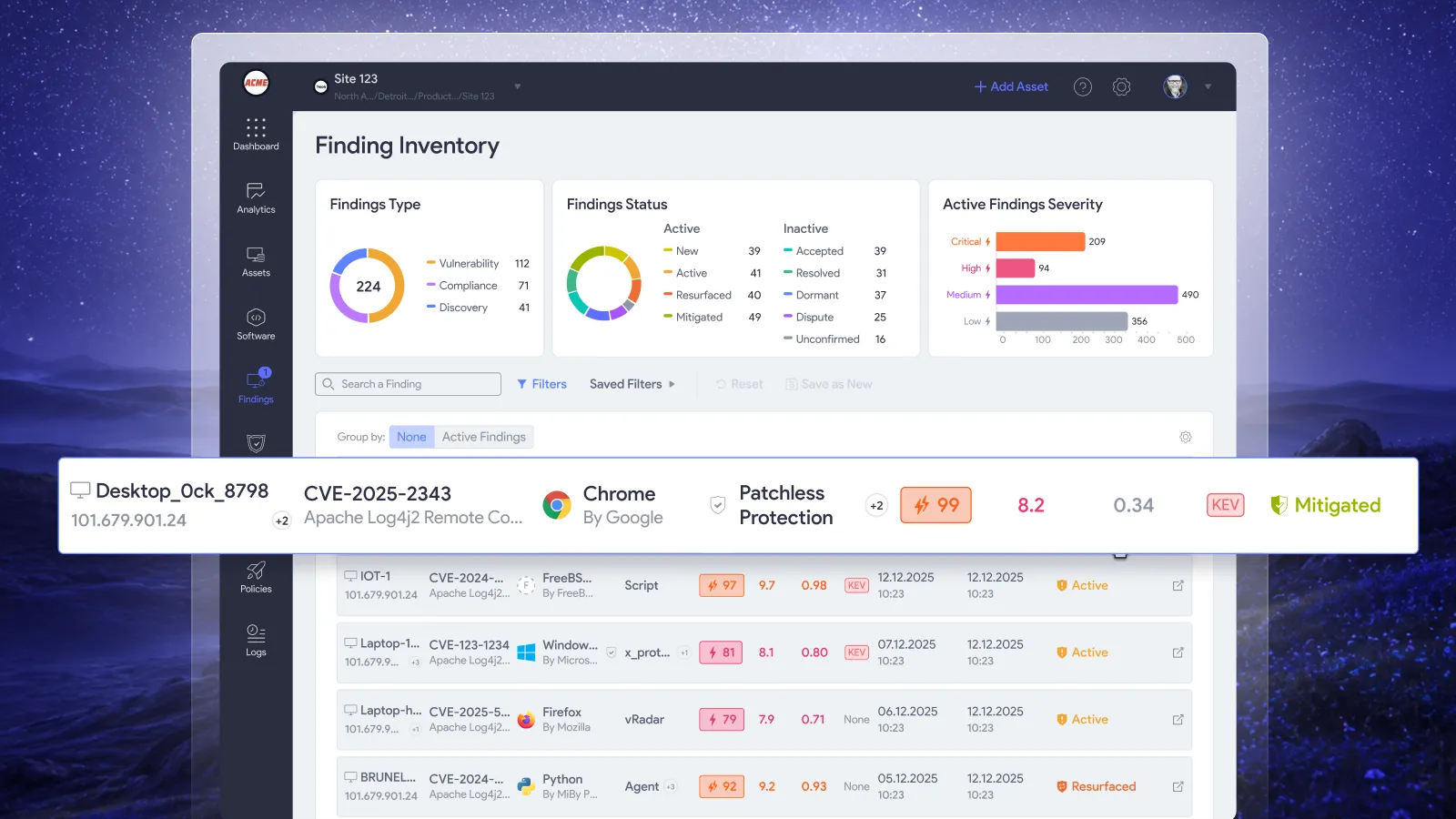
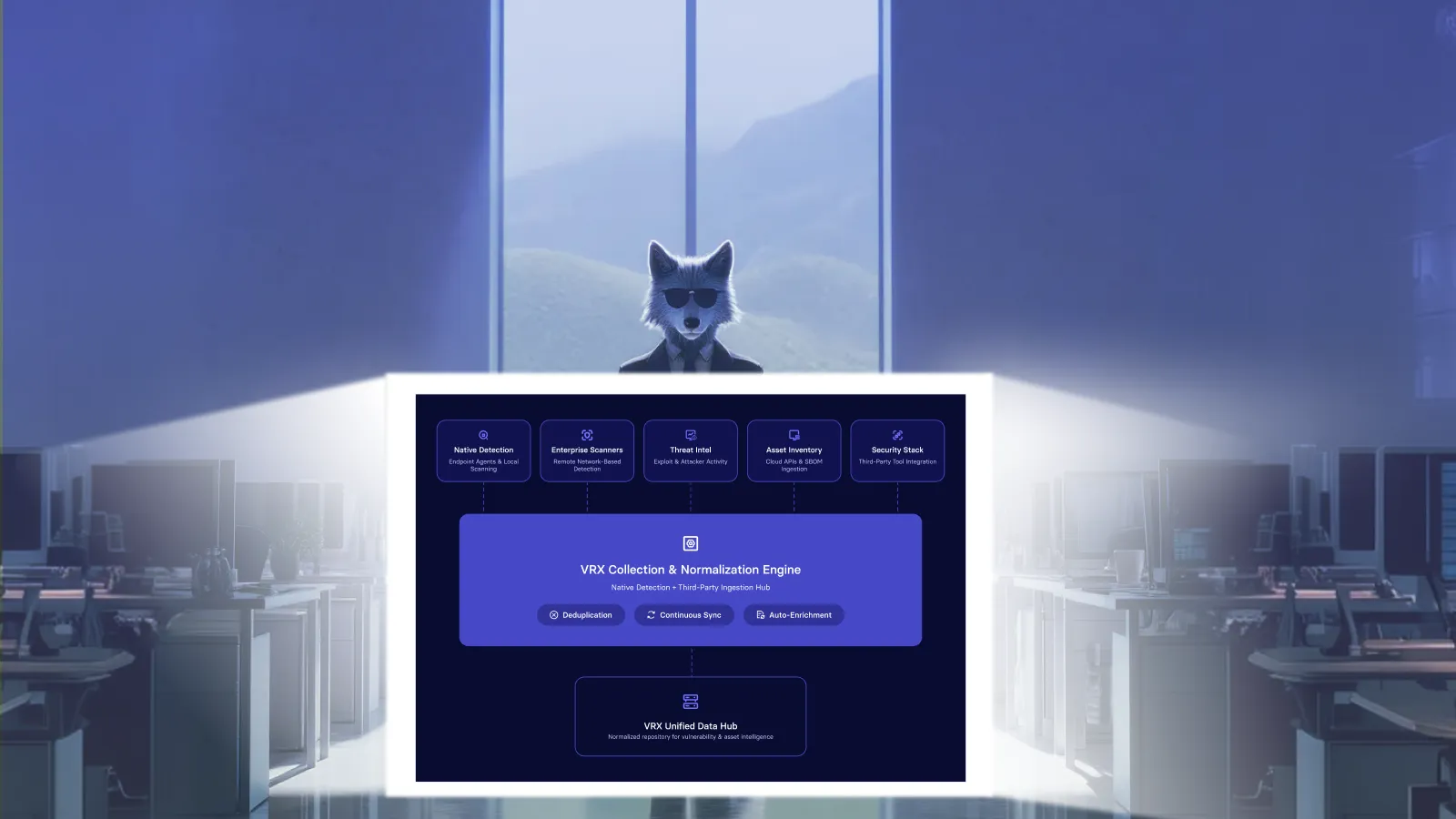
It gives both teams one view of risk, not two. Security sees exploitability and exposure data; IT sees uptime requirements and change windows. A shared platform surfaces both in the same record, so a patch decision accounts for exposure and operational risk at the same time, instead of one team discovering the other's constraint after the fact.
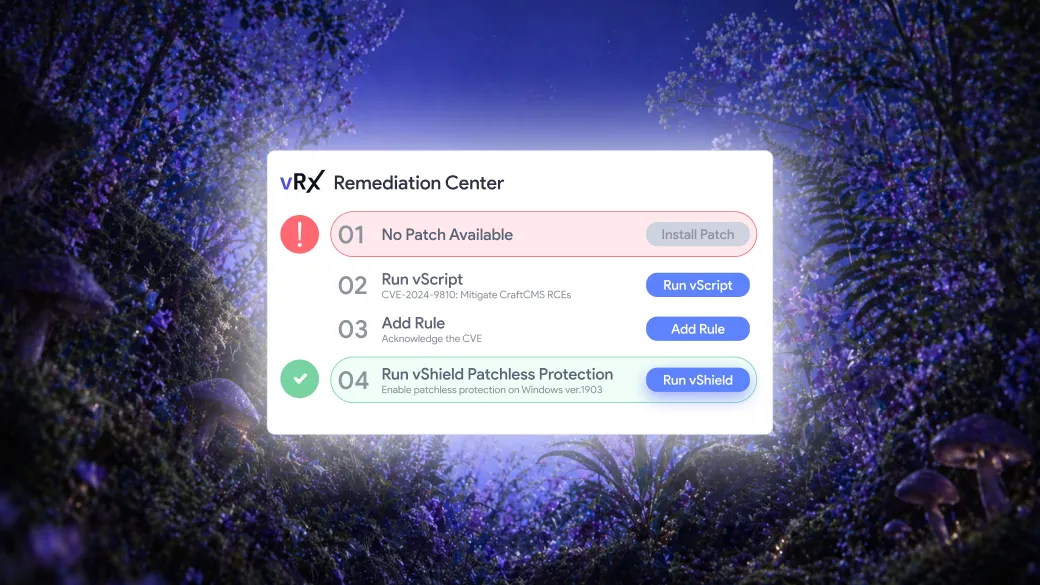
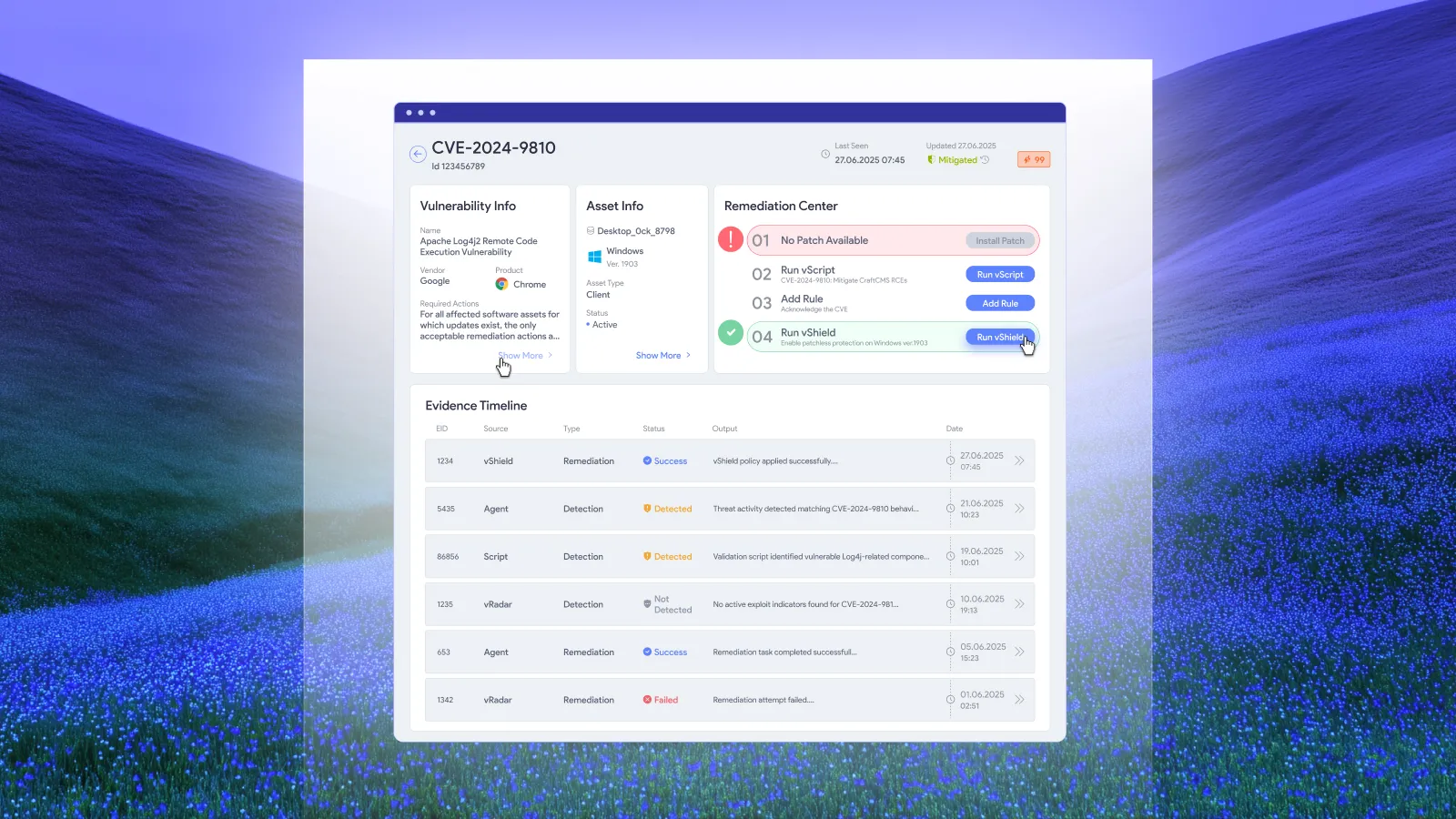
It routes low-risk patches around the meeting entirely. Not every patch needs sign-off from three people. Routine third-party software updates can move through policy-based automation with guardrails. That frees human attention for the patches that actually need judgment: the ones touching production databases, legacy systems, or software with no available patch at all.
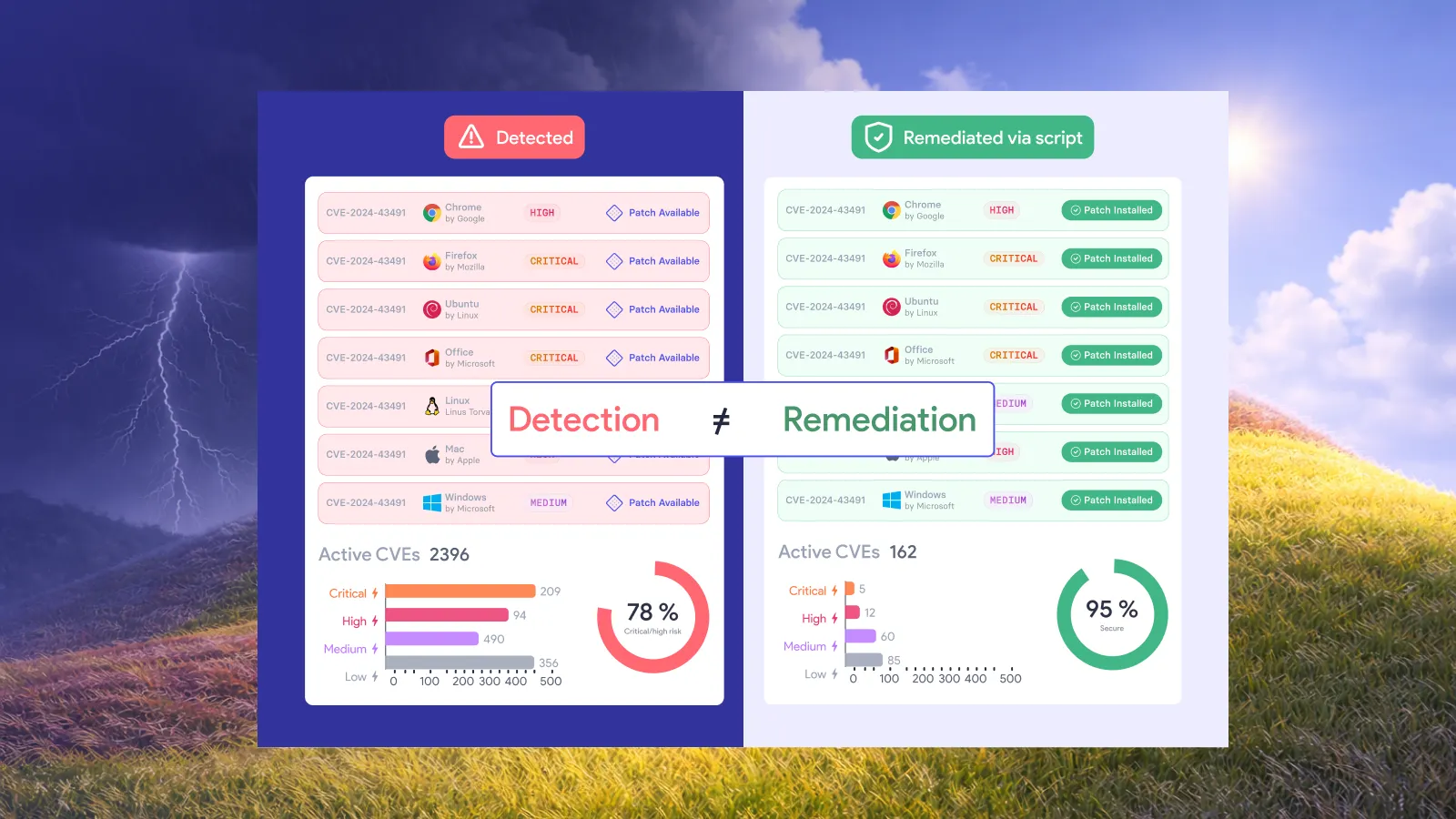
It closes the loop with verification, not assumption. A patch marked "deployed" isn't the same as a patch confirmed to have remediated the vulnerability, and Vicarius's report found that 75% of critical vulnerability "responses" only kick off an administrative workflow rather than resolve the underlying issue. Just 50% of organizations require a verified rescan before closing a vulnerability ticket. The rest close tickets on deployment alone, or on risk acceptance. Automated verification, rescanning after deployment, turns "we pushed it" into "we fixed it." That distinction matters when an auditor or a board member asks.
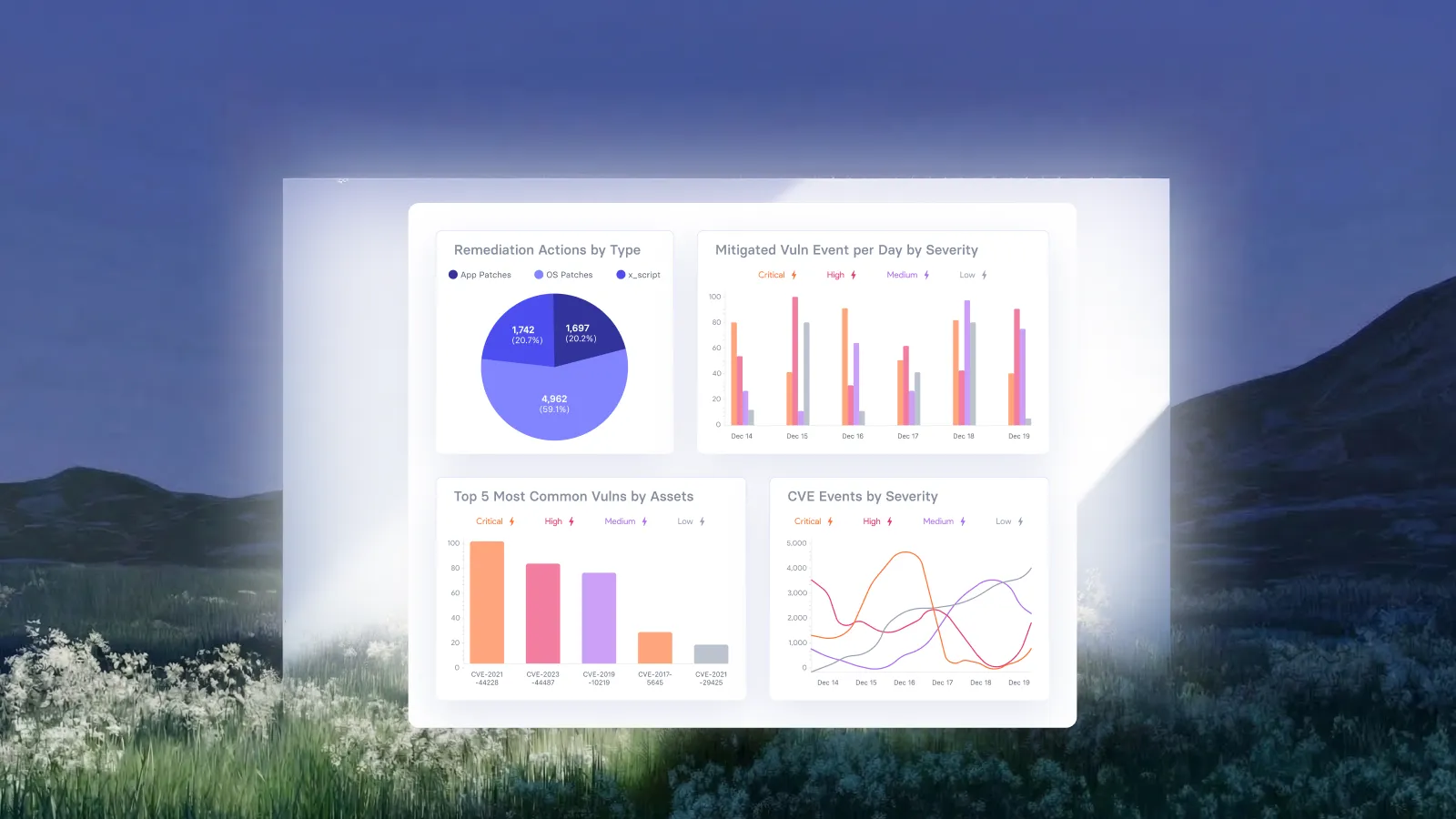
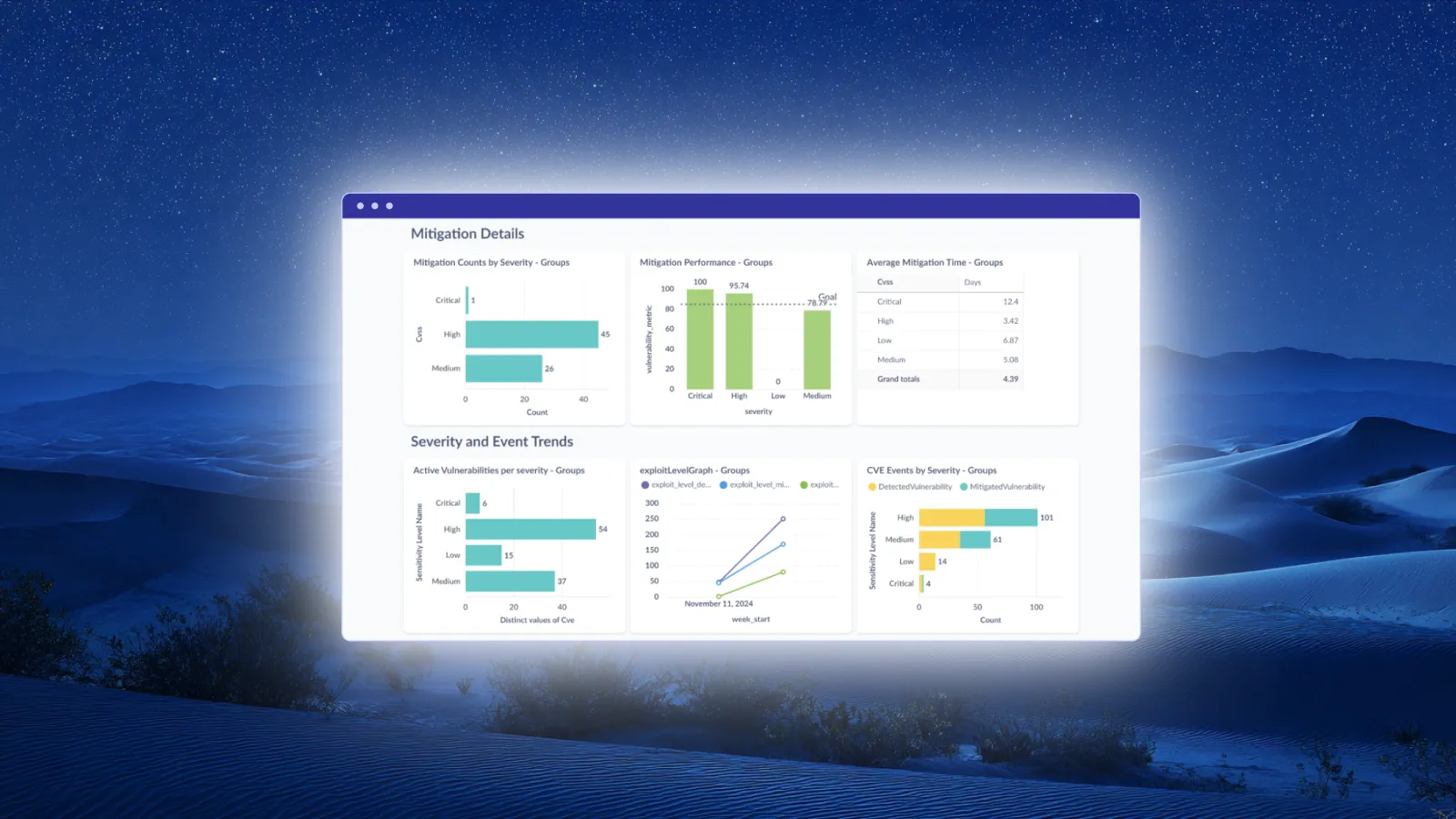
It keeps a record both teams trust. When security can query exactly which assets are patched, which are pending, and why, IT stops getting blindsided by escalations built on stale data. Trust between the two teams tends to follow directly from the accuracy of the numbers they're both looking at.
Automation doesn't replace judgment. It protects it
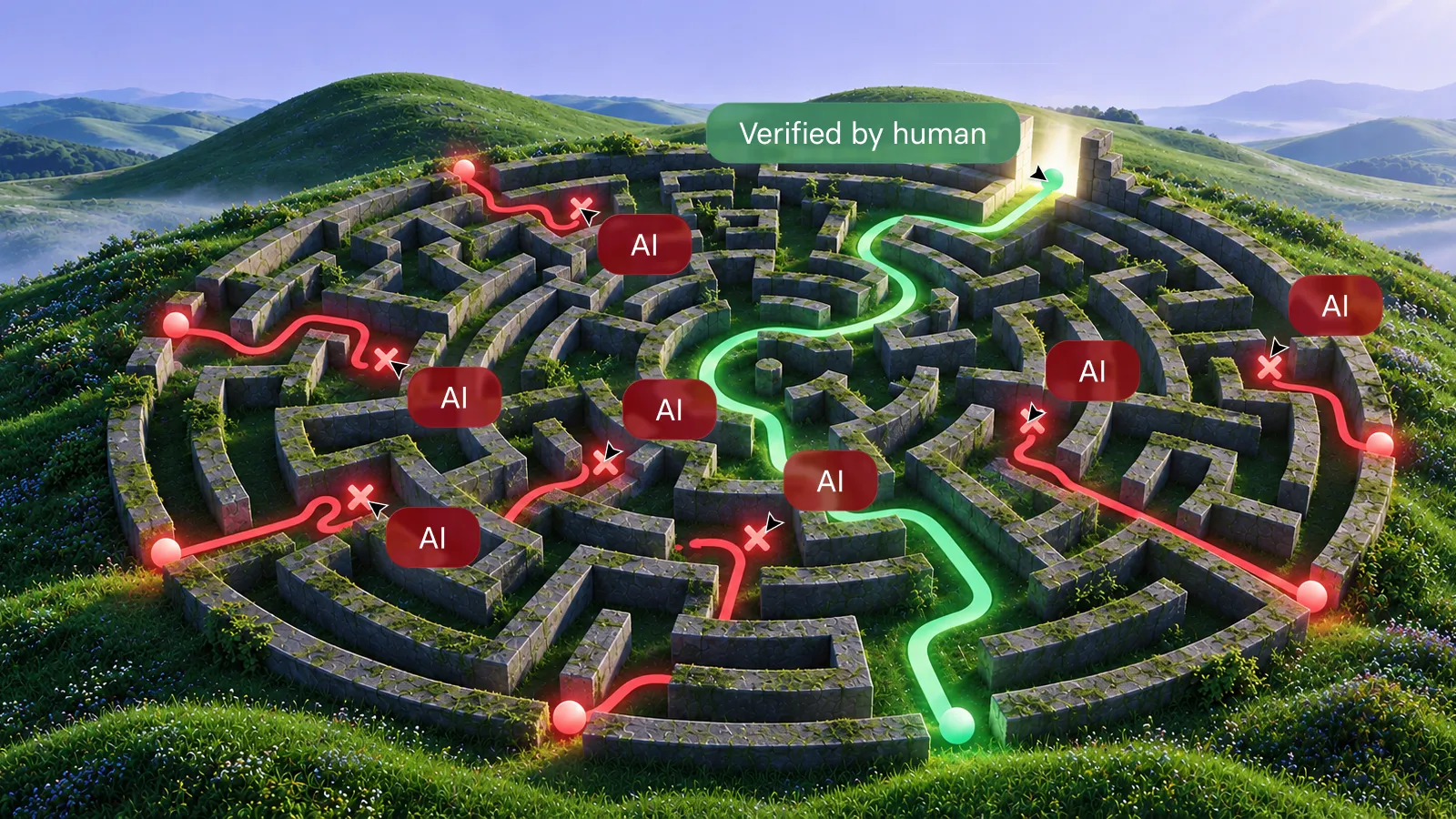
None of this means removing humans from the loop. It means reserving human judgment for the decisions that need it: whether to take a production system offline, how to handle a vulnerability with no vendor patch yet, which legacy application needs a compensating control instead of a fix. Automated patching platforms are supposed to absorb the repetitive share of the work so security and IT can spend their attention on the fixes that actually require a conversation.
That's a different pitch than "faster patching." Faster patching is a byproduct. The real shift is structural. Security and IT stop operating as adversarial checkpoints in each other's workflow and start operating as two views into the same operational pipeline.
Where this is heading
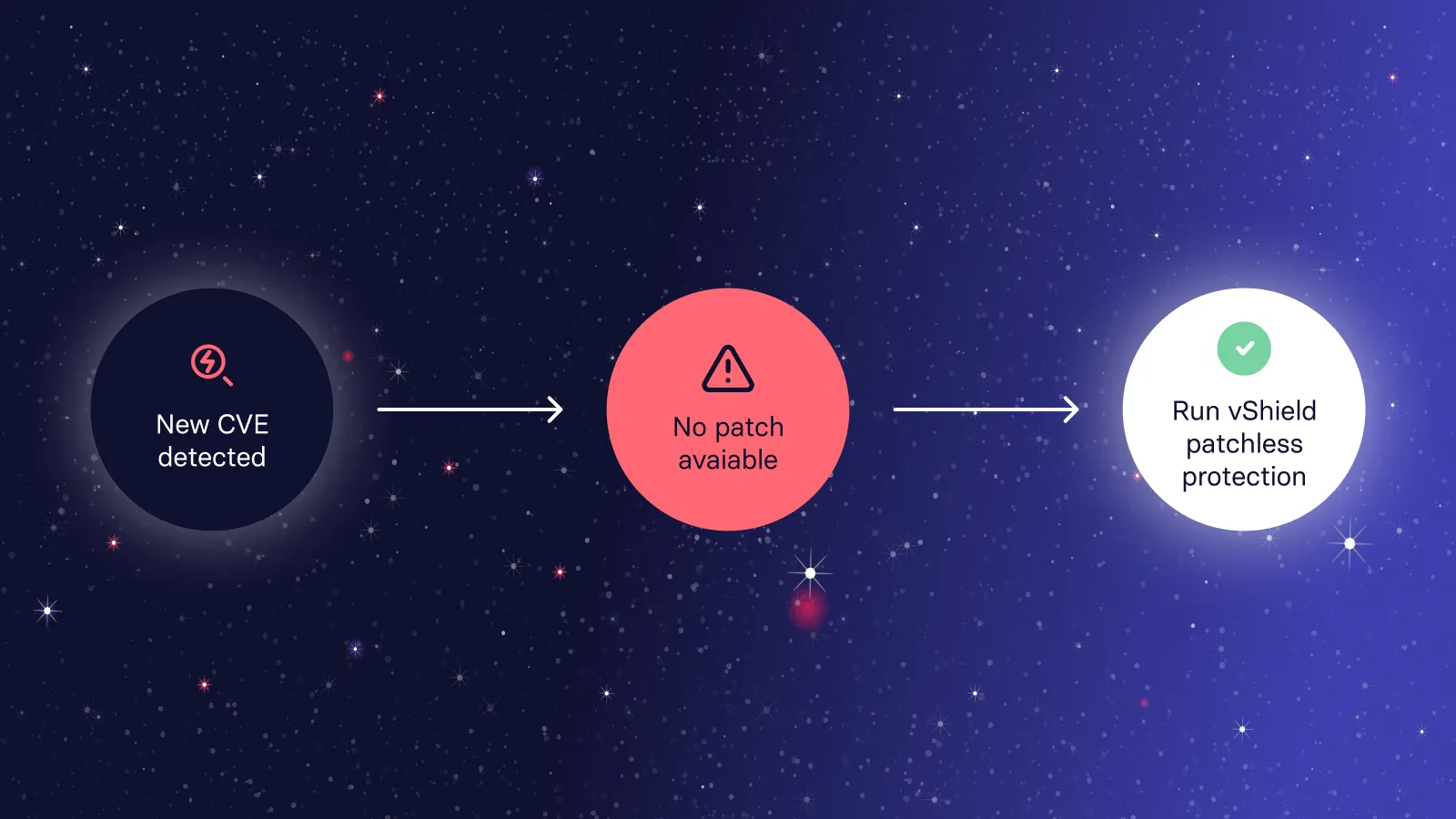
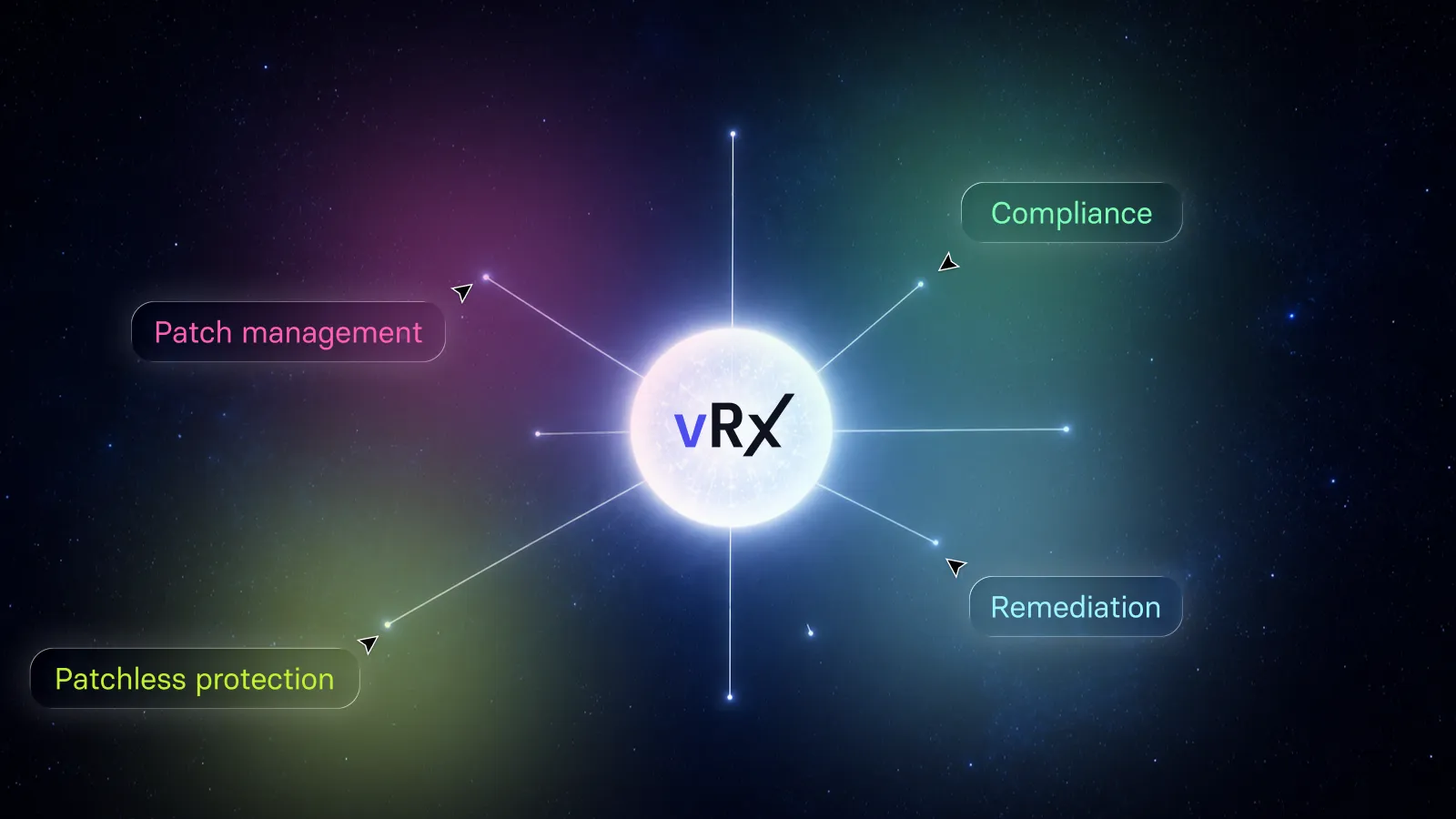
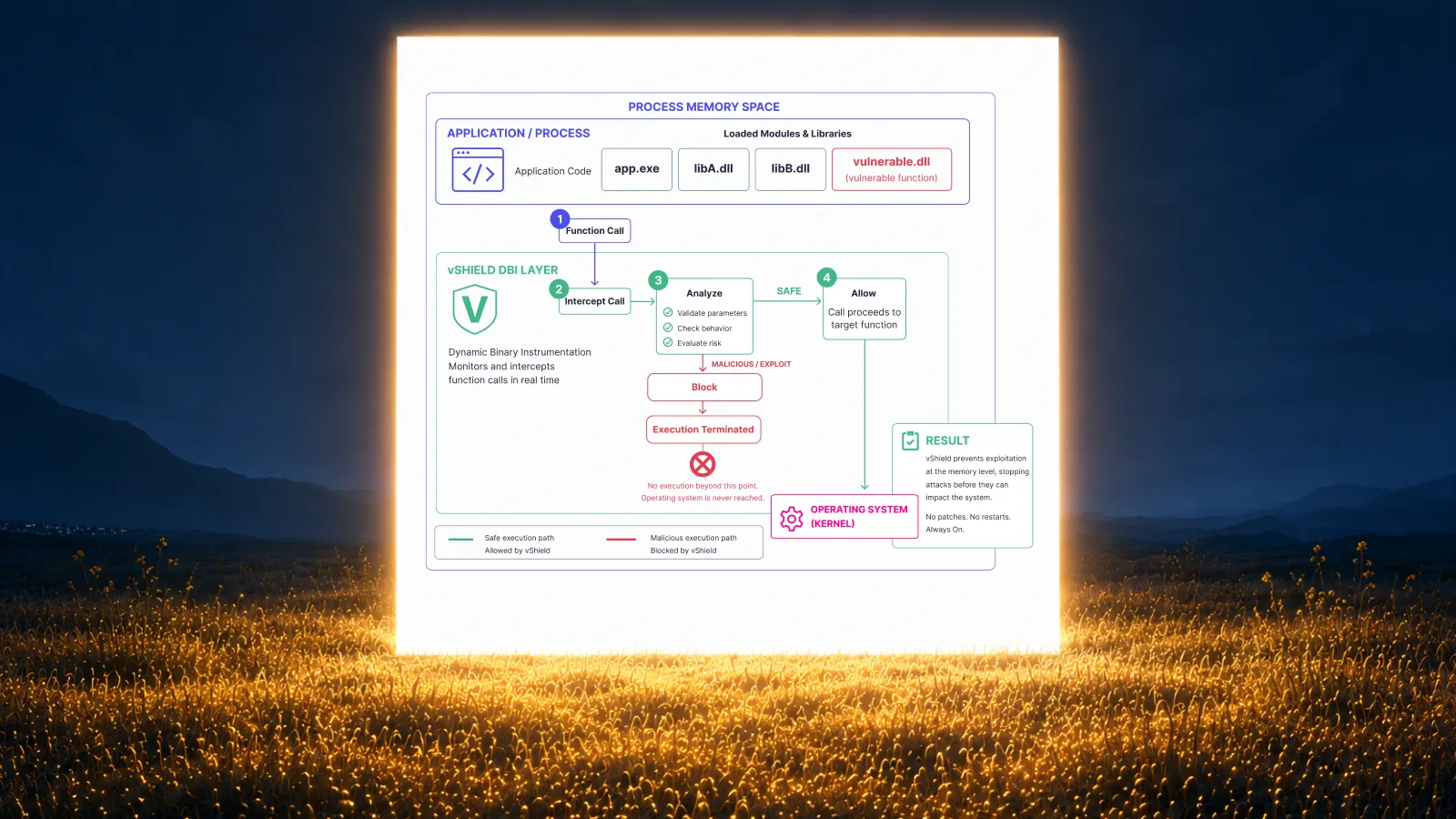
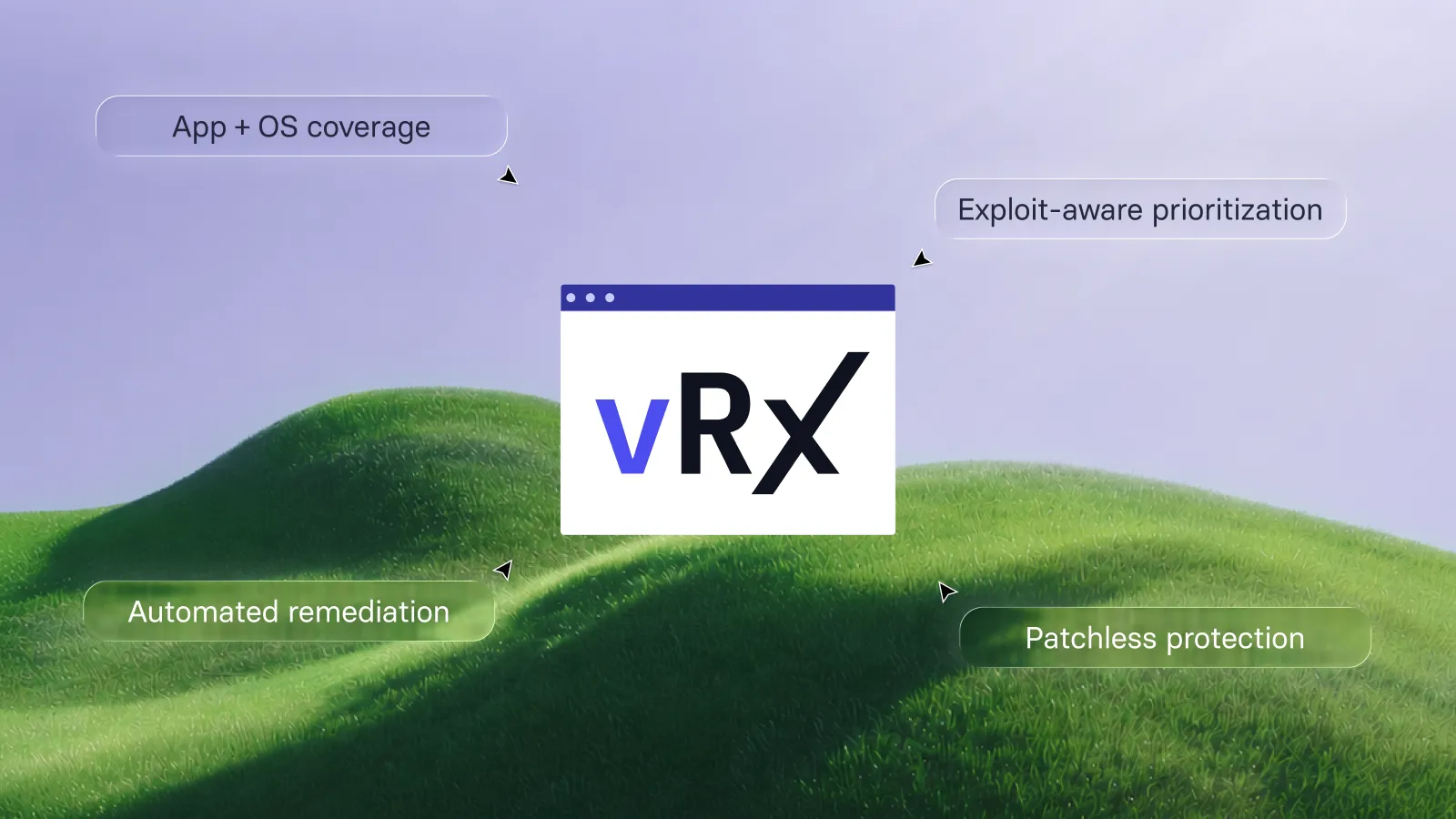
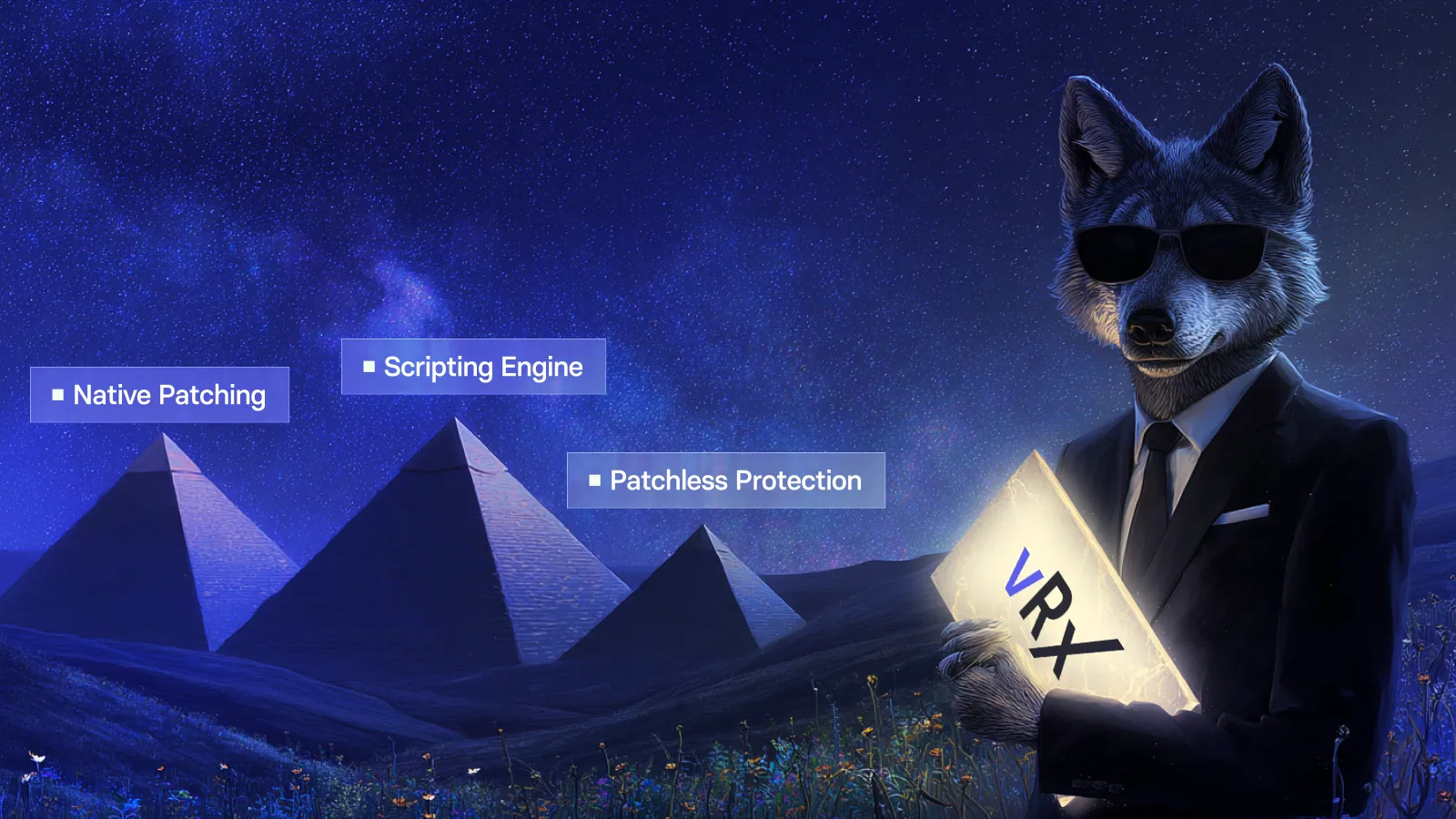
Gartner's report on the category names cross-platform coverage (Windows, Linux, macOS, and thousands of third-party applications), policy-based automation within approved guardrails, and patchless protection for systems that can't be patched yet as the capabilities defining where exposure management is headed. That's a wider net than most patch tools cover today, and it's exactly the gap that leaves the 79% of organizations in Vicarius's survey exposed to vulnerabilities they already knew about.
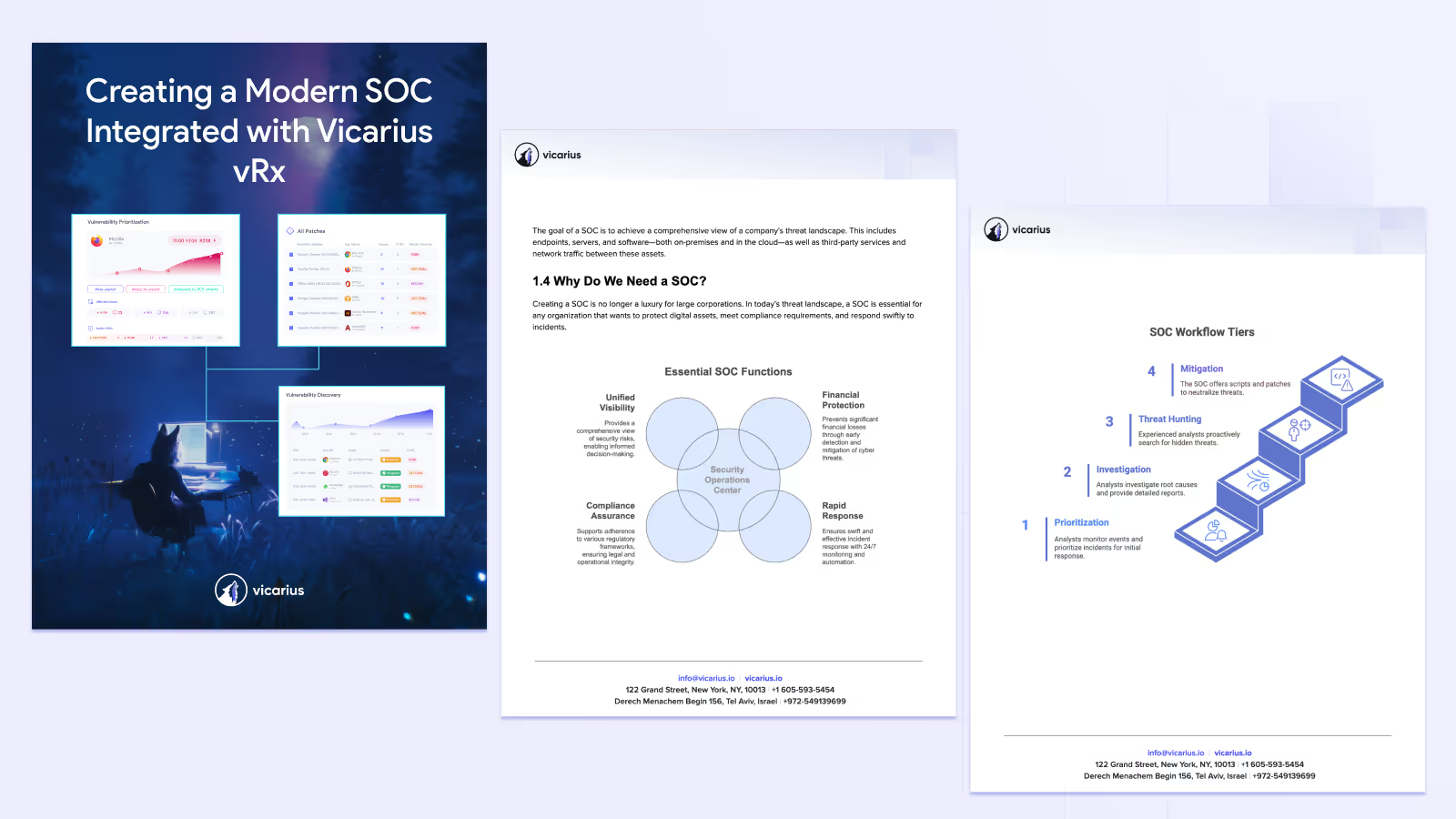
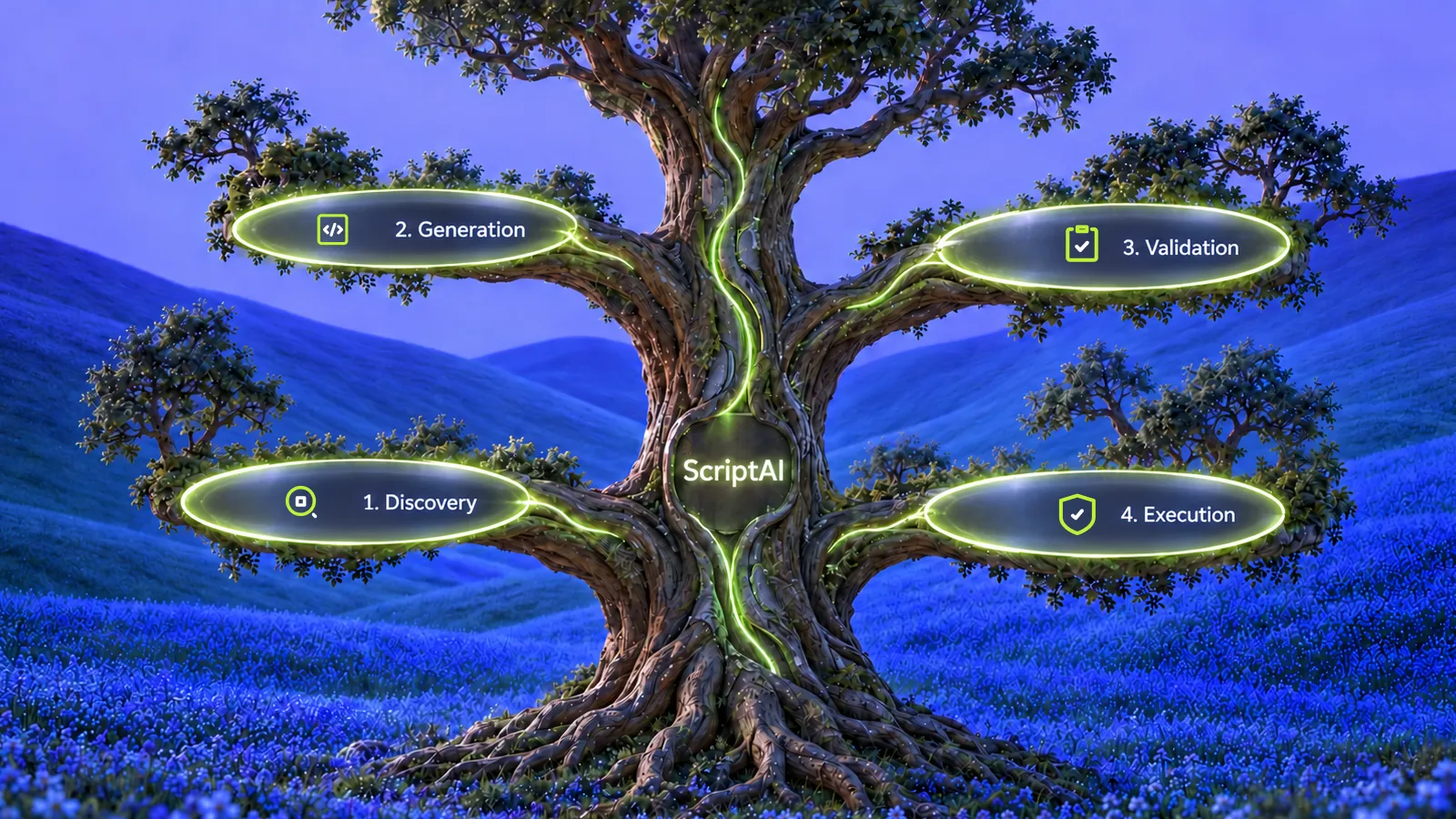
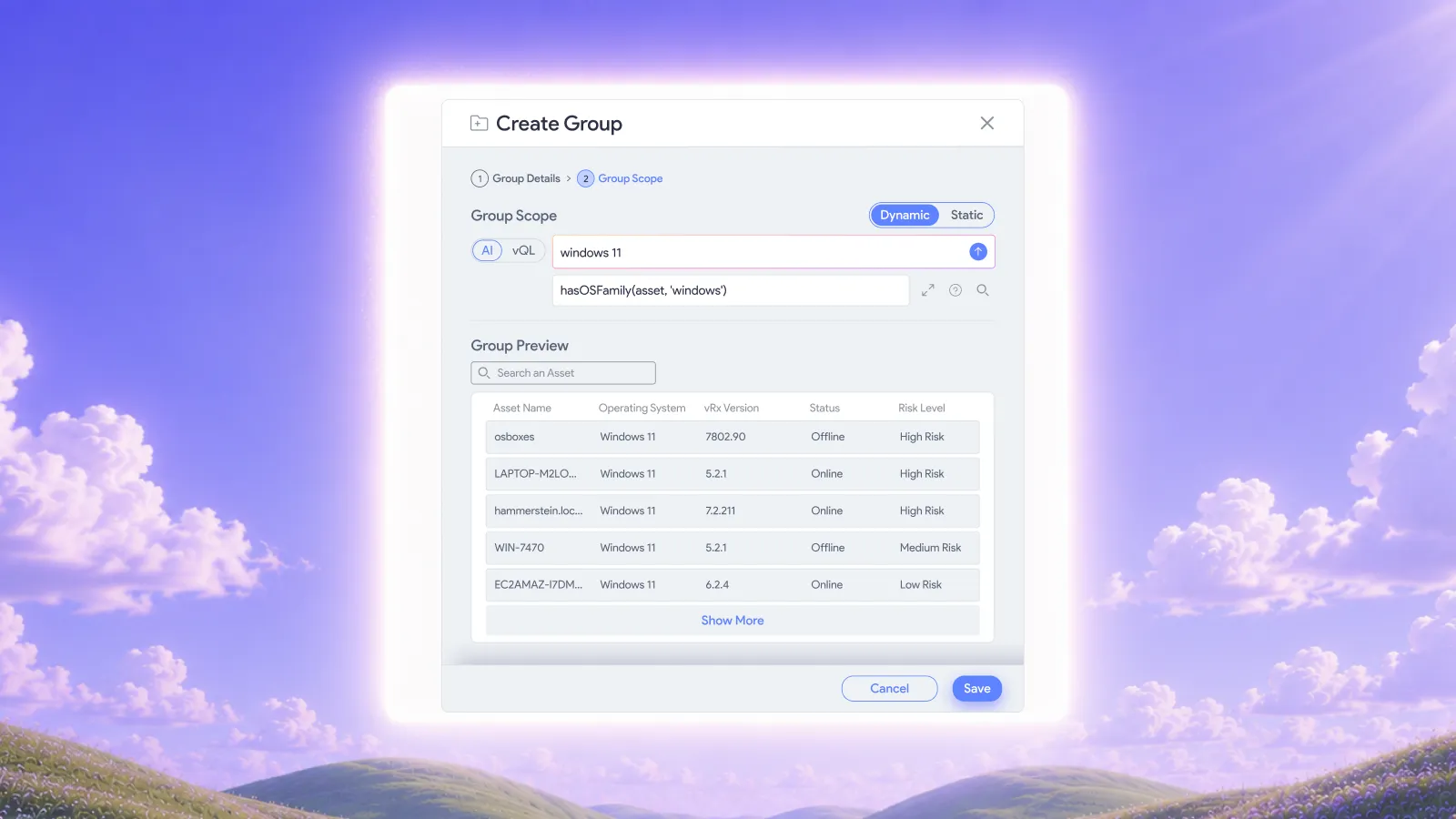
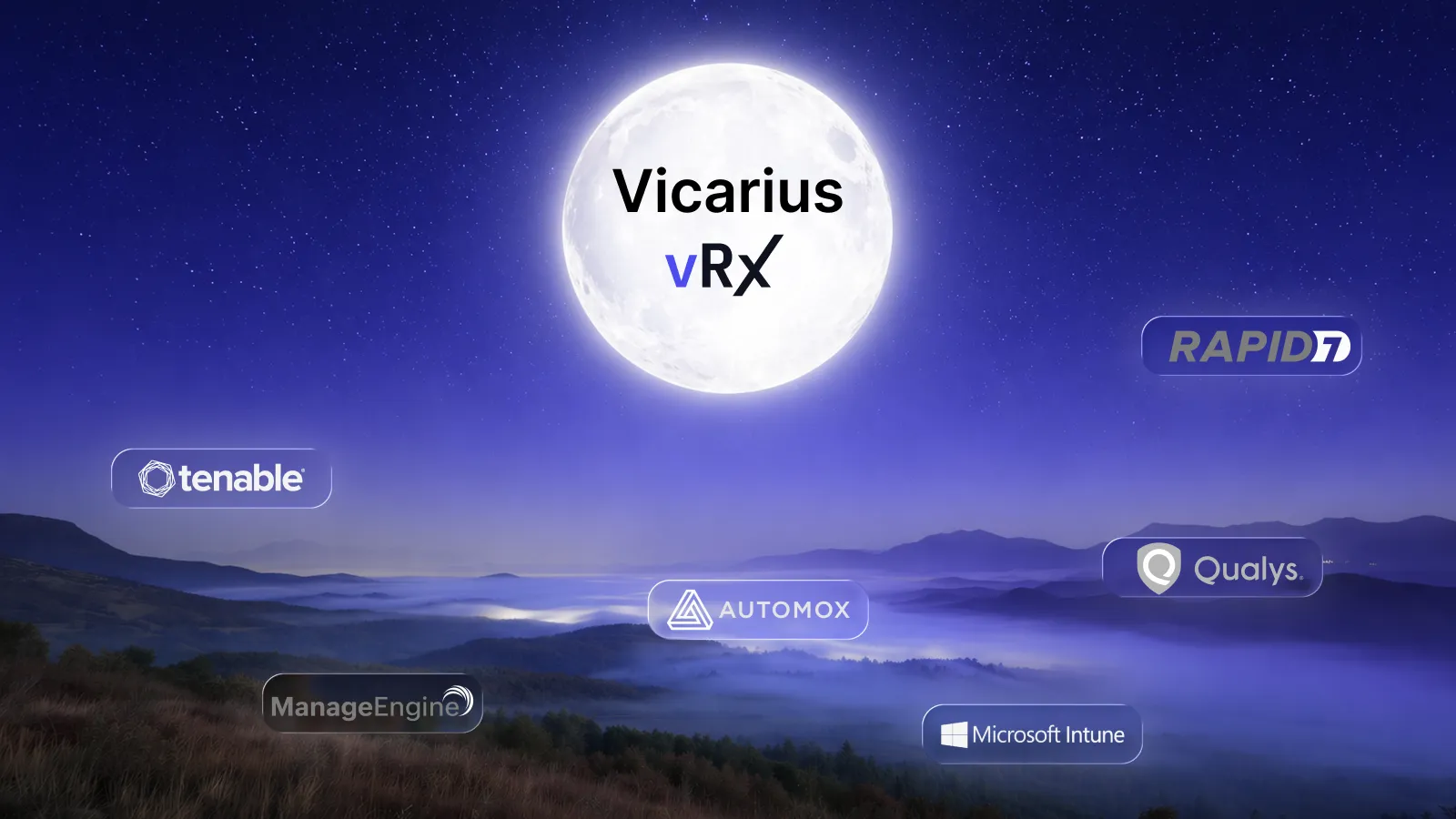
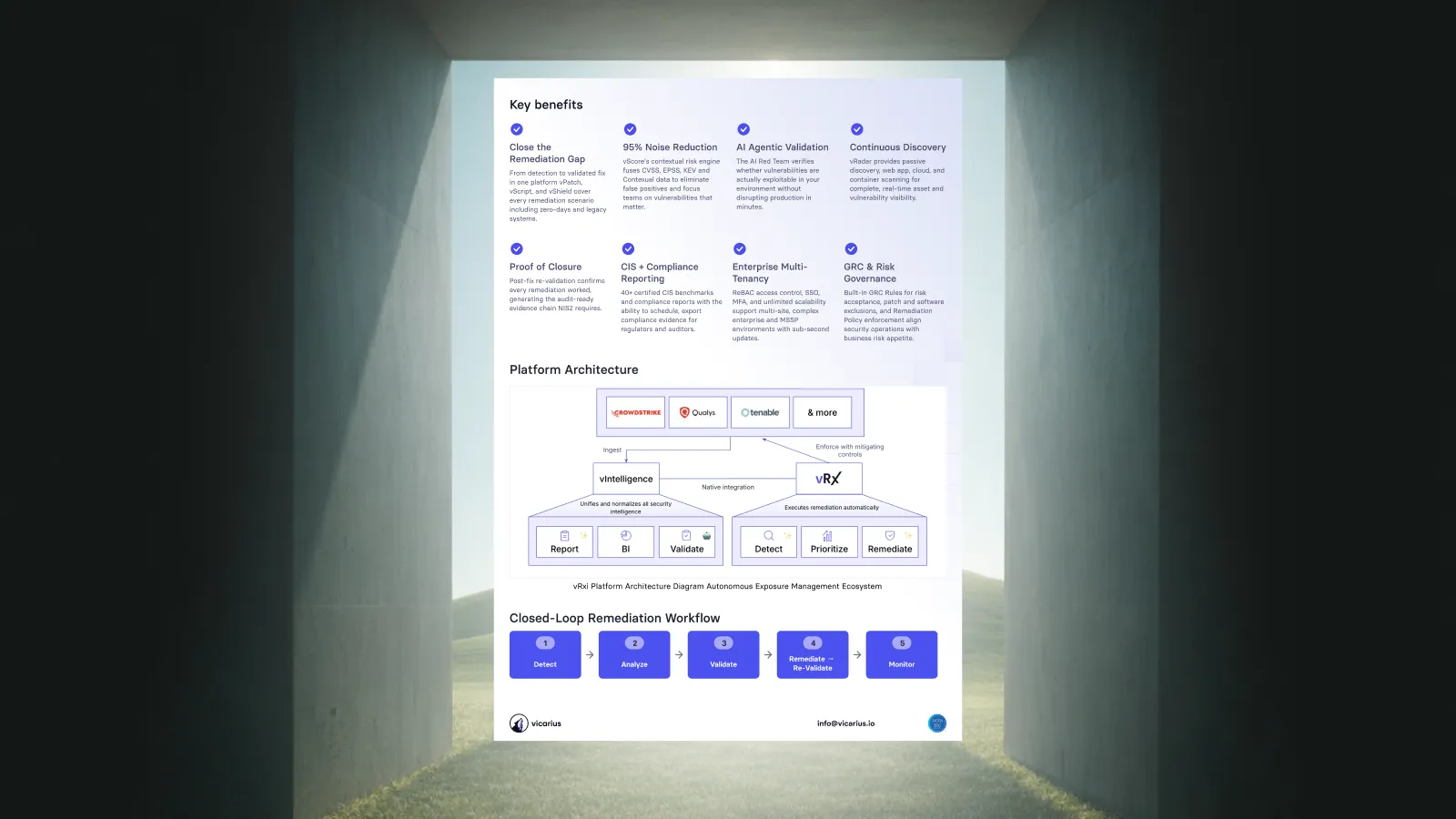
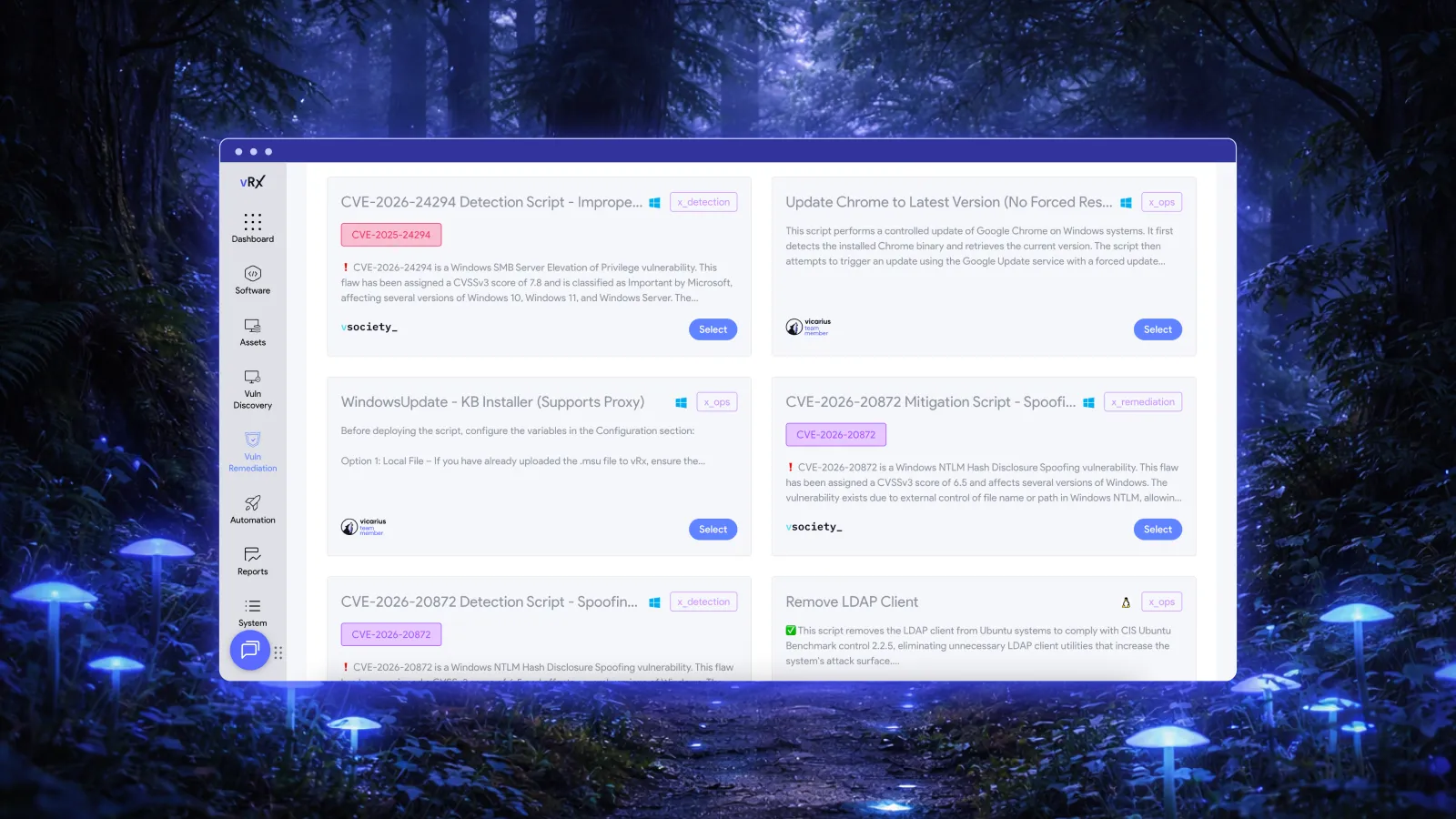
Vicarius built vRx around that same premise: one platform where vulnerability prioritization, patching, and patchless protection for unpatchable systems live in a single workflow that security and IT can both see and act on. If your teams are still negotiating ownership over a spreadsheet, that's worth a conversation. Read the full 2026 State of Vulnerability Remediation report or talk to us about how vRx handles remediation.


















.webp)














%20Signals%20a%20New%20Era%20of%20Supply%20Chain%20Risk.webp)






.webp)