

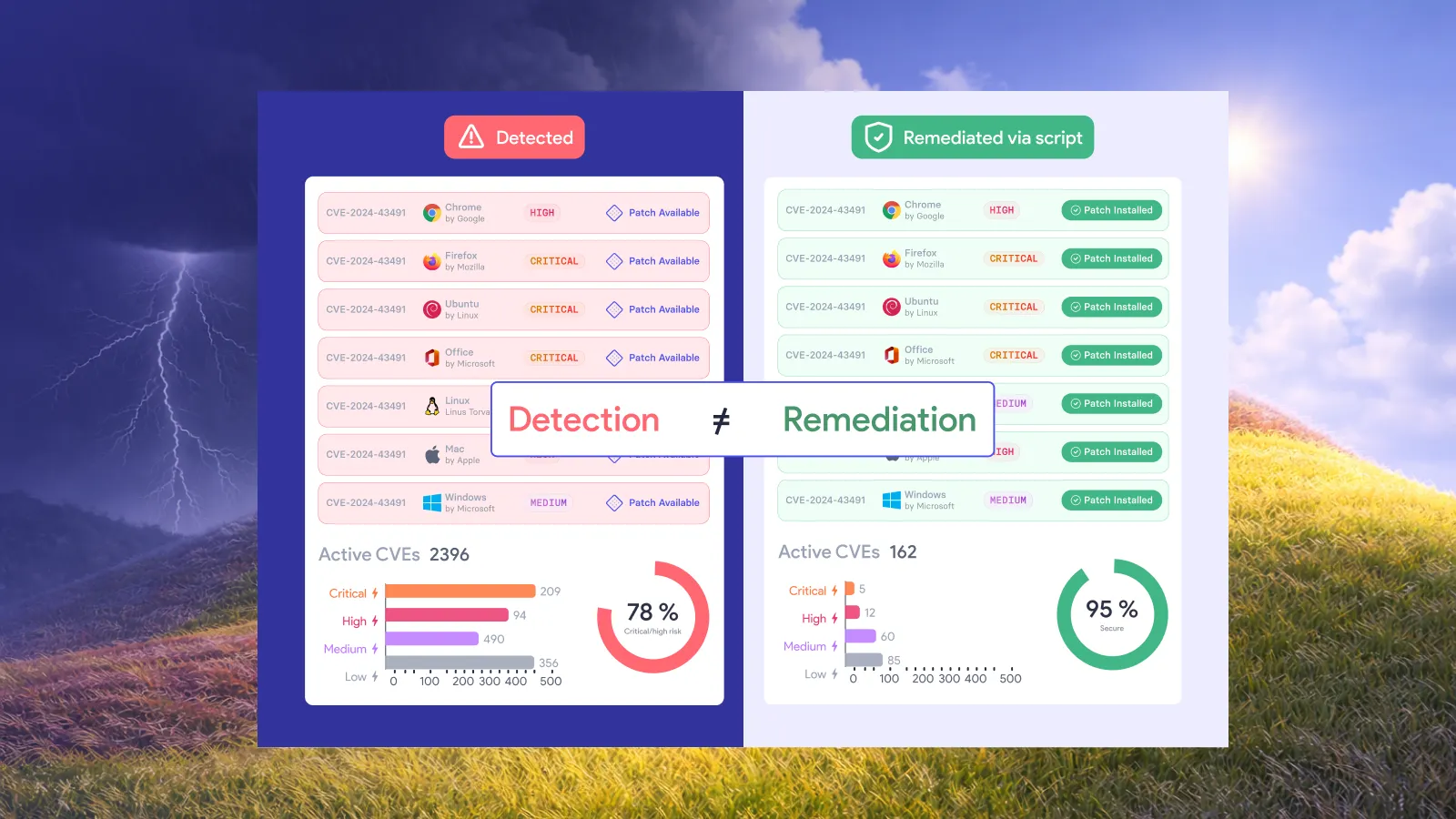
Your vulnerability scanner just flagged 1,200 new findings. Your team patched 300 last month. The backlog keeps growing, but here's the uncomfortable truth: closing more tickets doesn't automatically mean you're reducing actual risk. The disconnect between vulnerability data and business risk is one of the most persistent challenges enterprise security teams face today.
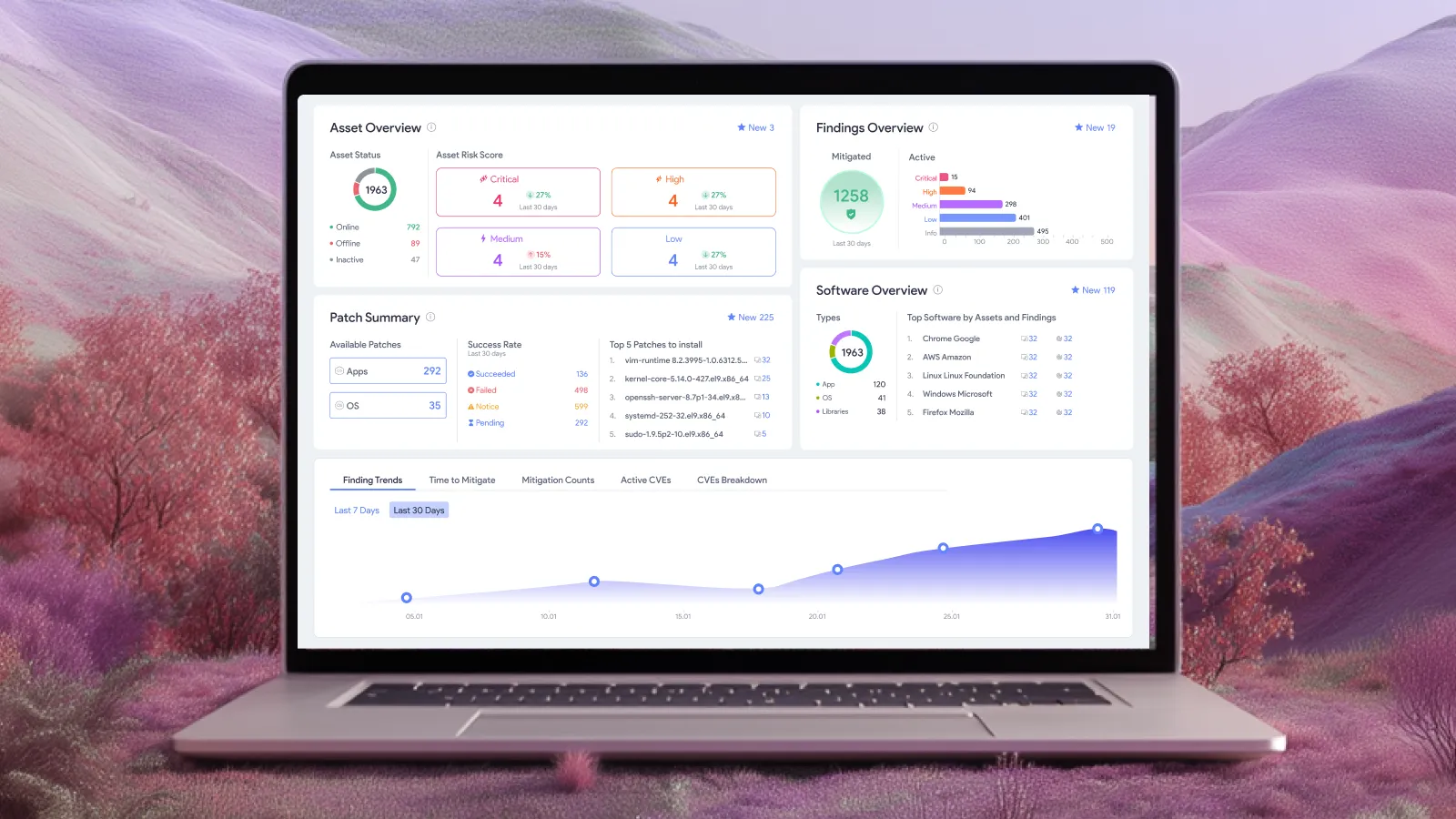
Vicarius helps security teams cut through this noise by consolidating discovery, prioritization, and remediation into a single platform. But before we explore solutions, let's understand why so many vulnerability management platforms fail to connect the dots between technical findings and the business outcomes that matter.
Key takeaways: why vulnerability platforms miss business risk
- CVSS scores measure technical severity in isolation, not exploitability in your specific environment or business context.
- Fragmented tooling forces security and IT teams to work from separate prioritization models that rarely align.
- Asset criticality context is often missing, causing critical business systems and test servers to receive equal priority.
- Vicarius vRx addresses this gap by unifying vulnerability discovery, prioritization, and automated remediation in one platform.
- Risk-based prioritization requires exploitability data, asset context, and real-time threat intelligence working together.
What does business risk mean in vulnerability management?
Business risk goes beyond technical severity scores. It answers the question: "If an attacker exploited this vulnerability, what would the actual impact be on our operations, revenue, or reputation?"
A vulnerability on your payment processing system carries different weight than the same vulnerability on a decommissioned test server. Yet most vulnerability scanners treat both findings identically. This fundamental gap between technical findings and business impact creates the misalignment that plagues most vulnerability programs.
Understanding business risk requires connecting three critical elements: asset criticality, exploitability context, and potential operational impact. When any of these pieces are missing, your prioritization model breaks down.
Why do CVSS acores fall short for risk prioritization?
The Common Vulnerability Scoring System (CVSS) provides a standardized way to rate vulnerability severity. However, it measures theoretical danger in a vacuum, not actual risk in your environment.
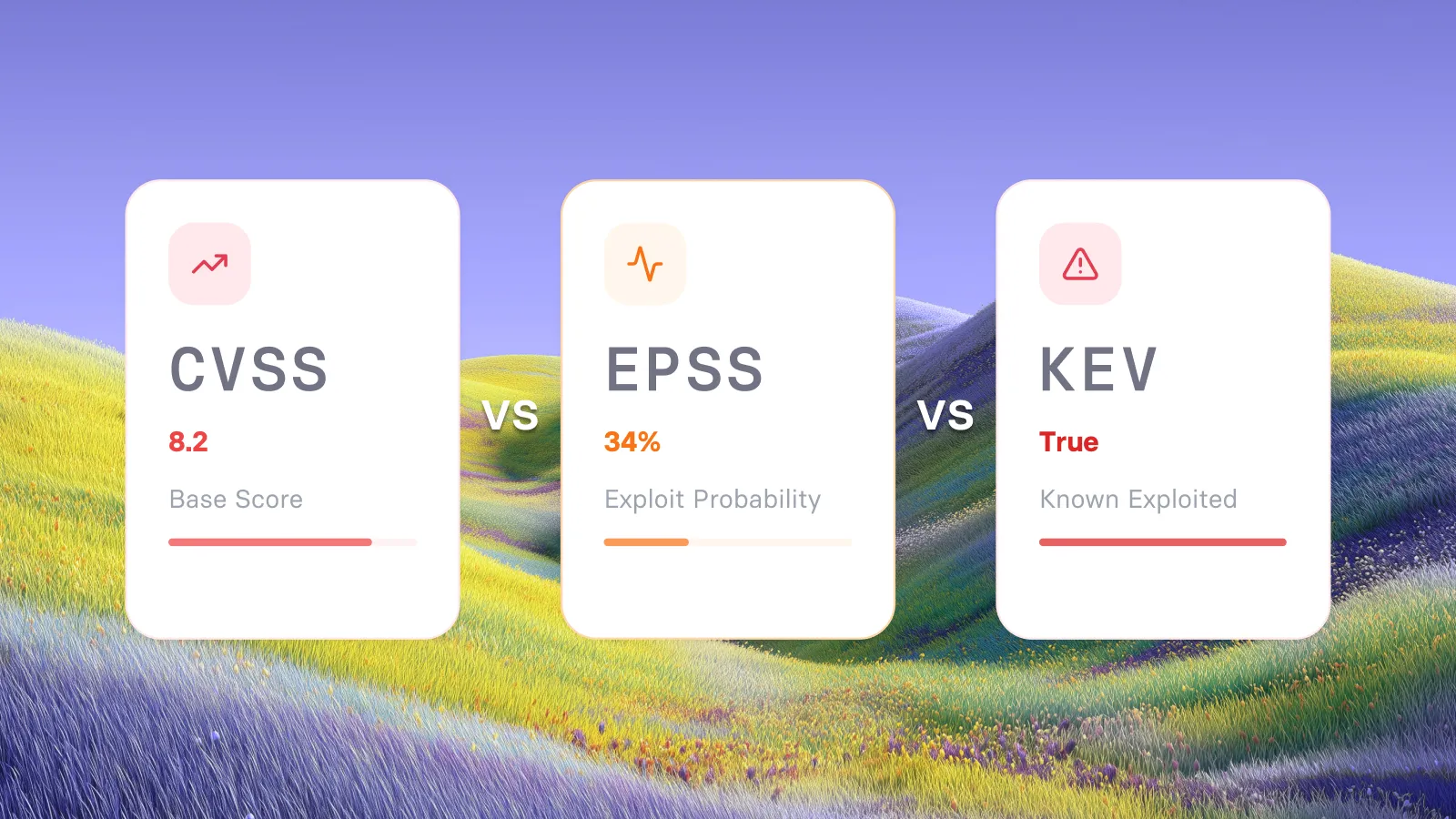
A CVSS 9.8 vulnerability with no known exploit in the wild and no viable attack path gets treated as more urgent than a CVSS 6.5 actively used in ransomware campaigns. CISA's Known Exploited Vulnerabilities catalog regularly contains entries with moderate CVSS scores that are being weaponized, while many critical-scored CVEs have never been observed in attacks.
CVSS doesn't ask whether the vulnerable service is reachable from a realistic attack path. It doesn't consider whether compensating controls already reduce effective risk. This is why organizations patching by CVSS score often find their exposure isn't actually declining.
What CVSS measures vs. what you need
CVSS evaluates factors like attack vector, complexity, and impact on confidentiality. These metrics describe how dangerous a flaw could be under optimal conditions for an attacker. They don't account for your network segmentation, security controls, or asset importance.
Effective prioritization needs context CVSS cannot deliver: Is the asset internet-facing? Does it handle sensitive data? Are existing controls blocking exploitation attempts? Without these answers, you're prioritizing based on incomplete information.
How does tool fragmentation break risk alignment?
Most enterprise environments run multiple security tools across different infrastructure layers. Network scanners, application security tools, cloud security platforms, and endpoint protection solutions each generate their own findings with their own scoring systems.
This fragmentation creates operational silos where vulnerability data never gets correlated. A finding from your network scanner exists separately from related findings in your cloud security tool. Without unified visibility, you can't see how individual weaknesses connect to form exploitable attack paths.
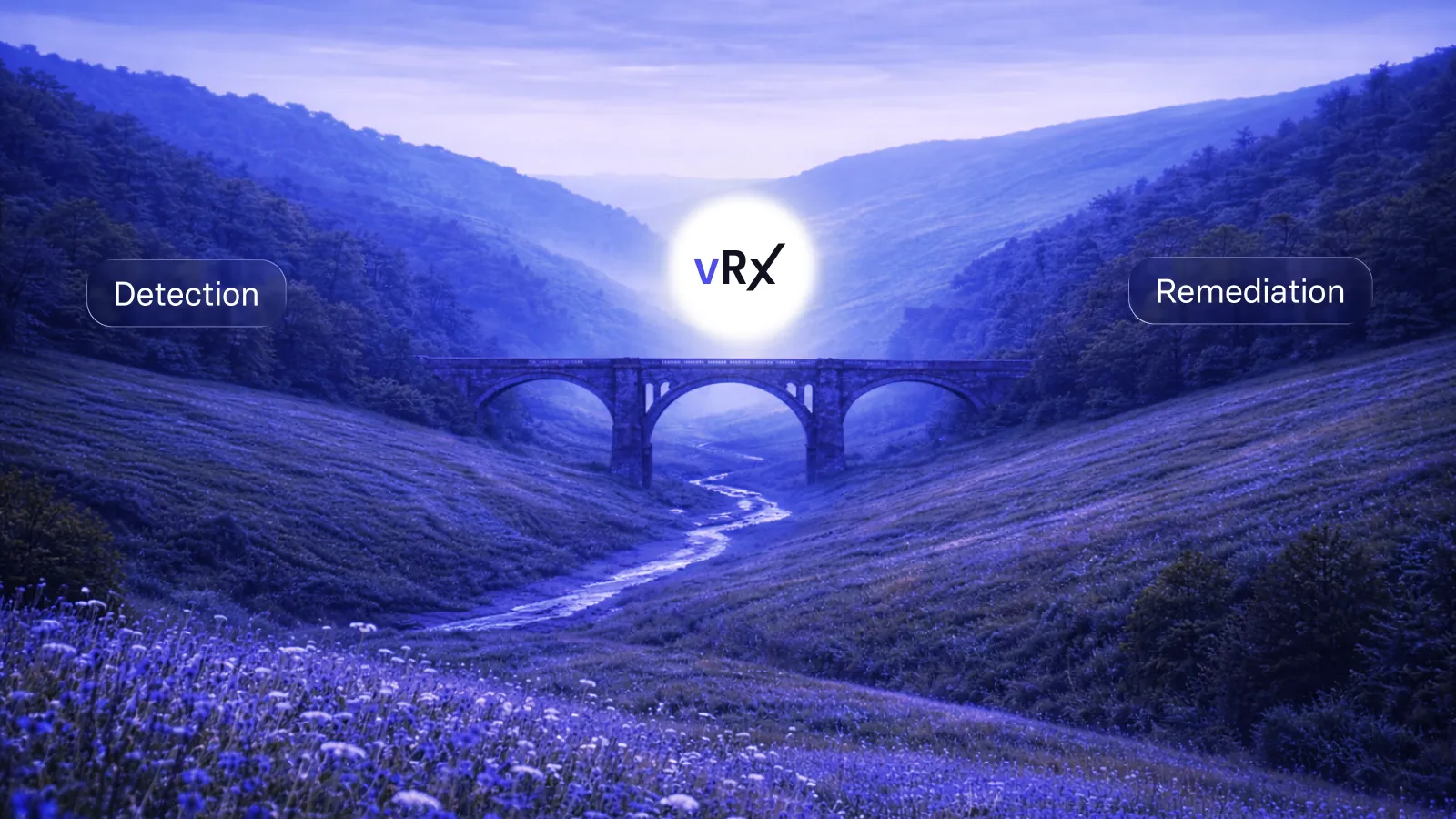
Vicarius vRx addresses this challenge by consolidating vulnerability assessment and remediation into a single platform. This unified approach eliminates the data silos that prevent meaningful risk correlation.
When security and IT teams speak different languages
Security generates priority lists based on CVSS scores and scanner output. IT prioritizes based on operational impact, change management windows, and business disruption risk. These two lists rarely agree.
Findings get lost at the handoff not because IT is unresponsive, but because the priority logic doesn't translate between functions. Security says "this is critical." IT sees a complex change on a production system with no scheduled maintenance window. Without a shared framework, high-priority items remain open while easier tasks get completed.
Why does missing asset criticality context matter?
When your core payment processor and a decommissioned test server sit in the same remediation queue with identical urgency labels, something is fundamentally broken. The payment system represents material business risk with regulatory implications. The test server represents a cleanup task.
Without asset criticality embedded in your prioritization model, the queue gets sorted by severity score rather than business impact. Over time, critical findings get buried under volume. The most dangerous vulnerabilities often aren't the loudest ones in your scanner output.
Asset criticality scoring connects findings to what they mean for your business. A medium-severity finding on a system processing every customer transaction may warrant more immediate attention than a critical finding on a development environment holding no production data.
How does exploitability data change prioritization?
Exploitability data tells you whether a vulnerability can actually be reached and exploited in your specific environment. This shifts prioritization from theoretical severity to practical risk.
According to research from industry analysts, applying exploitability analysis typically reveals that a large majority of findings are not genuinely exploitable given an organization's environment, threat profile, and existing controls. That changes what your team can accomplish with existing resources.
Four factors determine whether a finding represents actual risk: reachability from a realistic attack path, evidence of active exploitation in the wild, asset criticality and business impact, and compensating controls that reduce effective risk.
What active exploitation tracking reveals
The CISA Known Exploited Vulnerabilities (KEV) catalog documents vulnerabilities being actively used against real organizations. A finding in the KEV catalog with no available patch represents different urgency than a theoretical vulnerability never weaponized in observed campaigns.
Threat intelligence enrichment that includes KEV status, exploit availability, and threat actor targeting patterns turns theoretical severity into practical exploitation probability. A finding actively targeting organizations in your sector is more urgent than one with a higher CVSS score that has never been exploited.
What happens when remediation can't keep pace with discovery?
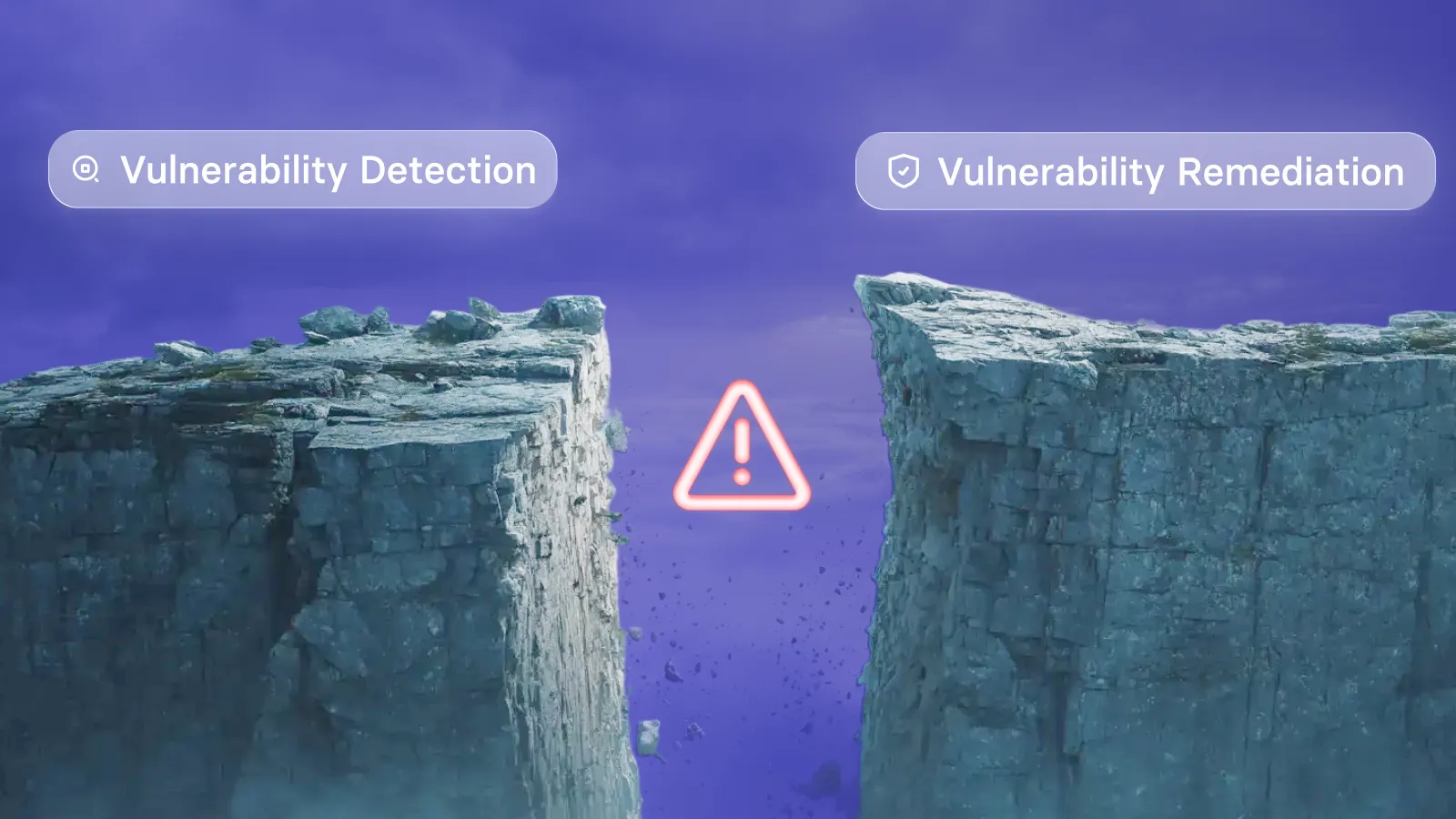
When new findings arrive faster than old ones close, the backlog grows regardless of how much work your team does. In mature environments running multiple scanning tools, finding arrival rate typically outpaces remediation capacity significantly.
The solution isn't faster remediation across the board. It's concentrating effort on findings that actually reduce exposure. Patching the 300 highest-CVSS findings may produce less risk reduction than patching the 30 findings that appear in the KEV catalog and sit on internet-facing assets with direct attack paths.
Volume-based vulnerability management was never designed to produce the risk reduction it promises. When the prioritization model is broken, working harder produces more closed tickets rather than less actual risk.
How do unified platforms improve risk-based decisions?
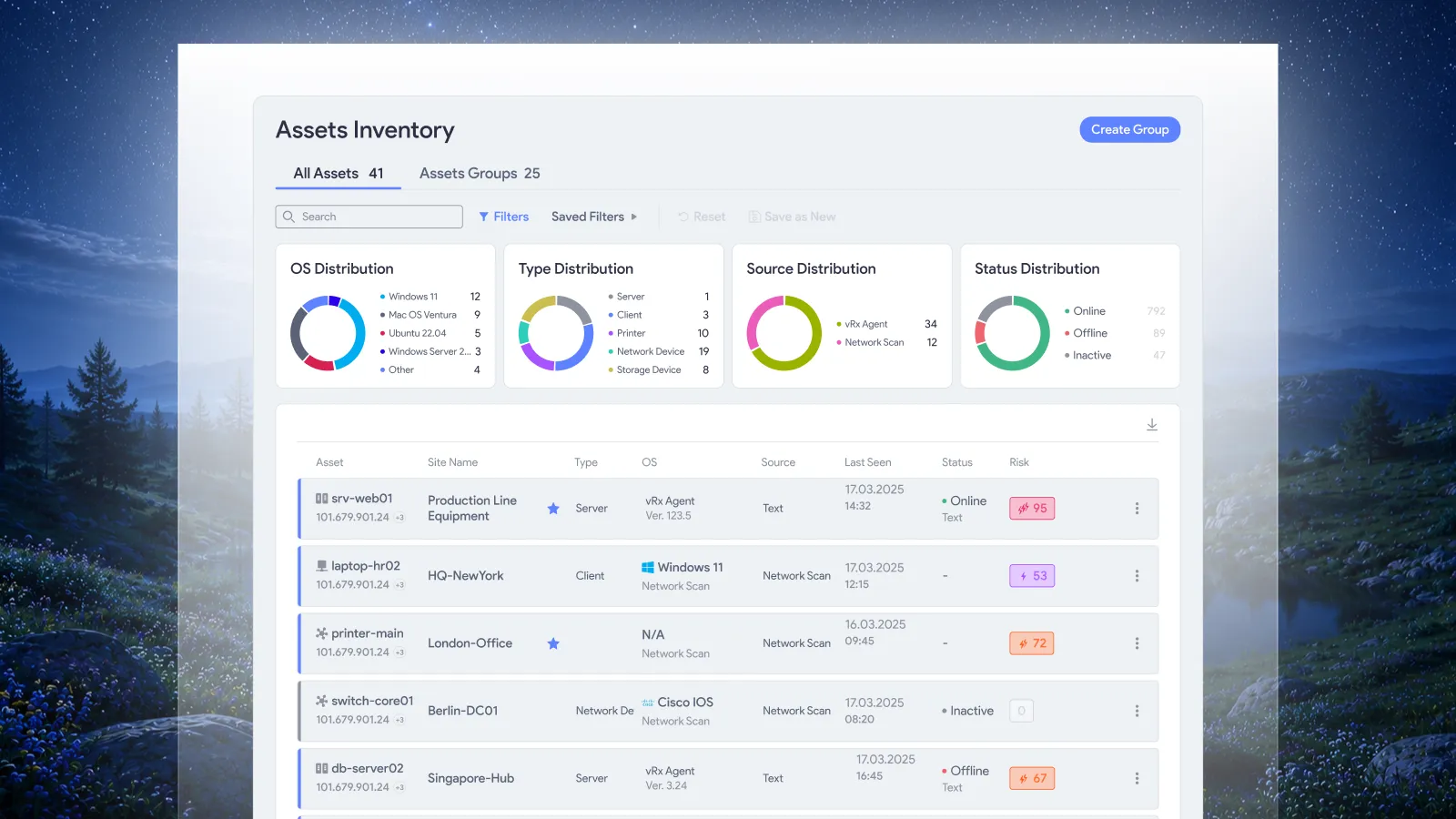
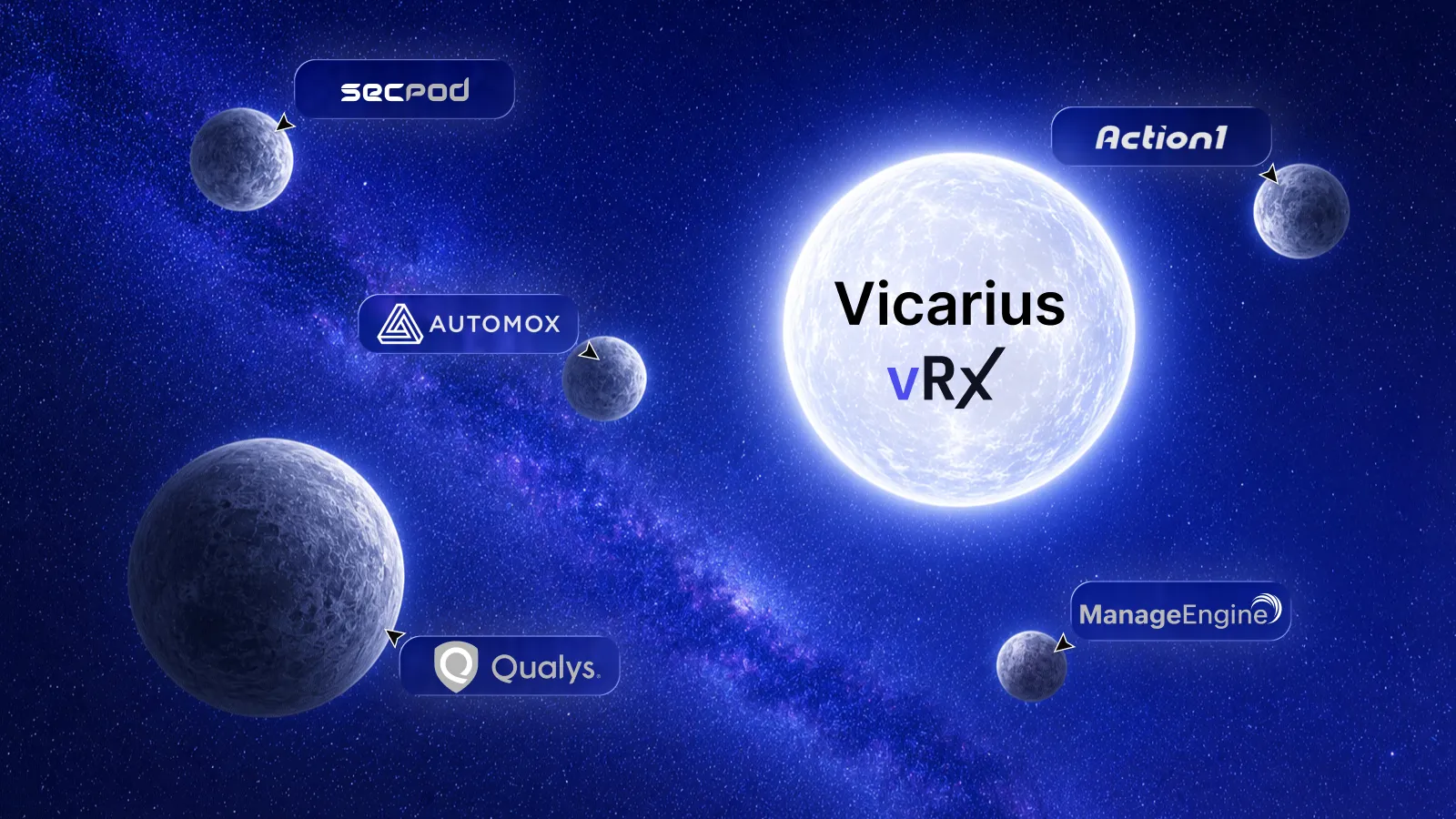
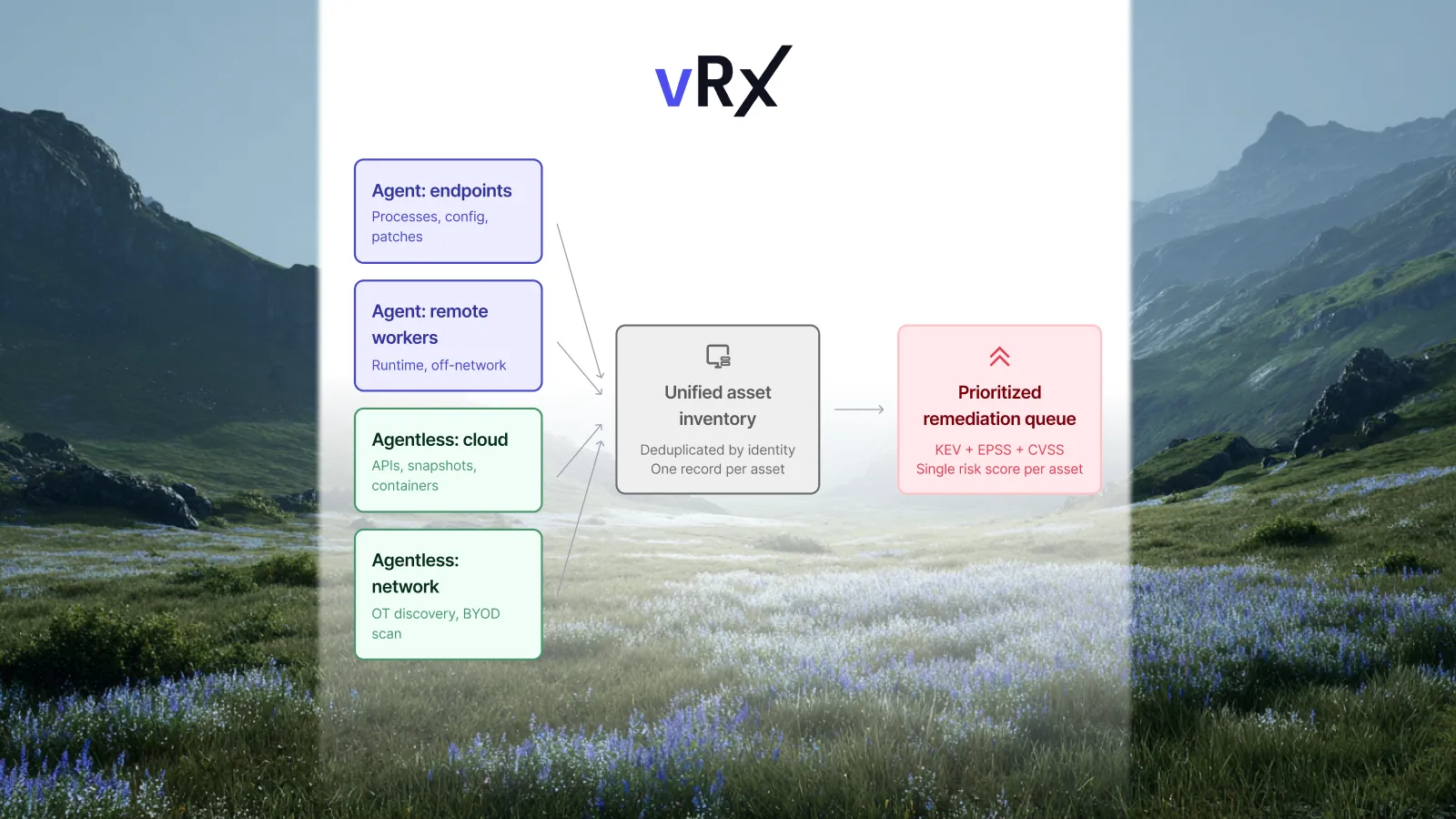
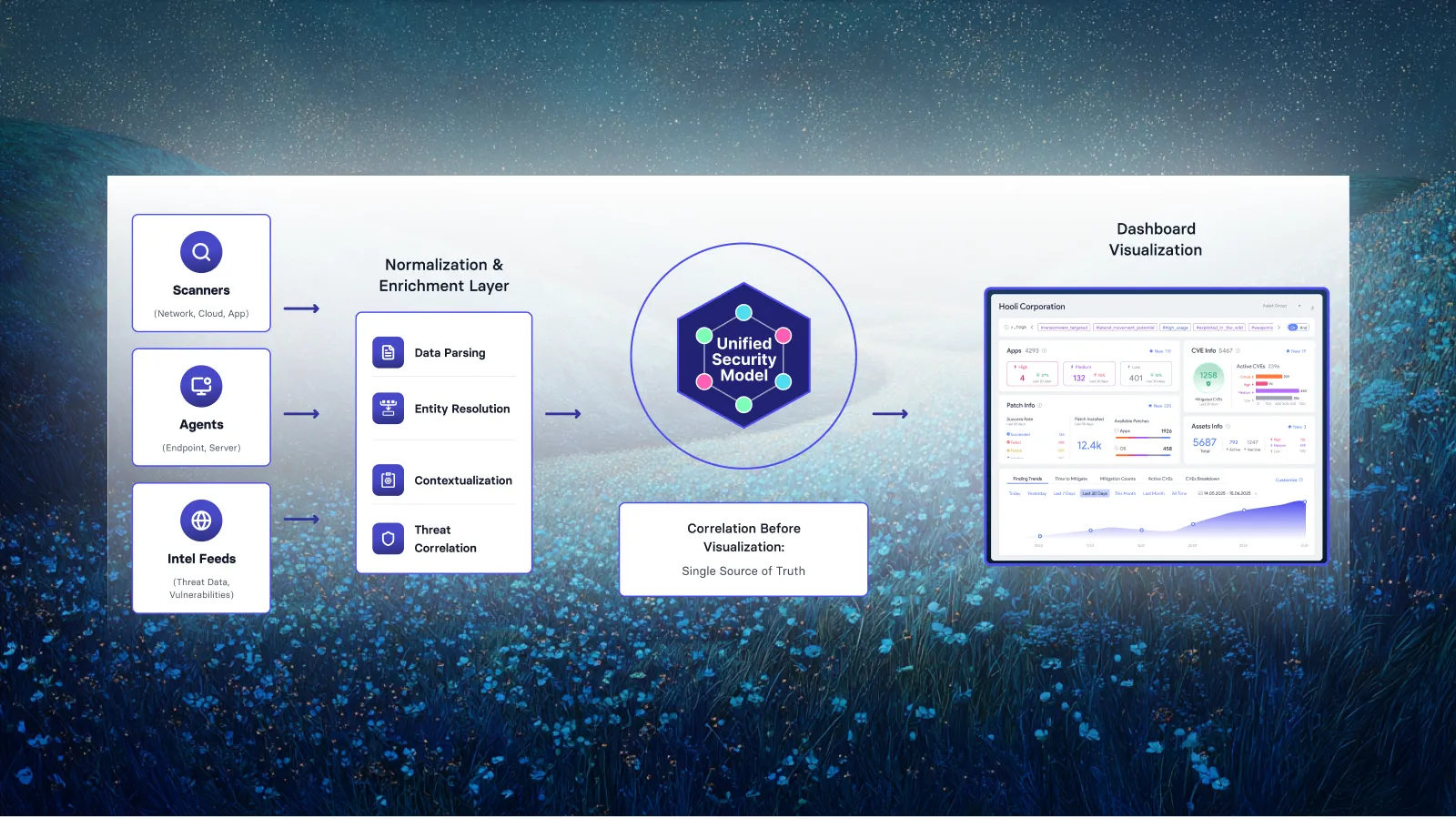
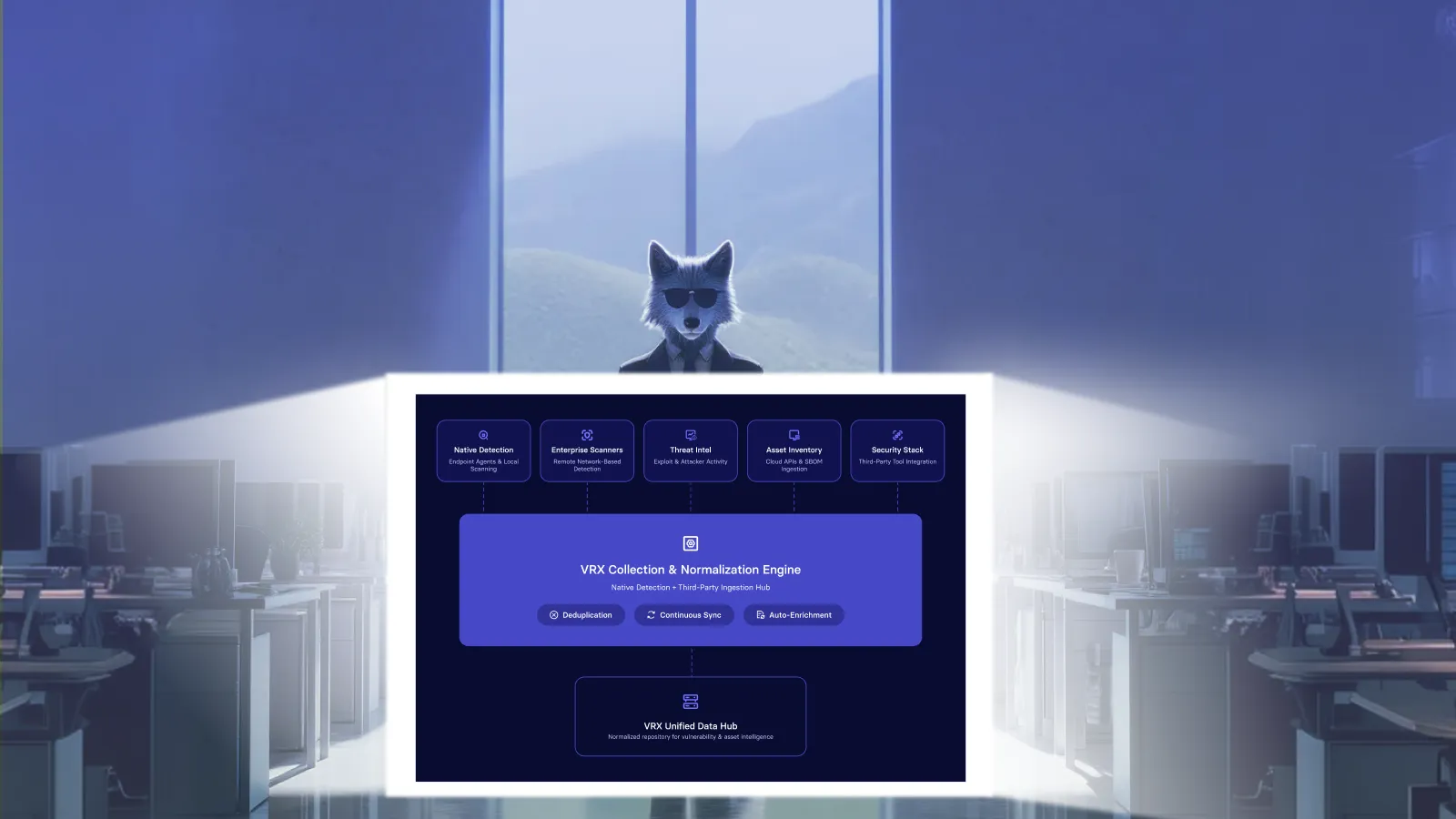
Unified vulnerability management platforms consolidate data from multiple sources into a single system. This enables centralized visibility, consistent risk prioritization, and coordinated remediation across teams.
By aggregating and normalizing findings, unified platforms can deduplicate results and prioritize vulnerabilities based on real business risk. Security teams gain full visibility into their risk exposure instead of managing disconnected tool outputs.
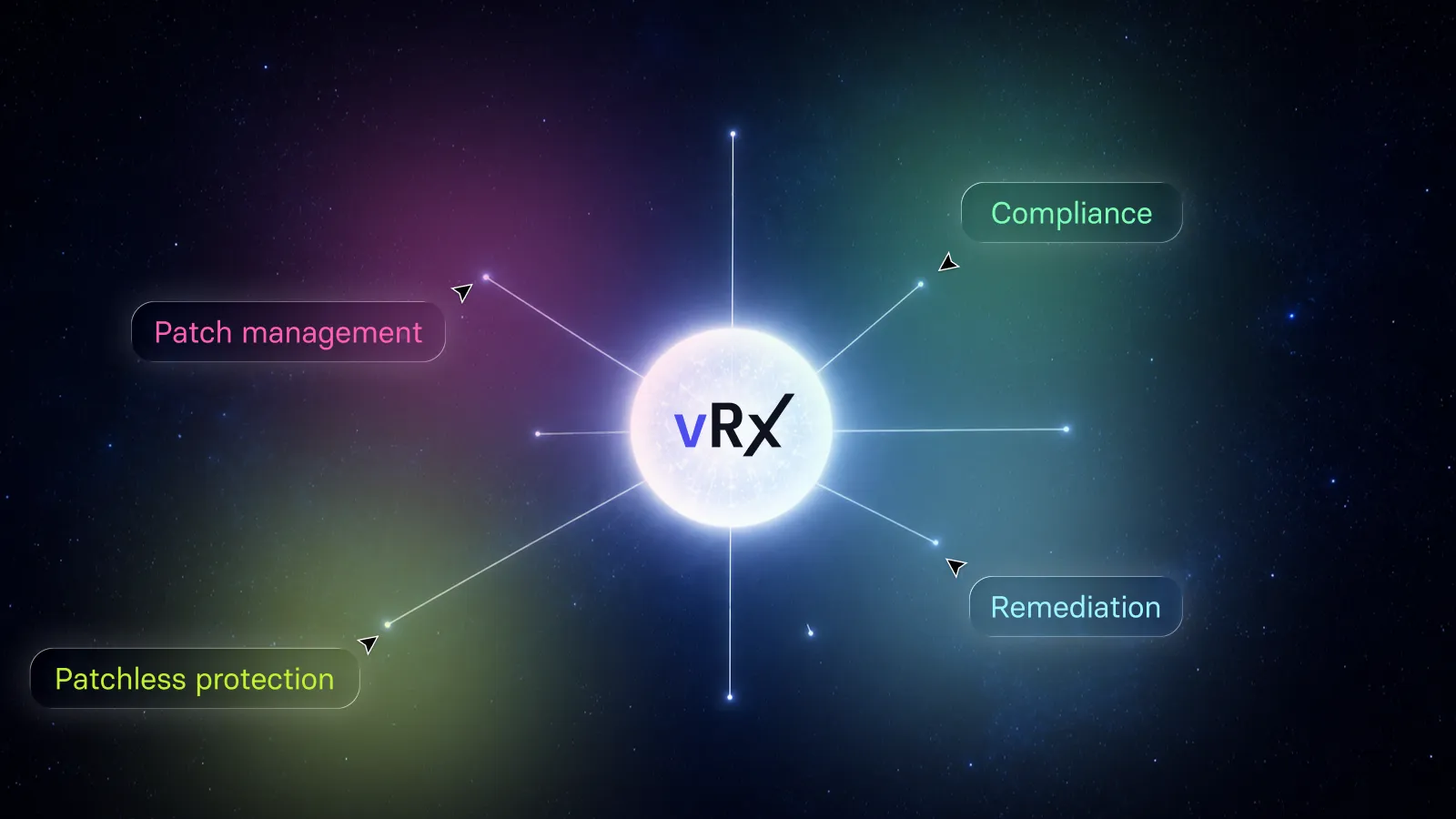
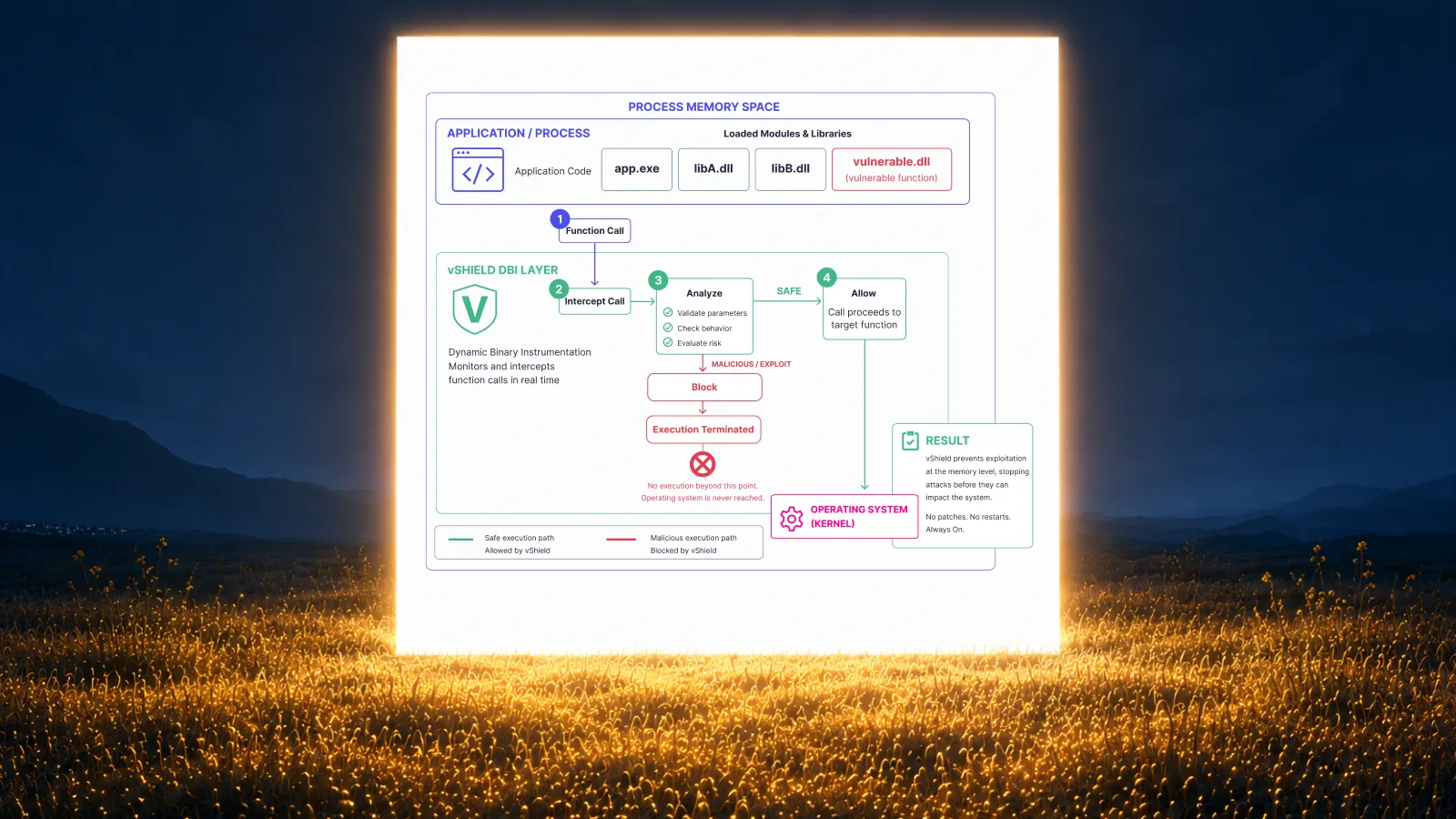
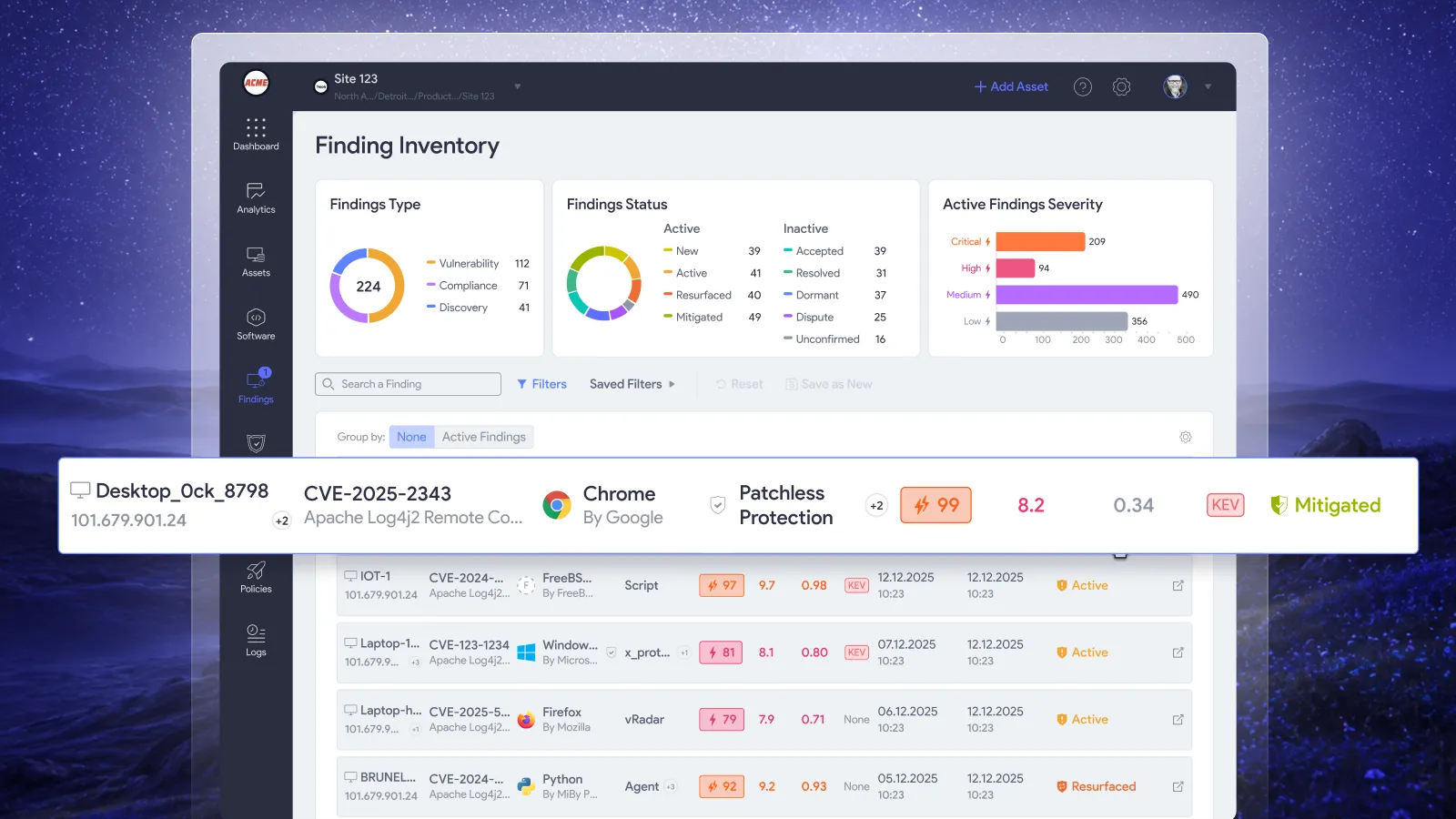
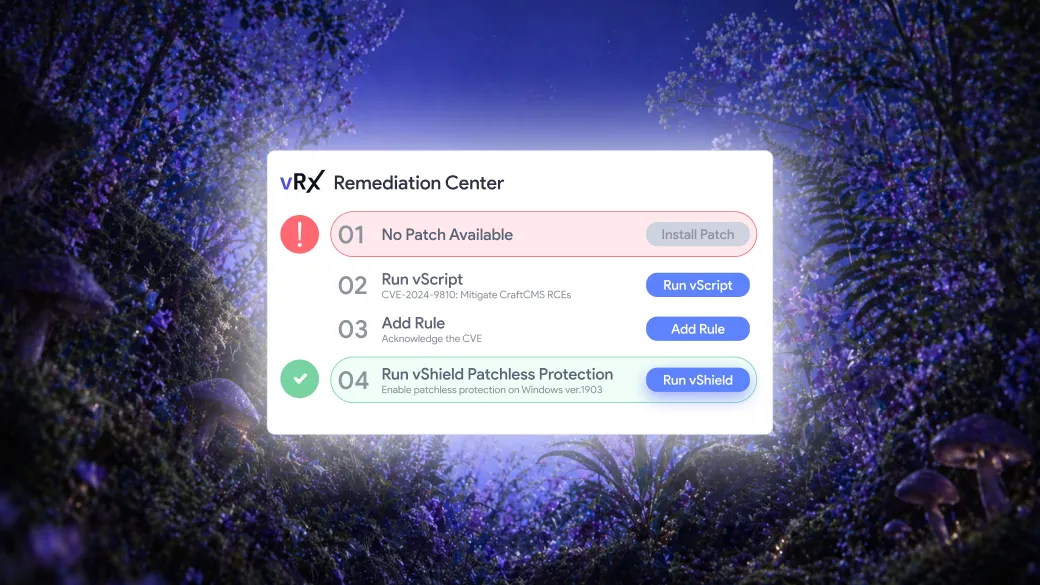
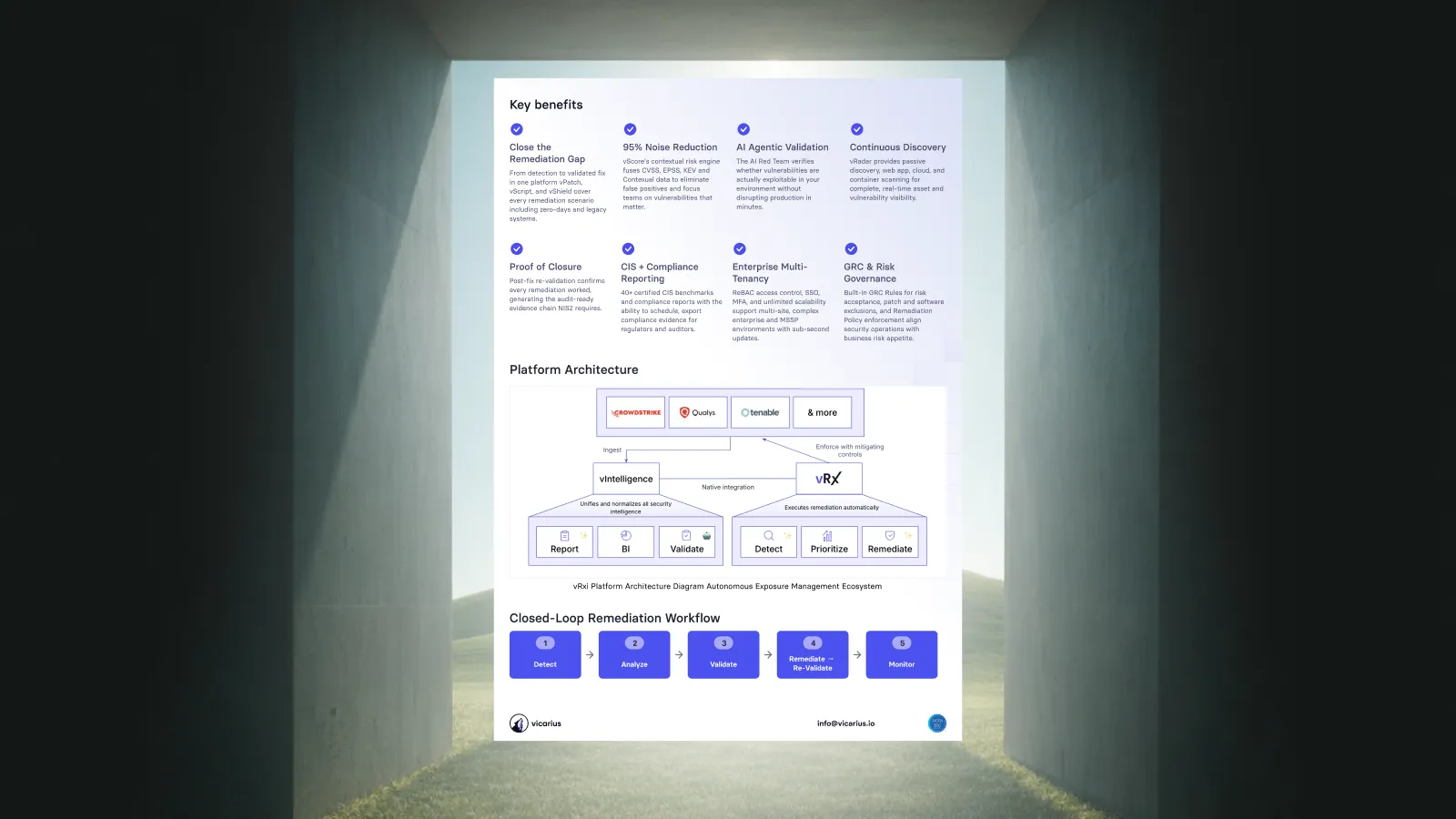
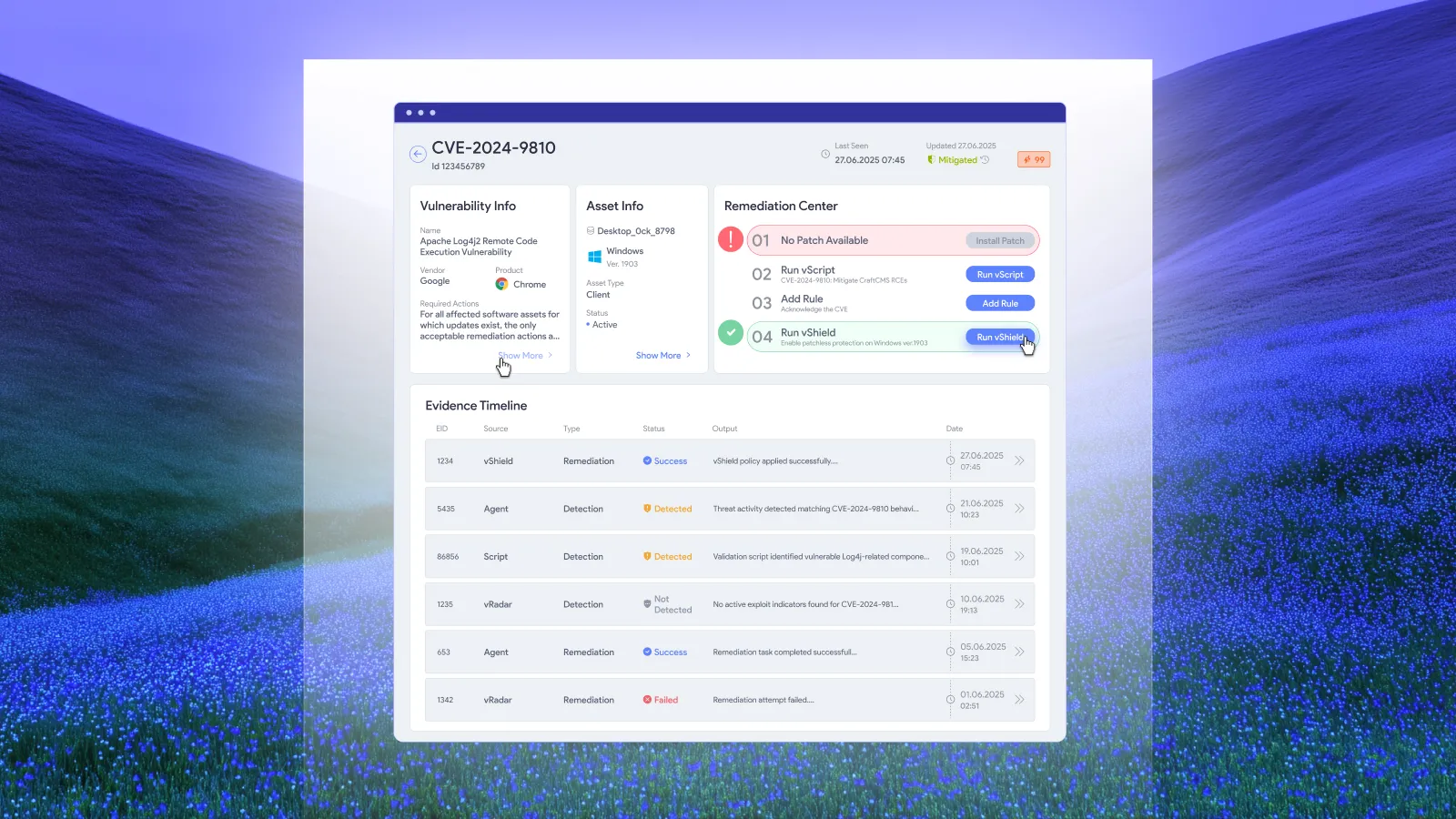
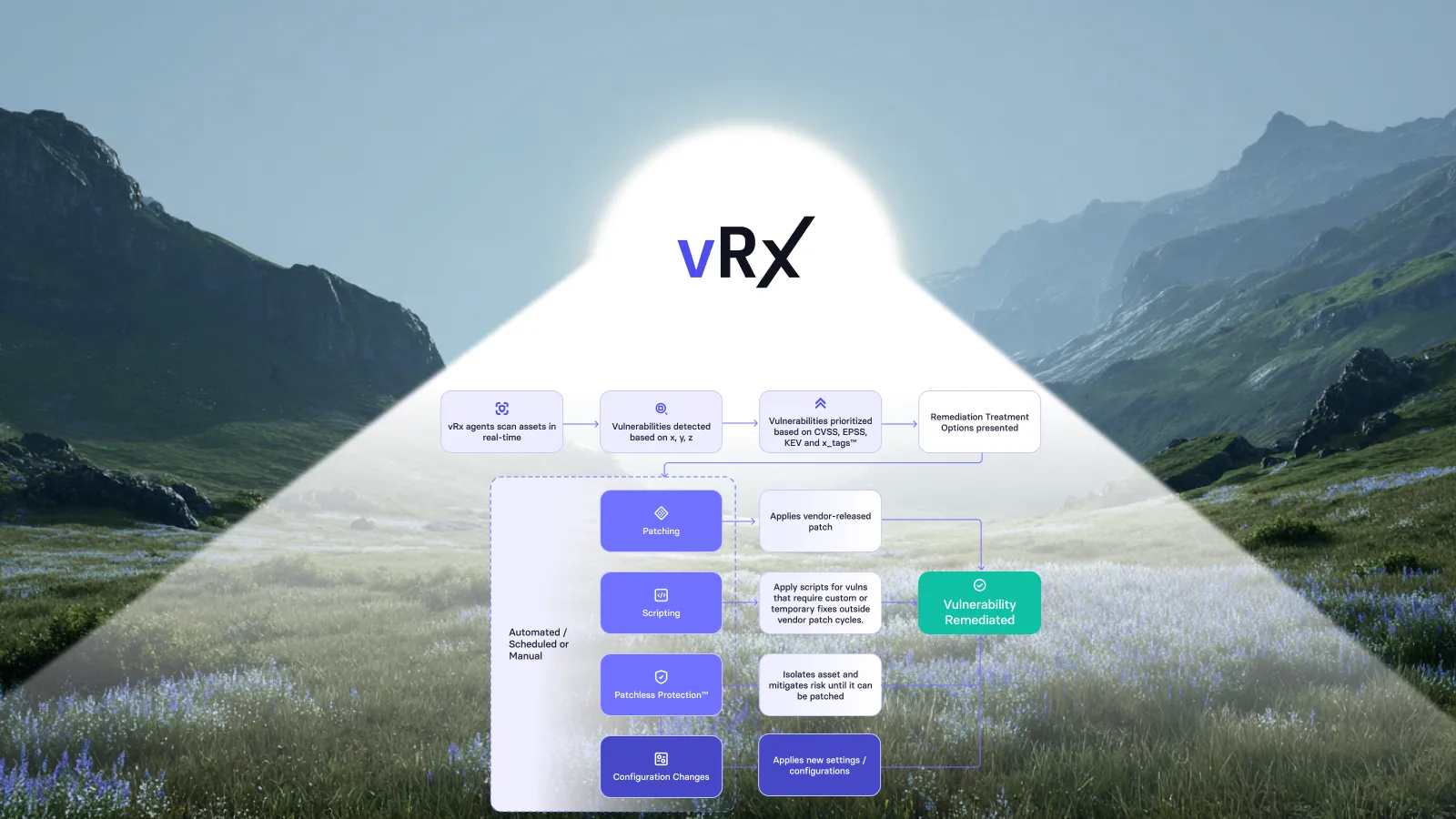
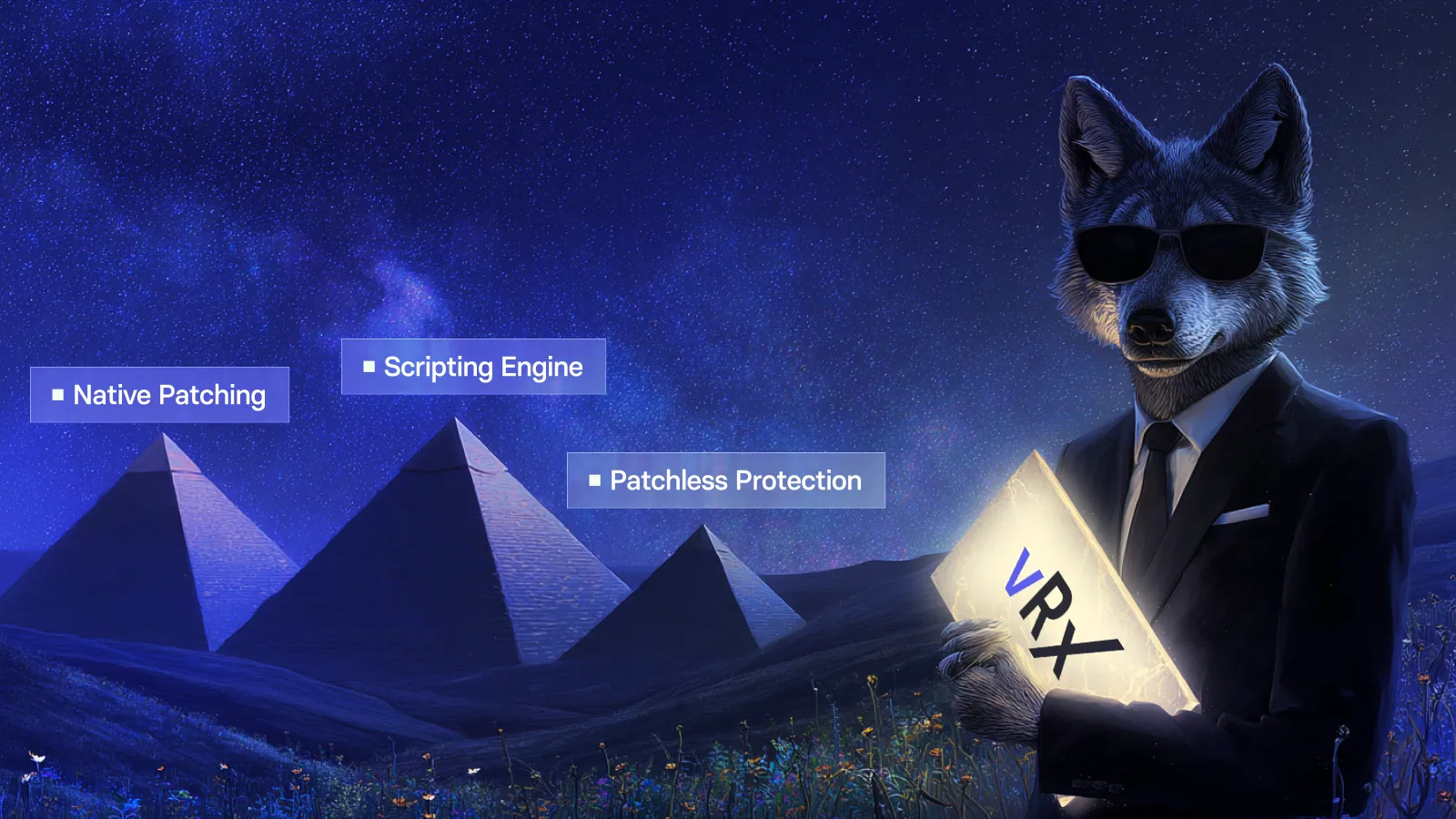
Vicarius vRx exemplifies this unified approach by combining vulnerability discovery, automated prioritization, patching, and patchless protection in one platform. This consolidation reduces the tool sprawl that prevents effective risk alignment and enables faster remediation workflows.
What consolidated remediation context delivers
When discovery, prioritization, and remediation exist in the same platform, context flows through the entire workflow. Findings arrive with business rationale attached, not just technical severity scores. IT receives the information needed to act without requiring security analysts to explain each item individually.
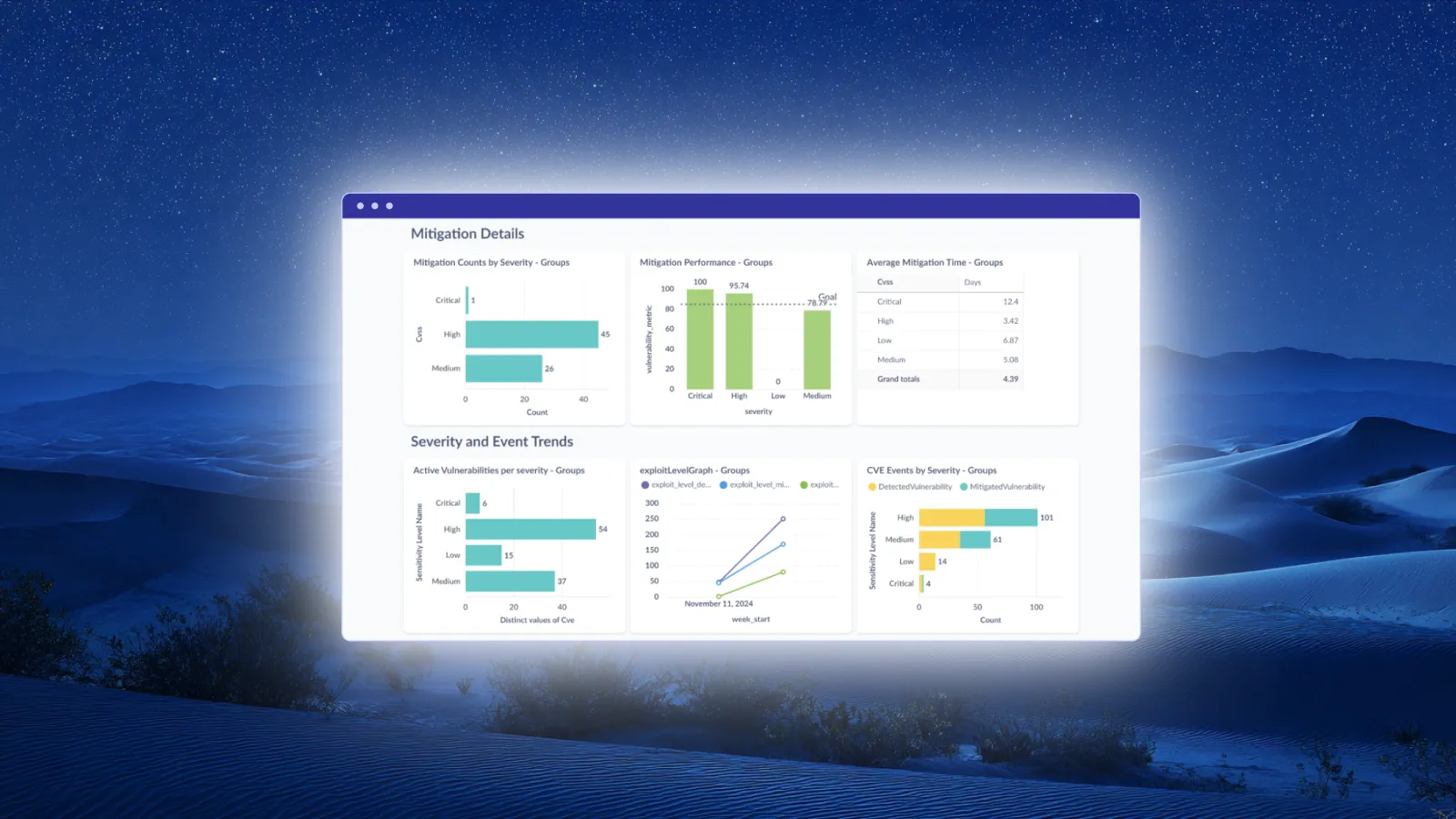
Consolidated platforms also enable real-time prioritization that keeps pace with changing threat environments. As new exploits emerge or your control posture evolves, priorities adjust automatically rather than reflecting the state when the last scan ran.
What should effective risk prioritization include?
Effective risk prioritization combines multiple data sources that traditional vulnerability scanners can't deliver alone. You need asset criticality tagging that connects findings to business-critical systems. You need exploitability data that validates whether threats are actually reachable.
Compensating controls matter too. A vulnerability behind a web application firewall, endpoint detection, and network segmentation carries different effective risk than the same vulnerability with no protective controls. Your prioritization model should account for these defenses.
Real-time threat intelligence keeps priorities current as the landscape shifts. Static scores from periodic scans can't capture whether a previously theoretical vulnerability is now being actively exploited in campaigns targeting your industry.
Building vulnerability programs that reduce actual risk
The gap between vulnerability data and business risk isn't a technology problem alone. It's a prioritization problem that requires connecting technical findings to what they mean for your operations, compliance, and bottom line.
Closing this gap requires moving beyond CVSS-driven patch queues toward risk-based approaches that incorporate asset context, exploitability data, and unified remediation workflows. The programs that succeed aren't the ones closing the most tickets. They're the ones consistently closing the right ones.
Vicarius vRx helps security teams make this shift by consolidating vulnerability management into a single platform where discovery, prioritization, and remediation work together. When your tools stop working in silos, connecting security findings to business risk becomes possible.
FAQs about why vulnerability platforms miss business risk
Why do CVSS scores fail to reflect actual business risk?
CVSS scores measure technical severity in isolation without considering your specific environment. They don't account for asset criticality, network segmentation, or whether compensating controls already block exploitation attempts. A CVSS 10 on a segmented internal system may pose less real danger than a CVSS 6 on an exposed asset handling sensitive data.
How does Vicarius help align vulnerability findings with business risk?
Vicarius vRx consolidates vulnerability discovery, prioritization, and remediation into a unified platform. This eliminates the data silos that prevent meaningful risk correlation. By combining automated patching with patchless protection and AI-driven prioritization, Vicarius helps teams focus on vulnerabilities that actually reduce business exposure.
What is the difference between vulnerability severity and business risk?
Vulnerability severity describes how dangerous a flaw could theoretically be. Business risk describes what happens if that flaw is exploited in your environment. A critical vulnerability on a decommissioned system represents minimal business risk, while a medium vulnerability on your customer database represents significant exposure.
Why does fragmented security tooling make risk prioritization harder?
Fragmented tools generate findings in isolation without correlating data across systems. Security teams can't see how individual weaknesses connect to form attack paths. Vicarius solves this by providing a single platform for the entire vulnerability management lifecycle, enabling unified visibility and coordinated remediation.
What role does asset criticality play in vulnerability prioritization?
Asset criticality connects technical findings to business impact. A vulnerability on systems processing customer transactions requires different urgency than the same vulnerability on a test server. Without asset criticality context, remediation queues get sorted by severity scores that don't reflect what matters to your business.
How can security teams prioritize vulnerabilities more effectively?
Effective prioritization combines CVSS scores with exploitability data, asset criticality, threat intelligence, and compensating control context. Vicarius vRx brings these elements together with AI-driven risk prioritization that validates real exploitability rather than relying on theoretical severity alone. This approach helps teams close the vulnerabilities that reduce actual risk.

































.webp)
















%20Signals%20a%20New%20Era%20of%20Supply%20Chain%20Risk.webp)







.webp)