

Global trust, local action: aligning enterprise vulnerability disclosure with CISA's transparency vision
Vulnerability disclosure is no longer a back-office concern delegated solely to engineering or legal teams. Threat actors are weaponizing public vulnerability data faster than ever, and insurers are tightening their underwriting requirements. As a result, boards and executive teams are now directly accountable for how transparently they surface and respond to known security weaknesses.
CISA's "CVE Quality for a Cyber Secure Future" strategy marks a new phase of disclosure governance. It urges organizations to align their practices with public-good principles that reinforce resilience across digital supply chains.
In this evolving context, the quality of a company's disclosure program is becoming a measurable risk control in its own right. It affects more than regulatory posture - it shapes insurability, investor confidence, and customer trust.
Organizations that disclose vulnerabilities proactively and consistently are better positioned to defend against reputational damage, prove duty-of-care during audits, and secure more favorable risk transfer terms. By adopting transparent disclosure practices, boards can shift from passive recipients of breach news to active stewards of cyber risk governance - better aligning technical operations with executive risk appetite.
This article is Part 3 of our series on the CVE Program Vision and Future Outcomes. Part 1, "The CVE Quality Era: What Security Teams Should Expect from the Next Generation of Vulnerability Data," explored the Quality Era of vulnerability data. Part 2, "AI, Automation, and APIs: How CISA's Roadmap Will Transform Vulnerability Intelligence Consumption," detailed the role of APIs and automation in modernizing CVE consumption.
This piece examines how enterprises can translate that national strategy into local action.
Here, we focus on how organizations can align with CISA's call for transparency, implement responsible disclosure practices, and use automation to demonstrate measurable trust, accountability, and resilience across global supply chains.
CISA's transparency vision and its enterprise relevance
CISA's renewed focus on vulnerability data quality and openness is grounded in a simple but powerful idea: the Common Vulnerabilities and Exposures (CVE) system is a cybersecurity public good. That means organizations of all sizes benefit from, and share responsibility for, its integrity and accessibility.
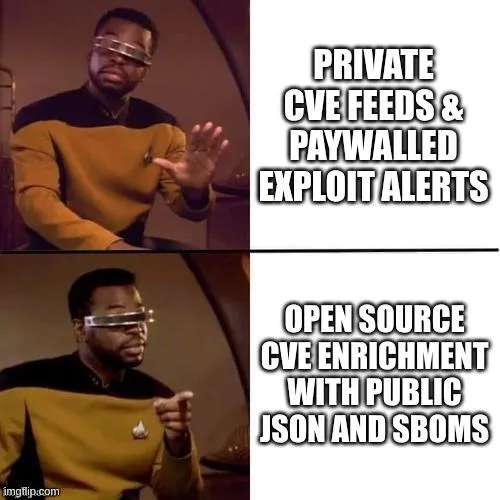
The agency's rallying cry, "global trust through local action," calls on enterprises to embody transparency in their own policies, processes, and data stewardship. This has clear operational implications: enterprises can no longer rely solely on proprietary vulnerability feeds or internal remediation plans.
Instead, they must adopt open standards like CVE 5.0 and JSON-based advisory formats, contribute to shared metadata enrichment efforts, and coordinate disclosures across their supplier networks and customer base. Embedding these practices into disclosure operations doesn't just support global defense - it also improves the timeliness and reach of an organization's own vulnerability communications.
To support this alignment, organizations should revisit internal policies and governance frameworks. Key areas of focus include:
- Advisory standardization: Require the use of CVSS vectors, CWE classification, and SBOM references in all published advisories.
- Disclosure timelines: Establish SLAs for validation, public coordination, and customer notification.
- Transparency governance: Assign cross-functional responsibility for disclosure quality, including executive sponsorship.
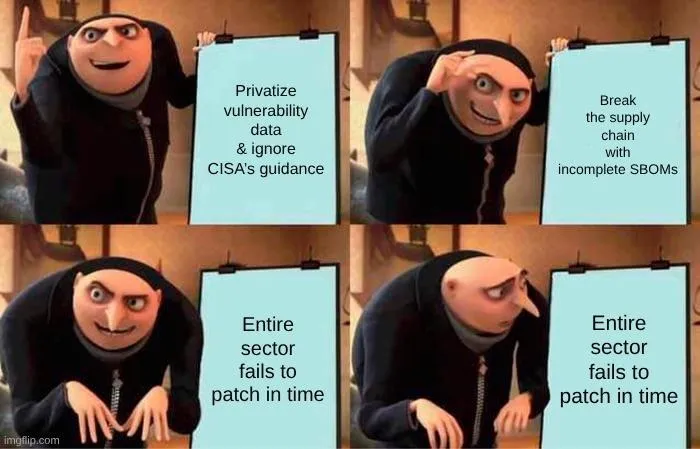
The risk of privatizing vulnerability disclosure also looms large. When vulnerability information sits behind vendor-specific paywalls or opaque licensing models, downstream defenders are left blind to emerging threats.
CISA's position is clear: public-good stewardship must come before profit motives if we're going to maintain a trustworthy disclosure ecosystem. Without equitable access to foundational vulnerability data, entire sectors risk falling out of sync on patching priorities - creating exploitable gaps in shared infrastructure.
Turning policy into practice: how enterprises operationalize disclosure
Implementing transparent disclosure isn't just a matter of policy. It requires cross-functional orchestration between security, legal, engineering, and communications teams.
Enterprises can participate directly in the CVE ecosystem by applying for CNA status, or coordinate with upstream CNAs to ensure timely, accurate record publication. Either way, aligning with CVSS and CWE standards is crucial for downstream compatibility and triage.
To strike a balance between transparency and exploit safety, organizations should follow three principles:
- Phased disclosure: Coordinate with partners and customers ahead of public publication where practical.
- Exploit-aware timing: Time disclosure to coincide with patch availability or compensating controls.
- Legal-safe clarity: Avoid euphemisms or vague language; clearly describe affected products and fix versions.
This level of discipline helps establish a disclosure cadence that is predictable, credible, and aligned with business risk.
Automating and evidencing transparency
A robust disclosure program doesn't stop at policy or process. It must produce measurable, auditable outcomes. Automation and data integration are key enablers in making this happen.
Enrichment pipelines and machine-readable intel
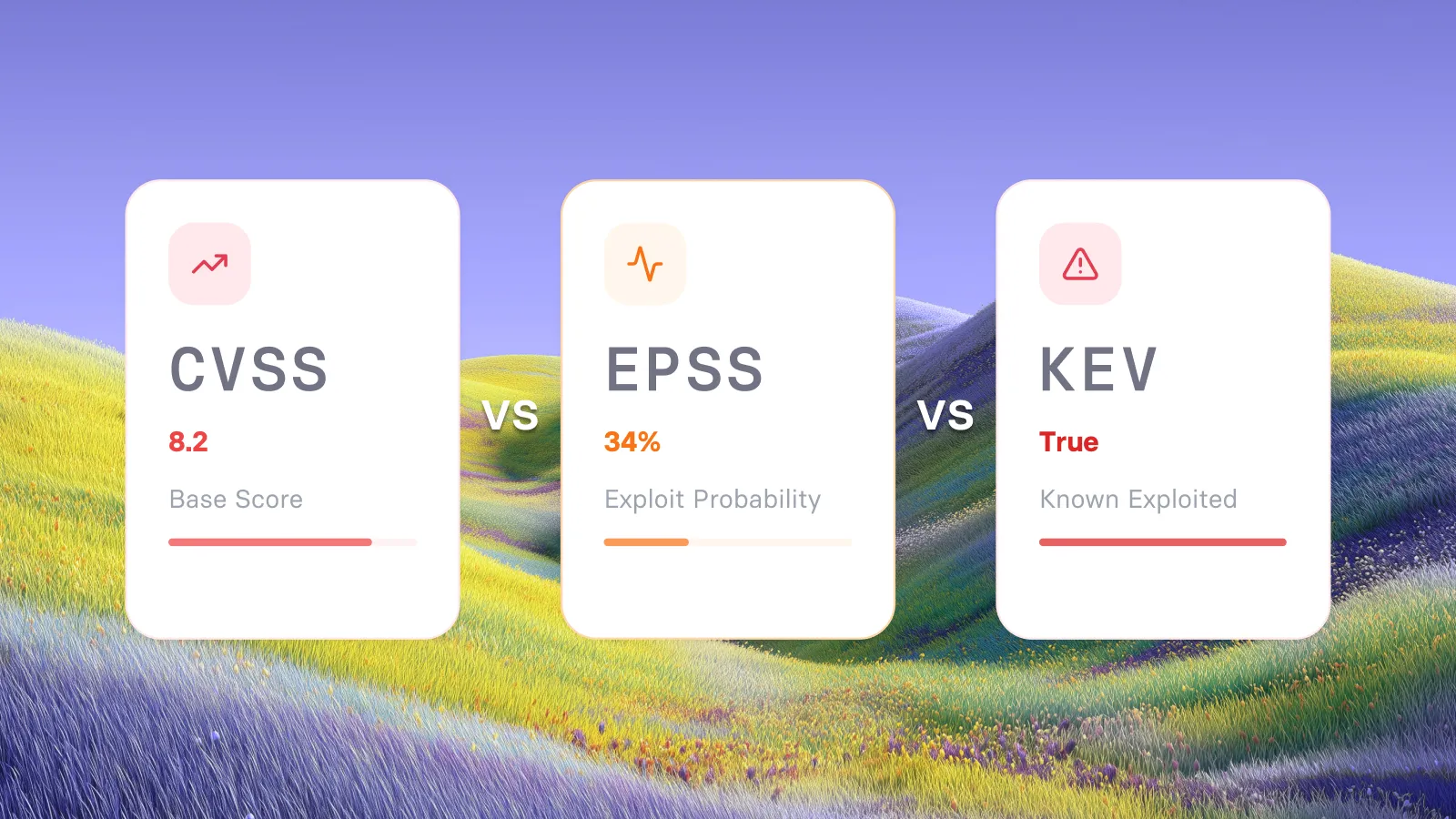
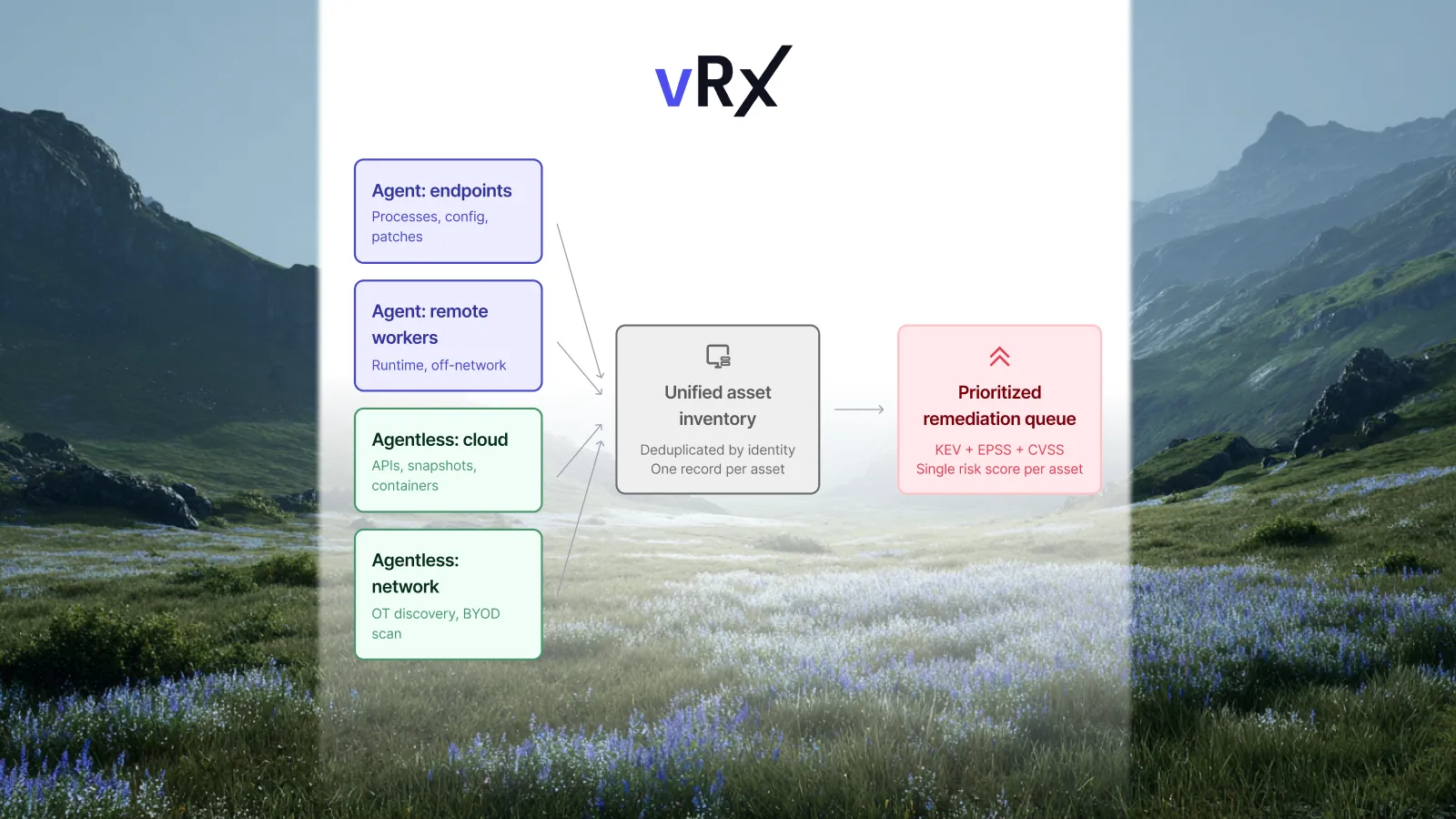
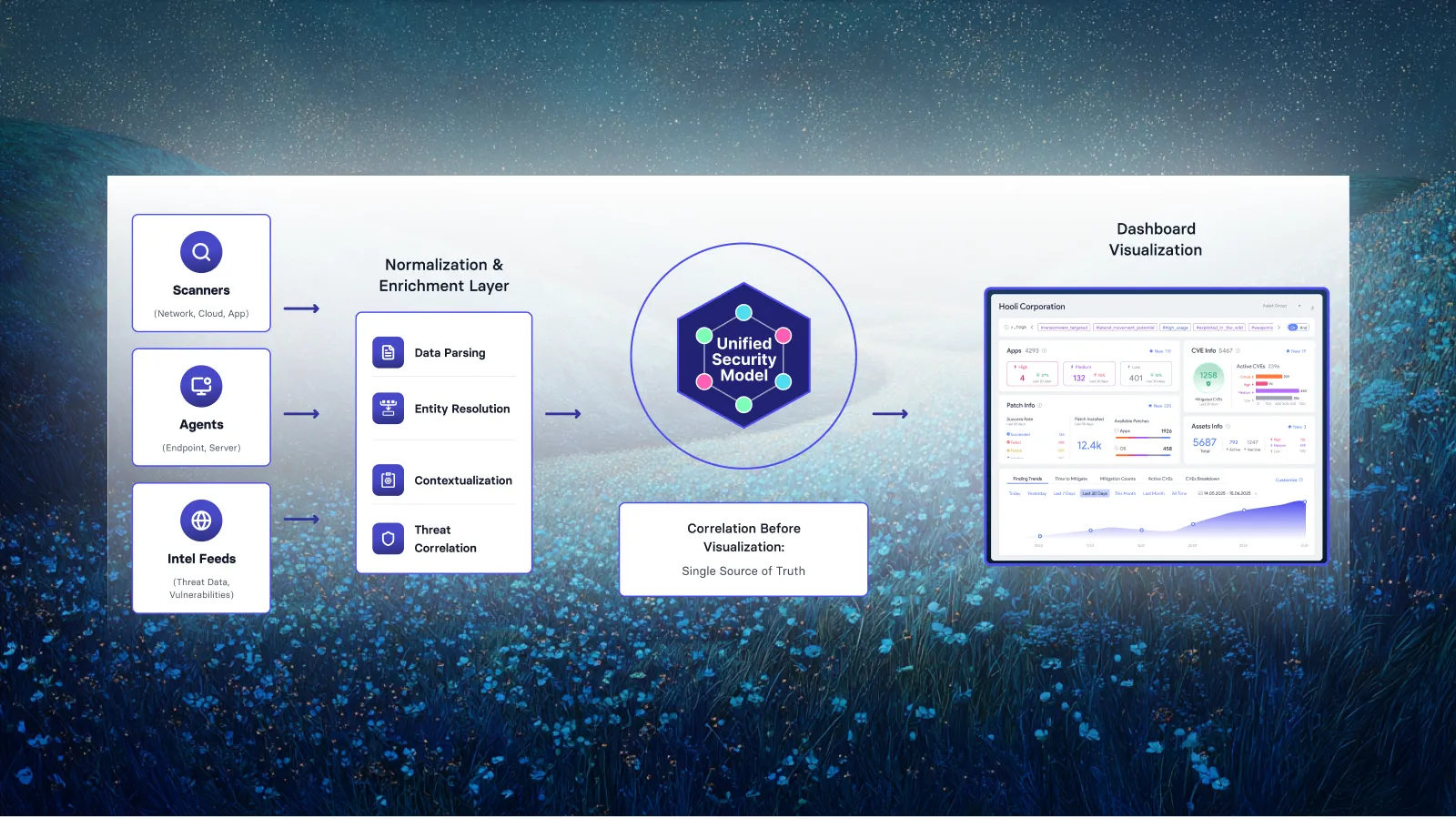
Modern vulnerability programs increasingly rely on federated enrichment, where core CVE data gets enhanced with exploitability metrics, patch context, and internal asset telemetry. Integrating sources like the KEV catalog and EPSS scoring into an internal data lake enables prioritized, real-time decision-making.
When tied to internal CMDB and asset inventories, this enriched data can drive automated remediation workflows with traceable context.
Transparency metrics that matter
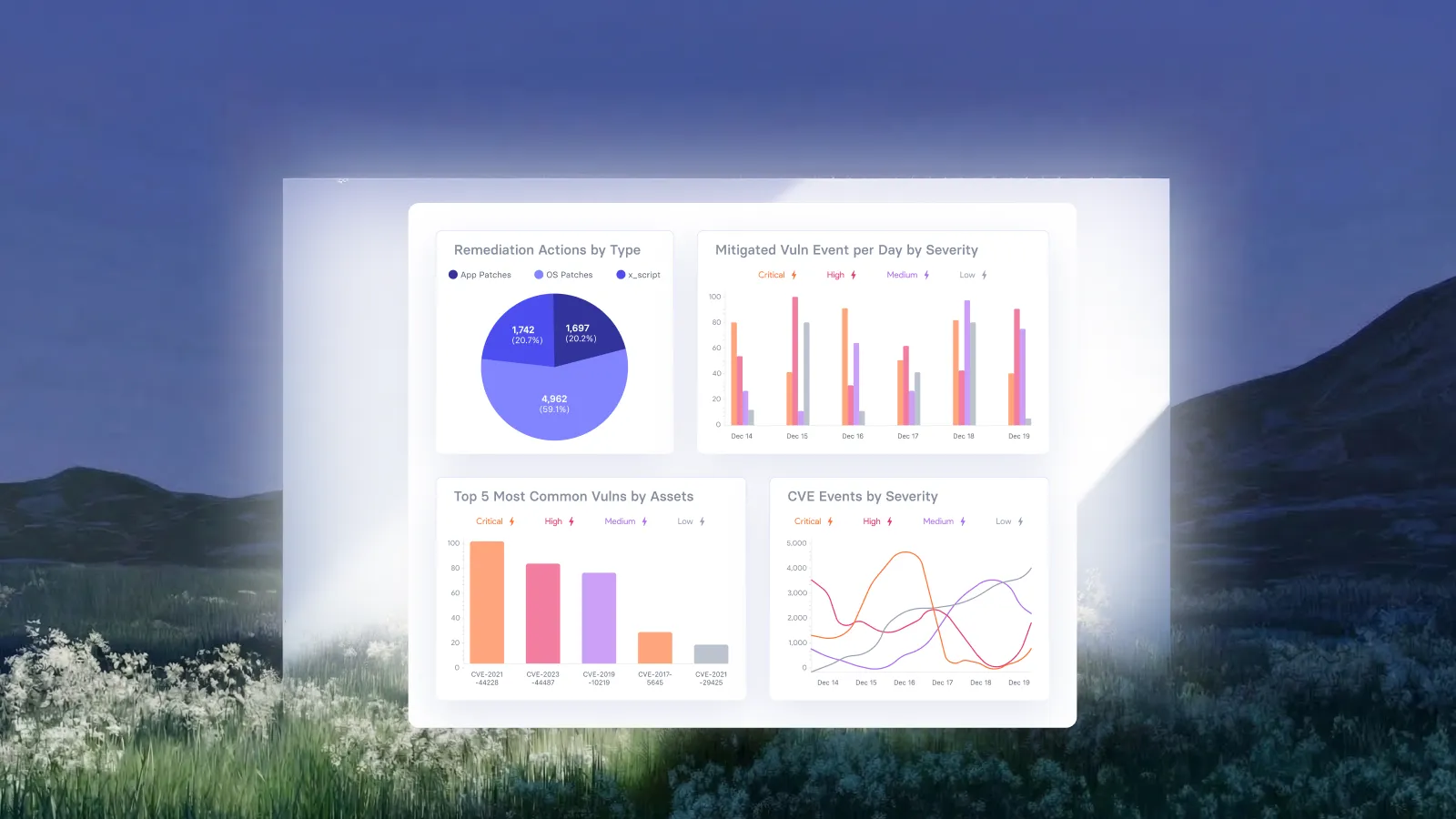
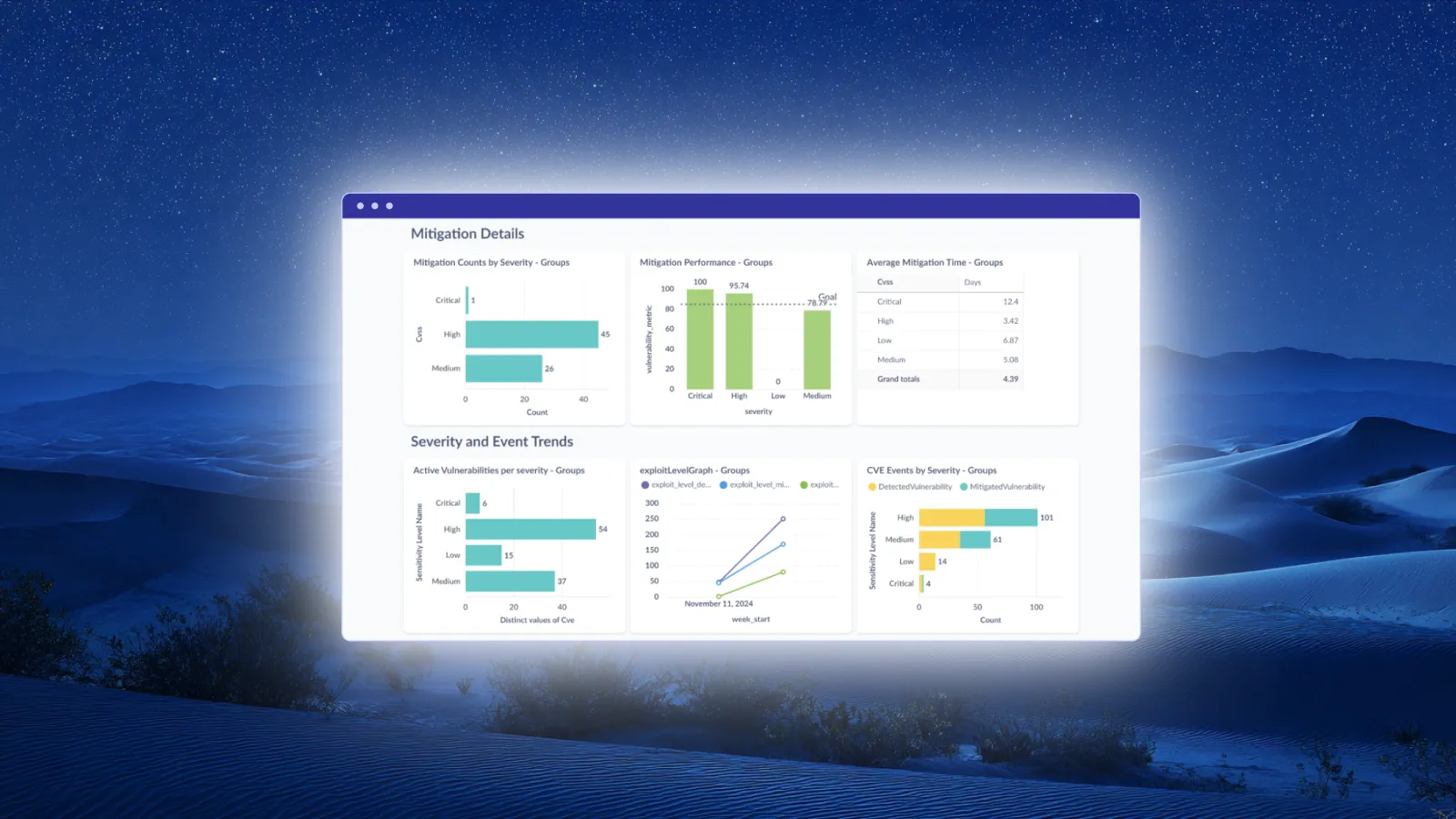
Boards don't need raw vulnerability counts; they need indicators of process maturity and residual risk. The most useful transparency metrics include:
- Time-to-advisory: Time between discovery and public disclosure. Indicates internal coordination efficiency.
- Patch coverage rate: Percentage of disclosed vulnerabilities remediated across affected environments.
- Residual exposure duration: How long known vulnerabilities remain unpatched in high-value assets.
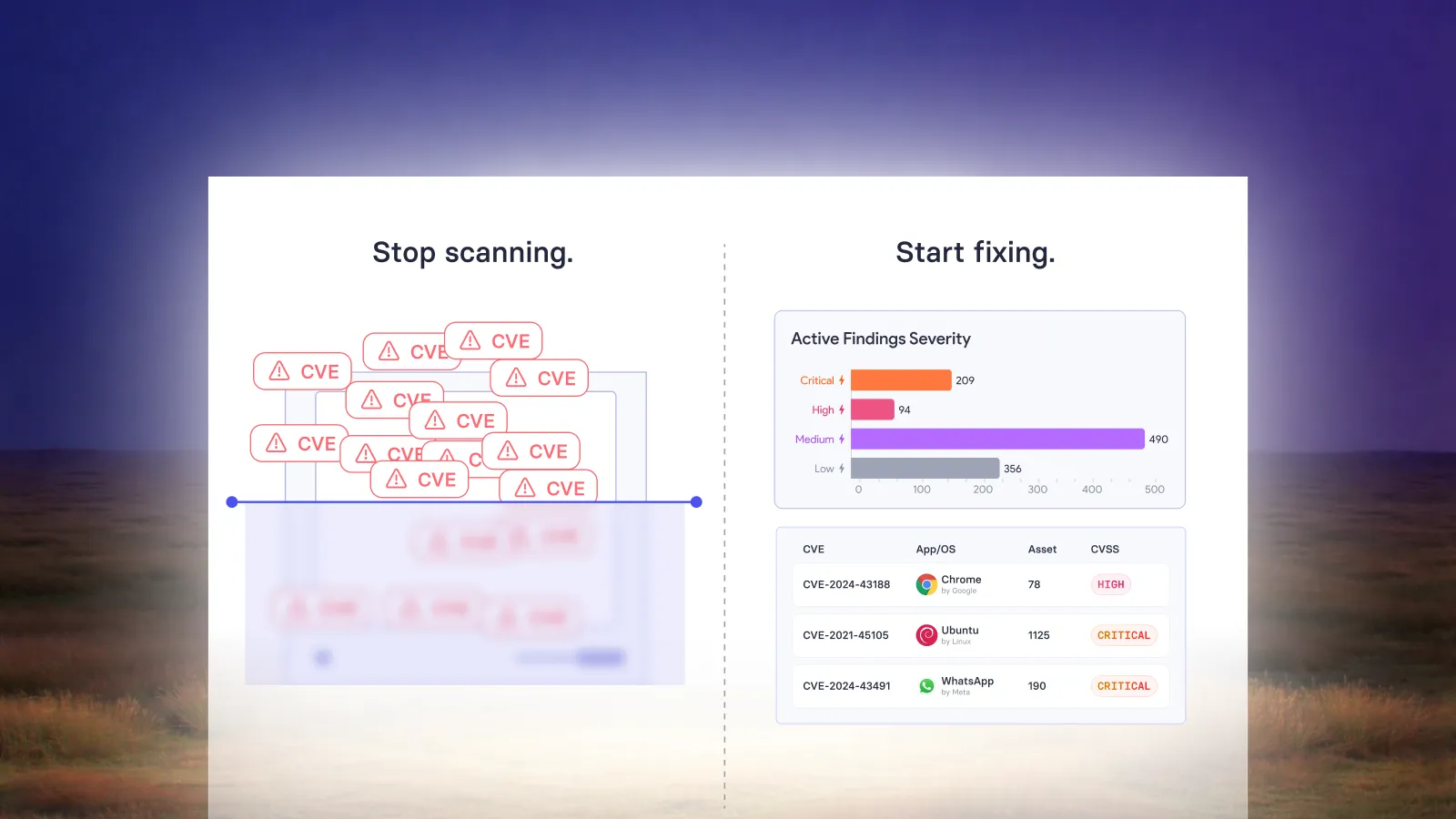
These metrics help shift conversations from detection to resolution, and from volume to impact.
The path to operationalization
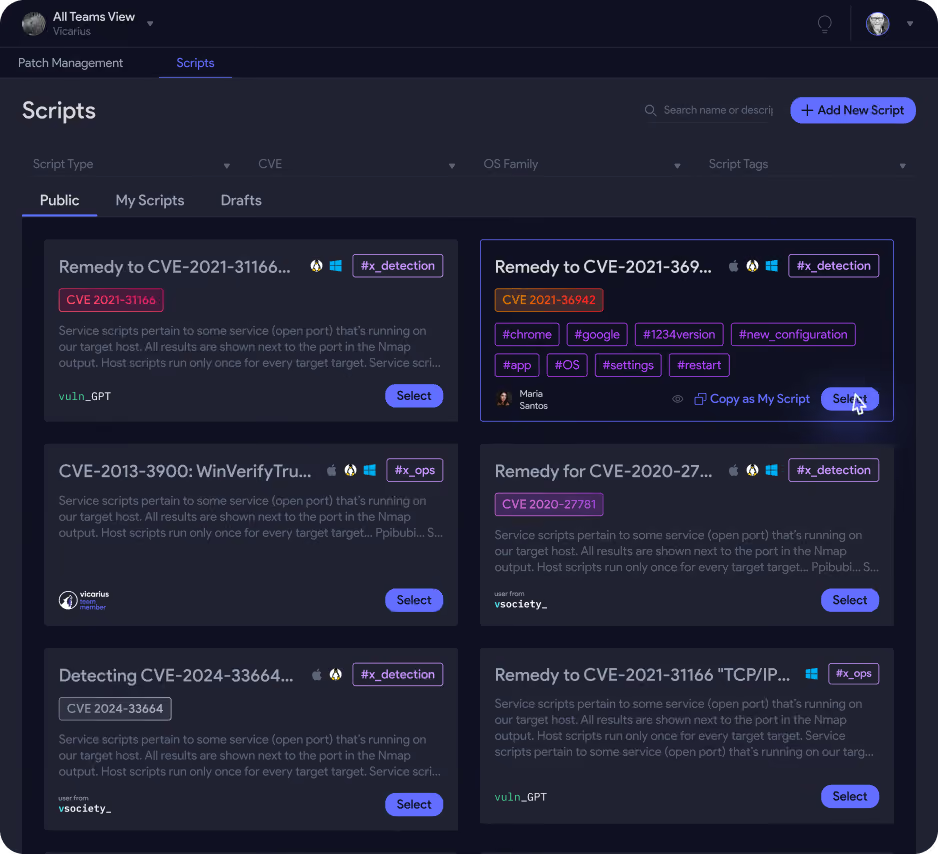
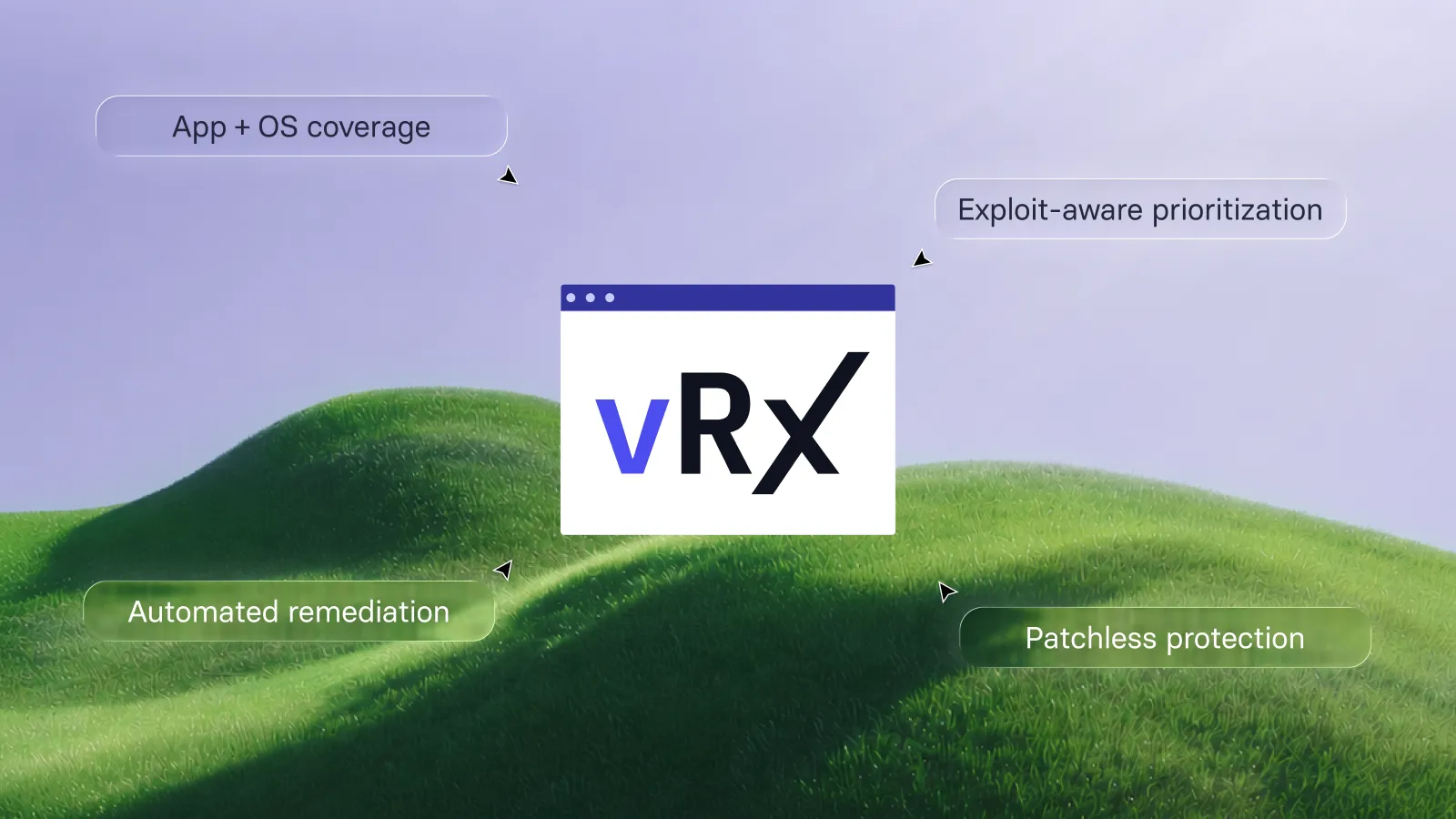
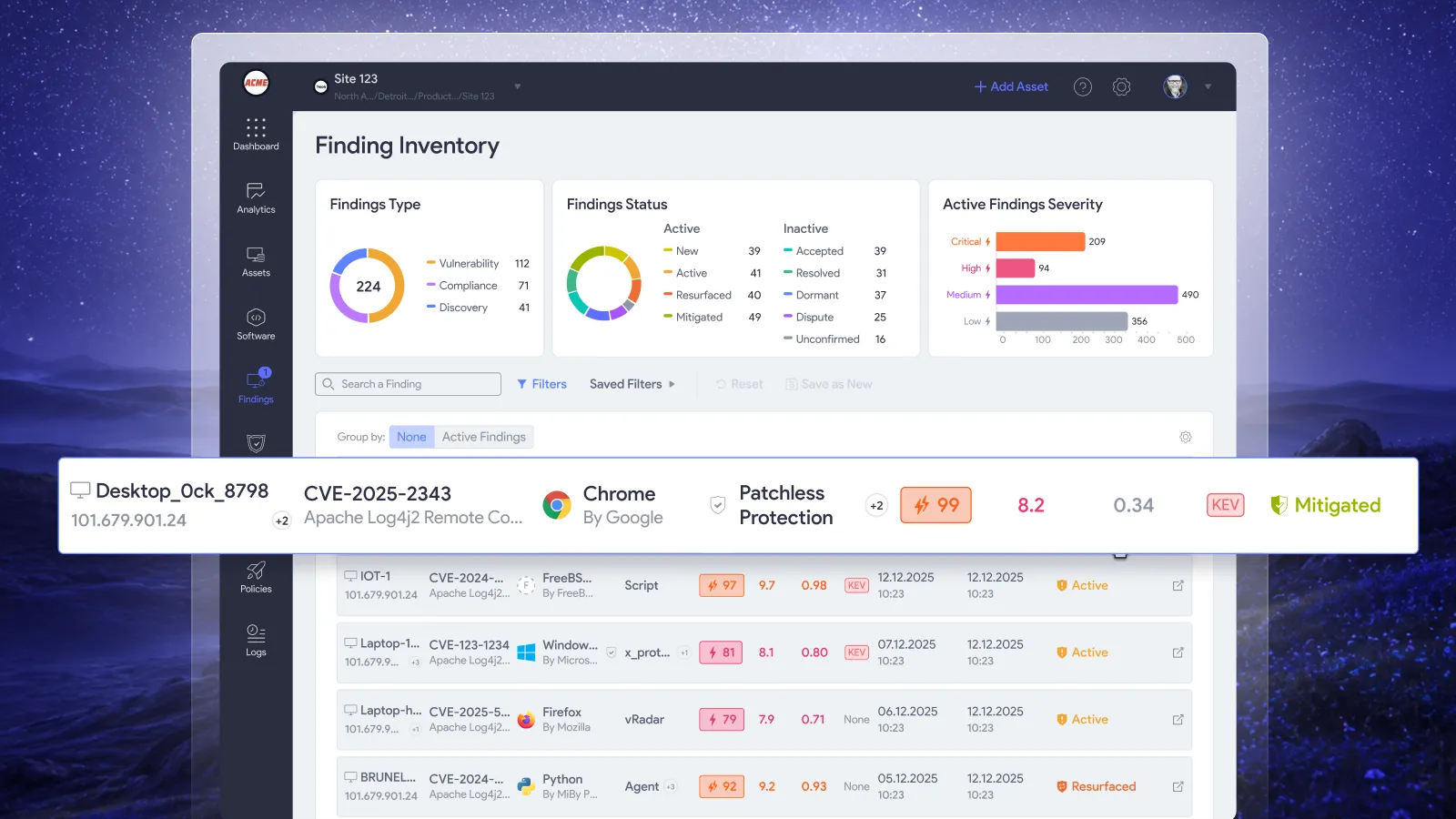
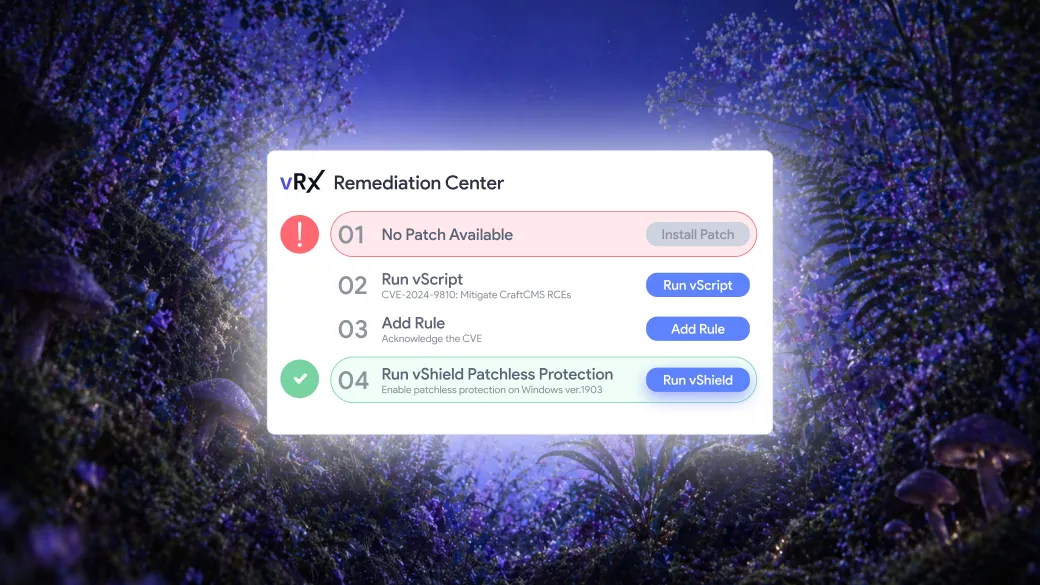
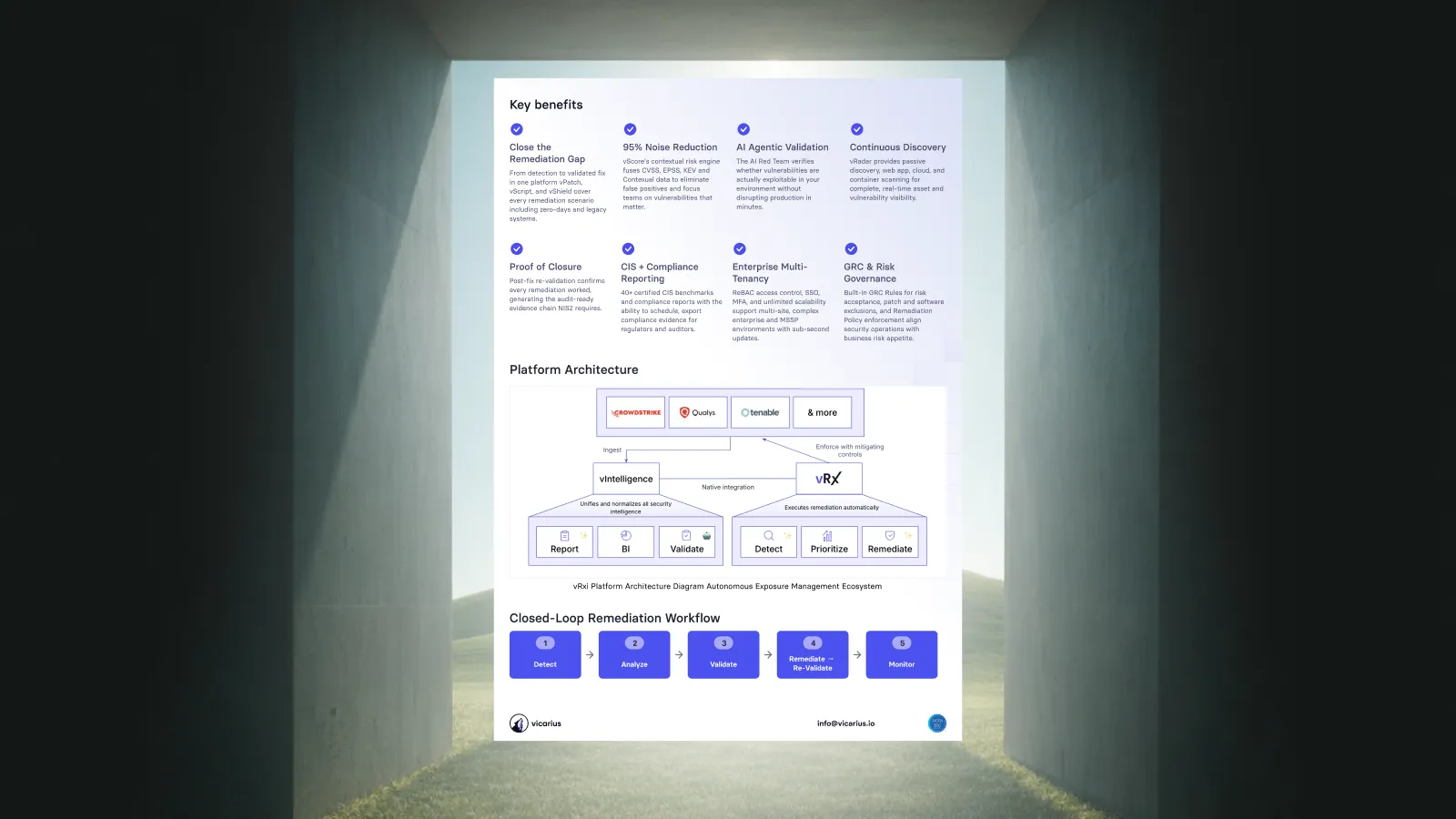
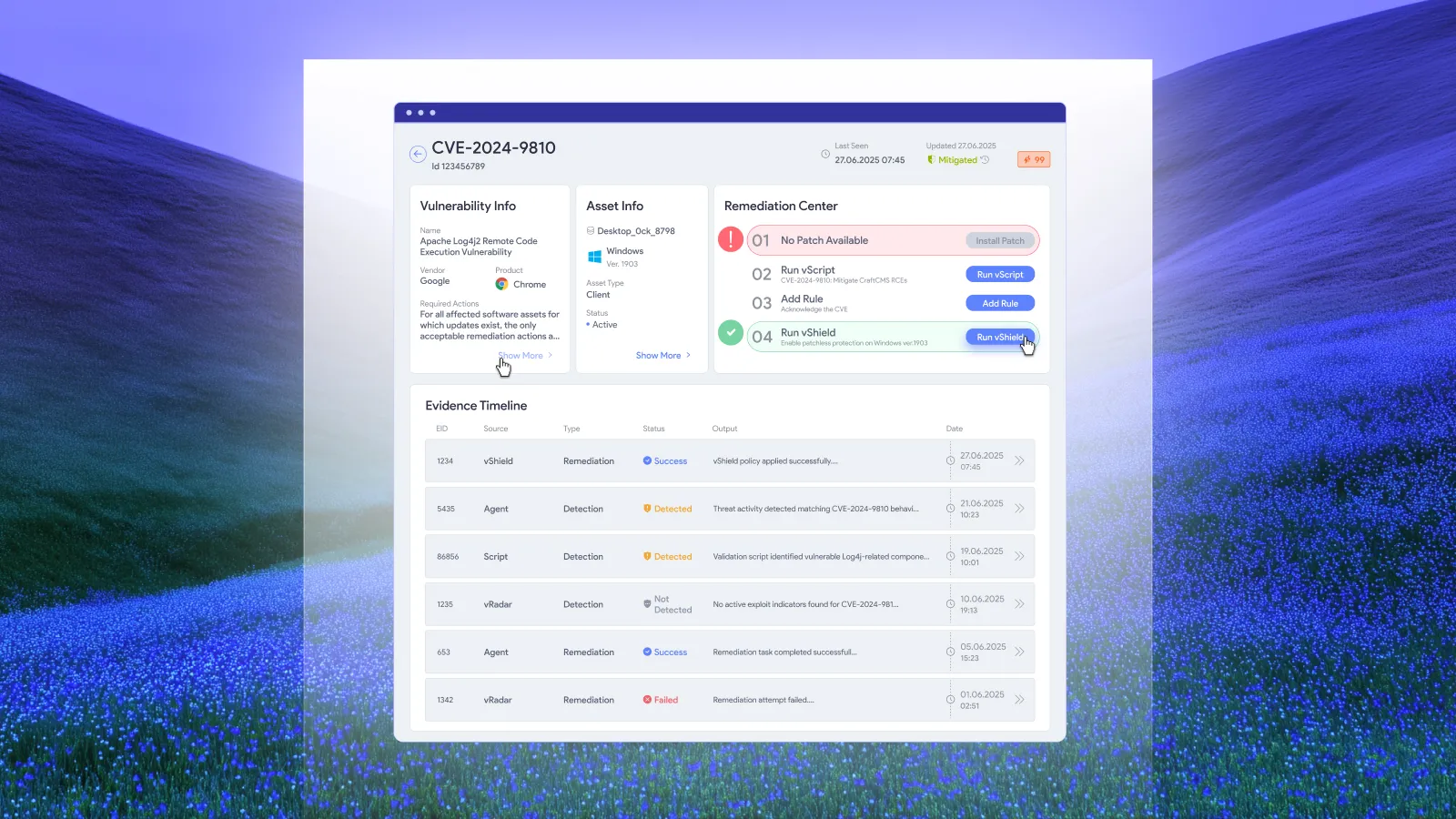
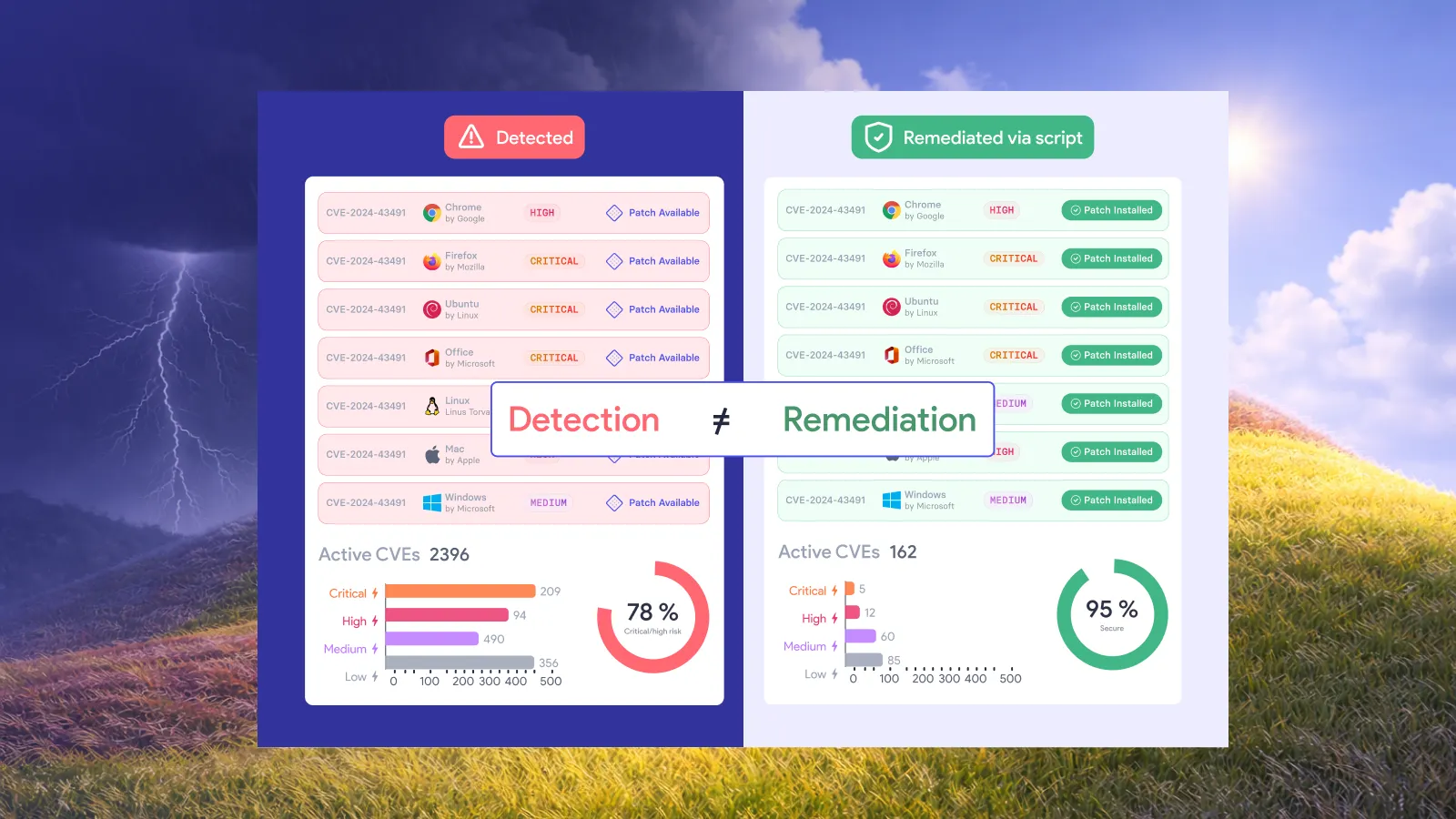
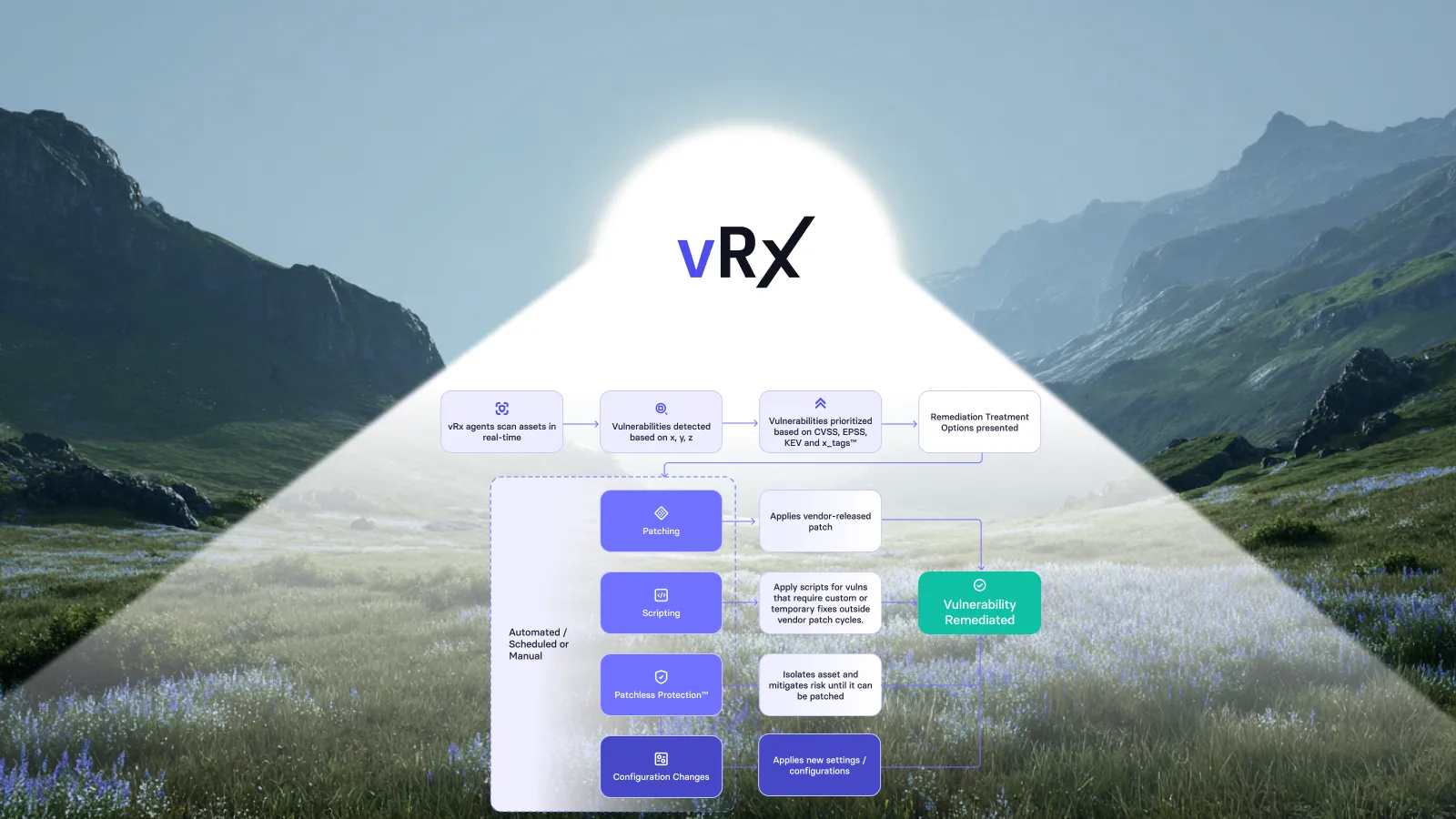
Tools like vRx by Vicarius help organizations automate the bridge from enriched CVE intelligence to remediation. Unlike platforms focused solely on detection or prioritization, vRx specializes in remediation orchestration - triaging and applying fixes, deploying compensating controls, and verifying closure at scale. This lets teams do more than just know about exposures - they can fix them, with speed and confidence.
Boardroom checklist: immediate executive actions
Transparent disclosure programs succeed only when reinforced by executive commitment. The checklist below distills the operational and governance priorities that CISOs and compliance leaders should bring to their boards. Each action can be started within a single quarter, turning strategic intent into measurable accountability.
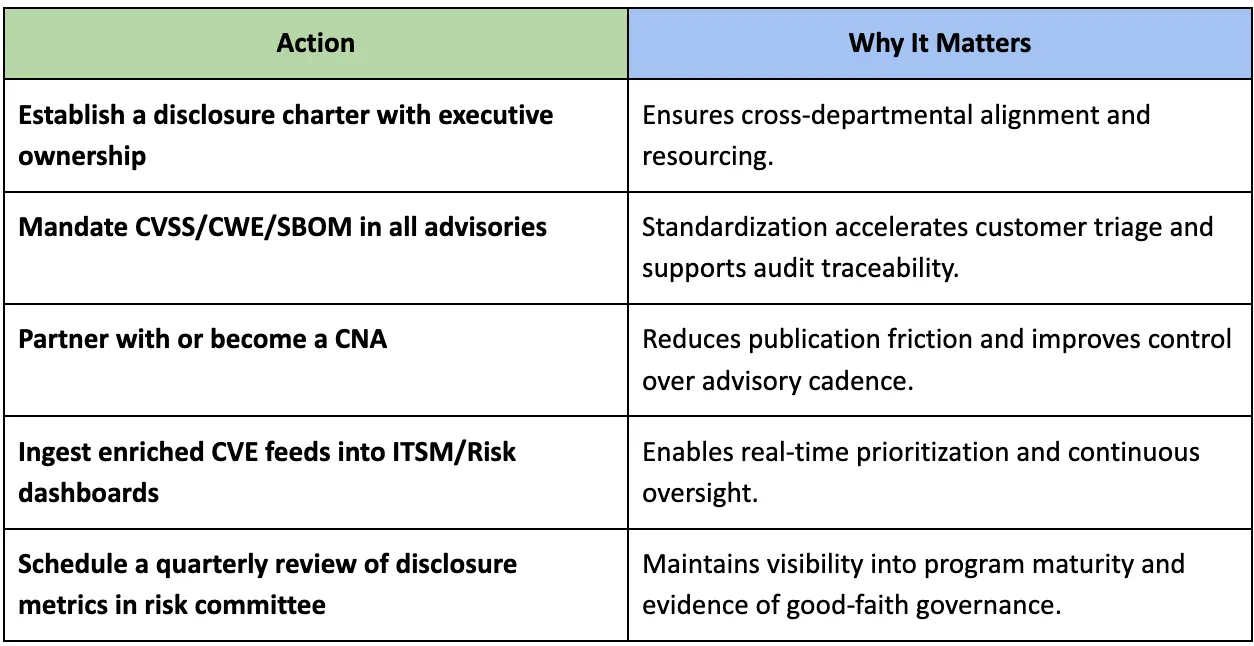
Proactive governance starts at the top. By embedding these checklist actions into board and risk-committee agendas, enterprises demonstrate leadership in transparency, accountability, and resilience - while positioning themselves for the automation-driven disclosure ecosystem that CISA's roadmap envisions.
Forging the future together: shared defense and continuous improvement
CISA's roadmap for the CVE program isn't just a call for better data - it's a call for shared responsibility. As AI accelerates exploit development and adversaries grow more coordinated, the private sector must match that pace with transparency, collaboration, and automation.
Enterprises can lead by example: sponsoring open-source enrichment tools, contributing feedback to CVE schema improvements, or investing in interoperable pipelines that uplift the whole ecosystem. These contributions strengthen global cyber defense, and build the credibility and trust enterprises increasingly need to operate in regulated markets.
The transition to proactive, transparent vulnerability disclosure doesn't happen overnight. But it does start with actionable steps and measurable controls. For organizations ready to go beyond compliance and into sustained resilience, platforms like vRx offer a direct path to operationalize these principles and turn transparency into a strategic asset.
In Part 4, we'll examine how the regulator's move from guidance to active guardianship of the software vulnerability ecosystem signals an increased role in the software supply chain, as well as the implications for critical infrastructure and supply-chain accountability measures.
Schedule a demo today to discover how vRx can help you turn vulnerability transparency into executive trust - converting disclosure discipline into a measurable signal of security maturity and board-level accountability.
Related resources:
CVE research





























.webp)























%20Signals%20a%20New%20Era%20of%20Supply%20Chain%20Risk.webp)









.webp)