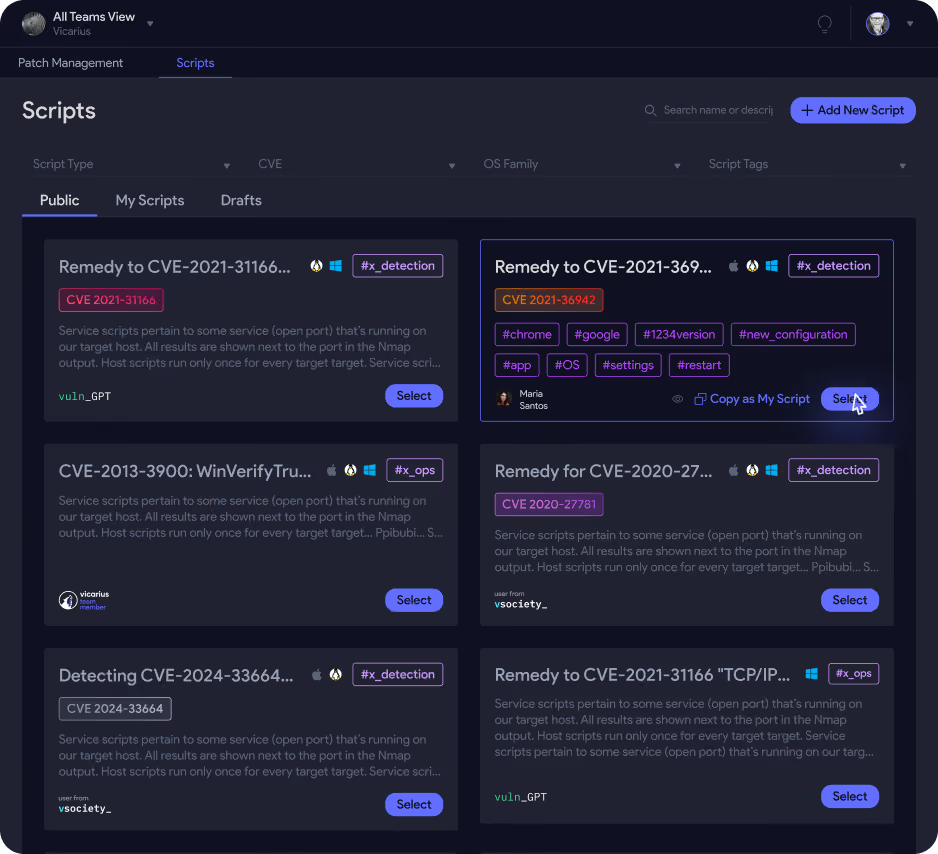


AI, automation, and APIs: how CISA's roadmap will transform vulnerability intelligence consumption
CISA's Quality Era signals a fundamental shift in how vulnerability data is shared, structured, and consumed. In its strategic roadmap announced on September 10, 2025, CISA outlined plans to modernize the Common Vulnerabilities and Exposures (CVE) ecosystem through expanded API access, richer metadata, and machine-readable formats like JSON and CVE 5.0.
This modernization isn't just cosmetic. It redefines the entire lifecycle of vulnerability intelligence, prioritizing timely, automated delivery over static publication. As CISA's infrastructure evolves, stakeholders will gain access to real-time, contextualized data built for automation-driven environments.
This transformation is poised to benefit stakeholders across the security landscape:
- Security vendors can build tighter integrations into real-time CVE feeds, reducing time to insight.
- SOC teams and MSPs can automate prioritization and patch workflows without custom parsers or brittle scraping logic.
- CISOs evaluating risk management maturity gain automation-ready infrastructure that supports defensible, metrics-driven decisions.
This is Part 2 of our CVE Program Vision and Future Outcomes series. Part 1, "The CVE Quality Era: What Security Teams Should Expect from the Next Generation of Vulnerability Data," introduced the Quality Era and its shift toward richer, more reliable CVE metadata.
In this article, we explore how CISA's roadmap enables real-time ingestion, AI-powered enrichment, and automation-ready APIs. We'll also look at how these changes turn vulnerability data into a continuously actionable input for SOAR, SIEM, and patch orchestration workflows.
Why machine-readable, real-time CVE data matters
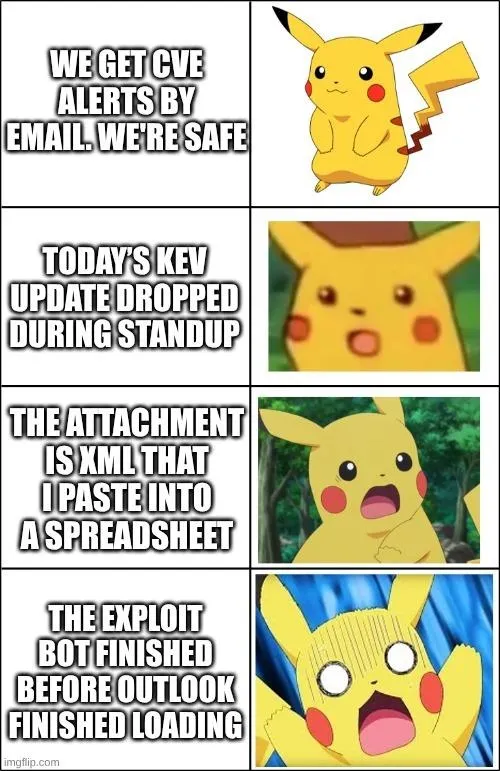
Historically, CVE data delivery has been hampered by structural limitations. Static XML feeds, delayed update cycles, and thin metadata have long made it hard for enterprise teams to ingest, correlate, and act on vulnerability information.
Modern API endpoints change this. Expanded query granularity and richer data structures enable streamlined integration with existing security stacks - particularly Security Orchestration, Automation, and Response (SOAR), Security Information and Event Management (SIEM), Endpoint Detection and Response (EDR), and patch orchestration tools.
The result is faster delivery, plus smarter consumption and workflow-level automation. Legacy CVE consumption models based on static feeds or manual lookups introduce dangerous delays into the vulnerability management process. Analysts often have to cross-reference records by hand, extract relevant context, and assign priority based on ad hoc judgment.
These inefficiencies widen the average window of exposure, especially for overwhelmed or under-resourced teams. Even modest delays in CVE triage can give opportunistic attackers enough time to exploit known flaws before remediation is complete.
Machine-readable CVE data formats - like JSON, STIX, and the upcoming CVE 5.0 schema - flip this. They enable automation from the moment a new vulnerability is disclosed. Structured fields like affected configurations, exploit status, and references let downstream tools ingest and correlate findings without manual intervention. This accelerates the entire vulnerability lifecycle, from ingestion to patch deployment, letting systems scale with threat velocity.
The pace of KEV catalog updates and NVD enrichment cycles reinforces why real-time data access matters. Defenders are increasingly expected to detect, contextualize, and mitigate critical exposures within hours, not days. This demand for speed is pushing security teams toward platforms that support immediate CVE ingestion and automated enrichment.
CISA's roadmap may also pave the way for future capabilities like:
- SBOM-driven CVE matching: Automated correlation of vulnerabilities to installed packages and libraries.
- Attack path modeling: AI-powered simulations that identify exploitation chains based on exposed assets.
- Asset-centric alerting: Notifications tailored not just to CVE severity but to system relevance and criticality.
The role of AI/ML in vulnerability enrichment
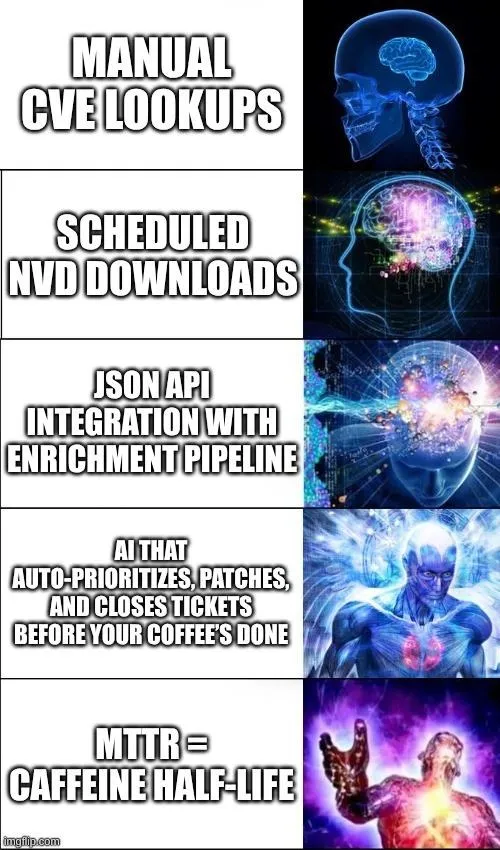
As part of its modernization efforts, CISA and related organizations are investing in AI/ML models that enhance CVE records with more actionable intelligence. These enhancements include inferred exploitability scores, system-specific impact assessments, and even auto-generated remediation guidance. The result: enriched metadata that turns raw CVE entries into decision-ready inputs, suitable for automated processing.
AI-enhanced enrichment helps reduce alert fatigue by filtering and ranking vulnerabilities based on contextual relevance. For example, instead of sending every CVE to a queue for manual triage, an AI model can flag the subset most likely to affect an organization's infrastructure - based on asset inventory, threat intelligence feeds, or historical exposure patterns. This lets security analysts focus their effort on the vulnerabilities that matter most.
When paired with modern CVE ingestion methods, these AI models become the basis for intelligent automation. Key use cases include:
- Asset-aware risk prioritization: Models can correlate CVEs with real-time asset data to identify true risk exposure.
- Exploit likelihood estimation: AI classifiers trained on threat intel sources can flag CVEs with active exploitation in the wild.
- Dynamic patch sequencing: Machine learning can help schedule patch deployment based on operational risk, SLA targets, and business criticality.
A walkthrough of modern CVE ingestion and response
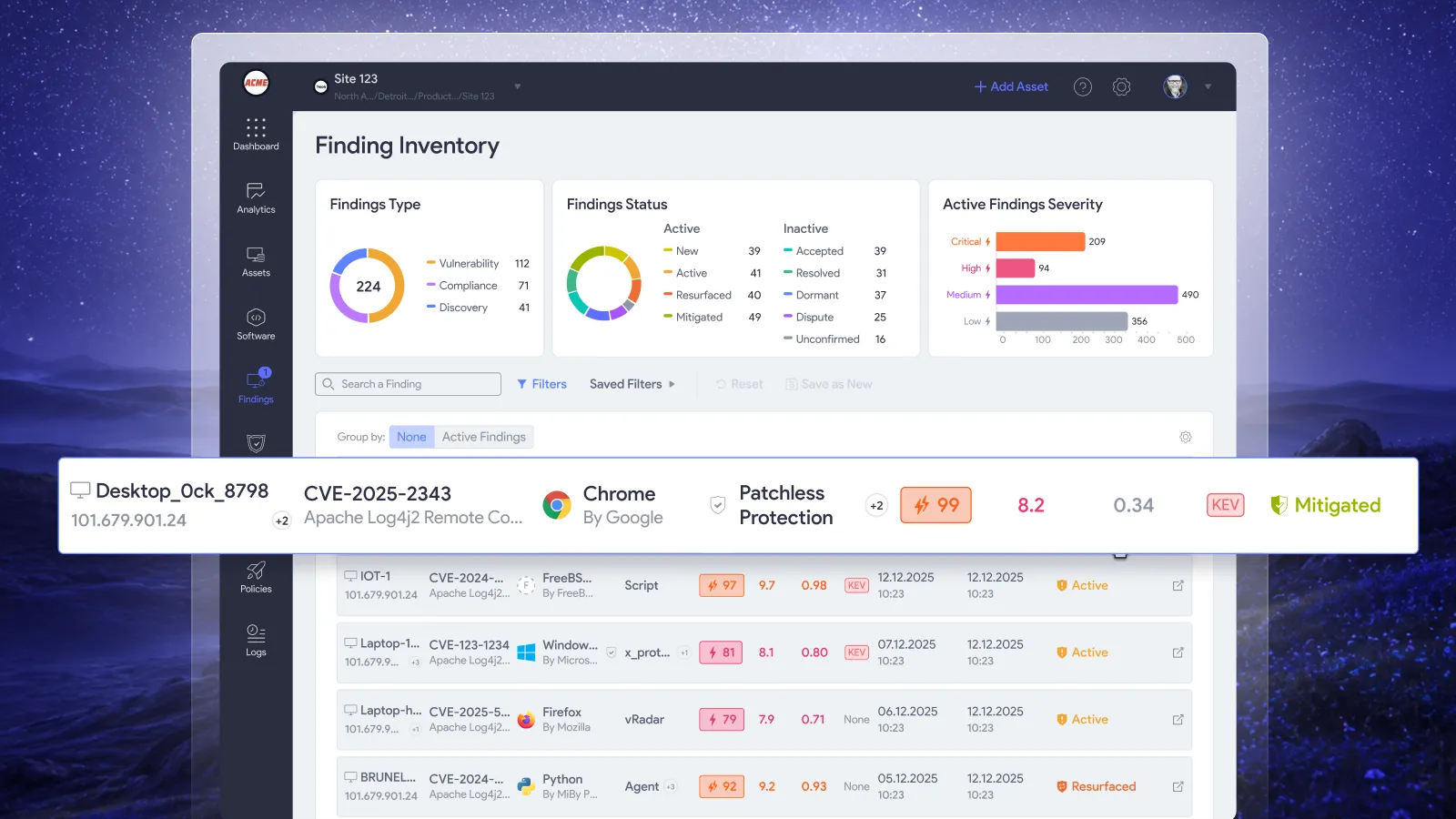
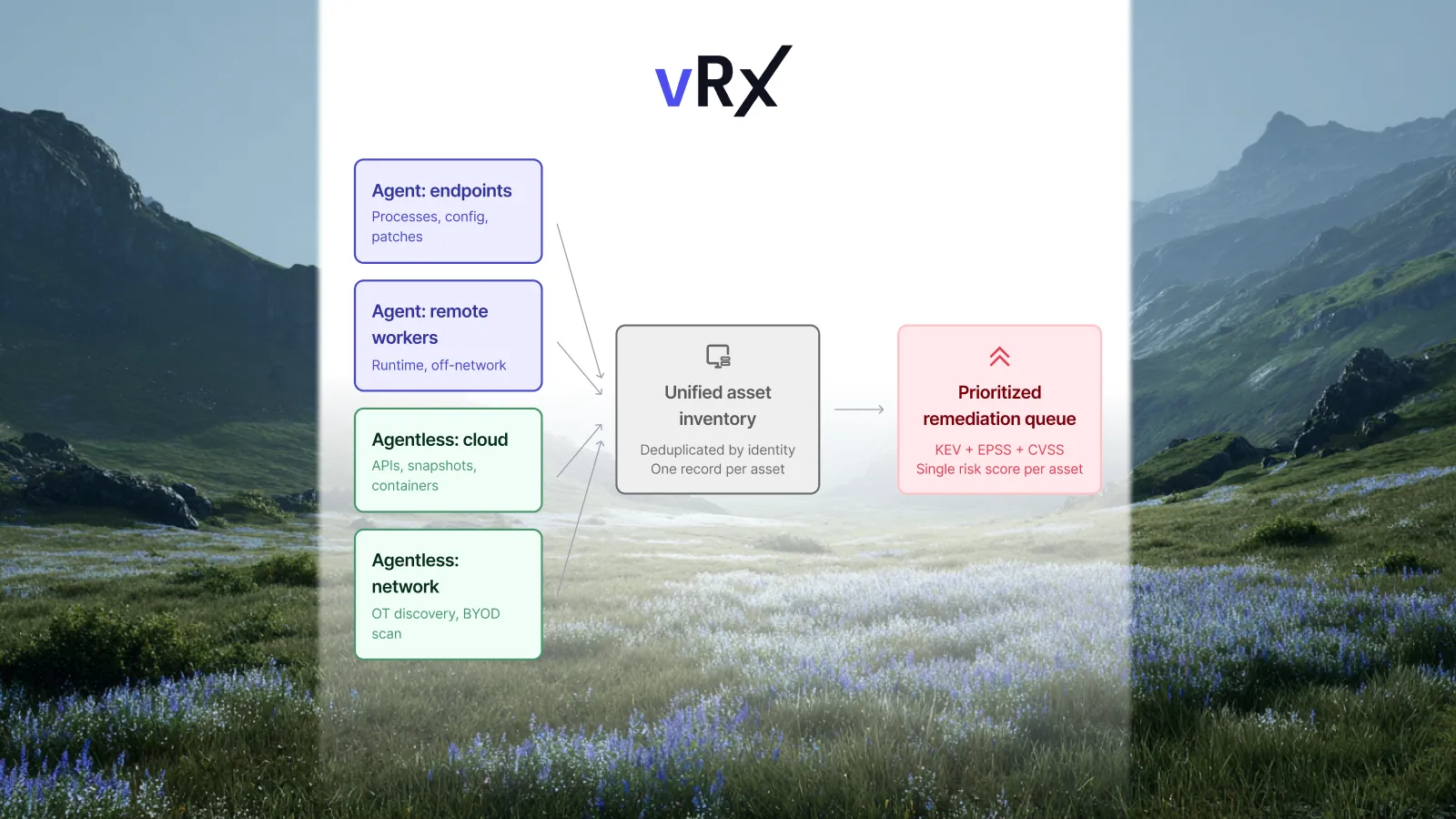
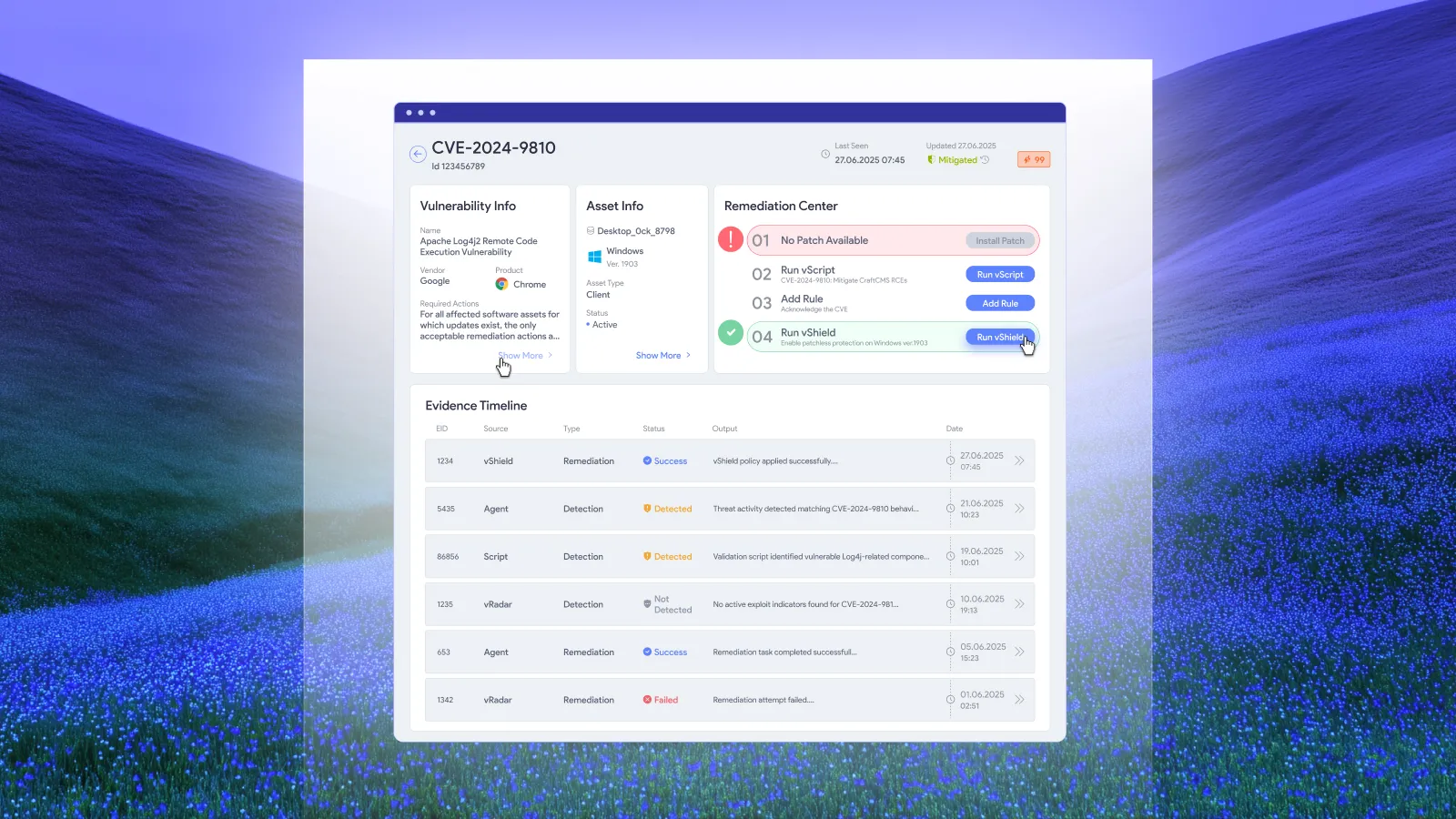
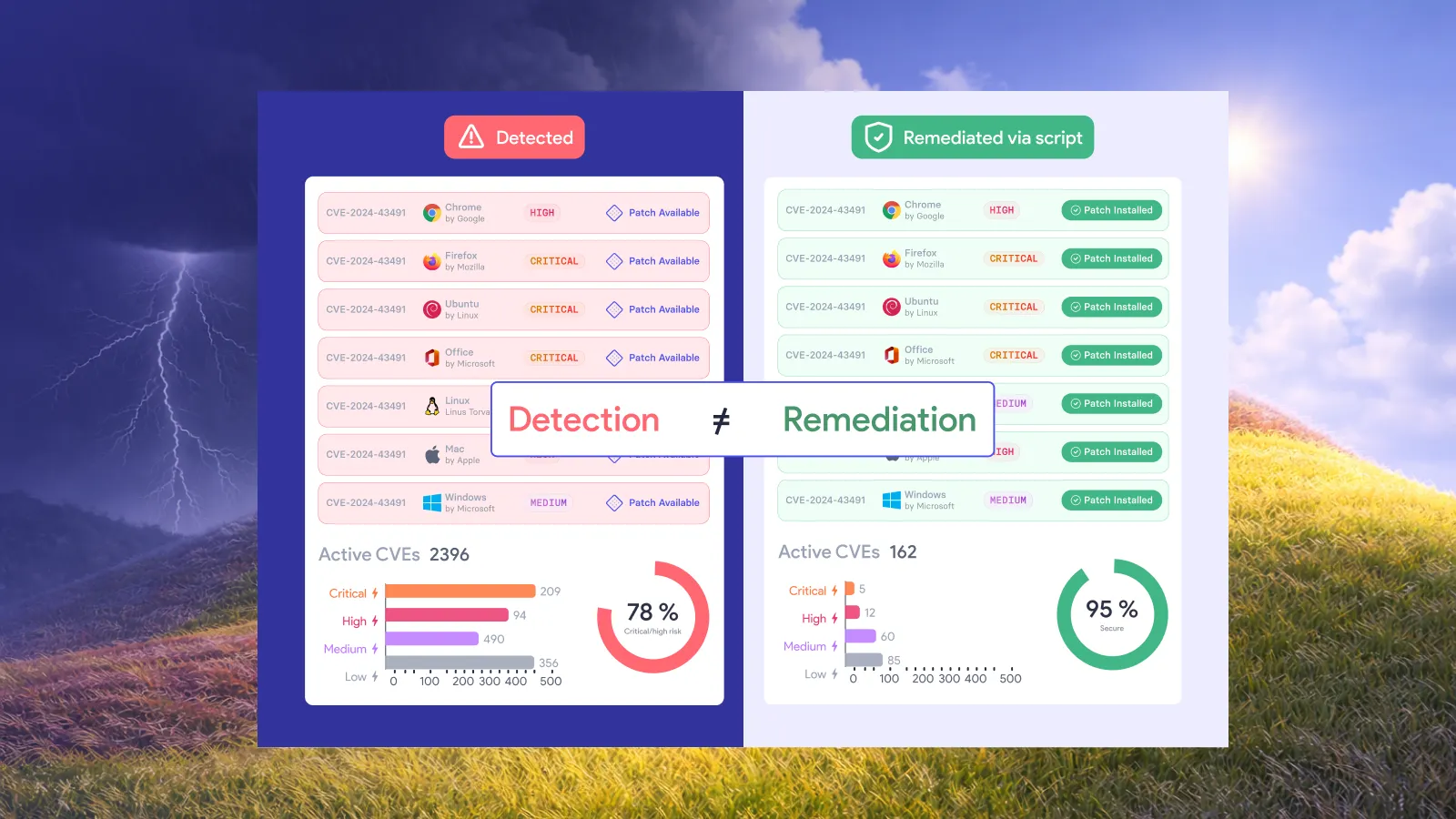
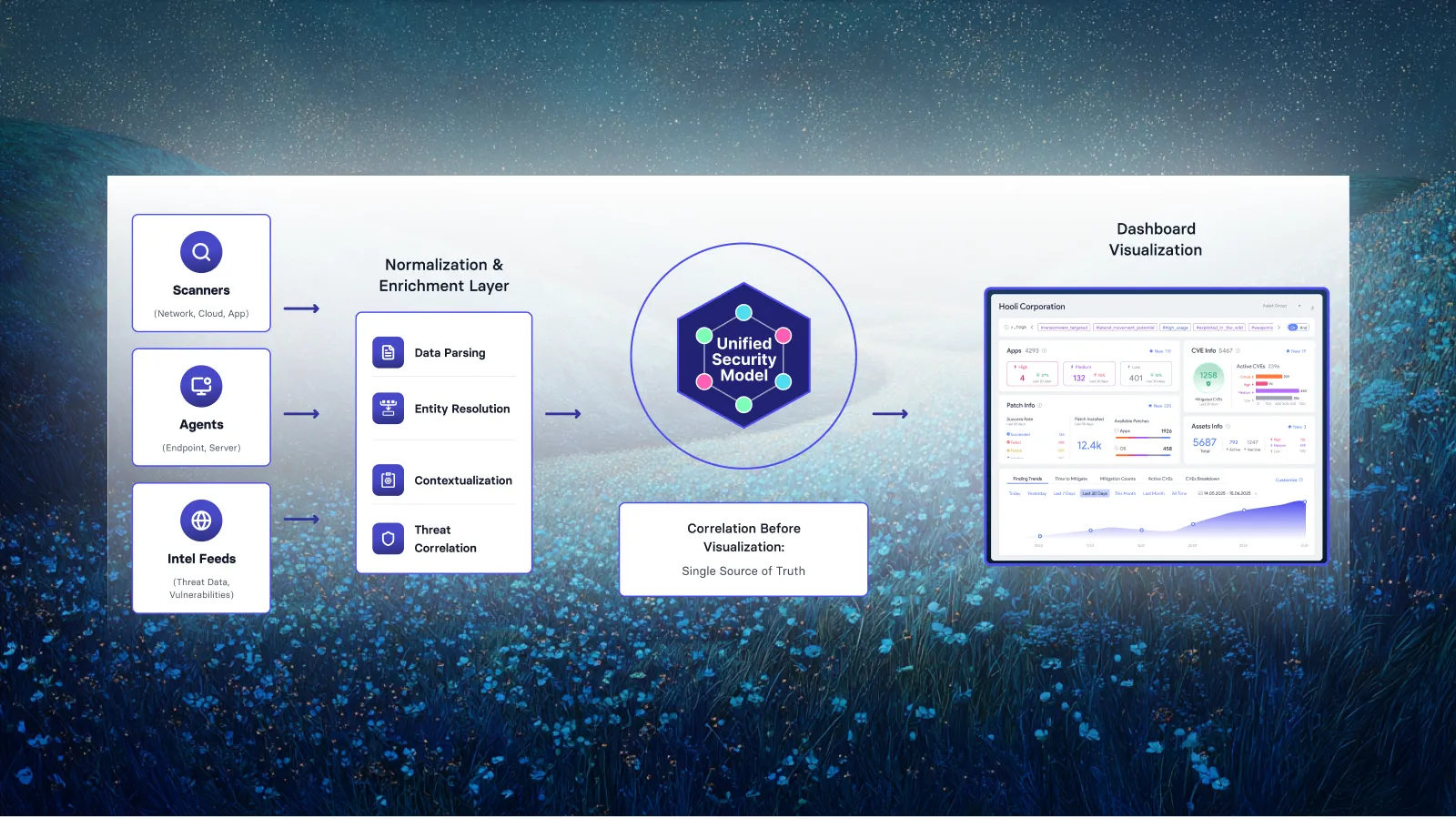
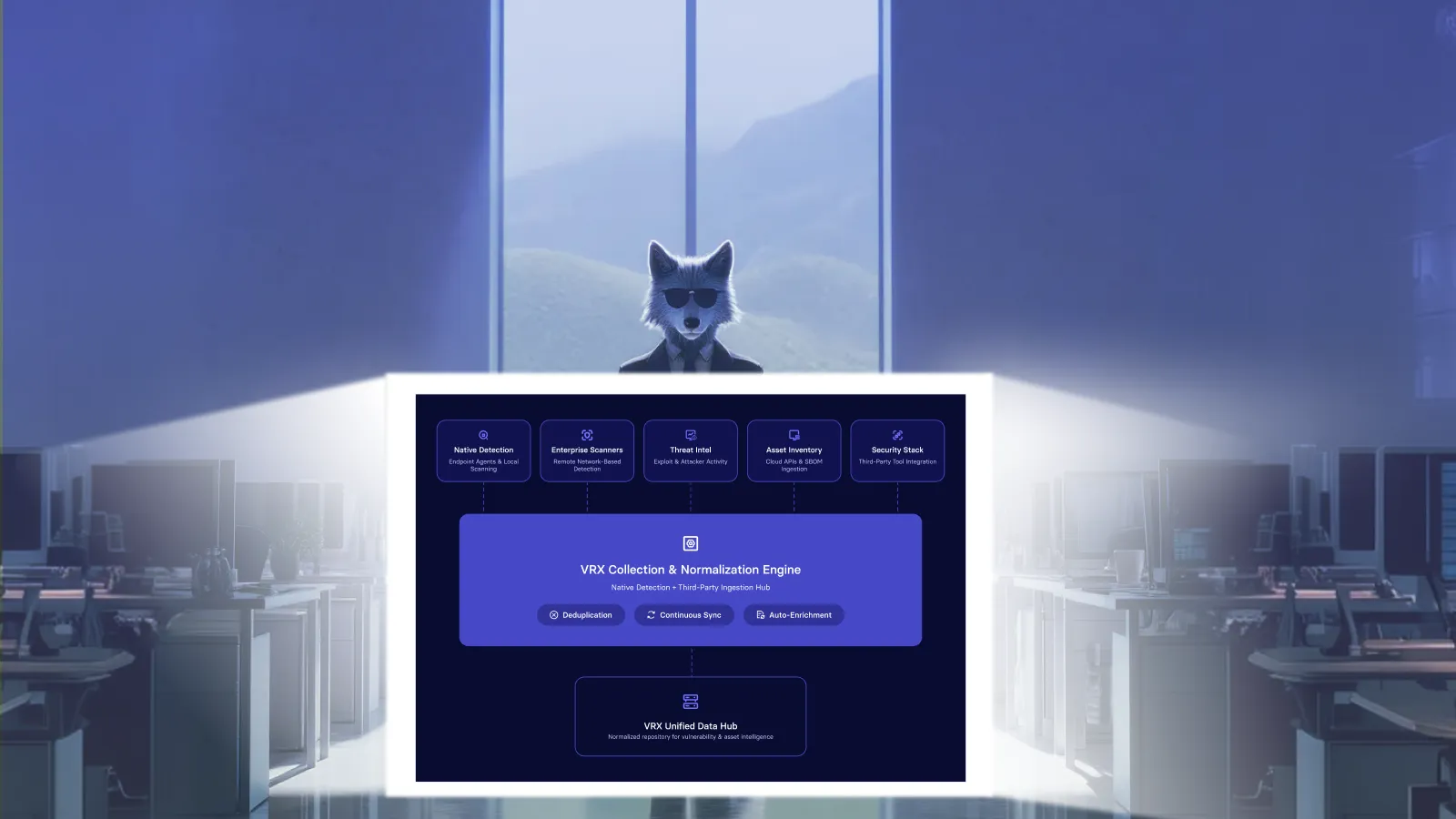
Consider a fictional enterprise - let's call it ExampleCo - that uses an automation-driven vulnerability management platform like vRx by Vicarius. Each day, ExampleCo's systems poll the CISA APIs for newly published or updated CVEs. These CVEs are ingested via JSON-formatted endpoints and immediately parsed by the platform's enrichment engine, which overlays them with asset data, exploitability scores, and known KEV tags.
The CVE pipeline then follows a structured automation path:
- Ingestion: Real-time polling pulls updated CVE entries from CISA's API.
- Parsing: Data is normalized into structured records and cross-referenced with ExampleCo's asset inventory.
- Enrichment: External feeds and internal intelligence sources add exploit indicators, KEV flags, and business context.
- Exposure mapping: Affected systems are automatically flagged based on asset-CVE correlation.
- Prioritization: Scoring algorithms and custom policies rank vulnerabilities by urgency and exposure level.
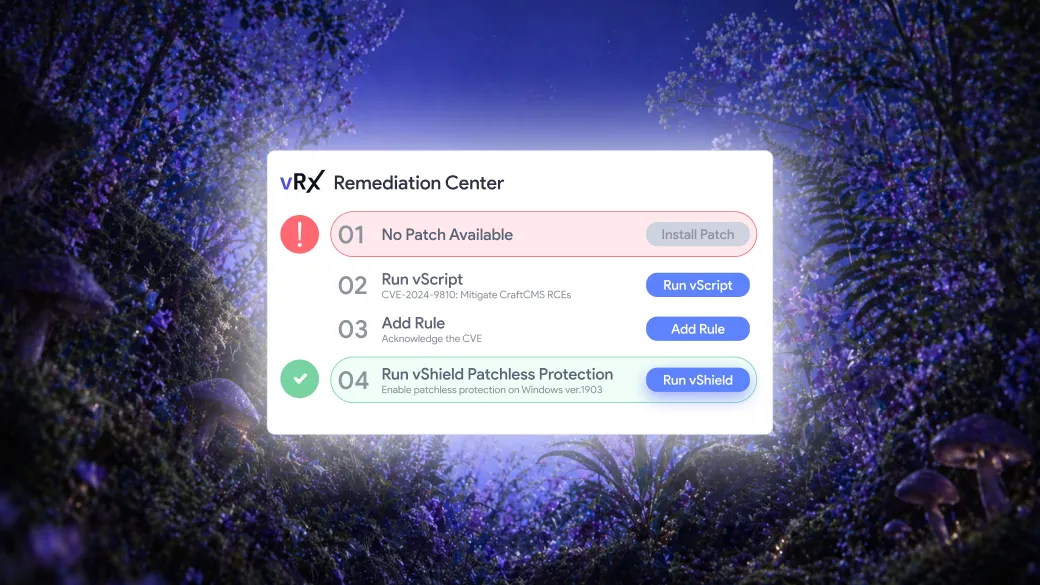
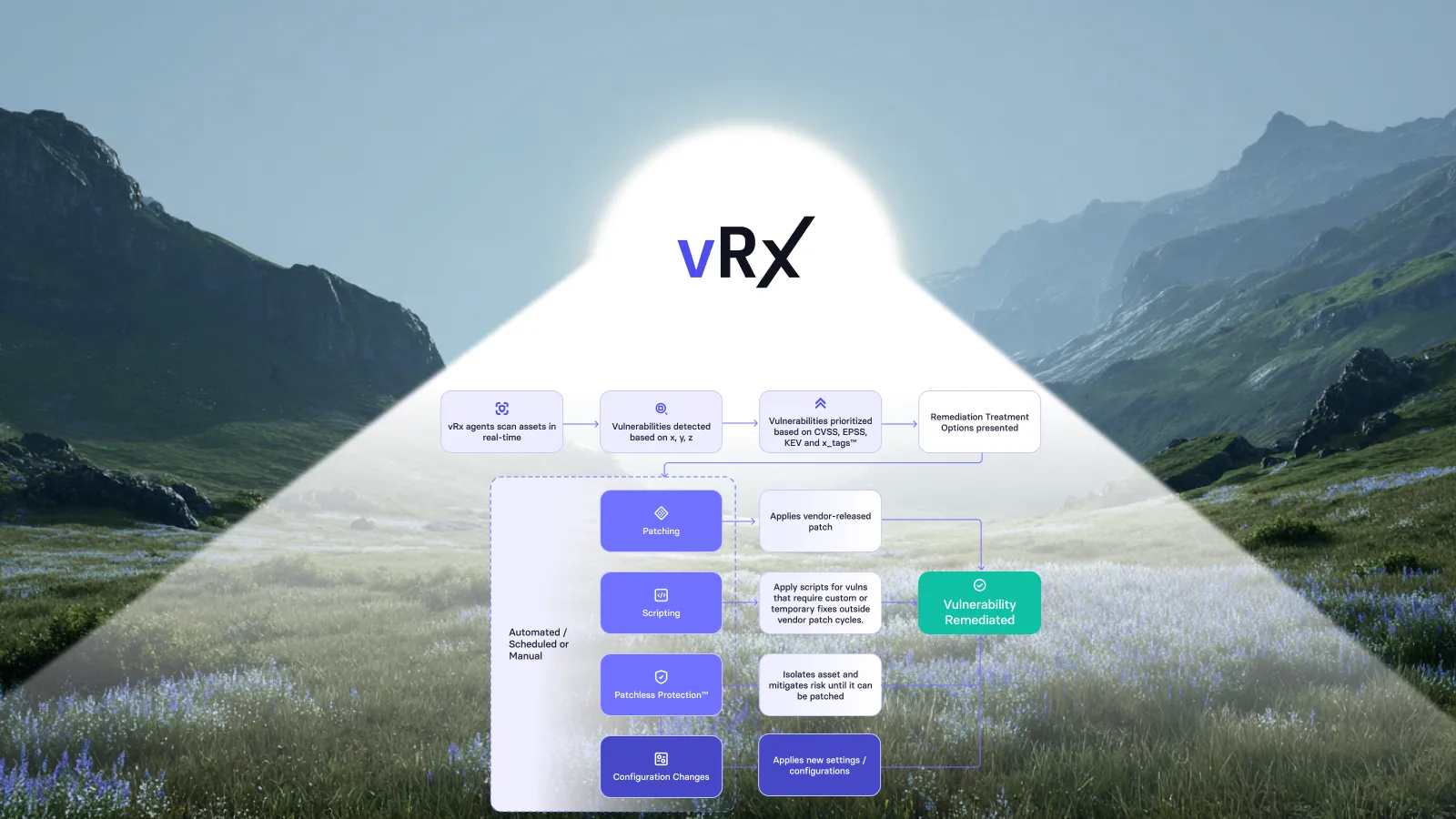
- Patch deployment: Integrations with ExampleCo's patch management tooling initiate remediation workflows.
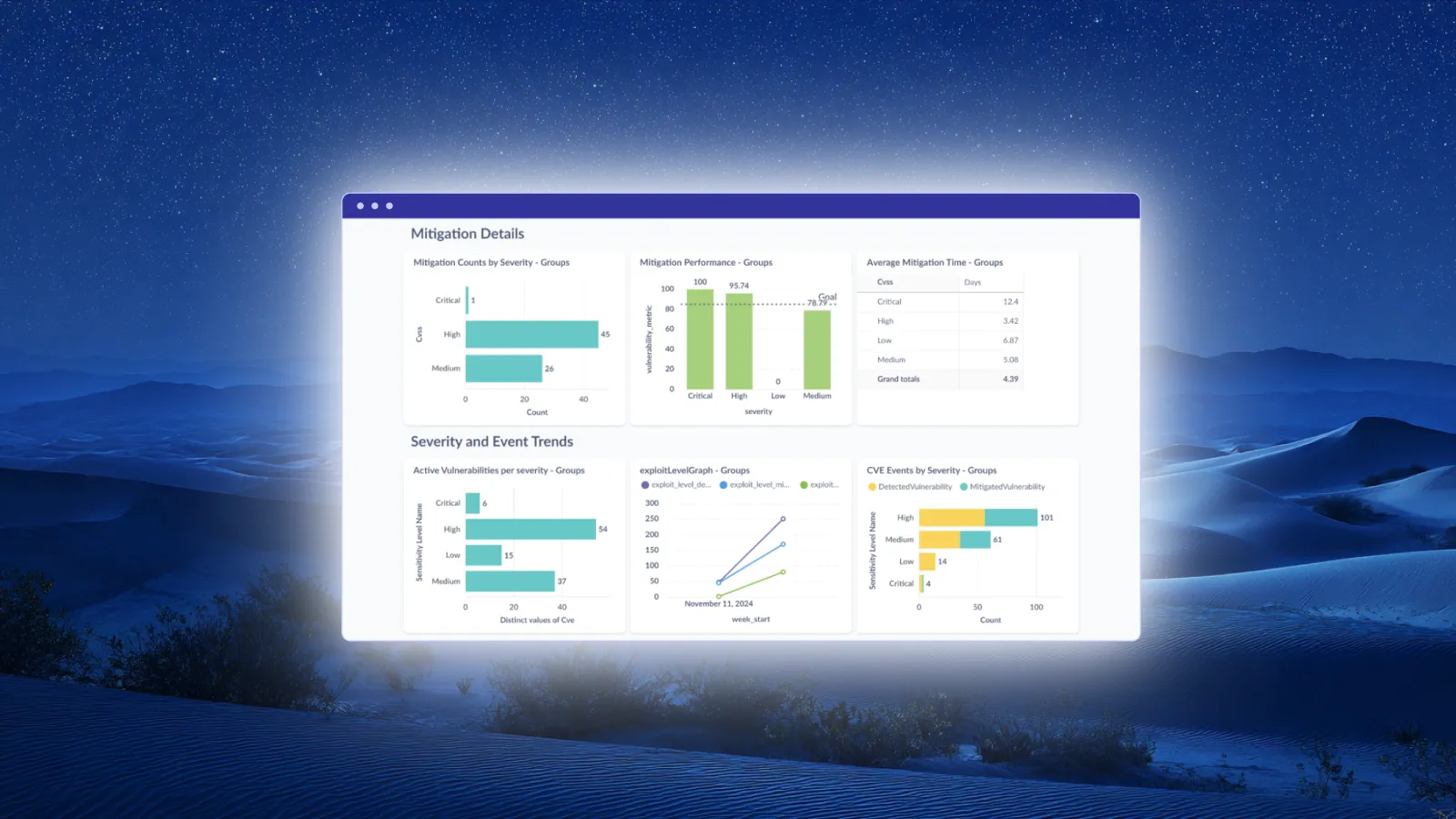
By replacing manual review and ticket creation with automated mapping and orchestration, ExampleCo improves both response speed and consistency. Operational goals like mean time to remediation (MTTR), SLA compliance, and KEV response rates become achievable metrics - not aspirational targets.
Strategic advantages for platforms with automation-ready design
Security platforms built for modular ingestion stand to gain a decisive edge, especially those compatible with CVE 5.0 and CISA's evolving API structure. These platforms can ingest vulnerability data in real time, update internal risk models dynamically, and pass structured outputs to SOAR or ticketing systems without breaking the automation chain.
vRx, for instance, pairs an ingestion-ready architecture with internal enrichment capabilities and customizable prioritization logic. This lets teams define policies that reflect real-world risk tolerance - whether that means reacting instantly to KEV entries or de-prioritizing CVEs in sandboxed segments. More importantly, it lets security teams scale response capacity without adding headcount.
Key operational benefits of automation-native platforms include:
- Resilience during high-volume threat events: Systems continue processing even as CVE volume surges.
- Adaptability to evolving data schemas: Native support for machine-readable formats ensures smooth transitions.
- Empowerment of lean teams: AI-assisted triage compresses hours of work into minutes, leveling the playing field for small SOCs.
Redefining readiness: CVE automation as operational advantage
The shift toward API-first CVE infrastructure is more than a technical update. It transforms vulnerability management into an engine for continuous risk reduction. Instead of reacting to point-in-time findings, teams can now ingest enriched CVE streams, correlate them with live asset telemetry, and launch targeted remediation automatically. This is the foundation of exposure management maturity.
Organizations should assess their current vulnerability tooling to determine whether it can ingest, enrich, and operationalize CVE data in the formats that CISA will soon standardize. Those stuck on legacy platforms or point-product patch tools will likely struggle to adapt without a major overhaul.
For a more detailed look at the foundational changes to CVE metadata and the broader Quality Era shift, see Part 1 of this series: "The CVE Quality Era: What Security Teams Should Expect from the Next Generation of Vulnerability Data."
In Part 3, "Global trust, local action: Aligning enterprise vulnerability disclosure with CISA's transparency vision," we'll explore practical strategies for aligning internal processes with CISA's roadmap, and what security leaders can do now to prepare for evolving requirements.
To see how vRx can help your team automate CVE ingestion and response across your full attack surface, request a demo today.
Related resources:
CVE research























.webp)













%20Signals%20a%20New%20Era%20of%20Supply%20Chain%20Risk.webp)





.webp)