

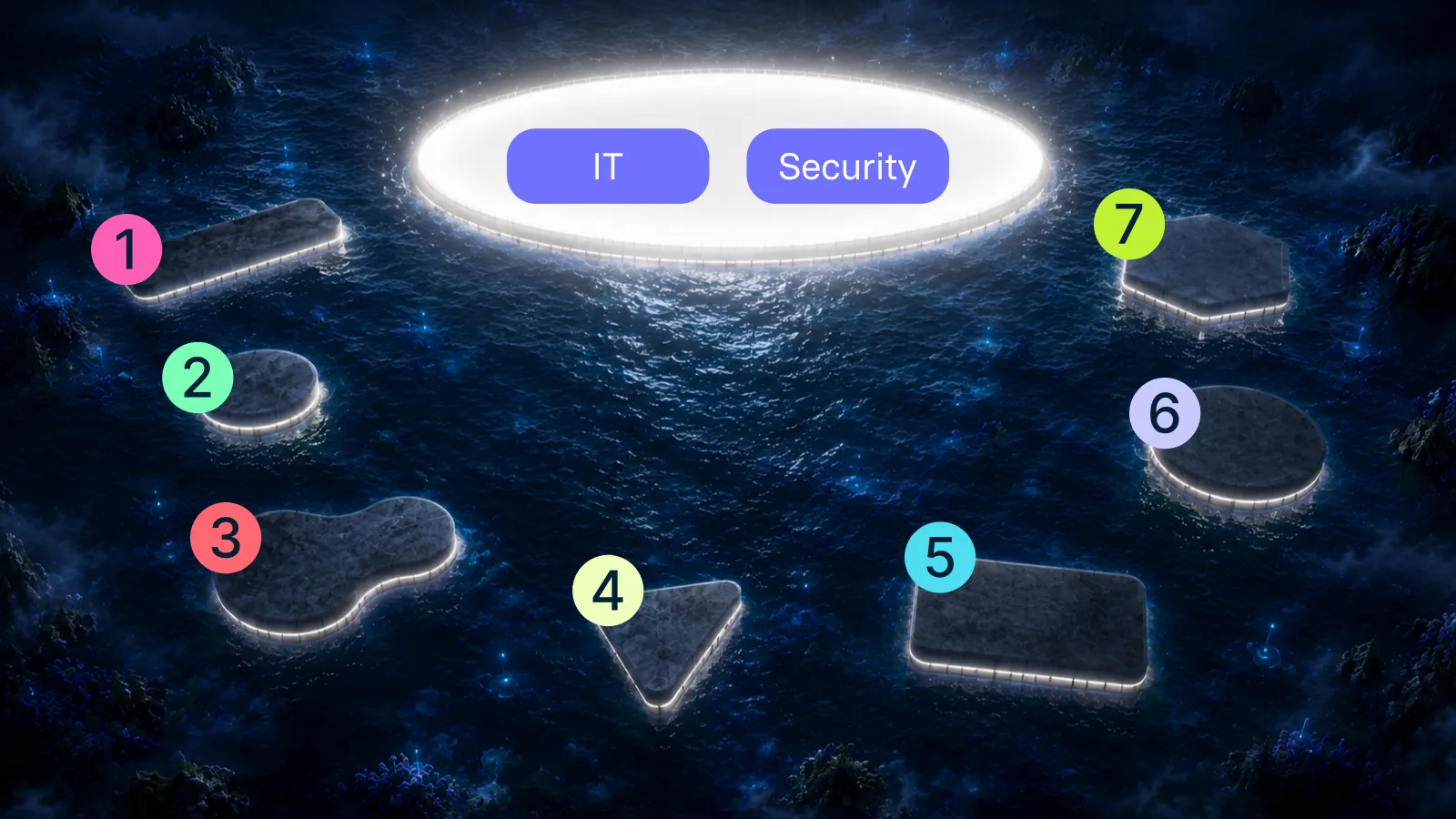
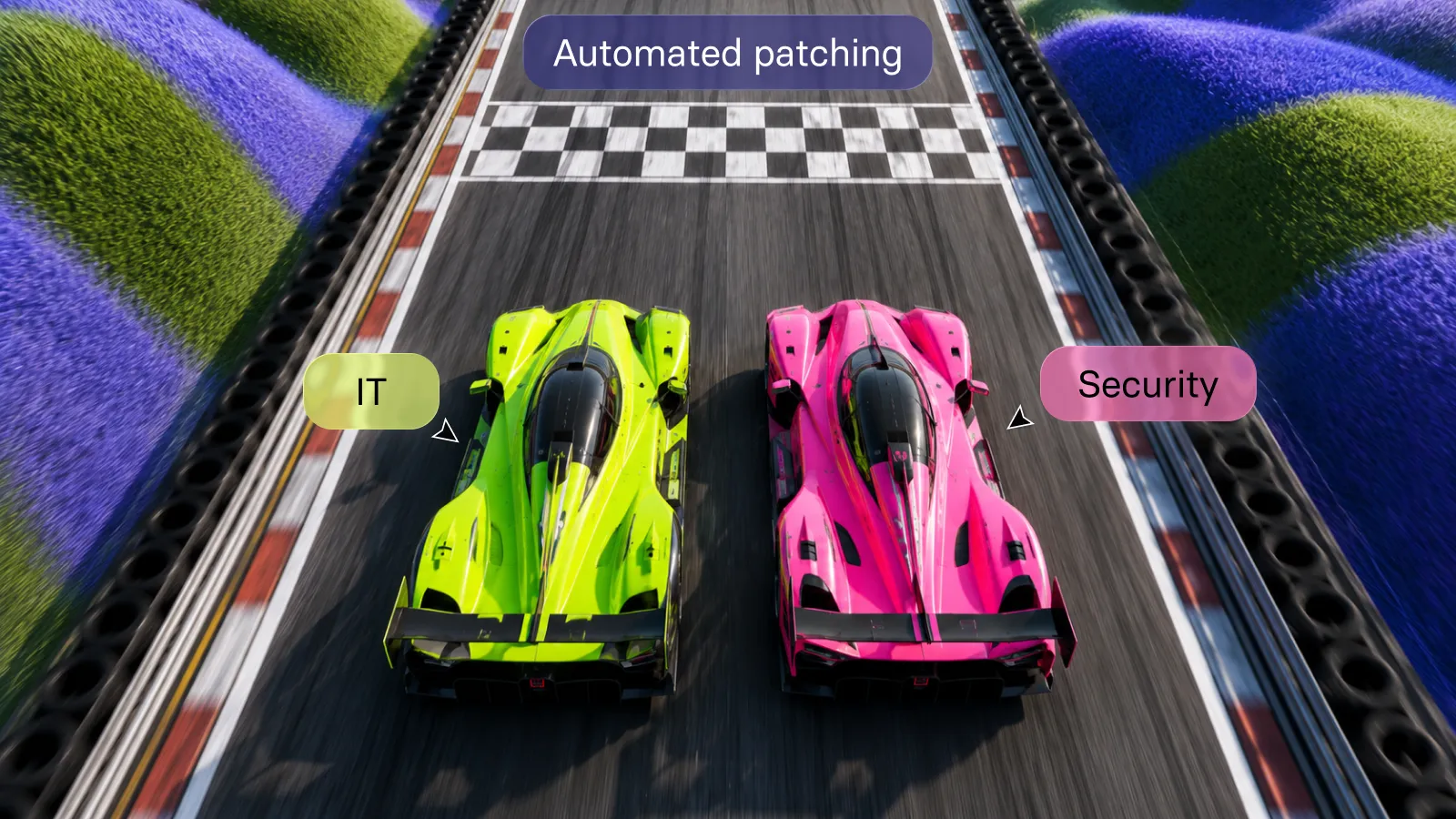
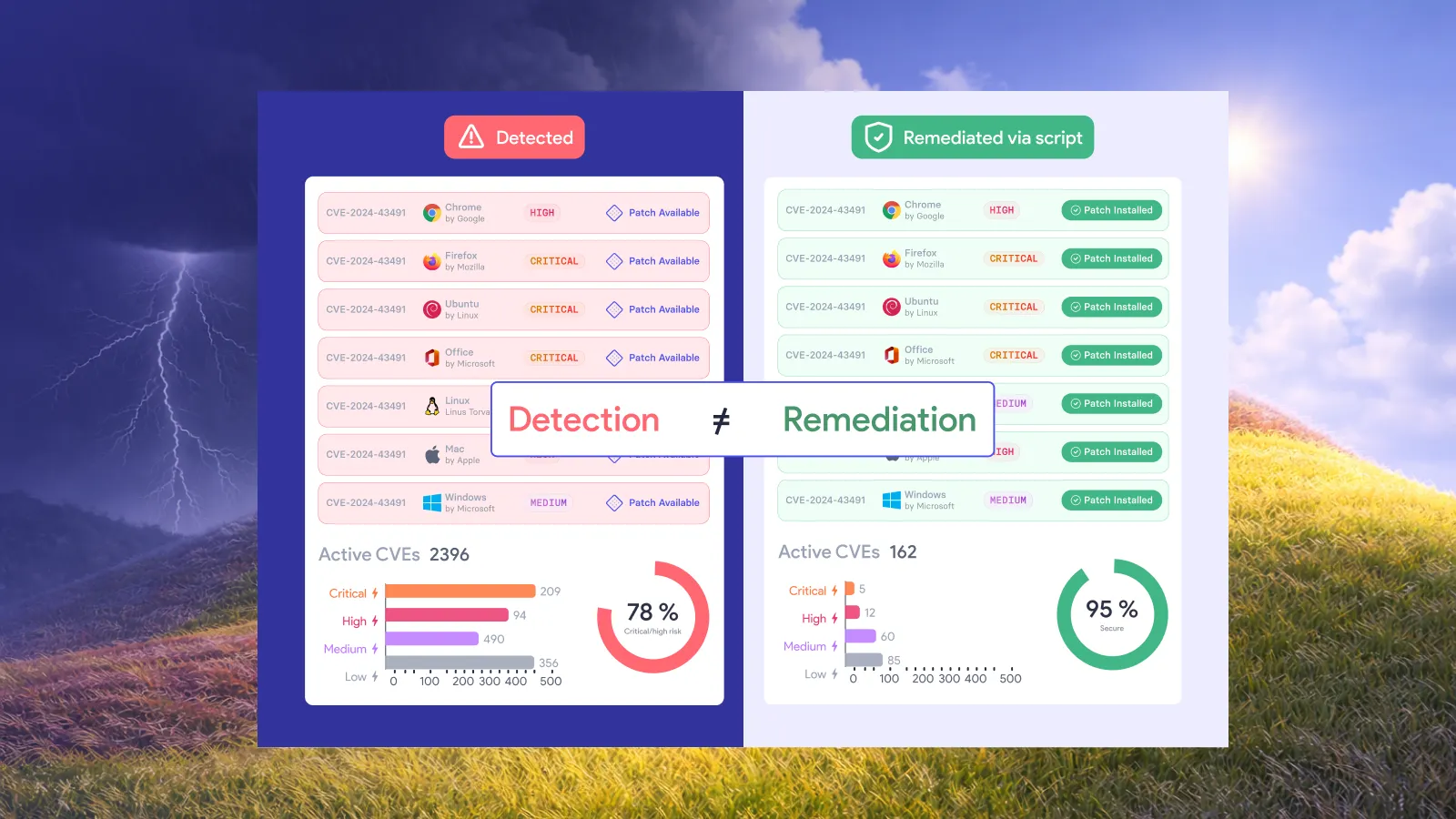
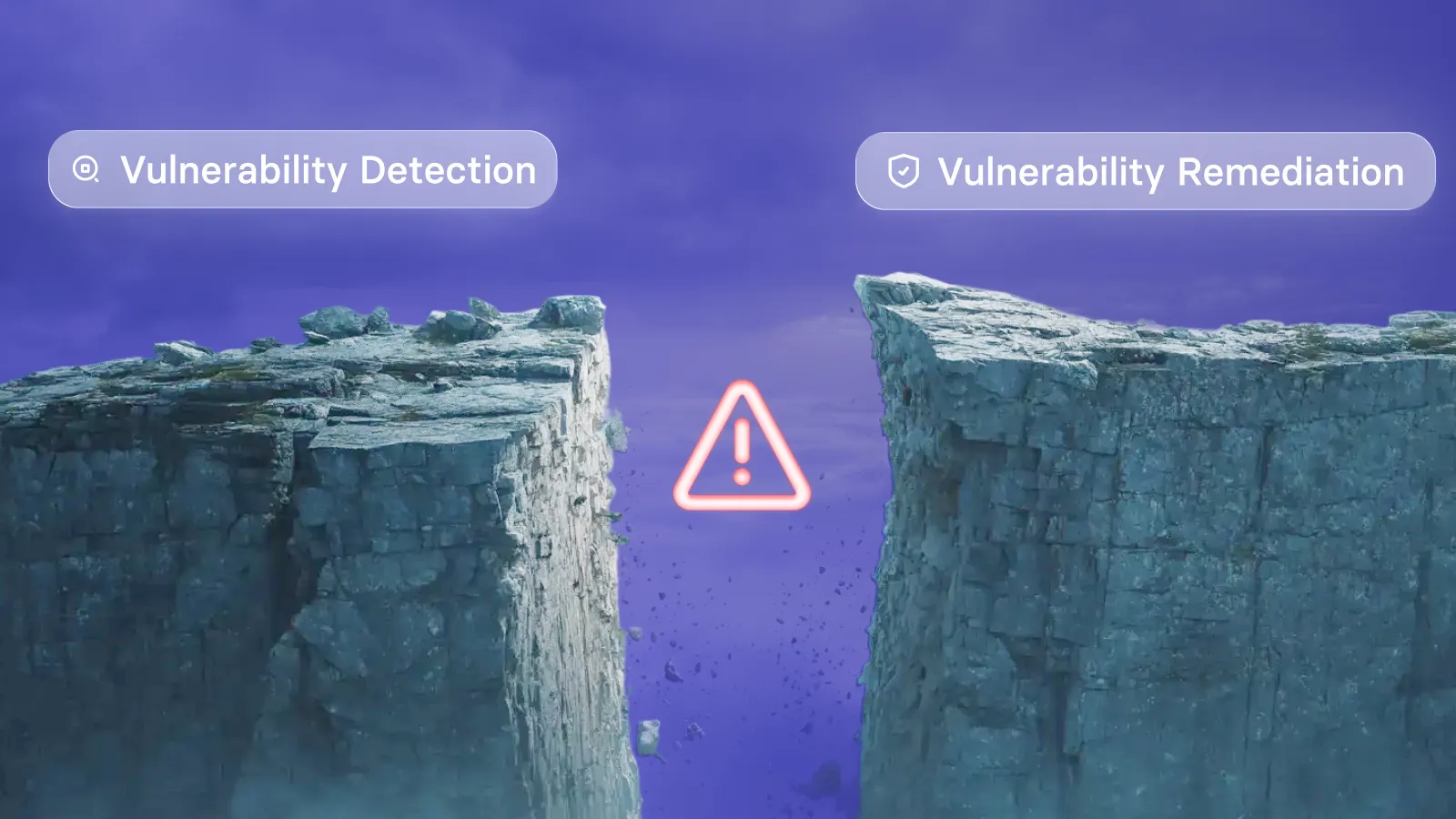
Even the most effective security teams, backed by reputable, reliable tools, fall flat when fragmented vulnerability and patching workflows and information silos delay remediation. This becomes especially apparent in mixed-OS environments that contain numerous third-party applications.
Beyond automating and validating remediation, adopting a consolidated vulnerability management platform prevents your team from being hamstrung when a critical vulnerability needs to be handed over for manual assessment or technician intervention.
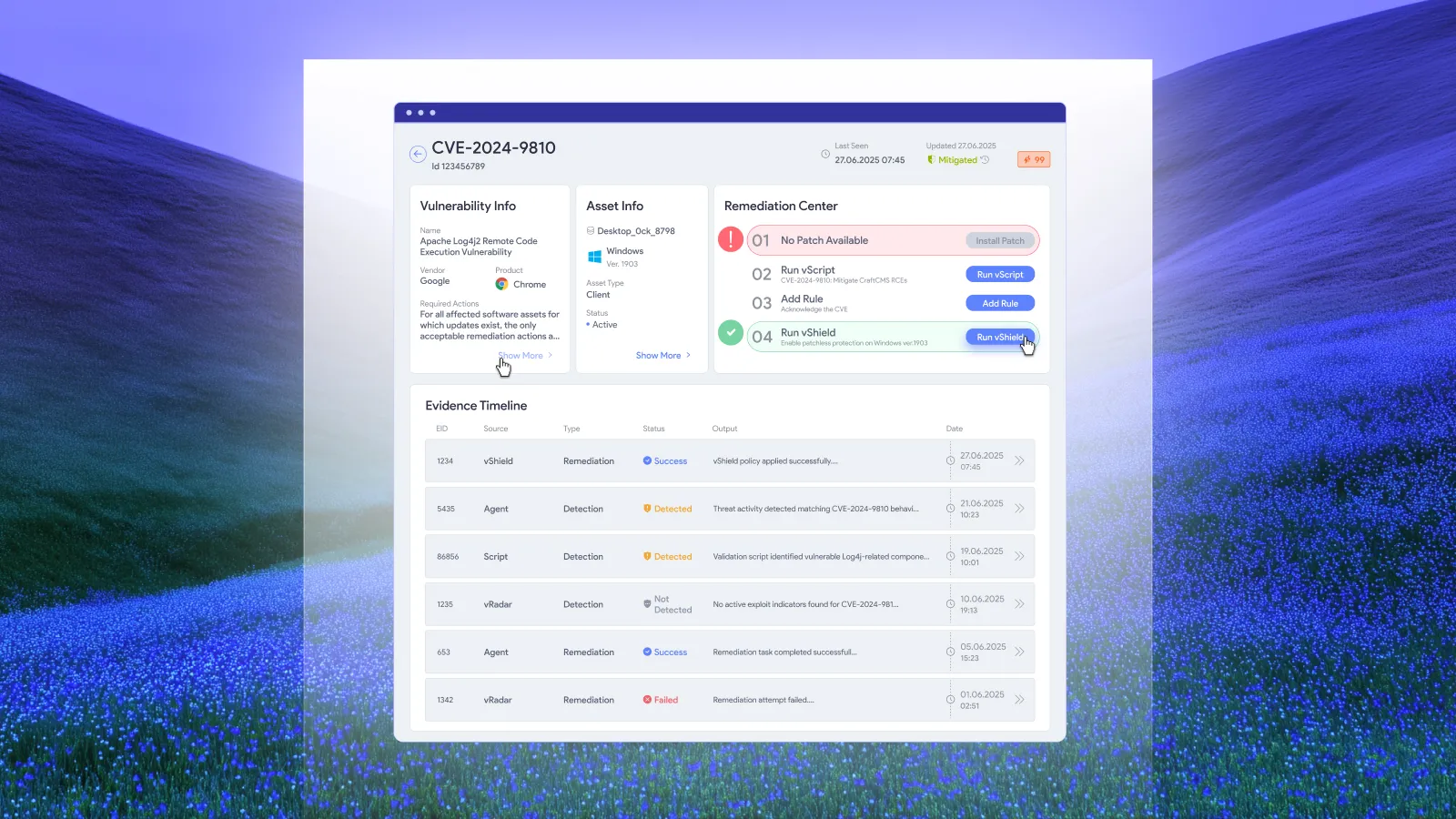
It also ensures that remediation is fully tracked, with audit-ready evidence for compliance and accountability purposes – proving that you took the best paths to protect your organization's infrastructure and data against persistent and novel threats.
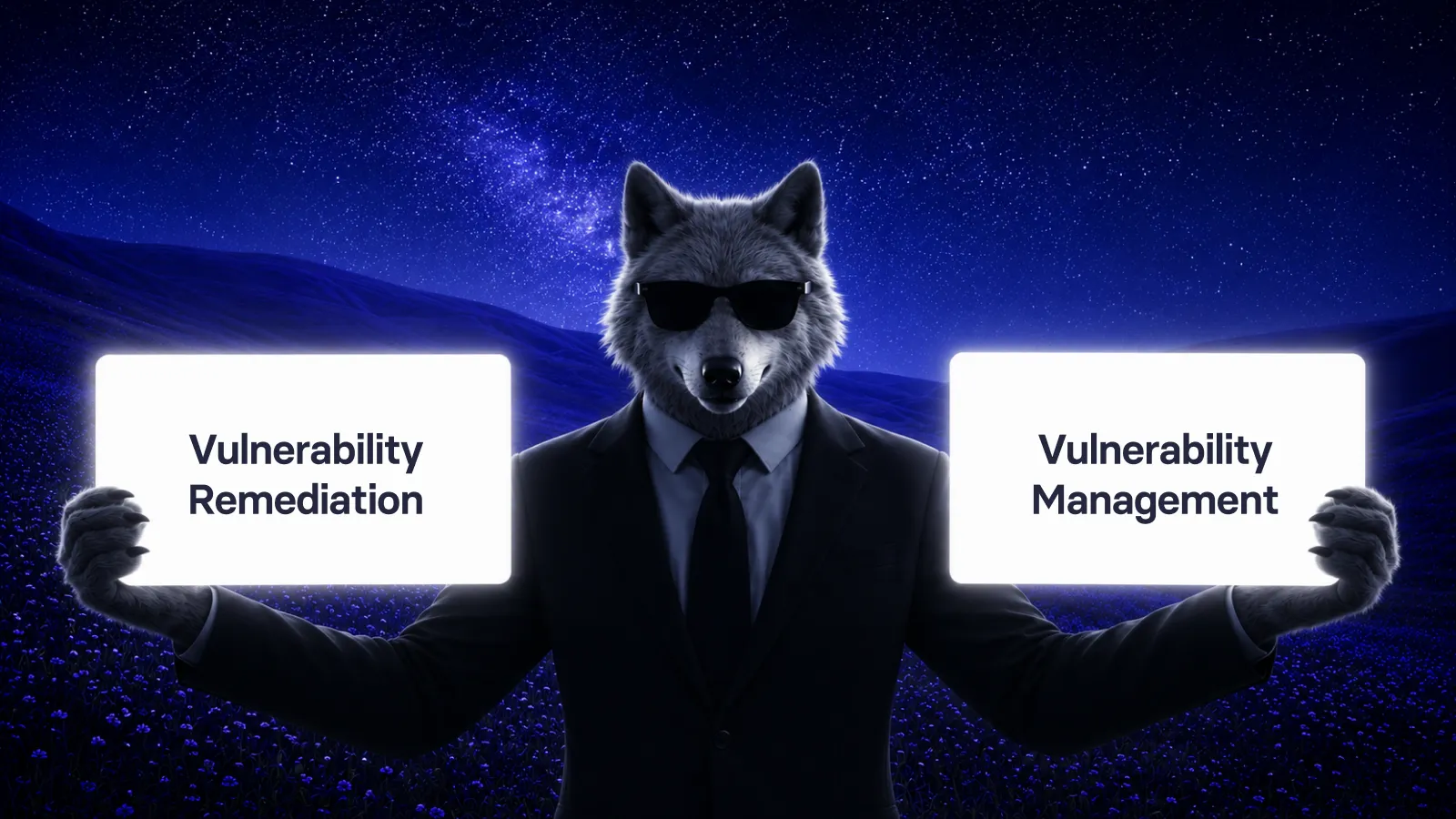
Patch management and vulnerability management are not the same thing (and you need both)
When researching and choosing the enterprise IT security products that will protect critical systems and data, you need to be clear on the different categories of tools and how they work together.
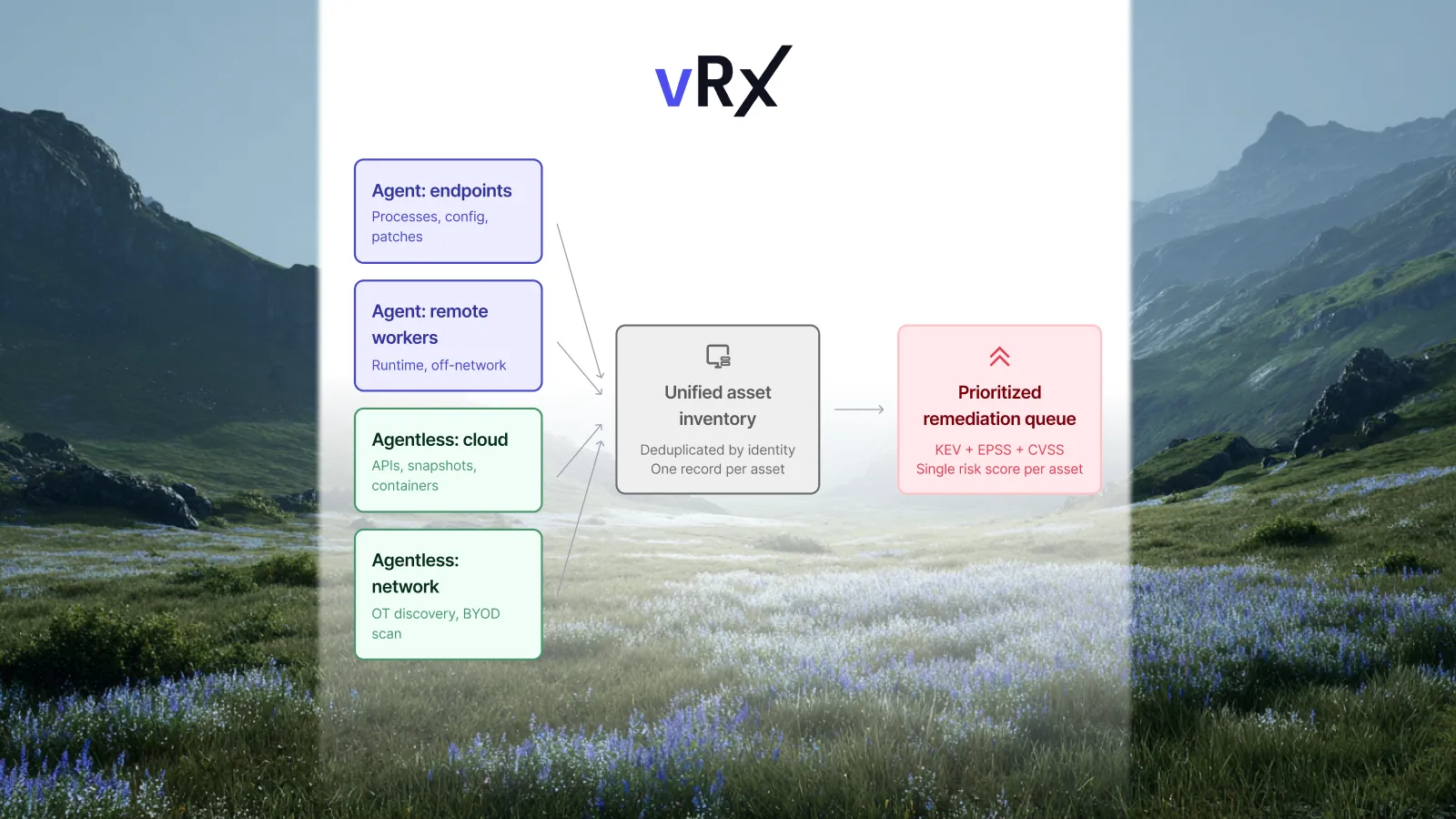
- A vulnerability management platform enables the ongoing process of identifying, prioritizing, and tracking vulnerabilities in your IT infrastructure. It should cover everything, from endpoints and cloud assets to networking and embedded devices.
- Once vulnerabilities have been identified and classified, automated remediation should deploy controls to eliminate or mitigate them. This should be an autonomous process that only requires manual intervention when there is risk that remediation measures could introduce incompatibility or instability.
- An automated patch management platform is a form of remediation that addresses vulnerabilities that the vendor has acknowledged and released a software patch for.
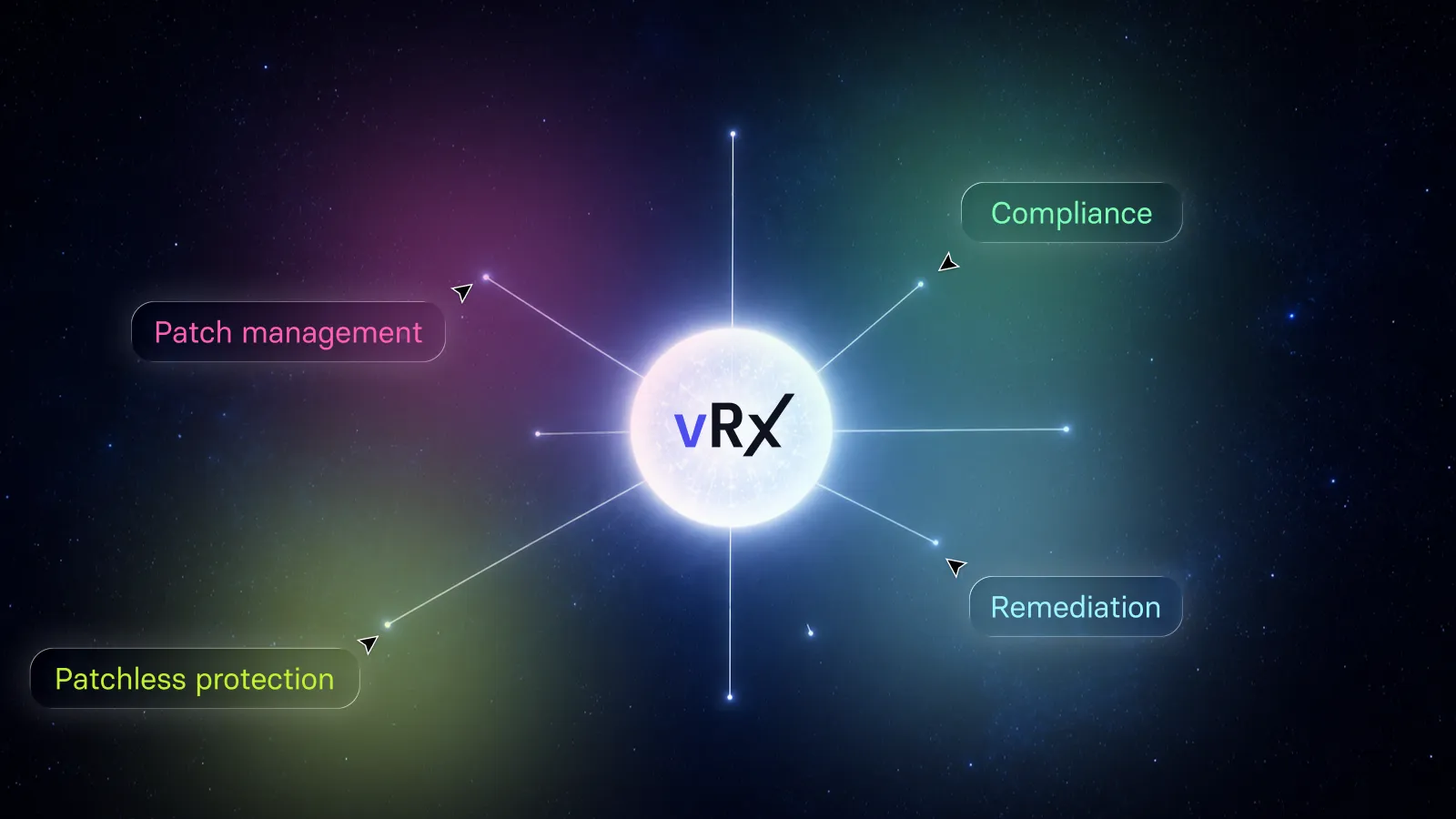
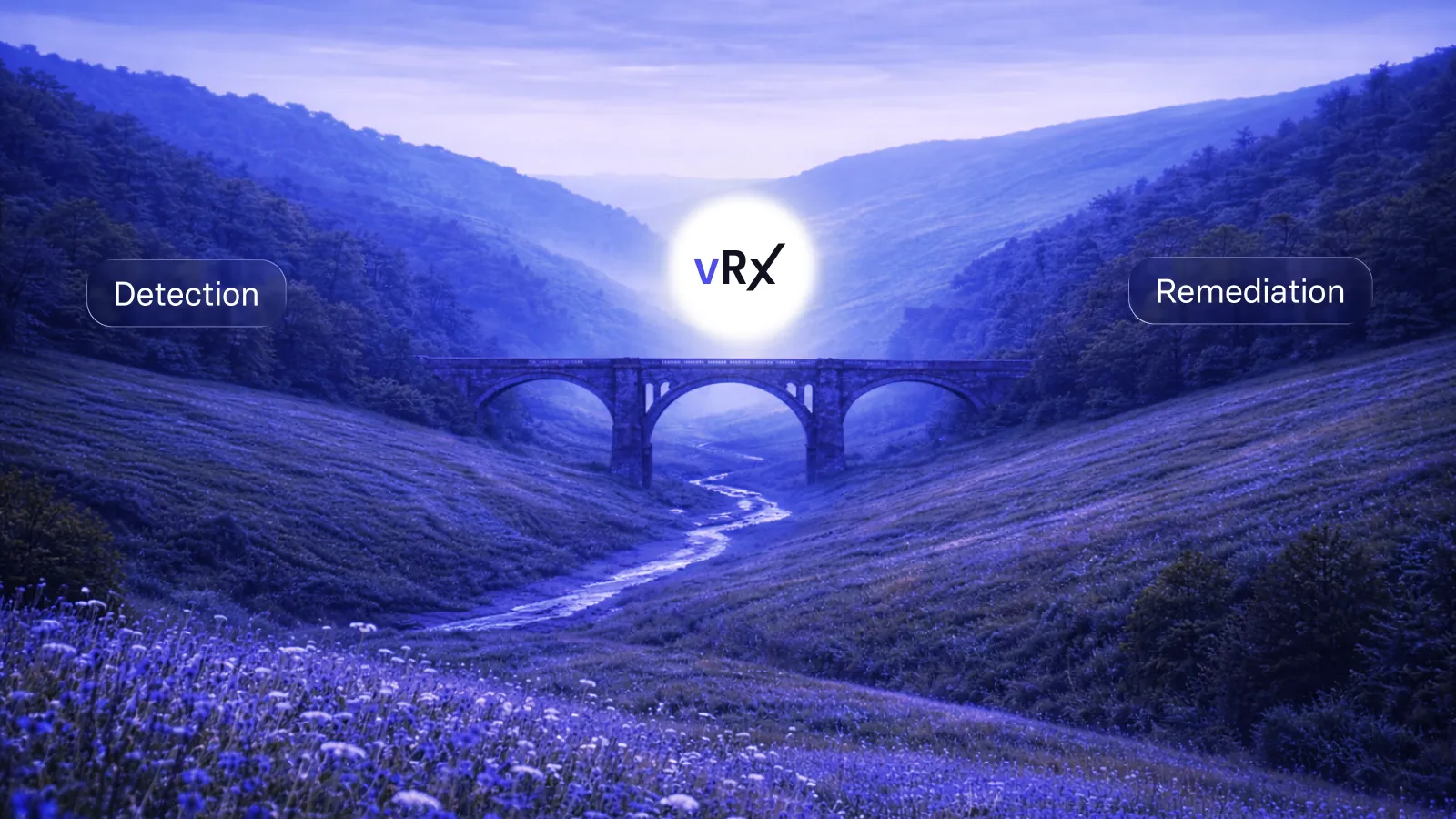
You cannot rely solely on any one of these solutions – but you can use a platform that consolidates them and eliminates the visibility, governance, and operational gaps between them.
Consolidated vulnerability management platforms, patch management, and remediation
While it's possible for security and IT teams to manually combine vulnerability management, patch management, and other remediation workflows, this forces you to operate with an unresolvable handicap.
Fragmented security tools force the need for additional governance, ad hoc connections, and cross-team coordination, which can only go so far to mitigate the effects of tool sprawl. This provides opportunities for gaps to appear, responsibility to be confused, and important context and details to be lost at each step of the scanning, prioritization, and remediation processes — leading to incomplete, delayed, or ineffective remediation.
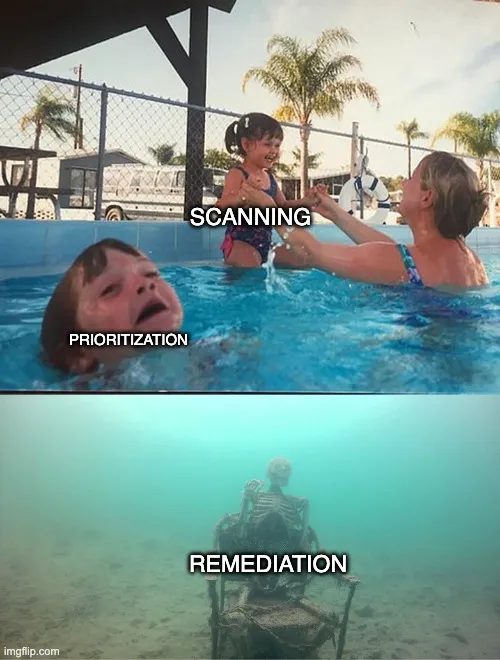
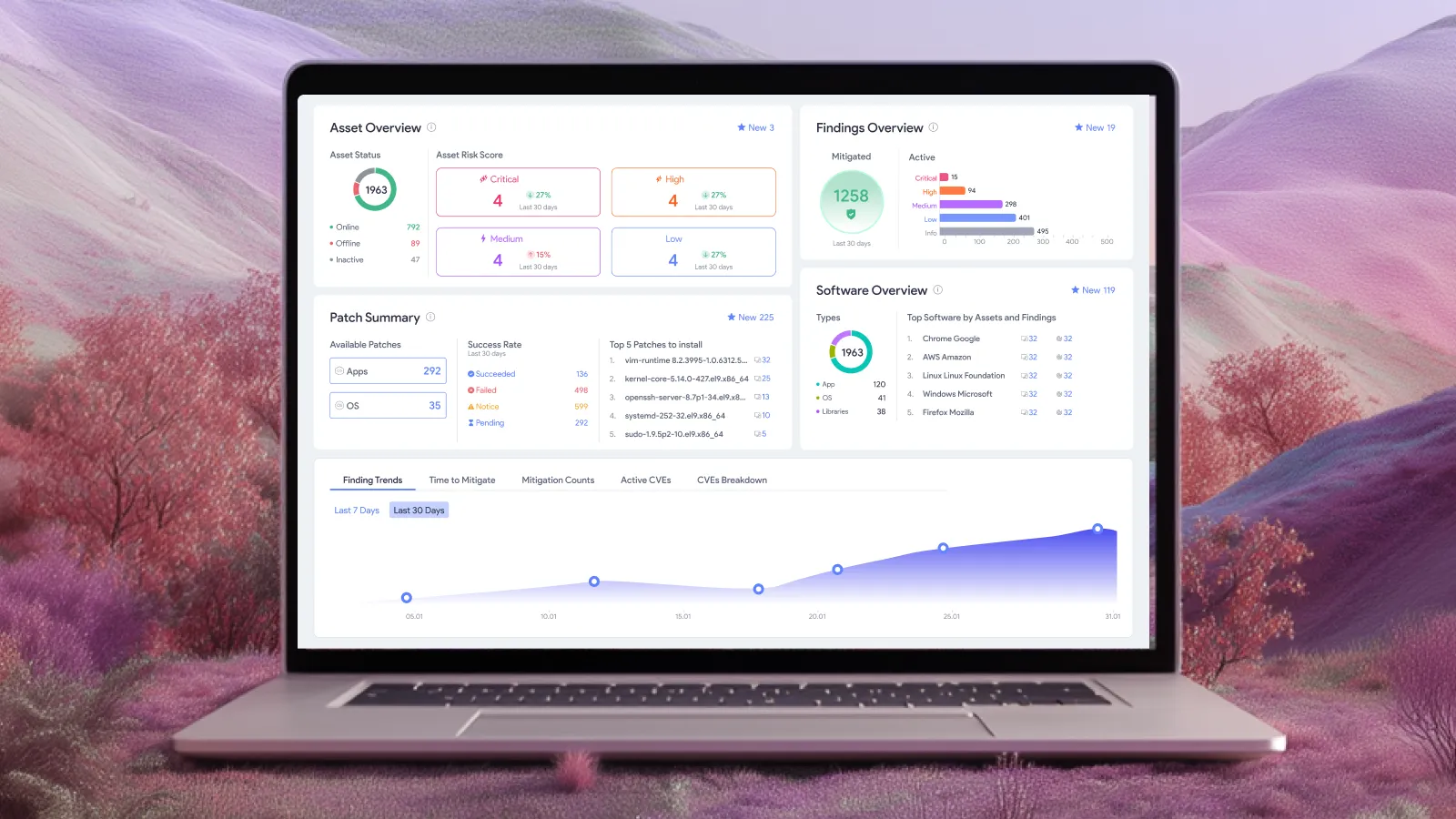
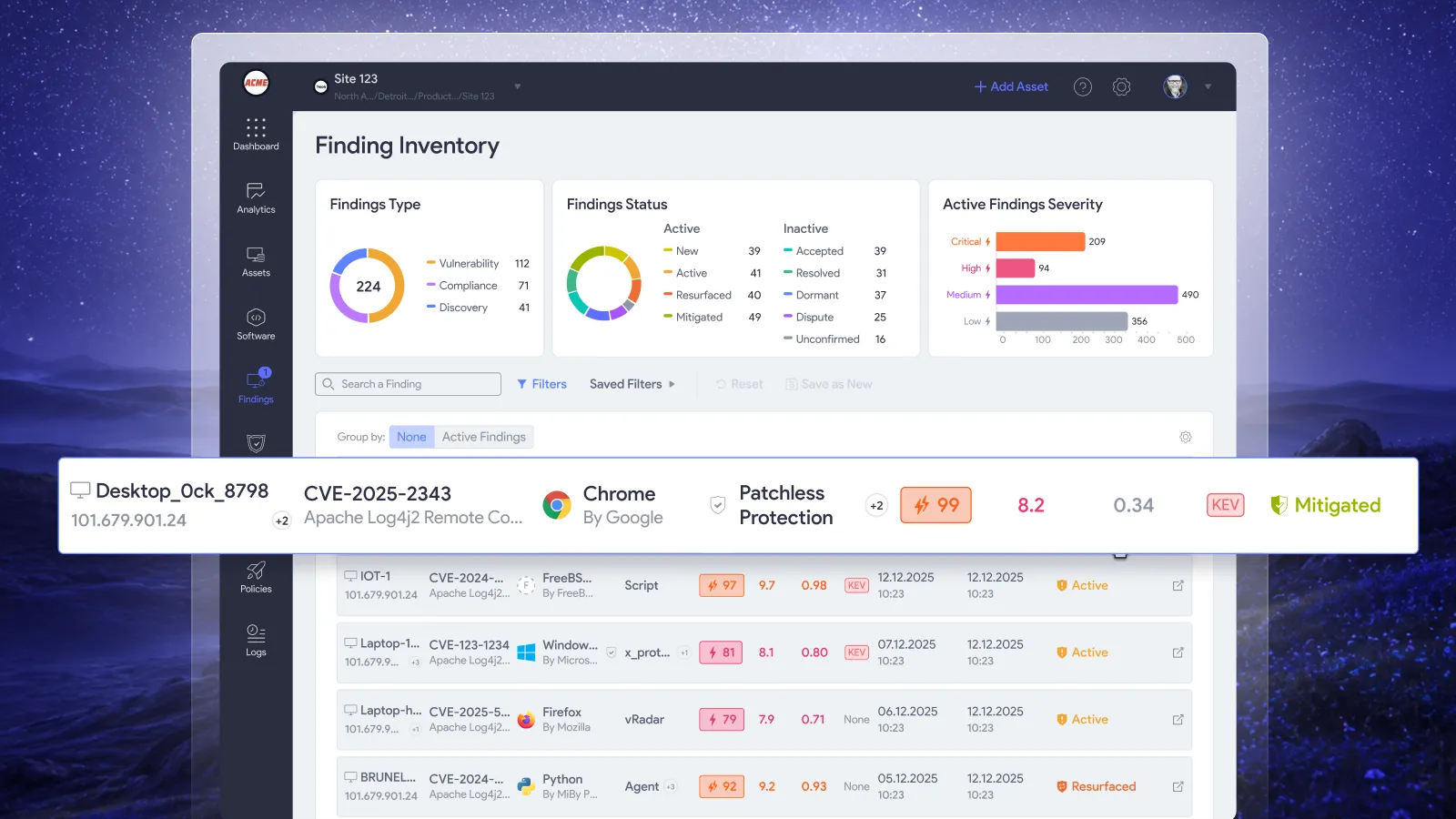
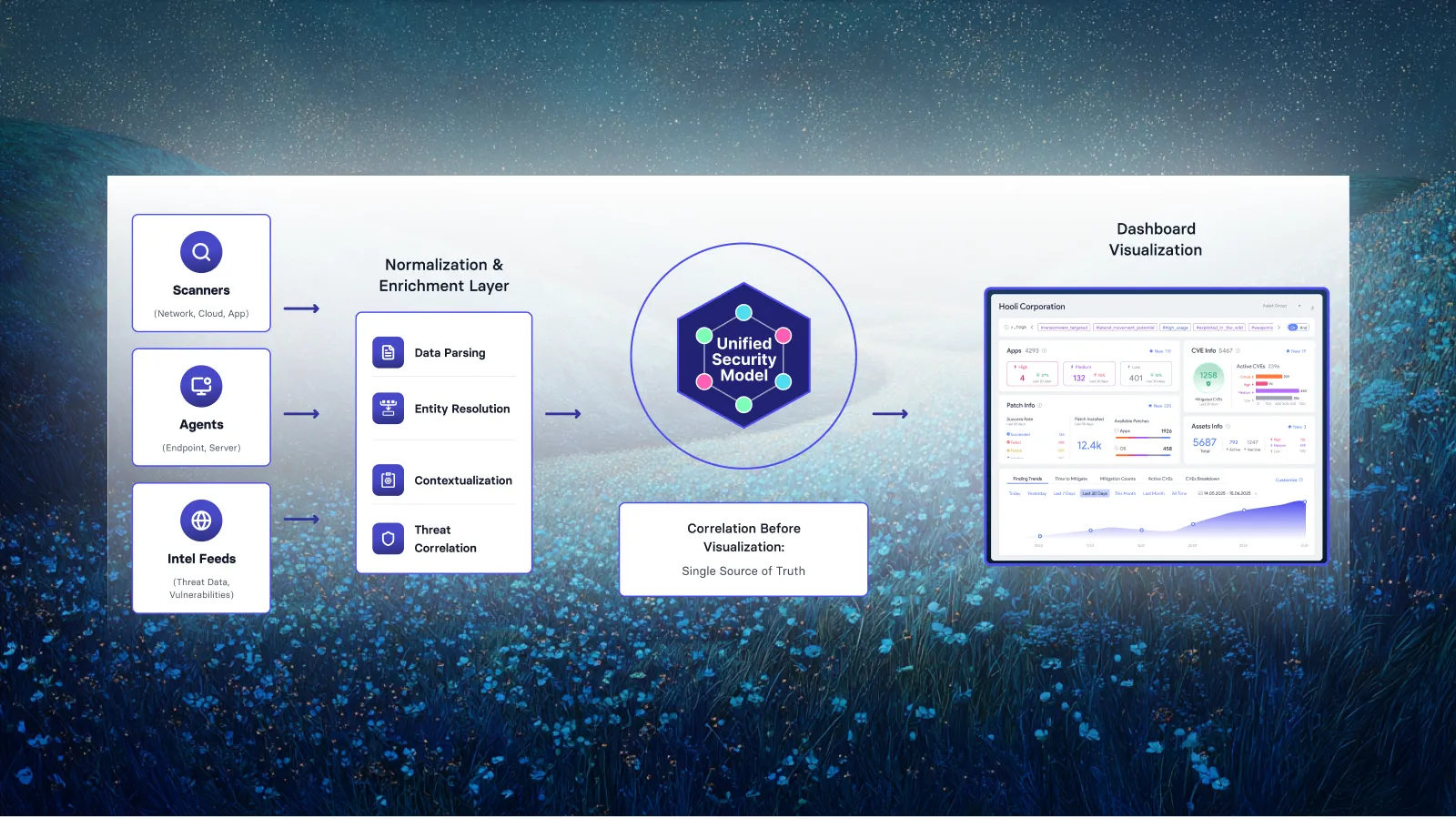
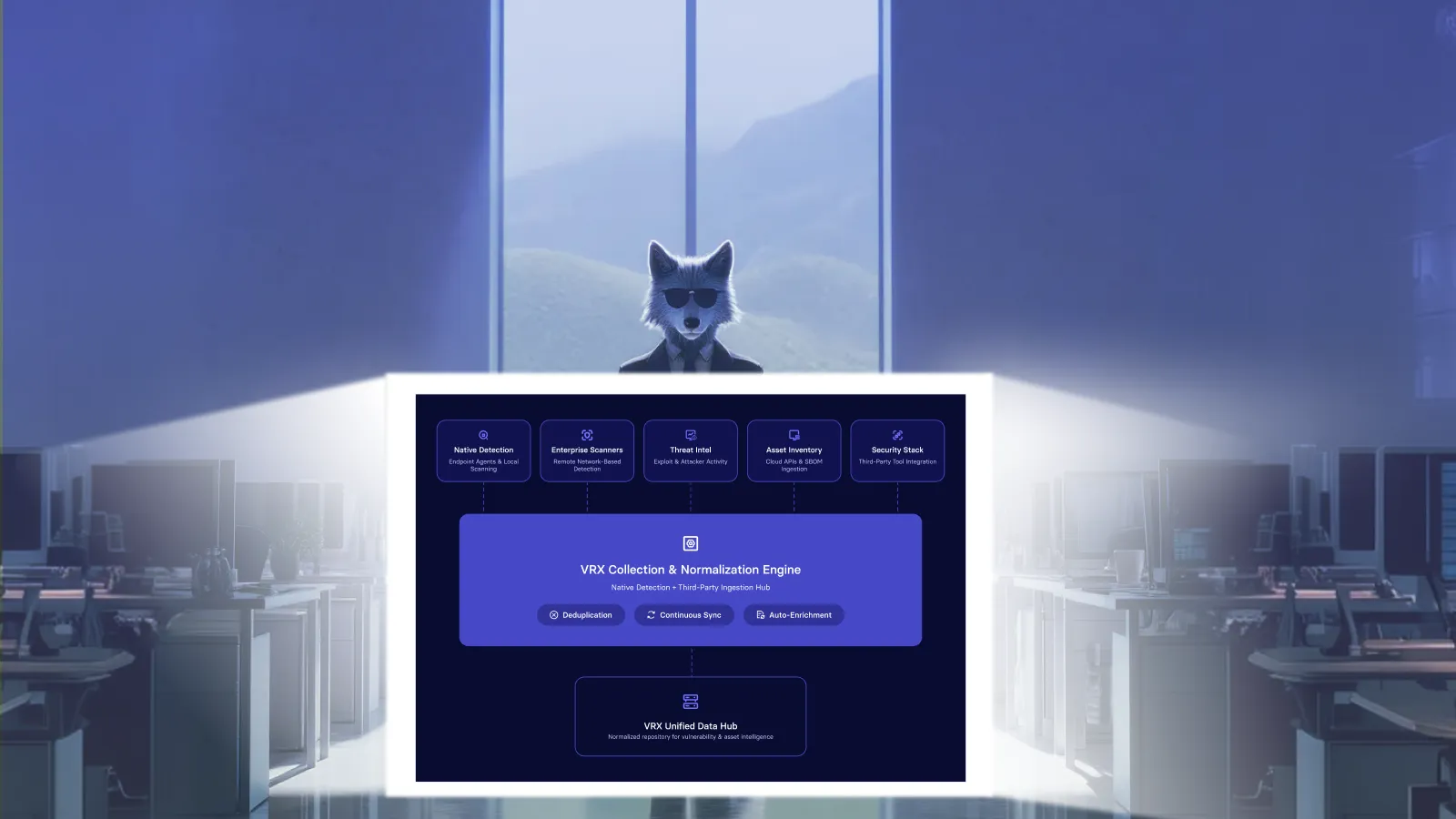
Consolidated vulnerability management platforms offer a unified toolchain that covers the entire vulnerability lifecycle, maintaining information completeness and accuracy, as well as context. Every detected vulnerability is in the same system and mapped to the required patches and controls with their status, so that you can confidently assess what's fixed and what requires further attention.
How vulnerability management platforms unify OS and third-party app visibility
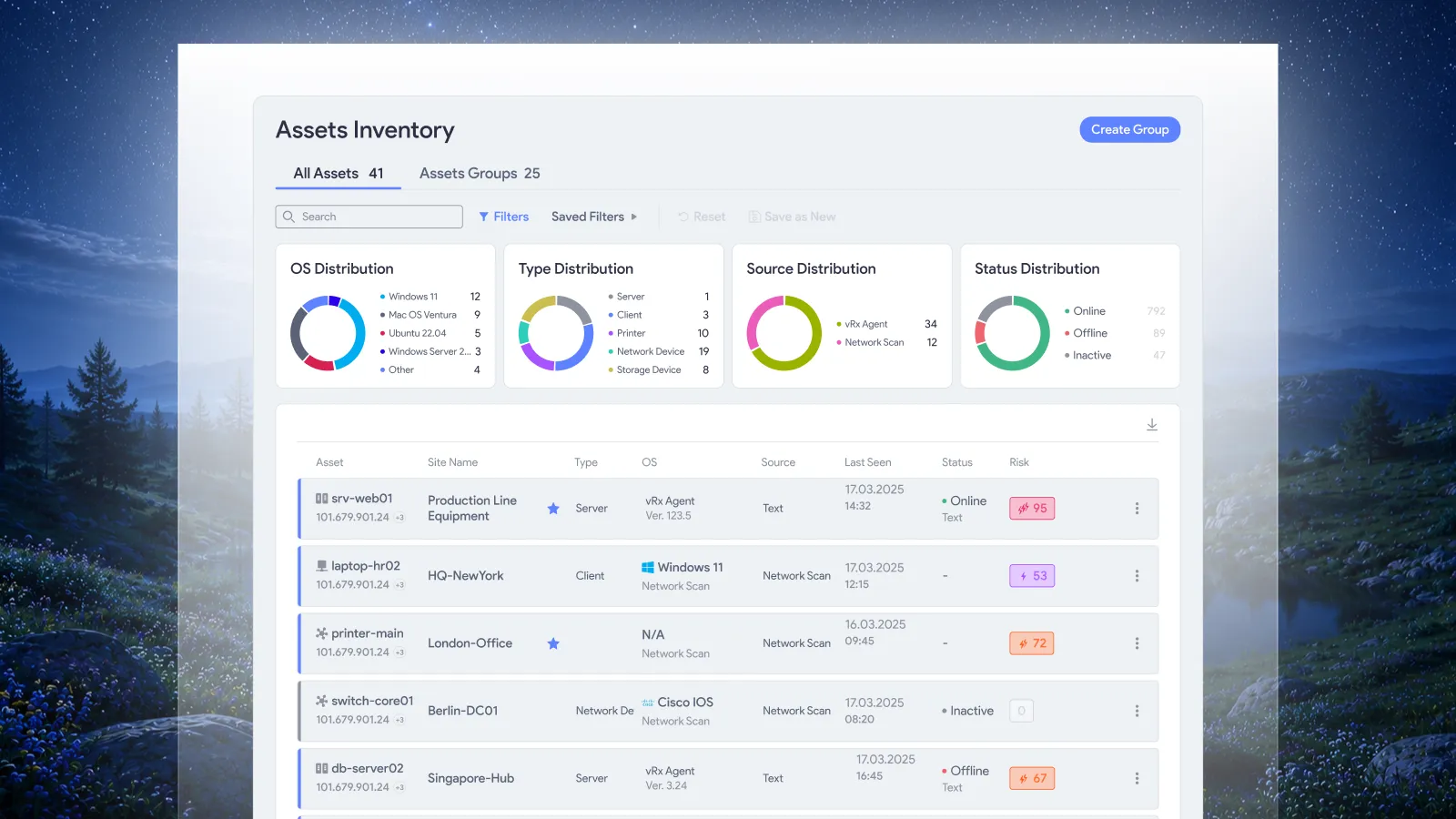
Visibility is crucial to the success of your cybersecurity efforts: the best team, with the best remediation strategies and tools, can't fix what they can't see.
While visibility is one of the core functions of vulnerability management, it loses effectiveness once the patch management stage is reached. Patching tools are often limited to certain environments and to pre-ordained lists of popular software. Unifying OS and third-party app vulnerability scanning and patching ensures that unpatched or unpatchable vulnerabilities remain tracked and can be compensated for.
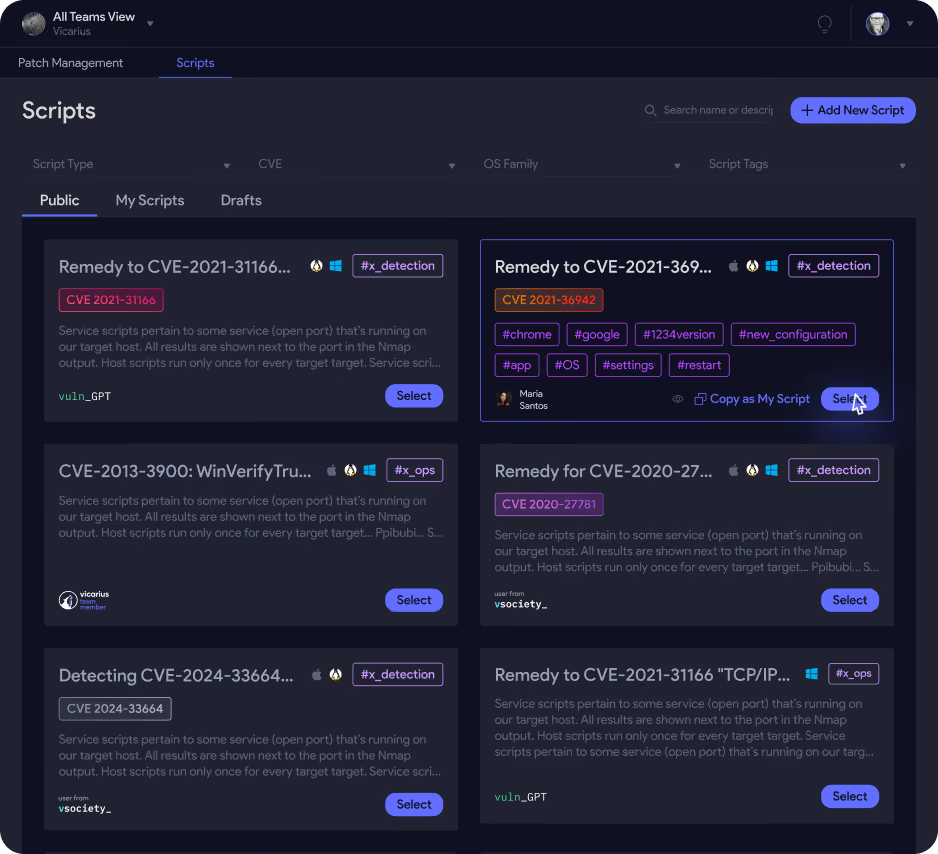
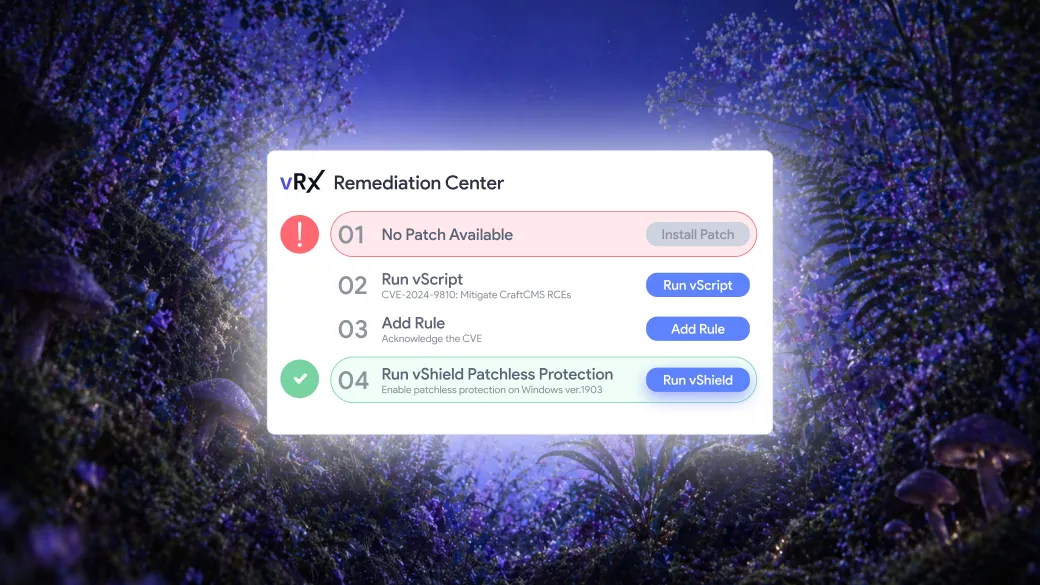
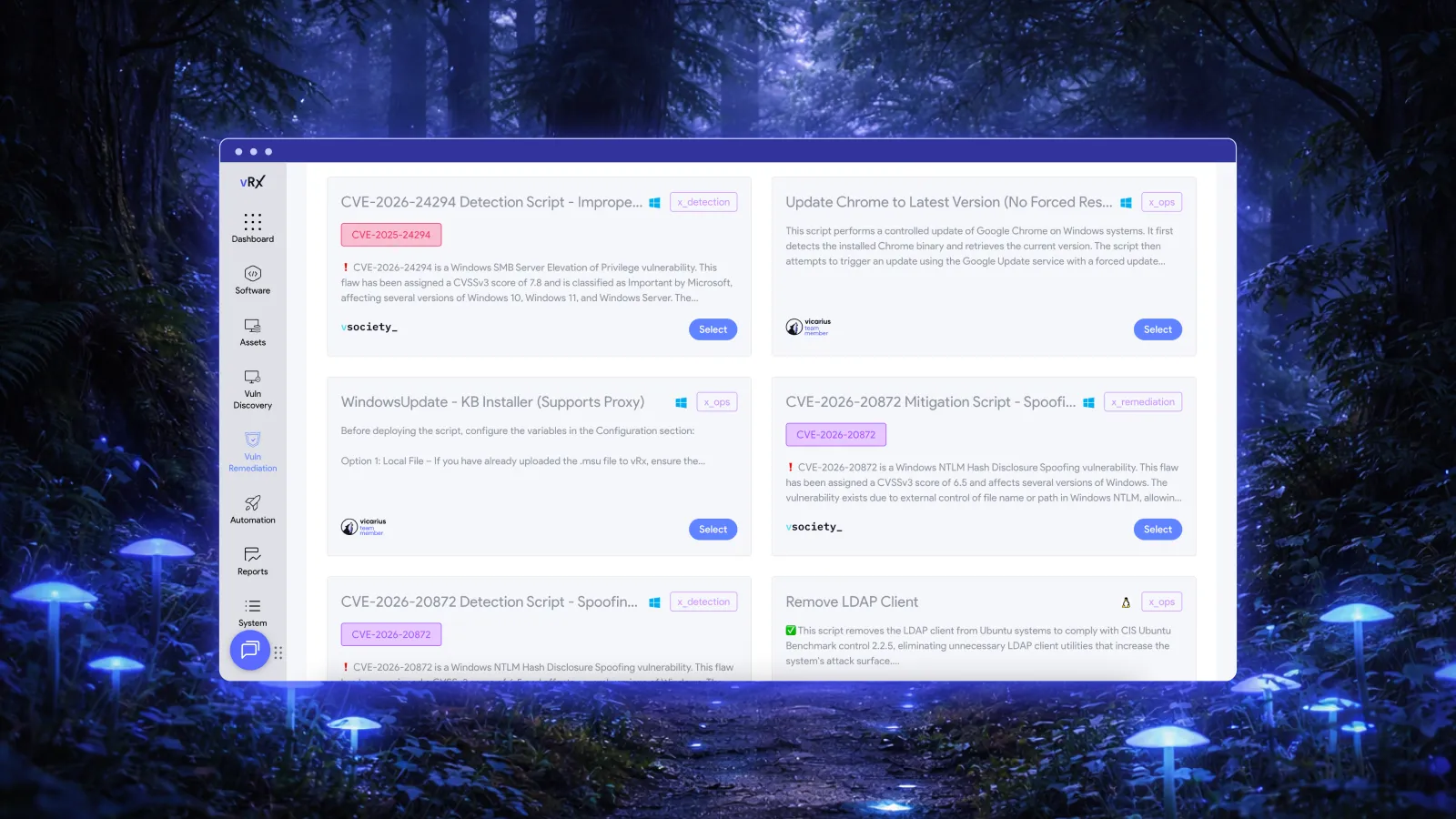
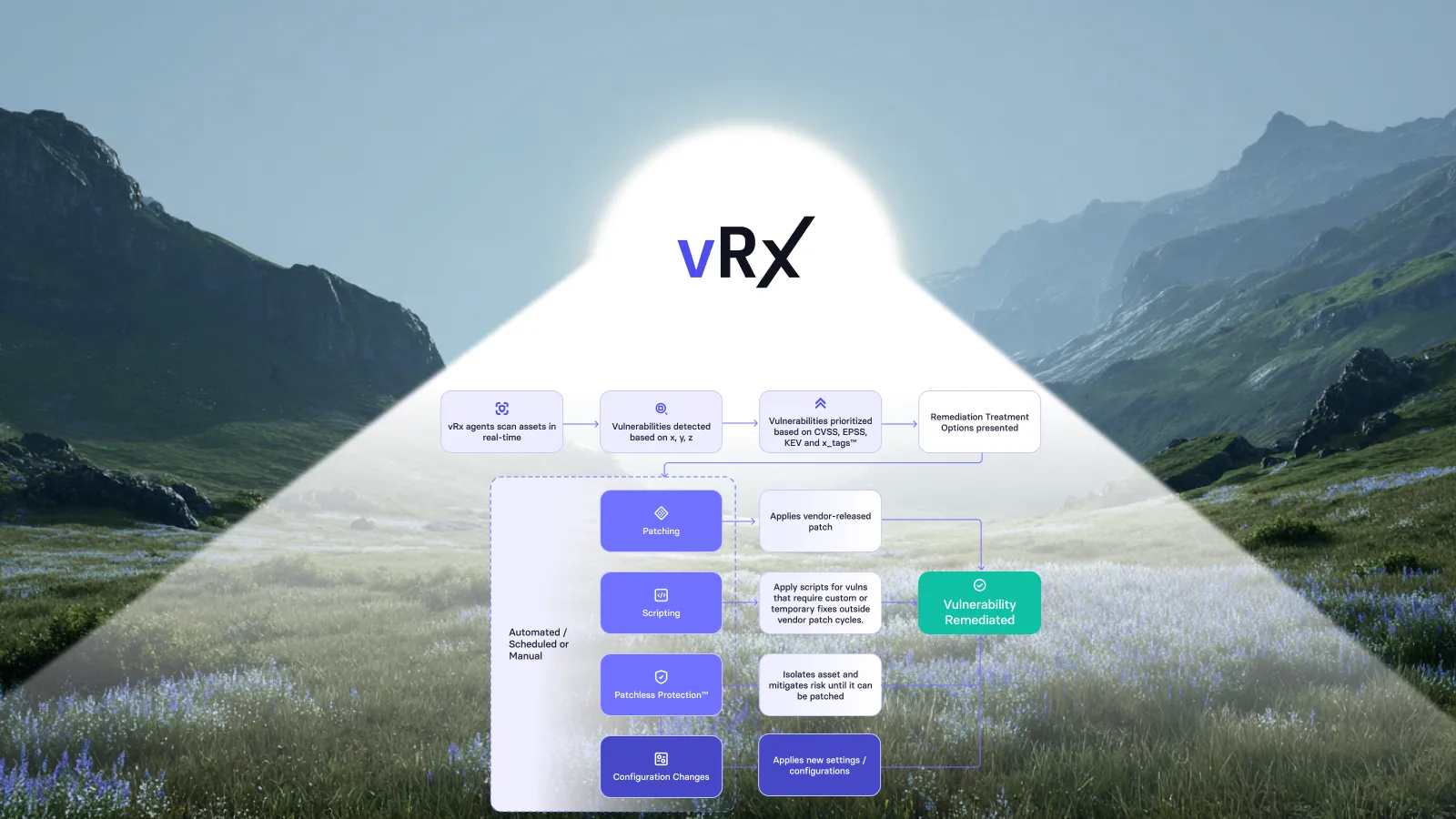
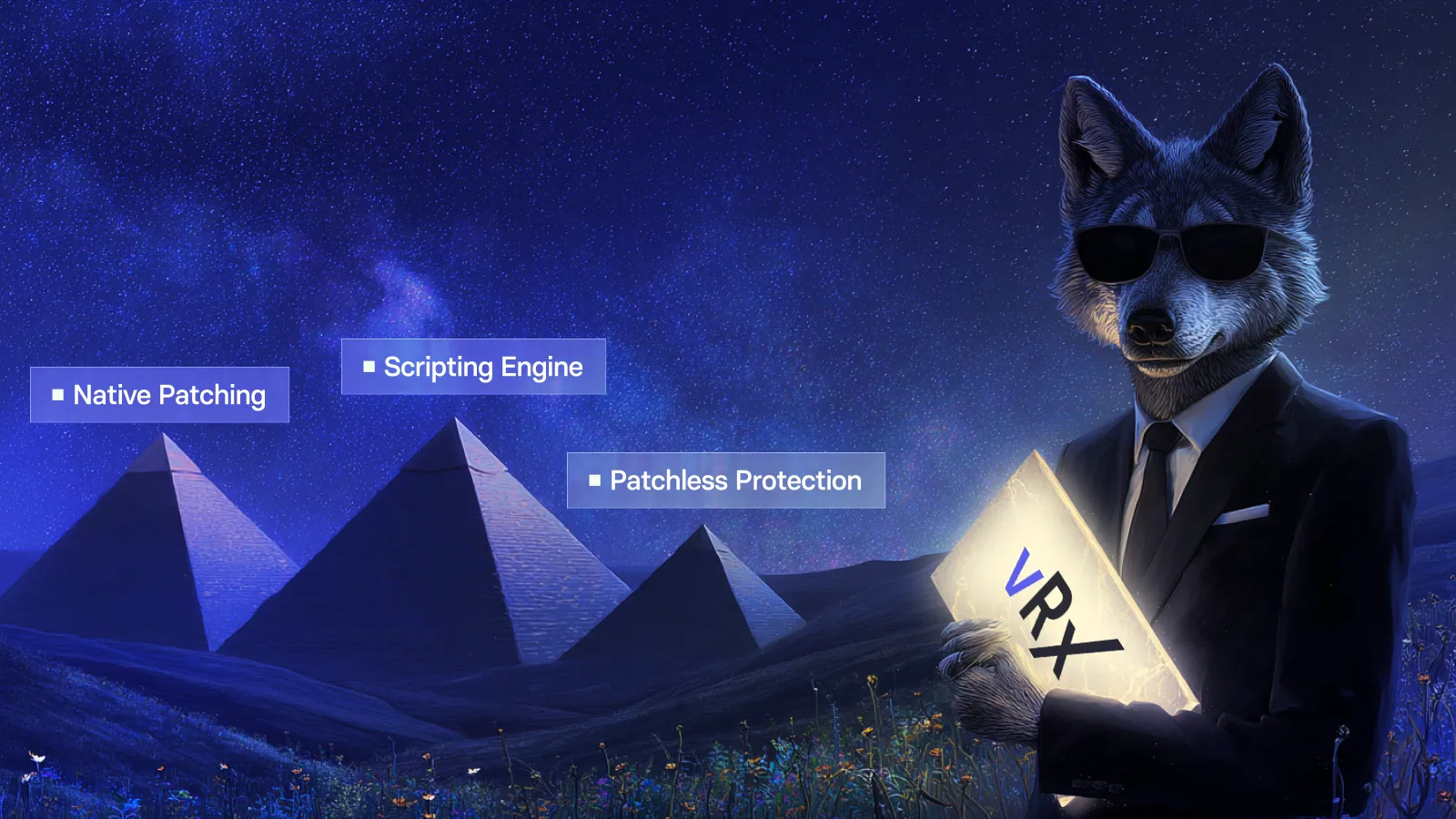
To remediate vulnerabilities, additional controls, such as configuration updates, firewall rules, and other compensating measures should be deployed, verified, and tracked using scripts. vRx by Vicarius includes a growing community-supported library of automation scripts for detection, remediation, and implementation of compensating controls.
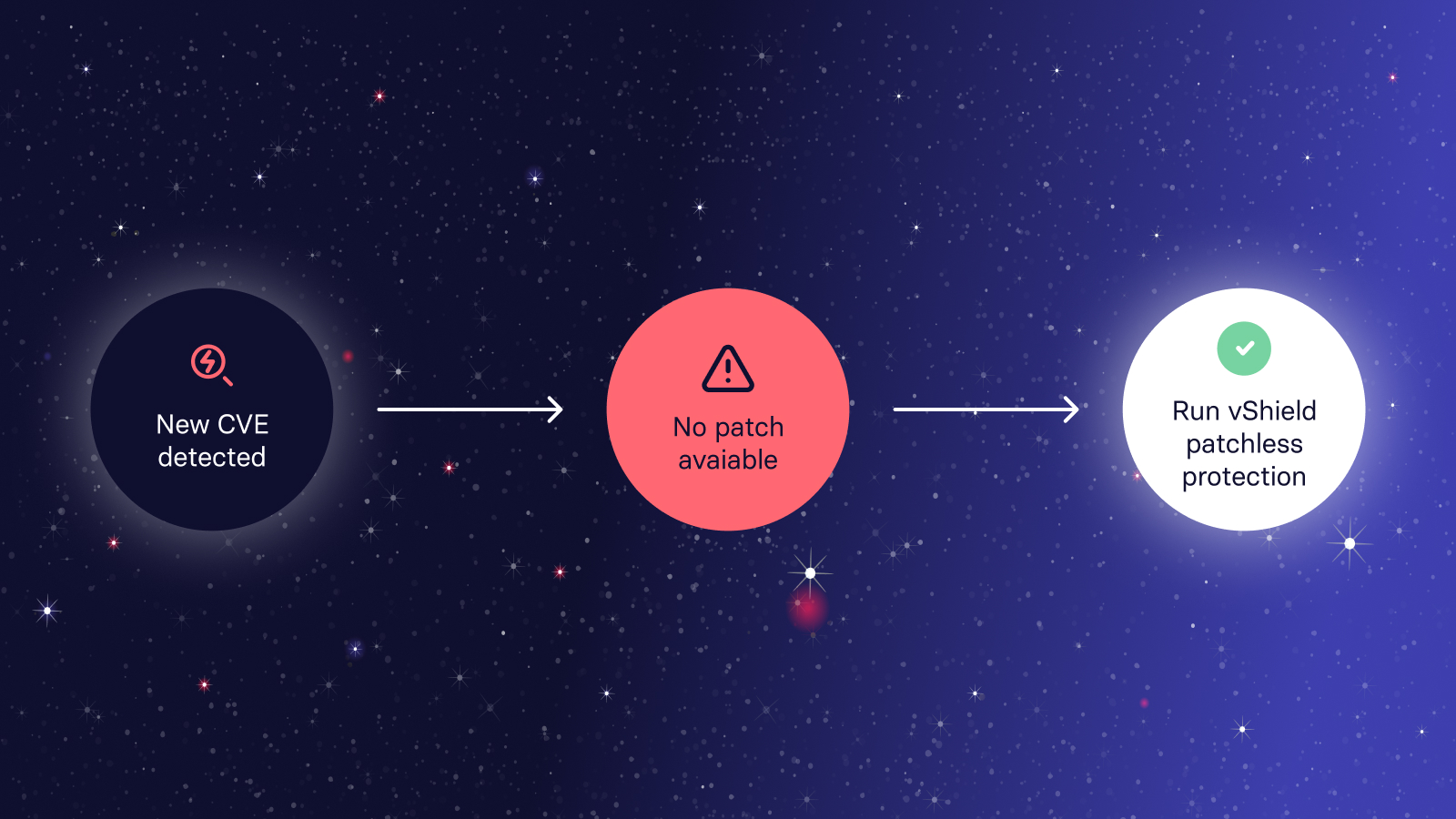
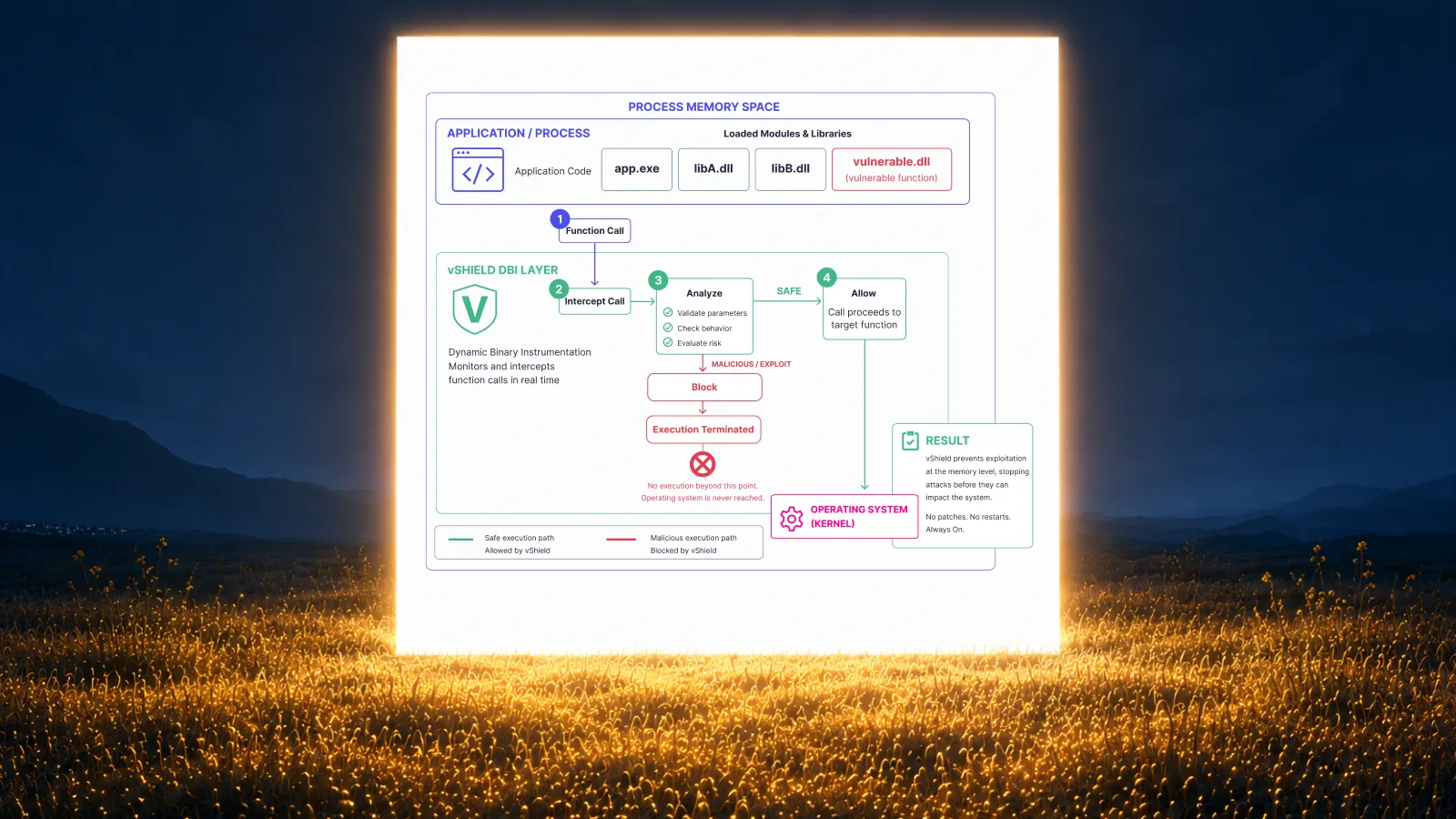
vRx Patchless Protection can also protect apps in-memory, allowing vulnerable apps to continue running safely even if they can't (or won't) be patched due to reaching end-of-life, or for compatibility reasons.
Tool unification dramatically accelerates zero-day mitigation
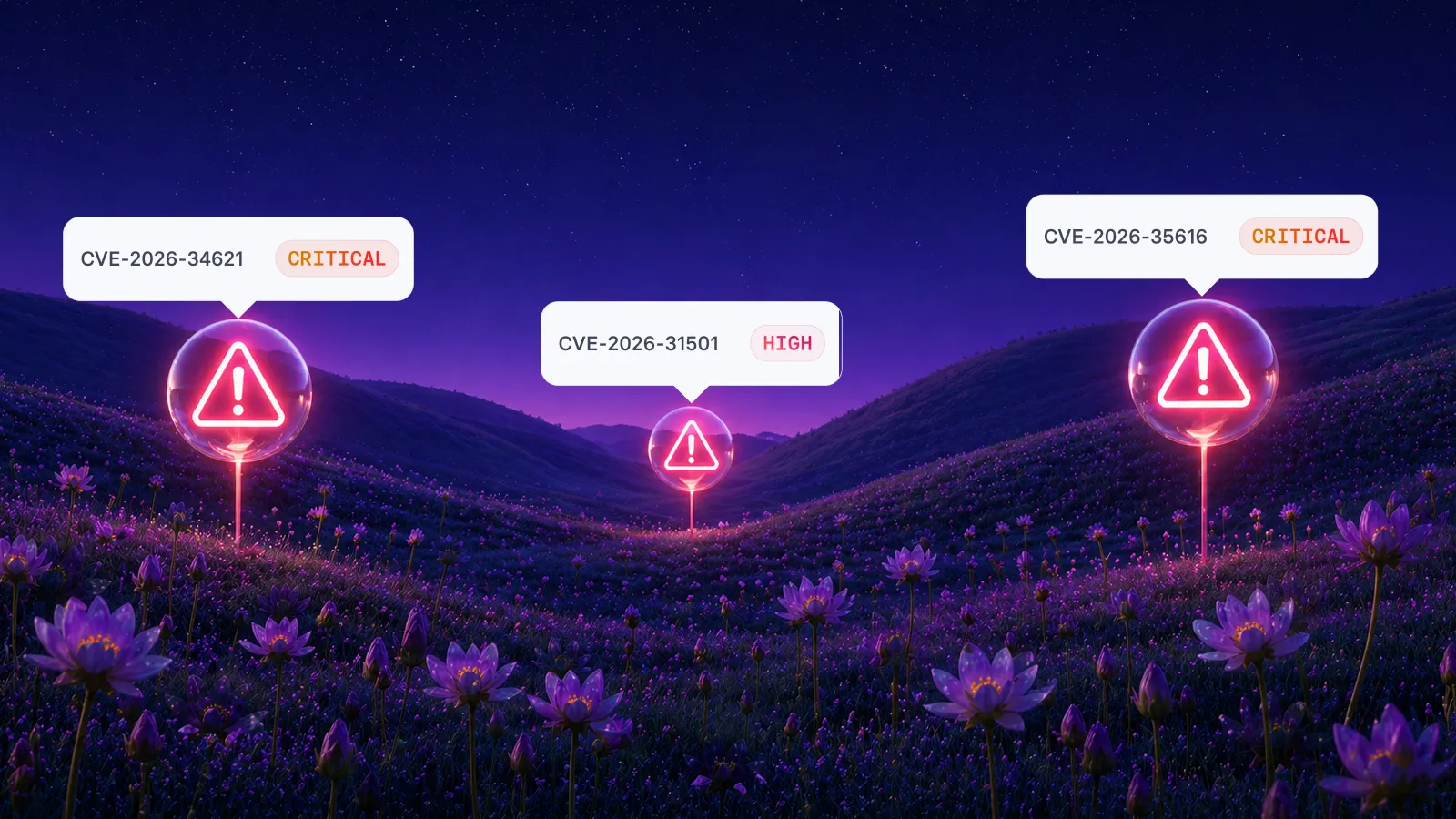
There is always another zero-day exploit.
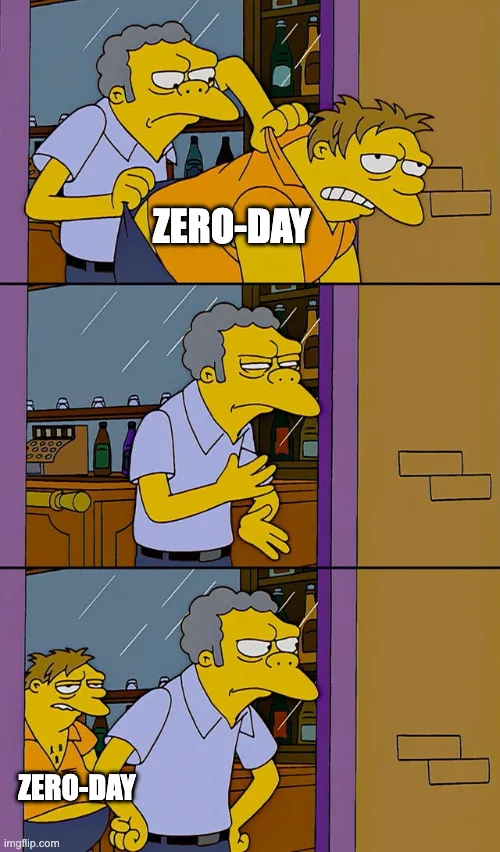
The patchless protection provided by vRx also guards against zero-days, giving you additional protection that covers the gap between a vulnerability being publicly disclosed and the vendor releasing a patch to fix it.
It also allows you to safely hold back risky patches that may affect stability or compatibility. vRx can assess the potential impact a patch will have based on public and private signals, and automatically delay deployment until a technician reviews the patch.
Audit-ready compliance evidence that spans the whole vulnerability management lifecycle
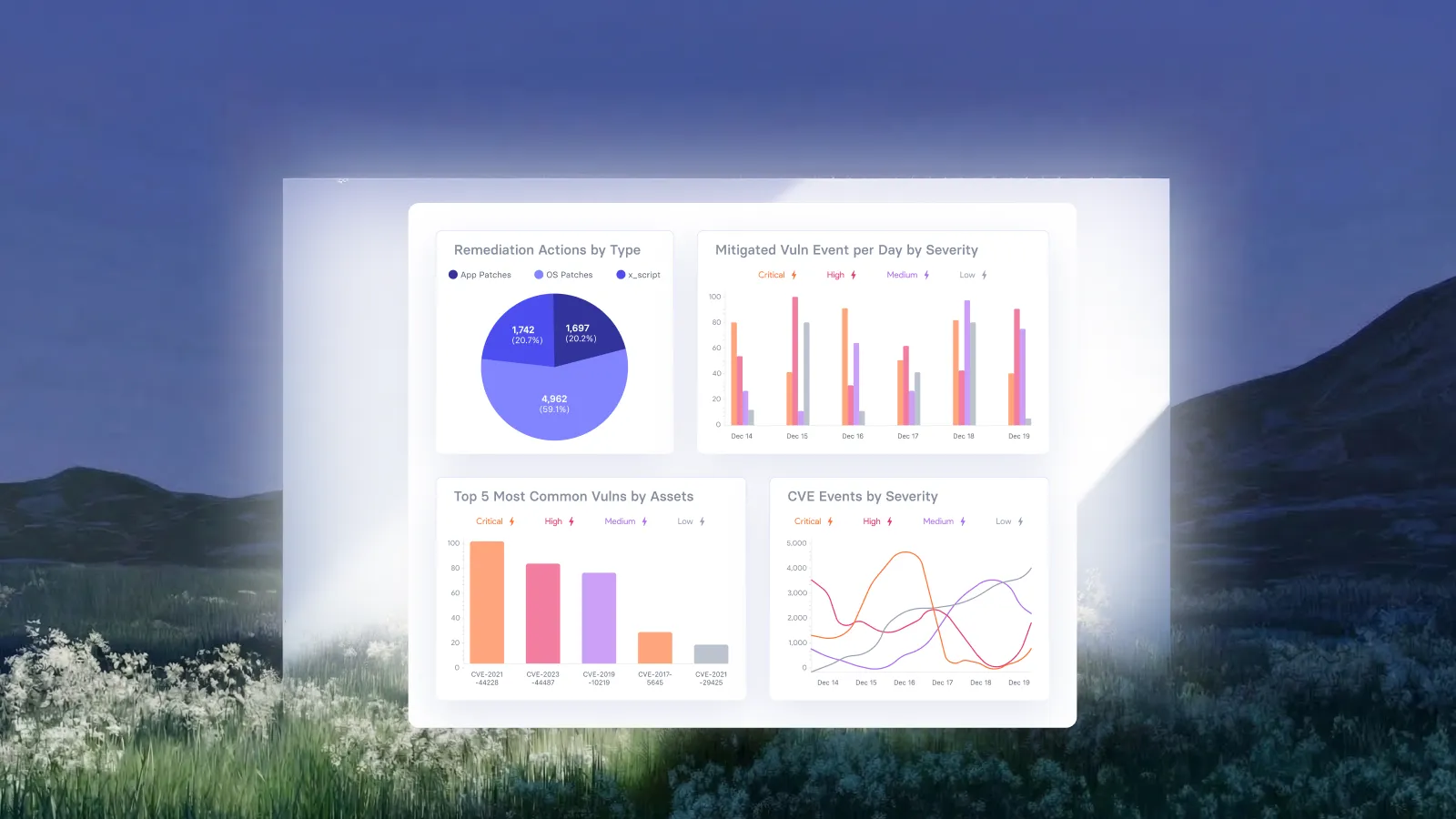
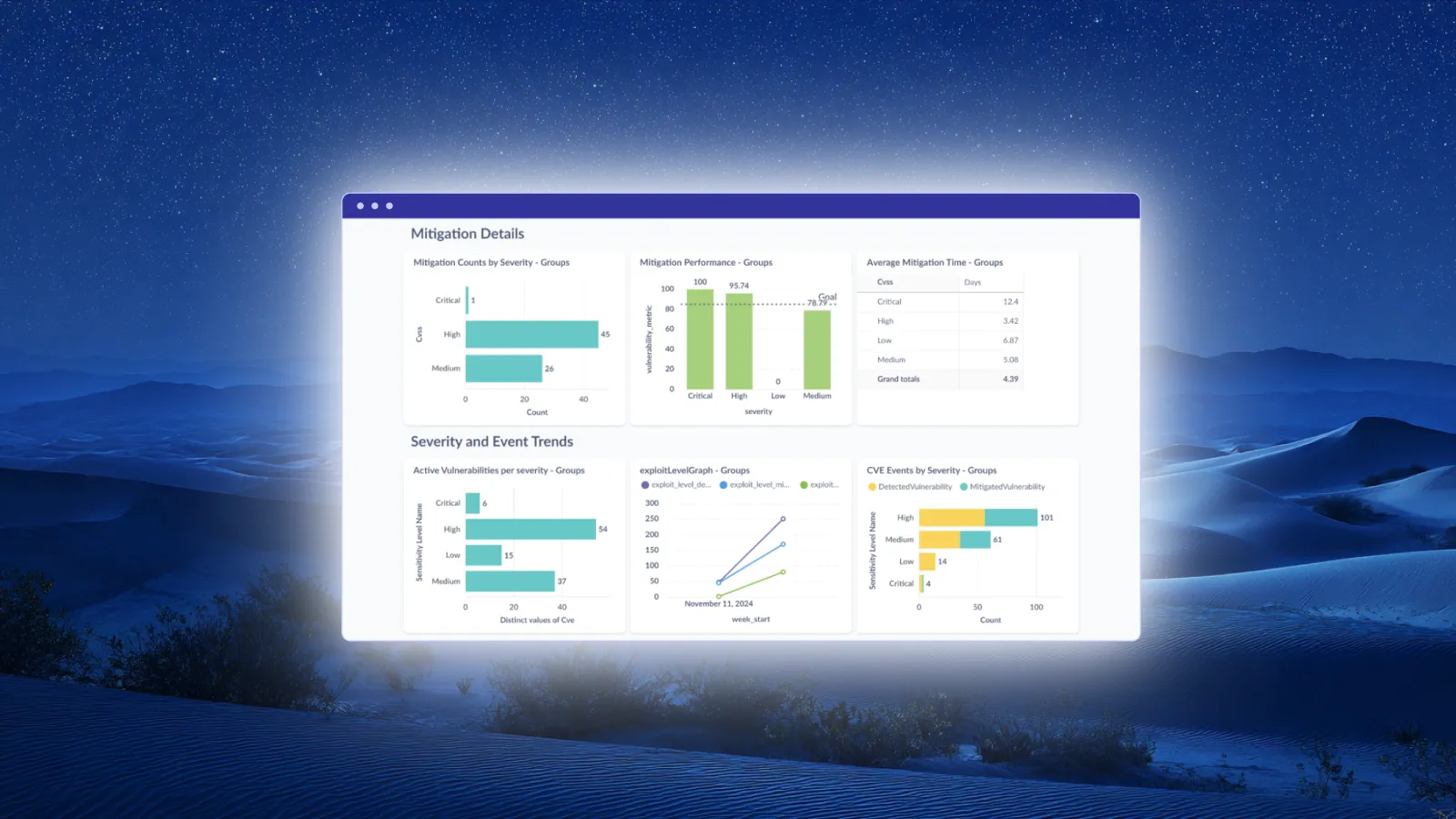
Consolidation should allow you to scale your defences without adding additional overheads. Compliance evidence collection and reporting can add significant labor to vulnerability management workflows. Consolidated tools should include compliance reporting features and dashboards that provide a live view into the operation of your vulnerability management processes, and generate evidence in an auditable format.
Consolidation is best from the ground up, not as an afterthought
The practical advantages of SaaS vulnerability management are undermined if consolidation just means 'connecting existing tools'. Just as cloud-native tools should bring actual cloud-native advantages, like scalability, managed infrastructure, and global reach and performance, so should consolidated vulnerability management platforms take advantage of the single source of truth, tight integration, and unified interface they can provide.
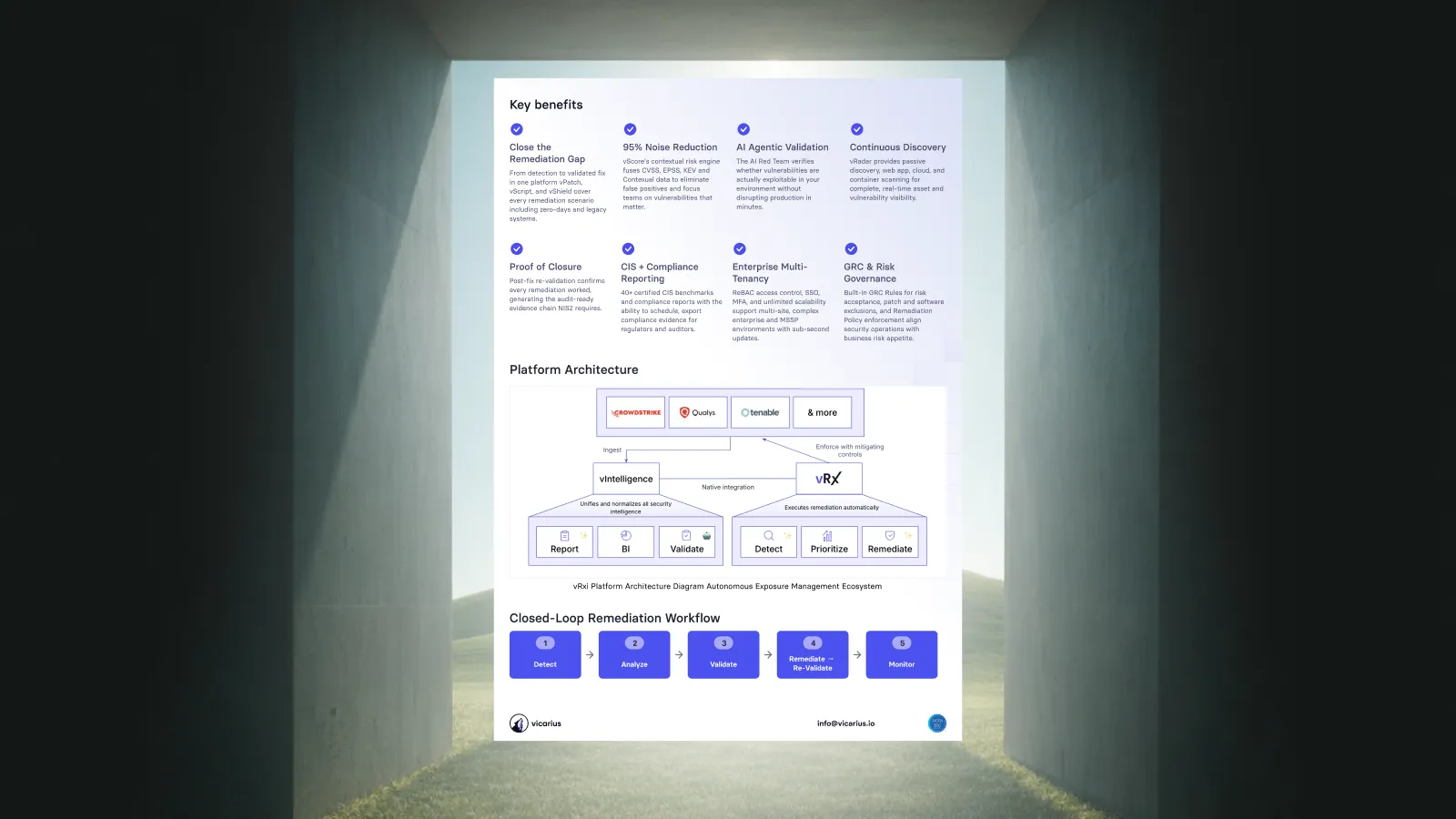
Consolidated platforms that operate in a "closed loop" – where data collected from across the entire process is used as feedback to inform and improve future actions – help ensure that third-party vulnerabilities and unique configuration issues are fully addressed.
vRx provides a consolidated vulnerability management platform that focuses on remediation
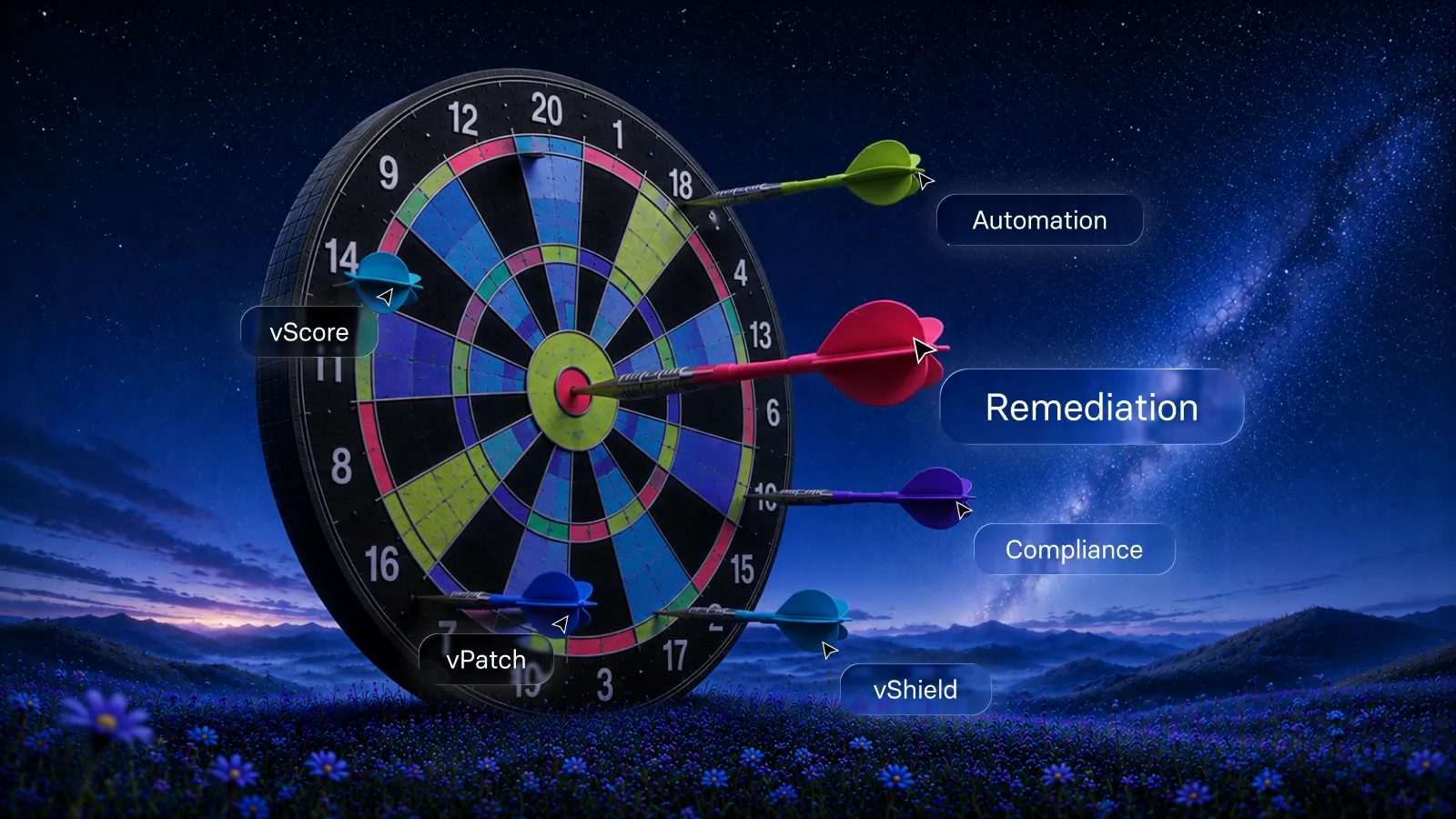
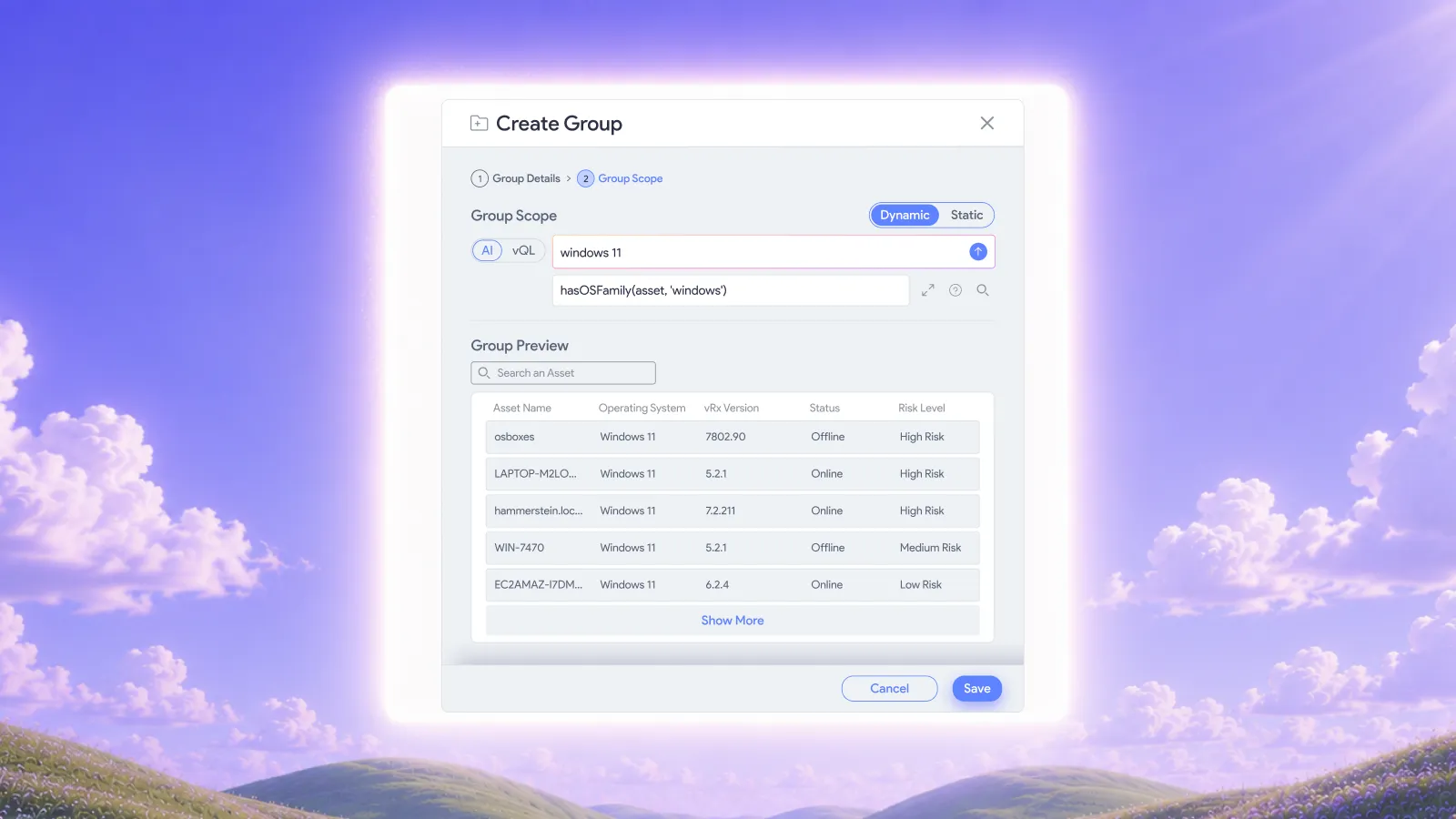
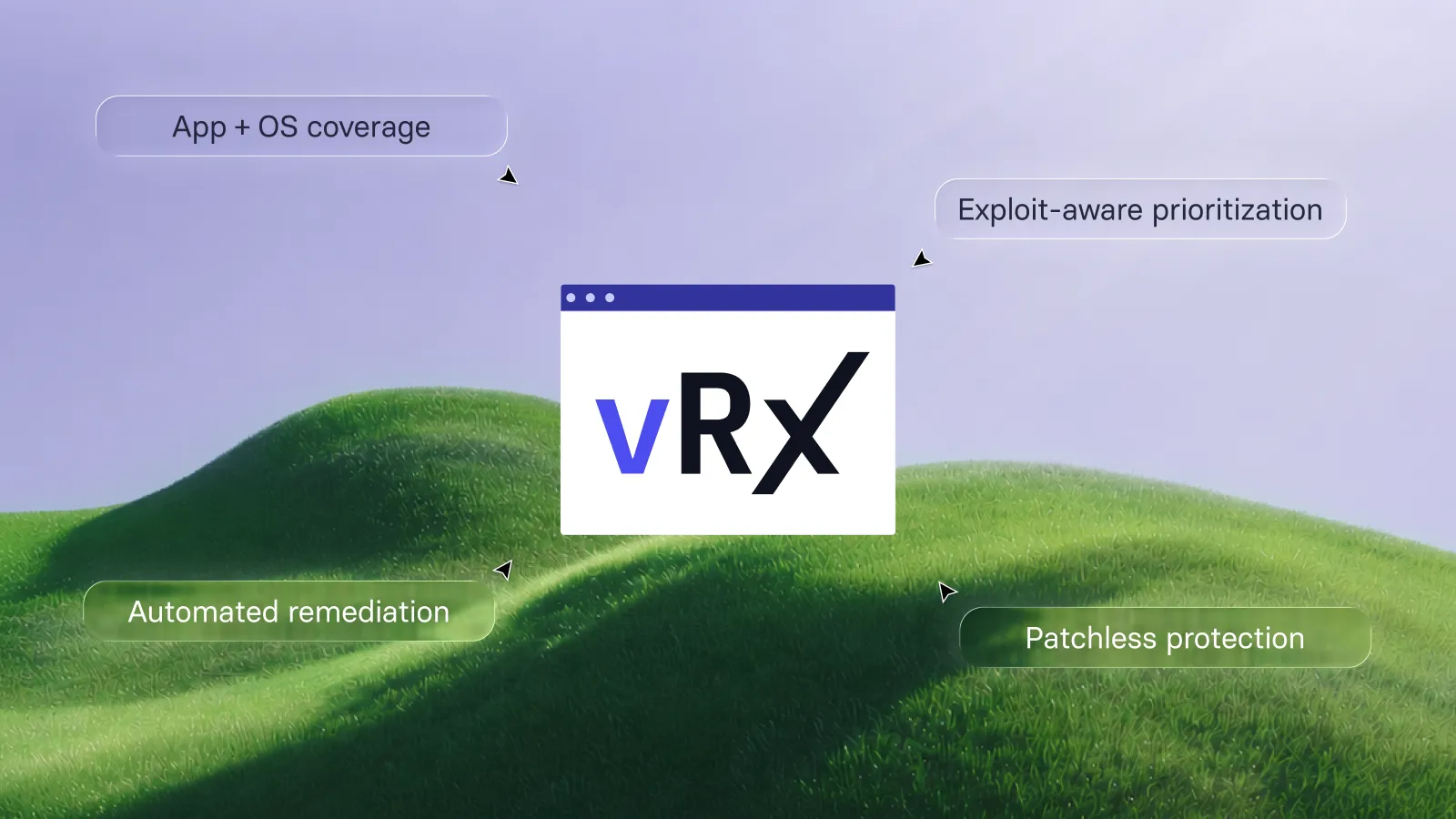
vRx consolidates vulnerability management, patch management, remediation, and validation in a unified, multitenant interface.
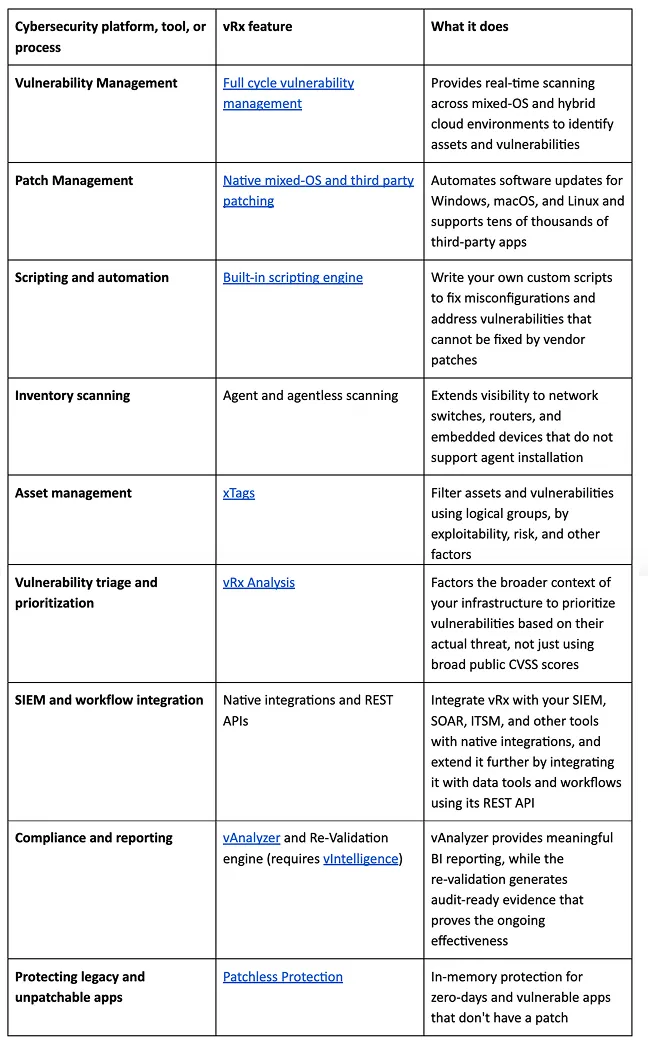
Related resources:
Full cycle vulnerability management
Native mixed-OS and third party patching
vRx doesn't just link together existing tools to make a consolidated vulnerability management platform. It's an end-to-end exposure management platform, built from the ground up for handling the entire vulnerability management, remediation, and verification process in a closed-loop. Schedule a vRx demo to see how unified vulnerability management provides the foundation for better cybersecurity outcomes.
FAQ
Why is vulnerability detection no longer considered enough for enterprise security?
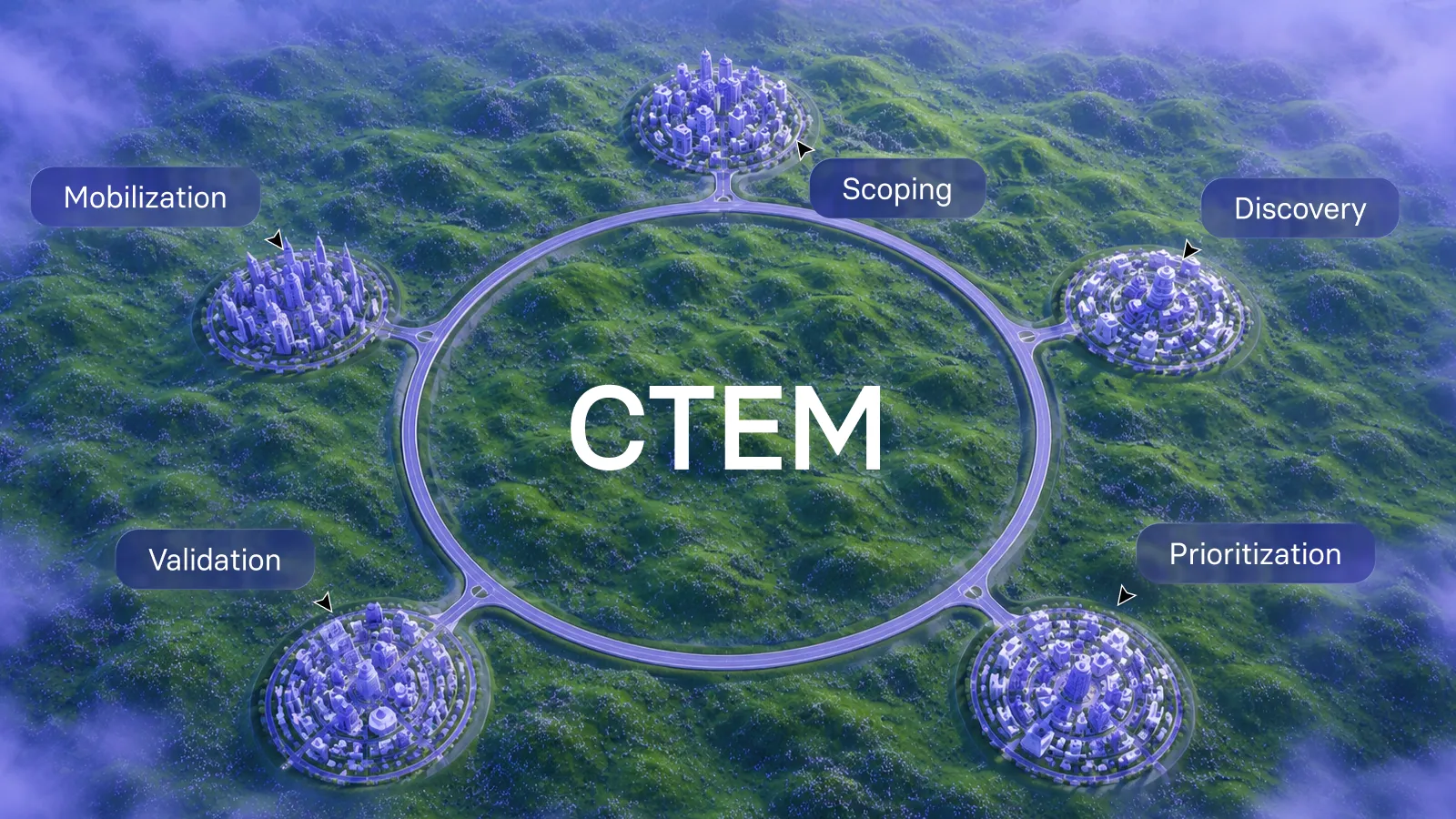
Detection and prioritization using standalone vulnerability management tools, followed by separate patch management and manual remediation, are not enough. Without unified exposure management that provides a closed loop spanning detection and remediation, critical remediation tasks slip through the gaps and are not acted on before vulnerabilities are exploited.
What is the difference between a vulnerability management platform and consolidated exposure management?
Traditional vulnerability management platforms only handle scanning and prioritization, and leave remediation to other tools. A consolidated vulnerability management platform adds remediation and other control technologies, covering the full management and remediation cycle.
How do consolidated platforms help security and IT teams overcome alert fatigue?
Backlogs, technical debt, and communications gaps all contribute to technician load. These are amplified by noise from sprawling cybersecurity toolchains that lack contextual awareness of each other. Consolidated vulnerability management platforms allow for a single source of information and targeted alerts that reduce technician fatigue.
Can a consolidated vulnerability platform protect assets for which no patch exists?
Unpatchable assets appear for a number of reasons: end-of-life software, custom internal tools, and old versions that must be retained for compatibility reasons (for example, with device drivers for specialized hardware). A consolidated platform should include additional controls to secure these mission-critical legacy apps, as vRx provides with vShield patchless protection.
How do consolidated vulnerability platforms enable compliance with frameworks like HIPAA, NIST, or NIS2?
Vulnerability management and remediation (including patch management) platforms that generate audit-ready evidence that proves continuous compliance, rather than just a snapshot of compliance readiness.














.webp)
















%20Signals%20a%20New%20Era%20of%20Supply%20Chain%20Risk.webp)





.webp)




















%20to%20Reduce%20Attack%20Surface.avif)