

A critical vulnerability lands. Security sees it. IT sees it. Everyone agrees it needs to be fixed.
And then nothing happens for two days.
Not because the patch is complicated. Not because the team doesn't care. Usually it's because the patch has entered the machinery of the organization.
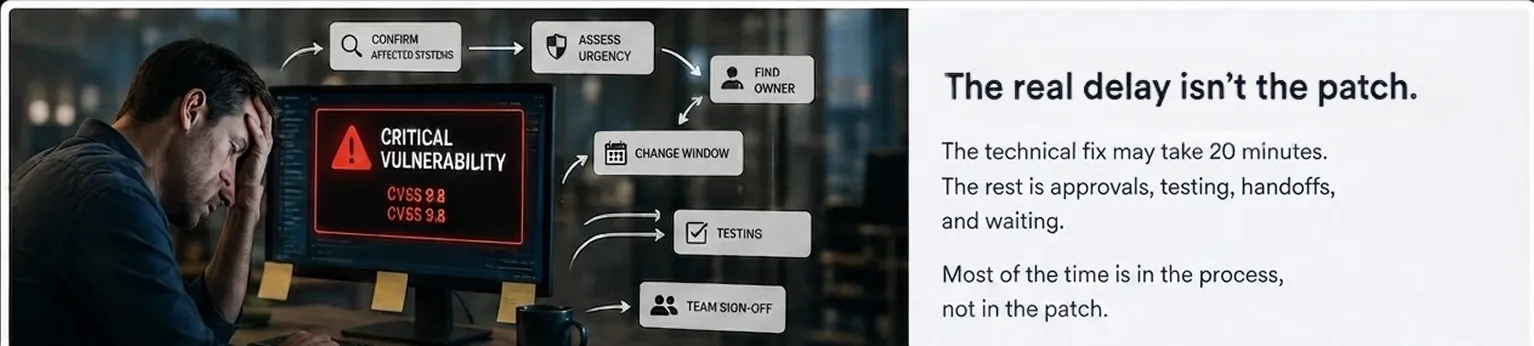
Someone needs to confirm which systems are affected. Someone else needs to decide whether the vulnerability is urgent in this environment. There's an owner to find, a change window to check, a test to run, and maybe another team that needs to sign off.
By the time the patch reaches production, the technical part of the job may have taken 20 minutes.
The rest of the process took three days.
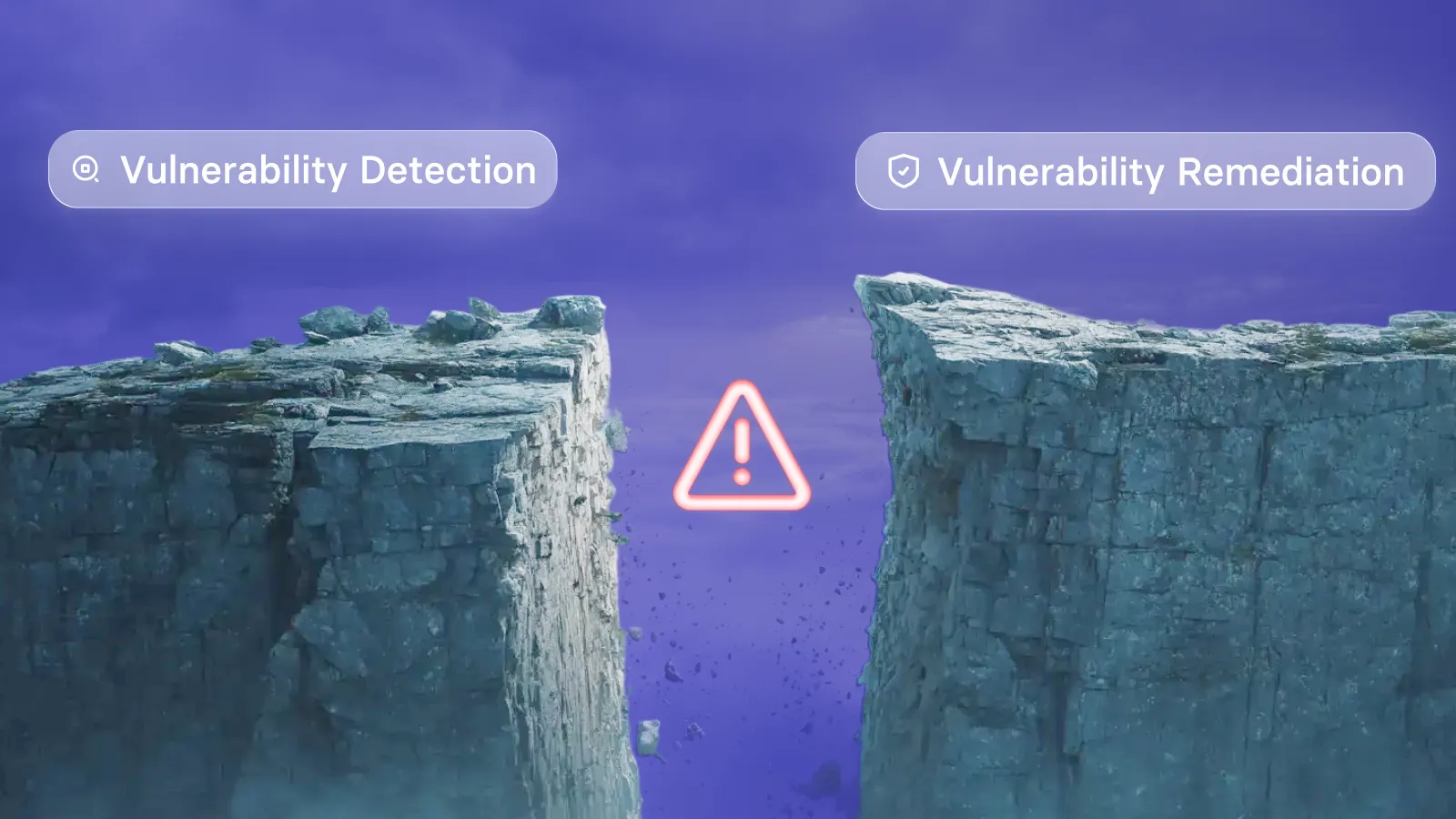
That's the part of critical vulnerability patching time nobody talks about. We treat patching speed like a deployment problem. It's usually a workflow problem.
The vulnerability queue is already working against you
Most security teams don't have a shortage of vulnerability data. They have too much of it.
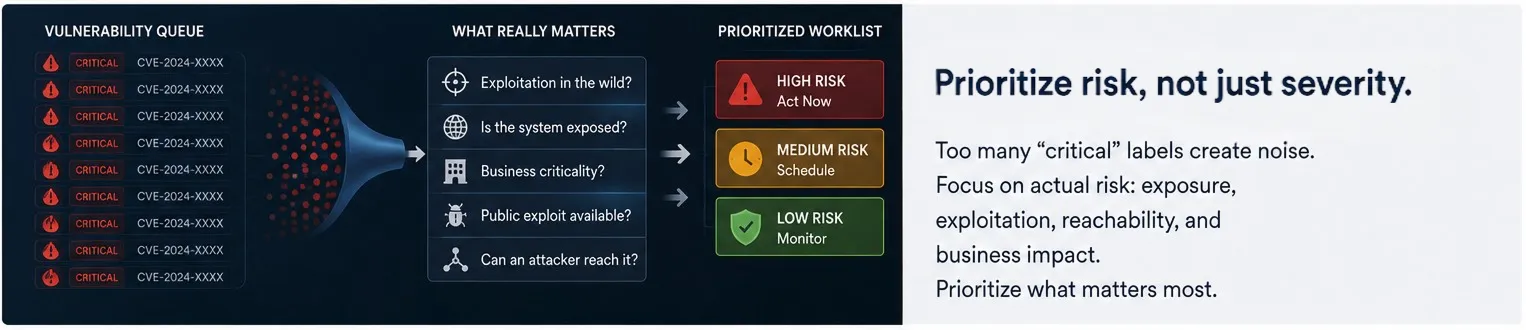
Every scan adds more findings. More CVEs. More "critical" labels. More tickets. Eventually, the word "critical" stops meaning anything.
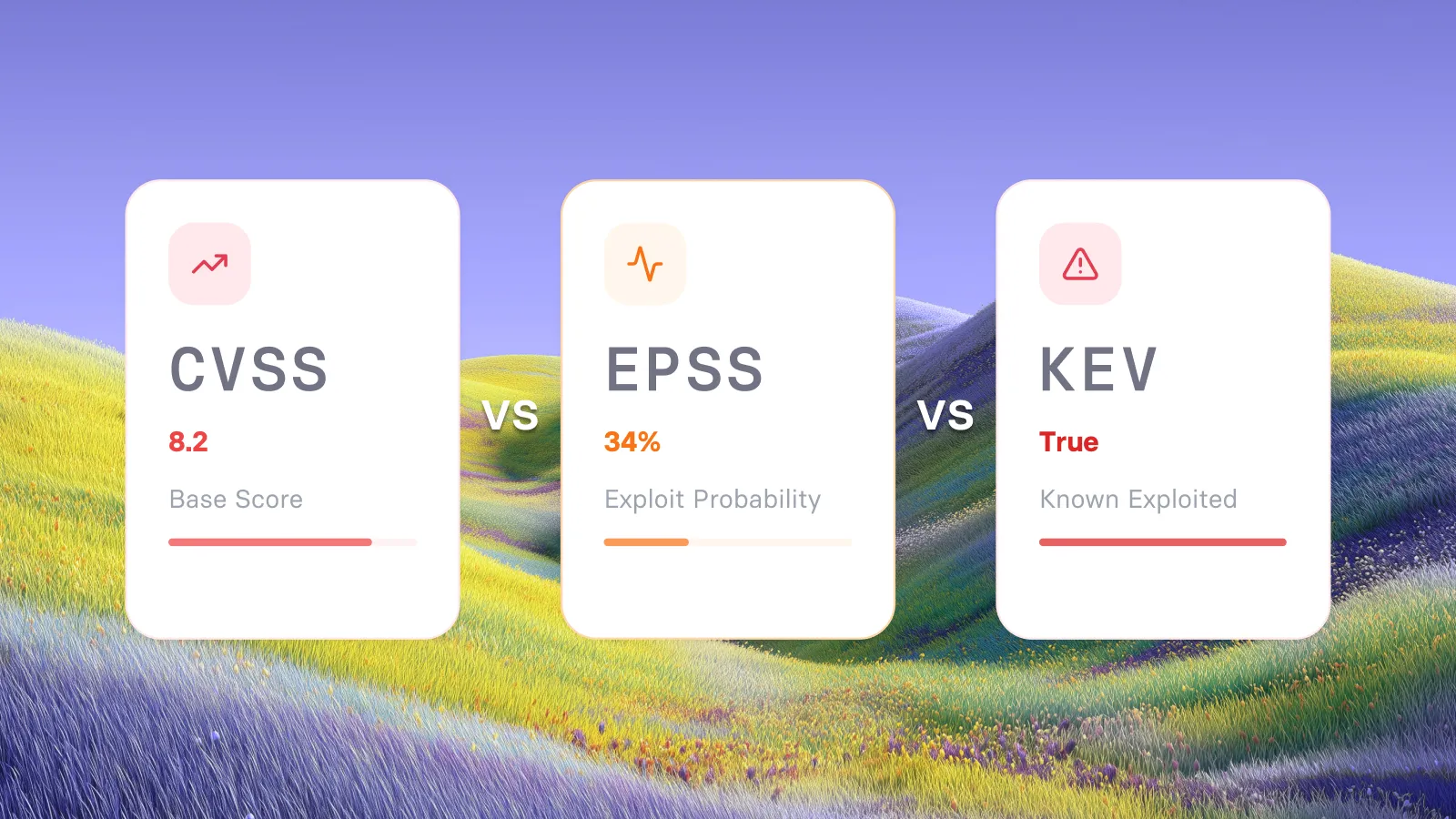
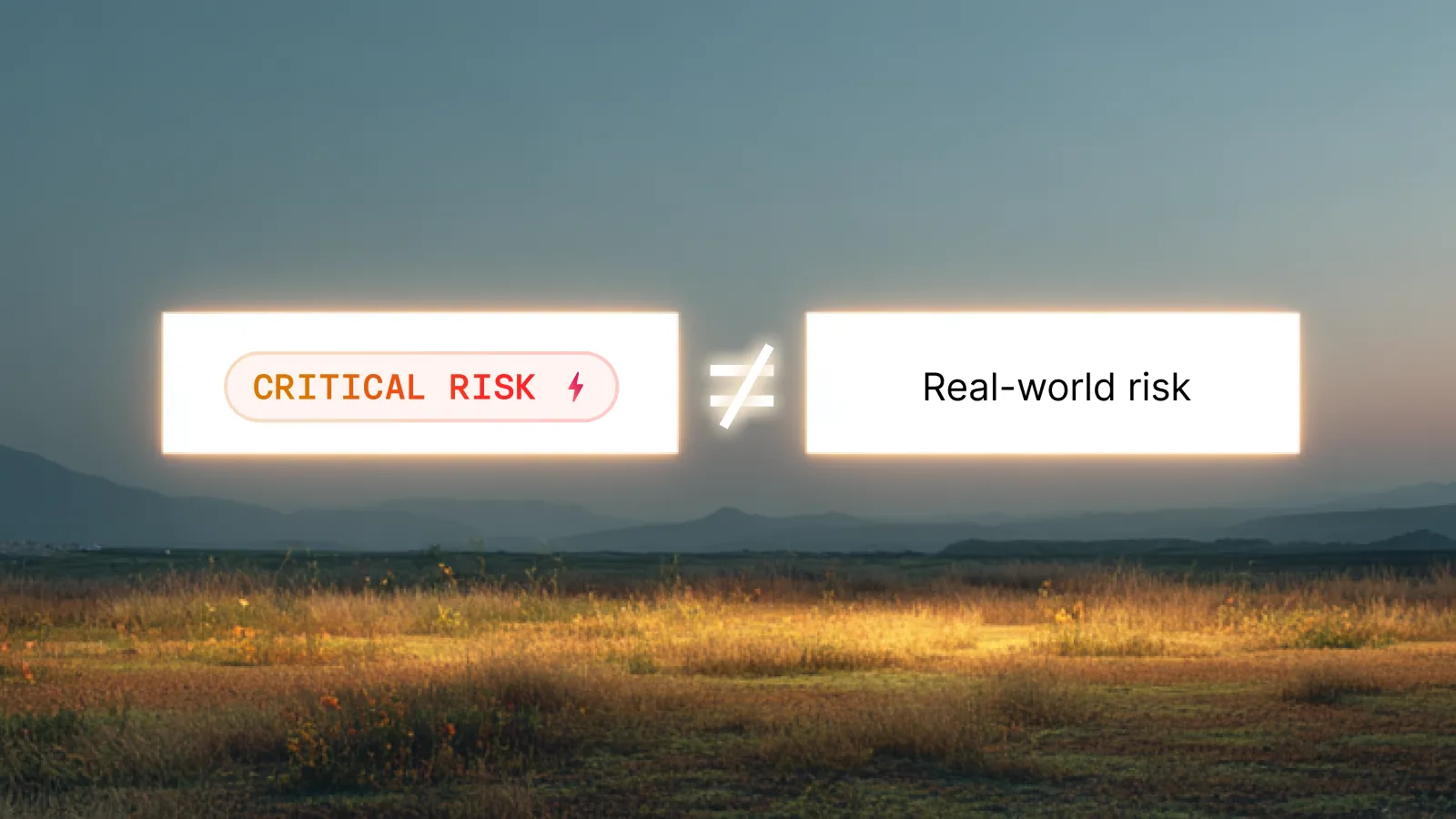
A CVSS 9.8 on an isolated test machine and a CVSS 8.1 being actively exploited on an internet-facing server aren't the same problem. But if the process starts and ends with a severity score, both end up competing for the same slot in the queue.
This is where remediation time starts stacking up, before a patch even enters the picture. Someone still has to figure out what matters most.
Is exploitation happening in the wild? Is the system exposed? Is this asset important to the business? Is there a public exploit? Can an attacker reach it?
Those questions sound obvious, but they often get answered manually, across several tools, by different people. That takes time. And while teams sort through the queue, the vulnerability isn't going anywhere.
The handoff between security and IT is where a lot of time disappears
Security finds the issue. IT owns the system. That sounds straightforward until something urgent happens.
Security sees exposure. IT sees a production environment that could break. Security wants a fix today. IT wants to know what happens if the update causes an outage.
Neither side is wrong. The problem starts when the organization has no shared workflow for making that decision.
A ticket goes up. An application owner gets tagged in. Someone asks for testing. A maintenance window gets floated. Security pushes to escalate. IT explains, again, why Friday night is safer.
A few hours here. A day there. This is how an urgent fix turns slow without anyone deciding to slow it down.
Vicarius's 2026 remediation research found the same pattern. Ownership stayed inconsistent across many organizations, and teams often pulled in extra people even after remediation was already approved. That matters because every additional handoff adds waiting.
Not necessarily work.
Waiting.
And waiting is what stretches remediation timelines.
A lot of change processes were never designed for vulnerability speed
There are good reasons not to patch everything immediately. Anyone who's worked in IT operations knows that.
Production databases, legacy systems, fragile applications, revenue-generating infrastructure: all of it needs careful handling. But that doesn't mean every patch deserves the same process.
A browser update across employee laptops shouldn't need the same approval path as an operating-system change on a production database cluster. Yet plenty of organizations still treat them almost identically.
That creates a strange situation: the business builds a rigorous change-management process to reduce operational risk, and that same process quietly increases security risk by slowing down routine remediation.
The answer isn't to remove change control. It's to stop applying the highest level of change control to every change.
Low-risk, repeatable updates can move through policy-based automation. Sensitive systems can still use staged deployments, testing groups, maintenance windows, and human approval. That's how you improve patch deployment speed without turning the environment into a testing ground.
Automation is useful here because it removes repetitive decisions. It shouldn't remove the important ones.
Then there's the tool problem
This one is easy to miss because most teams have learned to live with it.
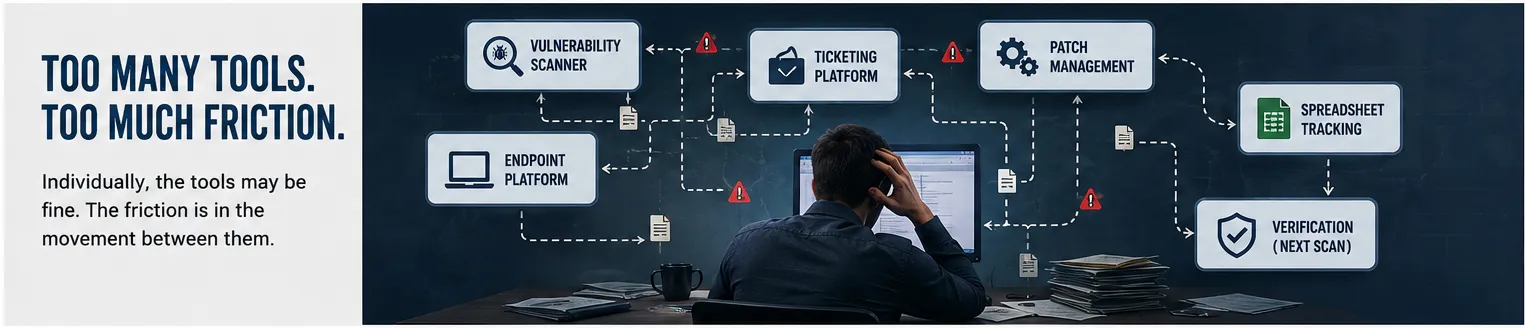
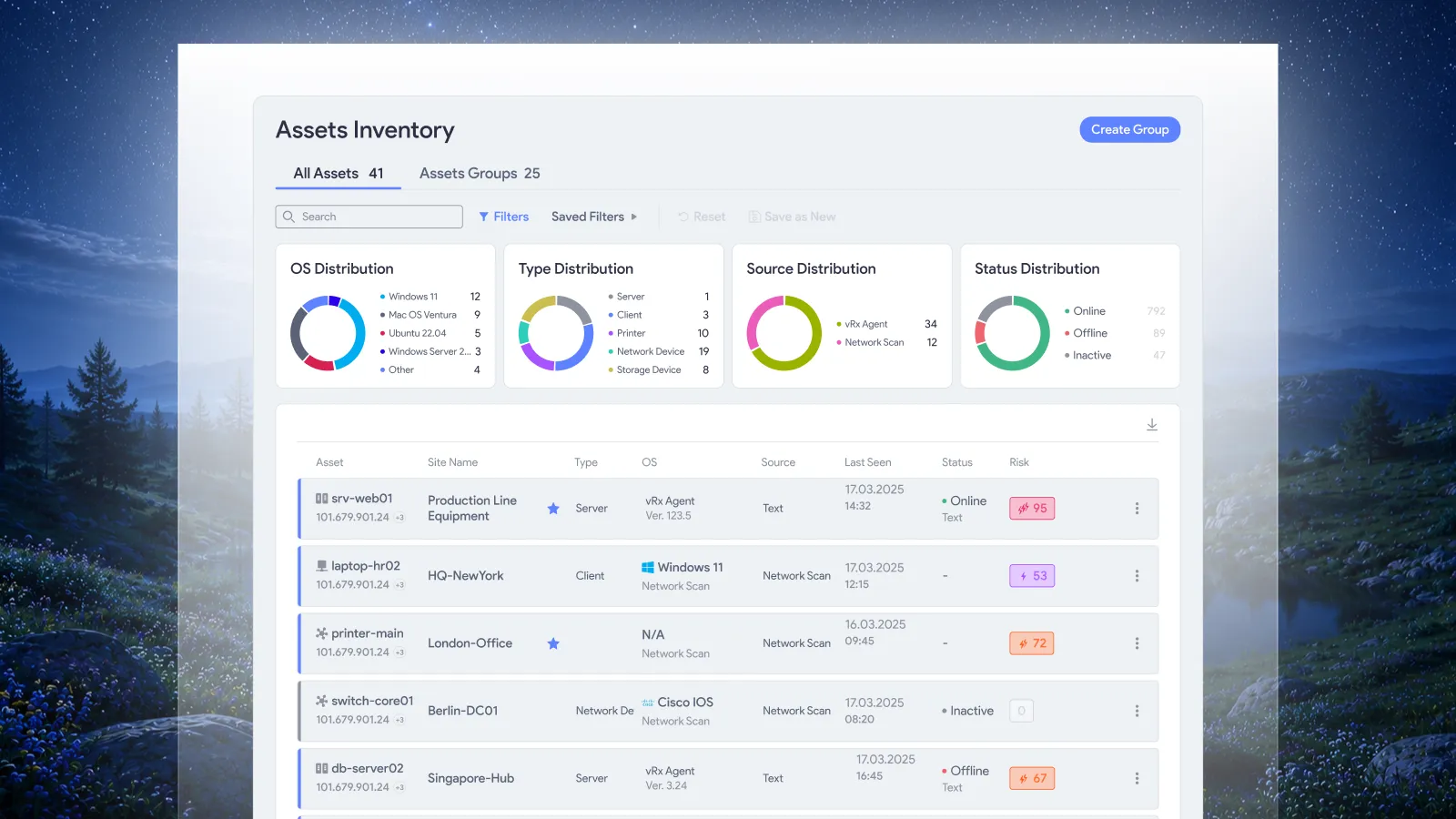
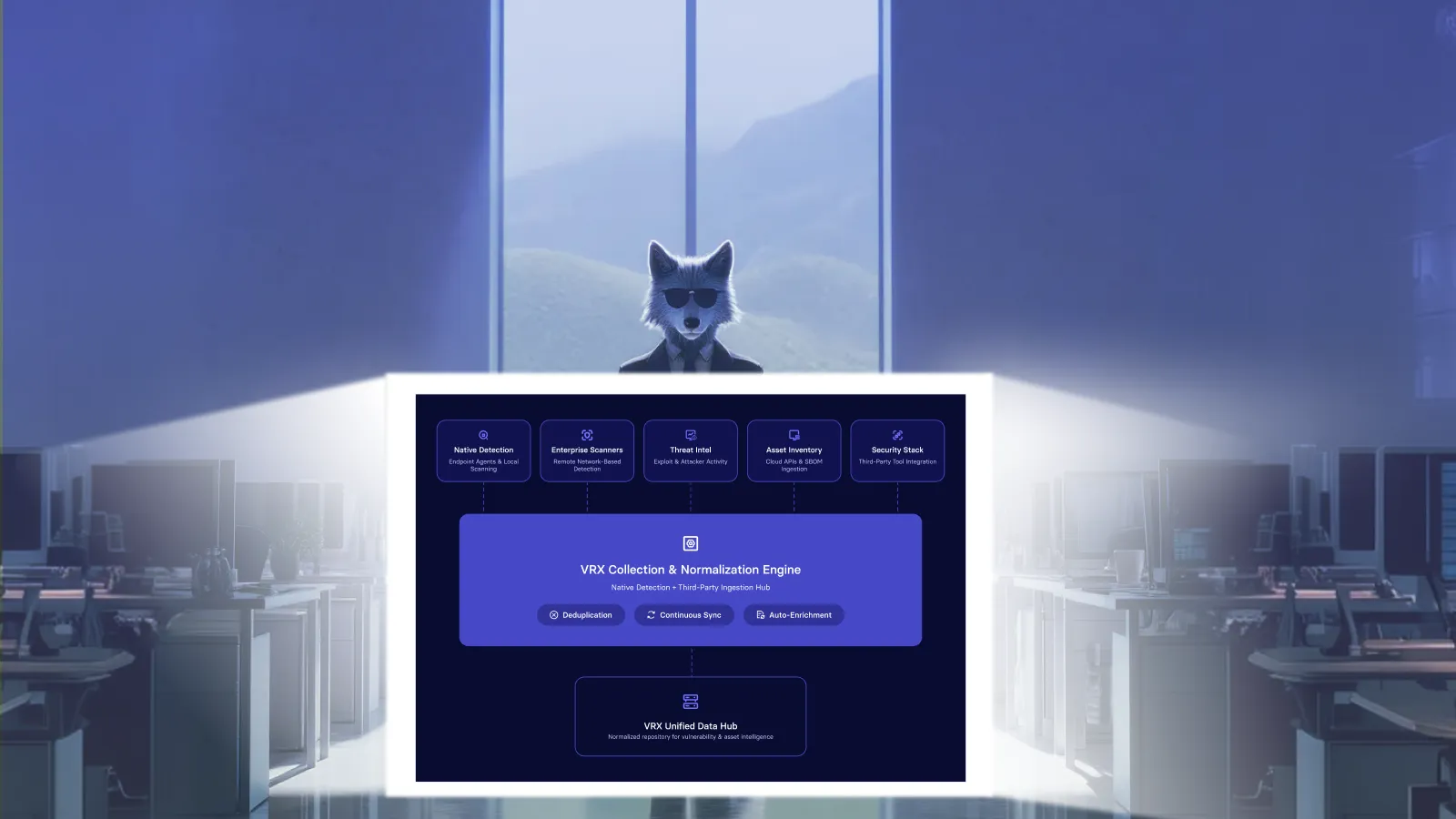
The vulnerability scanner finds the issue. A ticketing platform creates the task. The endpoint platform has the asset information. Another product handles patching. Someone tracks exceptions in a spreadsheet. Security waits for the next scan to see whether the vulnerability disappeared.
Individually, none of these tools may be bad. The friction is in the movement between them.
Someone has to copy information across systems. Check whether two asset records mean the same machine. Update the ticket by hand. Confirm the patch job addressed the CVE. Then wait for the next scan to refresh the data.
The time spent doing this rarely gets labeled "patching time." But it absolutely affects patching time.
This is why organizations can invest heavily in automation and still have a poor mean time to remediate. They automated individual tasks. They didn't necessarily automate the workflow.
Third-party applications make the whole thing messier
Operating-system patching is the clean part. The real enterprise environment is full of everything else.
Browsers. Collaboration apps. Compression utilities. Developer tools. Database clients. Communication software. Legacy applications. Internal software nobody wants to touch.
Every one of those products has its own update behavior, its own vendor, its own release schedule. Its own exceptions, too. And every exception pushes the team closer to manual work.
That's when patch queues start turning into backlogs.
If a team has a strong automated process for Windows updates but still handles a lot of its third-party software manually, the patching program is only partially automated. The difficult vulnerabilities are still escaping the normal workflow. And those are often the ones that sit around.
Sometimes the patch simply doesn't exist
This is where the phrase "patch management" starts becoming too narrow.
What happens when a vendor hasn't released a fix? Or the software's end of life? Or a patch exists but the business can't deploy it for another week?
The vulnerability doesn't disappear just because the standard remediation path is blocked. Security still needs an answer.
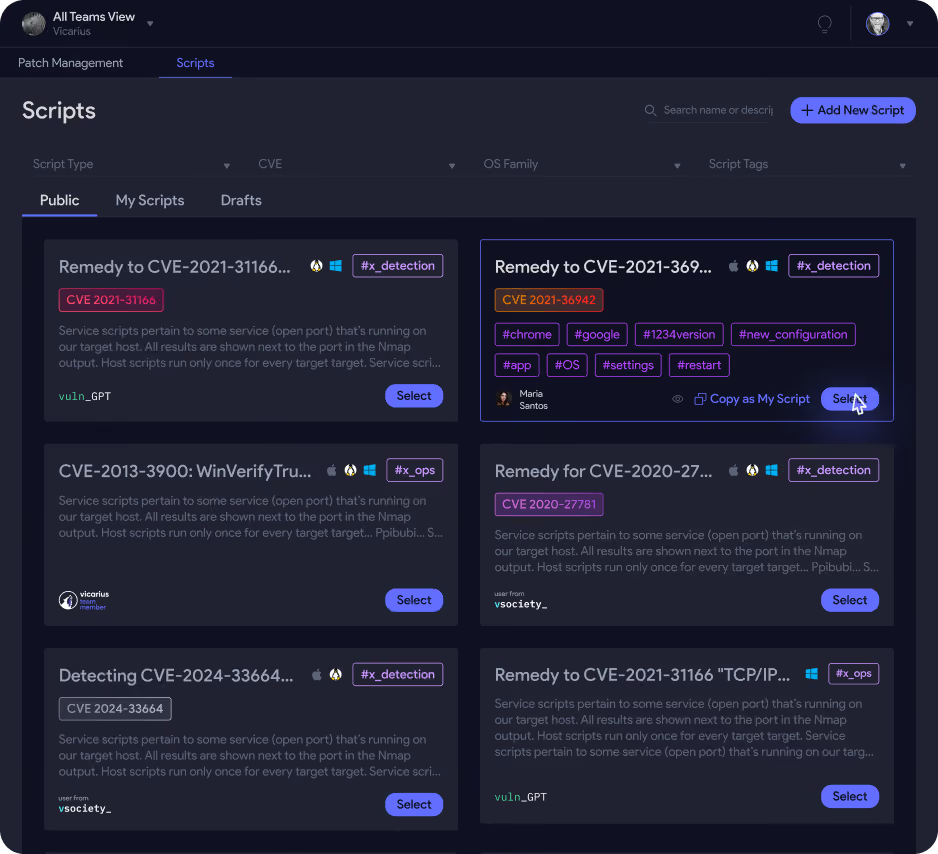
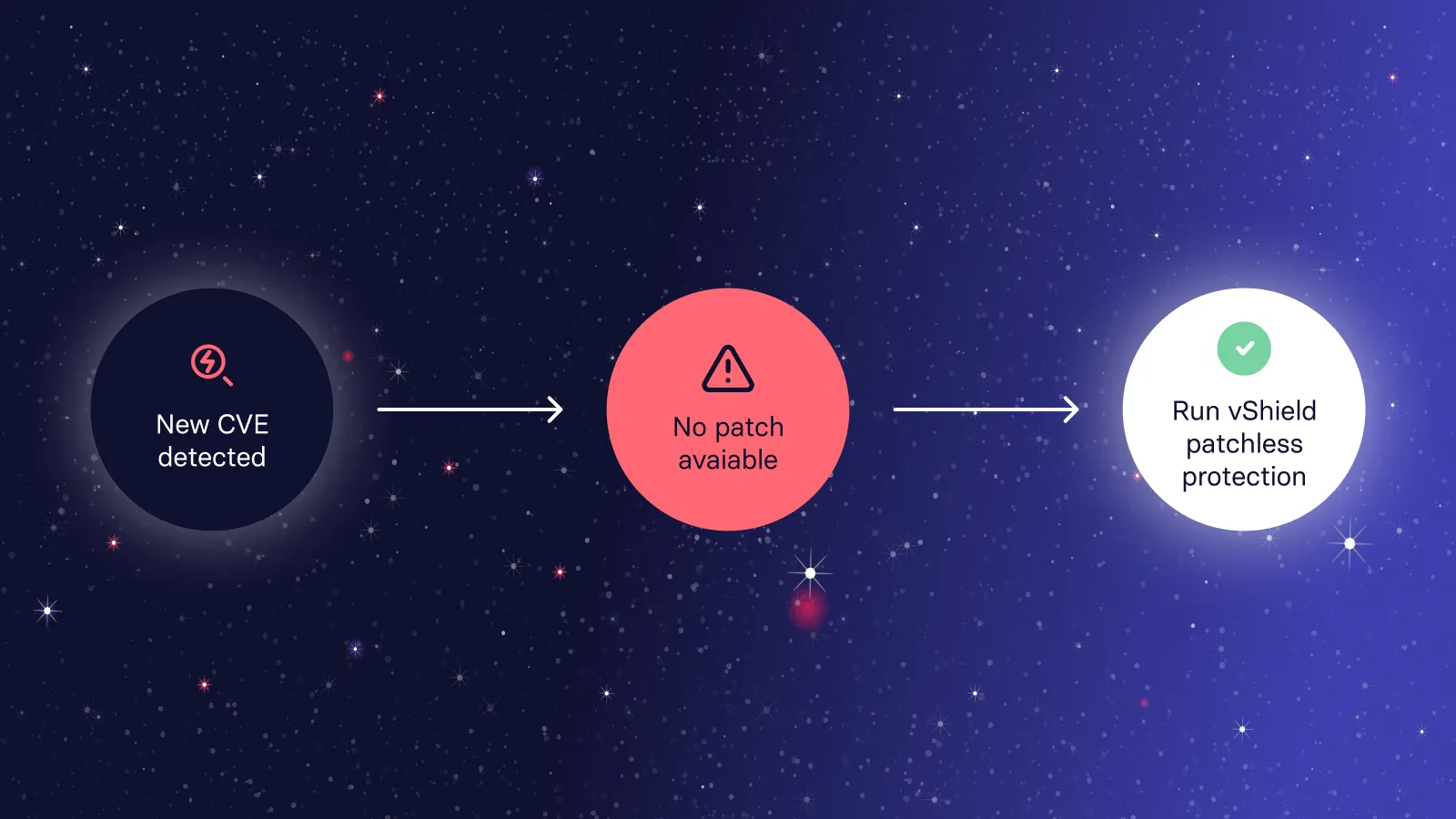
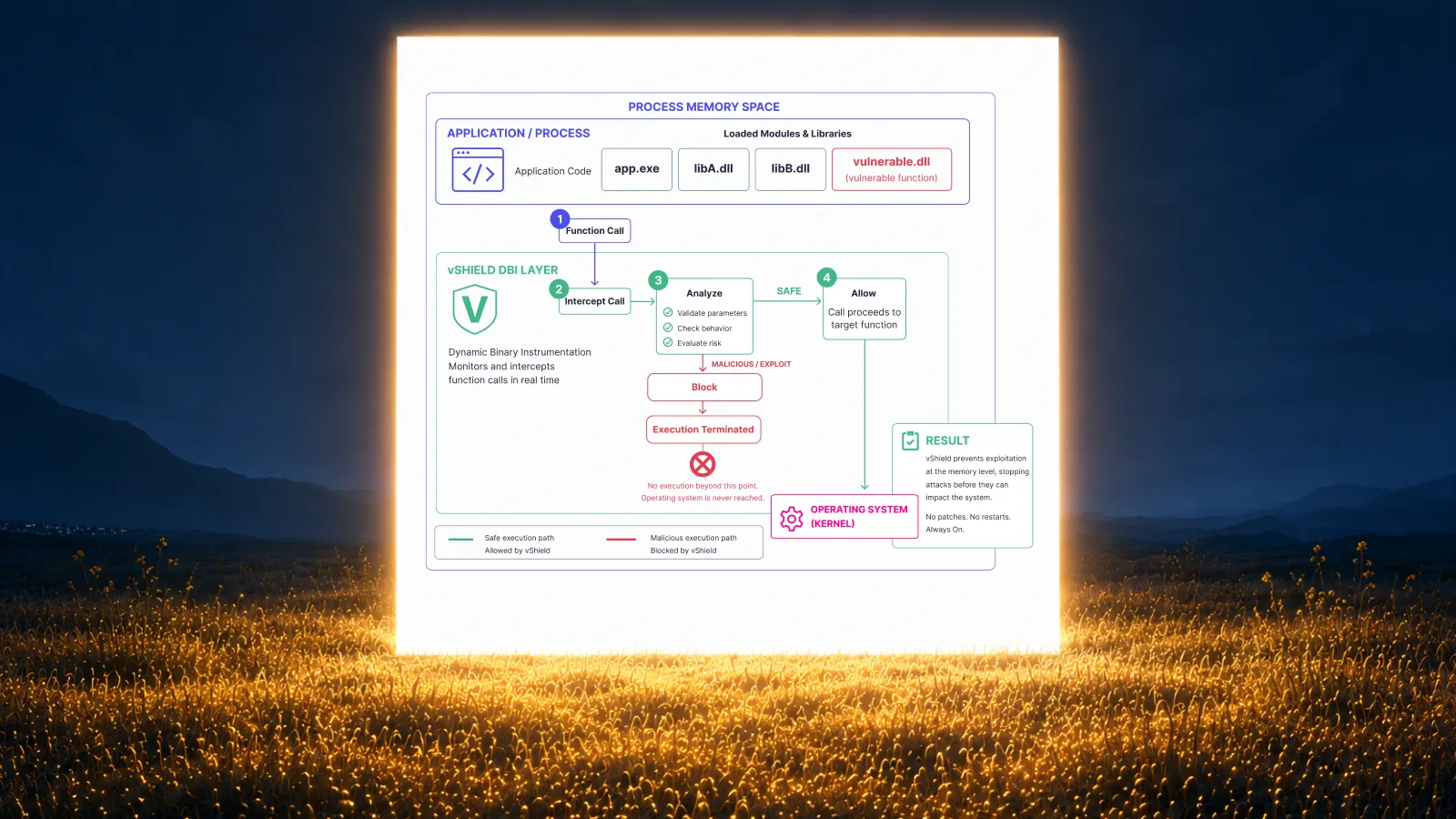
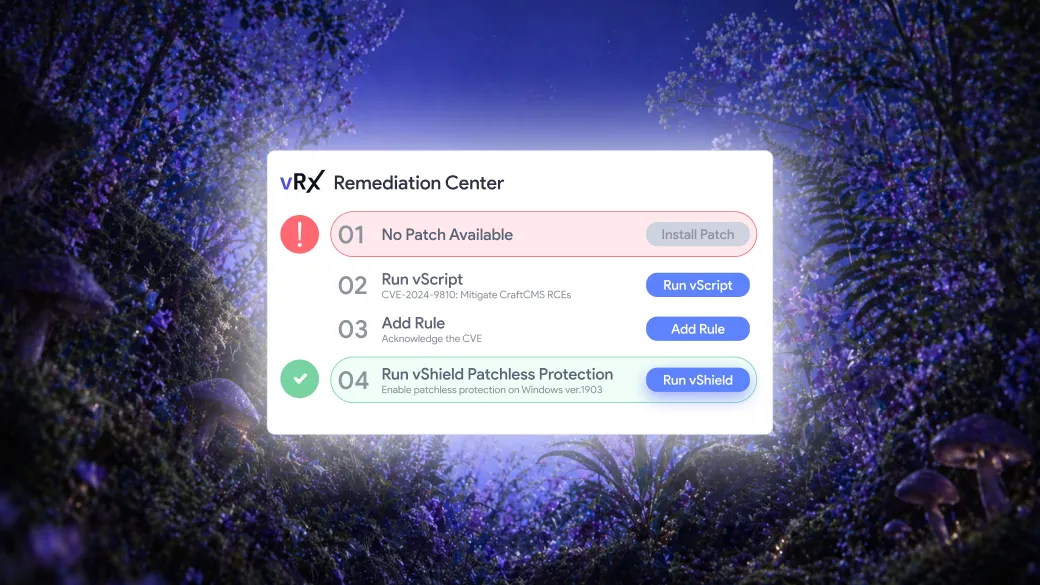
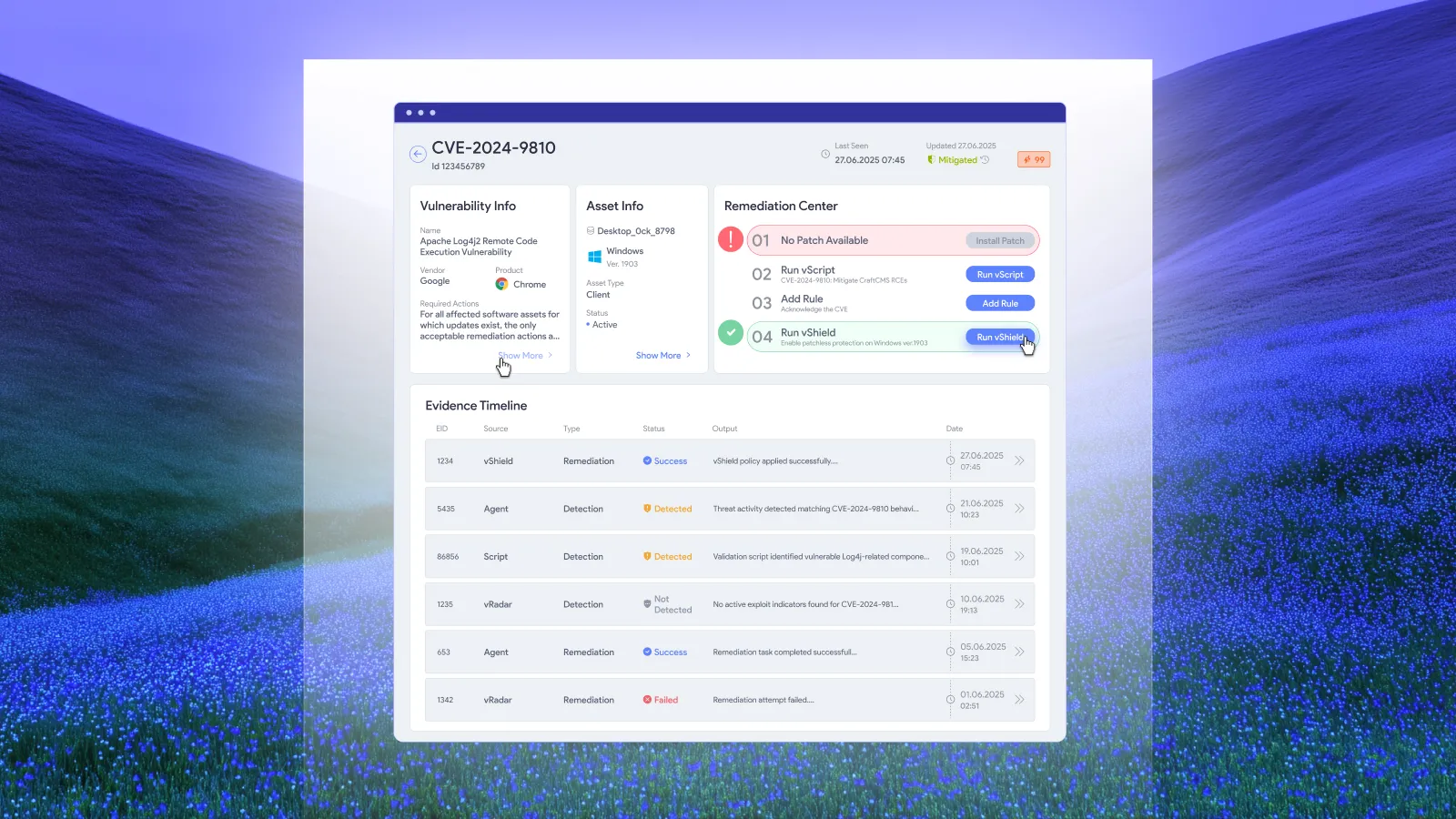
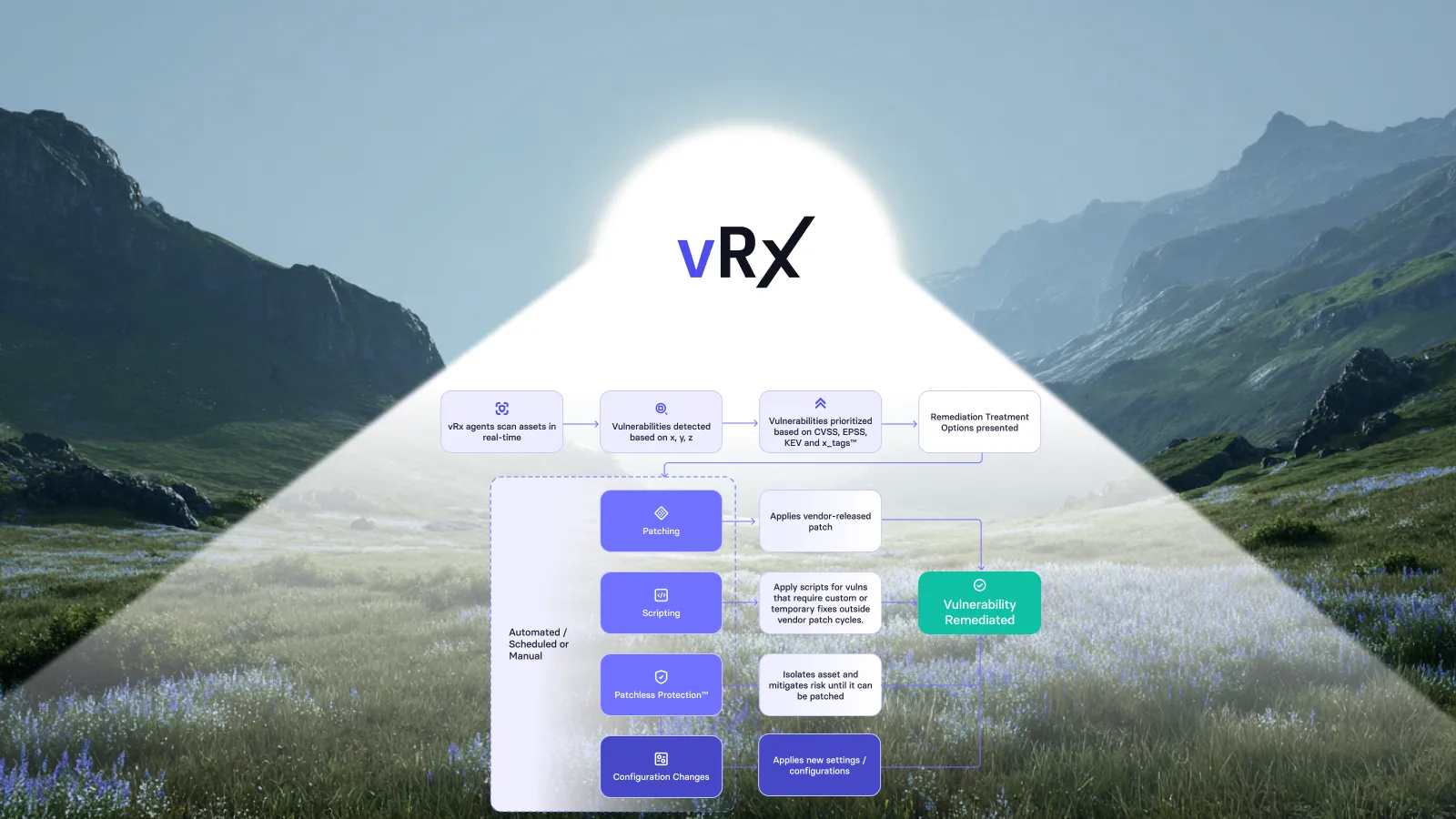
Sometimes the answer is a configuration change. Other times it's a mitigation script, or a compensating control. And sometimes it's patchless protection: reducing exploitability until the real patch can go in.
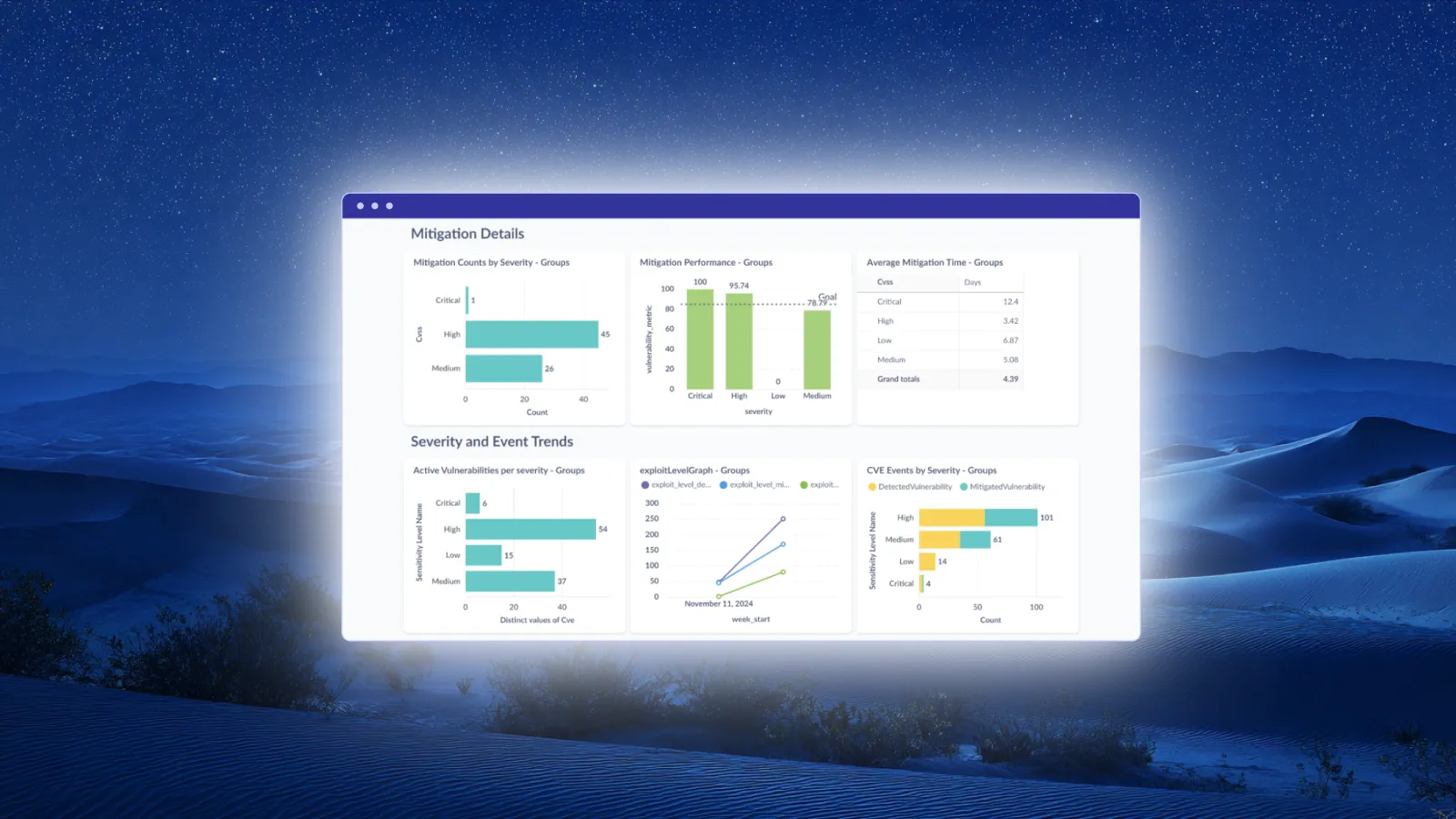
This is why I prefer thinking about mean time to remediate rather than just time to patch. The outcome we care about isn't whether an installer ran. The outcome is whether the attacker still has a usable path. That's a better way to measure the program.
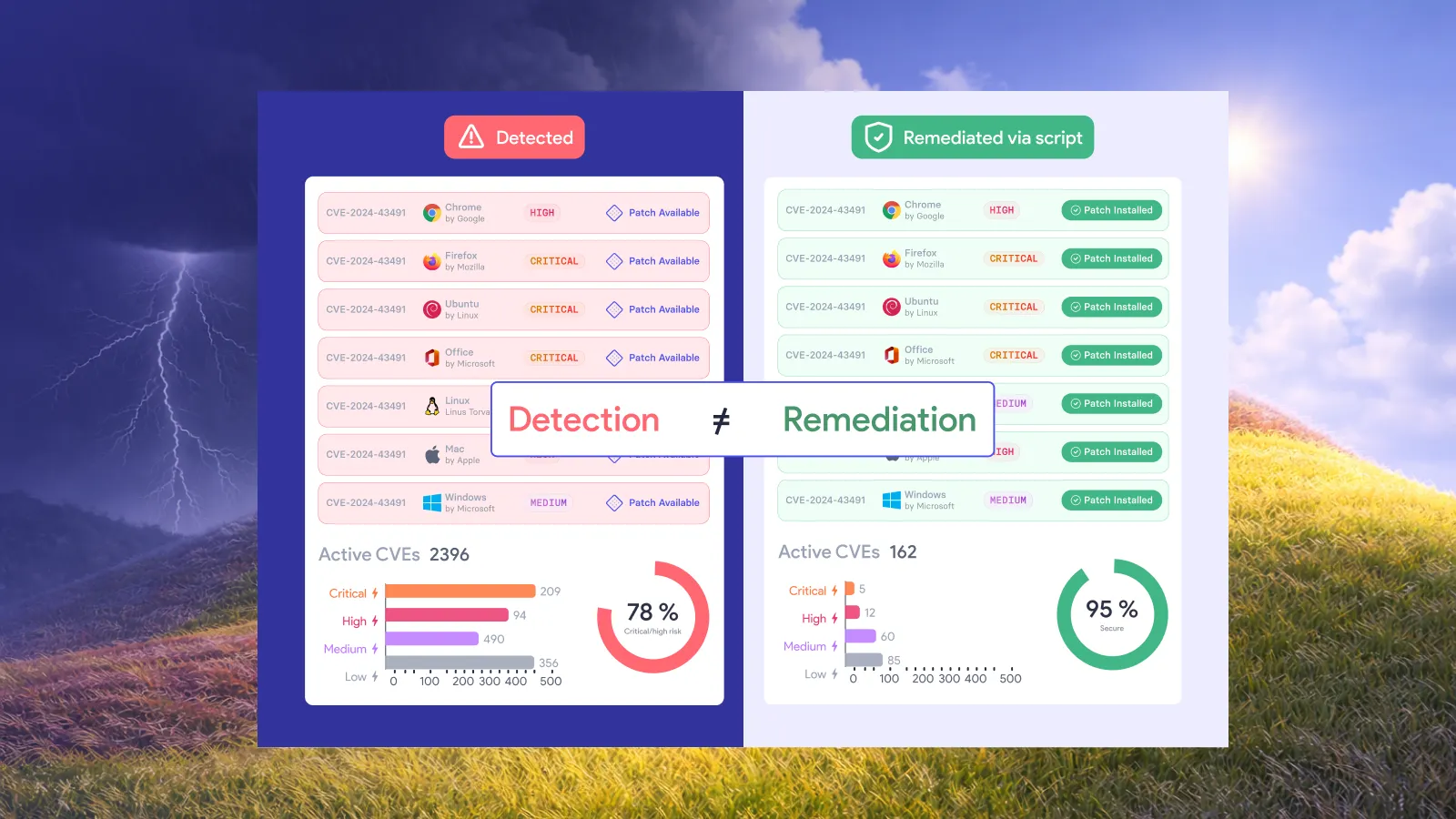
And one last problem: "deployed" is not the same as "fixed"
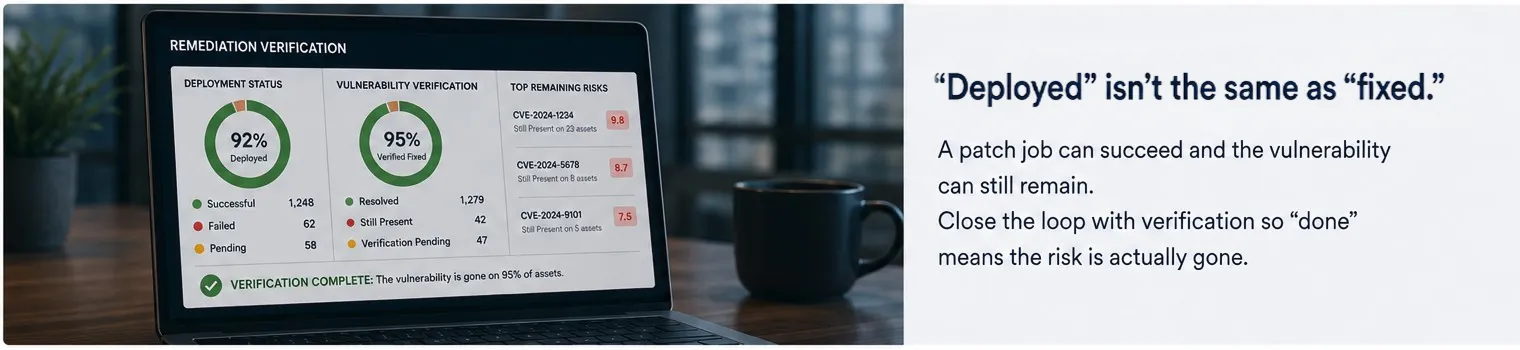
A patch job says successful. The ticket gets closed. Everyone moves on.
But did the vulnerability disappear?
Patches fail. Systems roll back. Dependencies interfere. Endpoints miss deployments. The software version changes, but the original exposure remains.
If the remediation workflow stops when a patch is pushed, you're measuring activity, not security. The process needs to come back around and verify the result. Did the asset receive the update? Is the vulnerability gone, or just the ticket status?
That last step matters because it changes what "done" means. "We deployed the patch" is an operational statement. "We verified the vulnerability is gone" is a security statement.
There's a big difference.
The real enemy is waiting
When you look at the entire remediation lifecycle, there's a pattern. Most of the delay isn't caused by the patch itself. It's caused by everything waiting around it.
Waiting to prioritize. Waiting for an owner. Waiting for approval. Waiting for a maintenance window. Waiting for data to move from one tool to another. Waiting for a patch that doesn't exist. And waiting for confirmation, once it's finally done, that the fix worked.
That's what organizations need to cut if they want to reduce critical vulnerability patching time. Not every human decision. Not every control.
Just the unnecessary waiting between them.
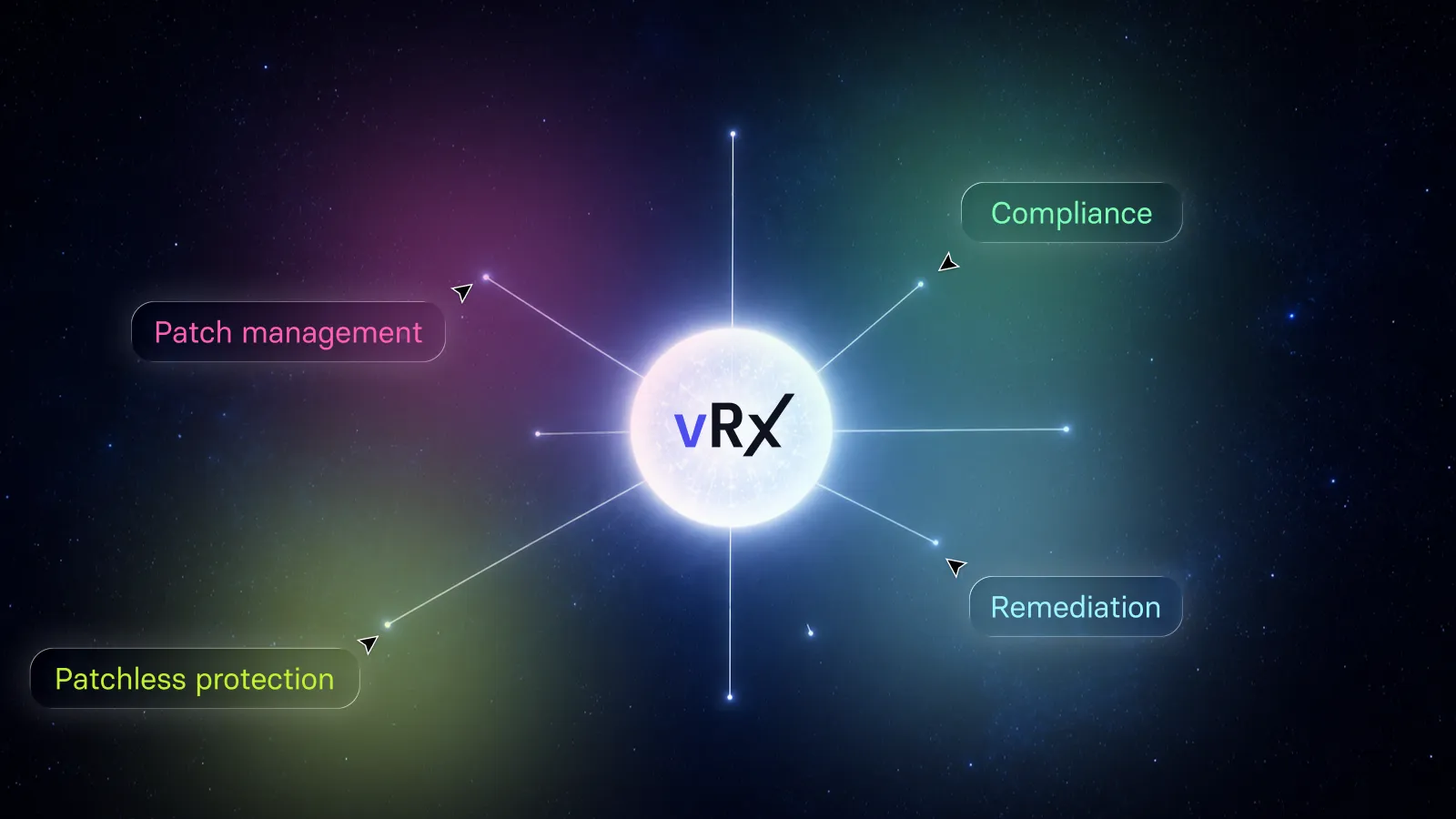
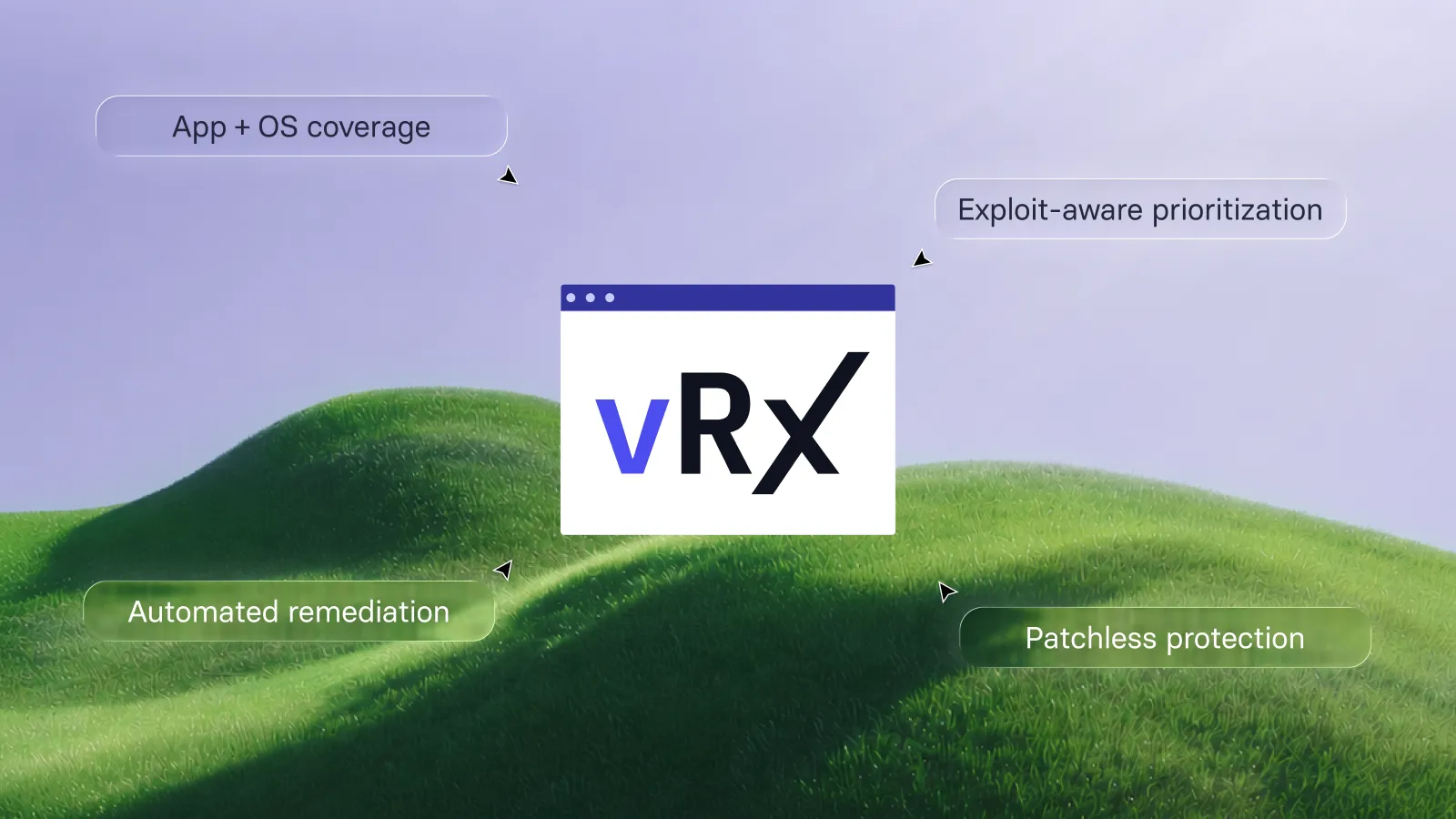
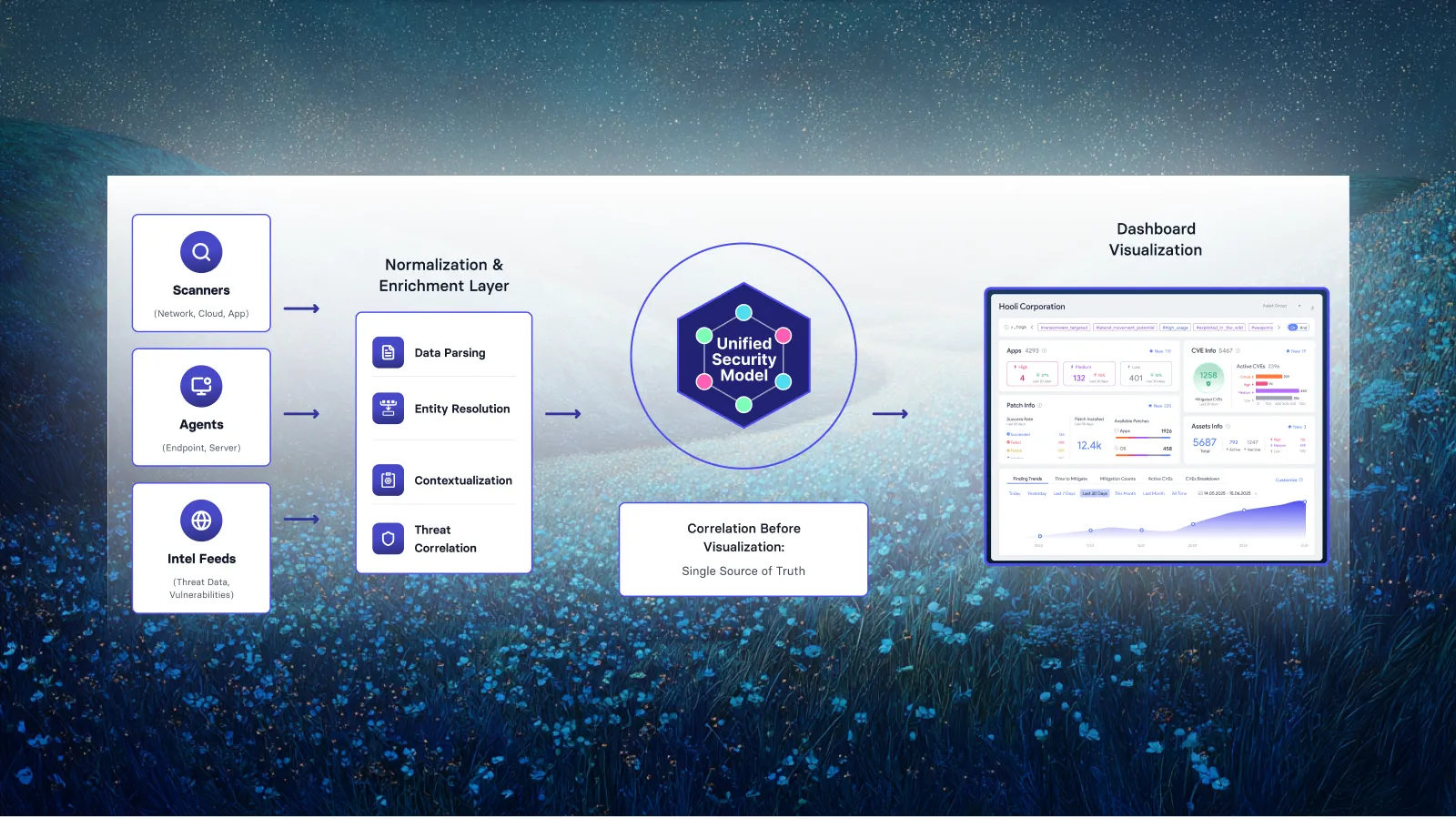
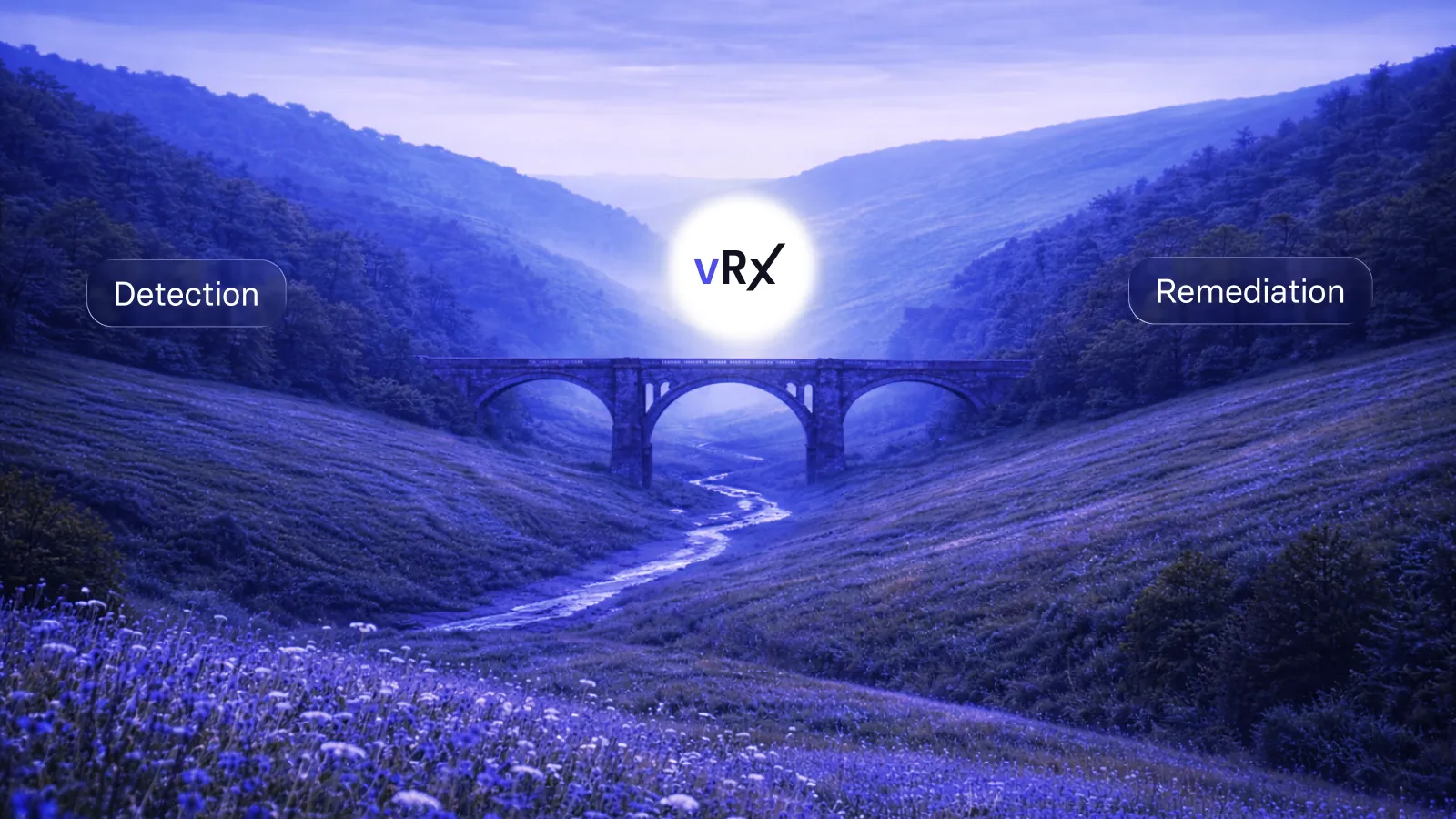
This is the thinking behind vRx, Vicarius's approach to remediation. The idea isn't to stop at vulnerability discovery and hand the problem over to another team or another tool.
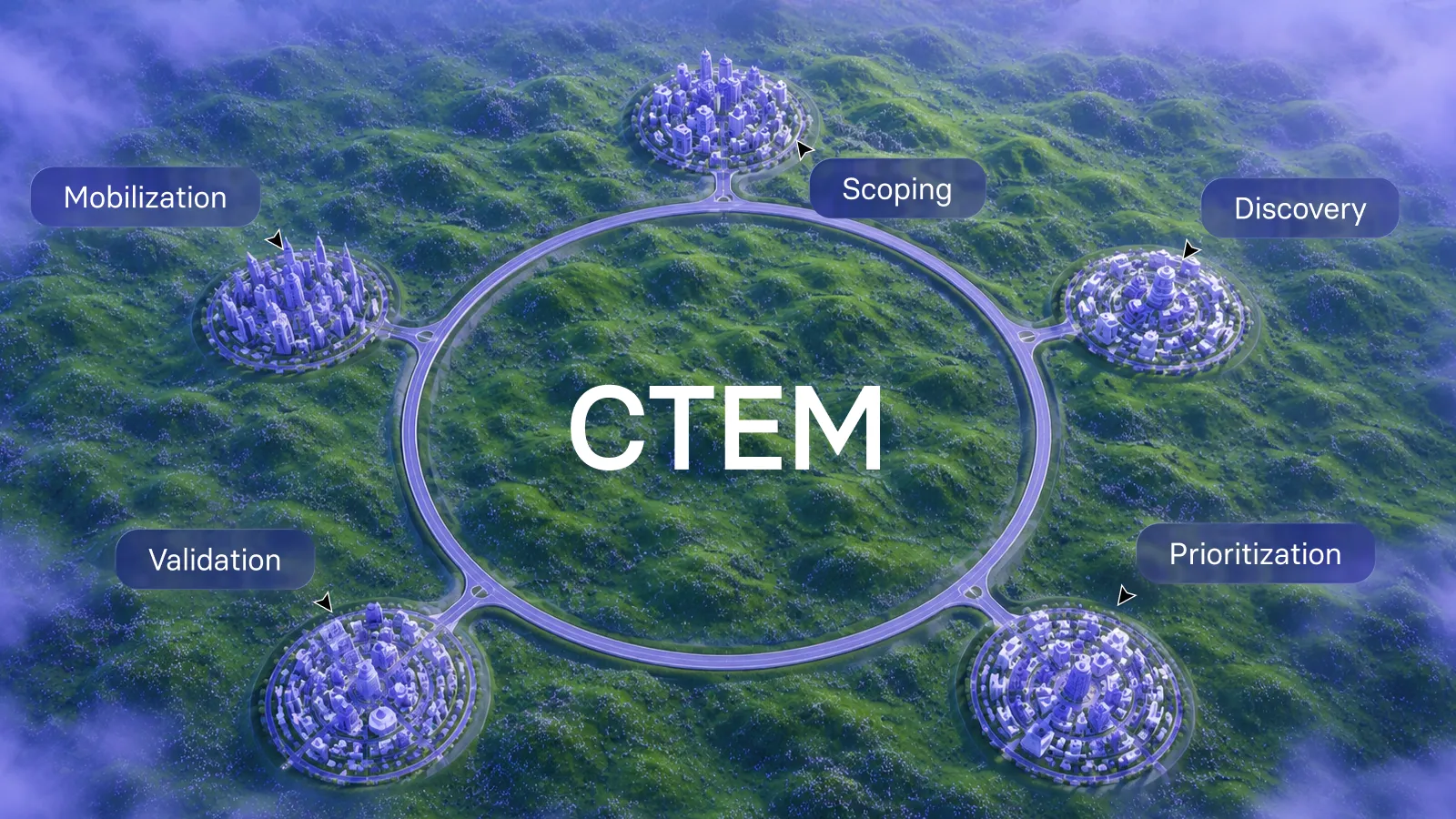
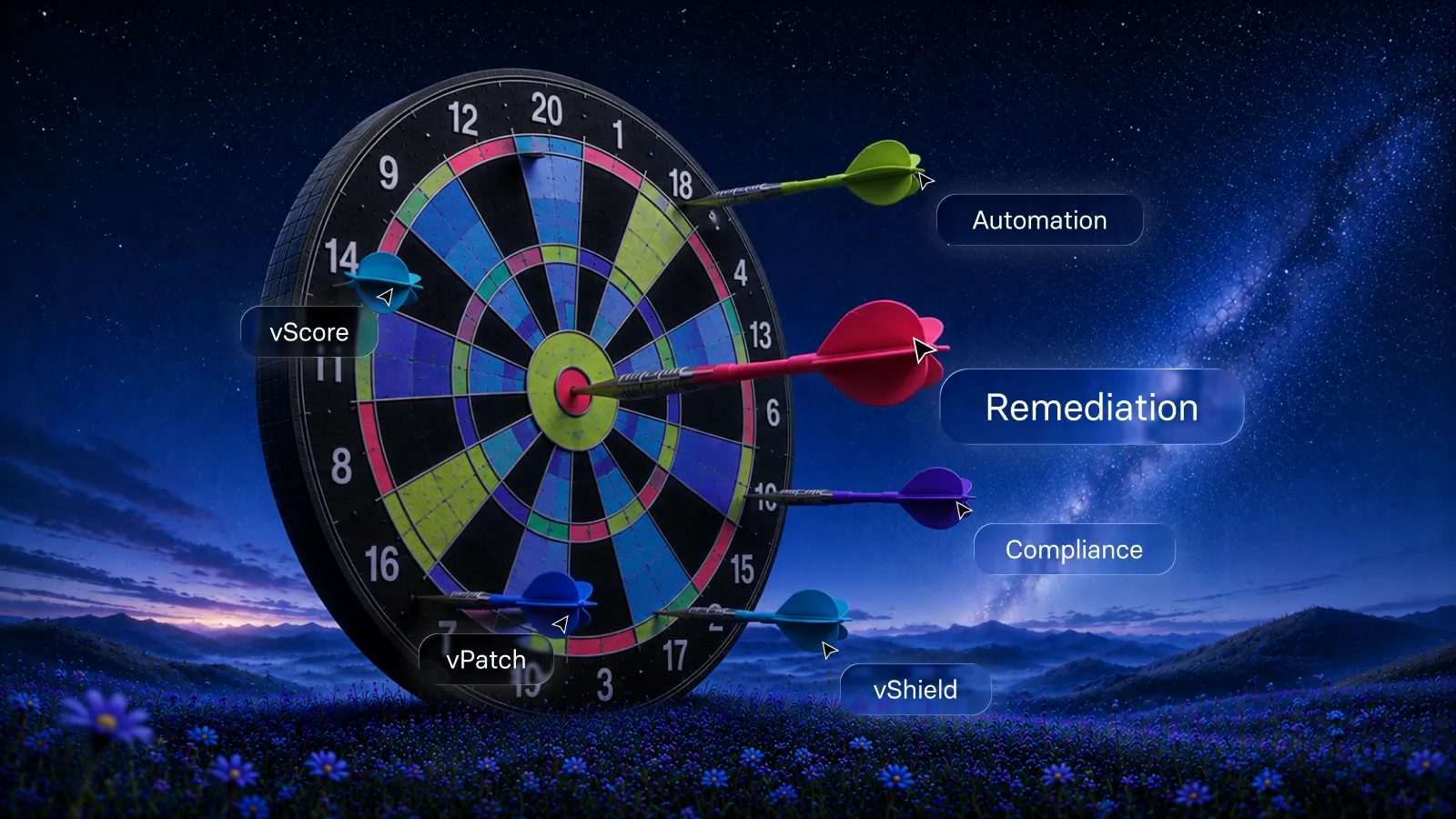
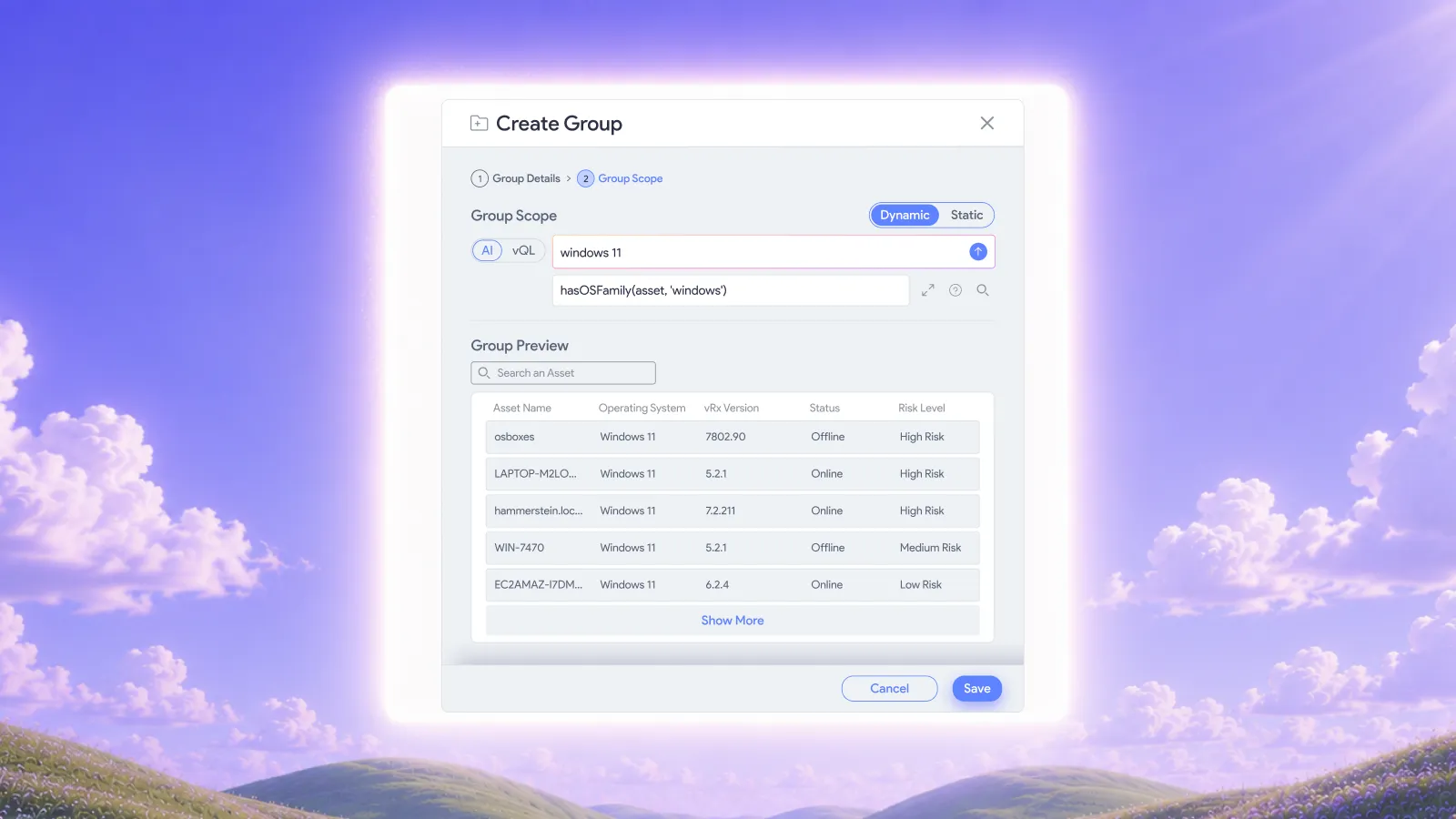
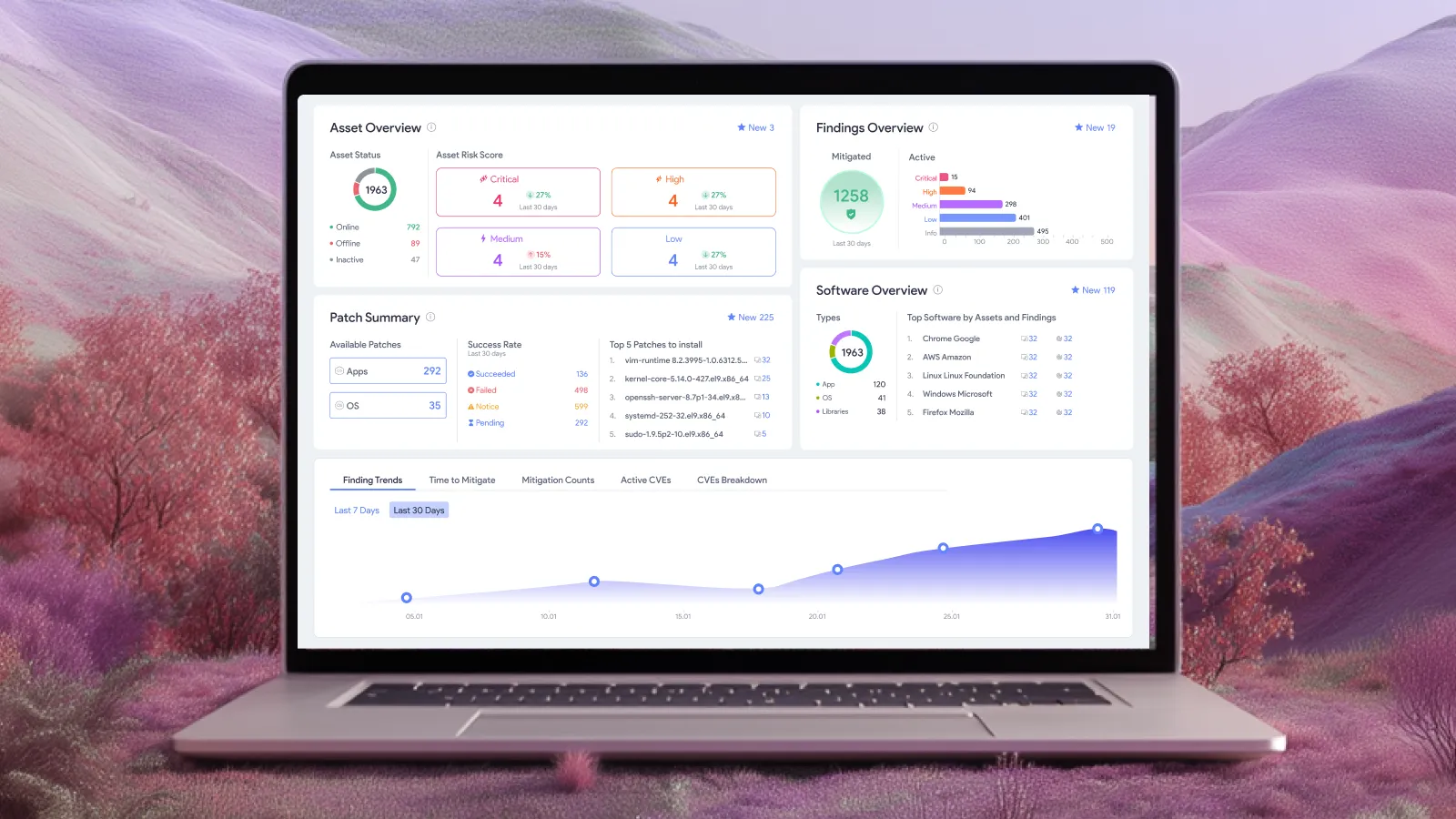
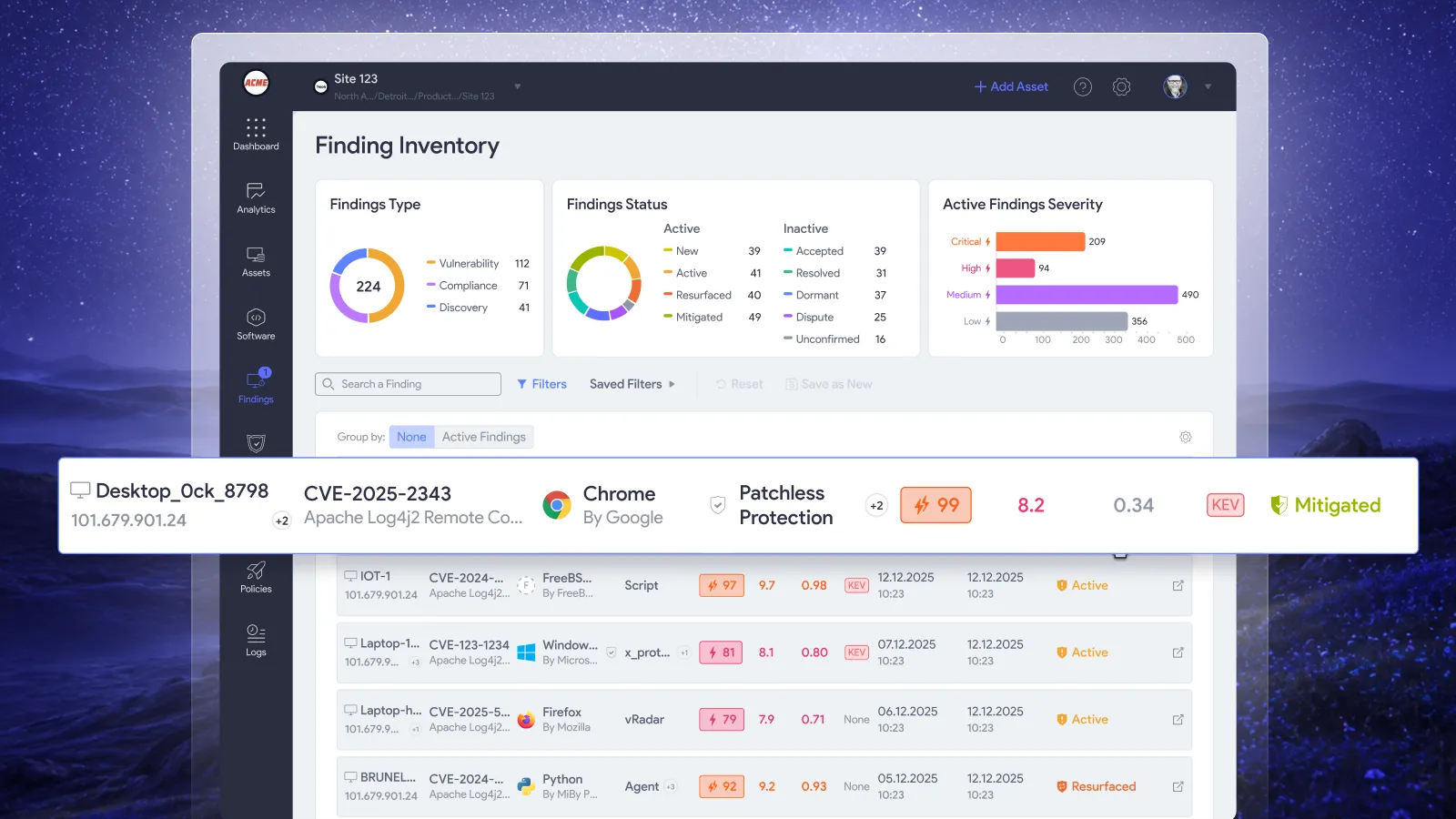
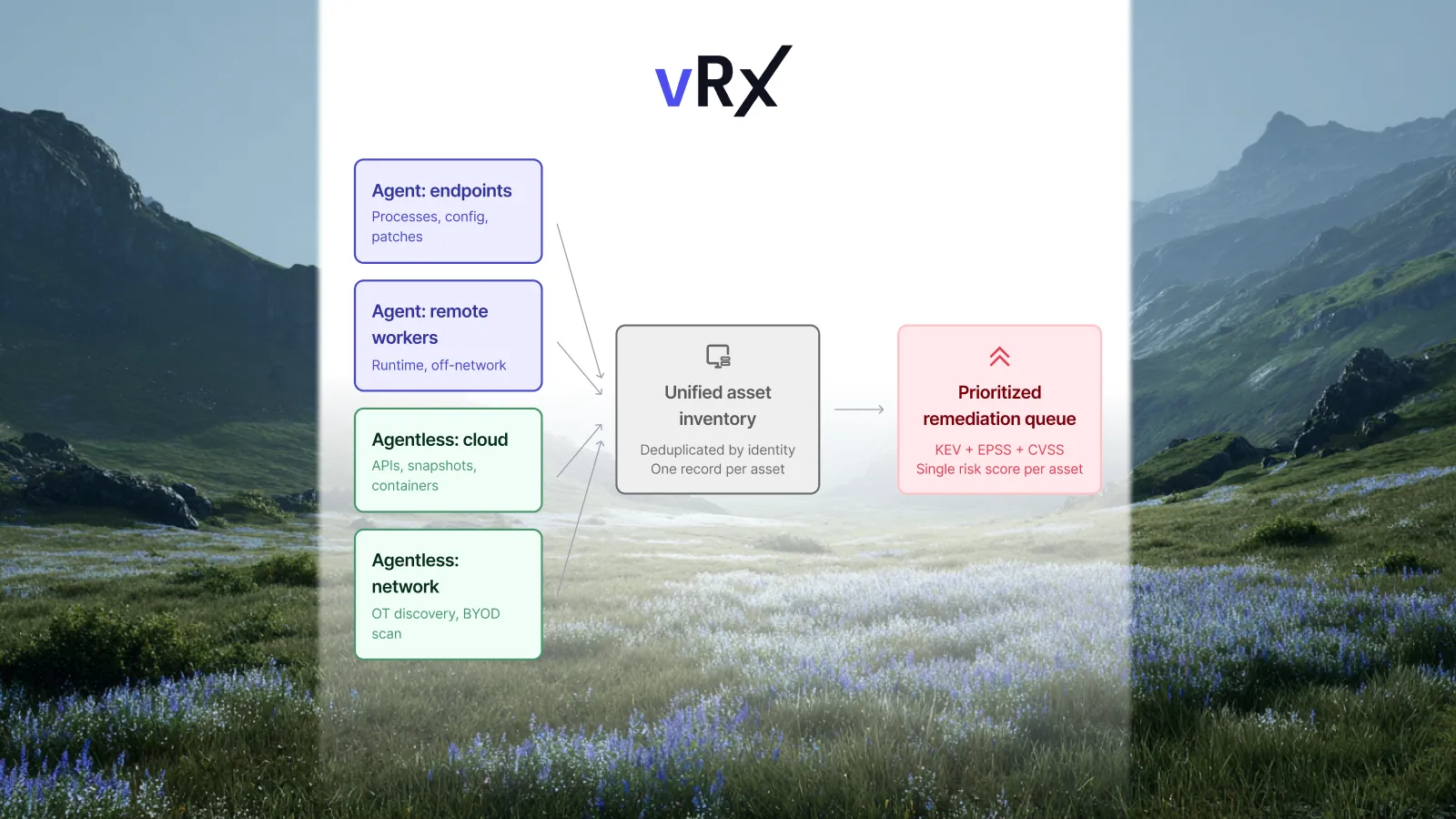
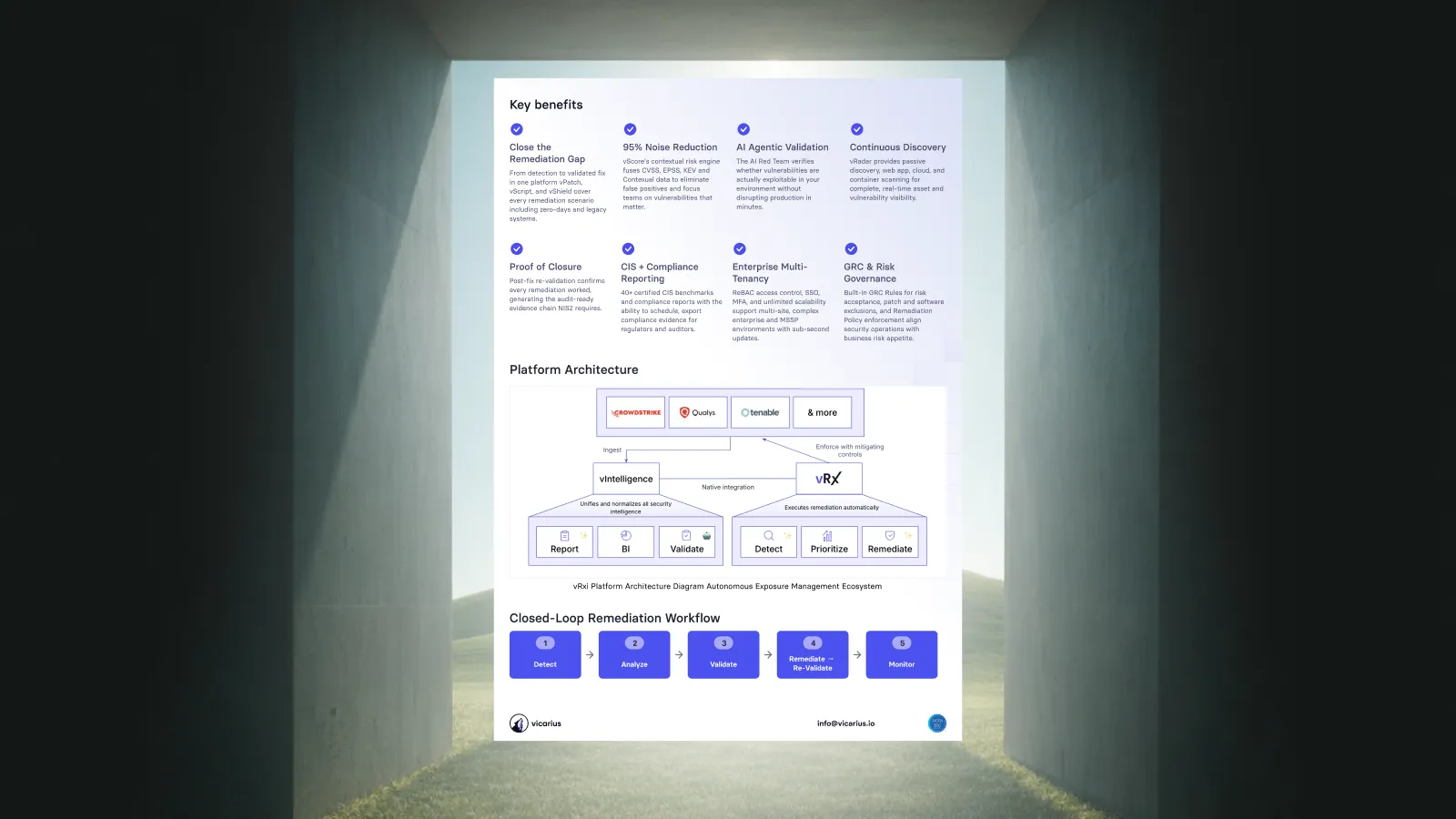
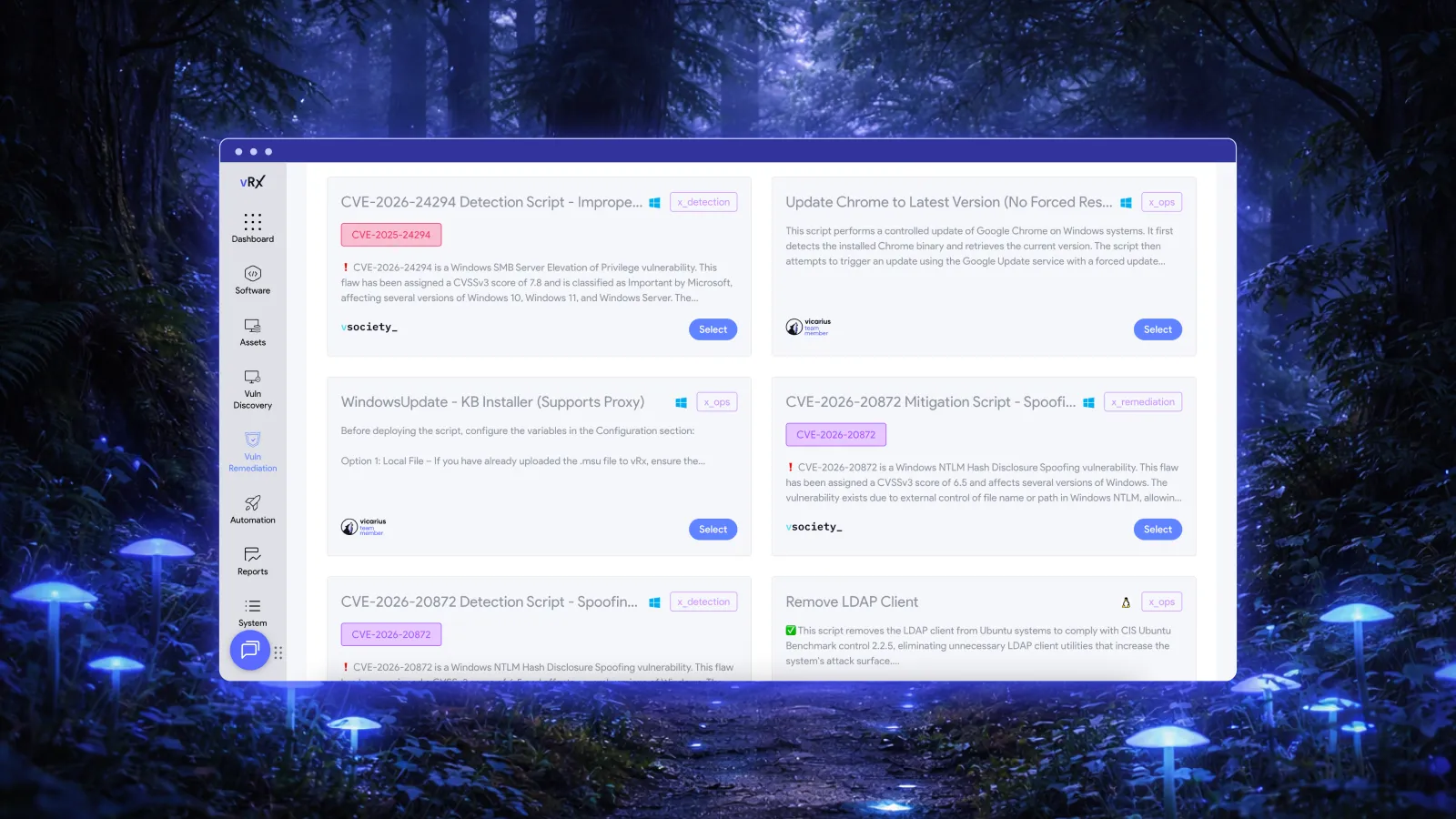
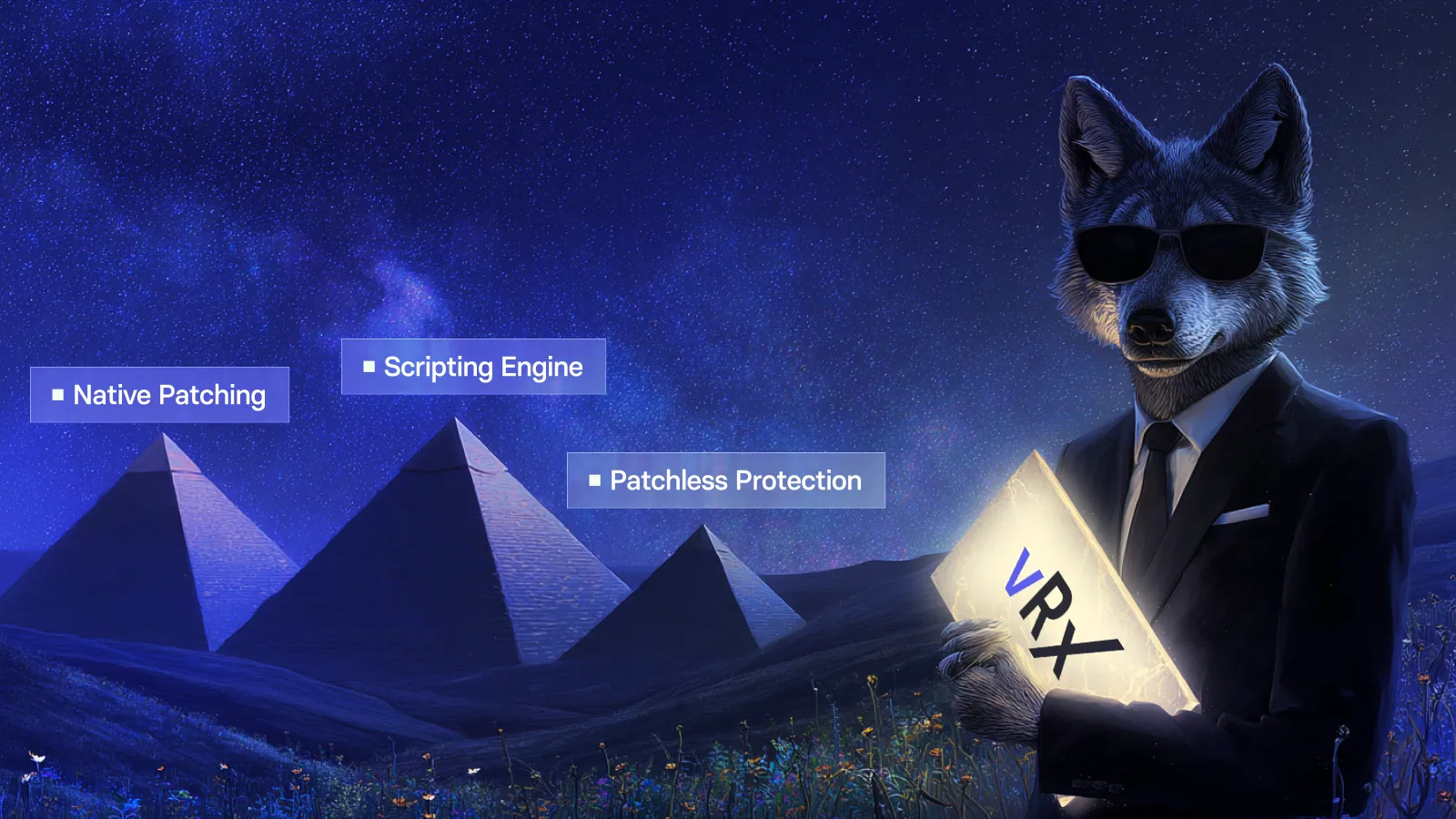
vScore ranks what should move first, based on real risk signals and asset context, not just a severity score. vPatch handles policy-driven deployment across operating systems and third-party applications. When the fix isn't a standard patch, vScript covers the gap with a scripted remediation path. And when nothing can be installed yet, vShield still cuts exploitability through patchless protection.
Verification closes the loop so the workflow doesn't end with "we sent the patch." It ends with "the risk is gone."
That's the shift that matters. Finding a critical vulnerability in minutes is useful. If fixing it still takes a week, the attacker doesn't care how good your scanner is.
Ready to close the gap between exposure and fix? Request a demo and see vRx in action.
Related resources:





























.webp)















%20Signals%20a%20New%20Era%20of%20Supply%20Chain%20Risk.webp)






.webp)