

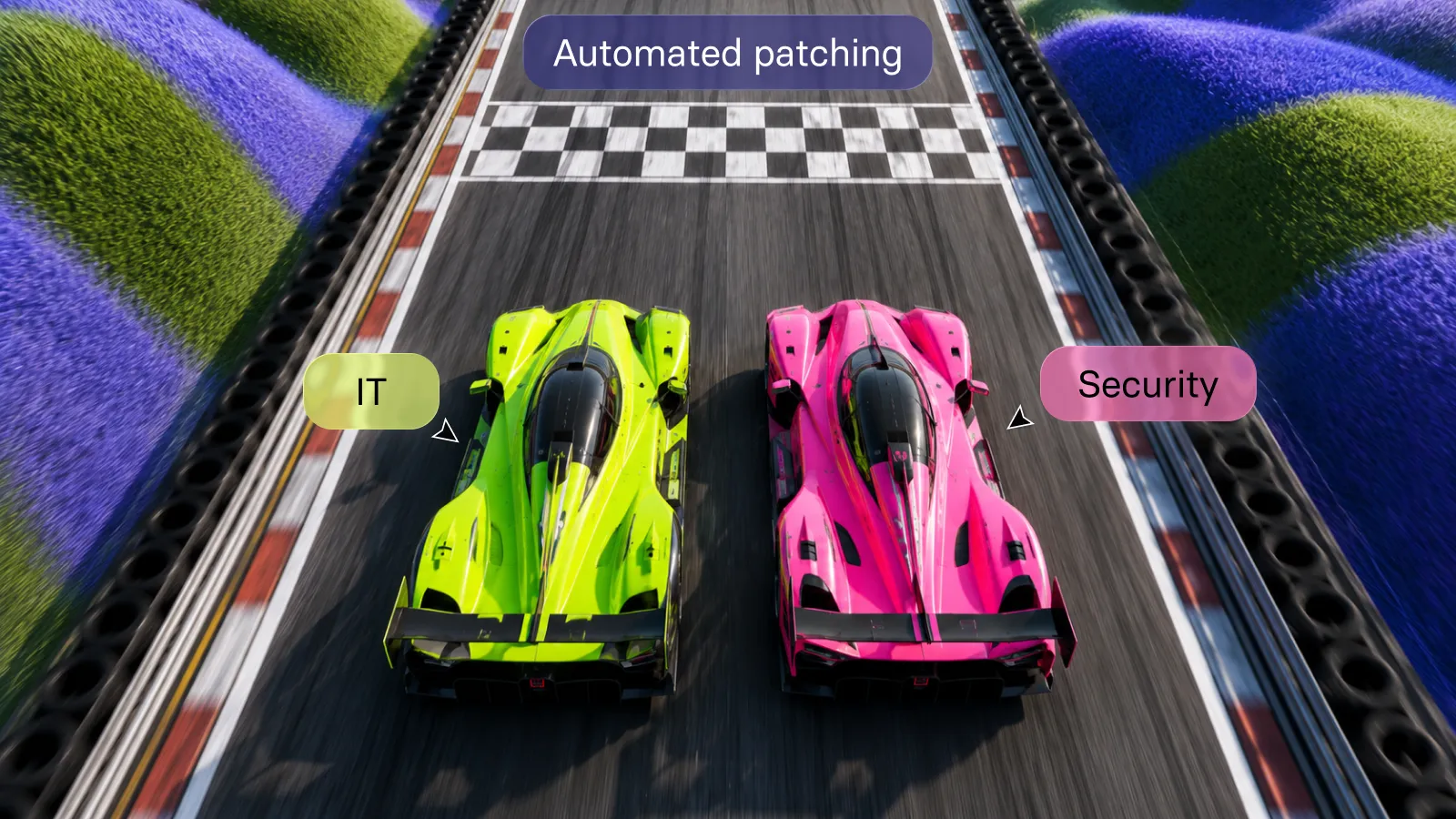
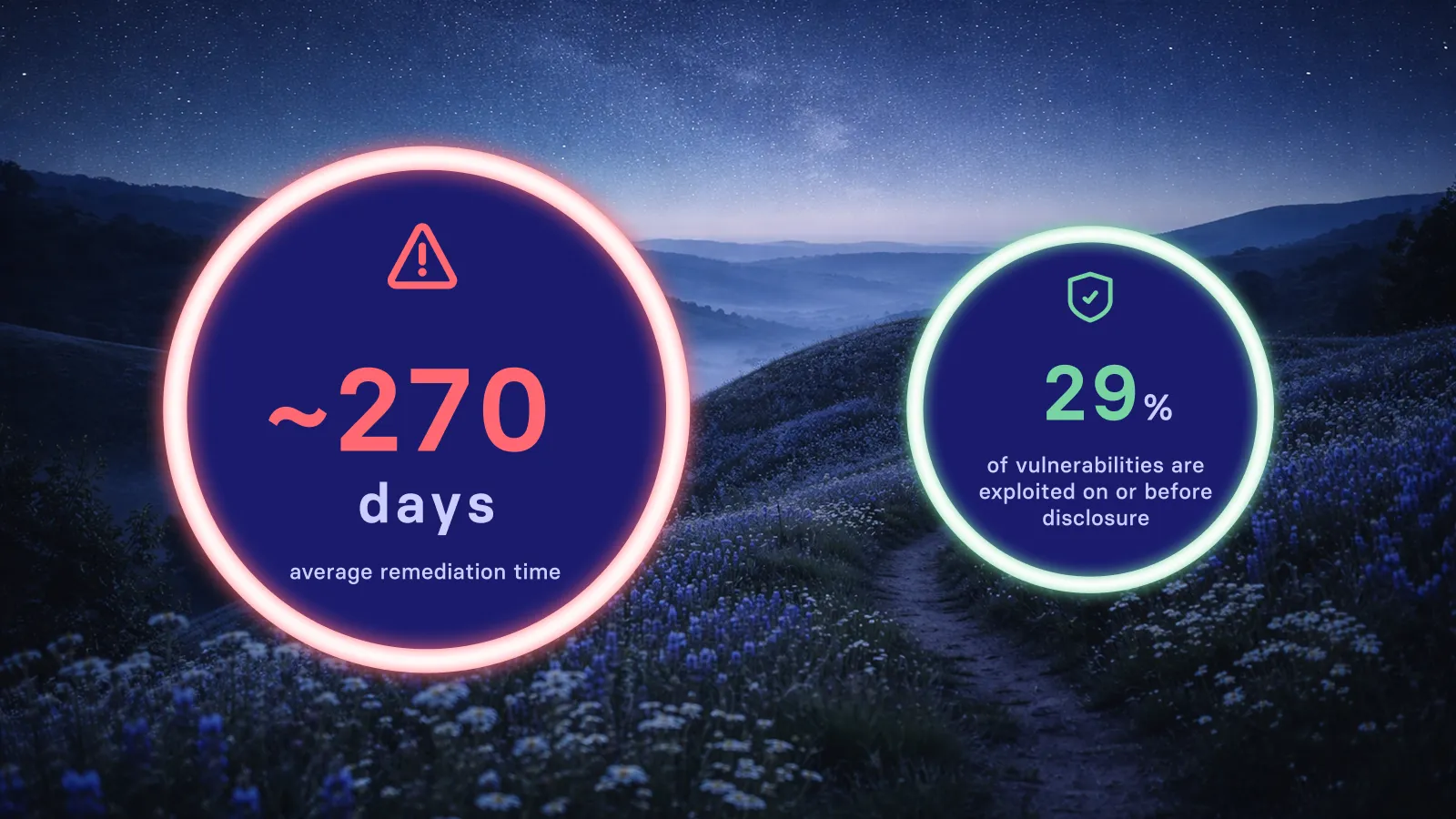
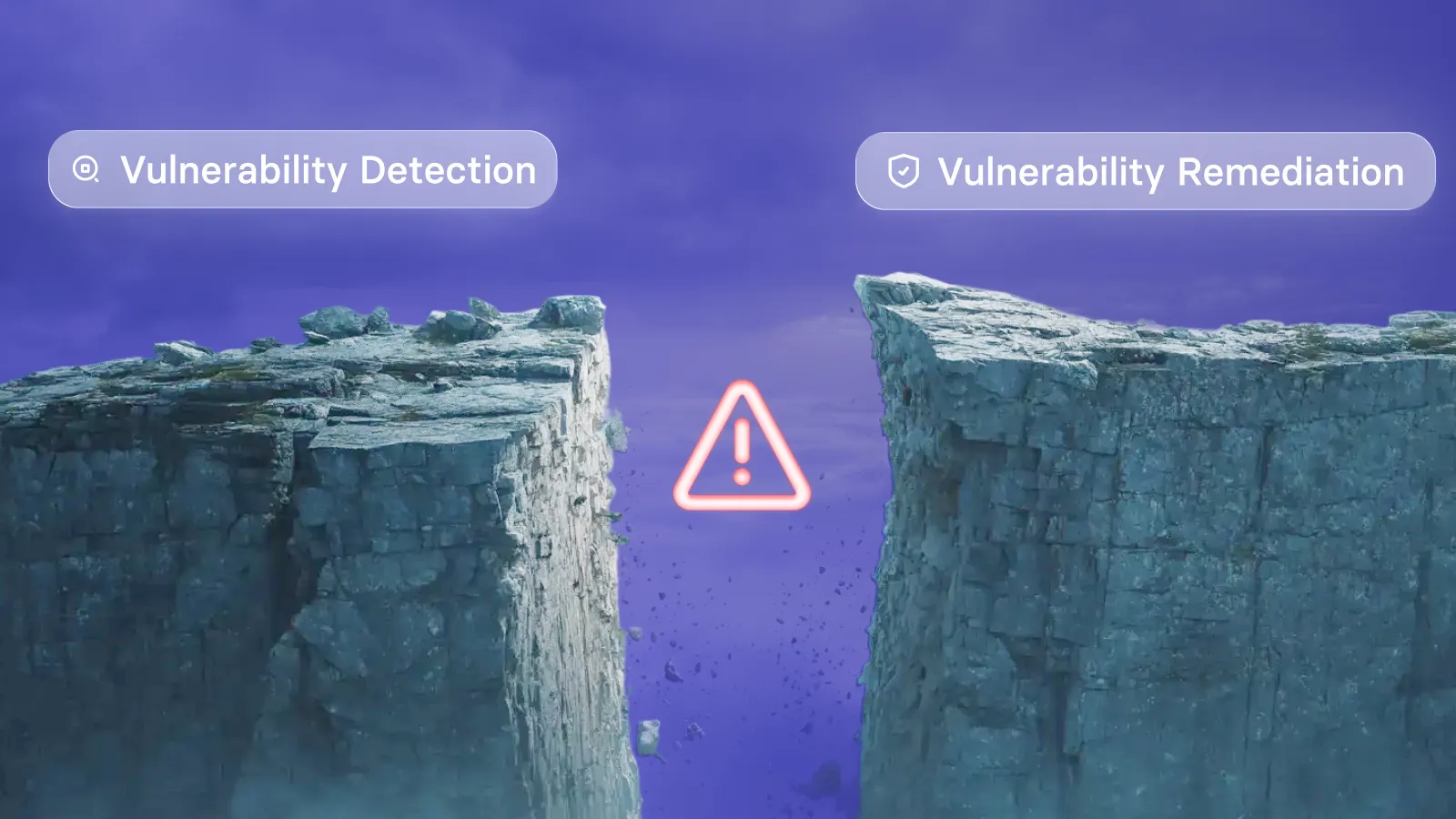
Security and IT teams share the same goal: protect the organization. Yet too often, they operate in silos, with security flagging vulnerabilities and IT left scrambling to deploy patches. This disconnect creates delays, friction, and exposure windows attackers exploit. Vicarius's own research backs this up: in its 2026 State of Remediation report, 79% of organizations said they experienced a security incident involving a vulnerability that was already sitting in their inventory, unfixed.
Automated vulnerability remediation changes that dynamic. Vicarius helps organizations unify security and IT workflows so patch decisions happen faster and both teams work from the same playbook.
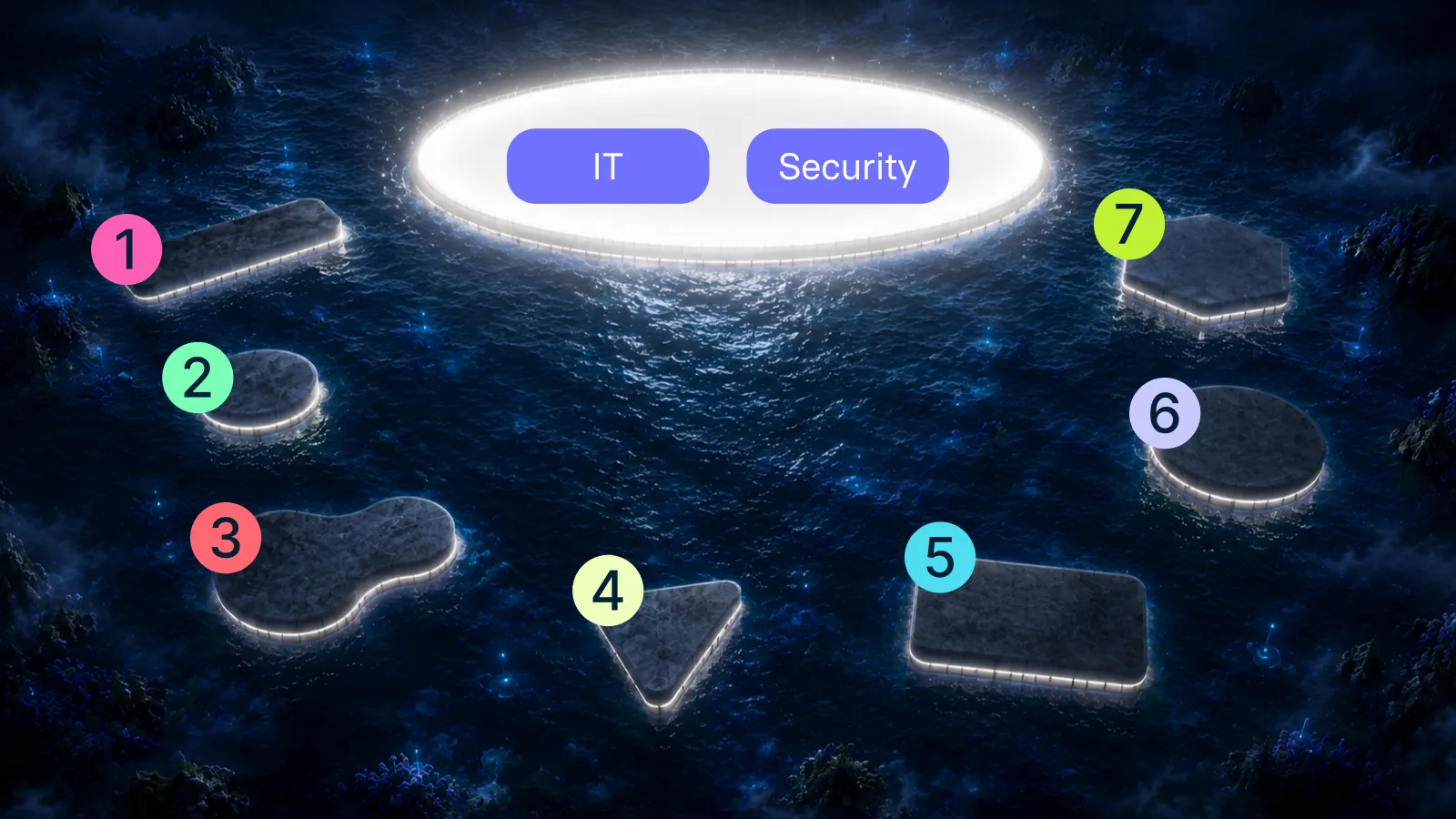
This article explores seven ways remediation platforms close the collaboration gap and help enterprise security and IT teams move from friction to alignment.
Key Takeaways: Security and IT Alignment Through Remediation
- Unified dashboards give security and IT teams a shared view of vulnerabilities and patch status across every endpoint.
- Risk-based prioritization aligns both teams on what to fix first based on real exploitability, not just severity scores.
- Automated patching removes the coordination overhead that slows remediation and creates tension between departments.
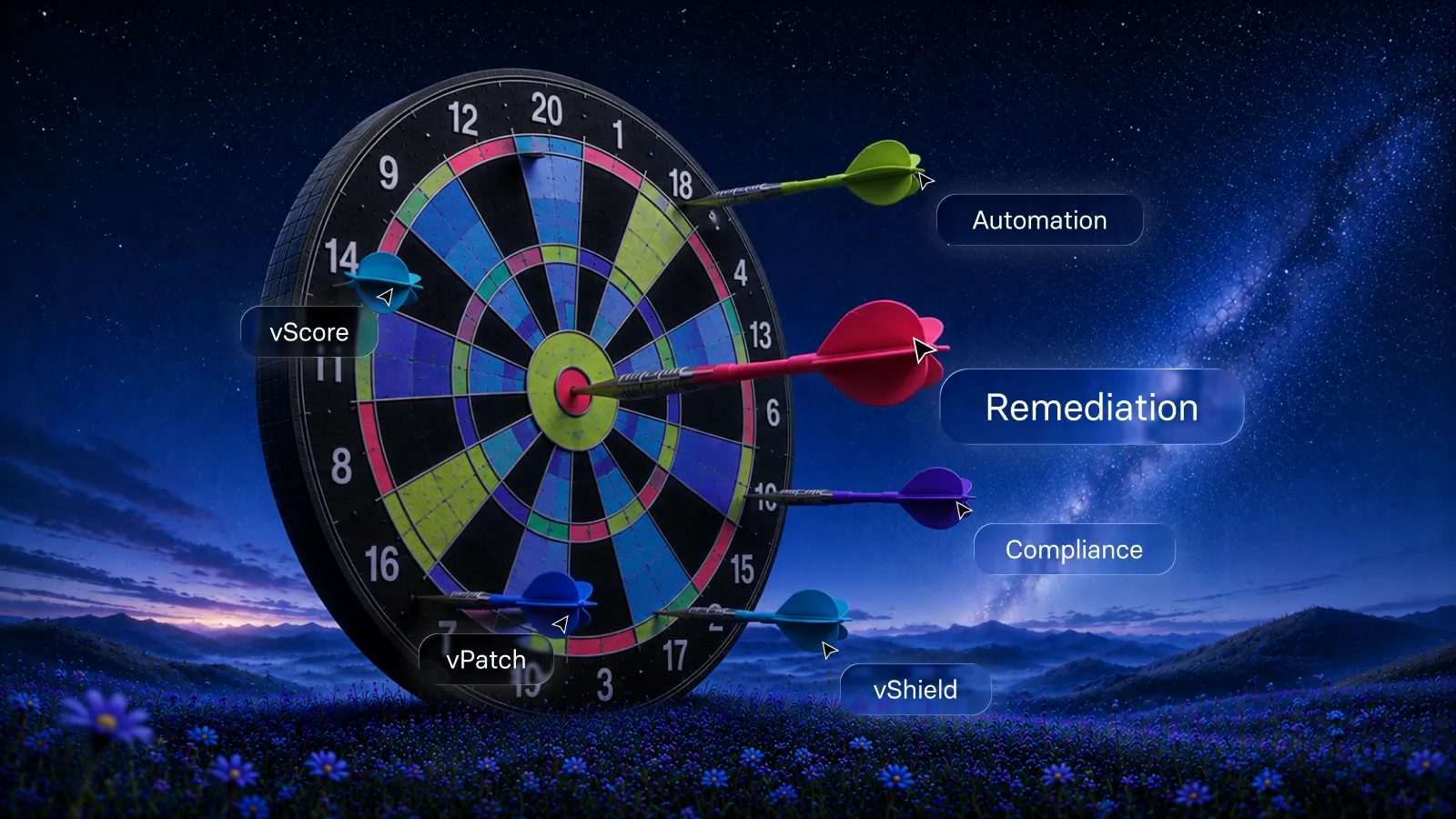
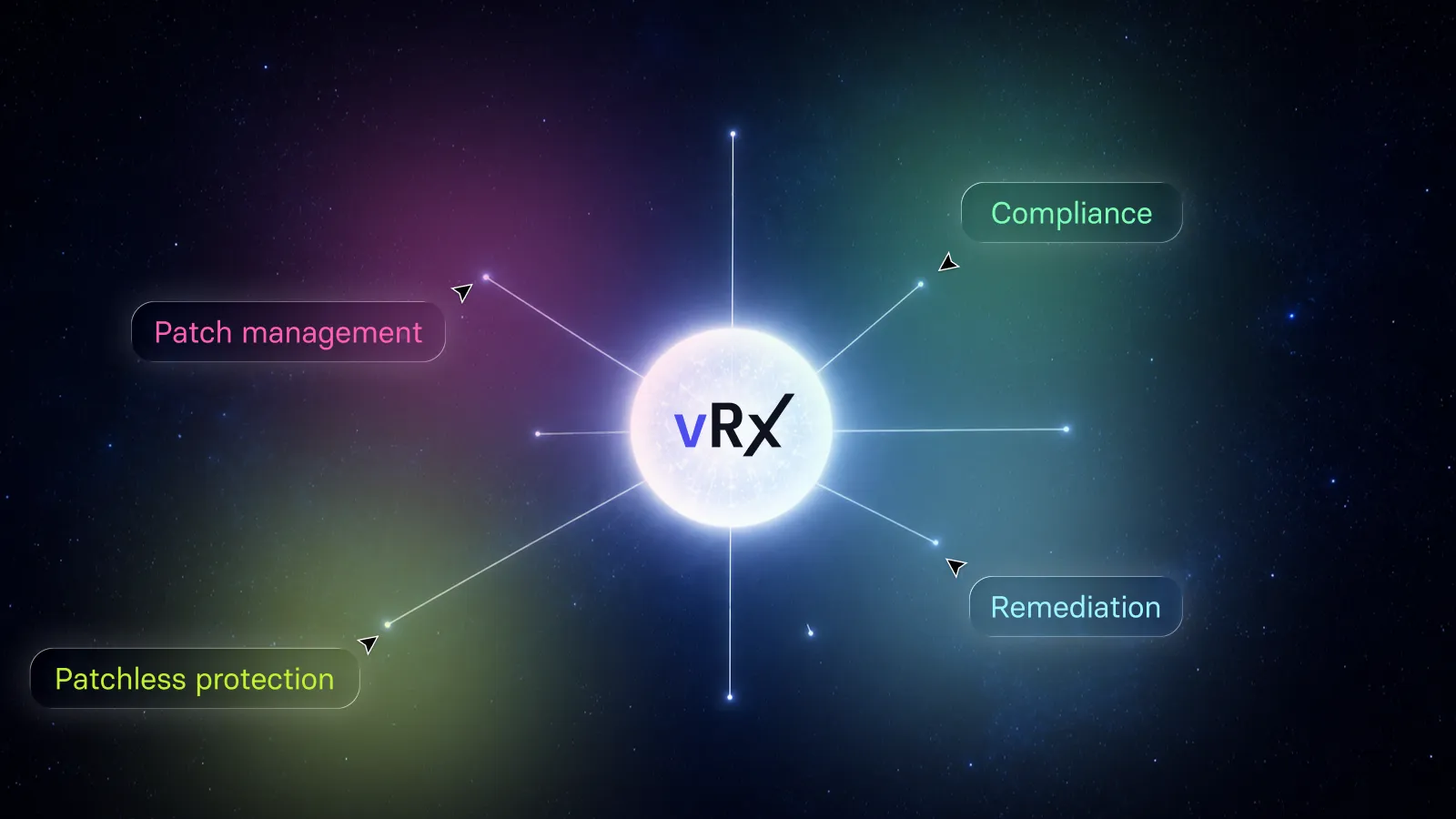
- Vicarius vRx consolidates discovery, prioritization, and remediation so security and IT operate from one platform.
- Verified remediation closes the loop so both teams can prove vulnerabilities are gone, not just addressed in a ticket.
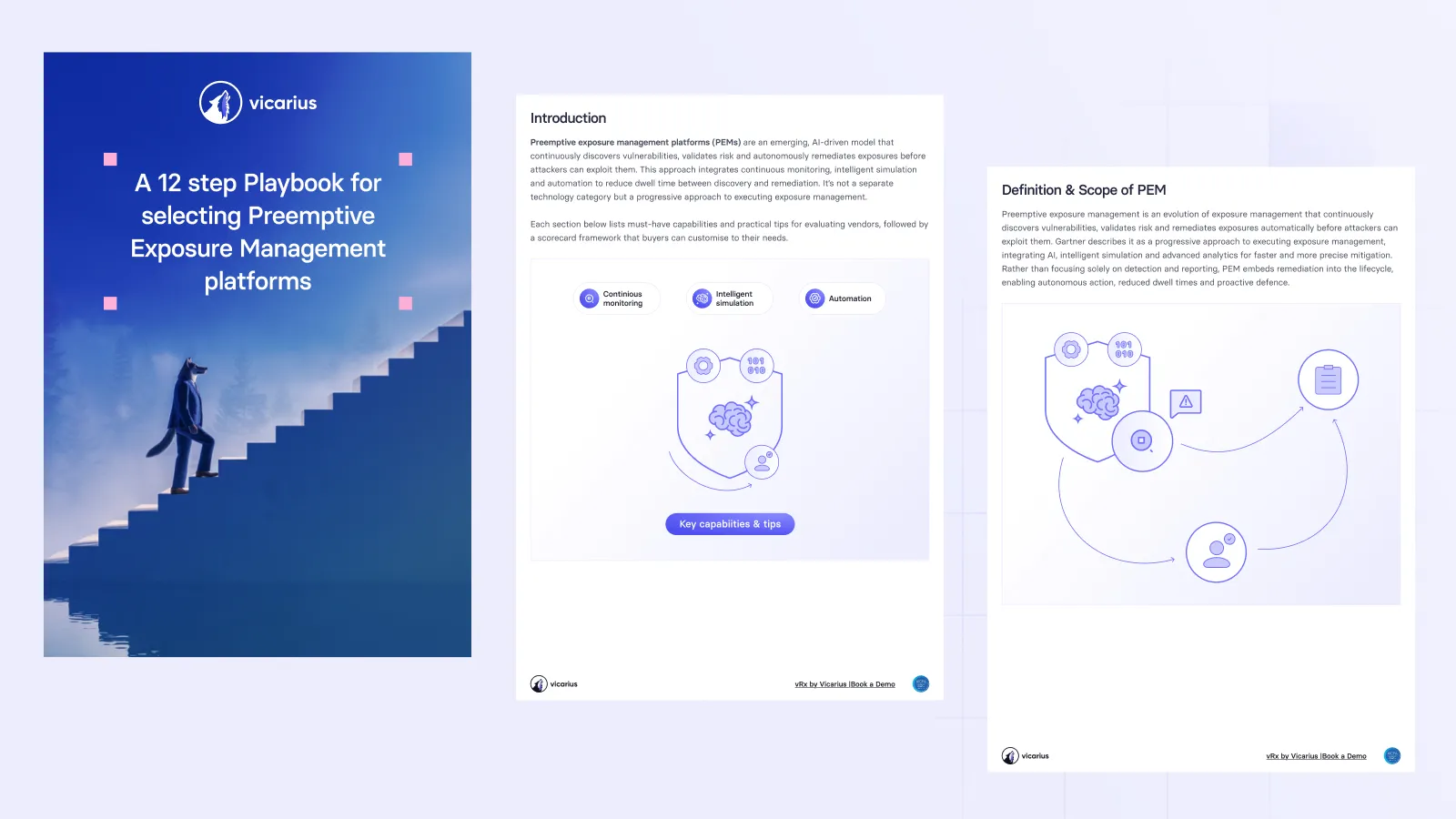
Want the full data behind this? Download Vicarius's 2026 State of Remediation report to see how 300 IT and security leaders describe these gaps in their own organizations.
How Automated Remediation Bridges Security and IT Teams?
1. Shared Visibility Across Vulnerabilities and Assets
Security teams scan for vulnerabilities. IT teams manage endpoints. When these two inventories live in separate tools, neither team has the full picture. Vicarius's 2026 State of Remediation report found that 38% of organizations say remediation ownership depends on the situation rather than a clear, shared process, and 43% say they can only sometimes fix a vulnerability without looping in another team.
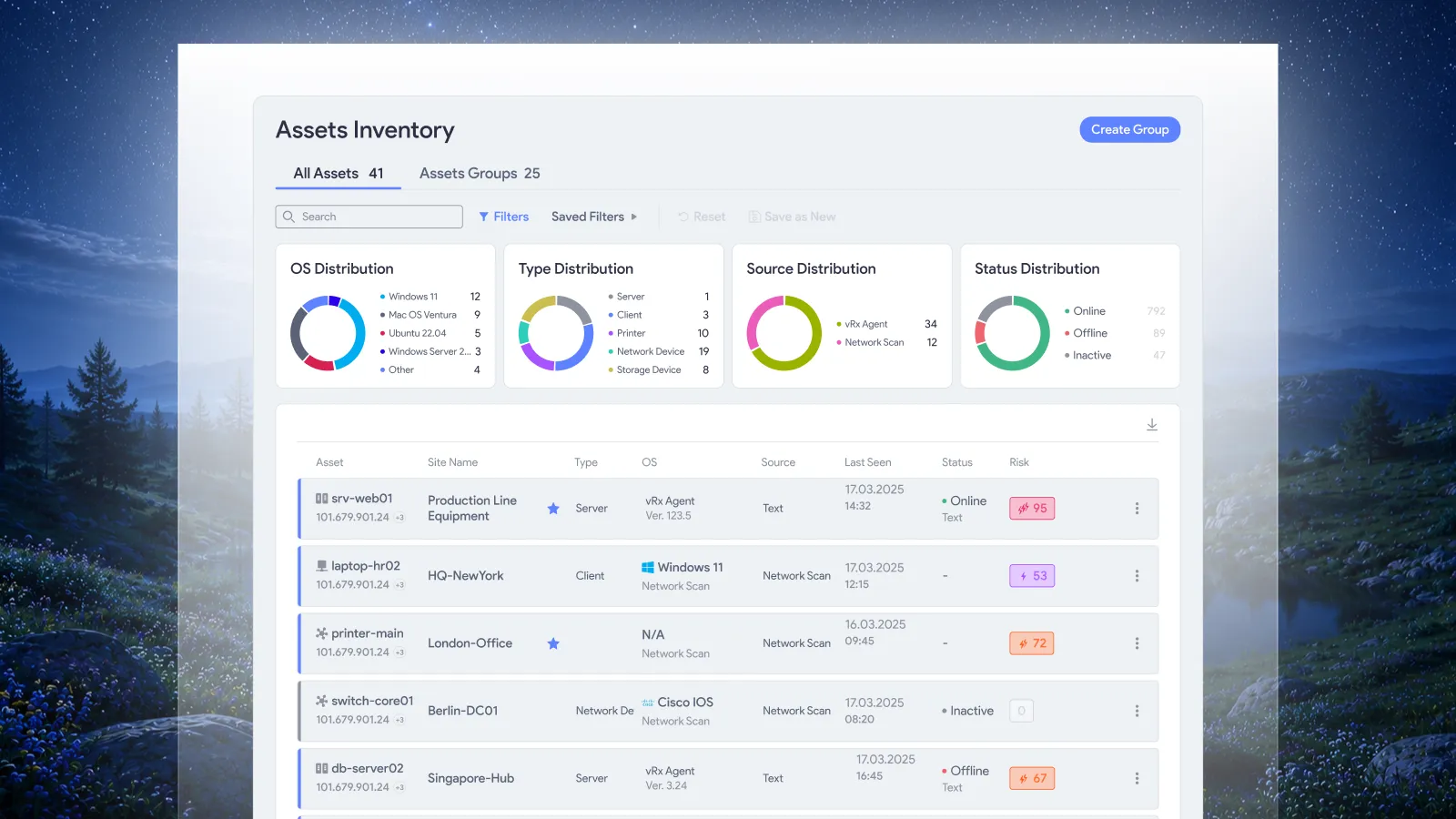
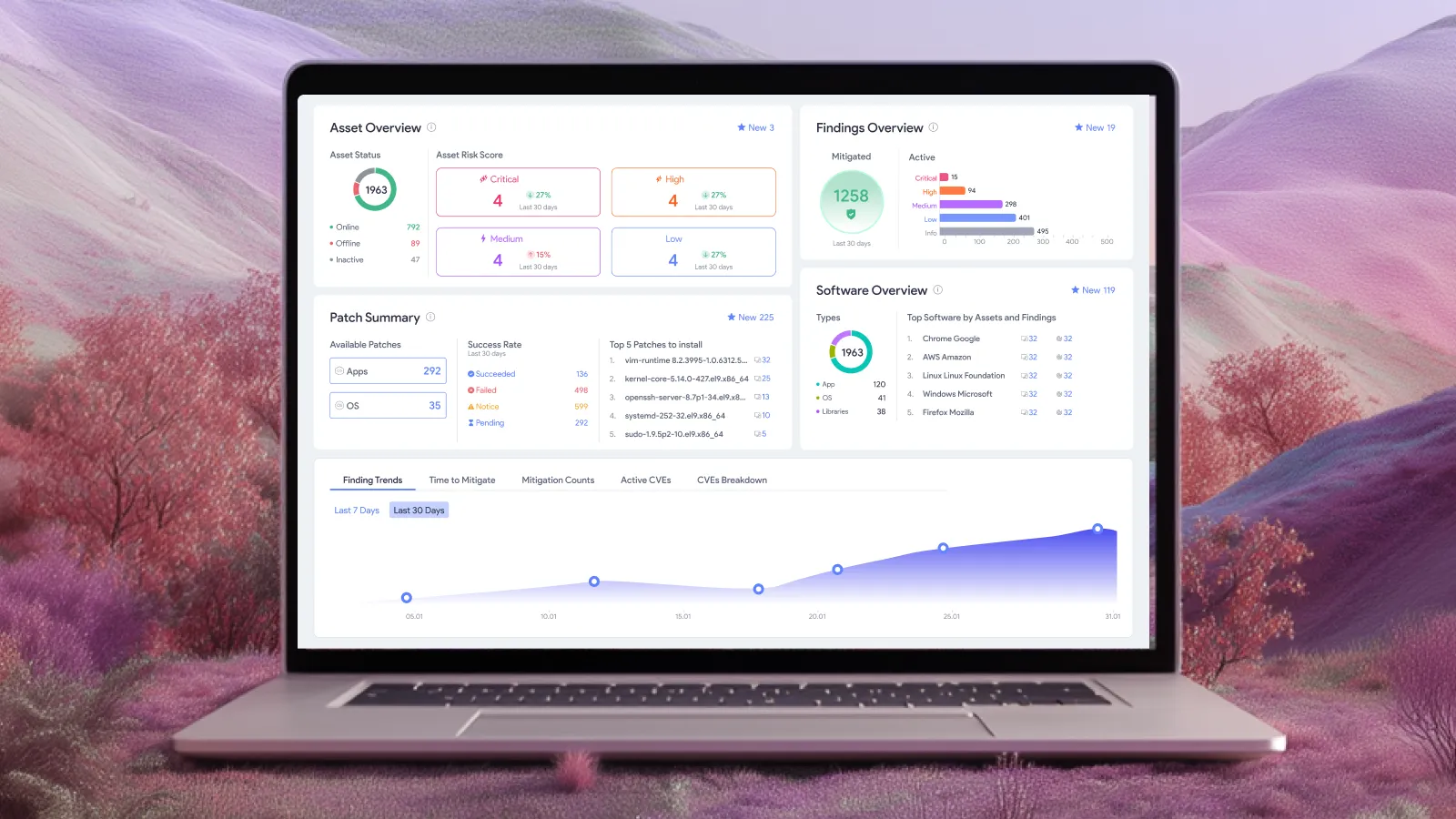
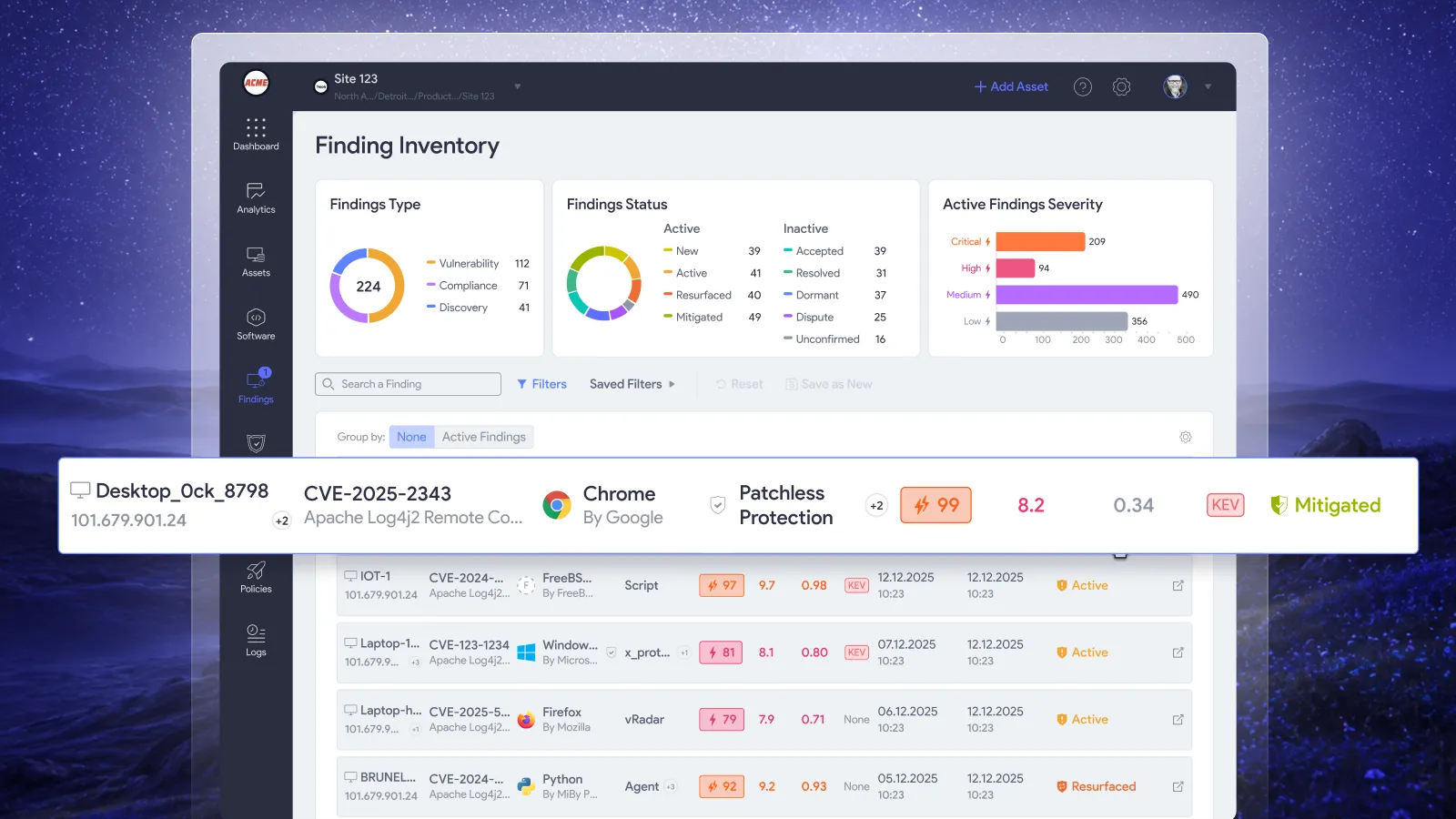
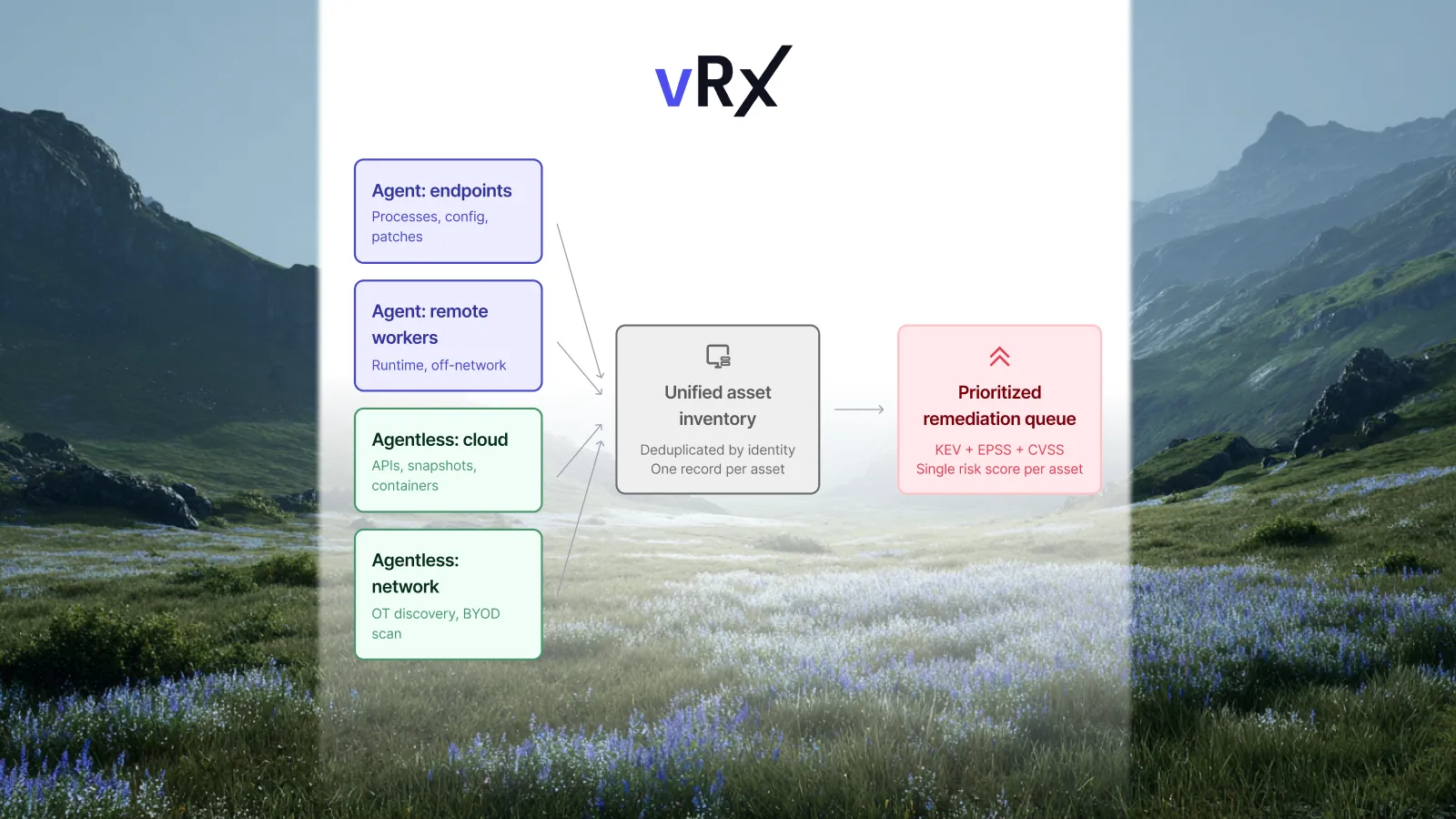
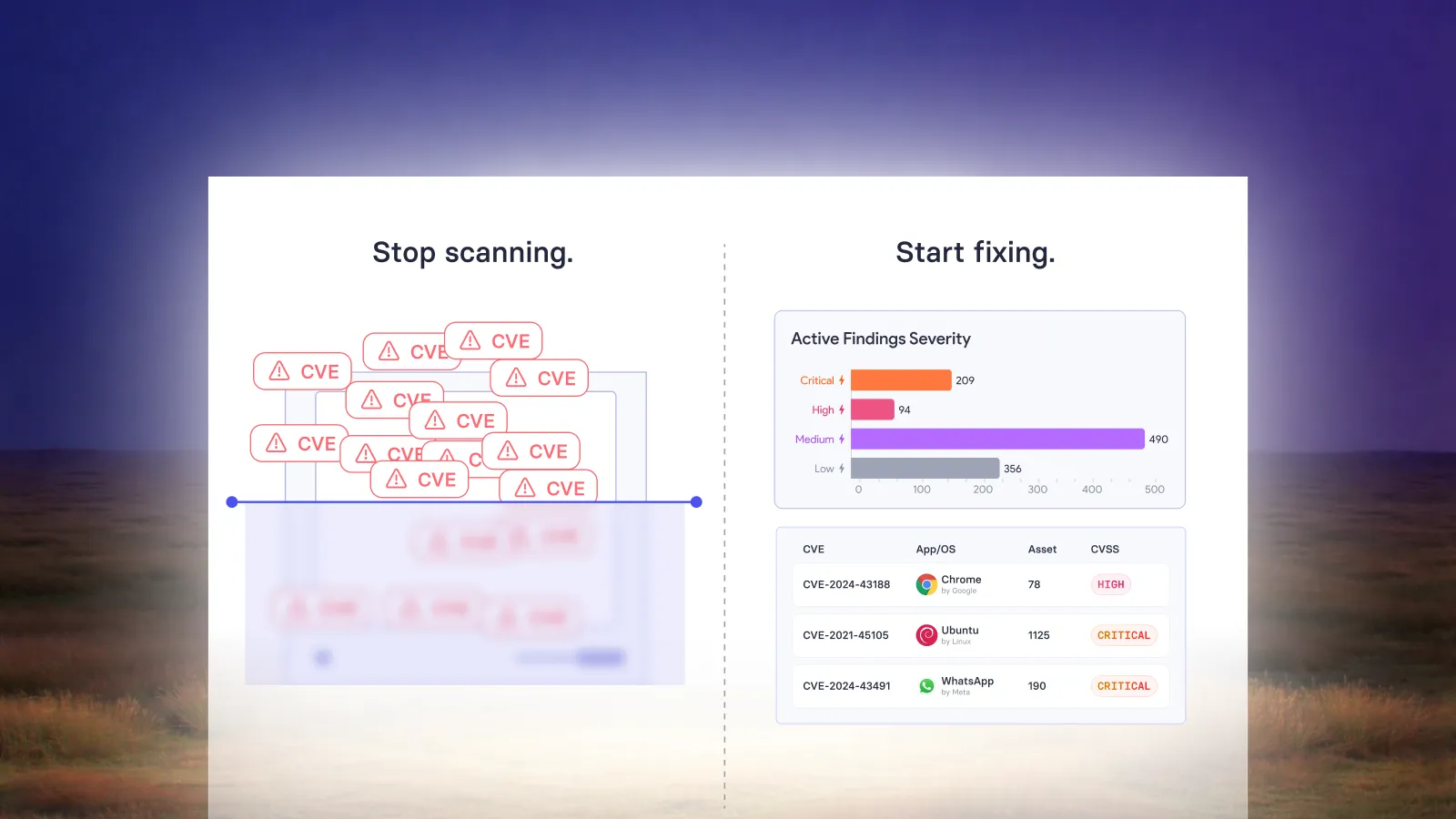
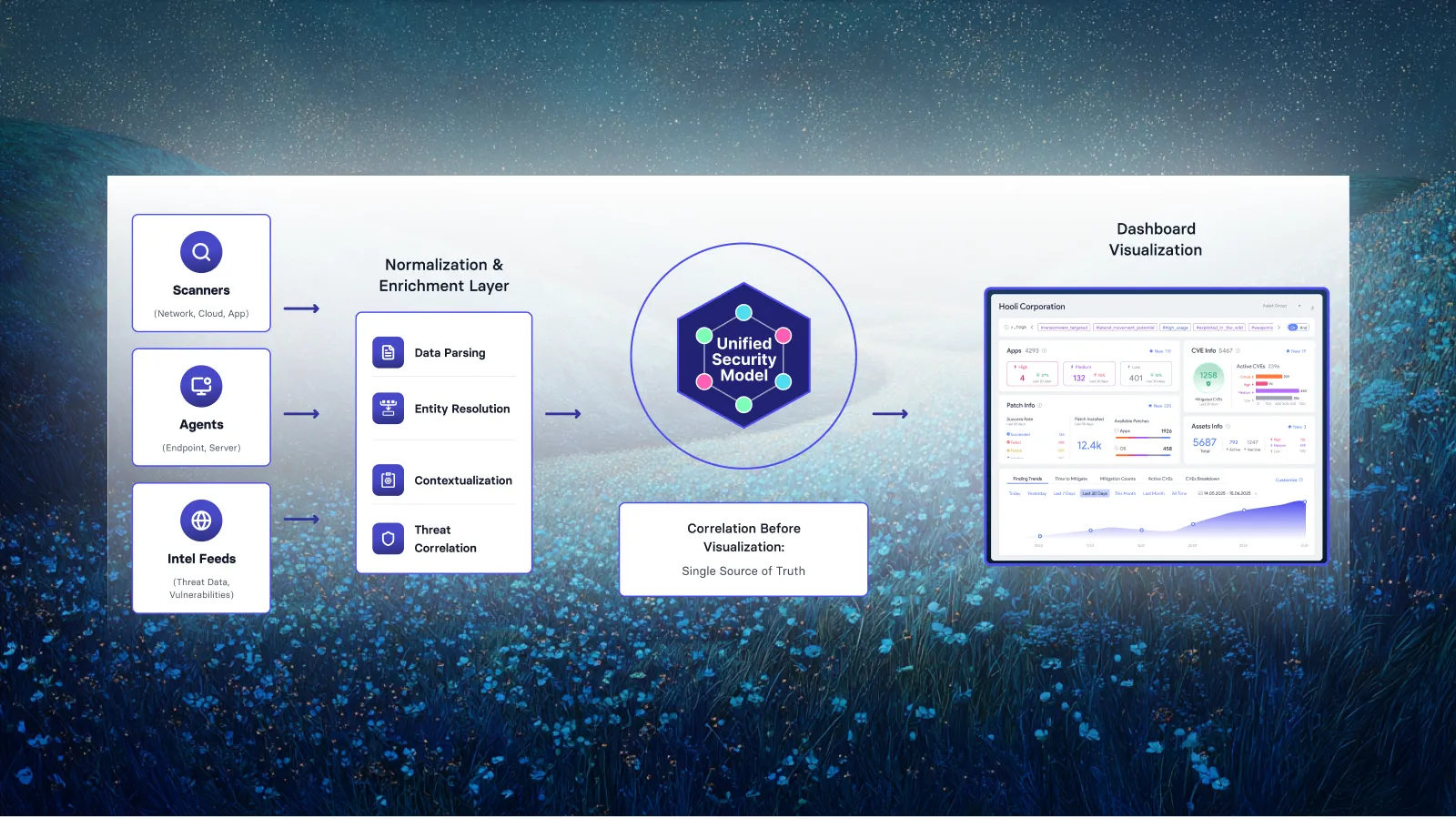
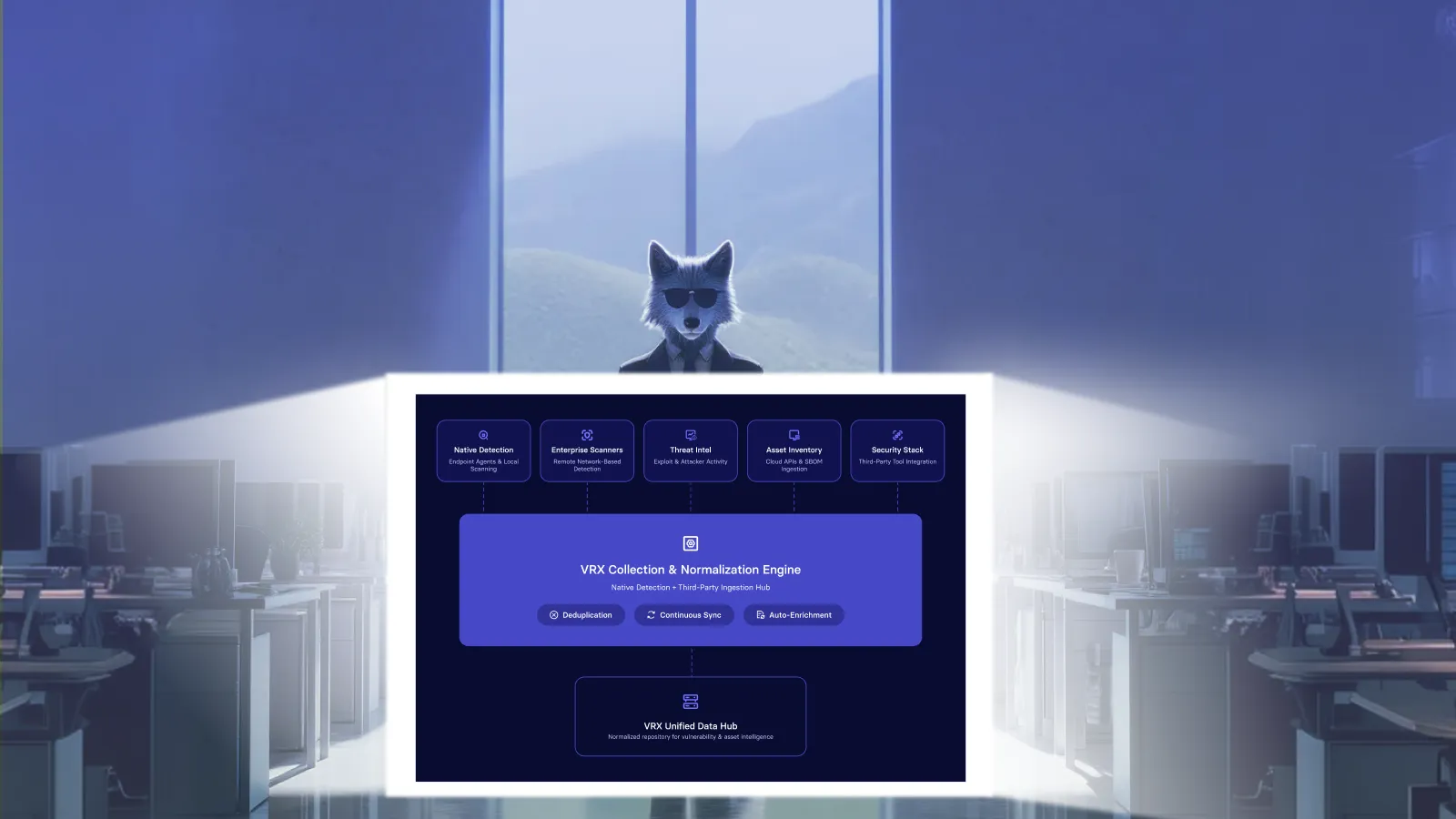
A unified vulnerability management platform consolidates asset discovery and vulnerability data into one view. This means security sees what IT manages, and IT sees what security prioritizes. No more spreadsheets or email chains to reconcile.
Shared visibility eliminates the "your problem, not mine" dynamic and replaces it with joint accountability for every unpatched asset.
2. Risk-Based Prioritization Ends Disagreements
Security often pushes to patch everything marked critical. IT often pushes back because not every critical CVE poses the same real-world risk. This conflict stalls patch deployment for weeks.
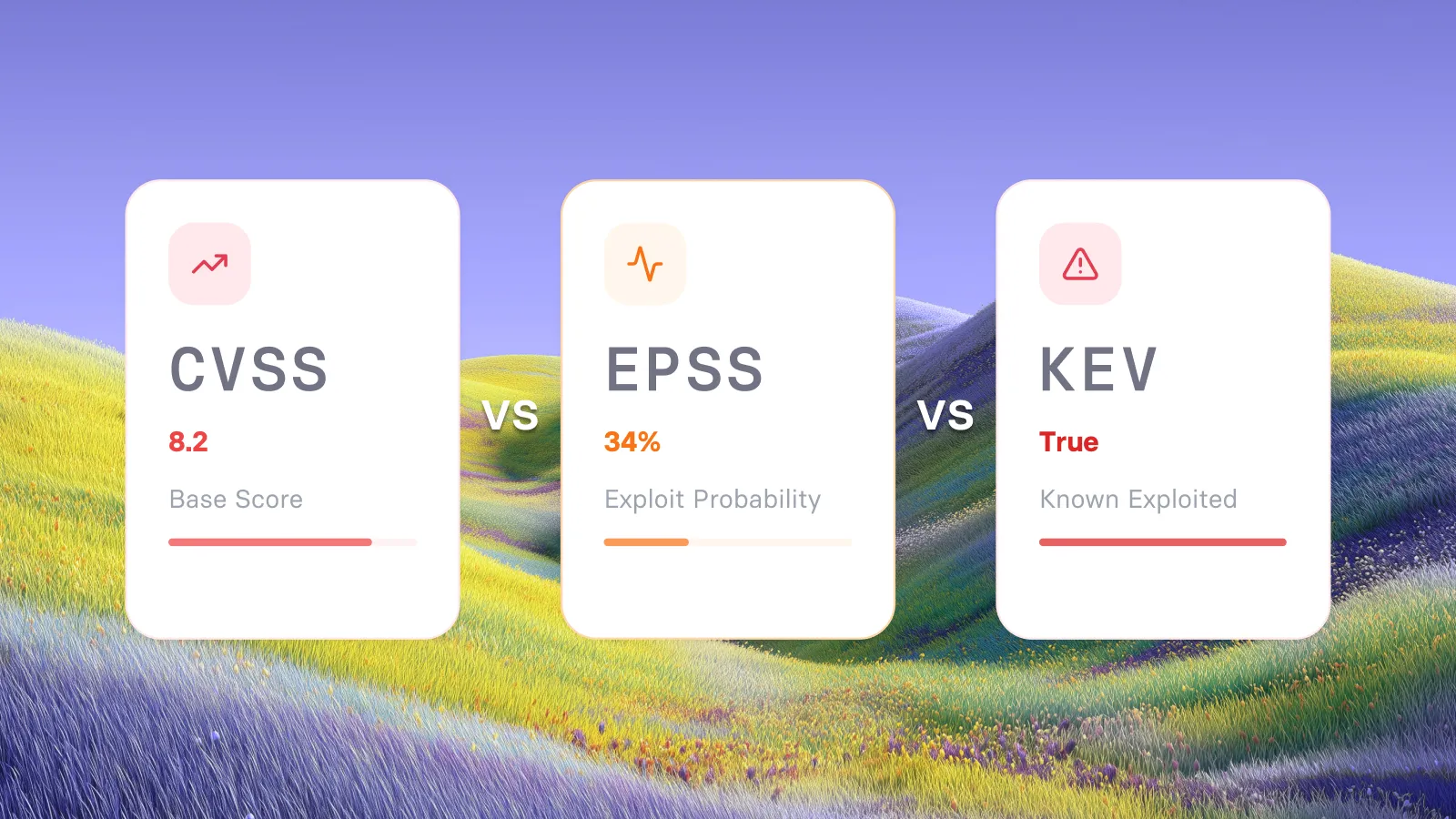
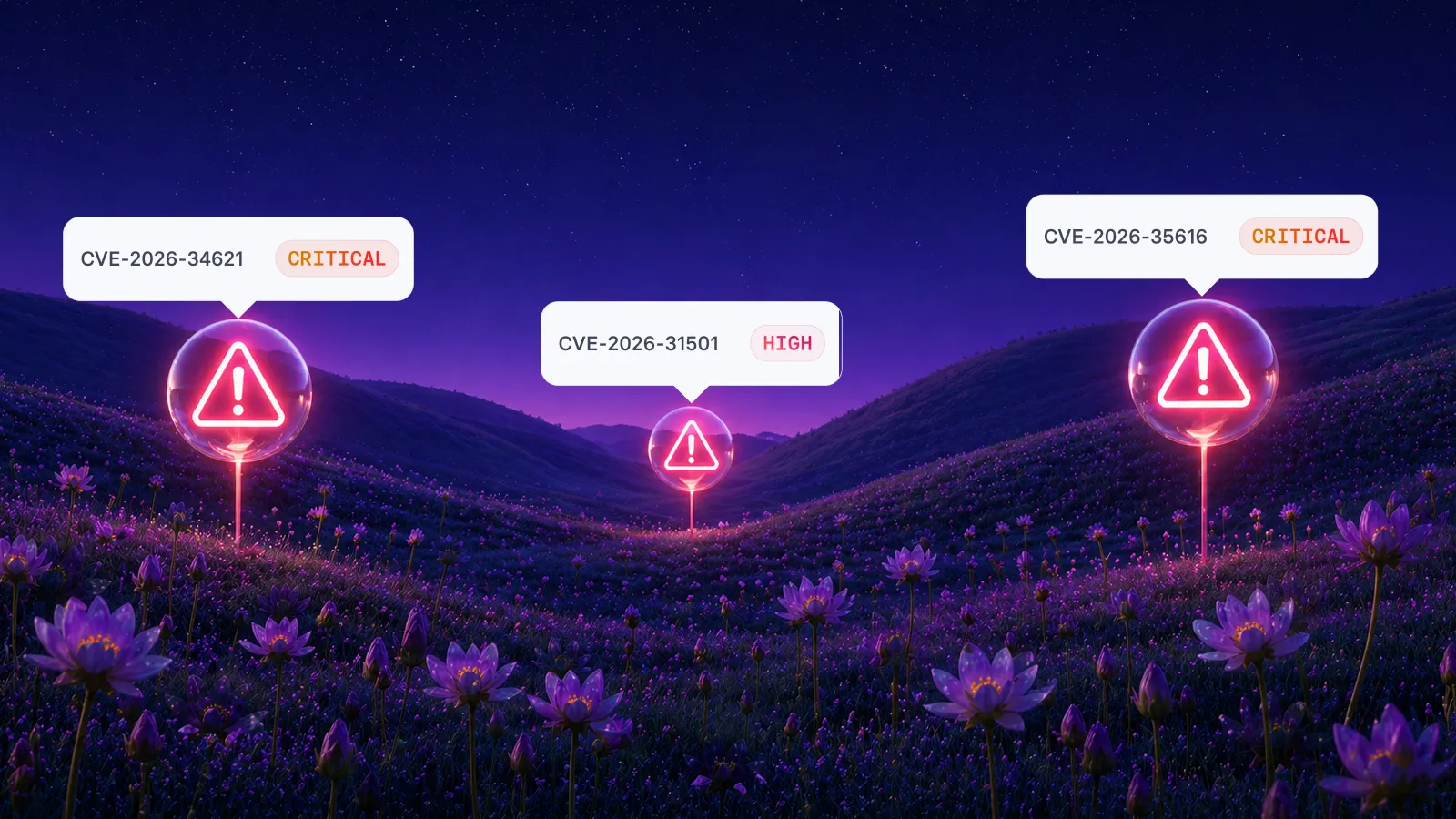
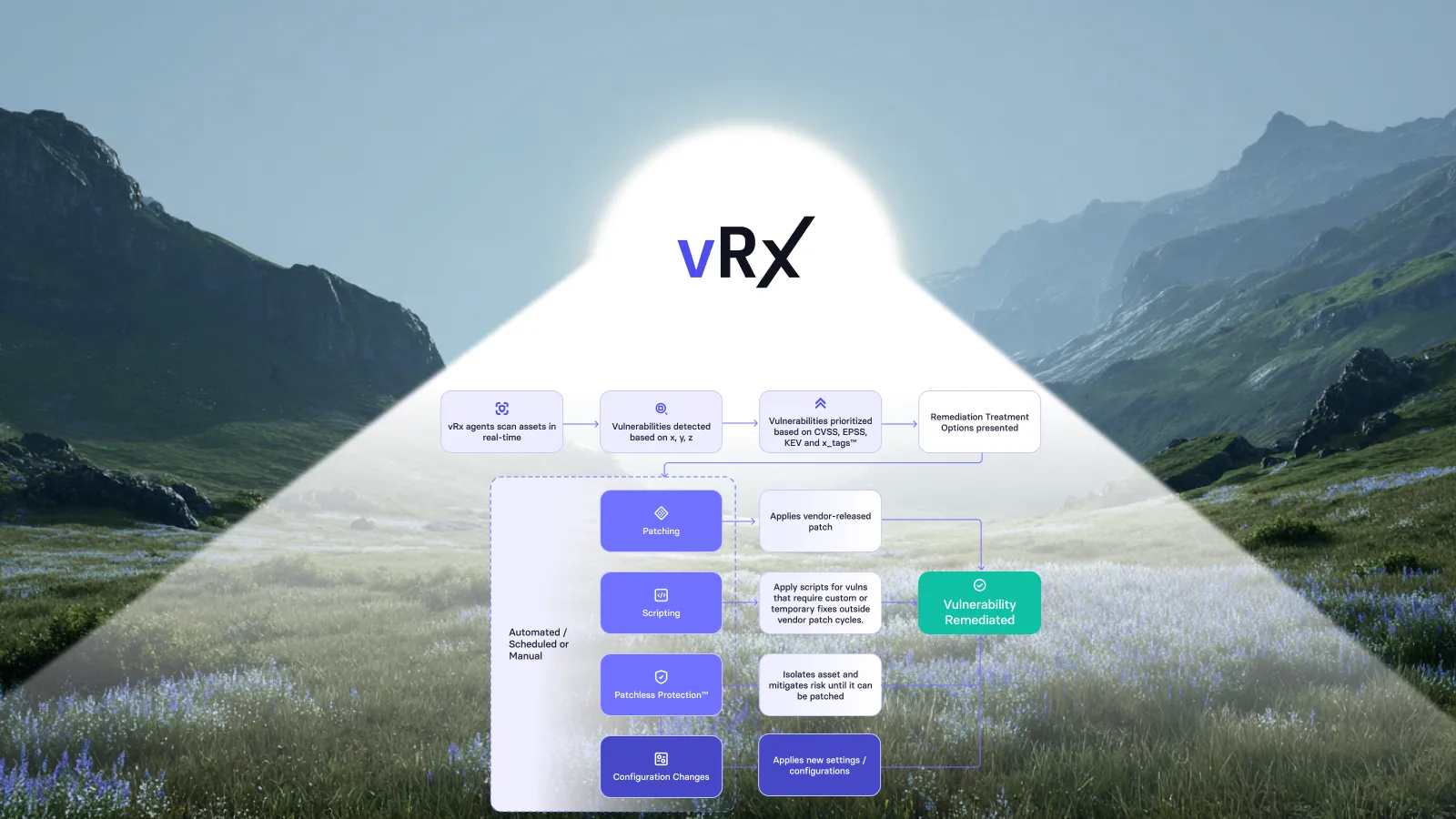
Remediation platforms that combine CVSS with EPSS (Exploit Prediction Scoring System) and KEV (Known Exploited Vulnerabilities) data deliver context both teams can agree on. When a vulnerability has a high exploitability score and active threat intelligence behind it, IT understands the urgency. When a high-severity CVE has no known exploits in the wild, security understands delay is acceptable.
Data-driven prioritization removes subjective debates and replaces them with objective risk scoring.
3. Automated Patch Deployment Removes Coordination Overhead
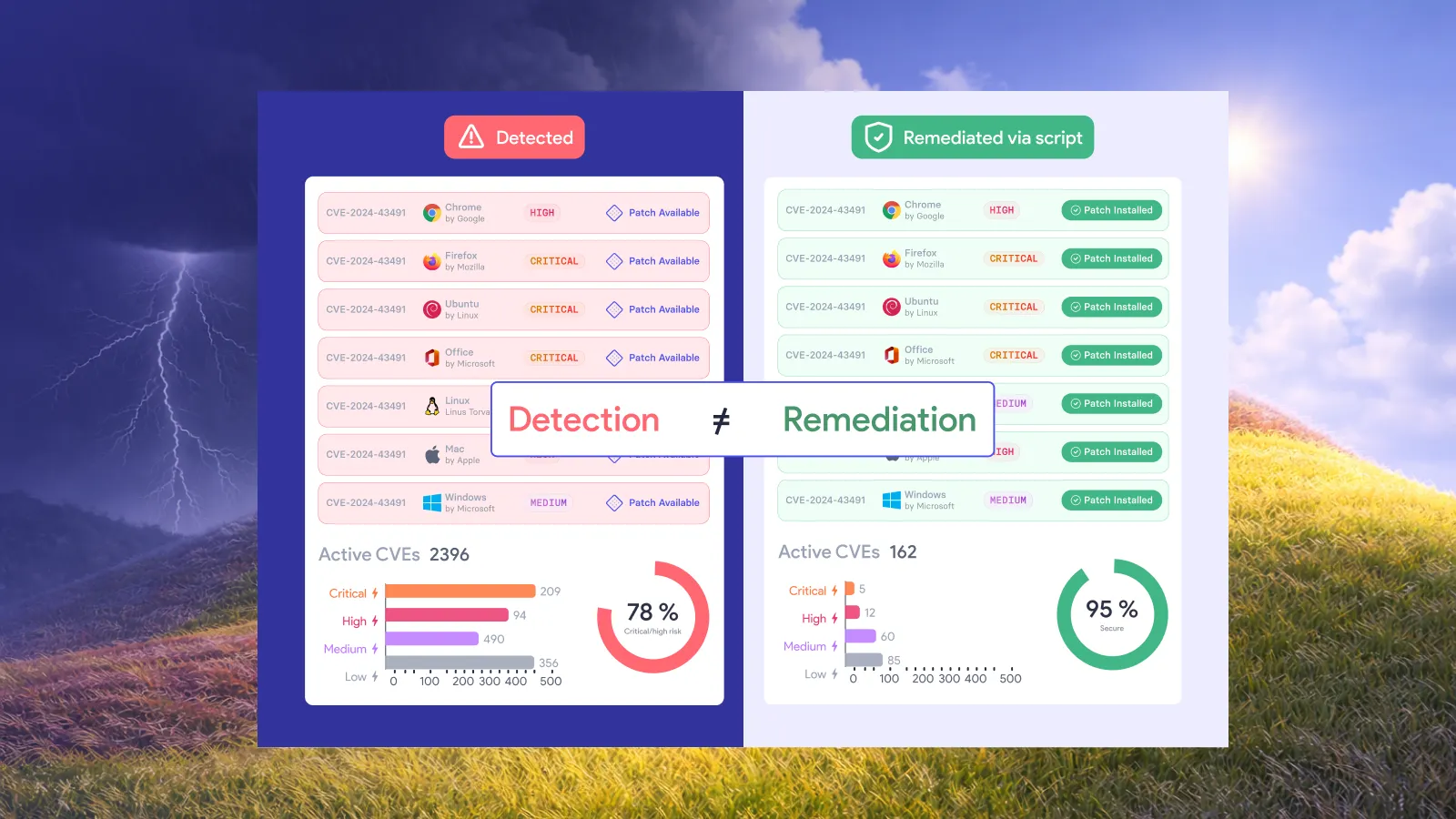
In many organizations, patching requires tickets, approvals, scheduling calls, and execution by hand. Each handoff introduces delay. By the time IT deploys the patch, the vulnerability may have been exploitable for weeks. This tracks with Vicarius's 2026 State of Remediation report, which found that 58% of remediation activity still requires direct human intervention, and that the average organization touches three or more separate systems to close out a single remediation.
Automated remediation cuts through this overhead. Policies define what gets patched, when, and on which assets. Orchestration tools execute deployment without requiring IT to touch each endpoint individually.
Security teams see vulnerabilities close faster. IT teams reclaim hours spent coordinating. Both win.
4. Patchless Protection Covers the Gaps Patching Cannot
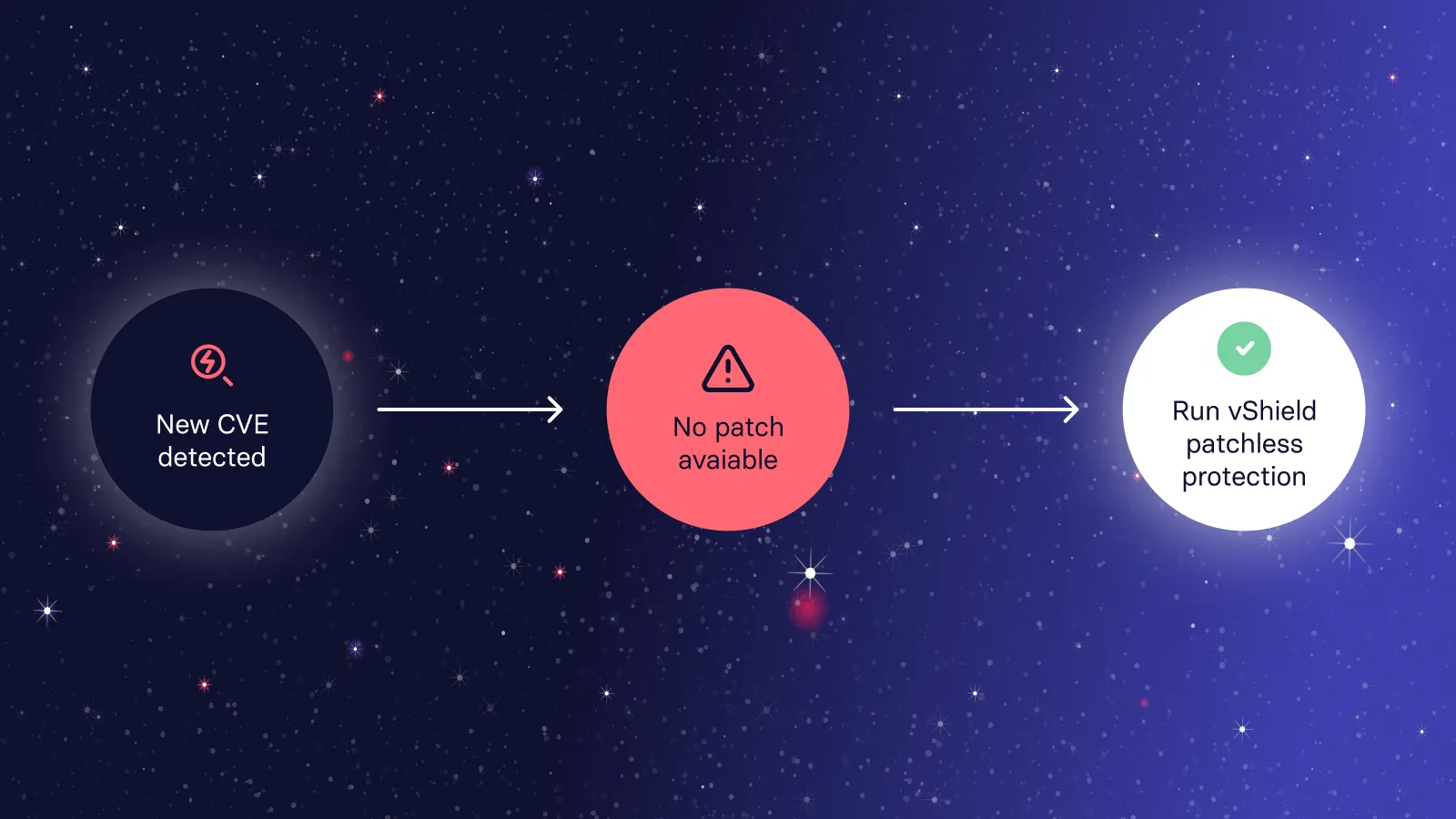
Patches are not always available when vulnerabilities are disclosed. Legacy systems, unsupported applications, and vendor delays all create windows where patching is not an option.
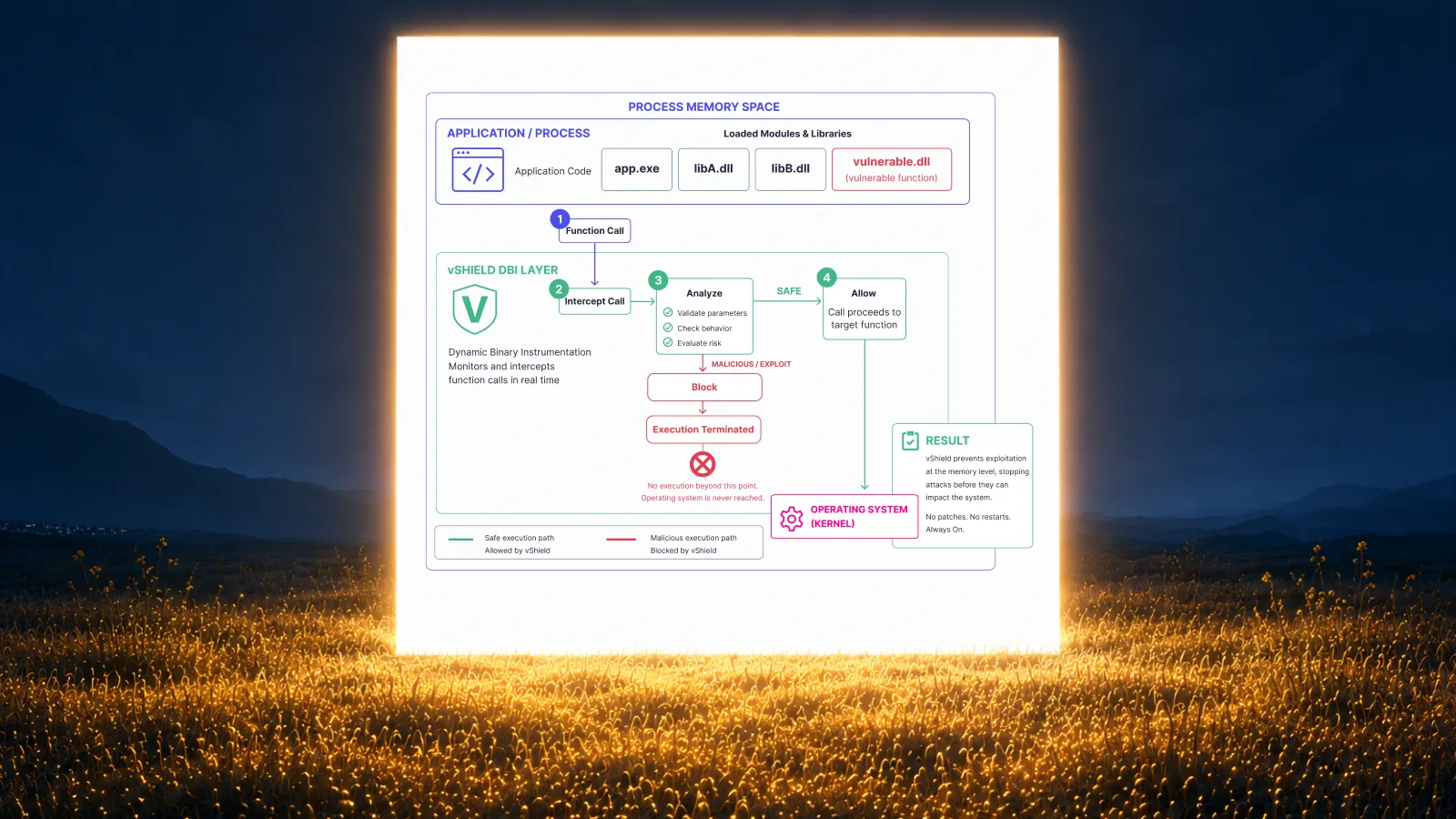
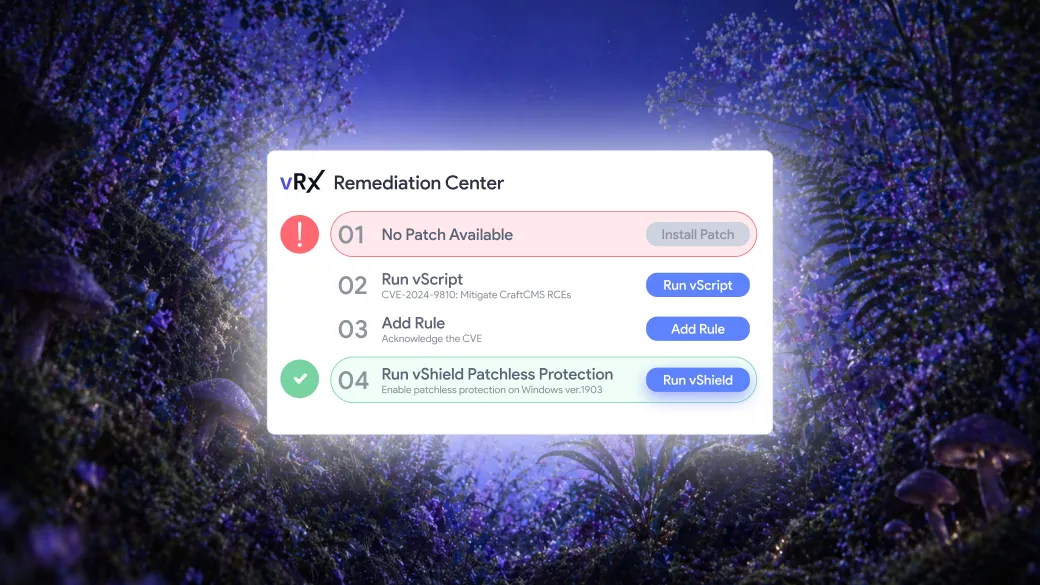
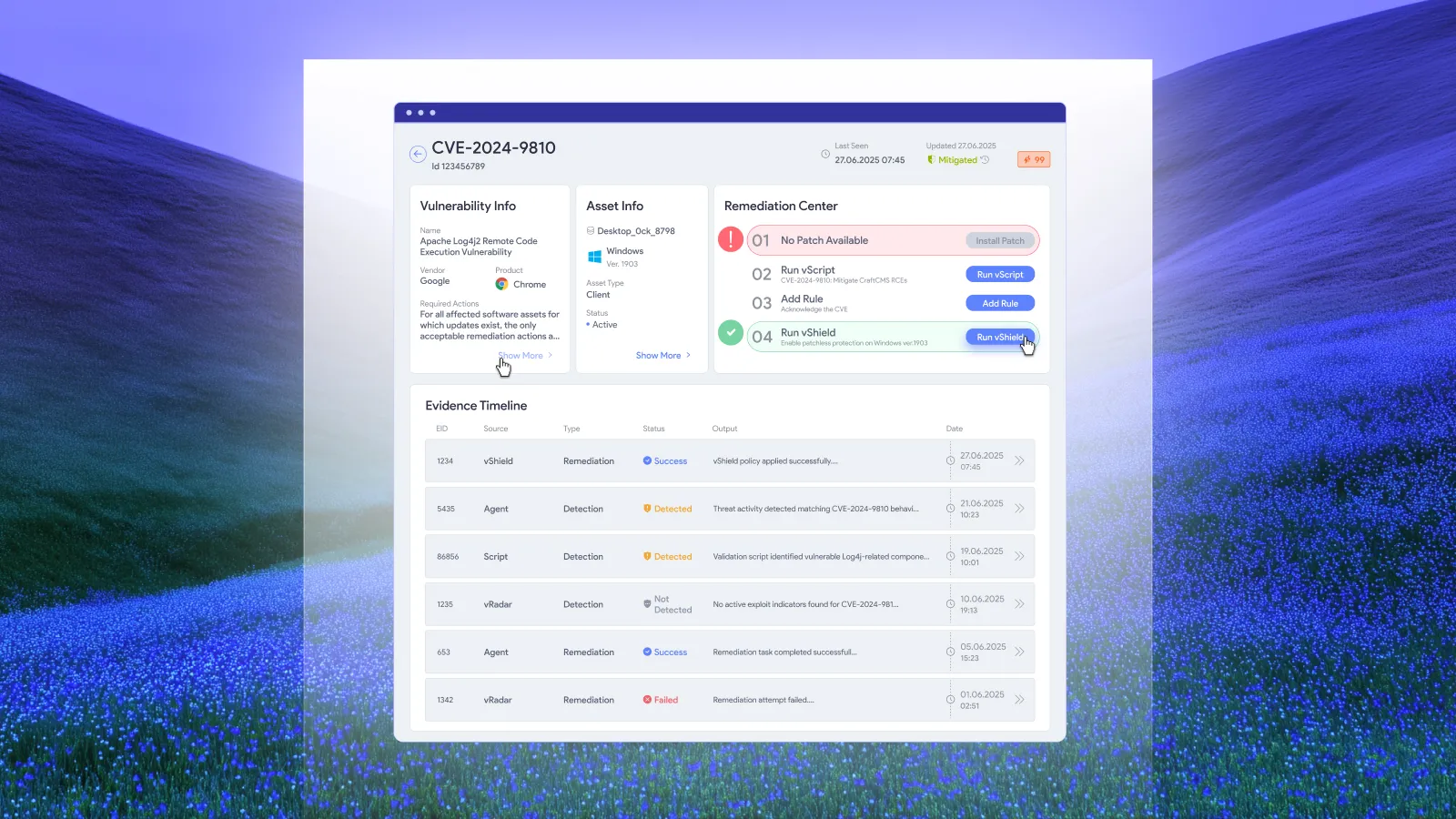
Vicarius Patchless Protection uses in-memory shielding to block exploit paths without modifying the application code. This gives IT teams time to test and schedule proper patches while security teams know the exposure is neutralized.
For security and IT alignment, this capability removes the "we can't patch yet" stalemate entirely.
5. Scripting Engines Handle What Patches Cannot Fix
Not every vulnerability closes with a patch. Configuration weaknesses, registry settings, and hardening gaps require different fixes.
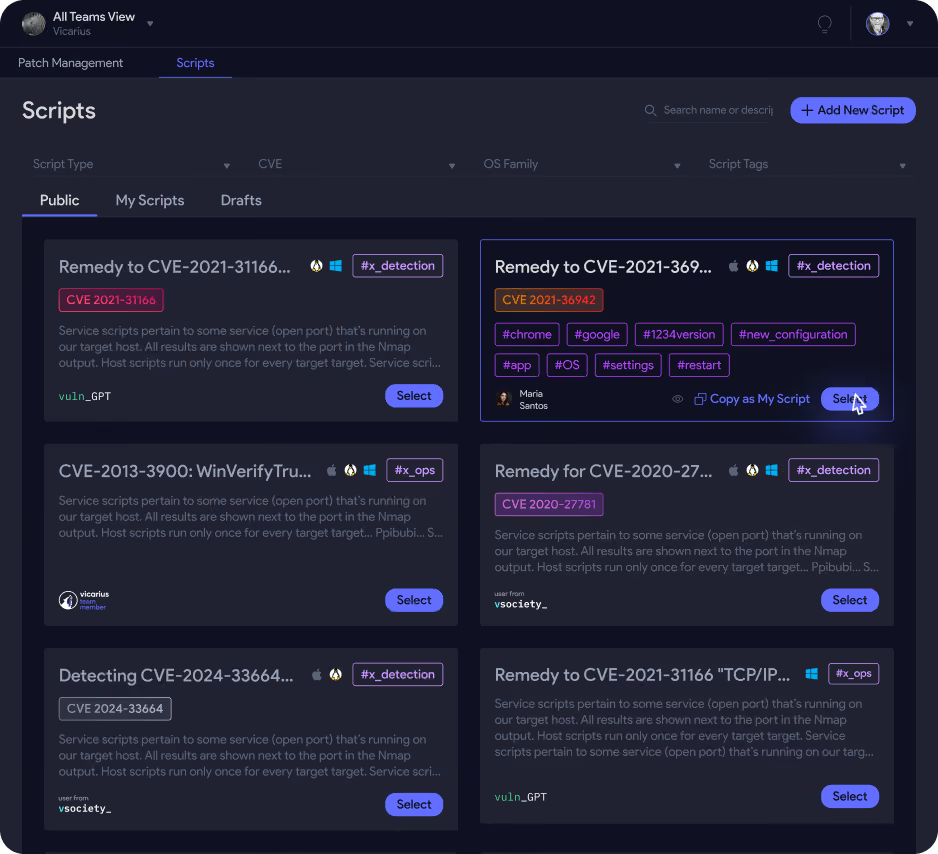
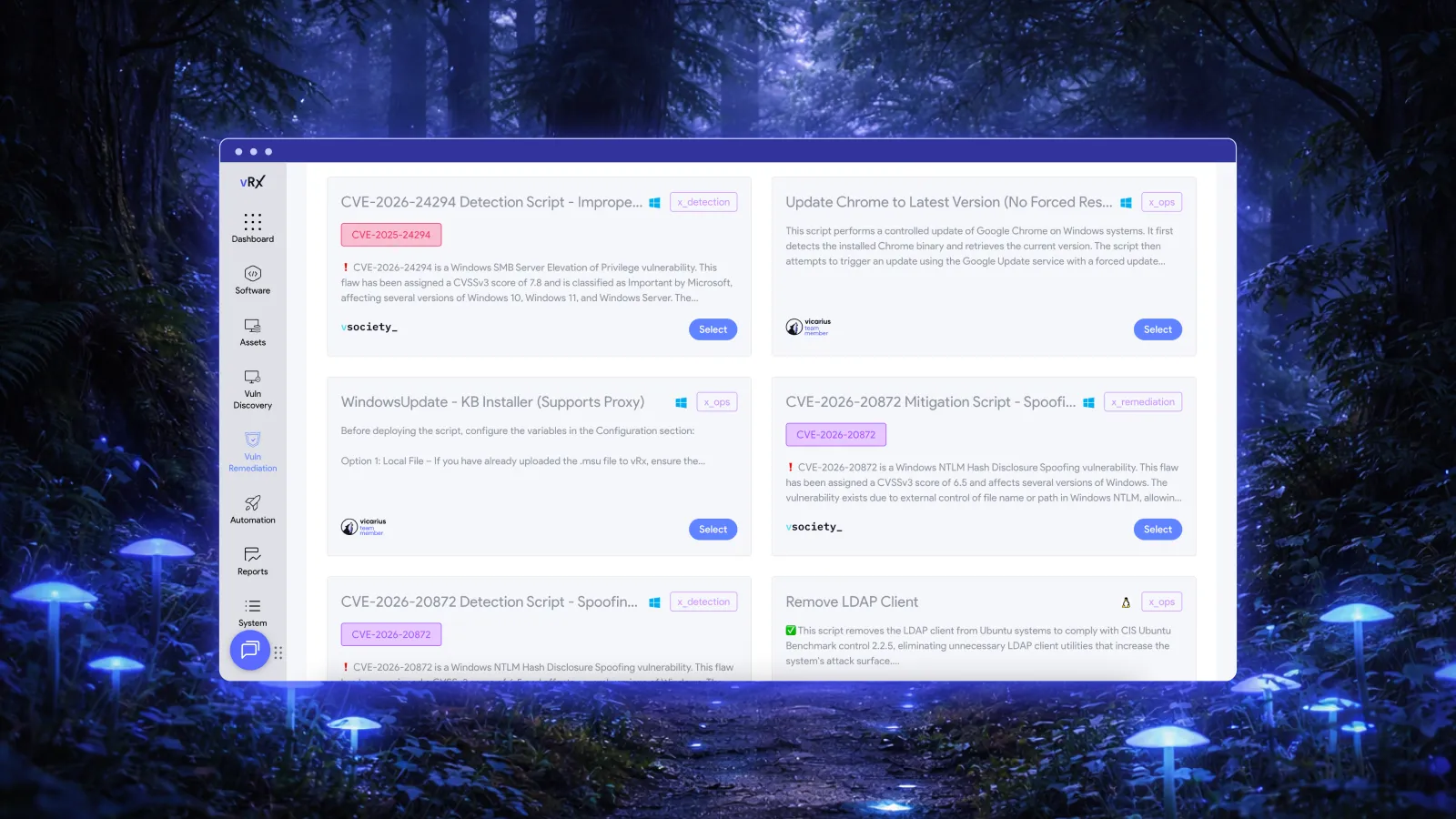
Script-based remediation lets security teams define the fix and IT teams deploy it at scale. Whether it is disabling a vulnerable protocol, adjusting firewall rules, or modifying registry keys, scripting engines execute the change across thousands of endpoints from a single console.
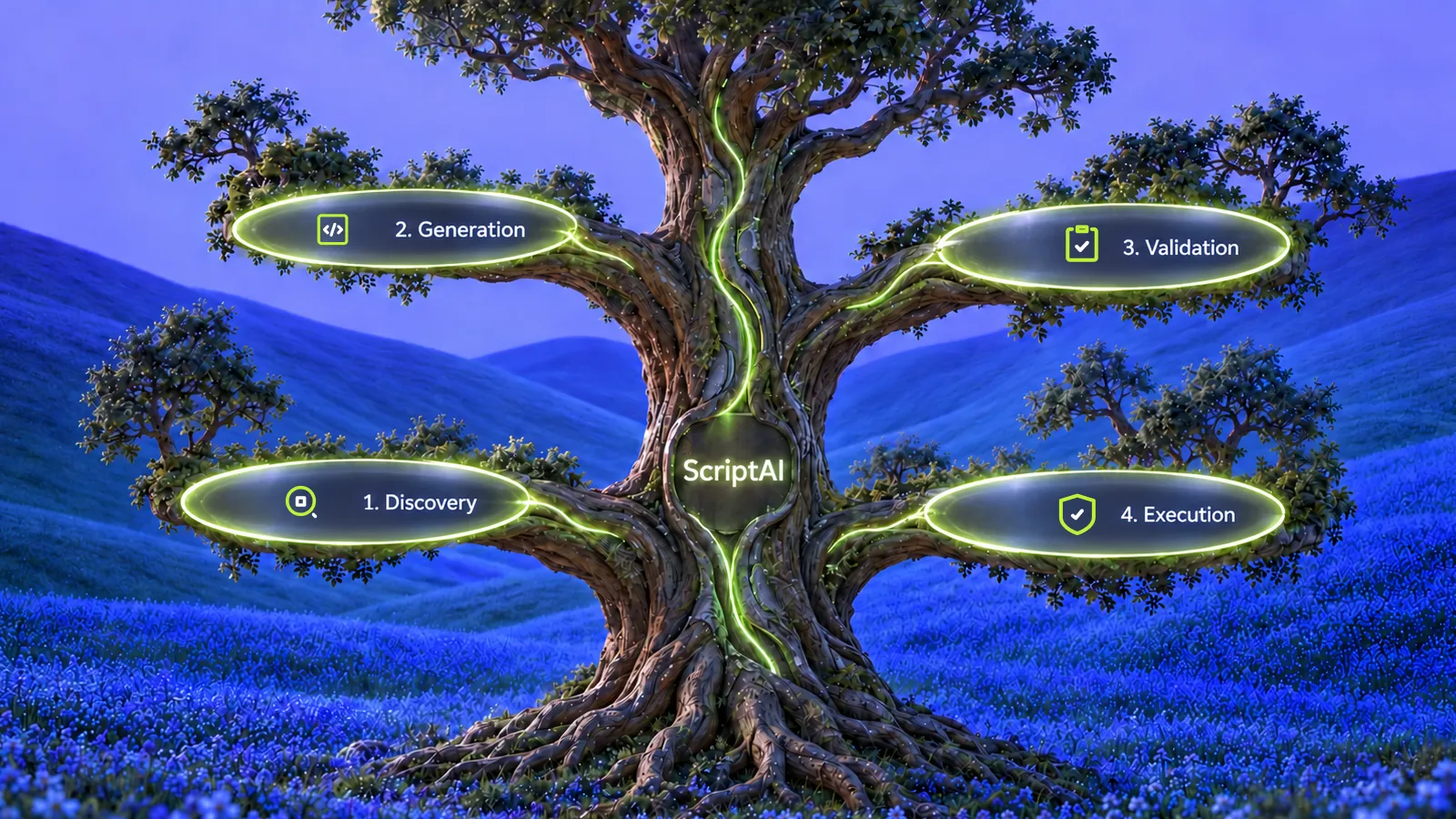
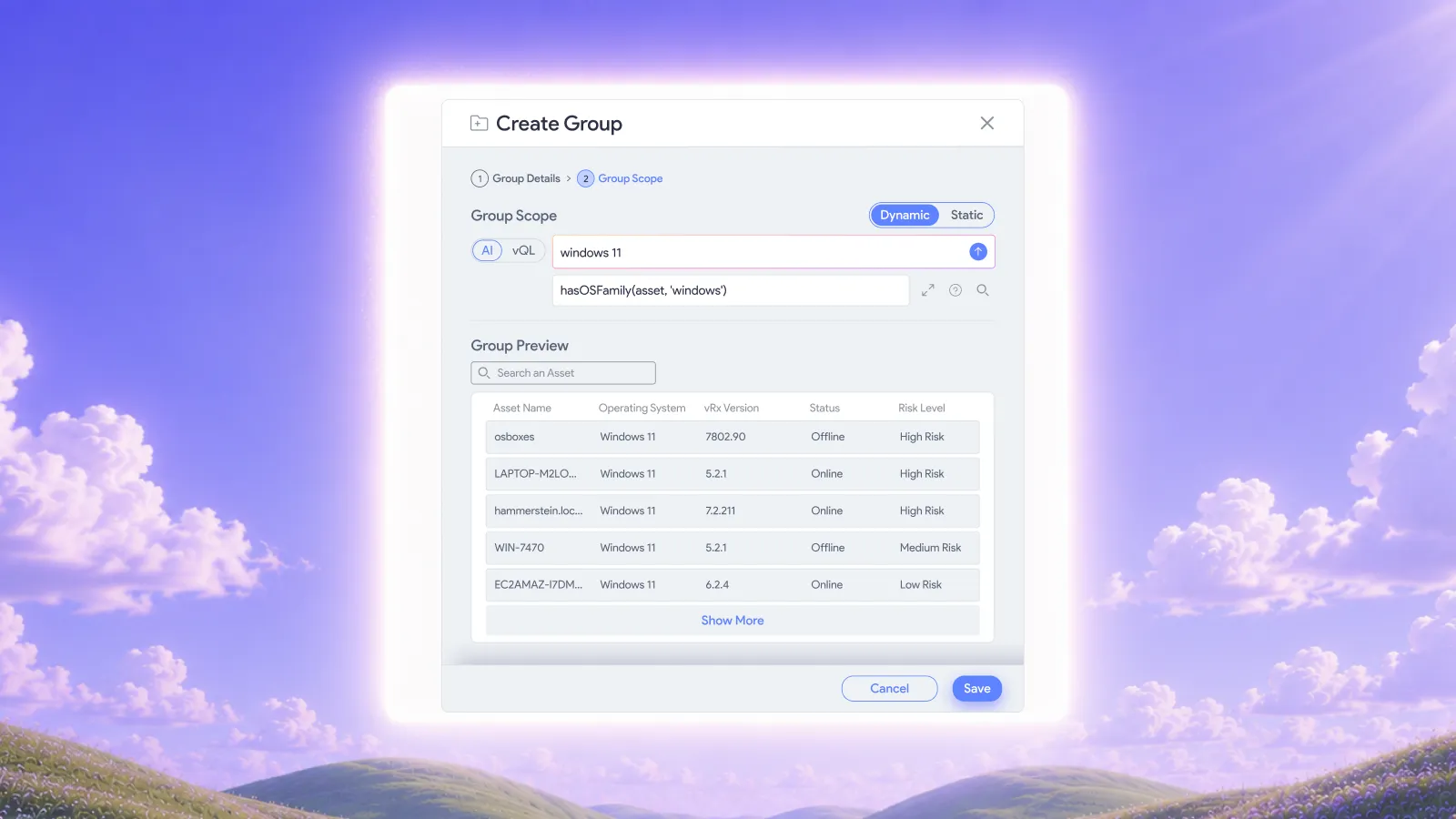
Vicarius vRx includes scriptAI, which generates remediation scripts based on your environment's specific state and active exploit data. Security defines the outcome. The platform handles execution.
6. Unified Reporting Proves Remediation to Leadership
Security teams report on vulnerabilities found. IT teams report on patches deployed. When these reports do not match, executives and auditors ask hard questions.
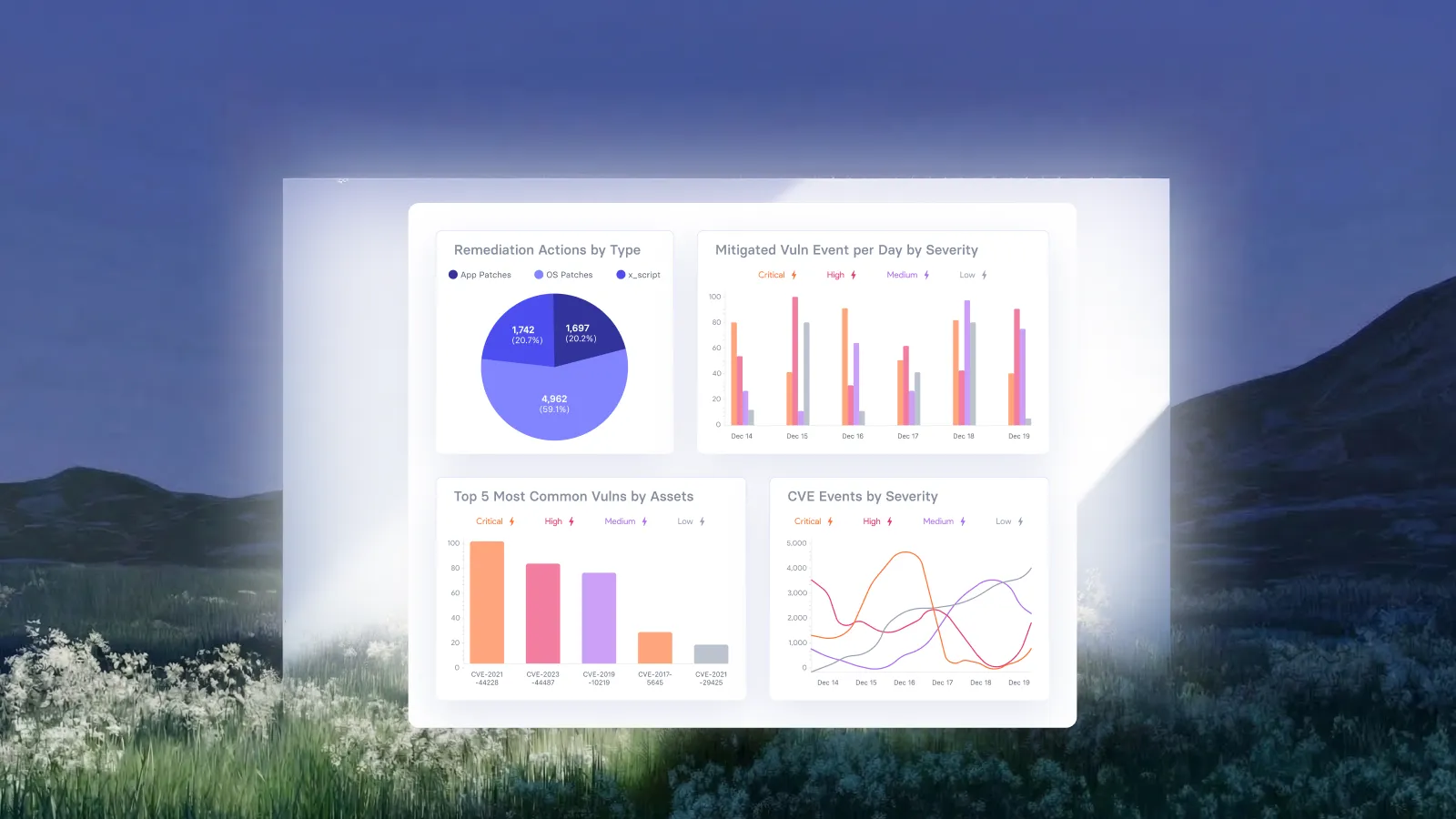
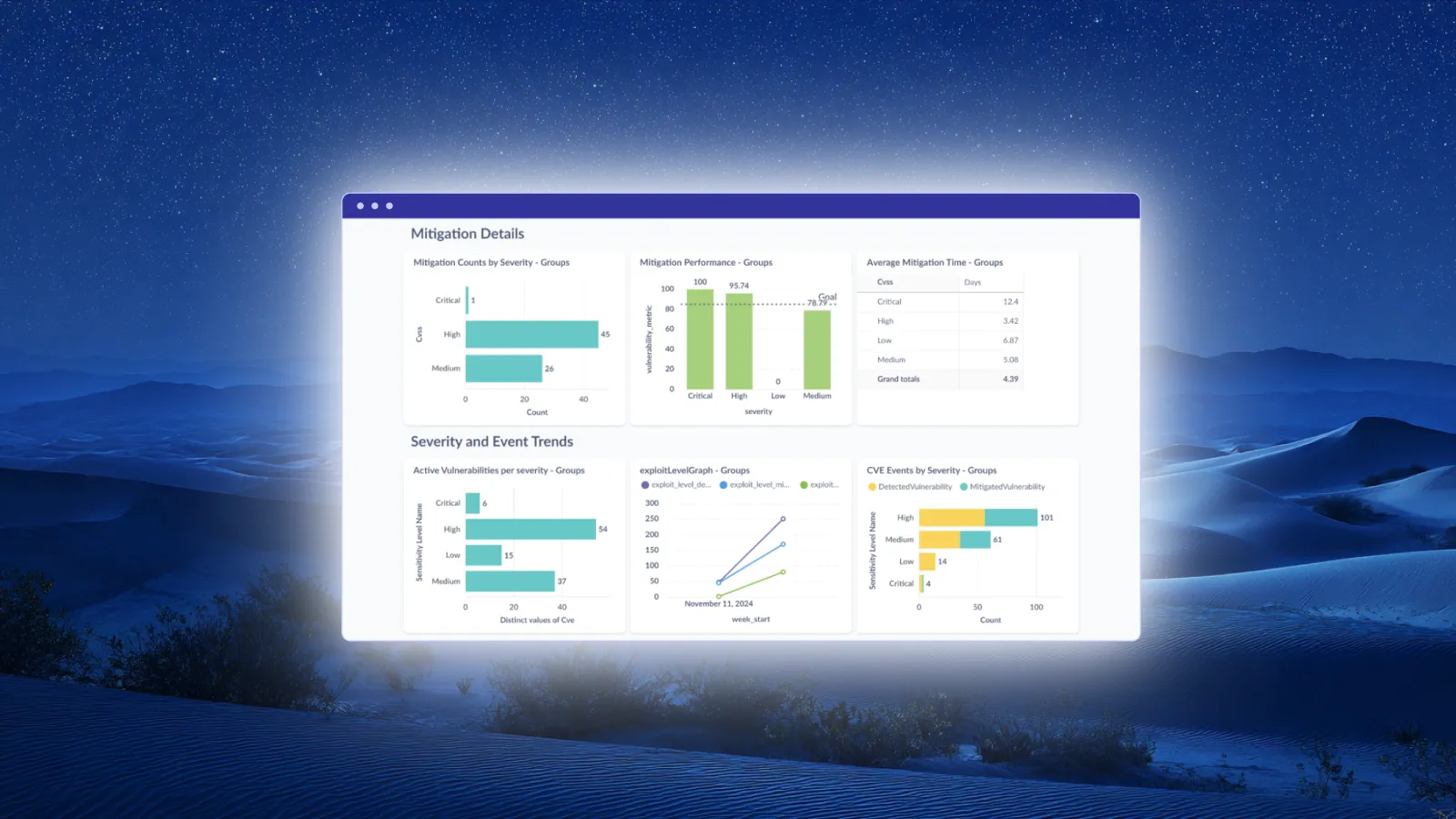
A consolidated reporting platform shows the full lifecycle: discovery, prioritization, remediation, and verification. Security and IT present the same data to leadership, with evidence that vulnerabilities are not just ticketed but closed.
This unified reporting also supports compliance requirements for frameworks like HIPAA, PCI DSS, and CMMC without requiring separate audit trails from each department.
7. Continuous Feedback Loops Improve Over Time
Remediation is not a one-time project. Vulnerabilities emerge daily. Patching cycles repeat. Without feedback, both teams repeat the same coordination struggles. Vicarius's 2026 State of Remediation report found that 75% of critical vulnerability responses simply kick off an administrative workflow, like a ticket or a risk acceptance, rather than actually resolving the threat, and that 50% of organizations still require a verified rescan before a vulnerability is considered closed.
Platforms that track mean time to remediate (MTTR), patch success rates, and recurring vulnerability patterns give both teams data to improve. If certain application types consistently delay patching, IT can pre-stage testing environments. If certain vulnerability categories spike after vendor releases, security can adjust scanning schedules.
Vicarius customers report reducing MTTR by 60-80% through these feedback-driven optimizations, according to customer case studies on the Vicarius website.
Why Unified Remediation Outperforms Patching-Only Approaches
Patching-only tools assume every vulnerability has a patch ready to deploy. That assumption breaks down in mixed environments where Linux servers run alongside legacy Windows applications, third-party software lacks vendor support, and zero-day disclosures outpace vendor response.
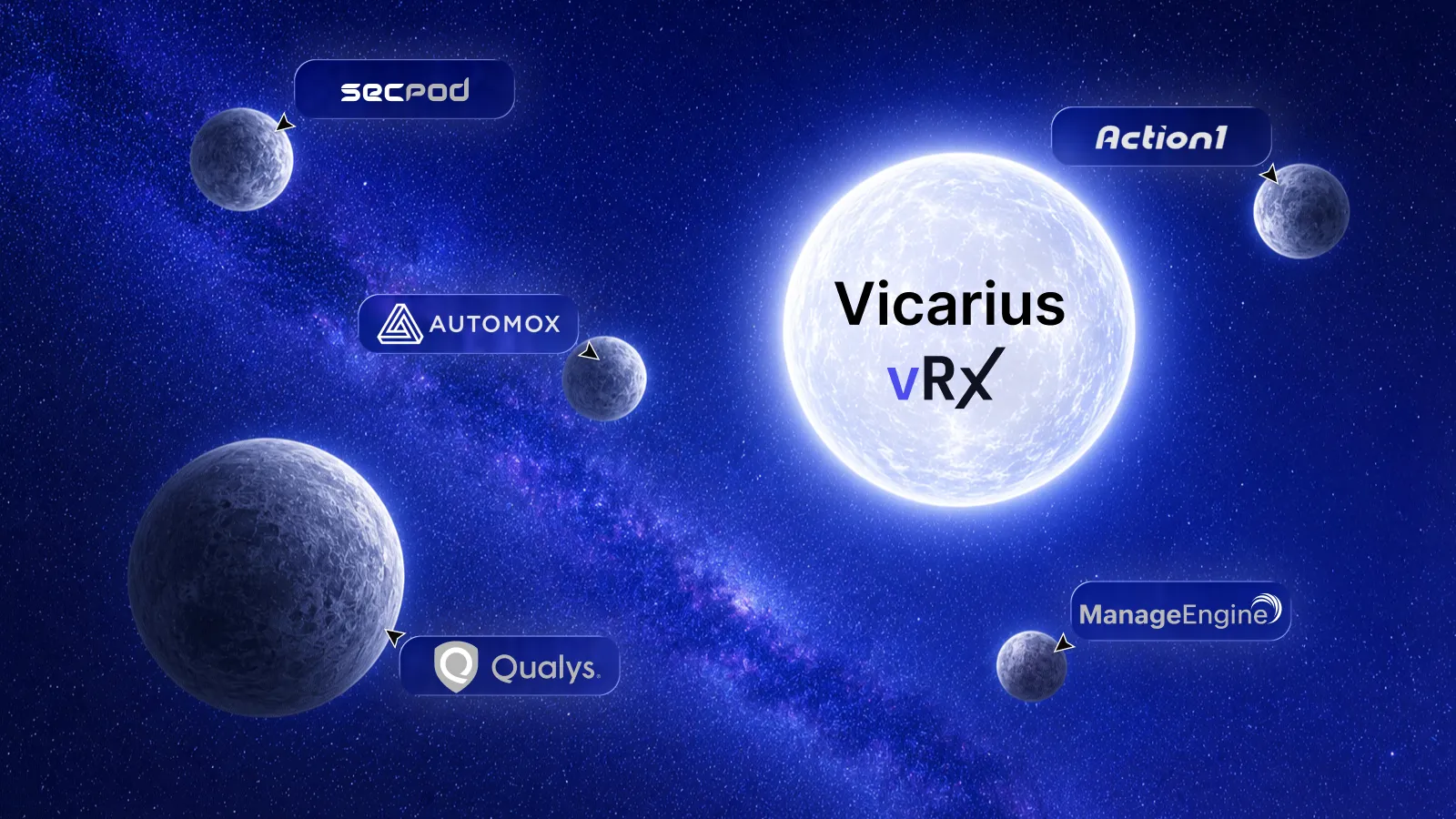
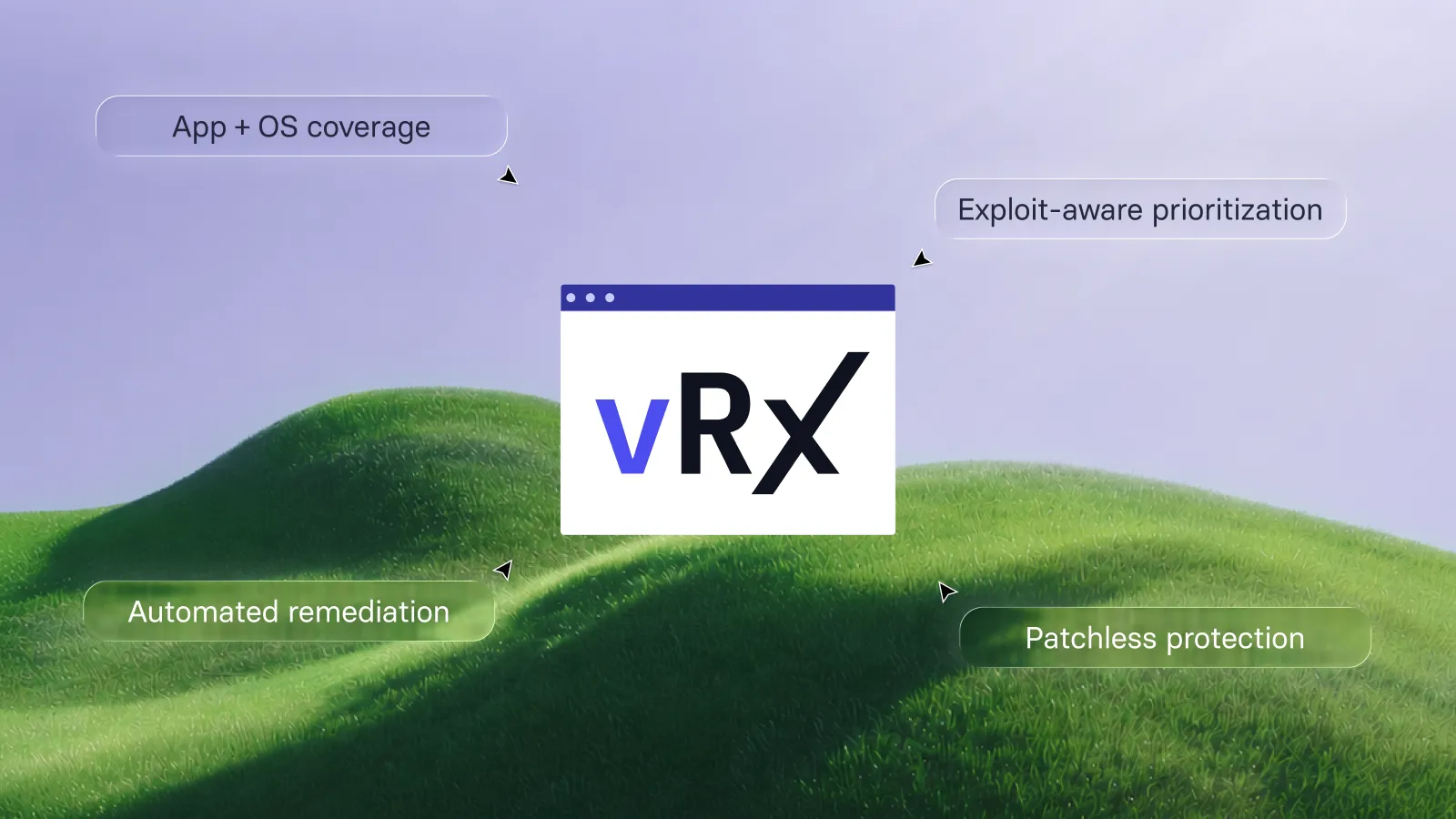
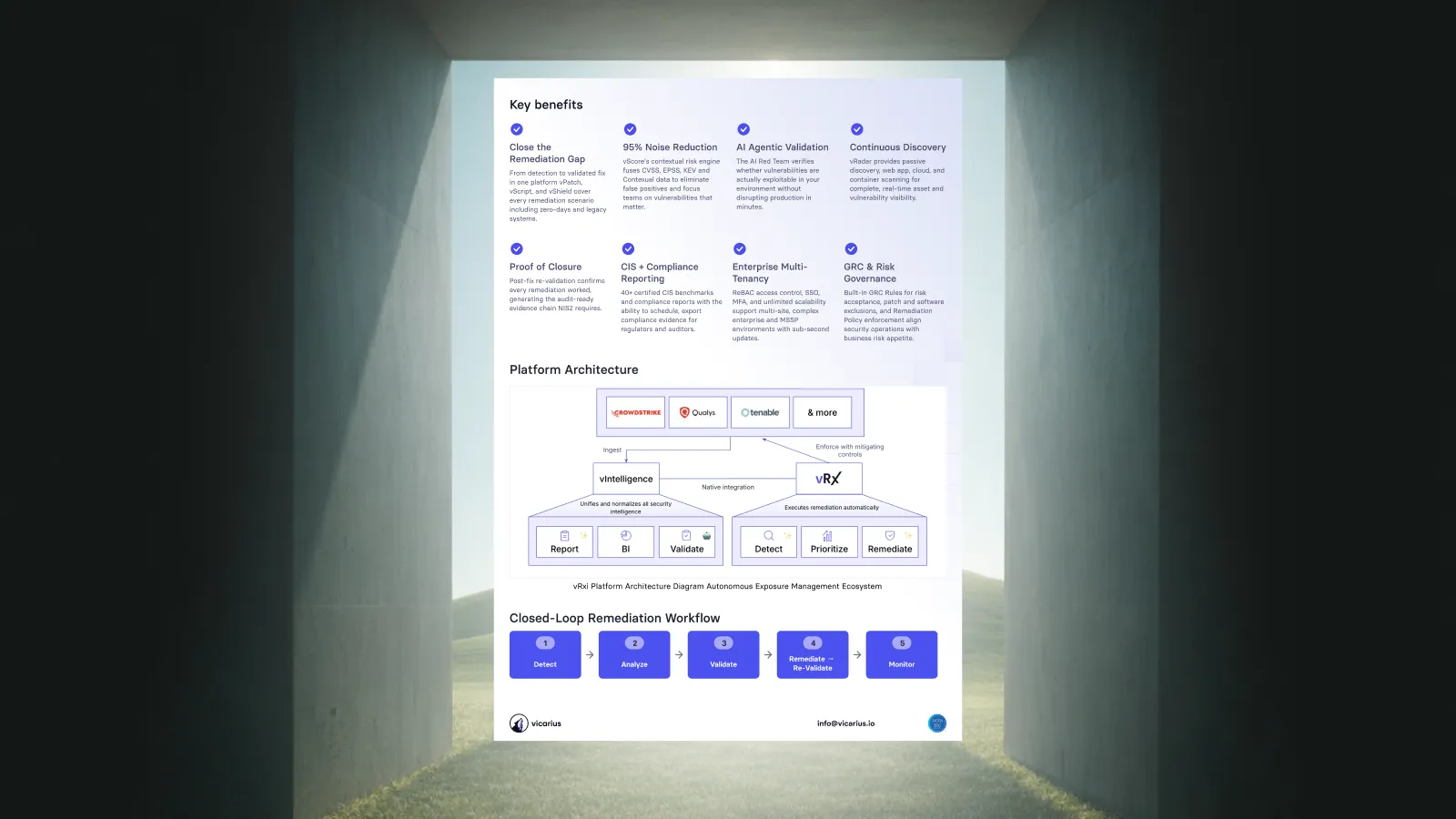
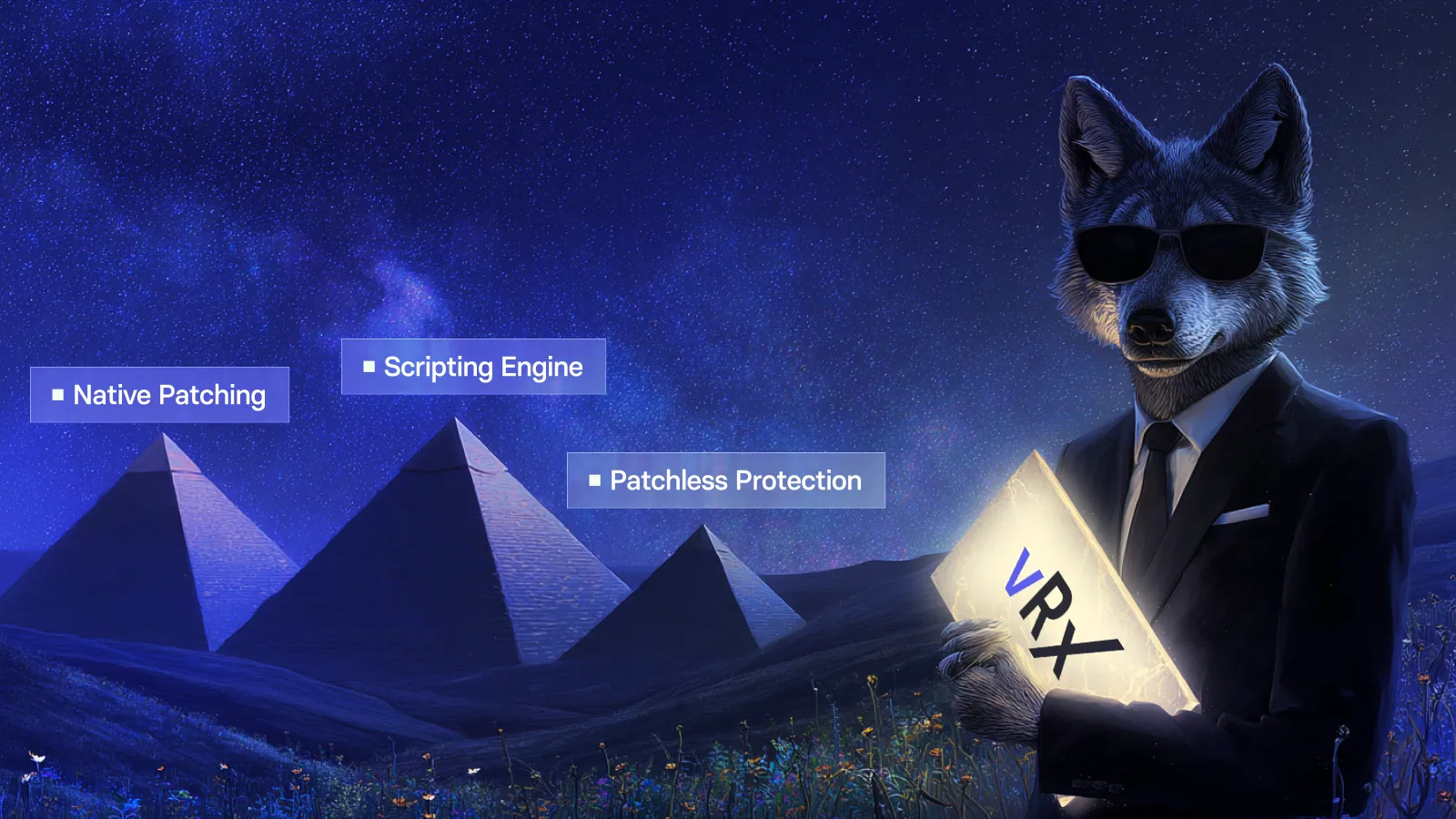
Vicarius vRx takes a different approach. It combines automated discovery, risk-based prioritization, automated patching, patchless protection, and scripted remediation into one platform. Security teams get coverage for every vulnerability type. IT teams get a single workflow instead of four separate tools.
This unified model is why organizations using Vicarius report saving at least 30% of manual vulnerability management tasks and cutting patching time by up to 80%.
See how your organization compares: download the full 2026 State of Remediation report from Vicarius.
FAQs about Remediation and Security IT Alignment
What is the main barrier to security and IT collaboration?
The biggest barrier is fragmented tooling. Security uses scanners that generate findings. IT uses patch management tools that deploy updates. When these tools do not share data, both teams work from incomplete information. Vicarius's 2026 State of Remediation report found that only 25% of organizations deploy automated remediation actions directly from their security platform, which is a key reason the handoff between teams remains manual.
A unified platform solves this by giving both teams the same view of vulnerabilities, assets, and remediation status.
How does automated remediation improve patch decision speed?
Automation removes coordination overhead. Instead of tickets, approvals, and scheduling calls, policies define what gets patched and when. Vicarius vRx executes deployment across Windows, macOS, and Linux without requiring intervention for each endpoint.
This cuts remediation time from weeks to hours in many organizations.
Can remediation platforms handle vulnerabilities without available patches?
Yes. Vicarius Patchless Protection uses in-memory shielding to block exploit paths before a vendor patch exists. The scripting engine handles configuration-based vulnerabilities that patches cannot address.
Together, these capabilities ensure every vulnerability has a fix path regardless of vendor timelines.
How do security teams prove remediation to auditors?
Remediation platforms like Vicarius vRx track the full lifecycle from discovery through verified closure. Auditors see evidence that vulnerabilities are not just ticketed but confirmed as resolved on the asset itself.
This closed-loop reporting supports compliance frameworks including HIPAA, PCI DSS, CMMC, and over 100 CIS benchmarks.
What metrics should teams track to improve alignment?
Key metrics include mean time to remediate (MTTR), patch success rate, recurring vulnerability patterns, and coverage gaps by asset type. Tracking these over time reveals where coordination breaks down and where automation can help.
Vicarius customers use vRx Analysis dashboards to monitor these metrics and drive process improvements.
Does Vicarius replace existing patch management tools?
Vicarius vRx can operate alongside existing tools or replace them depending on your environment. It supports over 20,000 third-party applications and covers Windows, macOS, and Linux from a single console.
For organizations looking to consolidate tool sprawl, vRx delivers unified exposure management so security and IT work from one platform.
Ready to see where your organization stands?
Download the 2026 State of Remediation report or request a demo of Vicarius vRx.























.webp)













%20Signals%20a%20New%20Era%20of%20Supply%20Chain%20Risk.webp)







.webp)