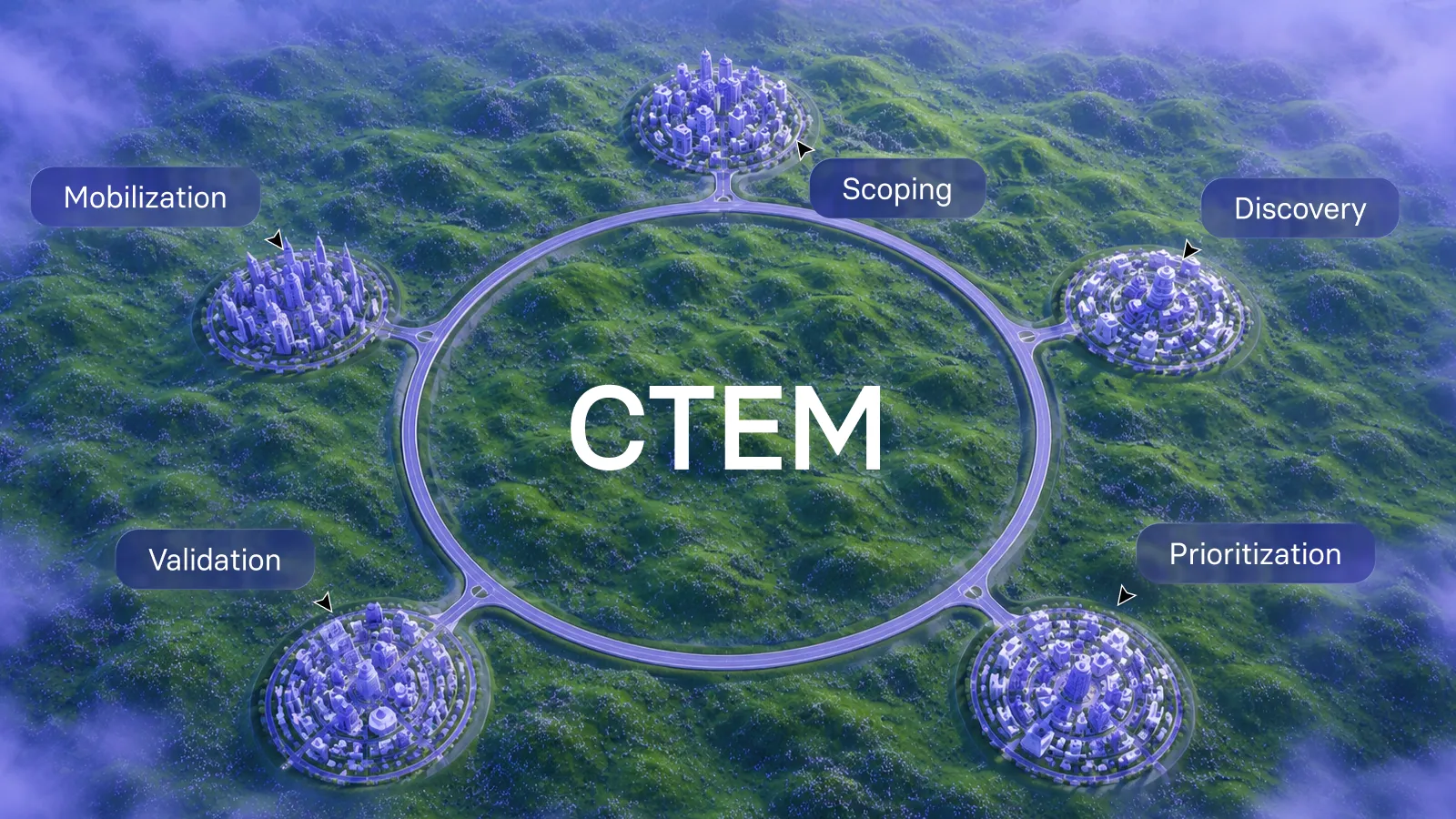


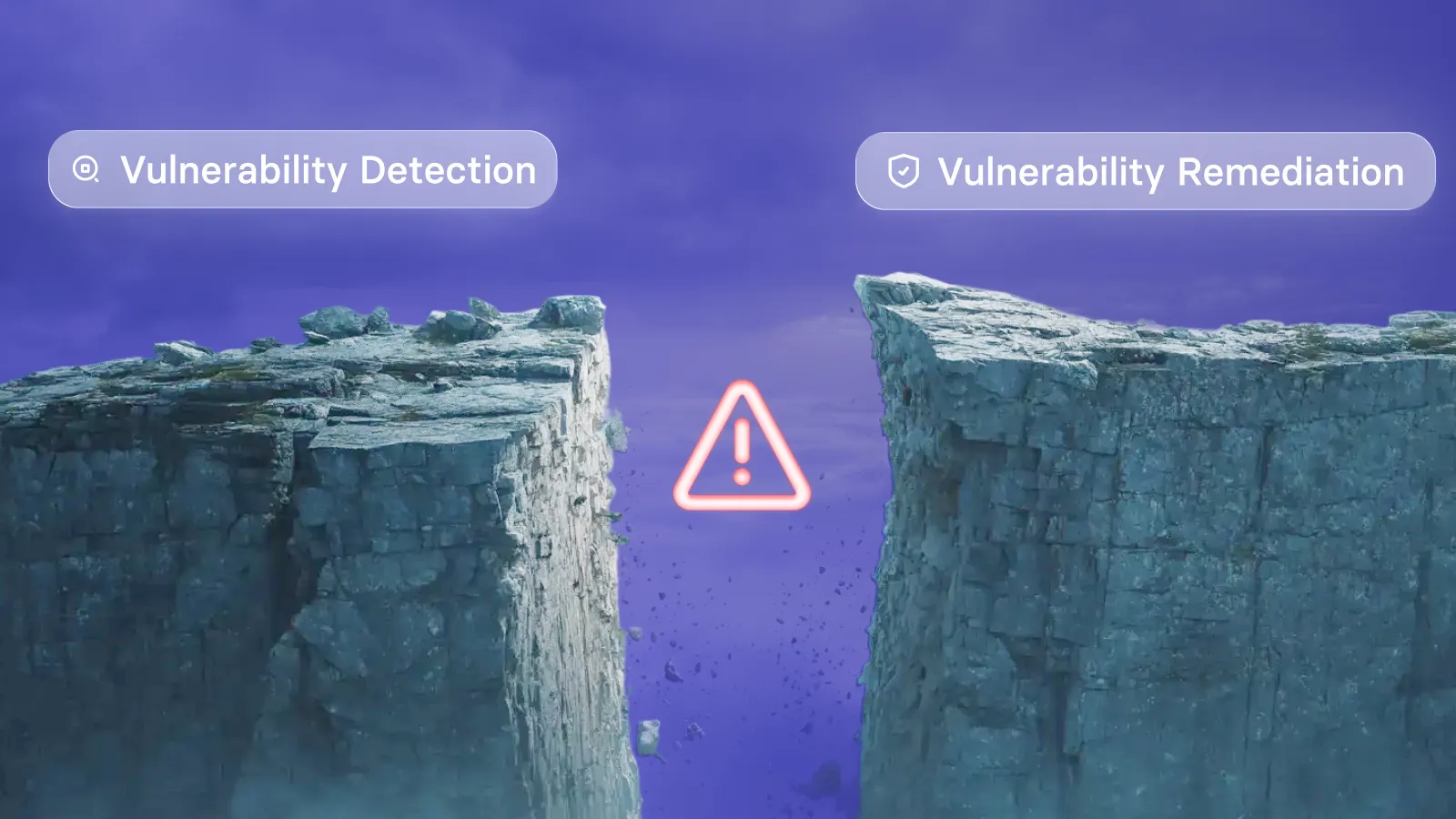
Your security team runs scans, flags vulnerabilities, and files tickets. Six weeks later, the same CVEs are still sitting in a queue. Sound familiar? CTEM implementation offers a way out of this loop by turning vulnerability data into confirmed risk reduction through a five-stage cycle: scoping, discovery, prioritization, validation, and mobilization.
This guide walks enterprise security and IT teams through building a practical CTEM program. You will learn how to define your attack surface, map exposures to business impact, validate what attackers can exploit, and mobilize remediation that closes vulnerabilities for good.
Key takeaways: CTEM implementation
- CTEM is a five-stage cycle that converts vulnerability findings into measurable exposure reduction through scoping, discovery, prioritization, validation, and mobilization.
- Scoping prevents scope creep by defining critical assets, attack surface boundaries, and success metrics tied to business risk before discovery begins.
- Prioritization combines CVSS severity with EPSS exploitation probability and CISA KEV data to rank vulnerabilities by real-world risk, not theoretical severity.
- Validation confirms whether vulnerabilities are exploitable in your environment, cutting false positives and building engineering confidence in remediation requests.
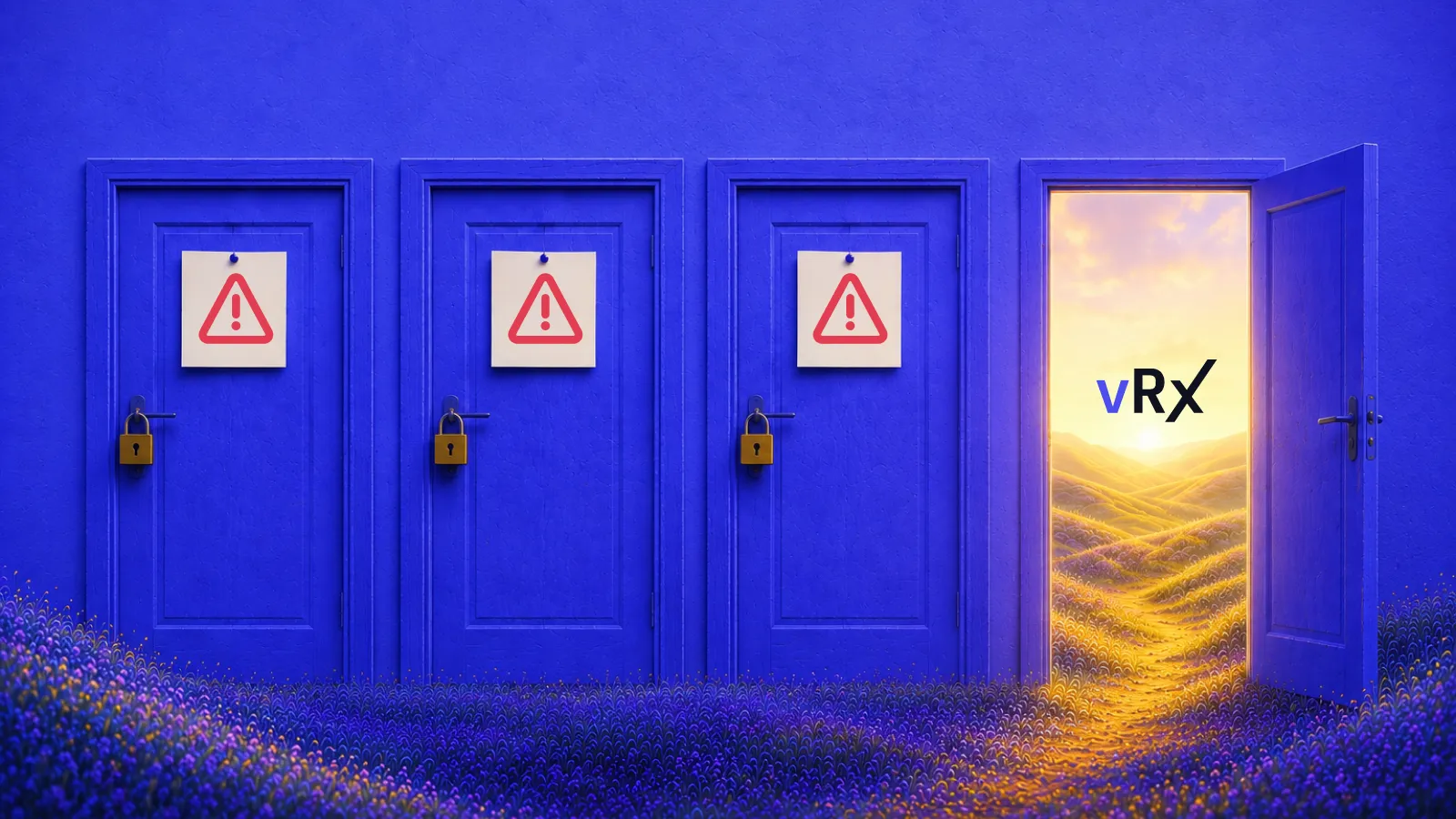
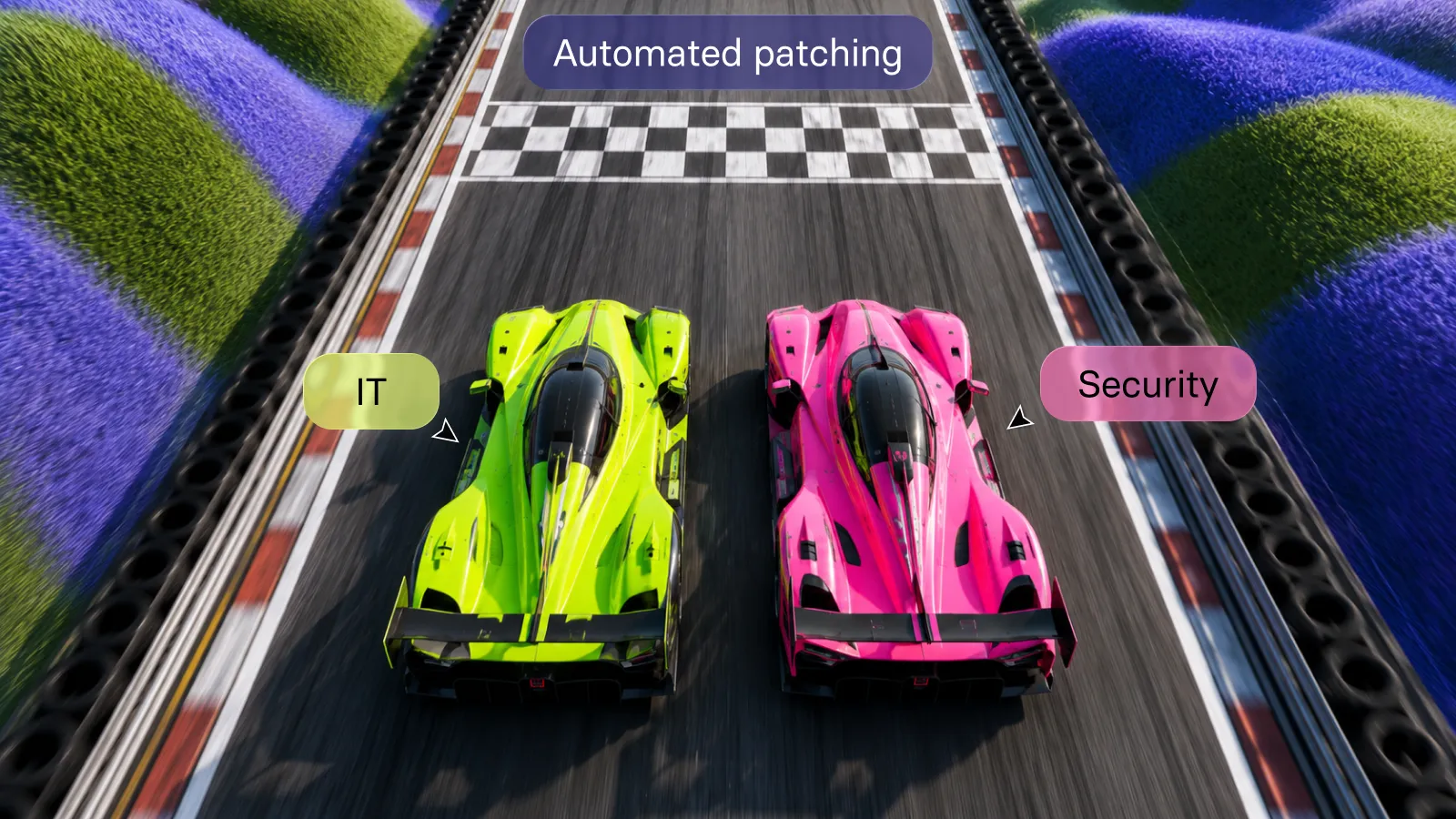
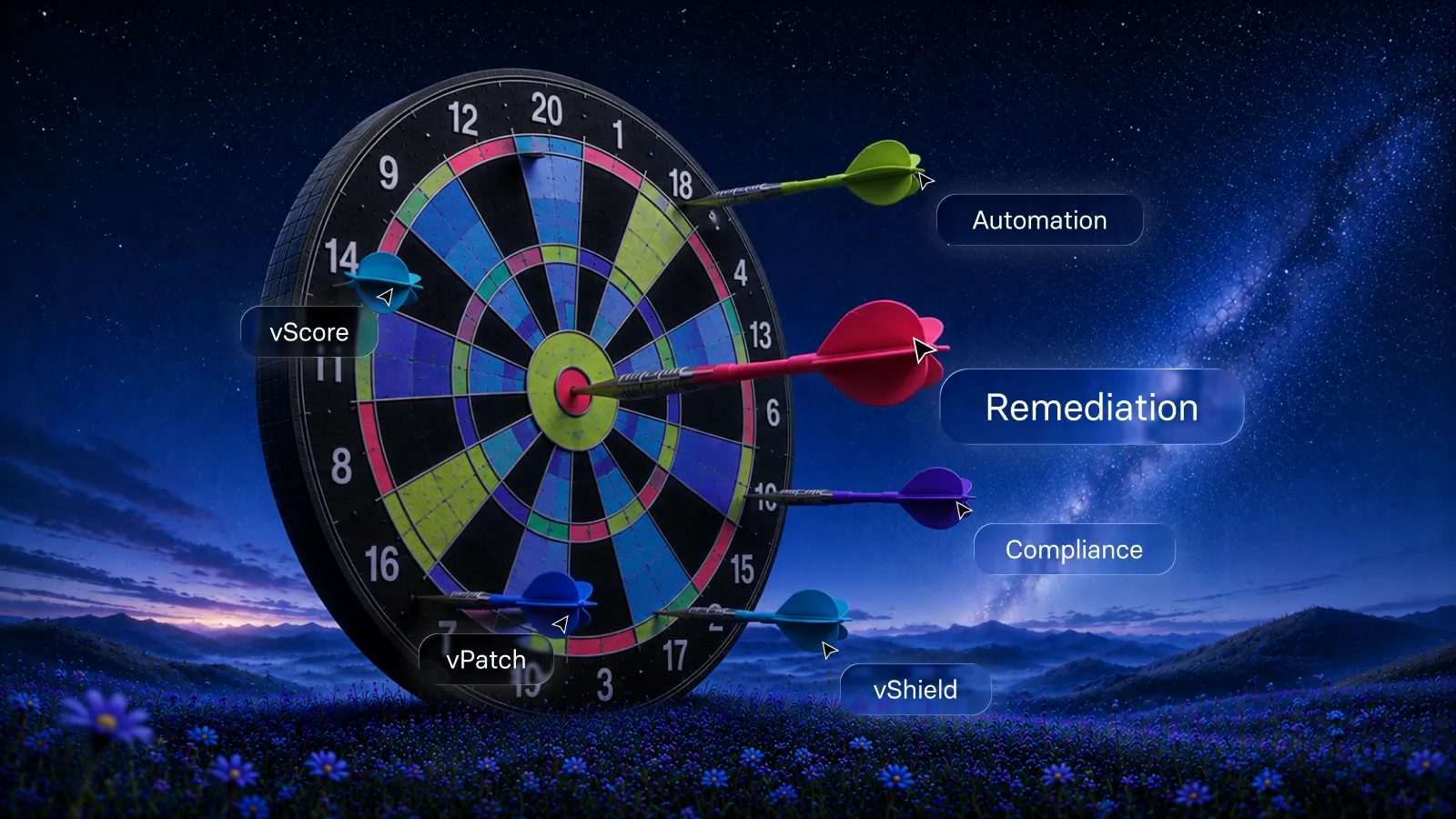
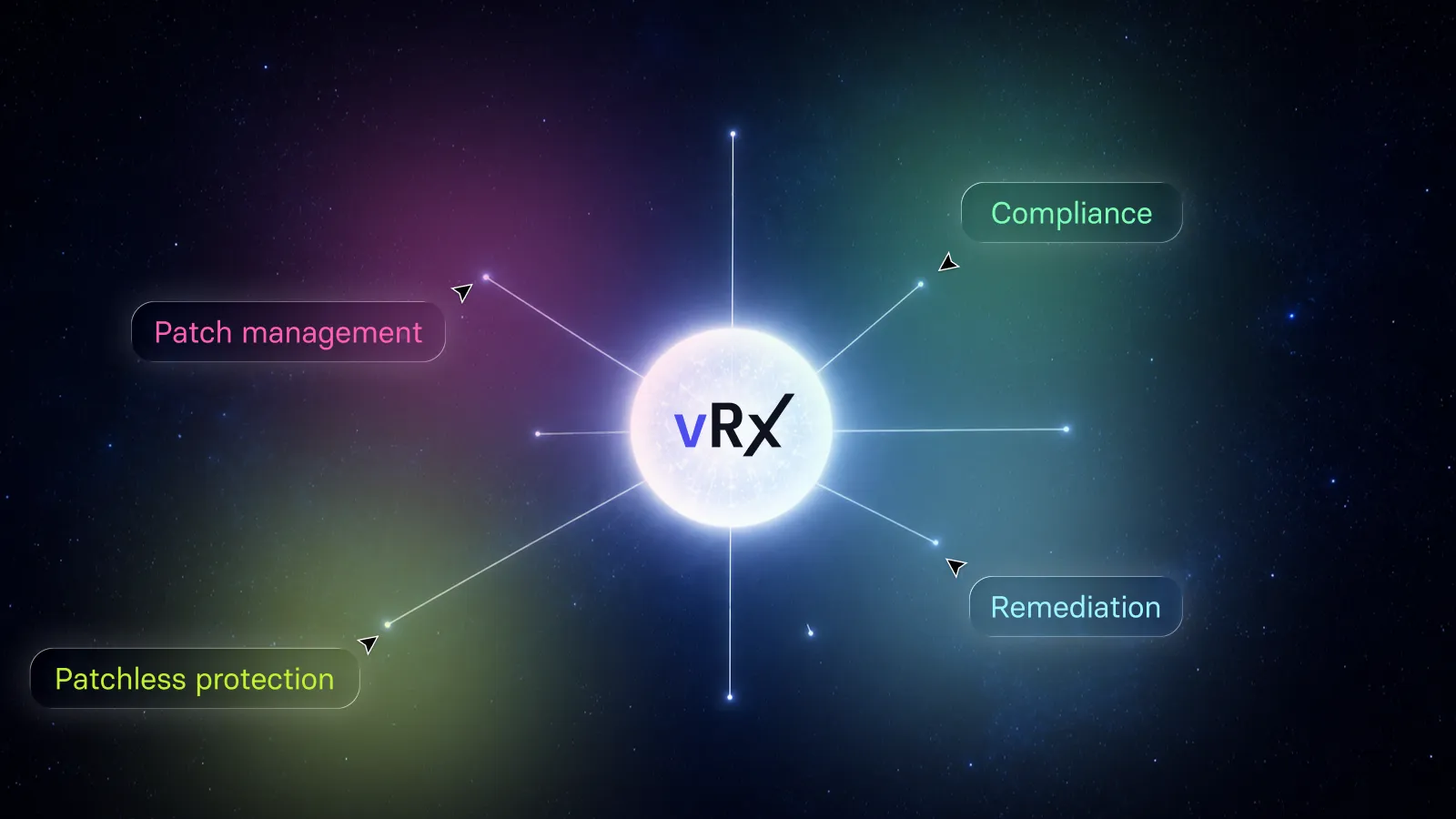
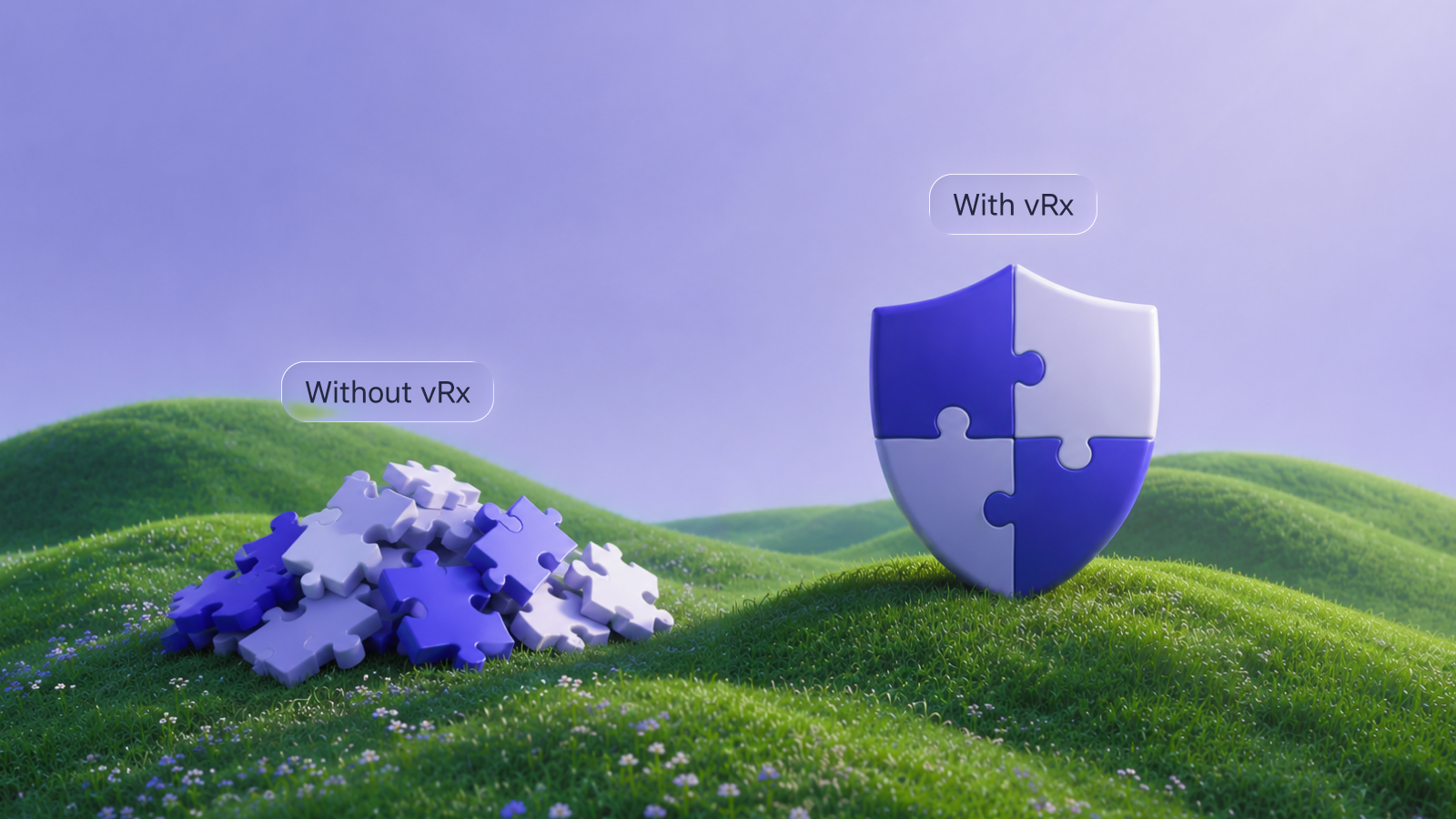
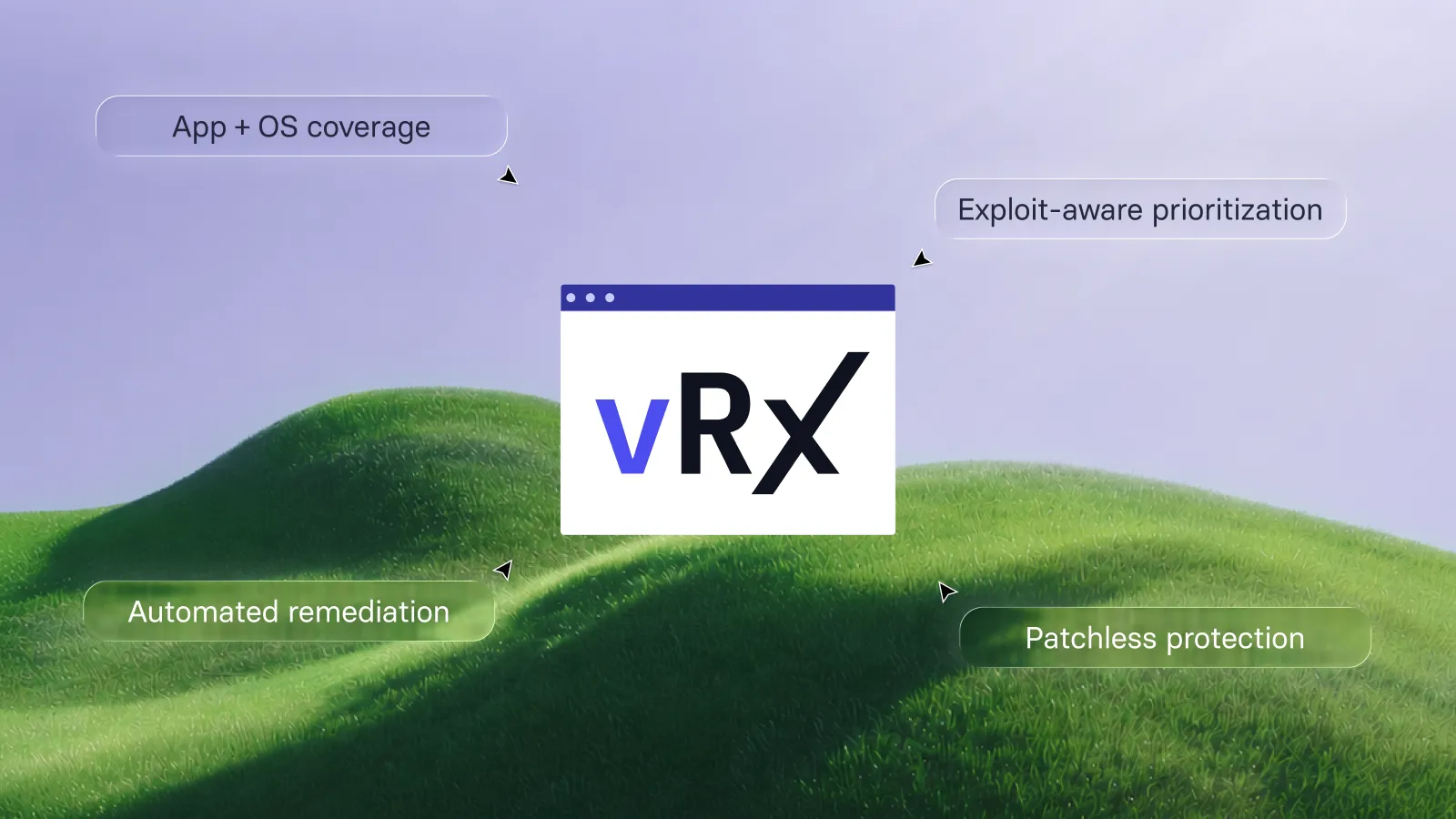
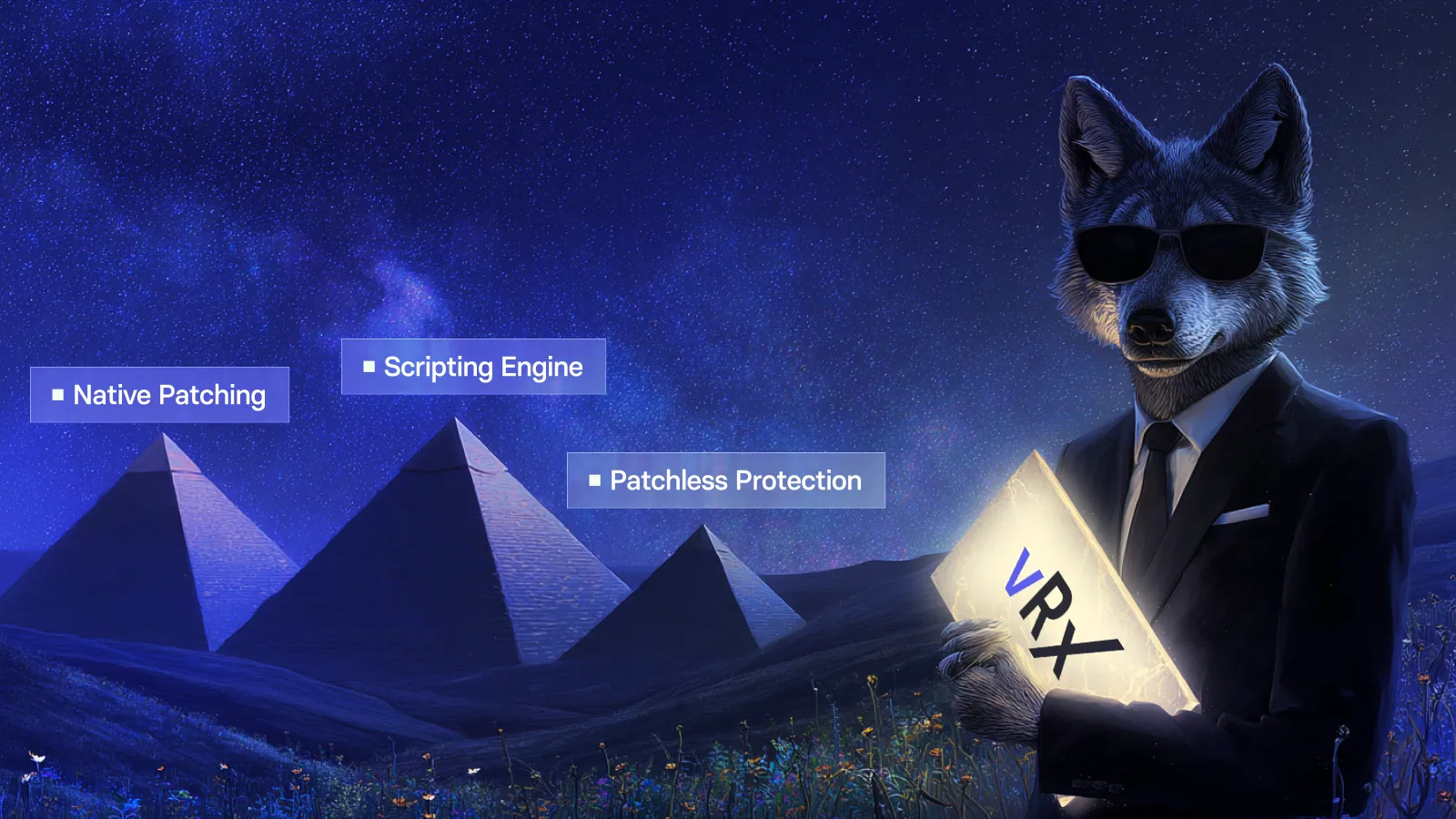
- Vicarius vRx closes the remediation gap by automating patching, patchless protection, and scripted fixes across your entire vulnerability queue.
What is CTEM and why does it matter in 2026?
CTEM stands for Continuous Threat Exposure Management. Gartner introduced this framework to help organizations move beyond periodic vulnerability scans toward a structured operating model for reducing security exposure.
Traditional vulnerability management focuses on finding flaws. CTEM focuses on fixing them. The framework operates as a continuous cycle rather than a point-in-time assessment, keeping your security posture current as your environment changes.
Attack surfaces are growing faster than security teams can staff. Cloud workloads spin up daily. Third-party integrations multiply. Legacy systems stay in production long past their end-of-life dates. A program designed around periodic assessments cannot keep pace with this rate of change.
The five stages of CTEM Explained
CTEM breaks exposure management into five stages that form an iterative cycle. Each stage produces specific outputs that feed the next. When done well, the cycle tightens over time.
Stage 1: Scoping
Scoping defines what your CTEM program will protect and how you will measure success. Without a clear scope, CTEM becomes vulnerability management for everything, which means vulnerability management for nothing.
Start by identifying critical business services. Map them to the assets that support them. Define your attack surface boundary and establish success metrics. A good scope is a business risk hypothesis, not a CMDB export.
For your first cycle, pick a narrow domain where you have remediation capacity. A completed pilot on a moderate-risk domain builds the credibility and muscle memory to tackle higher-risk domains in subsequent cycles.
Stage 2: Discovery
Discovery answers two questions: what exists, and what is wrong with it? This stage goes beyond CVE scanning to include misconfigurations, identity weaknesses, SaaS posture gaps, and third-party integration risks.
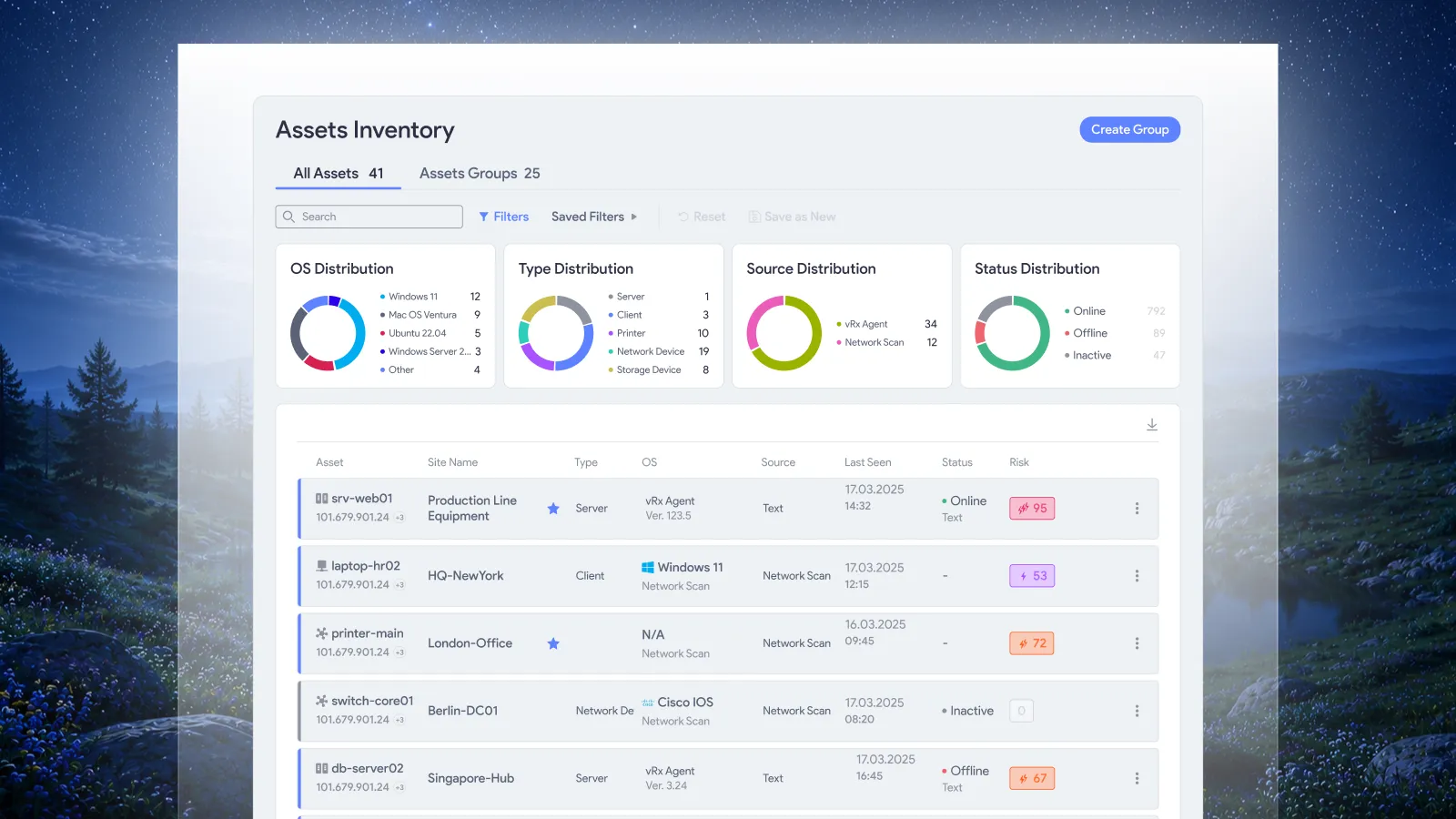
Build an asset inventory for your scoped domain that captures asset identifiers, owners, business criticality, and exposure posture. Discovery tools are essential, but substantial human effort is required to classify findings, correlate them with business context, and assign ownership.
Coverage gaps are findings themselves. If your scanner does not cover three of twelve in-scope services, that gap represents unmonitored exposure.
Stage 3: Prioritization
Given the volume of exposures most organizations uncover, prioritization determines whether your team makes progress or drowns in tickets. This stage ranks risks based on exploitability, business impact, and existing security controls.
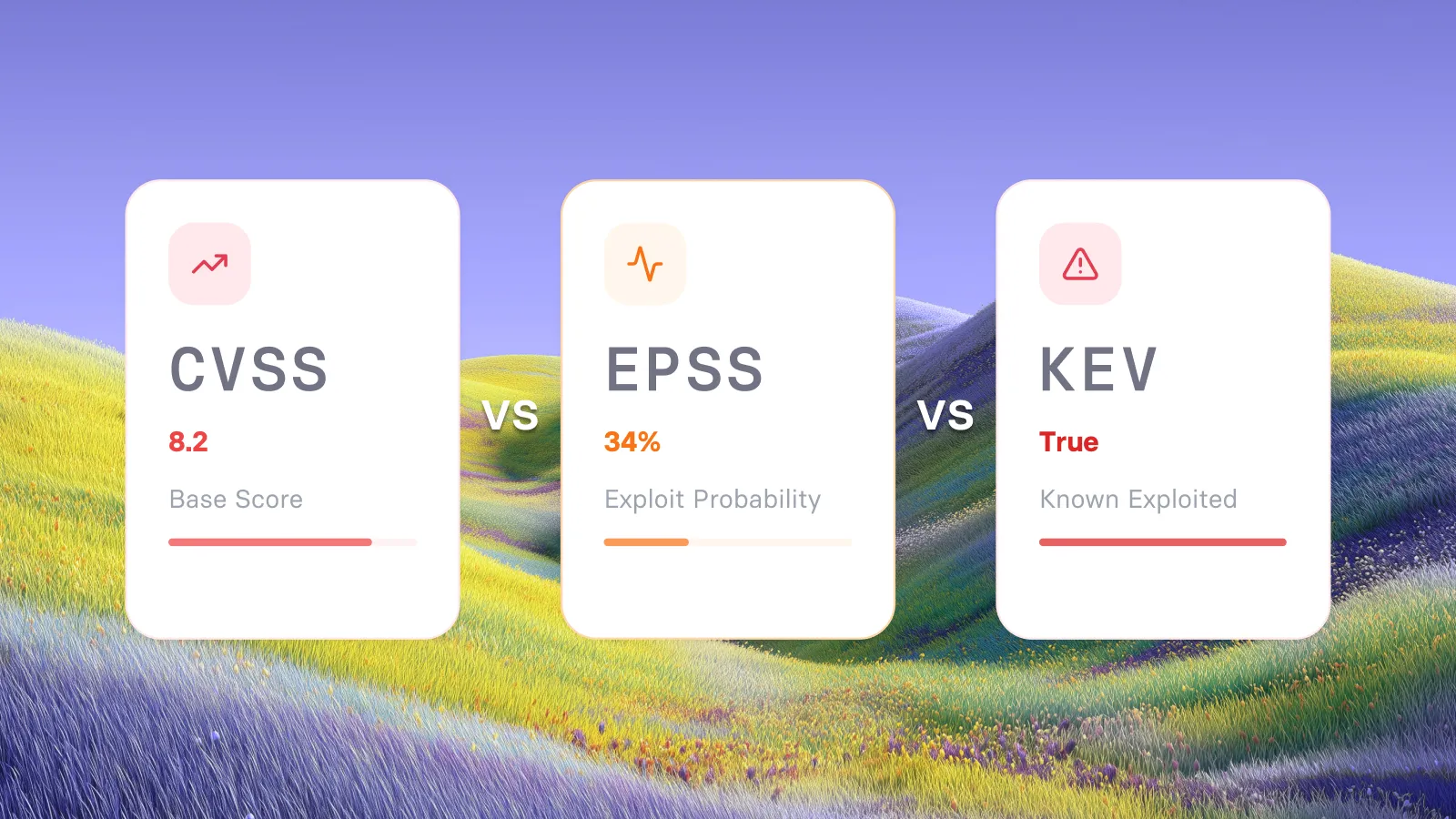
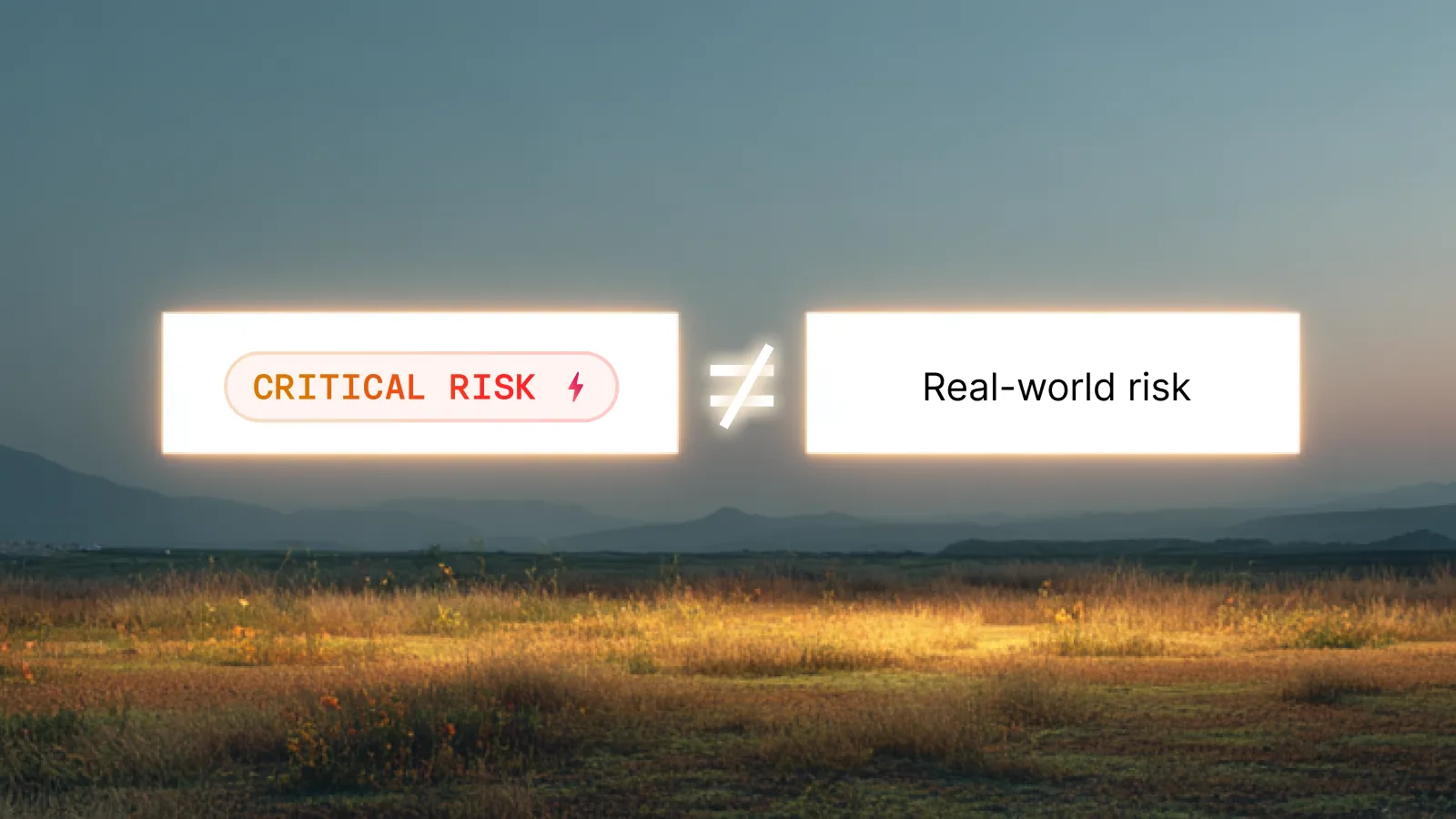
CVSS alone is a severity score, not a risk assessment. A CVSS 9.8 on an internal-only, non-production system is genuinely less urgent than a CVSS 7.0 on your internet-facing authentication service. Combine CVSS with EPSS exploitation probability and CISA KEV data to build a prioritization model that reflects real-world risk.
Risk-based prioritization factors in asset criticality and business context alongside threat intelligence. The result is a defensible priority ranking with SLAs that engineering can meet.
Stage 4: Validation
Validation turns "theoretically risky" into "practically exploitable." This stage tests whether attacks work in your environment, whether controls prevent or detect as assumed, and whether fixes reduced or removed the exposure.
Validation is not a pentest. You have a specific exposure, a specific hypothesis about exploitability, and you test that hypothesis. The goal is speed and precision, not open-ended assessment.
Expect 30-40% of P1/P2 exposures to be downgraded after validation because compensating controls work or the exploit does not apply to your configuration. Another 10-15% may be upgraded when testing reveals the exposure is worse than the scanner indicated.
Stage 5: Mobilization
Mobilization converts validated findings into executed remediation. Findings become engineering-grade work items with evidence, owners, and SLAs. Exceptions are governed. Metrics show actual exposure reduction.
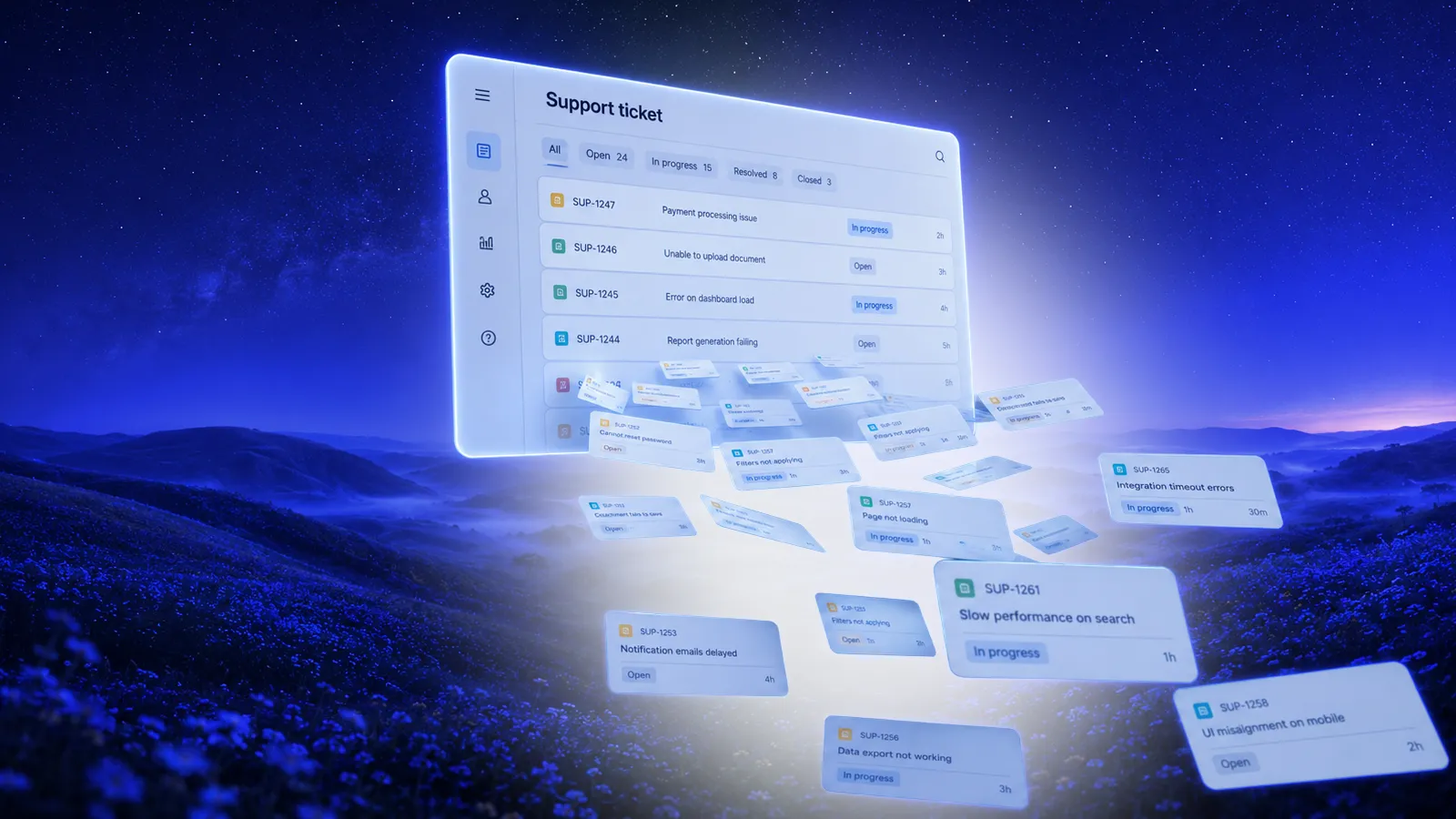
The quality of your remediation tickets directly determines whether engineering acts on them. Lead with business impact and validation evidence, not finding count. Include the specific fix: the library version to upgrade, the configuration change to apply, the rule to add.
After every fix, re-validate by running the same test that proved exploitability. If the fix works, the test should fail. If it does not fail, the fix did not work. Send it back.
How to start your CTEM program: a 90-day roadmap
Most organizations stall on CTEM because they try to operationalize it as a program before proving it works as a project. Treat your first cycle as a time-boxed pilot: narrow scope, concrete deliverables, and a clear decision point at day 90.
Days 1-30: define your pilot scope
Select a pilot domain based on three criteria. First, where do you have remediation capacity? Pick a domain where the team responsible for fixes has bandwidth and willingness. Second, where is the exposure data accessible? Choose a domain where you can enumerate assets without a multi-month integration project. Third, where can you demonstrate business-relevant risk reduction?
Write a scope charter that includes threat scenarios, explicit exclusions with reasoning, and success criteria that are specific and verifiable. A charter that says "reduce critical exposures" is circular. A charter that says "eliminate all internet-reachable paths to the admin interface" gives everyone a clear target.
Days 31-60: discover and prioritize
Build your scoped asset inventory with asset identifiers, owners, business criticality, and exposure posture. Set a hard boundary: at the end of week 6, you work with what you have. Gaps become findings.
Layer exposure data on top of your inventory. Query vulnerability scanners, cloud security posture tools, identity platforms, DNS records, and code repositories for in-scope assets only. Then apply your prioritization model to produce a ranked queue.
Days 61-90: validate and mobilize
Validate P1 and P2 exposures by testing whether the exploit works in your environment. Document validation results with evidence your engineering team can act on.
Create remediation tickets that specify the exact change required, the business impact if not fixed, and how to verify the fix worked. Track progress, escalate blockers, and re-validate every completed fix before closing.
How CTEM differs from traditional vulnerability management
Vulnerability management focuses on software flaws identified by CVE numbers. CTEM covers any exposure that puts data, identity, or infrastructure at risk: credential leaks, lookalike domains, misconfigurations, infected devices, and more.
Scanners produce findings. CTEM produces remediated exposures through a structured workflow. The difference lies in what happens after discovery: prioritization that accounts for business context, validation that proves exploitability, and mobilization that drives fixes to completion.
If your scanners produce reports that sit in a queue, adding another scanner will not help. You need a system for moving from finding to fixing.
Overcoming common CTEM implementation challenges
Organizations face predictable hurdles when implementing CTEM. Understanding them in advance helps you plan around them.
Challenge: remediation stalls between teams
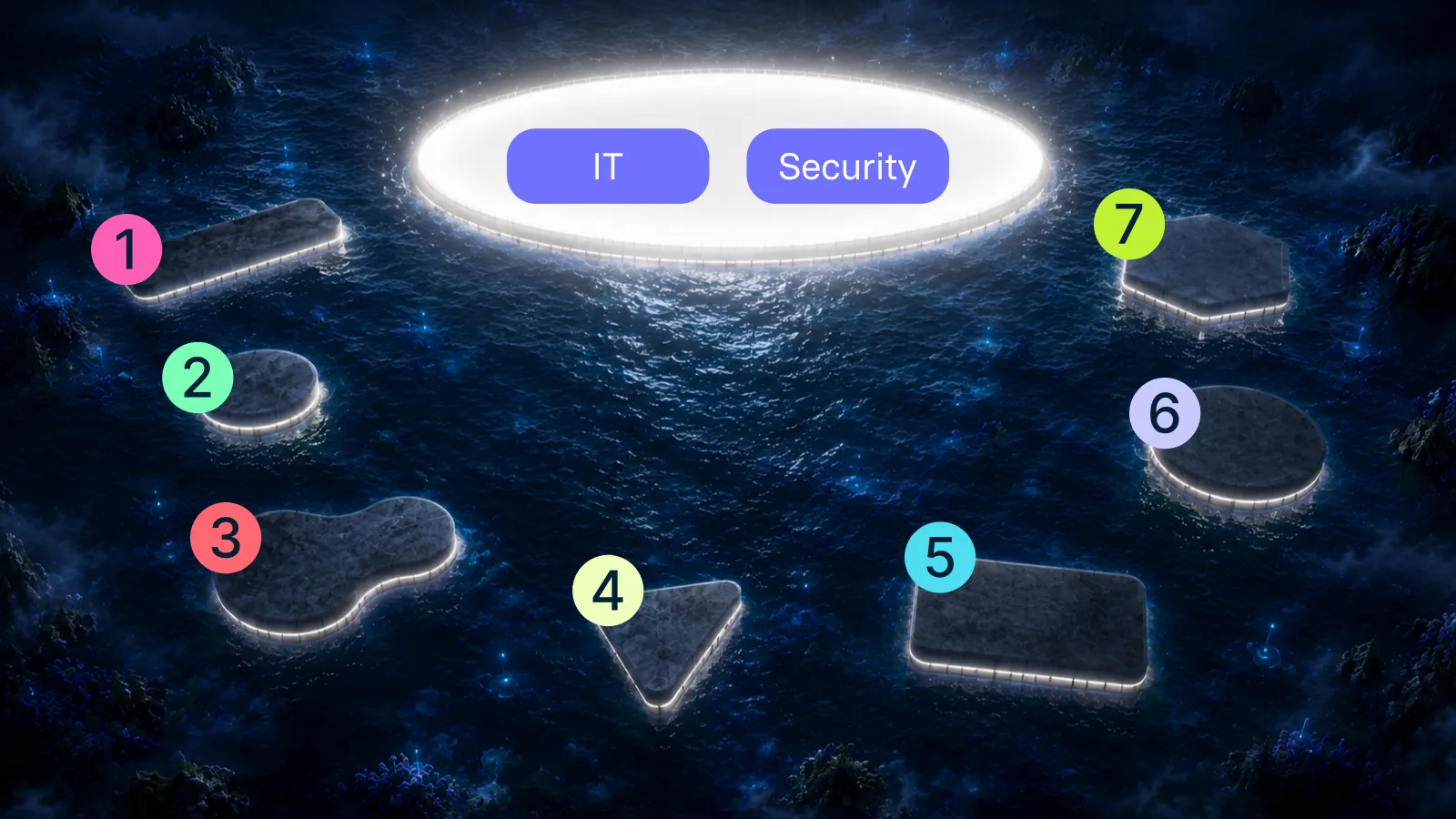
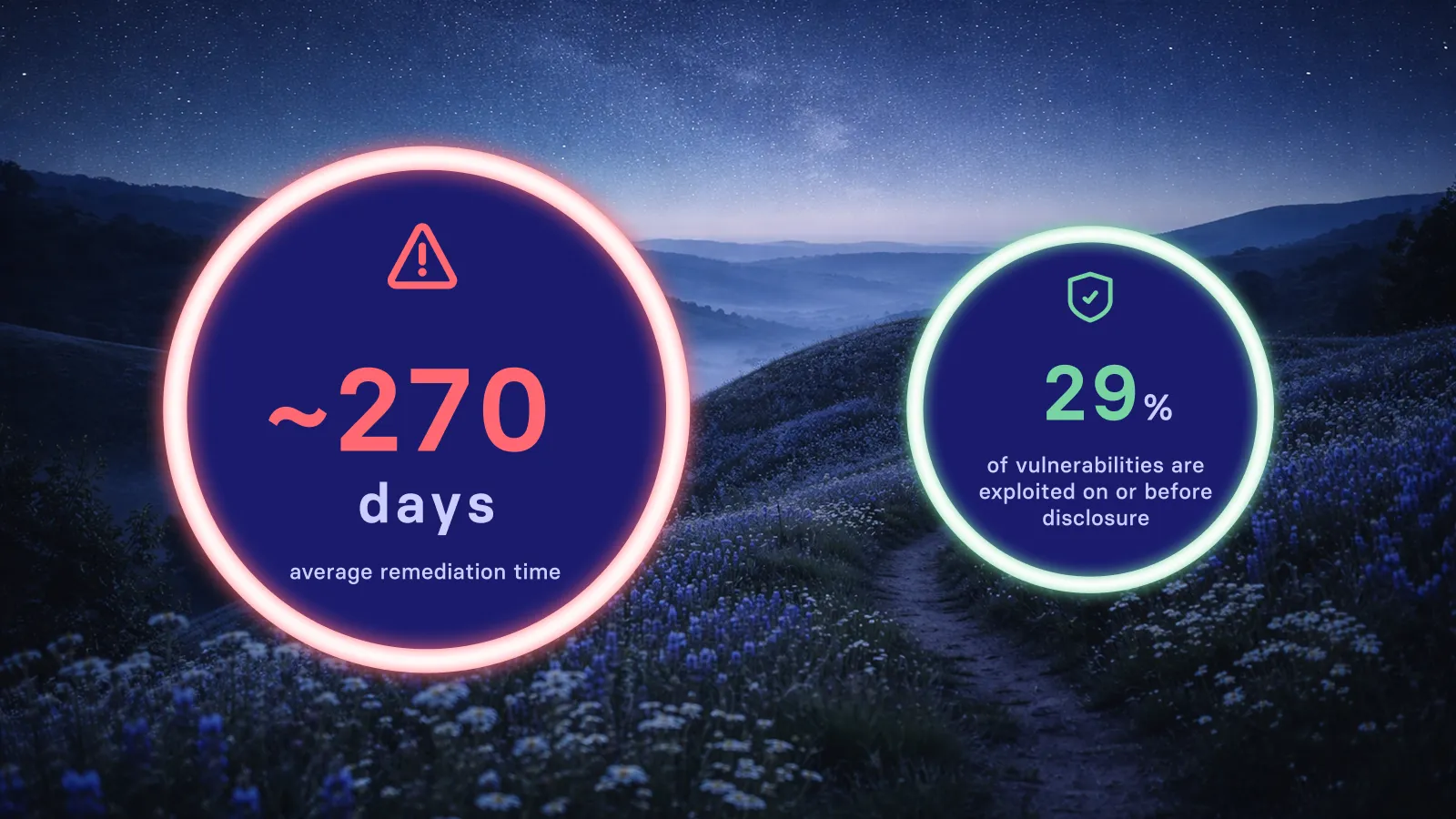
Security identifies risk. IT owns the fix. Different priorities and different definitions of urgency mean critical vulnerabilities sit in queues while both teams wait for maintenance windows.
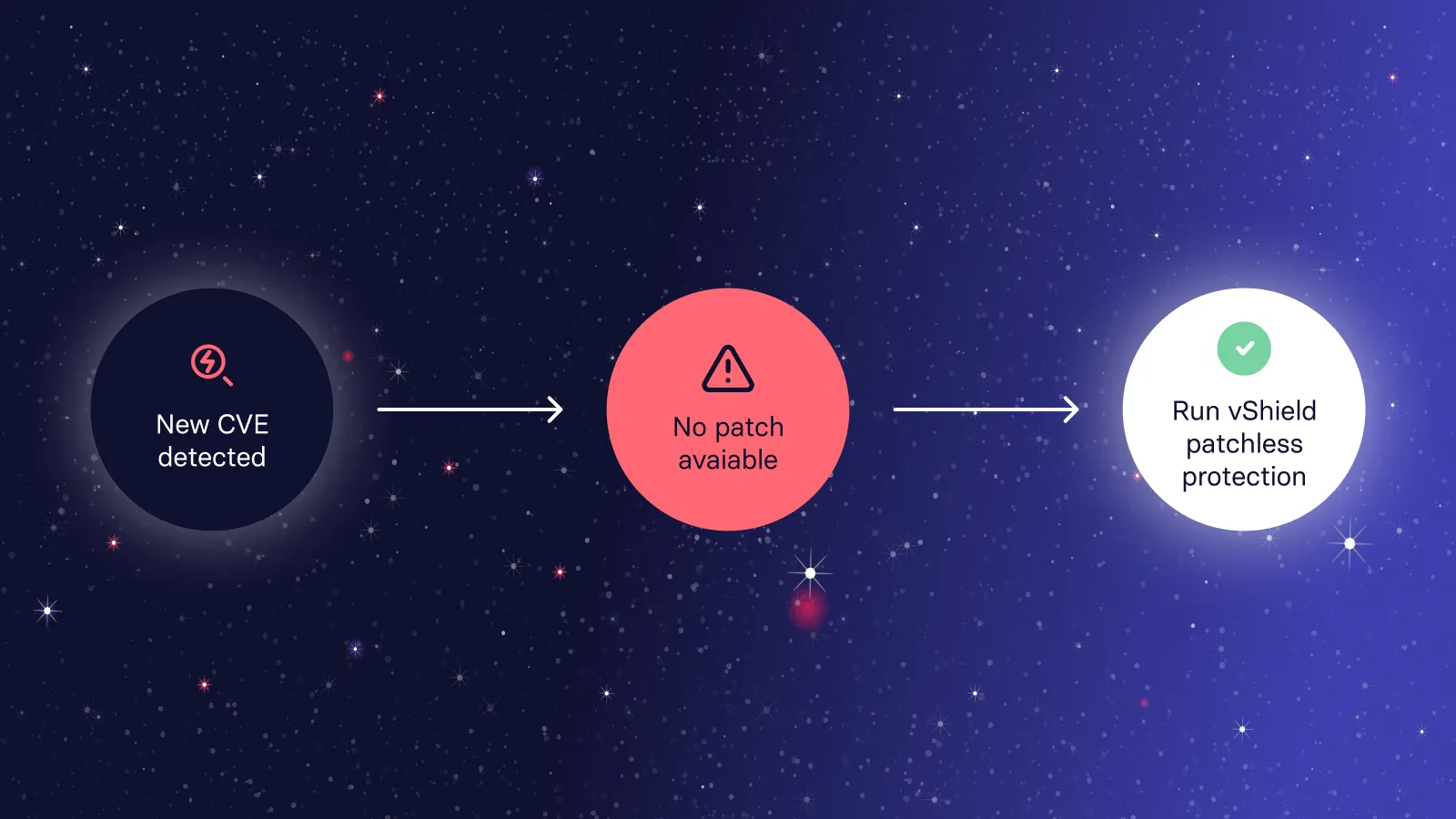
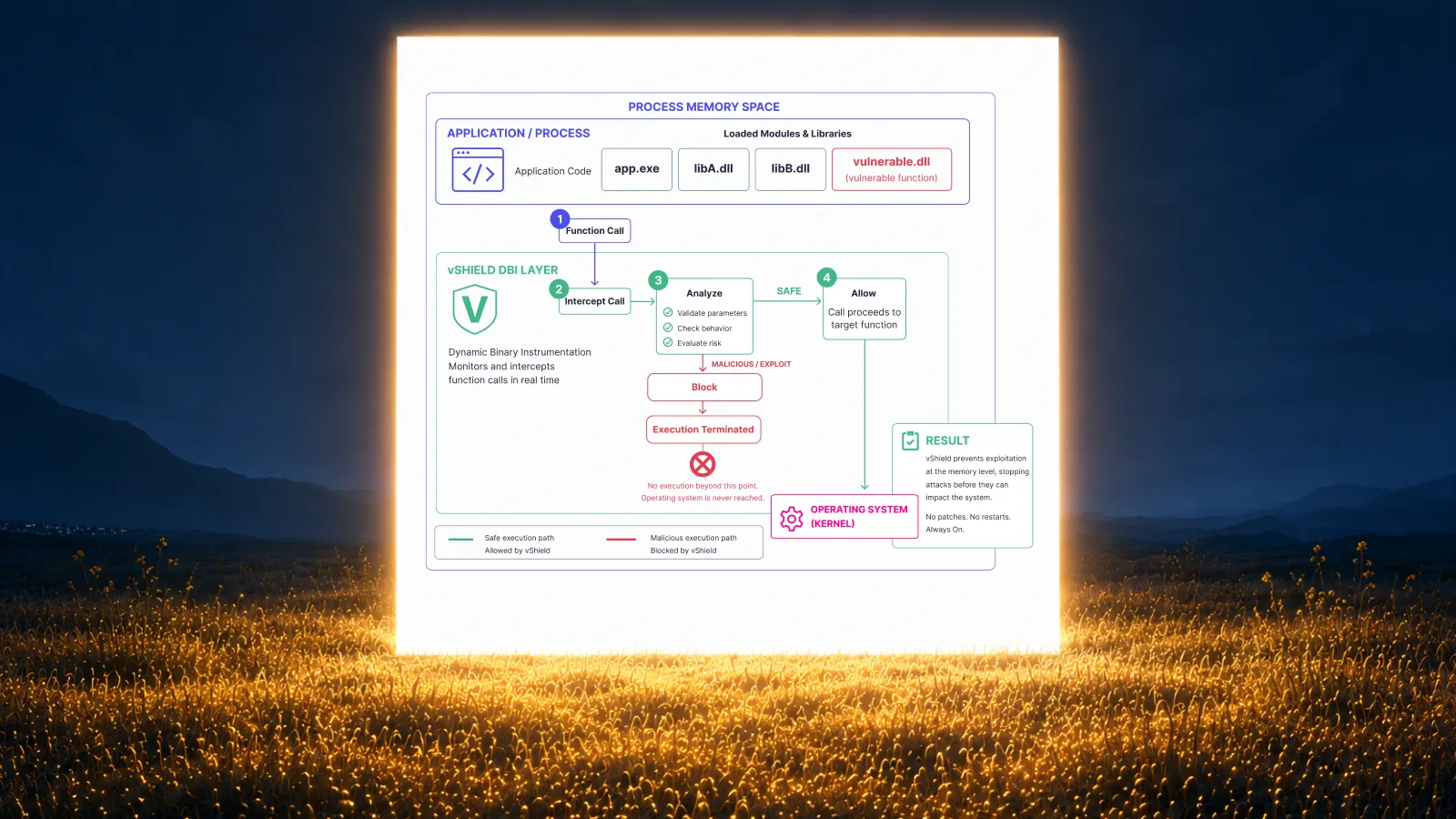
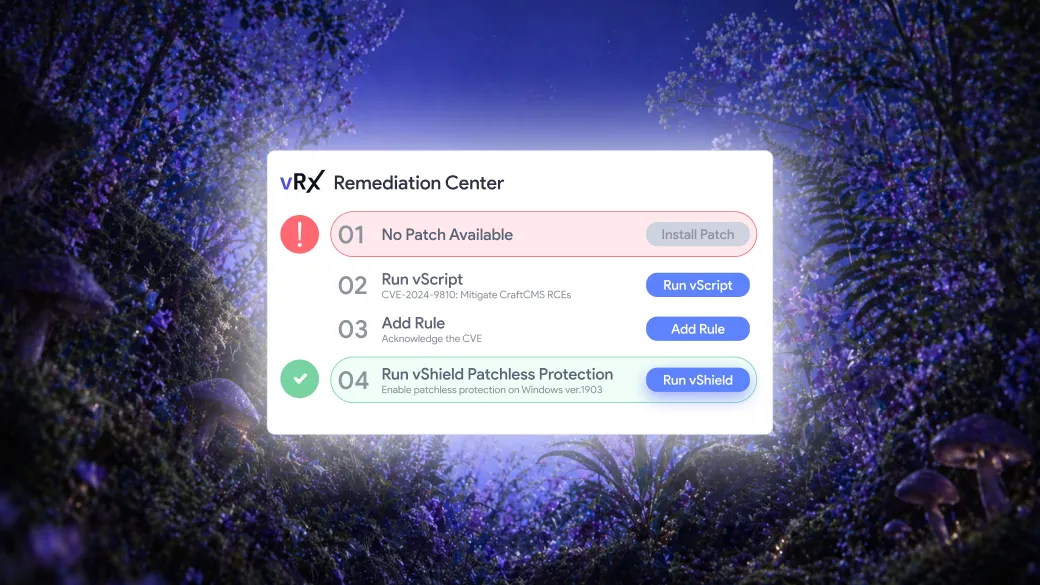
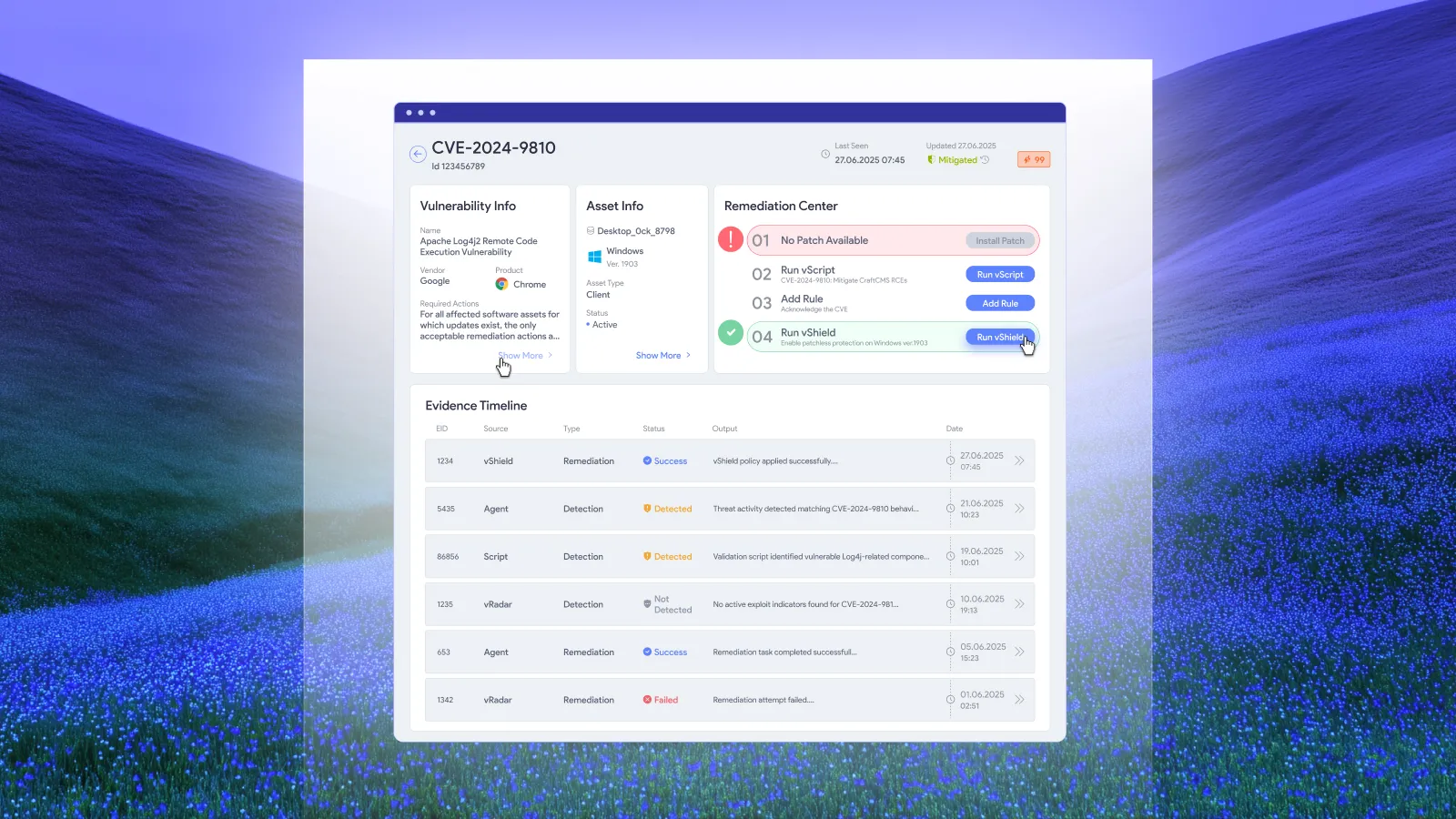
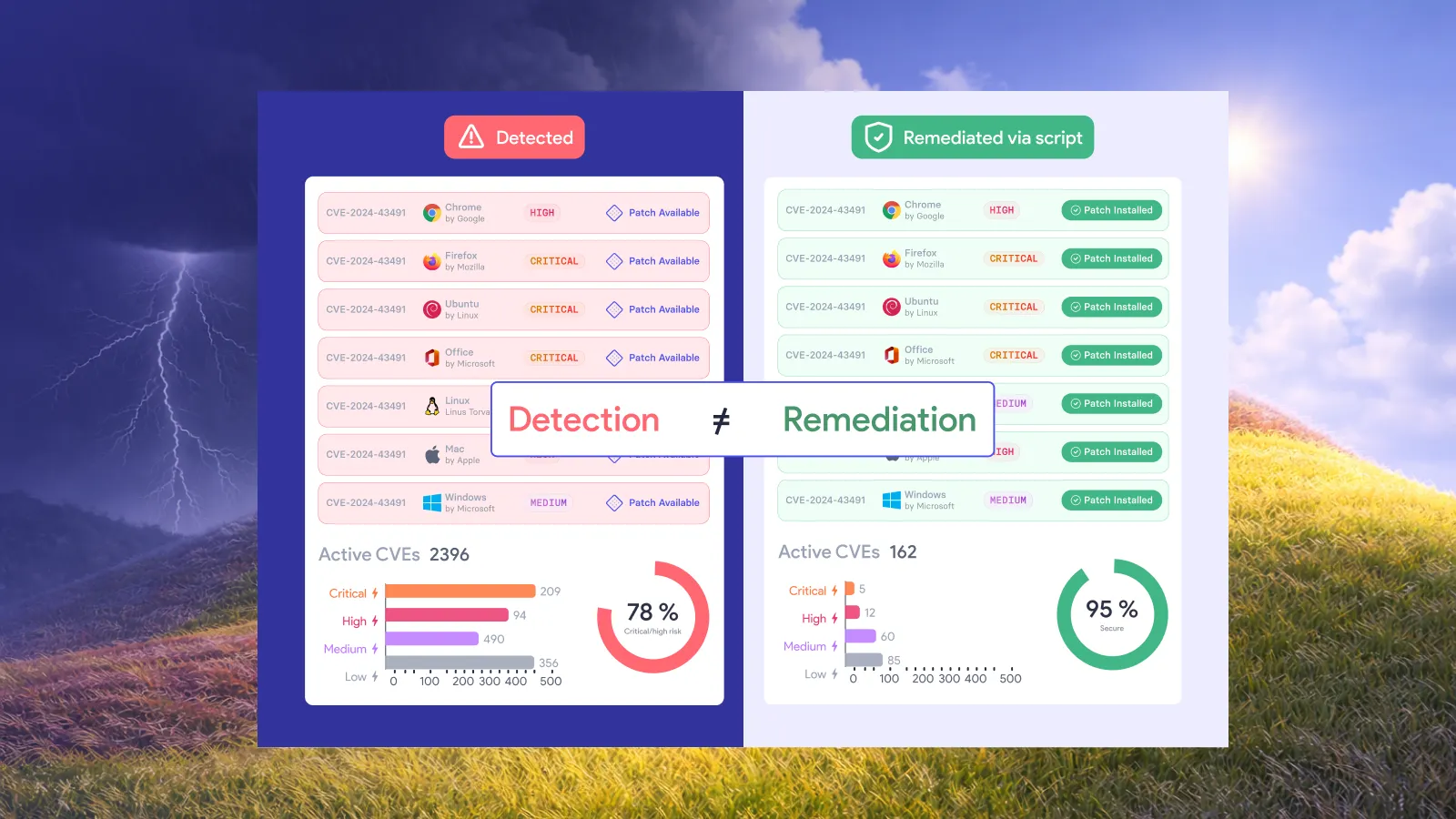
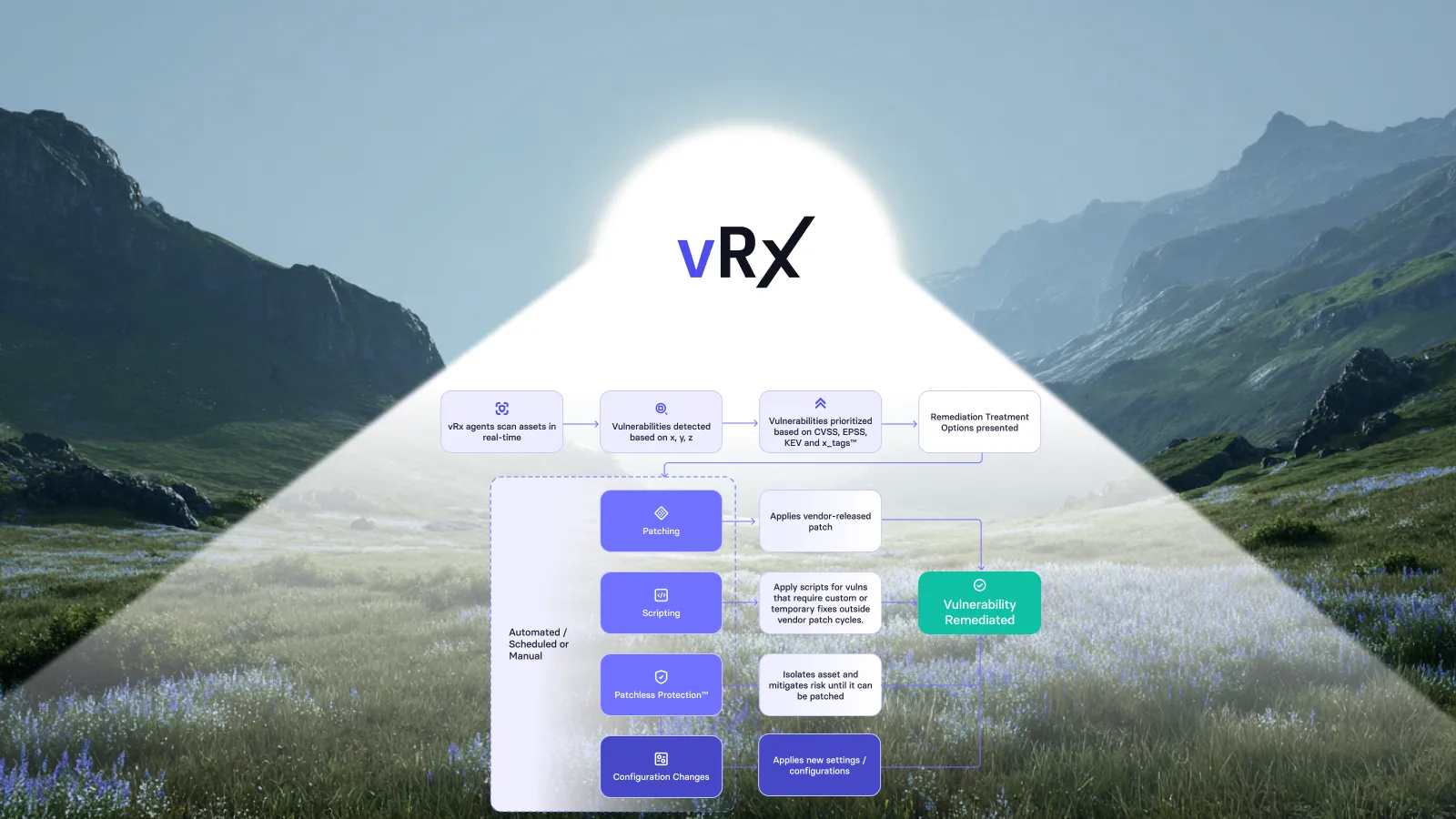
The solution is to contain exposure the moment it is confirmed. Patchless protection blocks exploit paths at the memory level without requiring a patch or a reboot, giving IT time to schedule proper remediation without leaving the organization exposed.
Challenge: overwhelming volume of findings
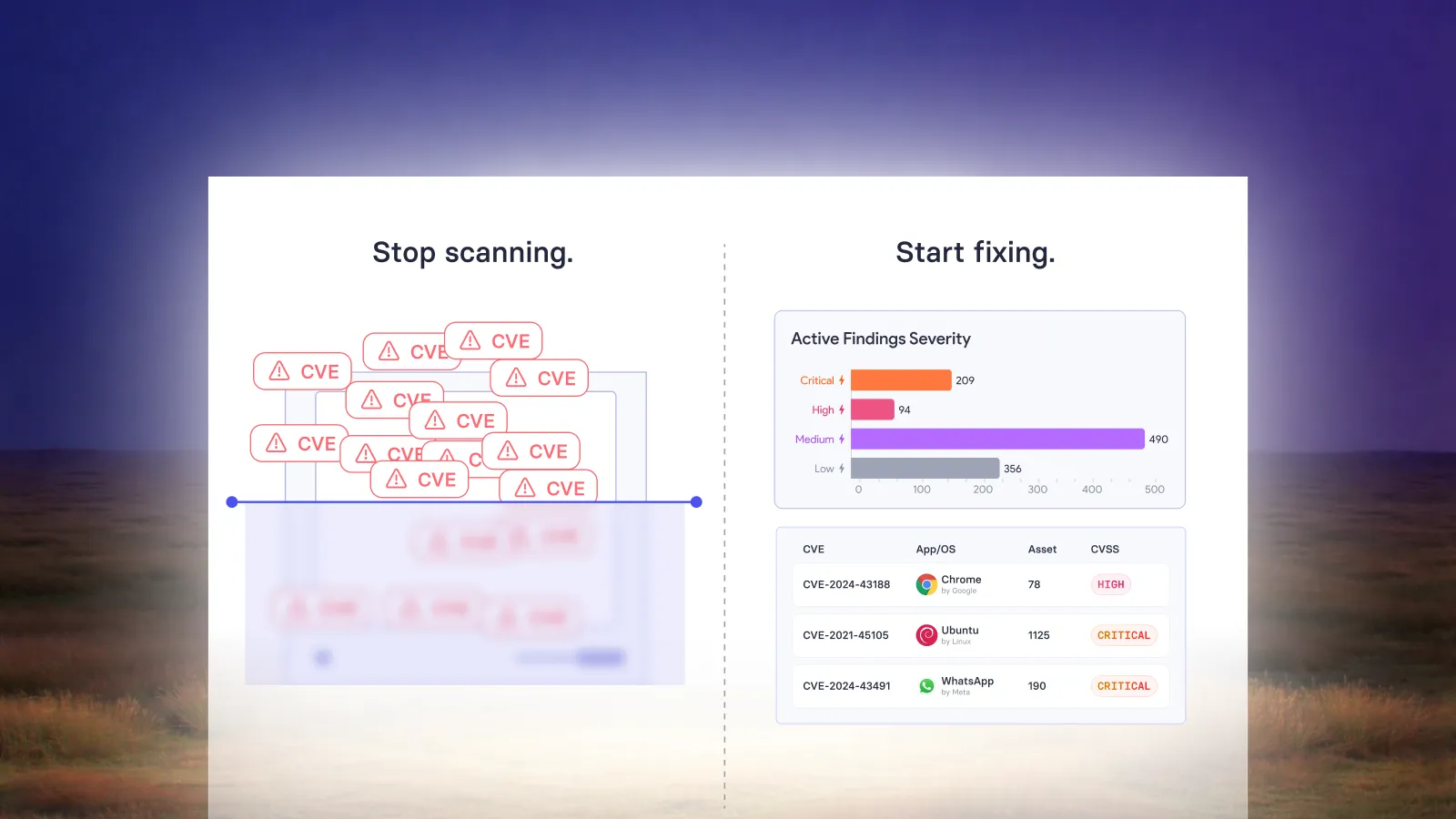
Discovery produces thousands of findings. Without prioritization based on real risk, teams triage endlessly and remediate slowly.
Cut the noise before it reaches your queue. Combine CVSS, EPSS, and KEV data with asset context to filter out theoretical risks. Validation adds another layer by confirming which remaining vulnerabilities are exploitable in your specific environment.
Challenge: no way to know if exposure is gone
A patch gets deployed, a ticket gets closed. But nobody confirms the vulnerability is gone. The exposure may persist through a misconfiguration, a missed asset, or a failed deployment.
Build re-validation into your workflow. Every remediated vulnerability should be re-tested to confirm the fix worked. Vicarius vRx confirms remediation at the asset level, validating that each vulnerability is no longer exploitable.
CTEM metrics that prove program value
Track metrics that demonstrate outcomes, not activity. The volume of scans completed or tickets created does not tell leadership whether risk is decreasing.
Metrics that matter
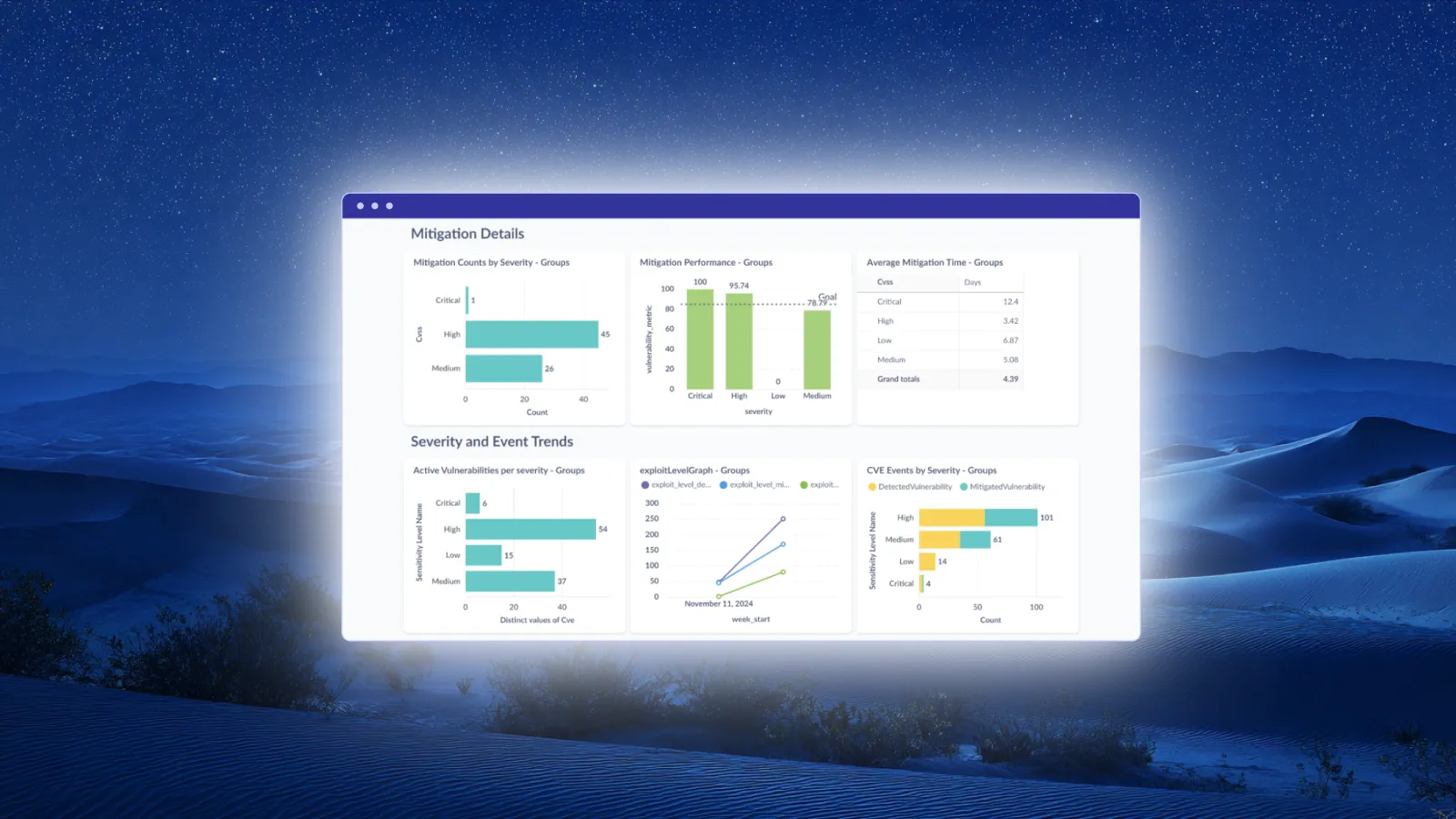
P1 exposures remediated as a percentage of total P1 shows whether your workflow closes critical gaps. Median days from P1 discovery to remediation shows whether your operational pipeline is fast enough. Exposures downgraded after validation proves validation is saving remediation effort.
The percentage of in-scope assets with assigned owners shows whether you can mobilize. Exposure count trend across the cycle shows whether net risk is decreasing, not just being discovered.
Metrics to avoid
Total findings discovered measures volume, not value. A large number can mean poor scoping or noisy tooling. The number of scans completed measures activity, not outcome. Tickets created measures work generated, not work completed.
How Vicarius supports CTEM implementation
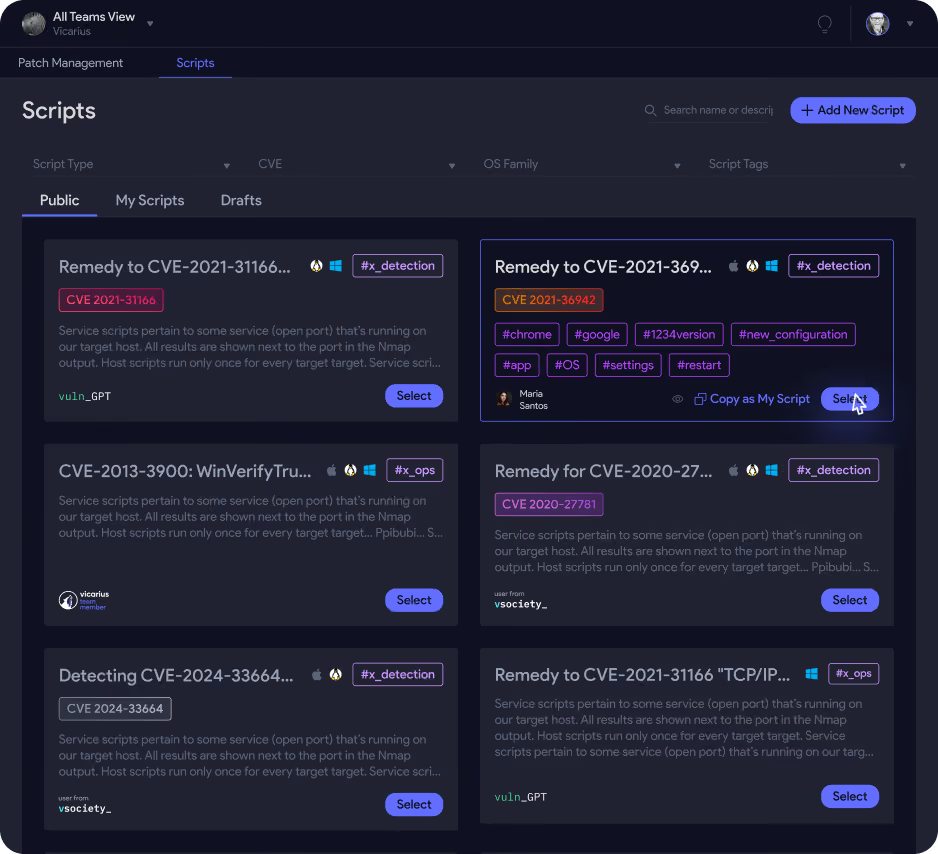
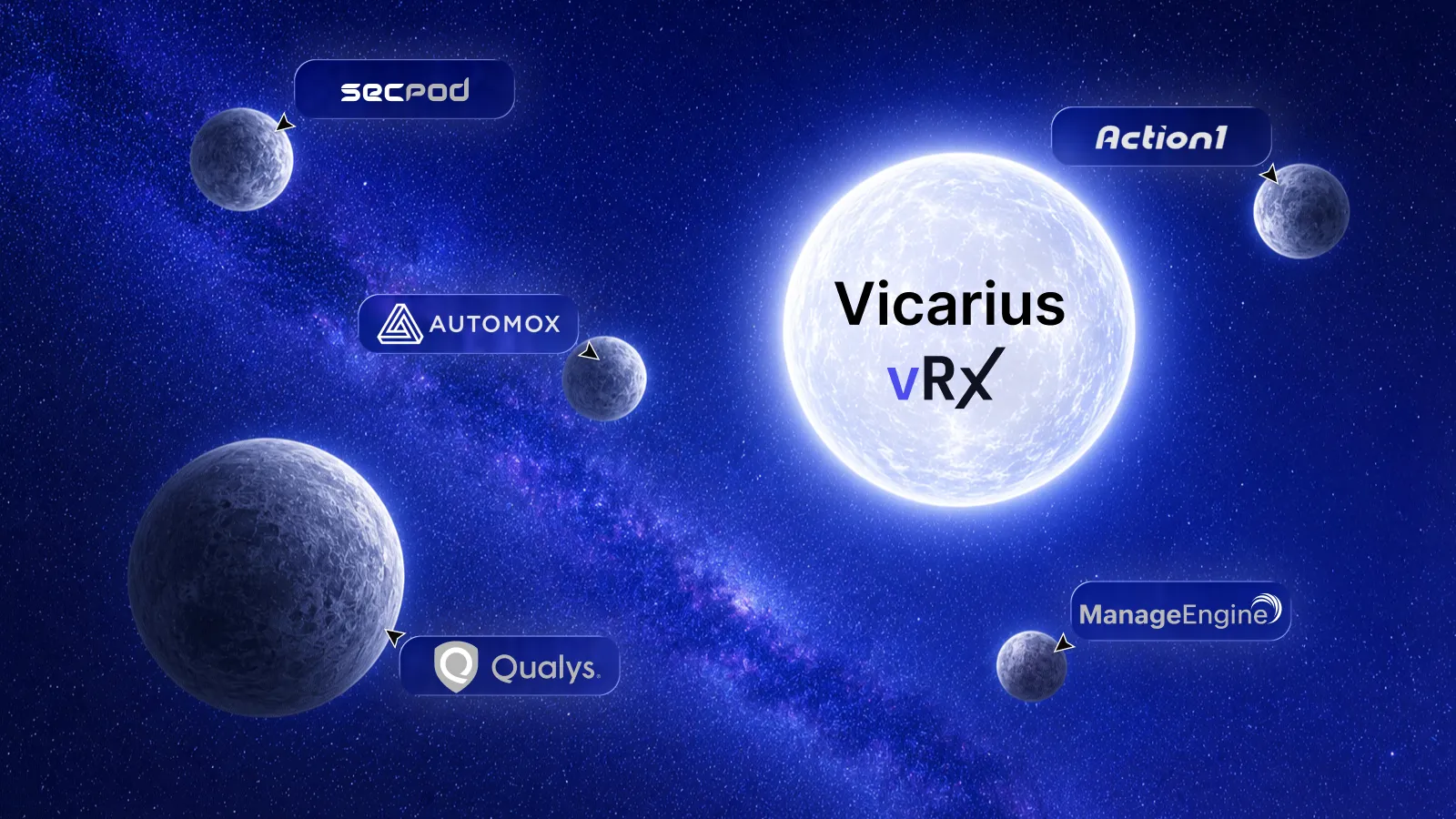
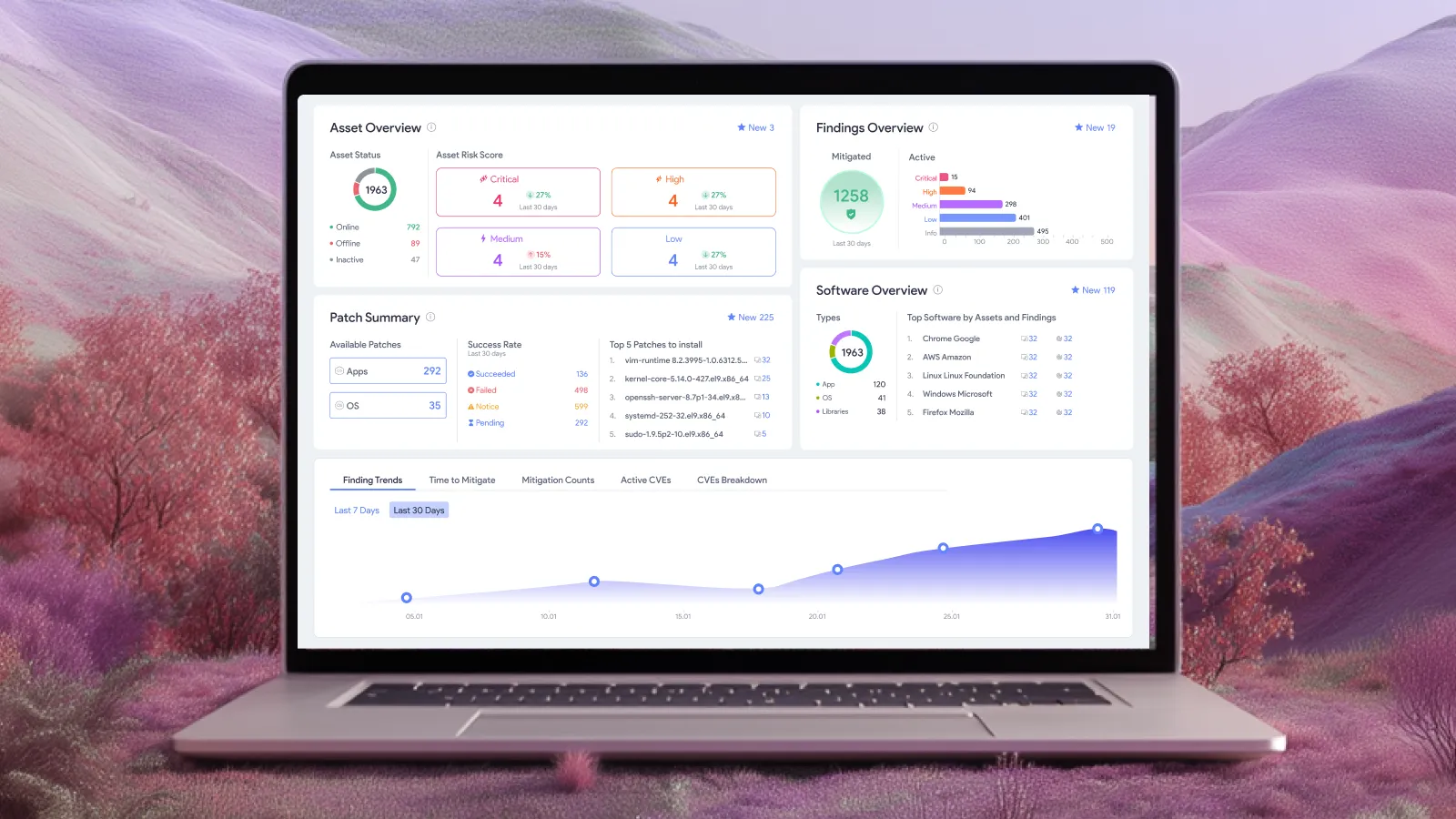
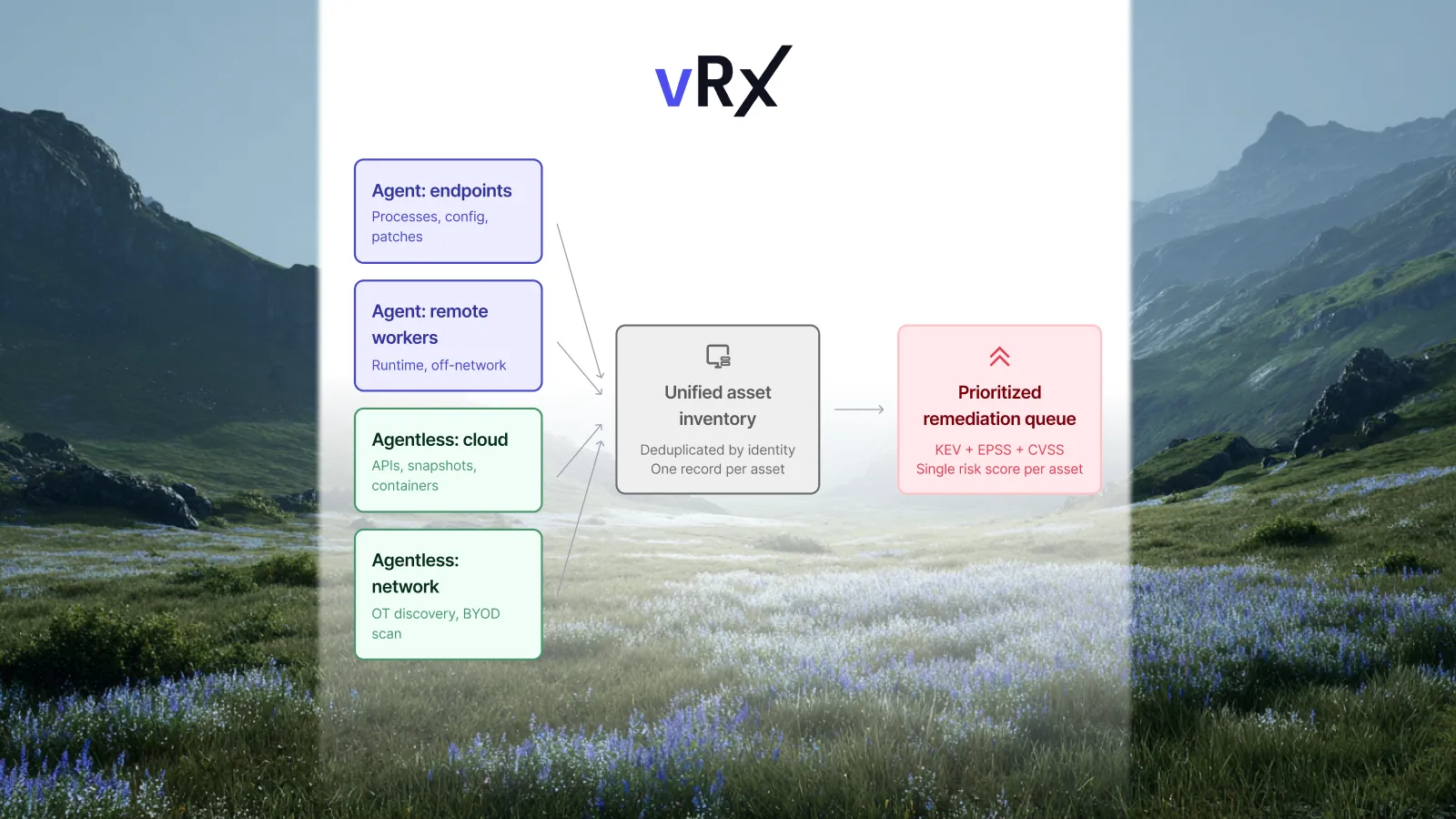
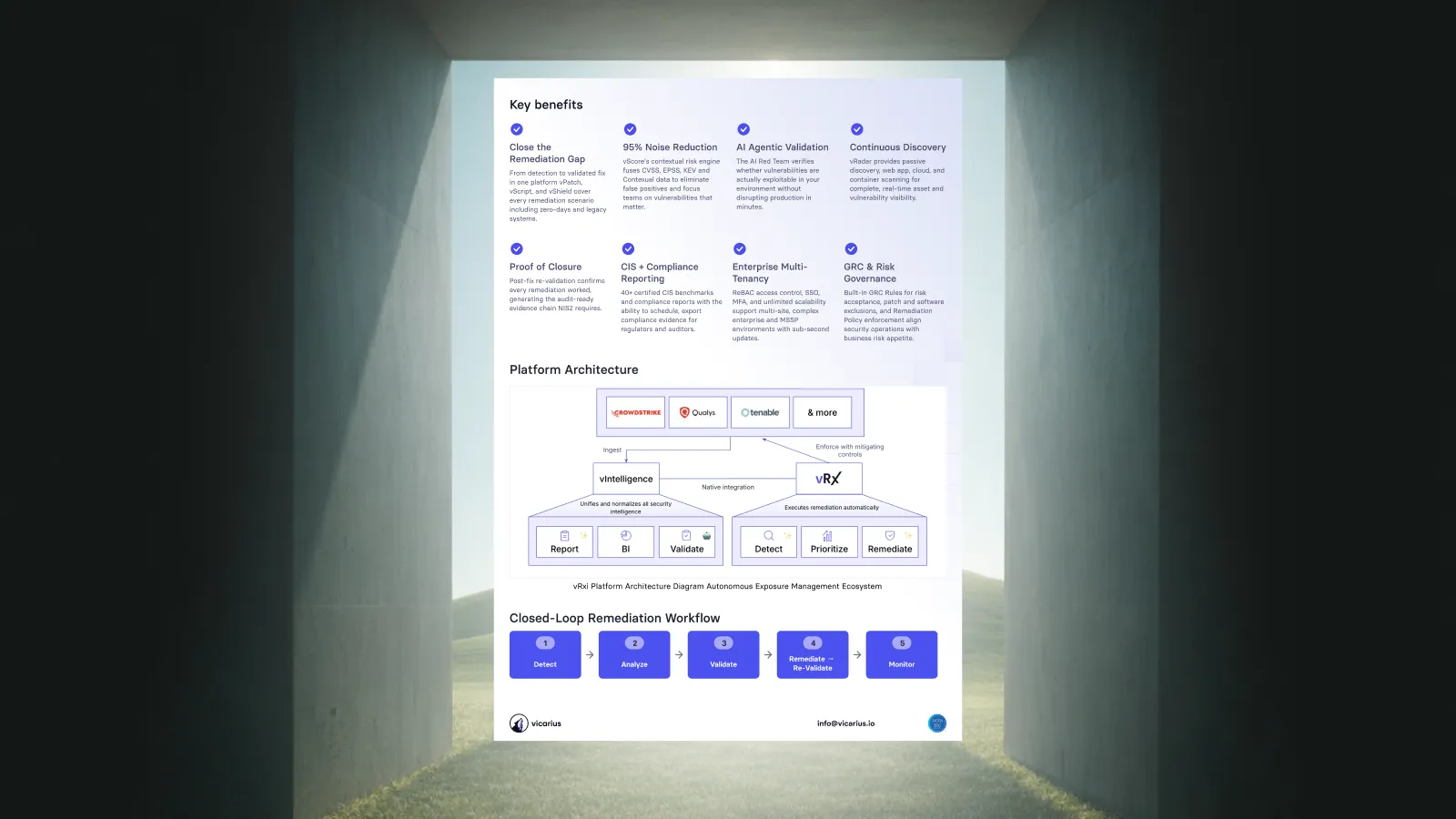
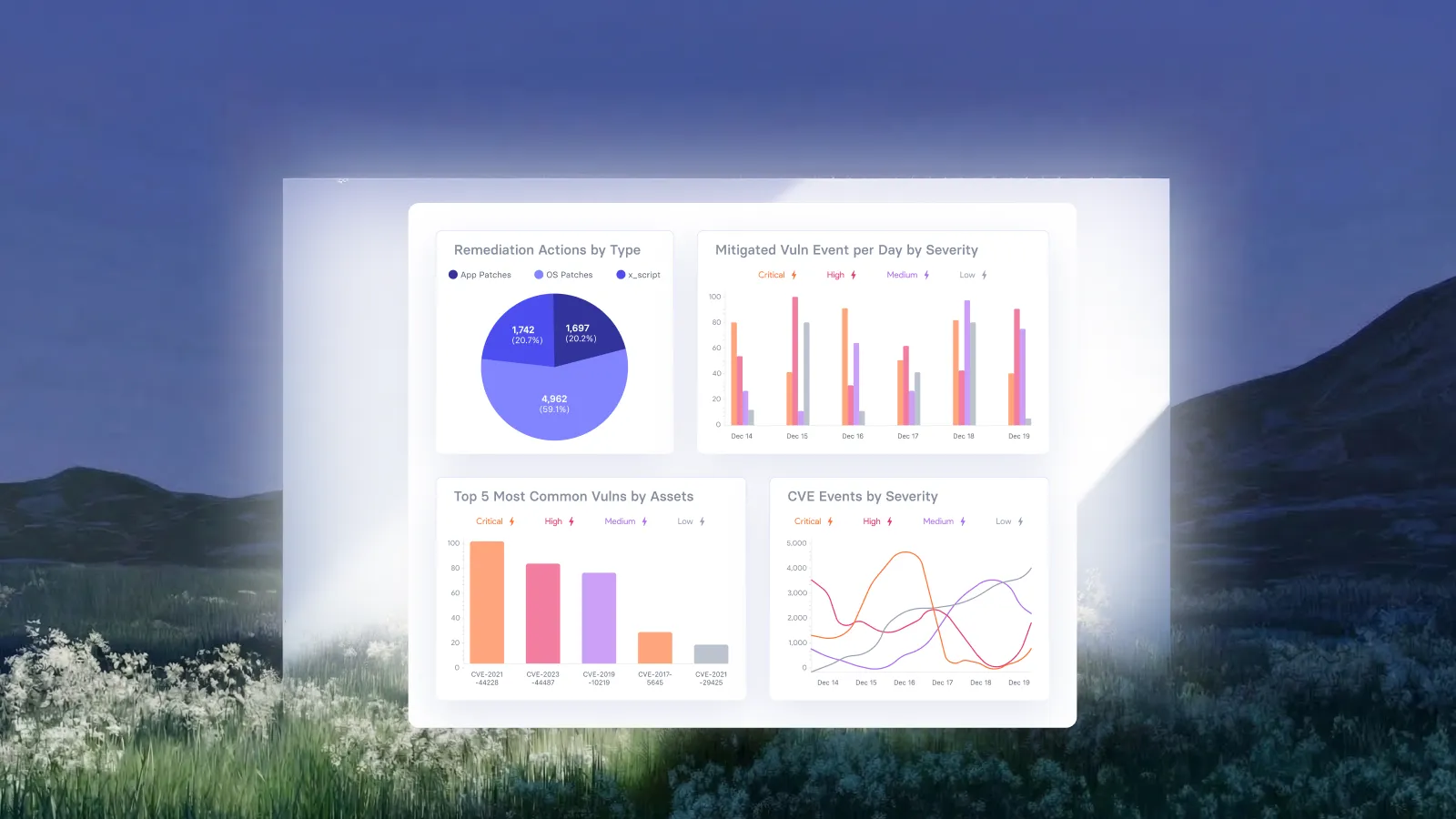
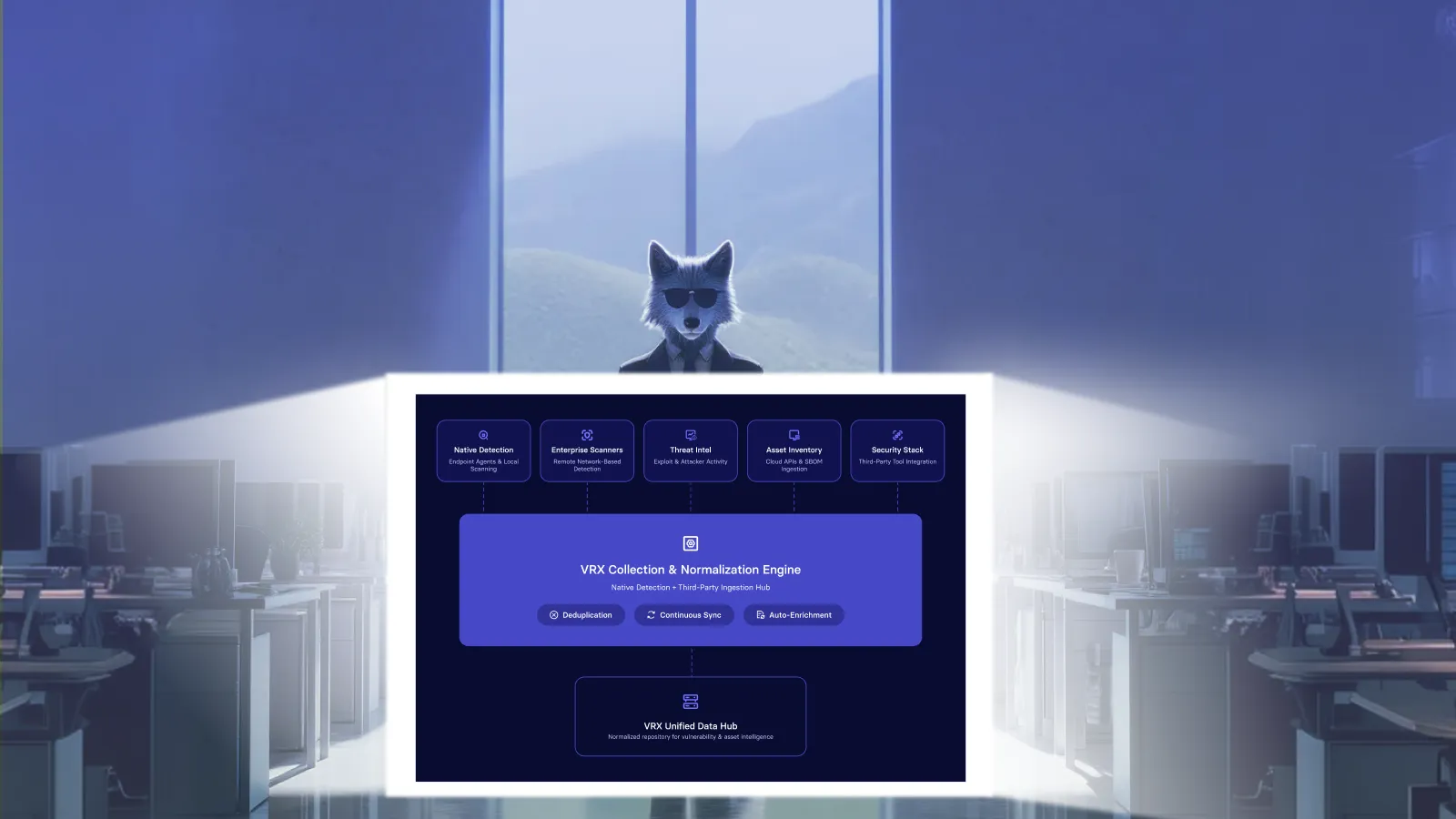
Vicarius vRx aligns with the CTEM framework by covering discovery through remediation in a single platform. Asset discovery identifies vulnerabilities across applications, operating systems, and third-party software.
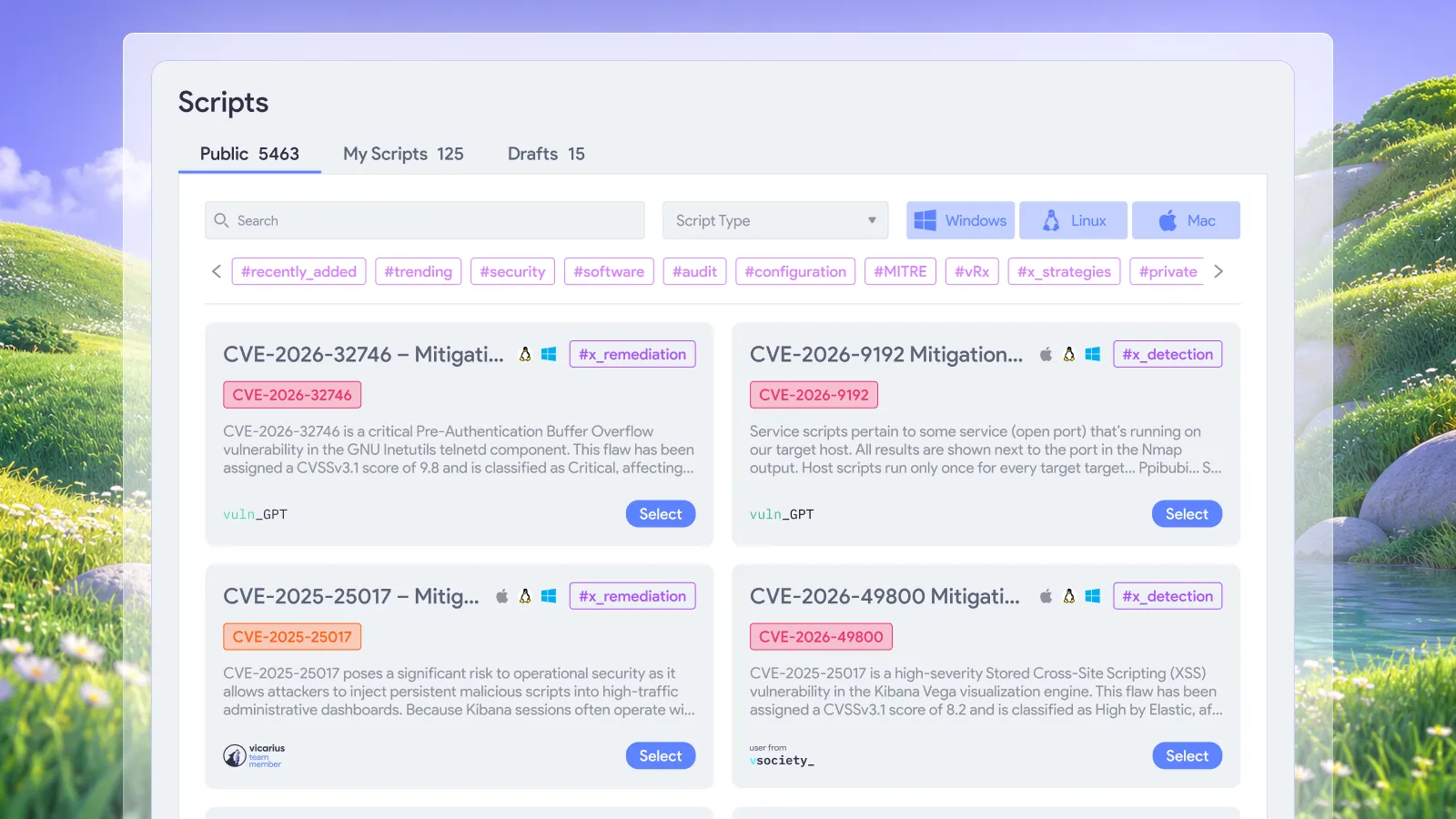
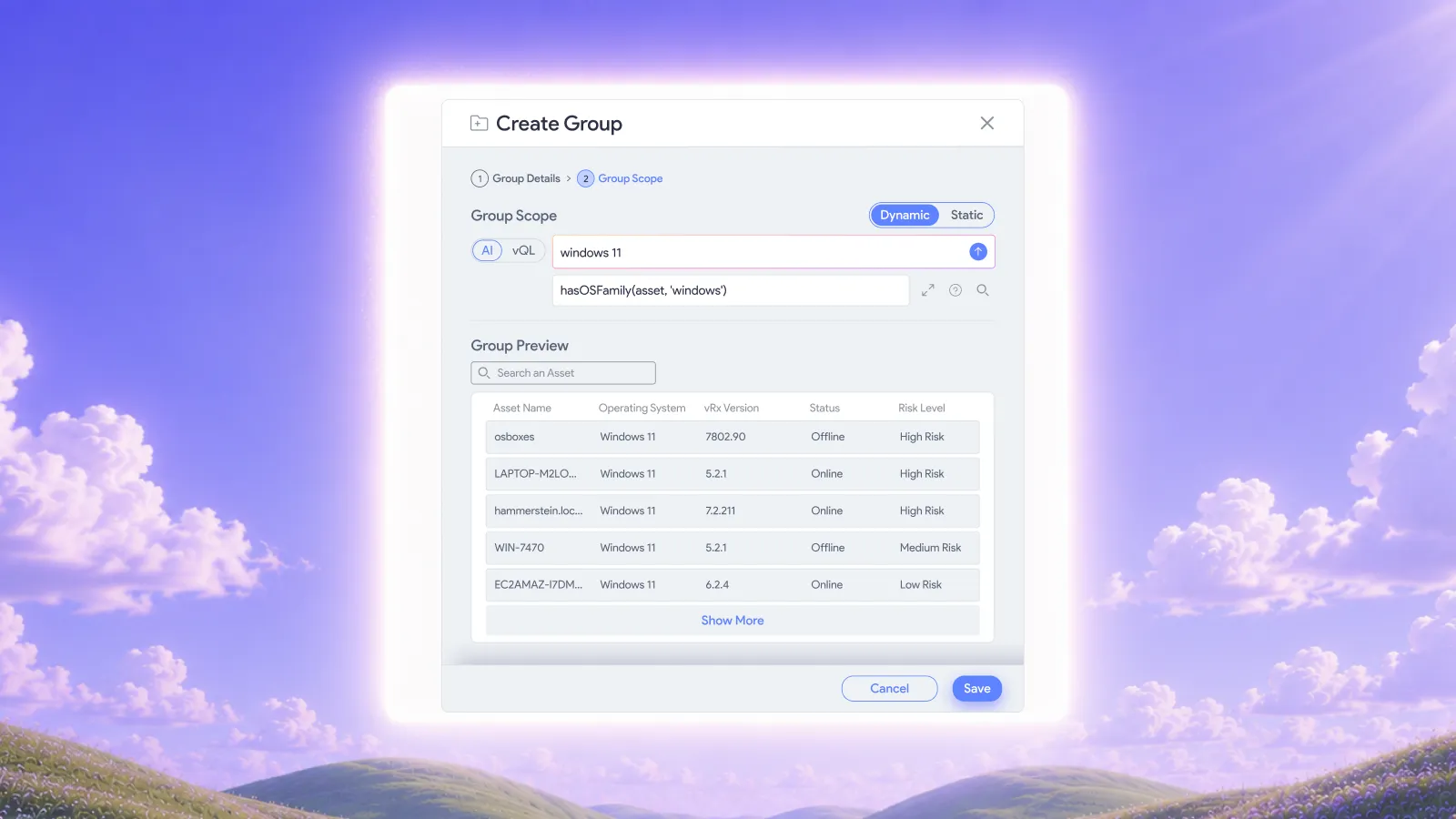
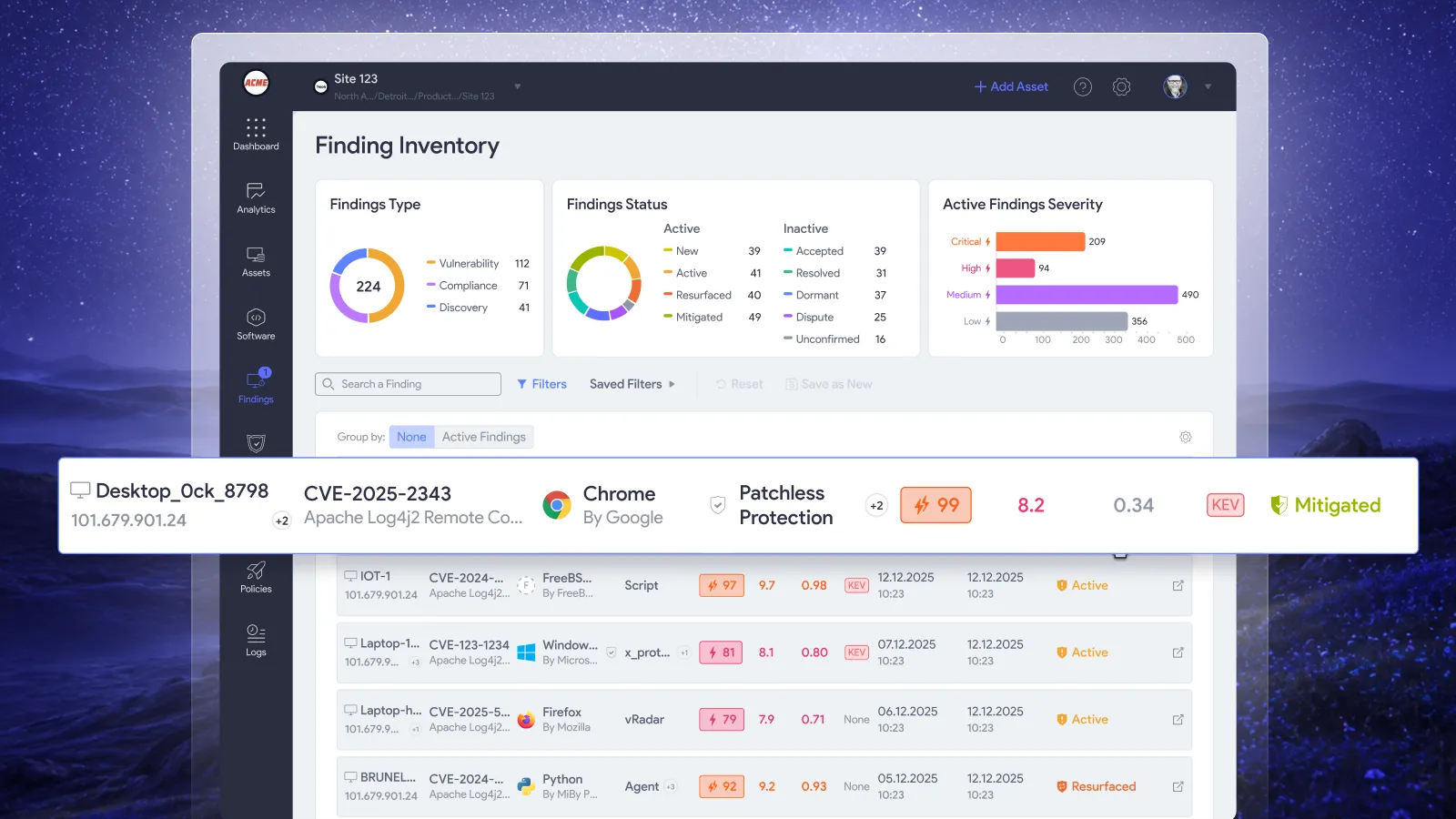
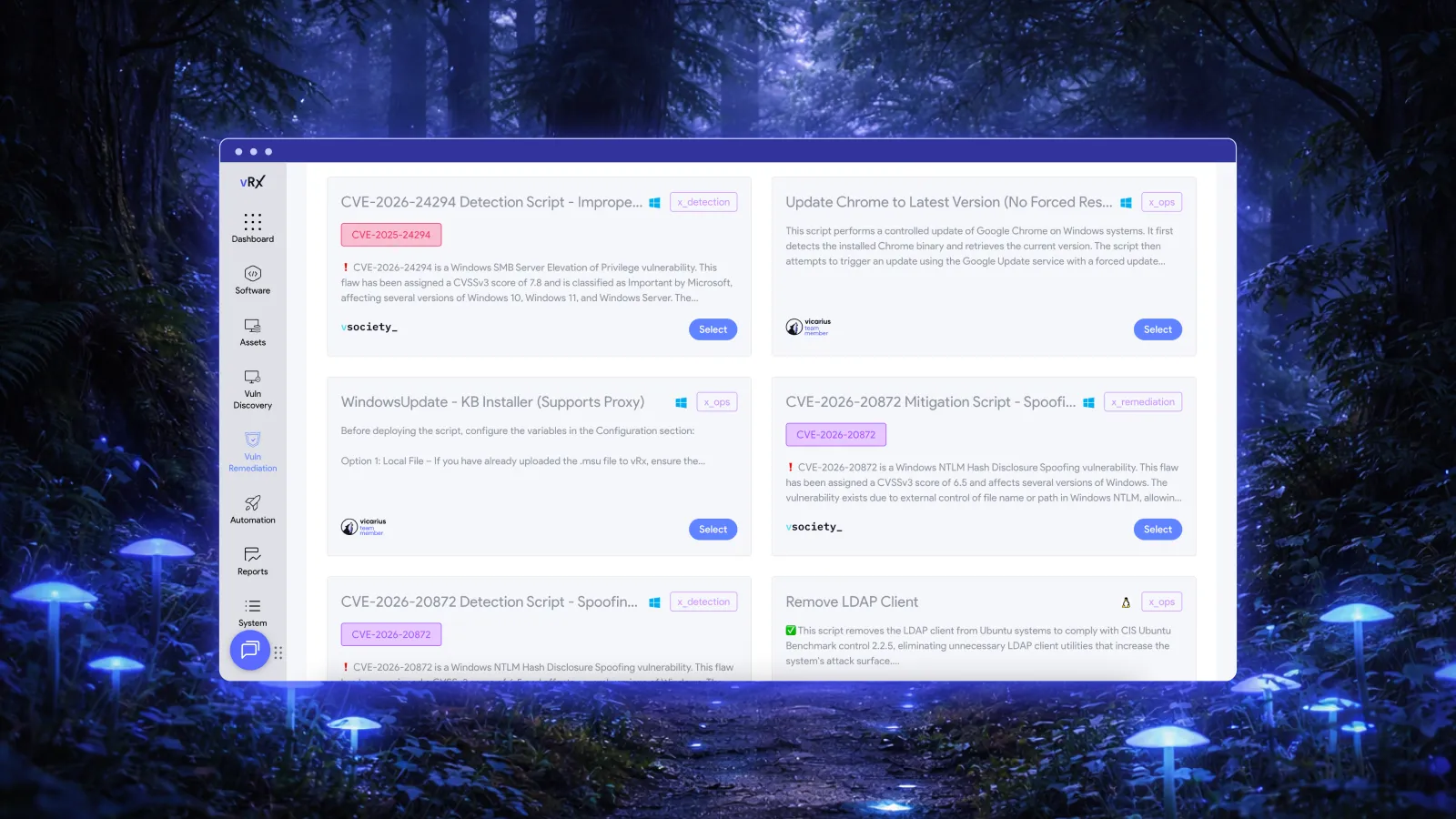
Risk-based prioritization ranks vulnerabilities by combining CVSS, EPSS, and KEV signals with asset criticality and business context. Vulnerability management capabilities go beyond scanning to include automated patch management, a scripting engine for custom fixes, and patchless protection for zero-days and legacy systems.
Closed-loop verification confirms every fix, validating that the vulnerability is gone rather than assumed resolved. This approach cuts mean time to remediate by 60-70% while reducing the manual effort required to maintain a shrinking attack surface.
See how vRx fits your CTEM stack - request a demo.
Building a CTEM-ready technology stack
CTEM is an operating model, not a product. However, the right tooling accelerates each stage of the cycle.
Discovery tools
Agent-based and agentless scanners cover different asset types. SBOM-based detection catches vulnerabilities in dependencies that signature scanners miss. External attack surface management tools identify internet-facing exposures.
Prioritization tools
Threat intelligence feeds enrich CVE data with exploitation probability and weaponization status. Asset criticality scoring assigns business value to each asset. Risk scoring engines combine these inputs into actionable priority rankings.
Remediation tools
Automated patch deployment handles routine updates. Scripting engines automate configuration changes and custom fixes. Memory-level protection covers gaps where patches do not exist or cannot be deployed immediately.
What's next?: Start small, prove the model, then scale
CTEM implementation does not require a multi-year transformation. Start with a 90-day pilot on a focused domain. Define what you will protect, discover what is exposed, prioritize by real risk, validate exploitability, and mobilize fixes to completion.
One completed cycle that reduces P1 exposures builds the credibility to expand. Each subsequent cycle tightens the process: scoping becomes more precise, discovery more accurate, prioritization more defensible, validation more efficient, and mobilization more predictable.
The goal is not to run through the five stages once. The goal is to run faster and more precisely over time, measurably reducing the exposures that matter to your organization.
FAQs about CTEM implementation
What does CTEM stand for and who created the framework?
CTEM stands for Continuous Threat Exposure Management. Gartner introduced this five-stage framework to help organizations systematically reduce security exposure through scoping, discovery, prioritization, validation, and mobilization. Unlike periodic assessments, CTEM operates as a continuous cycle that adapts as environments change.
How long does it take to implement a CTEM program?
A focused pilot cycle takes approximately 90 days. Days 1-30 cover scoping, days 31-60 cover discovery and prioritization, and days 61-90 cover validation and mobilization. Subsequent cycles run faster as teams build process maturity and tooling improves.
What is the difference between CTEM and vulnerability management?
Vulnerability management focuses on finding software flaws. CTEM focuses on fixing exposures of all types, including misconfigurations, identity weaknesses, and credential leaks. Vicarius vRx supports CTEM by combining vulnerability discovery with automated remediation, patchless protection, and closed-loop verification that confirms every fix.
How does CTEM prioritization differ from CVSS scoring?
CVSS rates theoretical severity. CTEM prioritization combines CVSS with EPSS exploitation probability, CISA KEV active exploitation data, asset criticality, and business context. This approach surfaces vulnerabilities attackers are targeting on your most critical assets rather than ranking by generic severity alone.
What is the validation stage and why does it matter?
Validation tests whether vulnerabilities are exploitable in your specific environment. It confirms that compensating controls work as expected and that remediation removed the exposure. Vicarius vRx validation capabilities cut false positives by 95% and give engineering teams confidence that remediation requests reflect real risk.
Can CTEM work with existing security tools?
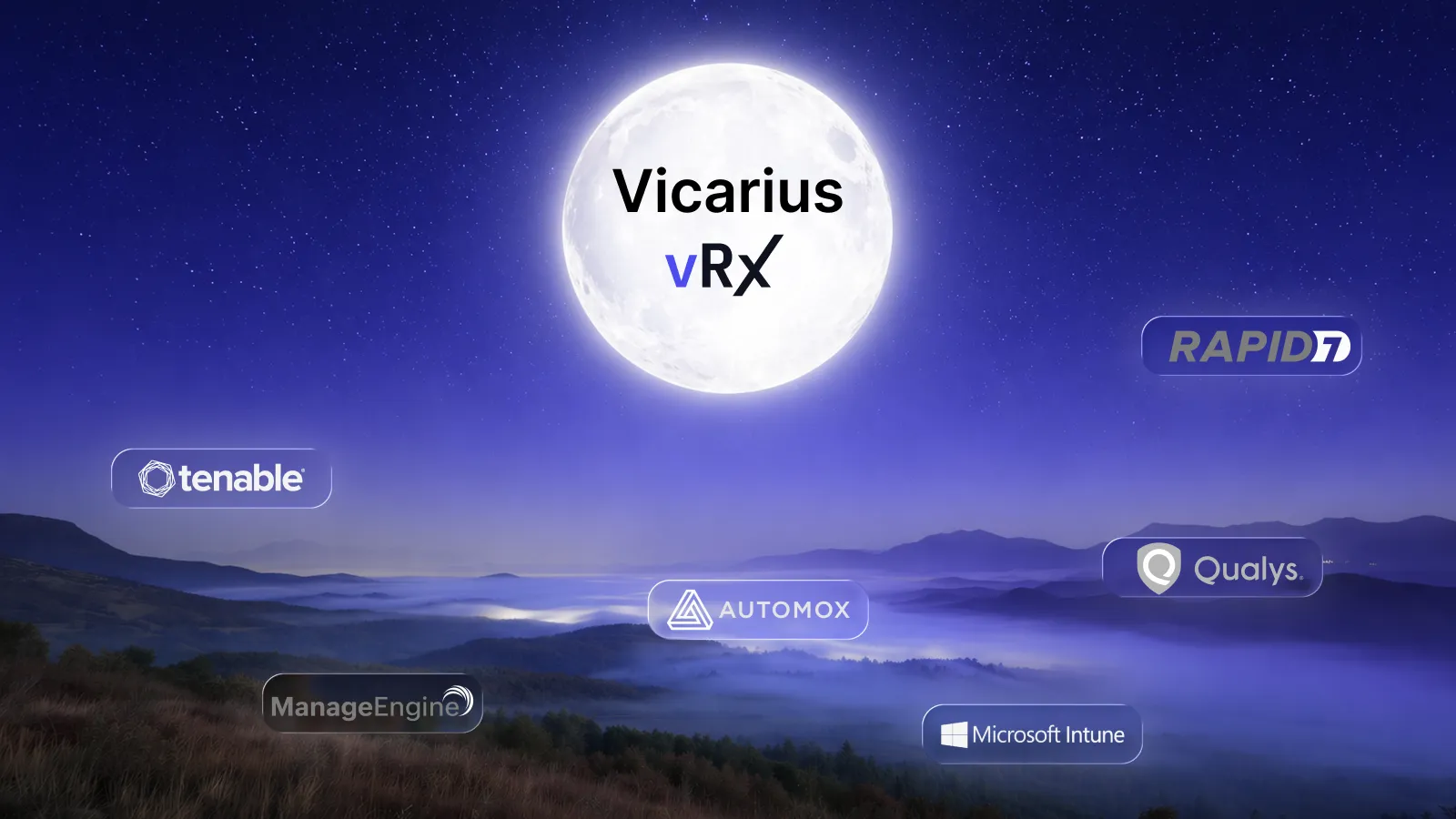
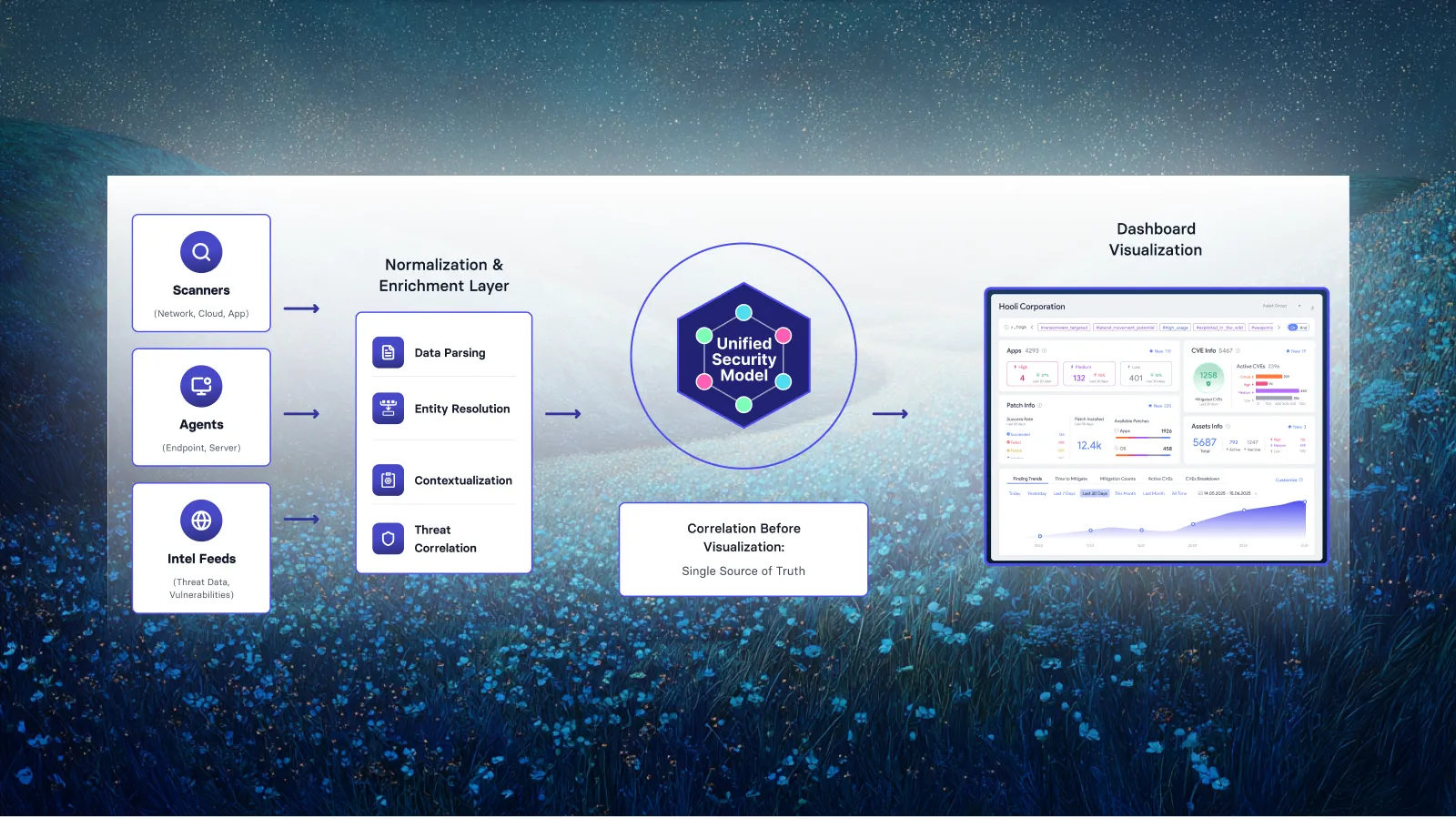
Yes. CTEM is an operating model that works with your current scanners, SIEMs, and EDR tools. Platforms like Vicarius vRx ingest signals from existing tools, normalize findings into a single queue, and add the remediation layer that closes the gap between finding vulnerabilities and fixing them.


































.webp)













%20Signals%20a%20New%20Era%20of%20Supply%20Chain%20Risk.webp)





.webp)