

AI vulnerability remediation uses artificial intelligence to help generate, select or deploy actions that reduce a security exposure. Those actions can include patches, scripts, configuration changes or temporary mitigations. The appeal is speed. The risk is that a generated change may stop the test case while damaging something else.
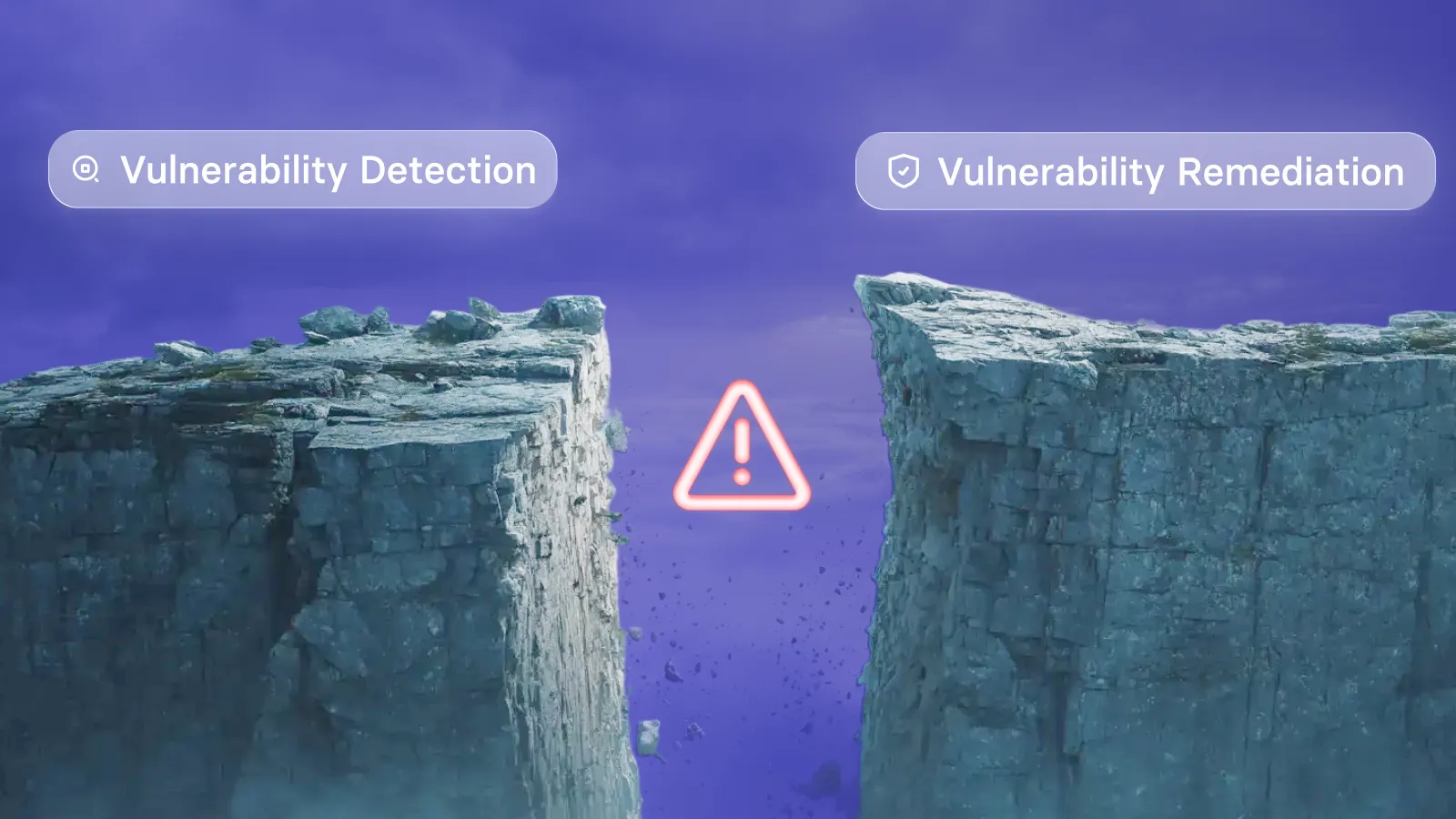
That risk becomes acute when a patch is not available or cannot be deployed immediately. The organization still has an exploitable window to close, but it may lack the time or confidence required for a permanent code change.
CodeMechanic: Bug-Property-Guided Program Mitigation explores a narrow but important alternative. Instead of asking an LLM to freely rewrite vulnerable code, the system constrains it to generate a local fail-stop guard for spatial memory-corruption bugs.
The research does not solve autonomous remediation as a whole. It offers something more useful: a design pattern for reducing exposure while limiting what an AI-generated change is allowed to do.
The weakness of “the crash stopped”
Automated vulnerability repair systems often use a proof of concept as their validation oracle. If the original exploit or crashing input no longer triggers the failure, the generated patch may be considered plausible.
But several very different changes can make a crash disappear. The patch might fix the underlying defect. It might disable the affected feature. It might discard input that should remain valid. It might alter a test harness or introduce a new logic error.
Passing one proof-of-concept replay does not prove that the application still behaves correctly.
This is the core problem CodeMechanic addresses. Open-ended LLM repair gives the model a large space of possible code changes while validating the result with a weak oracle. That combination is difficult to trust in unattended remediation.
How CodeMechanic limits the change
CodeMechanic focuses on spatial memory corruption, where a program accesses memory outside the valid bounds of an object. It uses static code context, runtime debugger data and sanitizer metadata to reconstruct the violated memory-safety property.
The system then inserts a local boundary guard immediately before the dangerous access. If the pointer falls outside the expected range, the guard terminates the process before the corruption occurs.
This is not presented as a permanent repair. It is a mitigation. The system deliberately trades availability for security under the failure condition. A potential remote code execution path becomes controlled termination while developers investigate and prepare a complete fix.
Across 101 real-world bugs from the ARVO benchmark, the researchers report that CodeMechanic produced 47.6 percent more plausible first-attempt patches than the strongest baseline while using 91 percent fewer tokens. Manual auditing found 3.4 to 4.3 times more patches semantically equivalent to developer-written repairs.
These findings are encouraging, but CodeMechanic remains a preprint and prototype. It is limited to spatial memory-safety violations with a usable runtime oracle. It does not cover temporal memory bugs, configuration exposures, ordinary enterprise patching or the broad range of vulnerabilities managed by security teams.
The right conclusion is not that AI can now patch software autonomously. The conclusion is that constraints can make AI-assisted mitigation more predictable.
Permanent fixes and temporary protections are different
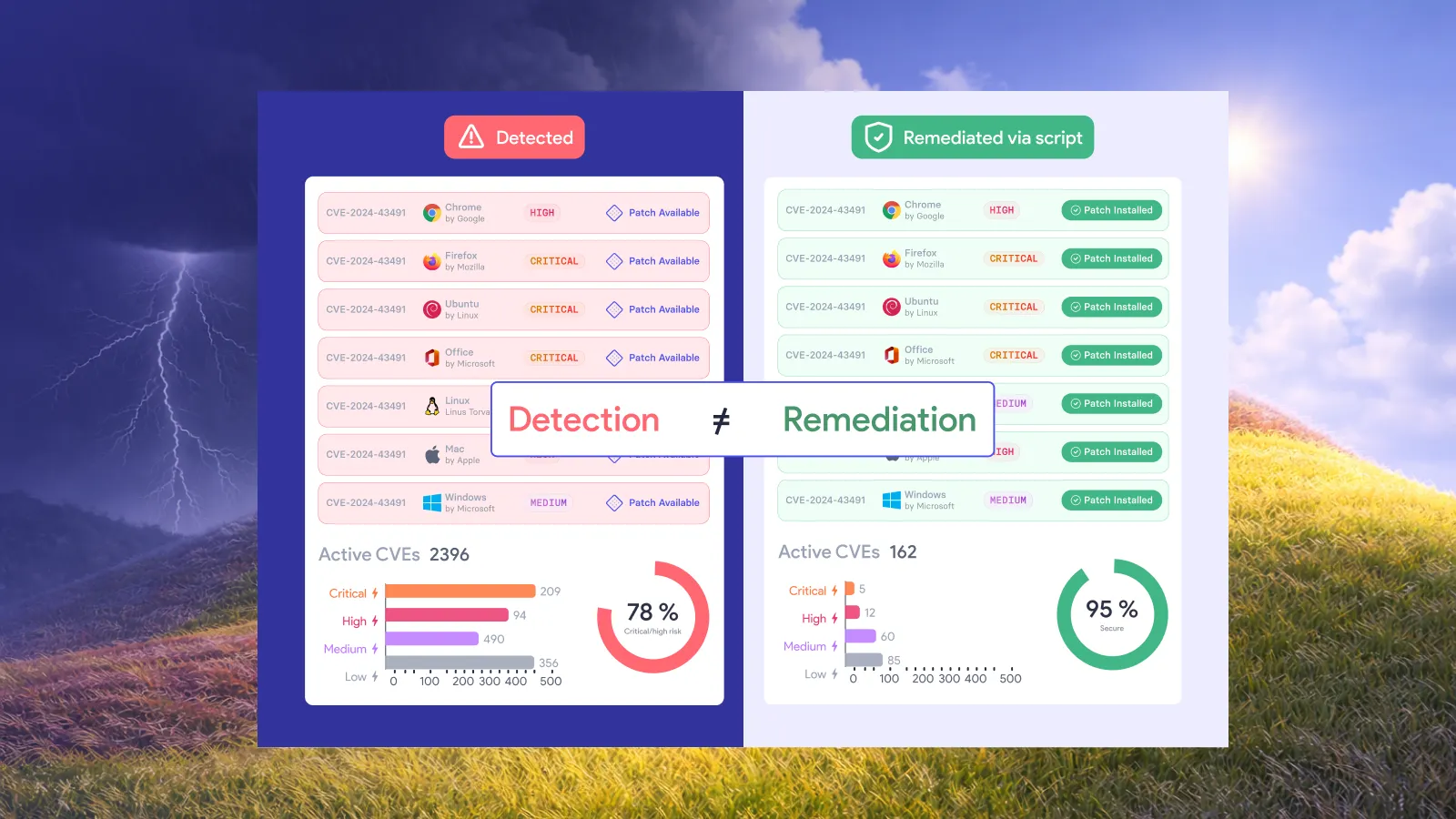
Security teams often use “remediation” as if it always means installing a vendor patch. In practice, a team may apply a permanent patch, harden a configuration, add a compensating control or deploy temporary protection. These actions have different effects and assurance requirements. A platform should identify the asset's actual state, not mark every action as simply “fixed.”
CodeMechanic is unusually clear about this boundary. Its generated guard is a temporary mitigation with predictable failure behavior. The developer-written repair remains the desired endpoint.
That distinction should become standard. Users need to know whether an action removes the root cause, blocks an exploit path, reduces exposure or merely detects an attempt.
What bounded remediation should require
The CodeMechanic pattern suggests five controls for AI-assisted remediation.
- A narrow action space: The model should modify only the components required for the approved mitigation.
- An explicit safety property: The system should define what unsafe behavior it is preventing.
- Independent validation: Success should require more than silencing one proof of concept.
- Known failure behavior: Teams should understand what happens when the mitigation activates or fails.
- A transition plan: Temporary protection should remain visible until a permanent remediation is deployed and verified.
These controls apply beyond source-code repair. An AI-generated PowerShell script should have defined permissions and expected state changes. A configuration change should identify its blast radius and rollback path. A patch deployment should use staged groups, validation and recovery controls.
Autonomy should expand only when evidence and safeguards justify it.
How this relates to Vicarius vShield
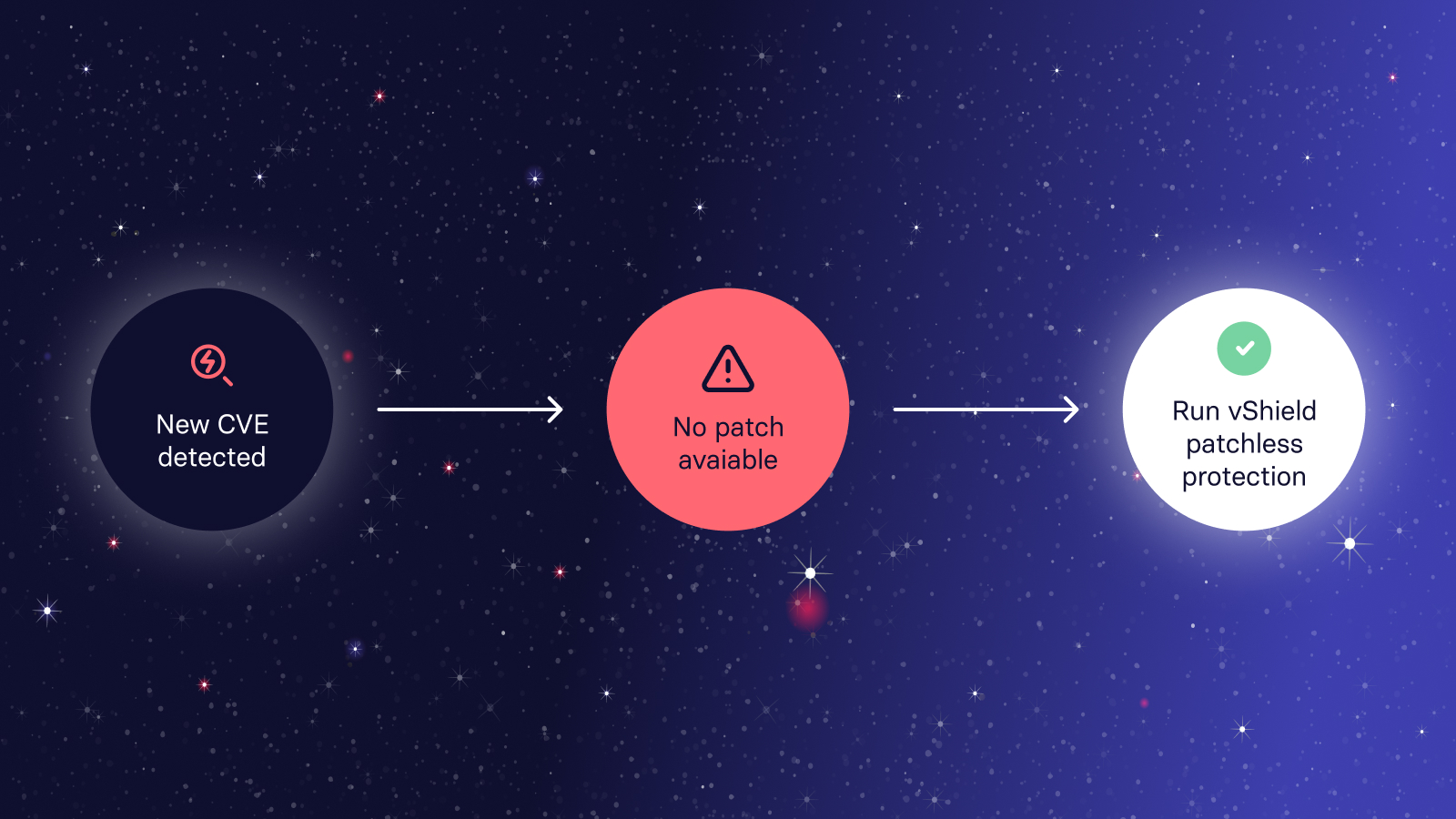
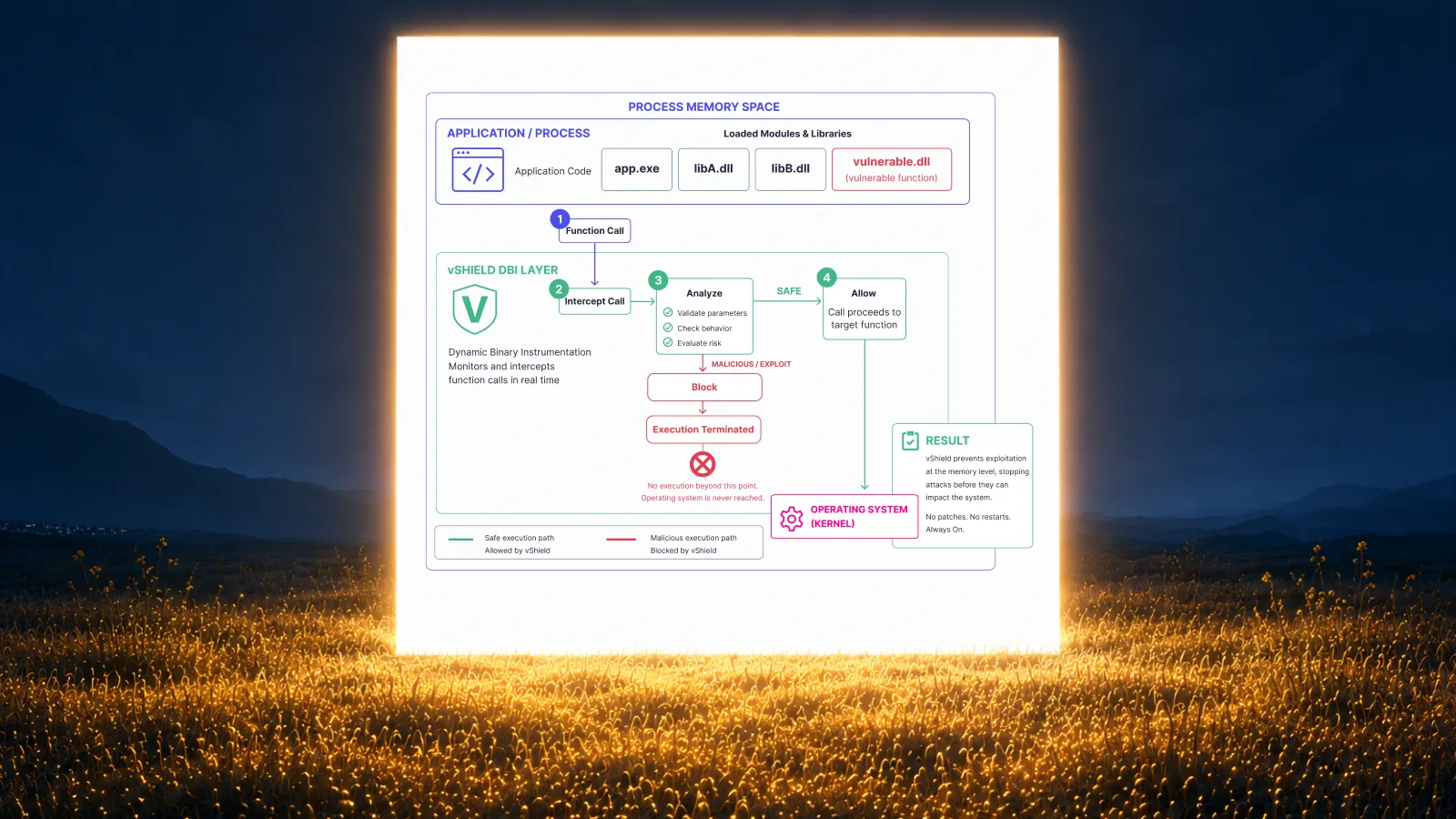
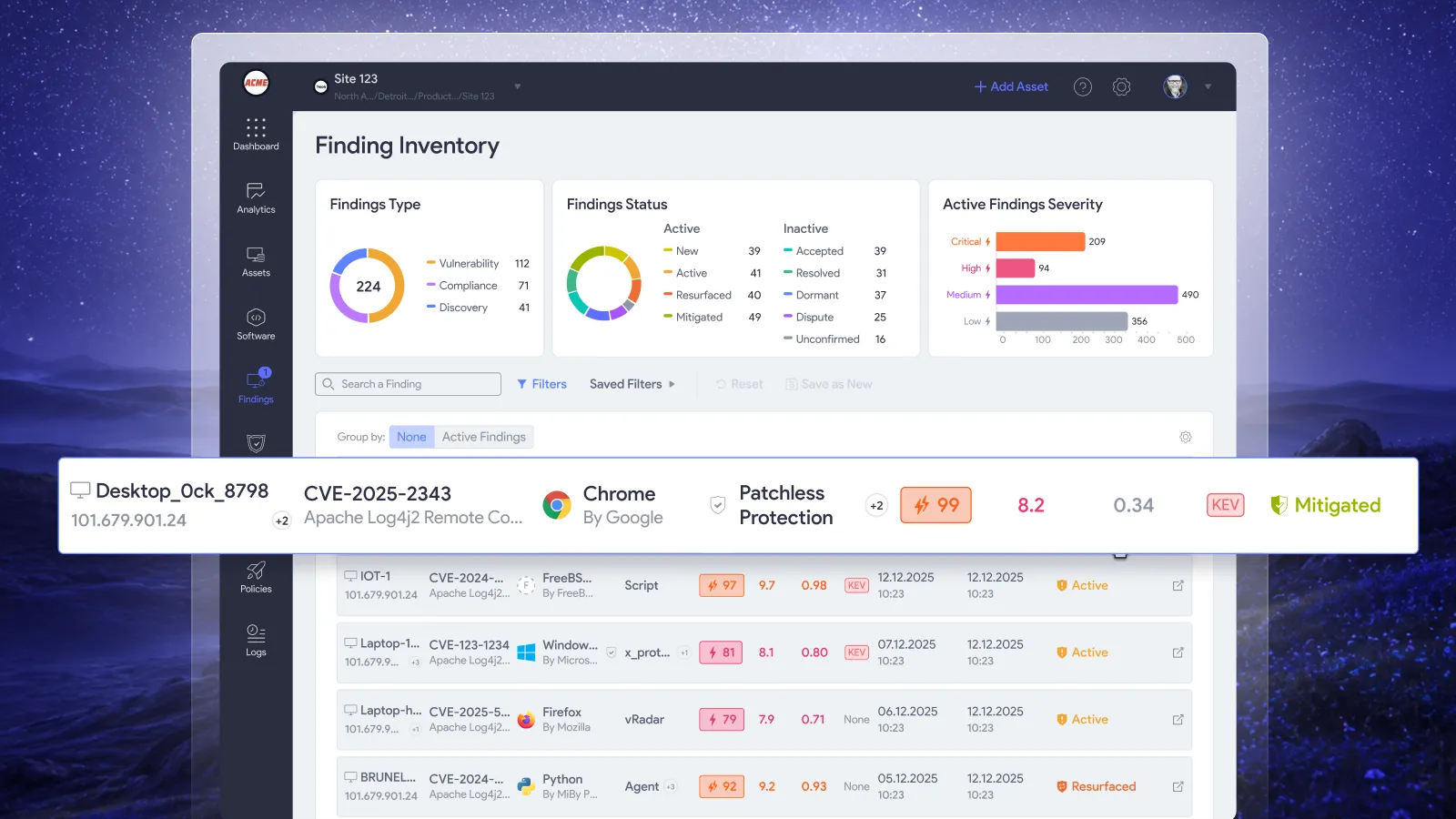
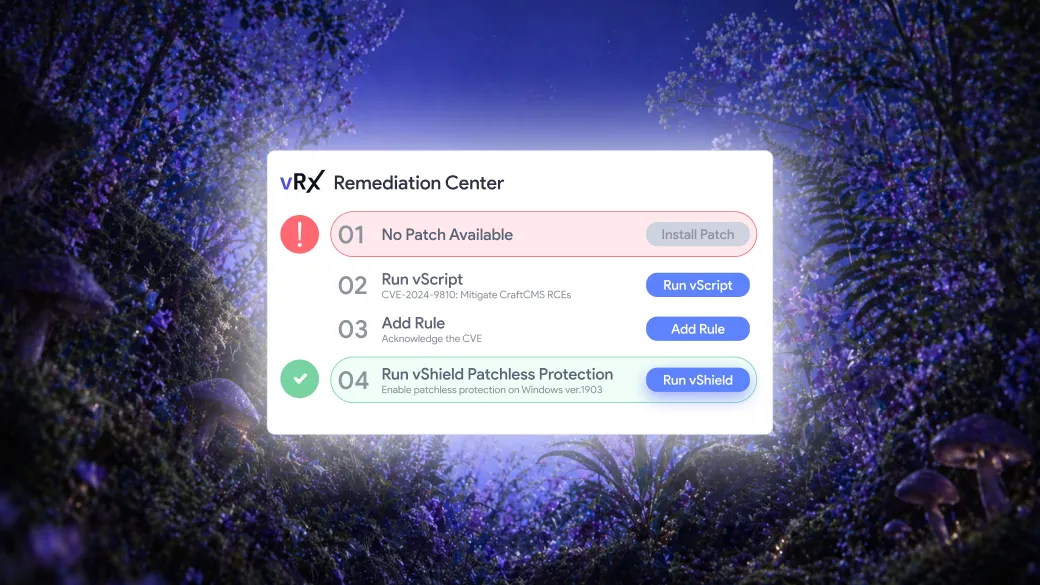
CodeMechanic and Vicarius vShield should not be presented as equivalent technologies. CodeMechanic generates a source-level fail-stop guard for a limited class of memory bugs. Vicarius vShield Patchless Protection is a proprietary runtime protection capability designed to block exploit paths without applying a vendor patch or changing the application.
They do share a strategic idea: organizations need a controlled protection layer between vulnerability disclosure and permanent patching.
That interval can exist because a vendor patch is not yet available, the application is end of life, a maintenance window is weeks away or the operational risk of immediate patching is too high. Leaving the exposure open should not be the default response.
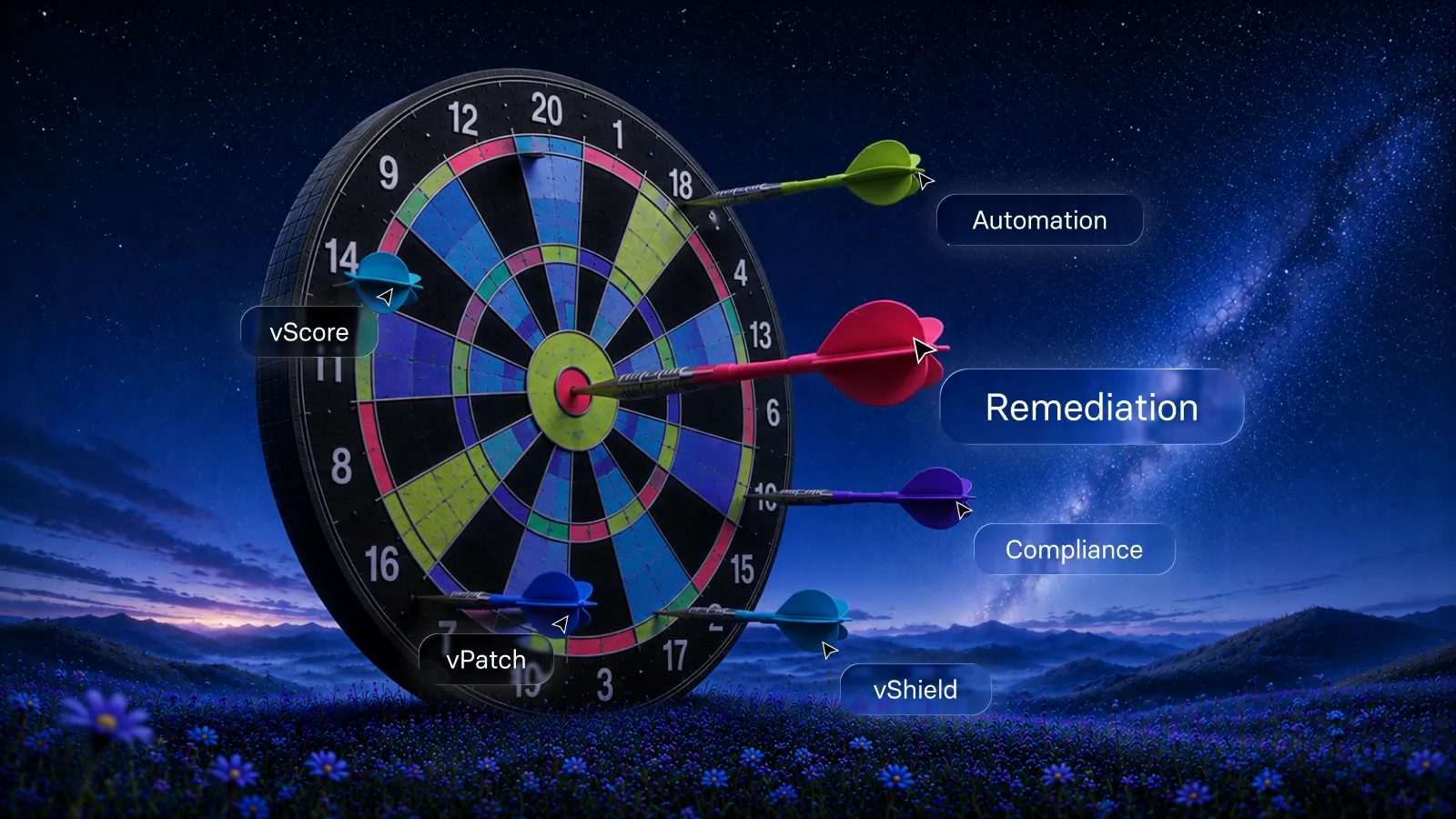
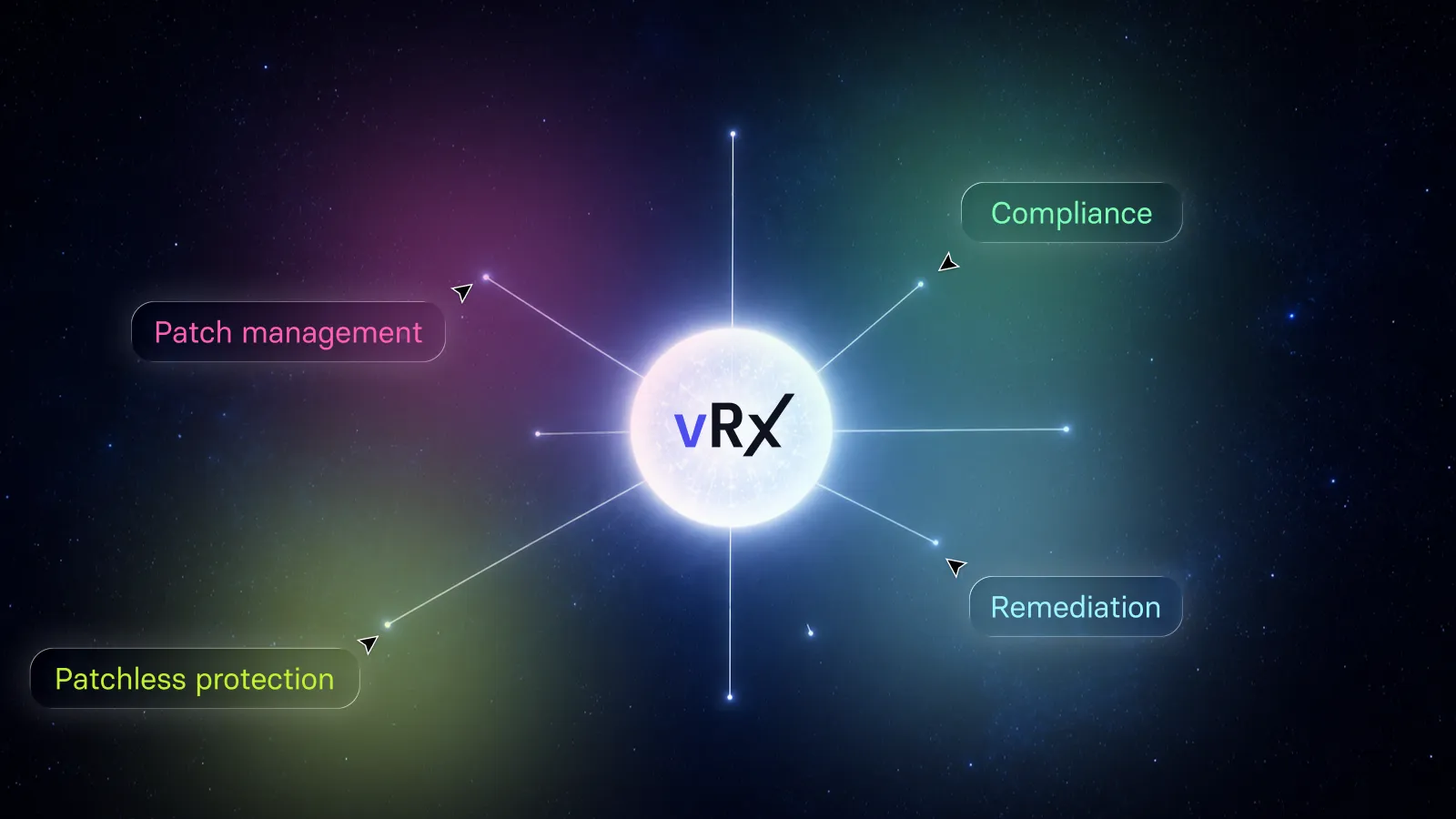
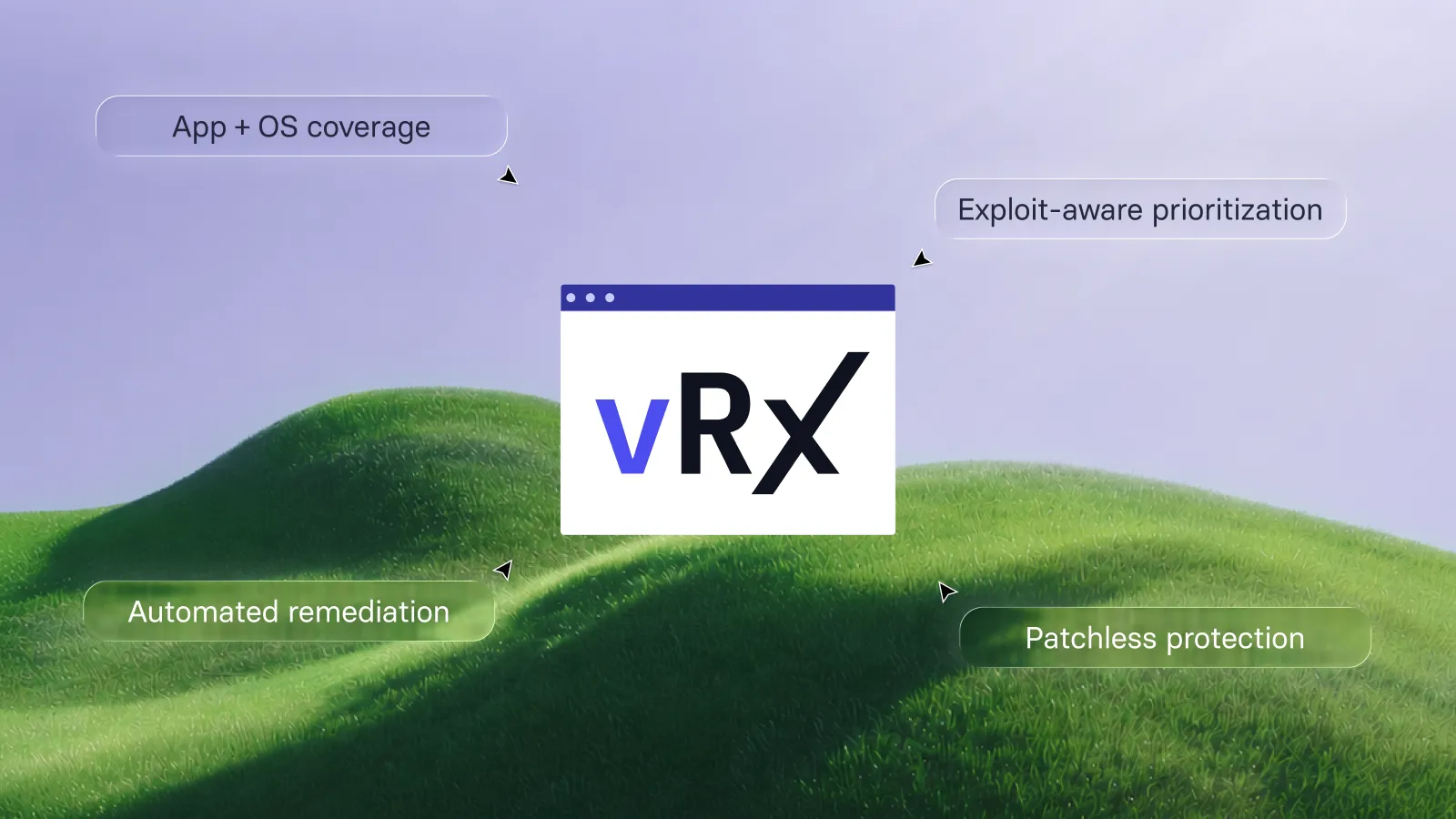
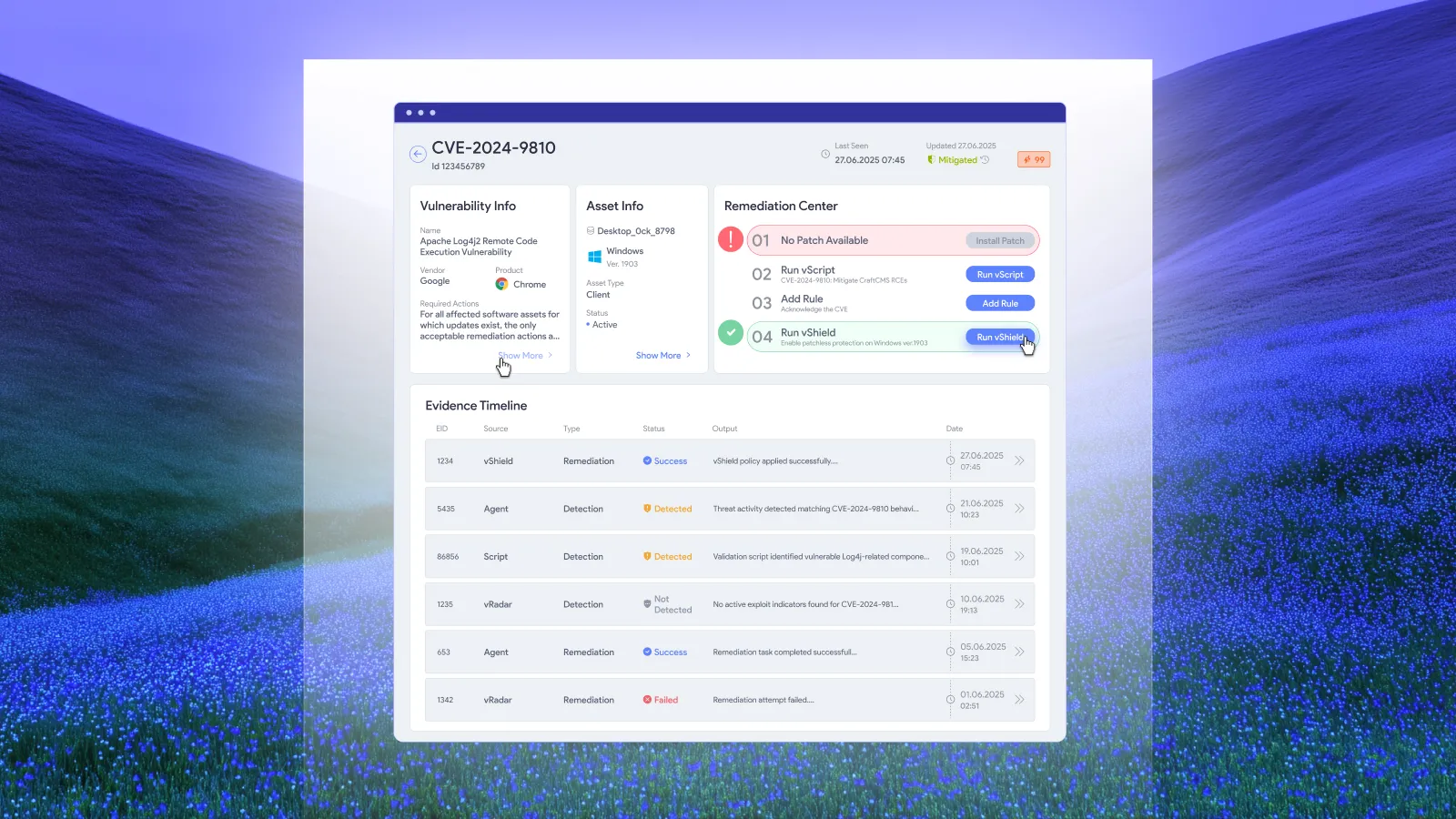
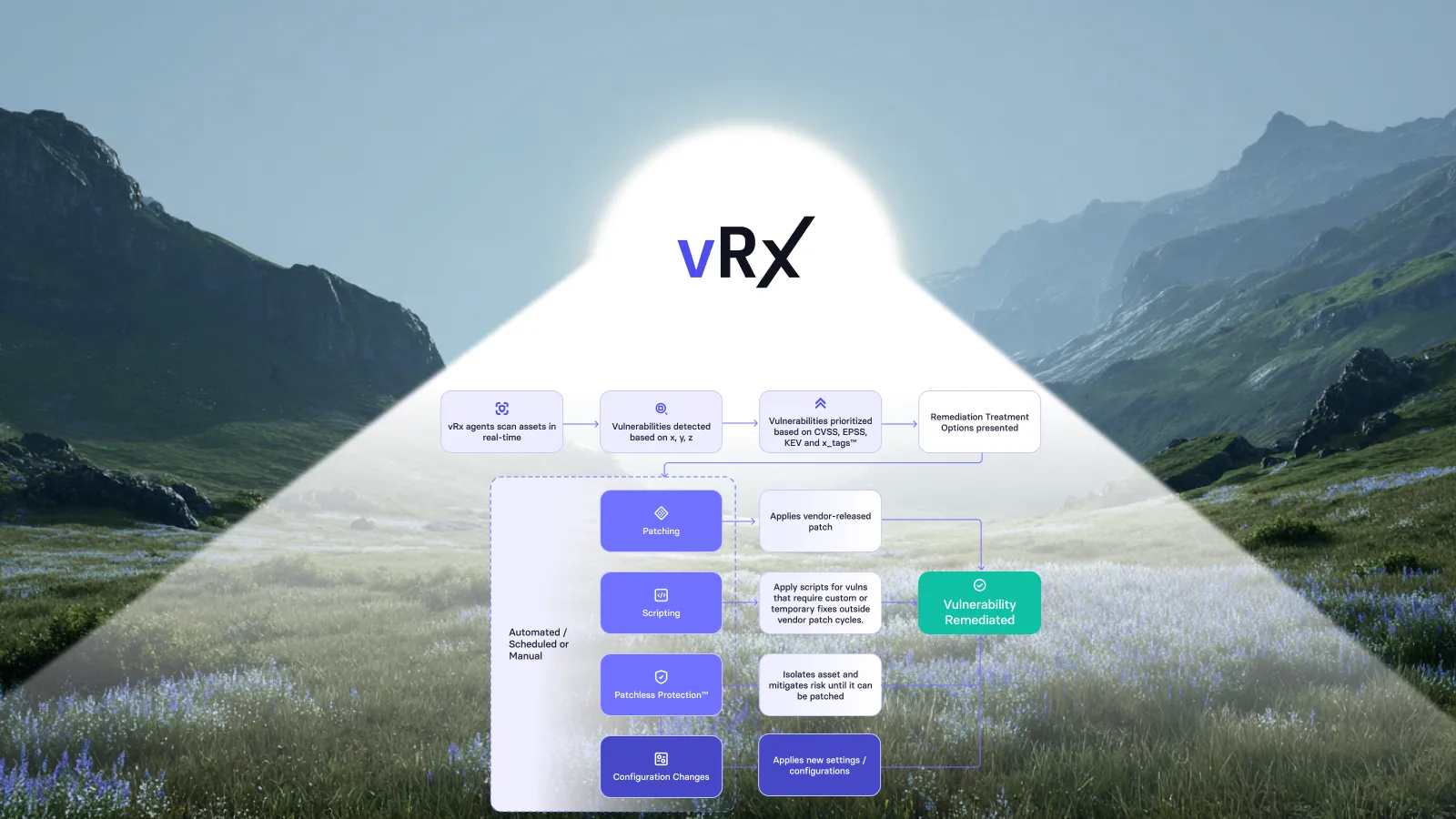
In the Vicarius remediation model, vShield can provide patchless protection while the normal patch cycle continues. Once vPatch patch management applies and validates a suitable patch, the asset can transition from temporary mitigation to permanent remediation.
The research reinforces why that transition should be explicit. A protected vulnerability is not the same as a removed vulnerability. Both states can reduce risk, but they require different records, policies and follow-up actions.
How security leaders should discuss autonomous remediation
“Autonomous remediation” can suggest that a model receives a finding, changes production and declares success. That description is both alarming and technically weak.
A more credible model is bounded autonomy. The system operates inside approved policies, uses actions with understood effects, stages higher-risk changes, verifies the result and escalates uncertainty to a person.
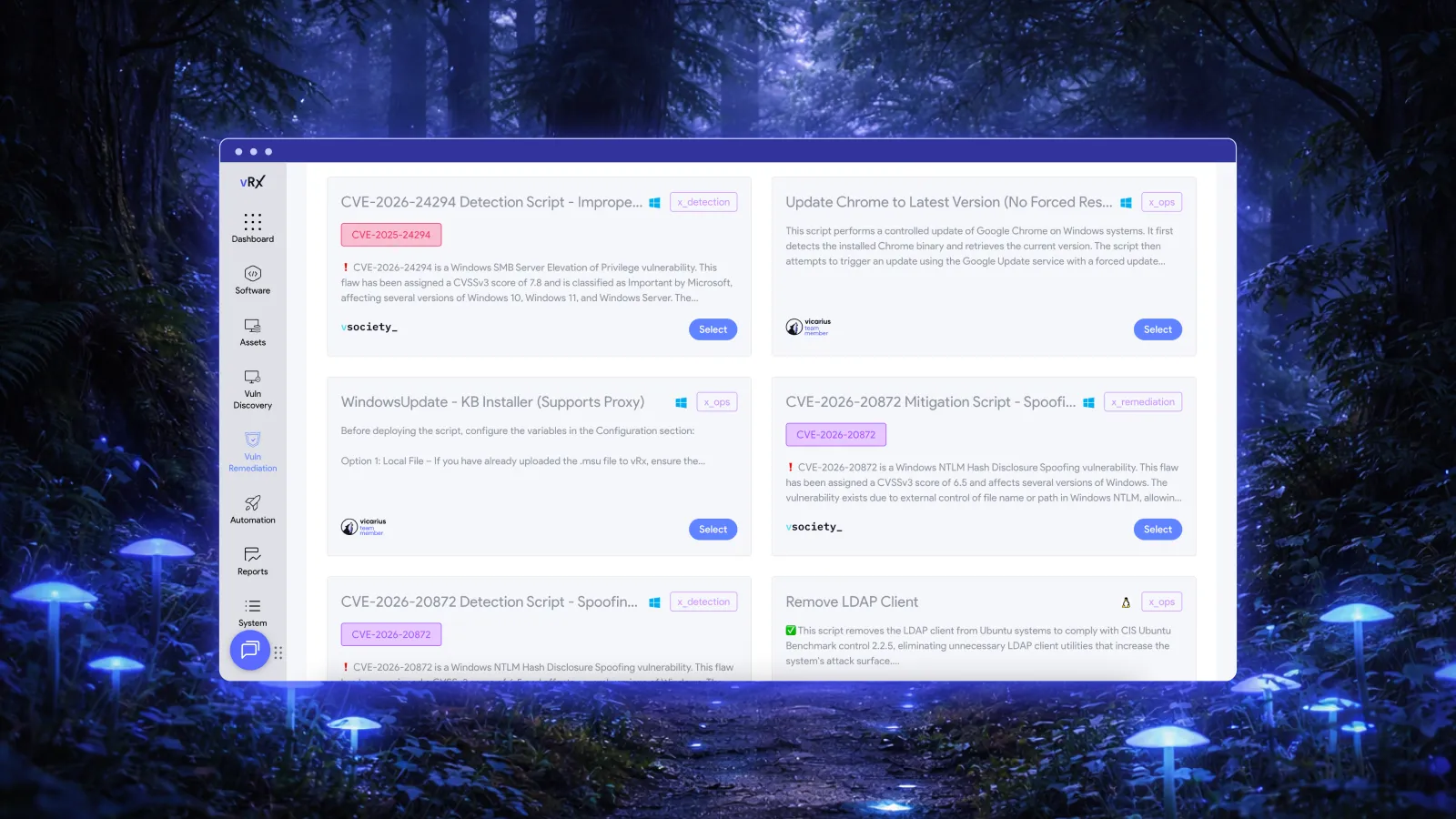
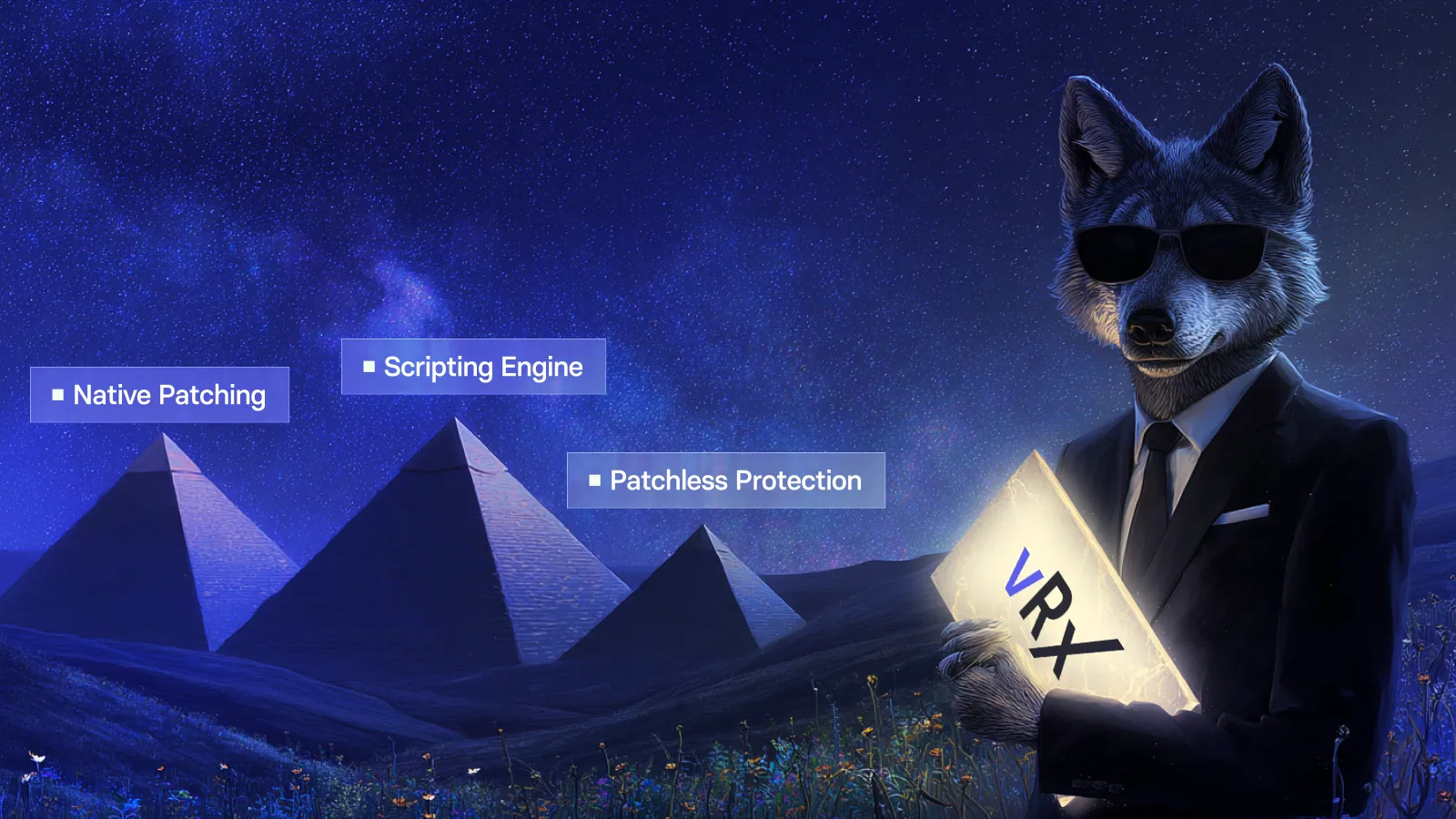
Vicarius orchestration can connect patching, scripting and patchless protection to that type of policy-controlled workflow. The value of AI is not merely writing commands. It is selecting the safest effective action for the current asset and proving the outcome.
The CodeMechanic research shows why unrestricted generation is not automatically more capable. Its constrained approach produced stronger results at lower token cost than more open-ended baselines. Limiting the problem helped the system perform better.
Close the exploit window without hiding the tradeoff
The period between discovery and permanent repair remains one of the hardest problems in vulnerability management. AI can help shorten it, but only if products distinguish a trustworthy mitigation from a plausible-looking change.
Temporary protection should state what it blocks, what operational tradeoff it introduces, how it was validated and when it will be replaced. Permanent remediation should remove the underlying vulnerability and verify the asset's new state.
The future of AI vulnerability remediation is not unlimited freedom for a model. It is a growing catalog of bounded, evidence-backed actions that security teams can deploy with confidence.
Frequently asked questions
What is constrained AI vulnerability remediation?
It limits AI-generated changes to a predefined action type, scope and safety policy. The action must pass validation and produce understood failure behavior before deployment.
Does patchless protection replace patching?
No. Patchless protection reduces exploitability when a patch is unavailable or cannot yet be deployed. A validated vendor patch remains the preferred permanent remediation when one is suitable.
What is the difference between mitigation and remediation?
Mitigation reduces the likelihood or impact of exploitation without necessarily removing the underlying defect. Permanent remediation removes or corrects the vulnerable condition and then verifies the result.














.webp)









%20Signals%20a%20New%20Era%20of%20Supply%20Chain%20Risk.webp)





.webp)
















%20to%20Reduce%20Attack%20Surface.avif)