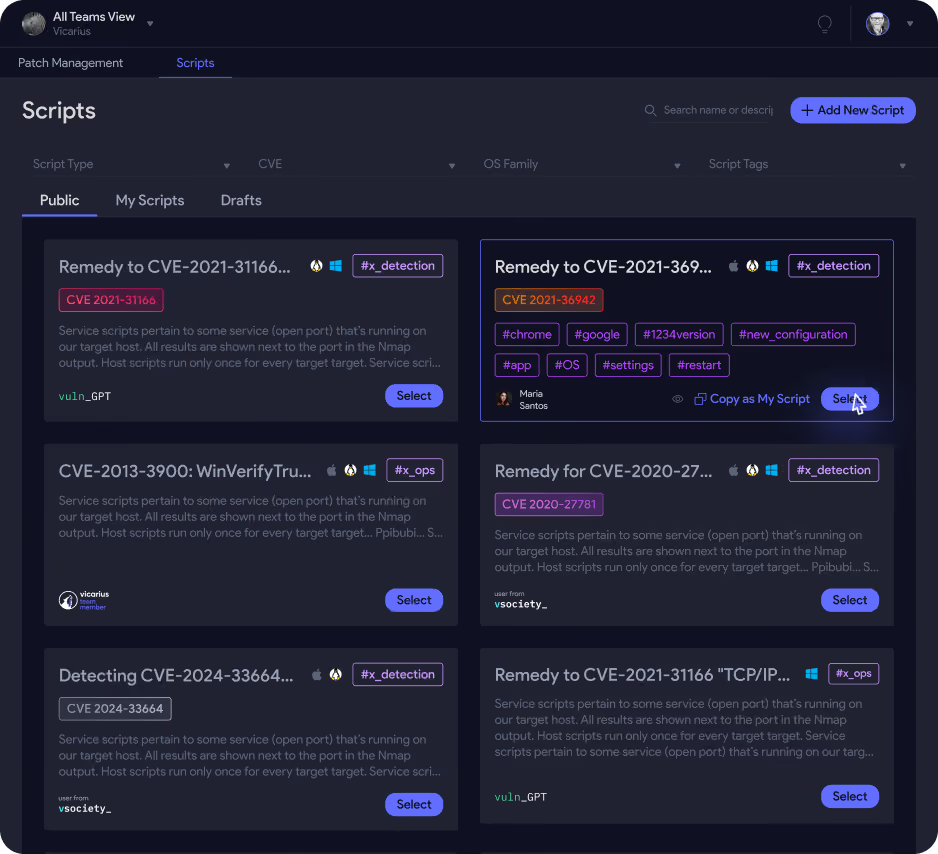


Vulnerability threat intelligence is evidence that helps security teams judge whether a weakness is likely to matter in real attacks. It can include government advisories, exploitation catalogs, vendor research, public exploits, malware repositories and threat-sharing platforms.
Most organizations approach this data with an understandable assumption: more sources create better visibility.
Sometimes they do. They can also create duplicated alerts, conflicting conclusions and a larger queue for analysts to validate. The missing question is not how many feeds an organization has. It is how much unique, timely and decision-useful evidence each source contributes.
A Case-Control Measurement Study of OSINT Source Effectiveness for Critical Infrastructure Defense provides rare empirical analysis of that question. The study examines which public intelligence sources were associated with confirmed critical-infrastructure attacks, which also appeared around non-attack vulnerability cases, and how a limited source portfolio might maximize coverage.
The results deserve attention, but they also require careful interpretation.
What the researchers measured
The study constructed a 15-year corpus covering 54 confirmed cyberattacks against critical infrastructure and 12 null-control vulnerability cases. Researchers verified 161 signals across 15 source classes using a two-verifier process with adjudication.
They measured attack coverage, null contamination, precision within the constructed corpus and lead time. They then used a set-cover approach to identify small portfolios of sources that covered the greatest number of attacks.
According to the paper, one broad vendor-research source class and one precursor source covered 92.6 percent of corpus attacks. Three selected sources covered 96.3 percent. The greedy three-source portfolio outperformed the average random three-source set by 39.8 percentage points.
The median lead time across pre-attack and same-day signals was 23 days. The authors argue that daily review would retain more warning value than weekly analysis.
Those figures are not universal feed-selection benchmarks. The sample includes only attacks with an observable public footprint, and the 12 null cases provide limited statistical power. The source classes also combine publications that may differ materially in quality and coverage. The authors explicitly warn against overinterpreting small sector and actor subgroups.
The useful finding is structural: intelligence sources have different missions, and their value depends on the decision they support.
Coverage is not the same as prediction
A source can mention many attacks without providing actionable warning before those attacks occur. It may publish detailed analysis during incident response or after public disclosure. That information is valuable, but it serves a different purpose from a precursor signal.
The study separates three broad profiles:
- Broad-coverage sources appear across many attack cases but also have some null contamination.
- Precursor sources provide narrower signals that may arrive before an attack.
- Disclosure-exposure sources are valuable for vulnerability awareness and patch queues but may not function as early incident-warning systems.
This distinction helps explain why a well-known source can be authoritative without being the best source for every workflow.
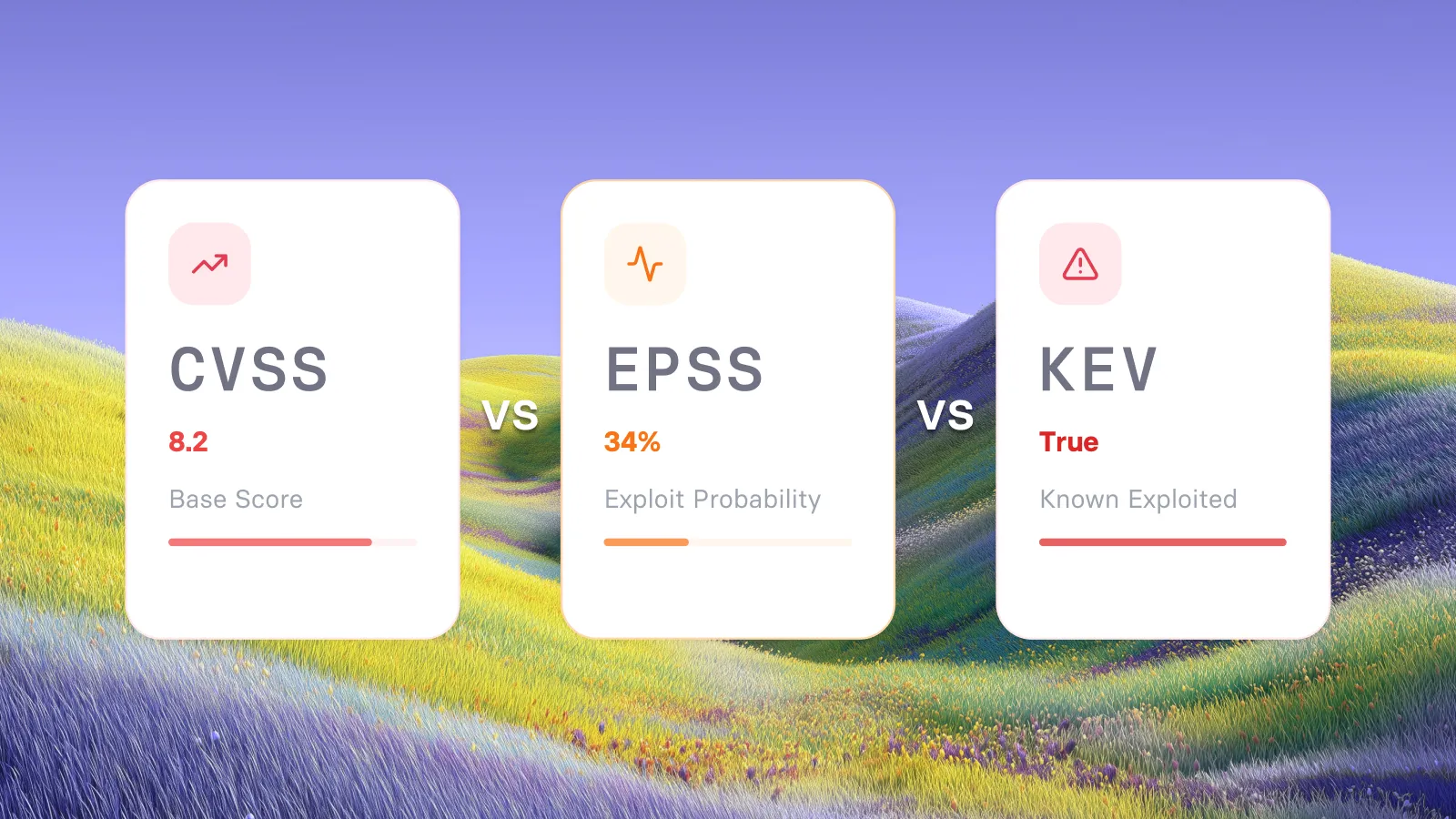
CISA KEV, for example, is highly valuable because entries are tied to evidence of exploitation and clear remediation relevance. It is intentionally conservative and operational. It is not designed to capture every weak signal that precedes an attack.
Similarly, NVD data supports vulnerability identification and technical assessment. It should not be judged as if its mission were actor tracking or infrastructure-level threat prediction.
The cost of treating every signal the same
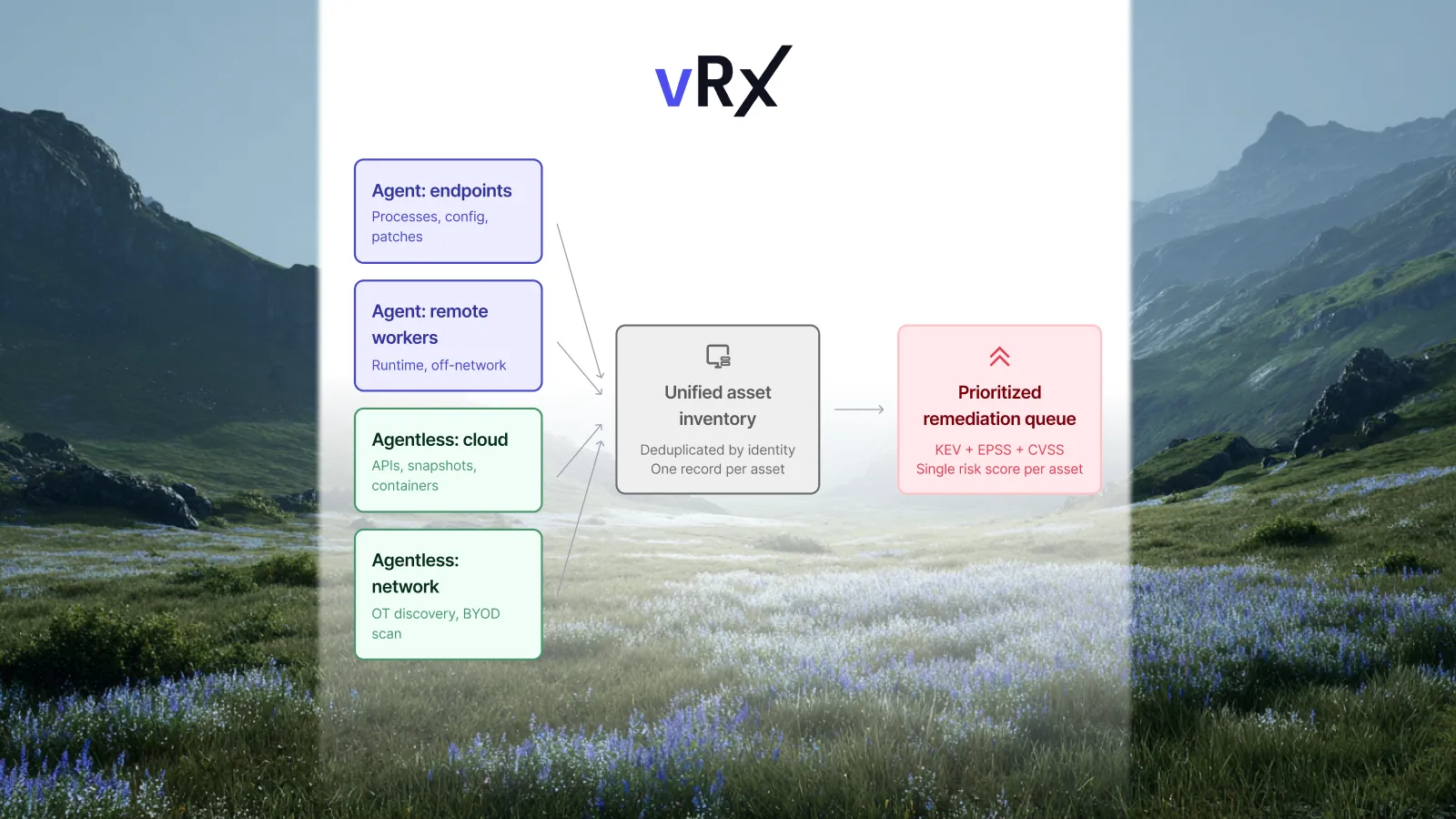
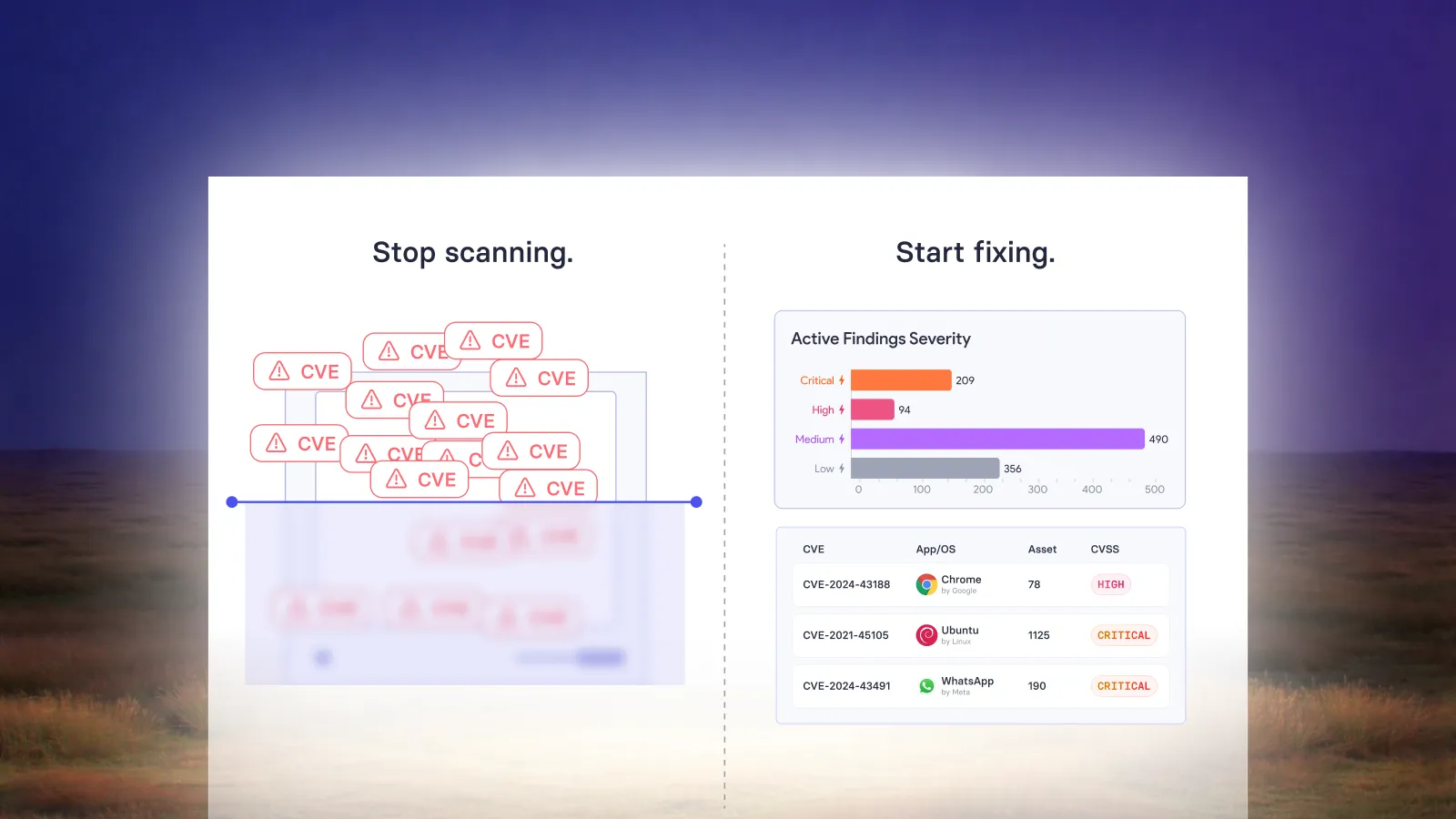
Overlapping feeds can create the appearance of stronger confidence when several sources repeat one original advisory. Counting them as independent confirmations overstates the signal. A low-volume source can also provide unique early warning for a specific sector or product, yet disappear inside generic weighting.
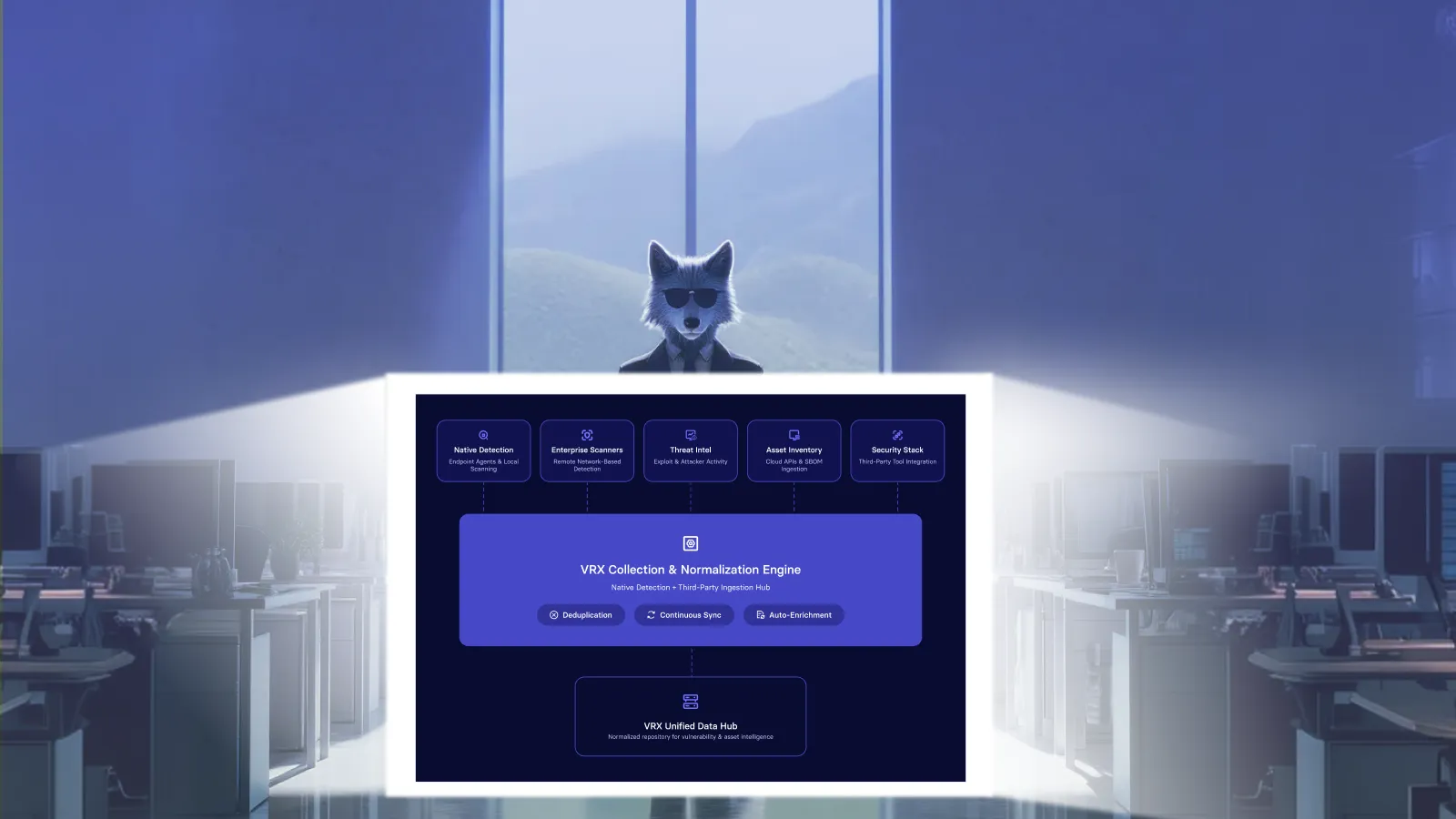
Effective exploit intelligence therefore needs provenance and dependency awareness. The platform should know:
- who originated the information and when
- whether later sources confirmed or repeated it
- which products, sectors and actors it covers well
- what action the signal is meant to support
Without those details, feed aggregation can become alert accumulation.
What this means for vulnerability prioritization
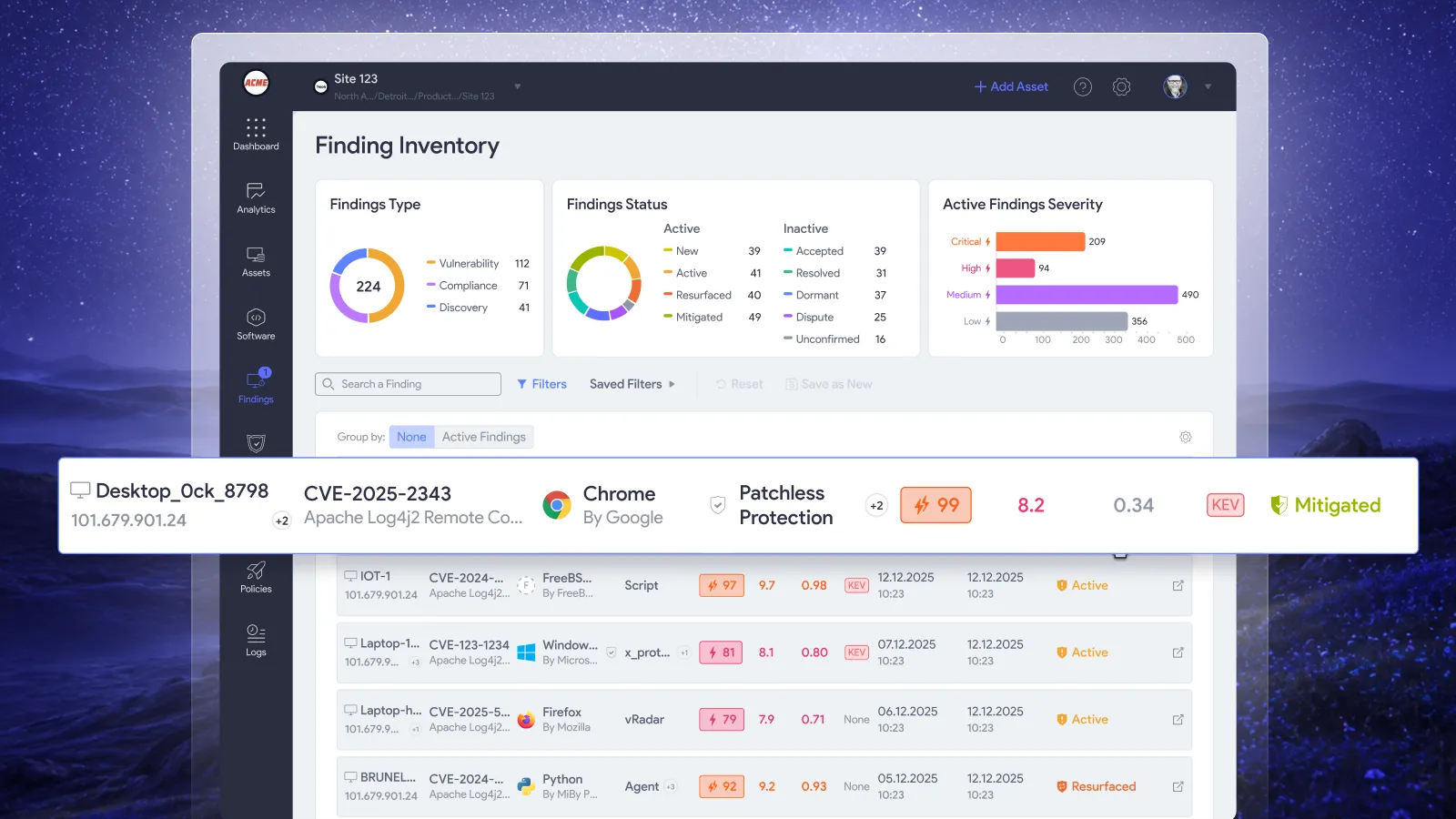
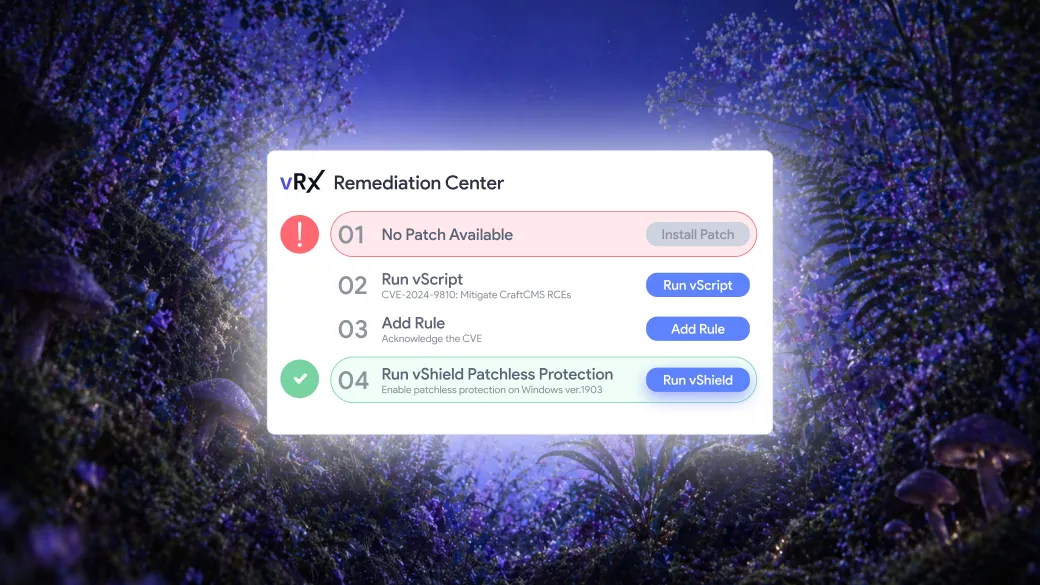
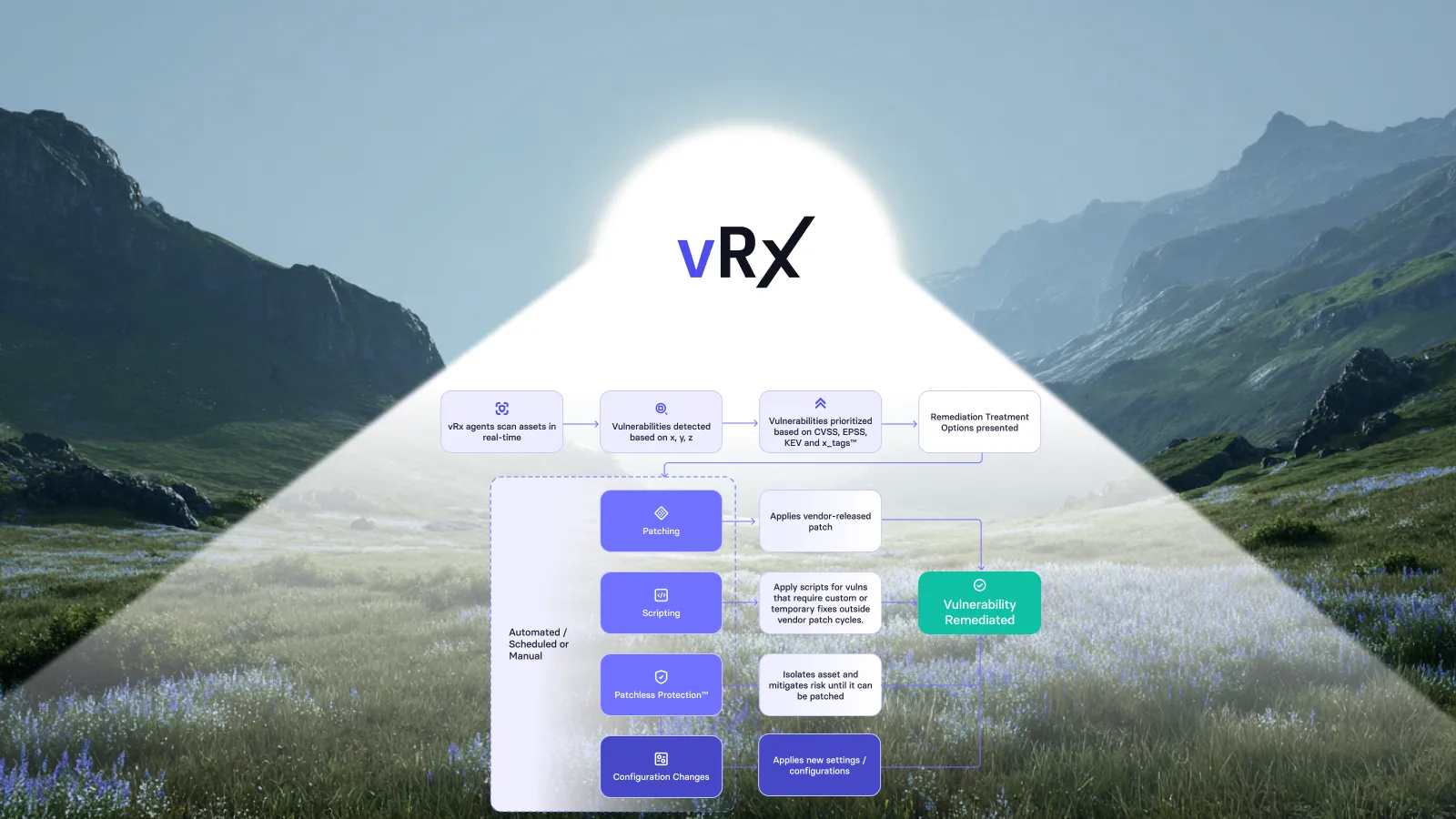
External intelligence is one layer of a remediation decision. A public exploit raises urgency only when the affected product exists in the environment. A KEV entry matters more when the asset is exposed or critical. An advisory becomes actionable when the platform connects it to a patch, mitigation or configuration change.
This is where vulnerability threat intelligence becomes operational. The goal is not to display more badges beside a CVE. The goal is to change the order and timing of remediation when the evidence justifies it.
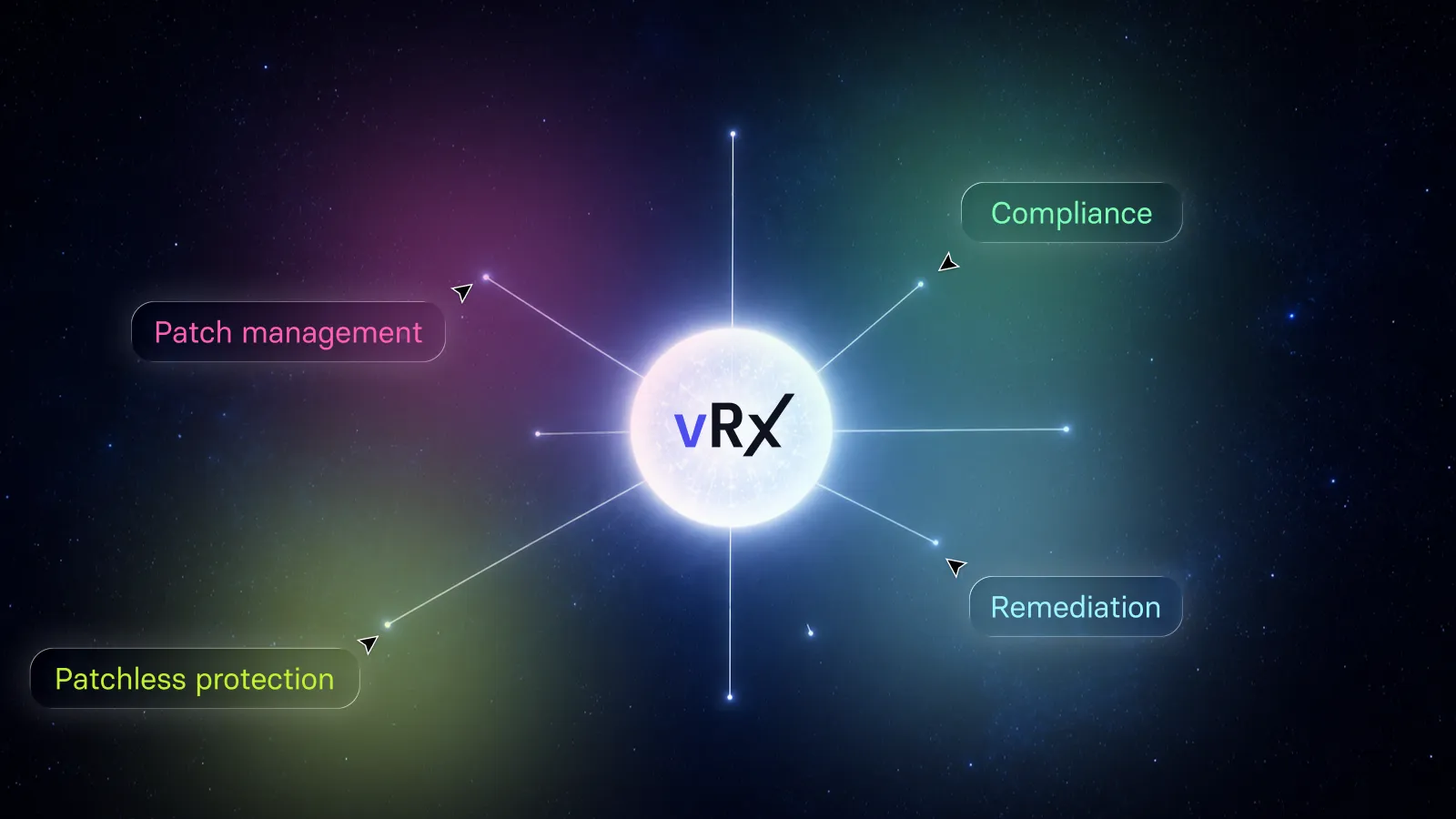
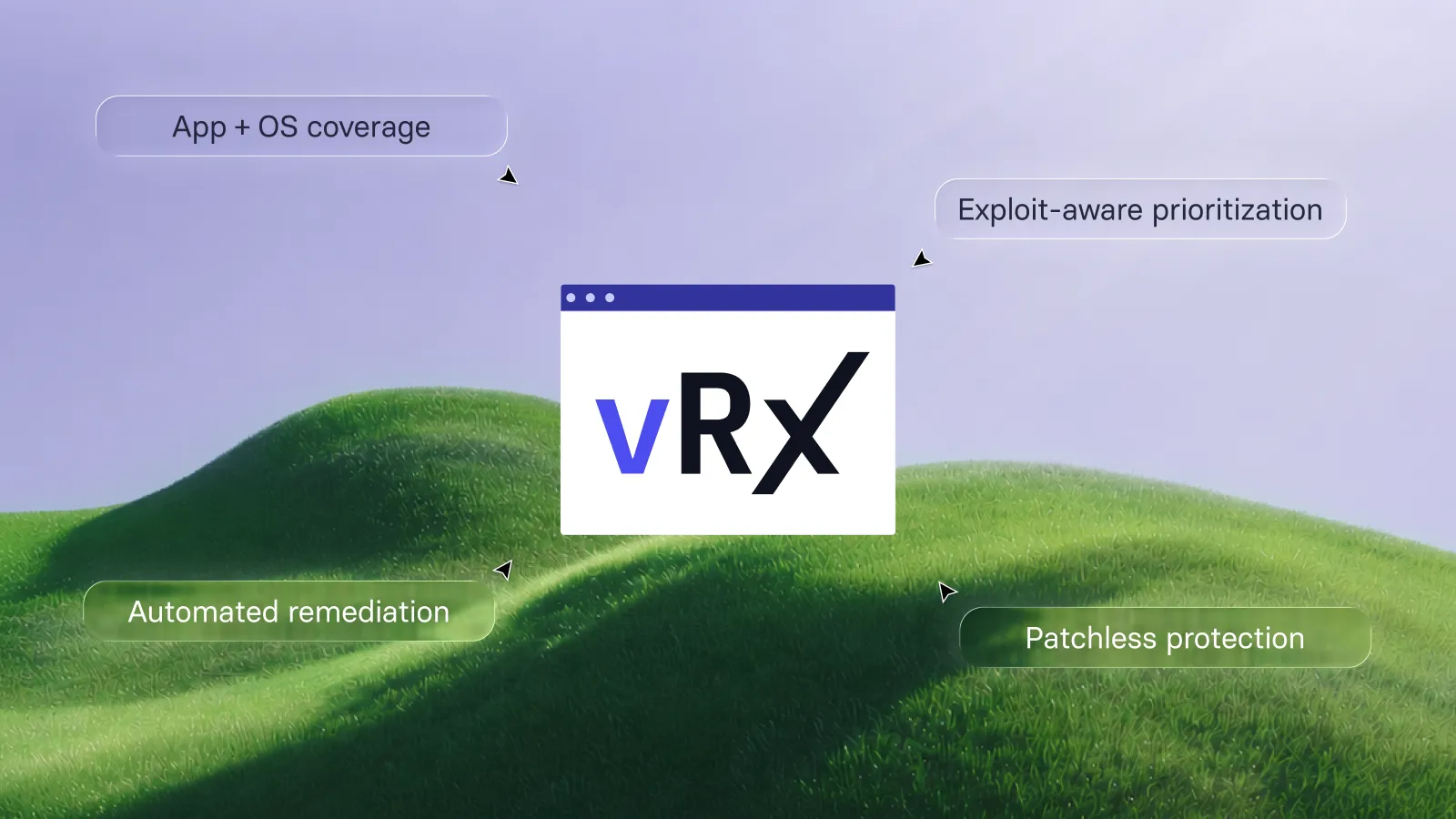
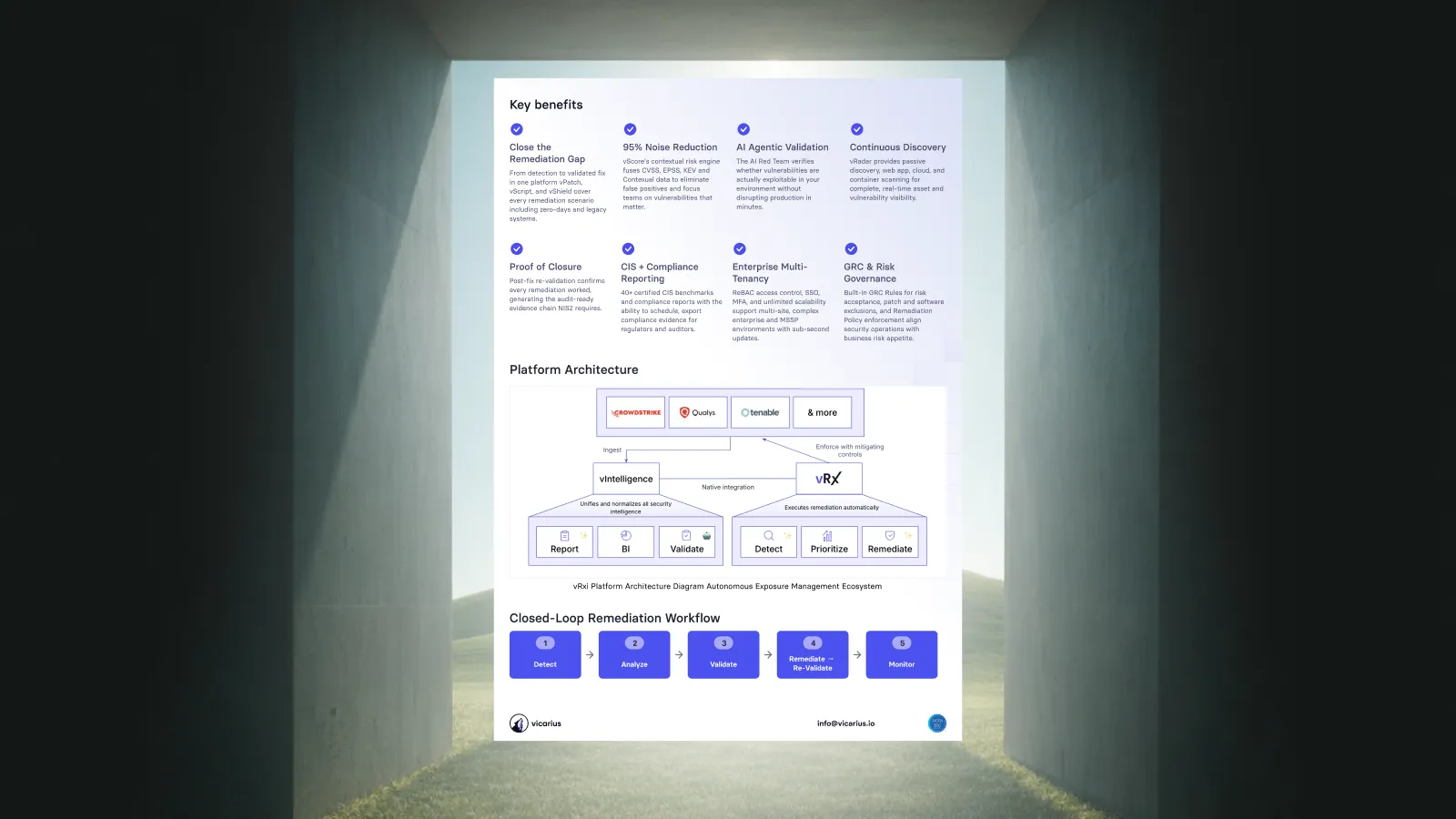
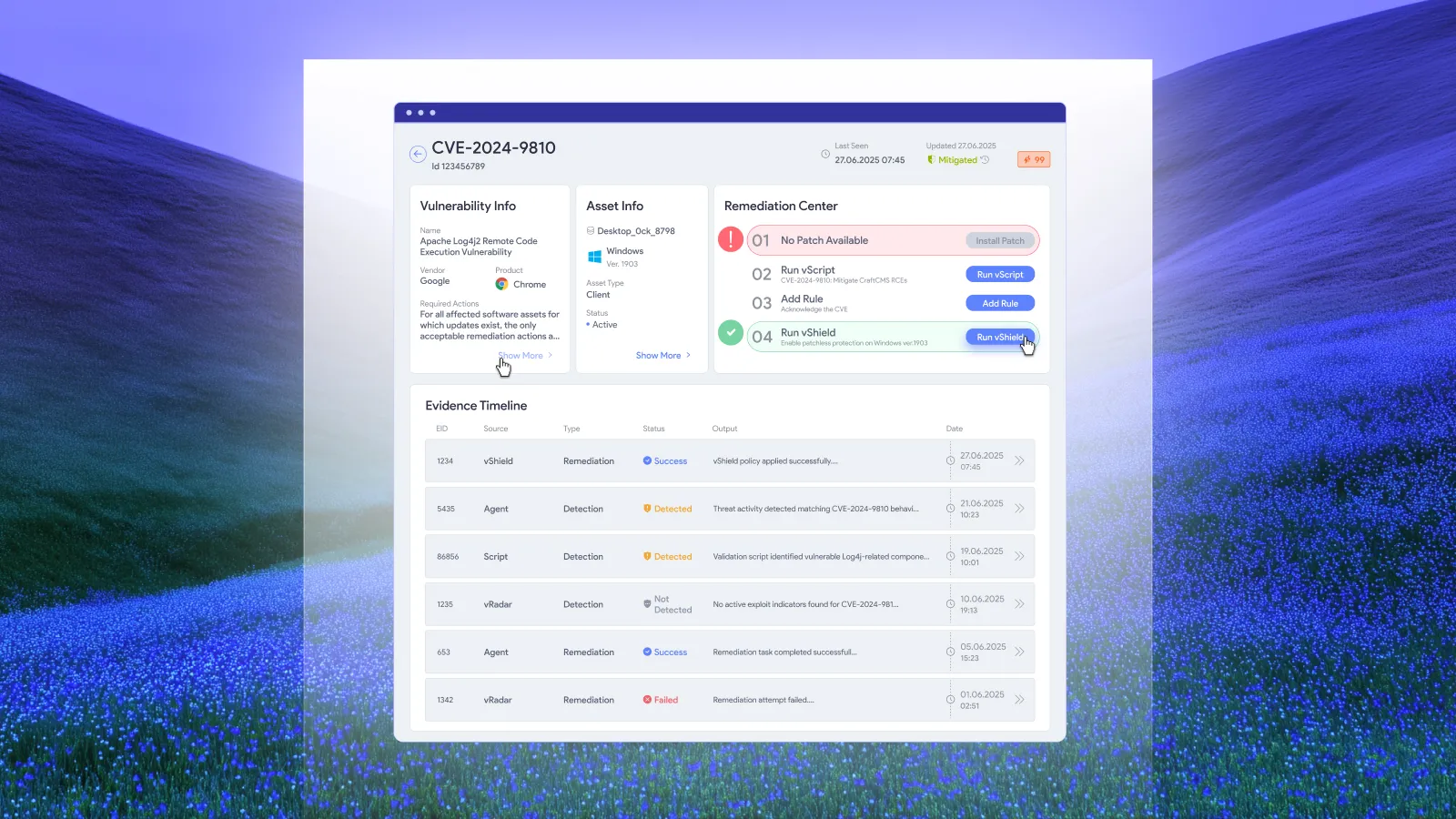
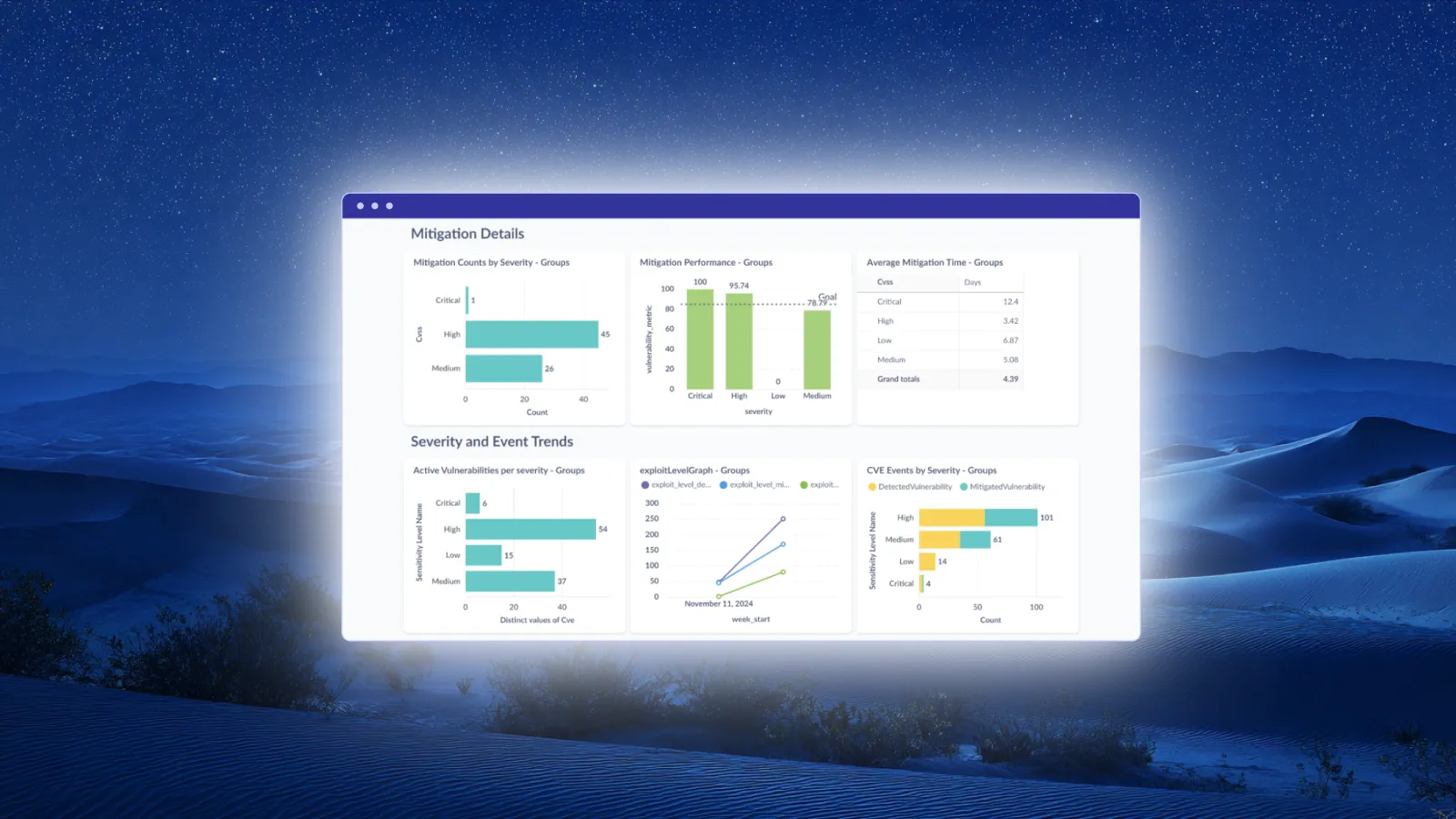
Vicarius vulnerability management combines detection with risk-based prioritization and remediation paths. The research suggests an additional standard for this model: external sources should be evaluated for unique contribution, freshness and relevance rather than counted equally.
Build an intelligence portfolio, not a feed collection
Organizations can apply the paper's reasoning without copying its source choices. Define the decision each source must support, then measure its unique coverage, lead time, precision, redundancy and ability to trigger action. Review the portfolio over time because threat actors, technologies and reporting practices change.
Daily evidence, policy-controlled action
The study's 23-day median signal lead time highlights another issue. Intelligence loses value when collection and prioritization operate on different cadences.
A feed may update daily while the vulnerability queue is reviewed weekly. A high-value precursor then spends several days waiting for human attention. Continuous threat exposure management should close that gap by continuously updating evidence, reprioritizing affected exposures and triggering the appropriate workflow.
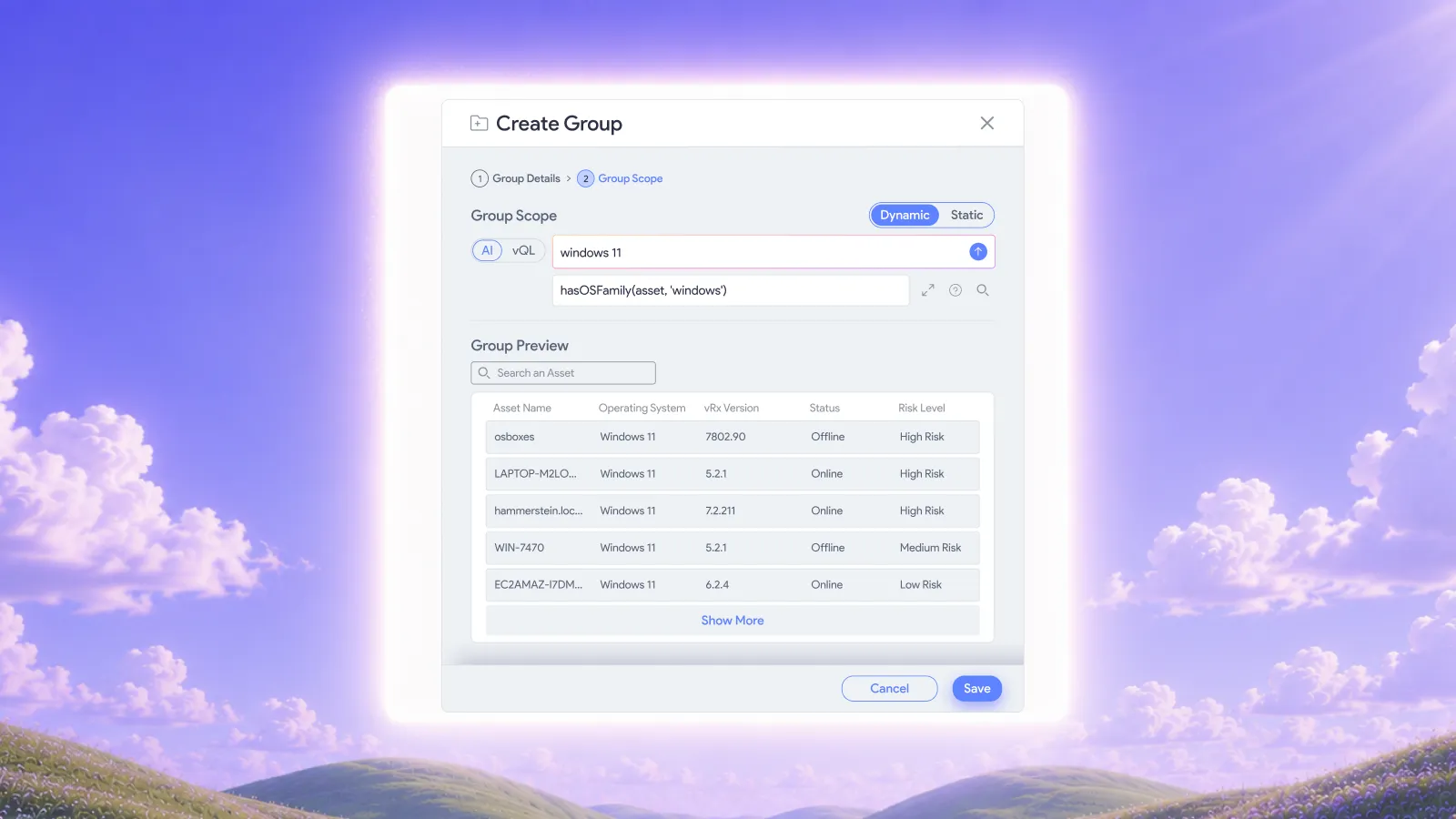
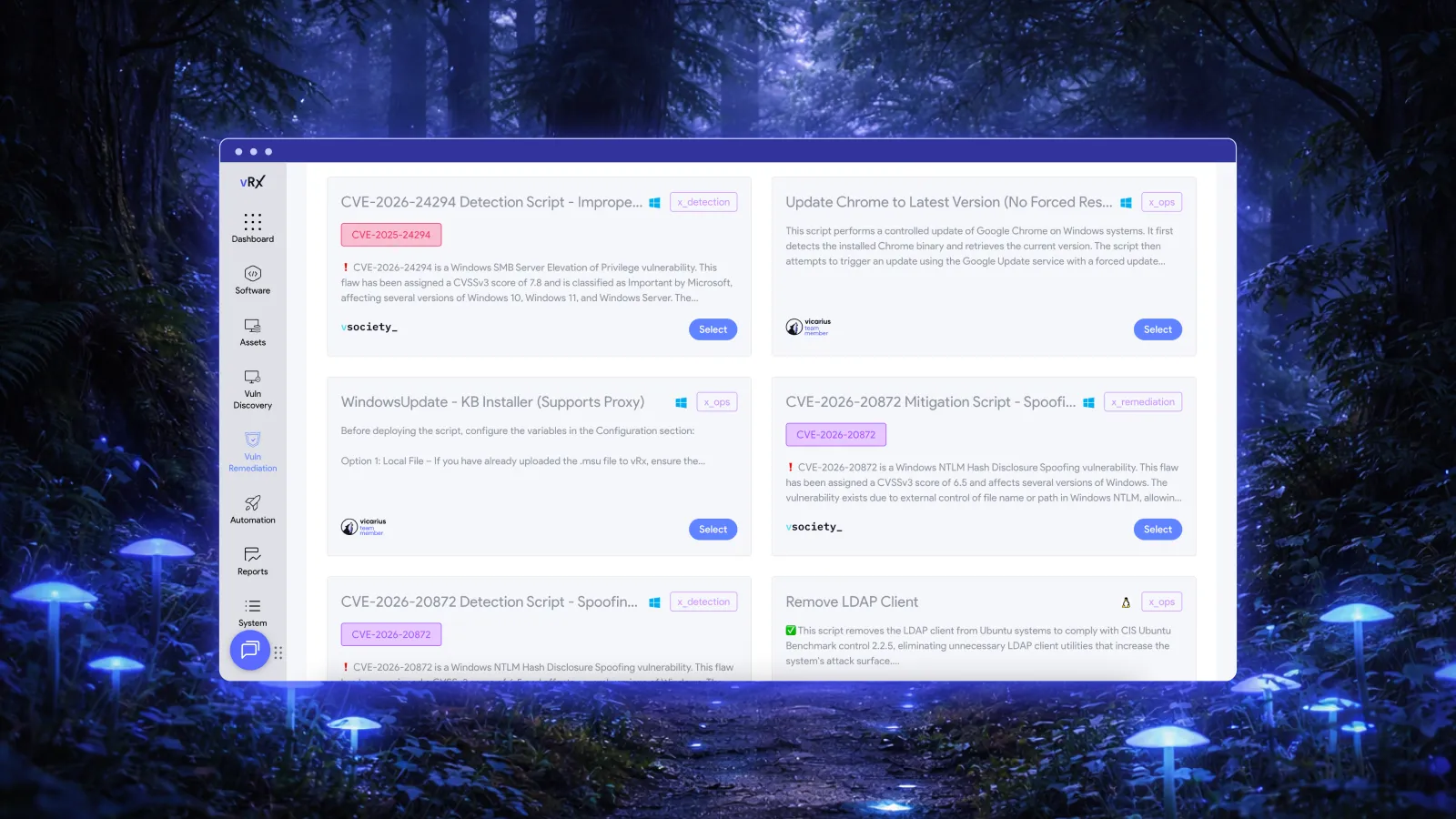
The Vicarius orchestration capability provides a natural place to connect evidence changes with controlled actions. A new high-confidence exploitation signal might initiate validation, create a targeted remediation group or request emergency approval. Lower-confidence intelligence might increase monitoring without forcing a production change.
The response should depend on evidence strength, environmental context and policy.
What Vicarius can bring to the market
Security marketing often says a product uses “multiple threat intelligence sources” as if quantity proves accuracy. The research supports a more mature message.
The value lies in selecting complementary evidence, preserving provenance, recognizing overlap and connecting the result to an action. One well-timed, relevant signal can matter more than dozens of repeated alerts.
This also creates a useful distinction between intelligence and prioritization. Intelligence describes external conditions. Prioritization combines those conditions with the organization's assets and business context. Remediation then changes the environment. None of the three should be mistaken for the others.
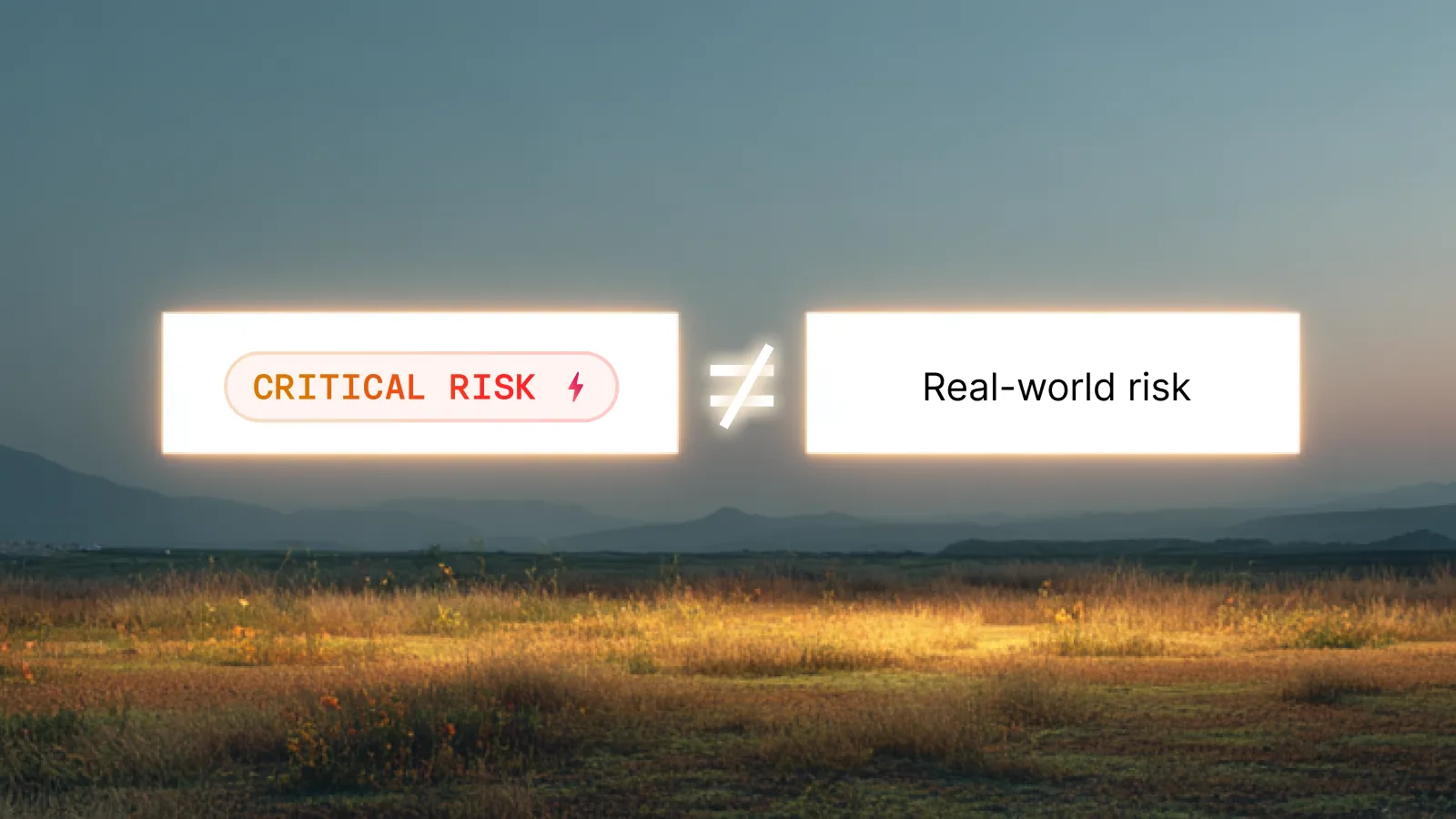
Vicarius can connect that story to why vulnerability platforms miss business risk. A global signal becomes business risk only when it intersects with a real asset, meaningful exposure and potential operational impact.
Measure intelligence by the decisions it improves
The OSINT study does not prove that every critical-infrastructure defender needs only two or three sources. It does show that source selection can be measured instead of inherited from reputation or vendor habit.
That is the strategic signal for vulnerability management. More data is useful only when it adds new evidence, arrives in time and changes a decision for the better.
Security teams do not need a wall of intelligence logos. They need to know which exposures moved, why they moved and what to do next.
Frequently asked questions
What is vulnerability threat intelligence?
Vulnerability threat intelligence is external evidence used to assess the real-world relevance of a vulnerability. It includes exploitation observations, public exploits, advisories, attacker activity and other signals that can influence remediation priority.
Is CISA KEV a threat intelligence feed?
KEV is an authoritative catalog of vulnerabilities with evidence of active exploitation. It is a high-value remediation signal, but it is not intended to provide every early warning or every form of threat context.
Why can more threat feeds create worse results?
Additional feeds can duplicate the same source, introduce conflicting data and increase analyst workload. Their value depends on unique coverage, timing, precision and relevance to the organization's decisions.
















.webp)


















%20Signals%20a%20New%20Era%20of%20Supply%20Chain%20Risk.webp)







.webp)





















%20to%20Reduce%20Attack%20Surface.avif)