

ScriptAI is a generative AI engine built into the vRx platform that creates and validates vulnerability detection and remediation scripts in under an hour, including cases where no official vendor patch exists. It replaces a manual process that normally takes weeks with an agentic pipeline: AI drafts the script, a deterministic judge checks it against a signed evidence manifest, and vRx executes the verified fix automatically after human review.
The problem: vulnerability discovery is outpacing remediation
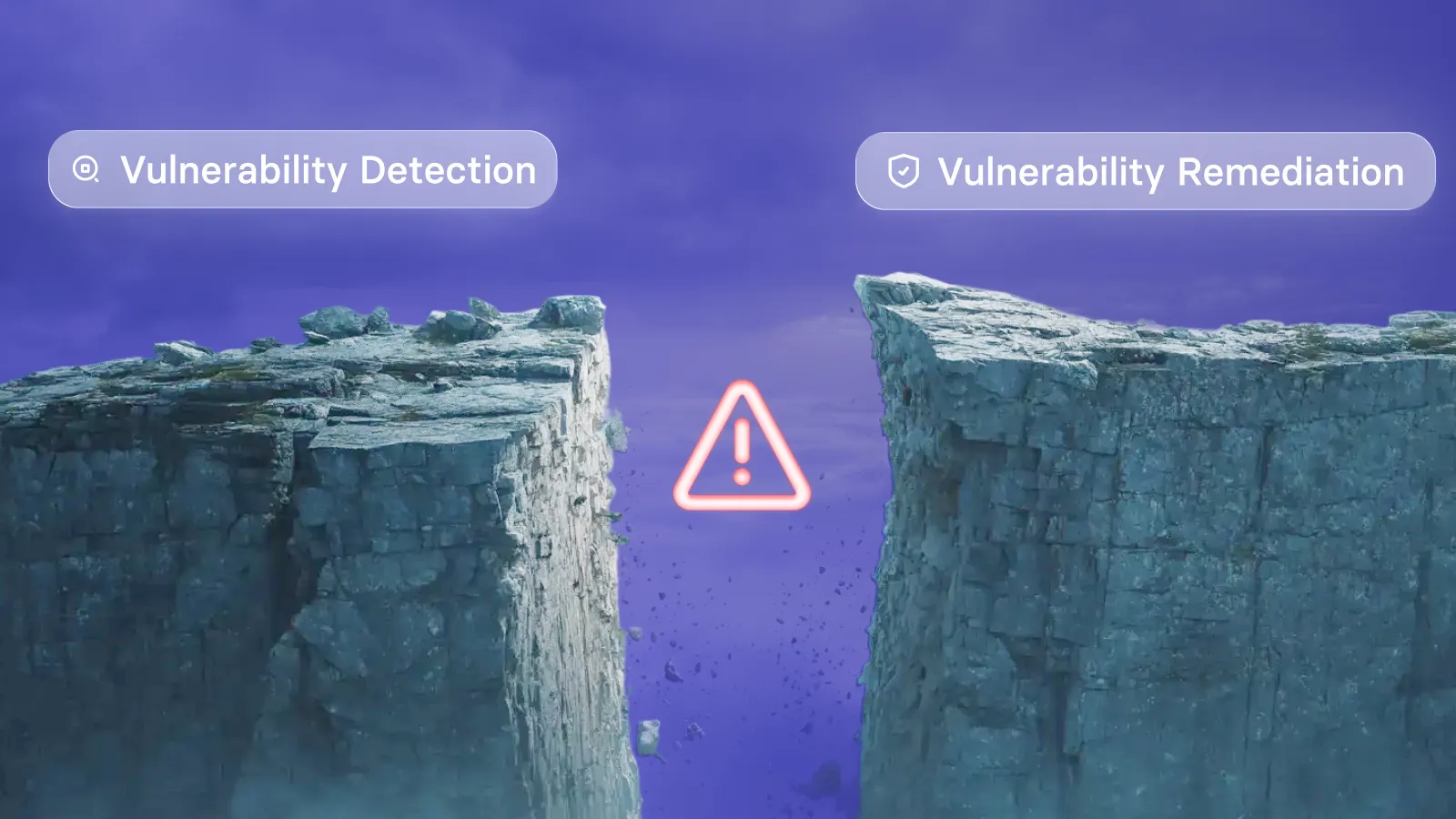
AI research tools like Anthropic's Claude and Google DeepMind's Big Sleep have made vulnerability discovery dramatically faster. That's good news for finding weaknesses and bad news for the teams responsible for fixing them, because discovery speed has nothing to do with remediation capacity.
As Vicarius CEO Roi Cohen put it: "AI is changing the economics of vulnerability discovery. Models can analyze code, find weaknesses, and develop exploits at a speed no human research team can match. But finding ten times more vulnerabilities is meaningless if remediation still happens through tickets, manual research, and weeks of engineering work."
More findings without more remediation capacity just means a bigger backlog. ScriptAI targets that specific gap.
What ScriptAI actually does
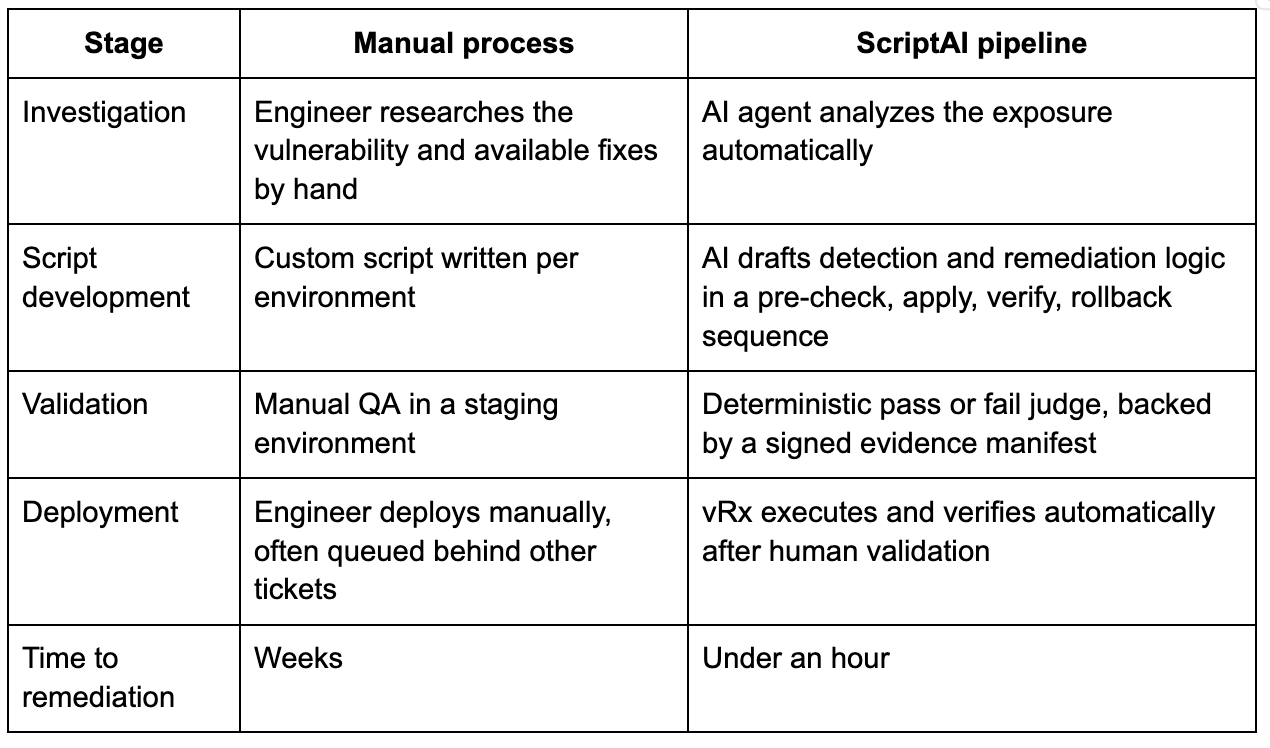
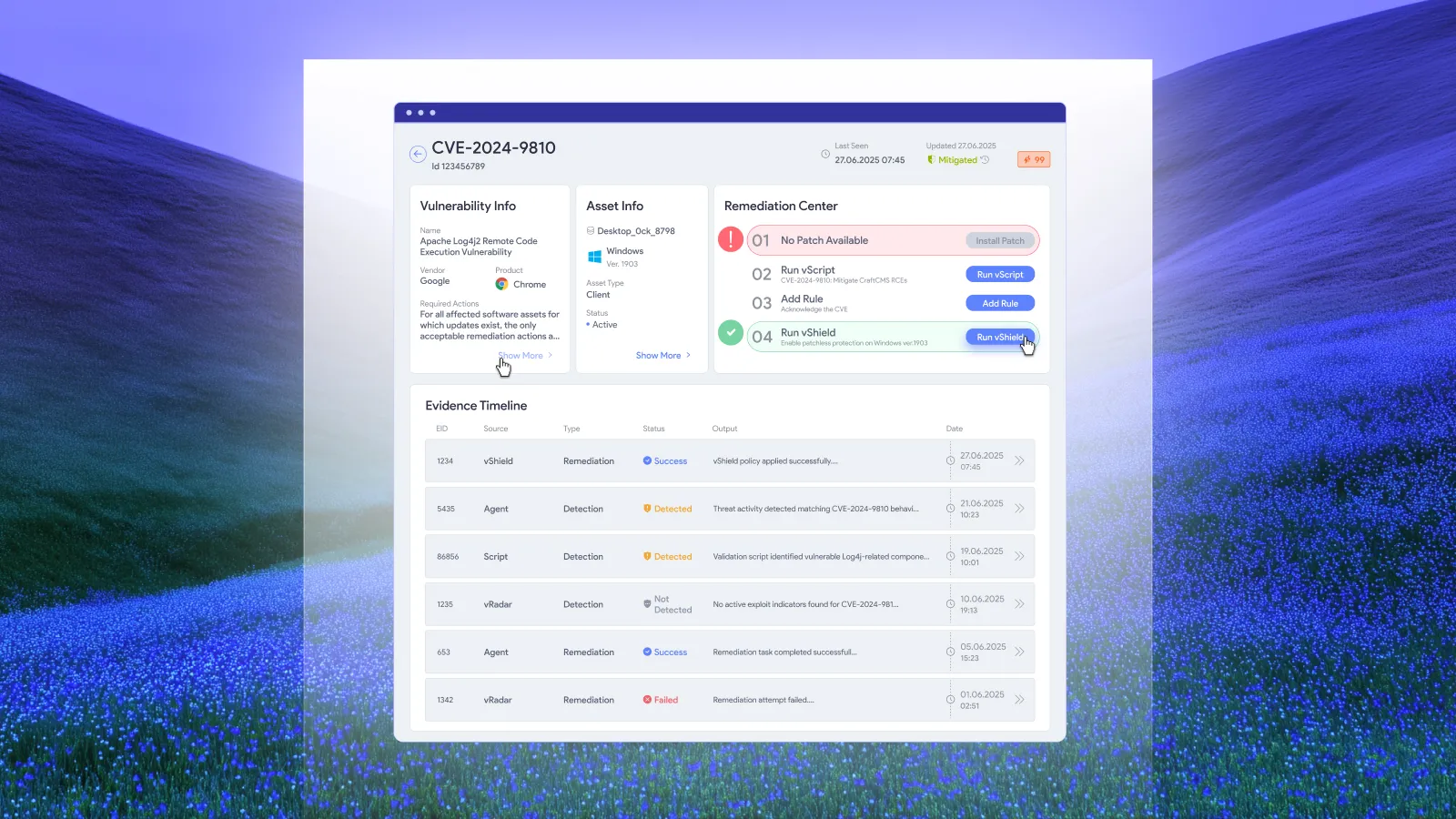
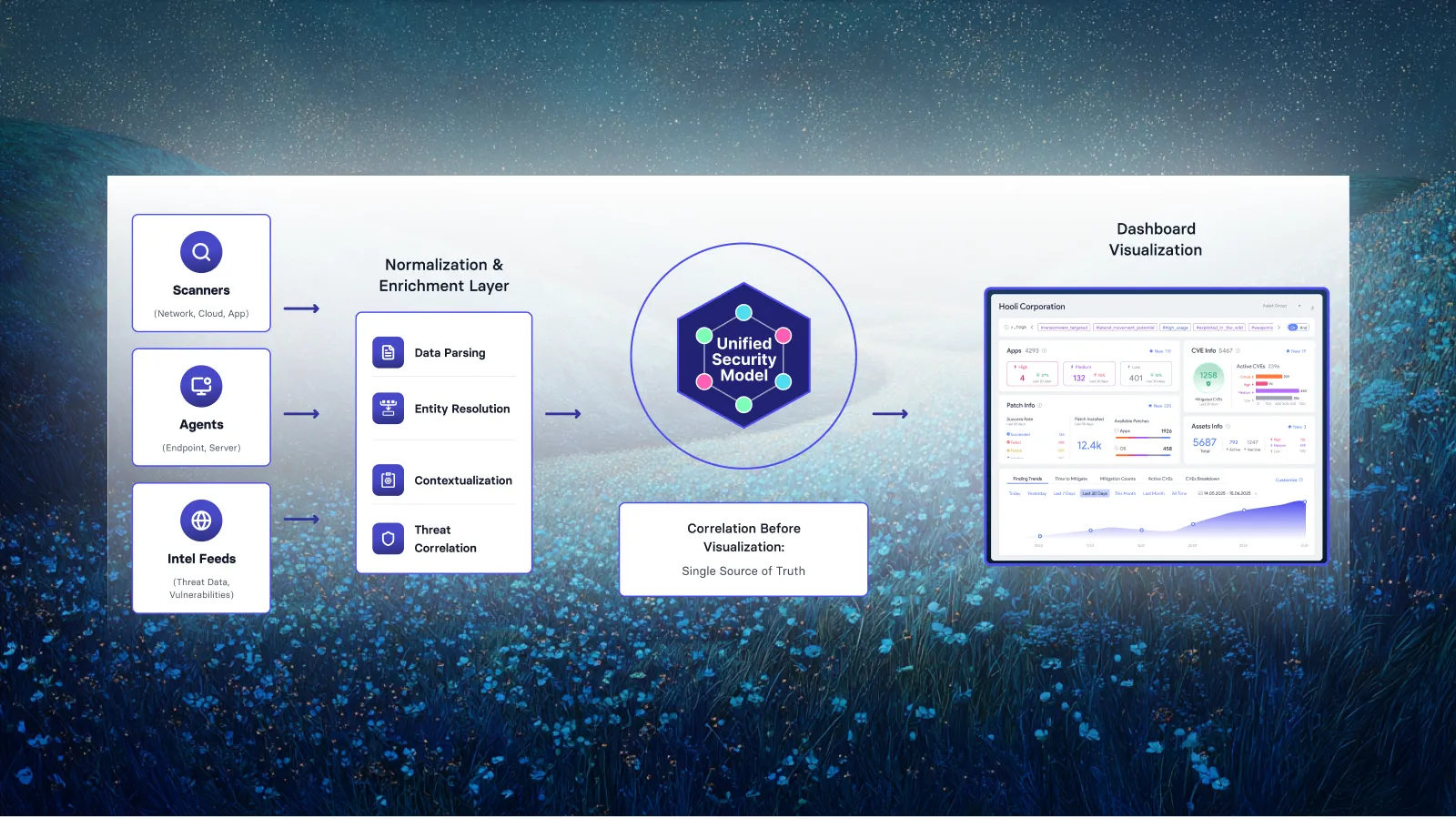
The traditional remediation workflow looks like this: AI or a scanner finds the exposure, a human investigates it, a human writes a custom fix, a human tests it, and a human deploys it. Each handoff adds days or weeks.
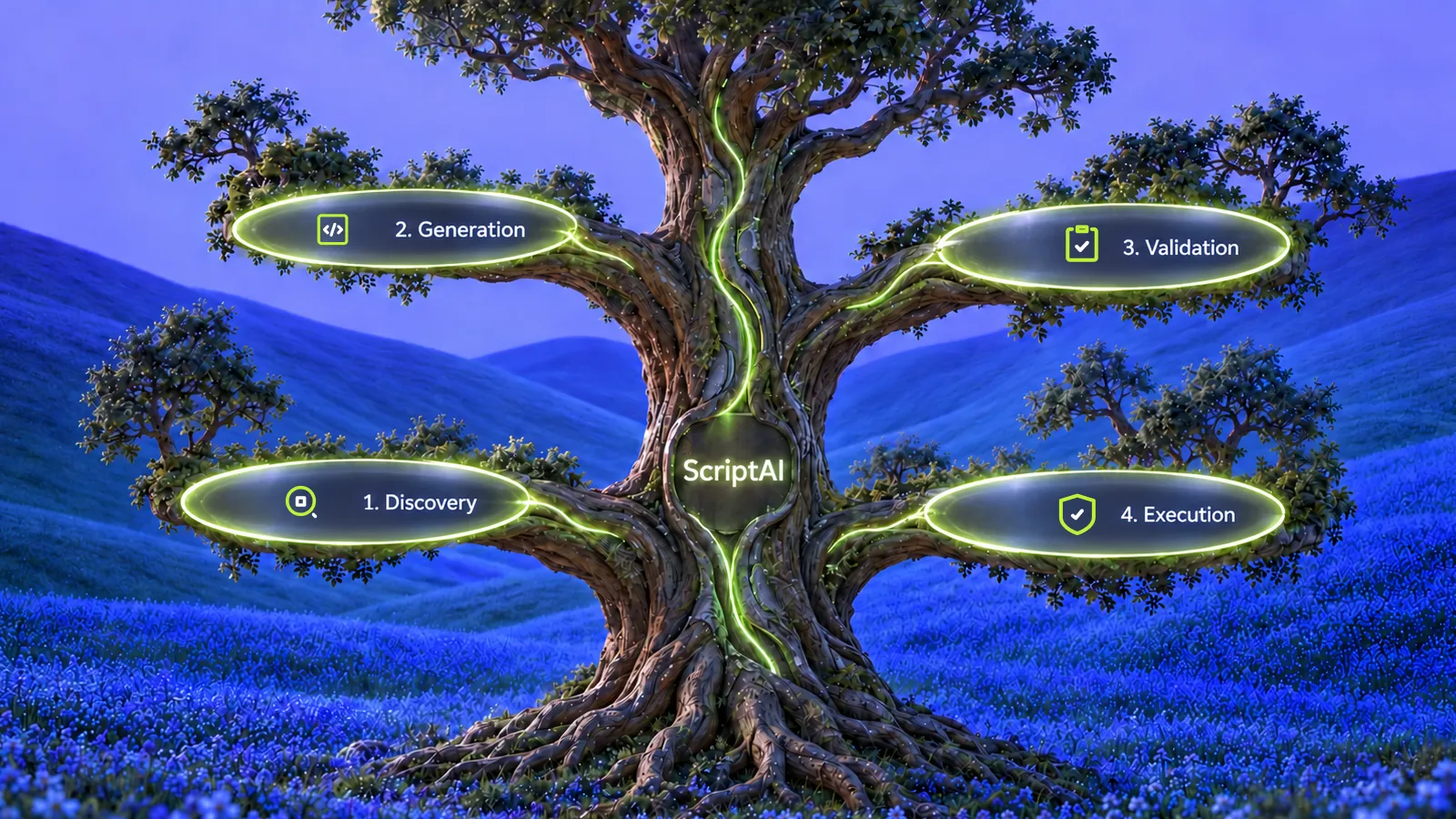
ScriptAI compresses that into four steps:
- Discovery. The exposure is identified, same as today.
- Generation. ScriptAI drafts a detection and remediation script.
- Validation. The Vicarius research team reviews the logic, and a deterministic pass or fail gate checks it against a signed evidence manifest, with no language model involved in that decision.
- Execution. vRx automatically applies and verifies the fix.
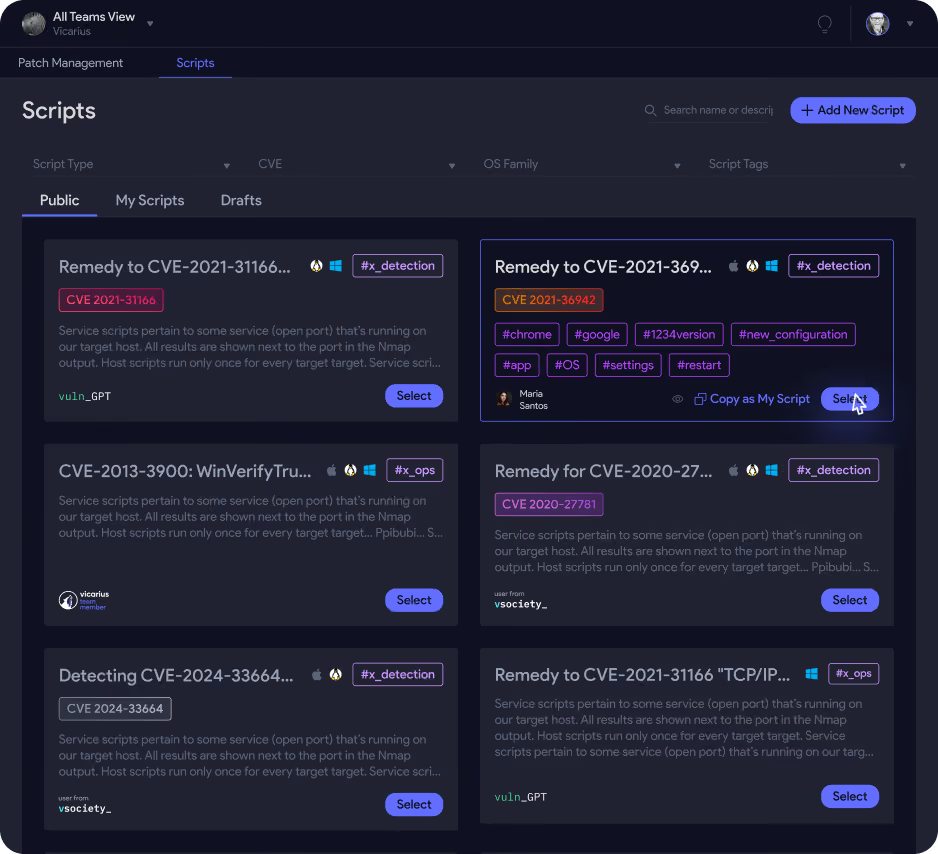
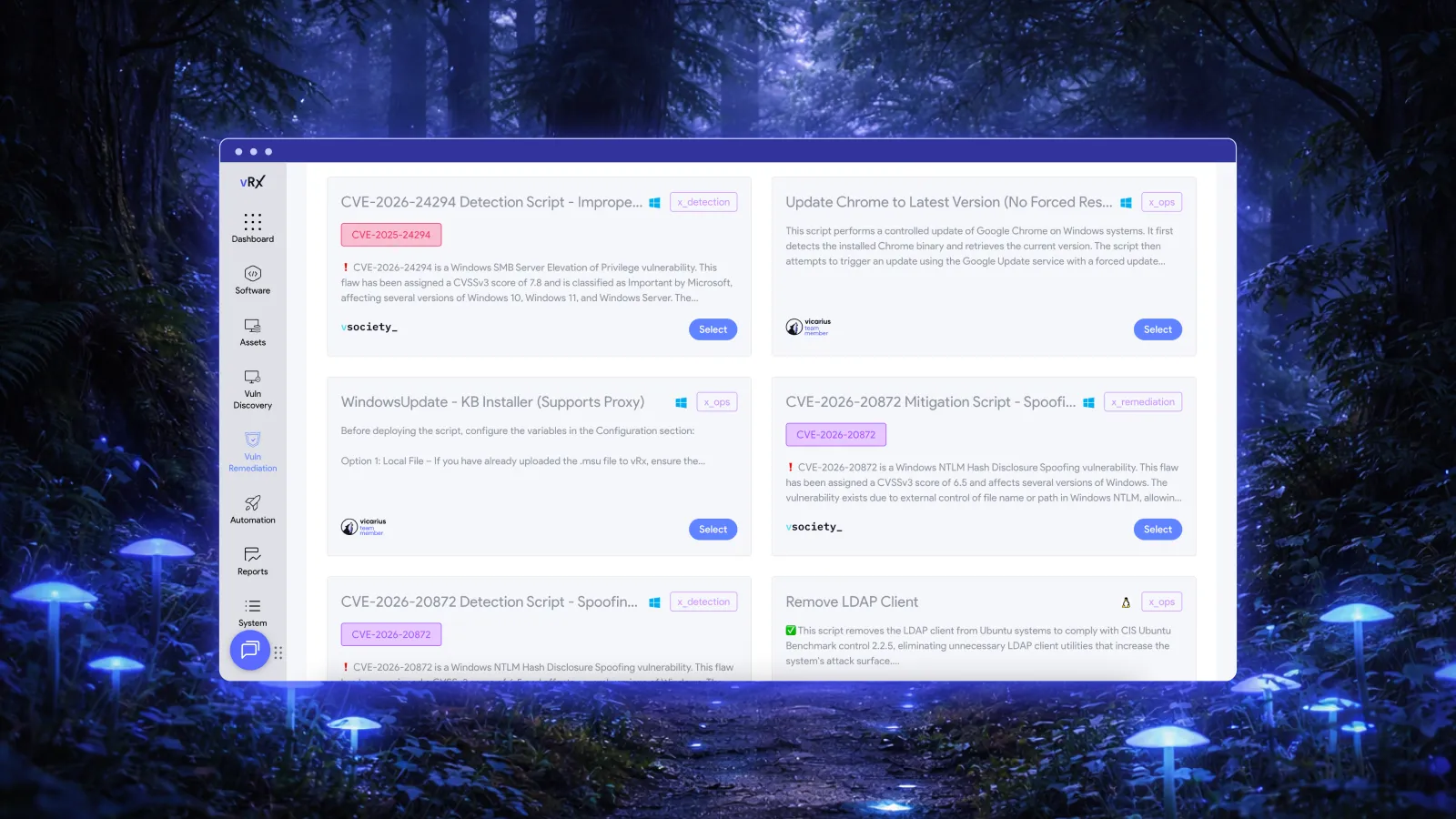
Generated scripts land in the platform's vScript library under a ScriptAI label once they clear validation, so there's a clear boundary between what an AI generated and what a human confirmed.
How the validation gate works
Generating a script is the easy part. Proving it closes the exposure without breaking anything else is the hard part, and that's where most "AI writes your remediation" pitches fall apart. ScriptAI's validation rests on three rules:
- The pass or fail verdict comes from a deterministic judge, not a language model.
- Every validated script ships with a cryptographically signed evidence manifest customers can check independently.
- Every script runs a fixed sequence (pre-check, apply, verify, rollback), so a fix that would break a service fails the gate before it ever reaches production.
Scripts run natively as Bash and PowerShell, so there's no new agent, no SIEM dependency, and no proprietary rule format to adopt.
Manual remediation vs the ScriptAI pipeline
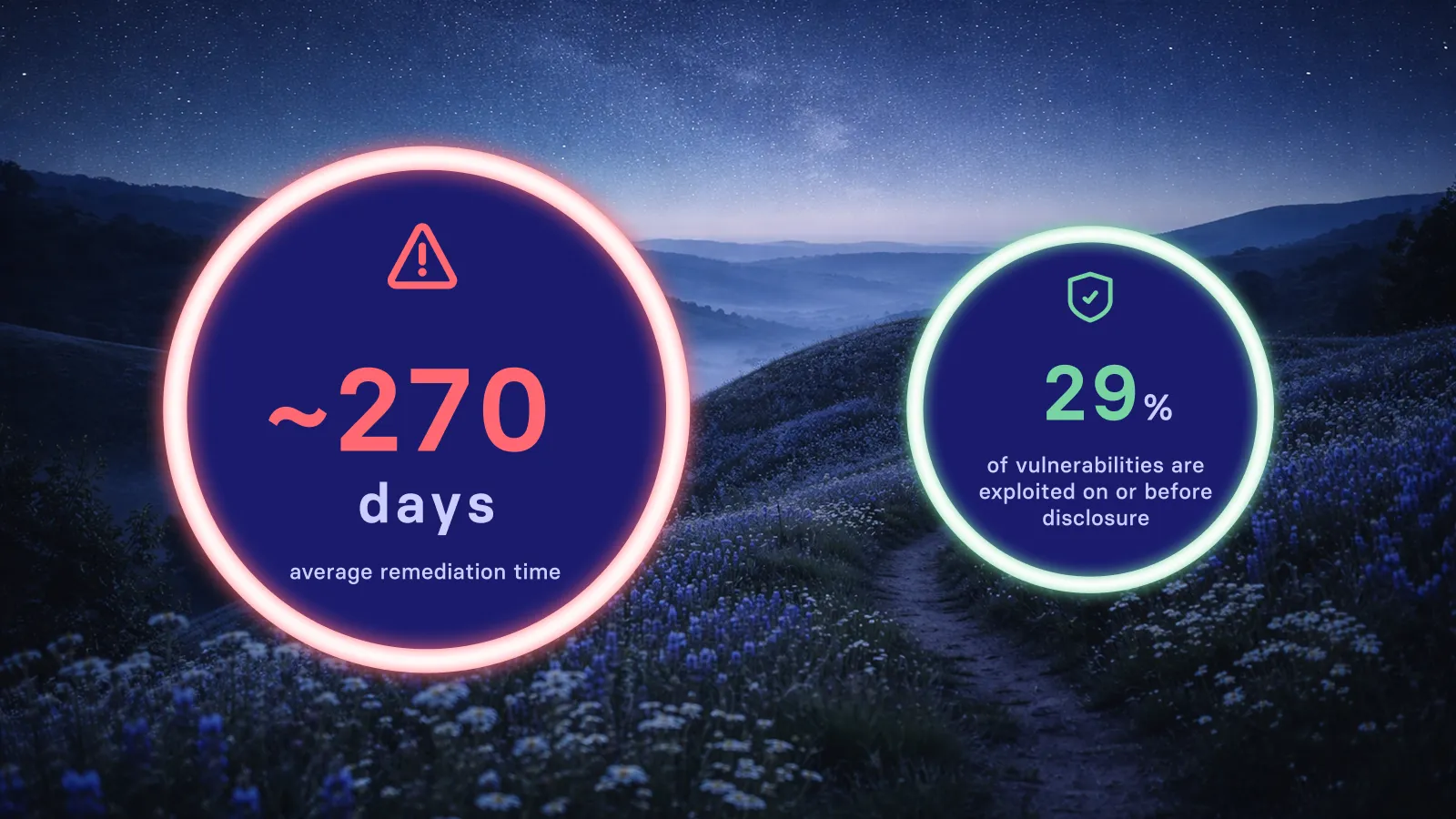
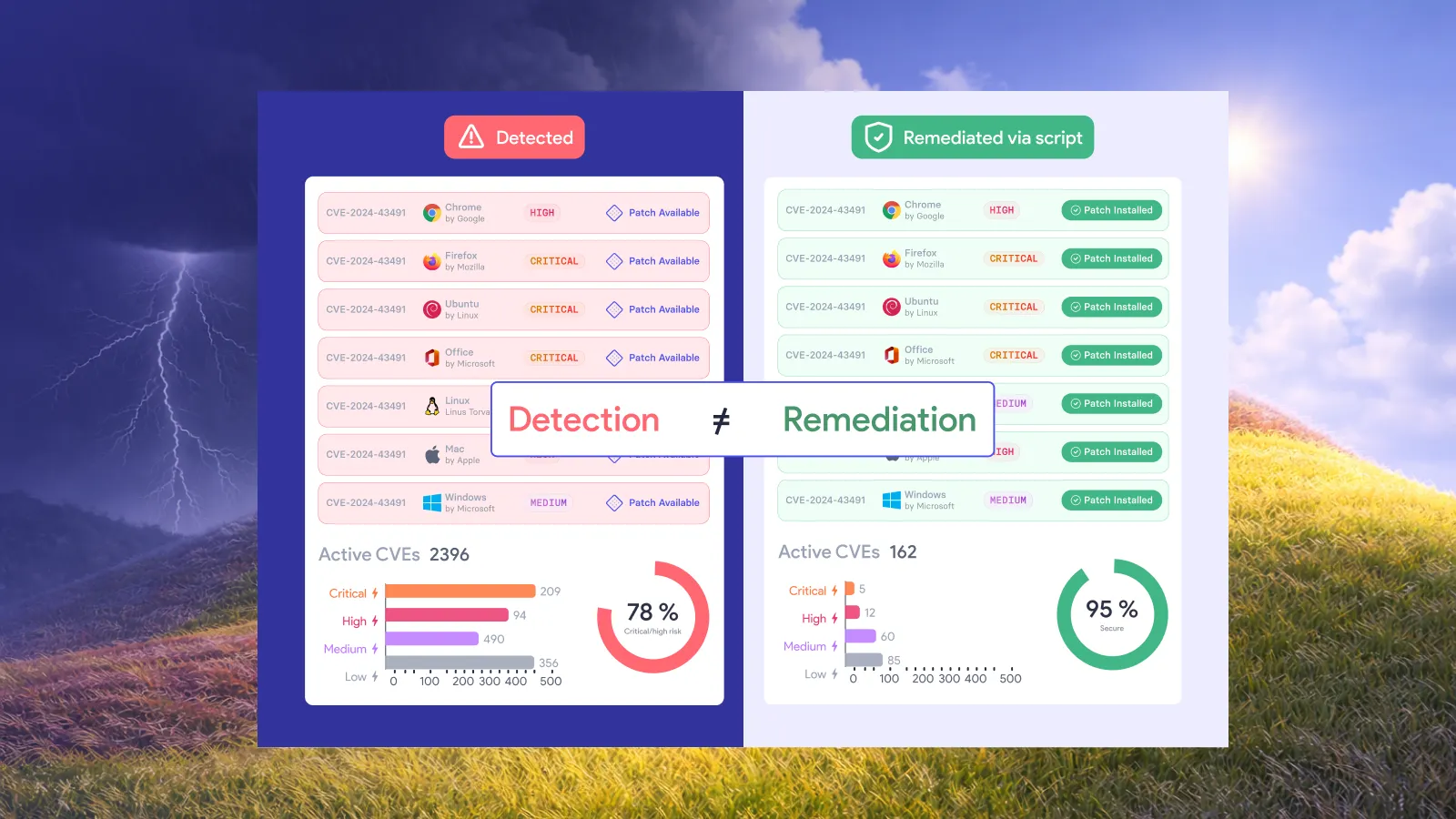
Our own 2026 State of Vulnerability Remediation report, surveying 300 security leaders, found that when a critical vulnerability is identified, only 25% of organizations deploy an automated remediation action directly from their platform. The most common response, cited by 42%, is simply creating a ticket in a system like Jira or ServiceNow. ScriptAI is built to close that specific gap: from ticket to verified fix, in under an hour, instead of waiting on a human to write and test the script by hand.
Why this one over the 58% human-intervention stat: it's not just a general "remediation is manual" data point, it's the exact moment ScriptAI intervenes (right after critical vulnerability discovery), so it reads as evidence for the specific claim the post is making rather than a generic backdrop stat.
Where ScriptAI fits into True Remediation
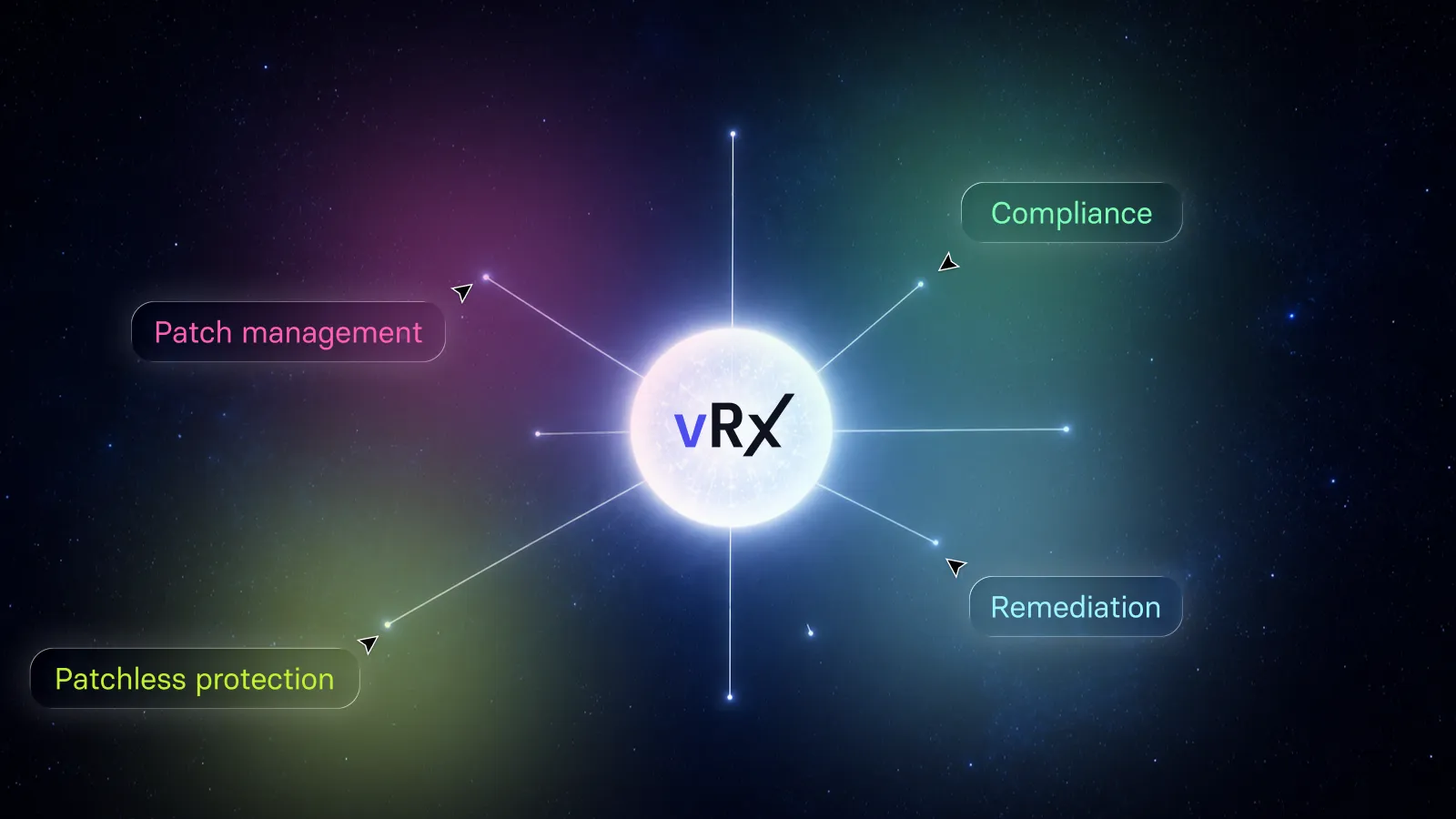
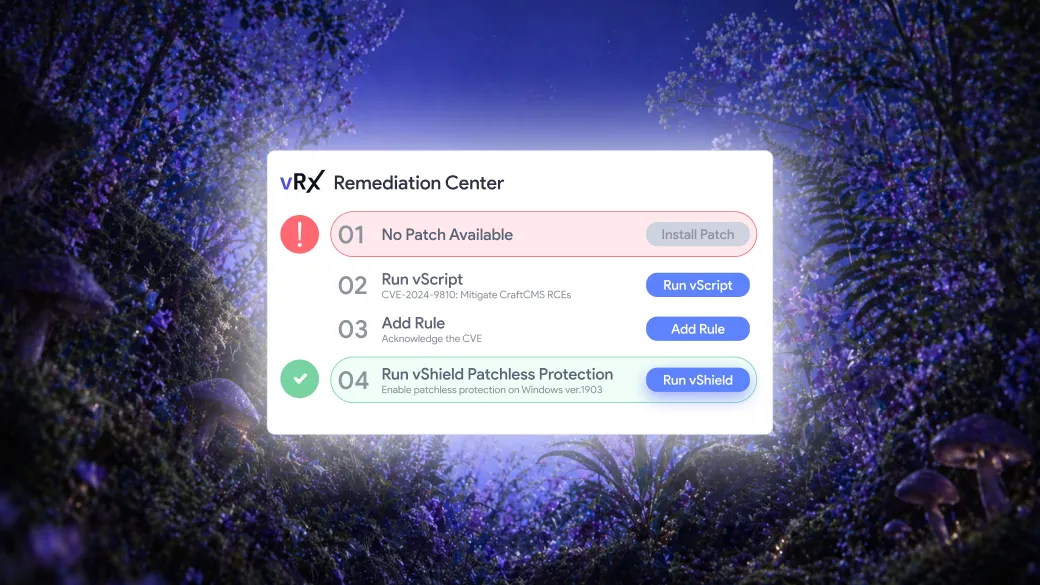
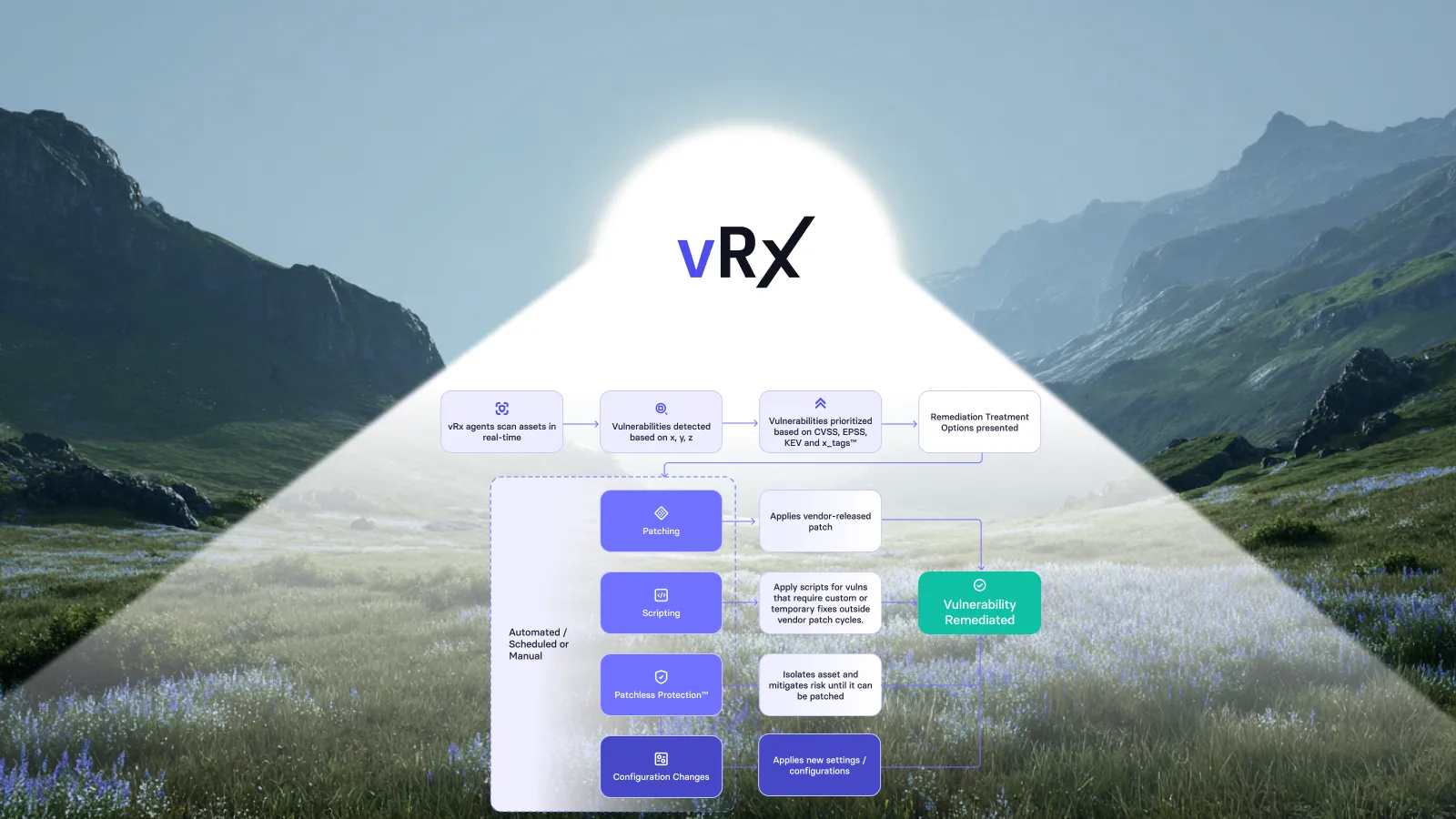
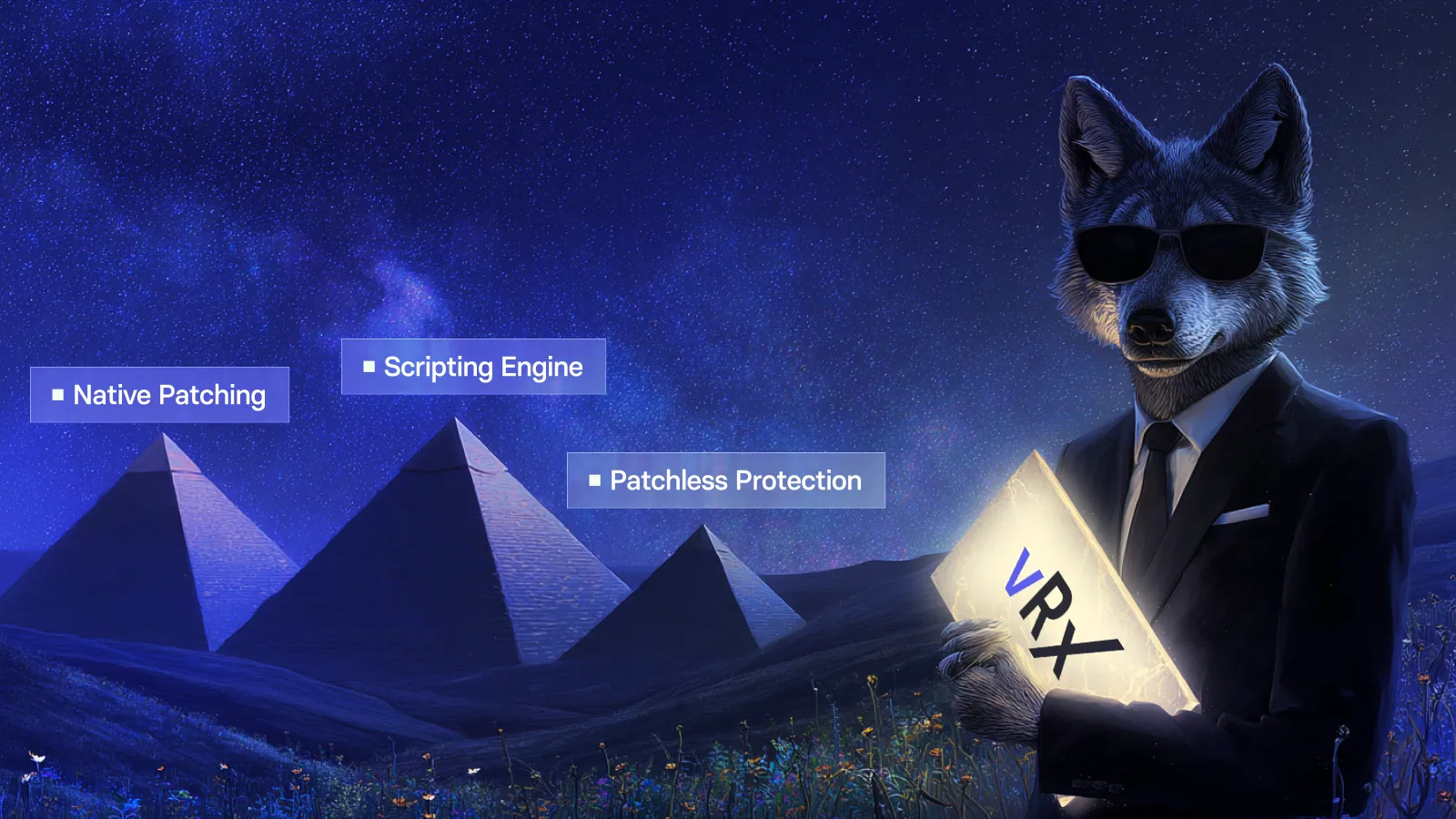
Most vulnerability management tools assume one outcome: find the vulnerability, apply the patch. Real environments need options for when a patch is delayed, unavailable, or too risky to deploy. Vicarius calls this True Remediation, and it covers four paths:
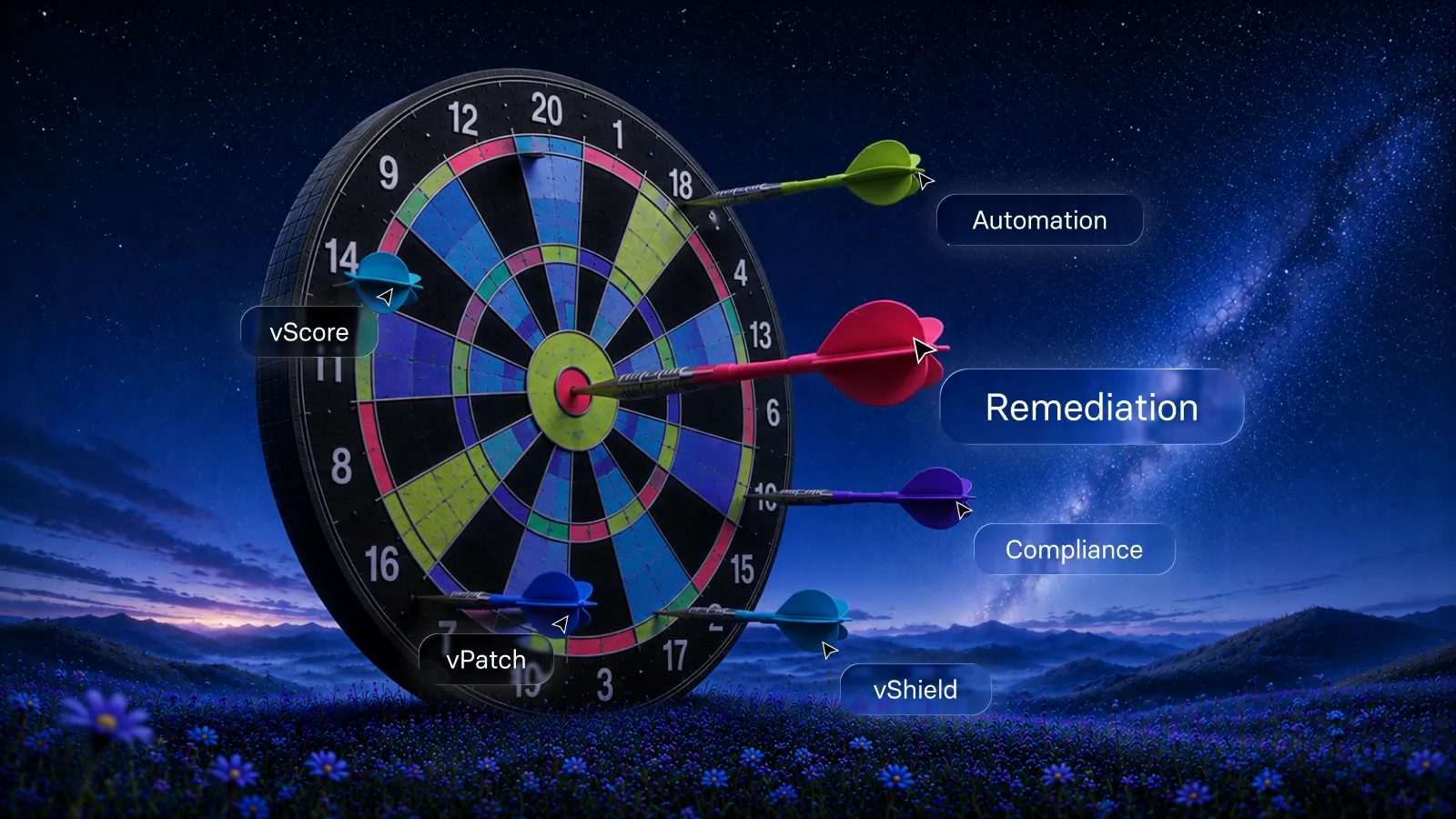
- vPatch deploys the available patch.
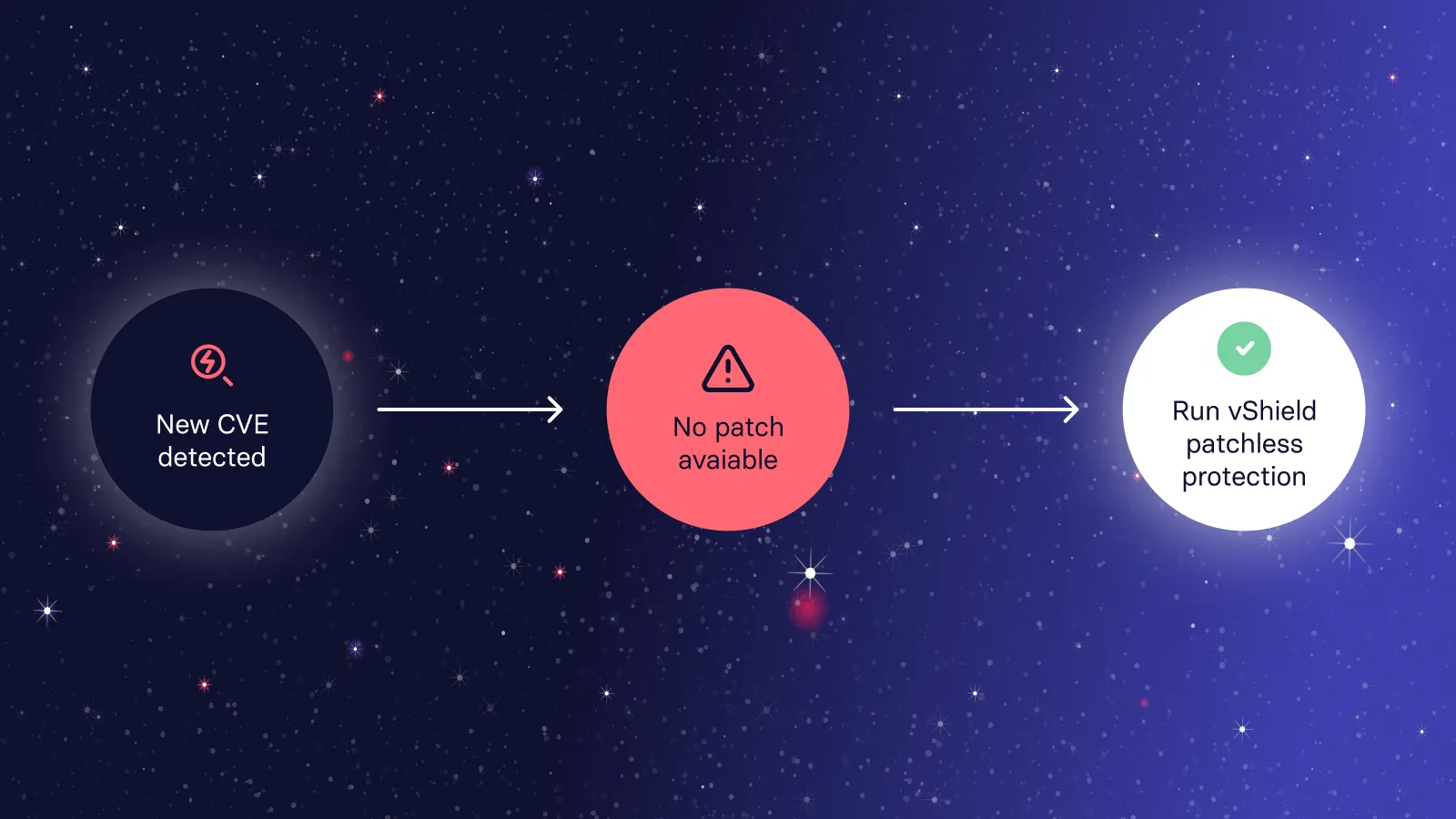
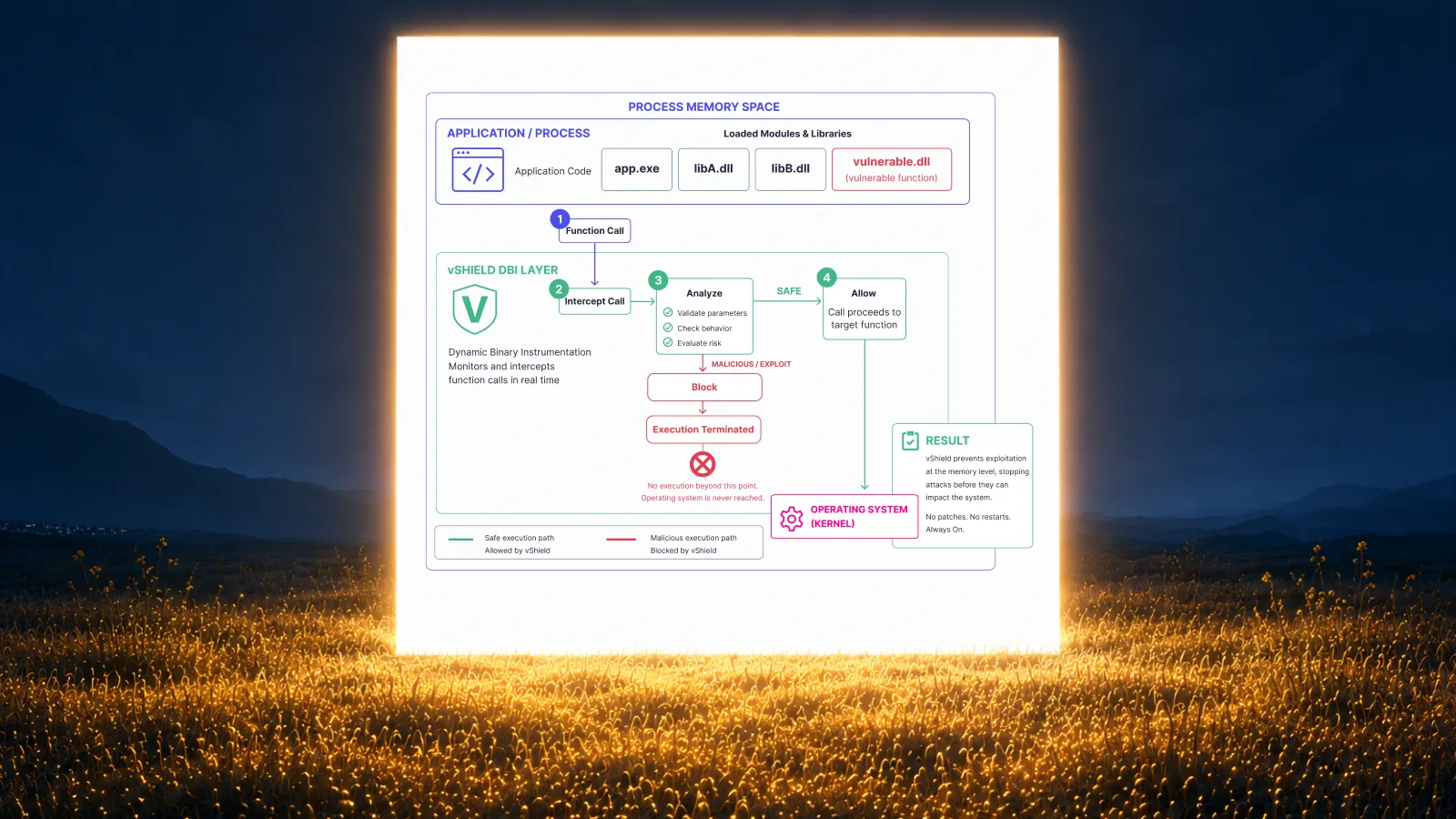
- vShield provides patchless protection when patching isn't possible.
- vScript executes Vicarius-built, custom, or community-sourced scripts.
- ScriptAI generates new detection and remediation logic when none of the above already covers the exposure.
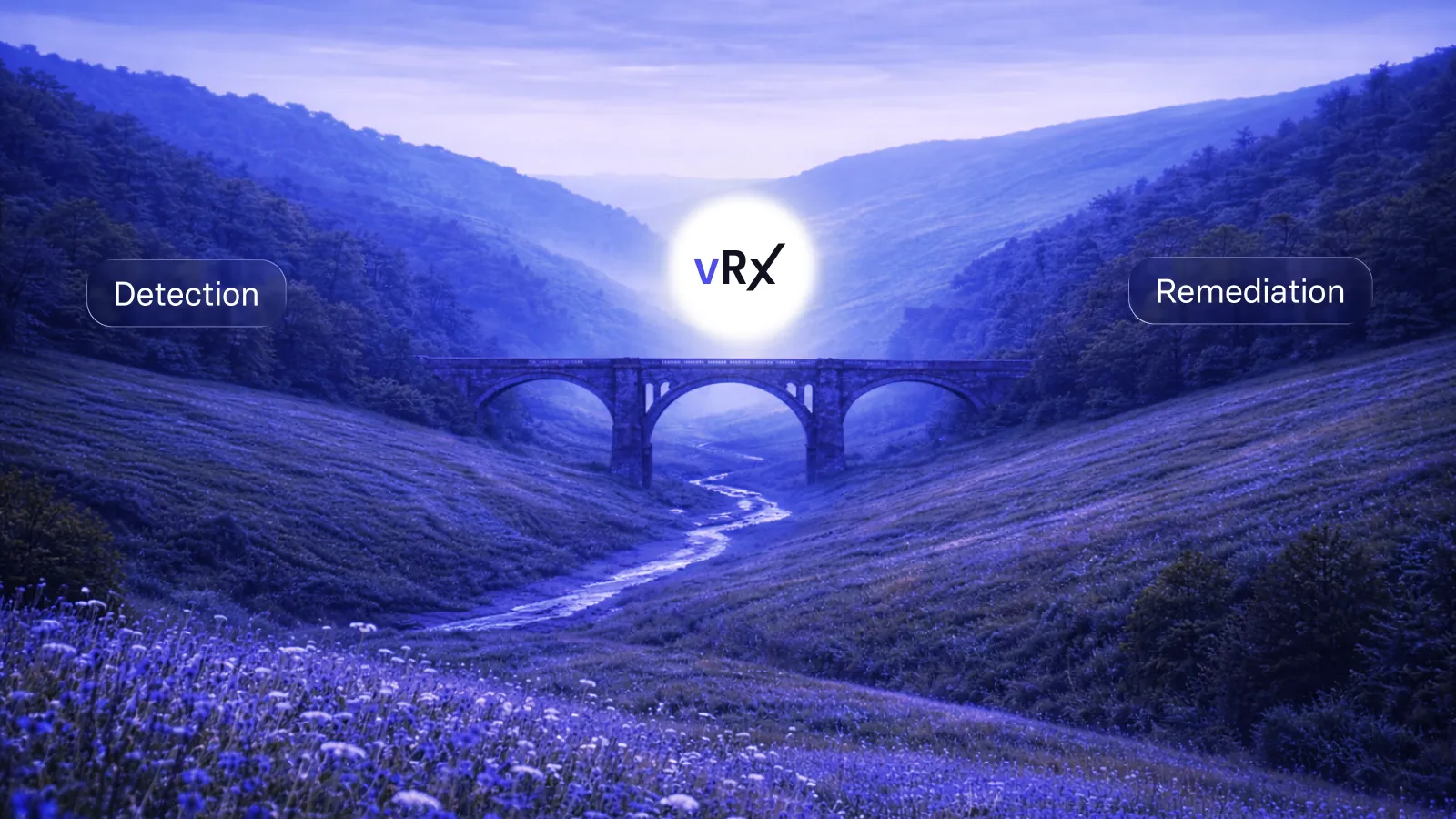
ScriptAI is the newest of the four, and it's the one built specifically for the gap between "a vulnerability was just found" and "an official fix exists."
FAQ
What is ScriptAI?
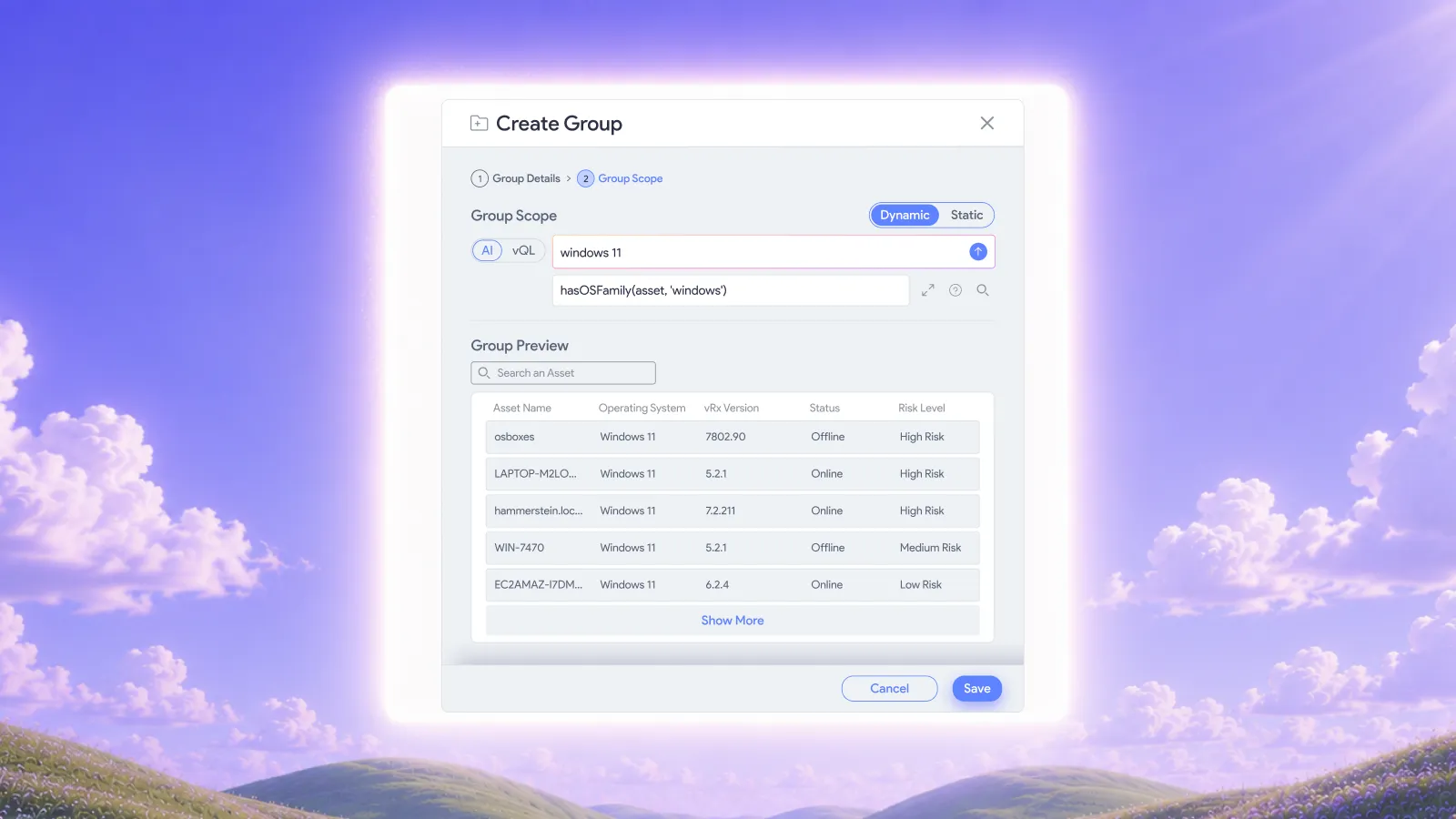
ScriptAI is a generative AI engine inside the vRx platform that creates and validates detection and remediation scripts, including for vulnerabilities with no official patch available yet.
How is ScriptAI different from vScript?
vScript is Vicarius' library of remediation scripts, built by Vicarius, customers, and the community. ScriptAI is the engine that generates new scripts for that library when an existing one doesn't already cover the exposure.
Does a language model decide whether a script is safe to deploy?
No. The pass or fail verdict comes from a deterministic judge with no language model in the decision path, and the Vicarius research team reviews the logic before anything ships.
What happens if a generated script fails validation?
It never reaches production. Every script follows a pre-check, apply, verify, rollback sequence, so a fix that would break a service fails at the gate.
Is ScriptAI available now?
Yes. It's available immediately to Vicarius customers inside the vRx platform.
Try it yourself
ScriptAI is live in vRx today. See how it works or request a demo

















.webp)









%20Signals%20a%20New%20Era%20of%20Supply%20Chain%20Risk.webp)





.webp)