

Establishing a security-first culture
Building a robust security culture is fundamental to an effective CTEM strategy. This goes beyond deploying security tools - it means embedding cybersecurity awareness and practices into the organization's DNA. Employee engagement, strong phishing training, and leadership commitment are all critical components.
AI tools are increasingly used to craft more sophisticated phishing attacks. That makes ongoing, rigorous phishing campaigns essential for keeping users alert to these evolving threats.
Encouraging employees to report suspicious emails or messages - even with the slightest doubt - helps prevent potential breaches. An email can wait. If something is truly urgent, use an alternative method like a phone call instead. This proactive mindset turns employees into an additional layer of defense, reducing the risk of successful social engineering attacks.
Gaining leadership buy-in for advanced security solutions
For CTEM to succeed, leadership support is essential. Advanced security solutions - like XDR, EDR, and Network Detection and Response (NDR) - require significant investment. Securing buy-in from the C-suite keeps cybersecurity a top priority.
It's important to clearly explain how these tools improve the organization's overall security posture and reduce operational disruptions from cyber incidents.
Modern cybersecurity architectures are shifting toward unified solutions that enable cross-system communication. For example, an organization's firewalls, switches, and identity management systems should integrate seamlessly to provide comprehensive protection.
Unified solutions do two things well: they prevent lateral movement within the network, and they streamline security operations - making it easier for lean teams to manage and respond to threats.
Regulatory compliance and real-time risk management
Maintaining compliance with frameworks like GDPR, HIPAA, or PCI DSS is a major driver for adopting CTEM. Even businesses outside highly regulated industries benefit - compliance helps reduce the risk of fines and reputational damage.
Continuous security management solutions let organizations monitor environments in real time, with automated alerts for compliance violations such as unauthorized open ports or unapproved configuration changes.
Integrating cloud and on-premises resources into a centralized compliance posture management solution is essential for a robust security framework. For example, say an engineer unknowingly opens a risky port like RDP (Remote Desktop Protocol) 3389. An automated system can detect the anomaly in real time, alert the team, and start remediation - before the misconfiguration turns into a security incident.
Selecting the right tools for an effective CTEM strategy
Choosing the right tools is key to building a strong CTEM strategy. SMBs often have limited resources, so security tools need to be efficient, scalable, and compatible with existing infrastructure.
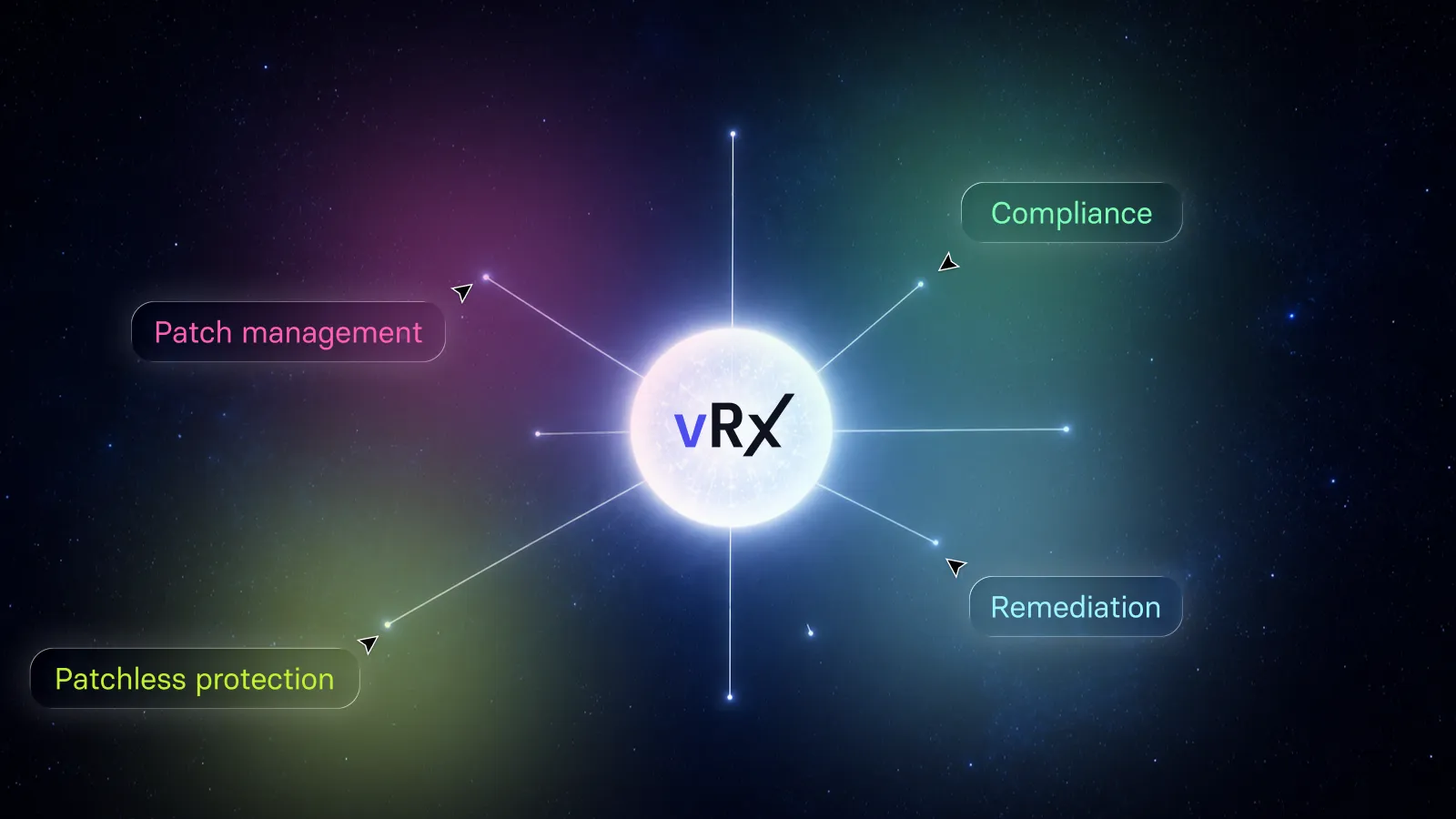
Look for solutions that offer deep integration with third-party threat intelligence platforms, plus features like automated patch management, endpoint hardening, and network segmentation. Together, these provide comprehensive coverage.
Advanced tools - like Extended Detection and Response (XDR), Endpoint Detection and Response (EDR), and Network Detection and Response (NDR) - let organizations detect, isolate, and remediate threats in real time, minimizing the risk of widespread compromise. These tools also make it easier to roll out automated incident response playbooks, cutting both mean time to detect (MTTD) and mean time to respond (MTTR)
Real-world example: phishing attacks on financial transactions
Phishing attacks targeting financial transactions - like those aimed at title agencies or mortgage companies - have become increasingly common. During real estate closings, a single phishing email can trigger a fraudulent wire transfer, leading to lost funds and disrupted operations.
These attacks often exploit emotional triggers or a sense of urgency, especially around holidays or high-stress periods. That makes them hard for untrained users to catch.
To combat this, organizations should run managed security awareness training and regular phishing simulations, so users learn to recognize these tactics. Advanced email filtering and behavioral analytics tools can further strengthen defenses against sophisticated social engineering attacks.
Measuring CTEM effectiveness with key performance indicators (KPIs)
To confirm CTEM is working, organizations should track key performance indicators (KPIs). These can include:
- Reducing mean time to remediate (MTTR)
- Decreasing the number of unpatched critical vulnerabilities
- Maintaining compliance with regulatory standards
Regular security audits, combined with automated vulnerability management and compliance reporting, give valuable insight into how well the organization is managing its security posture.
Feedback from end users matters too. Understanding how security controls affect day-to-day operations helps fine-tune tools and processes. Regular updates and transparent communication build cooperation between security teams and other business units - so security measures don't get in the way of productivity.
Proactive security strategies: staying ahead of threats
Being proactive, not reactive, is key to modern cybersecurity. That means combining real-time threat detection, continuous compliance monitoring, and automated responses to stay ahead of potential threats. Using threat intelligence feeds and automated incident response playbooks helps organizations respond quickly and effectively to suspicious activity.
A solid incident response plan minimizes damage and helps teams handle crises more efficiently. With the right tools and a proactive mindset, organizations can significantly reduce disruptions and strengthen their security posture, even as cyber threats keep evolving.
Conclusion: implementing CTEM for comprehensive cybersecurity
Implementing a CTEM strategy helps SMBs proactively manage risk and build a more secure environment. By integrating advanced security tools, gaining leadership support, and building a strong security culture, businesses can reduce their vulnerability to cyberattacks and protect their digital assets. For SMBs looking to strengthen their cybersecurity, adopting CTEM principles is a crucial step toward a more resilient, secure operation.
To protect your business from emerging threats, start by understanding your unique vulnerabilities, selecting the right tools, and continuously measuring your security posture. A well-implemented CTEM strategy does more than prevent incidents - it also helps maintain compliance and supports business continuity.
Vicarius can help. Reach out today to schedule a consultation.
Related resources:
Continuous exposure management




























.webp)


















%20Signals%20a%20New%20Era%20of%20Supply%20Chain%20Risk.webp)







.webp)