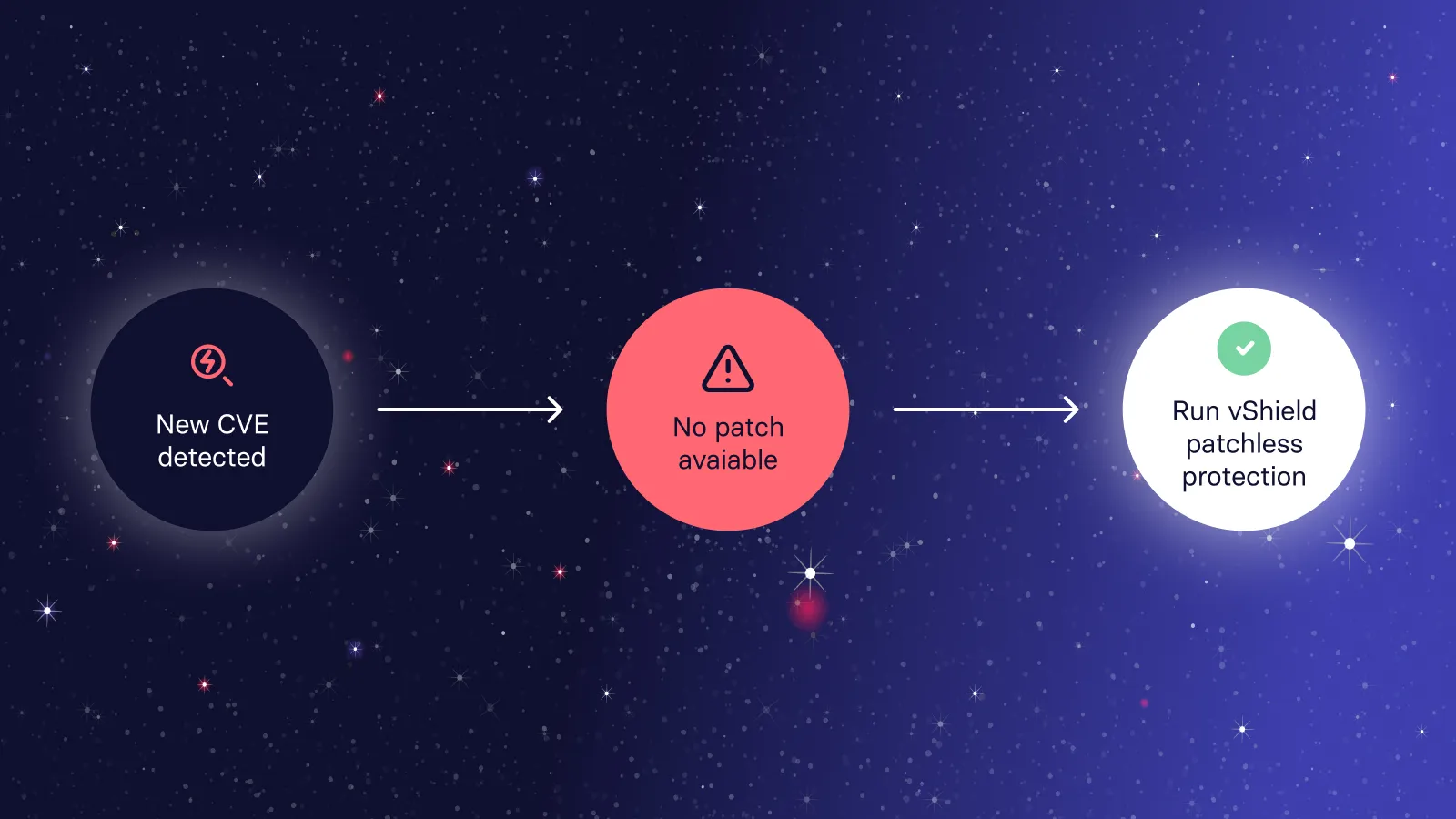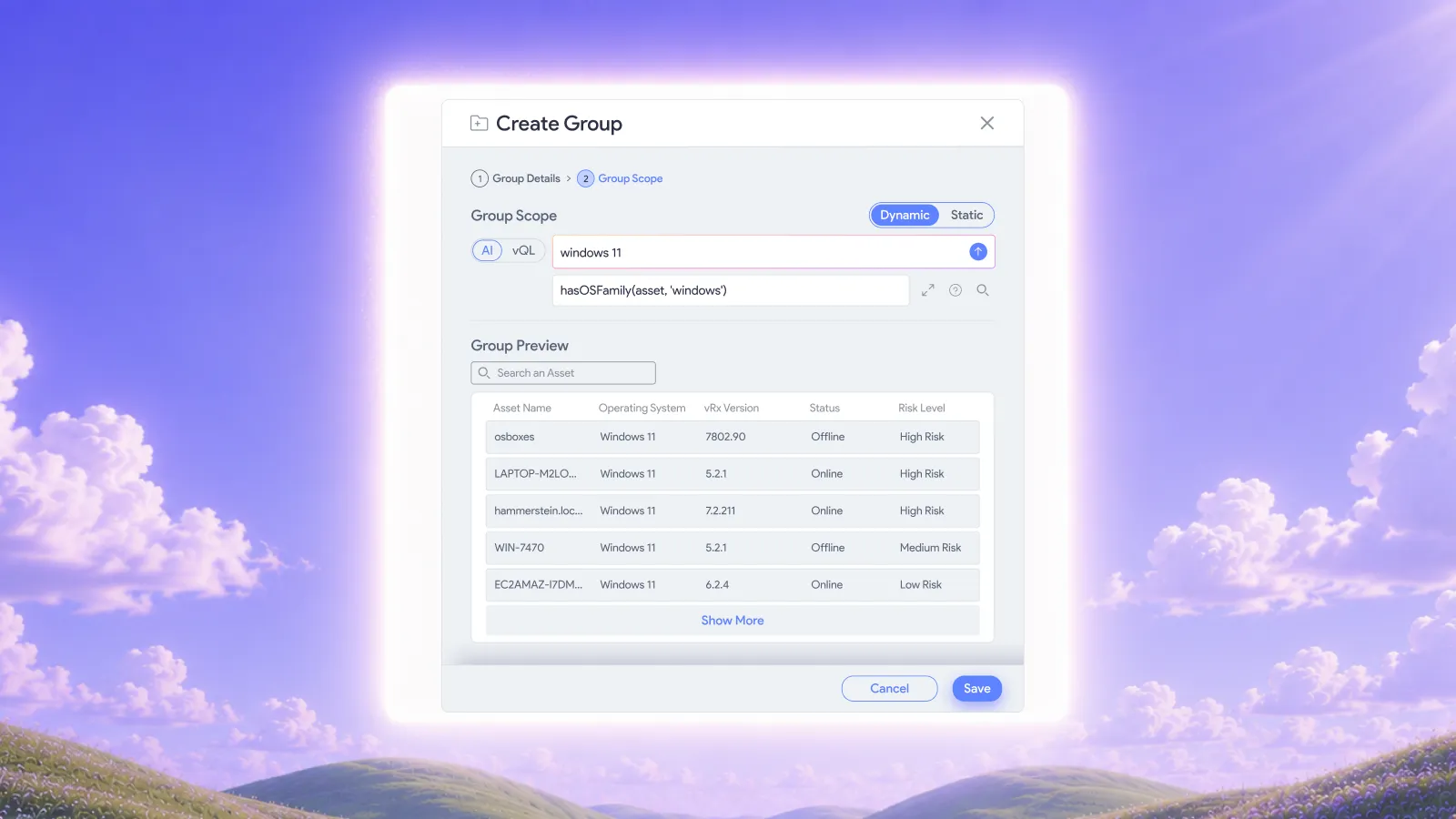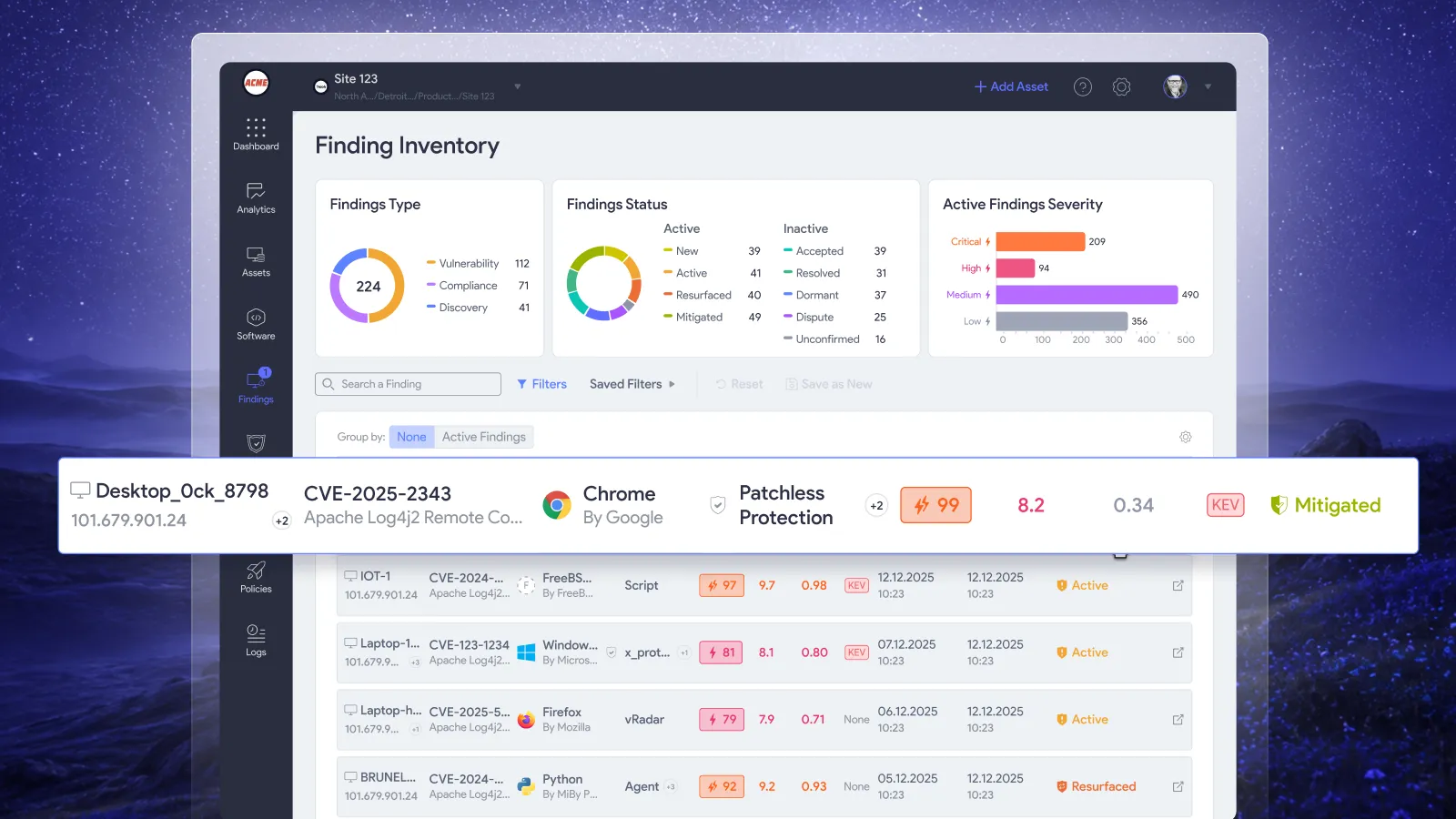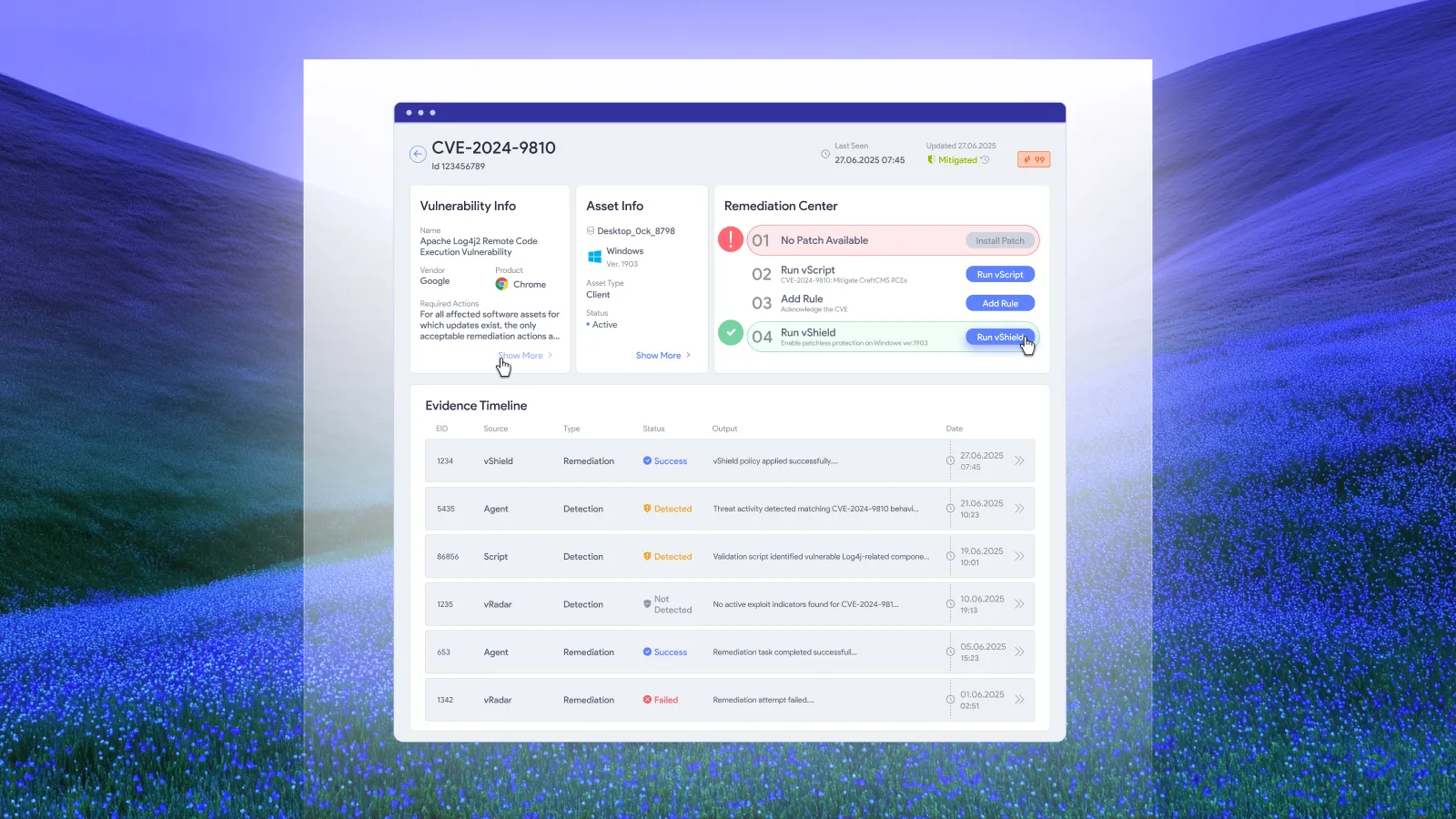


A virtual patch can block a tested request while leaving a different route to the vulnerable application outside its scope. The assurance question is specific: what protection does the evidence establish, for which systems, under which conditions?
Validate compensating controls against a defined protection objective. Identify the affected assets and relevant paths, confirm that enforcement applies, test the intended protective behavior and legitimate service use, and record what remains untested. A successful test supports its stated scope; it does not automatically prove that the underlying vulnerability is removed.
For an exception decision, preserve that distinction. Temporary protection may justify a bounded treatment of residual risk. Permanent remediation requires its own evidence. Closing a testing task should not silently close the work needed to remove the vulnerability.
What are compensating controls?
NIST defines a compensating security control as a substitute for a recommended control that provides equivalent or comparable protection in the relevant context. The definition makes the protection objective central: the substitute needs a defensible relationship to what the original control was intended to achieve. NIST glossary definition.
A helpful safeguard does not necessarily compensate for the full requirement. A measure might reduce one part of the risk without providing comparable protection for the full objective. State the narrower benefit when that is what the evidence supports.
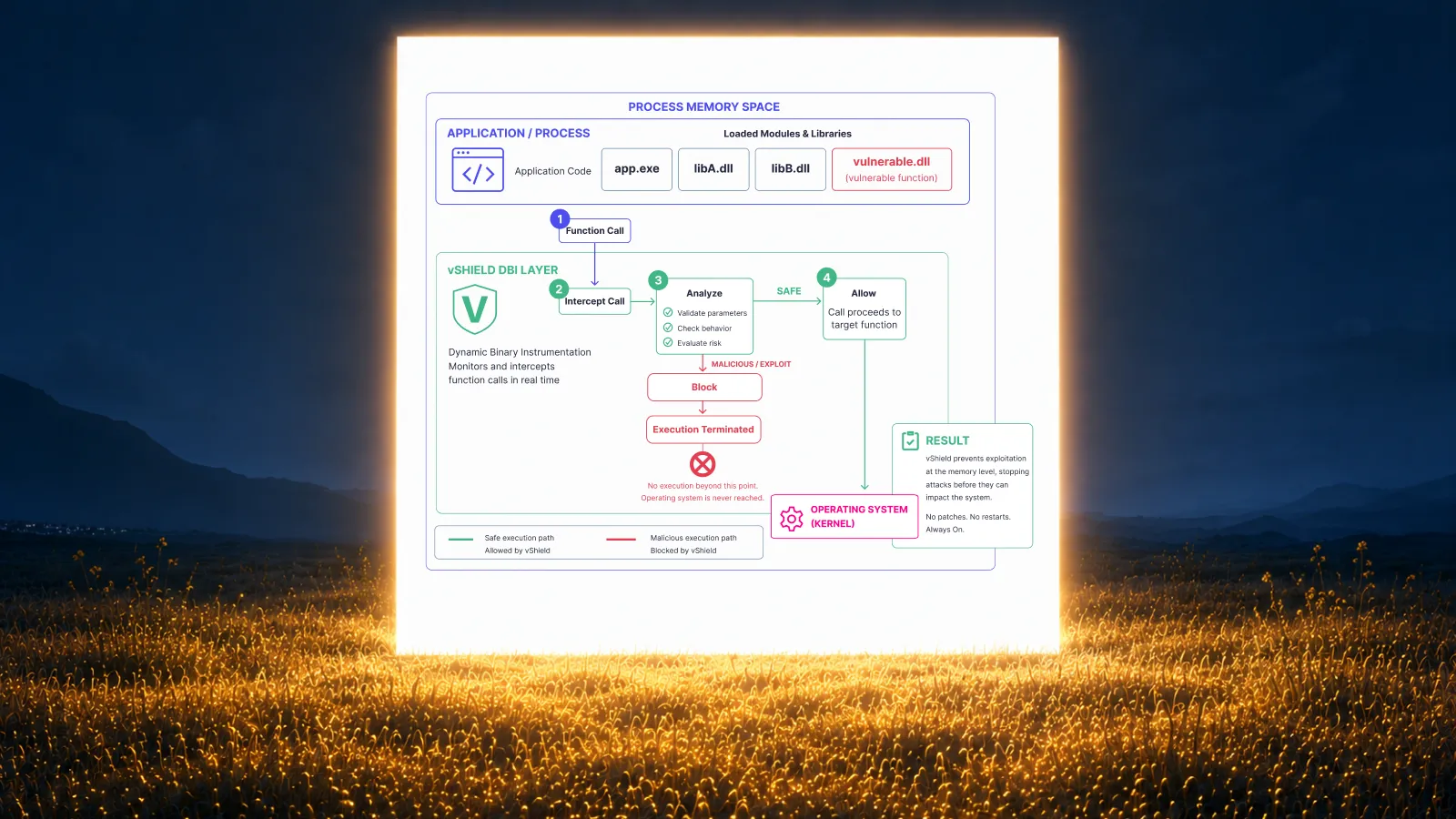
Virtual patching is one possible technical approach. OWASP describes an enforcement layer that prevents exploitation without changing the application's source code. Its framework includes analysis, testing and follow-up. The framework originated in 2011; the lifecycle is relevant here, while its historical patching statistics are not used as current evidence. OWASP virtual-patching framework.
Write a claim that a test could disprove
“The application is protected” leaves too much unspecified. We recommend a claim with enough detail for another reviewer to challenge: the relevant application and version, the exposure path, the control configuration and the behavior expected from it.
For example, a hypothetical team might claim that its approved control blocks the documented vulnerable transaction on the public application route while preserving the business transactions included in its test set. That wording makes the boundary visible. It does not include an internal route unless the team has assessed that route too.
Keep the control version with the claim. A result from one rule set cannot automatically validate a later rule set. Record the application state and routing assumptions as well, because a protection claim concerns their combination rather than a control in isolation.
A practical challenge for the reviewer is to ask what observation would make the claim false. If the team cannot name one, the claim is probably too broad or too vague to guide an acceptance decision.
Use an evidence matrix, not a single passed label
The following matrix is a recommended working format. It separates the protection claim from the observations needed to accept it. The example entries are hypothetical and do not demonstrate a tested control.
| Question | Evidence to retain | Possible result | Limit or retest trigger |
|---|---|---|---|
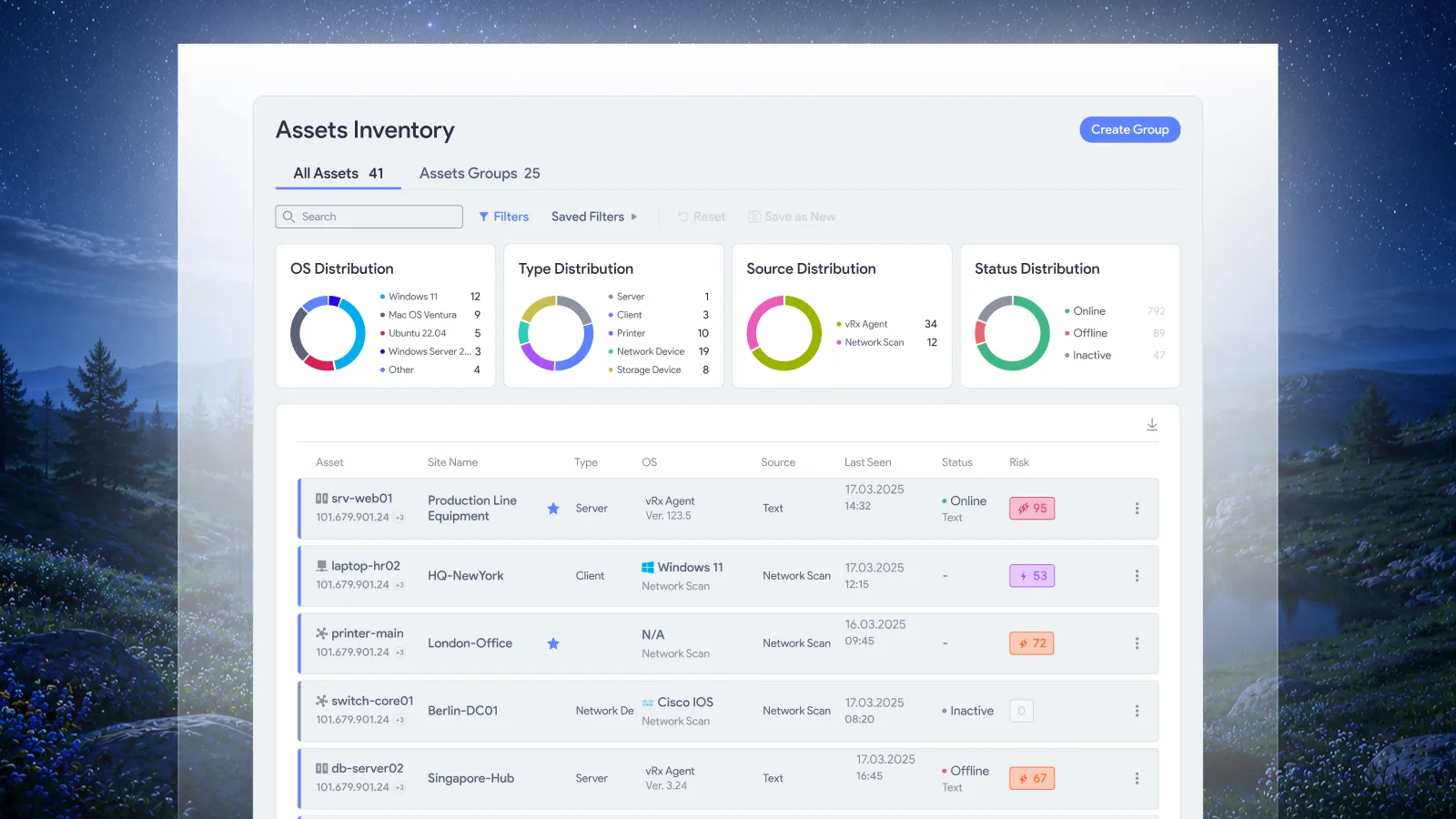
| Which assets and versions are covered? | Dated inventory and control assignment | Named application instances covered | New instance or version change |
| Does the relevant path reach enforcement? | Routing or runtime evidence for the named path | Enforcement confirmed on public route | Internal route not assessed |
| Does the control prevent the tested behavior? | Authorized test result linked to control telemetry | Expected block observed | Only the recorded test cases covered |
| Does normal service use still work? | Representative legitimate transaction checks | Selected workflows pass | Other workflows outside the test set |
| Is protection still active? | Current configuration and health evidence | Expected configuration active | Disabled control or changed configuration |
| What removes the underlying weakness? | Linked remediation action and verification criteria | Permanent fix remains open | Fix deployed or replacement planned |
A missing row is unresolved evidence, not a pass. It may still be possible to accept a narrower claim, but the decision should say which portion was accepted and why the remaining exposure is tolerable.
This matrix can also keep repeated reviews proportionate. When an asset is unchanged and current evidence confirms the approved conditions, reviewers can use the established acceptance criteria. A changed path or failed check deserves attention because it changes the basis of the decision.
Separate control activity from control effectiveness
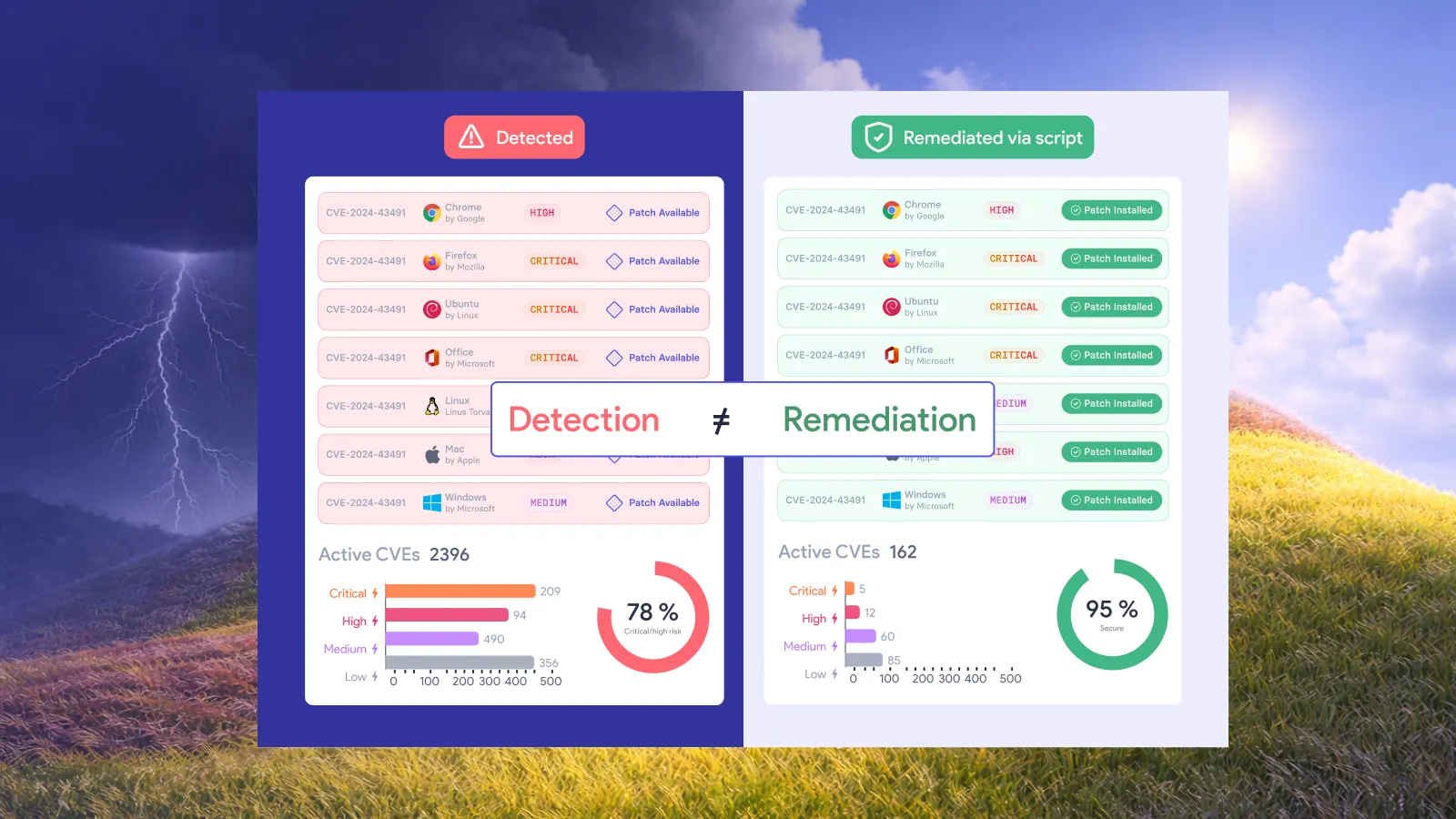
A log entry showing a rule loaded establishes configuration activity. A blocked transaction establishes an observed result for that transaction. A broader effectiveness claim requires evidence that the relevant exposure paths and failure conditions were addressed.
OWASP cautions against rules tailored only to one exploit example and discusses distinct attack vectors separately. That supports a practical testing principle: examine whether the test represents the vulnerability conditions rather than only one recognizable request. OWASP guidance on exploit-specific virtual patches.
Use an authorized assessment environment and methods appropriate to the application. Define the scope, service constraints and stopping conditions before testing. The purpose is to gather reliable defensive evidence without introducing avoidable operational disruption.
Where a test cannot be performed safely, record the alternative evidence and the uncertainty that remains. Vendor applicability information, configuration inspection and observed enforcement can contribute to a decision, but describe what each establishes. Do not relabel a configuration check as an exploitation test.
Work through the incomplete result
Consider a hypothetical application with a public route through an enforcement point and an internal integration route. The team confirms a blocked test on the public route. It has not established whether the internal route encounters the same control.
The defensible result is that the public-route test passed under the recorded conditions. The internal route remains unresolved. Reporting the whole application as protected would extend the conclusion beyond the evidence.
The next action depends on the actual environment. The team might establish that the internal route is not relevant to the vulnerability, extend an applicable control, restrict the route, or prioritize the permanent fix. Each option needs its own evidence. None follows automatically from the first successful block.
Now suppose the control also blocks a legitimate integration transaction. Security behavior and business compatibility have different results. Keep both visible. A team cannot resolve the disagreement merely by selecting the more convenient result label.
This example illustrates why an exception decision benefits from a scoped evidence record. The record gives the owner a concrete unresolved condition to address instead of a general argument about whether virtual patching works.
Keep protection acceptance separate from remediation closure
We recommend distinguishing three decisions: acceptance of the temporary control's evidence, acceptance of the remaining risk for a defined period, and confirmation that the underlying weakness has been removed. The same person may participate in more than one decision, but the evidence requirements differ.
An exception can remain active while its compensating control is accepted. Conversely, an expired or failed control can require reassessment even when the permanent fix has not changed. The status should describe the current protection and remediation state clearly enough for the next owner to act.
The existing guidance on exception expiry and exit tests covers ownership and time bounds. This evidence matrix supplies the technical acceptance detail. When the permanent change is deployed, use the relevant patch verification checks to assess closure.
Refresh evidence when its assumptions change
Set retest triggers around the conditions on which acceptance depends. Examples include a new application version, a routing change, an altered rule, a newly relevant exposure path or evidence that protection was inactive.
A fixed review date is also useful, but a calendar alone cannot detect that the basis of a claim has changed. Keep the acceptance record connected to operational changes so the responsible team can recognize when earlier evidence no longer answers the current question.
For recurring checks, preserve the expected result and escalation condition. Automated observations can identify a deviation and support the review. The decision to accept a materially different protection claim still needs the authority and evidence defined by the organization.
Frequently asked questions
Is virtual patching always a compensating control?
No. It may support a compensating-control decision when its demonstrated protection meets the relevant objective. Applicability and effectiveness must be assessed for the particular environment and requirement.
Does one blocked test prove the vulnerability is fixed?
No. It establishes an observed result for that test under the recorded conditions. It does not by itself establish coverage of every relevant path or removal of the vulnerable code.
Can a compensating control automatically satisfy a compliance requirement?
No automatic conclusion follows. Framework-specific criteria and assessment requirements apply. PCI SSC, for example, distinguishes compensating controls from its customized approach; a generic security test is not a substitute for that framework's assessment process. PCI SSC explanation.
What should we do with an incomplete test?
Record the untested scope and retain the result as incomplete. Either obtain the missing evidence, accept a narrower claim through the authorized process, or choose another treatment for the unresolved exposure.
Apply the matrix to one active exception
Select one exception supported by temporary protection. Write its protection claim, complete the matrix with evidence already available, and identify the first unresolved condition. Use that condition to choose the next test or remediation action before changing the exception's status.