

Emergency patching is an accelerated response for vulnerabilities that cannot safely wait for the normal change schedule. The preparation that matters most is agreeing who can activate that response, which systems and actions it covers, and what evidence allows deployment to proceed. Resolve those decisions before an urgent advisory arrives.
A patch can be ready while the response remains stuck. Security has confirmed the affected software. Operations has a deployment route. The service owner is unavailable, and nobody knows whether the routine approval covers an unscheduled restart.
Our recommendation is to pre-authorize a bounded emergency response. Let established policies handle eligible work automatically. Reserve human decisions for the conditions that fall outside those policies, with named deputies who can act when the usual owner is absent.
When should emergency patching begin?
An emergency route should activate when the evidence and affected environment justify acting sooner than the routine process permits. A severe advisory deserves prompt assessment, but its headline alone does not establish which of your systems require an emergency change.
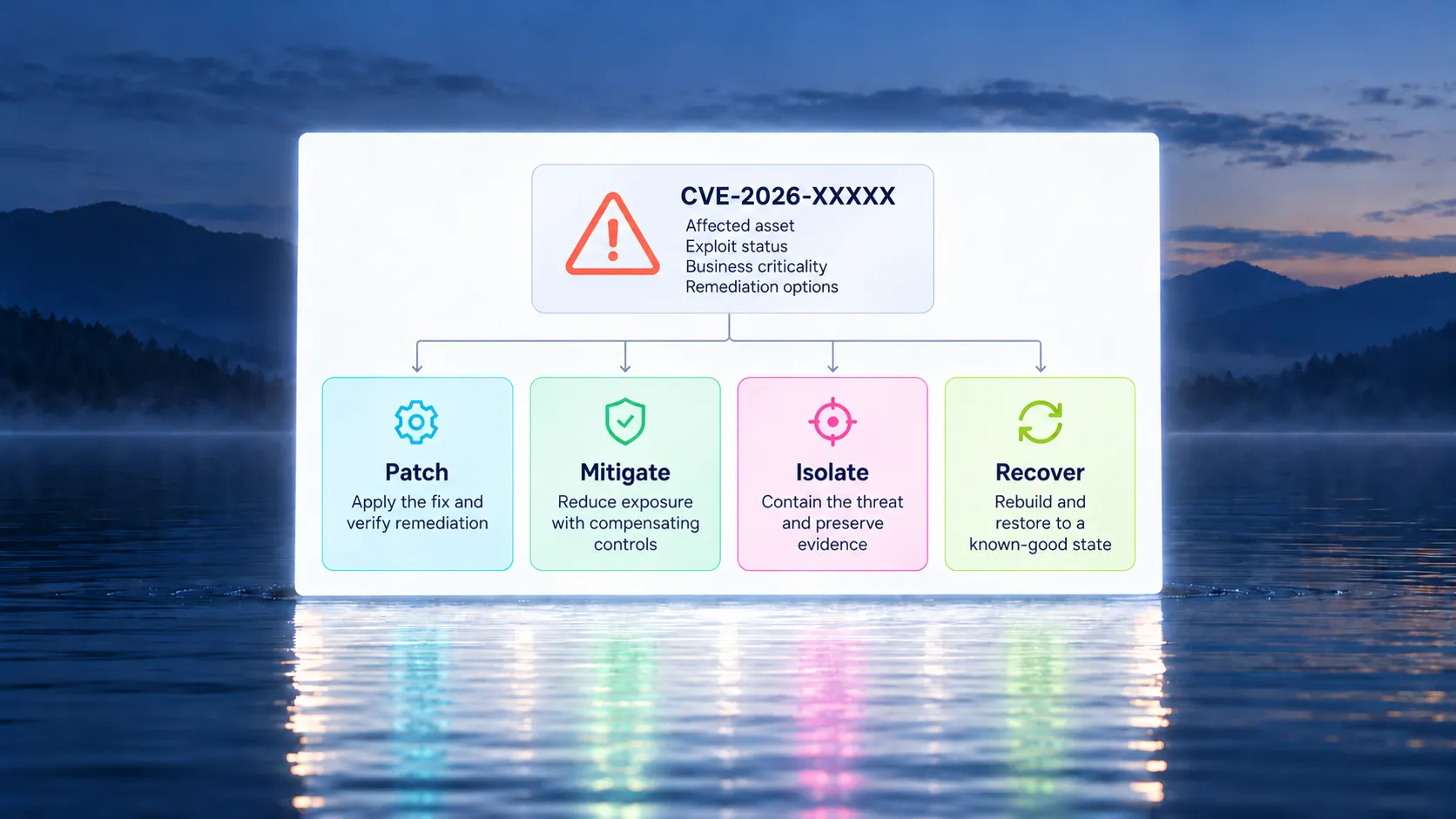
NIST distinguishes emergency patching from routine patching and from emergency mitigation. Its emergency-patching scenario includes vulnerabilities under active exploitation and exceptionally severe situations. Its separate mitigation scenario covers temporary responses before a patch is available. NIST enterprise patching practice guide.
Define the activation conditions in terms your responders can establish. For example: an authoritative report identifies exploitation, the affected release exists in the environment, and the relevant service is exposed. Other situations may justify emergency handling, but they should have an explicit decision route rather than relying on whoever sounds most concerned.
The trigger should identify the decision owner as well as the technical condition. Otherwise, an alert can become an urgent ticket with no authority attached to it.
UK NCSC recommends a rapid-response pathway and agreement between security and IT on when to activate existing incident processes. That gives teams a way to use established operational arrangements instead of assembling a new approval chain during the response. NCSC guidance on active exploitation.
Pre-authorize the action and its boundaries
Approval should describe what operators or automation may do. “Emergency patching approved” leaves too much unresolved when a change can interrupt a service.
We recommend agreeing the eligible asset groups, permitted remediation methods, restart conditions, and limits on simultaneous changes. Include the circumstances that require a fresh decision. A change to a business-critical shared service may need a different authorization from an update on ordinary employee laptops.
Name a primary decision owner and an available deputy. Separate authority to execute the change from authority to accept continued exposure when it cannot proceed. Those responsibilities may sit with different people.
This is preparation for repeatable execution. An approved policy should not send every eligible endpoint back through a manual discussion. It should make the ordinary emergency path executable while directing unusual cases to someone who can resolve them.
What evidence is needed before deployment?
Use a short decision card that records the facts required to authorize the next action. The table below is our recommended working format, not a formal standard or a claim that every organization needs the same approval structure.
| Decision | Minimum evidence to record | Boundary to define in advance |
|---|---|---|
| Activate emergency handling | Authoritative advisory and evidence that the relevant environment is affected | Who can activate the route and who acts as deputy |
| Select the response | Applicable vendor fix or supported mitigation, with the affected release identified | Which actions are already authorized and which need review |
| Begin deployment | Defined target group, relevant pre-check results, and expected service impact | Restart permission, deployment scope, and operational constraints |
| Expand the rollout | Results from the initial group and the required service-health checks | Who or what permits expansion and what stops it |
| Handle failure or delay | The actual failure, unresolved exposure, and available recovery or mitigation option | Escalation owner and time of the next decision |
Link to existing records rather than copying a full investigation into the card. A current asset query and a versioned deployment policy are more useful than a long description that becomes stale while the response continues.
Make uncertainty visible. “Affected version not yet confirmed” should lead to a named investigation. It should not silently turn into either “safe” or “patch everything.”
Shorten the approval path, not the question being answered
For each proposed shortcut, ask which decision it removes. Eliminating a duplicate sign-off may reduce waiting. Eliminating the check that distinguishes a production database from a test machine changes the risk of the action.
Our recommendation is to prepare a smaller emergency test set for each important service class. Identify the checks that would reveal an unacceptable failure, who can interpret them, and how the result reaches the deployment process. Choose the scope with the service owner before the emergency.
The set might include a representative transaction, a dependency check, and confirmation that the expected restart behavior is acceptable. These are illustrative choices, not a universal checklist. A service with irreversible data changes needs different preparation from a desktop application update.
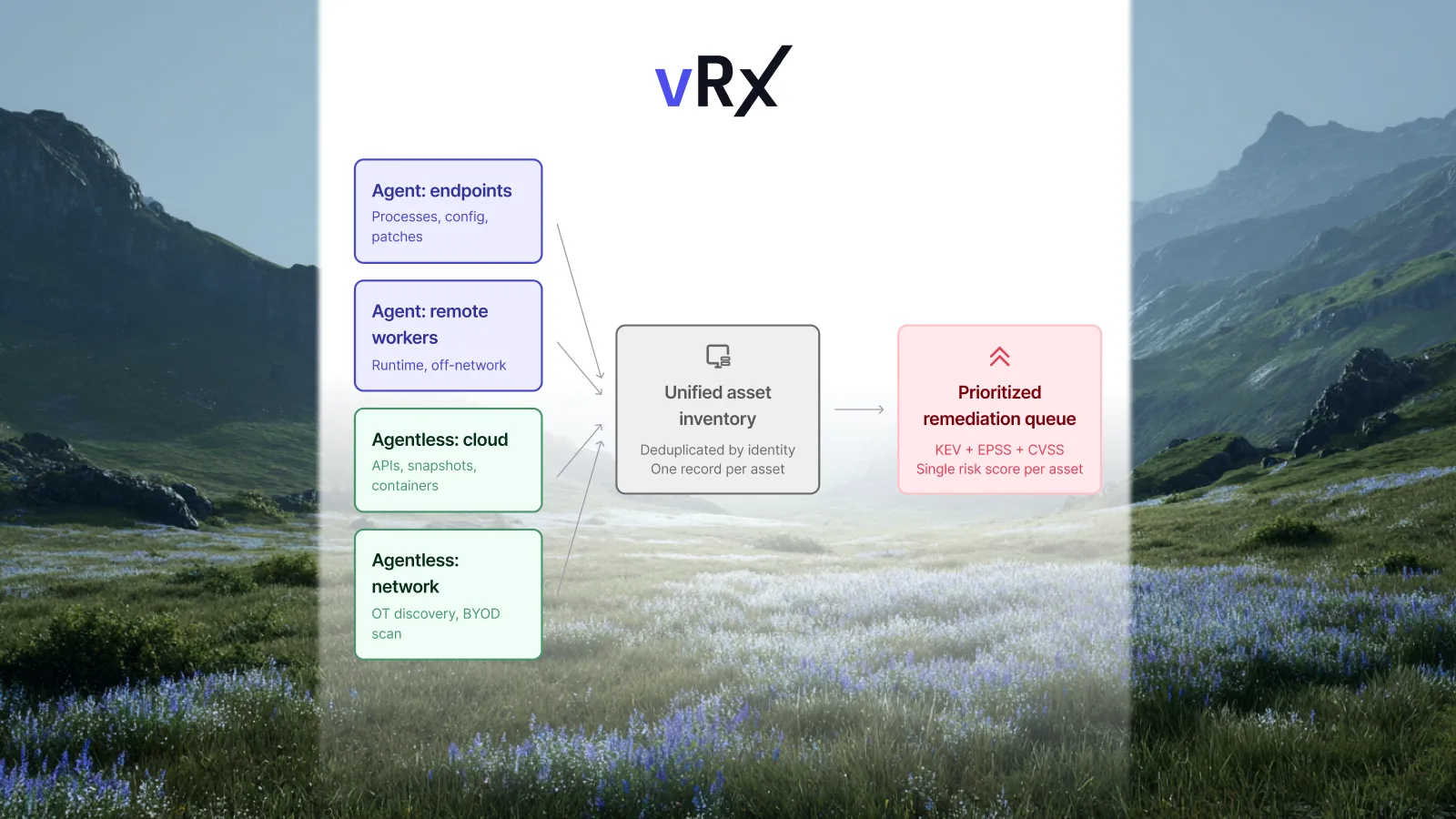
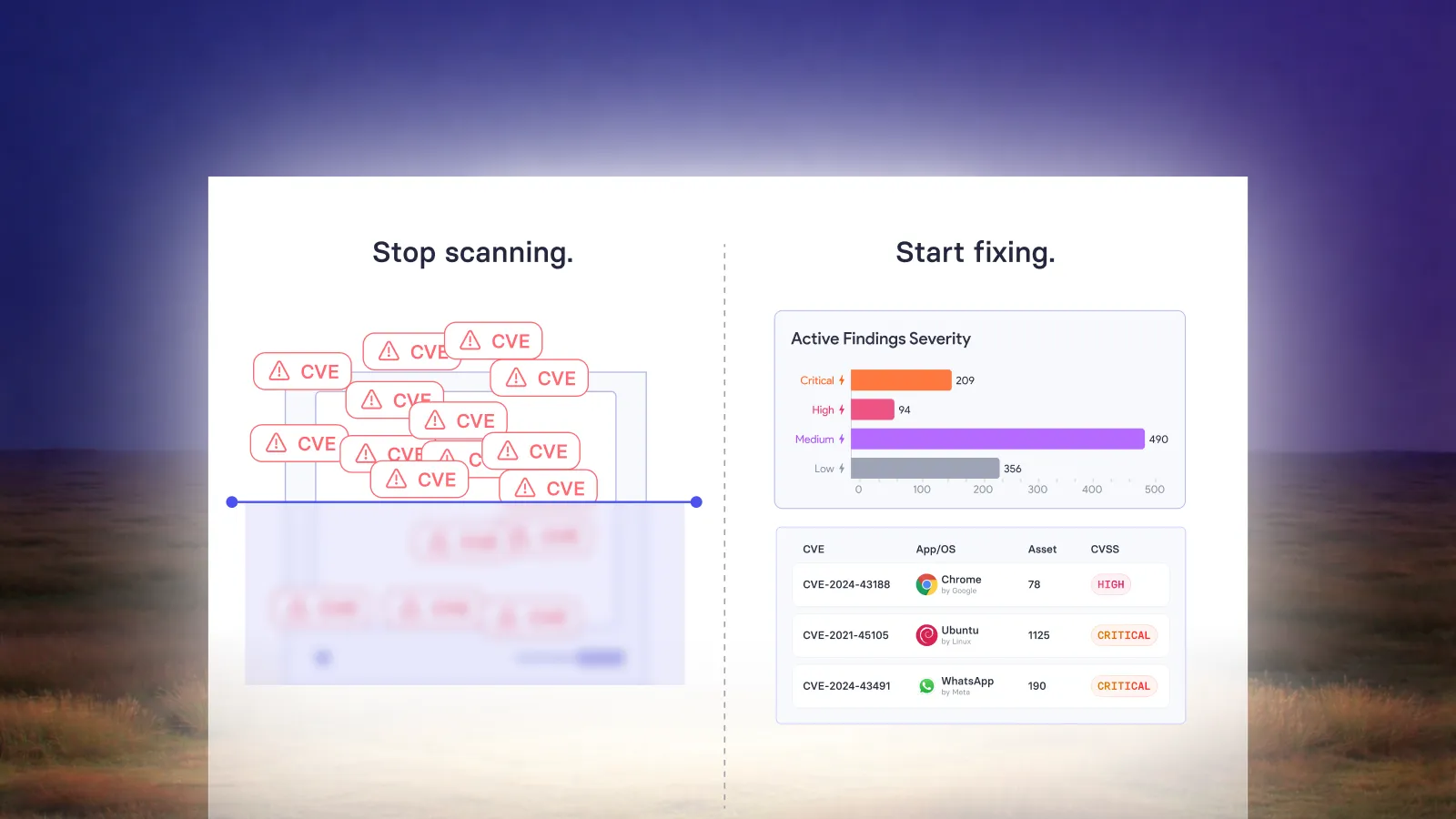
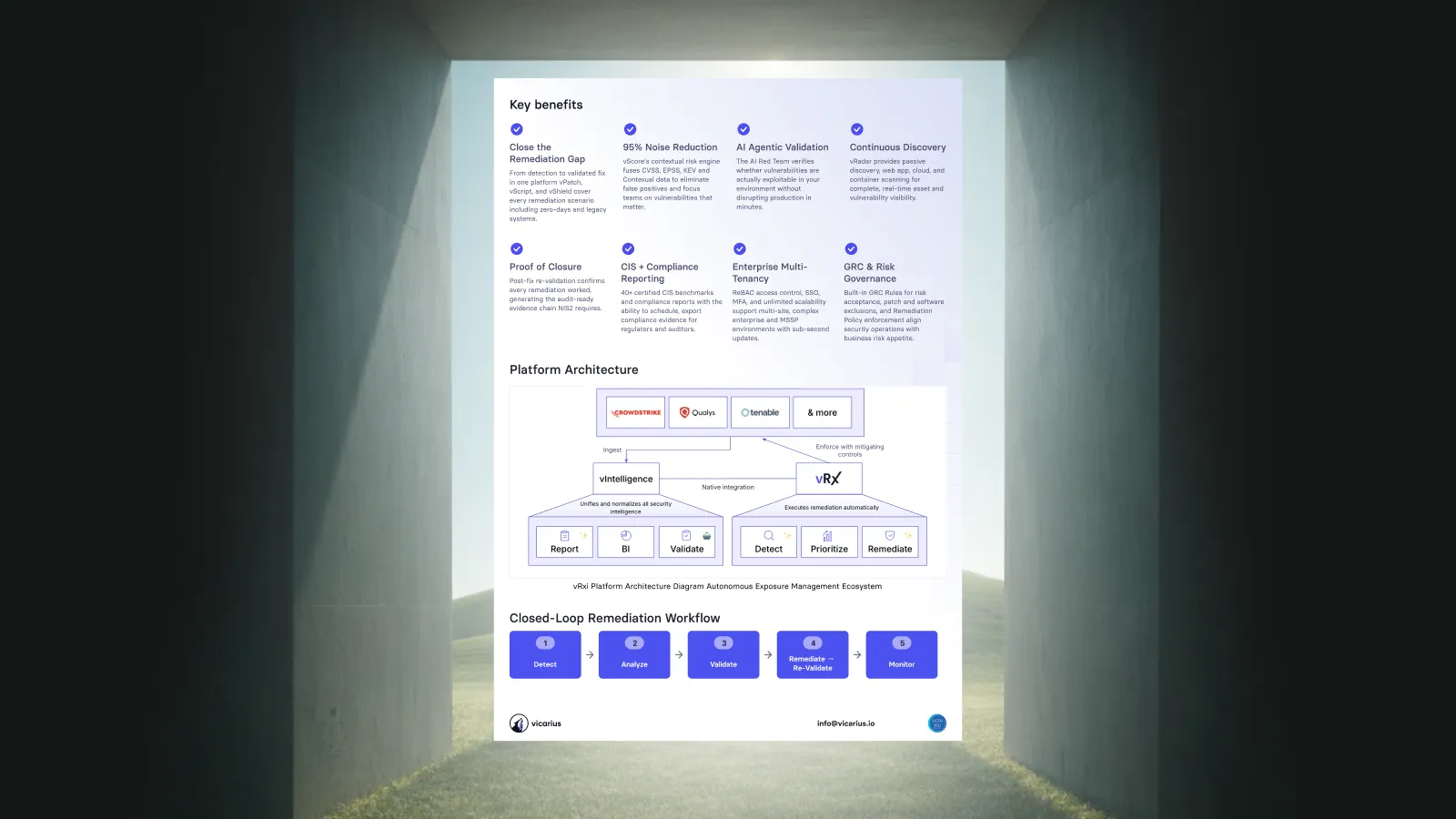
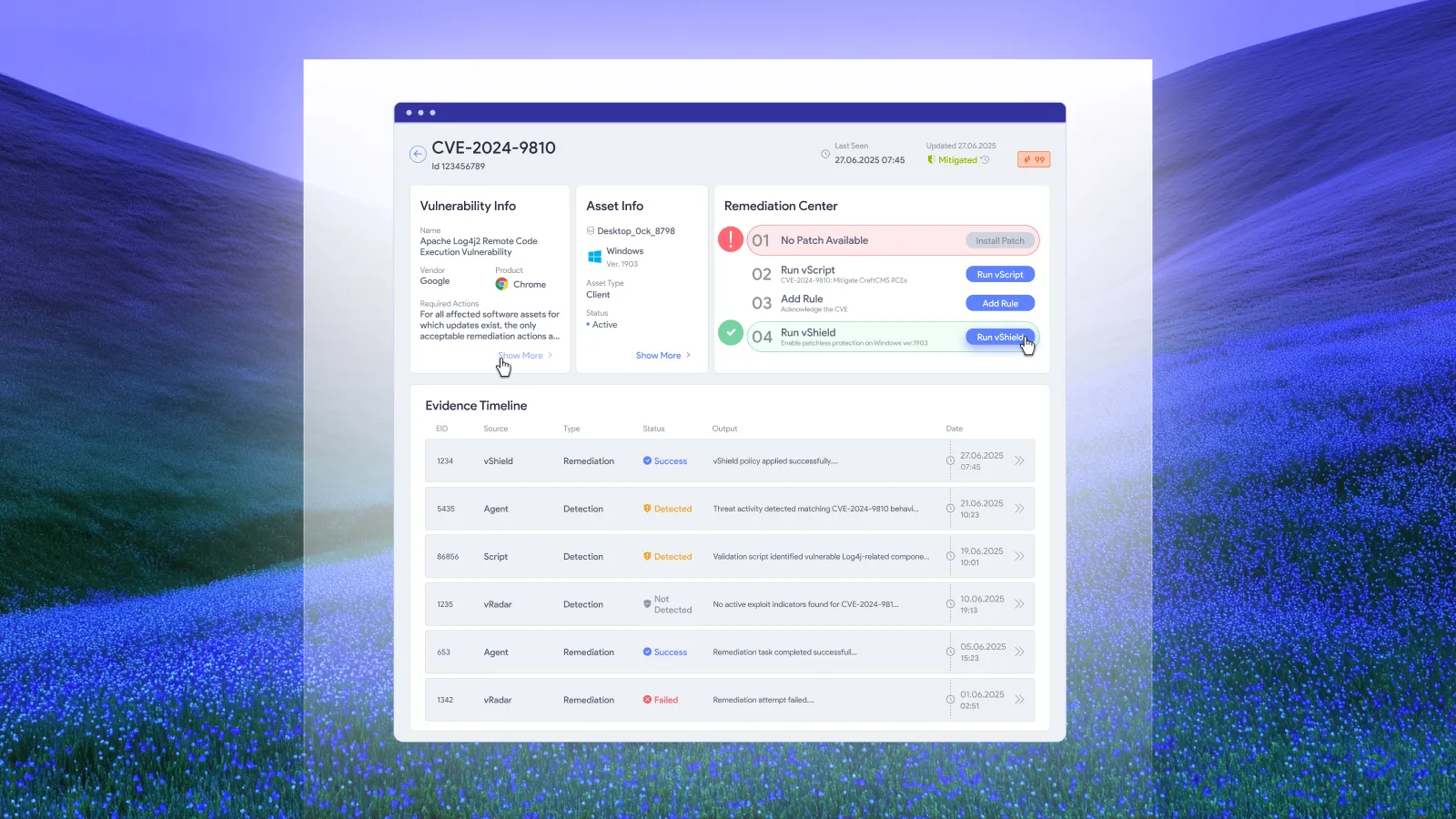
Where tooling can enforce approved conditions, use it to check eligibility, apply the change, collect results, and stop further deployment when the defined condition fails. Avoid promising that every platform can perform every check. The policy must be implemented and tested in the tools the team actually uses.
For wider program context, the third-party patch-management guide covers the ongoing application estate. The emergency decision card addresses the narrower question of who may accelerate a particular response and on what evidence.
What if the system may already be compromised?
An urgent patching response needs a route into incident handling. CISA's federal playbook distinguishes unaffected, susceptible, and compromised systems. Where exploitation is found, it calls for incident response alongside vulnerability remediation. That is different from treating a successful update as proof that the incident is over. CISA vulnerability and incident response playbooks.
Our recommendation is to identify the incident-response contact in the emergency procedure and define how responders coordinate changes that could affect evidence. Follow applicable vendor and incident-response guidance for the sequence. A generic patching policy should not override instructions for an affected system under investigation.
Do not make the deployment operator improvise that coordination. Give them a clear escalation path while other authorized work continues on systems that do not share the same constraint.
Keep blocked systems on an active response path
Consider a hypothetical organization responding to an exploited application flaw. Most affected laptops meet the approved deployment conditions. A small group supports a critical workflow whose restart behavior has not been tested.
The eligible group proceeds through the established emergency policy. The constrained group receives a specific next decision: test the workflow, approve an interruption, or validate an applicable temporary mitigation. The service owner or deputy decides, supported by the evidence relevant to that group.
“Waiting for approval” is not enough information to manage the remainder. Record who is needed, what they must decide, and when escalation occurs if they cannot be reached.
NIST treats emergency mitigation as a prepared response option, including the ability to reverse temporary changes when appropriate. A mitigation still needs evidence of applicability; its existence does not establish that it addresses the vulnerability in your environment. NIST emergency mitigation scenario.
Review where the response waited
After the urgent work, compare the response timeline with the authority the team expected to have. Record when applicability was established, when authorization became available, when execution began, and when the result was verified.
These timestamps separate different problems. An absent deputy creates an approval delay. An unavailable endpoint creates an execution constraint. A completed deployment awaiting a required check creates a verification delay. Calling all three “slow patching” obscures who can improve the next response.
Review decisions that repeatedly required escalation. Some may belong in an updated policy; others may need better service documentation or a tested recovery route. Do not expand automatic authorization merely because an exception is inconvenient. Establish that the conditions for the broader scope are understood.
Frequently asked questions
Does emergency patching mean skipping approval?
No. Our recommended approach moves repeatable authorization into an agreed policy before the emergency. Changes within its scope can proceed through the approved route. Actions outside that scope still require the designated decision owner.
Should every critical vulnerability trigger an emergency change?
Assess whether the vulnerability applies, the exploitation evidence, the affected service, and the consequences of waiting. Define your activation conditions in advance. Technical severity is relevant evidence, but it does not establish the complete operational decision by itself.
What if no patch is available?
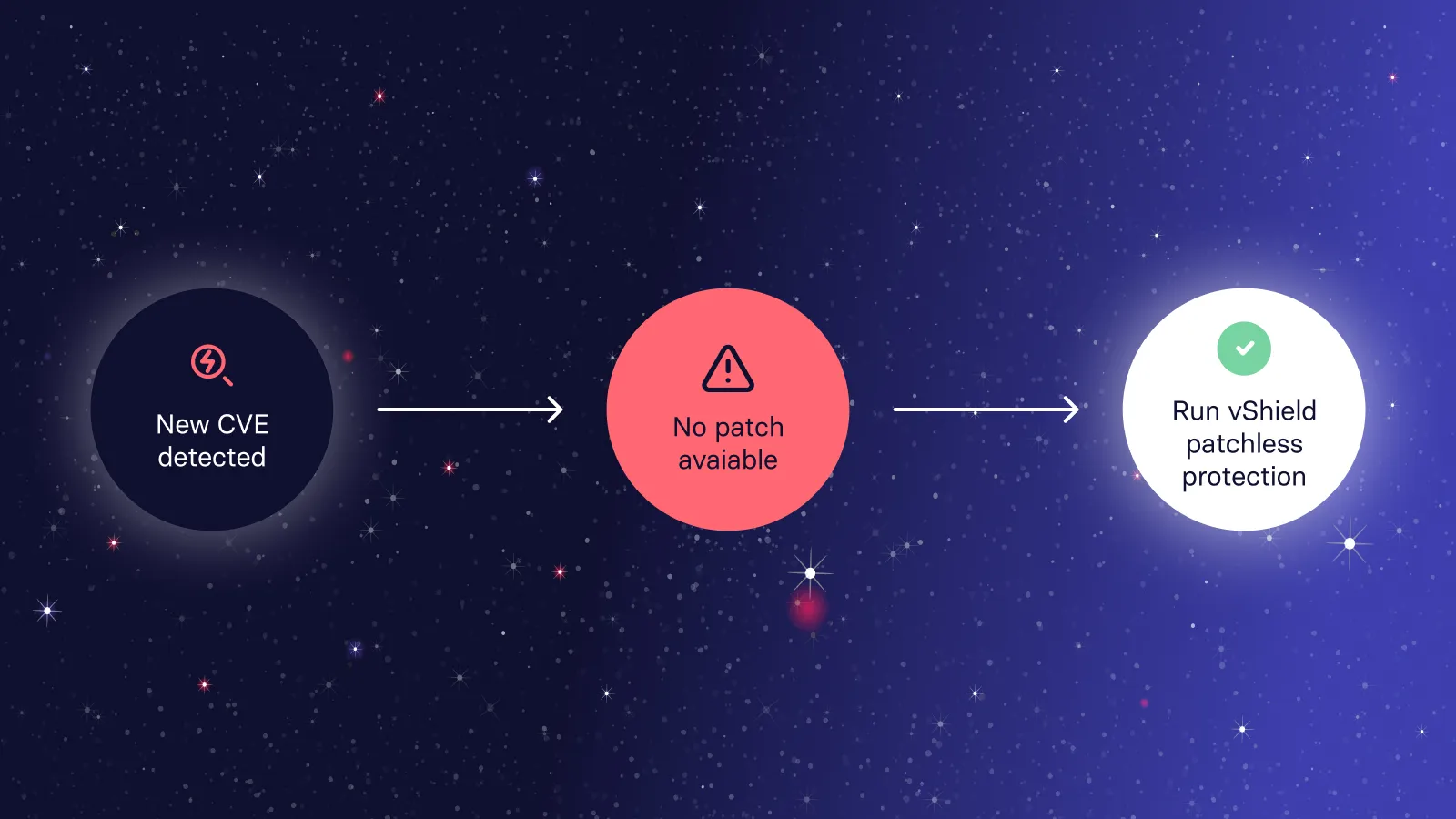
Evaluate an applicable temporary mitigation and assign an owner for the permanent response. NIST distinguishes emergency mitigation from emergency patching. Do not record a temporary control as though it were an installed vendor fix. NIST patching scenarios.
Who should be able to stop an emergency rollout?
We recommend naming the responsible operator or incident lead and defining automated stop conditions where the tooling supports them. Set the conditions before deployment so a failed health check leads to a known response rather than another search for authority.
Test the decision path before the next advisory
Run a tabletop exercise for one important service. Give the participants an urgent advisory, an unavailable primary approver, and an initial deployment group that fails a health check. Ask them to demonstrate who can activate the response, what may proceed automatically, and who decides the next action.
Use the gaps to repair the policy, deputy coverage, or evidence collection. The exercise is complete when the team can explain and execute the next authorized step without inventing its approval process under pressure.