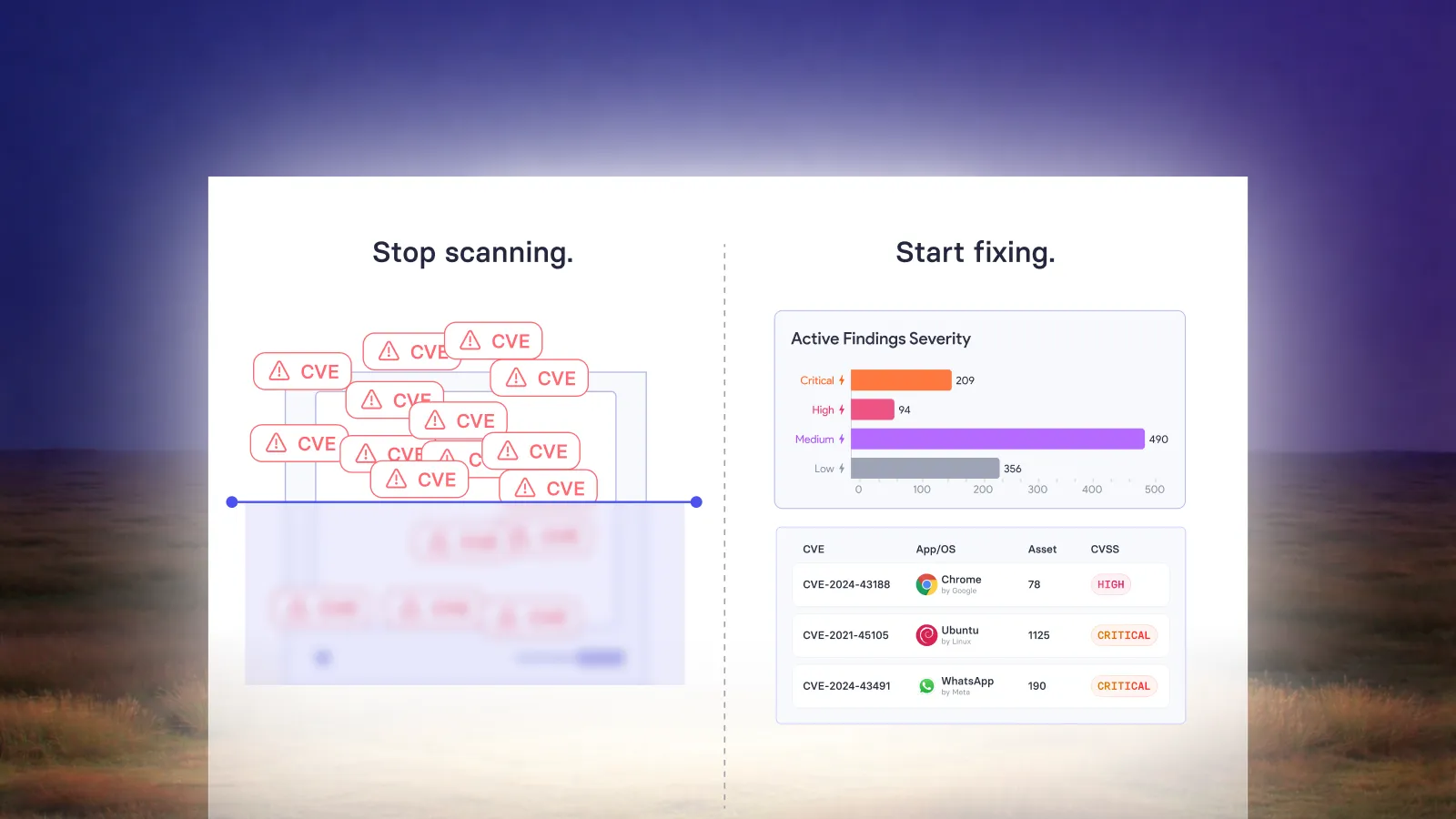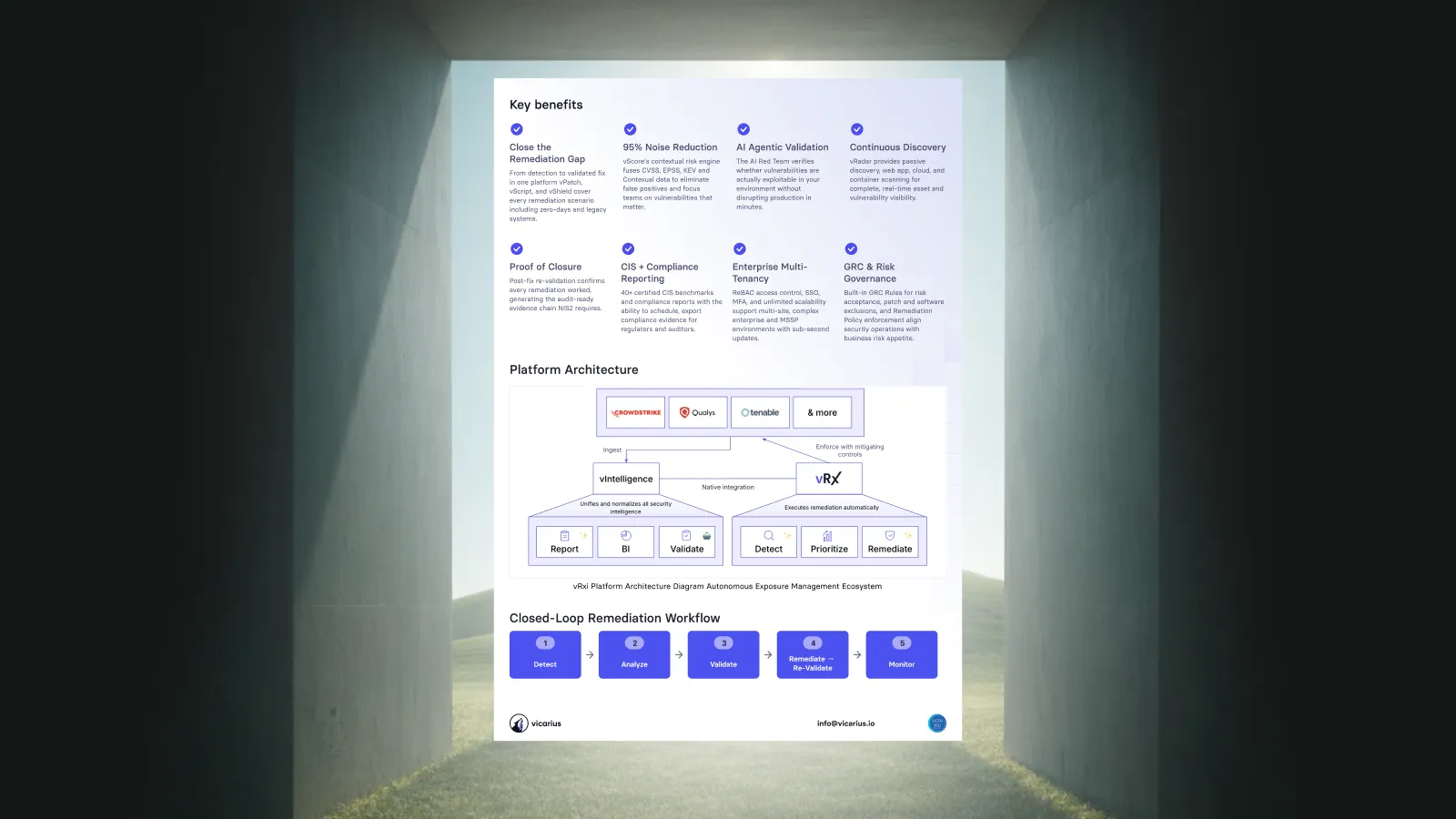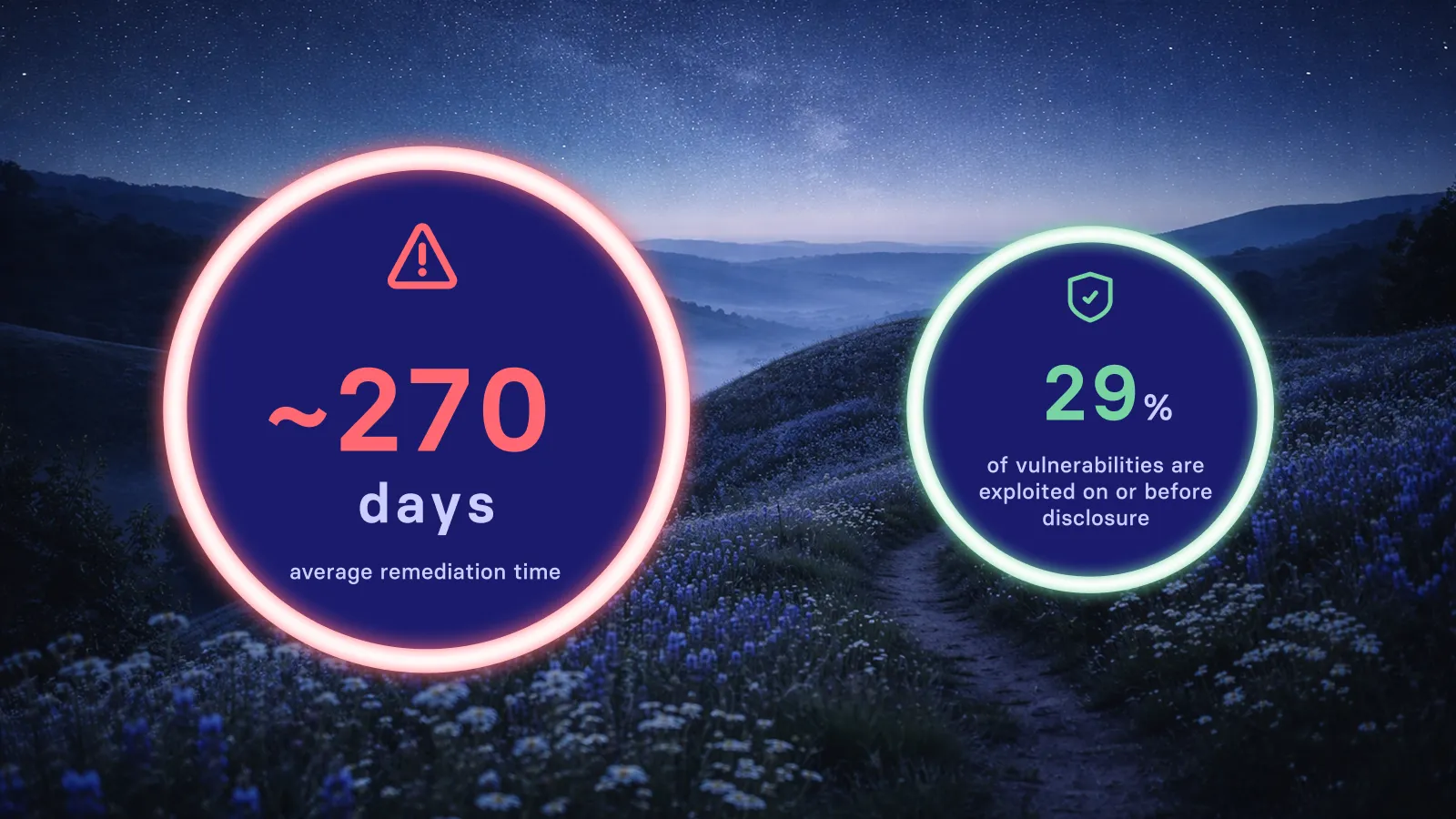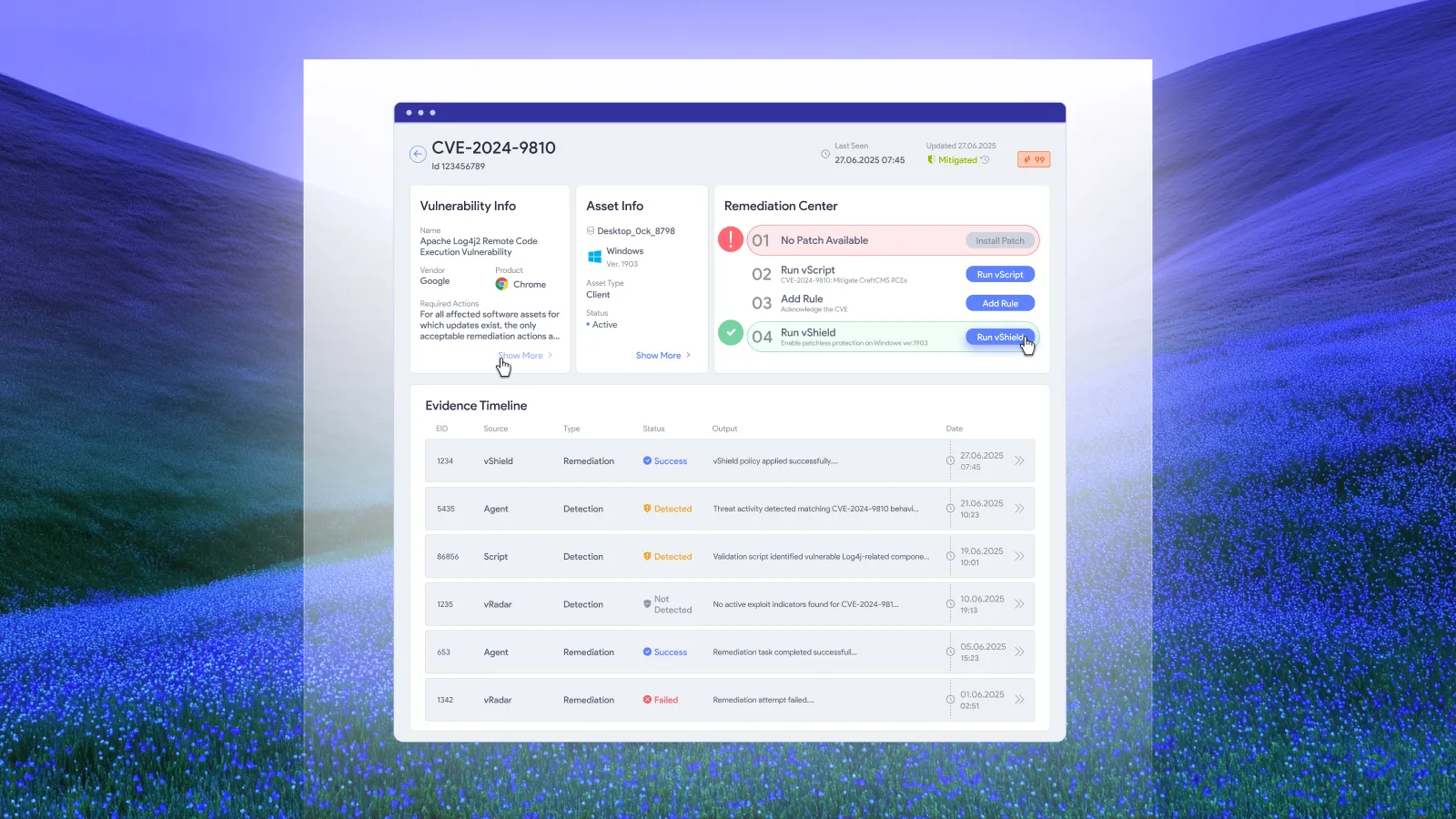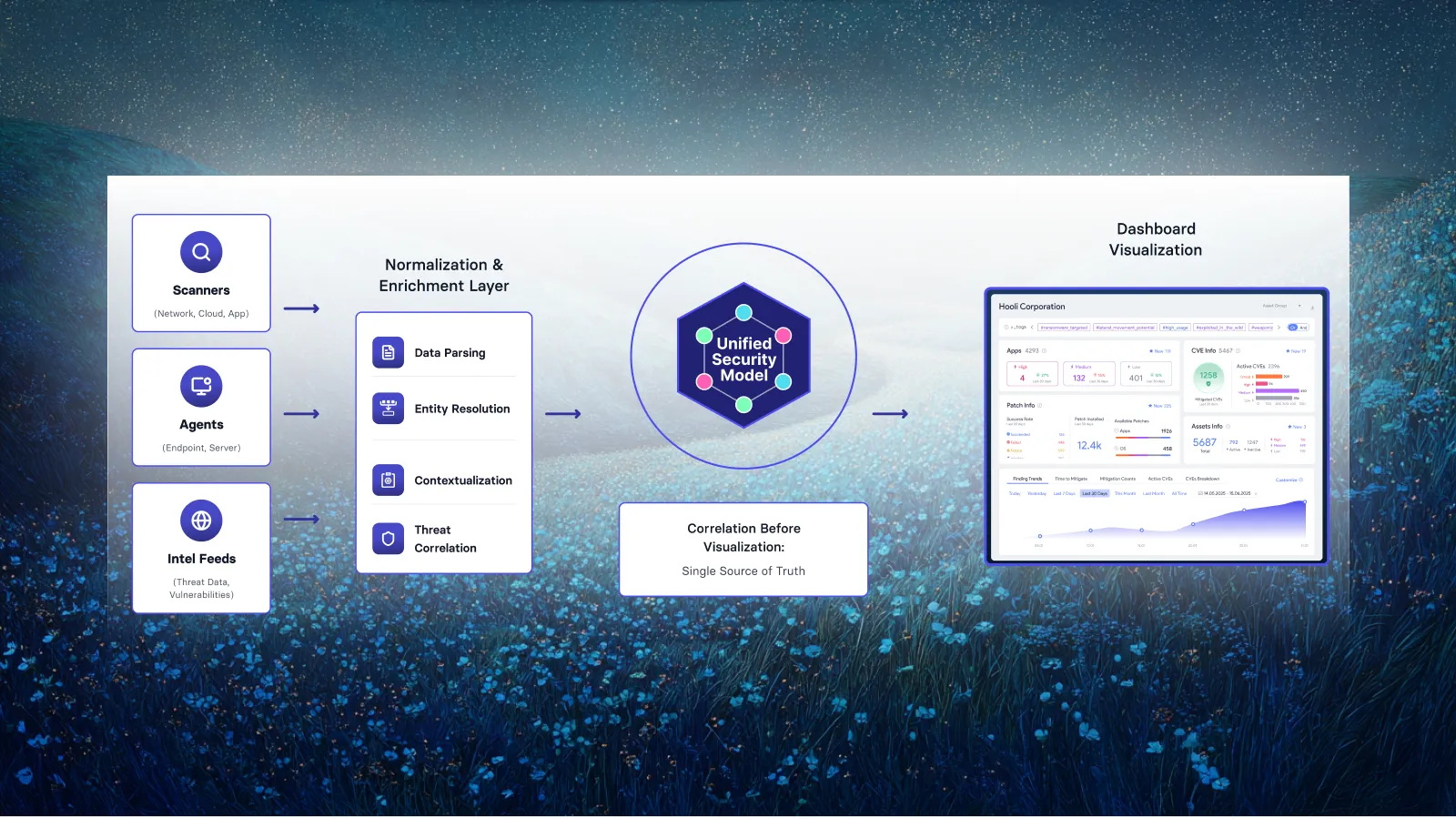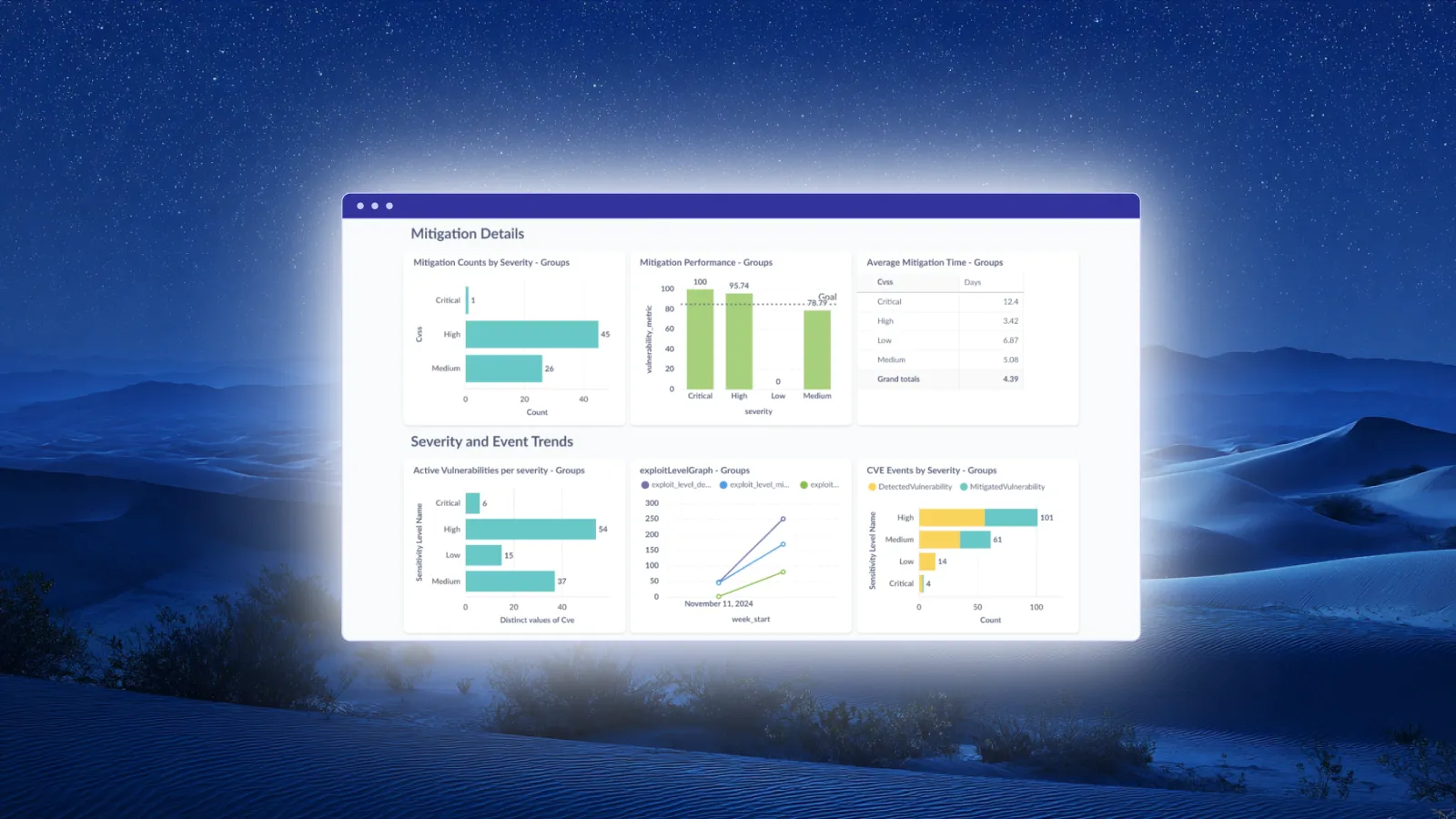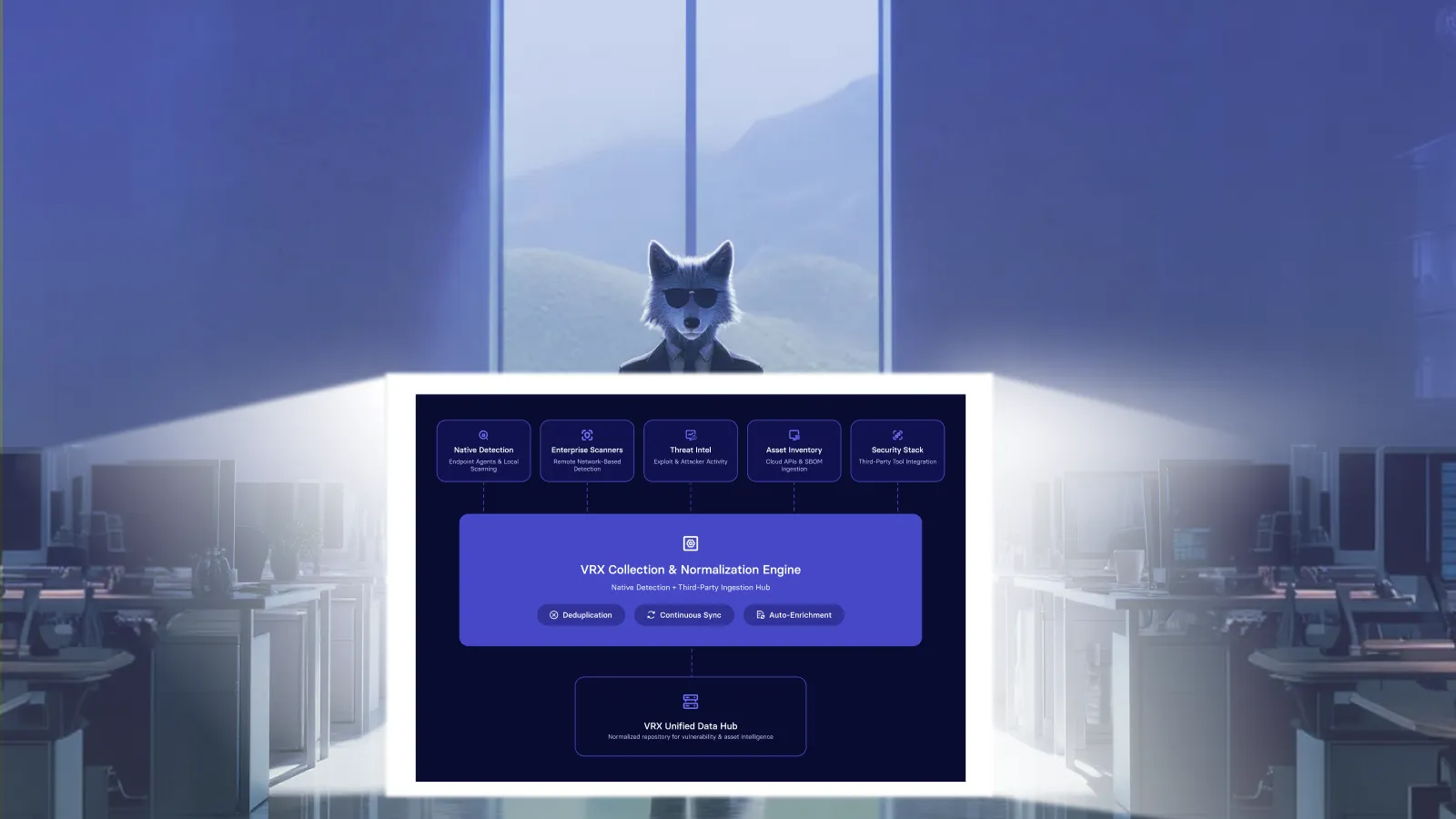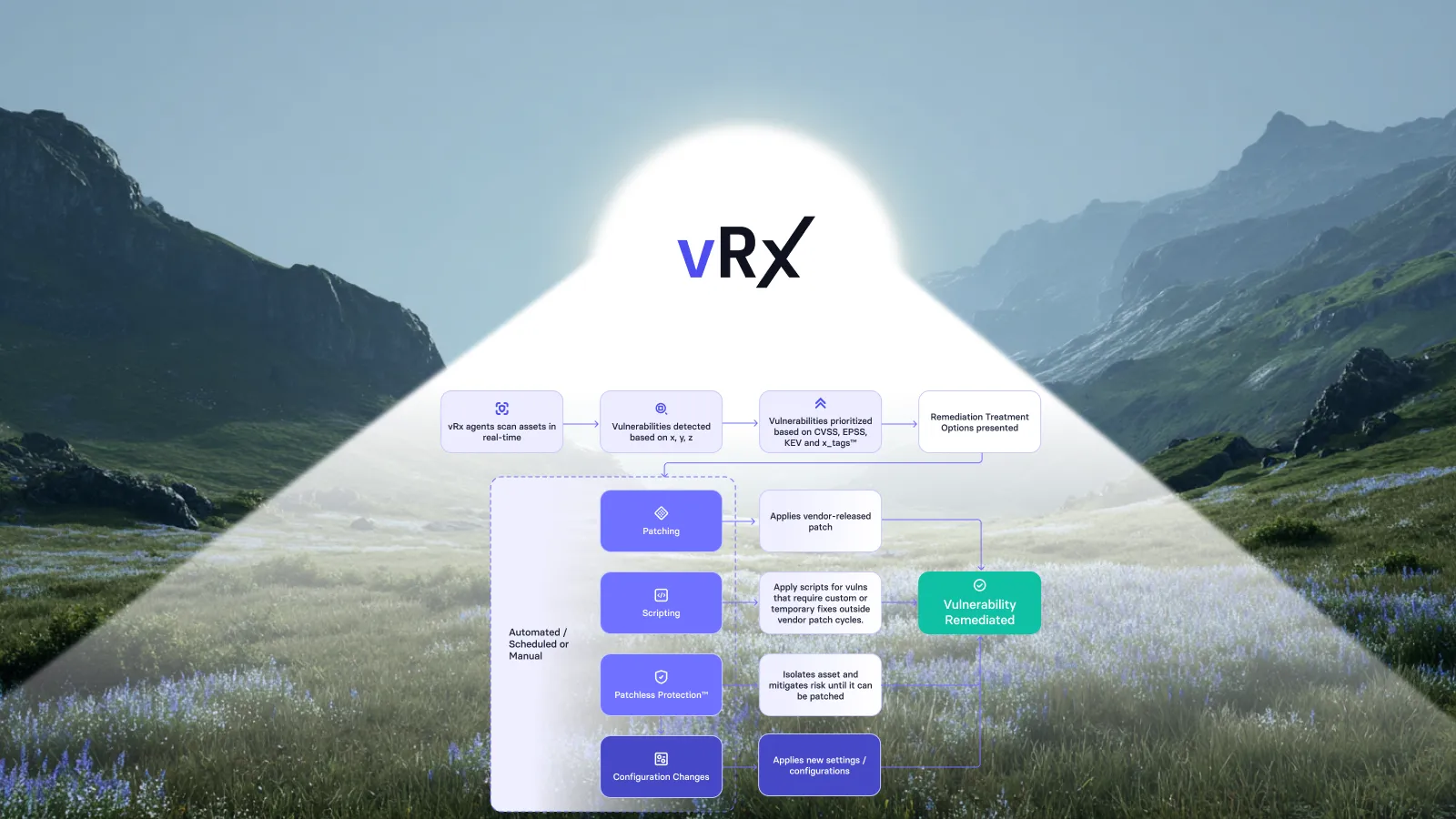


Continuous vulnerability management keeps remediation decisions aligned with changing conditions. A new finding is one trigger. New exploitation evidence, a changed exposure path, an available fix, a failed control, or an expired exception can also require action on a finding the team already knows about.
The operational challenge is deciding which changes matter. Reopening every ticket after every scan creates repeat work. Leaving every earlier decision untouched allows its assumptions to expire unnoticed.
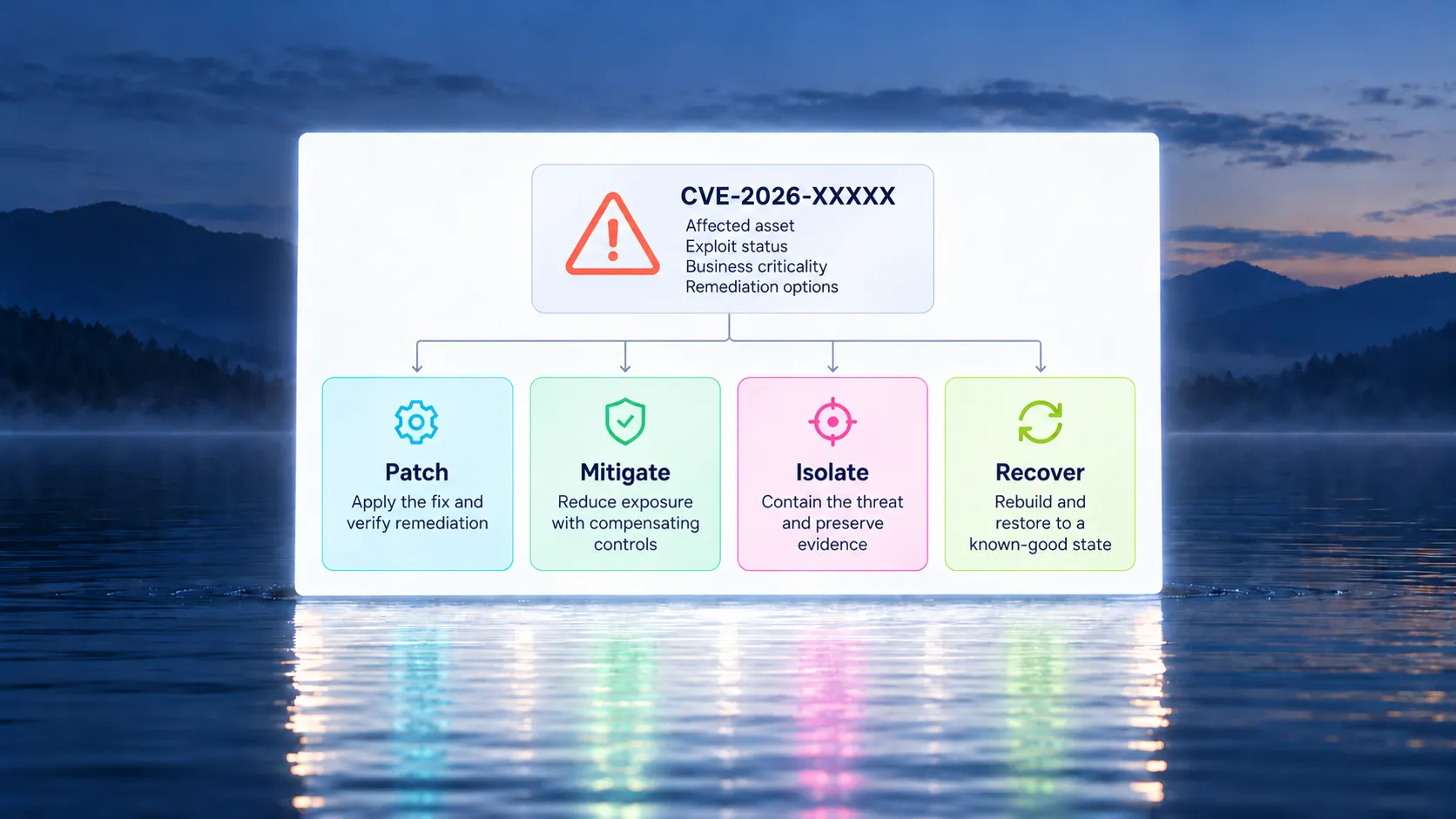
Connect a material change to a specific response: reassess urgency, change scope, execute an approved correction, or send an exception to its owner. Routine actions should continue under policy. Review should concentrate on decisions whose supporting conditions have changed.
What does continuous vulnerability management mean?
CIS Control 7 calls for ongoing assessment and tracking of vulnerabilities across enterprise assets, together with monitoring for new threat and vulnerability information. Its objective is remediation that reduces the opportunity for attackers. CIS Control 7.
That scope is broader than scan frequency. A fresh observation can confirm an existing situation without changing the right response. Conversely, a service can become more exposed between assessments even though its software version remains the same.
Our recommended operating model is to give each remediation decision explicit conditions for reuse. The team should know what would make it reconsider the action, its timing, or the affected scope. This is a proposed workflow design, not a new standard or a prescribed product configuration.
For example, a decision to retain a routine change window may depend on a service remaining internal. If the service becomes publicly reachable, the original timing decision deserves review. The new network condition is the trigger; the finding itself may be unchanged.
Use a change-to-action map
Define the response to a change before it arrives. The table below is a starting point for a team's policy design. Select triggers that correspond to real decision inputs and reliable sources in your environment.
Not every change means “patch immediately.” The response may be a scope correction, an applicability check, or a review of an interim control. Make that distinction explicit so the event has a useful destination.
Separate a new observation from a changed decision
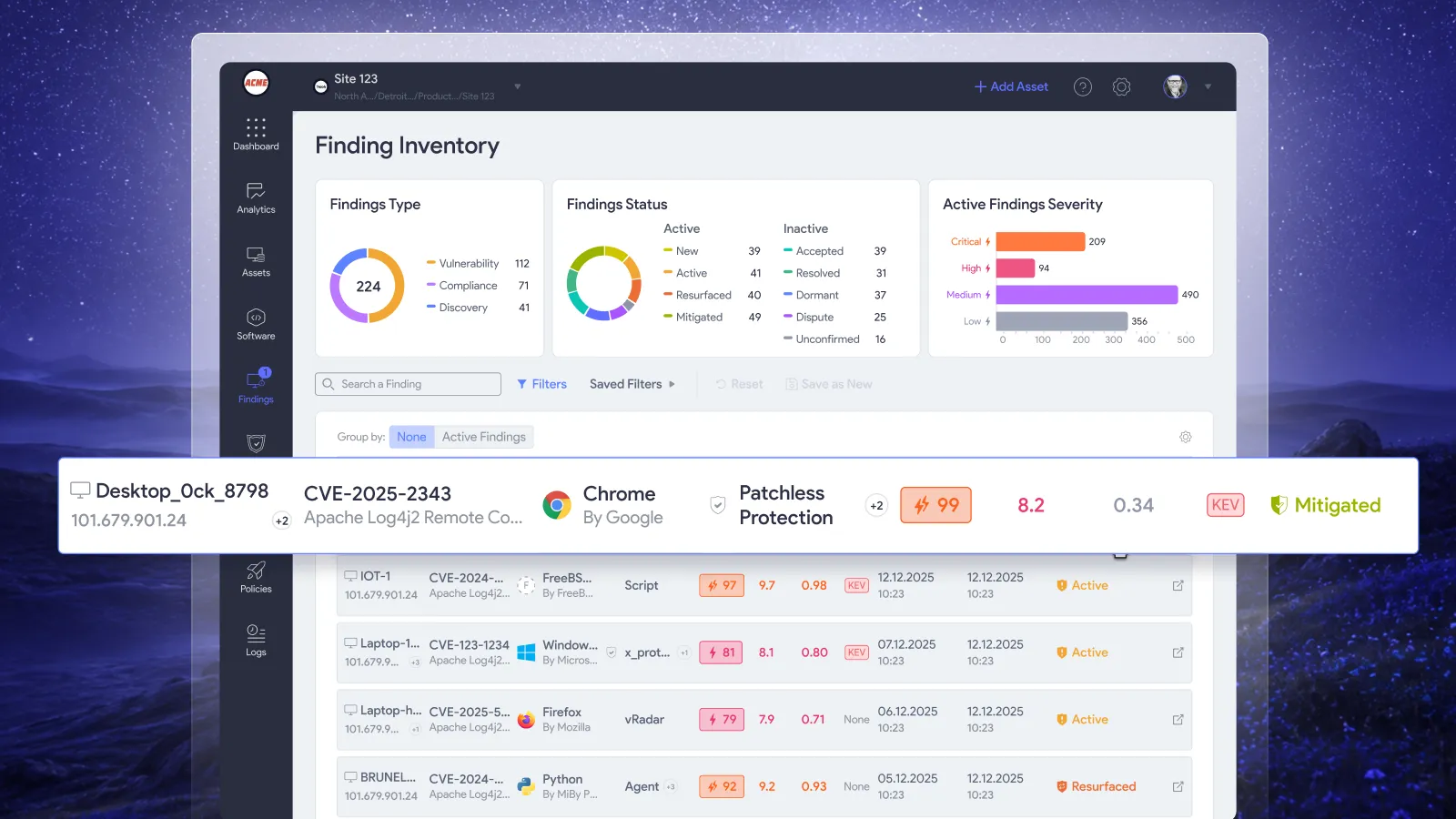
Suppose an authenticated assessment detects the same vulnerable version on a server already scheduled for correction. Its owner, exposure, and permitted window remain unchanged. The new observation should refresh the evidence that the work is still outstanding. It need not generate a second approval request.
Now suppose the assessment identifies the same component on a newly deployed server. That event changes the affected scope. The new asset needs to enter the applicable remediation process even if the original ticket is already under way.
Use a stable identity for the asset and finding when connecting those events. A display name alone may be inadequate after a replacement or redeployment. The workflow needs to distinguish a repeated observation of one condition from a similar condition on a different asset.
Define which fields are decision inputs and which are descriptive. A spelling correction in an asset label should not carry the same significance as a change in the asset's business role. This distinction is a policy choice the team can test before connecting it to production automation.
Make threat changes actionable without losing local context
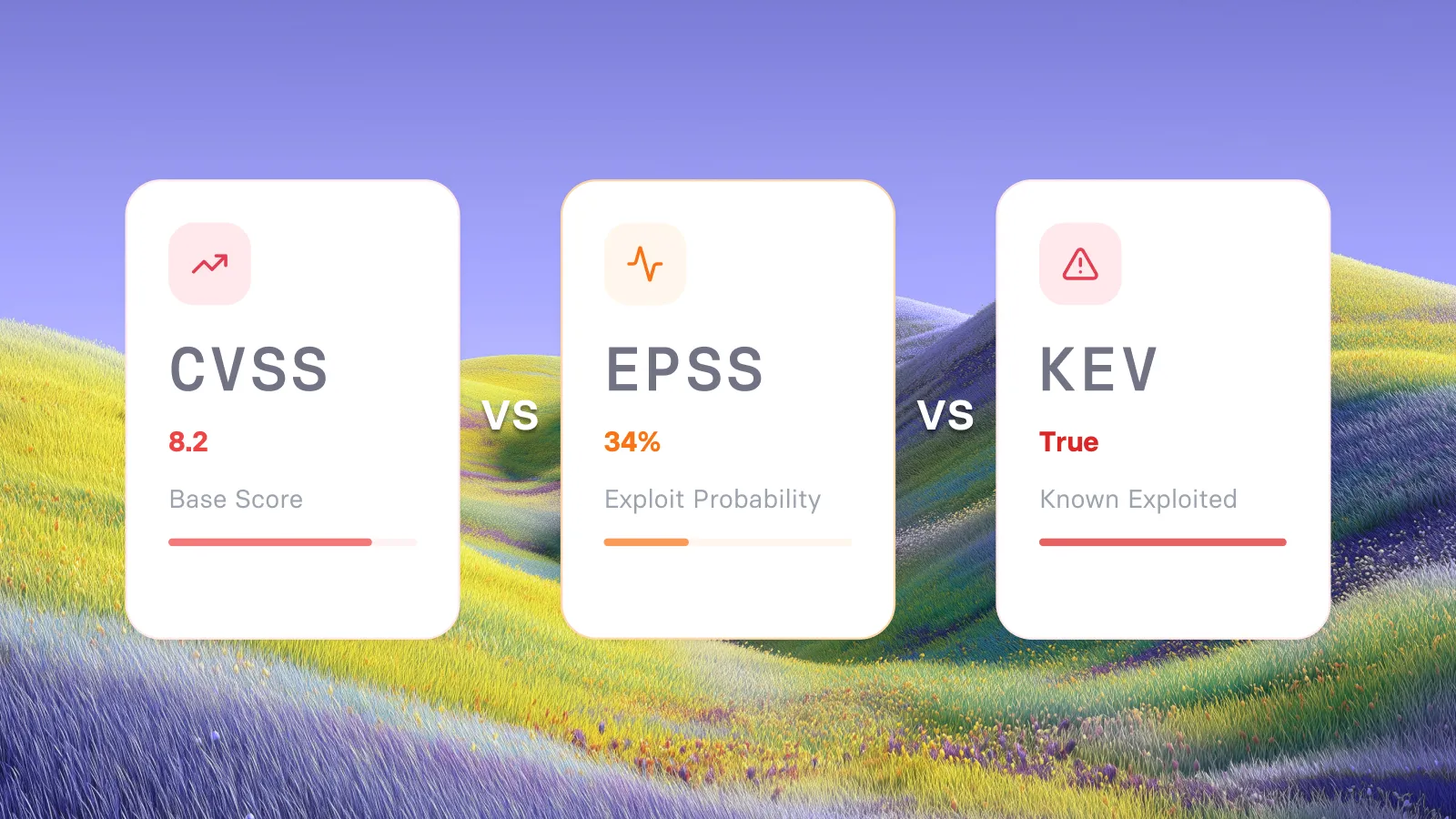
CISA's Known Exploited Vulnerabilities catalog identifies vulnerabilities with evidence of exploitation and supports remediation prioritization. CISA encourages organizations to use that evidence in their vulnerability management practice. CISA's explanation of catalog additions.
For a local workflow, match the threat change to the applicable assets before revising the work. A catalog event does not establish that every machine with a similar product name is affected. Equally, an earlier low-priority label should not prevent new evidence from reaching the responsible owner.
Preserve the distinction between when the source reported a change and when your process received it. If a feed arrives late, the team needs to see that delay rather than interpret ingestion time as the start of the threat.
When sources disagree, retain the disagreement with the decision. Do not silently replace a stronger observation with a more recent but less relevant label. The owner should be able to explain which evidence changed the response and which uncertainty remains.
Automate the transitions your policy already authorizes
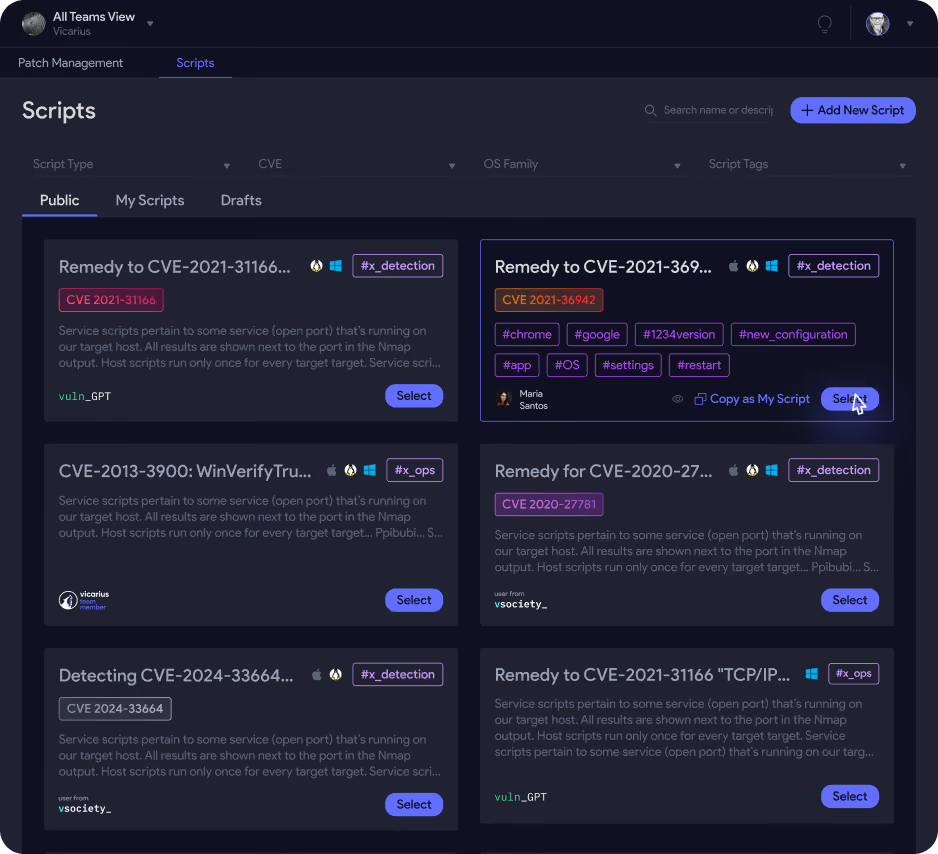
Continuous review should not become a manual committee for routine work. A program can define a standard route for applicable corrections that meet its deployment criteria, and a separate route for circumstances requiring judgment.
The automation design should specify its inputs, the allowed action, and what happens when required information is missing. An unknown asset owner should create ownership work. Missing applicability information should create a question to resolve. Neither should silently authorize closing the finding.
Duplicate events need a clear rule too. If the same advisory arrives through two feeds, the workflow should preserve both sources where useful without scheduling conflicting changes. If an event is replayed after a service interruption, it should not create another copy of work already in progress.
Test these behaviors with historical examples before relying on them. Include an unchanged finding, a new affected asset, an expired exception, and a late event. The goal is to learn whether the policy produces the intended action, not merely whether a notification appears.
Keep clocks and accountability intact
Reassessment should not erase the age of the underlying exposure. Preserve the original observation, the previous decision, and the reason for its revision. A new deadline may be justified; a new ticket timestamp should not make overdue work appear newly discovered.
Keep the exposure's age separate from the time taken to respond to a material change. These answer different questions. One asks how long the condition has remained unresolved. The other asks whether the program reacted promptly when its assumptions changed.
For deadline design, use the related guide to vulnerability remediation SLAs. The narrower concern here is preserving the history when a deadline or response changes.
Assign responsibility for the event's disposition, not just for acknowledging an alert. The owner should be able to state whether the prior decision remains valid, needs a revision, or cannot yet be resolved. An acknowledgment without a disposition leaves the operational question open.
Use one case to test the whole lifecycle
Consider a hypothetical application whose patch is deferred because an approved compatibility test is incomplete. A temporary access restriction supports the exception. The record identifies the application owner, the next review date, and the correction path to use once testing finishes.
Two events then arrive. The compatibility test passes, and a configuration change broadens access to the service. The first makes the permanent correction feasible. The second challenges the reason for accepting the delay.
A useful workflow brings both changes into one decision. The owner evaluates the current circumstances, chooses the authorized deployment route, and preserves the previous rationale in the history. It should not keep the exception open merely because its calendar review is still several days away.
After the change, verify the intended correction. NIST's enterprise patch-management guidance includes verification of installation as part of the process. If the expected state is not established, the work remains unresolved. NIST SP 800-40 Rev. 4.
Frequently asked questions
Is continuous vulnerability management the same as continuous scanning?
No. Assessment supplies evidence. Management also maintains decisions about scope, priority, response, and completion as conditions change. CIS Control 7 connects ongoing assessment and threat monitoring to remediation.
Should every repeated finding reopen a ticket?
No. Refresh the evidence when the condition is unchanged. Revisit the decision when a relevant input changes, the expected correction fails, or the existing exception requires review.
Can a reassessment extend the remediation deadline?
Only through the organization's authorized policy and applicable obligations. Record the reason, approver where required, and remaining exposure. Preserve the original history so the extension does not conceal aging work.
How do we know the trigger model is working?
Review whether material events reached the correct owner and produced a timely disposition. Sample missed changes, duplicate work, and decisions left unresolved. A larger notification count alone does not demonstrate better remediation.
Test one existing exception this week
Choose an open exception and list the conditions supporting it. For each condition, identify the source that would reveal a change, the response it should trigger, and the owner accountable for that response. Replay one realistic change through the process and check whether it reaches a concrete remediation decision.