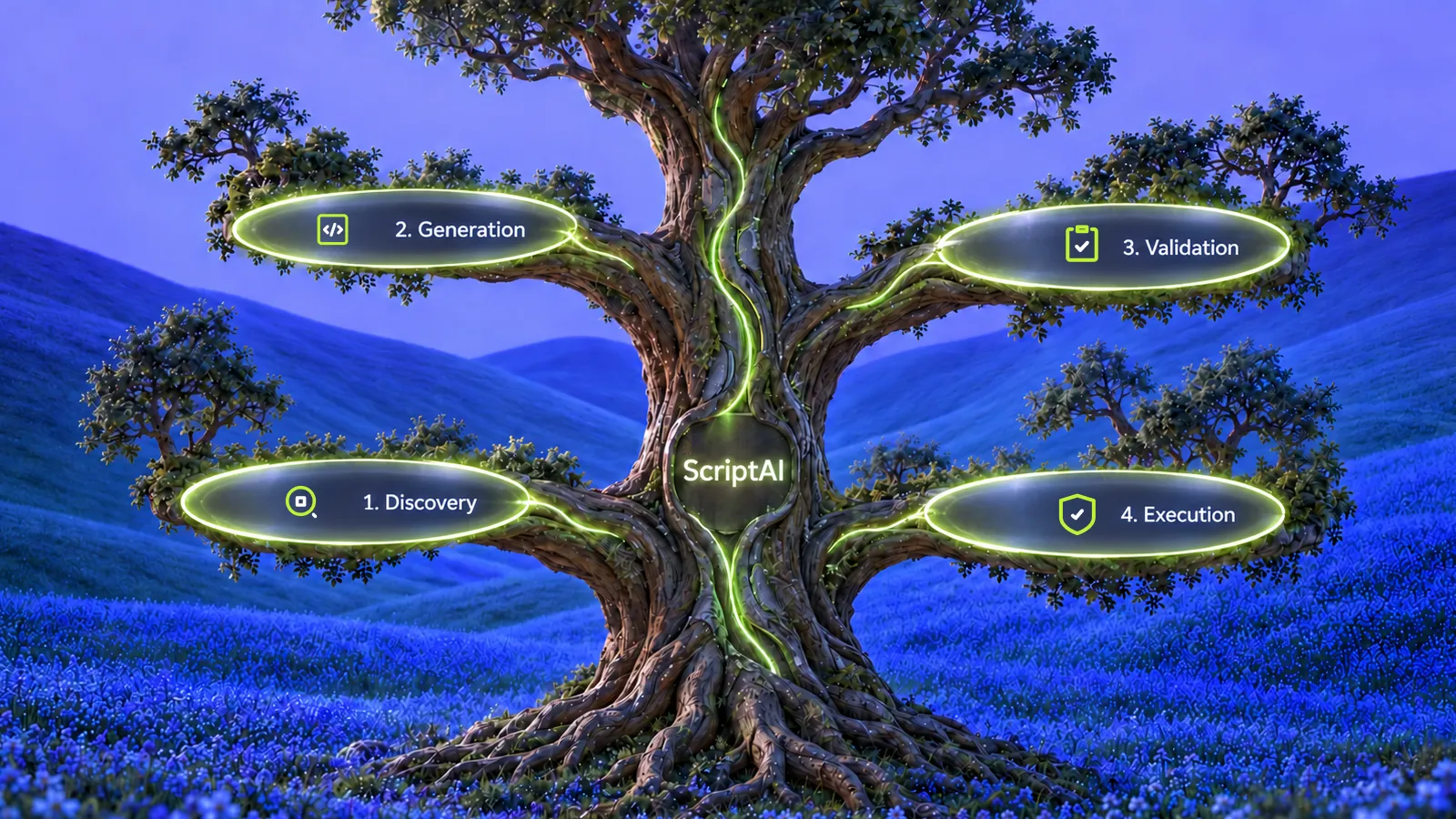
A vulnerability remediation tool should turn an approved policy into a completed action and leave evidence of the resulting state. For a buyer, the useful test is whether a finding marked closed can be traced to a verified fix, with temporary protection and unresolved exceptions reported separately.
That changes the demo. Instead of stopping when a deployment finishes, follow a representative finding through execution and validation. Agree on the expected result before the test starts. Then inspect what the platform recorded when the result matched, when it failed, and when the endpoint could not be checked.
What should a remediation tool prove?
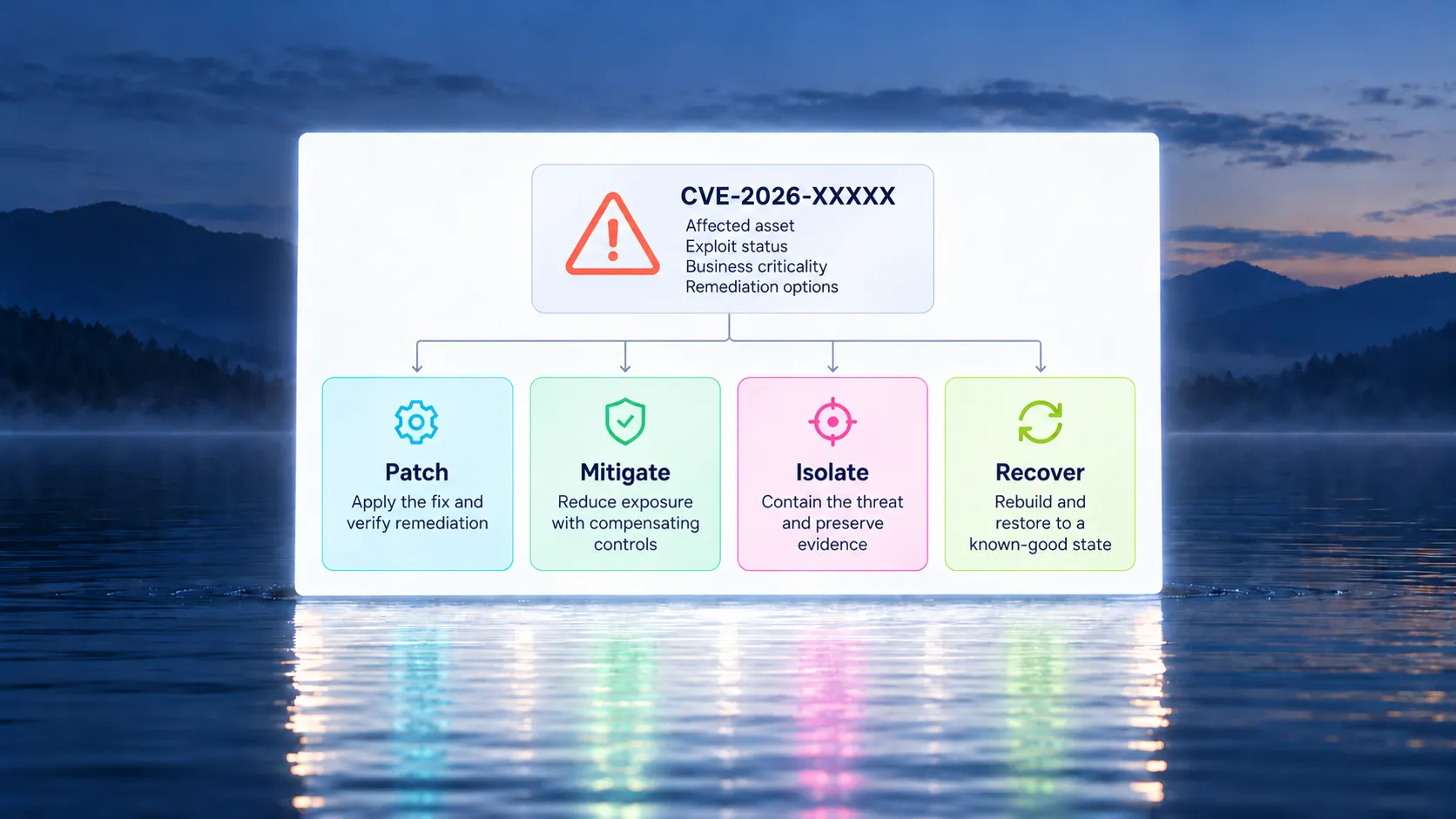
Ask for a connected record of the affected asset, the approved action, its execution and the observation that supports its final status. This is a practical purchasing method, not a universal certification standard. It builds on the patch-management lifecycle in NIST SP 800-40 Revision 4, which includes verifying installation as part of enterprise patch management.
The distinction matters when comparing products with different scopes. A discovery platform, an execution tool and a product that provides protective controls may each contribute useful evidence. A buyer needs to establish which part of the desired outcome the proposed solution will deliver in the intended environment.
Keep the test focused on the work your team wants to automate. A polished inventory demonstration cannot establish how a patch behaves on a disconnected laptop. A successful script run cannot, by itself, establish that the intended configuration now persists.
Set acceptance criteria before the demo
Choose a small, authorized sample that reflects the estate you plan to manage. Include a routine application update, a configuration change with a measurable end state, and an exception that requires a different response. Include an unavailable endpoint so the demonstration has to account for uncertainty.
For each sample, record the starting condition, permitted action, expected result and acceptable evidence. Let the platform execute routine work under the agreed policy. People should review the policy and exceptions, rather than recreate the same decision manually for every affected asset.
| Evaluation area | Evidence to request | Acceptance question |
|---|---|---|
| Patch deployment | Target version, action outcome and detected version after installation | Does the observed version meet the agreed target? |
| Script or configuration fix | Approved script, execution record and a check of the intended setting | Did the required state change, beyond the process returning success? |
| Temporary protection | Applicable scope, enabled control and documented protection objective | Is protection reported separately from removal of the vulnerability? |
| Unavailable asset | Last observation, attempted action and unresolved status | Can an unverified result remain visible for follow-up? |
| Policy execution | Target group, schedule and the resulting actions | Can the buyer connect the work to the policy that authorized it? |
These are recommended acceptance questions. They do not imply every product implements the same fields or workflow. Define the evidence you need in terms of the outcome, then ask the vendor to demonstrate how its documented capabilities produce it.
See how automated remediation works in vRx
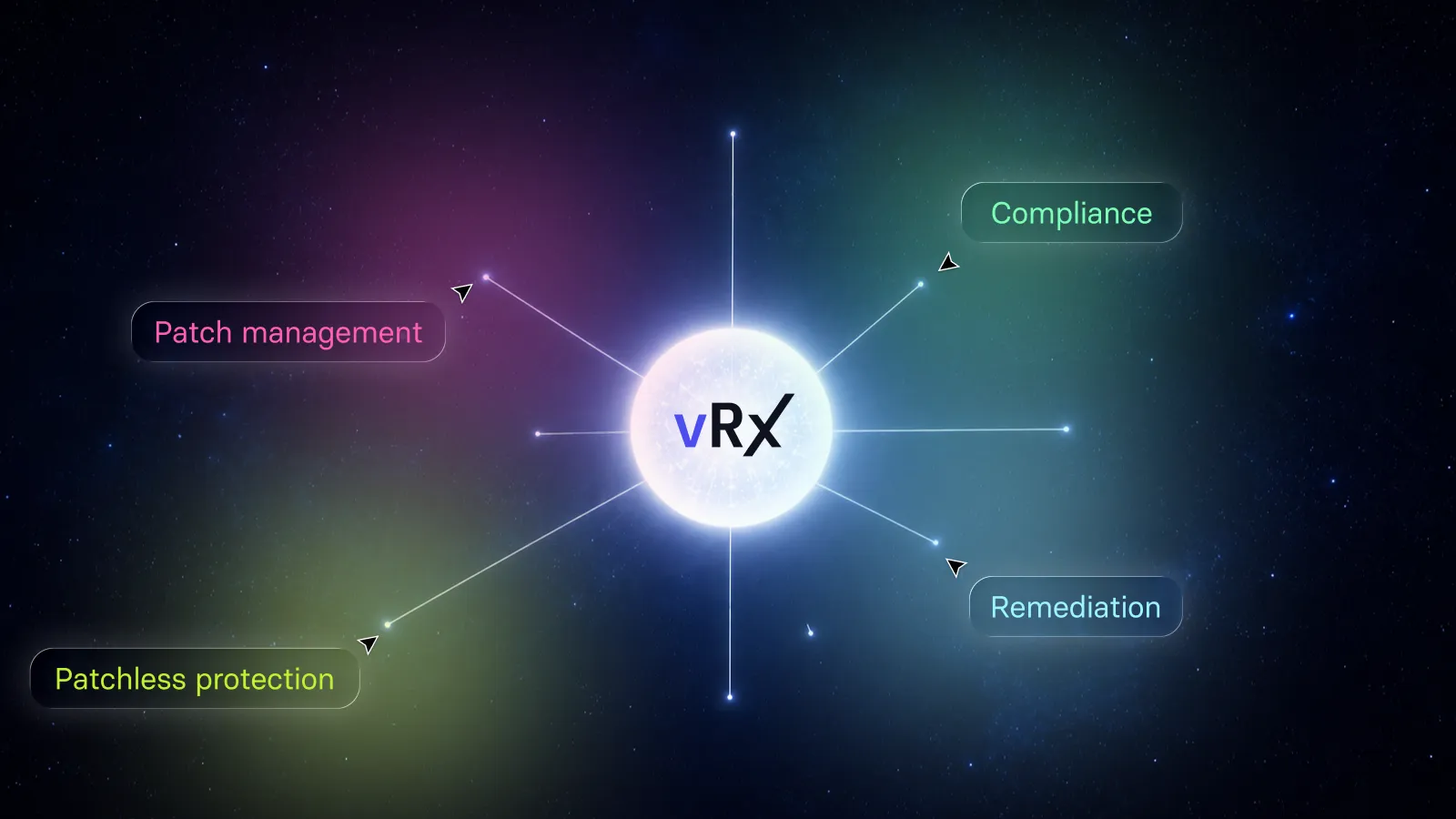
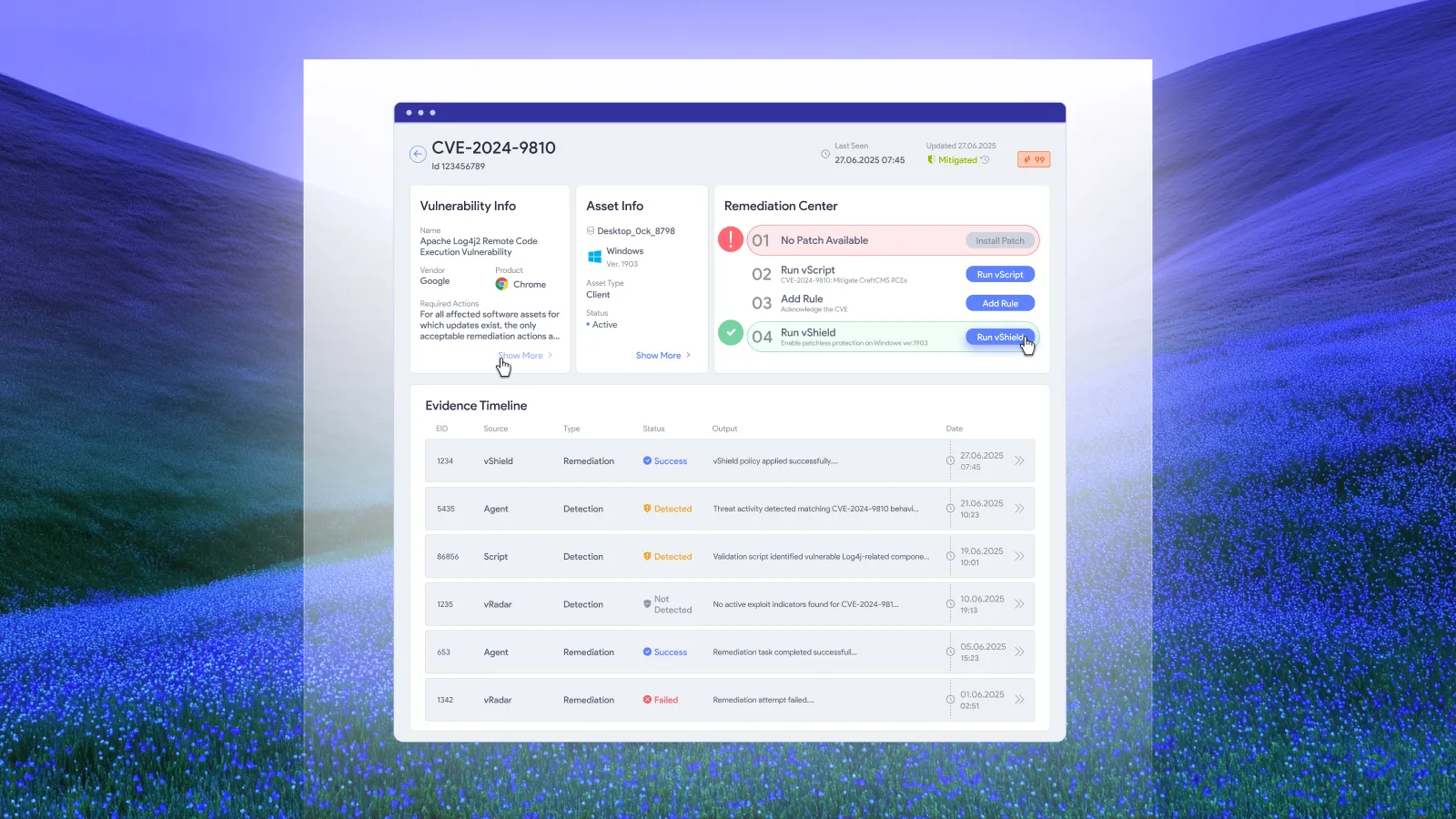
Vicarius describes vRx remediation through patching, scripting, compensating controls and patchless protection. Its vulnerability remediation documentation states that patch validation compares the detected software version after installation with the expected target version, marking success when they match.
That gives a buyer a concrete acceptance test: select an applicable update, observe deployment, and inspect the version comparison. The version comparison establishes whether the intended software version is present. Keep any separate application-health or service-restoration checks in the evaluation scope when the business requires them.
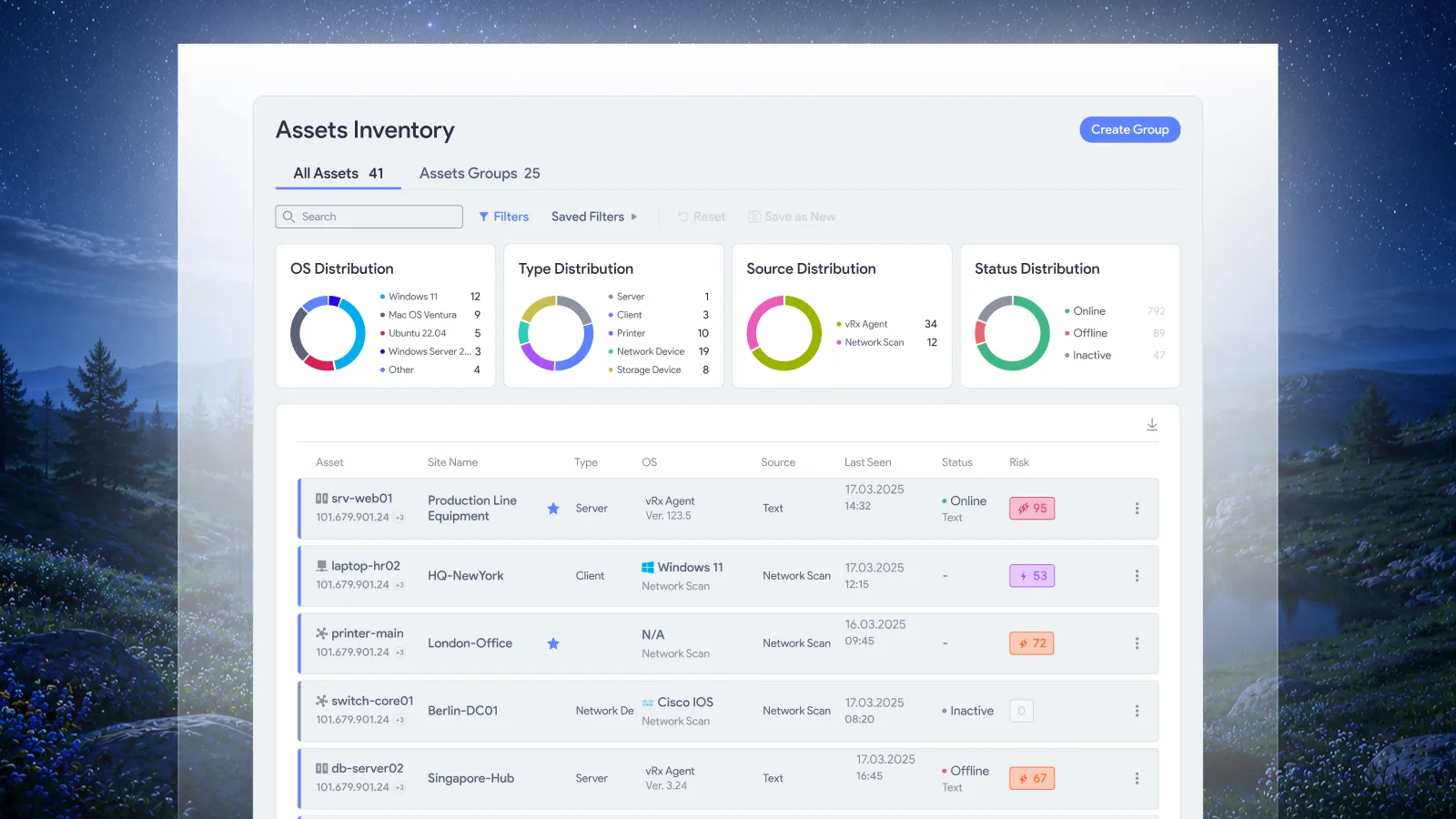
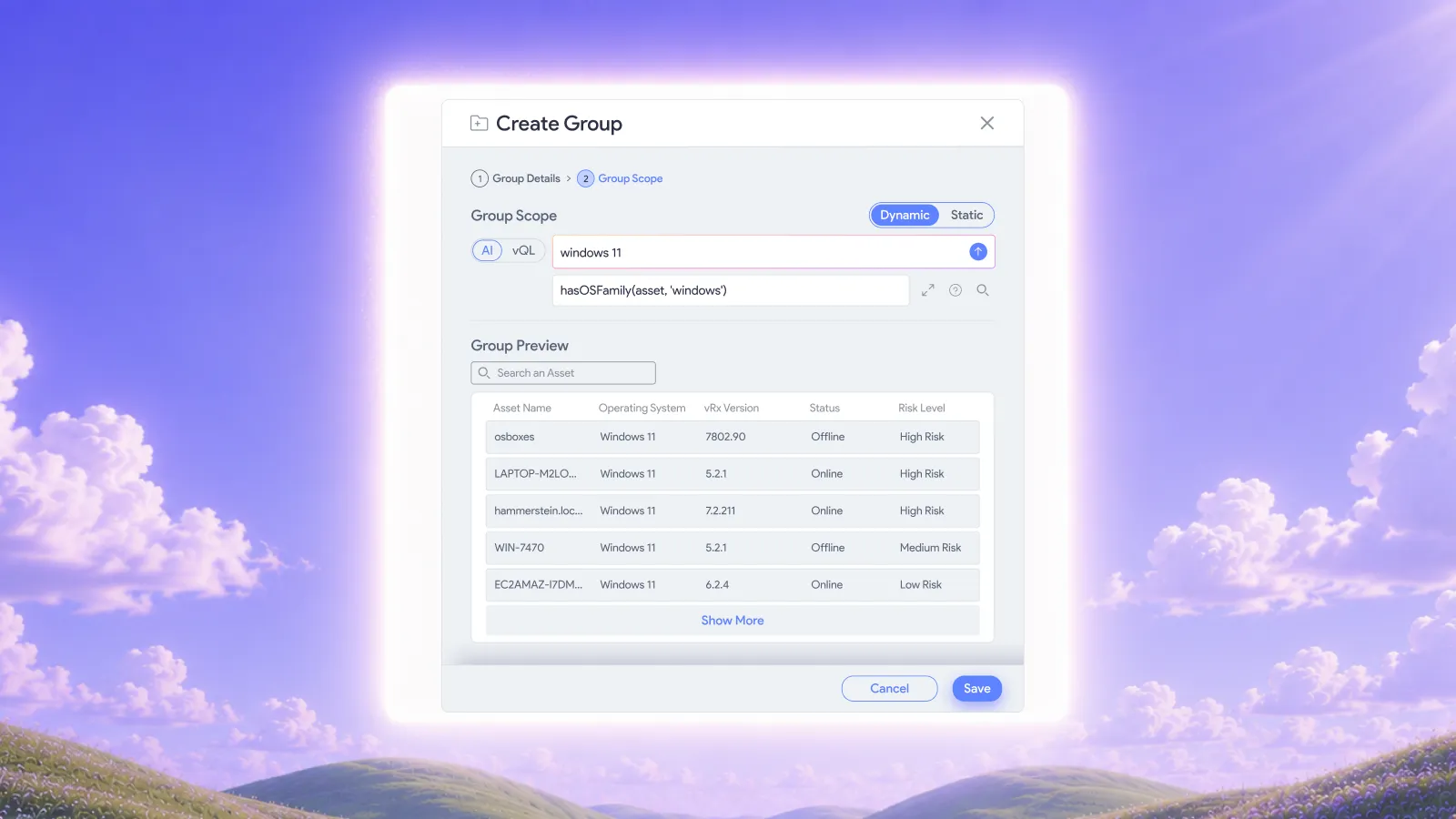
Vicarius patch management describes asset grouping. The remediation overview documents deployment on schedule or by policy rule. Evaluate these capabilities together by running policy-driven work across an agreed group. Define the group and deployment timing, then follow what happens to eligible assets and exceptions.
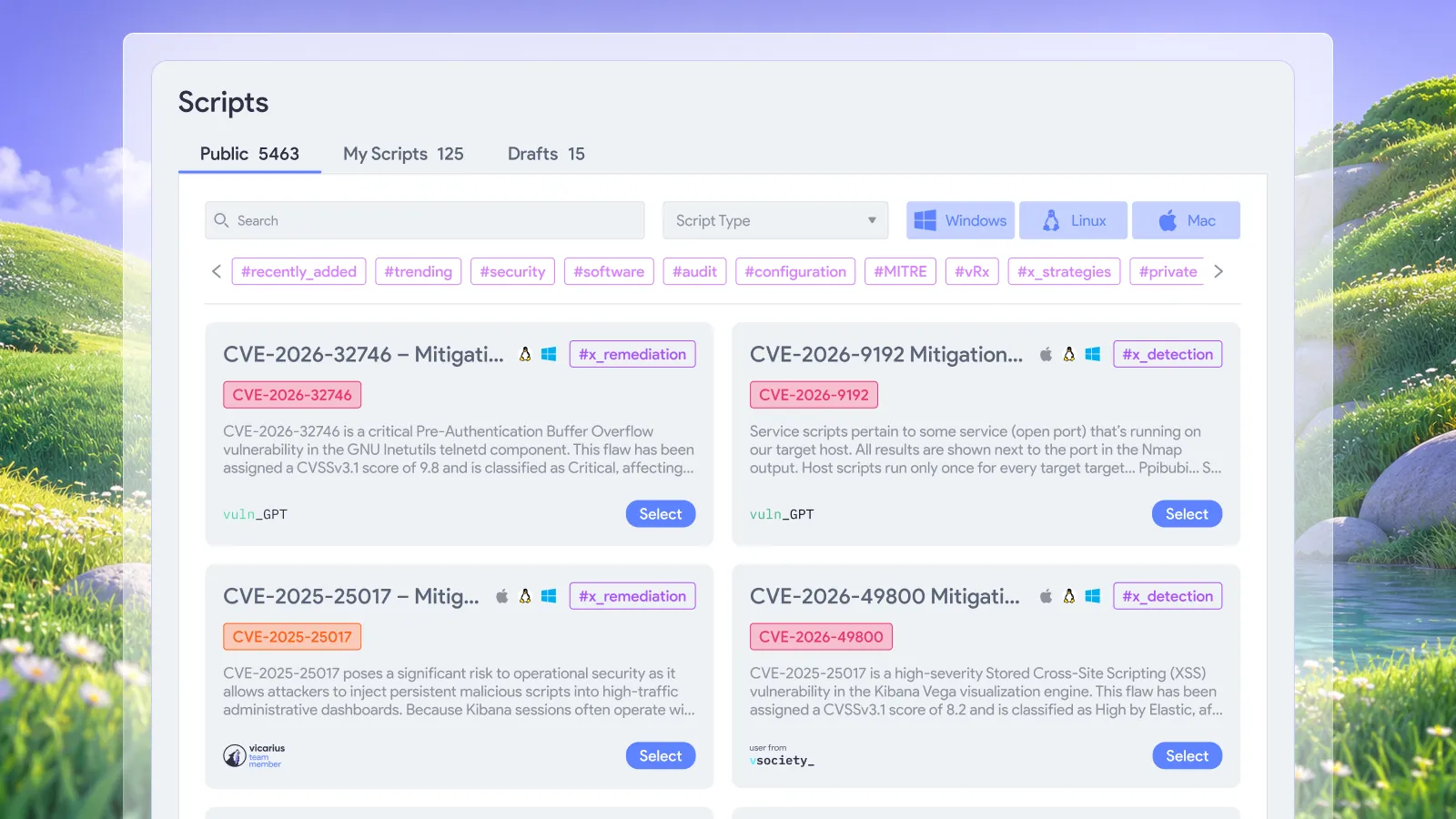
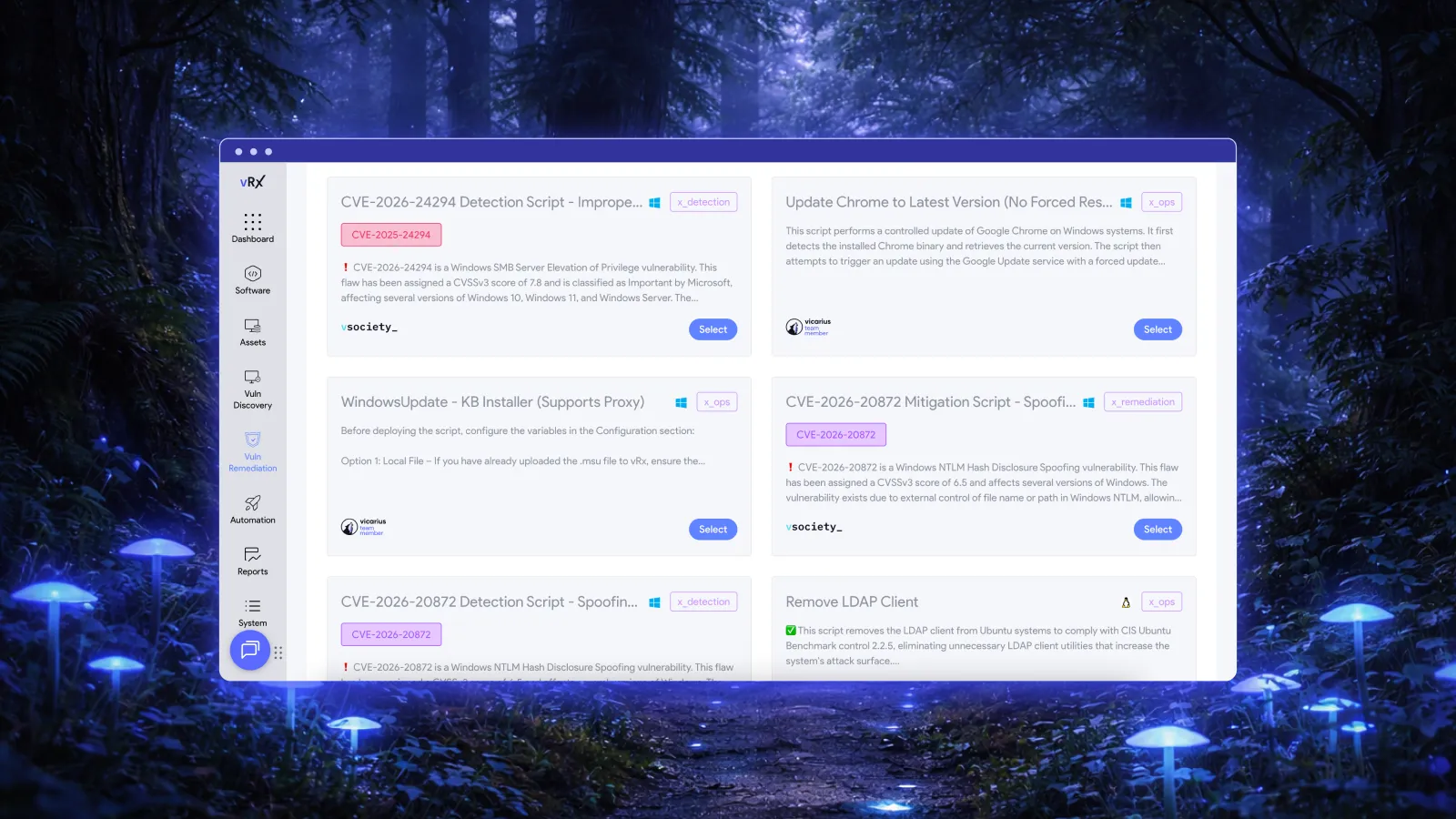
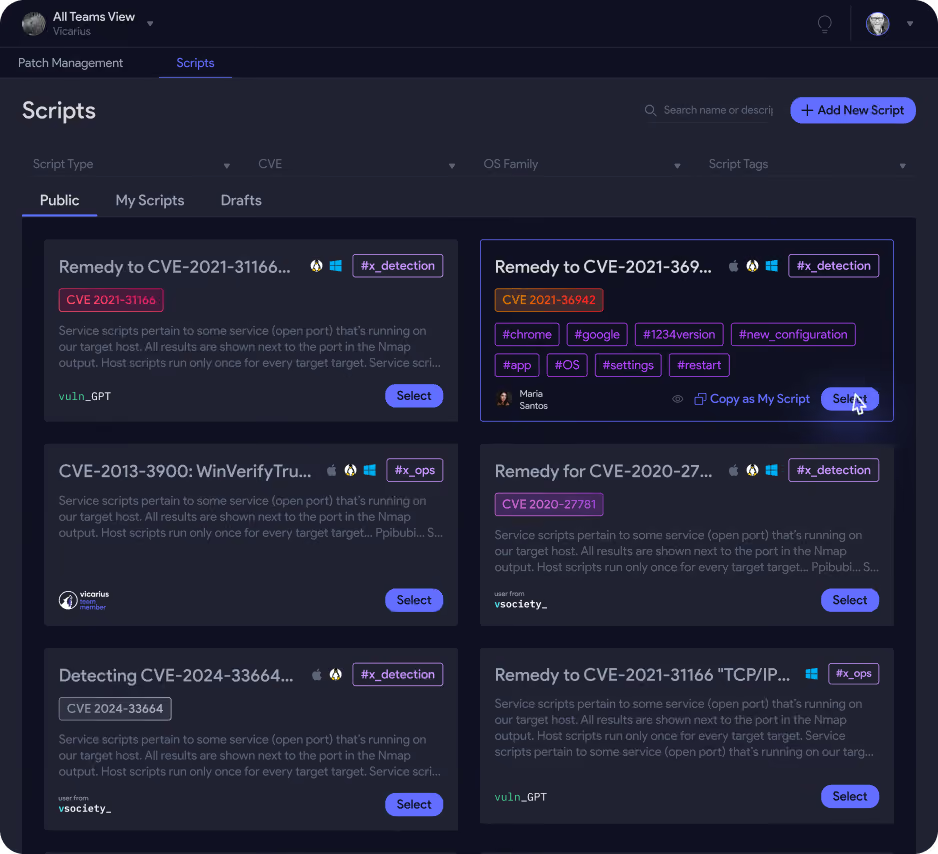
For script-based changes, Vicarius scripting supports custom, community and AI-assisted scripts and records execution details, including the affected assets and outcome. Use that record to establish what ran. Add a check of the intended configuration to your acceptance criteria, so an execution result and a verified state change remain distinct.
Give patchless protection its own success condition
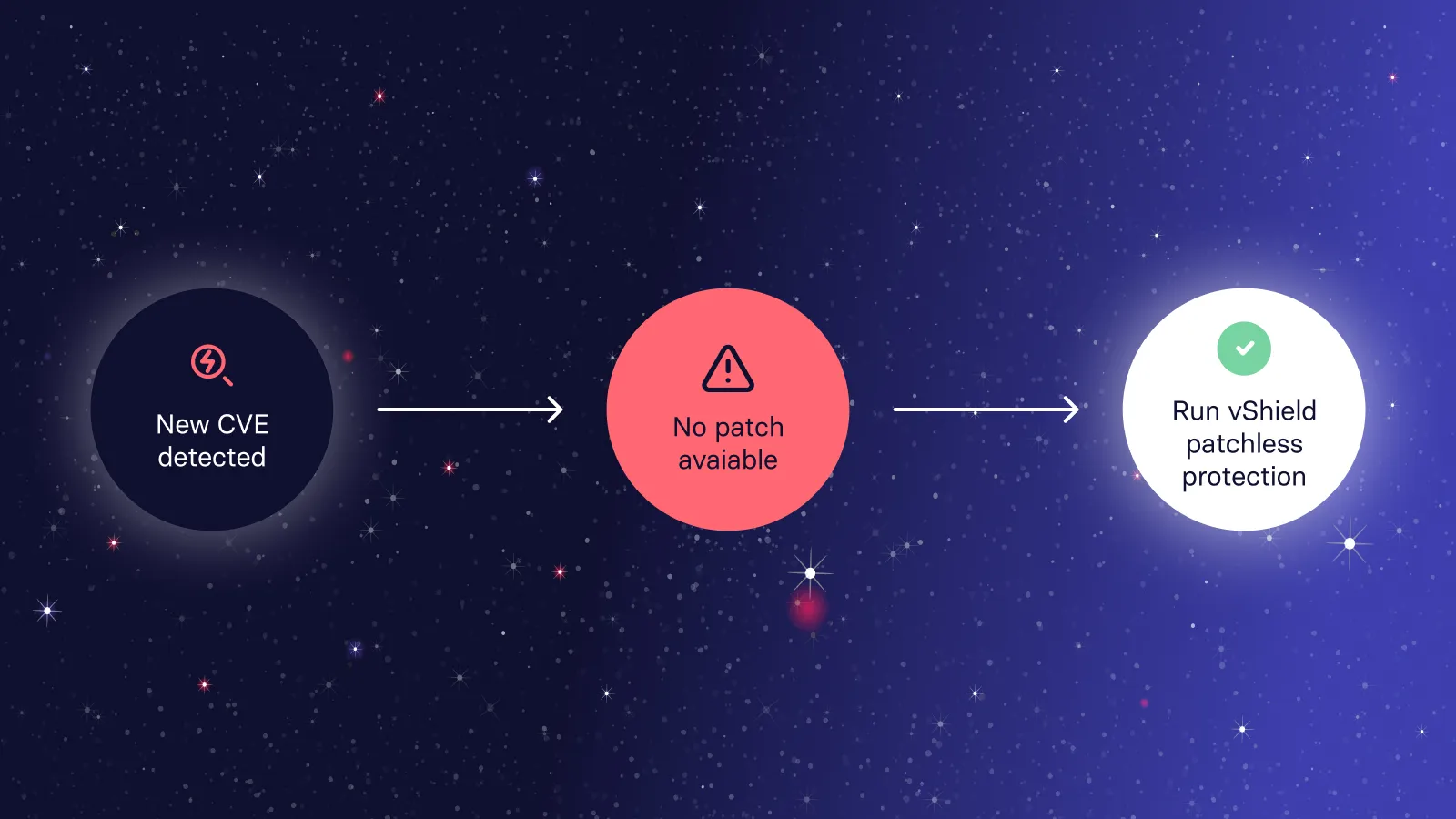
Some evaluations include systems that cannot receive a patch on the desired schedule. In that case, define the protective objective separately from the permanent fix. Ask what is protected, which conditions apply, and how the team will review the remaining exposure.
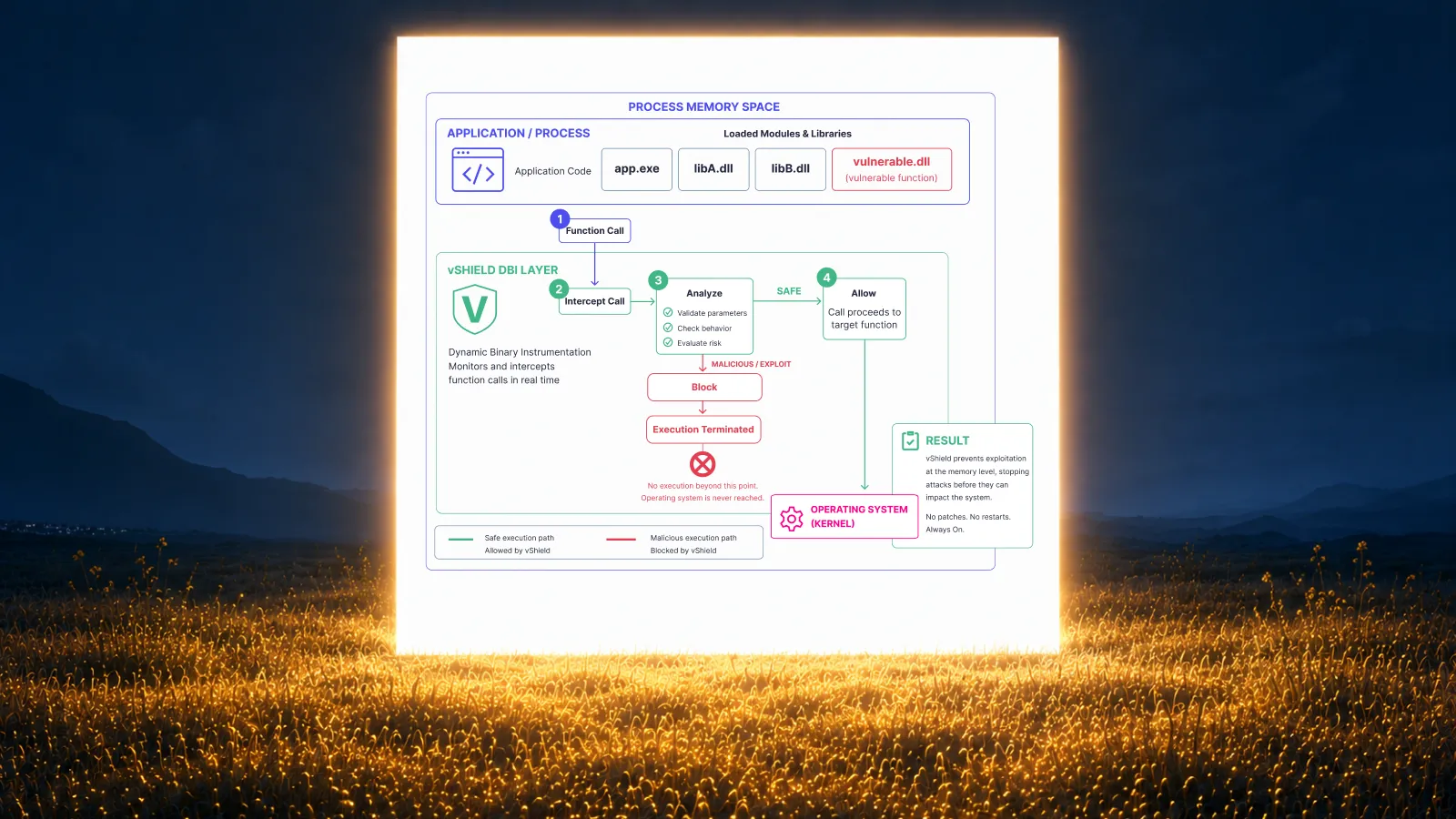
vShield Patchless Protection is Vicarius's approach to virtual patching through memory-level protection. Vicarius describes it as blocking exploitation paths without changing application code. Applicability must be established for the intended workload; a general product description is not evidence of coverage for a particular vulnerability.
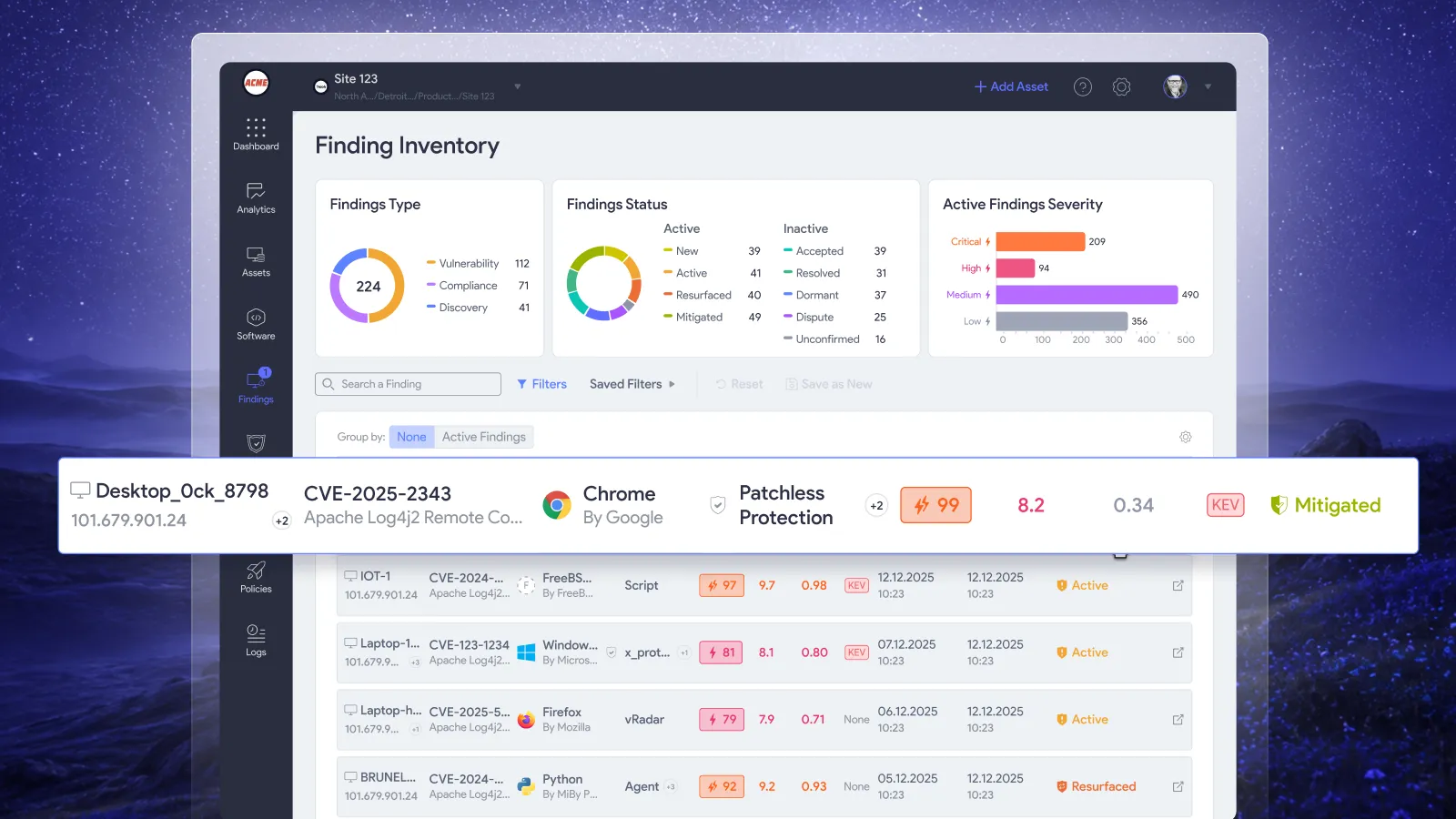
A protected finding can represent useful progress while the underlying vulnerable software remains installed. Preserve that distinction in the evaluation result. Otherwise, a dashboard can make a protective control look like a completed software update, and the buyer loses the information needed to plan the next action.
Test the exception before scoring the happy path
Use a controlled failure in an approved test environment. For example, make one test endpoint unavailable during the scheduled action. Observe whether the record distinguishes an attempted deployment from a verified result, and whether the endpoint remains in the work that needs attention.
Do not prescribe a retry mechanism before understanding the product's documented behavior. Ask the vendor to demonstrate what occurs and record it. The purchasing decision should reflect observed behavior in the agreed scope, including what an operator has to do next.
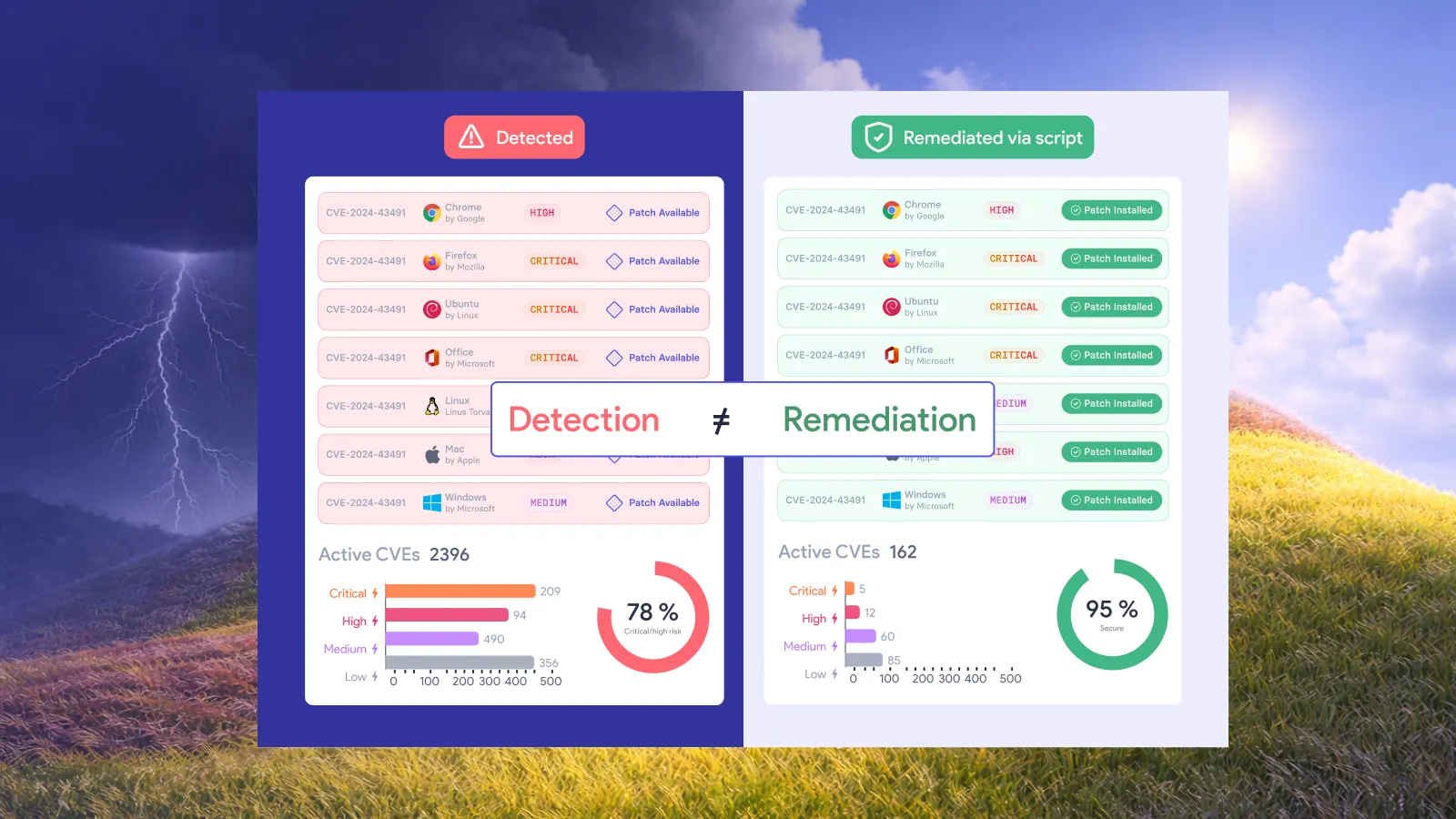
Here is a hypothetical comparison. Two demonstrations each process 20 eligible endpoints. In one, 18 endpoints reach the target version and two cannot be observed. In the other, 20 jobs report successful execution but no resulting version is inspected. Those are different evidence sets. The first supports 18 verified version outcomes; the second supports a statement about job execution.
This example is not a vendor benchmark. It shows why a single completion percentage needs a definition. Ask which numerator and denominator produced the number, how unavailable assets are handled, and whether a reopened finding changes the reported result.
Make the purchase decision reproducible
Keep a short acceptance record with the test scope, evidence inspected, observed result and unresolved questions. Separate required conditions from preferences. If a required condition is not demonstrated, leave it unresolved rather than compensating with points earned for unrelated features.
For each required scenario, assign one of three outcomes: demonstrated, demonstrated with an agreed constraint, or not established in the evaluation. Attach the evidence that supports the classification. A feature slide can explain intended behavior, but it should not substitute for the scoped demonstration you agreed to assess.
Retain both the successful and unsuccessful examples. They show how much routine work can proceed under policy and where an operator must intervene. This helps the security and IT teams agree on ownership before purchase, without turning the evaluation into a permanent manual approval queue.
The final comparison should also name its boundaries. A trial on one application and operating system supports a conclusion about that trial. It does not establish coverage across the entire estate. Expand testing where the unsupported assumption would materially change the buying decision.
Frequently asked questions
What is the most useful way to compare vulnerability remediation tools?
Compare their demonstrated outcomes against the same acceptance criteria. Use representative assets and ask for evidence connecting policy, execution and the resulting state. Keep unresolved questions visible instead of reducing the comparison to a feature count.
Does a successful deployment mean a vulnerability is fixed?
A successful deployment is execution evidence. Confirm the expected resulting state before claiming the fix is complete. For a software update, that can include checking the detected version against the intended target, as described in Vicarius's patch validation approach.
How should virtual patching appear in an evaluation?
Evaluate virtual patching against its applicable protection objective. Record it separately from a permanent software fix, retain the remaining vulnerability context, and agree on review conditions. Do not assume that broad protection messaging establishes coverage for a specific finding.
Should automated remediation remove human judgment?
The evaluation should show routine execution under agreed policies and clear handling of exceptions. People still define acceptable changes, review unresolved results and decide how business constraints affect the response. Avoid recreating those policy decisions for every routine finding.
Bring a real remediation scenario to the demo
Choose an application update or configuration change your team needs to automate, and define the evidence you would accept as completion. Request a Vicarius demo to evaluate the remediation workflow against that scenario.