

Evaluate virtual patching solutions by the exposure they can reduce in your environment, the work they can automate and the evidence they leave behind. A useful proof of concept should establish protection for an agreed application and exploit path, preserve normal application behavior, and show how protection fits into the ongoing remediation process.
That is the purchase decision: can the solution help your team act on vulnerabilities while a vendor patch is unavailable or cannot yet be deployed?
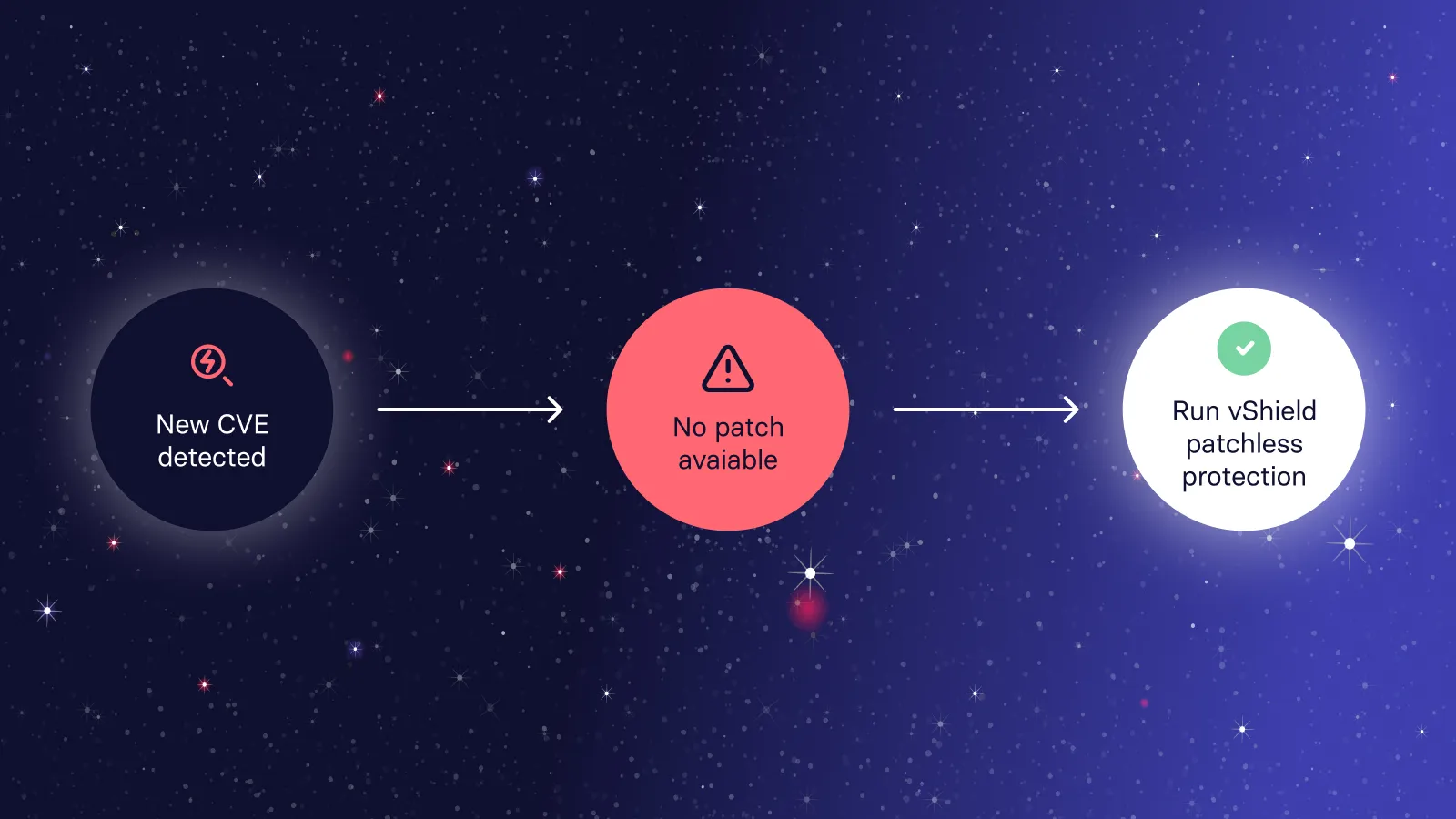
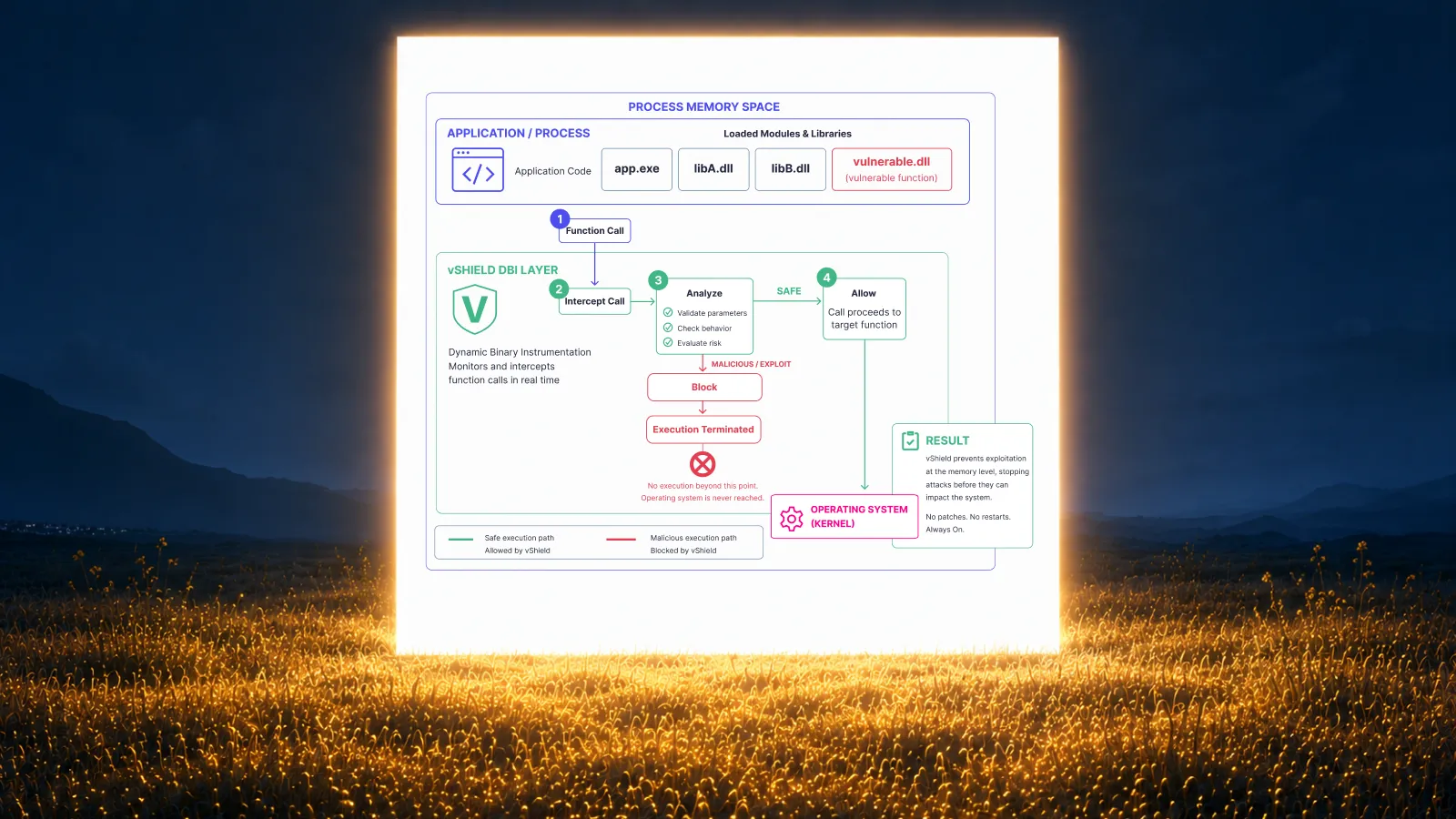
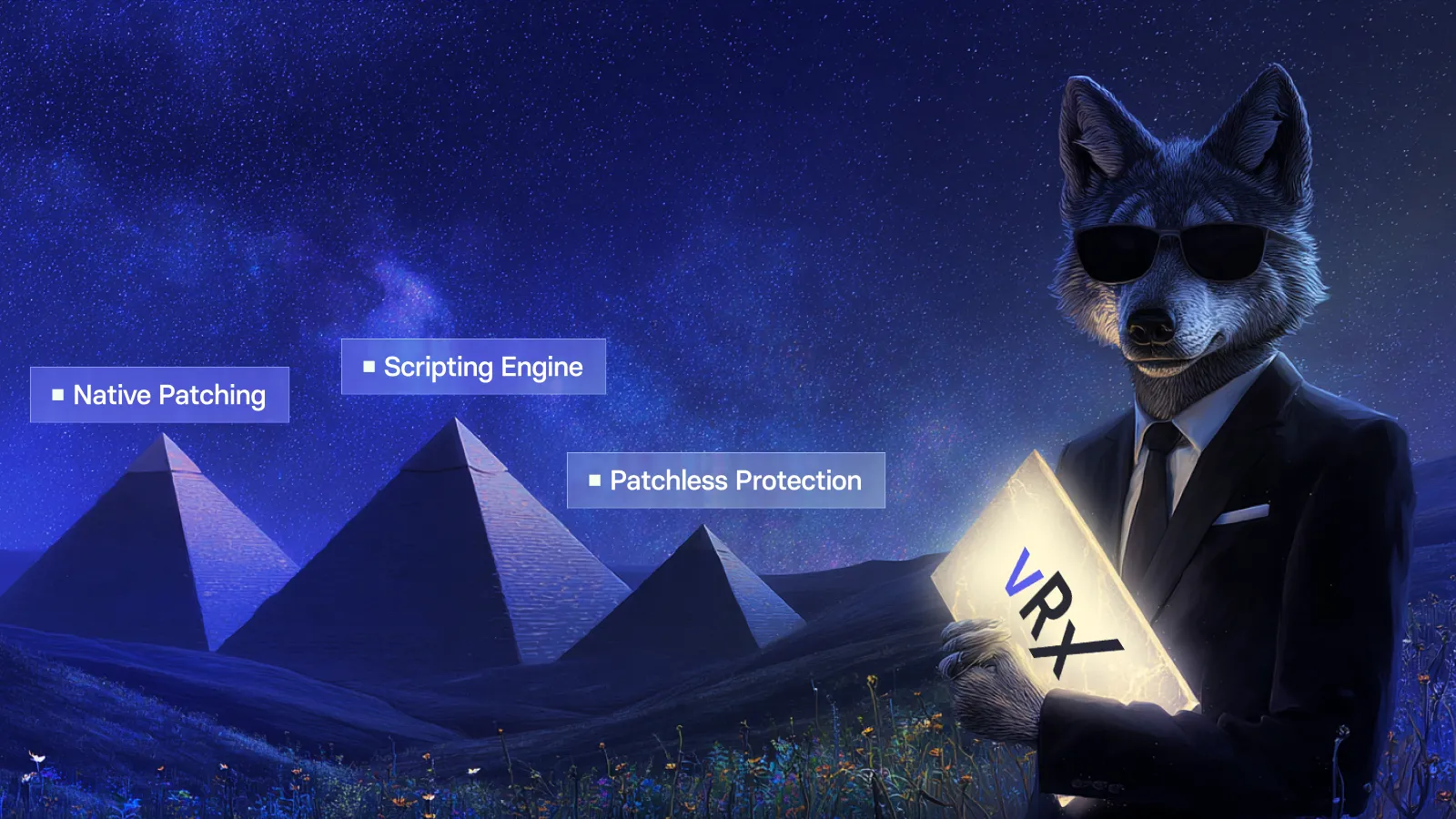
At Vicarius, vShield Patchless Protection is our approach to virtual patching. It protects at the memory level without modifying the application or requiring a reboot. Evaluate that mechanism against the applications your team needs to protect. Vicarius vShield documentation.
What should a virtual patching solution do?
A virtual patching solution applies a protective control without changing the vulnerable code. Its effectiveness depends on what the control can inspect or intercept and which exploitation paths it addresses. The underlying software vulnerability still requires a remediation decision. OWASP’s virtual patching guidance explains this distinction.
For buyers, that means “supports virtual patching” is the beginning of an evaluation. Ask the vendor to connect its protection to a specific workload, demonstrate the result and explain how routine operation will be managed after the trial.
After the demonstration, the team should be able to identify the protected workload and explain the evidence supporting that conclusion.
Start with a workload your team needs to protect
Choose a representative application with a real remediation constraint. It might be waiting for compatibility testing, a maintenance window or a vendor fix. Record the reason for the delay so the evaluation stays connected to the problem you intend to solve.
Before the demonstration, agree on the application version, operating environment, affected vulnerability or attack scenario, and business operation that must continue working. Have the application owner define that operation. “The process is running” may be insufficient when the service is supposed to complete a transaction or generate a report.
Ask the vendor to explain applicability for that exact combination. A broad product category or a successful test on a different application should not settle your purchasing decision.
Keep the initial scope small enough to investigate unexpected results. Once the first workload meets the acceptance criteria, expand to a second representative configuration. This makes differences visible before they become deployment assumptions.
Understand where protection takes effect
Virtual patching describes an outcome that can be delivered through different mechanisms. OWASP includes web application firewalls, intrusion prevention systems and application filters among its examples. Vicarius describes vShield as protection within application memory. OWASP; The science behind Patchless Protection.
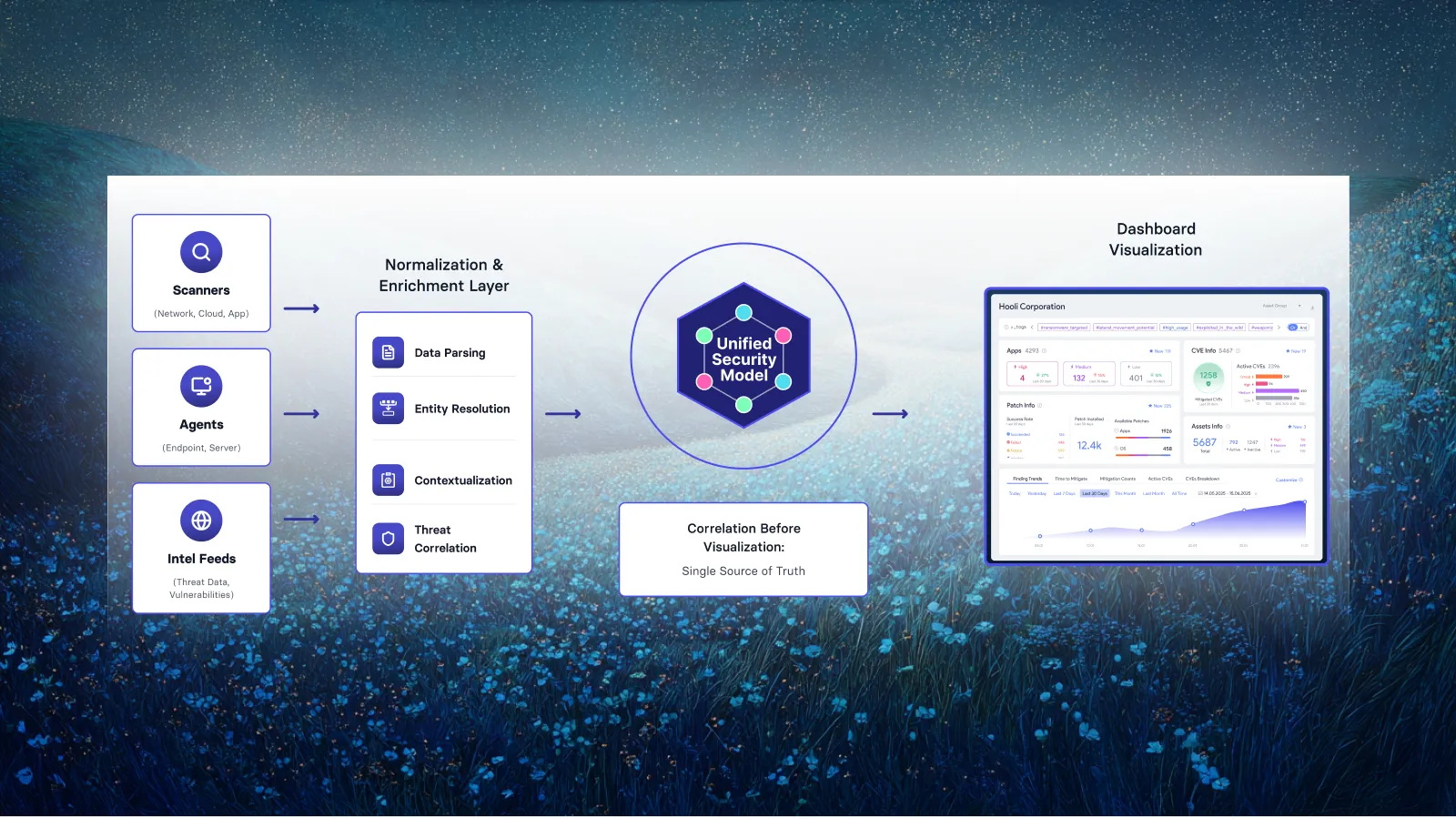
The evaluation question is where the control must operate to address your chosen exposure. Ask for a simple diagram showing the workload, the relevant attack path and the enforcement point. Then compare that diagram with your actual deployment.
Keep this discussion specific. If the demonstration depends on a particular traffic route, process, configuration or operating mode, record that dependency. Limit the purchase acceptance record to the environment and protection scope you tested.
Test the automation you will use after the trial
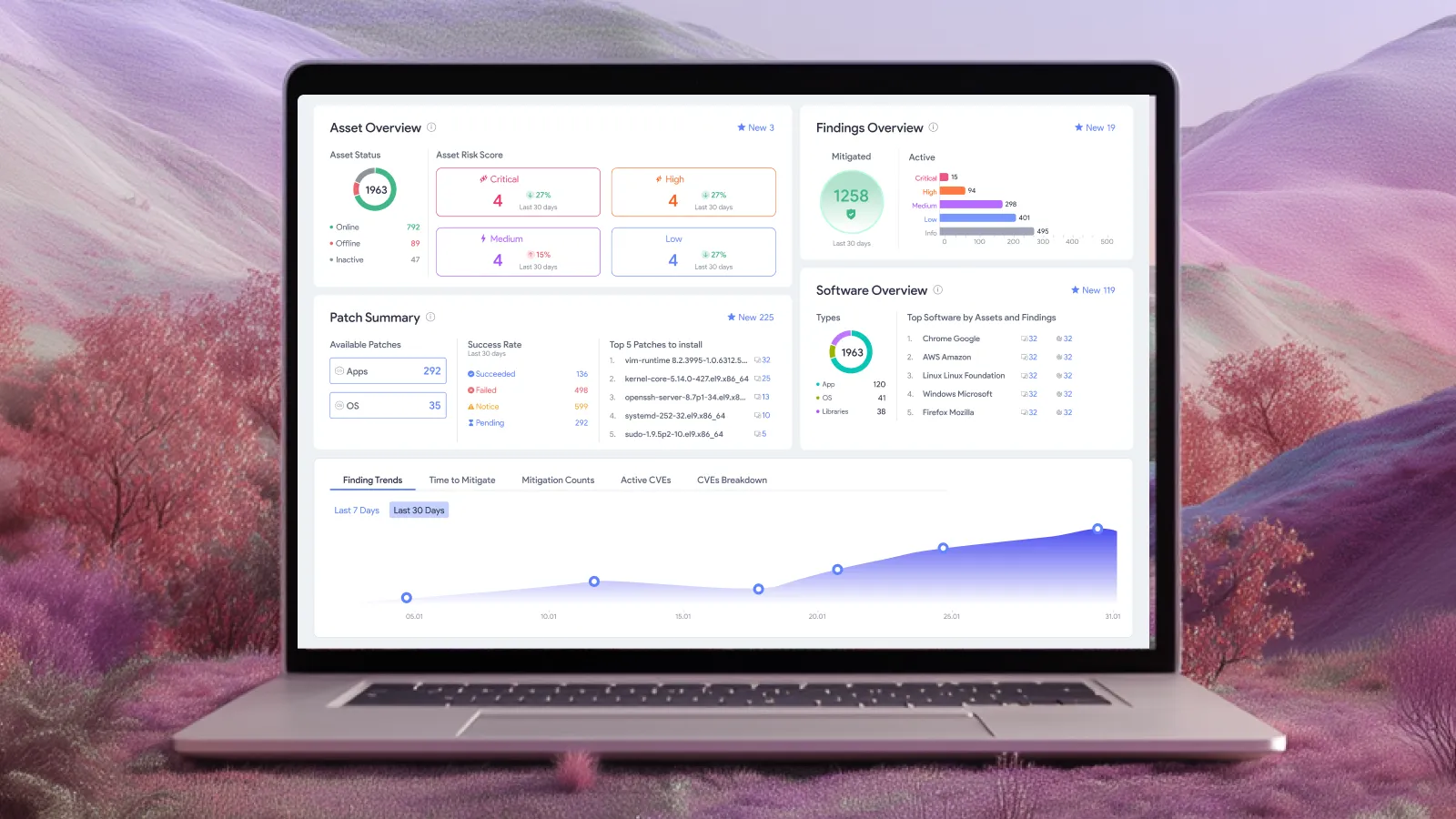
The proof of concept should show how the solution reduces recurring remediation work. Ask the vendor to demonstrate the supported policy controls, how protection is applied to the intended scope, and what happens when the environment changes.
Separate setup from recurring operation. An engineer may spend time establishing the initial policy and validating the workload. Your team should then see which routine actions the platform performs automatically and which conditions require an operator’s decision.
Use questions tied to daily work:
• How does the team establish and change the protected scope?
• Which supported actions run automatically, and what initiates them?
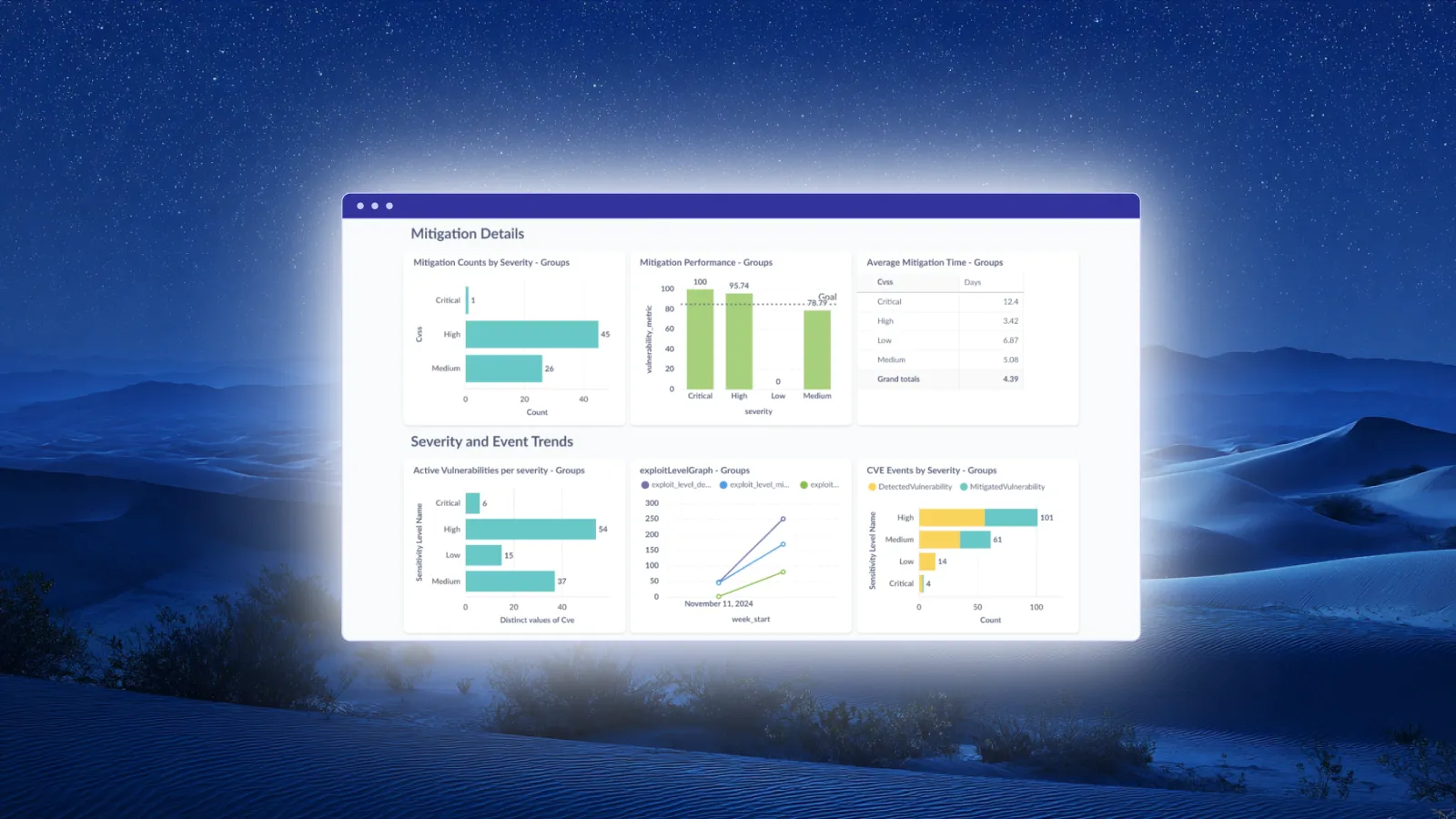
• How can an operator tell that an intended action has completed?
• What evidence is available when a workload needs attention?
• Who can change the policy, and how is that change reviewed?
Ask for a normal operating demonstration as well as the successful protection test. A purchasing team needs to understand the workload it will inherit after the vendor’s specialist leaves.
The goal is to establish policies once, automate supported recurring actions and direct people toward exceptions. Avoid turning the evaluation worksheet into a permanent requirement to approve every routine action by hand.
Agree on evidence before watching the demonstration
Define the acceptance criteria with the vendor and the application owner before testing. The following scorecard is our recommended buyer-evaluation method. It organizes the evidence needed for a purchase decision; it is not a product certification or a claim that every solution implements the same controls.
Record each item as demonstrated, partially demonstrated or not tested. Attach the evidence and state the configuration it applies to. An untested item is an open evaluation question, not a successful result.
Do not average away a failed requirement that matters to the purchase. If protection for the chosen workload or its normal operation has not been established, an attractive dashboard should not compensate for it.
Measure protection and application health together
Use an authorized, isolated test environment and an agreed test procedure. Establish what result is expected before protection, then repeat the agreed test with the control active. Retain enough context to explain why the results differ.
A failed test request alone can be ambiguous: the application could be unavailable, the test could be invalid, or another control could have intervened. Ask the vendor to show the evidence connecting the result to the protection being evaluated. OWASP recommends testing virtual patches and following up on their effectiveness. OWASP testing guidance.
Run the application owner’s business transaction during the same evaluation. Agree on acceptable performance and behavior using that workload’s requirements. A universal overhead percentage would tell you less than a result measured against the service you need to keep operating.
For example, in a hypothetical trial of an internal reporting application, the team could evaluate an agreed protection scenario while checking that scheduled reports still finish correctly. The acceptance record would include the tested configuration, protection evidence and report outcome. It would make no claim about untested applications or attack paths.
Evaluate protection as part of the remediation pipeline
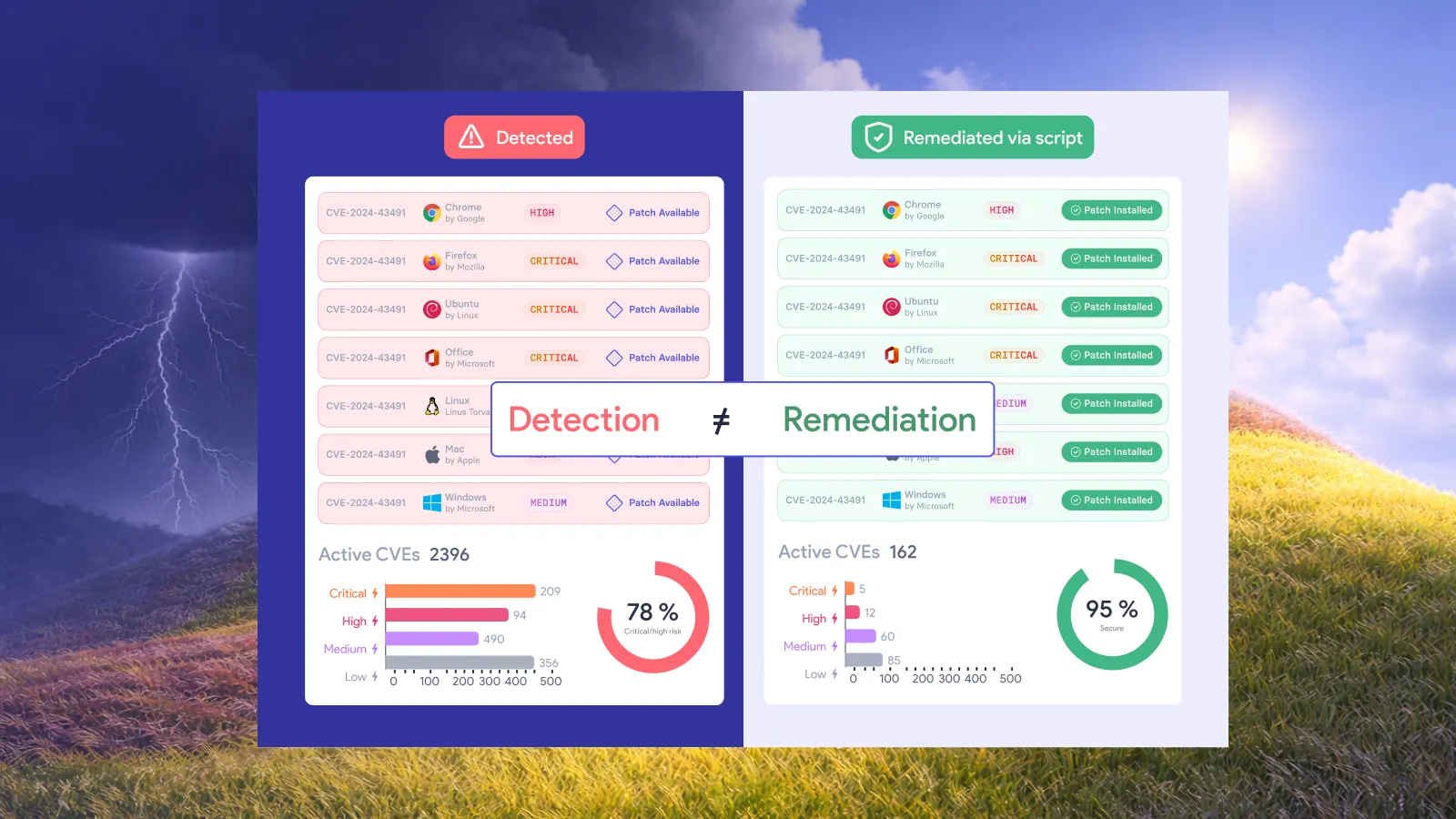
A delayed patch should still have a route to resolution. During the trial, ask how the team will move from active protection to a vendor fix when an applicable update becomes ready. Establish what evidence will confirm that transition and who owns any remaining exception.
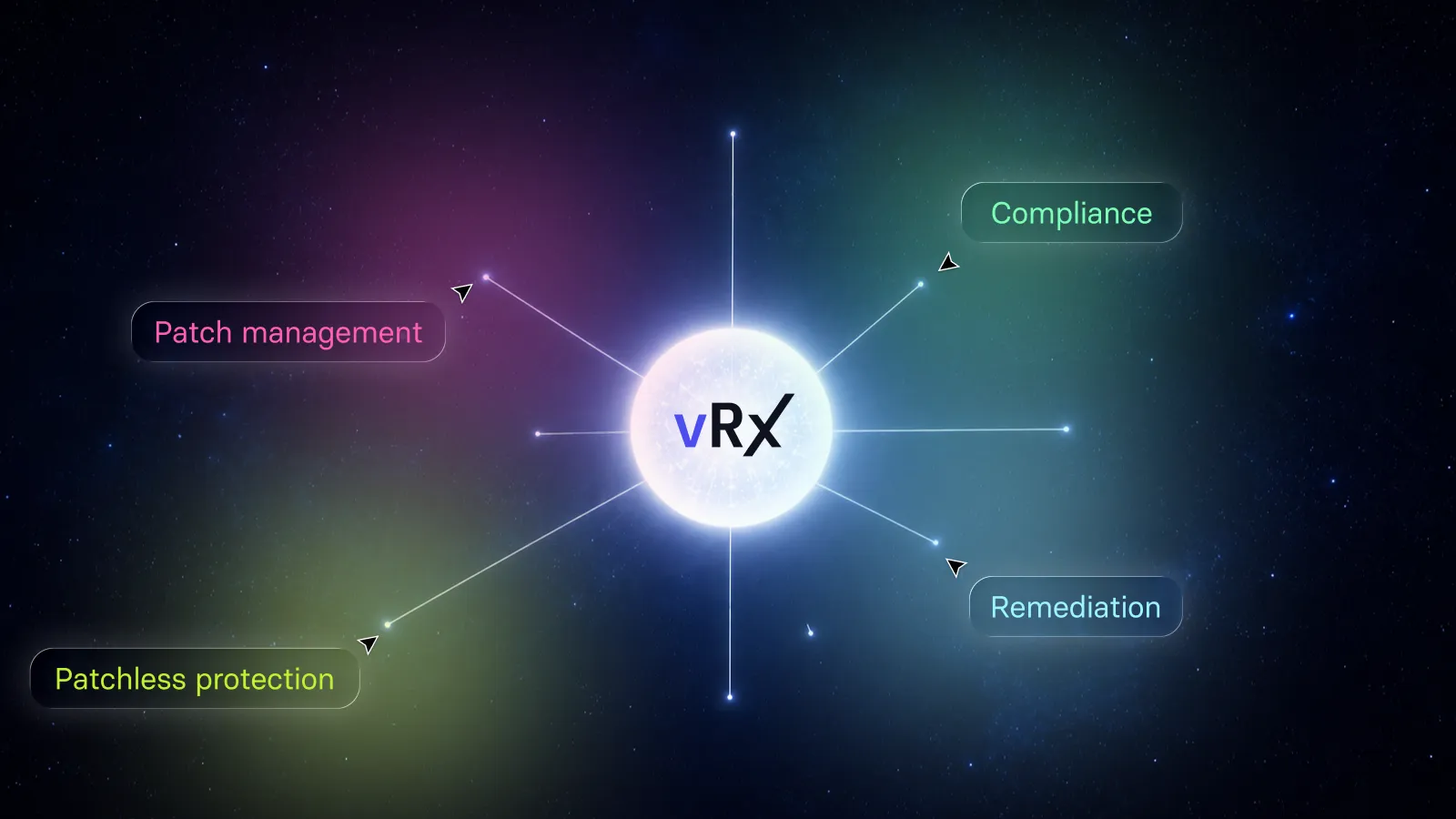
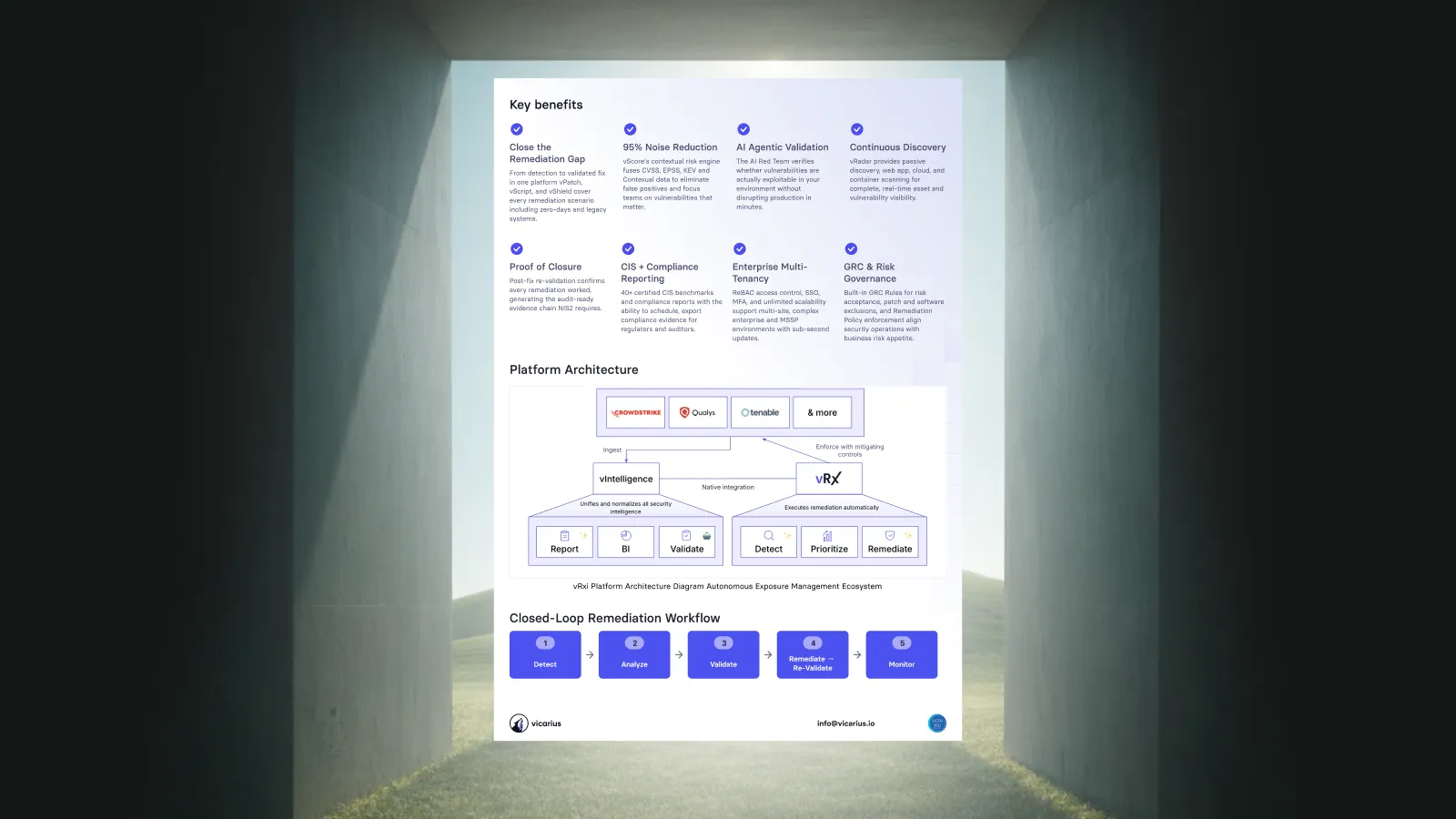
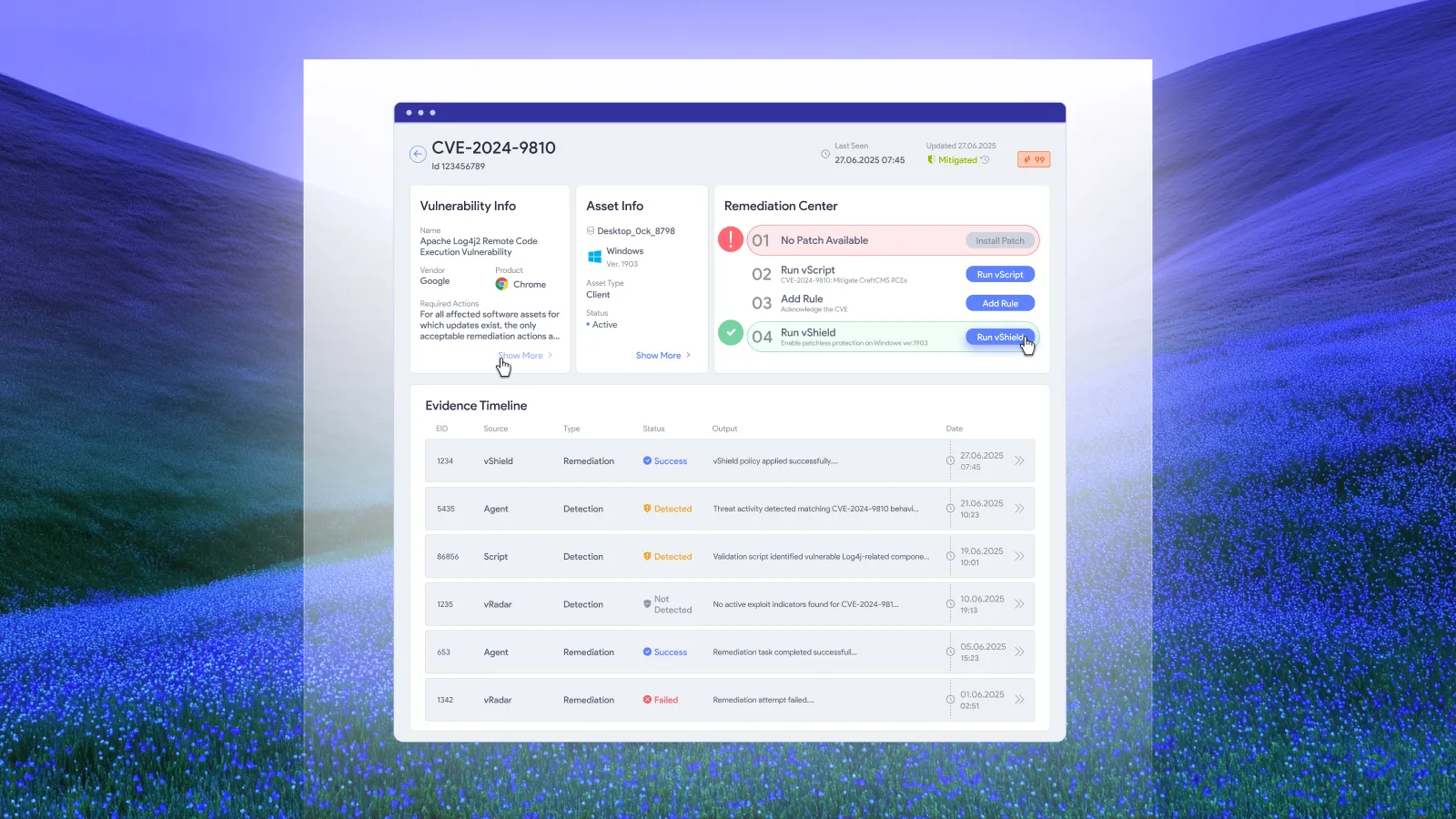
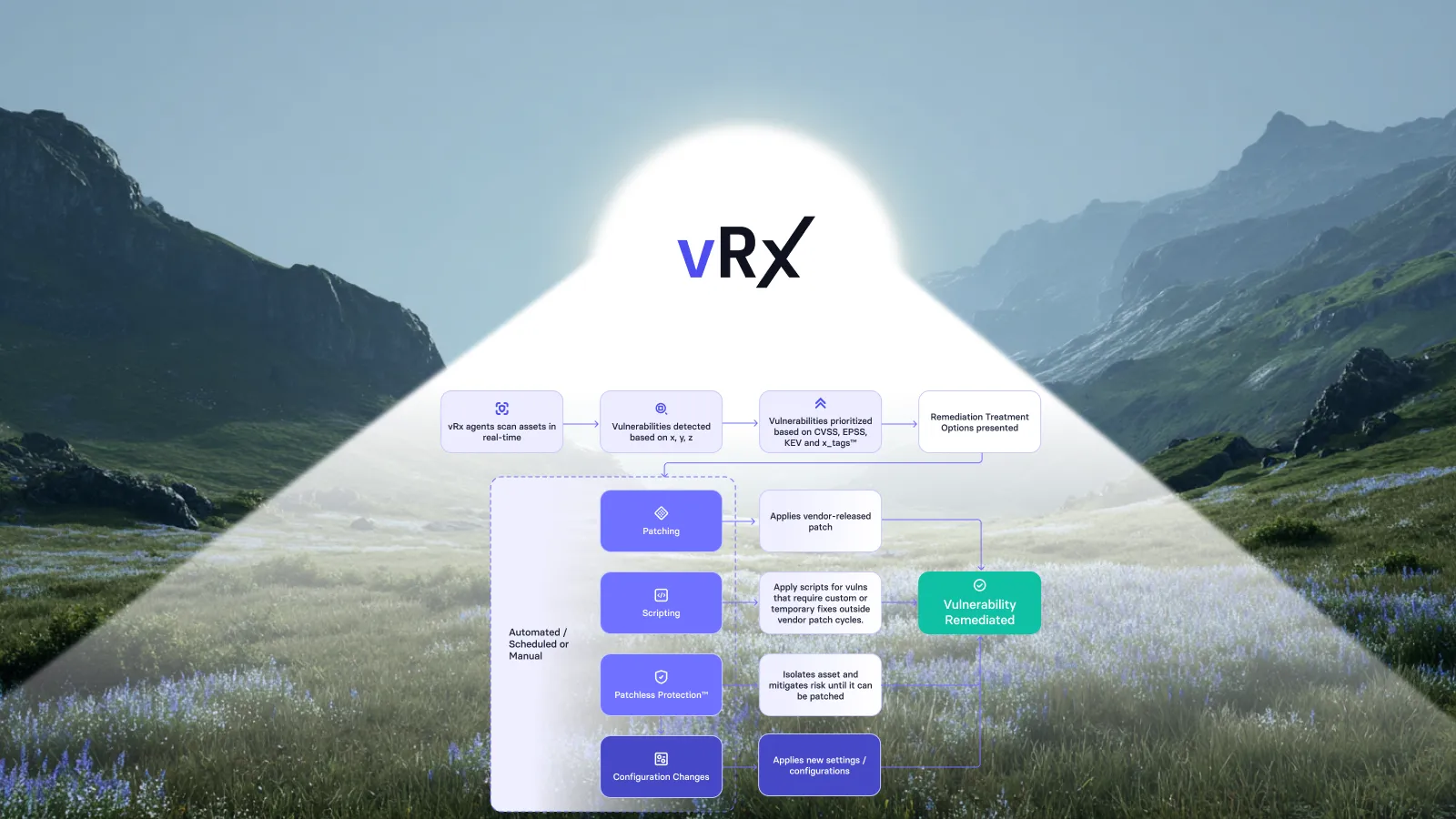
Vicarius connects these stages through vShield and vRx patch management. Its technical explanation describes automatically disabling protection for the specific CVE on patched assets after a validated vendor patch is deployed through vRx’s automated patching engine. vRx also provides patch scheduling and deployment capabilities. Patchless Protection technical explanation; Vicarius patch management.
Make that lifecycle part of the evaluation conversation. Ask to see the relevant behavior for the agreed workload and retain the evidence. The commercial value is a repeatable route from exposure to protection and remediation, with fewer recurring actions left to administrators.
For the broader decision about which route to use, see virtual patching or a vendor patch. Here, the buying question is whether the solution can support that route in the environment you tested.
Turn the trial into a defensible buying decision
Close the proof of concept with a short acceptance record. List the workloads tested, evidence against each requirement, routine actions demonstrated, and unresolved questions. Assign an owner and next step to every unresolved item.
Include the work your team will need to perform after purchase: initial setup, policy maintenance, application-owner involvement and exception review. Use observations from the trial when estimating that effort. Avoid converting a polished demonstration into an unsupported claim about labor savings across your entire estate.
For an initial rollout, approve the scope supported by the evidence. Expand it as additional workloads meet the agreed criteria. This gives the remediation team an operating basis for automation and gives the buyer a clear explanation of what the investment is expected to deliver.
Frequently asked questions
Is Patchless Protection the same as virtual patching?
For Vicarius, vShield Patchless Protection is its approach to virtual patching. It operates at the application memory level. The broader virtual patching category also includes other enforcement mechanisms, so buyers should compare how each solution addresses the workload they need to protect. Vicarius technical explanation.
How do I protect systems when there is no patch available yet?
Evaluate a protective control that applies to the affected application and exposure, establish that it works, and retain a review condition for the unresolved vulnerability. Vicarius vShield provides memory-level Patchless Protection; an evaluation should confirm applicability to the workload under consideration. vShield.
Does virtual patching remove the underlying vulnerability?
No. Virtual patching provides protection without correcting the vulnerable code. Continue to evaluate the applicable vendor fix and keep the dependency on protection visible until the underlying issue is addressed. OWASP definition.
What should a virtual patching proof of concept demonstrate?
Our recommended evaluation covers workload applicability, protective action, normal application operation, recurring automation, operational visibility and continuity into remediation. Agree on the evidence before testing and keep untested requirements visible in the purchase decision.
How should we compare virtual patching solutions?
Compare solutions against the same workload and acceptance criteria. Assess their enforcement mechanism, demonstrated protection, operational behavior, supported automation and ongoing administrative effort. Use the evidence from that evaluation to decide which solution fits the intended deployment.
Evaluate Patchless Protection with your remediation workload
Bring an application your team cannot patch promptly and the requirements it must keep meeting. Use the evaluation to discuss vShield’s protection, supported automation and the path to a permanent fix.