Continuous threat exposure management (CTEM) is a repeating program for finding, ranking, testing, and fixing the exposures an attacker could use against your business. Gartner's CTEM research describes it as a five-stage cycle: scoping, discovery, prioritization, validation, and mobilization (Gartner). It's an operating model rather than a product category: a way to decide which exposures matter now and to make sure someone fixes them.
Many CTEM guides spend their words on the first four stages and give mobilization a paragraph. That's backwards. A program that discovers and ranks exposures but can't close them produces better reports and the same risk. This guide covers all five stages, then spends most of its time on getting exposures fixed and proving they stayed fixed.
Key takeaways
• CTEM replaces "scan everything, patch by severity" with a cycle scoped to business risk and measured by exposures closed.
• Known, unfixed vulnerabilities cause incidents: in Vicarius's 2026 survey of 300 US and UK IT and security leaders, 79% had a security incident in the past 12 months involving a vulnerability already in their inventory.
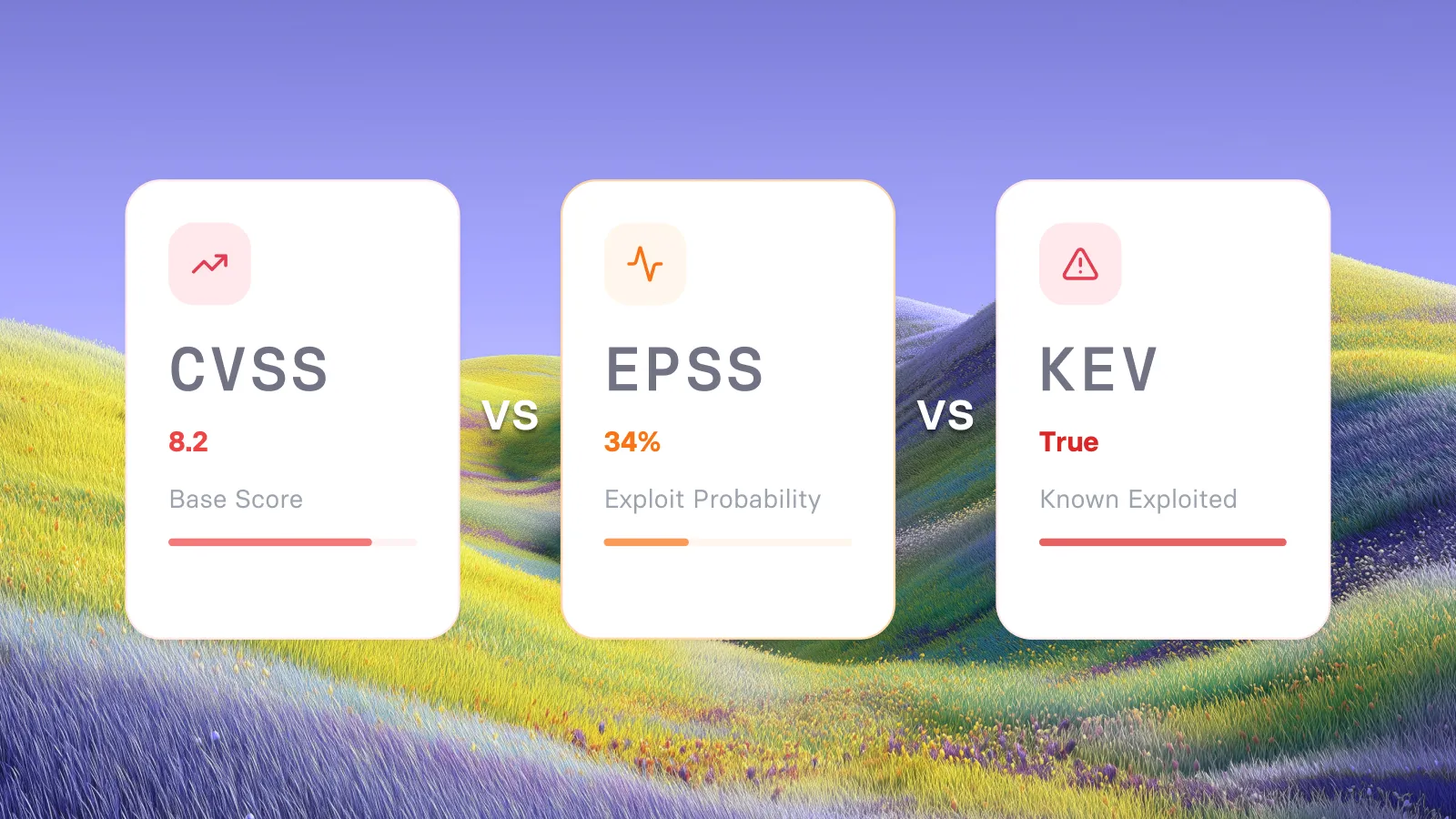
• CVSS measures severity, not risk. Combine it with exploitation evidence (CISA KEV), exploit likelihood (EPSS), and asset context.
• US federal policy now works the same way: CISA's BOD 26-04 ties remediation timelines to asset exposure, KEV status, exploit automation, and technical impact.
• Mobilization needs three explicit choices for every validated exposure: patch, mitigate, or accept with an expiry date.
• Measure closure and time to remediate validated exposures, not the number of findings.
What is continuous threat exposure management?
An exposure is any condition an attacker can use to reach something you care about: an unpatched CVE, a misconfiguration, an exposed service, excessive permissions, or an end-of-life application with no vendor fix. CTEM is the discipline of managing those exposures as a continuous loop instead of a quarterly scan-and-report exercise.
The loop has five stages:
| Stage | Question it answers | Typical output |
|---|---|---|
| 1. Scoping | Which business services and attack surfaces matter this cycle? | A written scope tied to business-critical assets |
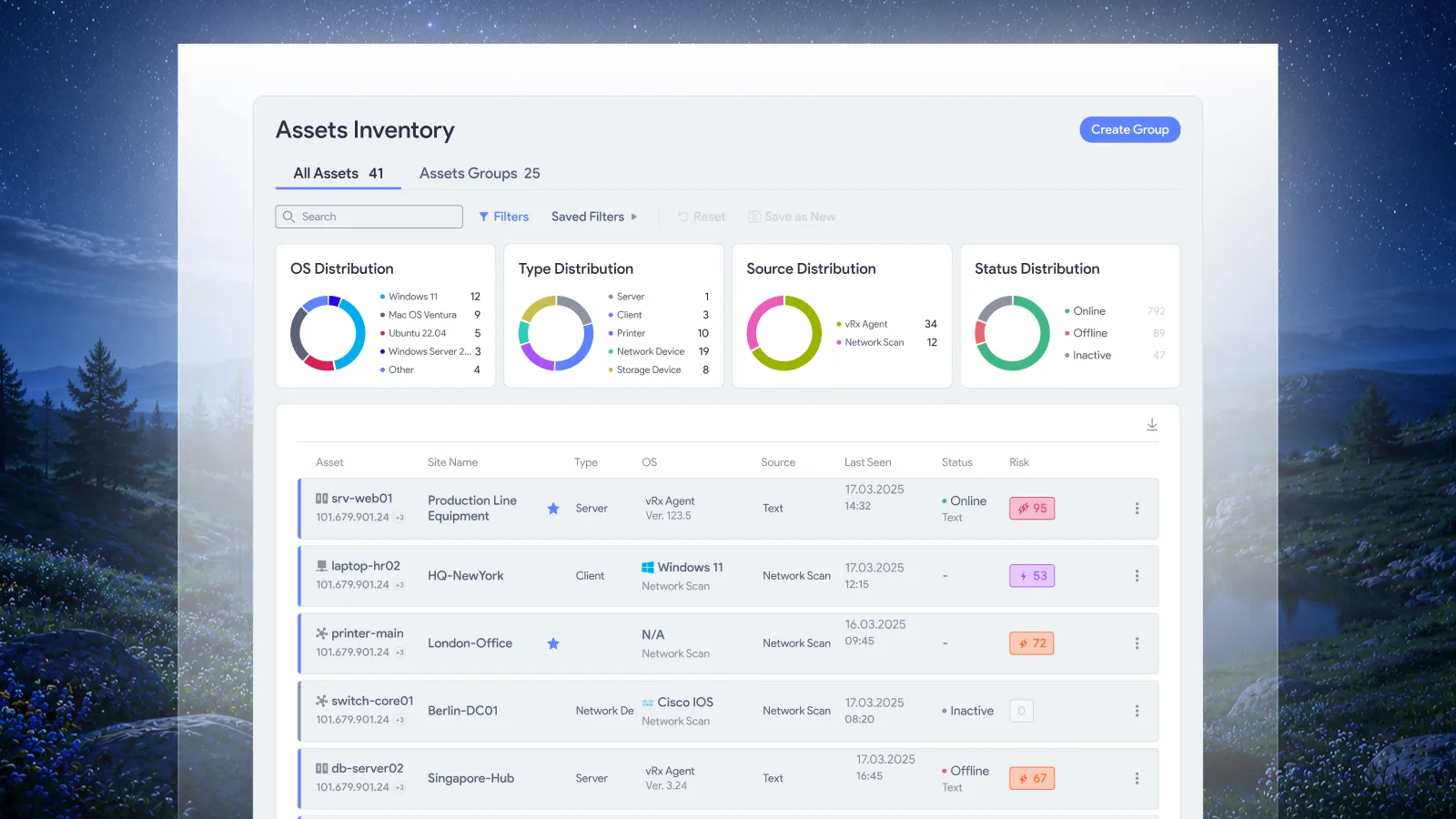
| 2. Discovery | What exposures exist inside that scope? | Asset inventory and exposure list, including non-CVE issues |
| 3. Prioritization | Which exposures are most likely to be used, and what would they hit? | A ranked list using exploit evidence and asset context |
| 4. Validation | Can an attacker exploit this here, and would our controls stop it? | Confirmed, downgraded, or dismissed findings |
| 5. Mobilization | Who fixes what, by when, and how? | Assigned remediation with deadlines, exceptions, and verification |
Scoping is what makes CTEM manageable. You do not run all five stages across the entire estate at once. You pick a slice, such as internet-facing services or the systems behind a revenue-critical application, complete the loop, and expand.
CTEM vs. vulnerability management: what changes
Traditional vulnerability management is usually scanner-driven and severity-ranked. CTEM keeps the scanner but changes what happens around it.
| Traditional vulnerability management | CTEM | |
|---|---|---|
| Starting point | Everything the scanner can reach | A scope tied to business risk |
| What counts as a finding | Mostly CVEs | CVEs plus misconfigurations, exposed services, identity and control gaps |
| Ranking input | CVSS severity | Exploitation evidence, exploit likelihood, asset criticality, reachability |
| Validation | Rare or manual | A standard stage before work is assigned |
| Success metric | Findings closed or scan coverage | Validated exposures closed within agreed deadlines |
| Ownership | Security finds, IT fixes, with handoffs in between | Shared, with remediation owners named in the program |
The point of the change is focus. A severity score can't tell you which findings attackers are using right now, so a severity-ranked backlog spends remediation time on issues that may never be exploited in your environment.
Finding isn't the weak point; fixing is. In Vicarius's 2026 State of Vulnerability Remediation survey, 79% of respondents had an incident in the past 12 months involving a vulnerability already in their inventory, and 51% of all respondents said that vulnerability had been known for 30 to 90 days before the incident (Vicarius, [Exposed and unfixed: the 2026 state of vulnerability remediation|https://www.vicarius.io/report-2026-state-of-remediation], n=300 US and UK IT and security managers, directors and VPs at 500 to 1,999-employee companies, July 2026 - surveyed April 2026). For a lighter take on how the two disciplines overlap, see vulnerability management and CTEM: a situationship.
Prioritization that reflects real attacks
Prioritization is where CTEM programs either focus effort or drown in it. Four inputs carry most of the weight.
CVSS for severity. FIRST, which maintains CVSS, is explicit that base scores "are designed to measure the severity of a vulnerability and should not be used alone to assess risk" (FIRST CVSS v4.0 User Guide). Use CVSS to understand impact if exploited, not likelihood.
CISA KEV for confirmed exploitation. The Known Exploited Vulnerabilities catalog is CISA's "authoritative source of vulnerabilities that have been exploited in the wild," and CISA says organizations "should use the KEV catalog as an input to their vulnerability management prioritization framework" (CISA). The catalog listed 1,790 vulnerabilities in its November 20, 2026 release (CISA KEV data). A KEV match on a reachable, important asset belongs at the top of the queue.
EPSS for exploit likelihood. The Exploit Prediction Scoring System "estimates the probability that a published CVE will be exploited in the wild in the next 30 days" (FIRST EPSS). FIRST also cautions that the score "should be read as a probability and used as a prioritization input, not as a pass/fail threshold" (FIRST). EPSS is most useful for sorting the large middle of your backlog that is not on KEV. For practical cutoffs, see our guide to EPSS score thresholds.
Asset context for impact. The same CVE means different things on an internet-facing server and on an isolated test machine. Asset criticality, exposure to the internet, and the data or service behind the asset decide how urgent a likely exploit is.
US federal policy has moved the same way. On June 10, 2026, CISA issued Binding Operational Directive 26-04, which superseded both BOD 22-01 (the KEV directive) and BOD 19-02 (remediation deadlines for internet-accessible systems). It sets remediation timelines for federal civilian agencies based on asset exposure, KEV status, exploit automation, and technical impact, an approach CISA says "focuses patching efforts on the areas of highest risk rather than treating all vulnerabilities and systems equally" (CISA BOD 26-04). The directive binds federal agencies, not private companies, but it is a clear public model for risk-based deadlines. FedRAMP’s implementation notice says federal agencies must begin using the directive’s remediation timelines by December 7, 2026.
Validation: confirm before you mobilize
Validation asks whether an exposure is exploitable in your environment and whether existing controls would stop it. Methods range from checking reachability and compensating controls to exploit simulation, breach and attack simulation, and penetration testing.
Validation has two jobs. It removes findings that look urgent but are not exploitable here, which protects remediation teams' time. It also raises findings that looked moderate but sit on a real attack path. Both outcomes make mobilization more credible, because the teams receiving the work can see why it matters. For more on turning validation results into decisions, see exposure validation and remediation decisions.
Mobilization: how exposures get fixed
Mobilization decides who fixes each validated exposure, how, and by when. It works only when the friction between the people who find exposures and the people who own the systems is removed.
That friction is the norm. In Vicarius's 2026 survey (n=300), 82% of respondents can't consistently fix a vulnerability within the team that found it, and only 18% handle it end to end. When a platform flags a critical vulnerability, the primary output is a Jira or ServiceNow ticket for 42% of respondents; only 25% deploy an automated fix from the platform (Vicarius 2026 State of Remediation).
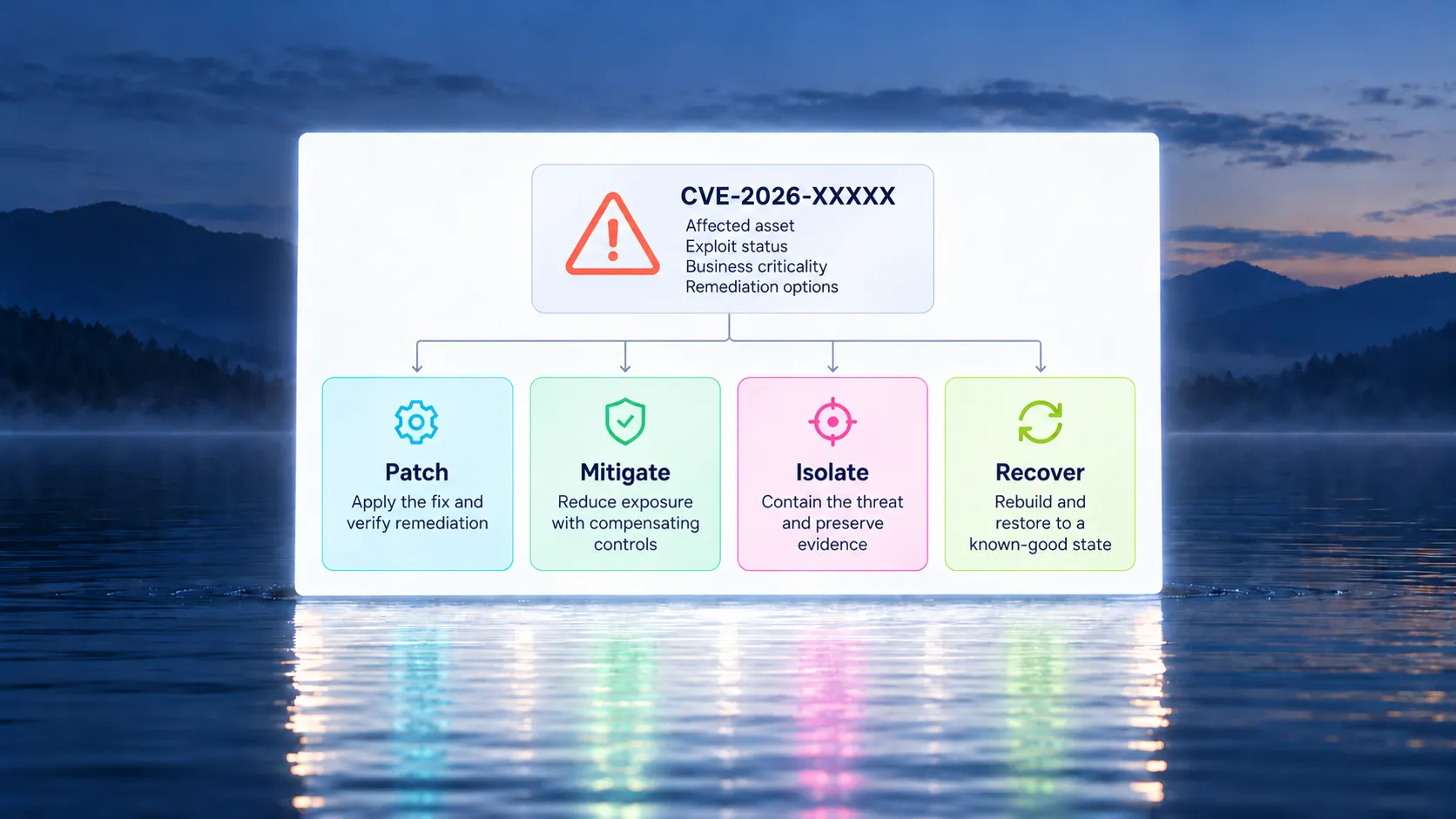
Patch, mitigate, or accept: a decision framework
Every validated exposure needs an explicit decision. "Open" is not a decision.
| Decision | Use it when | What it requires | Is it permanent? |
|---|---|---|---|
| Patch | A vendor fix exists and can be deployed within the deadline | Tested deployment, maintenance window, post-deployment verification | Yes, once verified |
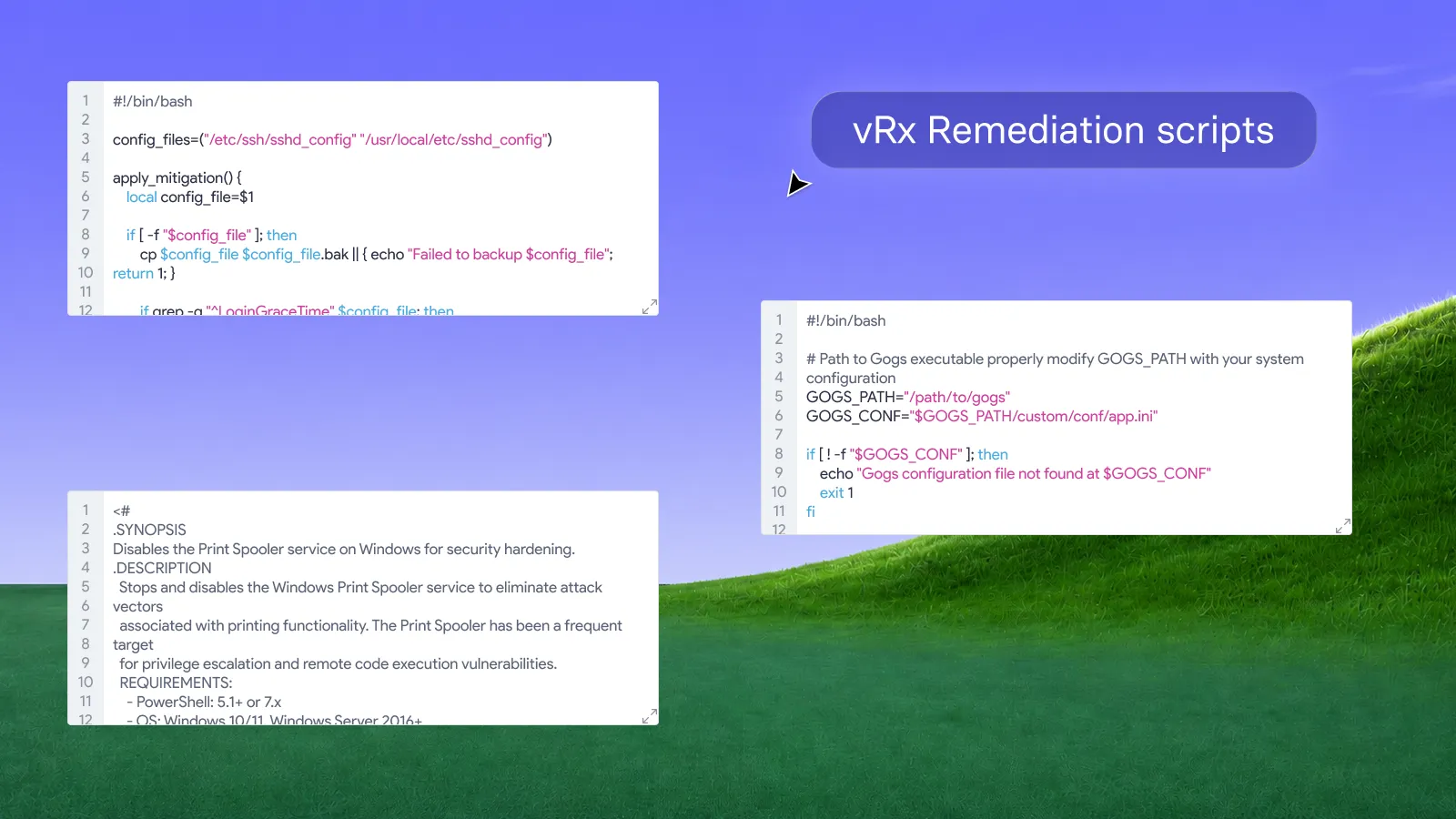
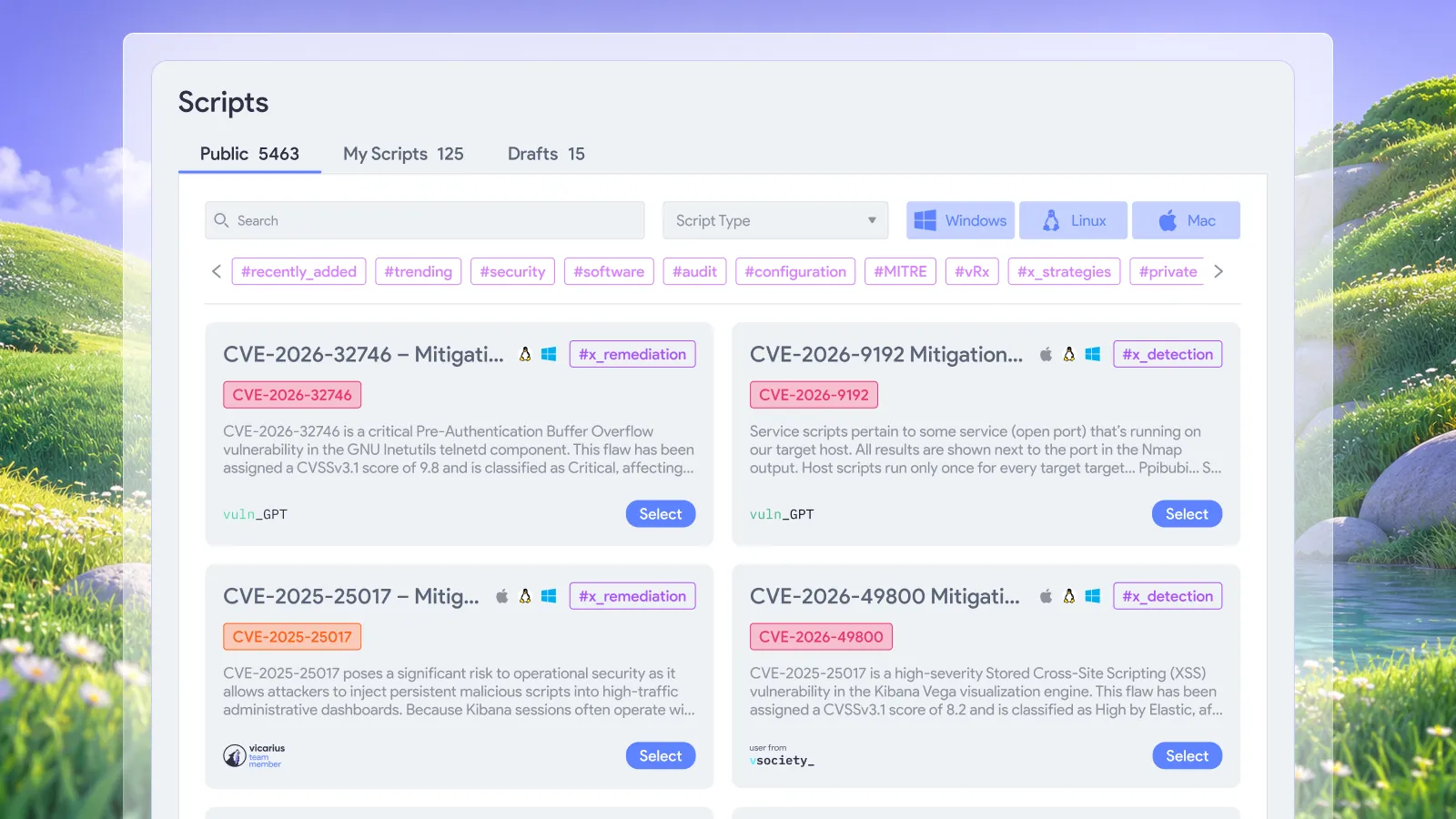
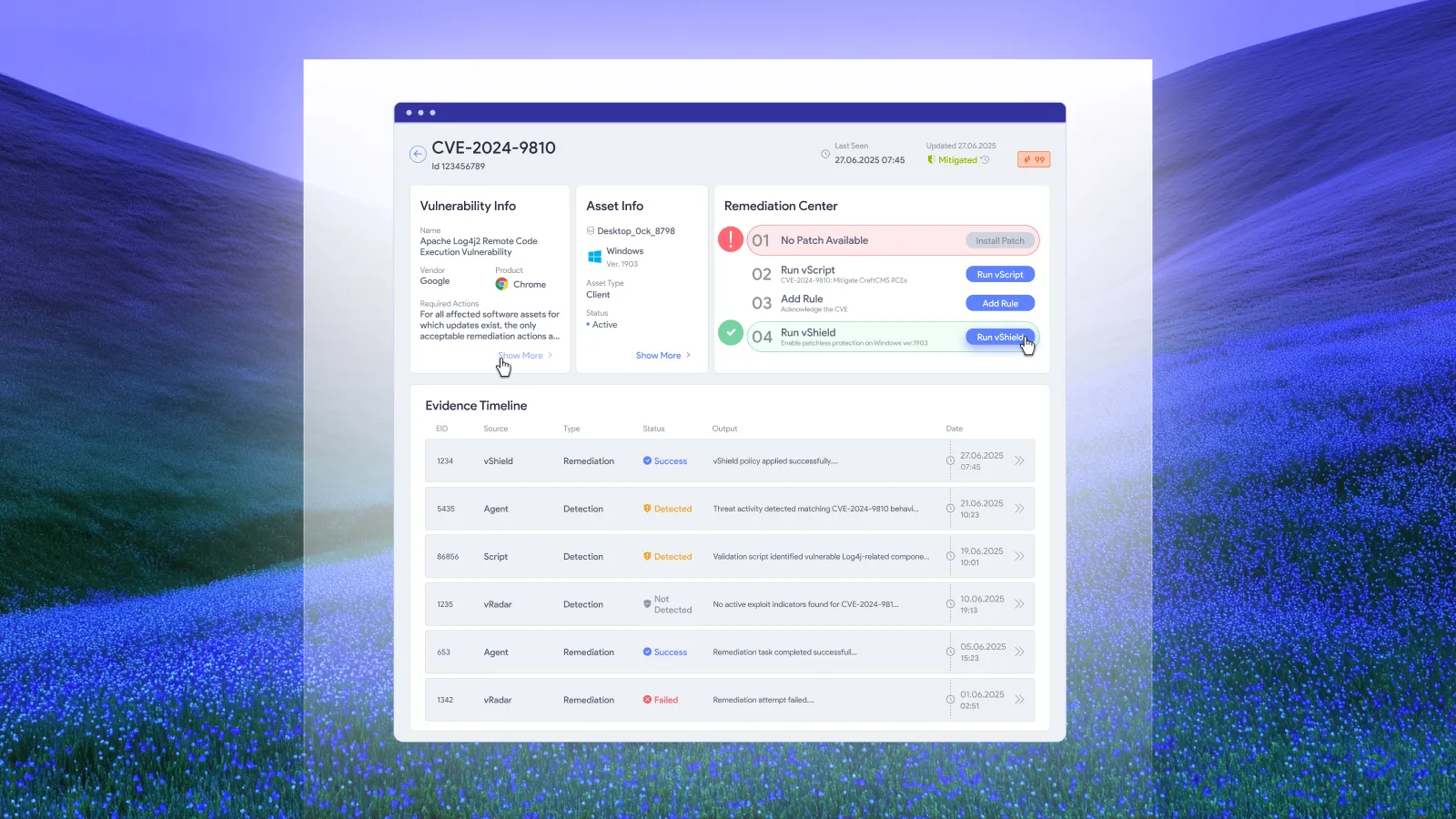
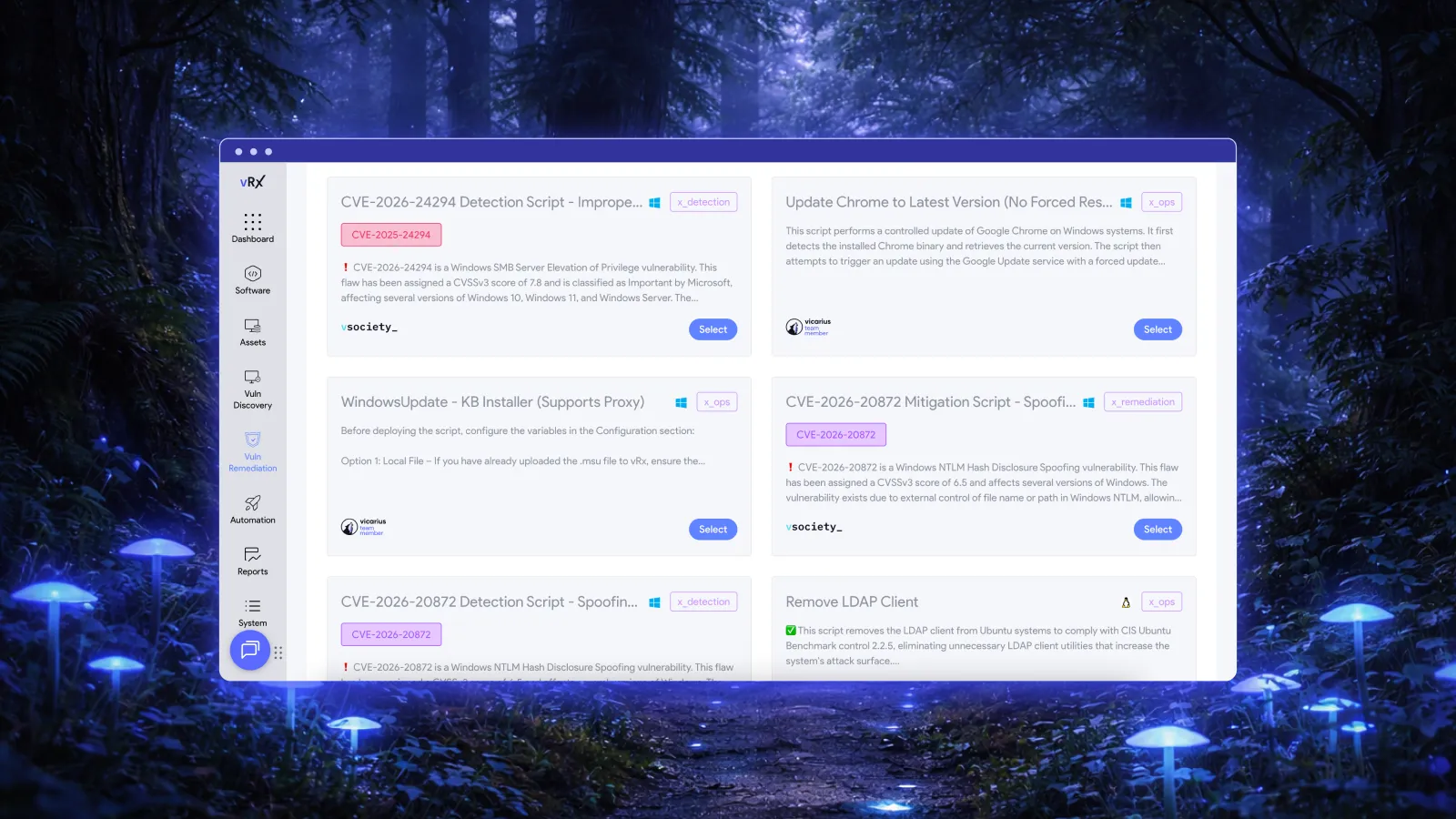
| Mitigate with a configuration change or script | The exposure is a misconfiguration, or a supported configuration change removes the attack path | Change approval, rollback plan, verification (scripts can be drafted automatically, for example with Vicarius ScriptAI, then reviewed before they run) | Often yes, if the root cause is removed |
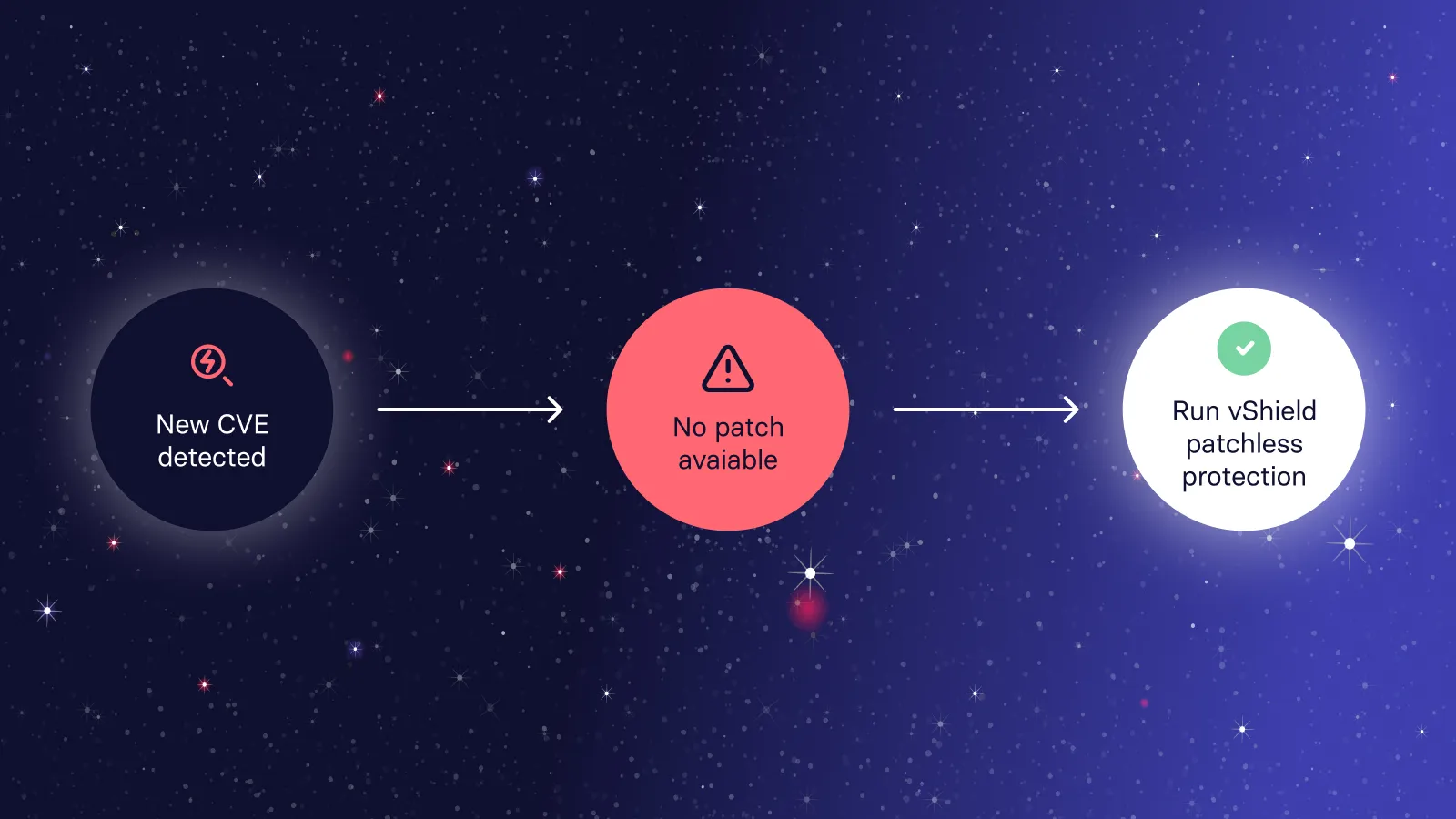
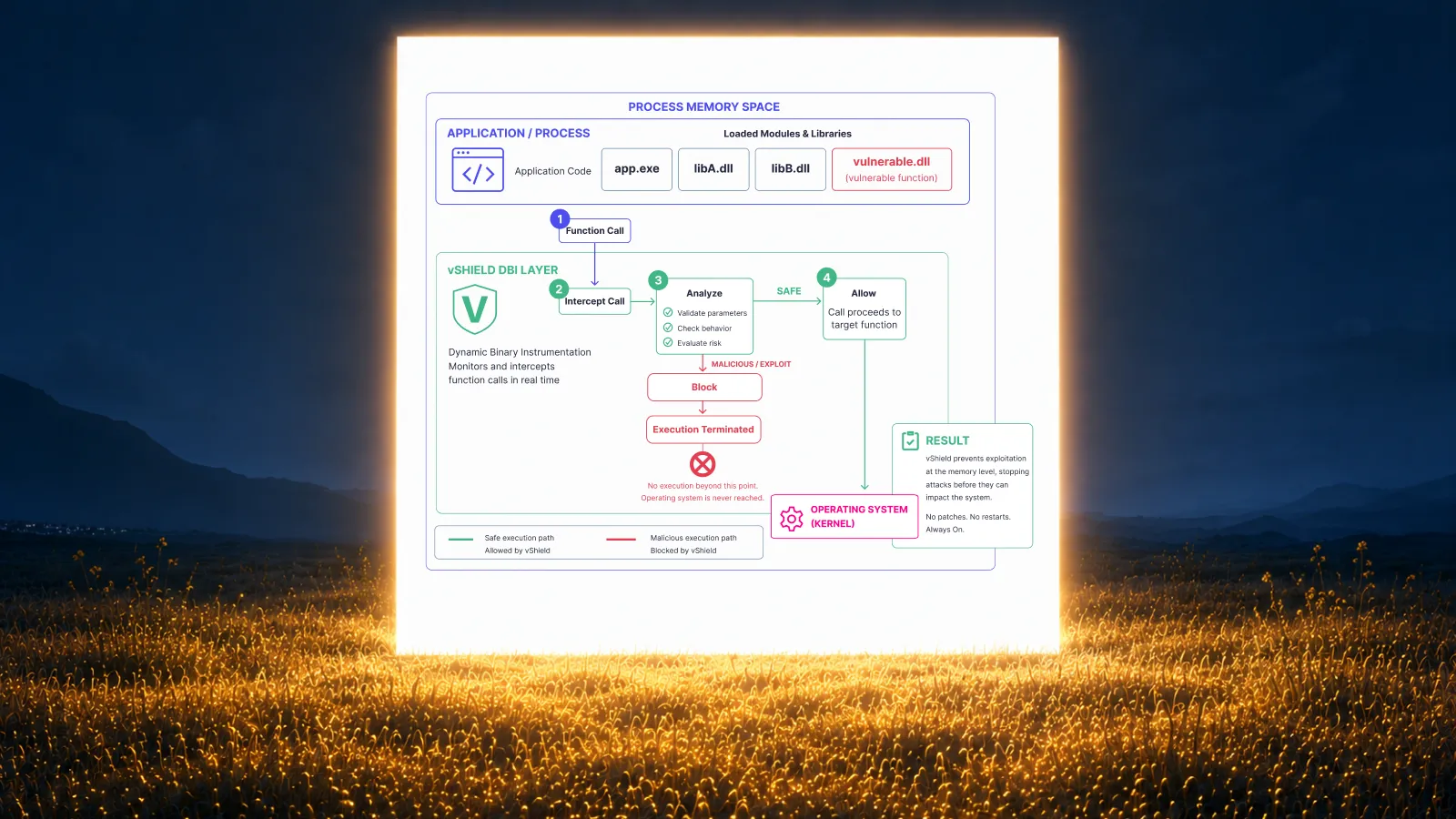
| Shield with virtual patching | No patch exists yet, the system can't be patched or rebooted in time, or the application is end-of-life | Patchless protection that blocks the exploit in memory while the application keeps running (for example Vicarius vShield), documented scope, review date | No. It protects the asset until a permanent fix is possible |
| Mitigate with a compensating control | Virtual patching doesn't cover the exposure, or the risk sits at the network layer | Control that blocks the exploit path, documented scope, review date | No. It reduces risk until a permanent fix is possible |
| Accept | Business impact of fixing outweighs the residual risk | Named risk owner, written justification, expiry date | No. It must be revisited |
The distinction between permanent fixes and temporary risk reduction matters for reporting. Virtual patching and compensating controls close the immediate attack path, but the underlying vulnerability is still present. Track both states separately so mitigated exposures do not quietly disappear from the backlog. See compensating controls and virtual patching validation for how to verify that a control is doing its job.
Set remediation deadlines by exposure tier
Deadlines work best when they come from the same inputs as prioritization. The tiers below are an example to adapt, not a standard.
| Tier | Example criteria | Example deadline |
|---|---|---|
| Critical | On KEV, reachable, on a business-critical or internet-facing asset | Days, with emergency change approval |
| High | High EPSS or validated exploit path on an important asset | Within the next maintenance cycle |
| Medium | Exploitable but limited reach or low asset criticality | Within the standard patch cycle |
| Low | Not validated as exploitable in this environment | Batch with routine maintenance or accept |
Agree on these deadlines with IT and application owners before the first cycle. Deadlines negotiated during an incident rarely hold.
When there is no patch
End-of-life software, delayed vendor fixes, and systems that can't reboot are where backlogs grow. NIST describes patching as "a critical component of preventive maintenance" (NIST SP 800-40 Rev. 4). A maintenance plan also needs an approved route for when a patch isn't available or can't be deployed in time. Practical routes include:
• a configuration change or script that removes the vulnerable feature or setting;
• virtual patching (patchless protection) that blocks the exploit in memory with no reboot and no change to the application;
• a compensating control that blocks the exploit path at the host or network layer;
• isolating the asset from the paths an attacker would use;
• a funded replacement plan for software that will never be patched.
Each route needs an owner and a review date. Only replacement removes the vulnerable component; the other routes reduce risk until it's updated or retired.
For a full walkthrough of the no-patch case, see virtual patching: how to protect a vulnerability when no patch exists.
Handle exceptions without losing them
Risk acceptance is legitimate, but it decays. Require a named owner, a written reason, and an expiry date for every exception, and bring expired exceptions back into the next CTEM cycle automatically. An exception register that nobody reviews is a second backlog.
Automate the repeatable decisions
Mobilization does not scale if every fix is a ticket and a meeting. Policy-driven automation handles the repeatable cases, such as approved patches for a defined group of assets on a schedule, while people review exceptions, high-impact changes, and anything that fails verification. Our guide to patch management policy and automated remediation covers how to write those policies.
CTEM metrics that prove progress
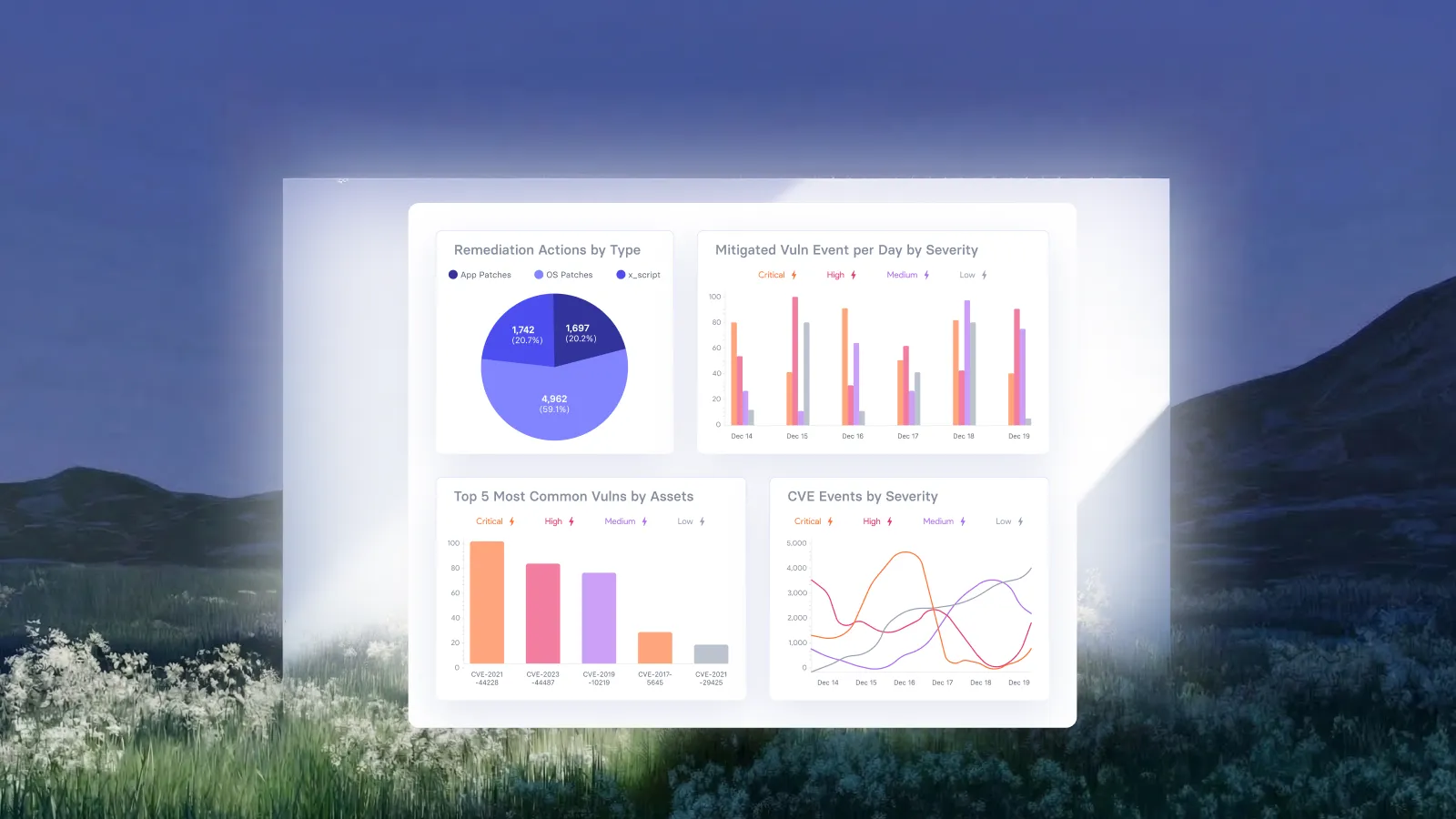
Choose metrics that measure risk reduction, not activity.
| Metric | What it shows | How to calculate |
|---|---|---|
| Validated exposures closed within deadline | Whether mobilization works | Closed by deadline ÷ validated exposures due in the period |
| Mean time to remediate (validated) | Speed on the work that matters | Average days from validation to verified fix |
| Open KEV exposures on in-scope assets | Exposure to confirmed, active threats | Count at period end, with trend |
| Mitigated but not permanently fixed | Temporary risk carried forward | Count of exposures under a compensating control |
| Exceptions past expiry | Governance health | Count of accepted risks past their review date |
Two cautions. Don't count a fix until verification confirms the vulnerability is gone, or your closure rate will flatter you. Only 50% of respondents in Vicarius's 2026 survey (n=300) mark a vulnerability "remediated" after a verified fix; 18% close it when a ticket is created, 18% when leadership accepts the risk, and 13% when a patch is deployed without verification (Vicarius 2026 State of Remediation). And report mitigated exposures separately from fixed ones.
Avoid metrics that count activity: total findings, scans completed, and tickets created all rise when a program gets noisier, not safer. Mean time to remediate is the metric most often reported to leadership (49% of survey respondents), while only 24% report risk reduction (Vicarius 2026 State of Remediation). CTEM gives you the inputs to report the second. For deeper guidance, see mean time to remediate and open vulnerability age.
Getting started with CTEM
Start with one scope you can finish. A common first choice is internet-facing assets, because external reachability makes prioritization and validation easier to agree on. Run the full loop once, including verified fixes, before widening the scope. Then add the next slice of the estate and repeat.
Treat the first cycle as a time-boxed pilot with a decision point at day 90, not as a program launch.
| Days | Goal | What to produce |
|---|---|---|
| 1 to 30 | Define the pilot scope | Pick a domain where the fixing team has capacity, asset data is reachable without a long integration project, and risk reduction is easy to show. Write a scope charter with threat scenarios, explicit exclusions, and a verifiable success criterion. |
| 31 to 60 | Discover and prioritize | Build the in-scope asset inventory (identifier, owner, criticality, exposure). Set a hard cutoff: whatever you can't inventory by week 6 becomes a finding. Apply your prioritization model to produce a ranked queue. |
| 61 to 90 | Validate and mobilize | Validate the top tiers, create remediation work with the exact change, the business impact and the verification test, and re-validate every fix before closing it. Decide at day 90 whether to expand. |
A good success criterion names an outcome you can test. "Reduce critical exposures" can't be tested. "Remove every internet-reachable path to the admin interface" gives everyone the same target.
For smaller teams. The loop is the same; the scope is smaller. A lean team can run CTEM on a single slice, such as internet-facing services, and lean on automation for the repeatable fixes, so its limited hours go to validation and exceptions rather than ticket handling.
Common CTEM challenges
• Scope creep. Trying to cover every asset in the first cycle stalls the program. Expand only after a cycle closes.
• Unclear remediation ownership. If nobody owns the fix, validated exposures age like any other ticket. Name owners per asset group before the cycle starts.
• Tool sprawl. Discovery, scoring, validation, and remediation spread across separate tools create handoffs where work gets lost. Respondents to Vicarius's 2026 survey (n=300) use 3 tools on average from discovery to a verified fix, and 39% use four or more (Vicarius 2026 State of Remediation). Count the handoffs as part of your mobilization design.
• Counting findings instead of fixes. Programs that report volume get rewarded for scanning more, not for reducing risk.
• No path for unpatchable systems. Without an approved mitigation route, these exposures sit in the backlog indefinitely.
How Vicarius supports CTEM
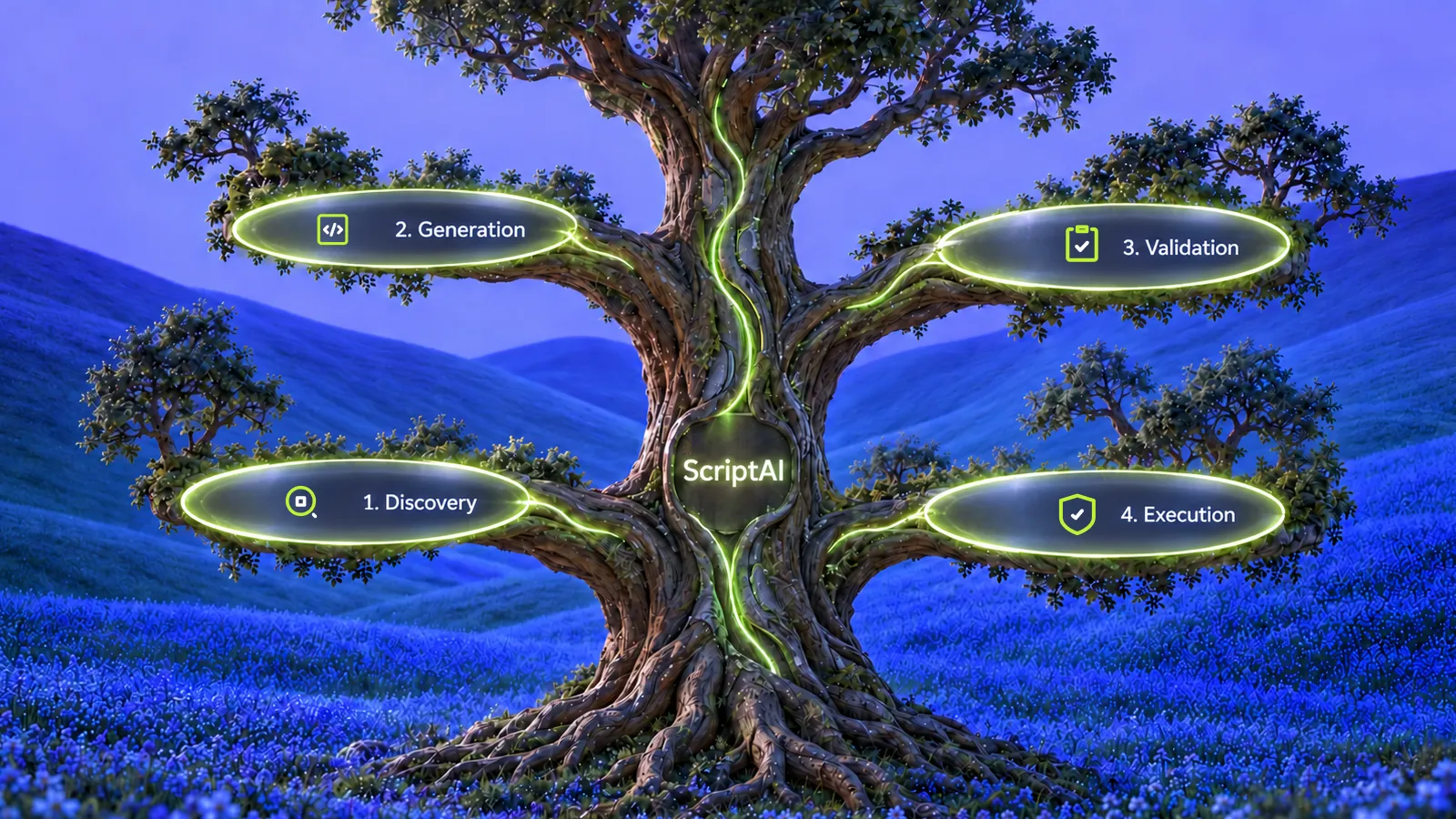
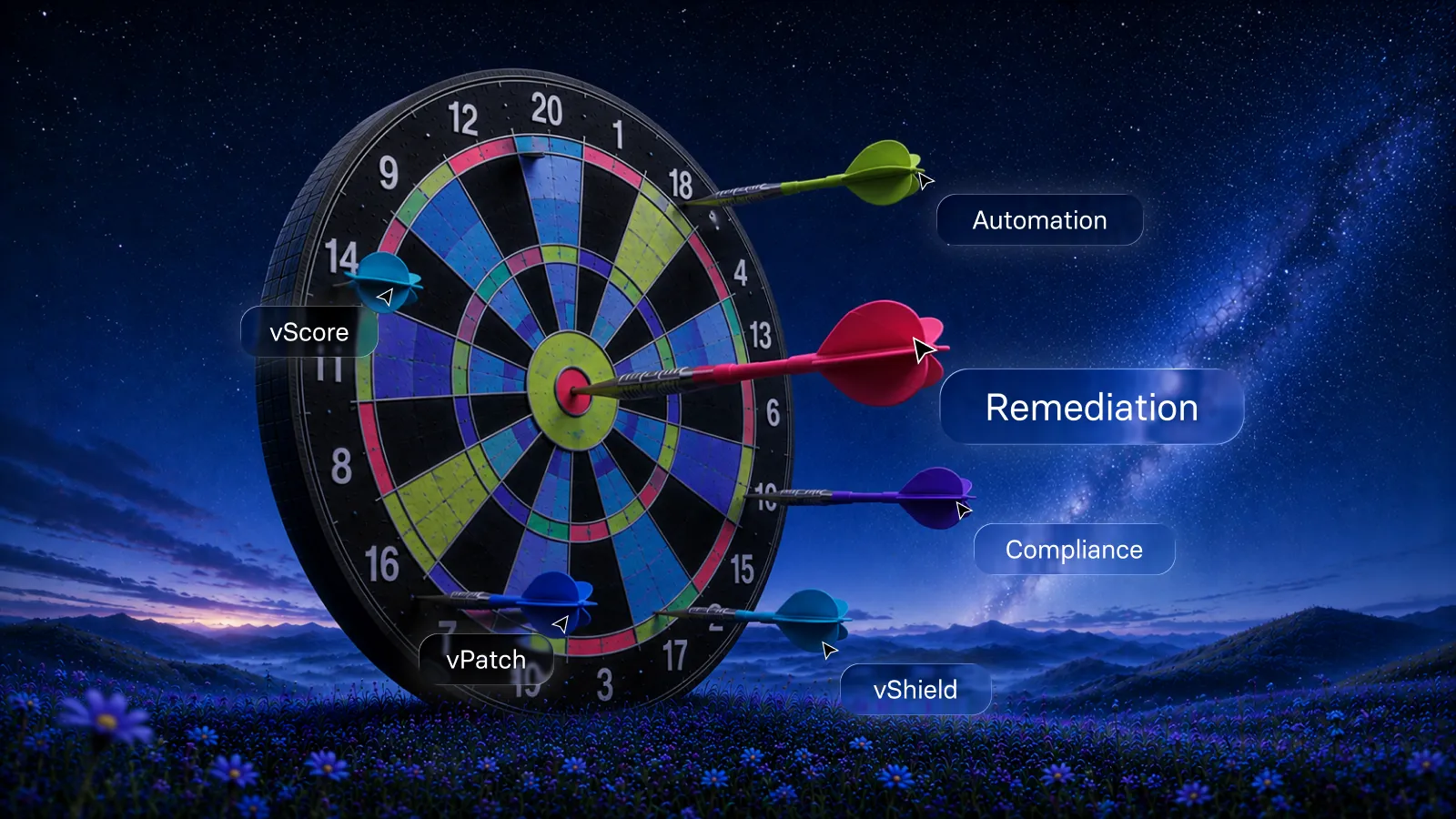
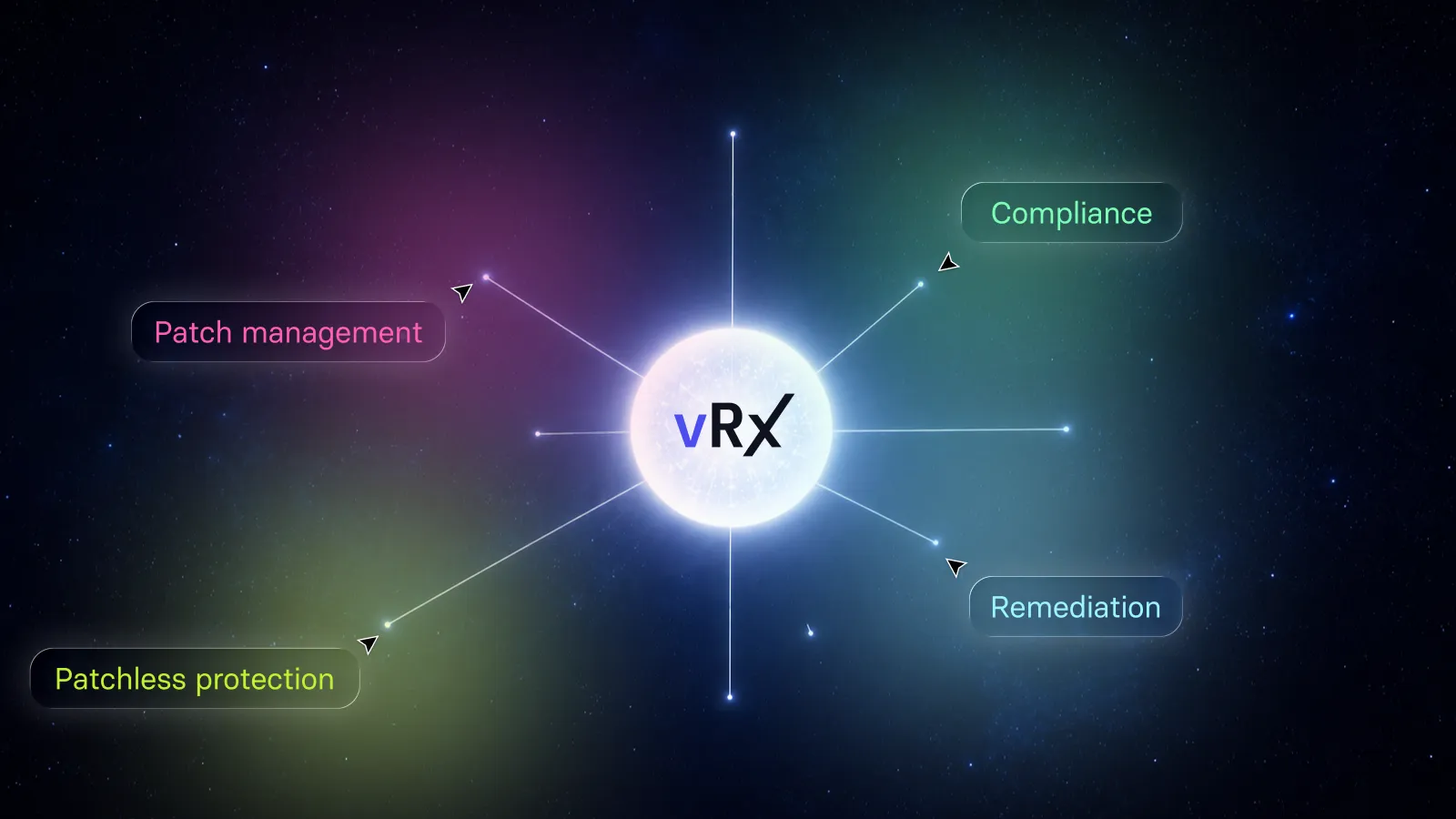
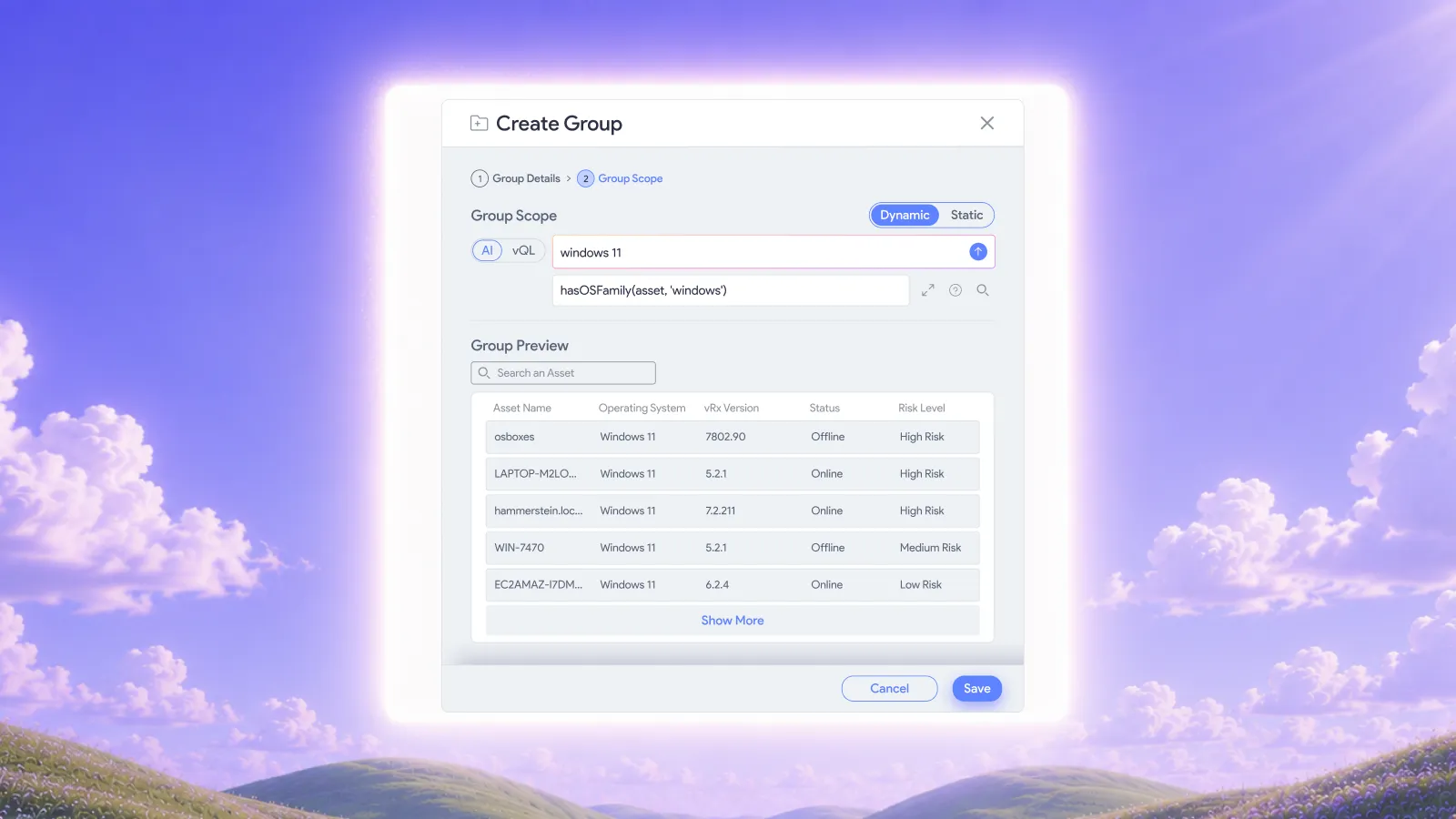
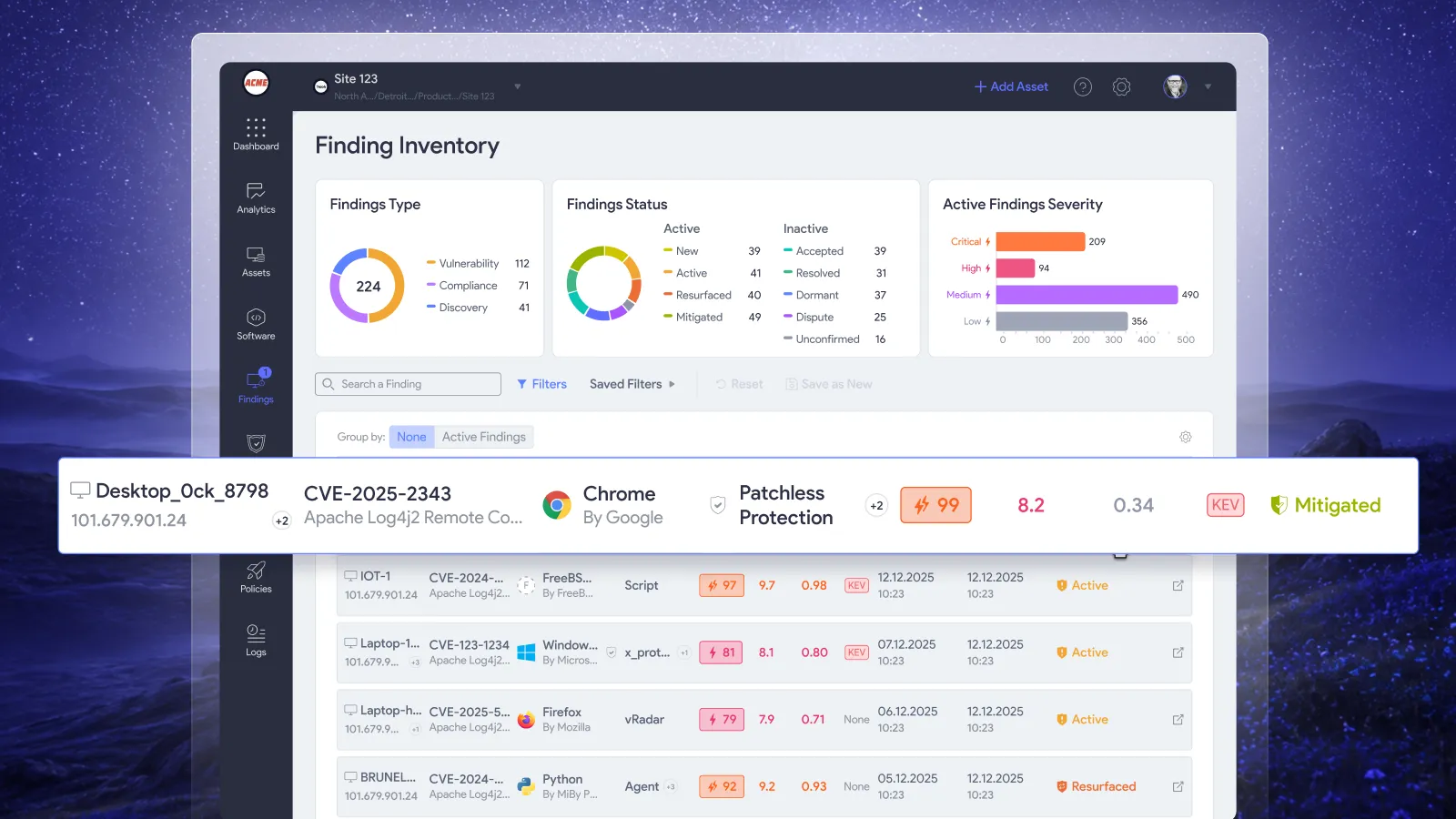
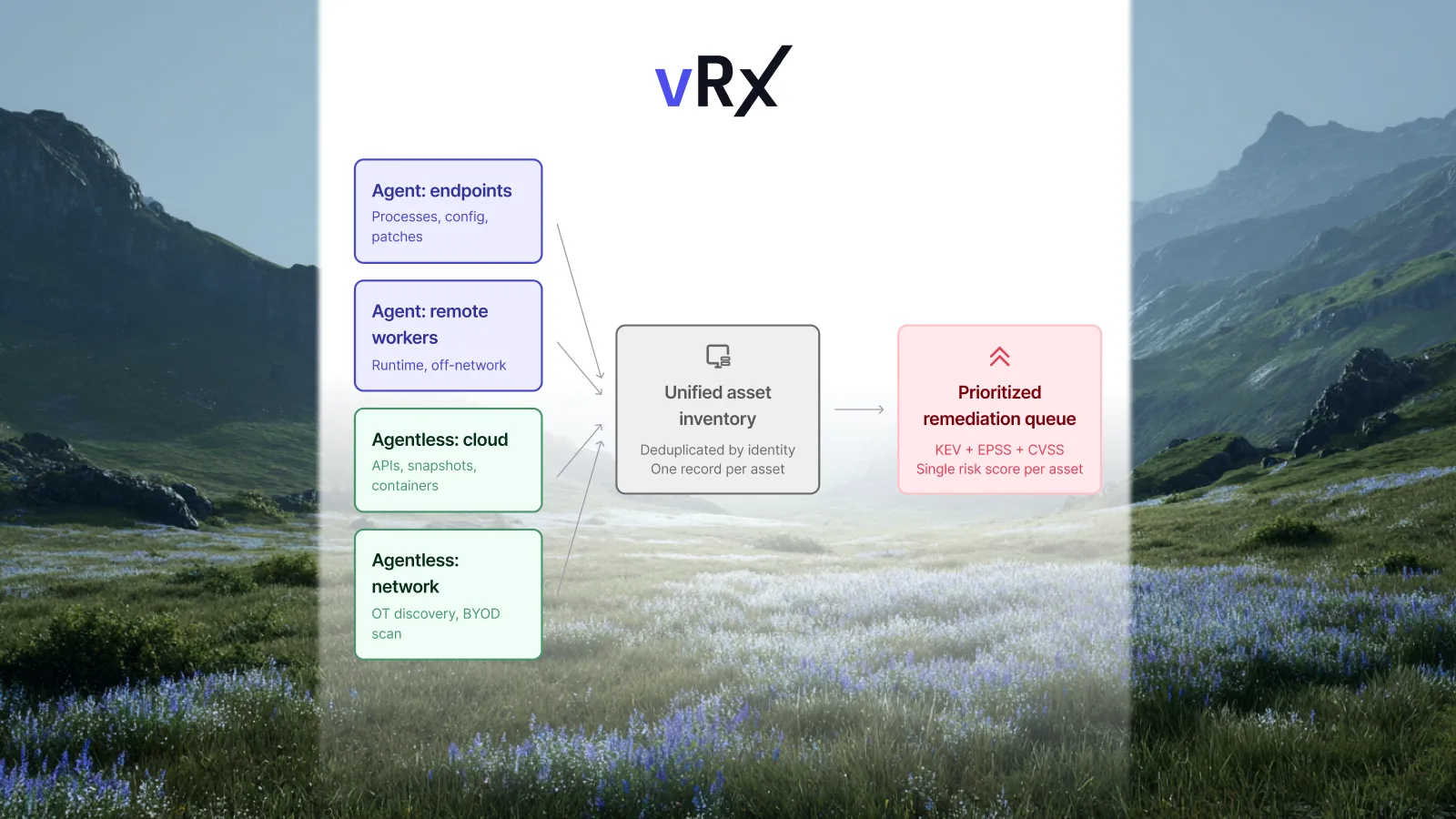
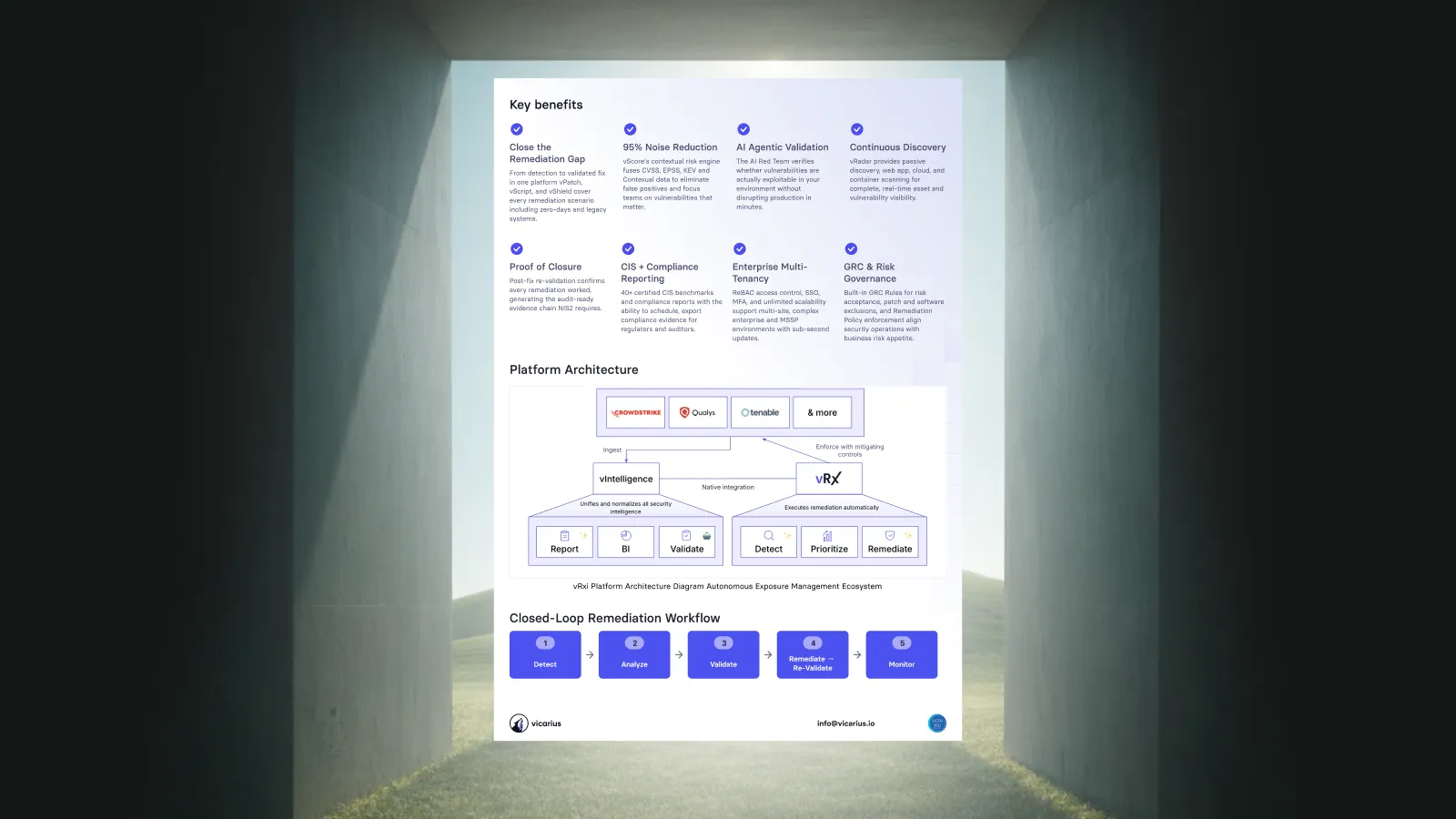
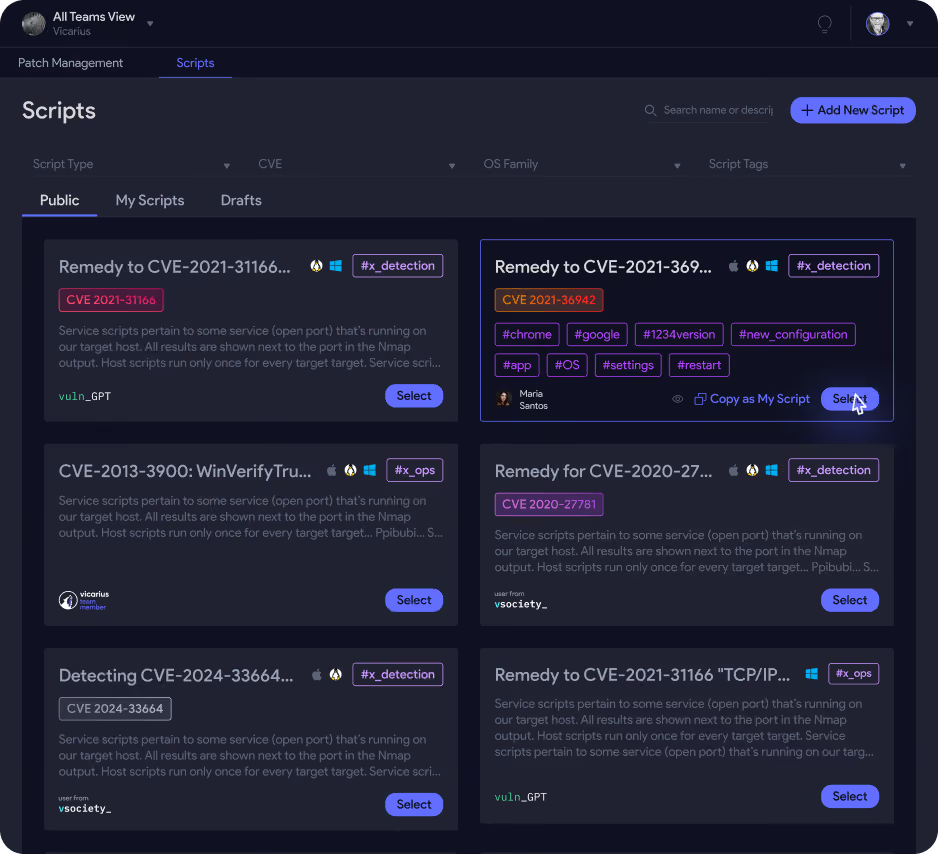
Vicarius vRx is an automated vulnerability remediation platform, and its focus is the mobilization stage: getting validated exposures fixed and verified. vScore prioritizes risk using CVSS, EPSS, and KEV signals together with exploit simulation, asset criticality, and business context (vScore). Remediation runs through several routes: automated patching for Windows, macOS, Linux, and 20,000+ third-party applications (patch management), scripts for configuration weaknesses (vScript), with ScriptAI drafting detection and remediation scripts that run only after a team member approves them (ScriptAI), and vShield patchless protection, which blocks exploit paths at the memory level without touching the application or requiring a reboot. Actions can run on a policy, schedule, or rule, with approval required where you want a person to confirm first (orchestration), and vRx re-validates every fix after it runs to confirm the vulnerability is gone (vulnerability management). Vicarius was named a Niche Player in the 2025 Gartner Magic Quadrant for Exposure Assessment Platforms (Vicarius).
Frequently asked questions
What does CTEM stand for?
CTEM stands for continuous threat exposure management. It is a five-stage program, described in Gartner's research, for scoping, discovering, prioritizing, validating, and remediating the exposures attackers could use against an organization.
Is CTEM a product or a program?
CTEM is a program, not a single product. Tools support each stage, such as discovery, prioritization, validation, and remediation, but the program also needs scope decisions, named owners, deadlines, and an exception process that no tool provides on its own.
How is CTEM different from vulnerability management?
Vulnerability management typically scans everything and ranks findings by CVSS severity. CTEM scopes work to business risk, includes non-CVE exposures such as misconfigurations, ranks using exploitation evidence and asset context, validates exploitability, and measures success by validated exposures fixed within deadlines.
How often should a CTEM cycle run?
There is no fixed cadence. Many teams align cycles with their patch or sprint schedule and run continuous monitoring between cycles so new KEV entries or high-likelihood exploits on in-scope assets trigger action immediately rather than waiting for the next cycle.
How long does it take to implement CTEM?
A first CTEM cycle can run as a 90-day pilot: about 30 days to set scope, 30 to discover and prioritize, and 30 to validate and fix. A mature program takes longer, because each later cycle widens the scope, but the pilot shows whether the loop closes exposures.
What are the main challenges of CTEM?
The common ones are scope creep, unclear remediation ownership, tool sprawl, counting findings instead of fixes, and no approved path for systems that can't be patched. Most are organizational rather than technical, so name owners and deadlines before the first cycle starts.
Where should a CTEM program start?
Start with a narrow, high-value scope such as internet-facing assets or the systems behind one critical application. Complete the loop through verified remediation, measure the results, then expand to the next scope.
See CTEM mobilization in practice
If your program can find and rank exposures but struggles to close them, see how vRx prioritizes, remediates, and verifies fixes across patching, scripts, and patchless protection. Request a demo.