What are ISO 24089 and UN R156?
UN R156 (UN Regulation No. 156) is a legally binding UNECE regulation. It requires vehicle manufacturers to run a certified Software Update Management System (SUMS) and to control every software update that affects a vehicle's type approval, whether delivered over the air or in a workshop.
ISO/SAE 24089 (ISO 24089:2023) is the international standard for software update engineering in road vehicles. It describes the processes, infrastructure and checks that make updates safe, secure and traceable.
In short, R156 says what you must prove to regulators, and ISO 24089 describes how to build the processes that prove it.
- Where R156 applies: countries that apply UNECE regulations, including the EU, UK, Japan and South Korea. In the EU it has been mandatory for new vehicle types since July 2022 and for newly registered vehicles since July 2024.
- Who ISO 24089 applies to: vehicle manufacturers, suppliers and their partners. It's voluntary, but it's the standard closest to R156, and auditors use it as a reference.
ISO 24089 vs UN R156: requirements side by side
Why software update compliance matters now
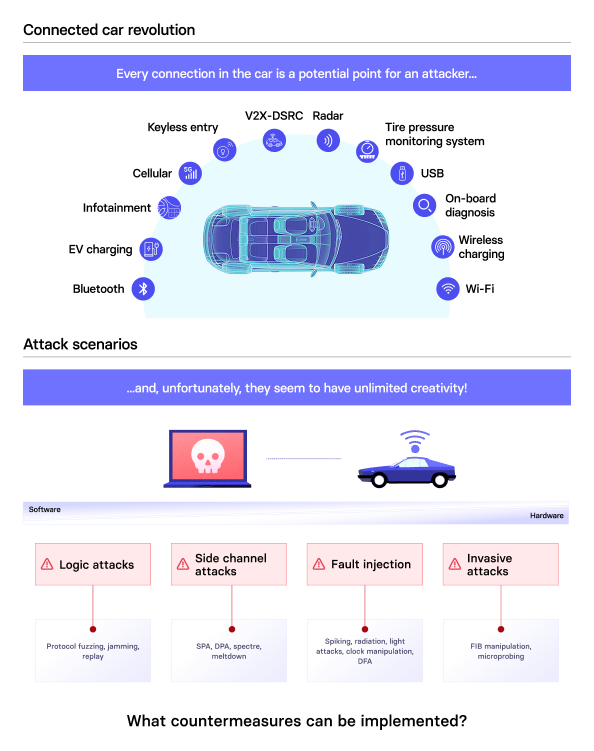
Modern vehicles depend on software, and manufacturers increasingly fix, improve and secure them with over-the-air (OTA) updates. Every update is also a risk. A tampered, faulty or incompatible update can disable a vehicle, affect safety, or quietly change features that were certified at type approval. UN R156 and ISO 24089 exist to make sure updates are controlled, secure and traceable from the moment they're planned to the moment they run in the vehicle.
What is ISO/SAE 24089?
ISO 24089:2023, Road vehicles — Software update engineering, was published in February 2023, with an amendment in 2024. It sets requirements and recommendations for updating software in road vehicles. It applies to vehicle manufacturers, suppliers and their partners, and doesn't prescribe specific technologies. It's organised by level:
- Organisational level: policies, responsibilities, competence and continuous improvement.
- Project level: planning updates, identifying target vehicles and dependencies, and assessing impact.
- Infrastructure level: the systems that build, store and distribute update packages securely.
- Vehicle and vehicle-system level: receiving, verifying, installing and activating updates safely, including recovery if something fails.
- Software update package: contents, metadata and protection of the package itself.
- Software update campaign: preparing, running and monitoring updates across a fleet, and informing users.
What is UN R156?
UN Regulation No. 156 was adopted by the UNECE World Forum for Harmonization of Vehicle Regulations (WP.29) in 2020, alongside UN R155 on cybersecurity. It has two parts:
- SUMS approval: the manufacturer must show an approval authority that its Software Update Management System controls updates across their lifecycle. If it does, the manufacturer receives a certificate of compliance.
- Vehicle type approval: for each vehicle type, the manufacturer identifies type-approval-relevant software with an RXSWIN (RX Software Identification Number). It must prove which software runs on which vehicle, and assess every update for its effect on the approval.
R156 covers updates delivered over the air and in workshops. It applies to passenger cars (M), goods vehicles (N), trailers (O) and agricultural vehicles and equipment (R, S, T) where software updates are possible.
Common pitfalls in ISO 24089 and R156 compliance
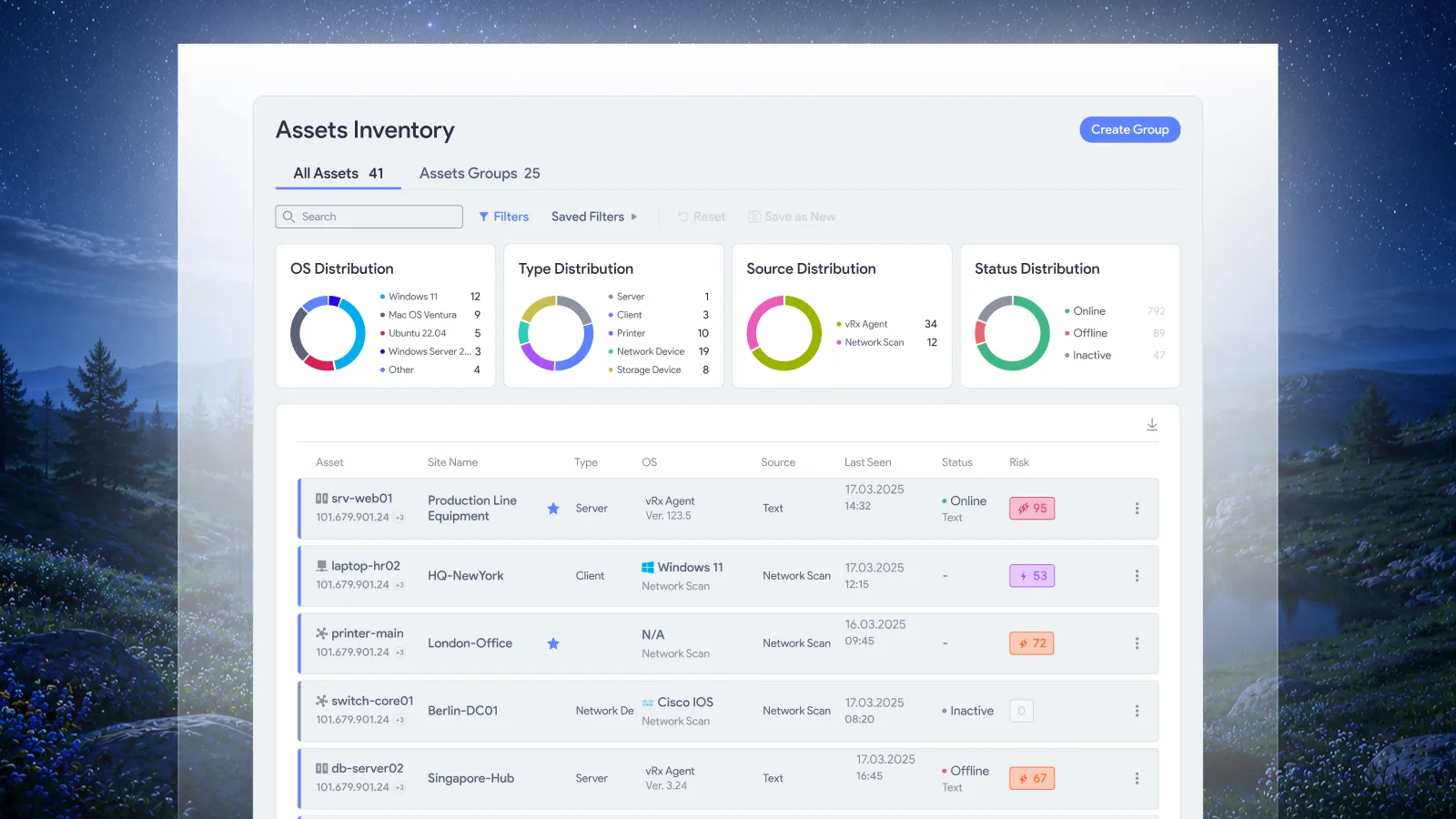
- Weak configuration tracking. Teams can't prove which software version runs on which ECU in which variant, and RXSWINs drift out of date.
- Treating it as a one-time certification. Audits look for a working process that keeps producing evidence, not a document pack.
- Overlooking the infrastructure. Build servers, signing keys and distribution systems are attack targets. If they aren't patched, hardened and monitored, package signing doesn't help much.
- Supplier gaps. Updates to supplier-owned ECUs need the same controls and evidence, so contracts and interfaces must cover them.
- Untested failure recovery. Rollback and safe-state behaviour have to be tested, not just designed.
- Separate R155 and R156 programmes. Cybersecurity (R155 and ISO 21434) and update management (R156 and ISO 24089) share risks and evidence, so running them separately duplicates work and leaves gaps.
Where Vicarius fits
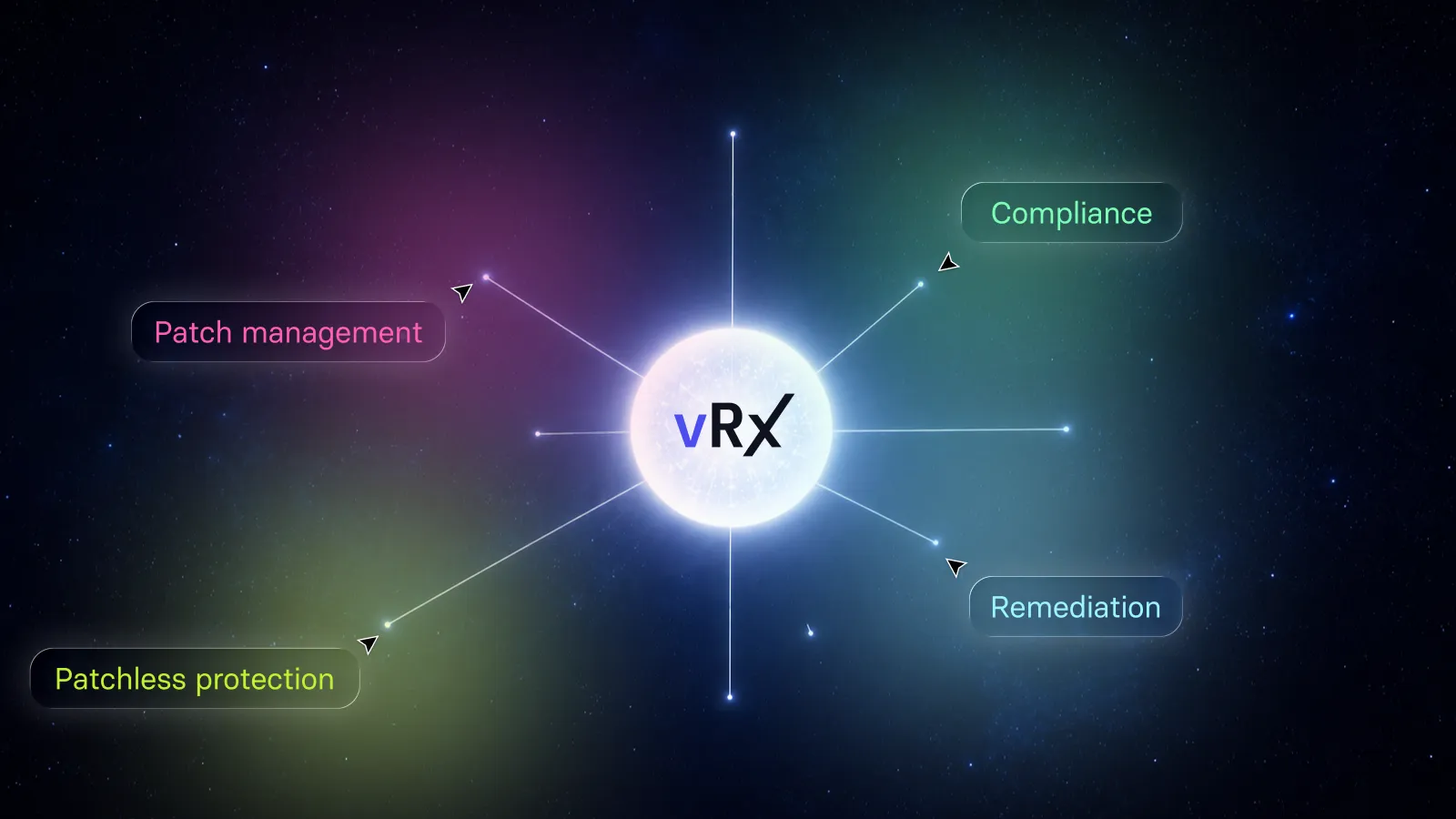
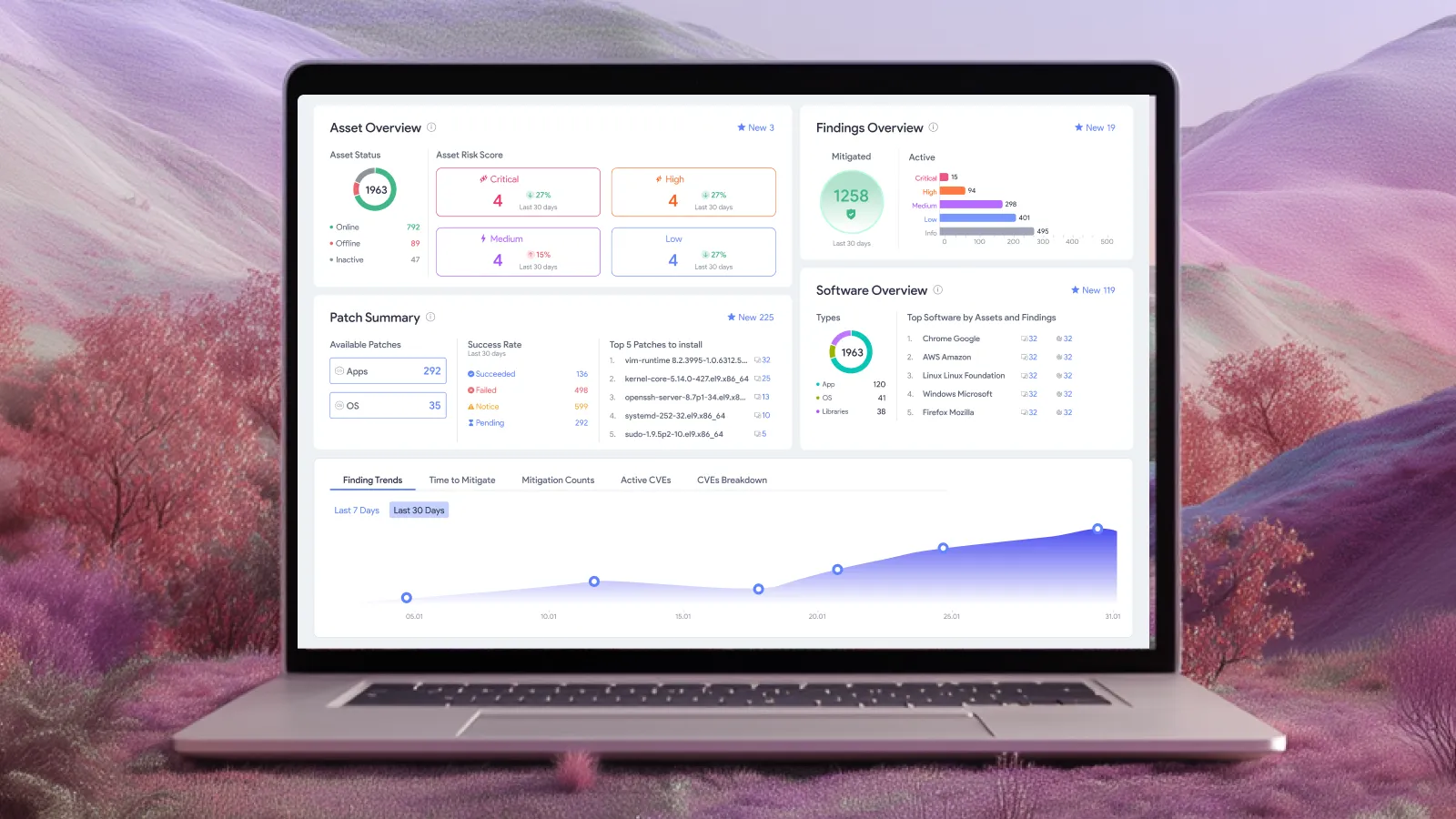
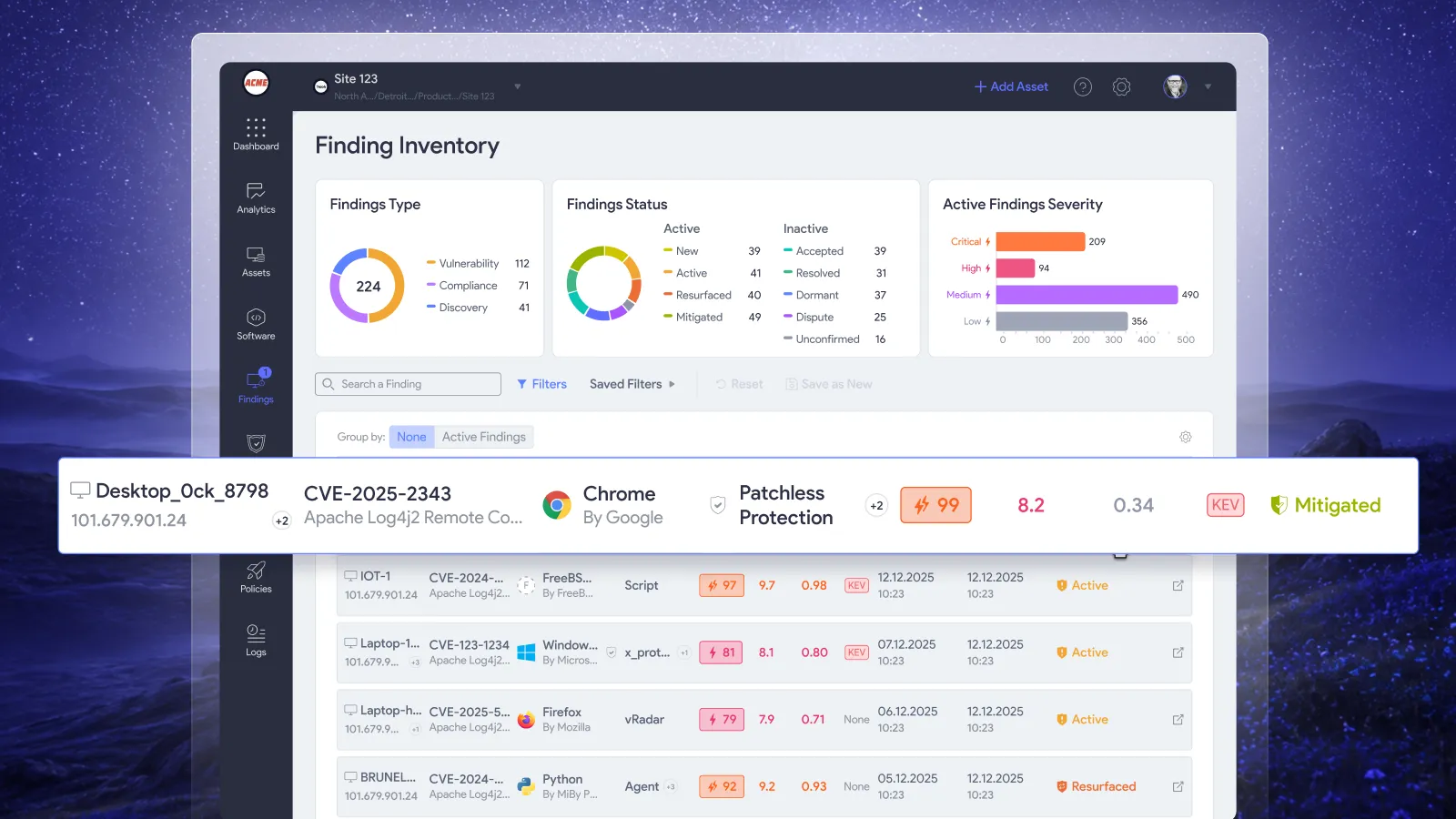
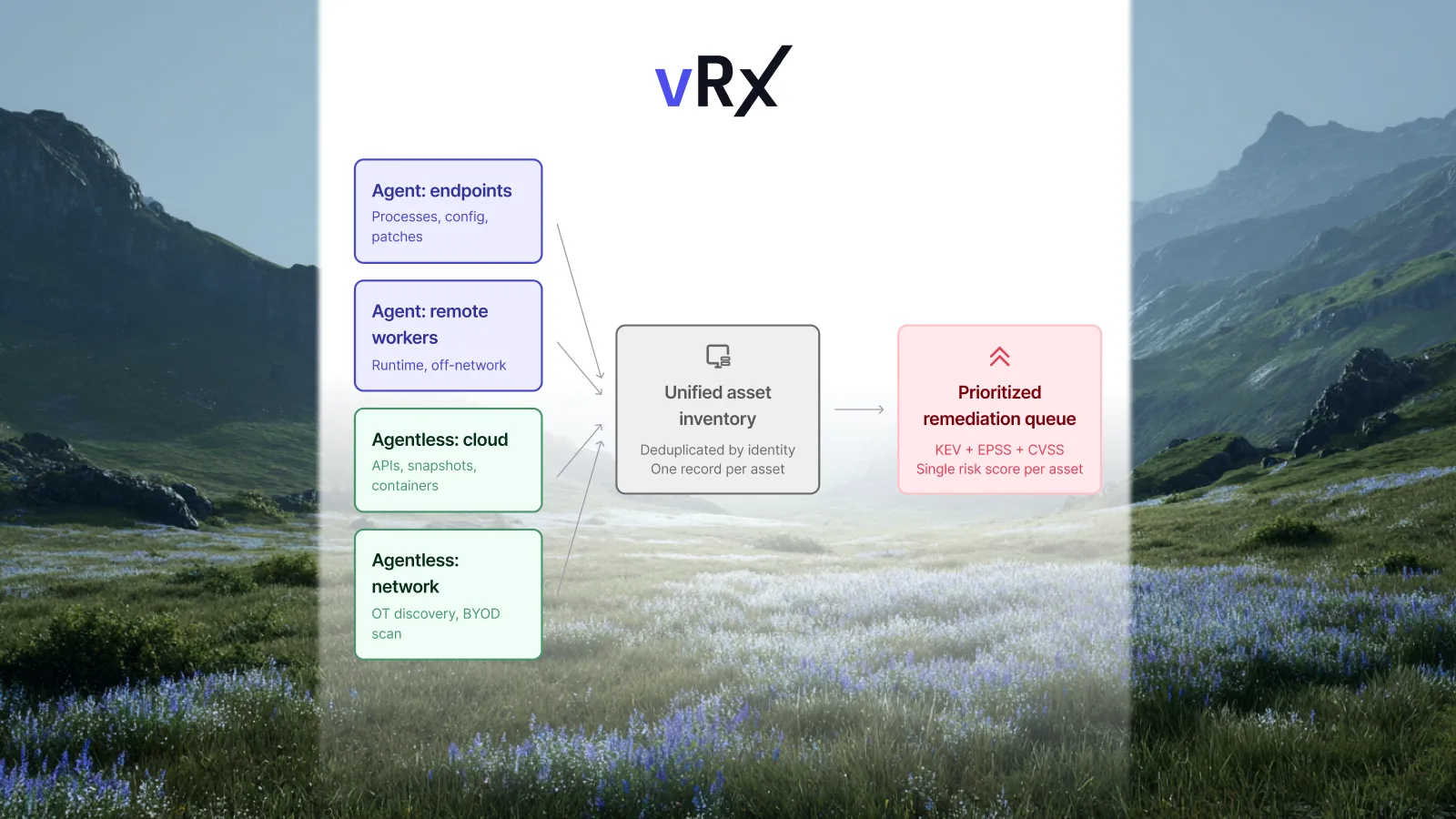
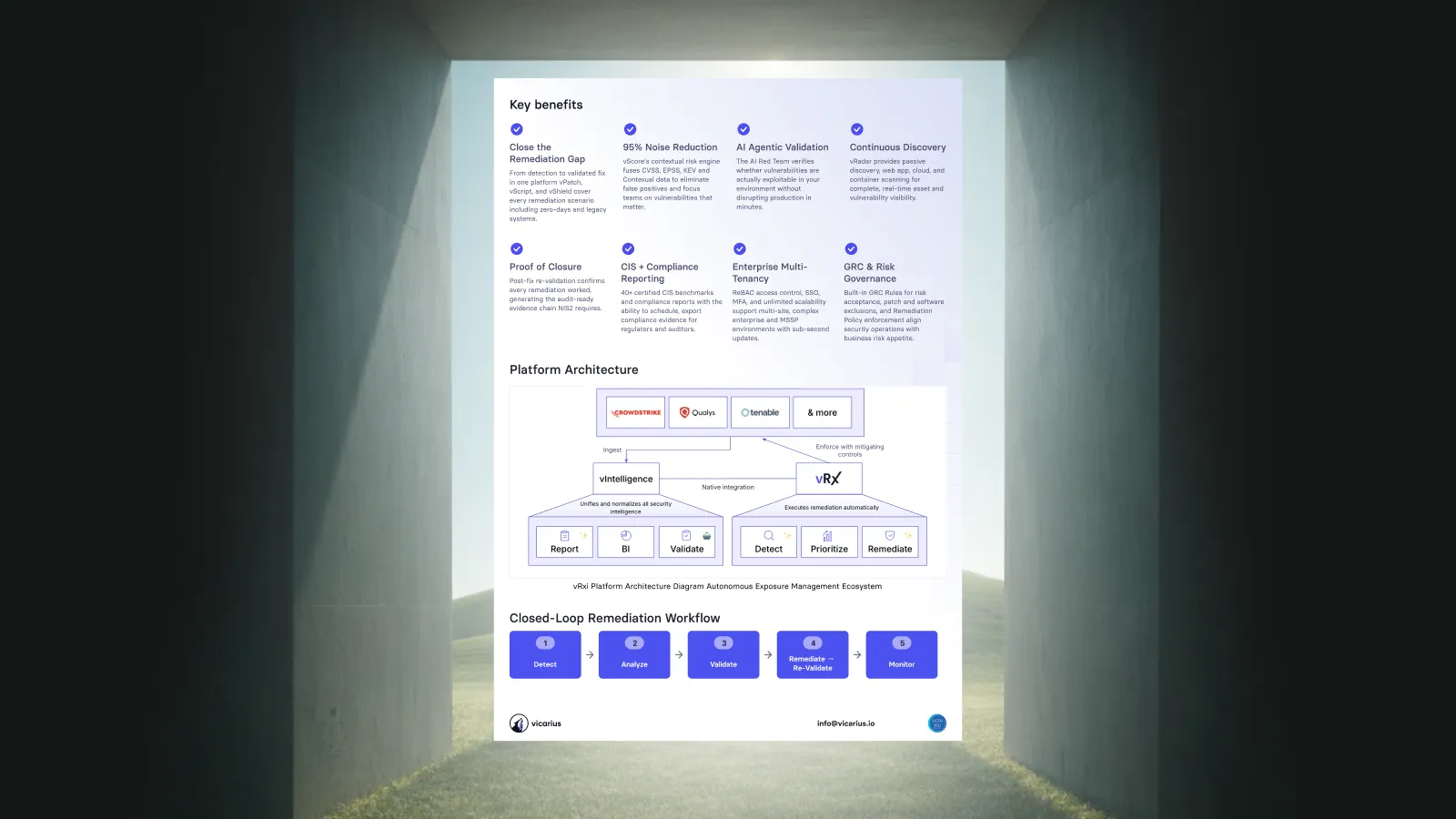
Vicarius vRx doesn't update vehicle ECUs. It secures the IT side that a SUMS depends on: the servers, build systems and engineering endpoints that produce, sign and distribute updates.
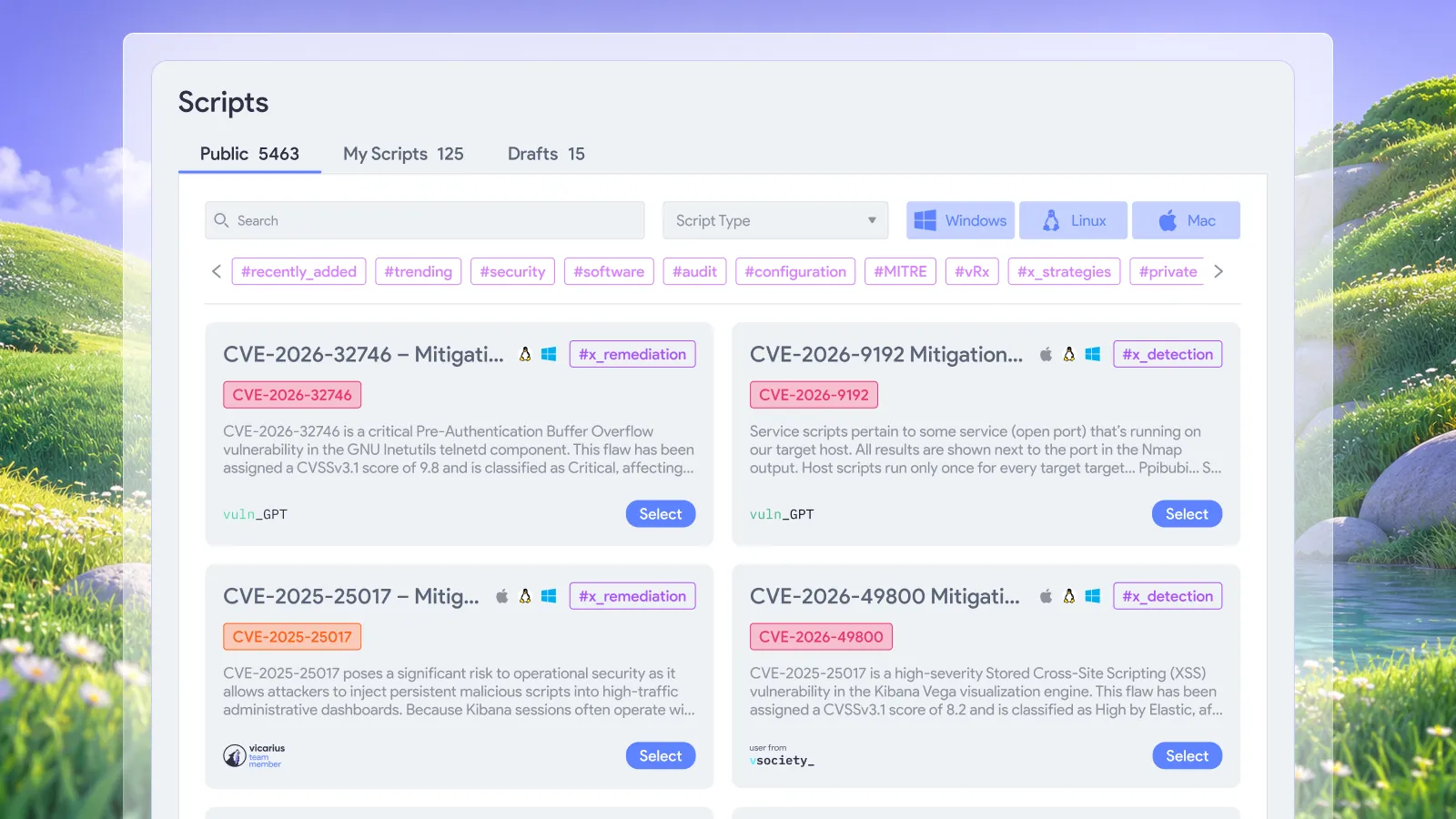
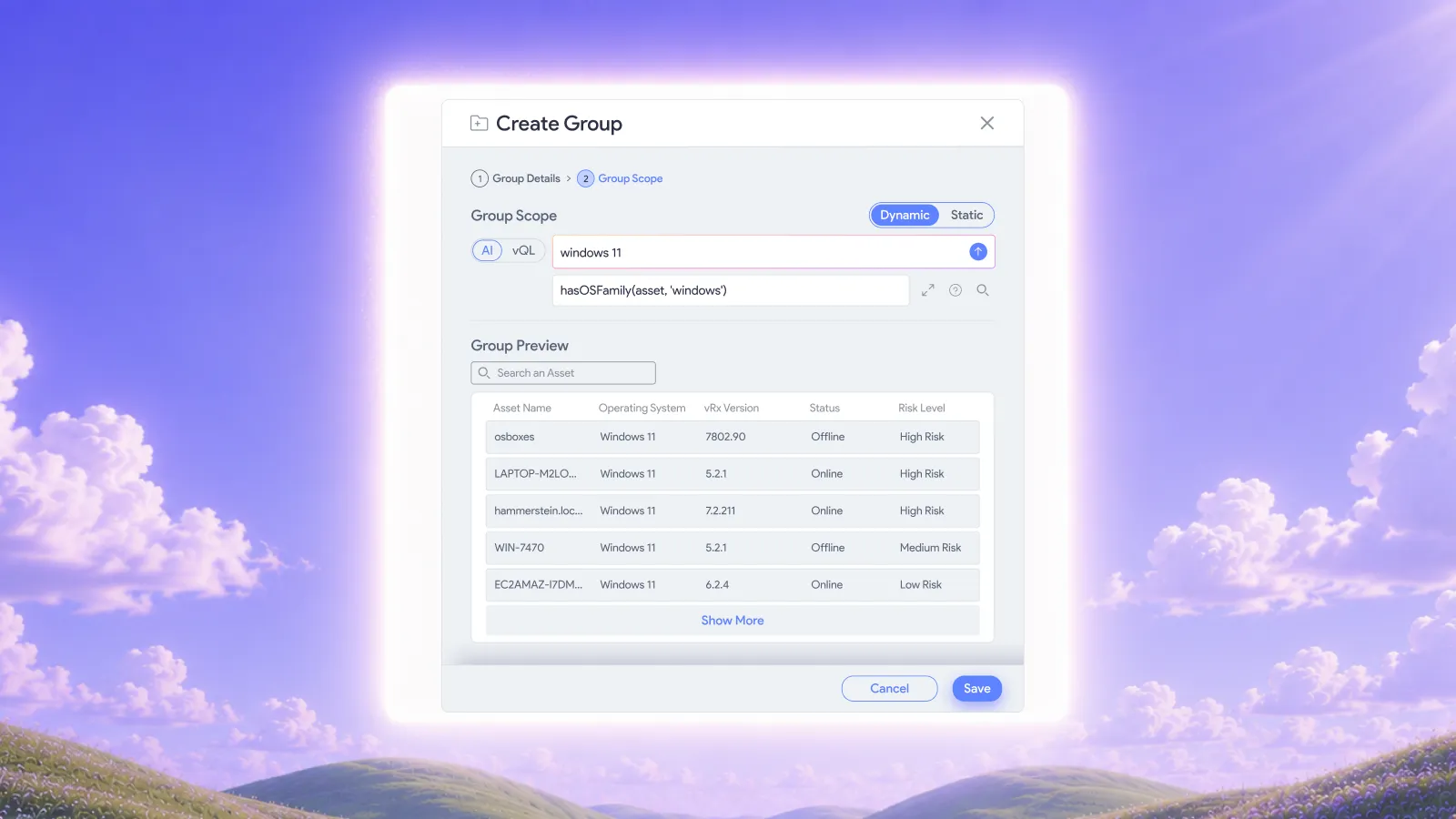
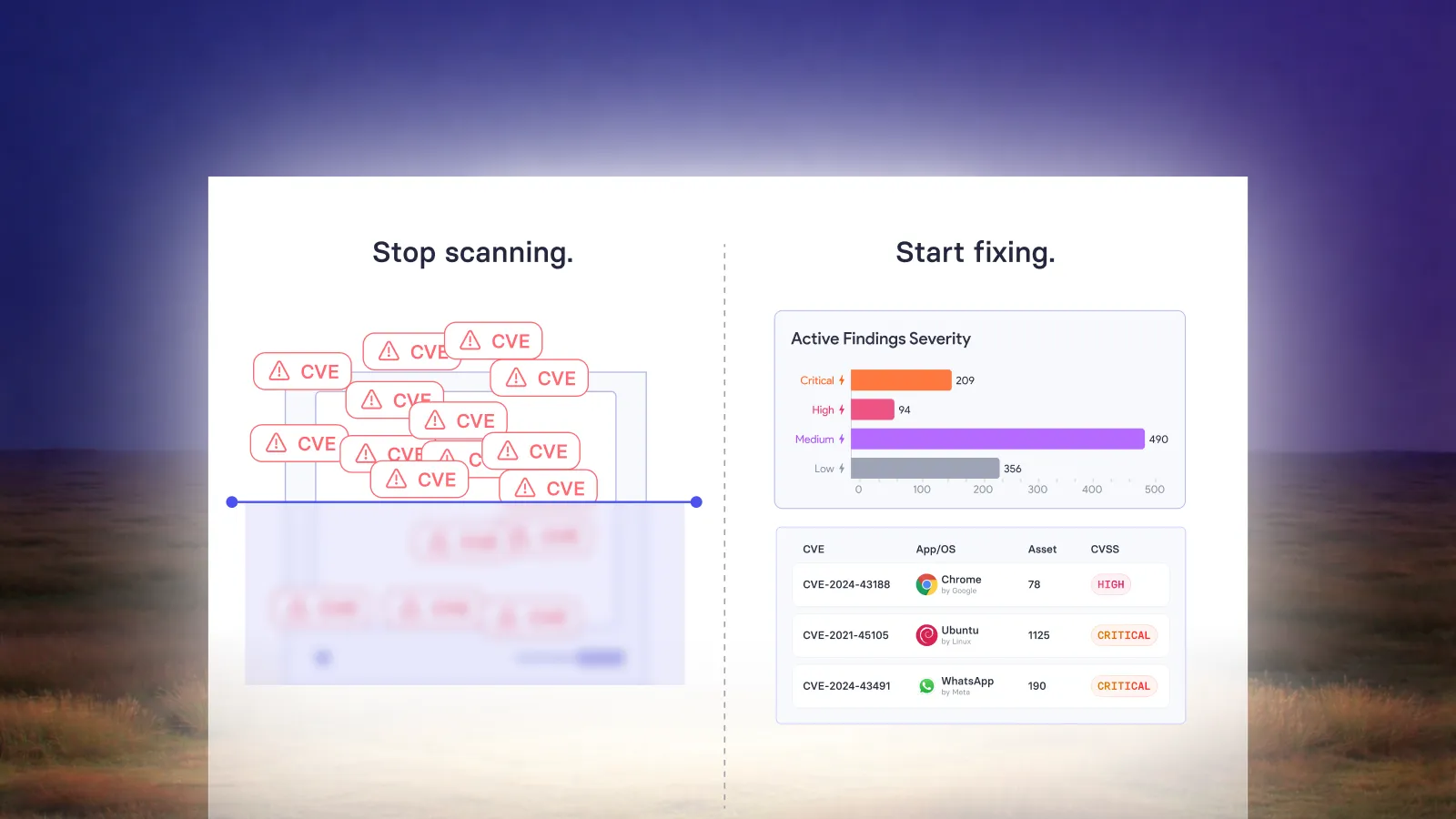
- Finds vulnerabilities: with an agent and the agentless vRadar scanner.
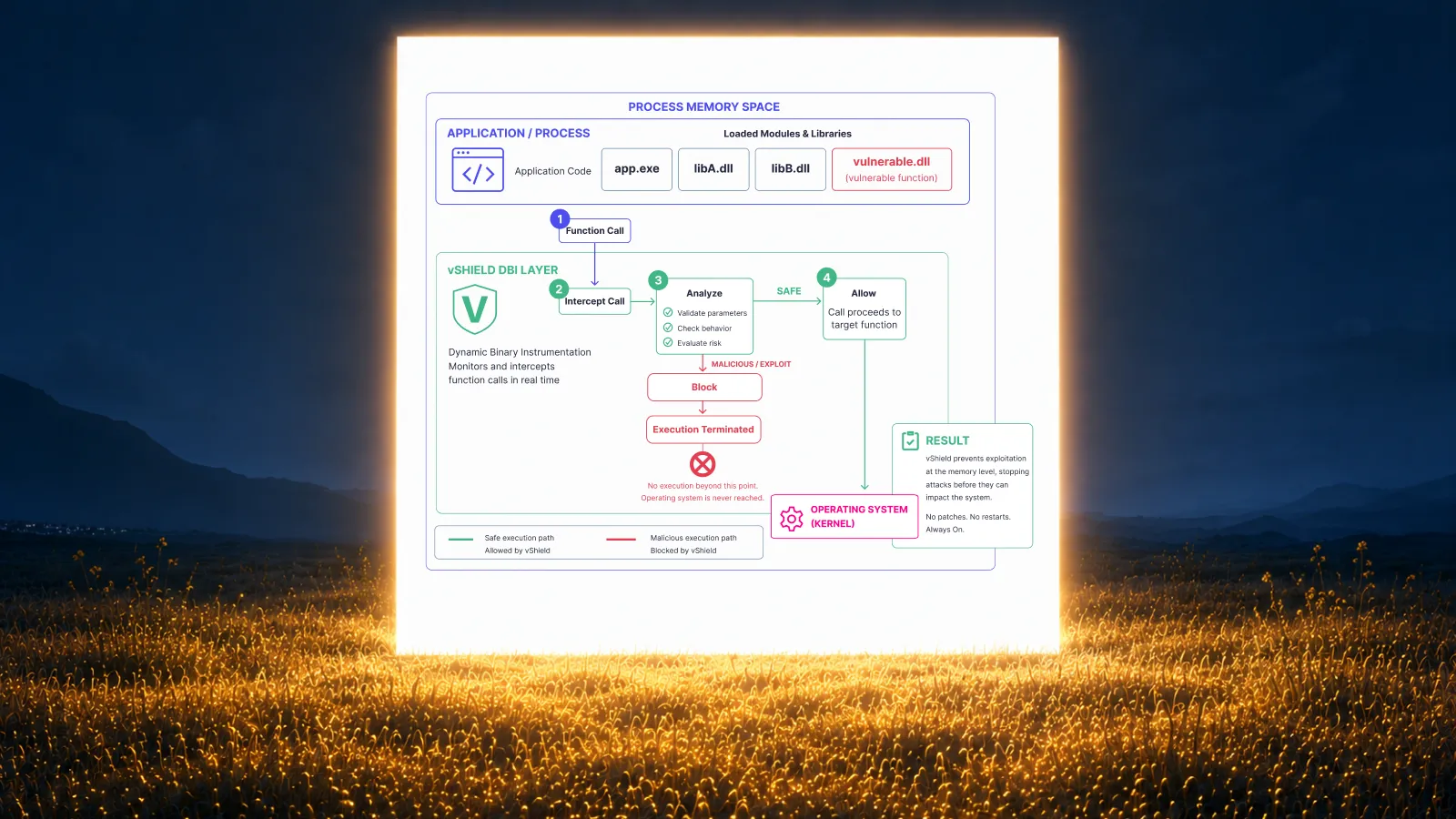
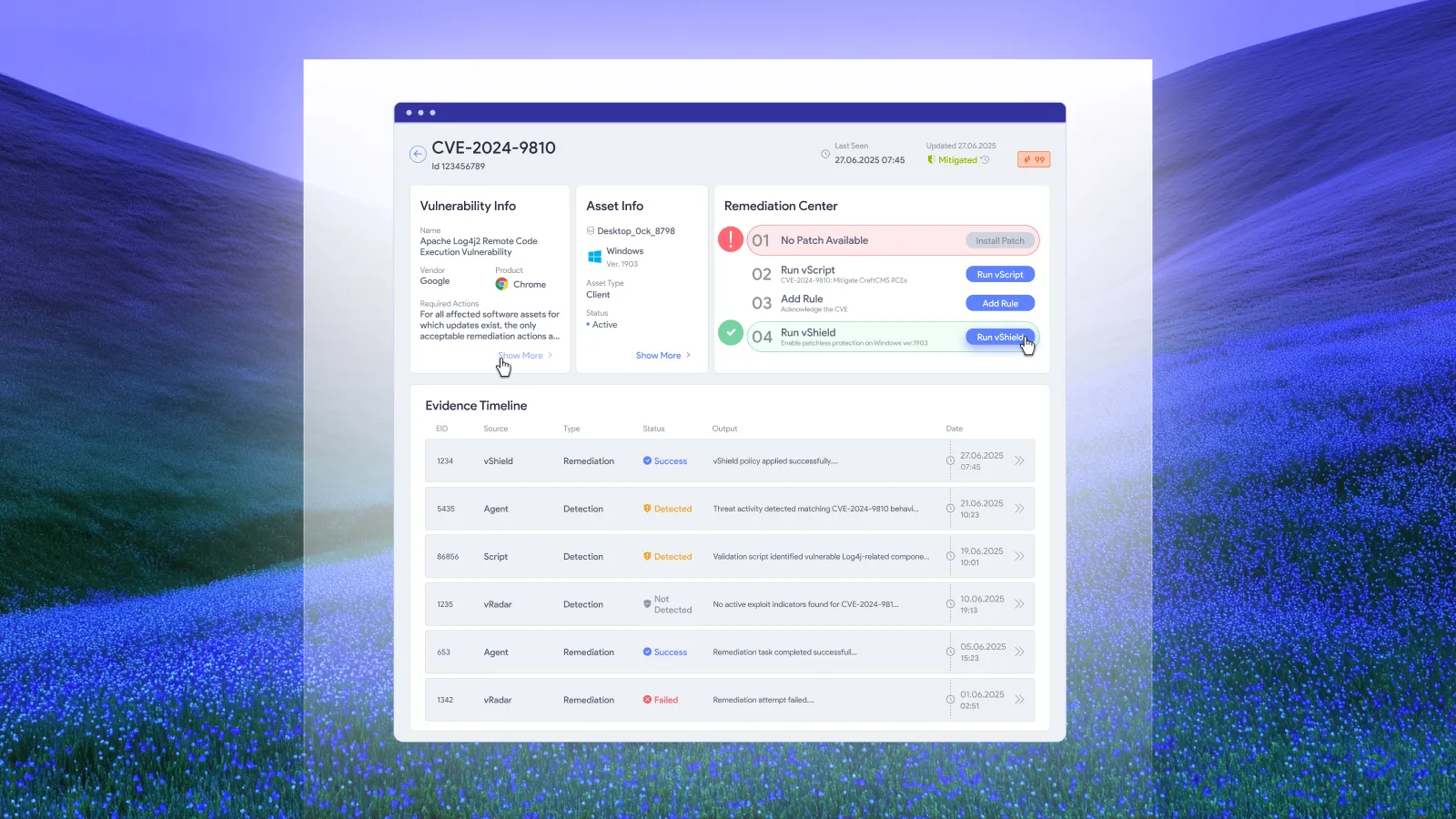
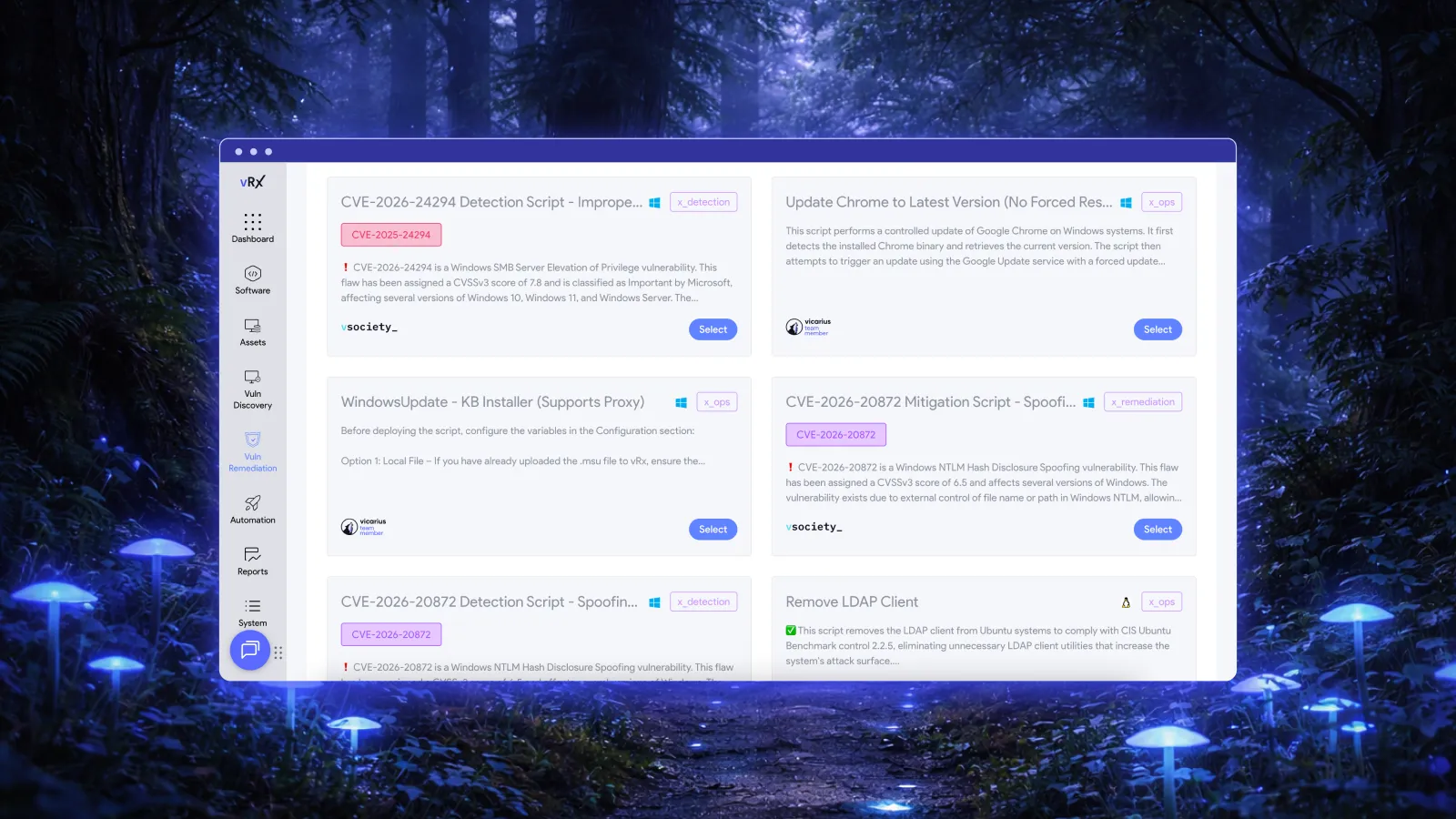
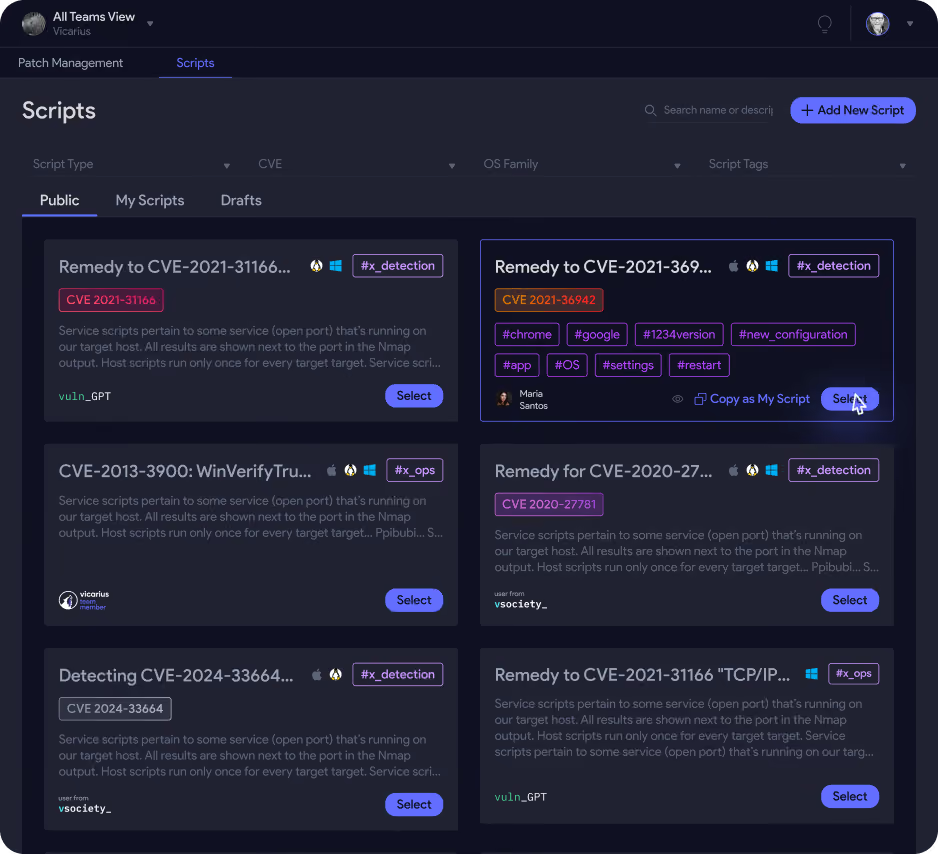
- Fixes them: patches operating systems and 20,000+ third-party apps, applies scripted fixes, and protects unpatchable software with vShield.
- Proves compliance: maps configurations to 100+ CIS benchmarks and produces audit-ready reports. That's evidence for the "update infrastructure" row in the table above.
Learn more about security compliance readiness and vRx compliance, or book a demo.
FAQ
Is ISO 24089 mandatory?
No. ISO 24089 is a voluntary standard. UN R156 is the mandatory regulation in countries that apply it, and ISO 24089 is the standard most closely aligned with it, so following it is the most common way to build and demonstrate an R156-compliant process.
What is the difference between ISO 24089 and UN R156?
UN R156 is a legal requirement for vehicle type approval: manufacturers must operate a certified Software Update Management System and control updates that affect approved vehicles. ISO 24089 is an engineering standard that describes how to plan, build, deliver and verify software updates. R156 sets what you must prove; ISO 24089 describes how to do it.
What is a Software Update Management System (SUMS)?
A SUMS is the set of processes, roles and tools a manufacturer uses to manage vehicle software updates safely and securely across their lifecycle. UN R156 requires manufacturers to have a SUMS assessed and certified by an approval authority.
What is an RXSWIN?
An RXSWIN (RX Software Identification Number) identifies the software relevant to a vehicle's type approval under a given UN regulation. Manufacturers must track RXSWINs and update them when a software update changes type-approval-relevant software.
Does UN R156 apply in the United States?
Not directly. The US doesn't apply UNECE vehicle regulations. R156 applies in countries that do, including the EU, UK, Japan and South Korea. Many global manufacturers still apply it across all markets to run one software update process.
How do UN R155 and UN R156 relate?
They were adopted together. R155 requires a certified cybersecurity management system (CSMS), closely aligned with ISO/SAE 21434. R156 requires a certified software update management system (SUMS), closely aligned with ISO 24089. Software updates are a key way to fix cybersecurity issues, so the two are usually managed together.
Where can I get the ISO 24089 PDF?
ISO 24089:2023 is a paid standard. You can buy it from ISO or your national standards body (for example ANSI, BSI or DIN). This article summarises its structure and requirements but doesn't reproduce the standard.
Sources
- UK Vehicle Certification Agency: Cyber Security and Software Updating
- itemis: UNECE R156 glossary
- EVS: ISO 24089:2023
Related resources: