What are system hardening standards?
System hardening standards are published configuration guides that tell you how to reduce a system's attack surface: which settings to change, which services to disable, and which accounts and permissions to lock down. The most widely used are the CIS Benchmarks and CIS Controls, NIST SP 800-53 (with NIST's National Checklist Program), and the DISA STIGs. Frameworks such as ISO/IEC 27001, NIS2 and Cyber Essentials require secure configuration, but rely on these guides for the detail.
Hardening targets the misconfigurations, unnecessary services, exposed ports and default settings attackers exploit most, on cloud workloads, servers, endpoints and containers. It supports zero trust and defence in depth by removing implicit trust from every layer.
Why harden systems?
Hardening is one of the most cost-effective ways to reduce the risk of being compromised. Even living – historically speaking – in the shadow of post-quantum cryptography, most attacks today still begin with known misconfigurations or unpatched systems. Reducing the number of available services, narrowing access, and removing default behaviors creates fewer opportunities for attackers to exploit. It plays a key role in system resilience; configurations that minimize service exposure, apply redundancy principles, and ensure logging and alerting can improve mean time to recovery (MTTR) in outages and incident response scenarios.
- Lower the attack surface: Disabling unused ports, accounts, or services means fewer entry points for lateral movement or privilege escalation.
- Mitigate common threat vectors: Hardened systems are less susceptible to brute-force login attempts, default credential abuse, or exploit kits targeting outdated software.
When hardening is neglected, the consequences are measurable. In the well-known 2017 Equifax breach, attackers exploited an unpatched Apache Struts vulnerability that had a fix available for months. A hardened system with automated patching and service auditing would likely have closed the gap before it was weaponized. In addition to threat reduction, hardening supports compliance mandates and operational maturity. Many frameworks, from PCI DSS to ISO 27001, require secure configuration management as a baseline expectation. It also builds confidence among customers and auditors by demonstrating consistent control over infrastructure.
Each category of infrastructure requires its own hardening approach:
- Operating system hardening: Disable unused accounts and services, apply least privilege policies, and enforce secure authentication and audit logging.
- Application hardening: Sanitize inputs, disable debugging and verbose error outputs, and lock down exposed APIs.
- Network hardening: Apply segmentation, enforce strict firewall rules, and eliminate open ports not tied to business-critical functions.
- Database hardening: Remove default credentials, restrict administrative access, and ensure secure backups and encryption-at-rest.
- Cloud hardening: Implement CSPM policies, use service-specific security tools, and routinely audit identity and access management.
System hardening checklist mapped to CIS and NIST
Essential hardening standards
#1. CIS Benchmarks and CIS Controls
The Center for Internet Security publishes the most widely used hardening guides.
- CIS Benchmarks: 100+ consensus-based configuration guides for operating systems, cloud platforms, databases, browsers and network devices. They're updated every month; 2026 added benchmarks for Ubuntu 26.04 LTS and for MCP servers used by AI tools. Each benchmark has Level 1 settings (essential, low disruption) and Level 2 settings (stricter, for high-security environments).
- CIS Controls v8.1: a prioritised set of 18 security controls. Control 4, "Secure Configuration of Enterprise Assets and Software", is the hardening control.
#2. NIST (US National Institute of Standards and Technology)
- SP 800-53 Rev. 5: the control catalogue. The configuration management family (CM-2 baseline configuration, CM-6 configuration settings, CM-7 least functionality) is the core of hardening. Release 5.2.0 (August 2025) strengthened controls for secure software updates and patching.
- Cybersecurity Framework (CSF) 2.0 (February 2024): adds a Govern function. Hardening sits under Protect, in Platform Security (PR.PS).
- SP 800-70 / National Checklist Program: NIST's repository of security configuration checklists, including CIS Benchmarks and STIGs.
#3. DISA STIGs
The US Defense Information Systems Agency publishes Security Technical Implementation Guides (STIGs). They're mandatory for US Department of Defense systems, and stricter than most CIS Level 1 settings. Contractors and regulated industries often adopt them too.
#4. ISO/IEC 27001 and ISO/IEC 27002
ISO/IEC 27001:2022 requires an information security management system. ISO/IEC 27002:2022 control 8.9 Configuration management requires secure configurations to be defined, documented, implemented, monitored and reviewed. Certifications against the older 2013 version had to transition by October 2025, so 2022 is now the only version in use.
#5. NIS2 Directive (EU)
NIS2 applies to essential and important entities in sectors such as energy, transport, finance, health, digital infrastructure and manufacturing. Article 21 requires risk-management measures that include basic cyber hygiene, vulnerability handling, and secure acquisition, development and maintenance of systems. Member states had to transpose it by October 2024; national laws have kept arriving through 2025 and 2026, and enforcement is now ramping up.
#6. EU Cyber Resilience Act
The Cyber Resilience Act requires products with digital elements sold in the EU to ship with a secure-by-default configuration and get security updates. Manufacturers' vulnerability-reporting obligations apply from September 2026, and the full requirements from December 2027.
#7. Cyber Essentials and Cyber Essentials Plus (UK)
Cyber Essentials covers five technical controls, including secure configuration and security update management. The Danzell question set took effect on 27 April 2026, with two key changes:
- MFA: if a cloud service offers MFA and it isn't enabled, the assessment now fails automatically.
- Patching: missing high-risk or critical updates within 14 days is now an automatic fail, not a major non-compliance.
#8. PCI DSS v4.0.1
Requirement 2.2 requires system components to be configured and managed securely: industry-accepted hardening standards, vendor defaults changed, and unnecessary services removed. The "future-dated" v4.0 requirements became mandatory on 31 March 2025.
#9. MITRE ATT&CK and D3FEND
ATT&CK maps attacker techniques, and D3FEND maps the defensive techniques that counter them, including platform hardening. D3FEND 1.0, released in January 2025, made it a stable ontology for mapping hardening controls to the attacks they block.
#10. GDPR (EU)
GDPR isn't a hardening standard, but Article 32 requires "appropriate technical and organisational measures" to secure personal data. Regulators routinely treat unpatched or misconfigured systems as a failure to meet it.
FAQ
What is system hardening?
System hardening is the process of reducing a system's attack surface by securing its configuration. You remove unnecessary software and services, close unused ports, change default accounts and settings, apply least privilege, and keep the system patched.
What are the most common system hardening standards?
The CIS Benchmarks and CIS Controls, NIST SP 800-53 (and NIST's National Checklist Program), and DISA STIGs. Frameworks and regulations such as ISO/IEC 27001, NIS2, PCI DSS and Cyber Essentials require secure configuration, and usually point to these guides for the detail.
What is the difference between CIS Benchmark Level 1 and Level 2?
Level 1 settings are essential, low-impact hardening steps that suit most organisations. Level 2 settings are stricter, for high-security environments, and may affect functionality or performance, so test them before rolling them out.
What is compliance hardening?
Compliance hardening is configuring systems to meet the secure-configuration requirements of a framework or regulation, such as PCI DSS requirement 2.2, ISO/IEC 27002 control 8.9 or Cyber Essentials. It means applying the settings, then keeping evidence that they stay applied.
How often should systems be re-hardened?
Continuously. Updates, new software and admin changes cause configuration drift, so check systems against the baseline continuously or at least monthly, and re-review the baseline itself when a new benchmark version is released.
Helping teams act on hardening priorities
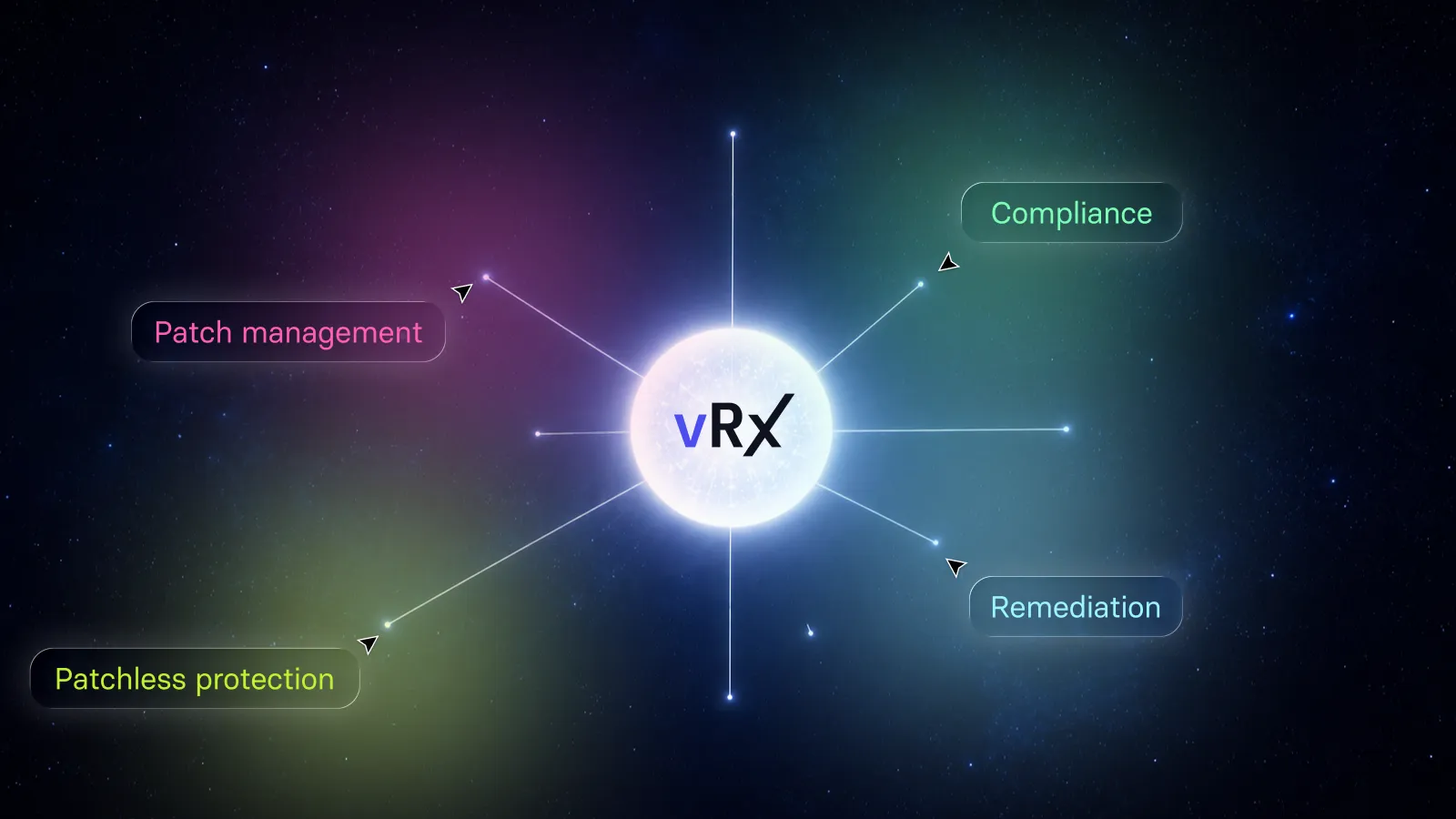
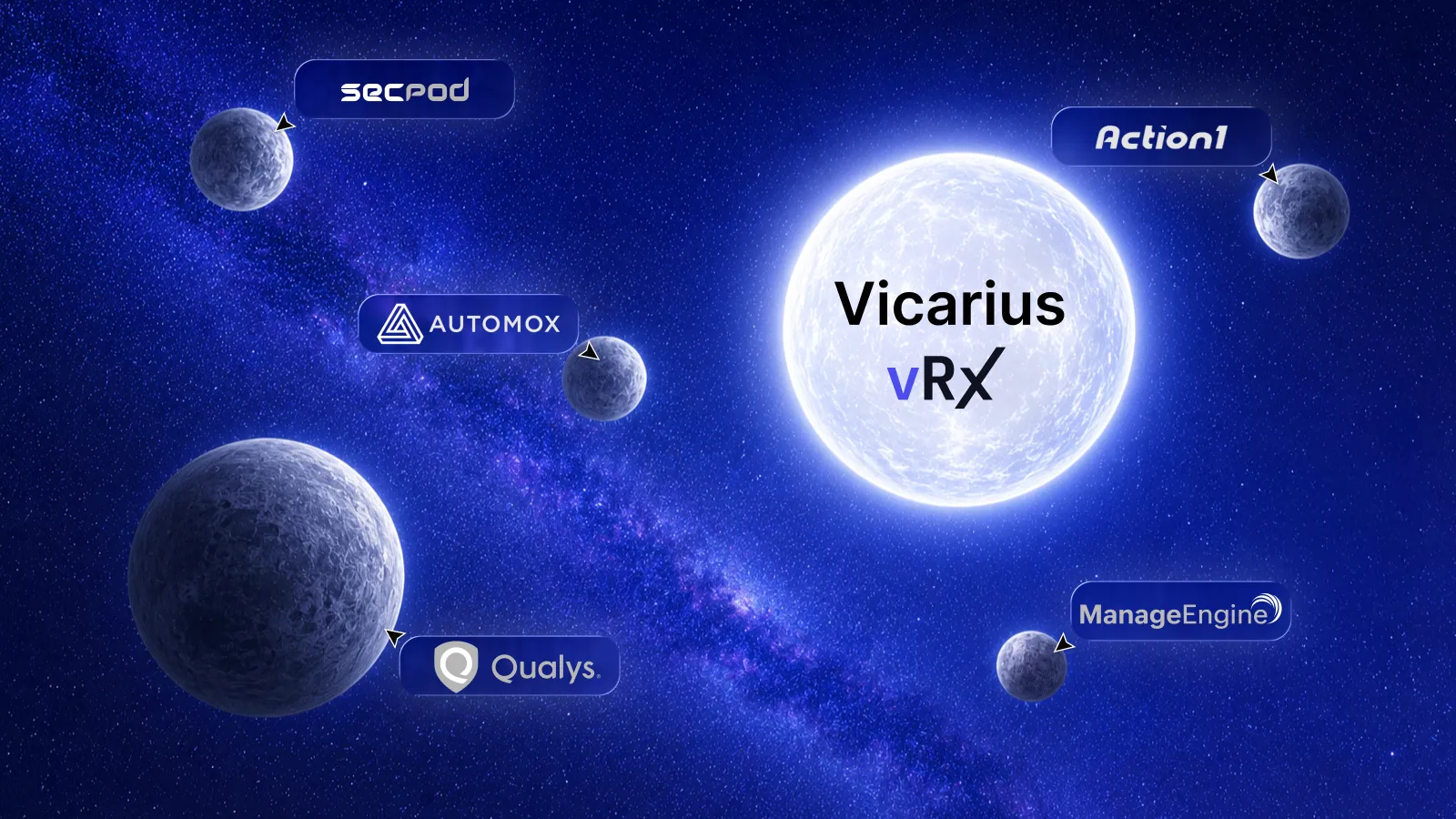
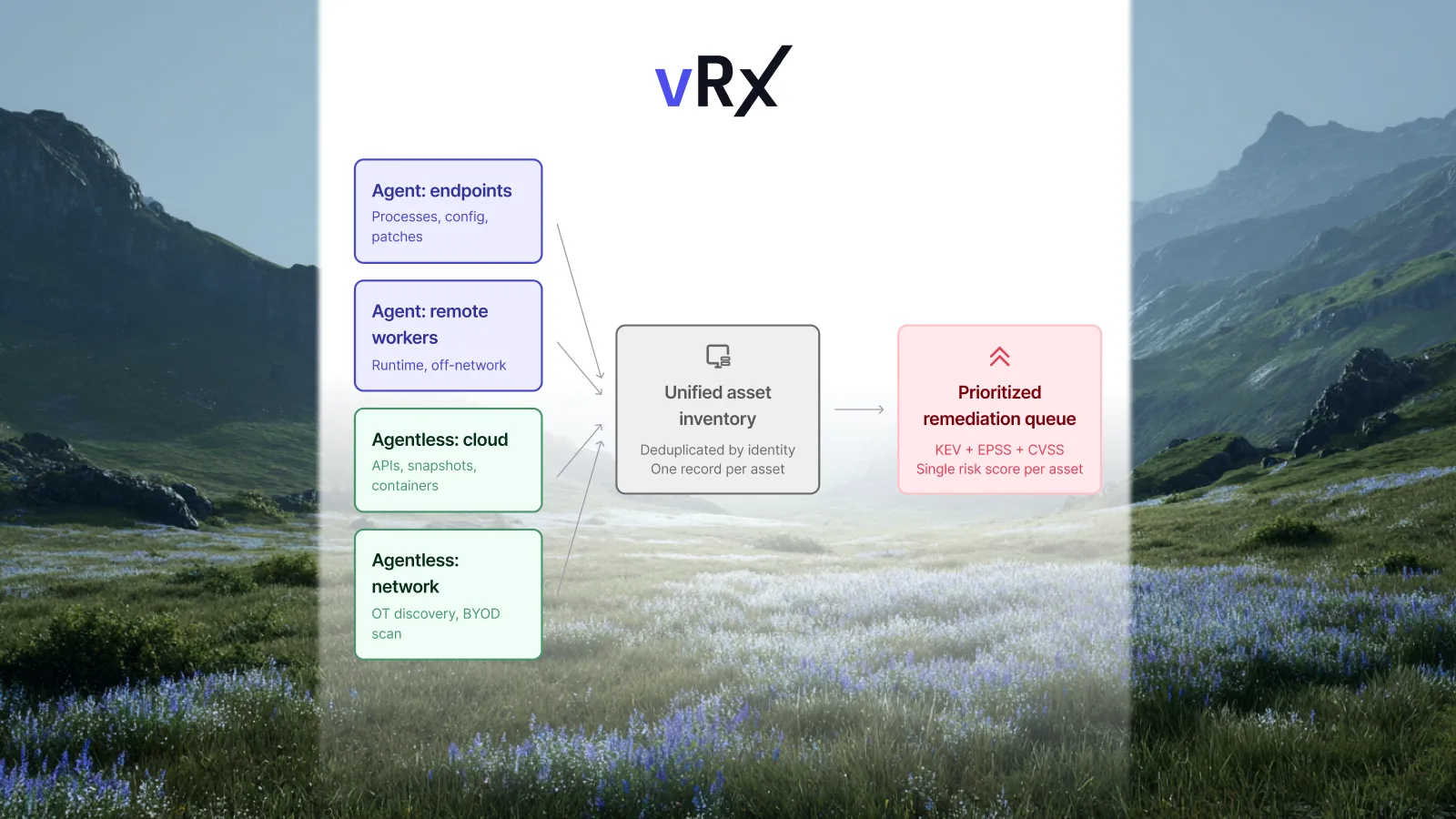
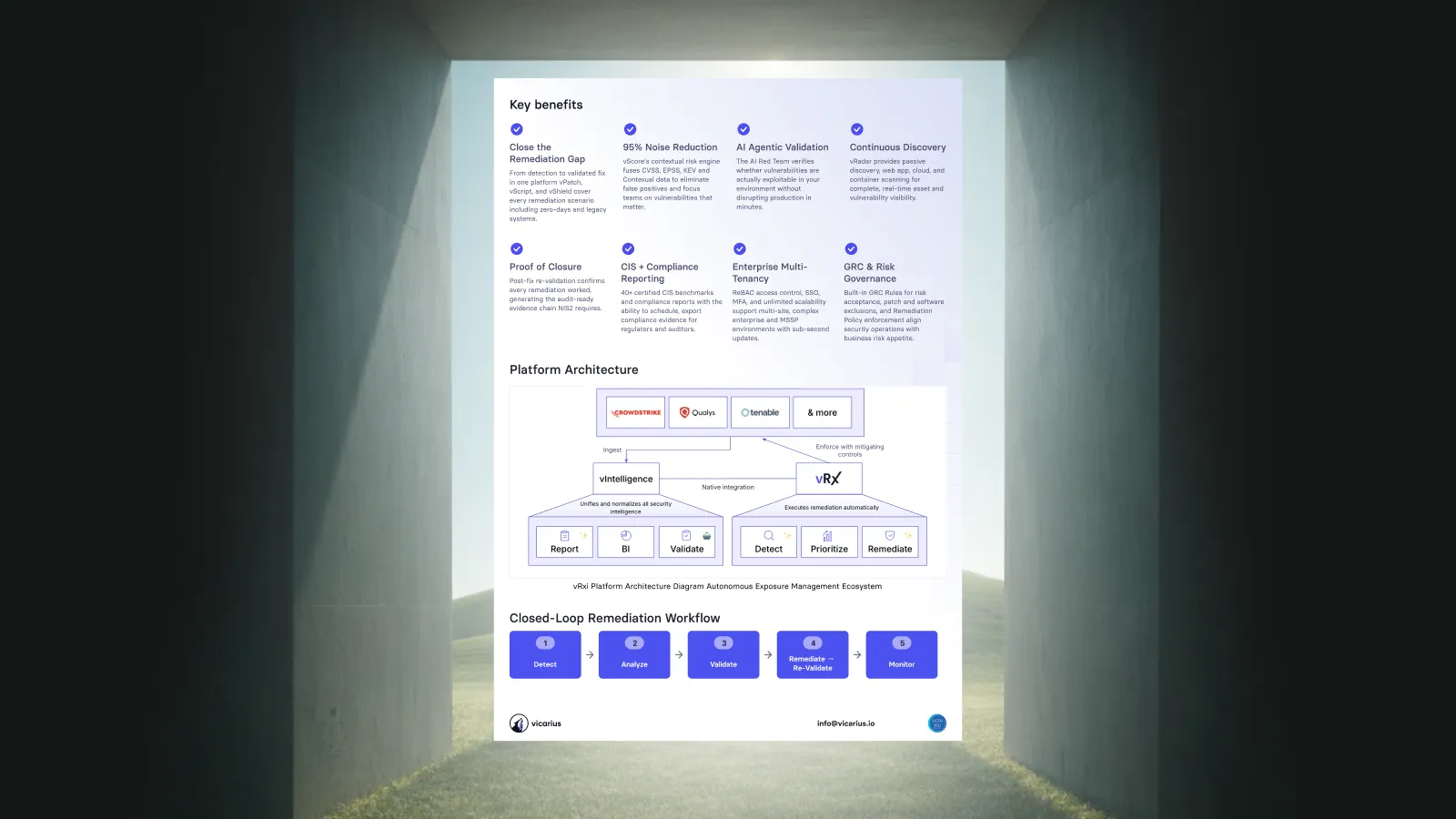
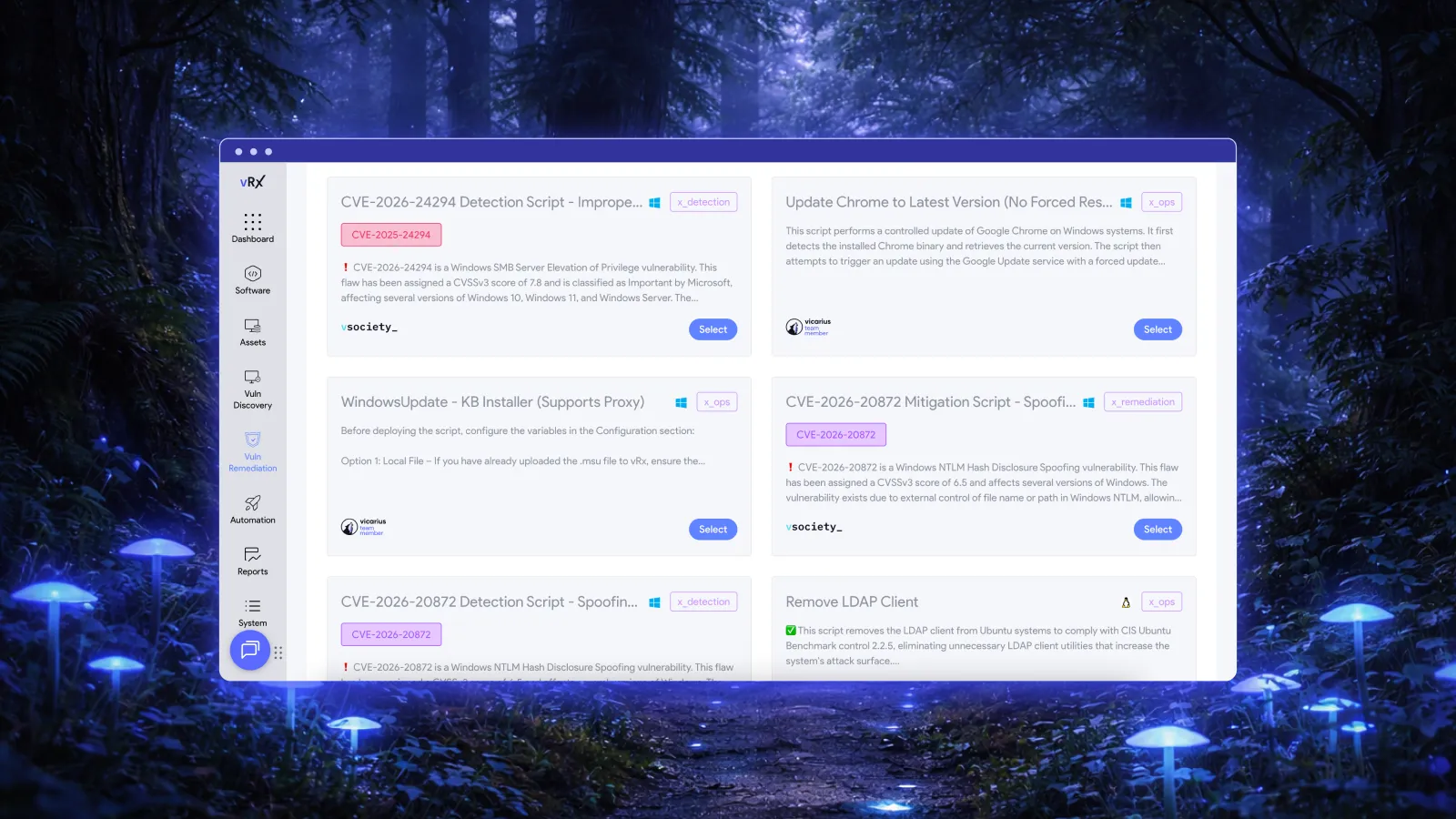
Hardening only reduces risk if settings are applied and stay applied. Vicarius vRx:
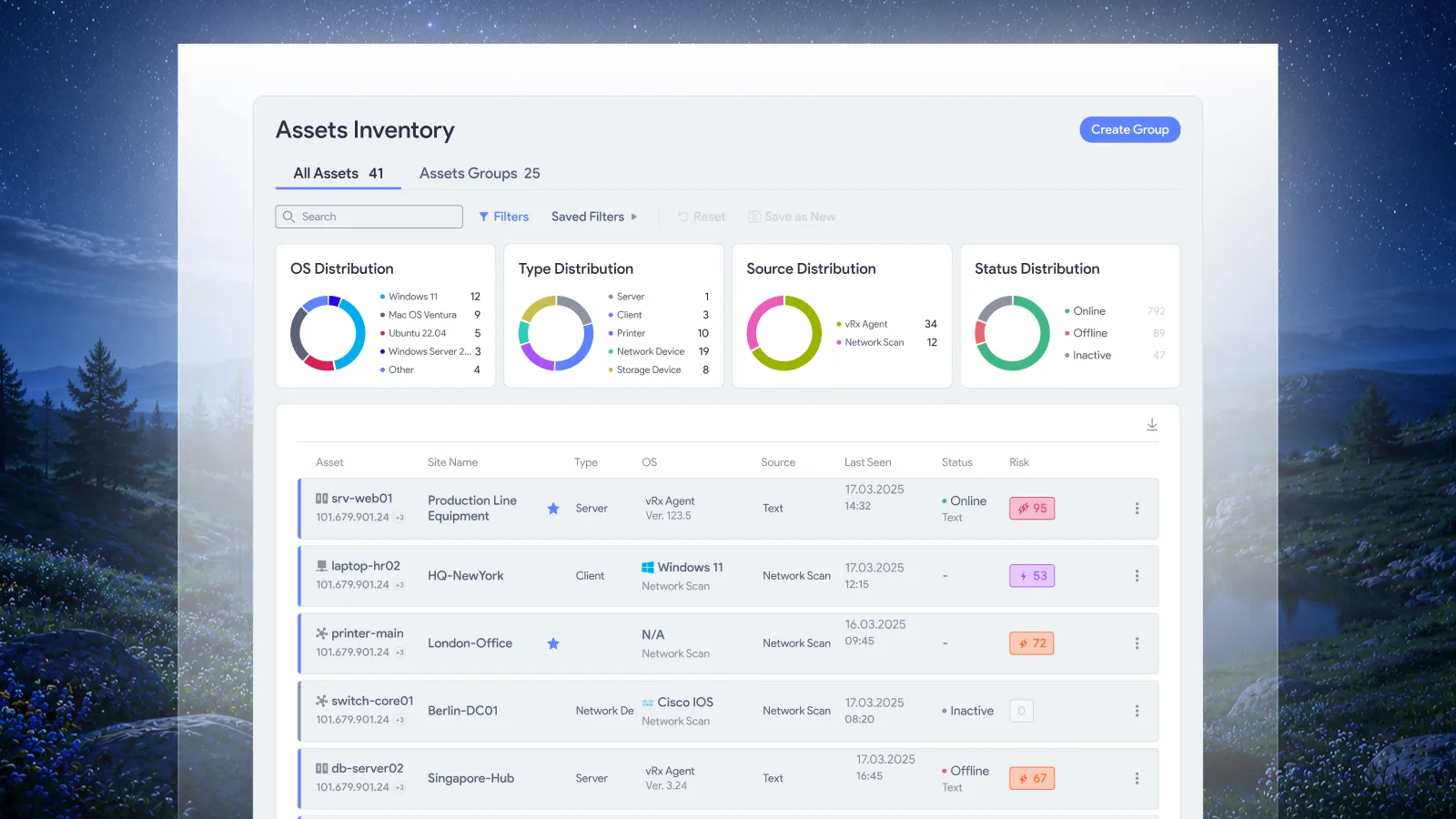
- Checks configurations against 100+ CIS Benchmarks and other frameworks, with the agentless vRadar scanner covering assets that can't run an agent.
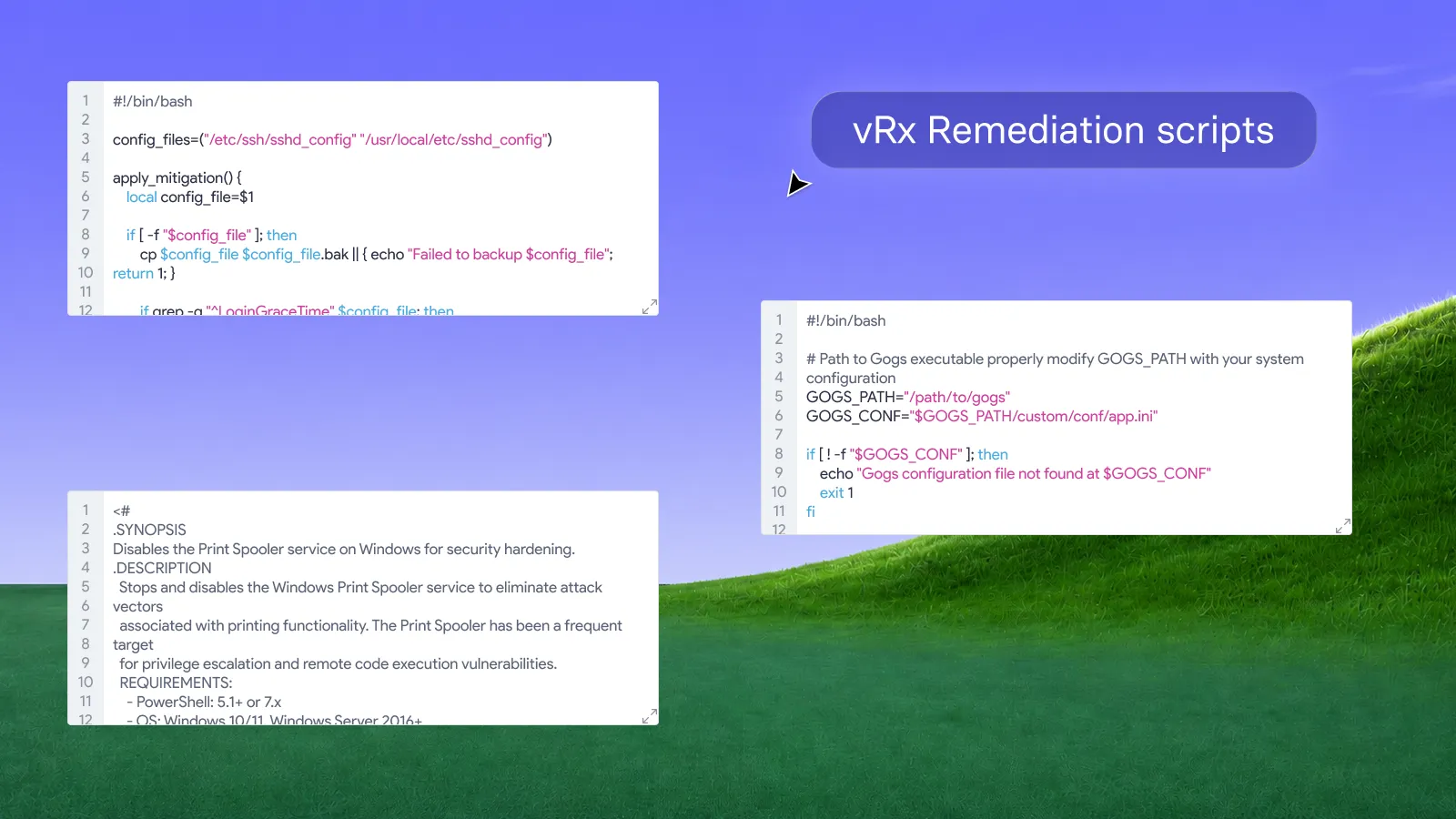
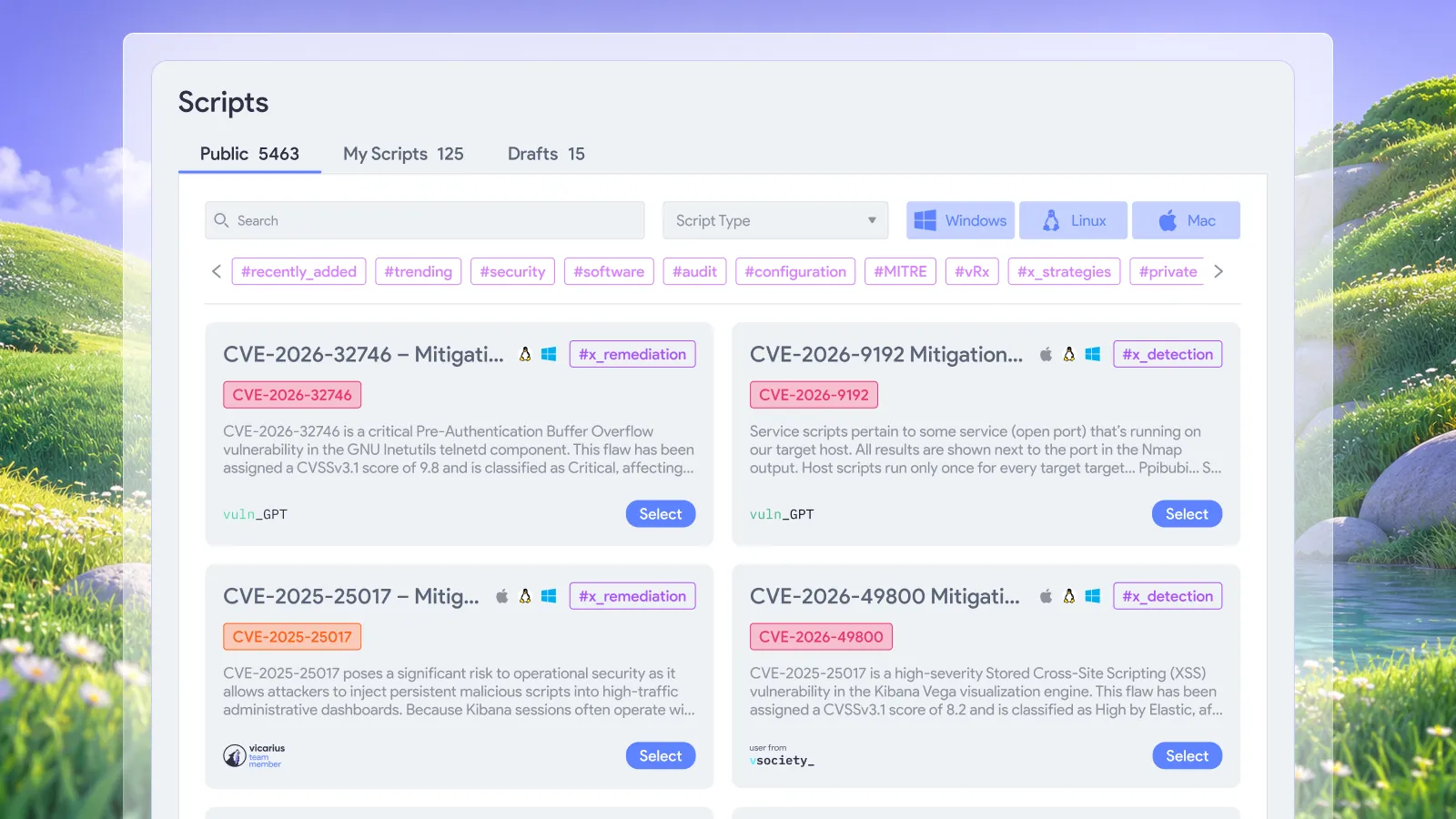
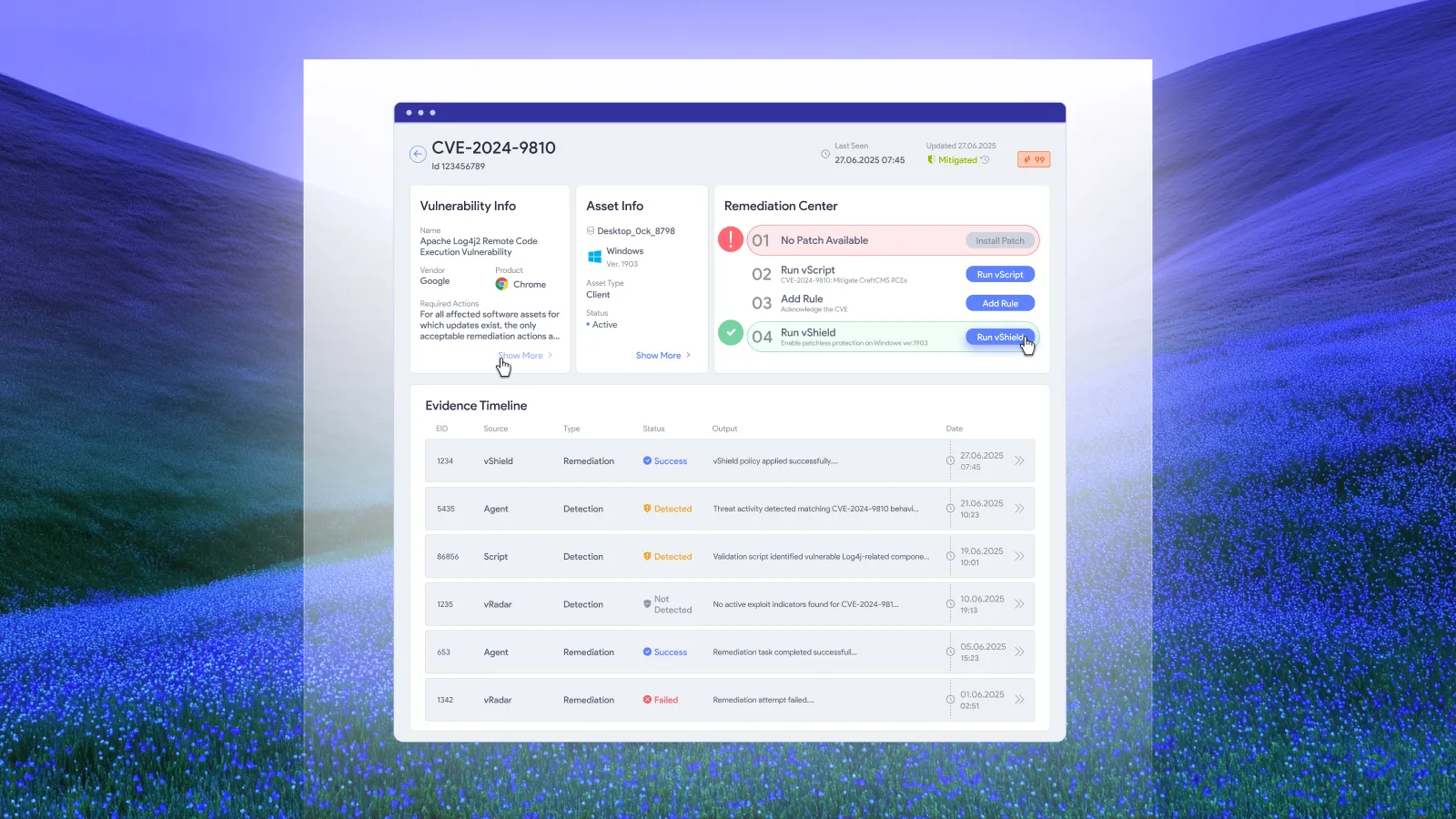
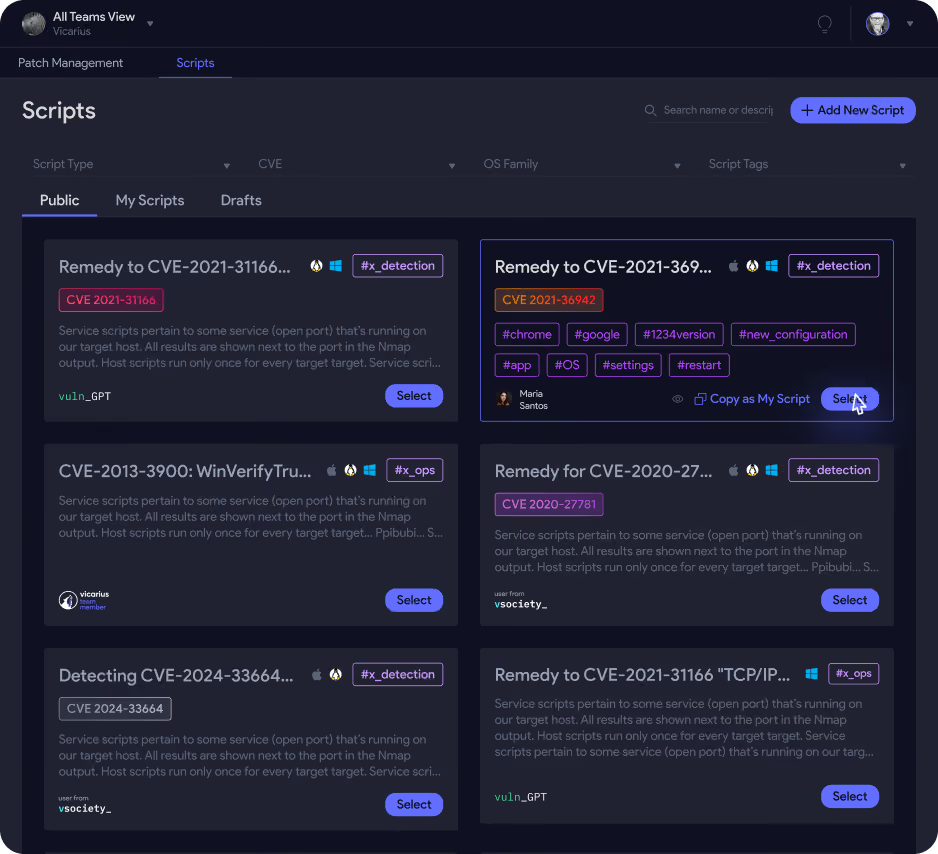
- Fixes misconfigurations with scripts, and patches OS and 20,000+ third-party apps.
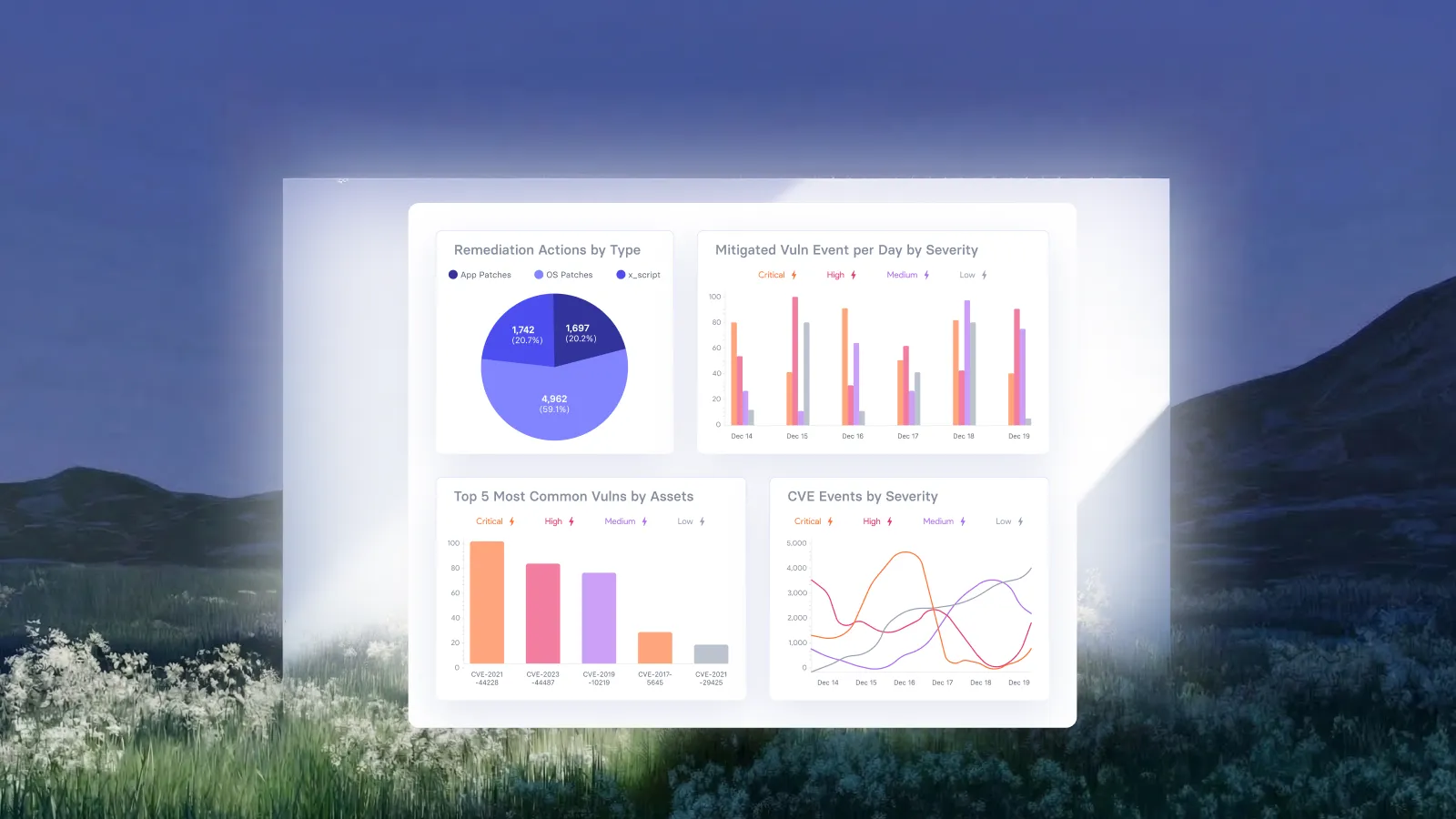
- Tracks compliance per asset and produces audit-ready reports.
See vRx compliance and security compliance readiness, or book a demo.